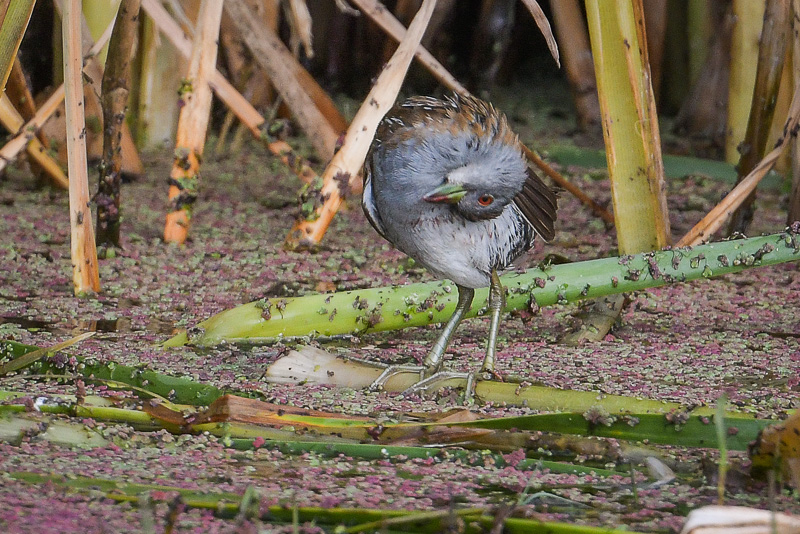
In my new Downwardly Mobile role, we stayed around the Crake Pond area at WTP for the rest of the morning. Not only were the Crakes out and about but also quite a number of other usual suspects.
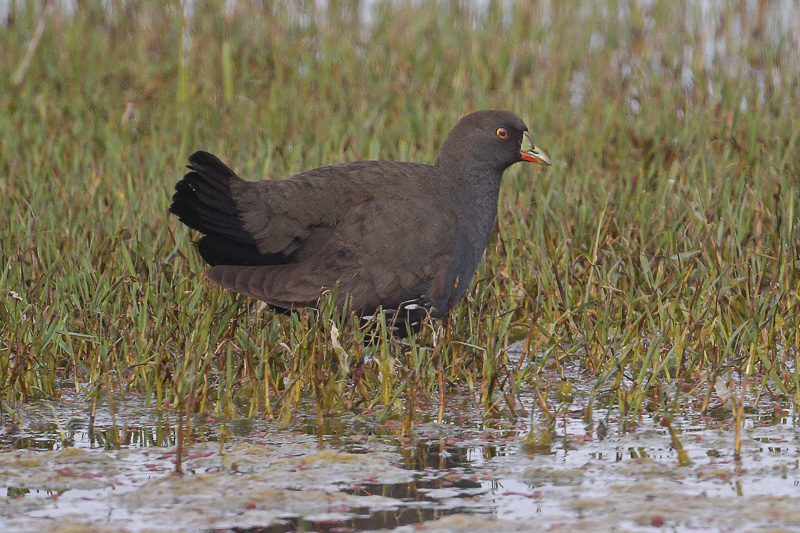
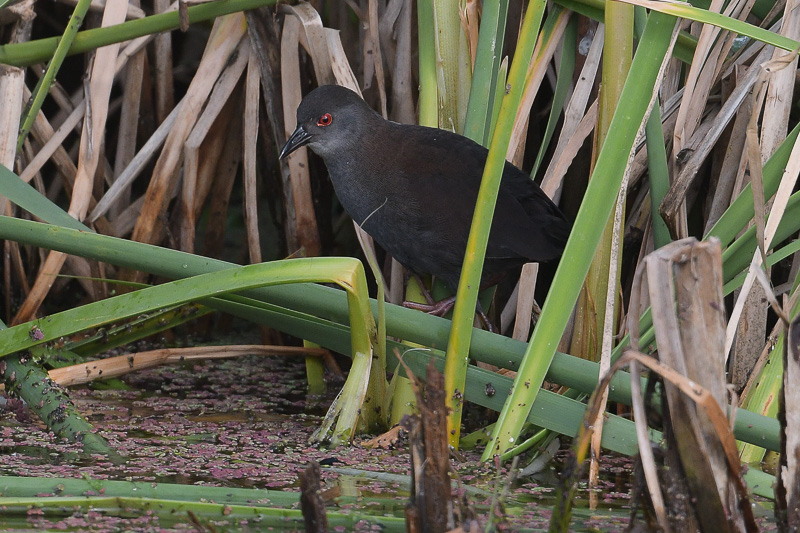
Highlight was some Black-tailed Native-hens. Another bird that I rarely see and the first time ever a this location.
I also spent some time with several large flocks of Whiskered Terns, hoping, perhaps a bit too much that there might be some White-winged Blacks among them. But not this day. Means another trip should be on the cards.
Here is a few of the morning’s finds.
Enjoy
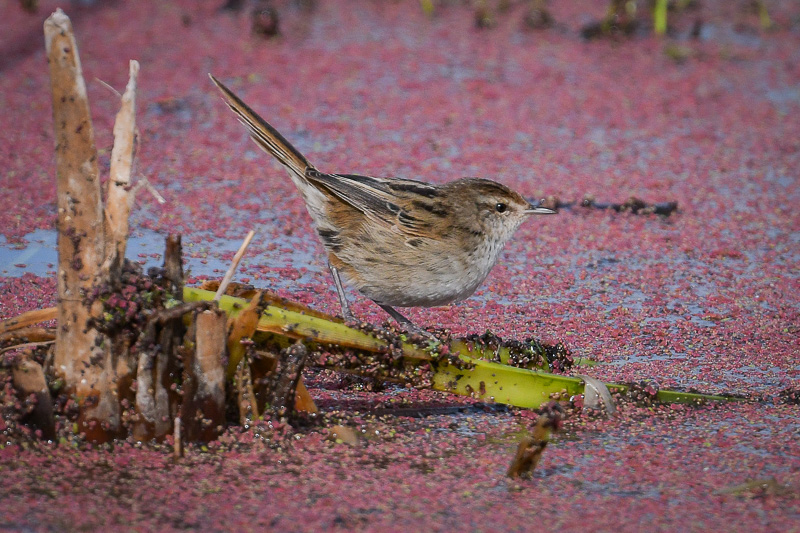
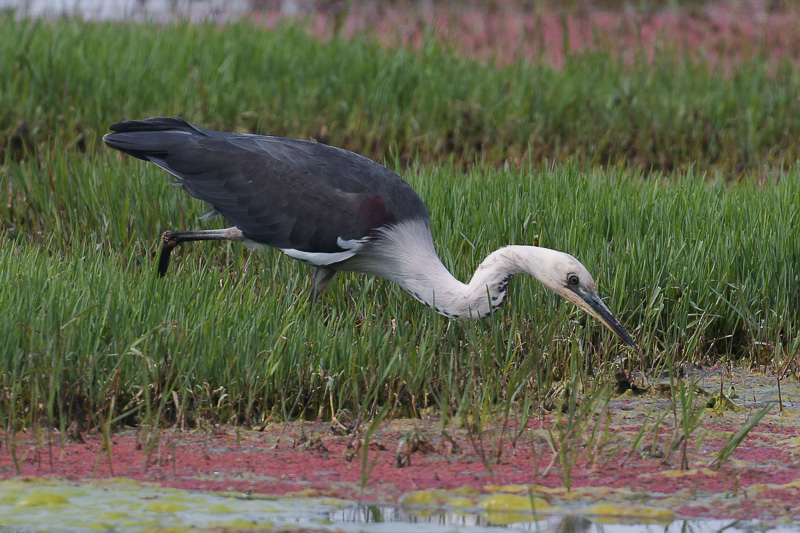
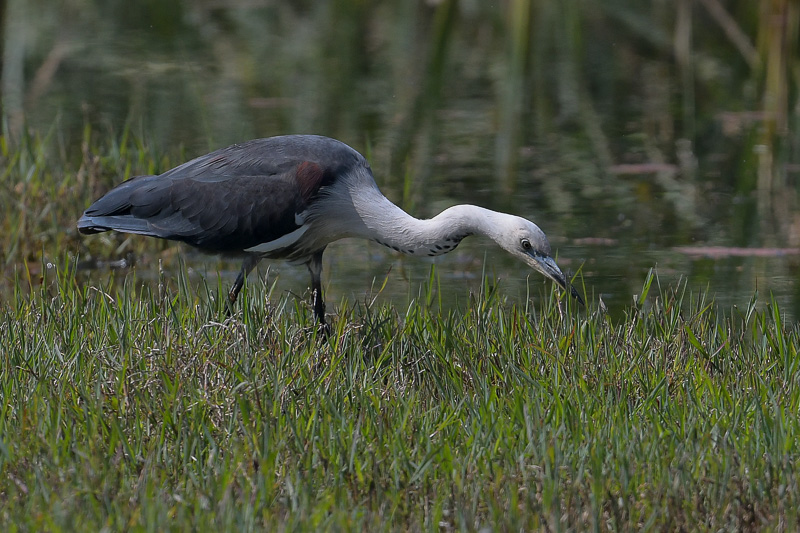
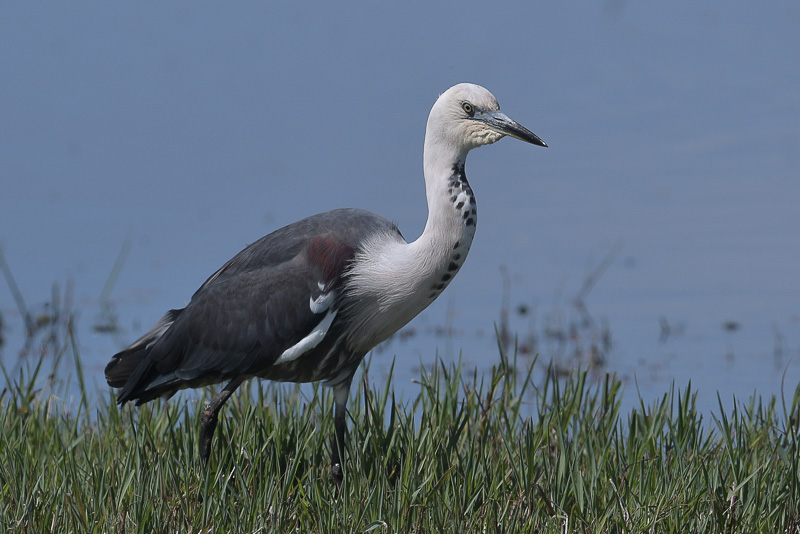
Whiskered TernBlack-tailed Native-hen and a small part of the Crake Pool areaBlack-tailed Native-henDusky Moorhen in ColourLittle Grassbird. An enigmatic and very seldom seen in the open little birdGreat Egret. I love to watch how slowly they can move. Sometimes its imperceptibleAn Austrlaian Reed Warbler came out to challenge my clossup picture skillsWhite-necked Heron. We’ve seen this one in the same location for seveal weeks now so the fishing much be goodBlack Kite. Up close and personal. I’ve opened up the shadow area, and I think its taken the whole nest of a Pipit or Skylark. It turned to land on a post quite near and then stipped out all the grasses
I was writing to Mr An Onymous t’other day about the weather, or lack of it in fine proportions, and lamenting being unable to get out in the wind and the rain.
I mentioned that I’d concluded that I’m no longer a member of the Upwardly Mobile and was rapidly sliding into the Downwardly Mobile. Just seems too hard to get out and about regularly.
Still, there is a lot to be said for quietly sitting. EE has made a science of it and half her magic comes from such experiences, I percieve.
So I thought I must take advantage of such a change in direction and rejig the blog at least one more time. Rather than look for the ‘big’ stories of bird-world/land I might just cover a few pics from one connected set of birds. Which if I recall correctly, (and that you might want to check against para 2 above), was roughly what my journalism instructor(ess) had to say. Write the little stories with insight. The big stories can wait. (In my case they still are!) Well I might have missed her quote a bit, but the intent was the same.
After a week or more of rain, we took an opportunity between all the unimportant life missions we are on, to leave home early and head to just one location. The T-Section at the Western Treatment Plant. And to spend the morning at the “Crake Pool/Pond” For the initiated, it’s easy to find. For those who’ve never been there, its not a pool or a pond, its part of a reed bed that is on the edge of a typical, large, former waste-treatment pond. Yet for some reason, water density, coverage, food, shelter and a host of Crakie sort of things the Baillon’s, Spotted and Spotless seem to favour. Most times they skulk (love that word) about in between the reeds and are hardly seen. At present, all bets are off and they are mostly feeding in the open.
Birders and Photographers have devised some pretty sneaky plans of their own to be able to see the birds without scaring them off. But. In the interests of brevity I’m going to ignore all that at this time.
We parked the car at a junction, walked the 150m or so down to the pool, and there they were. Happy in their litte Crake world and the only thing that seemed to scare them back into the reeds were a few aggressive Australasian Swamphens that kept maurauding across the open areas in pursuit of one another. They’d scare me too.
So here here we are. It’s Rained Crakes.
Australian Spotted CrakeAustralian Spotted CrakeBaillon’s CrakeBaillon’s CrakeBaillion’s Crake: Wiping down the feathersSpotless Crake: Rarely see these anywhere about so this was a high day Spotless Crake: Like a Line from Dire Straits-Romeo and Juliet. Finds the Sunlight, steps out of the ShadeSpotless Crake: It’s not always a winner. Missed the fly in on this one.
So many cliches that could be used as a title for this little series.
We’ve had well over a week of soaking rain. Fortunately not driving heavy rain so many of the nesting birds have been able to deal with it. But, of course some in early stages of hatching with downless young have succumbed.
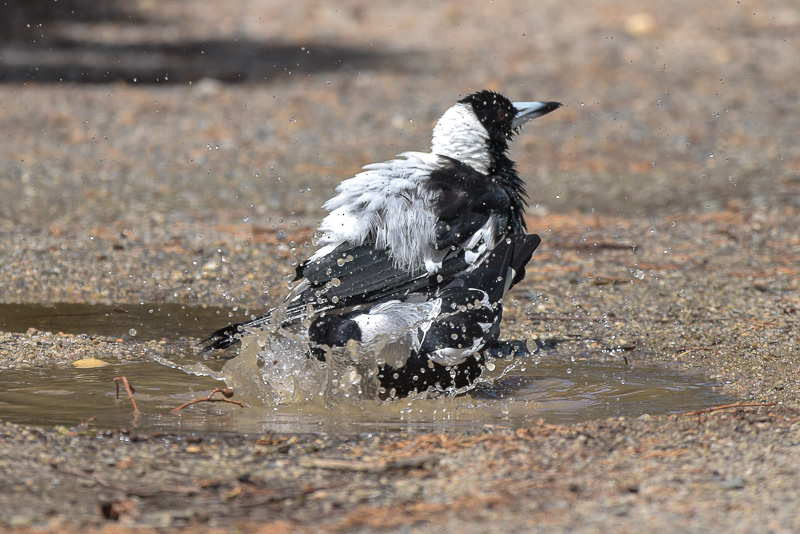
After a week of sitting in wet trees, eating of the wet ground and flying through the downpours, you’d think your average magpie would be sick of water. But. No!
We ventured out to monitor a few of the nests locally, and managed a bit of a break in the weather with a spot of sunshine coming through. We found this small Magpie family making the most of the bathing facitilies offered in the puddles along the tracks.
Their young one didn’t seem all that keen, but Mum and Dad got right into the business and soaked it all up. I wonder if they were using the gravel to help clean out the underfeathers. They certainly stepped out of the puddle soaking wet. Both made several excursions into the water and then flew to a nearby tree for the shaking out and preening.
Junior had overcome its fears by then and stepped in to the water as well.
And it just goes to show the folk with birdbaths at home, that you should keep them clean no telling what might turn up if there is any muck in the water.
Enjoy.
Splashing Good FunYoungster watching apprehensivelySoaking to the CoreIs it safe?Don’t SplashTime to Join InStirring up the WaterLaying out the Wings
Mr An Onymous has been laid up a bit of late with some eye-surgery. He recieved the all clear from Dr Slice’n’Dice the other day, so we decided on a trip to the Western Treatment Plant to try out his new “eyes”
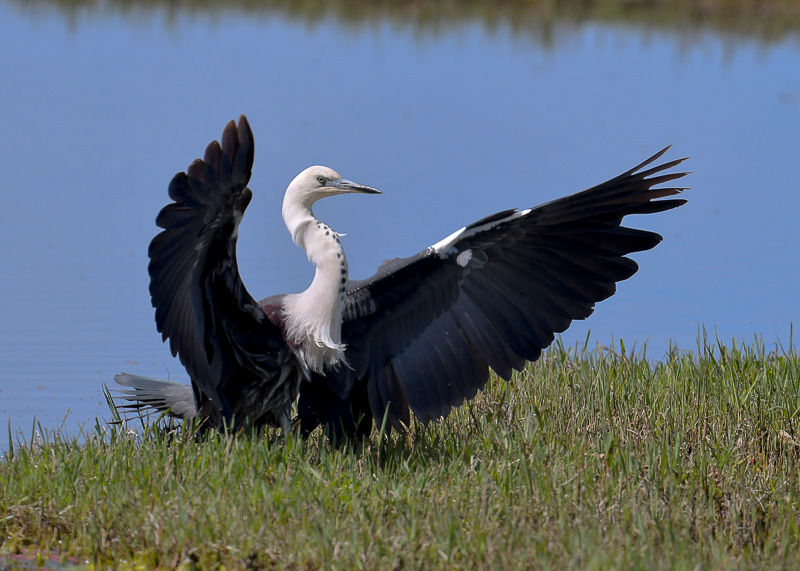
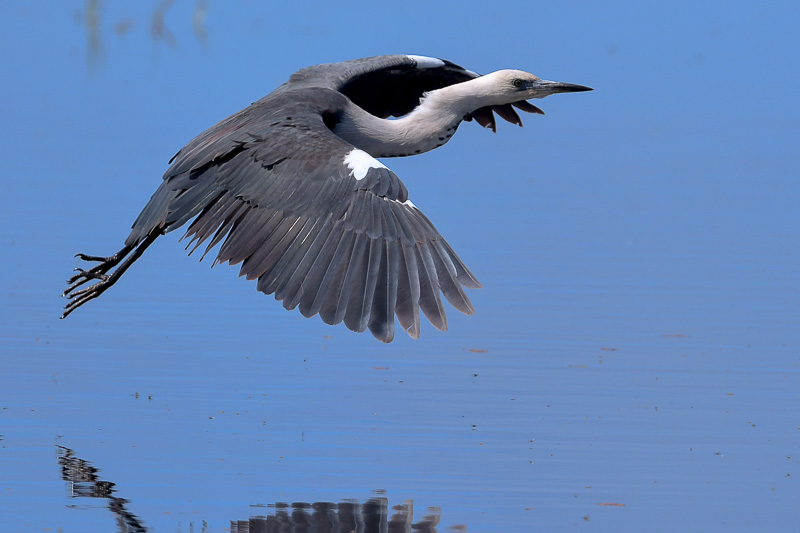
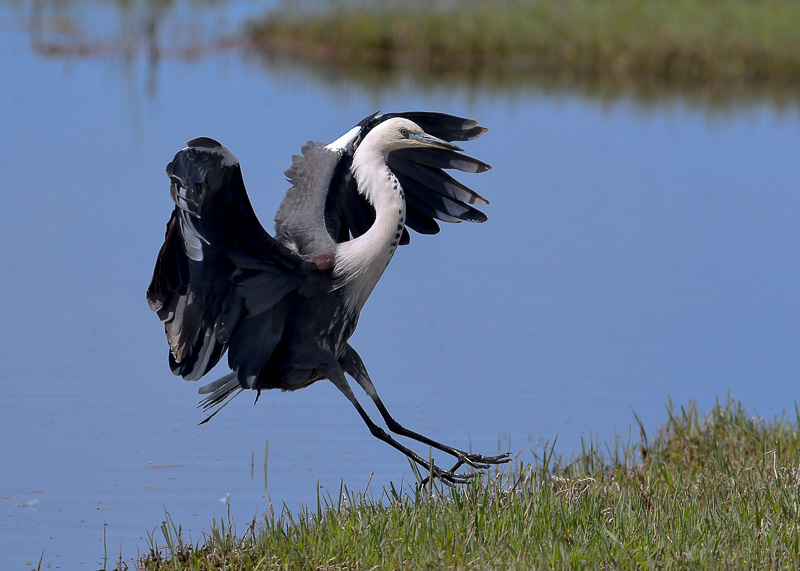
We had been watching a White-necked Heron feeding in the open grass in one of the ponds, when on a moment, a number of Australasian Swamphens decided to take battle, and the Heron was caught up in the middle of it, and took off. It flew across the pond to a safer and quieter spot.
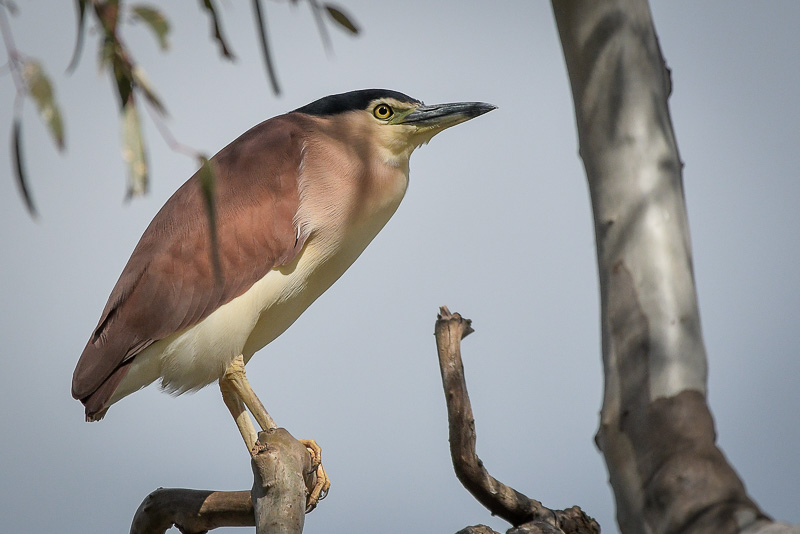
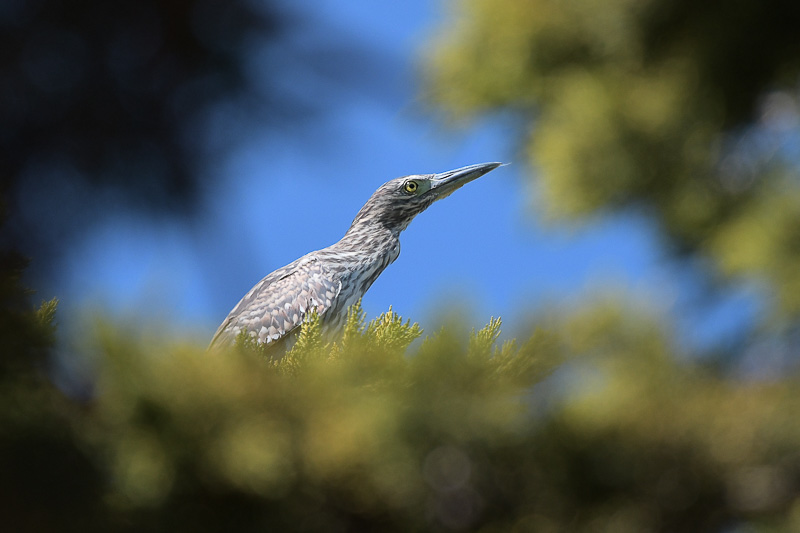
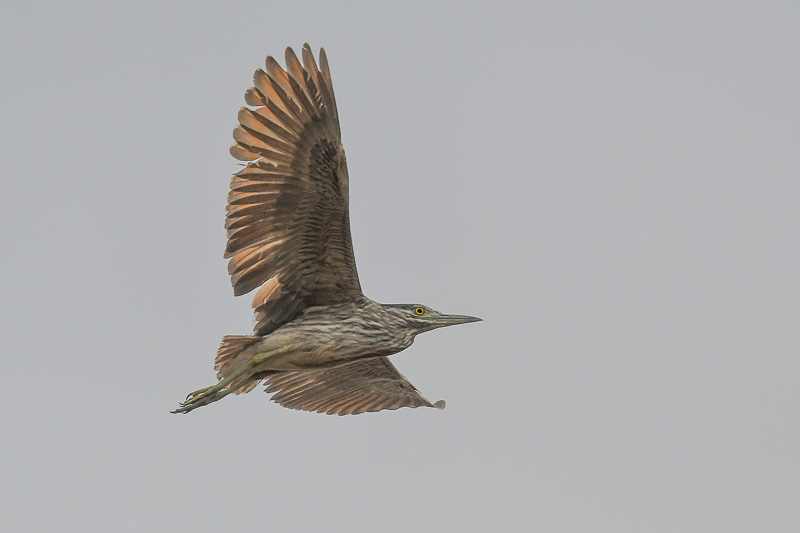
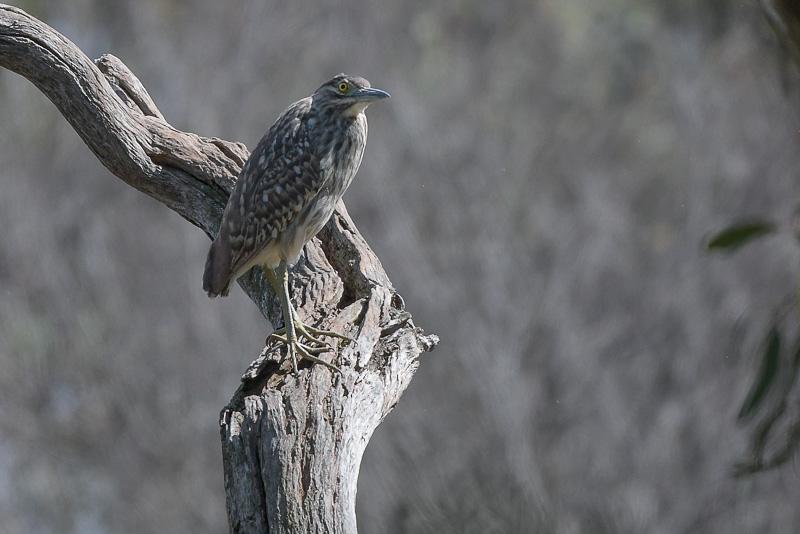
One bird we seldom see out and about is the Nankeen Night Heron. For a number of years, a small colony roosted in a large pine tree on an access track into the Werribee River Park. Then for some reason, they disappeared for about four years.
Recently we’ve been noticing those lovely rich apricot-tan coloured feathers sprinkled along the track, so it’s always worthwhile checking. Almost all the time, they are high up, and surrounded by as many branches as possible and good looks, let along good photos are pretty difficult.
The last couple of visits we’ve seen around five or six in the tree and several of them are juveniles.
The other morning as we passed by, they seemed very nervous and with a ‘grunt’ took to wing. This suited the Sulphur-crested Cockatoos as it gave them something to chase and complain about. What we didn’t expect was that just about every other tree nearby, also ‘grunted’ and in the end we had as many as 25 Nankeen Night Herons in the air looking for a quiet place away from the Cockatoos.
We continued down along the river edge and found eight to ten had moved down to the river to sit on some of the old trees overlooking the water. Just couldn’t get close, but at least we could say they are in good numbers.
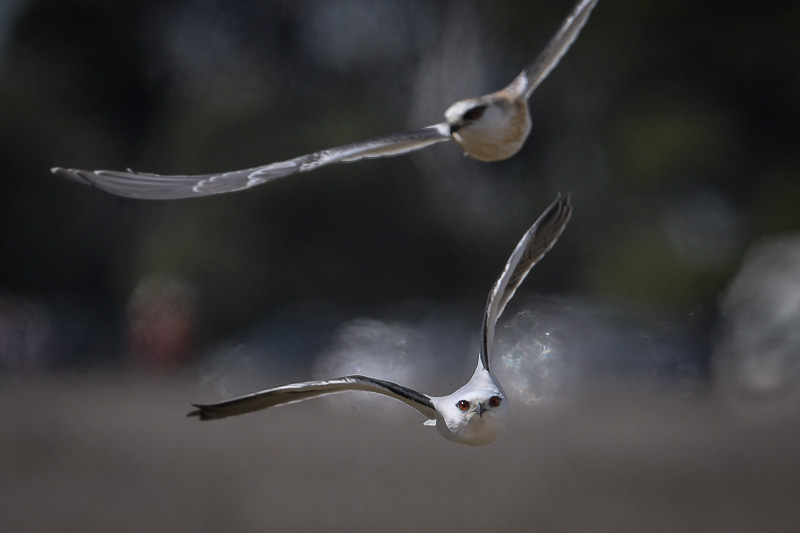
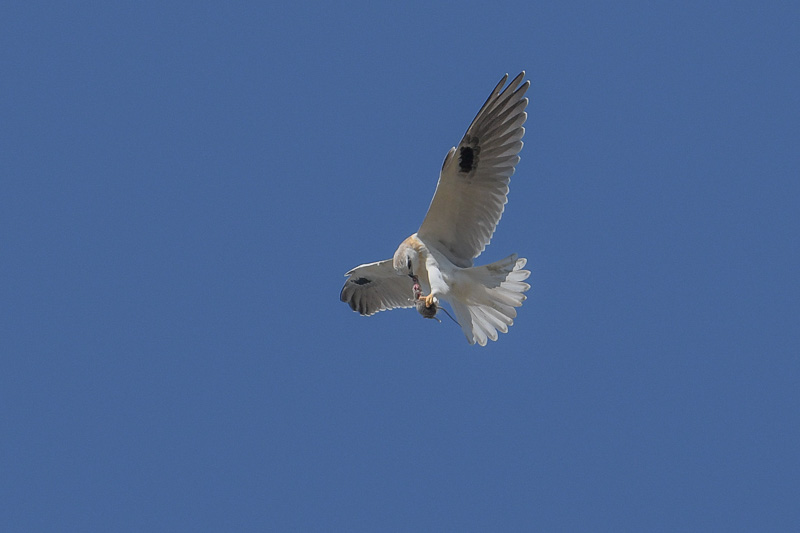
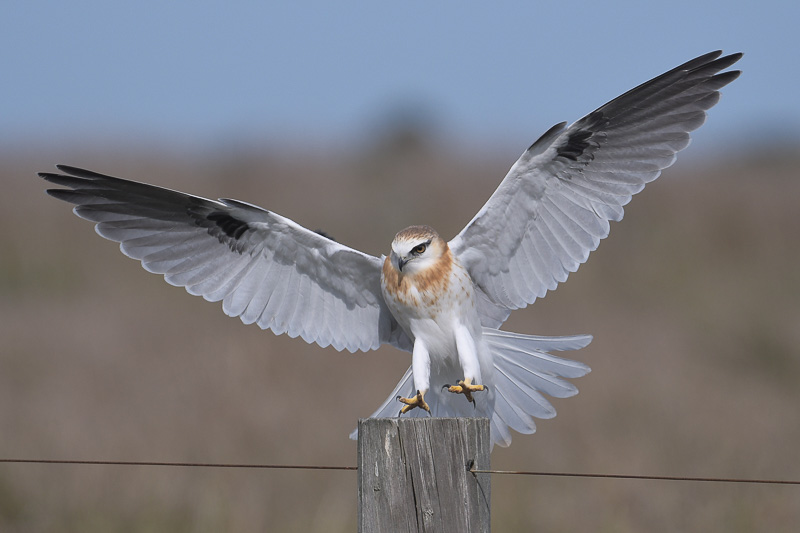
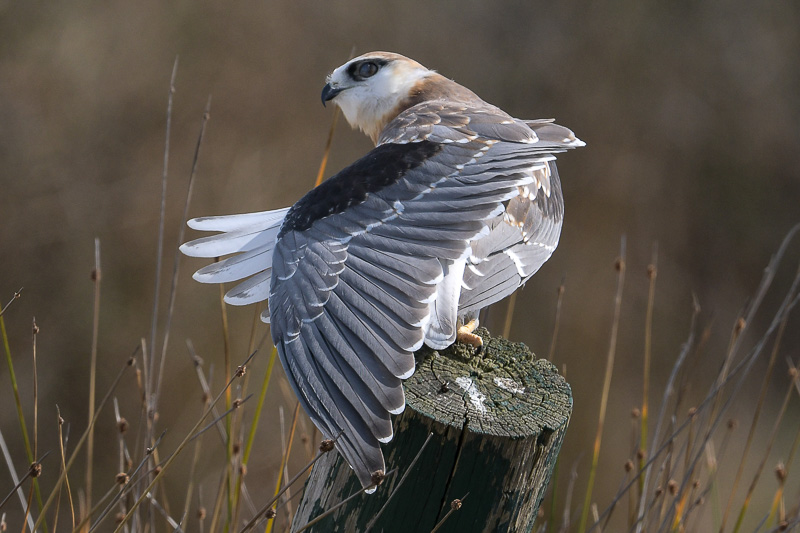
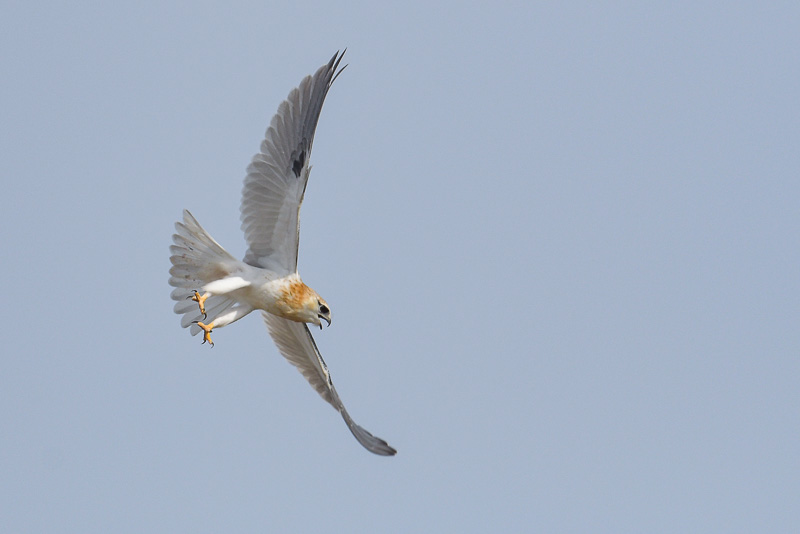
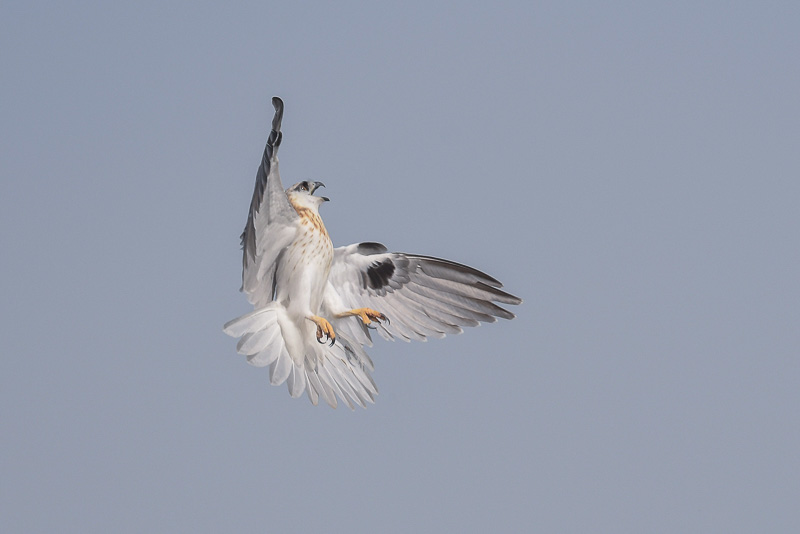
Our most recent outings have all been in the one location at Point Cook Coastal Park. At least three families of young Black-shoudered Kites have been working in the area. As best we’ve been able to count there have been nine young Kites, with at least two of their supervising male adults, one semi-resident male, who has a second clutch on the go and is busy feeding Madeline, and perhaps two or three late juveniles that have started to lose their apricot colouring and take on the rich red eye colour.
Intruiging to walk down a roadway with up to eight or more of them sitting on fence posts all calling and tail-wagging in territorial poses. While in the air around them several others are applying their skills for a feed.
But with finite amounts of mice, and so many kites a few squabbles were inevitable. And Mike was not happy about having so many extra mouths to feed when he has the new clutch growing.
As I said to someone the other day, it’s the stuff to fill memory cards on. And I’ve wondered how many feeding Kite pictures does a blog need. Still I don’t know. So here are the dramas from a few days.
Enjoy!
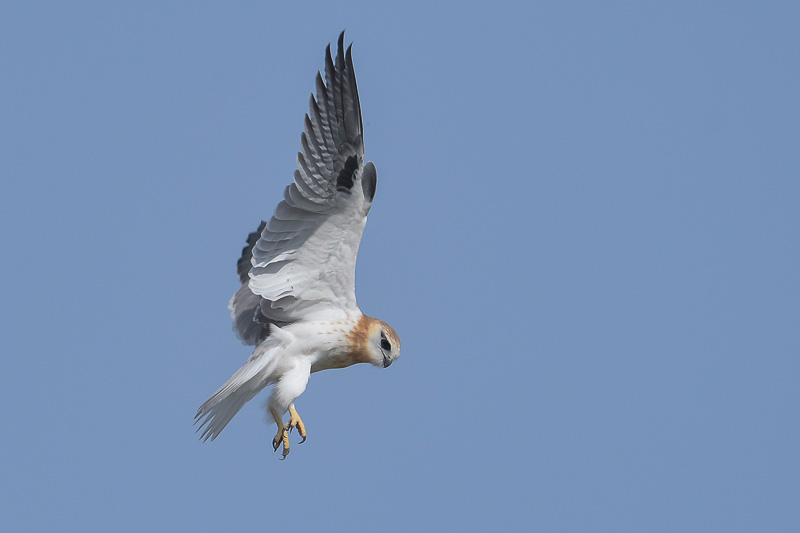
This one seemed to me to be an adult the way it was hunting, and I was suprised to see when I looked closely it was a juvenile.
They pull out of the headlong dive just before the ground and the feet are swung in to land on the prey-mouse.
I’ve been near them from time to time and they hit the ground with quite a distinct, “THUD”If you can’t catch a mouse, then it’s fair game to stop the next bird in their hunting efforts, which always results in a few circles of the paddock as they sort out the differences.
Now this I’ve never seen before. This bird is eating the mouse on the wing. It’s a bit to dangerous to land on a post to have a leisurely meal as one or other other the others will make a pass and try to relieve you of your catch. They fly quite high to do this action, and then hover-fall as they reach down and take pieces, until it can be swallowed whole. This is one of the older two or three that have lately come to the paddock. It has easily secured a meal and is keeping it quite hidden from everybody elseOld enough to defend itself, it was lining up for a fence post landingA large tail-flick is a warning to all that is prepared to claim territory. It has also dropped the wings to ‘mantle’ over the mouse.And here the tail is covering any sign of its possession.Meanwhile Mike is running off any birds that try to hunt in his area.I’m not sure where the boundary was, but the young were continually hunted over the far side of the roadway. The young were quite capable of squabbling amonst themselves for the best positions. I came to the conclusion from the way they each returned to a specific area, that the mice were in that location.Another successful strike. And now to find a place to enjoy the meal.Ths is the same bird and its easy to see that it has the mouse very tightly tucked up to keep safe from the others. It spiralled up to gain height to eat it on the wingHere, it is enjoying the fruits of its labour. As it lazily difted down in a slow descent.
No doubt by this week, the fields will be pretty bare as the young will begin to move further down the coast or inland to find their own hunting grounds.
With a welcome change in the weather for a sunny morning without wind, we went to check on the young carpark Kite of Madeline and Mike.
They are now old enough to fend for themselves, so we didn’t expect to see them in the old hometree.
A little searching found them in the air about 700m down the paddock. So we trudged on down. Trudged of course is a euphemism for went with high expectations and we weren’t disappointed.
As we began to count Kites in the air and on the fence posts, it became apparent that there were two families of Kites working in the paddock as we could see at any one time, six young either sitting or flying about. There was also just one adult, and its likely that this one was not Mike and he is now kept busy further afield suppling the incubating Madeline.
The six seemed to get on together pretty well, and it gave them plenty of chances for hunting as well as mock aerial battles. The young fence sitters seemed to do a lot of tail-lifting, which is a sign of territory ownership, so each one was aware of the presence of the others.
Unsure where the other three would have come from as suitable trees are a bit of a rarity in the long paddocks.
They were all happy to work from the fence posts, and allow either close approaches, or fly in close on their own. A main access track and walking trail is about a chain (about 20m) from the fences on both sides and the track are well used by walker and bicycle riders so the young were quite human tolerant.
And in the warm sunshine, with plenty of action, time just drifted by and two hours later we did trudged back to IamGrey for a spot of the Earl’s best.
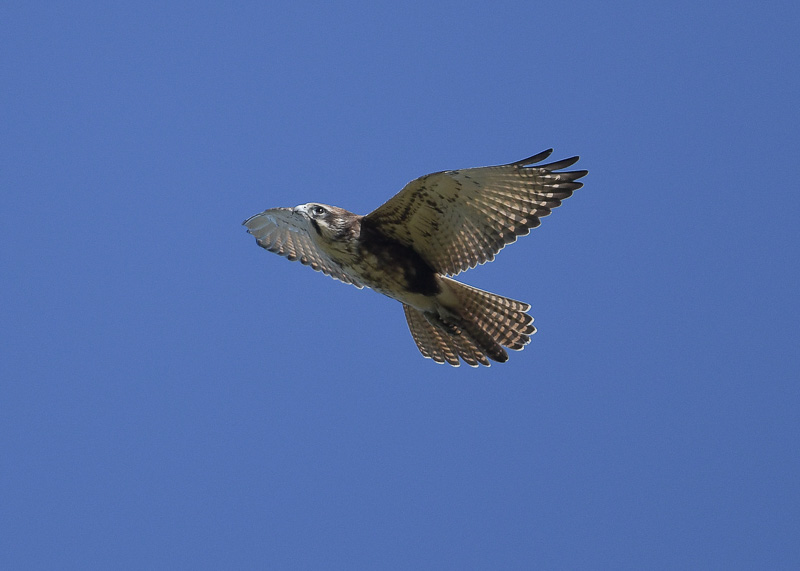
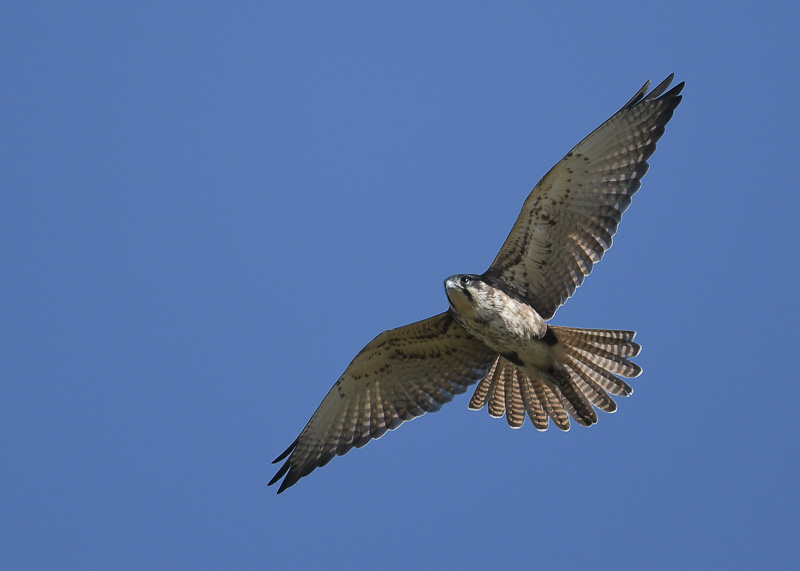
We have of late been following the courtship and mating activities of a pair of Brown Falcons. You are probably familiar with Cassia, of Cinnamon, and her pale morph mate, Alistair.
If she has a nesting location chosen, it’s still very much a secret, and she certainly is not showing any signs of incubating. However they are both favouring two trees and no doubt we’ll know soon enough
Cassia, of Cinnamon is relatively comfortable with our presence and has been known to fly onto branches near where I’m standing or sitting. Alistair on the other hand has a zero tolerance program and will take to wing well before a close approach.
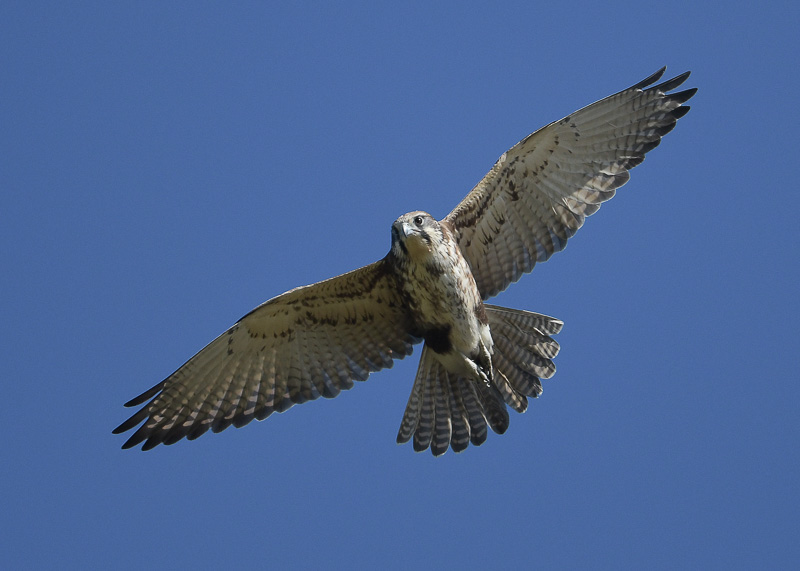
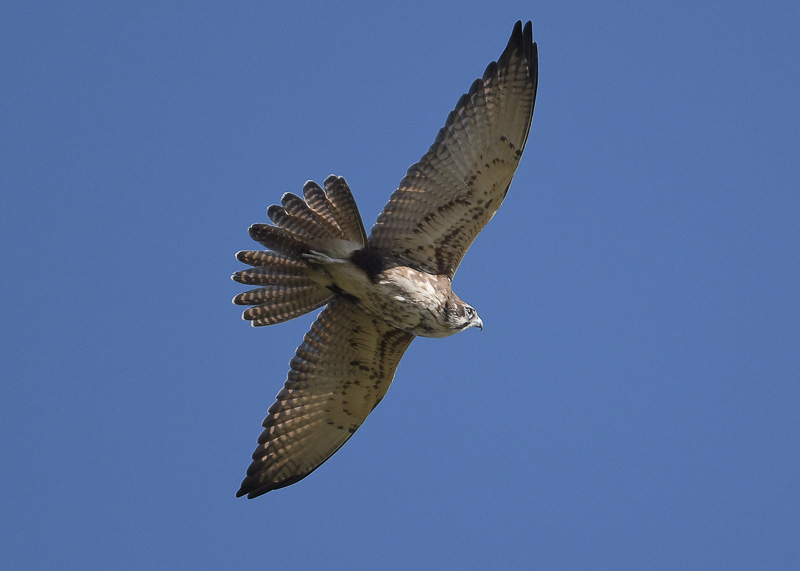
The other morning, for reasons, Brown Falcon, he decided to fly out around the treelines in the two close paddocks and made several circuits that gave us some lovely views of his wing and tail details and of his masterful airmanship. I don’t think there was any aggresion, and he seemed more to be performing for her, before flying off to hunt for a morsel or two to bring in as she waited on the very top of an Umbrella pine. (Pinus pinea)
Not much to comment on, so enjoy the circuits.
Something high up must have got his attentionHere he is dropping in from height on close folded wings to gain speed.
Wrestling, I have to admit has never been “my” sport. Too much huffing, puffing and sweaty armpits for me.
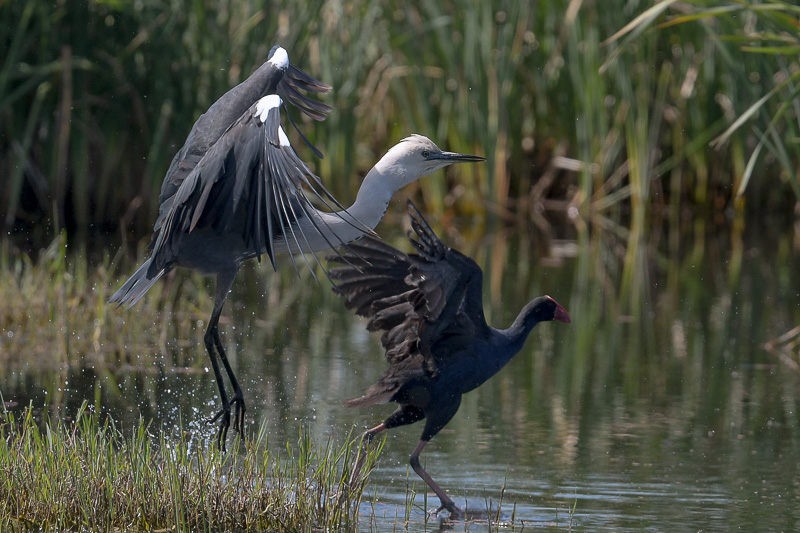
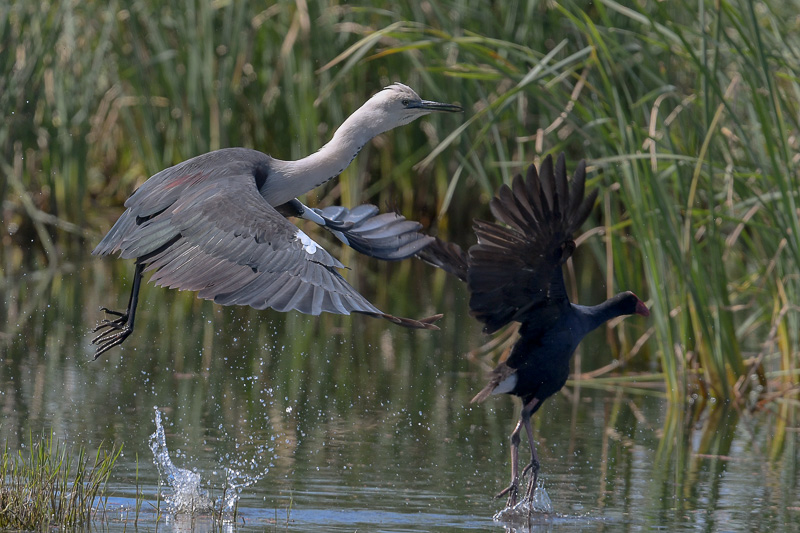
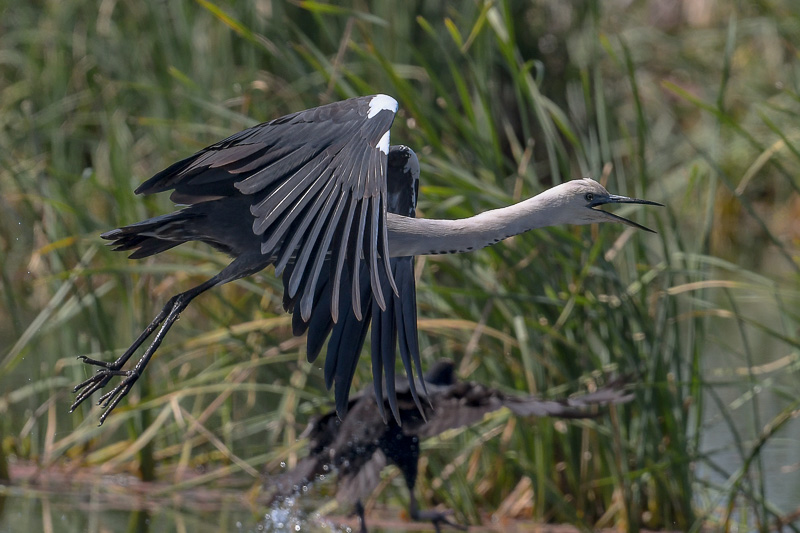
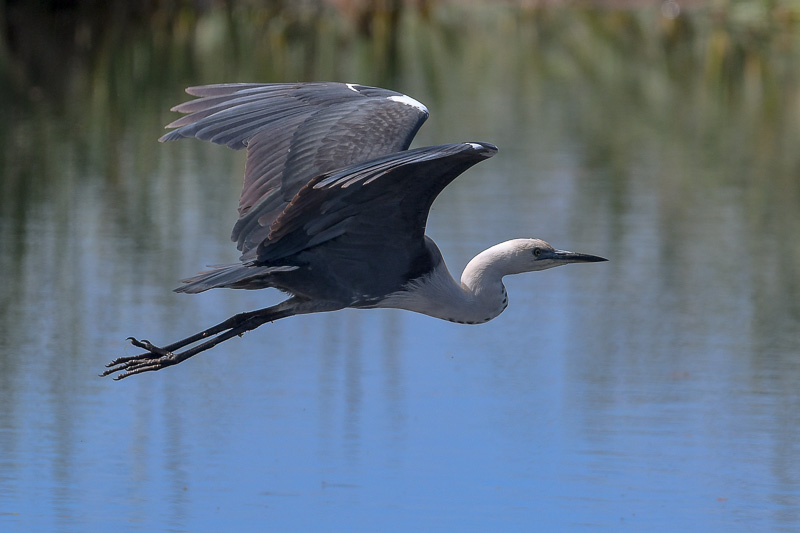
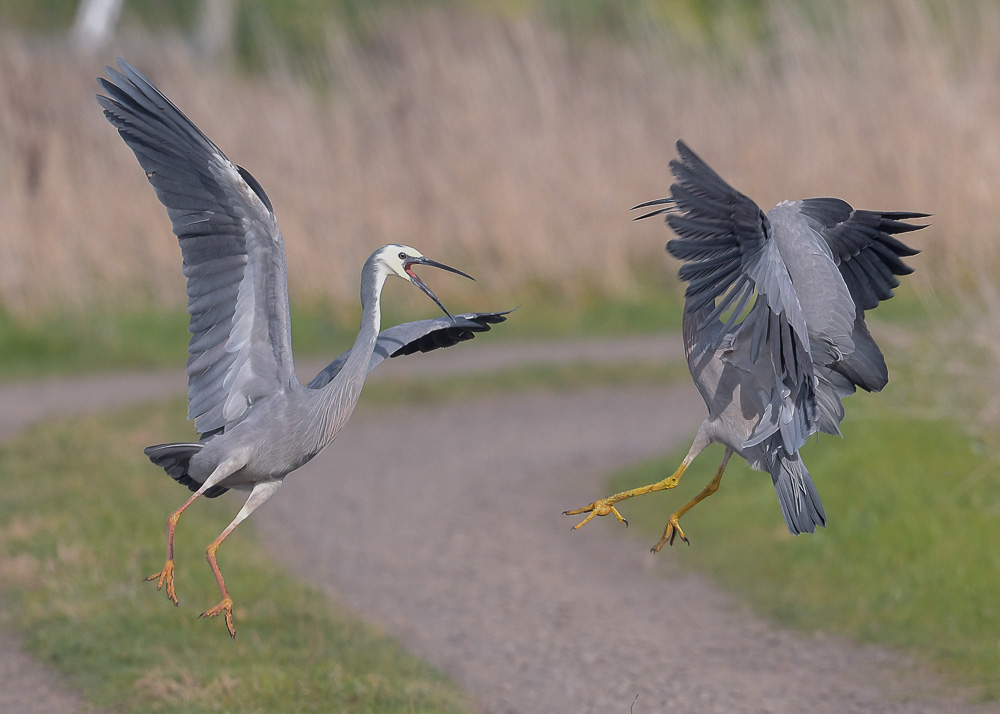
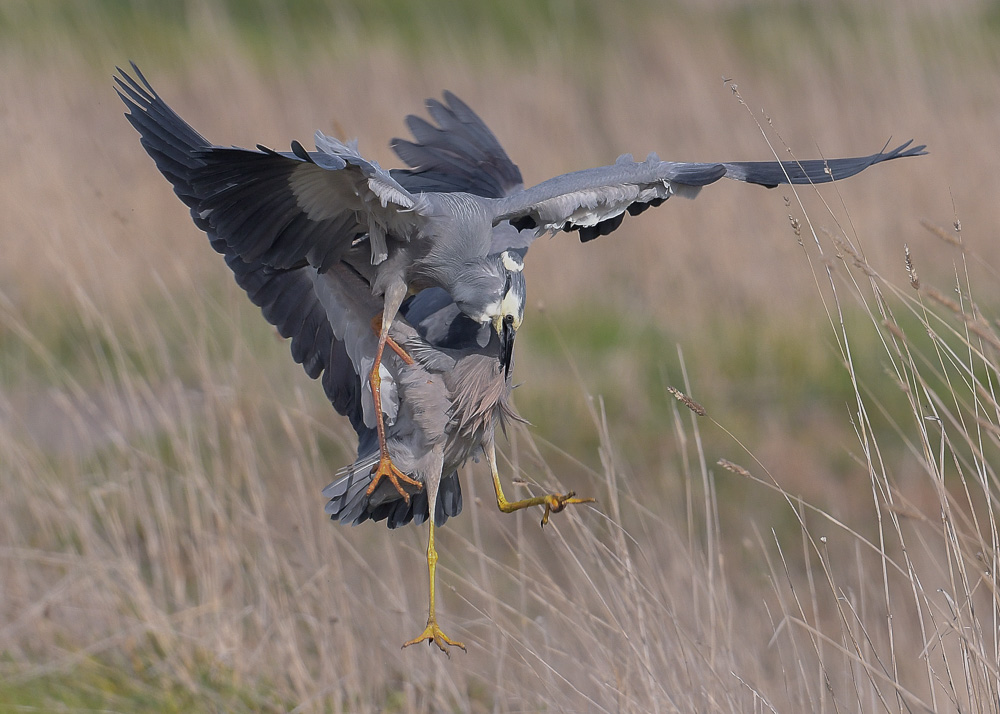
So you can imagine my surprise when I came across two White-faced Herons in the middle of a ding-dong battle.
A lot of name calling began, as they sized one-another up on the roadside. The bird, that I think, throught it owned the territory arrived with neck outstretched and loud calls to intimidate the pretender.
From there it escalated quite rapidly.
Let Battle Begin
Gracefuness is not an essential sparring technique
It might seem like chest bumping, but its designed to get the advantage
No quarter is given
It’s bar-room brawl scruff of the neck time
In the end, the challenger made one move too many with enthusiasm and less skill
And the old hand was ready to press home the advantage
That beak is good for more than just catching fish
Released, the pretender admitted defeat and flew off. Seemingly none the worse for wear, but perhaps a little wiser.
The local champion flew up and down the pond with neck outstrectched and very vocal. Now everyone knows whose pond it is.
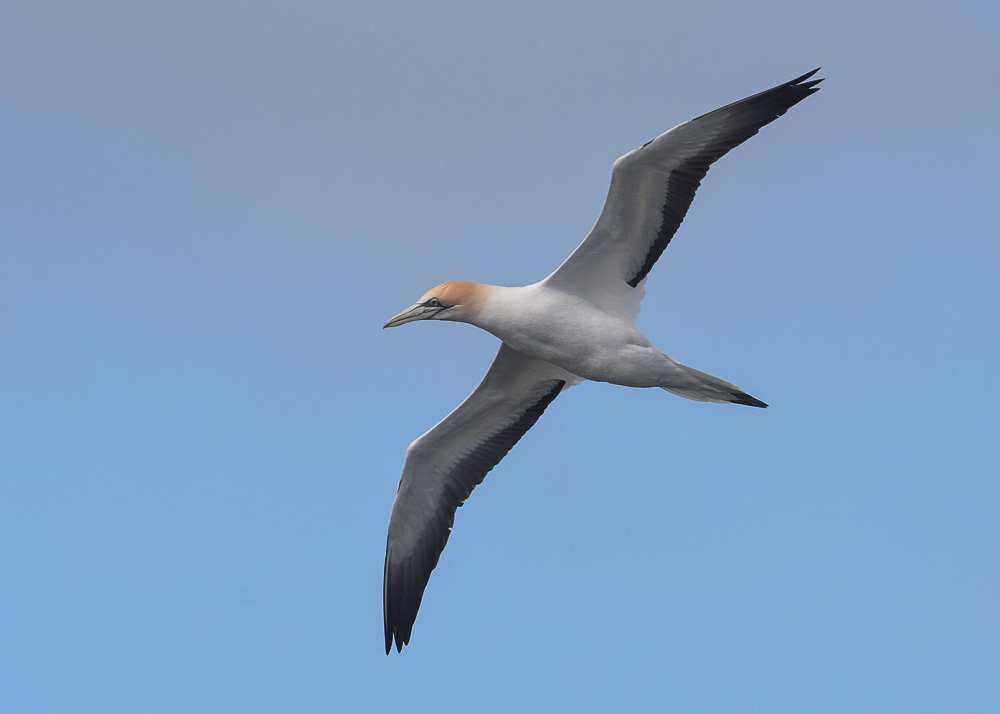
I didn’t expect to be showing another Gannet trip so soon, but the other day, the strong northerly winds and a very low tide exposed the sand and mudflats over the end of the basalt flow into the bay, and the conditions somehow suit the shoals of fish that work along the edge of the flats.
And of course the Gannets come up the bay to feast.
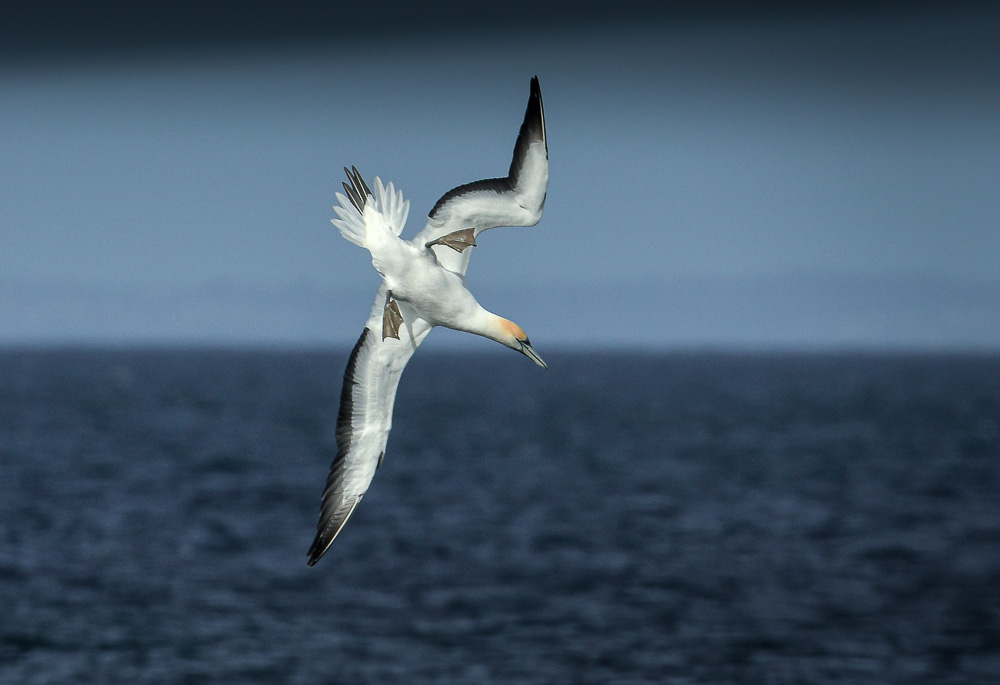
There is something quite magical about watching these creatures slice through the 40kmph+ winds, a flick of the tail, an adjustment of wing angle, a feather tip control and picking the right body angle into the everchanging winds is wonderful entertainment.
Here are a few from your wind-blown scribe standing in the mudflat at the water’s edge.
One photo does not do justice to the fine control they seem to have in the strong winds
Roll over for a dive
Locked on and down it goes
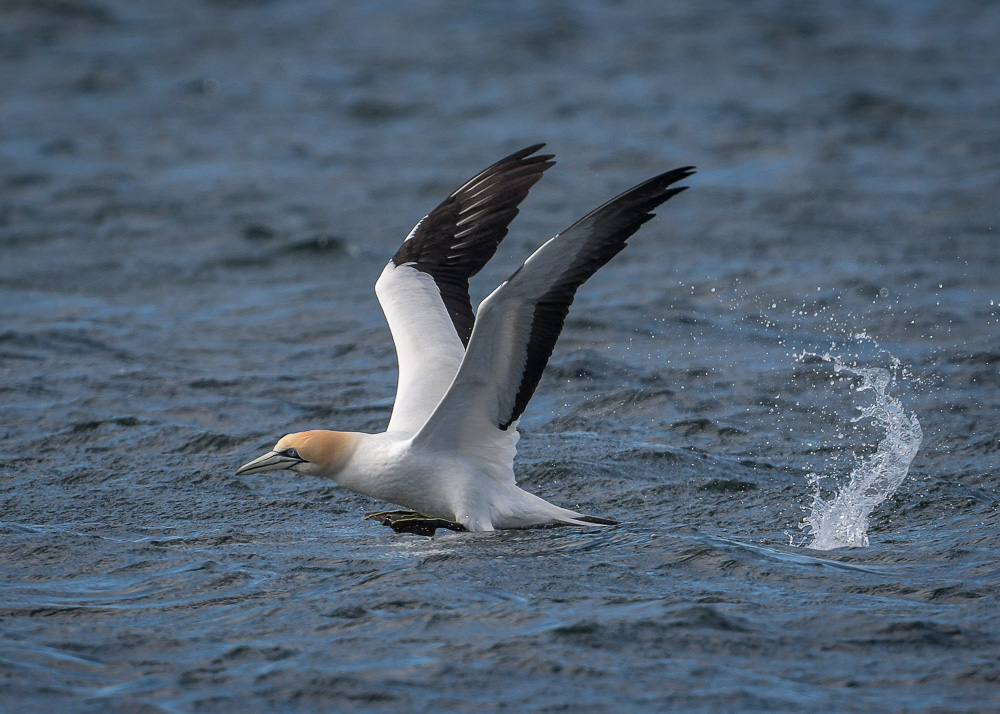
In that strong wind, it was just one wingflap and a jump and it was easily airborne again
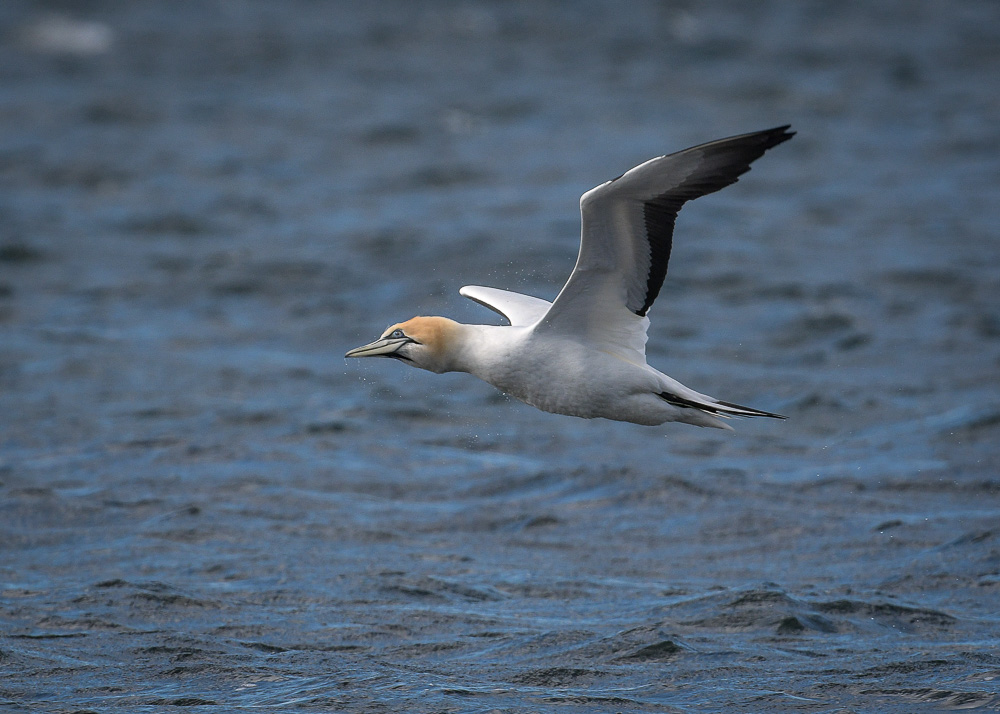
Timing, timing, oh well, Just missed the best angle on the obligatory body shake to get rid of the excess water
Pretty excited today to see several young. They seemed to not come into close to the beach preferring to work in the deeper water
Pleasing to see that rich young colour set
Because of the shallow water they don’t do straight vertical dives.
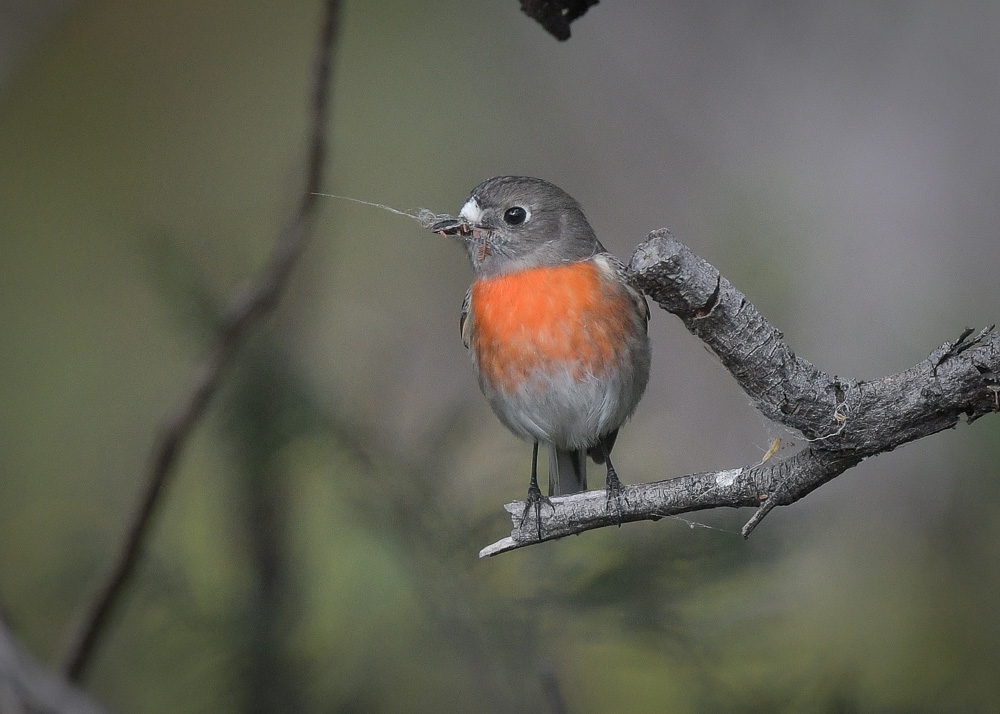
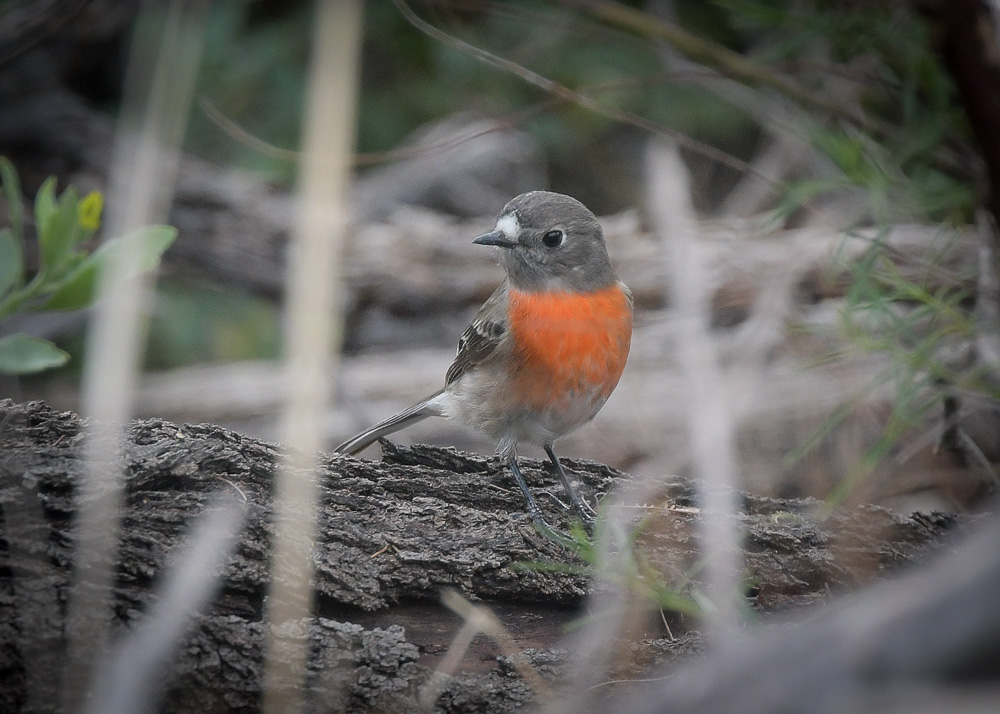
We found this Scarlet Robin lass hard at work on preparing for the next generation.
Normally I don’t pubish small bird nesting cycles (Willie Wagtails being a notable exception). You’ll note there is no photo of the nest location, and I’m pretty confident that no one is going to stumble over its location.
Only spotted her as she darted from one side of a small clearing to another. And after standing still for awhile, it was obvious she was hard at work on her little home.
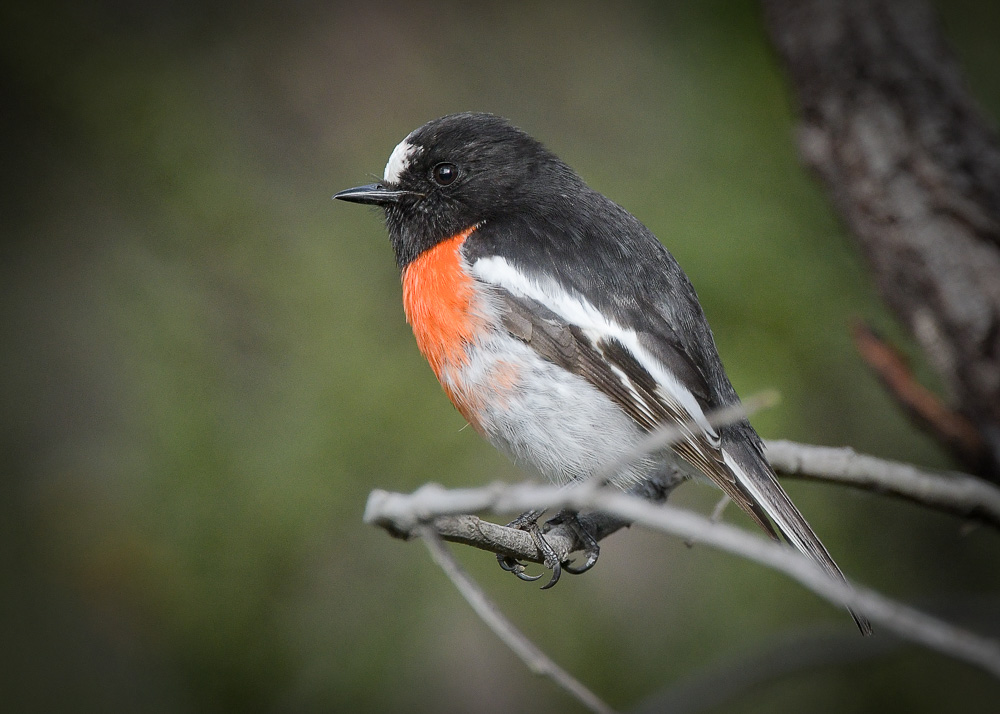
The male flew in a couple of times to see how things were progressing.
In the end, I walked away thrilled to have watched the process and ever so hopeful that she would be successful, both for the species and because of her hard work paying off.
Enjoy
She came out in front of me, checked it out and disappeared again into the nest site.
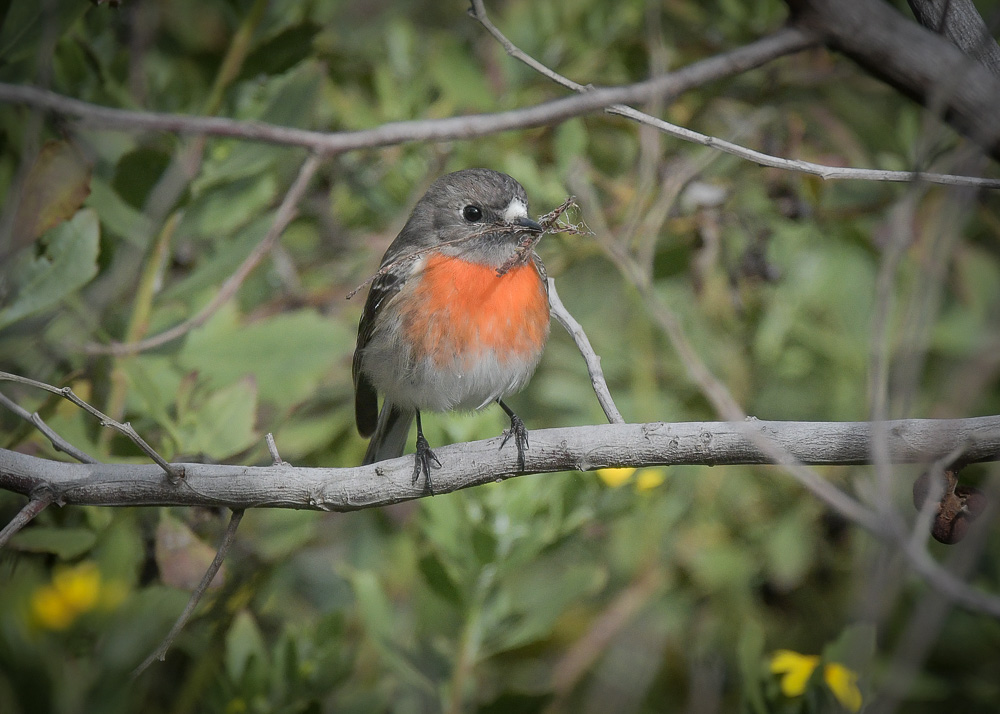
It took a few moments to realise she wasn’t just hunting food, but looking for web and suitable materials
Her little beak can only carry so much stuff
A pause to discuss the progress
He seemed pleased that it was all under control
The spider web glows in the early light
I waited for one final image, she seemed to oblige and I wished her well and moved on.
+D4 had turned up for a couple of days, and we decided a trip to the Western Treatment Plant would be possible given the weather looked like it was going to be pleasant for most of the day.
Despite the need to get up early in the cold, we took an early morning run down the freeway and arrived not too long after sunup.
Breaking from usual tradition we started at the “Western Lagoons”. The clever plan was to look for, see, and photograph Black Falcon. Great idea, but not very well implemented as the Falcon didn’t seem to get out of bed early.
There is a spot about halfway along the Lagoons where the ponds are much higher than the abutting farm fields, and a water channel seperates the road on the bund of the ponds with the lower paddocks.
As we travelled along the pond road, EE took great delight in pointing out there were Brolga ahead, and sure enough, of course, you dear reader would not have doubted, she was right.
They were gathering together in the lower paddock, and eventually we saw eight of them. We sat on the upper road for around an hour or so, as it was easy to look down toward them, they were comfortable with the distance we were away, and the channel also gave them protection from close approaches. So unpreterbed, they walked back and forth, preened, feed and did a few dances and introductions.
The one thing I noted, as I sat there was because of the richness of the early morning light, was how their feathers have a most attractive sheen.
So in no particular order here are a few from the morning’s visit. ro
Assembly.
Every so often one would stop and give a call. In the still early morning air, the calls were quite powerful
The grasses and shallow water seemed to suit their feeding habits
From where I sat on the high grasses, everyso often my long lens was just too long.
Several were fascinated by clumps of grasses and merryment enused as they tossed it about and jumped around
It seemed to be a game that only one played at a time
Perhaps they were practicing for a grass throwing event at the Olympics.
It wasn’t always immediately obvious which of them were a couple, but some times two would seperate away for a quiet stroll together
The calling seemed to make the rest of the group away that they wanted a few private moments
Getting to know you
There is the overall scene. I had to borrow +D4’s zoom for the shot
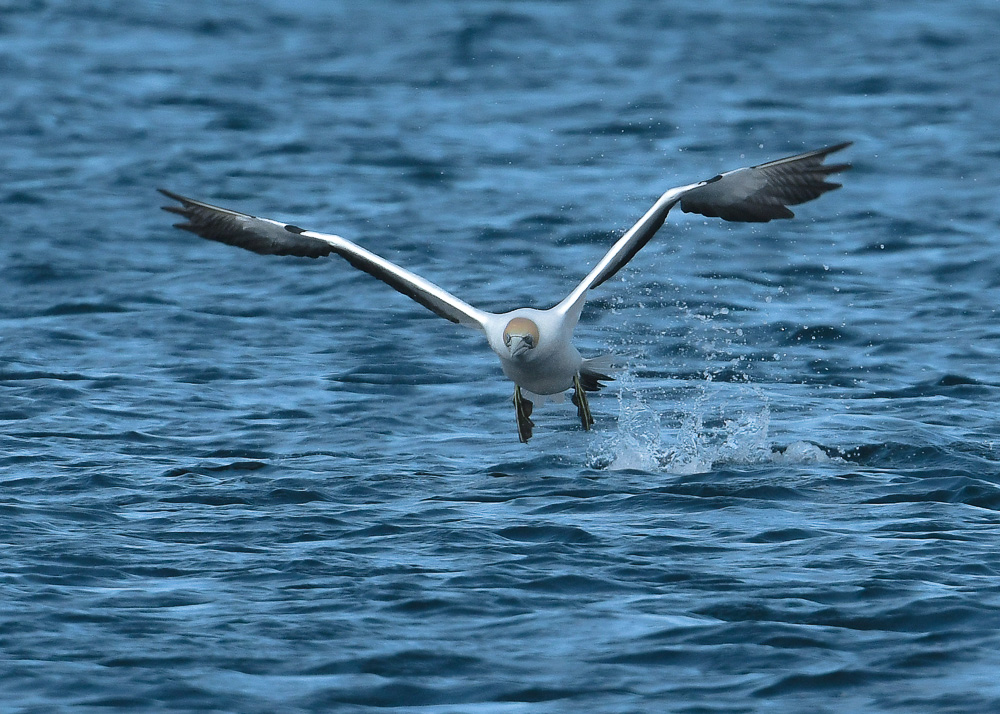
Port Philip Bay is home to several colonies of Australasian Gannets. One of the larger colonies is near Queenscliffe at a man-made island called “Pope’s Eye”. The reference is a midshipman Pope who was involved in building the bluestone basalt annulus. Originally designed as a gun-emplacement to protect the fledgling colony of Victoria.
The area is managed by Parks Vic and the Portsea-Queenscliffe ferry passes reasonably close by on its journeys back and forth. There is also a live-stream camera setup, so its possible to get a sneak peak of the Gannets resting or nesting. The link to the camera sometimes is down, but today it is live on Youtube here. https://www.youtube.com/watch?v=qCB9pUbrme4 As I’m typing its a very wet and windy day on the rock.
On occasions, the Gannets will come up the western side of the bay, and at Point Cook Coastal Park, its sometimes possible to have them in close. There are some wind and tide connections that seem to favour this, and a high tide and strong northerly off-shore wind bring the fish in over the edge of the lava flow sand and mud flats and the Gannets can be seen fishing less than100m out. However it’s a bit hit and miss as to when the fish will run in, so the birds might not show at all, or be gone up the coast in what sometimes feels like the blink of an eye.
Here are a few shots from recent visits.
Australasian Gannet,
A small section of a hunting party at work.
Australasian Gannet, this is a Juvenile.
They are as smooth as silk in the air
Locked on to target
Moment of Impact. Legs tucked up for streamlined entry. They don’t catch by diving, but rather by swimming around underwater. The dive is to get them the depth where the fish are. Fairly shallow dive as the water here would not be much more than two metres over the mudflat
I’ve seen them do this, but never been able to photograph it before. When they return to the surface after a dive they lift right out of the water. So they must swim upwards very fast.
They seem to be able to pull themselves out of the water with little effort
We joined the Eynesbury Environmental Group for a walk in the local Grey Box Forest as part of the ongoing Swift Parrot Surveys. Swifties are highly mobile, nomandic and unpredictable in location. And today was quite a successful Survey day, as we conclusively proved they were Not in the area. 🙂
But a day in Grey is not be be missed and Chris L, put on another of his now famous, “Sunshine” days. Here’s a selection from the walk.
Enjoy
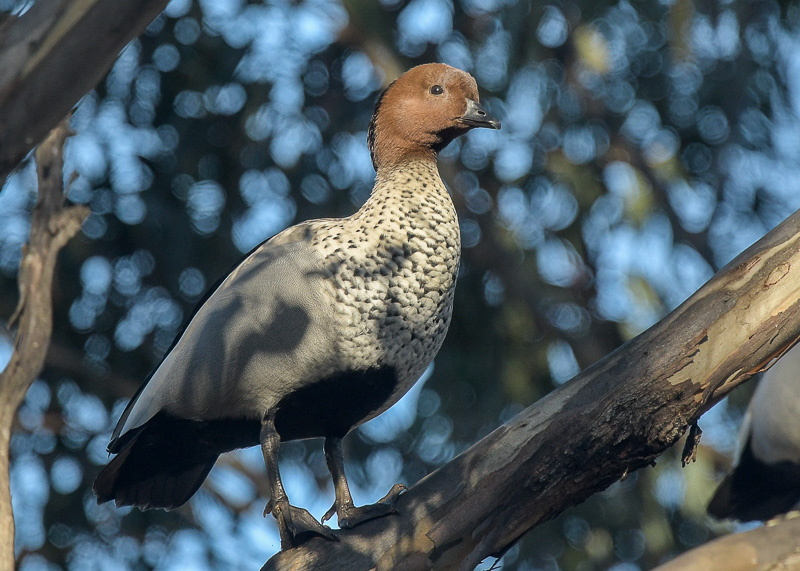
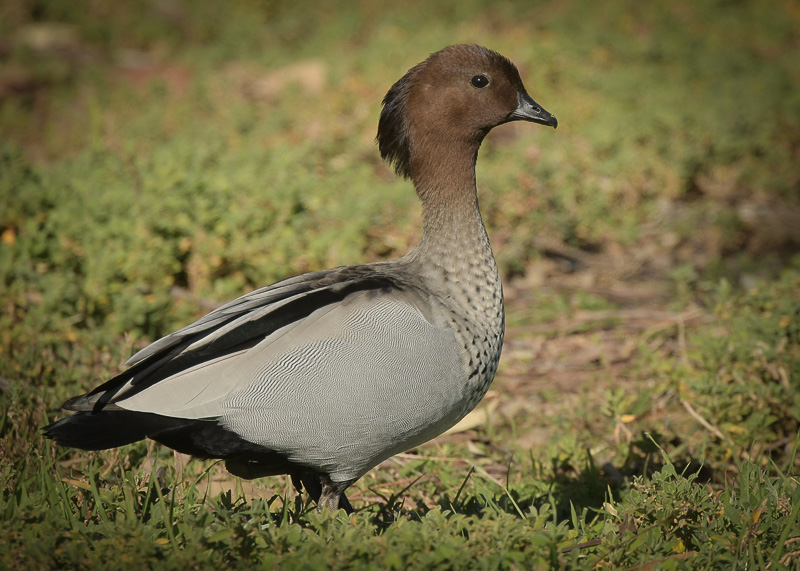
Maned Duck, commonly know as Wood ducks, presumably because of their tree dwelling habits
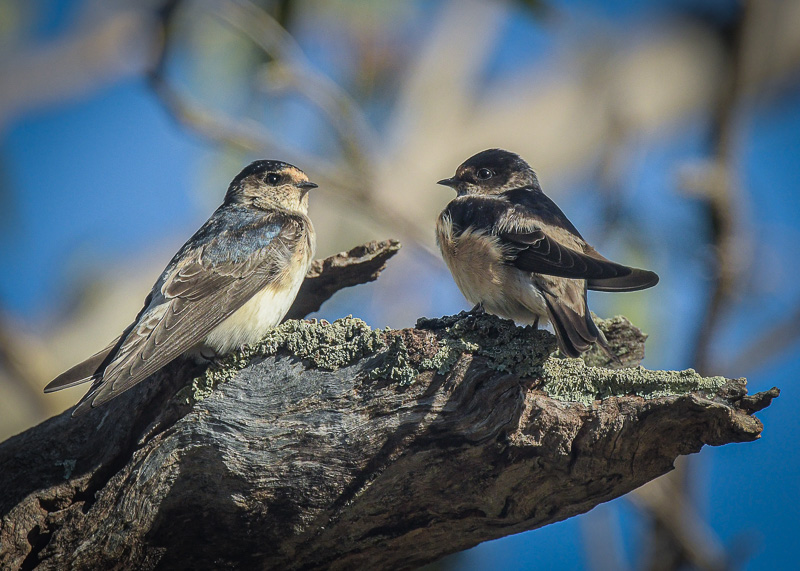
Tree Martins. Recently returned and no doubt hard at work at selecting the best real estate for their nesting operations. Soon there will be hundreds of them through the forest
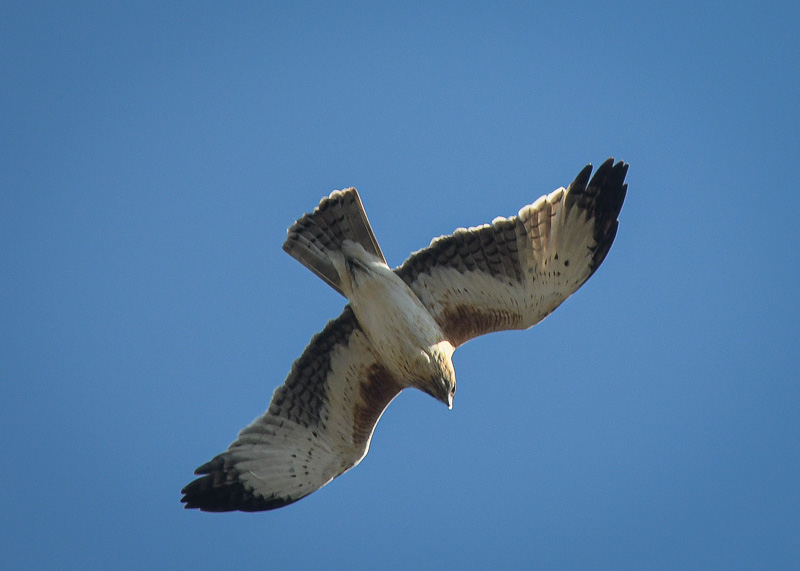
Little Eagle, no trip is complete without at least one sighting of the resident Little Eagles. This one circled over us in the open
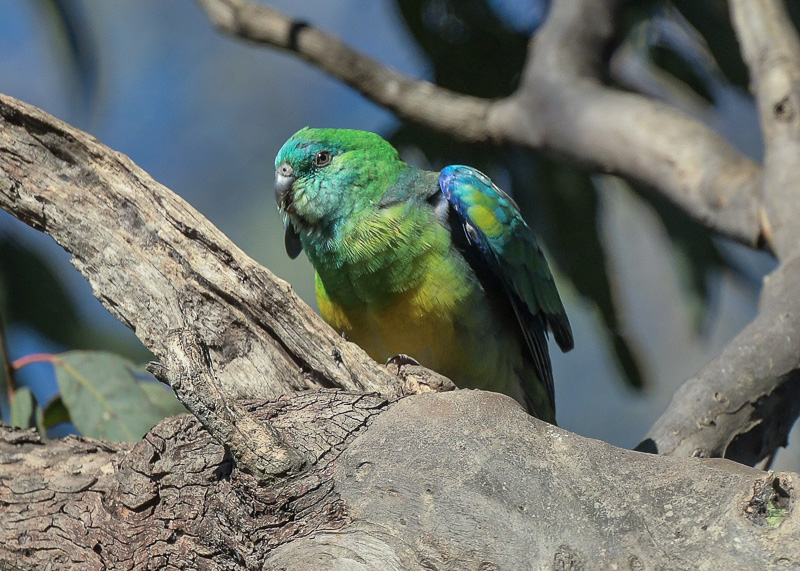
Red-rumped Parrot, a male who is busy, I suspect waiting, waiting waiting, for his mate that would be on a nest somewhere in a branch nearby. He keeps in contact with her with lots of cheery calls and wing displays.
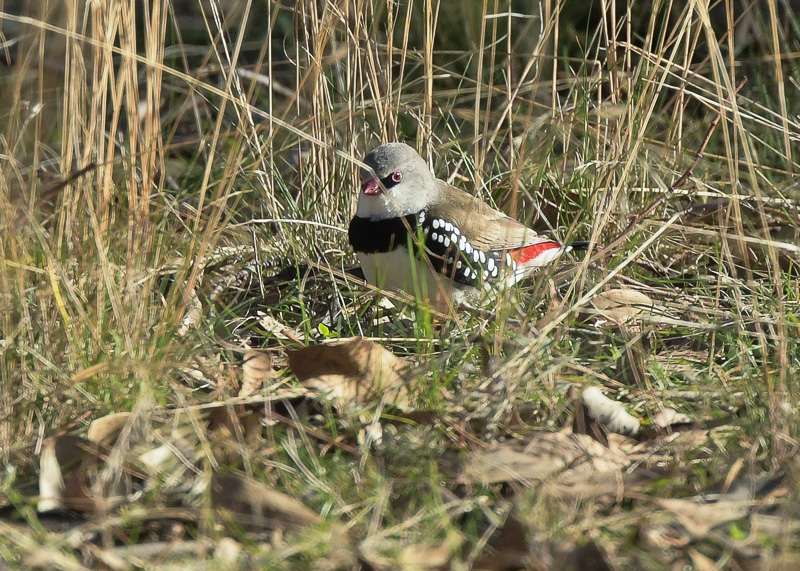
The Eynesbury Box Forest Signature bird. We found several Diamond Firetails working through the native grasses collecting seed. Their numbers seem somewhat unpredictable, but it’s good to catch up with them on a day out.
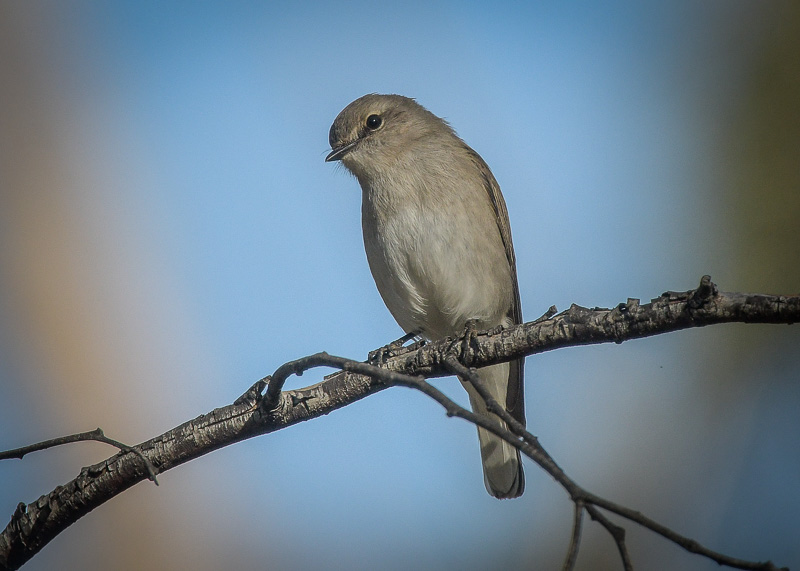
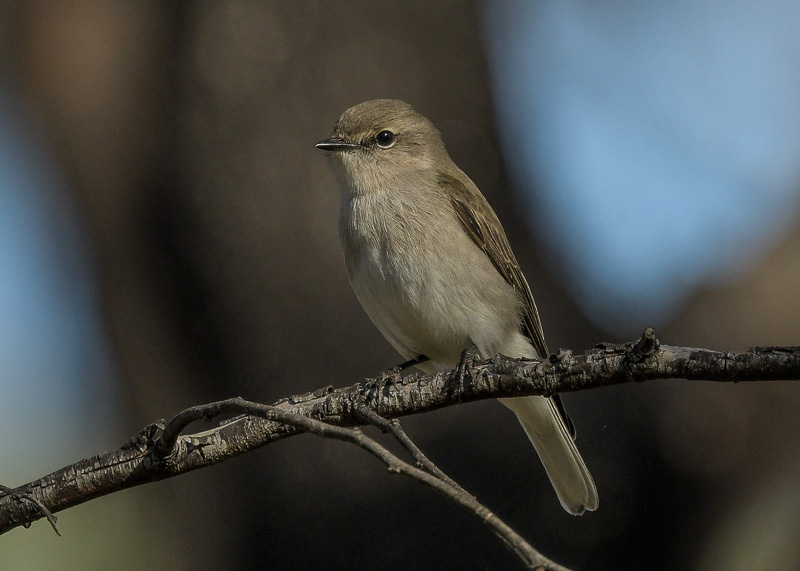
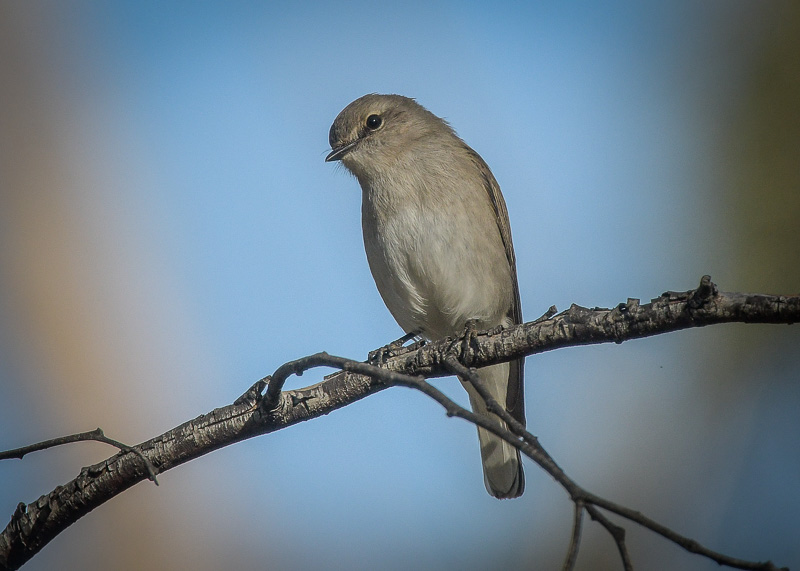
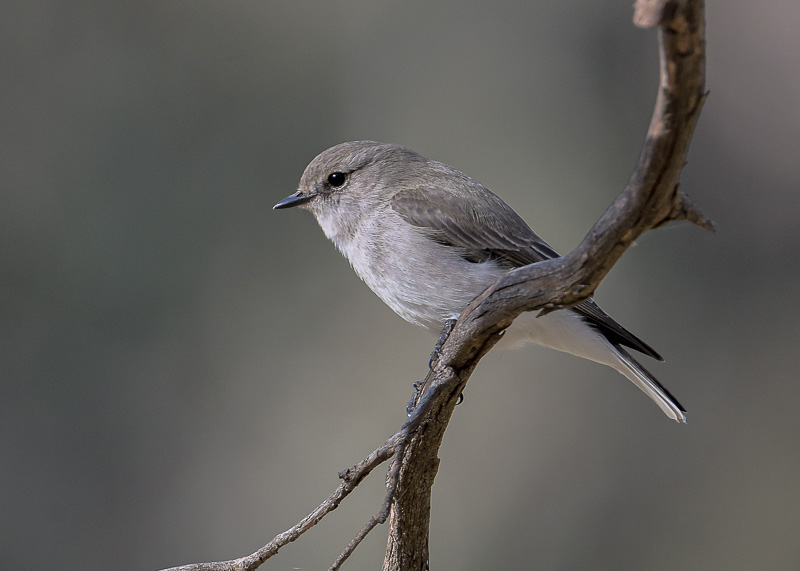
If I had a signature bird, it would be Jacky.
There is something about these little birds that says Grey Box Forest to me, and their often approachable nature makes for great portraits.
Jacky Winter and I could do this all day
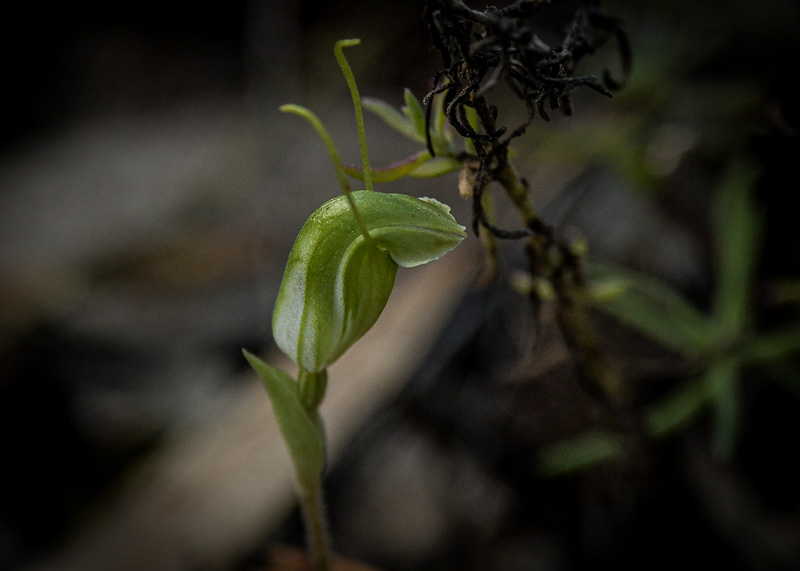
One of our sharp-eyed group found these tiny Greenhoods by the side of the track—not much more than a few centimetres high.
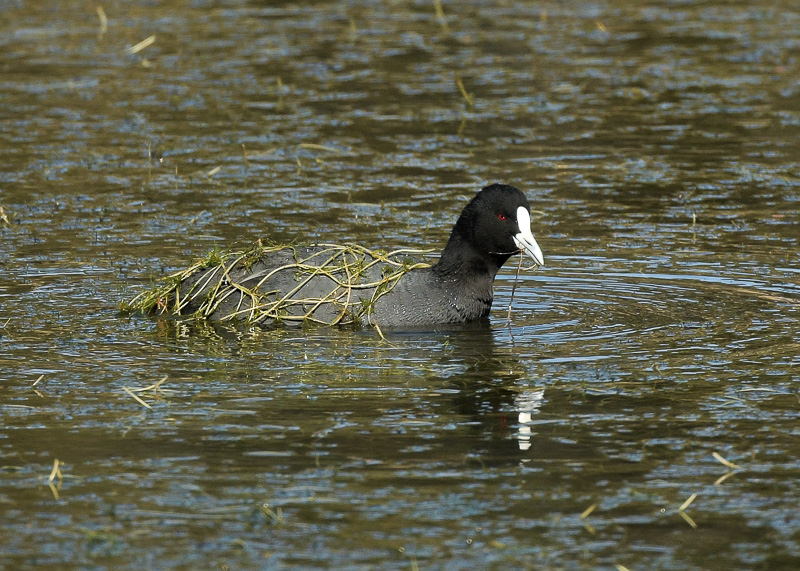
Fashionista Eurasian Coot is dressed to impress.
A very handsome Maned Duck showing of his impressive mane, and his lovely vermiticulation on his body.
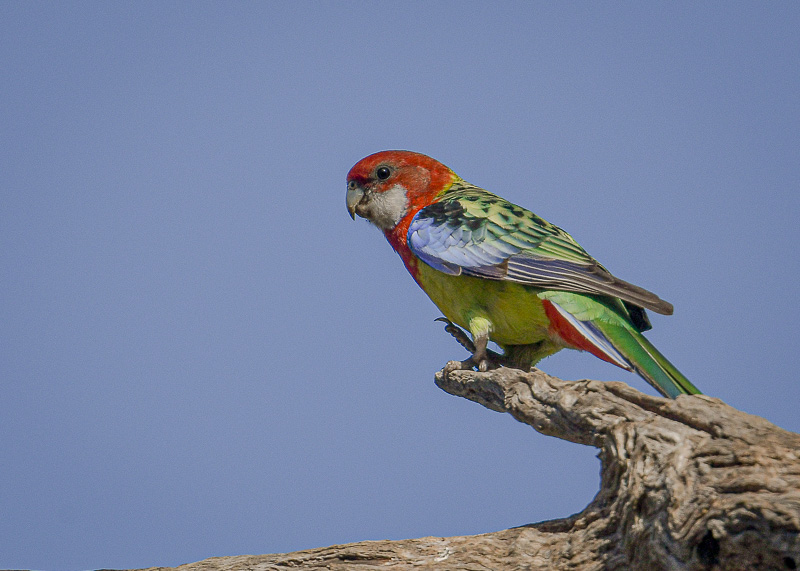
Eastern Rosellas were in abundance, this was one of a flock of twelve or more that were working through the forest.
And just as we were leaving, another pair of Jacky Winters stopped by for a chat.















































 Birds as Poetry —— Just because I WANDER doesn't mean I'm LOST