Saturday Evening Post #54: Infatuated

In a recent article in “Nikon Users” magazine, an article on landscape photography had the following quote.

... the one thing we, as photographers, professional or enthusiast, must not lose sight of that we do this for a reason.

We enjoy it.

It's creative, and it's fun.

It's not easy, no one ever said it would be, but the buzz you get when you produce 'the' image is amazing.
Jeremy Walker. See here

Normally I like to keep a Saturday Evening Post to just one image that has impacted me during the week.

However, just for once I’m going to break with tradition, mostly because I think the images are related, tell a story, and also give an insight as to why I’ll be away this coming week.
We had, EE and I, made a trip to Point Cook Coastal Park to look for the return of Sacred Kingfisher.
It was one of those days where the weather was not playing to our advantage. A strong northerly wind was ripping through the trees, and out over the beach, sand whipping up with each step.

We had as they say had a bit of luck with the Kingfisher—All Bad! Not a feather to be found, not wing flicks and not a single distinctive call.

Why don’t we go to the beach, saith she. Ok, saith I.

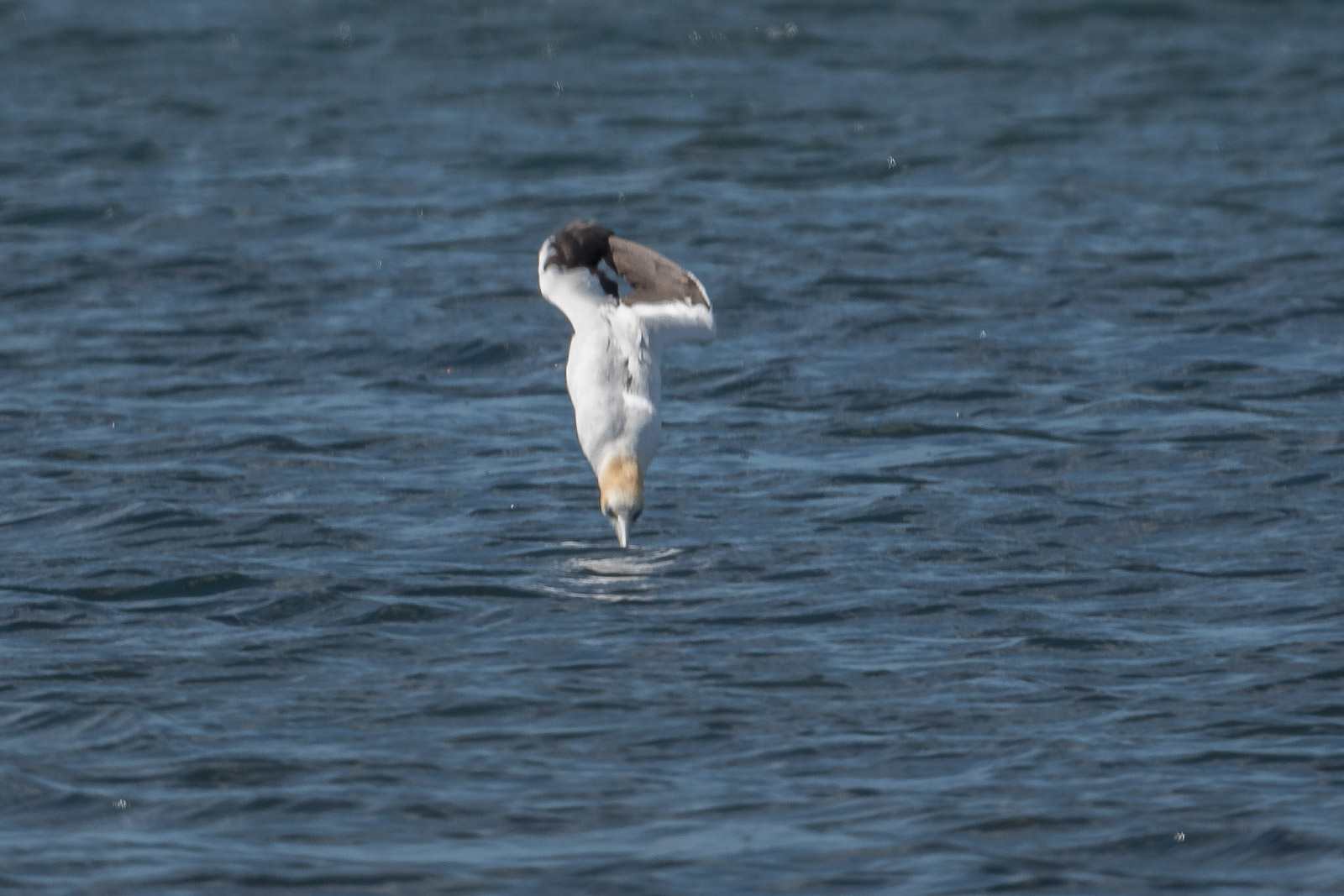
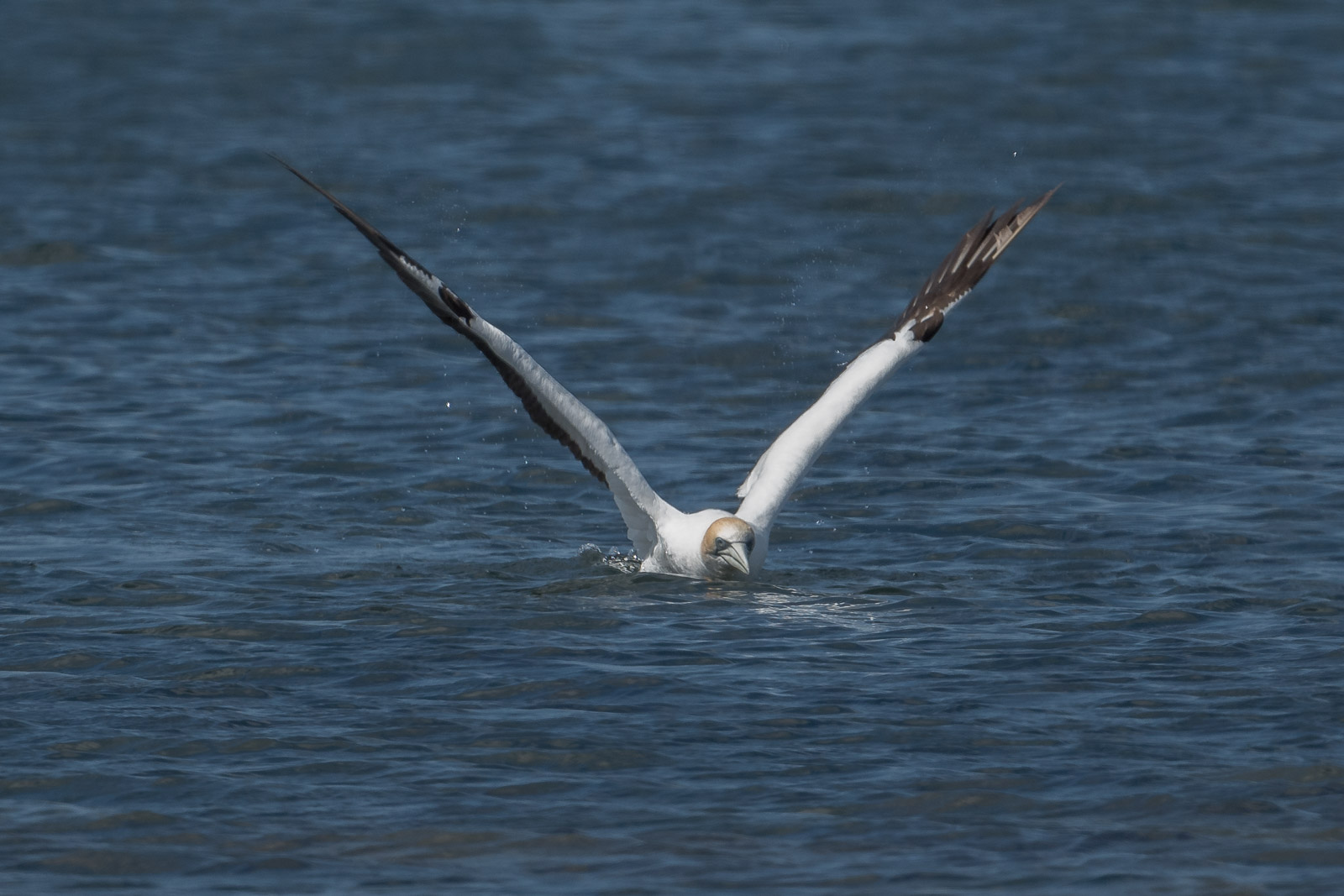
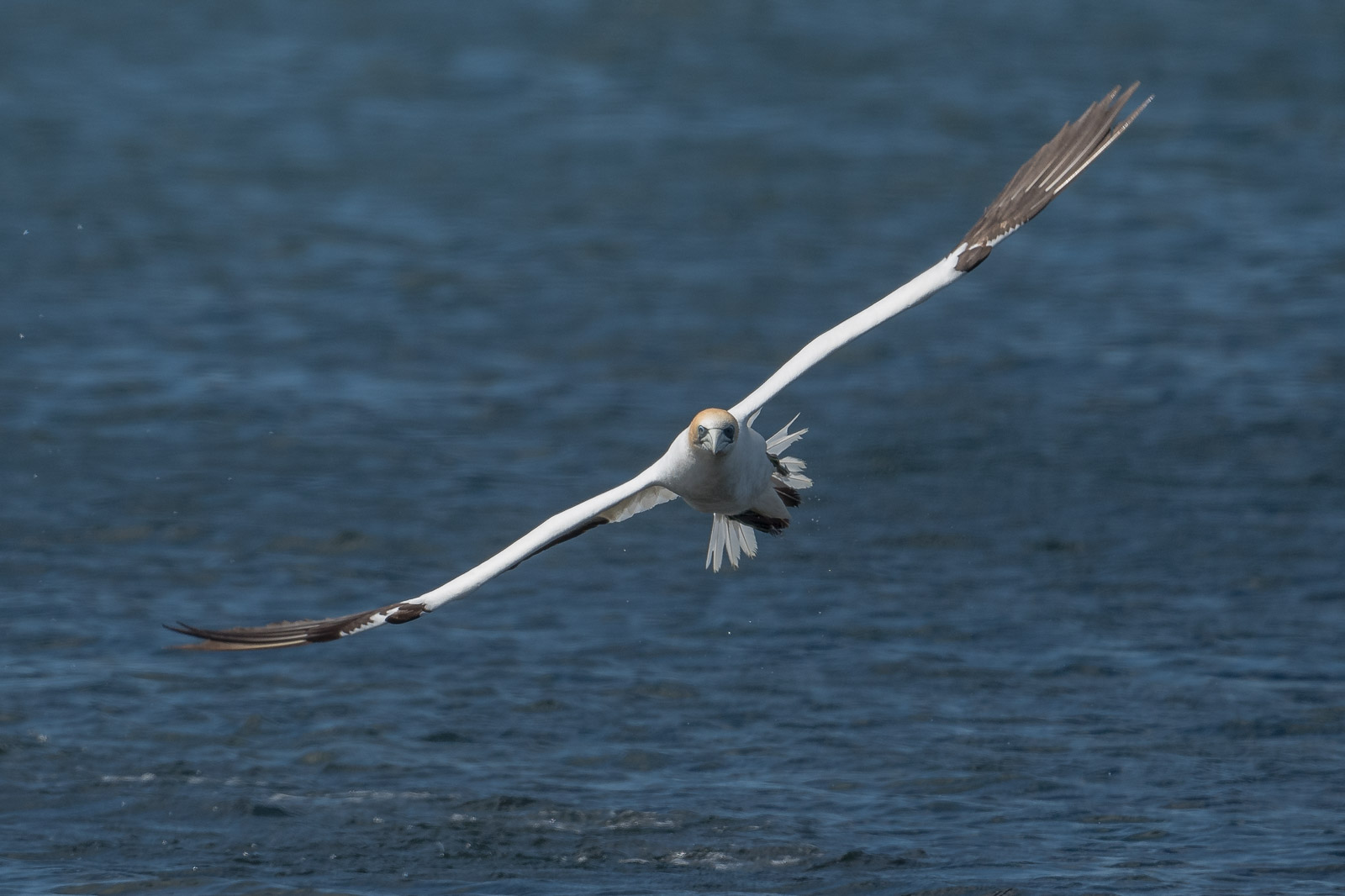
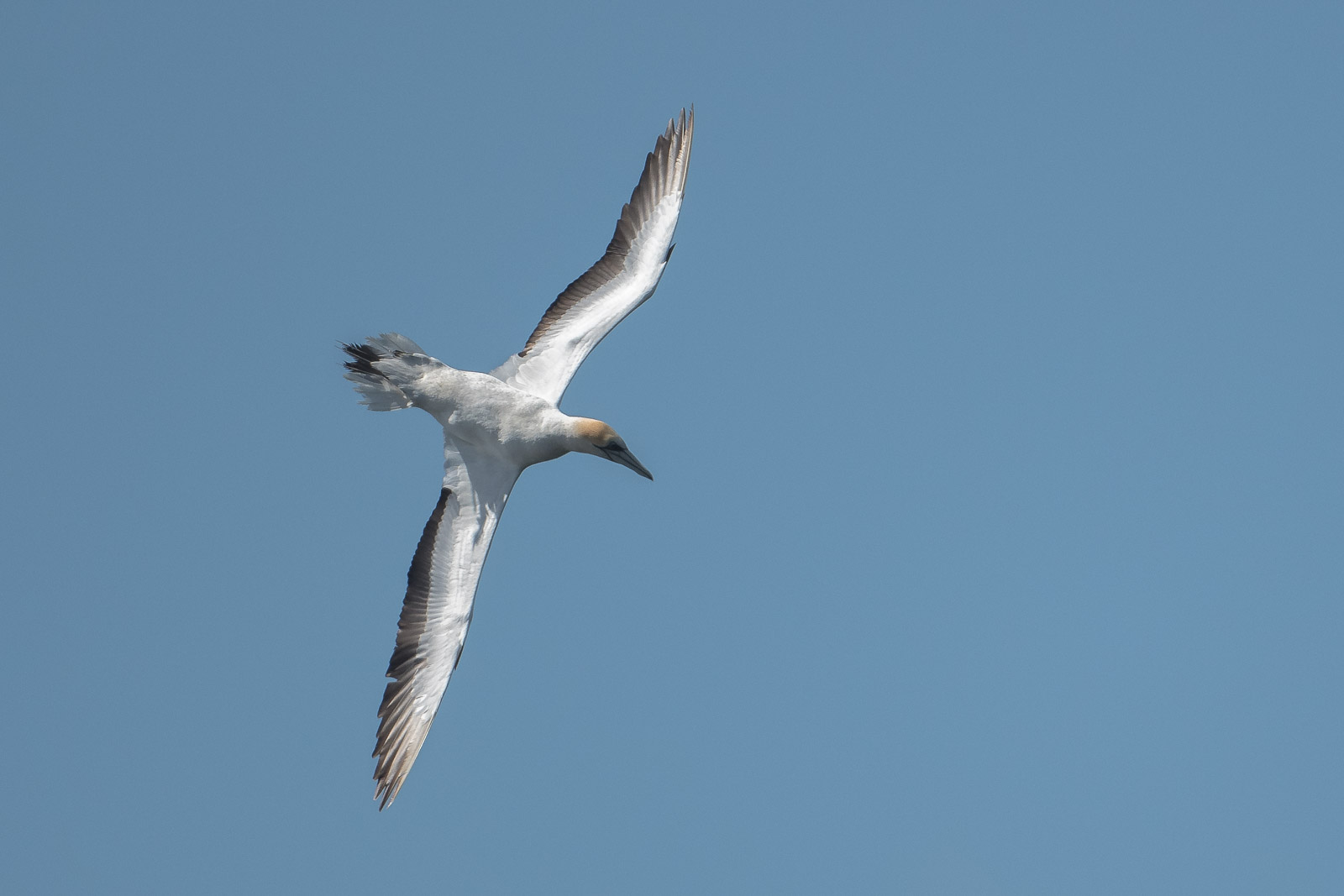
And just as we arrived at the beach a small squadron of Australasian Gannets appeared, fishing in the water in front of us.  I’ve noted before that a lowish tide, and an offshore breeze seems to bring the gannets in closer, and not doubt because the fish shoals are working in closer.

This was exceptionally interesting as the tide was quite low, and the edge of the sandbank was visible in places, and the rocky ledge was also exposed.  So the birds were diving into the water not more than 30-50m from where we were standing.

Its the closest I’ve ever been to such awesome birds in action.

There is something intriguing, boarding on infatuation about watching big fishing birds explode into the water.  One only needs to look over the majority of bird books/site etc. to see the numbers of eagle, herons, cormorant and osprey photos to know that photographers find them irresistible subjects

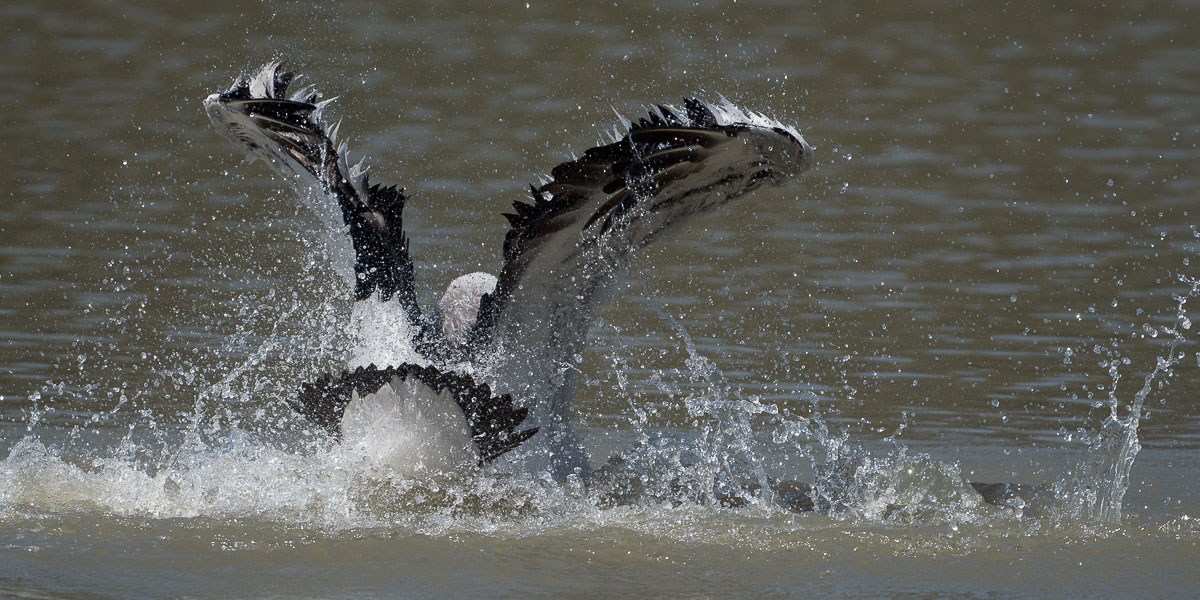
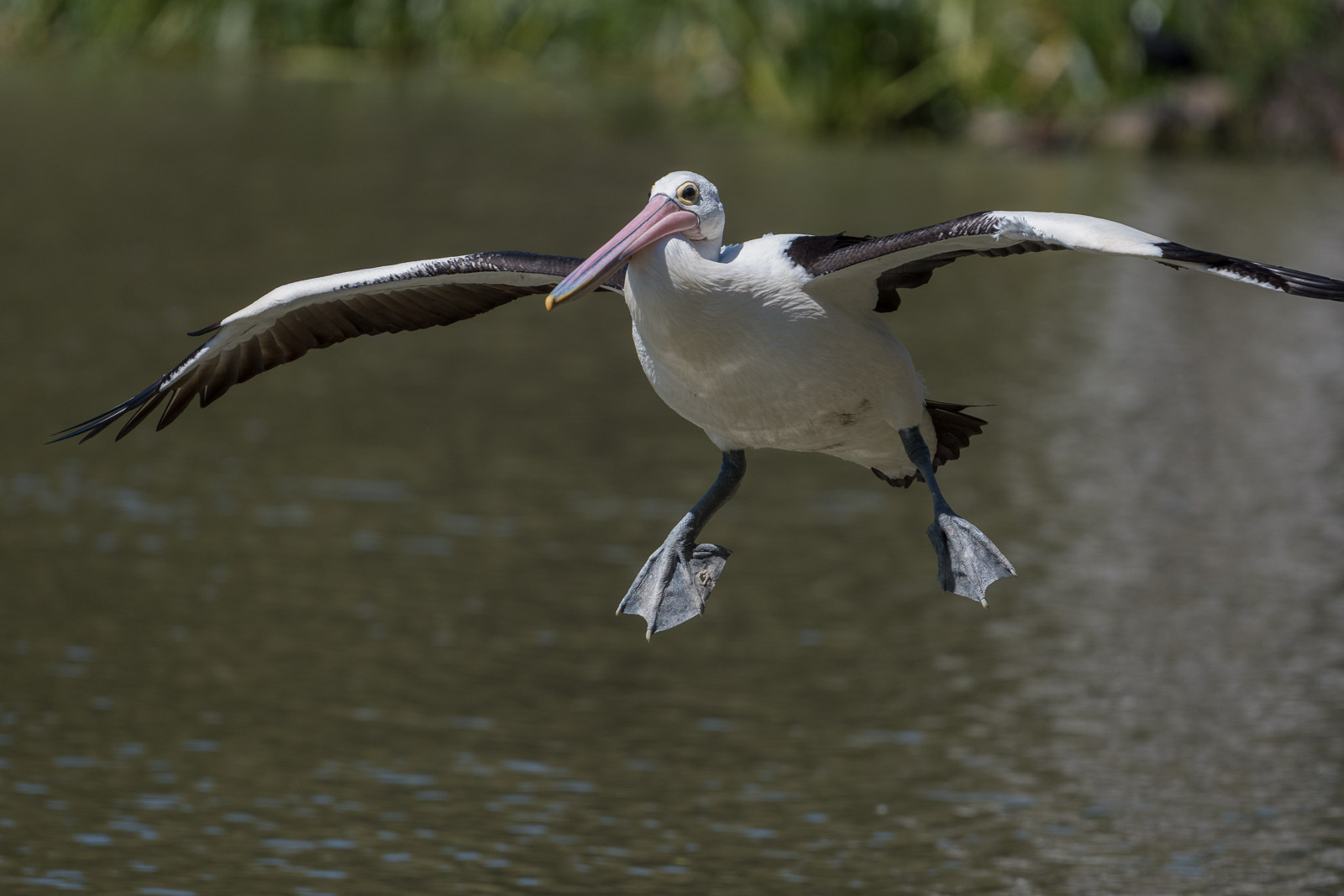
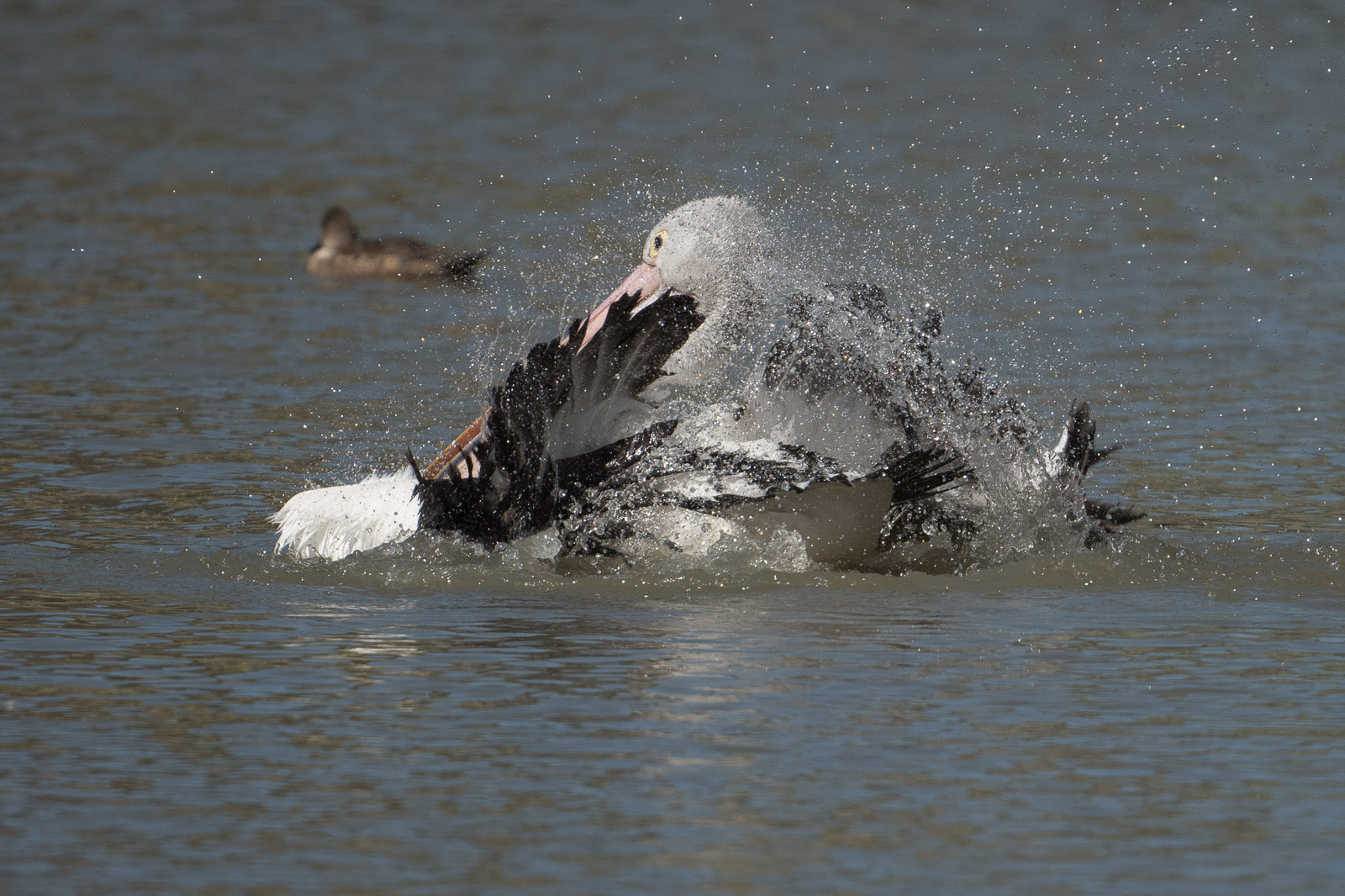
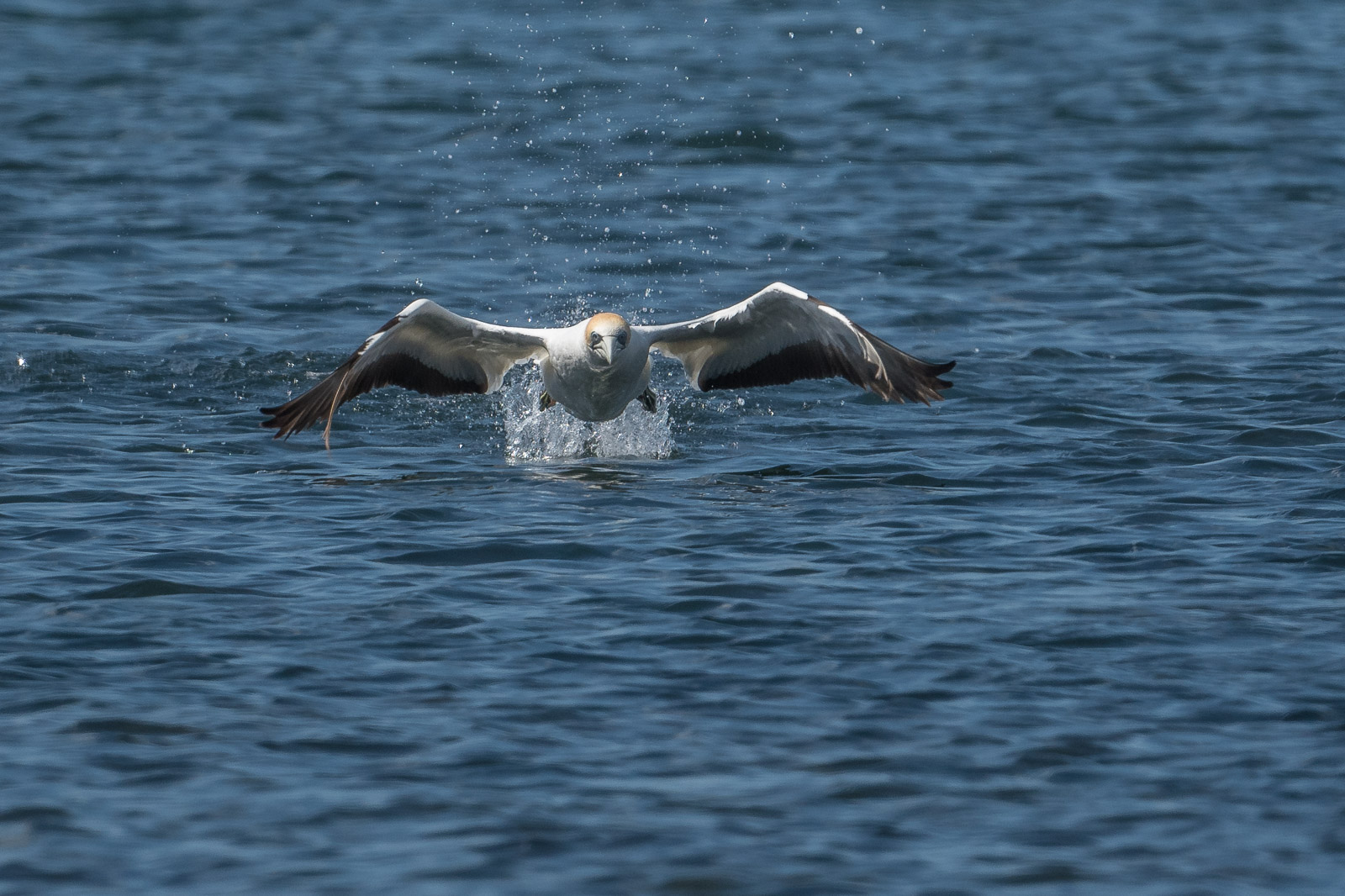
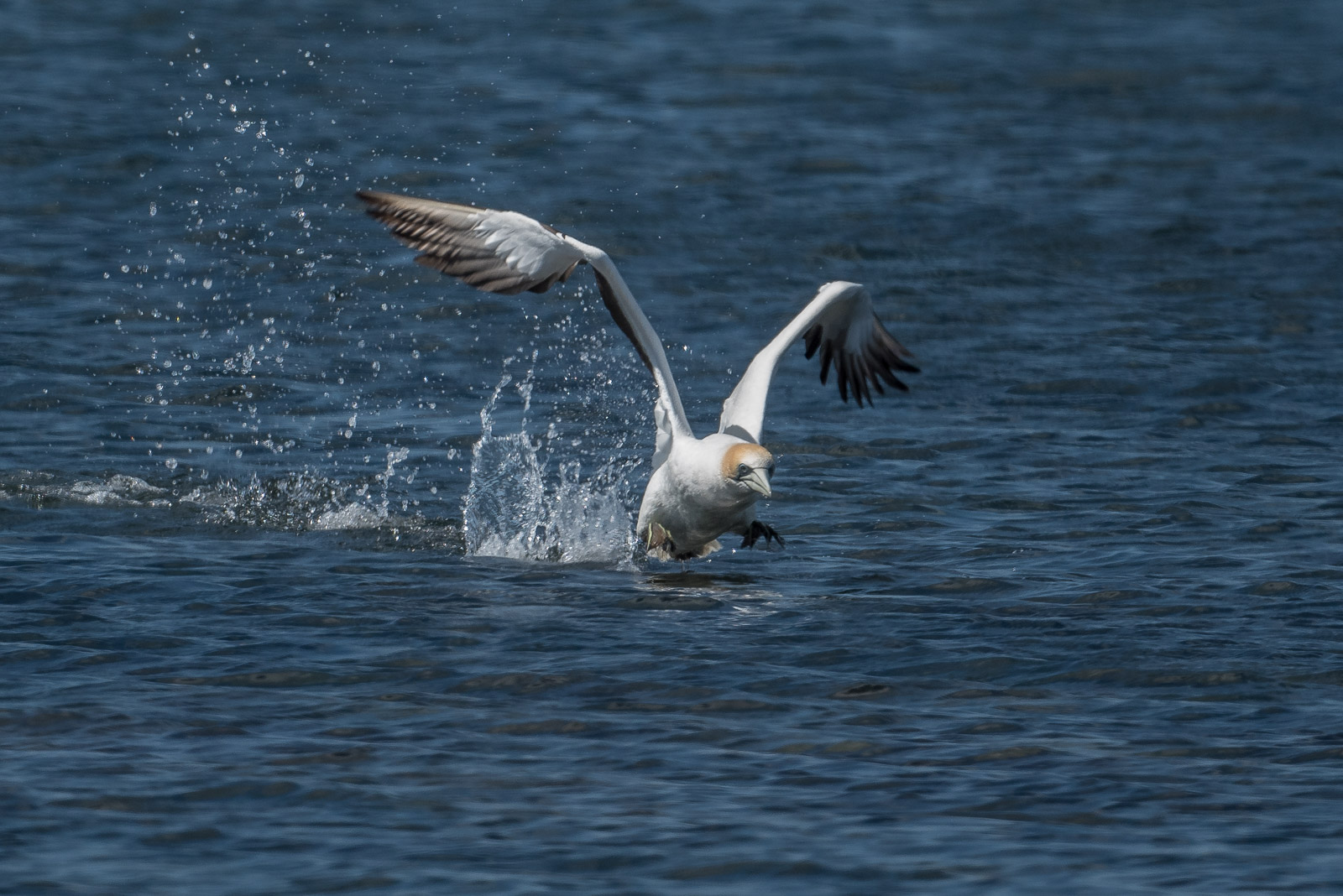
I’ve had several sessions with gannets out beyond the reef along the Point Cook coast and also down at Point Danger, near Portland. But these were frame filling birds, and because of the wind, they adopted quite a different approach to the attack. Normally we see them rollover and drop directly.  But they seemed to drop the wings, hang out the legs, reduce speed and the torpedo-like slide into the water.  Then after 10-15 seconds they must swim back up, as  they fair bobbed out of the water, then settled back down to eat and prepare to takeoff.  Fascinating.

“So”, she reminded me, “Why did we spend $40 to book a trip to see Gannets in the water next week?” Ya gotta laugh.

See how we go ah?  Just don’t lose sight of the reason to be out and about.


This is one of the few that I saw rollover preparing to dive
Wings tucked, legs out, tail flared. Speed reduction technique

Impact
The rocks show how close to the edge of the reef the birds were working
Folded back wings preparing for entry
Coming up
How much power to get the big bird out of the wate
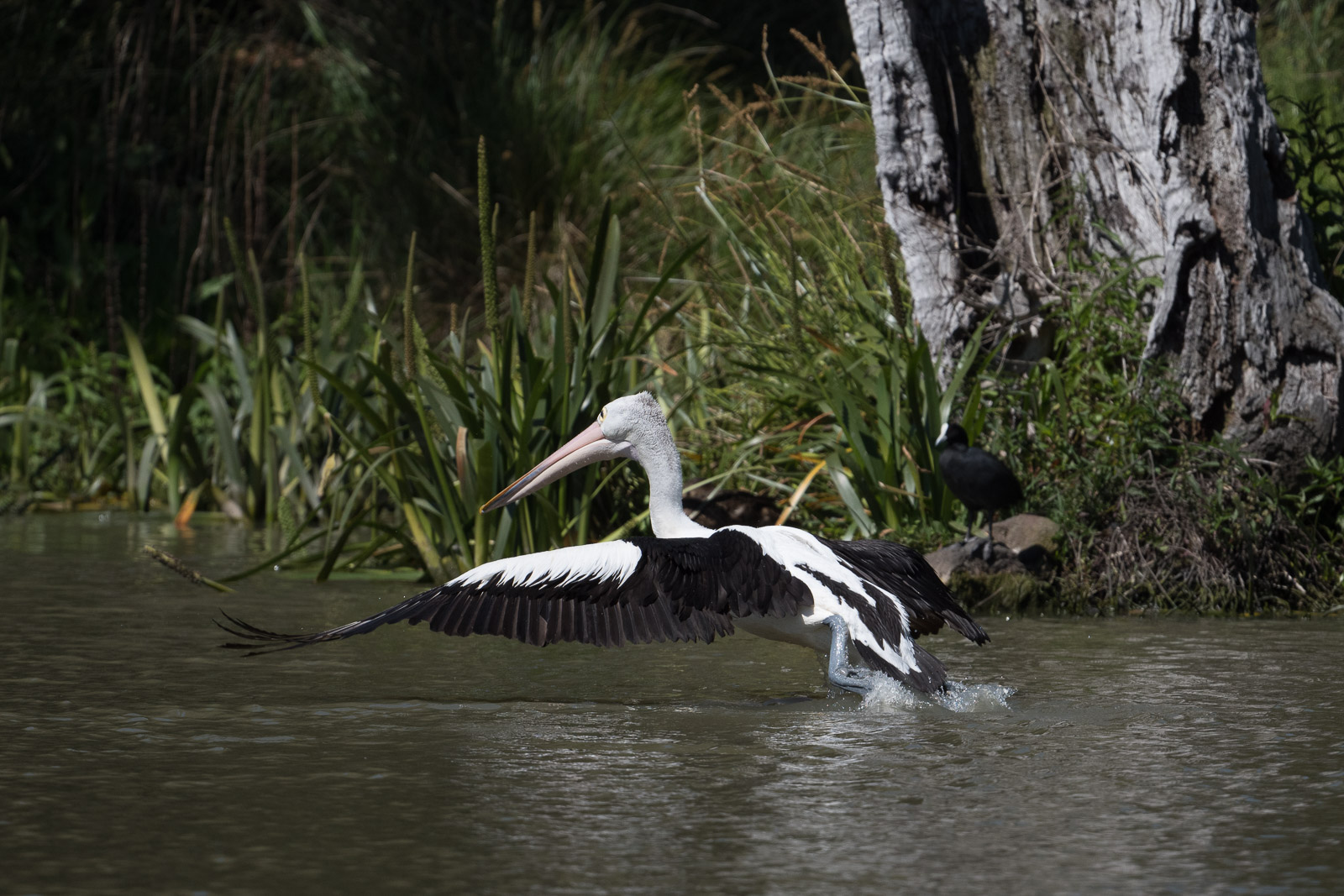
One jump two jumps, airborne.
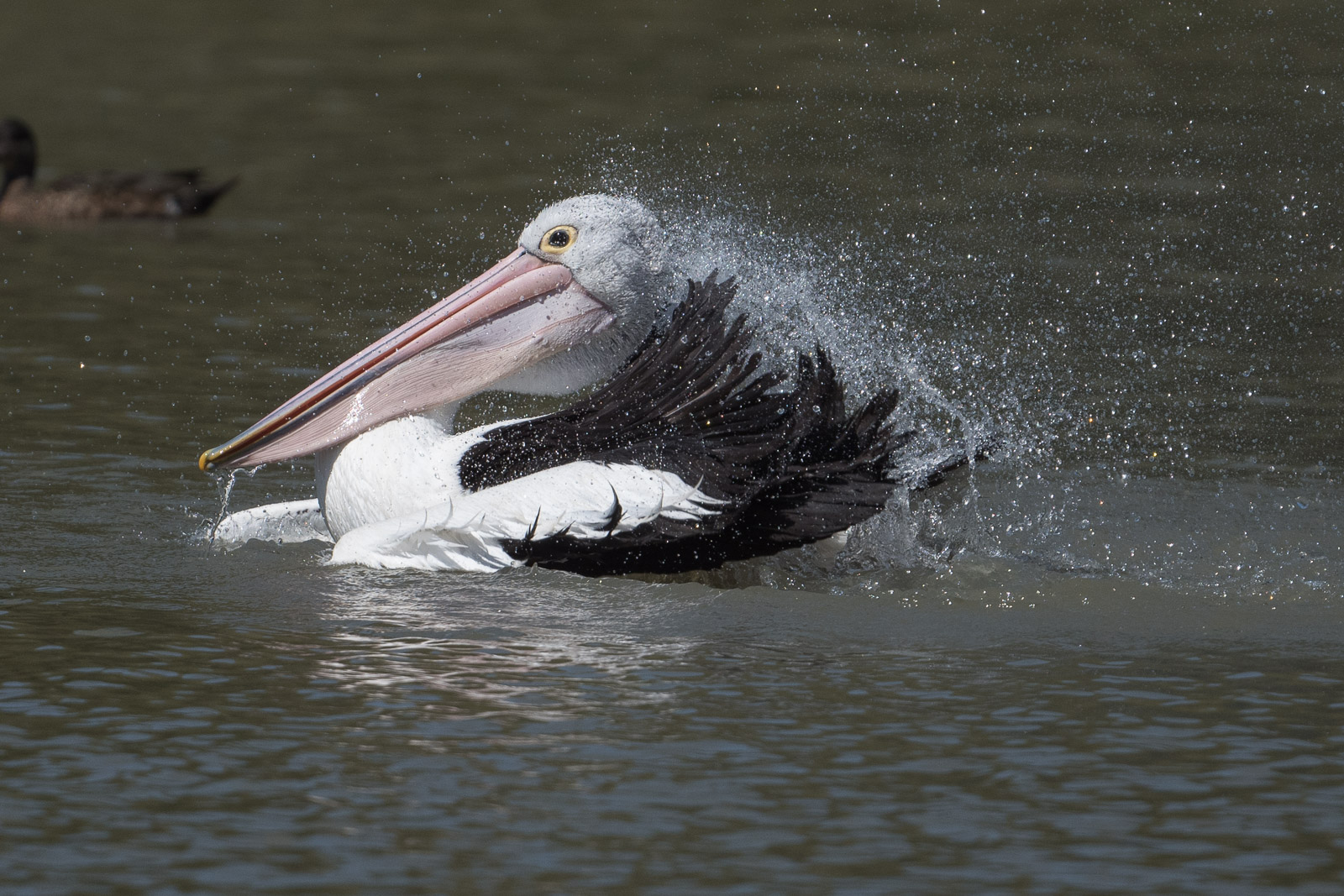
Head shake to get rid of excess water.
Simplicity


Saturday Evening Post #53 : Looking at Cathedrals

One of my current mentors referred me to this quote from Sinclair Lewis an American novelist (among other things)

He who has seen one cathedral ten times has seen something;
he who has seen ten cathedrals once has seen but little;
and he who has spent half an hour in each of a hundred cathedrals has seen nothing at all.

Sinclair Lewis

And here we are One Year into Saturday Evening Posts, the humble scrawling and image sharing attempts by Birds as Poetry to add to the web chatter/clatter. 🙂

53 weekly editions that  has been a bit of a diversion from the usual birds only, and has looked at a lot of my philosophy for photography and birds in general.

So perhaps there should be streamers and bubbly and party favours all round, but I guess I’m just happy to have achieved the goal I set out with back in October last year.

I was going to do a year in review sort of thing, but decided you as my loyal reader had probably endured enough.

It is interesting to me that the more EE and I  go to one location and follow the lives of the birds there, the more we come away with new insights into the activities of the birds in that area. Sinclair may well have been right.

Heathdale Glen Orden  Wetlands is about 10 minutes from home, but its an area that I only visit but rarely.  It is surrounded on almost all sides by housing development and the small wetlands is really a water retaining basin for the runoff water.  But it  has one great advantage.  Once the ponds become full, the water flows out over the surrounding flat land and creates, at least for a short time, a wonderful rich, muddy, food source for many wading birds and ducks.
And
A visiting clan of Latham’s Snipe.

Each time I visit I learn a little something.
My goal is to find the birds either feeding or sitting, but given their proclivity to explode out of the grasses, I think I  have a lot to learn.

None the less, I managed the other day to get a few that were coming into land in the grasses.   Unhelpfully they were landing against the light, but as that is one of my favourite lighting sets for “Drama and Excitement”, I wasn’t all that disappointed.

Thanks for your support the past 12 months, or 53 editions.  Hopefully I can make it happen for the next year.

Little Journeys: Weather Bound

After our aborted visit late last week, and with the prospect of finding Glossy Ibis in the sunshine, we eagerly waited for a break in the weather, and of course time out of our hectic social calendars (Well EE’s anyway).
Such an opportunity does not come up that often it seems so Iam Grey sat languishing in the garage as both the calendar and weather phenomena swept over our heads.

EE agreed to cancel a day with the girls, and so it was deemed that we’d make a run early on Tuesday morning. Of course the weather prognosticators and their cleverly arranged little tv charts said, “Oh no, not another disastrous weather pattern, watch out for a bloke with a big boat and lots of gathering animals”, but none the less, given that was the time slot.
We went.

Didn’t see the animals two by two, but have to confess the rain made up for any loss there.

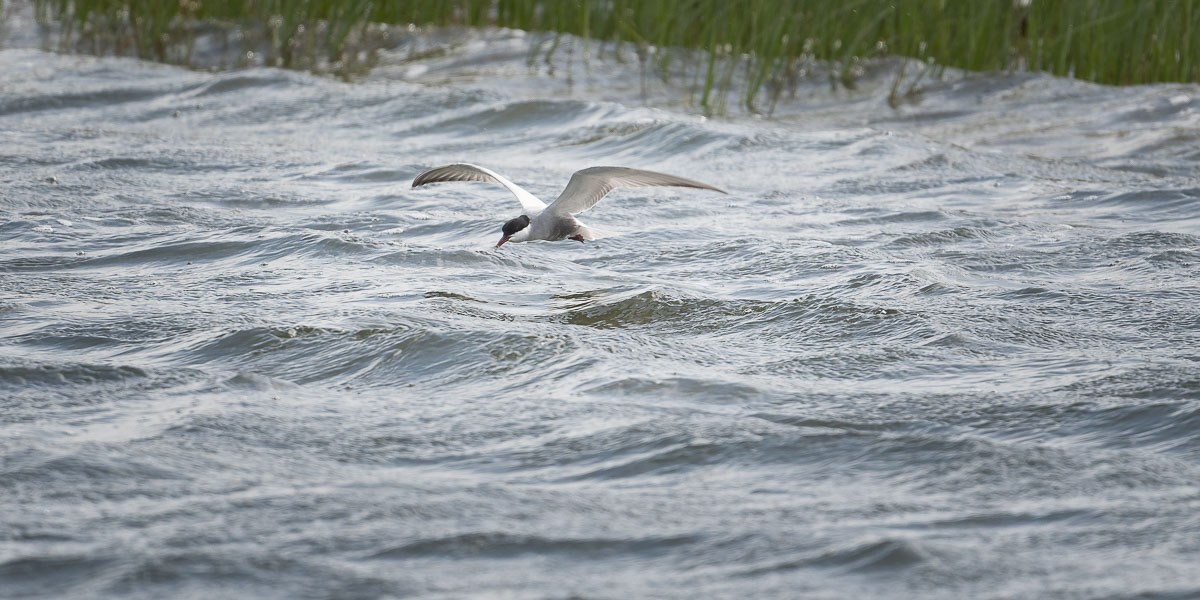
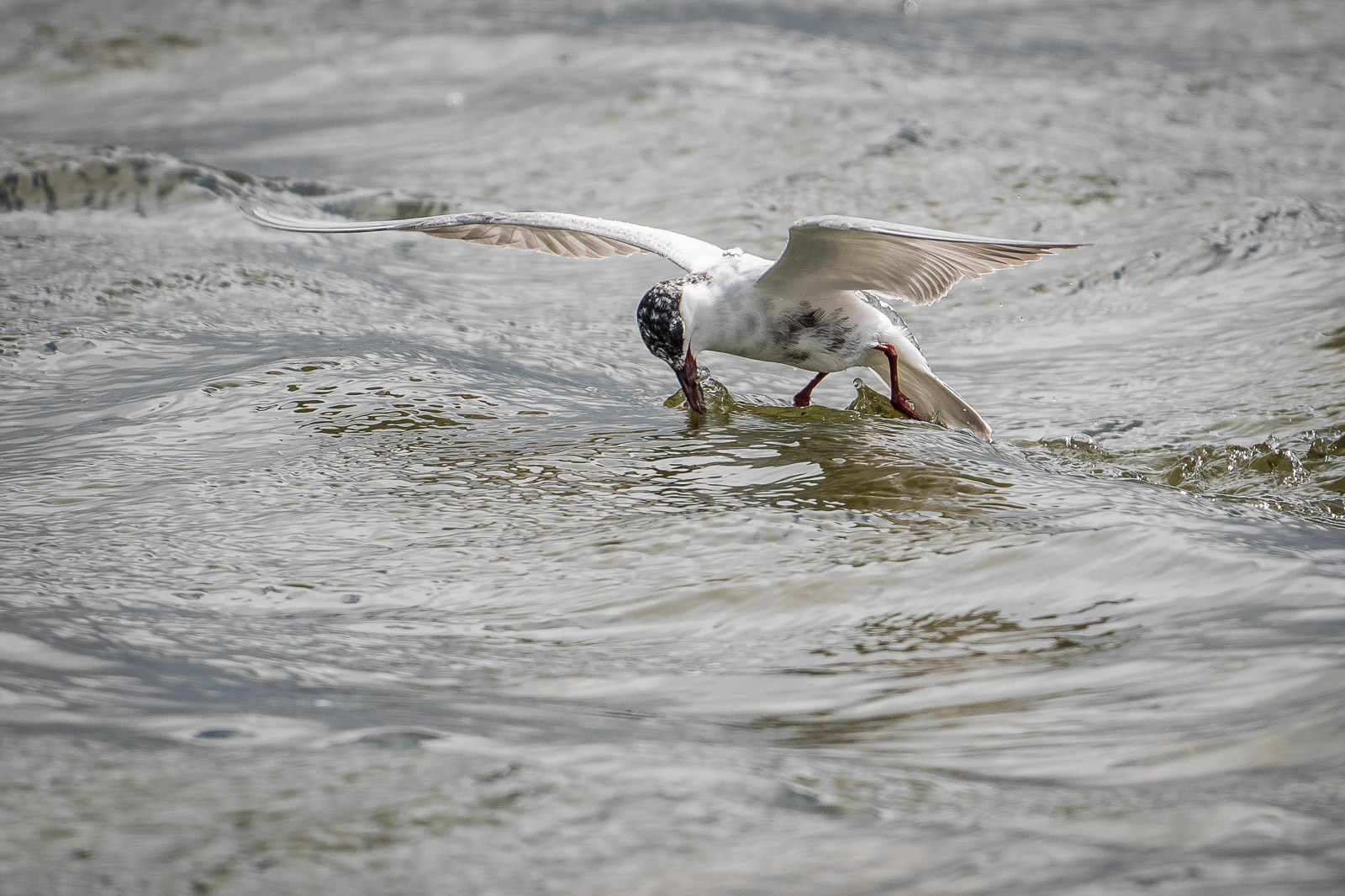
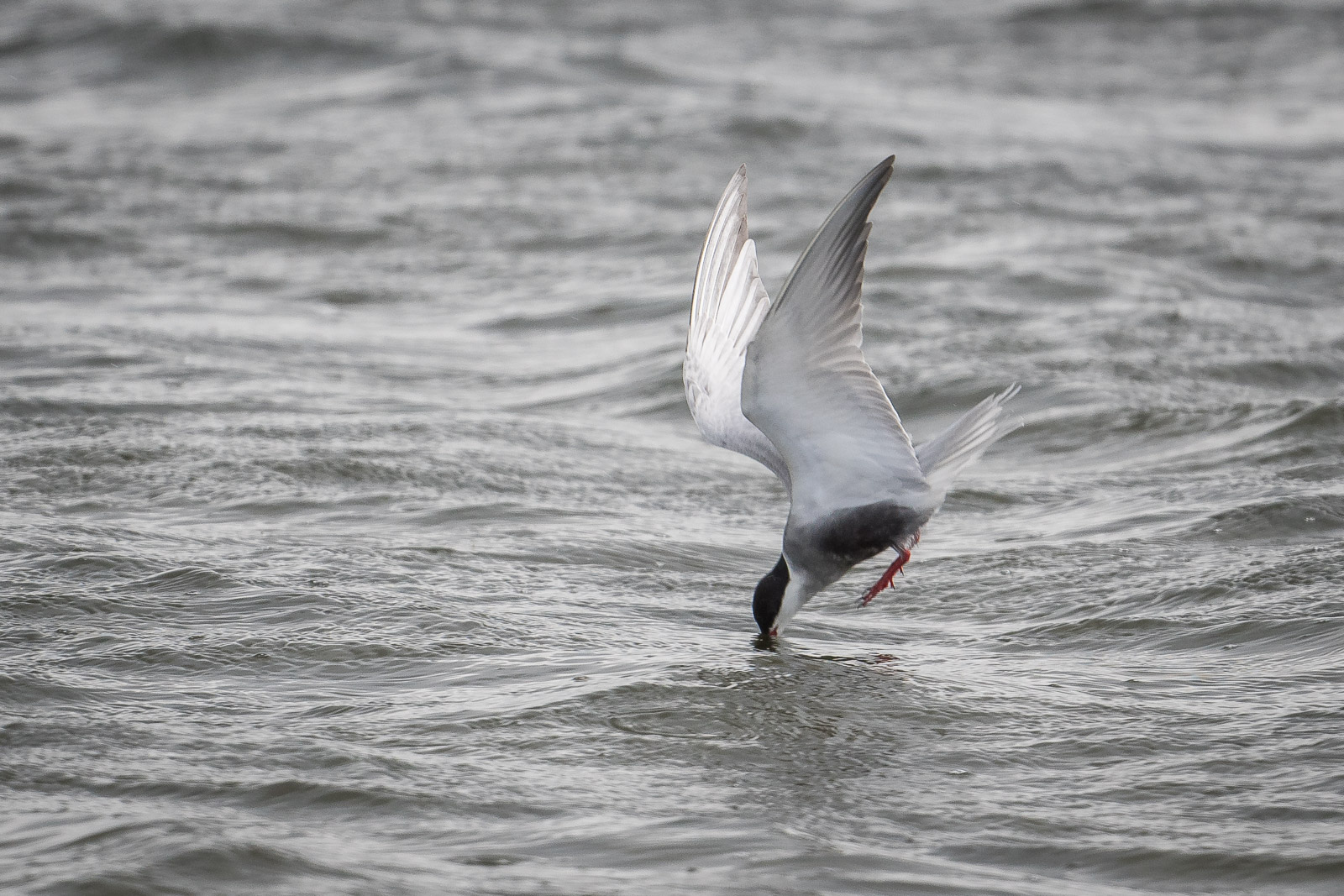
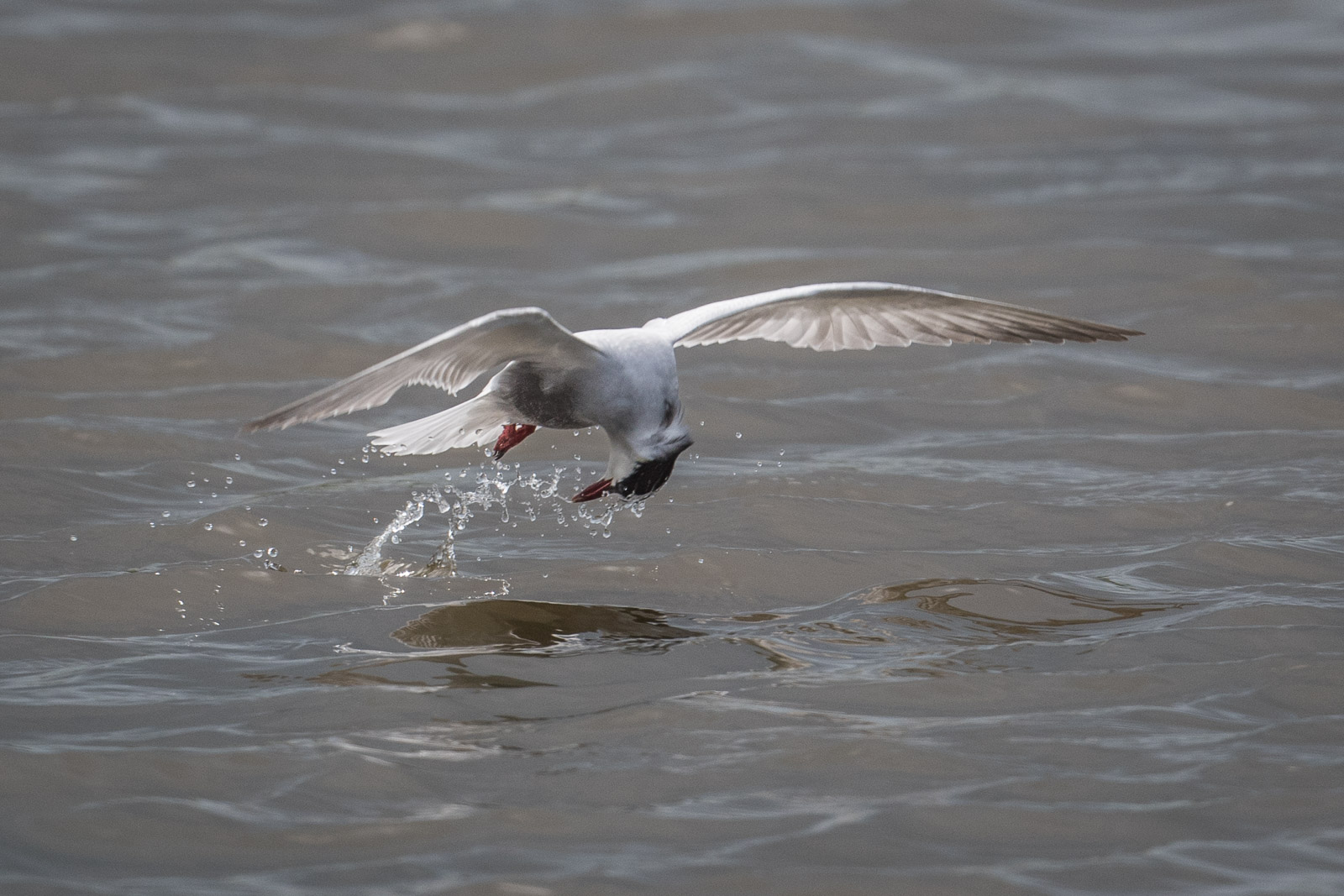
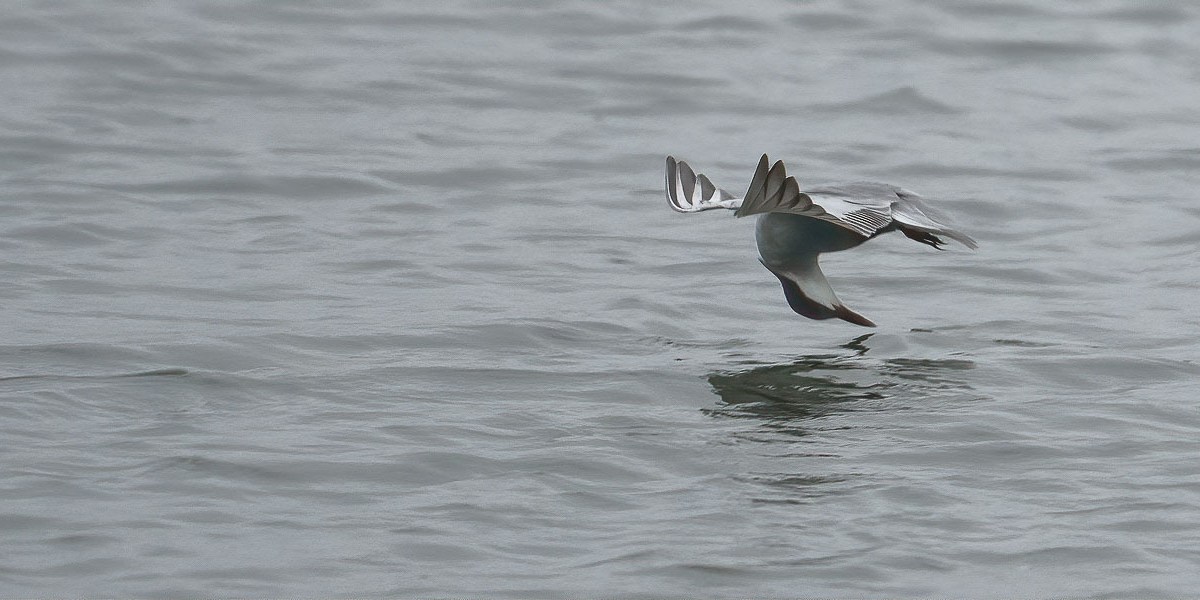
In the end I sat in the car, window down, rain falling down and watched Whiskered Terns hunting along the edge of the bunds among the grasses and the escapee canola. (ahhh yes the product that was promised not to get out of control)

The waves in the photo are not tidal, these are former sewerage ponds and the wind has stirred up the water into large running waves.

So with out further… here tis.


Saturday Evening Post #52 :

It started as a fuzzy idea.

We should go to the Treatment Plant on Friday afternoon, said EE.
Looking at the weather maps, well it seemed reasonable 5 days out.
So we planned.
And come Friday afternoon, not only was it a fuzzy idea, but in reality, the weather was fuzzy to say the least.

Still not be deterred a second plan arose.  “Let’s go out to the Highway Lounge for an afternoon coffee and if it’s still raining when we come out, well, take it as a sign, and we’ll come home.
If its not raining, take it as  a sign, and go on down to WTP”.

Can’t argue with that logic, and the coffee would at least be hot.

By the time we had indulged in one of Garry’s finest, the rain had indeed ceased, and lo, but truth be told the wind had dropped off and while overcast, it was at least pleasant.
Mind, I did check for bright lights in the sky and the sounds of heavenly voices when she said. “It’s a sign. Let’s go.”

But, and you knew that was coming right?

But,

As we turned on to Point Wilson Road, strange little wet drops appeared almost by magic on the windscreen.  I was sure it was a sign.  However as we were already down in the plant, we kept going.

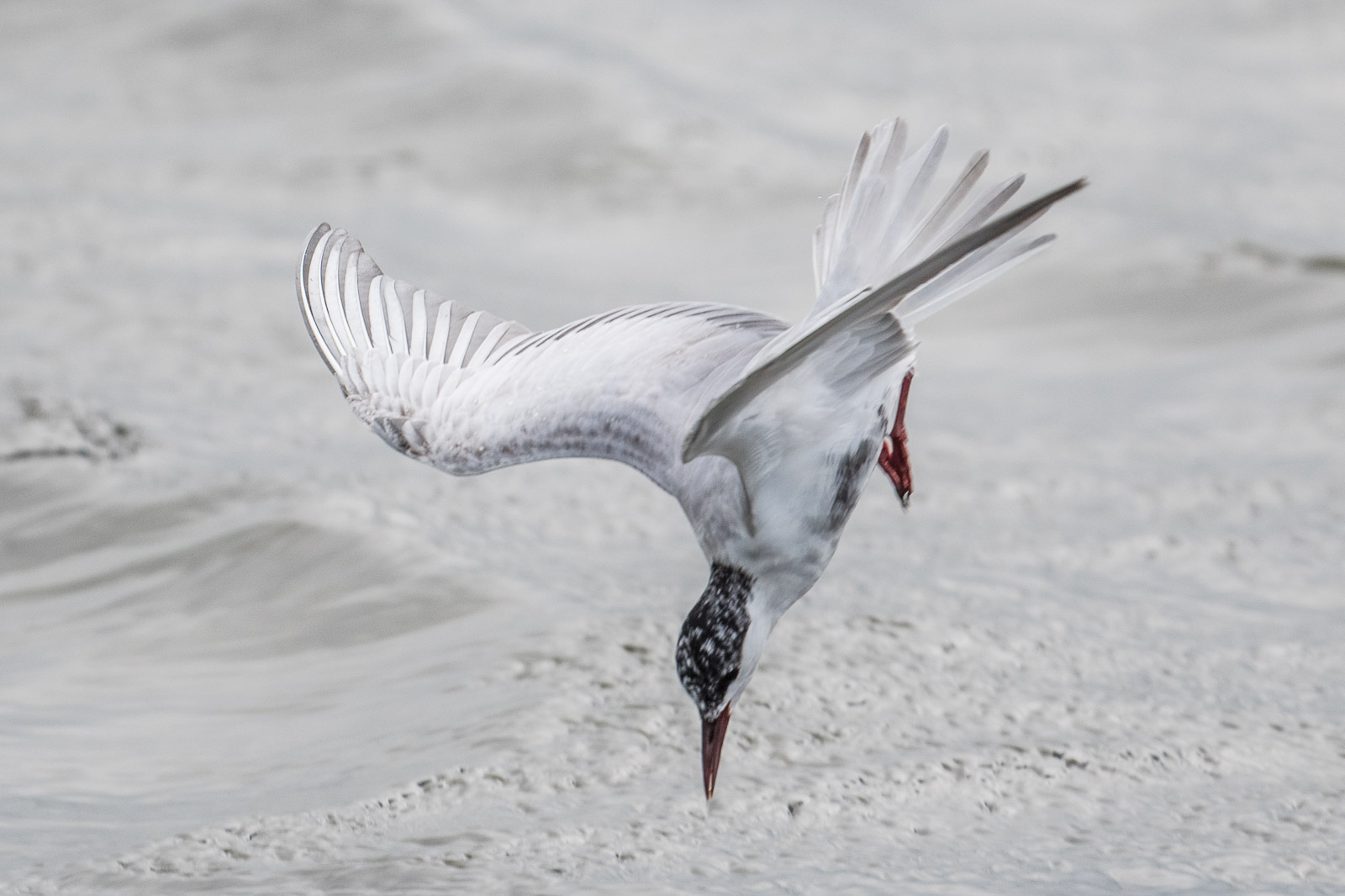
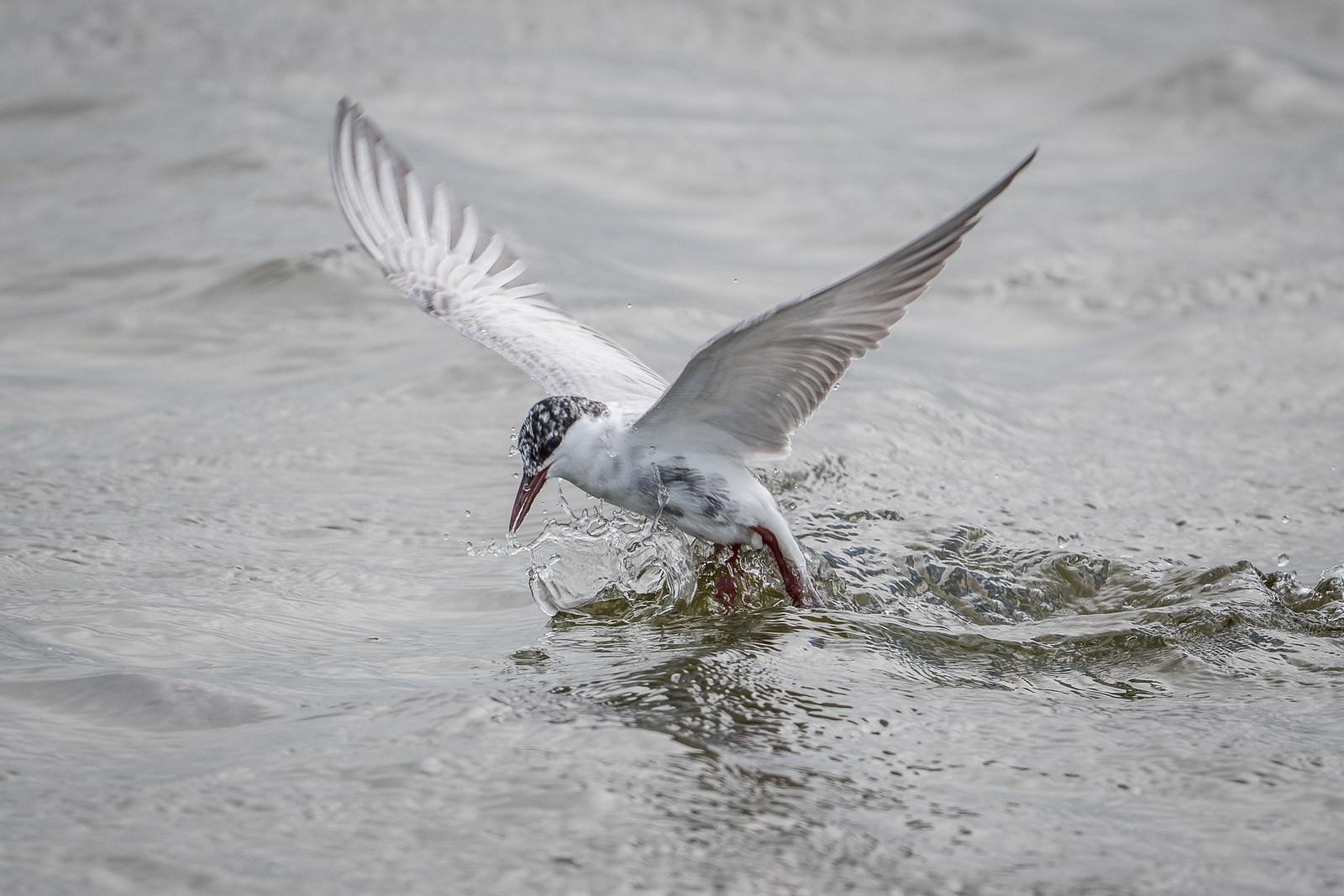
The T Section had quite a number of Whiskered Terns, (formerly Marsh Terns), hunting over the ponds, and had the weather been kinder, the photography would have been easier.

Bump up the ISO to 1600, and hope that I’d get enough shutter speed.  There is no stopping these highly energetic birds, and if you thought swallows and martins were a challenge, crank it up to a new level for terns. Especially grey birds on grey water. The auto focus, even the best of them, and the D500 ranks pretty highly, has a problem. And the rain only added that extra hint of difficulty.
So we persevered.

At one stage they started hunting over the grass areas on the bunds, and some contrast between bird and background.  Good fun.

Enjoy

Report from the Field: Many Years Ago.

I’ve hummed and hahhed about posting this. This blog does not do product reports or endorsements. I figure there are enough and more of those already.

So what follows is simply where I am in my journey of post processing software investigations.

Also if your  a “Bokeh” fanatic, believing that the world does not begin until f/1.8, then click away now, as there is nothing here for you.

For the record, I have a fairly large investment in software by NIk. I purchased stand alones of their Noise and Sharpening products years ago. And I’ve updated them regularly. They are my main go to until recently.

I’ve also been a fan of a number of the Topaz add ons (plugins) for Photoshop. I’m not too much of a preset sort of person, so my Topaz products have been mostly image enhancement.
Recently got a ‘free’ upgrade to the latest Topaz Studio product.(more of that some other time over a glass of chaddy I think).  And because of that, looked at their AI Sharpen. (AI in that name meaning ‘Artificial Intellegence’, but that would be marketing hype.
Anyway to cut to the chase, I am quite impressed by the results.
But, and I stress but.  This is not a recommendation to rush out and buy, to download, or to use.  Its simply what I’ve found works for me.
Just in case someone asks, here is their site. Topaz Labs

Which leads me to the point of the post late mid-week.
Many years ago.

In 1976, a magazine, Photo Techniques was launched, and it co-incided with what was to be a major change in career direction for me. Mike Johnson was the editor, and one of the main writers was a character named Ctein. (Let’s get it right: pronounced, ku-tine as in fine)
He wrote all sorts of articles on getting the best possible quality from photochemical prints. He knowlege was legendary, his practical hands-on experience was at the time without peer. If Ctein said it, it was right.
As the digital age took off all around us and ‘Giclee’ prints became the selling point, Ctein lead us all to “Yellow Brick Road” leading to print perfection. And without a loyal dog Toto to be seen.

Eventually- many years later, the magazine folded, but Mike Johnson now runs a web page called The Online Photographer TOP
See page here.
Or direct to the blog here

His biting humour and keen eye now graces an almost daily dose of Mike. Ctein continued to publish on Mikes TOP

I’d been busy of late and hadn’t checked, but when I looked today I found an article by Ctein, published back in September, 23 to be precise.
Subject.
Topaz AI Sharpen.

Here tis.
Even if you don’t have/want/use/dislike/hate with a passion/or are ambivilant if you want a reasonably argued case for the way digital image processing is going to progress in the future, its a good starting point.
Also interesting to see the tangents and other discussion about ‘sharpness’ that have kicked off on TOP because of the article.  You’ve still got it Ctein. 🙂

And just for completion, here is a comparison pair

On the left is the original NEF image. On the right the result of running it through Topaz AI Sharpen. Showing at 200% in Lightroom


For the technically ept.  Nikon D500, 500mm f/5.6 PF and a TC 1.4 Converter. NEF processed by Adobe Camera Raw
Nuff Said.


A Morning in Grey Box Forest

Long time readers will no doubt recall that I often claim to have Grey Box sap running in my veins.

These amazing old trees are the superstructure for the type of forest and forest birds that I really enjoy working with. And as Woodlands Historic Park has such an untouched stand of Grey Box, its not hard to see why I love it as I practically learned my forest birds craft out there.

Another find stand of Grey Box is at Eynesbury near Melton.

Every second month the local Eynesbury Environmental Group, here’s their facebook page, conducts a morning walk in the forest for interested locals and visitors.
Chris Lunardi does a super job of getting us out in to the forest to look at some of the lesser visited areas and to find interesting birds.

Chris also seems to have an amazing ability to chose days where the weather is kind. And this past Sunday was no exception.

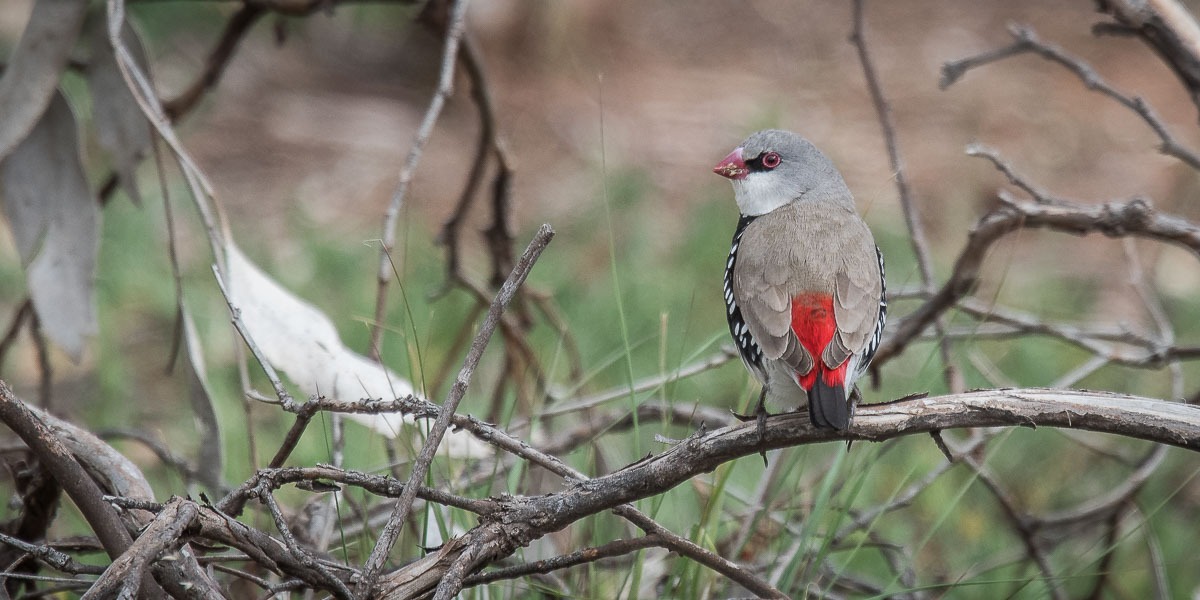
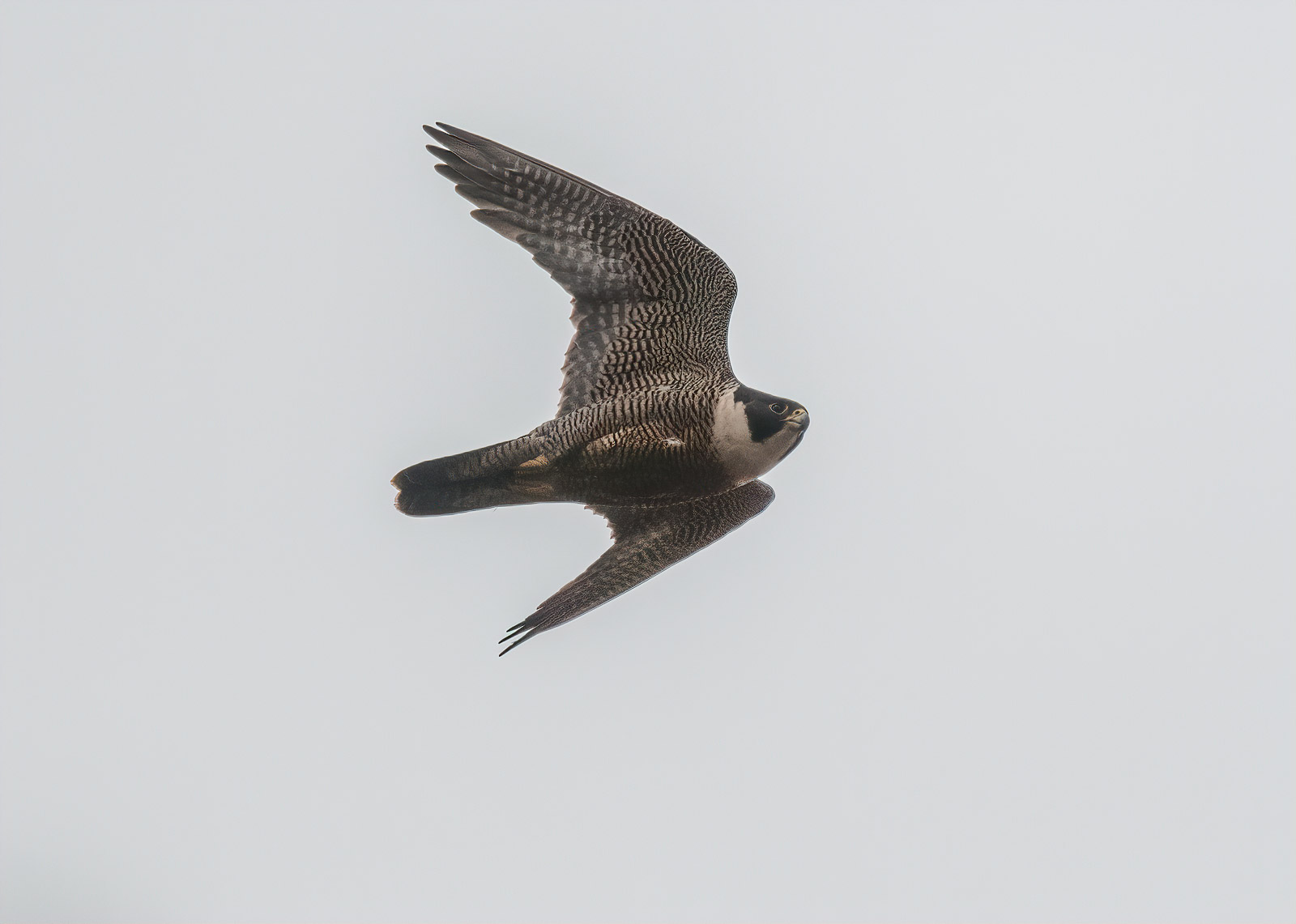
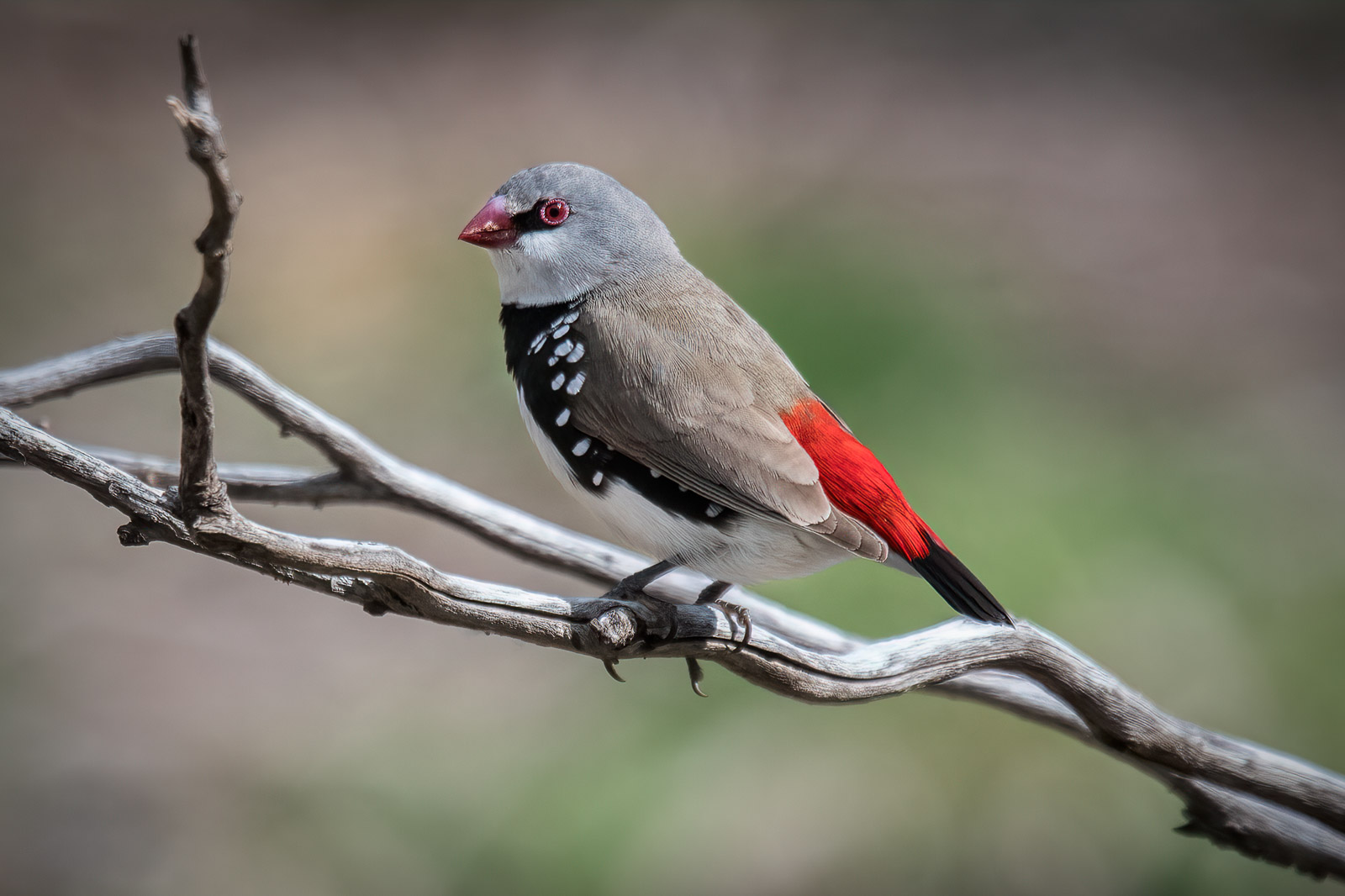
Probably the highlights of the day were a pair of very vocal Peregrine Falcon, and several sightings of  Diamond Firetails.
Diamond Firetails often are found around the lawns and golf greens in good numbers, and occasionally a few birds through the bush.  We managed to find them in 4 locations throughout the day.

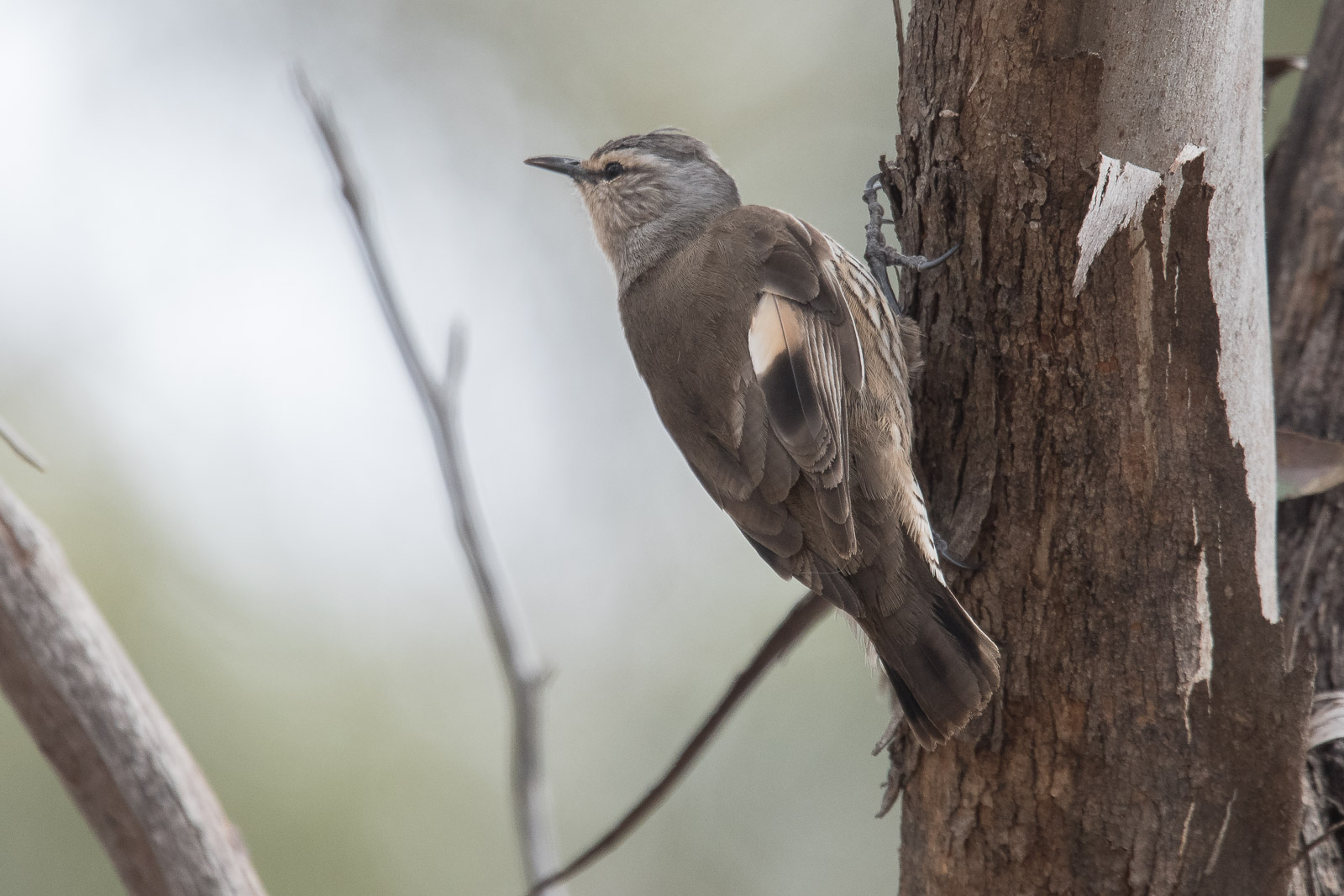
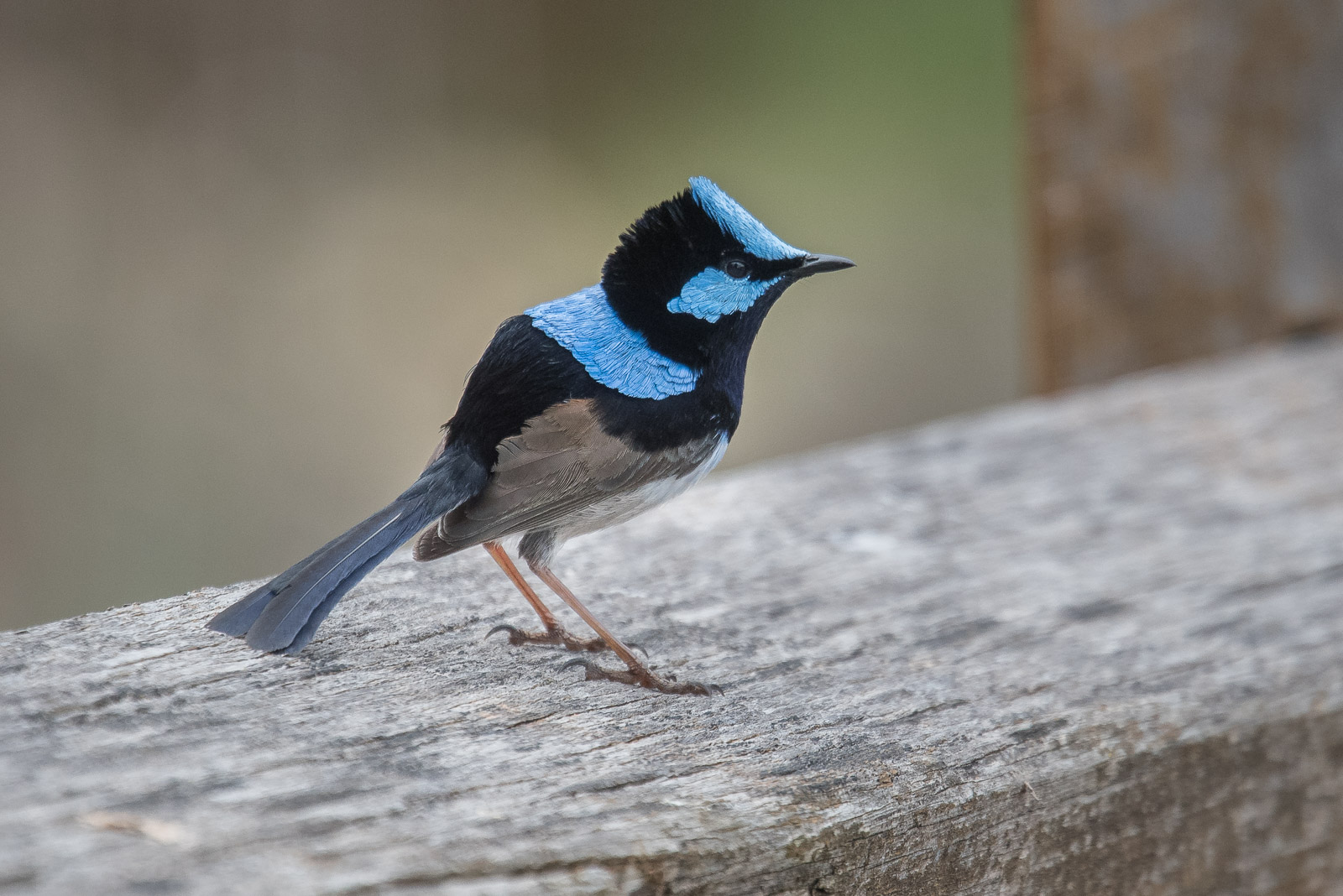
Here’s a visual summary.

Brown Treecreeper
1909-29_DWJ_9626
Tree Martin hard at work collecting mud
Superb Fairywren defending his terrritory
Peregrine Falcon
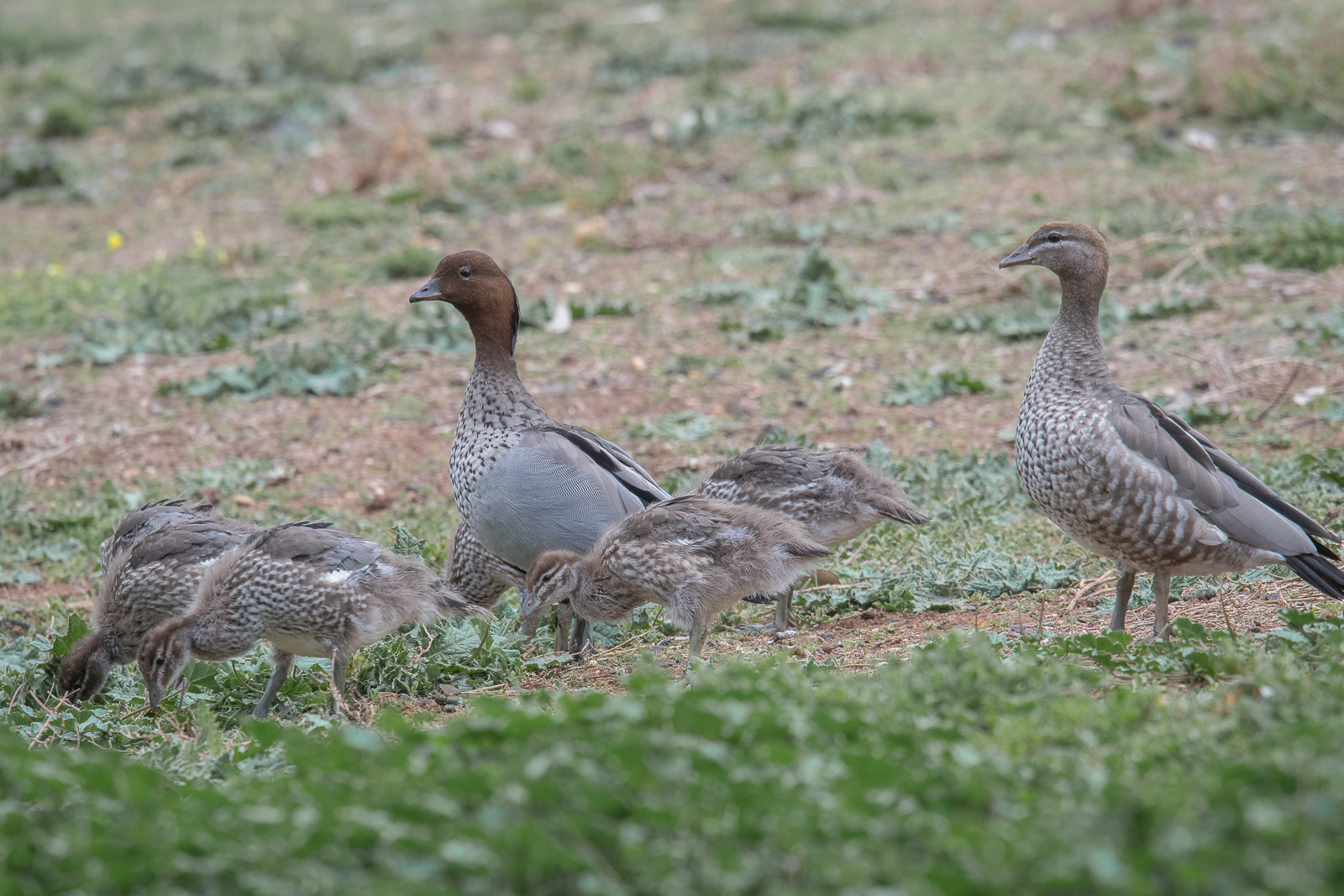
A Good News story. Maned Duck family out for a stroll.
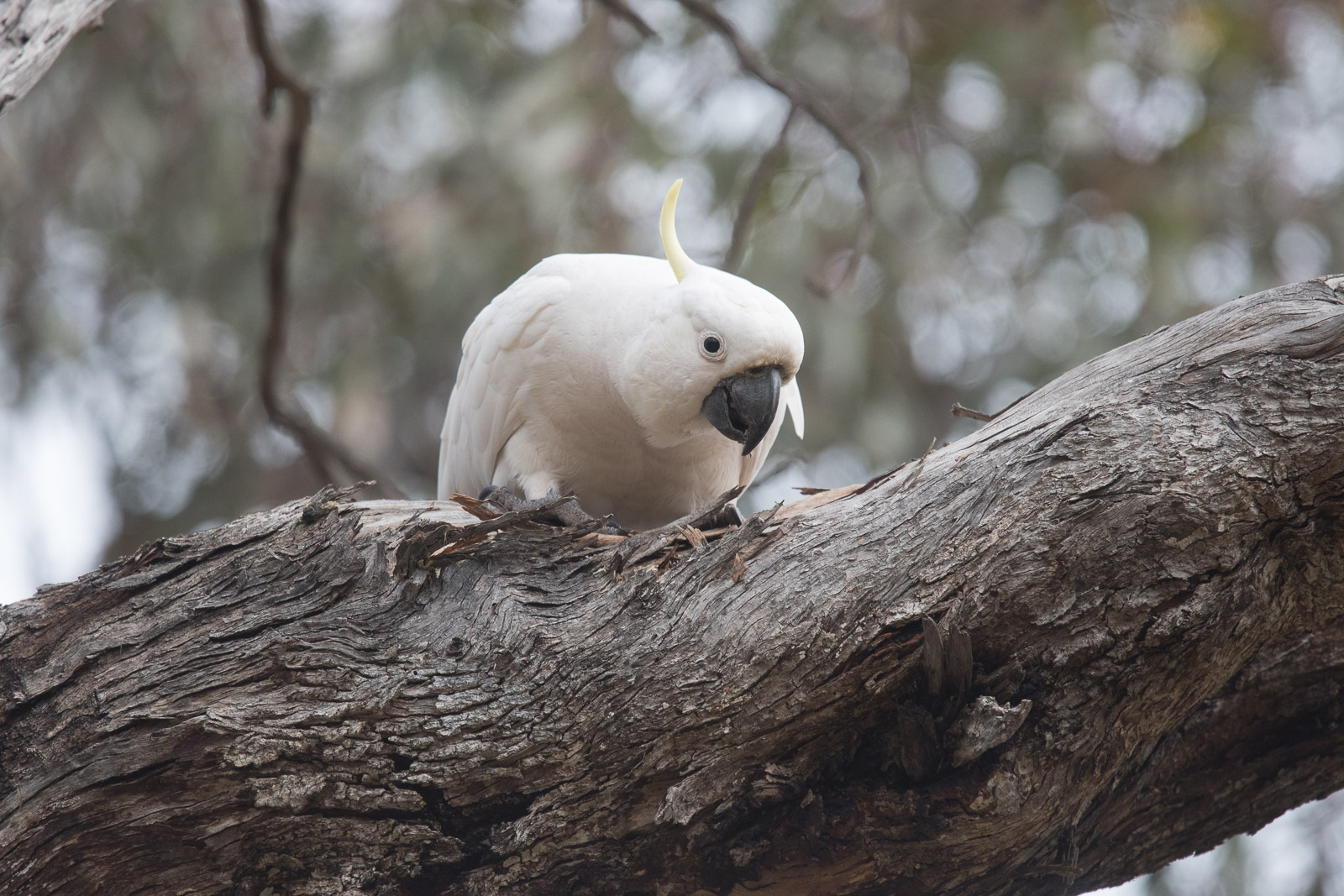
Sulpher-crested Cockatoo.
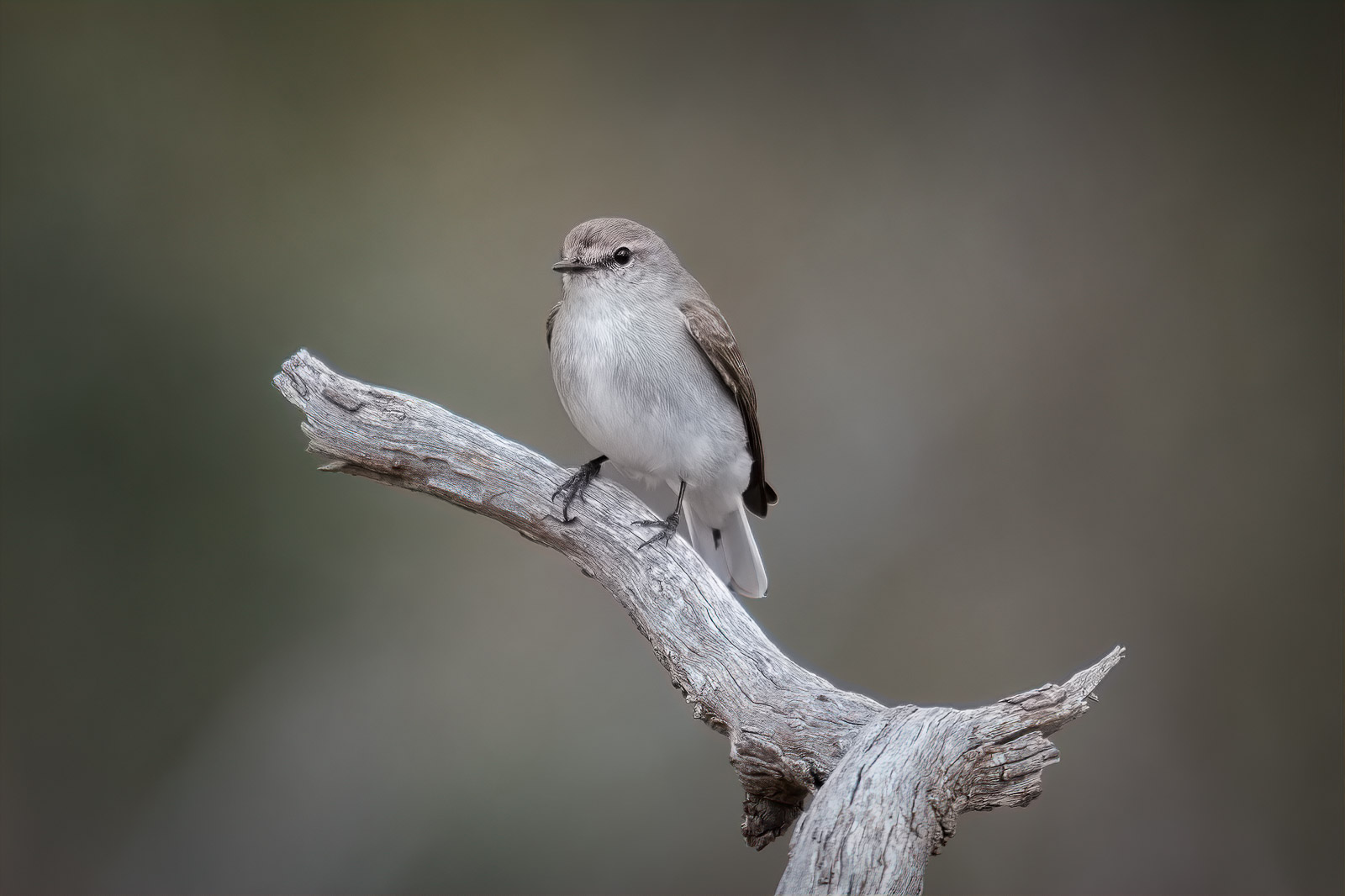
Always a favourite at Eynesbury. Jacky WInter.
Summer visitors are strarting to arrive.
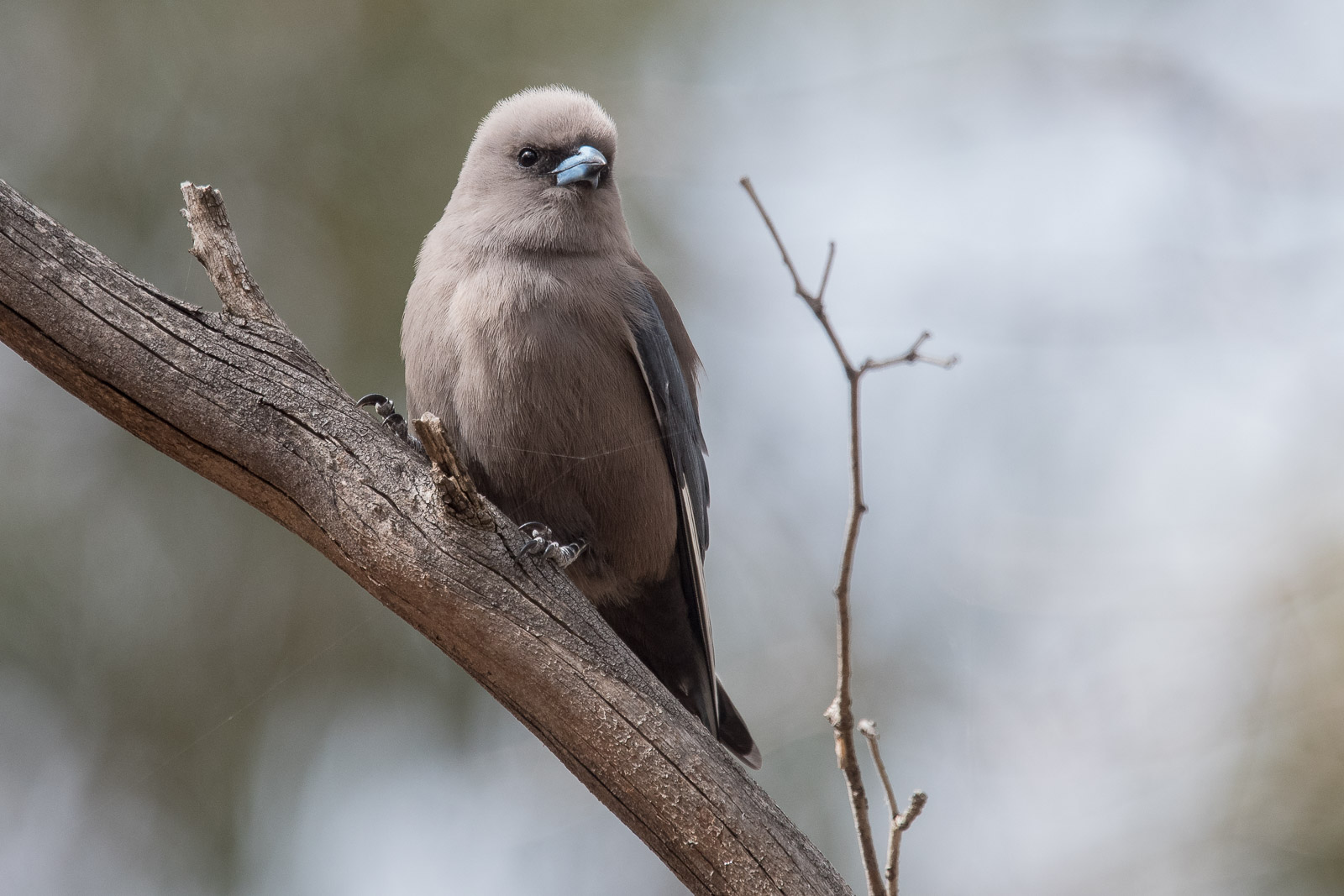
Dusky Woodswallow
Signature Bird: Diamond Firetail.


Saturday Evening Post #51 : Of Shape and Form

Form and Shape are among the basic elements of art.

Often to find form I find its necessary to look beyond the the subject and the structural elements of the composition.
And being able to reduce the elements to simple black and white often makes the form more visible.

Currently on the tv is an ad for TAB Corp. (Yep, I don’t bet, don’t encourage it, and generally rail against it).
However this one, I hope you get a chance to see it, is about the work of all those behind the scenes in the industry.  Those that get up very very early, the food staff, the trainers, the jockeys, the handlers, saddlers, blacksmiths, transport, and the like.

What makes it a very exiting visual is that is is all shot, or at least reduced to black and white. The lighting, contrast, the edgyness really has a great feel to it all.

I can’t seem to find a link to it else I’d share it.

Which leads me to Little Ravens hard at work on a nest.
Don’t you hate a poorly developed segue 🙂

This is one of a pair that were gathering nesting materials.  If you look closely you’ll see some binding twine that the bird had collected. Taken it to the nest, discovered it didn’t fit, and has landed on the post and pushed it into the crack on the fence post. Perhaps it would be needed later.

Then it looked at me.  And I could feel it was taking in every little detail. Even knew the serial number on the lens. 🙂
And the thing that got me working on the moment was the light seperating out the shape from the background and the draping moulding light playing over the form of the feathers.
“If I use this,” I thought, “I’ll make it monochrome.”

What is so great about monochrome is that enables the viewer to savor those shapes, forms and textures, that transcends the ordinary to an ethereal world.

Enjoy

Little Journeys: Springtime in the Gardens

For over twenty years a dedicated group of volunteers have been patiently working at developing a Botanic Gardens in Melton.
Today, their wonderful efforts have transformed the area into a little oasis in the housing and industrial area.
Along one of the creeks, every year, Latham’s Snipe visit from Japan to summer over.

The Friends Group participates in the Latham’s Snipe Survey, and EE and I went out on Sunday to help with the survey.
As it turns out we were only able to locate two Latham’s Snipe. But given that the water levels in the creek and the lake areas was well up, there probably wasn’t much opportunity for the birds to easily feed and hide during the day. All part of the interesting life and times of Latham’s Snipe.

What we did find however was lots of Springtime activity here is a small sample.

A Noisy Miner delivering food
Magpie-lark in characteristic mate calling display
One of about 8 Magpie-lark nests in progress.
Willie Wagtail gathering Spider Web
Whistle while you work. A happy Wagtail adding more Spider Web to its new nest
The care and feeding of young Red Wattlebirds is a noisy business and there were lots of young to be fed
Here’s a clever one for you to find. Hidden among the leaves is a tiny, beautifully made spiderweb basket of a White-plumed Honeyeater.
Just hatched. The Maned Duck chicks still have the little egg beak to break out of the shell
Dusky Woodswallows have arrived and no doubt will soon be nesting
Rufous Songlark. These loud calling birds were establishing territories. This one in particular had taken over the earth moving equipment site just outside the Gardens.

Saturday Evening Post #50: Feeling the Magic

David DuChemin asked a very important question the other day.
“Do you remember the first time you saw the magic?”

Now for some of us, photography is simply a tool, a necessity, or perhaps a passing phase, or maybe even a distraction from other things.
Some of us use the images particularly us birders, as references, id help, or simply to record our observations.
The technique, the art, the technical challenges are of so little importance as to not be bothered with.
Others, sad to say, I think, use it as a chance to vent on various photo blogs, fb/insta pages on the newest-latest-greatest,-worstest hardware/software that is  is bugging them at the moment. Next month of course, it will be something different. As the ad for a betting app proclaims, ‘Even the permanently offended can use it”

The magic, dear David D., never happens!

Add to that the latest iteration of that amazing must-have piece of technology, the ‘smart phone’, and all the wonders of the AI inspired software, and its plain to see that like slide projectors, and Kodachrome disappearing off the horizon, great changes to the photographic landscape are in the wind.

I once did a presentation at a major photo convention, titled “Riding the Wind of Changing Technologies”. Short version, I addressed the changes that was about to sweep silver halide technologies away like a tsunami and the directions that the digital age might take. Regrettably the discussions afterward were all about the error of my ways, and not about how the new tech could be used to advance our art.
Time as they say, does tell.

Now the Luddite in me {Luddite: Luddites feared that the time spent learning the skills of their craft would go to waste, as machines would replace their role in the industry} might throw up its hands in horror, but the truth is that each change in the technology does not destroy our art. It simply allows it to grow.
In tai chi, one of the old masters wrote against simply doing the same moves over and over again without change. “It is the change that brings depth to the art, otherwise it will die.”

And that as they say, “is the thing”.

Photographs touch us deeply. They allow us to express more than just, ‘oh, I saw this’ they allow us to show how we feel about the subject.

And that is the magic. The ability to allow others to experience what we saw. I’d venture to postulate that the tools we use for that are no where near as important as the passion of the photographer to bring powerful images that create experiences in our emotions and imaginations that we will never forget.

I enjoy looking at photos trying to see not only the image, but the photographer behind. To me that is the magic.

Grey Goshawk (White morph)


Saturday Evening Post: #49 An Endless Love Affair

“Light makes a photograph. Embrace light. Admire it. Love it. But above all, know light.
Know it for all you are worth, and you will know the (a) key to photography.”

So said George Eastman. Founder of the Eastman Kodak Company, and  man who went on to amass a fortune at his death that, today would be around $2 Billion.

I wondered for all that, if there was a collection of photographs somewhere taken by a man who Embraced, Admired, Loved and Knew light.
But sad to say he seems to have left very little of a body of work that could be said to be the photography of George Eastman.

Here is a link to an image of Eastman using a Kodak Number 2 camera while on board the S. S. Gallia in 1890
George_Eastman_(F._Church_1890).jpg

He was enamoured with motion pictures and carried a 16mm camera on his travels. From those journeys a number of documentaries of various places were made in the 1920s. He also regularly travelled to Game Hunting Safaris in Africa.
I can recall seeing some book or documentary once, that showed Eastman, the ‘White Hunter’ in suitable garb posing around the bodies of dead beasts, but no doubt the majority of those photos would have been taken by his handlers.
Here is a link to one from the George Eastman House site. 2007-0007-0127-safari-ge-and-villager.jpg

We had been with BirdLife Werribee, formerly and now informally  known “Werribee Wagtails” on a day outing to Ocean Grove.

The group was walking around Blue Waters Lake Reserve and had stopped to see several Nankeen Night Herons in an old willow tree, with its twisted branches and long fringes that made sighting just that bit difficult.

Also flying past down the centre of the lake from time to time were Royal Spoonbills.  They had to sun behind them and looked a treat in brilliant white against the shady far shore of the lake.
I lost interest in hard to see Herons and became enthralled with both the spoonbills and the light so beautifully cascading through the feathers.

Exposure for such scenes is at best fraught with complications. As EE is known to say.  “If I get the feather detail right, the background gets lost. If I keep the surrounds then the contrast takes out the feather details.” Or some combination of those words that expresses the difficulty of backlighting.

No hero lecture here. I choose exposure for the feathers, and will worry about where the background goes when I work out the mood and feel that I want from the moment.  That is a slider thing. I make no apologies.  Give me Photoshop with layers, layer masks, paintbrush, and a Curves setting and  that’s me for post production in the digital darkroom.

How to set the exposure right for the wings?  See my blog sometime back on Dean Collins.

I managed several birds on the day, and at first thought I’d like to have the head and neck showing. But in the end, I selected this one as the shape and curve of the wings is Satur poetic.

Enjoy


Moments: Learning (Brown) Patience

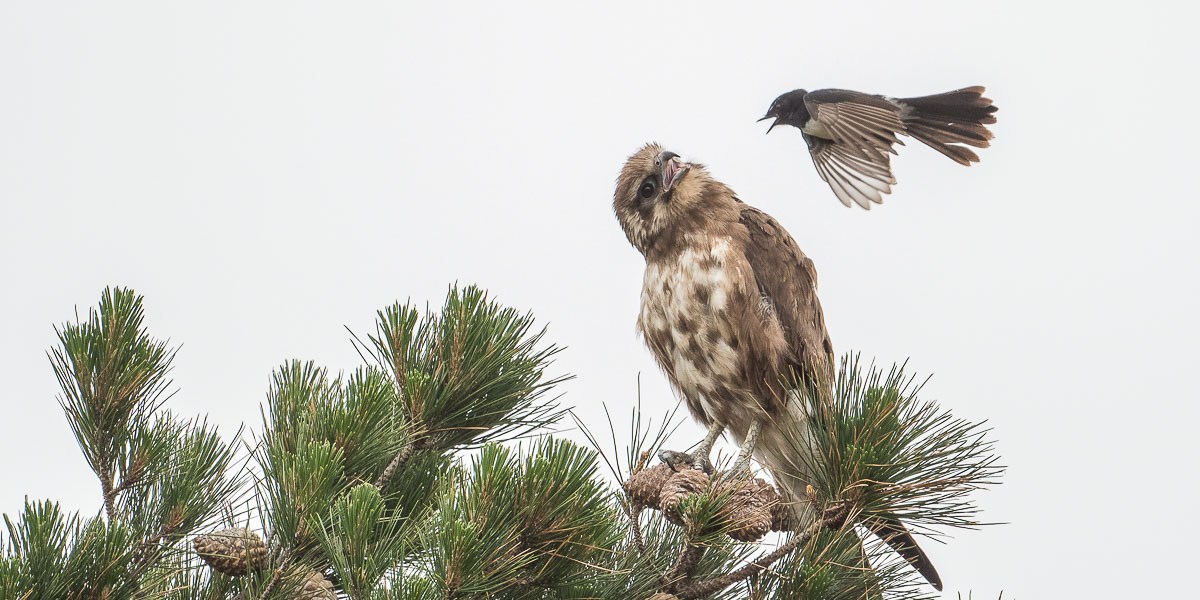
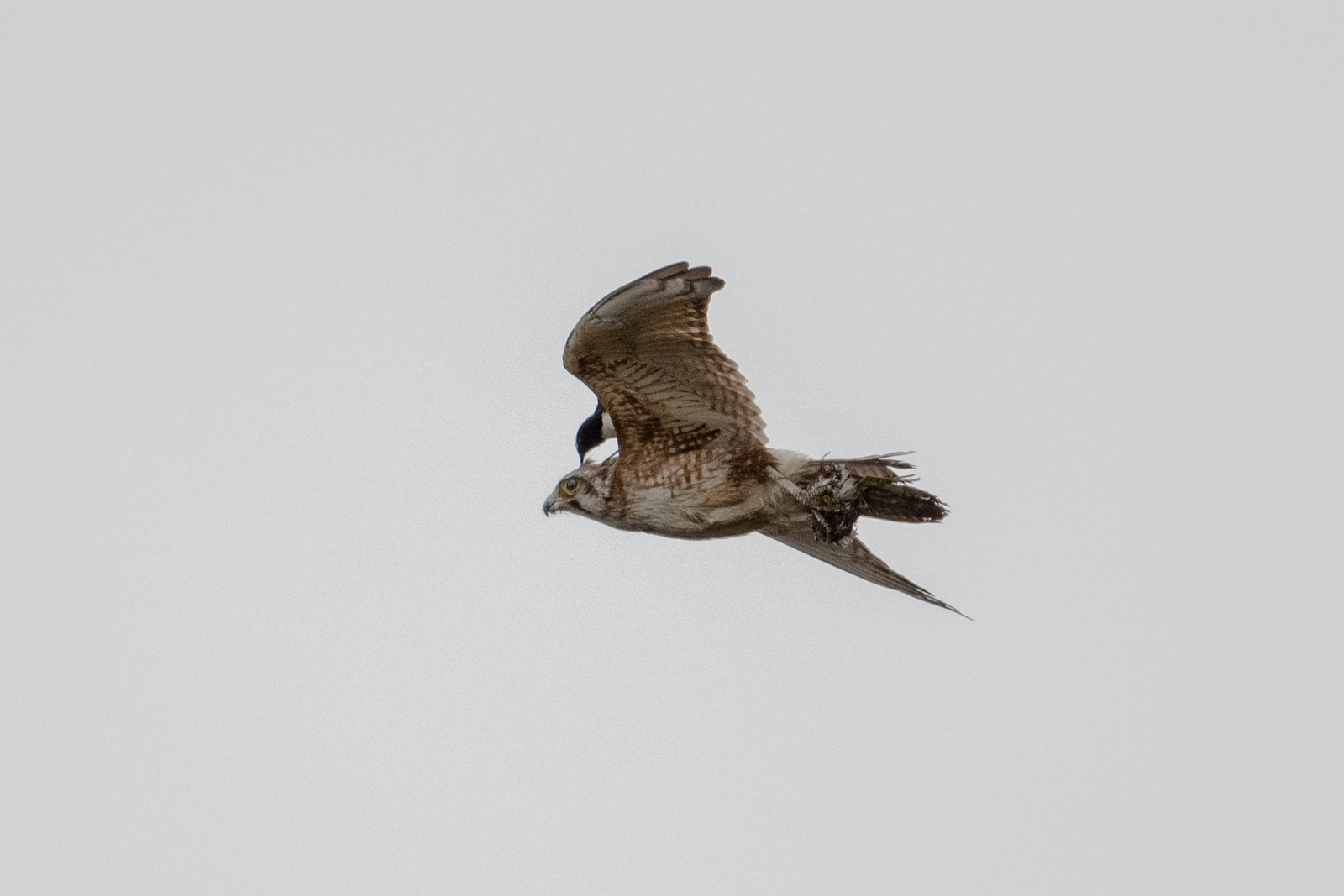
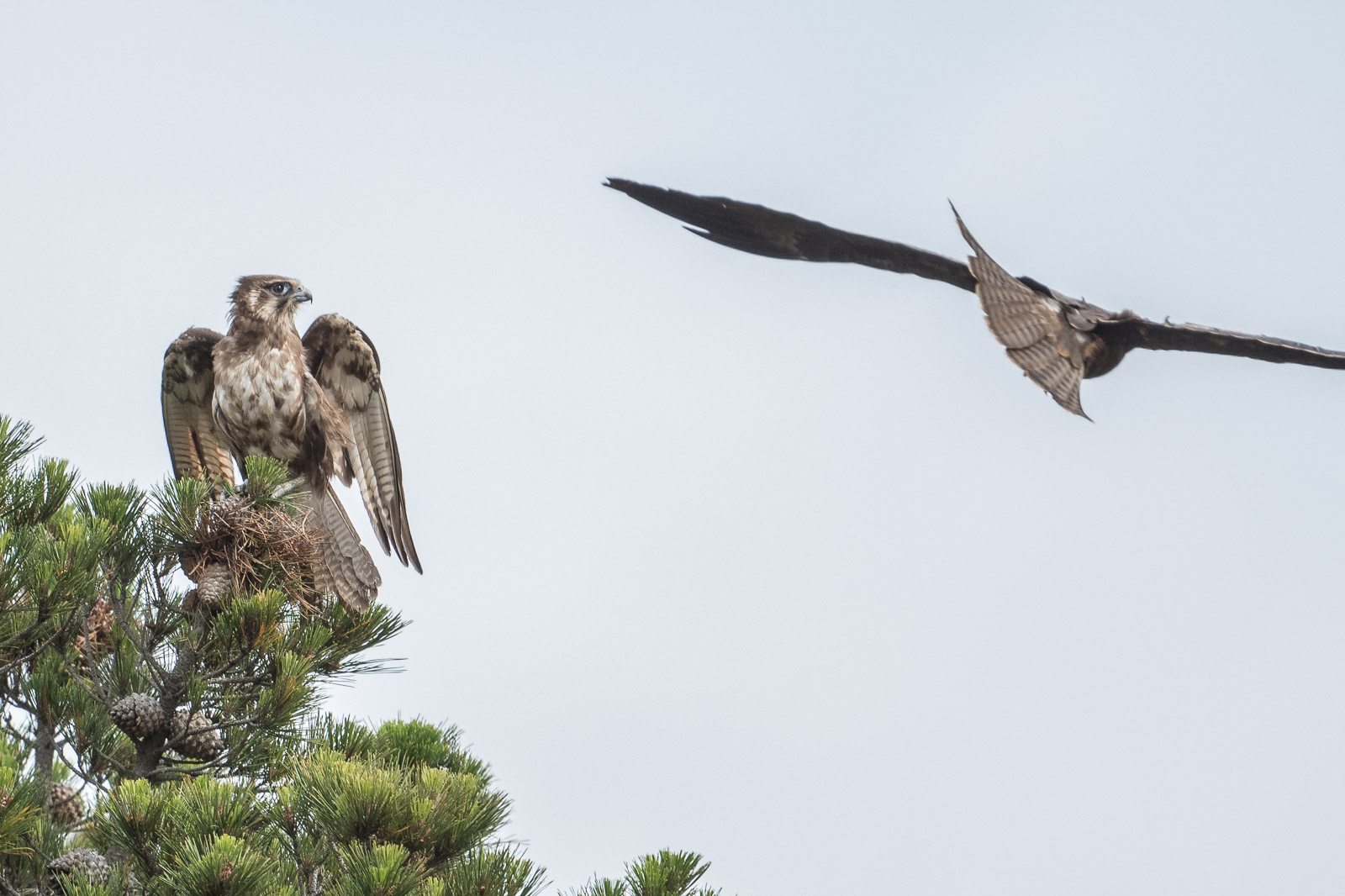
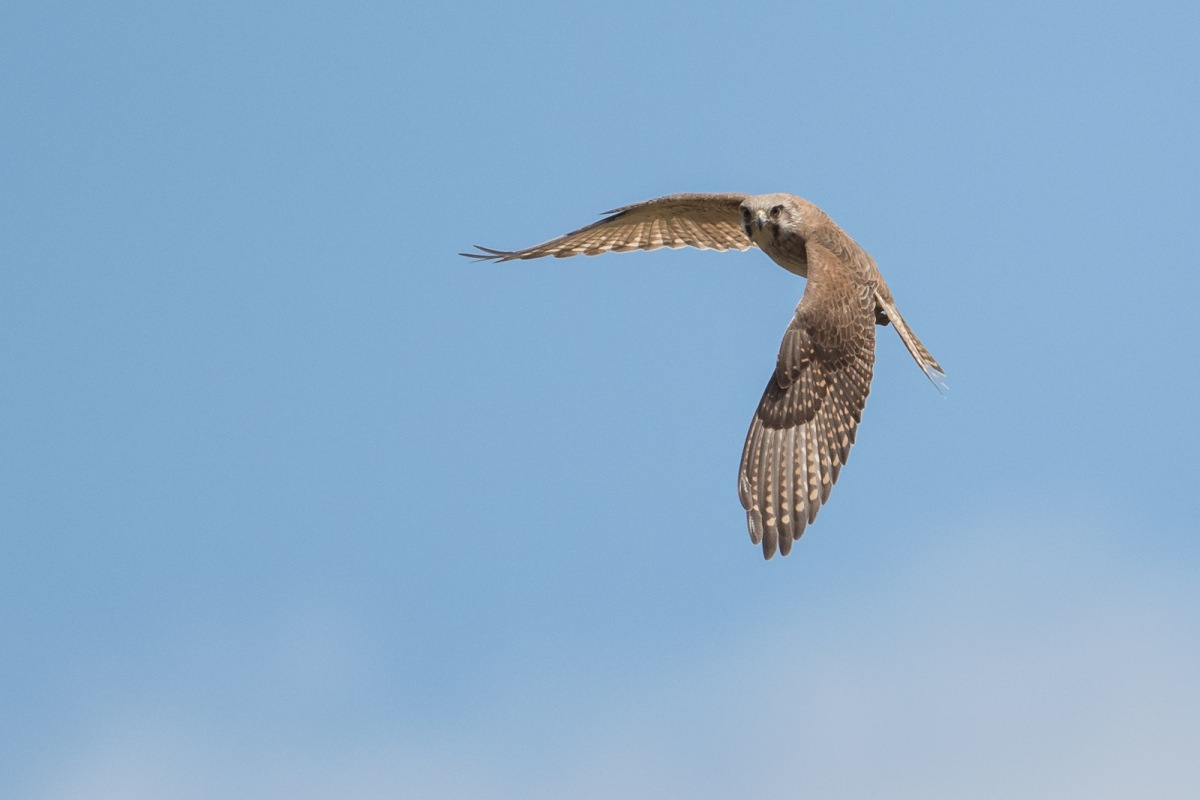
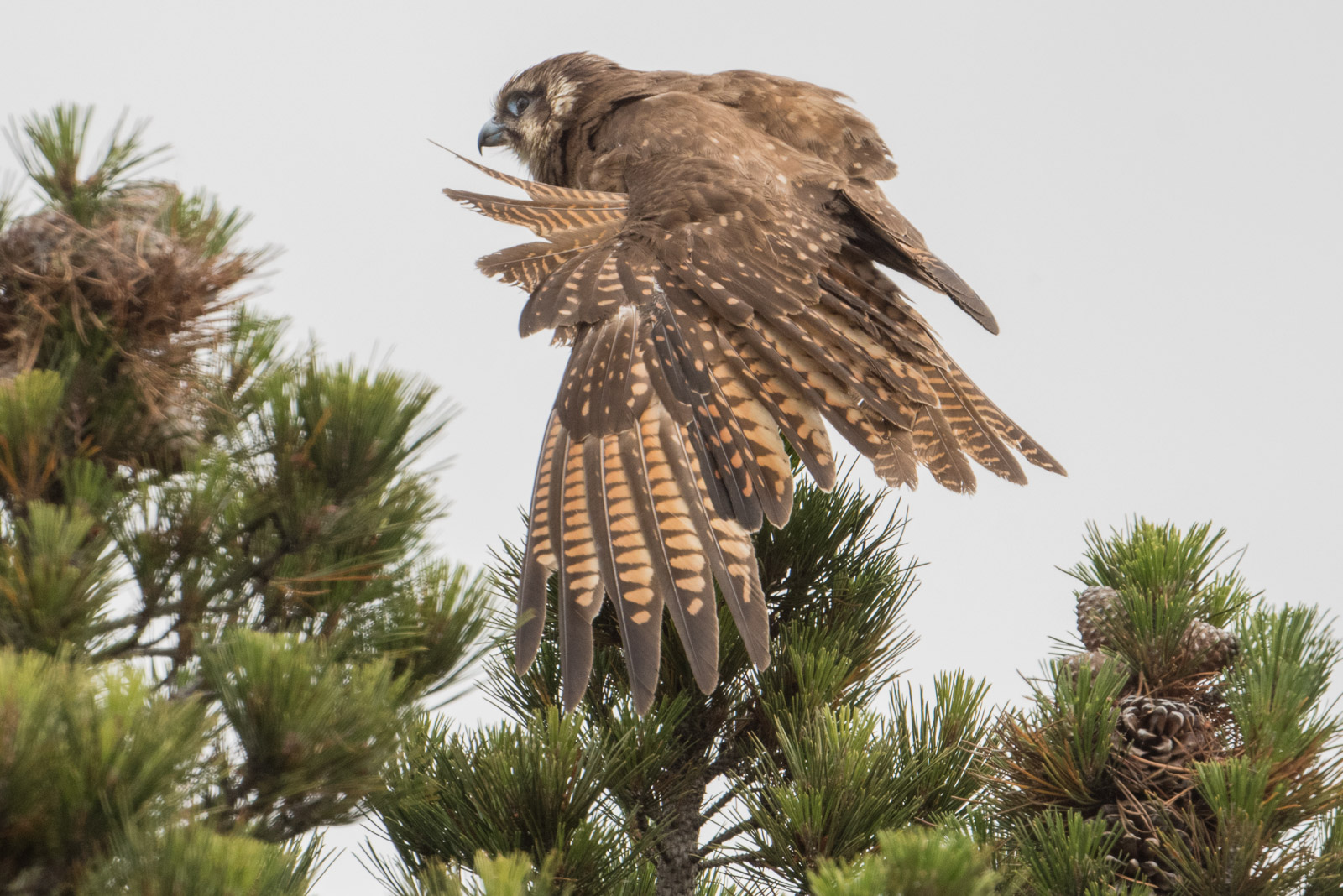
At “The Office”, there are a resident pair of Brown Falcon.

(Called the Office, because we spend a bit of time there as in—Just another day at the office—)

One of Brown’s qualities certainly must be their patience. Happy to sit quietly, seemingly disinterested, they take the scene in, work out where the food is, and then strategies to get to the spot, and return with the least amount of energy dissipation.

Not unusual to see Brown, sitting with its distinct upright stance on a post, branch or roadside sign for what seems hours. Passing traffic has little effect on the bird’s demure stance.

We’ve worked with this pair for a few years, and when they are around, its interesting to see them favour one or another perching locations.
I’ve featured this bird several times on the blog over the years, and have called him “Bernie”. Late evening sunshine ‘burnishes,’ his rich mottled chest, and so the name seemed appropriate.  Not that he seems to care it must be said.

He was hunting for small crickets and the like on the edge of the river cliffs.  A large melaleuca bush is one of the favoured perches.  Gives a great view along the cliffs and he can prop into the branches and so be protected from attacks from the rear.  Magpies, mudlarks, other raptors might swing by and attempt to dislodge him, but clever bird that he is, he simply sets back further among the branches and any attack is thwarted by the branches.

We had been working with him for about an hour or so and the light had been good, and as we headed for home, I peeked over the rim and there he was in the bush. But the light had diminished, still it was worth waiting for him to throw as it would have to be toward or at least to the side.

I don’t often shoot multi-burst, but figured that by the time he left the bush and got settled he’d have to stay pretty much in the same focus plane and most of the shots would be sharp (ish). Pity about the light and slow shutter speed.

So EE and I waited.  Things happen slowly in Brown Falcon time. But you’ve got to keep your eye on the bird, as they don’t give a lot of warning that they are going to move.
So we waited.

Brown waited.

It’s one of the reasons why with a long lens we invest in a good tripod, and a Wimberley gimbal head. Takes all the weight off the arms. But, who wants to carry all that heavy gear out just on the off chance it might be needed. So, I was shooting handheld with the 500mm PF. Light enough, but after 10 minutes my aching muscles needed a rest.  And then there is always the risk that is the moment the bird will throw.

Waiting.

Another round or two of holding until the muscles cramp, and then releasing.
Waiting.

I was just regrabbing focus and had the shutter half-pressed, when with barely a feather ruffle Bernie took to the air, straight toward me, and I ripped off a sequence.
“Oh No,” I heard on my right.  And it was just at that moment EE had taken a muscle relief stretch.  Sympathy doesn’t cut it.  Gloating is not part of the process.

Here are all the frames from the sequence.  I thought it was interesting  how the wings are deployed to get him out of the bush, and turned for the run along the grass.

{EDIT} It wasn’t until I re-looked at the shots here on the blog that it shows that on the upwing strokes the rocks his legs forward pendulum like, on the more powerful down stroke, the legs go  back to close to the body.  Just like a kid on a swing. Brown, you always amaze me.

Enjoy

Bernie arriving at the bush. I shot this one earlier in the day, and you can just see the edge of the river cliff in the bottom of the frame.
Snug, safe and on the alert

Typical Brown Falcon flight. Ground hugging radar in action
This is a close flyby from earlier in the afternoon when the light was good. Go Bernie

Saturday Evening Post #48 Studio Werkz: The Moment

I usually reserve “Studio Werkz” for bird portraits.  Photos where I’ve been able to spend some time with the bird, try a few different backdrops, and have a few options on lighting, and also find ways to bring out the character of the subject.

Sometimes it might mean several trips back to the area, and spending the time to allow the bird to accept my presence.

Long term readers will recall the “Studio Werkz” story  of a couple of years, ago, and I associate it with making the very best environmental portraits that I can achieve.

Little backstory to bring everyone else up-to-date.

One of my first pro photo opportunities was with a long established studio. Wedding groups were very much ‘traditional’, as befits the market, and always done in a long studio, suitably decored, or interior decorated, or setup to enable full length portraits, bride by a mirror, and seated formals.
Actually if you looked at the deb photos, the business shots and the kiddie shots, and the prize-winning dog shots, you’d probably have noted a similarity in both decor and ‘style’.

Till, the new studio on the block opened up, and were doing, ‘gasp’ environmental wedding groups in the local park. -Hope it rains on them!!! 😦

Slick of marketing, and low on photoskills, they did, it seem, dominate the business very quickly.

Which is what led me to a lifetime study of outdoor environmental portraits. A trip or two through the workshops of people like Dean Collins, and Don Nibblink, set a style that I’ve always honed to improve.

Which is where Studio Werkz was born. Several young hungry photographers with great ideas and little cash. I don’t think we got beyond the first planning session. And went our seperate ways. One to work for a multi-national, another to do band photography before it was popular, another to free-lance for local magazines, and yet another to roam around the world and never be seen or heard of again. And me.

Which is why, if you are still reading—And well done if you are—Studio Werkz is my nod to those bygone days of outdoor portraits. Nuff said.

I was just this week, working on the various AF settings on the D500 camera, trying to work out the best one to ‘instantly’ grab Snipe in flight.

Sitting in the backyard, trying out each setting and seeing which were fast, slow, or unpredictable.
When on a sudden, a New Holland Honeyeater landed on the fence metres from me.
Good chance to try my technique eh?

So  point camera near bird, press shutter, hope that I pick up focus… and when mirror flopped back down, the fence was empty.

Oh, well, missed a chance thought I.

Tai Chi pigeon came down and was much more co-operative, and I discovered the subtleties of the AF system.

When I later downloaded the images, I was taken aback, by the one and only New Holland Honeyeater shot of the day.

Good enough for Studio Werkz, I declared.
Portraits need to bring out not only the best expression, but also allow us to explore the character. And there in one frozen frame, with 3/4 side light on the whirring bits, was a New Holland Honeyeater.

Enjoy

Saturday Evening Post #47 :Priestly Hue of Dawn

Lavendar roses,
Incarnate fragrance,
Priestly hue of dawn,
Spirit unfolding.

Deng Ming-Dao

The thermometer said, 0.2C.
It was a still, cold, dark, morning, pre-dawn, as I pulled on my walking boots, tucked my scarf around my neck and set out for my morning walk in the muted darkness.
A tiny sliver of a crescent moon hung in the early morning sky, a new moon was but a day away.
I like to walk in the pre-dawn.  The crispness, the unbroken day, the offering of so much to look forward to as the sun shakes itself loose from the horizon.

I don’t normally carry a camera in the morning, truth is I’d just rather enjoy the moments as they come.  There is a blackbird at the moment who sits on a tv antenna and sings. I wish I could understand his song, but no doubt he has lots to tell his neighbours.

Two magpies yoddle at me from their perch above a street light. Soon they’ll be hunting on the wet grass below.

Deng says, that even on the road to hell, flowers make you smile. 🙂 You cannot, he says, force them to submit to your will.
I feel the same about light.

I reach the turn-around point of my walk. At the moment, it happens that sunrise is about that same time, so I walk out in the part darkness, and return as the light begins to play its magic over the shapes, form, tones, colour and patterns of the landscape.

It was so cold, that not only was there a frost, but a wonderful emphemeral mist rising from the river.
And so I stopped.  Took out the ubiquitous phone, and wrestled with a composition over the chain wire fence at the river weir.  Its been many months since water ran over the top, but the rains of the past couple of weeks have given the river a new lease of life, and as the water cascaded over the edge small clouds of mist added their own character to the moment.

As Deng says,

We should take the time to appreciate beauty in the midst of temporatily.

Until next time.


Little Journeys: The Inner Eye is its Own Reflection

Last Saturday Evening Post #46 broached the subject of awareness, mindfulness or appreciation of the around.
I recieved some great comments on the post, and also several followup emails.  Thanks for your input, it helps define the greater bubble of creativity a little more.

Little did I know that the following morning, like a cycle of karma, I’d be recalling my own words.
Instead of walking all over looking for birds, we (EE and I), found a pair of Purple-crowned Lorikeets that were also enjoying their time together in the sunshine.

A sunny Sunday it was, and so, for once, we changed plans and headed on down to The Office, (Werribee River Park for new readers).

As we walked down from the winery carpark off K-Road, we soon heard the sounds of Purple-crowned Lorikeets at work among the leaves high above.

Then, on a whim, I turned off the main track followed a little used path along the rivers edge, and came up a pair of them brushing up their feathers.
They were down low, and it wasn’t that hard to move around them to get the best of the light, the angle and the action. After nearly an hour of watching them, with a head toss, a chirrup, and a wing turn, they were gone.

Here they are as a gallery.  Click on an image for a larger view