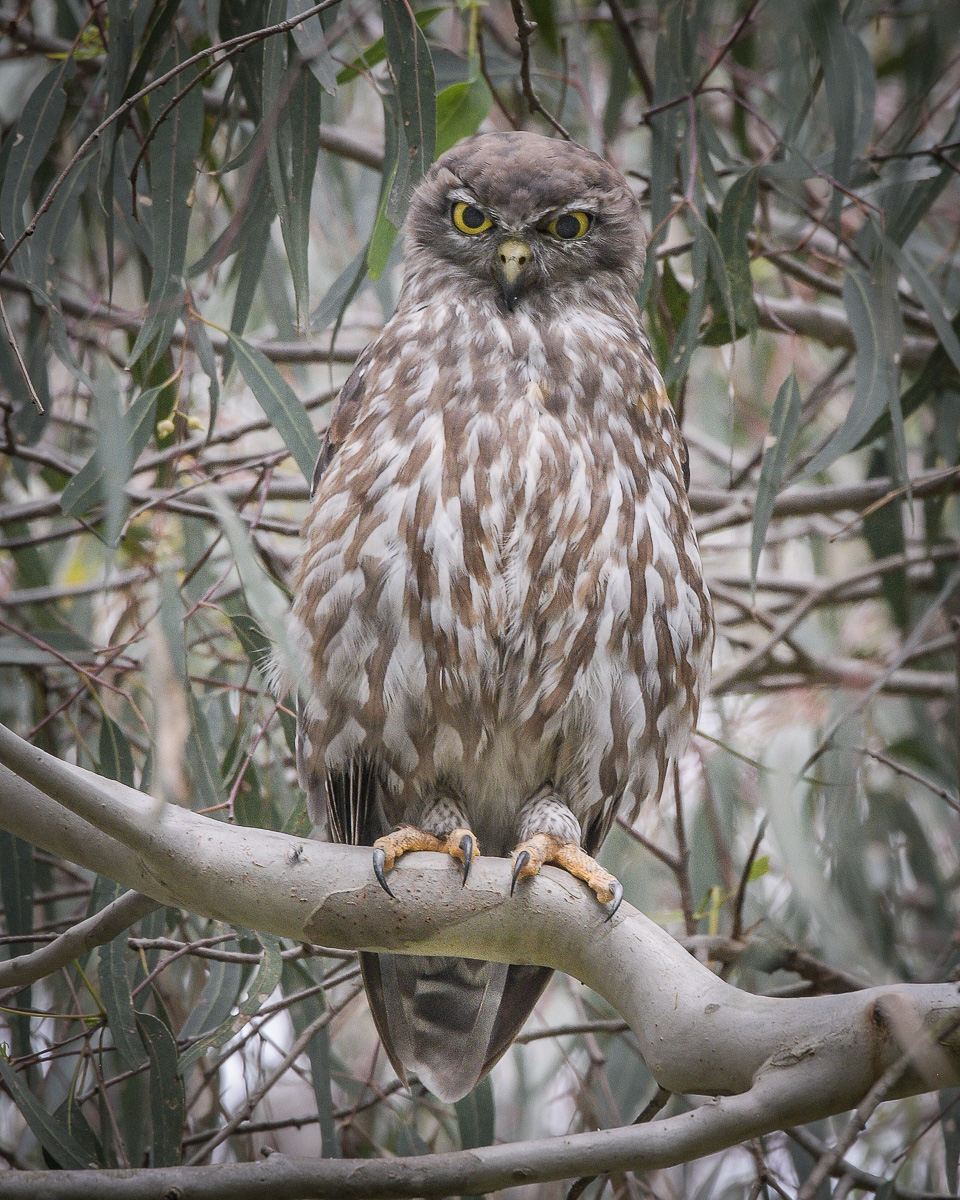
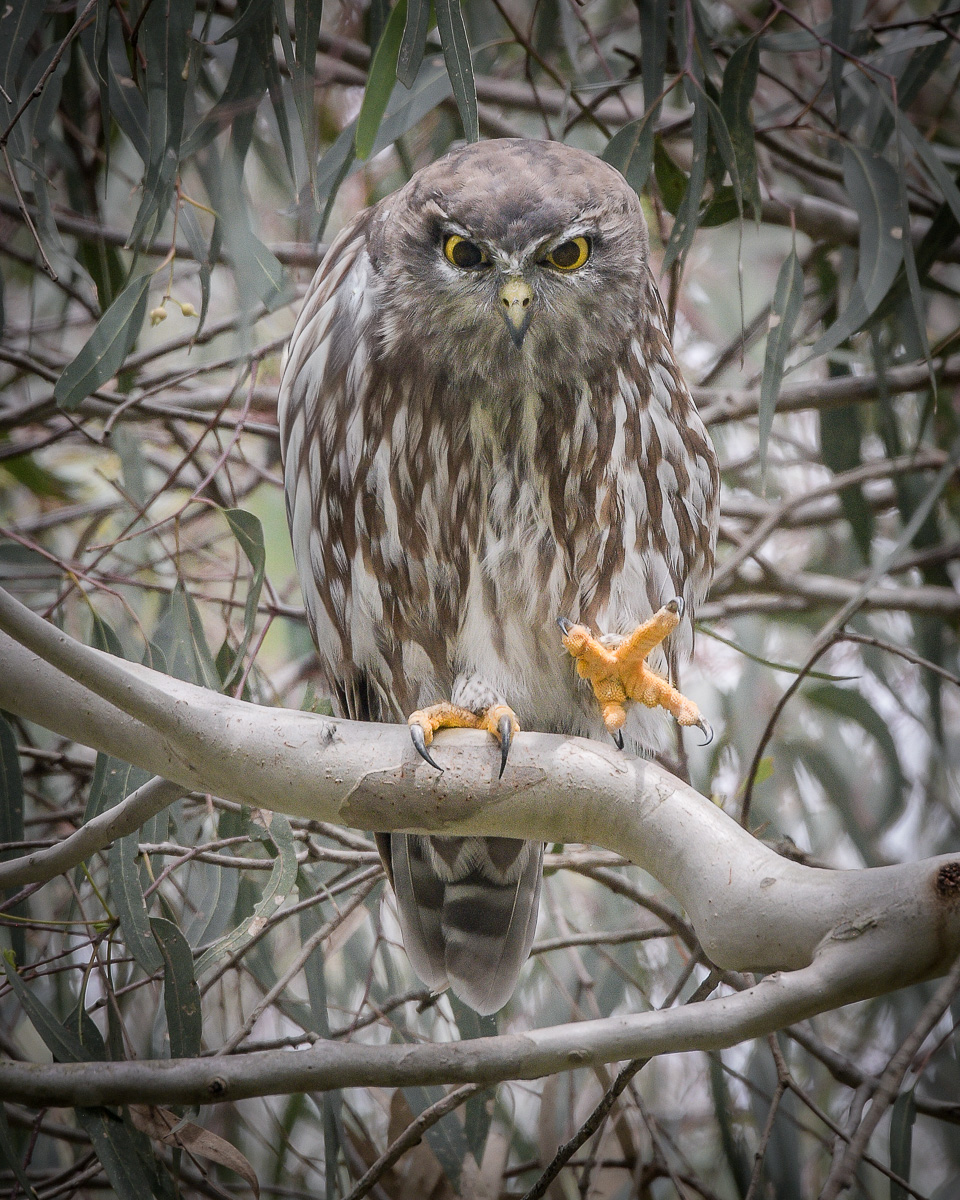
A quick review of birding social media pages in Victoria, Australia, will bring lots of hits for one of the latest ‘must see, must have’ birds in our area. Several months ago, a Barking Owl, began its ‘woof woof’ calls along the banks of the Werribee River. Like all media senstations, what began as a trickle quickly escalated into a flood of postings and every birder and photographer worth their “Hits Record” began the, as Pooh would say, “Expotition” to find the Owl. Unlike Owl, in the Pooh stories, this one did not have a notice at the door. For those who have forgotten (how could you!) , here are the notices from “Winnie the Pooh (1926)
two notices (which were written by Christopher Robin):"PLES RING IF AN RNSER IS REQIRD", and "PLEZ CNOKE IF AN RNSR IS NOT REQIRD"
You might also recall that the cord for the bell-ringer was in fact Eyore’s tail. But that is another blog. Owl also lived in a tree, “He lives in a tree known as The Chestnuts,” described as an “old world residence of great charm”, and spells his name, “Wol”
And there any similarities between Pooh’s friend and THE Owl end.
Referred to by those who know, or wish to know, or are searching for, as “THE” Owl, as in ‘Have you seen THE owl”, or, “THE Owl is on the tree by the ford.” Or, “Here are 47 of my photos, taken with my new Cannikony with the 200-3,400 zoom lens at 64000 ISO and processed from a ‘raw’ file in the latest CapShop software using a LUT designed by little eleves in a forest of the wol. 3,590 hits and counting. “
EE and I had generally left the owl in peace since its arrival. And as EE had thrown a fetlock, we had been spending less and less time in the area, until finally surgery brought our adventures to a stand still (pun sort of intended)
So being cognisant that I’m going to add to the internest incest of “THE Owl” here are a few from the past few months.
We all love Rainbow Lorikeets. Big, Bold, Colourful. A circus in a small feathered package. Except, when there is too, too many of them, and they become a pest.
We have a small area adjacent to a golf course and sandwiched between the course and the river. I suspect some of the undulating ground is from trailings dumped when they scraped the course. The river is not always contained in its banks, and in flood will fill up many of the lower laying areas of the forest. There are quite a few resident River Red Gums, some many hundreds of years old, and a lot more younger trees that could have been planted after the golfcourse construction was complete. The younger trees have created quite a canopy as they reach to get their share of sunlight.
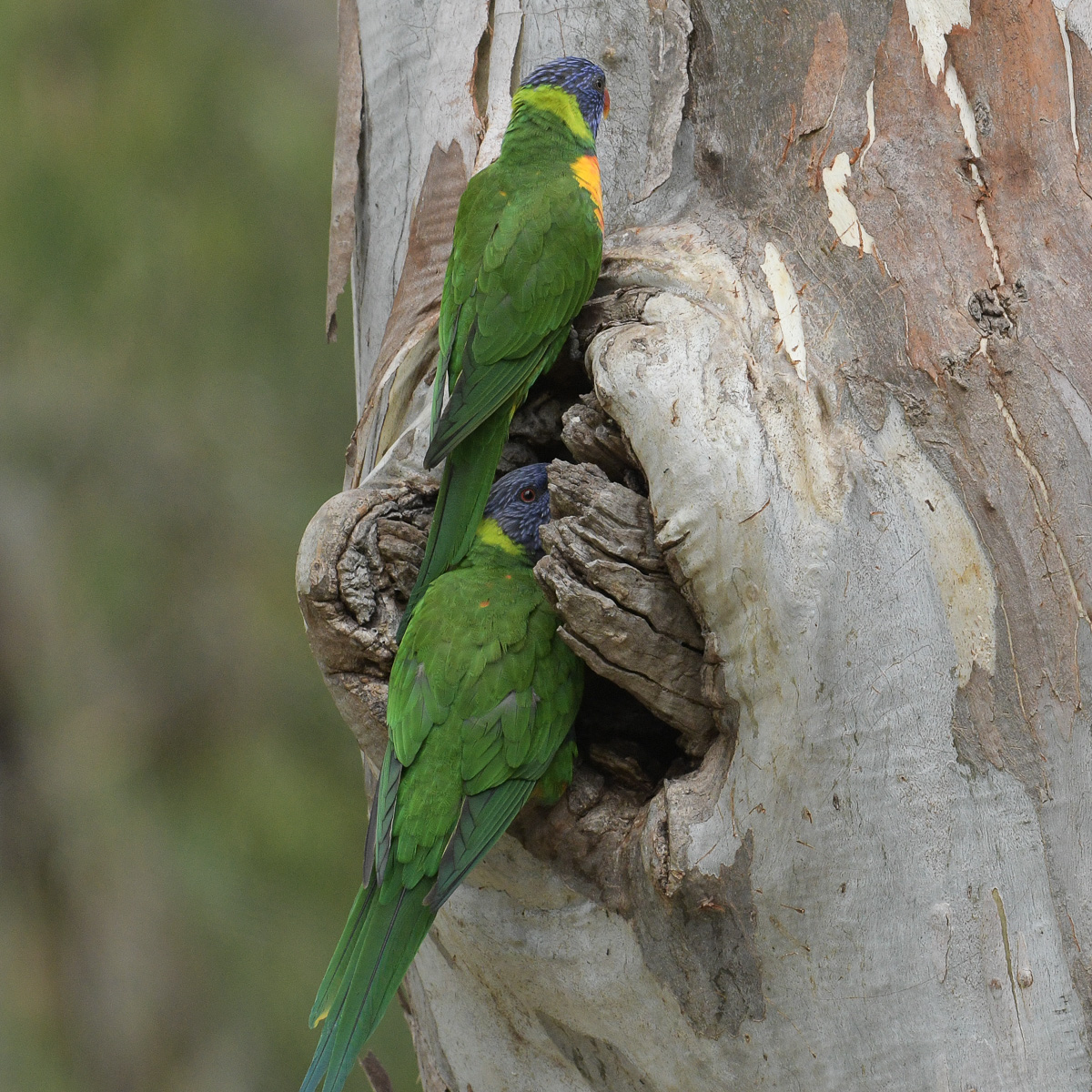
So there are quite a number of suitable nesting trees and the Rainbow Lorikeets have commandered the best and the second and third best sites. Smaller parrots, the Purple-crowned and Red-rumps have had to find other nest opportunites. And also the visiting Sacred Kingfishers, but more of that on the next post.
EE and I were out looking, and listening for Sacred Kingfishers. It was getting late in the season, normally they would have a spot picked by late November and be nesting in early December. But time was running out as all the suitable holes and places where they could open up a new hole were taken. Trying to find a nesting pair of Kingfishers in a dense forest is really the job for Sir Pecivale of grail fame, but then… we have EE.
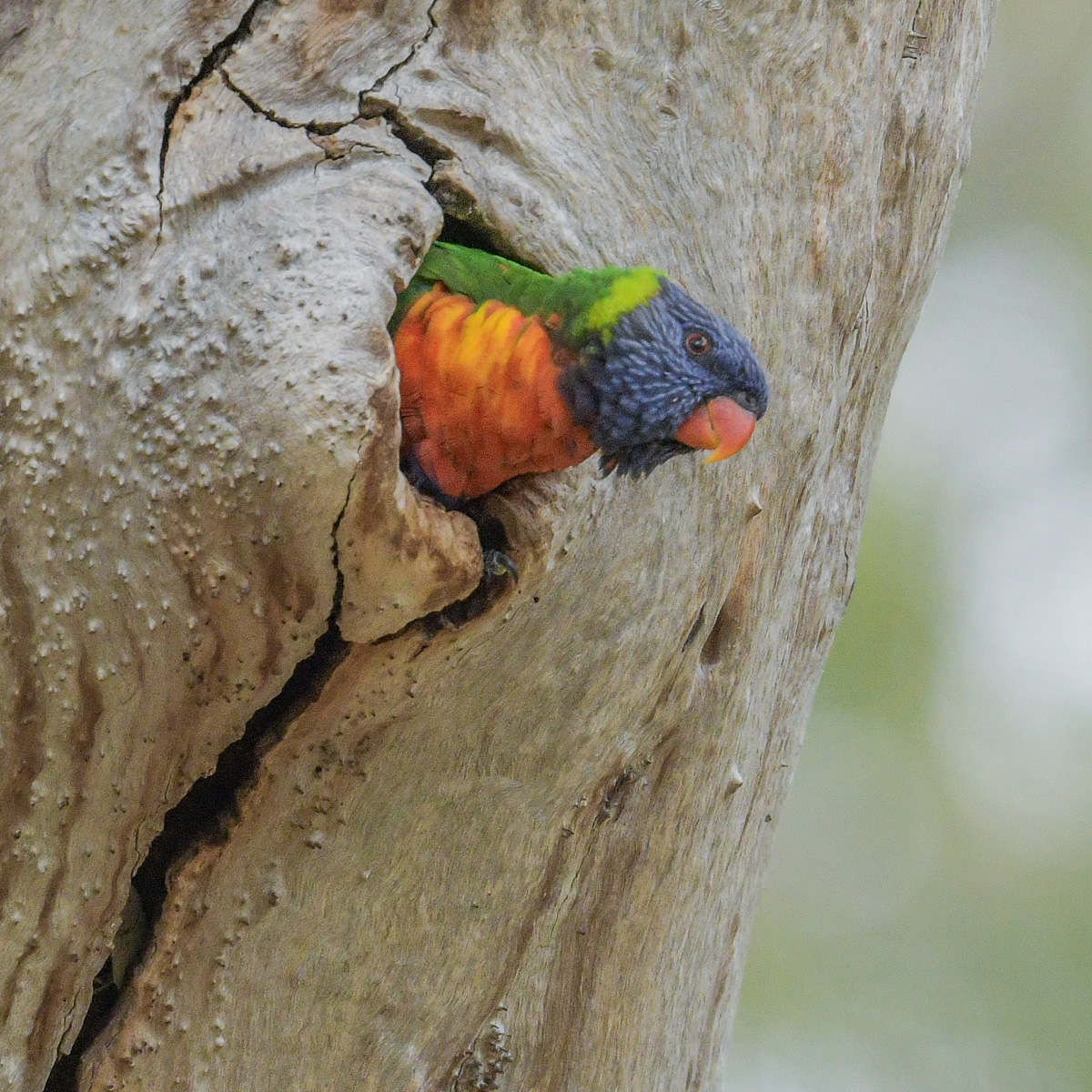
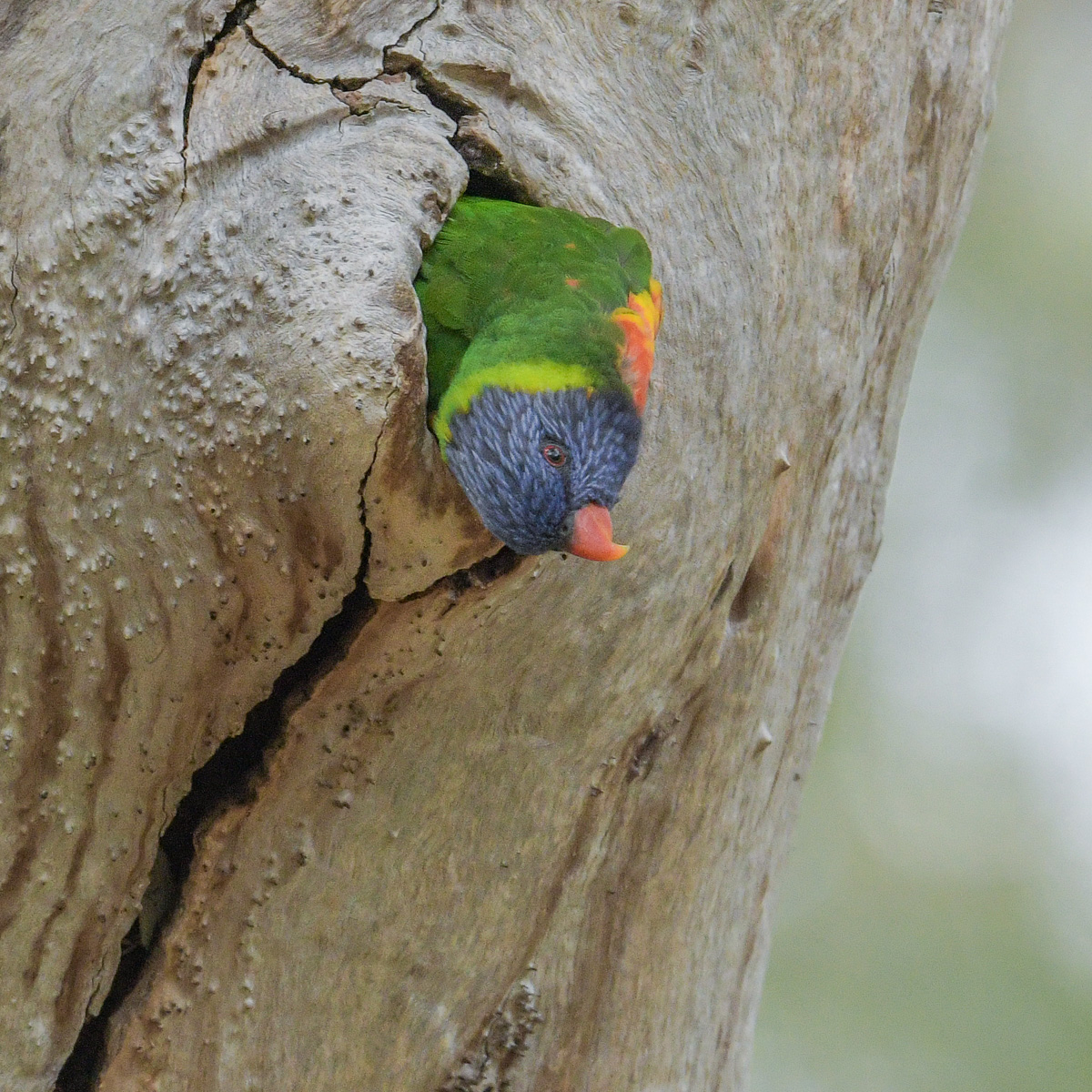
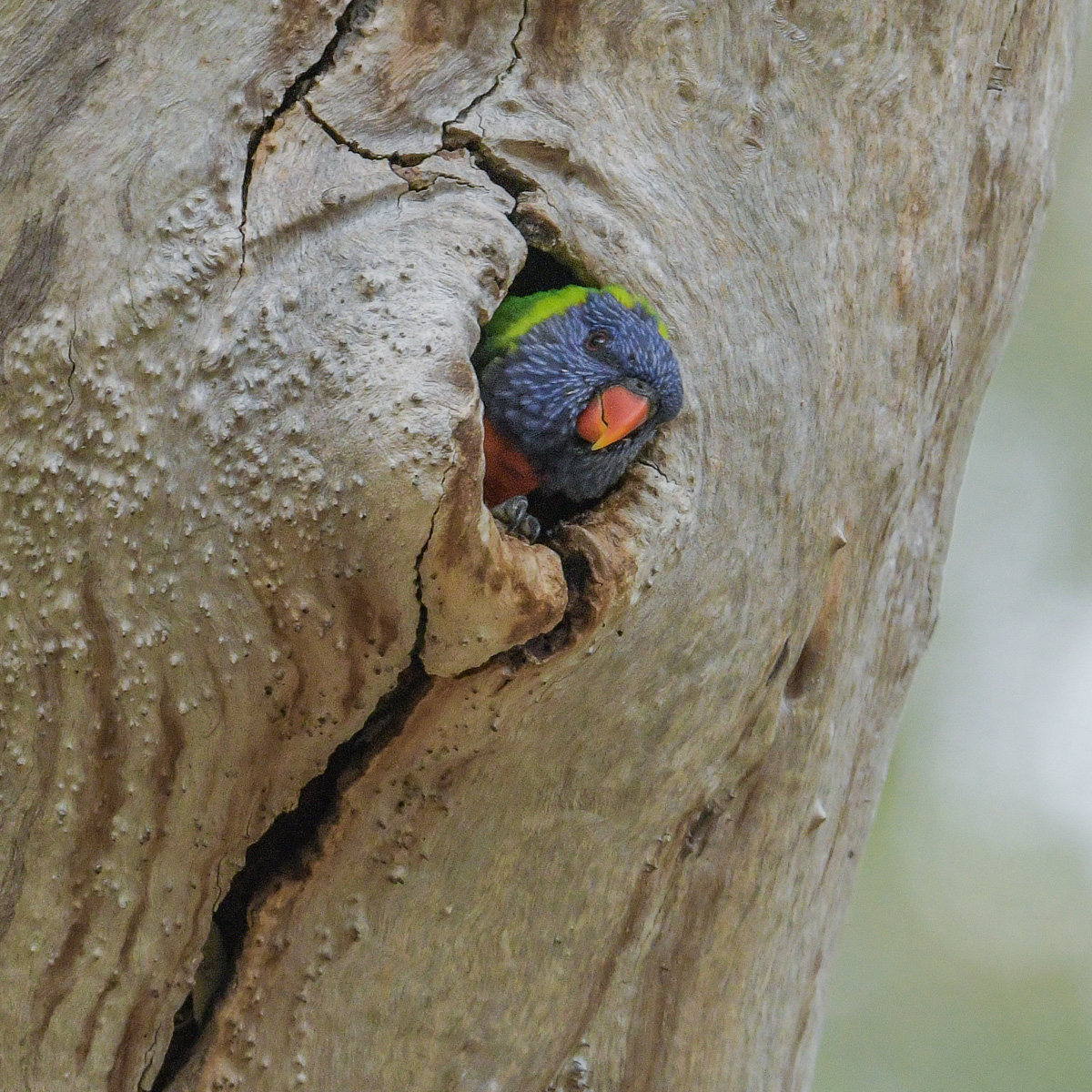
We were passing by a hole that was used in a previous year by the Kingfishers and not surprisingly, a Rainbow head popped out. I now, rarely bother to even aim the camera at them, so went on a few steps. And again it swung its head out, and pulled it back, and repeated the action. Given they are so cheeky, I didn’t take much more notice. Like voting, I don’t do it, because it only encourages them. Two or three more steps, and the bird repeated the process again. And I realised.
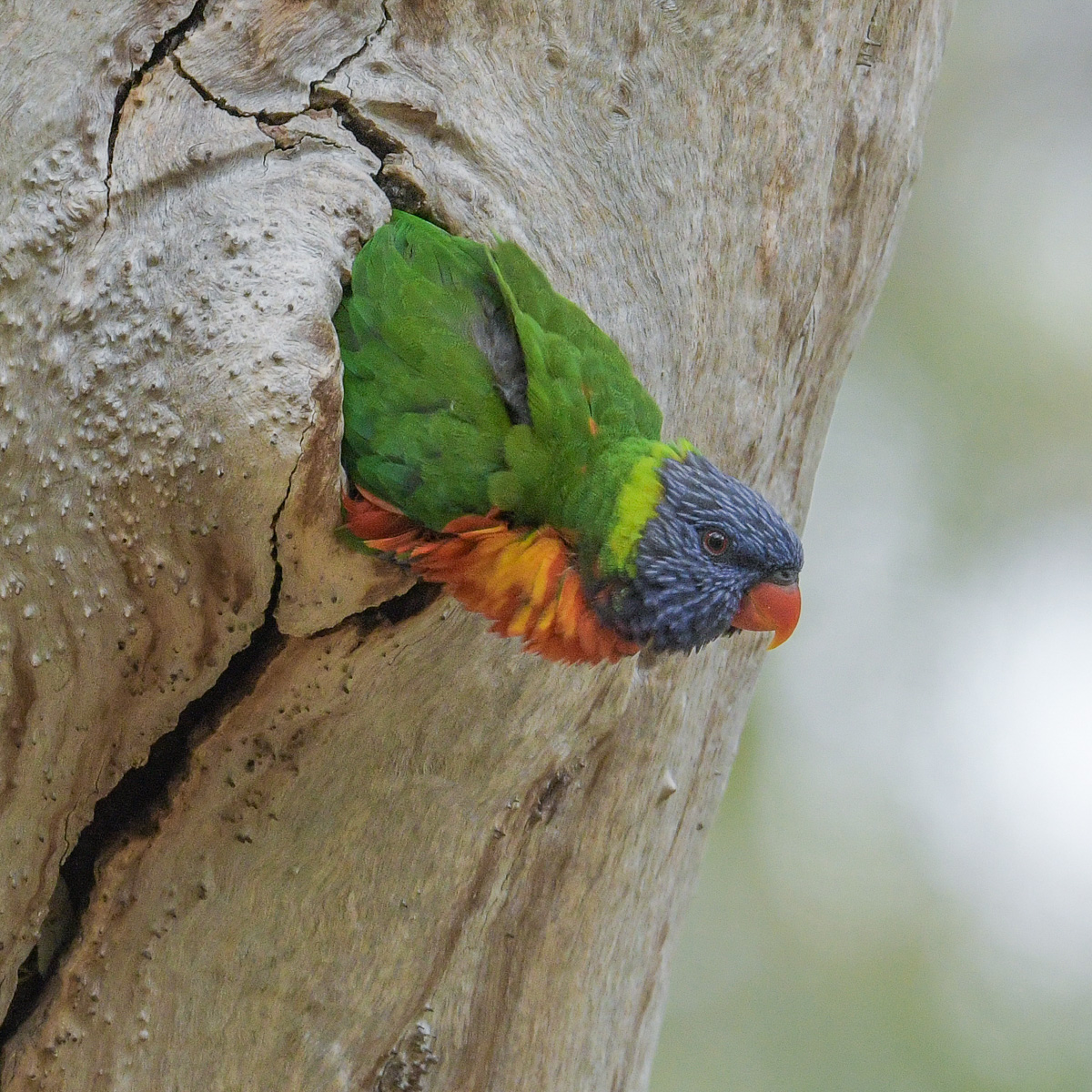
It was having difficulty getting out of the tiny hole. It could get its wings out, but not its tummy and feet, or its feet, but the wing width wouldn’t fit.
The Kingfishers tend to excavate a hole with a small entrance compartment, and then turn the hole, in this case, to the right. Then, I’m guessing, build the nesting chamber behind the little plug near the front. So to get in they must enter, and then turn sharp right. Easy if you are as small as a Kingfisher… not so easy if… you’re a big fat Lorikeet.
I’m not sure if this one was entirely stuck, or just couldn’t get a purchase with its beak to leverage the wider bits out of the tiny hole. So it stuck its head out, and as much of its body as possible, and swung about trying to get a beak grip.
After a couple of minutes, I do have to add, I said, “Well it’s your own silly fault” and decided to move on. Then with a big effort and some extra leverage it managed to slip out. When I returned later past the tree the pair where inspecting another, larger, and hopefully more suitable accomadation. Enjoy
Click on an image to got to larger size slideshow.
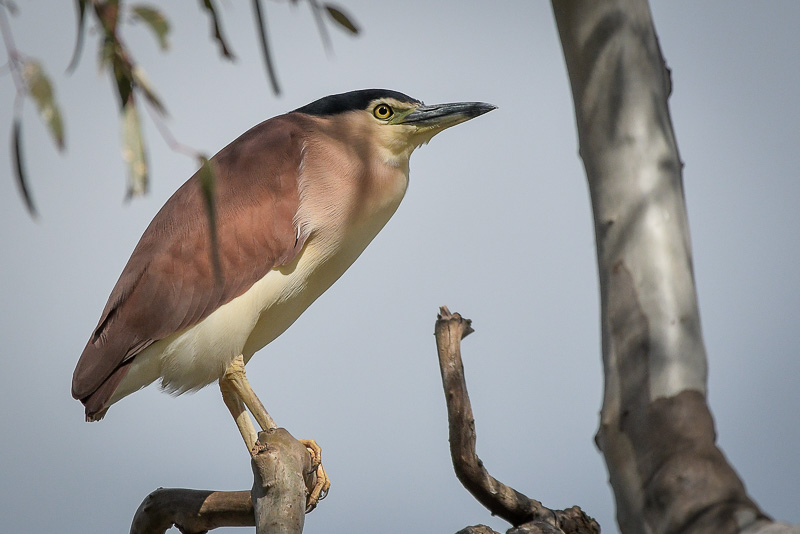
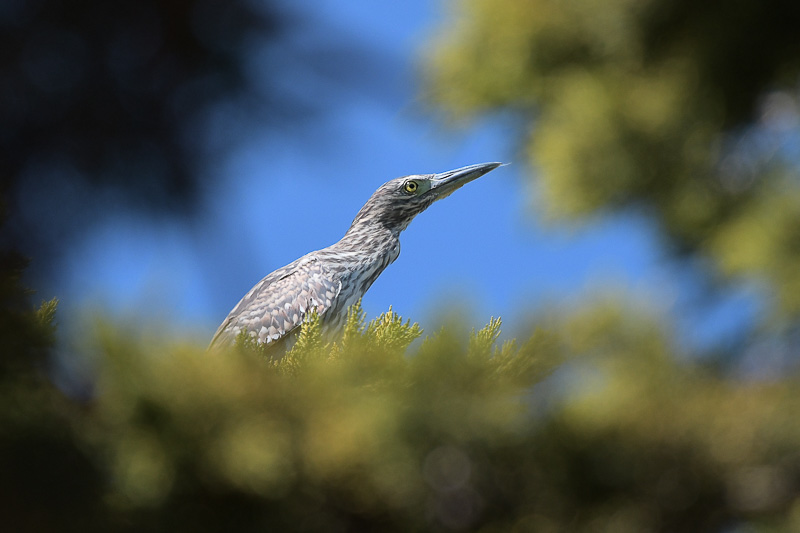
One bird we seldom see out and about is the Nankeen Night Heron. For a number of years, a small colony roosted in a large pine tree on an access track into the Werribee River Park. Then for some reason, they disappeared for about four years.
Recently we’ve been noticing those lovely rich apricot-tan coloured feathers sprinkled along the track, so it’s always worthwhile checking. Almost all the time, they are high up, and surrounded by as many branches as possible and good looks, let along good photos are pretty difficult.
The last couple of visits we’ve seen around five or six in the tree and several of them are juveniles.
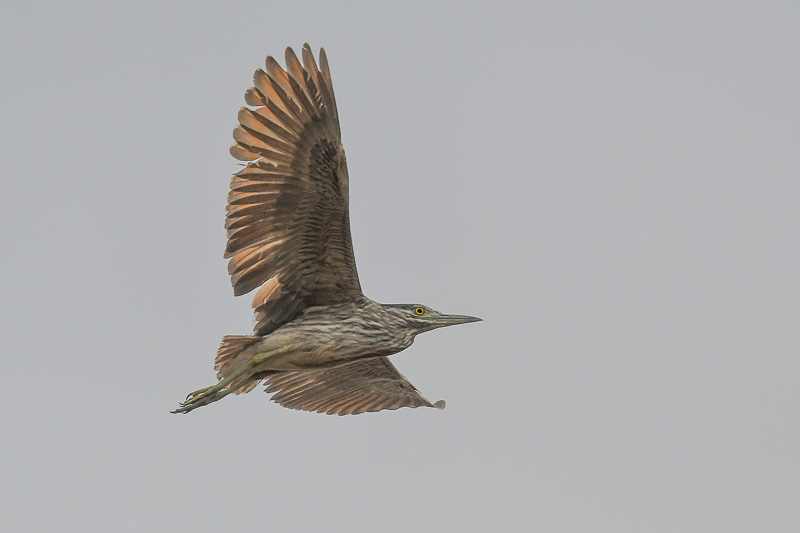
The other morning as we passed by, they seemed very nervous and with a ‘grunt’ took to wing. This suited the Sulphur-crested Cockatoos as it gave them something to chase and complain about. What we didn’t expect was that just about every other tree nearby, also ‘grunted’ and in the end we had as many as 25 Nankeen Night Herons in the air looking for a quiet place away from the Cockatoos.
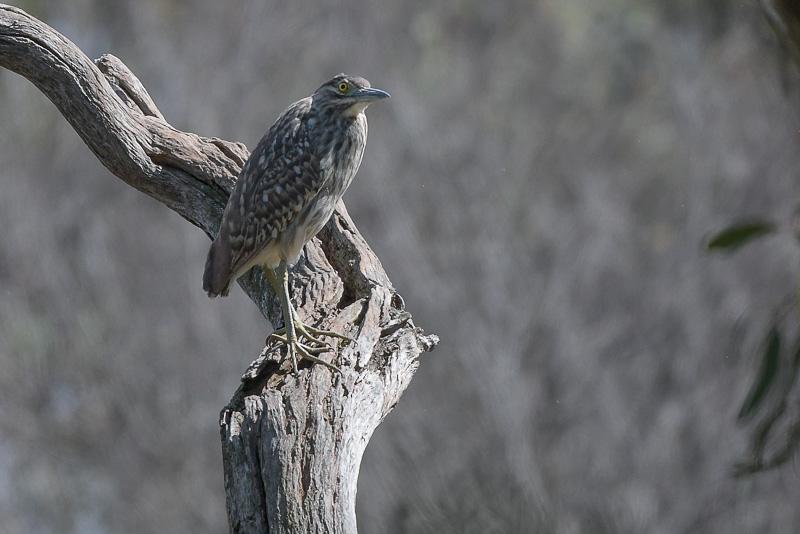
We continued down along the river edge and found eight to ten had moved down to the river to sit on some of the old trees overlooking the water. Just couldn’t get close, but at least we could say they are in good numbers.
Some things, as the credit card ad points out, Just can’t be purchased.
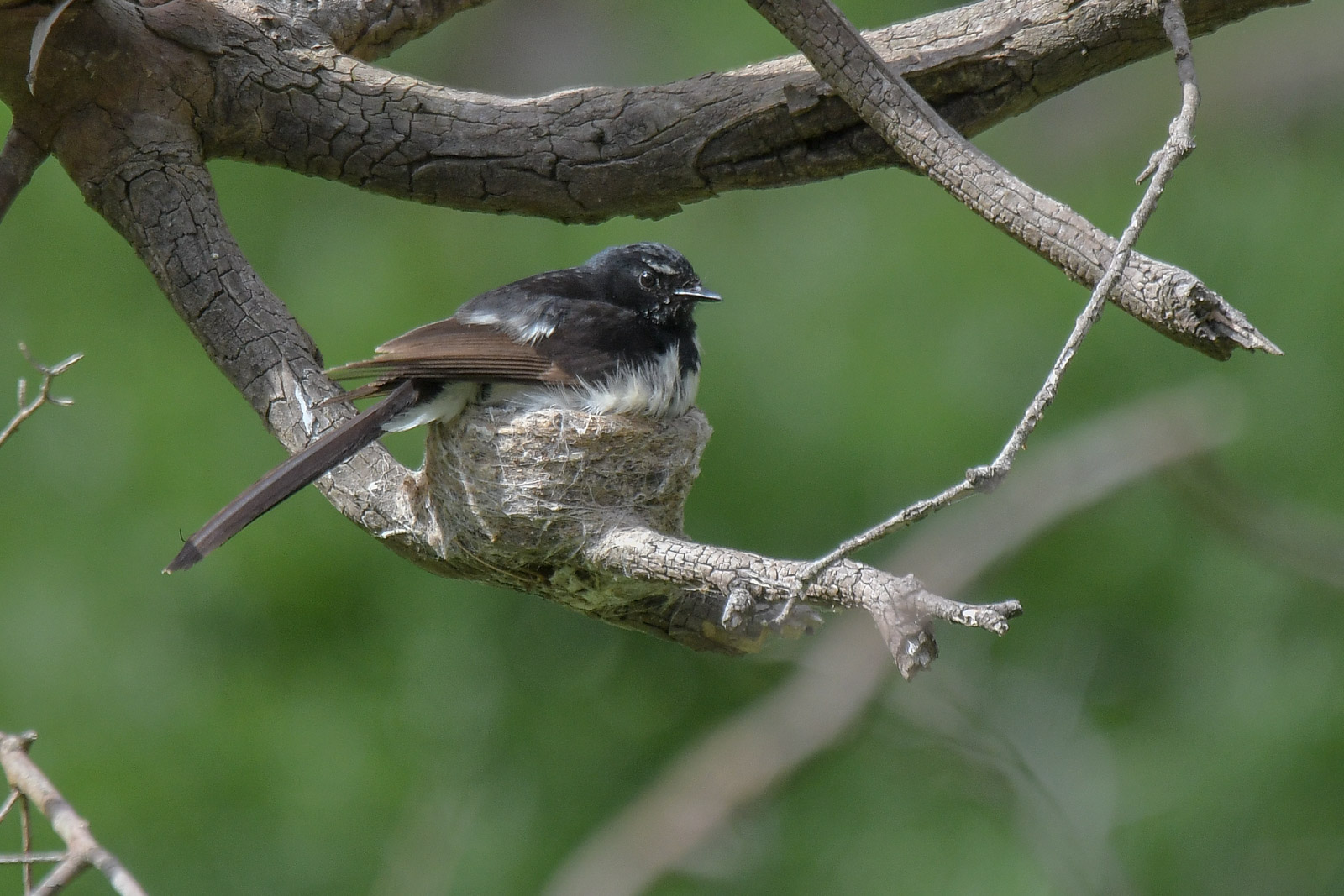
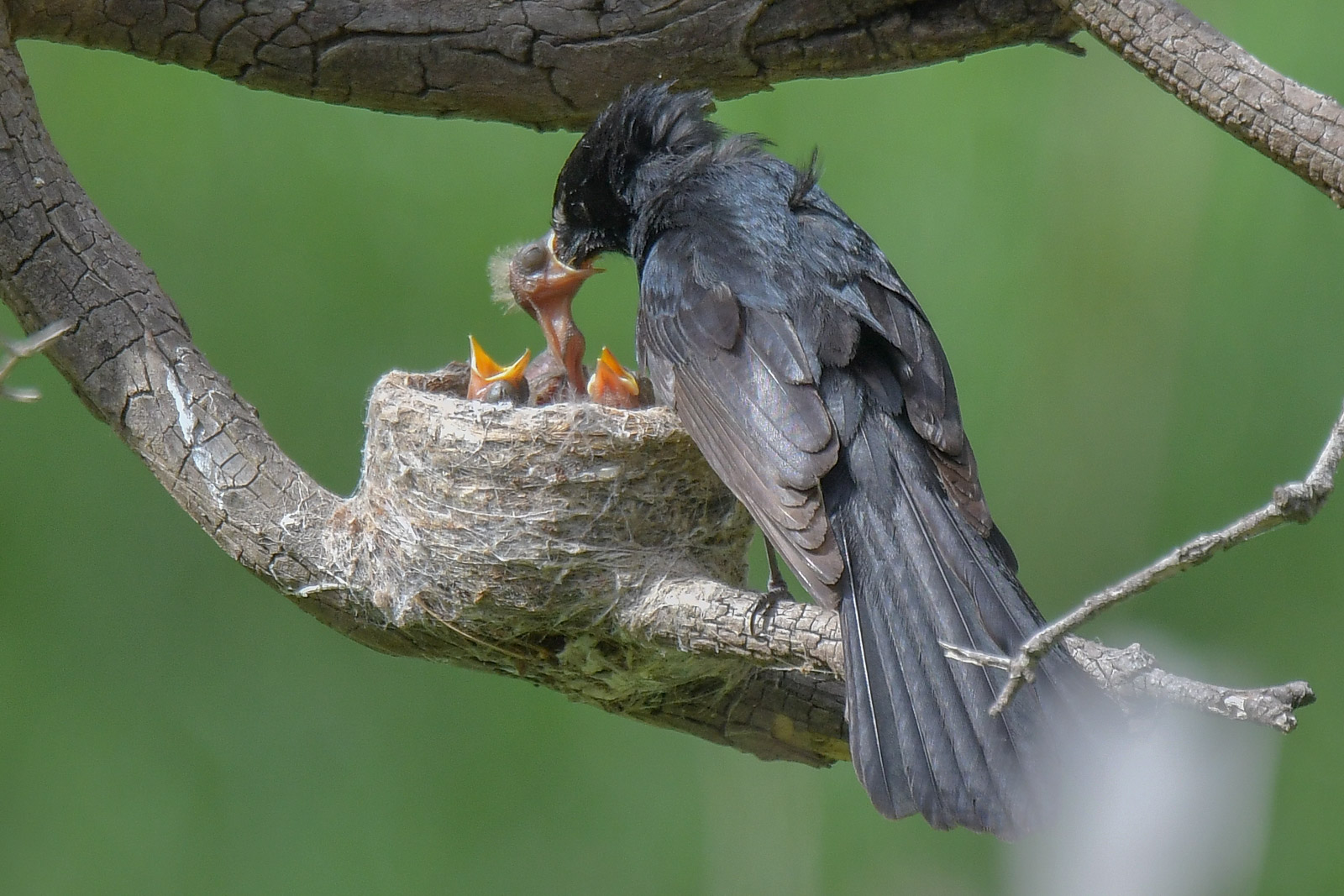
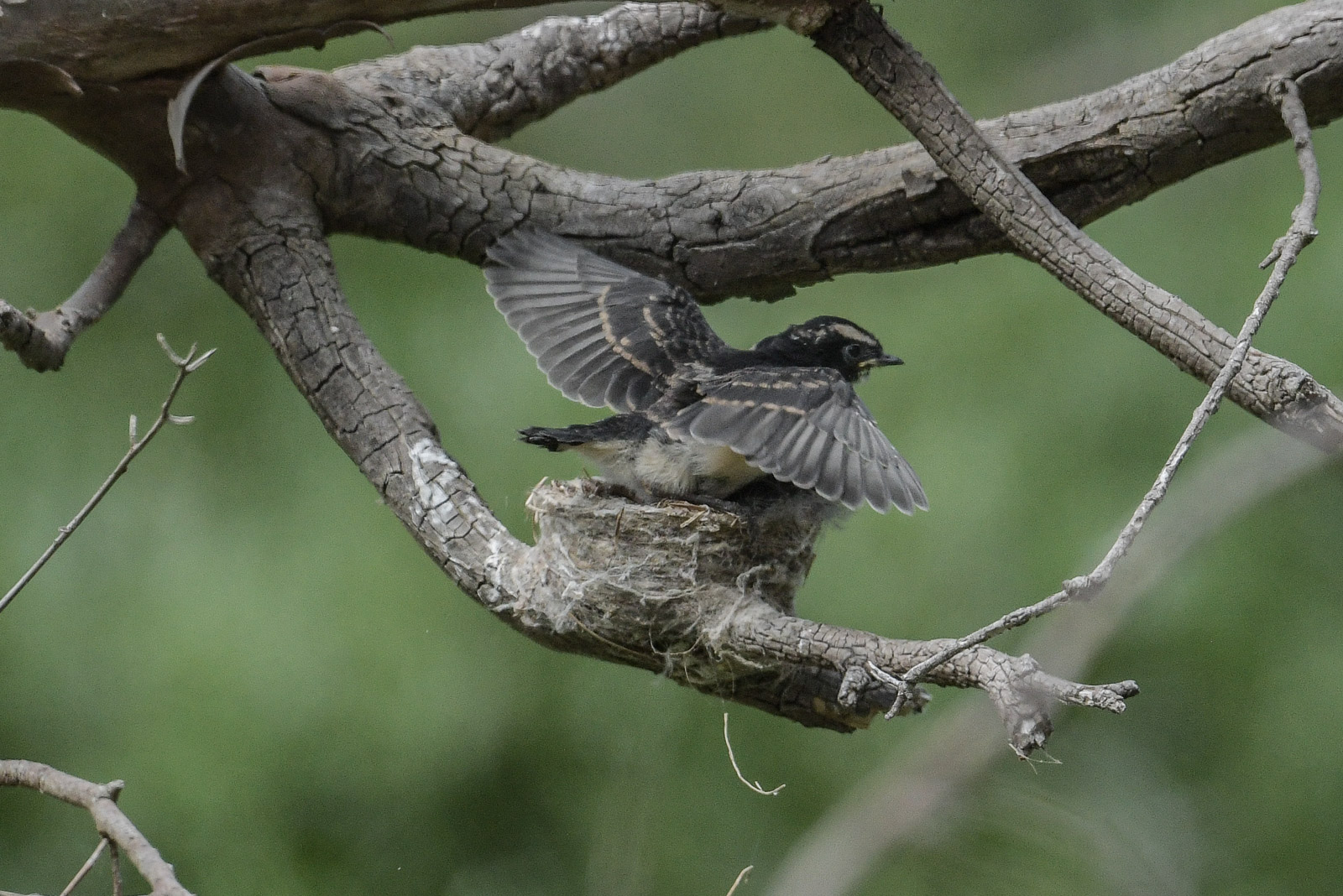
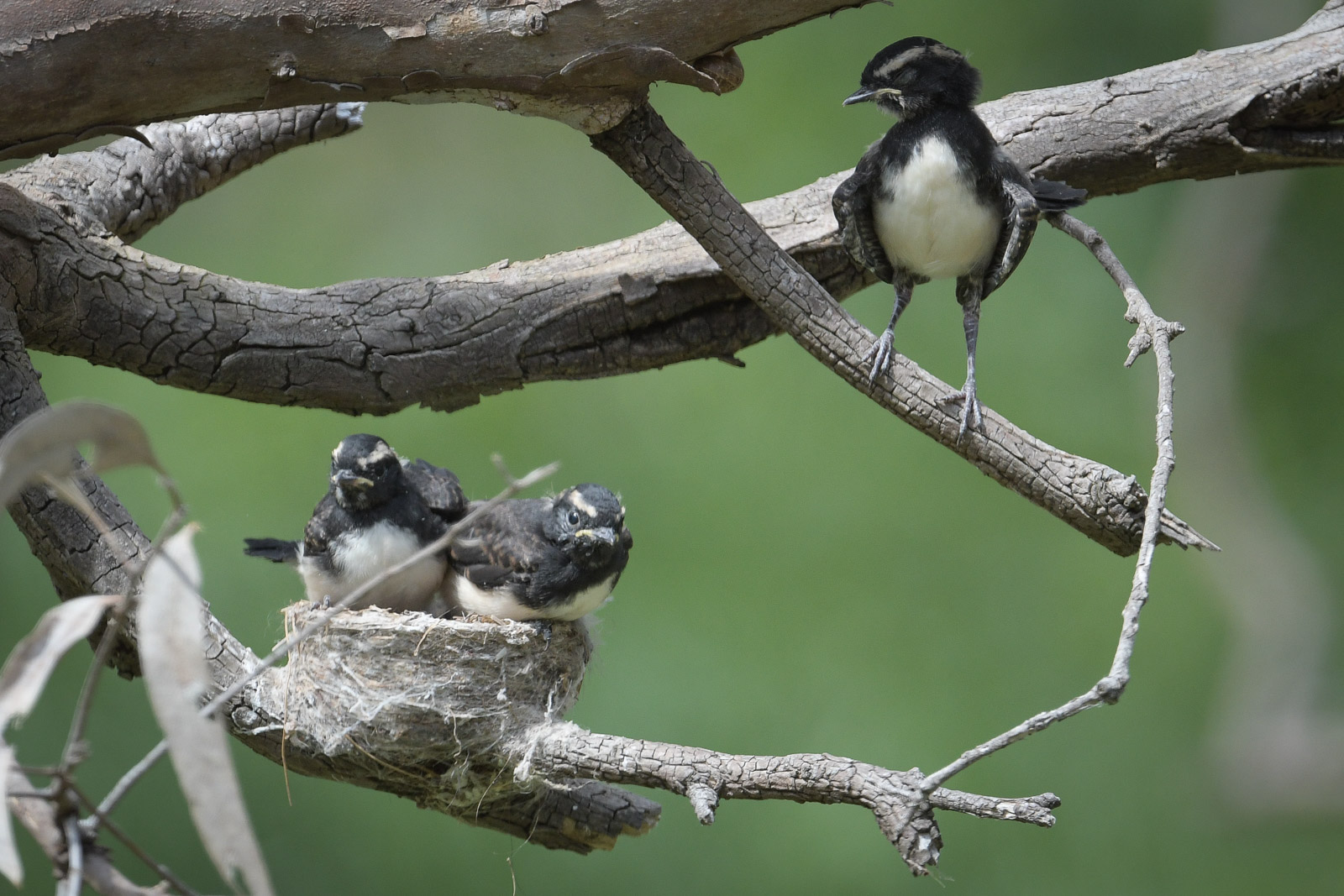
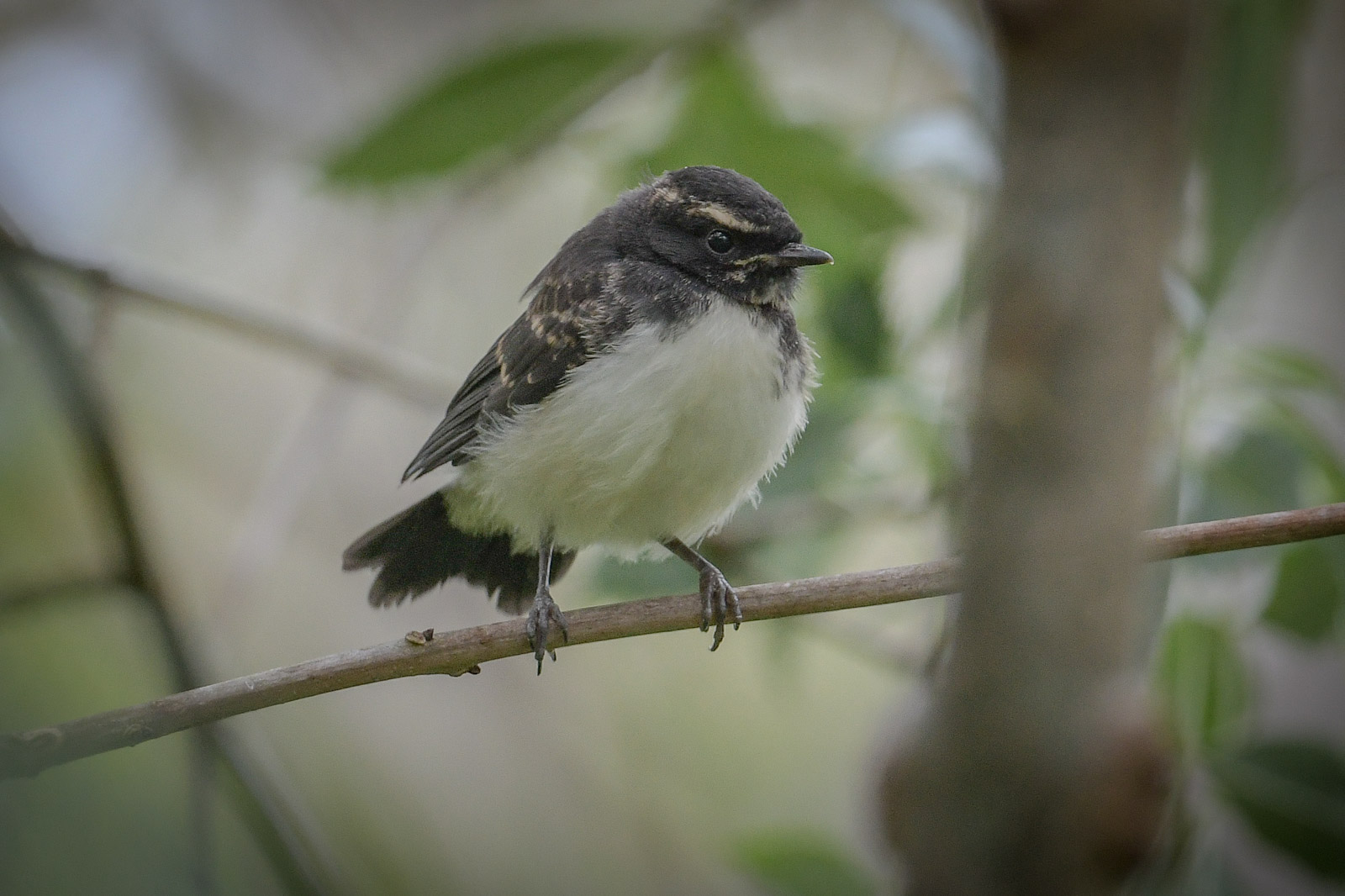
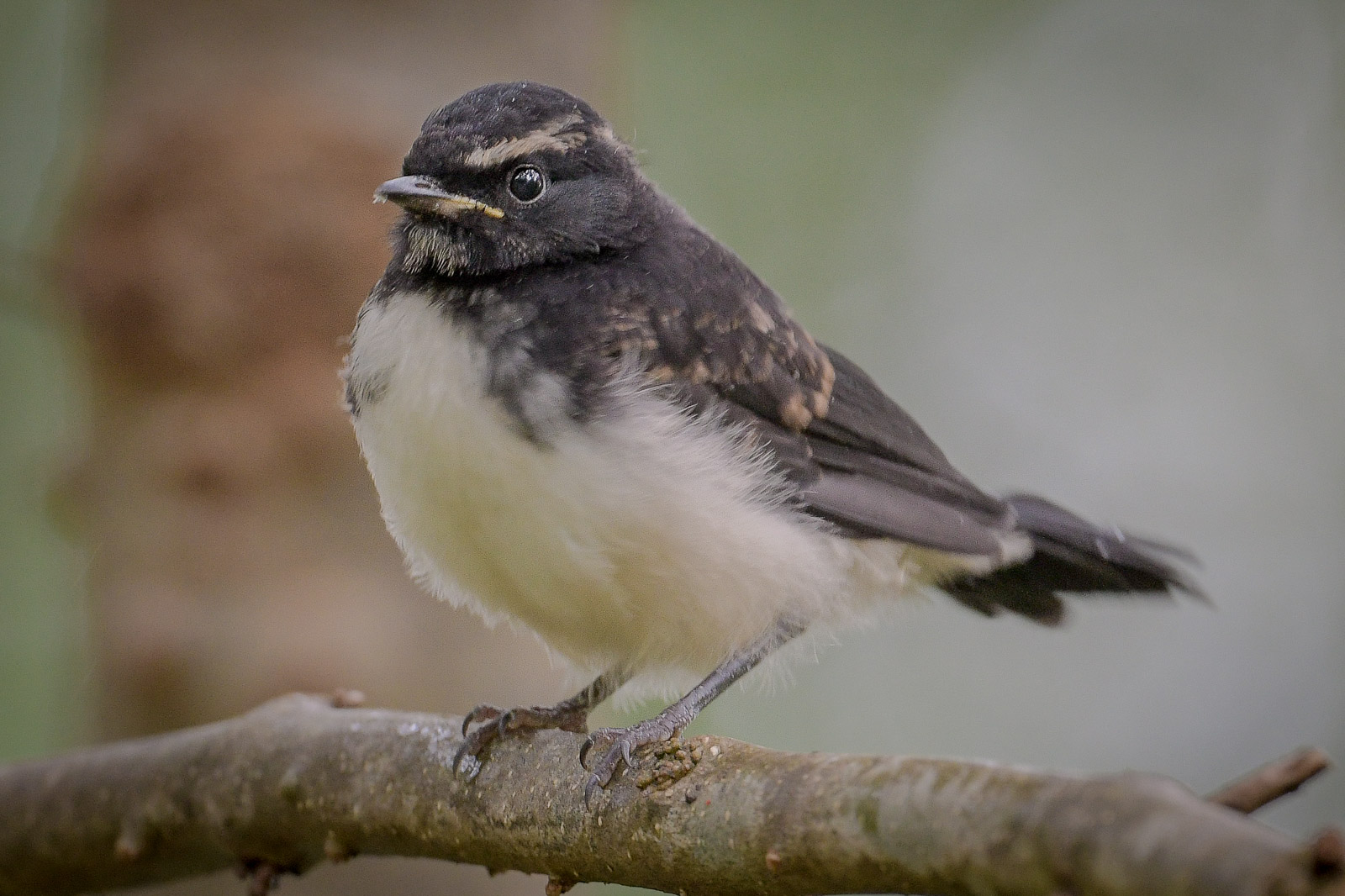
On our Kingfisher quest, we’ve crossed the paths of several Willie Wagtail pairs at nest. Not all of them are successful. But the agile and relentless little birds only try the harder. Most will, within a few days of loss, be hard at work on the next nest.
We found a pair that have survived with three happy little young—without any catastrophe. I don’t normally publish nesting photos of Wagtails until I am sure that they have been successful. No point in raising hopes and then seeing the nest disappear. The Wagtails take it as part of the cost of doing business, we humans seem to take the devastation personally.
A recent fledging of three out of four young Peregrine Falcons at 367 Collins Street is a case in point. The fb page had thousands of words of anguish at the loss of one of the young that succumbed before flying. Angry, “Why didn’t ‘they’ Do Something” posts seemed to miss the point that the parents had managed a magnificent feat in fledging three fat healthy young. It was as if people had lost their favourite teddybear when young and now had a reason to express their own personal loss.
But.
I digress.
It takes the Wagtails about a week to build the nest, about 14 days to hatch and about 14 days to bring them to wing.
This pair had a nest quite low down on a tree trunk that had only recently fallen in a previous storm. Some Wagtails seem to nest in quite secretive behind-the-leaves locations, and others take what seems to be the risk of exposing their work to the world. Such was this pair.
Several days back we’d seen the first of the young ‘branching’, so no doubt they would be on quite mobile when we checked again today. To add to our difficulty a light rain persisted in falling. However, the little tackers were quite dry and feisty safely under the leaves of a tree.
Well done, all round.
Sitting Pretty.
Just a couple of days old.
Not ready to fly, but the wings are starting to come away from the sheaths.
High Protein Rocket Fuel going in.
Filling them up keeps the adults busy all day
Testing the well developed wings. Not long to go now
Small nest. Growing birds. Time to take to the surrounding branches for a little extra space. No doubt they all flew this day.
At “The Office”, there are a resident pair of Brown Falcon.
(Called the Office, because we spend a bit of time there as in—Just another day at the office—)
One of Brown’s qualities certainly must be their patience. Happy to sit quietly, seemingly disinterested, they take the scene in, work out where the food is, and then strategies to get to the spot, and return with the least amount of energy dissipation.
Not unusual to see Brown, sitting with its distinct upright stance on a post, branch or roadside sign for what seems hours. Passing traffic has little effect on the bird’s demure stance.
We’ve worked with this pair for a few years, and when they are around, its interesting to see them favour one or another perching locations.
I’ve featured this bird several times on the blog over the years, and have called him “Bernie”. Late evening sunshine ‘burnishes,’ his rich mottled chest, and so the name seemed appropriate. Not that he seems to care it must be said.
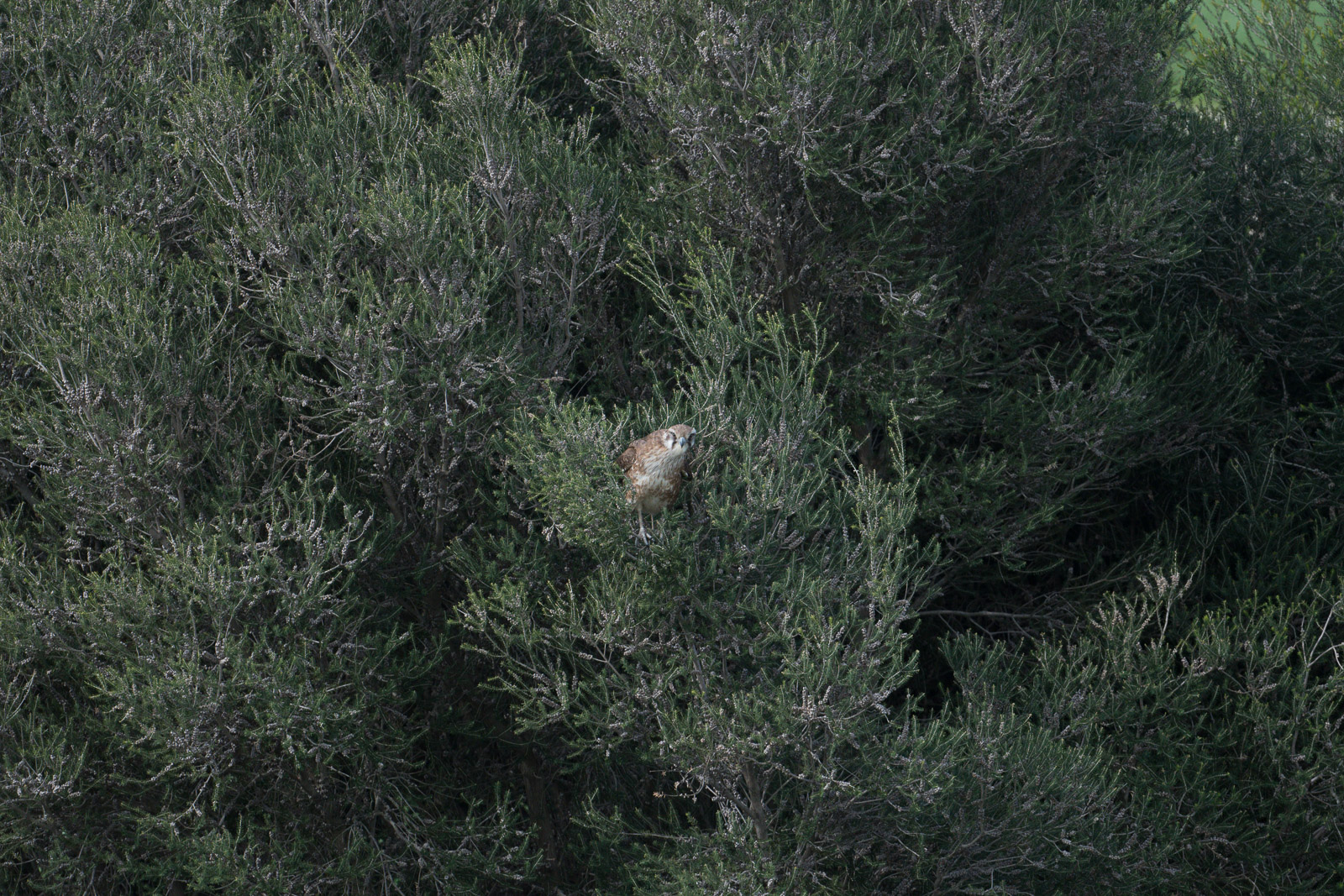
He was hunting for small crickets and the like on the edge of the river cliffs. A large melaleuca bush is one of the favoured perches. Gives a great view along the cliffs and he can prop into the branches and so be protected from attacks from the rear. Magpies, mudlarks, other raptors might swing by and attempt to dislodge him, but clever bird that he is, he simply sets back further among the branches and any attack is thwarted by the branches.
We had been working with him for about an hour or so and the light had been good, and as we headed for home, I peeked over the rim and there he was in the bush. But the light had diminished, still it was worth waiting for him to throw as it would have to be toward or at least to the side.
I don’t often shoot multi-burst, but figured that by the time he left the bush and got settled he’d have to stay pretty much in the same focus plane and most of the shots would be sharp (ish). Pity about the light and slow shutter speed.
So EE and I waited. Things happen slowly in Brown Falcon time. But you’ve got to keep your eye on the bird, as they don’t give a lot of warning that they are going to move.
So we waited.
Brown waited.
It’s one of the reasons why with a long lens we invest in a good tripod, and a Wimberley gimbal head. Takes all the weight off the arms. But, who wants to carry all that heavy gear out just on the off chance it might be needed. So, I was shooting handheld with the 500mm PF. Light enough, but after 10 minutes my aching muscles needed a rest. And then there is always the risk that is the moment the bird will throw.
Waiting.
Another round or two of holding until the muscles cramp, and then releasing.
Waiting.
I was just regrabbing focus and had the shutter half-pressed, when with barely a feather ruffle Bernie took to the air, straight toward me, and I ripped off a sequence.
“Oh No,” I heard on my right. And it was just at that moment EE had taken a muscle relief stretch. Sympathy doesn’t cut it. Gloating is not part of the process.
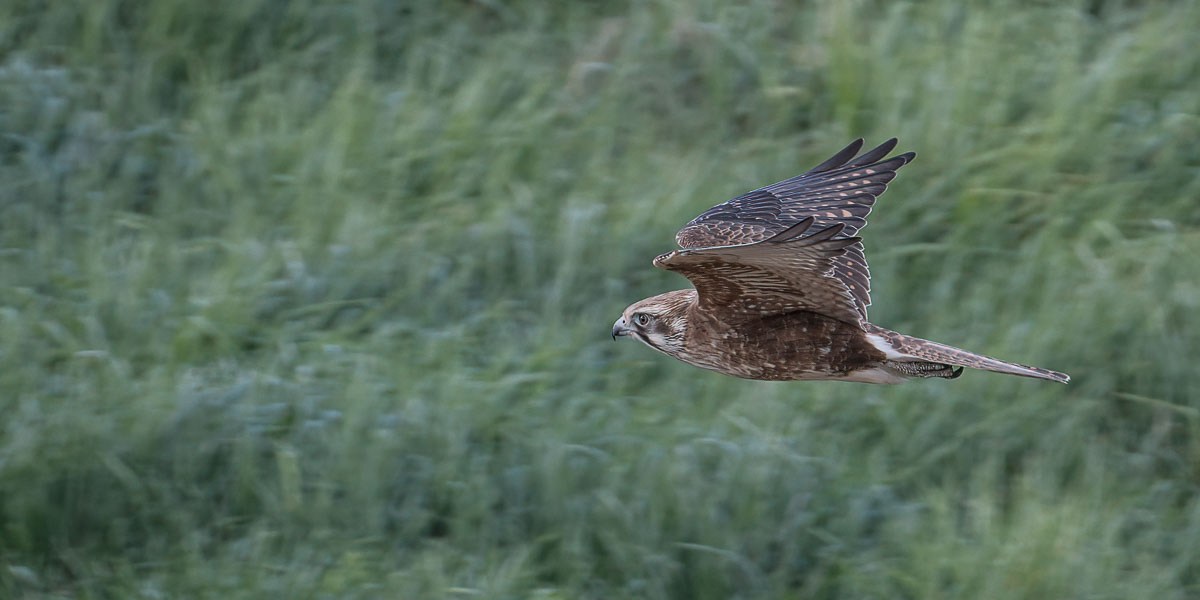
Here are all the frames from the sequence. I thought it was interesting how the wings are deployed to get him out of the bush, and turned for the run along the grass.
{EDIT} It wasn’t until I re-looked at the shots here on the blog that it shows that on the upwing strokes the rocks his legs forward pendulum like, on the more powerful down stroke, the legs go back to close to the body. Just like a kid on a swing. Brown, you always amaze me.
Enjoy
Bernie arriving at the bush. I shot this one earlier in the day, and you can just see the edge of the river cliff in the bottom of the frame.
Snug, safe and on the alert
Typical Brown Falcon flight. Ground hugging radar in action
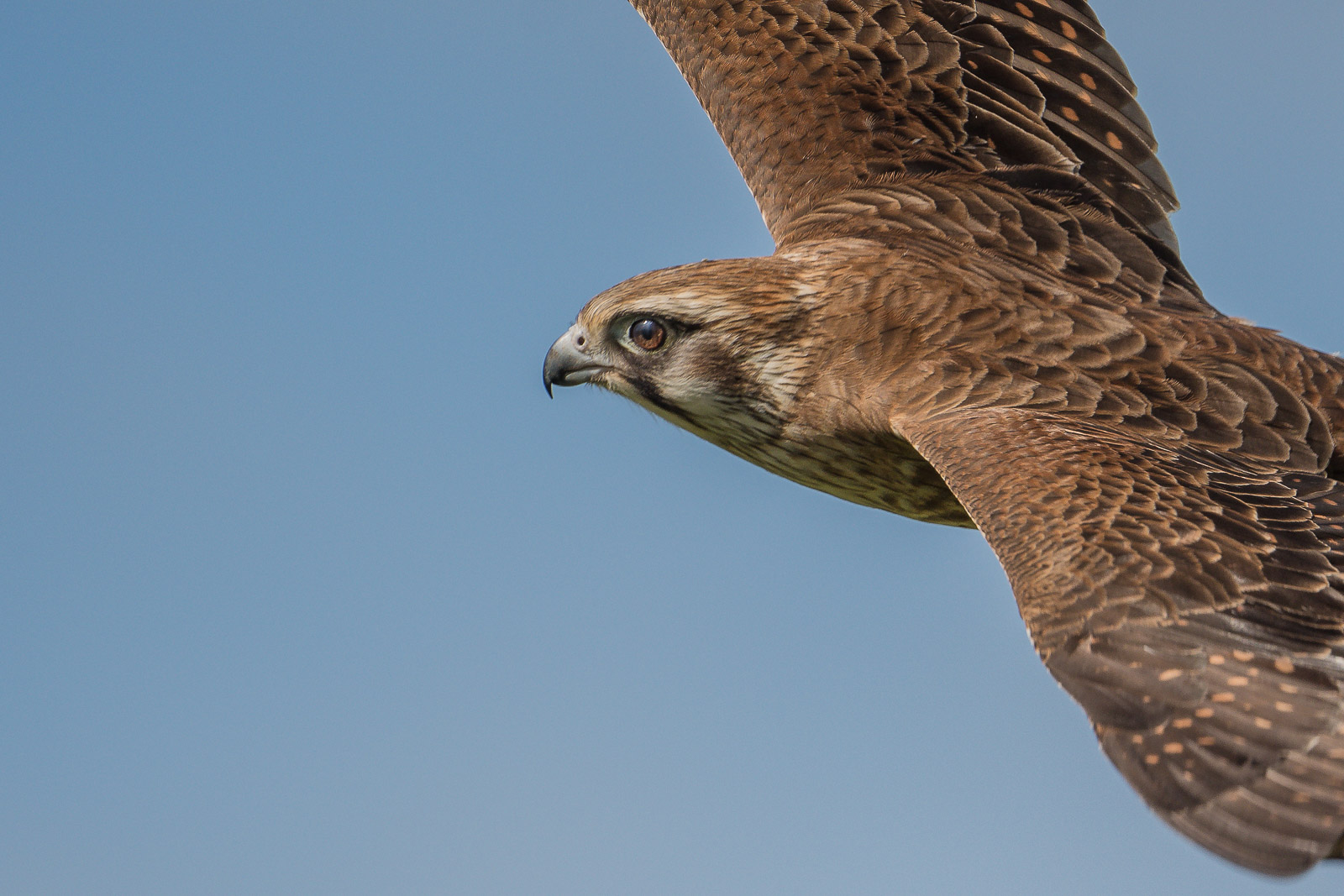
This is a close flyby from earlier in the afternoon when the light was good. Go Bernie
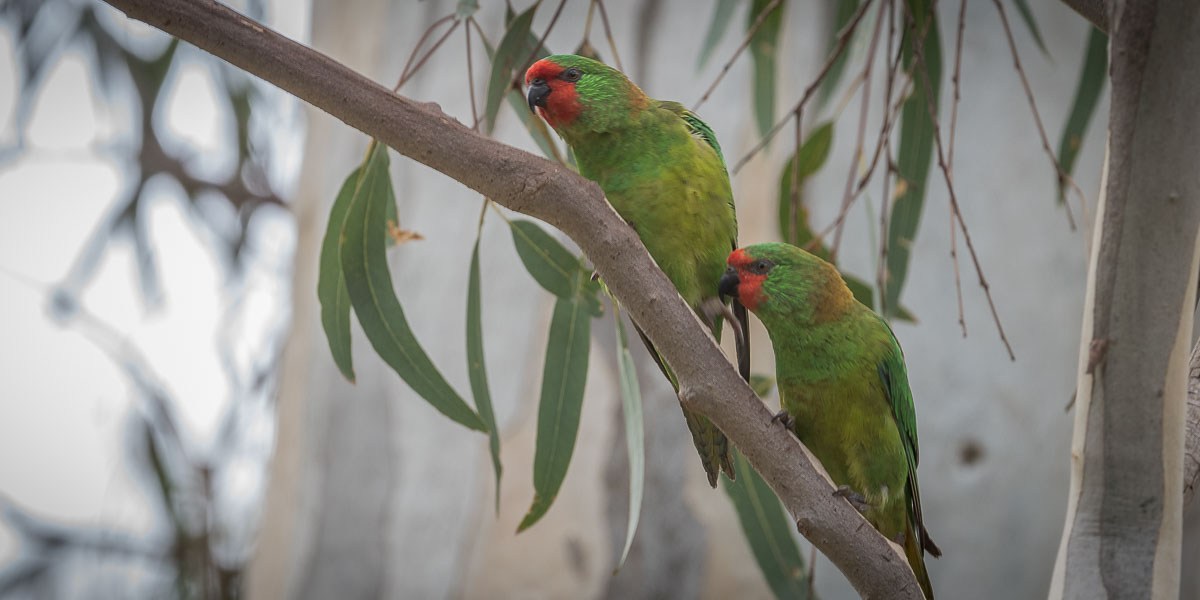
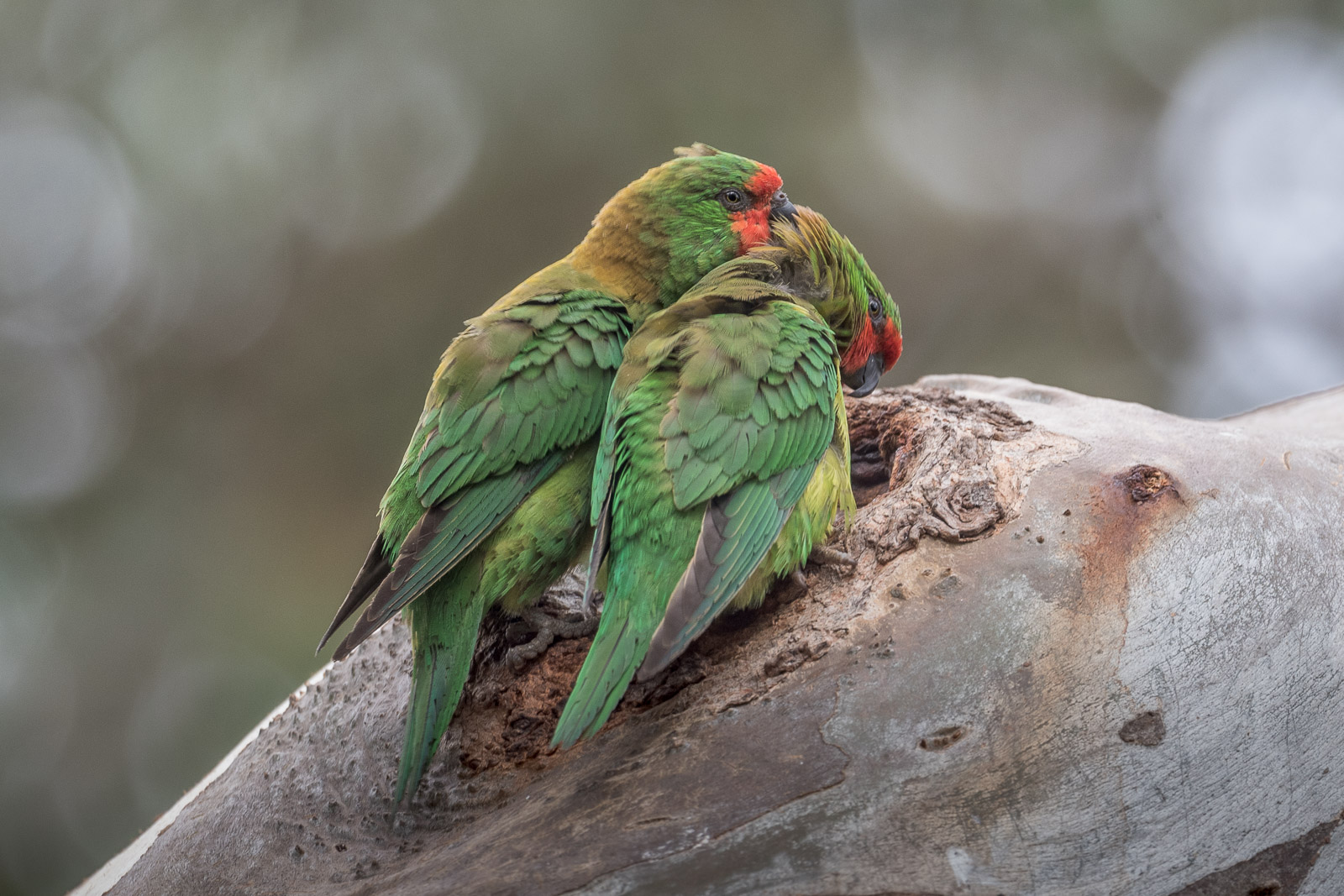
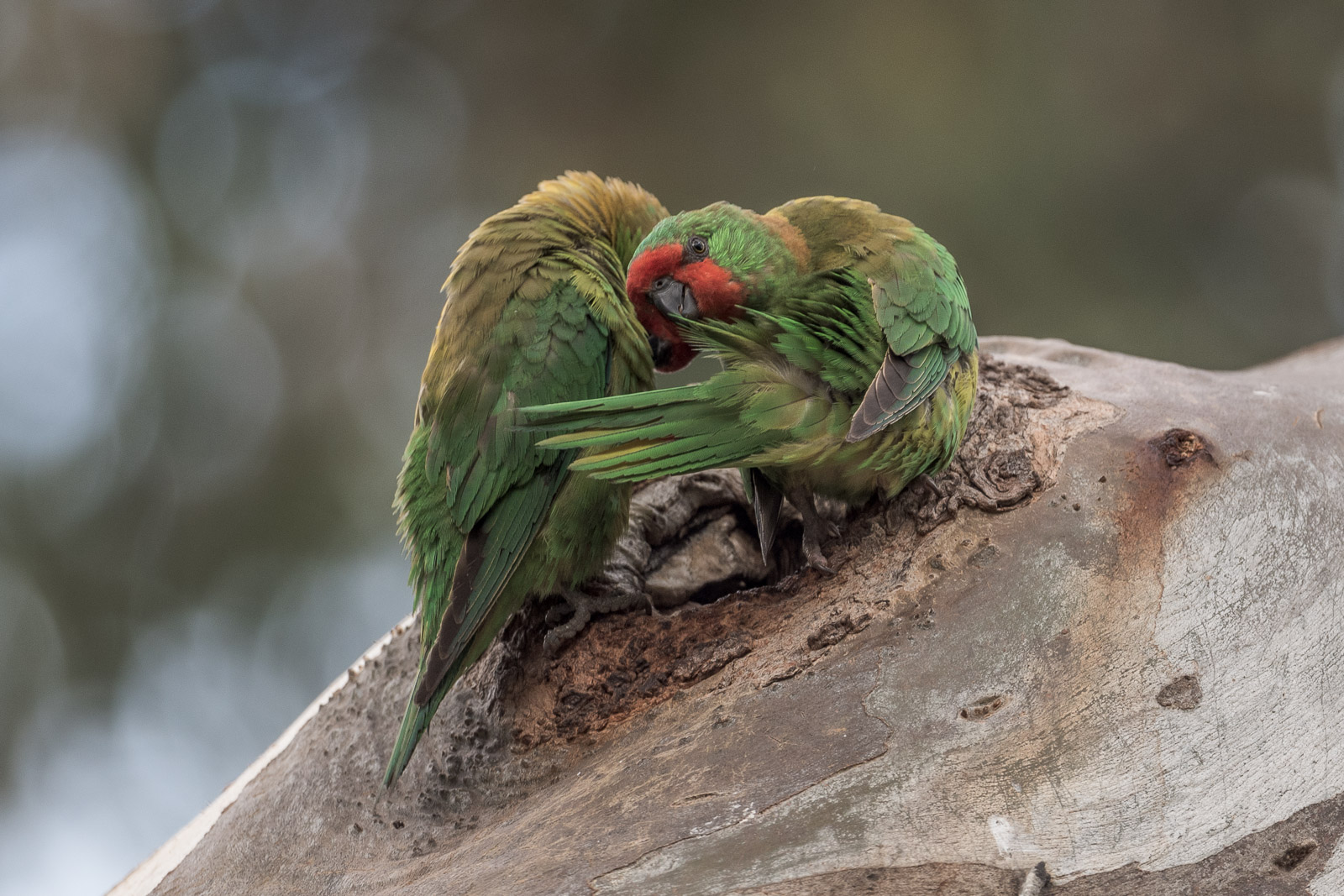
We don’t get many Little Lorikeets down around The Office area. But there are several pairs that seem to come and go on a regular basis, and I suspect they might always be in the area, just too high up to notice.
With reports of Purple-crowned Lorikeets in the general area, we wondered if they might be at The Office, so took Dolly on a bit of a traverse to see what we could find. Despite EE’s best attempts, we couldn’t spot, let alone hear them. We were getting ready for the trek back out, when the “rattley rolling, squeaky” call came from a tree behind. And there was a pair of Little Lorikeets engaged in some preening and pairbonding alopreening.
It’s beginning to look like I’m getting in a rut with raptors and food.
Mostly just a bit of a backlog of other work and the natural progression of things.
Interesting to be posting such work on the blog, as it fulfills a learning process I’m journeying on at the moment. Exploring photography, my own work in particular, as an iterative process. Or a journey of versions that lead to new discoveries.
That is: the repetition that builds on the previous shot. It is where the concept of ‘multi-burst’ and I diverge. I need to have thought out the changes, or the visual differences from shot to shot. Not just blaze away and pick out the ‘best looking one’, to tidy up in Photoshop.
Not, as I’m sure you can imagine a simple step by step process when it comes to birds that are unpredictable at best, and downright difficult to get to understand at the worst. Which I think is why ‘iterative’ is such a useful motif.
EE and I were at The Office. The Red Gum picnic area to be specific. Its a short trip down for Dolly, and if all goes well, there can be an interesting array of birds on a good day.
We were sitting enjoying the Grey of Earl, and a snack, when a grey shadow moved over our heads and flew toward the large dead skeleton of a tree by the river’s edge.
“A Whistling Kite,” quoth she.
Then it became, as we moved nearer, that said Kite also had bought a snack too. It had found a discarded Shingleback Lizard carcass remains. Now, it might be that the Kite had made the kill, but the condition of the carcass suggested it more likely had retrieved it after it was abandoned. Most of the rich middle parts of the hapless creature were already gone.
So we sat and watched it play with its food, and all went well until a ‘murder of crows’ in the form of a group of ravens moved in to help the Kite. They believed it seems, in ‘share and share alike’, so long as they got the goodies to share.
Our hero was having none of that and scooping up its meal, it departed to a more secure area.
EE and I went to the Office a couple of mornings ago.
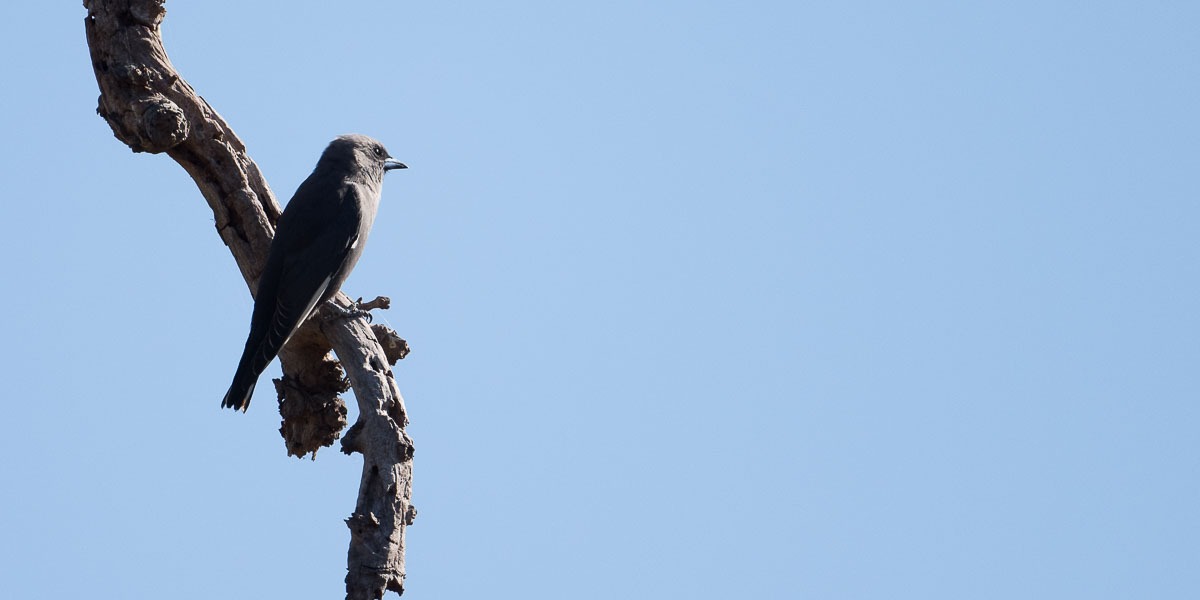
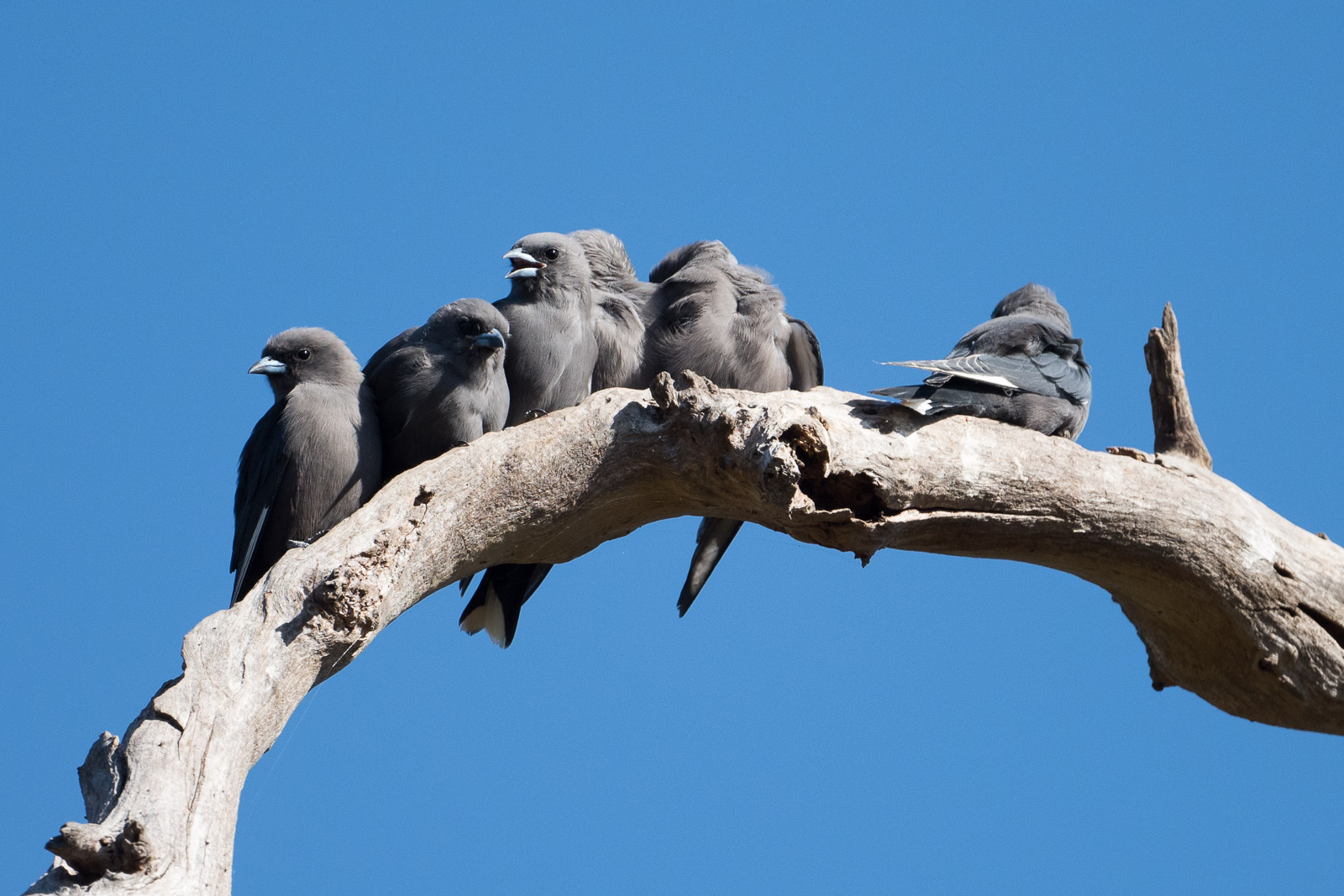
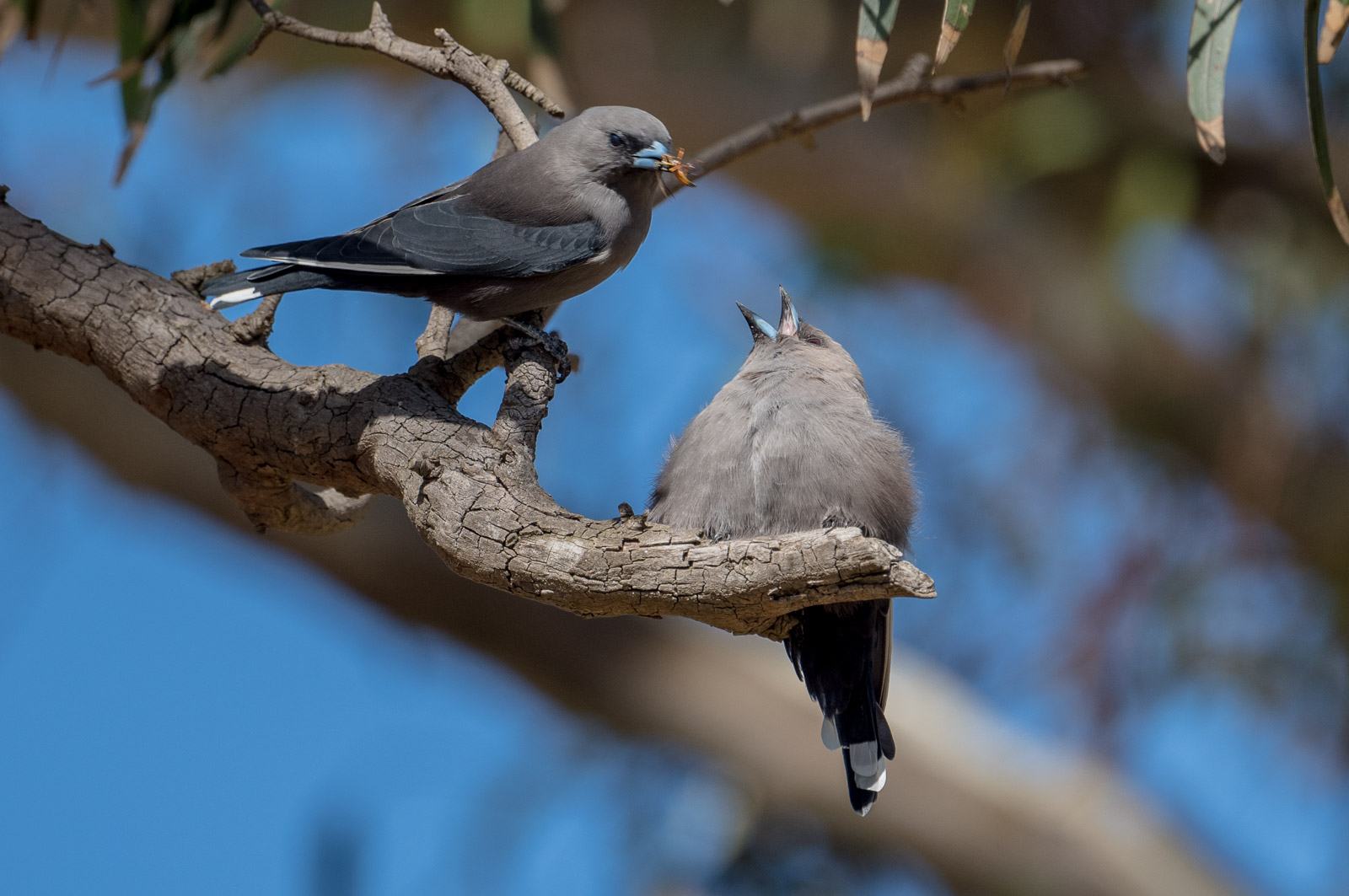
As we were walking over the river bridge we were discussing the small number of Dusky Woodswallows that had nested in the area. And how they were now probably well on their way north.
When to our surprise, as much as anything, we heard the calls of them as hawked for insects in the sky overhead.
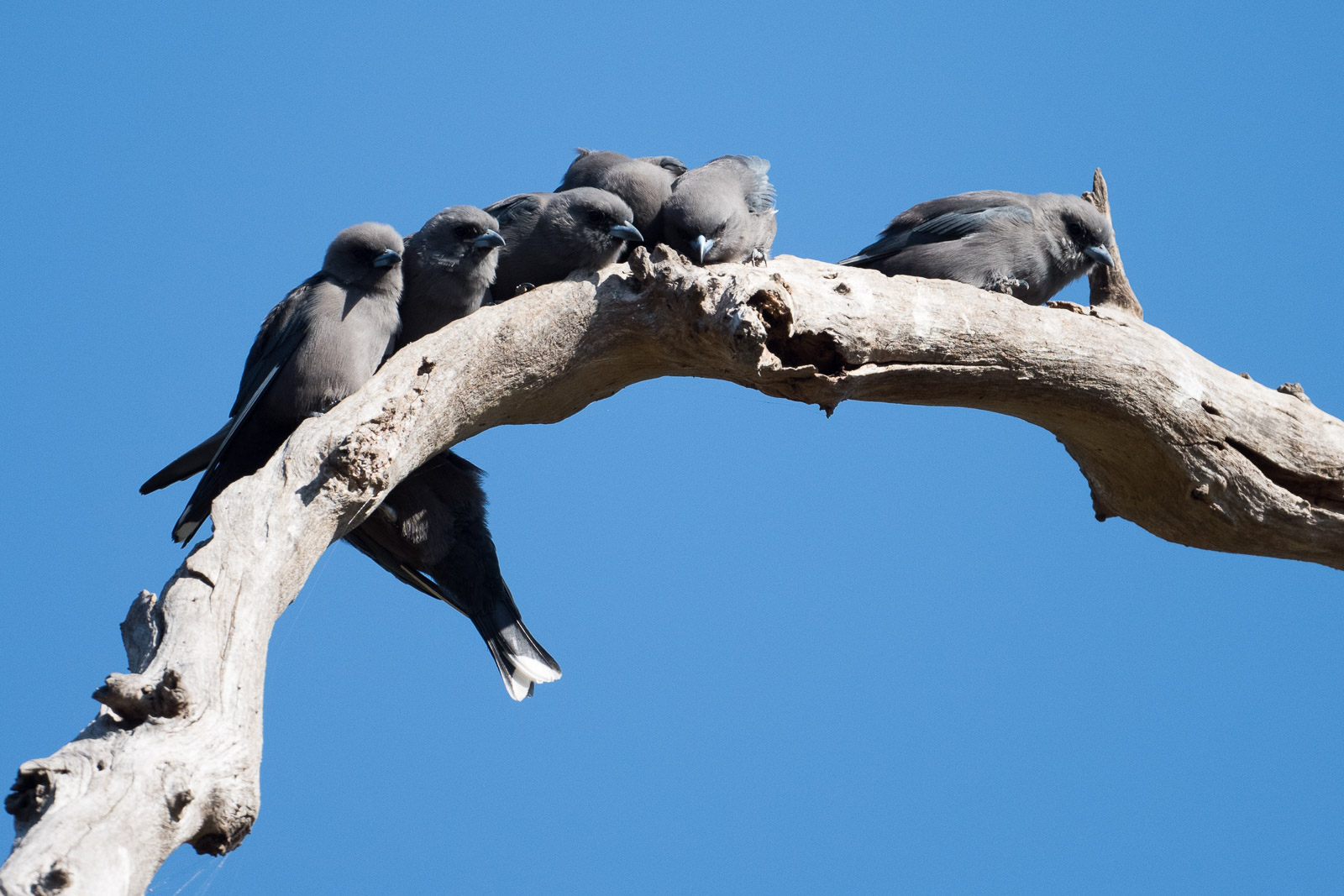
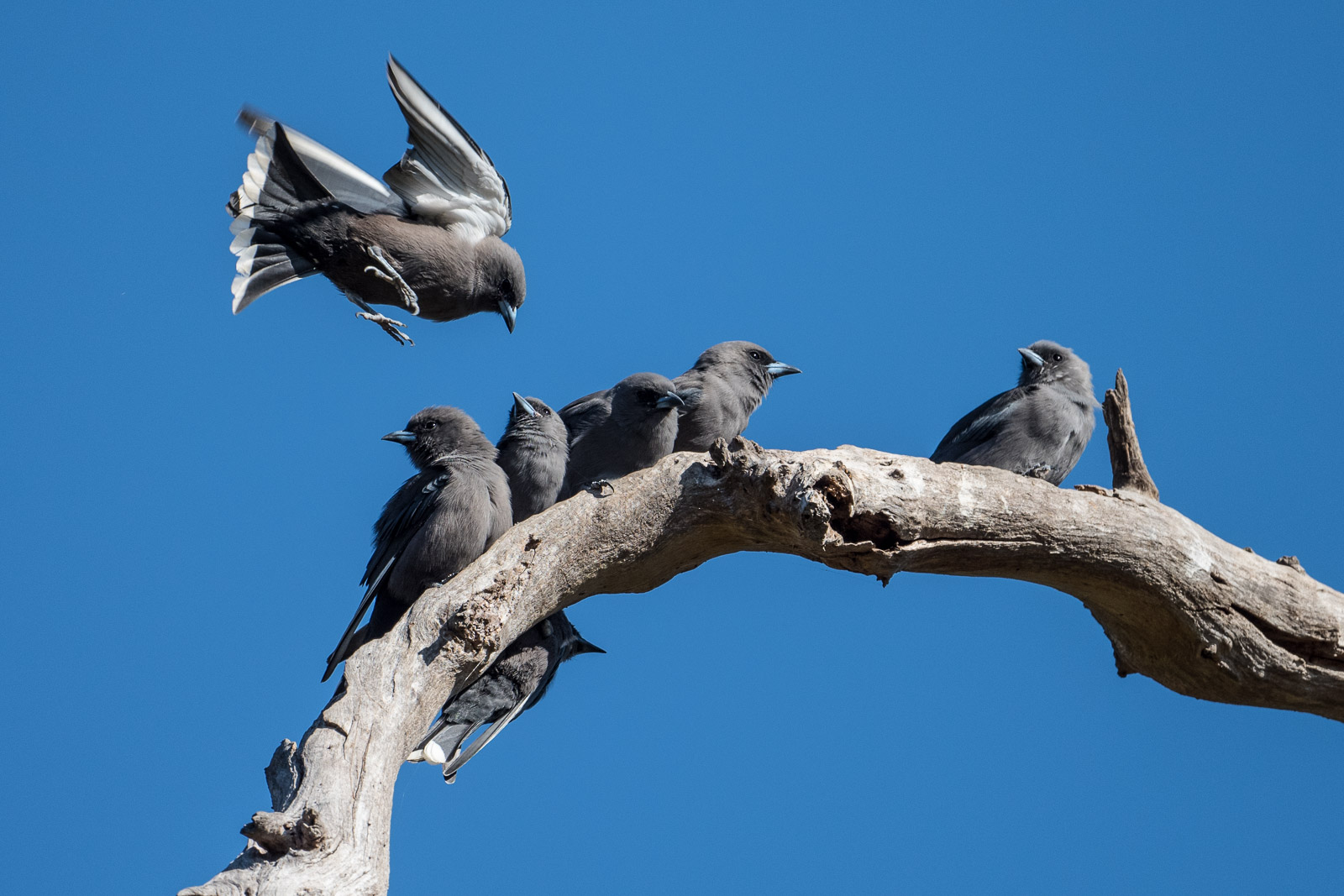
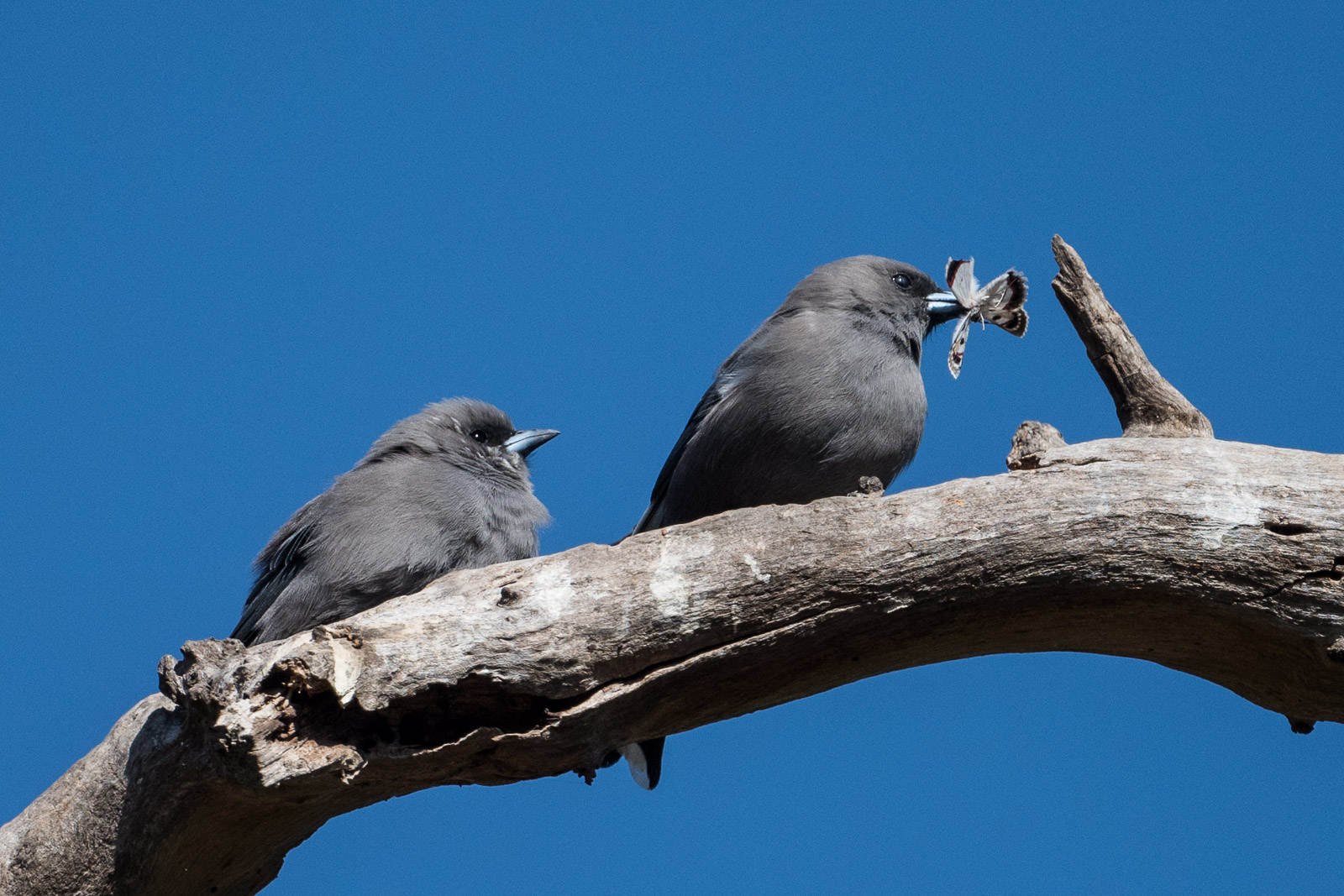
Like Choughs they are very community dependent, and its not unusual to see dozens of them sitting on the one branch all jostling for the best position. These are no exceptions. However with good grace the birds make room for one another, even if it means flying off and relanding.
They were still feeding young ones, so I concluded they must have had a late season nesting before the cold weather sets in.
Close, closer, closest
If you can’t get the spot you want, you go underneath and then popup on the other side. Everybody always moves up graciously
Incoming, make room
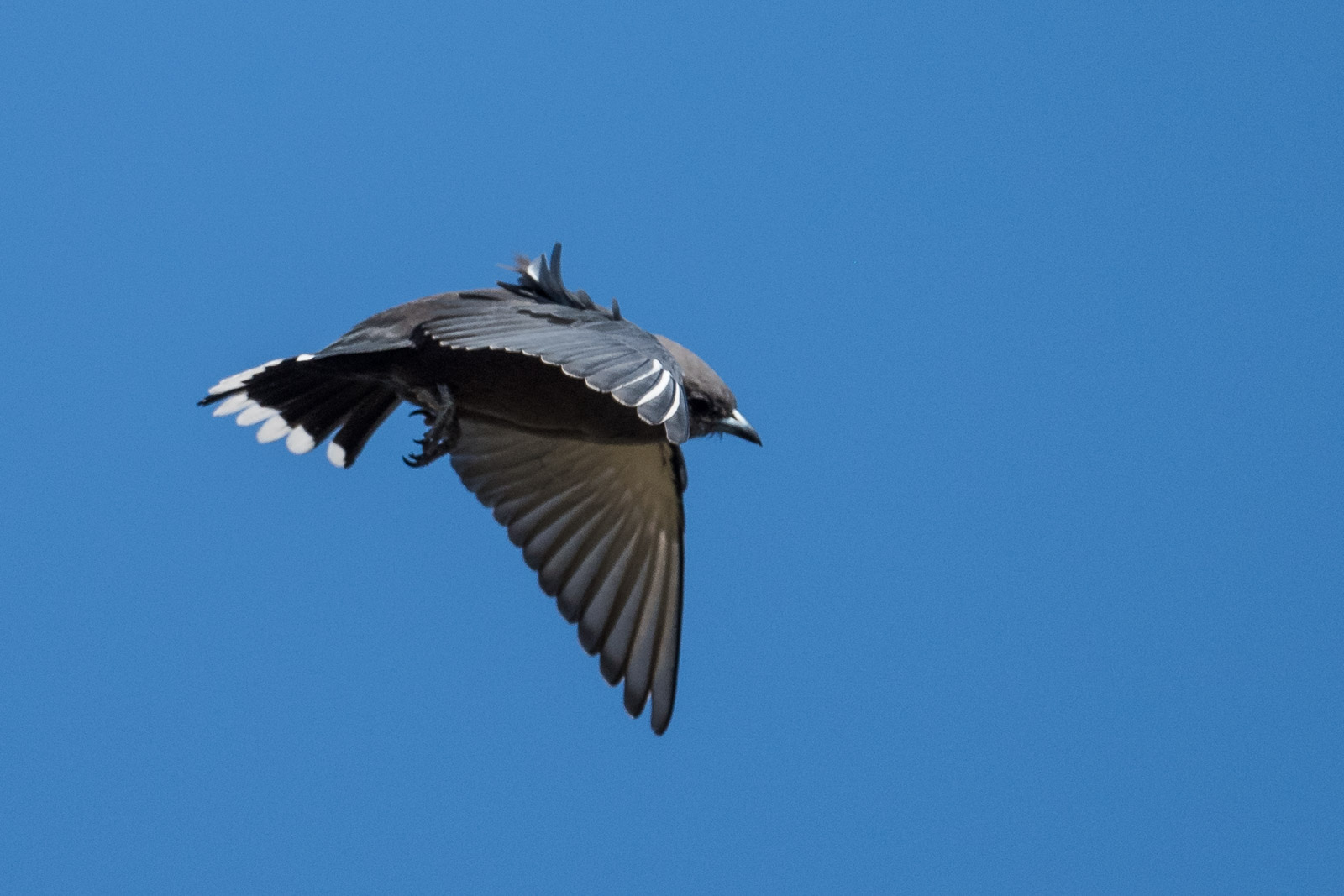
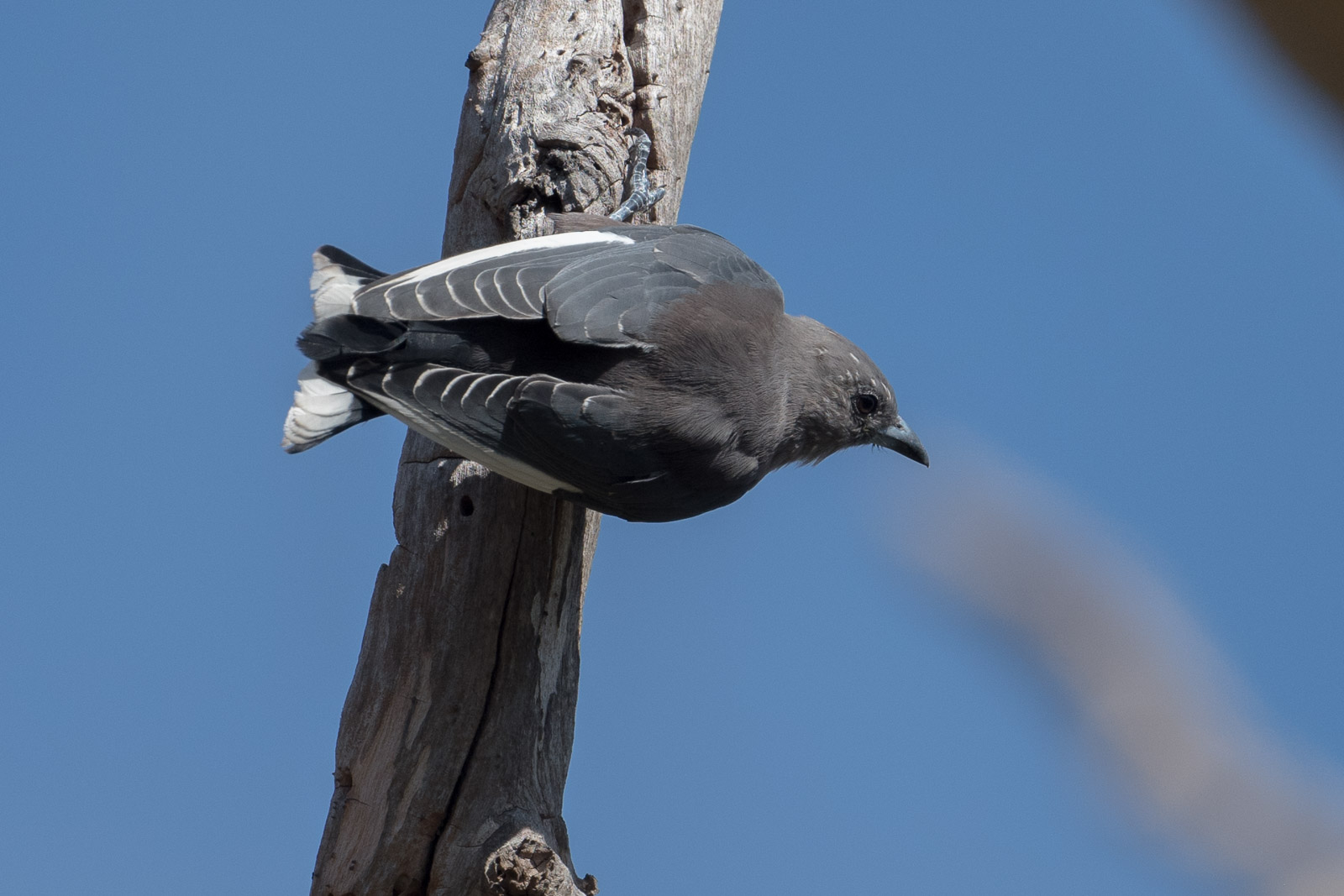
Woodswallows have the ability to both fly and glide like swallows.
They have a wonderful marking set on the wing edges, which is not always easy to see
Food is still in abundance.
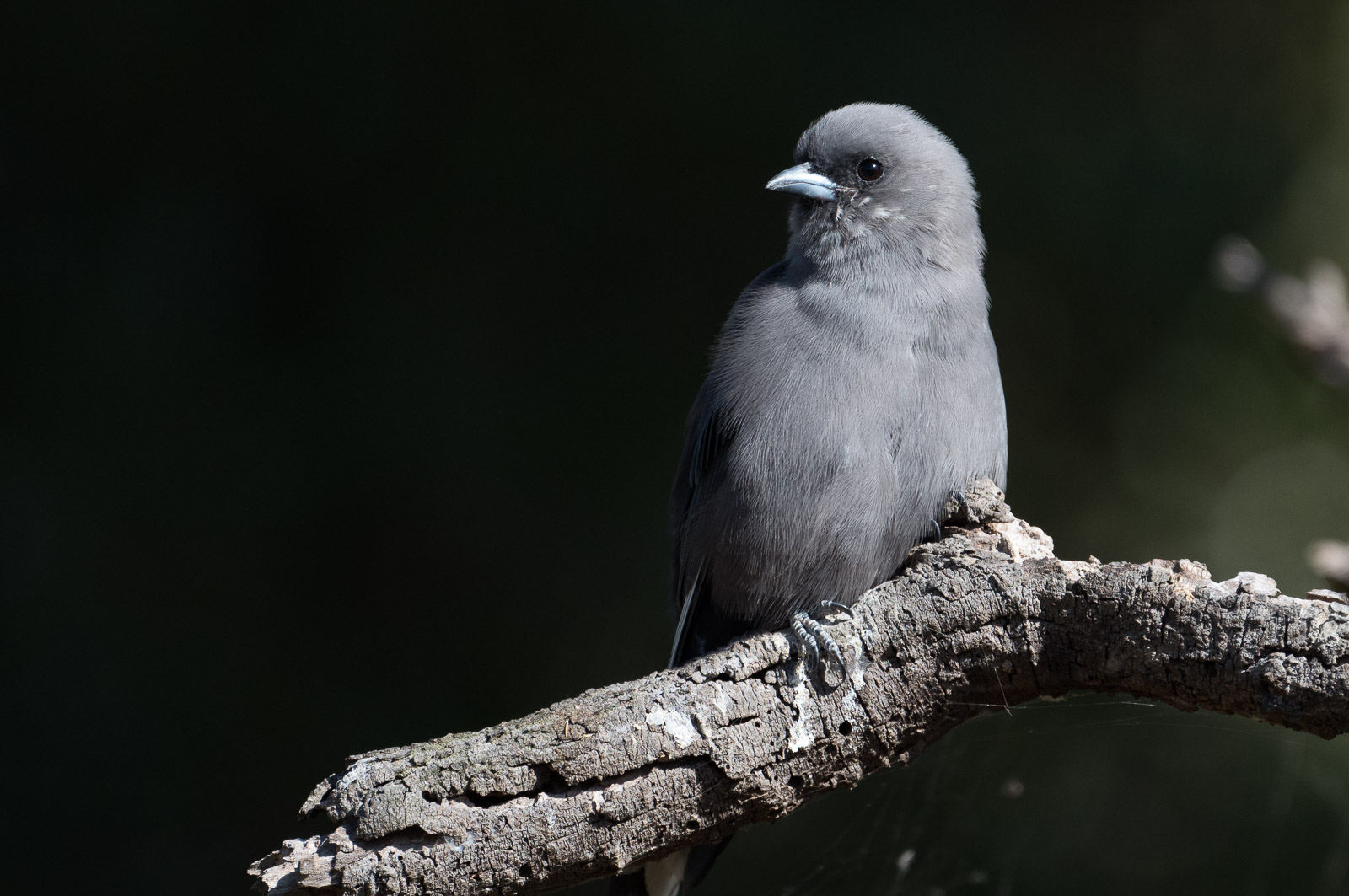
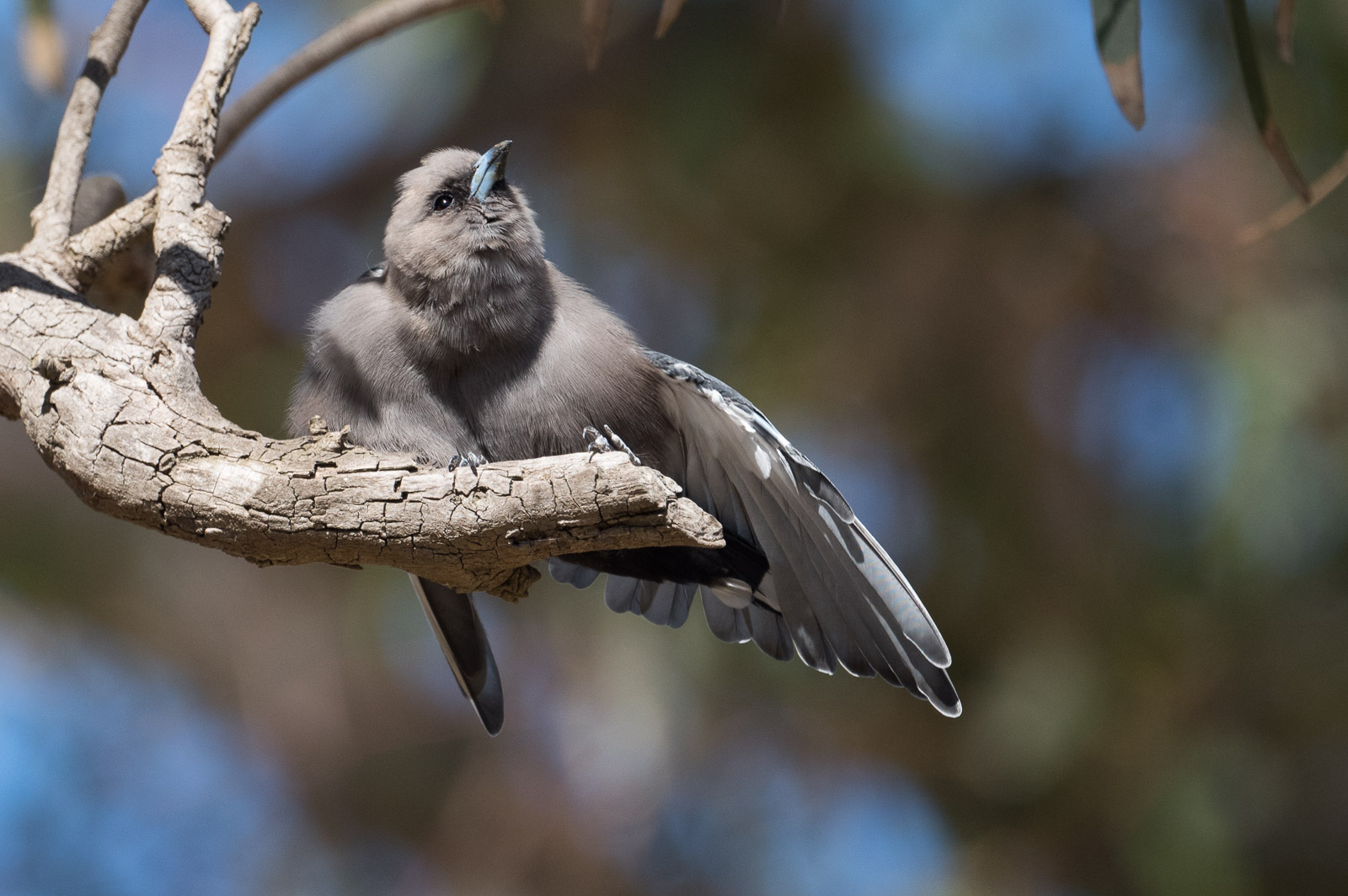
Spent a few minutes with the patient bird, making portraits. While it talked constantly to its neighbours
Hard to guess, but this one is a juvenile, now looking like the adults
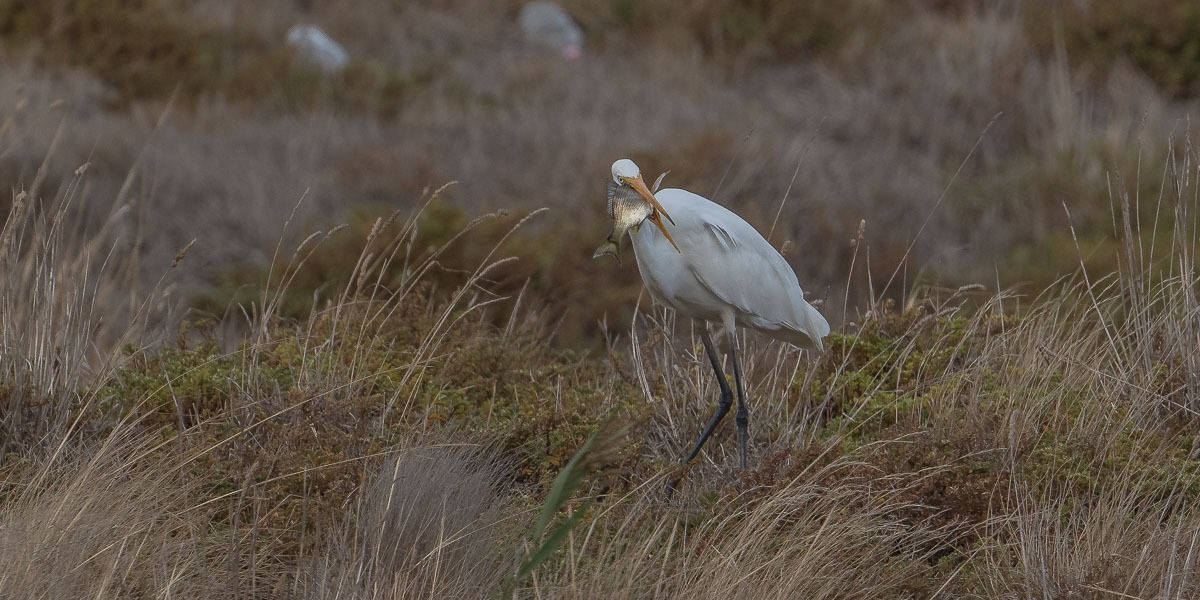
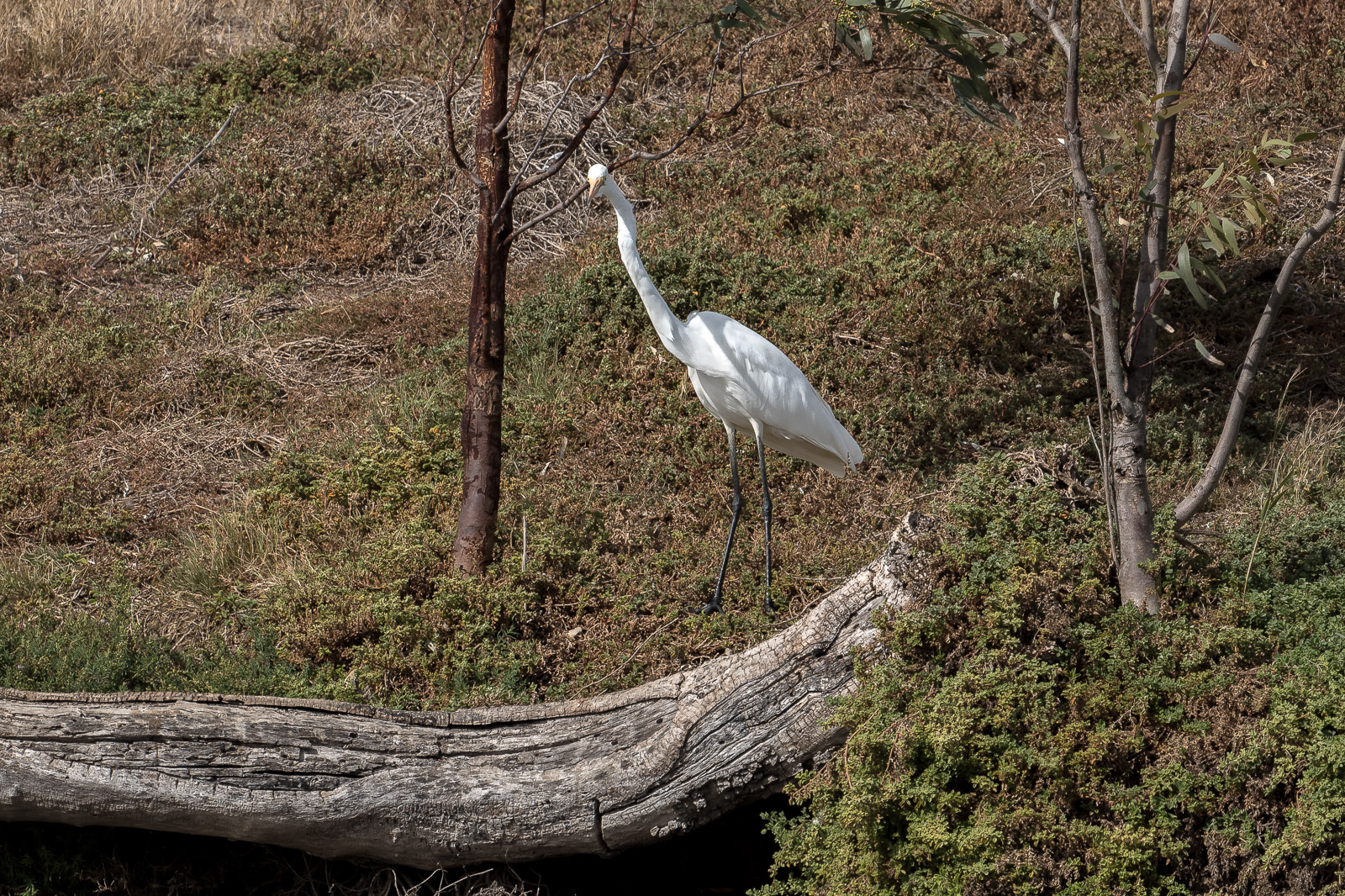
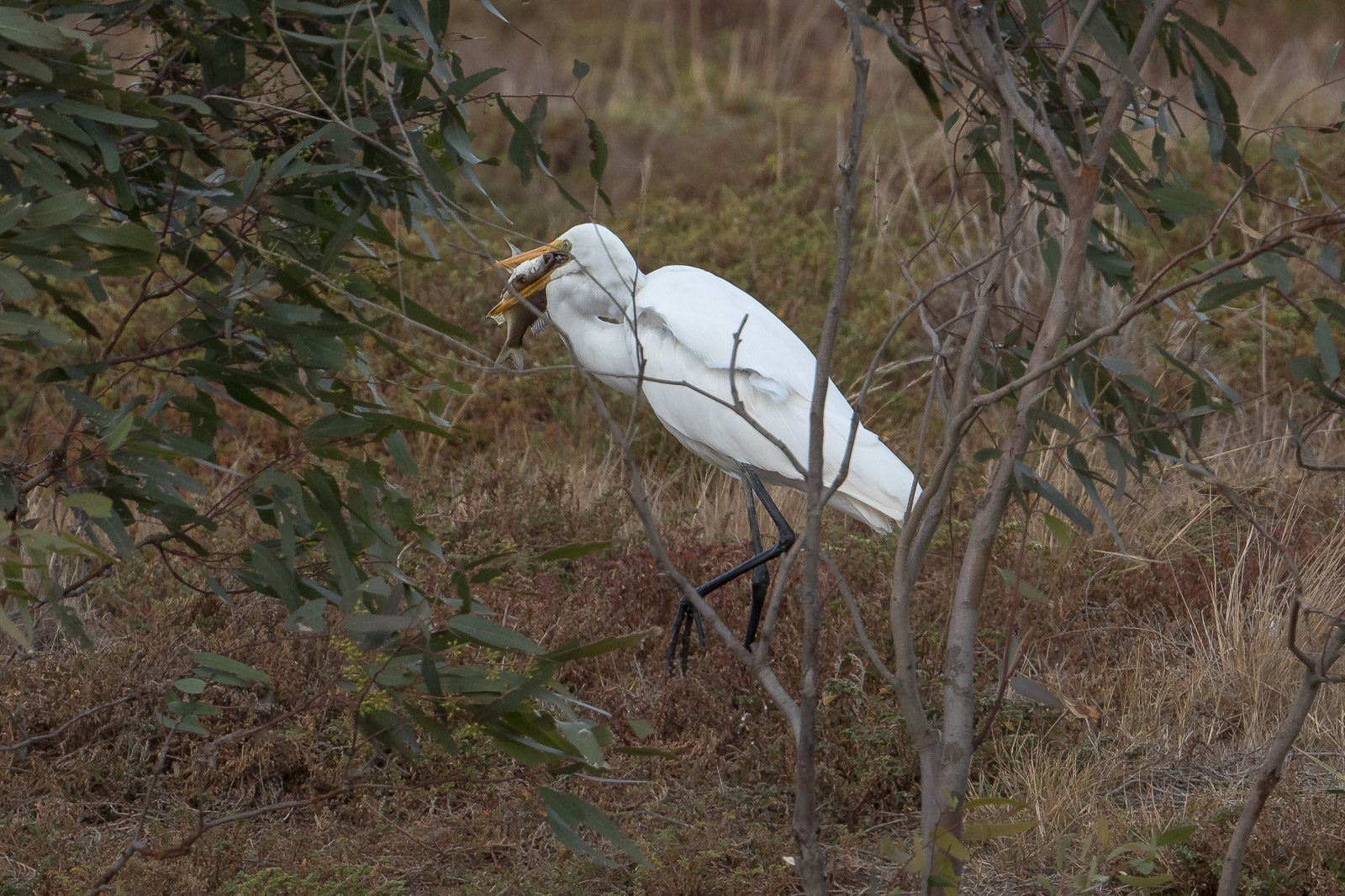
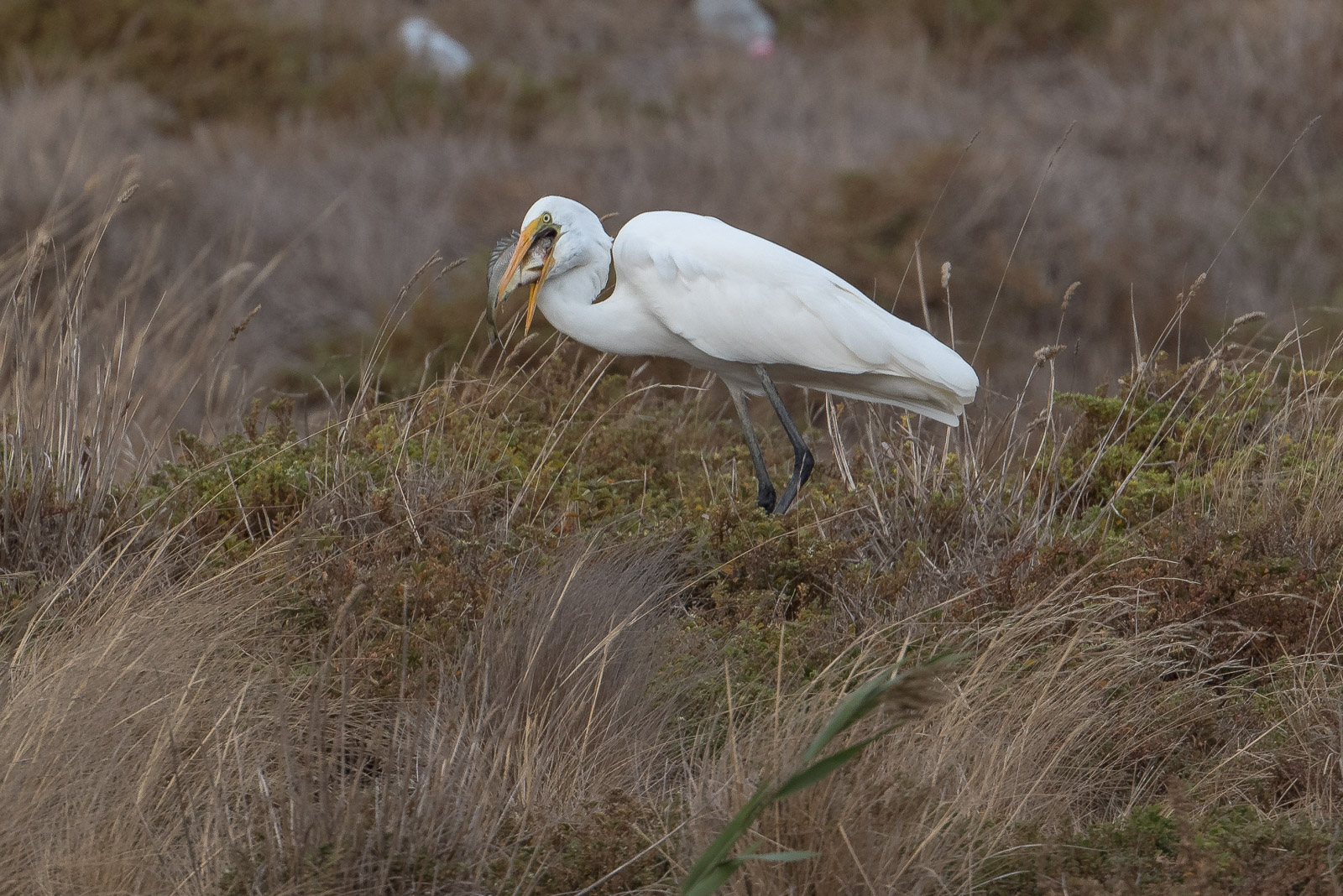
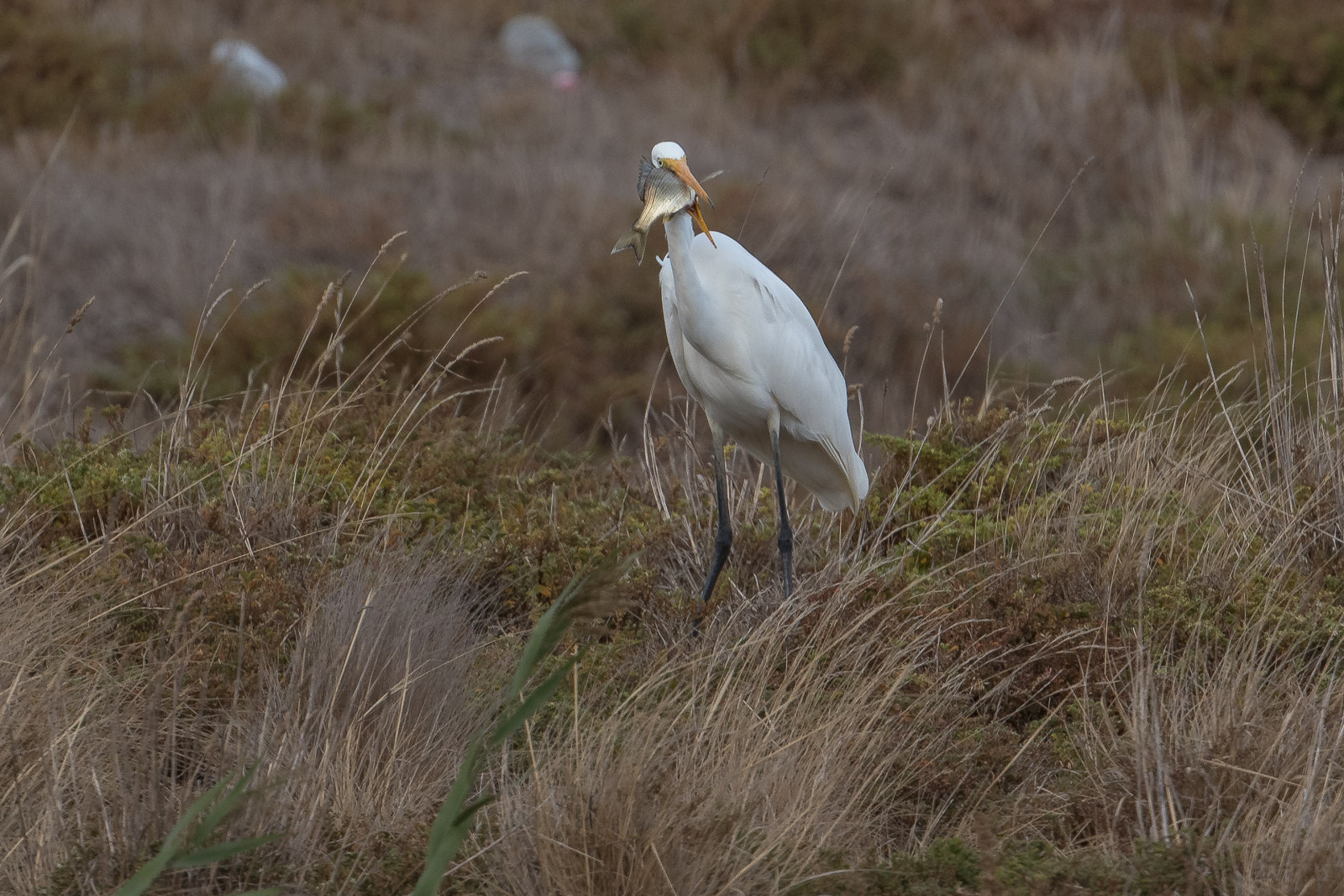
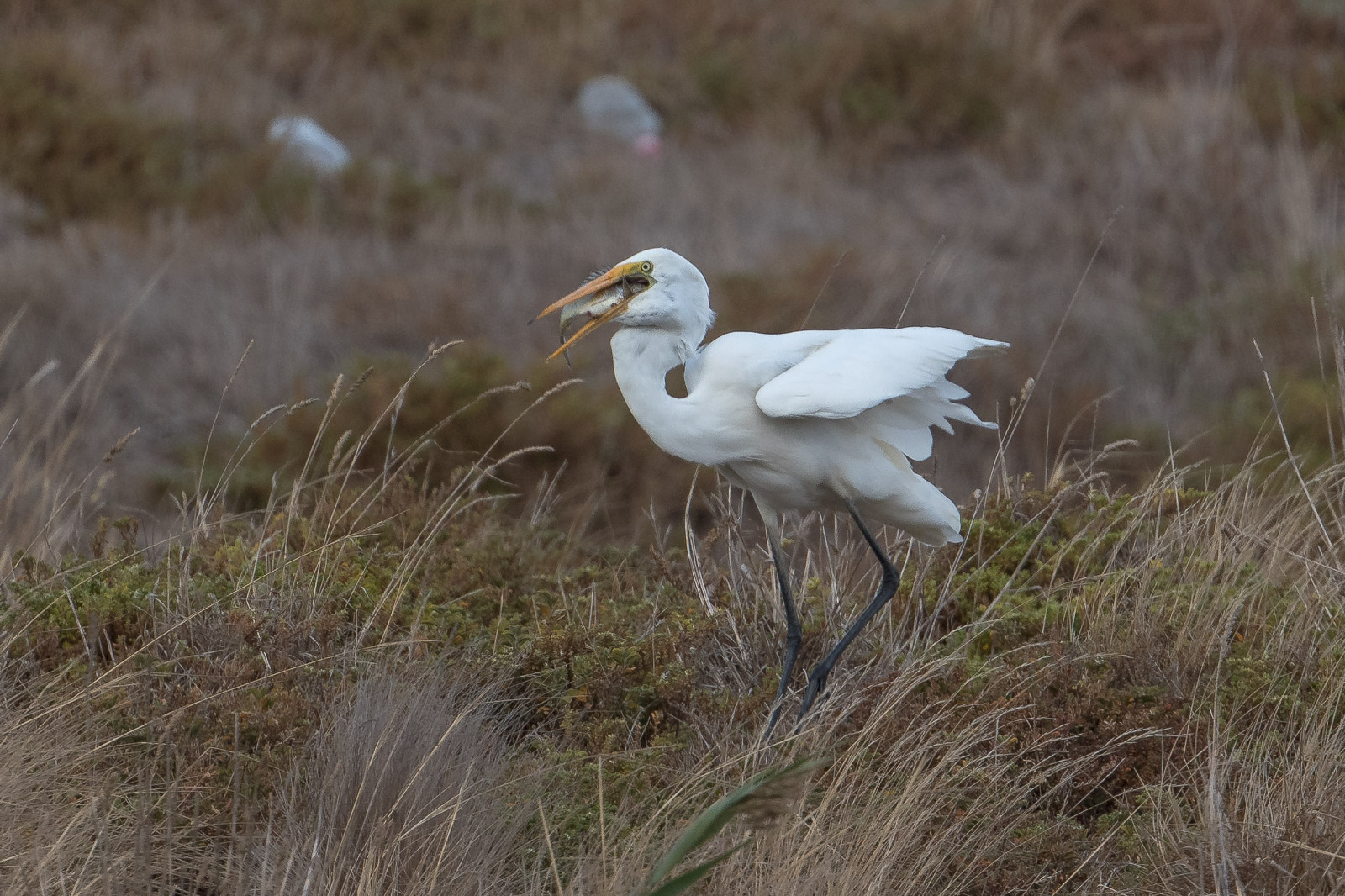
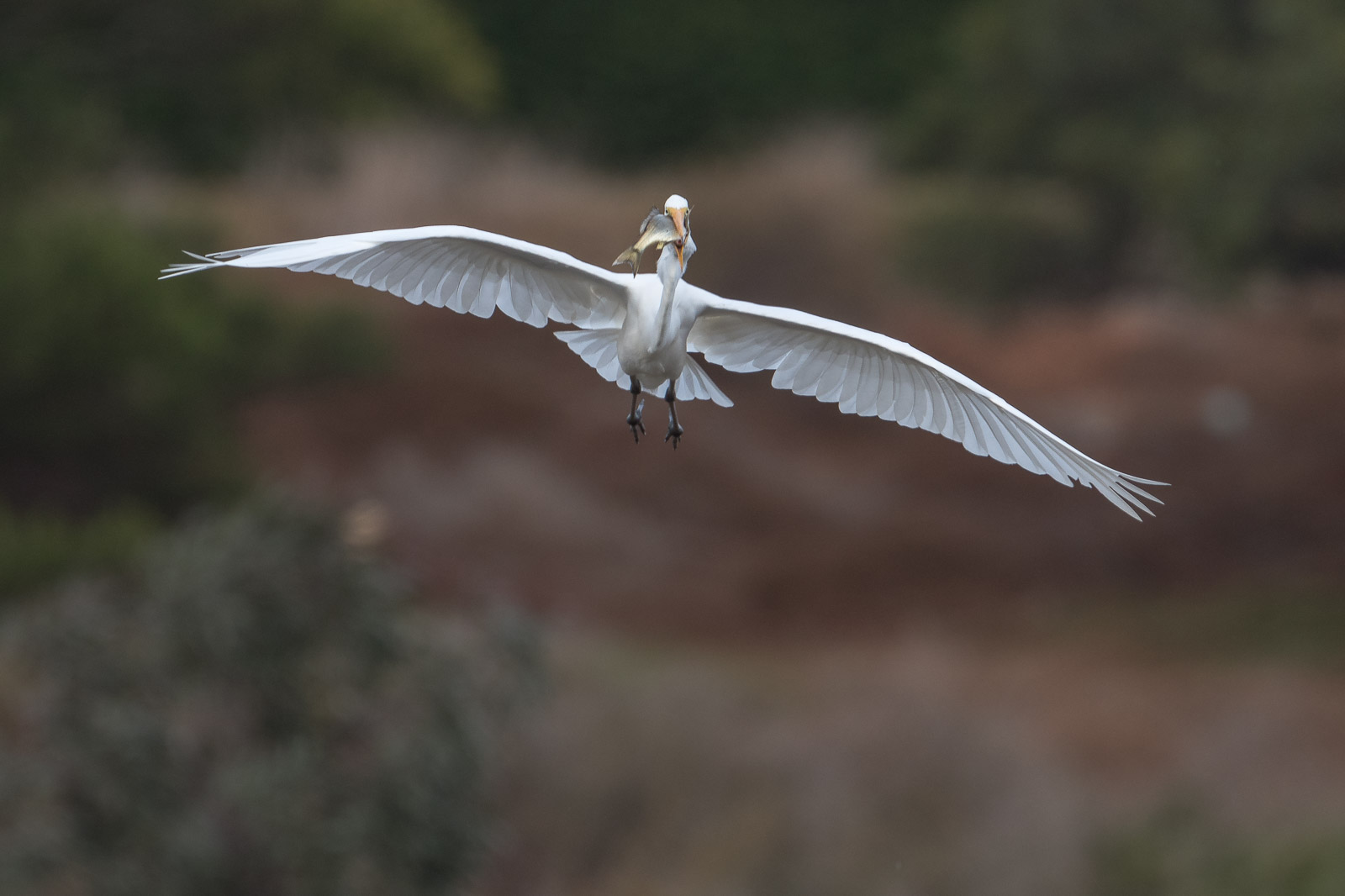
Sometimes a day at the office for this Great Egret brings on more than expected.
Or
The tale of the Egret that hoped to grow up to be an Osprey.
As my old footy coach used to say, “Never let you Ambitions Outweigh your Capabilities.”
I was sitting at The Shallows, and well, it wasn’t as the tide was running high, so not much happening. And the weather was blowing all get out and deep dark clouds were appearing.
I saw this Egret on the other side of the river. Too far for much real work, and besides it was mostly hunkered down among the small trees, trying to keep out of the wind. I spent more time with some dotterels and a few spoonbills, and was well into my second cup of Grey of Earl, when I heard a loud “SPLASH”, and without turning round, I knew instantly what had happen. The Egret had gone into the water. What I didn’t know was what it had caught. Hard to get it in the water and it was on the bank and behind the trees before you could say, “That’s a big Fish!”.
The next few minutes were between hilarious and painful, as it wrestled to get that size fish into a position to swallow. And to make things worse its new friends the Straw-necked Ibis were getting close hoping to get a morsel or two.
In the end after much neck manipulation, and headshaking, it decided that a new approach was needed and it took off behind the river bank, and I lost sight of the outcome.
I waited, but in the end the weather, and time ran out, and I left not knowing how it had fared.
Over the past few weeks I’ve been working on a new “Sit” spot at “The Office”.
At one point the Werribee River as it cuts through the old sandhills that once were part of the lake that became Port Philip Bay, runs over a stony bottom and has not been able to cut deeply, but rather has formed an area of shallow water at low tide.
To compensate, the river water spreads out into a number of small backwater lagoons or billabongs, so there is quite a range of areas for the birds to congregate and feed.
The Werribee Golf Club skirts the river at this point, so access to the area is relatively easy from the K Road carpark. A great feature is that the afternoon light is coming from behind the photographer, and as my Mum used to say when we used the Box Camera, “Keep the Sun over your left shoulder dear”, so she’d love the lighting happening here.
It’s only a couple of kilometres to the River Mouth at South Werribee, and the fish regularly come and go with the tides.
No doubt I’ll feature more of this area as I settle into working from the river bank. A couple of hours with a ‘cuppa’, and a bit of patience brings all sorts of activity along the river.
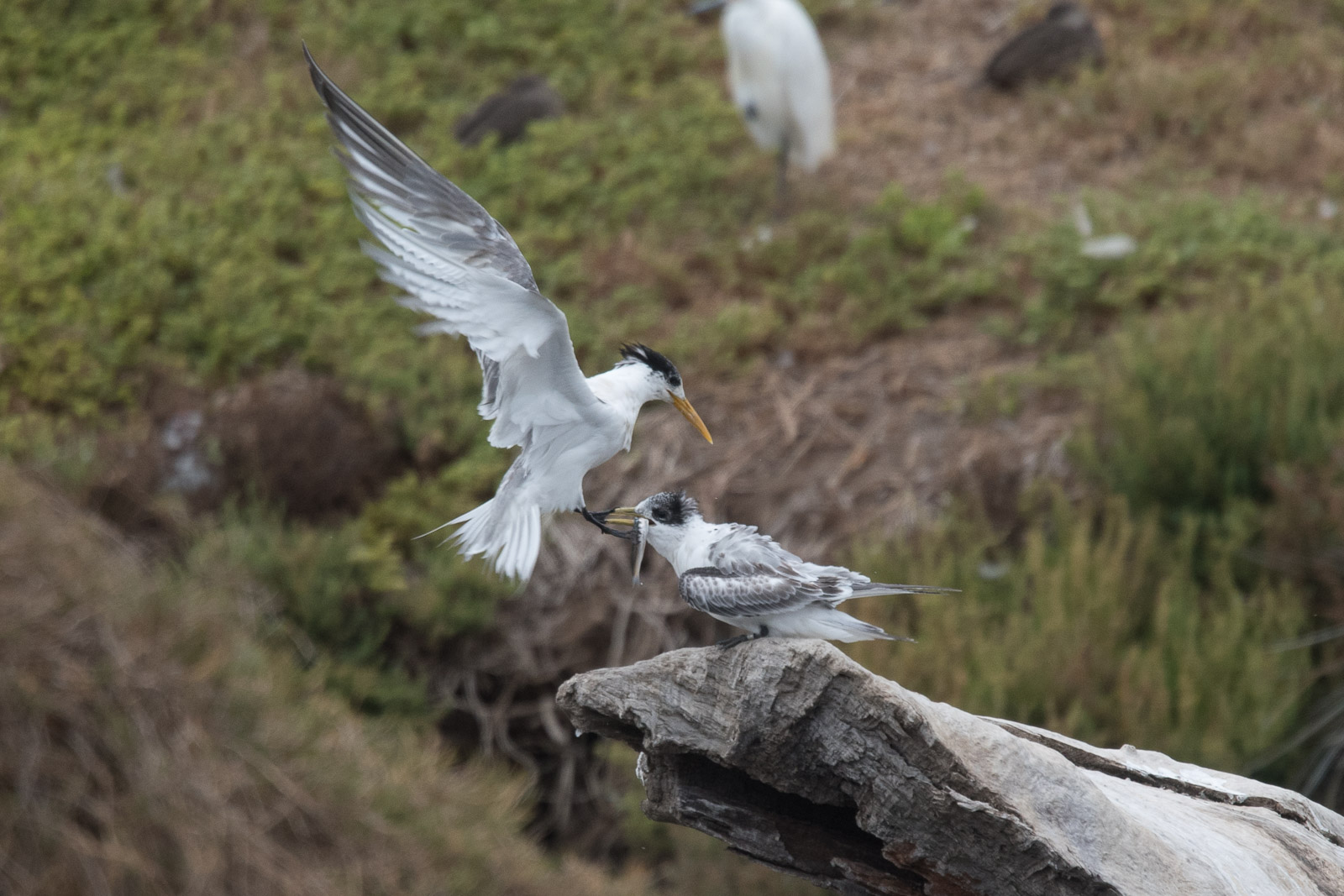
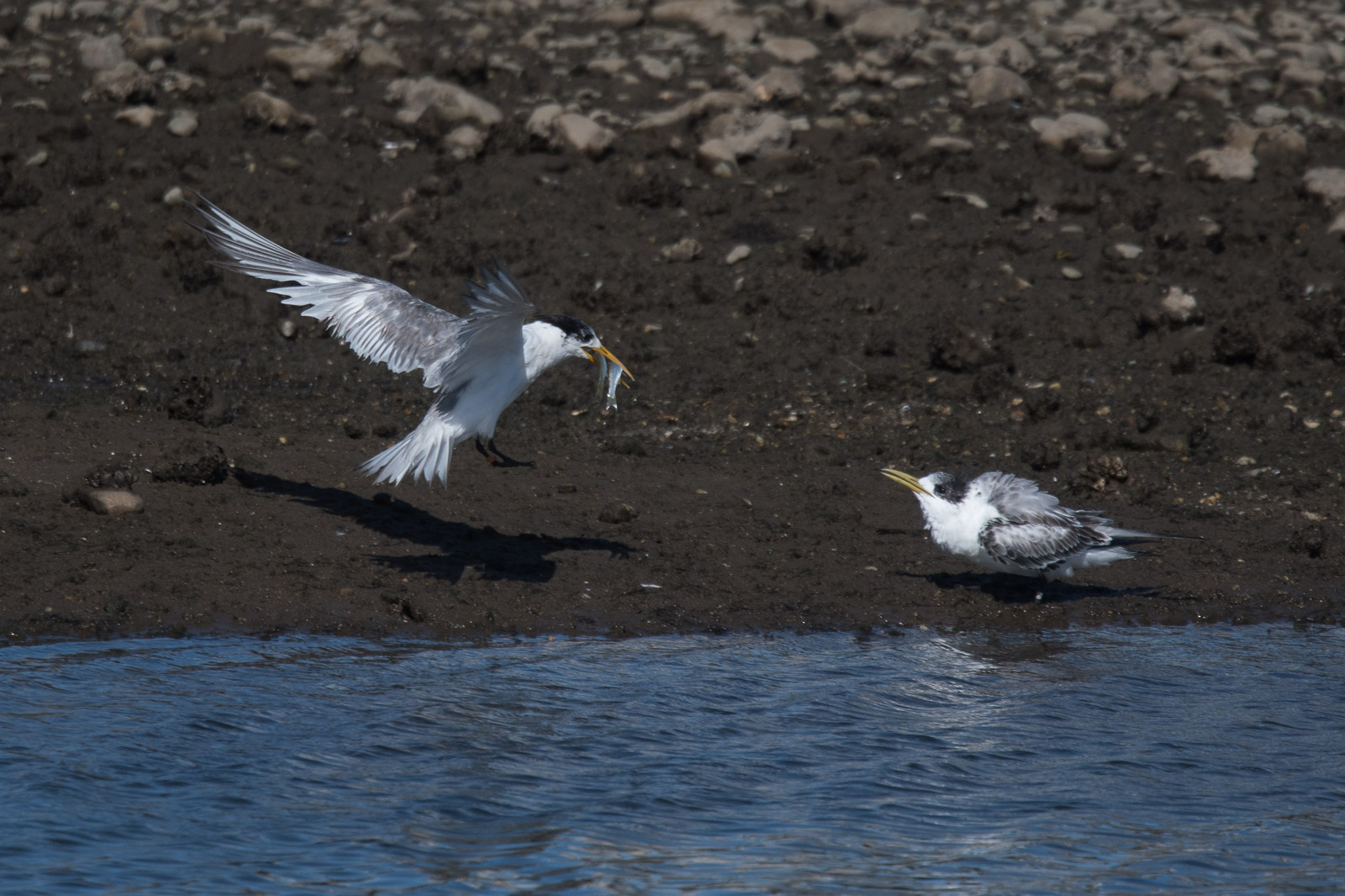
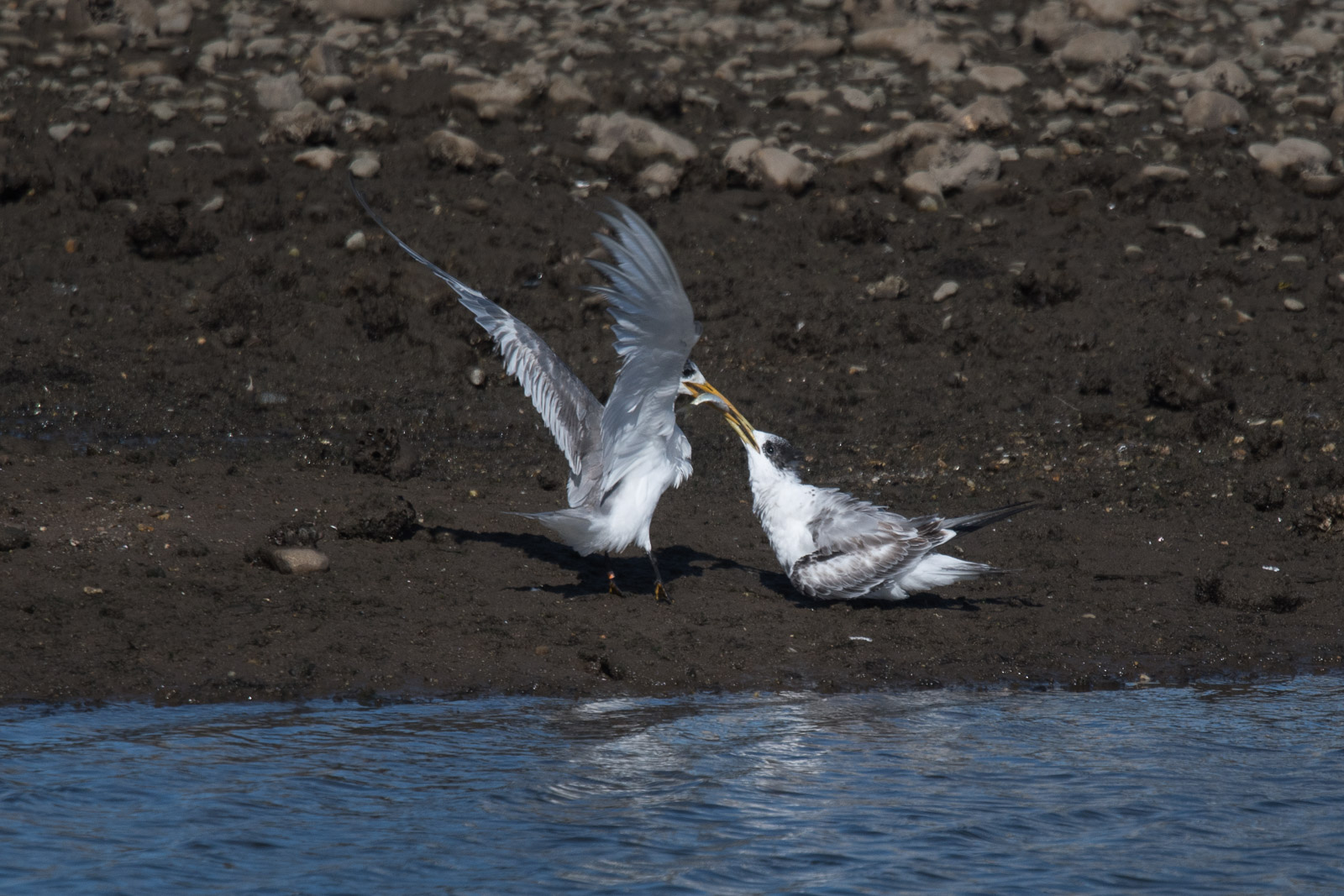
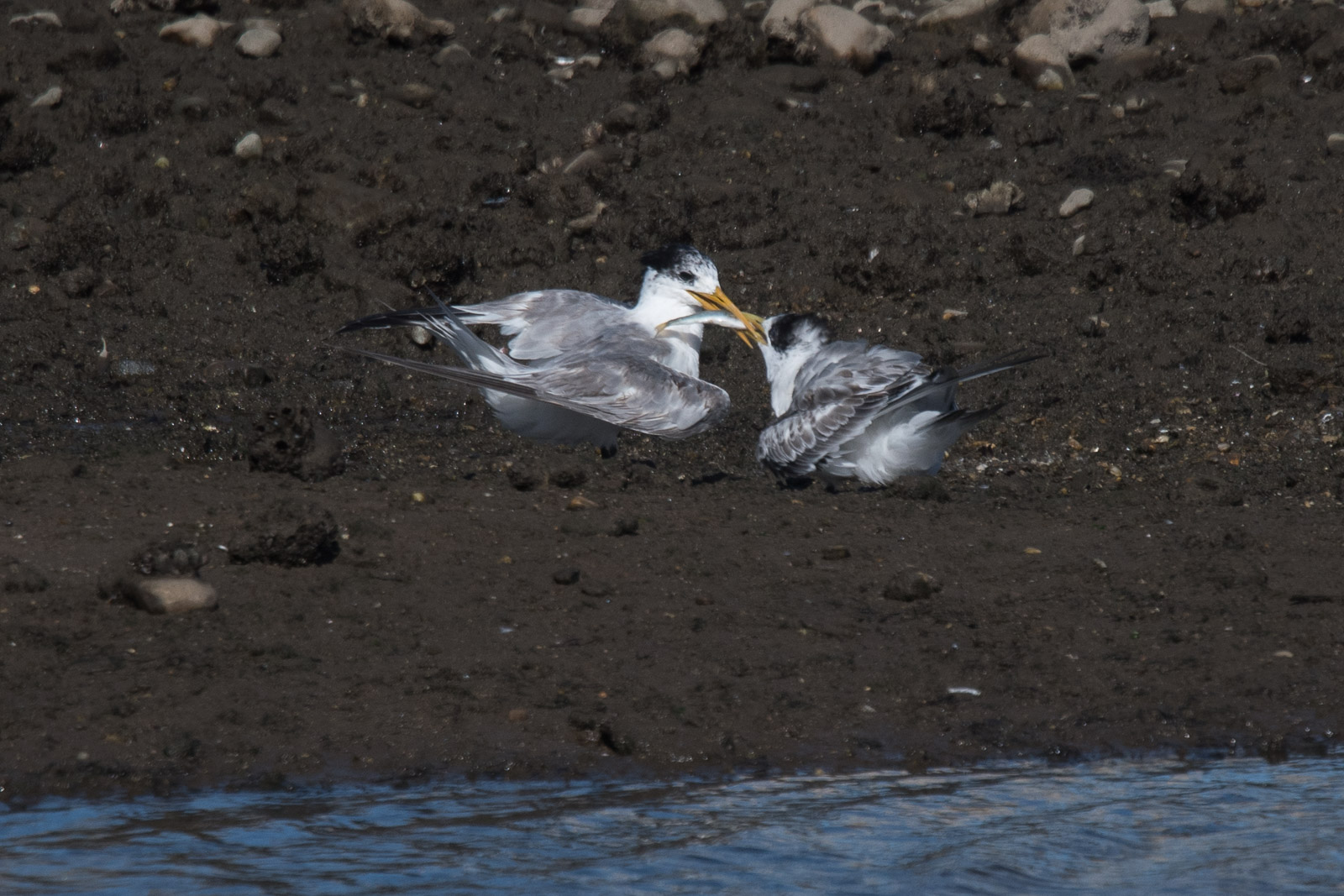
One of the birds in the area are Great Crested Terns, and at the moment they are feeding their juveniles. I just can’t get close enough to the far bank, but sometimes the Tern will sweep by with its payload.
Enjoy
There that should keep you quiet
I know when food is on the way as the young one puts up quite a racket
The parent just doesn’t miss the mark
Sweeping in with a fresh fish
Two at a time is good fishing
While I was waiting a flock of Fairy Martins began to hunt insects among the reeds.
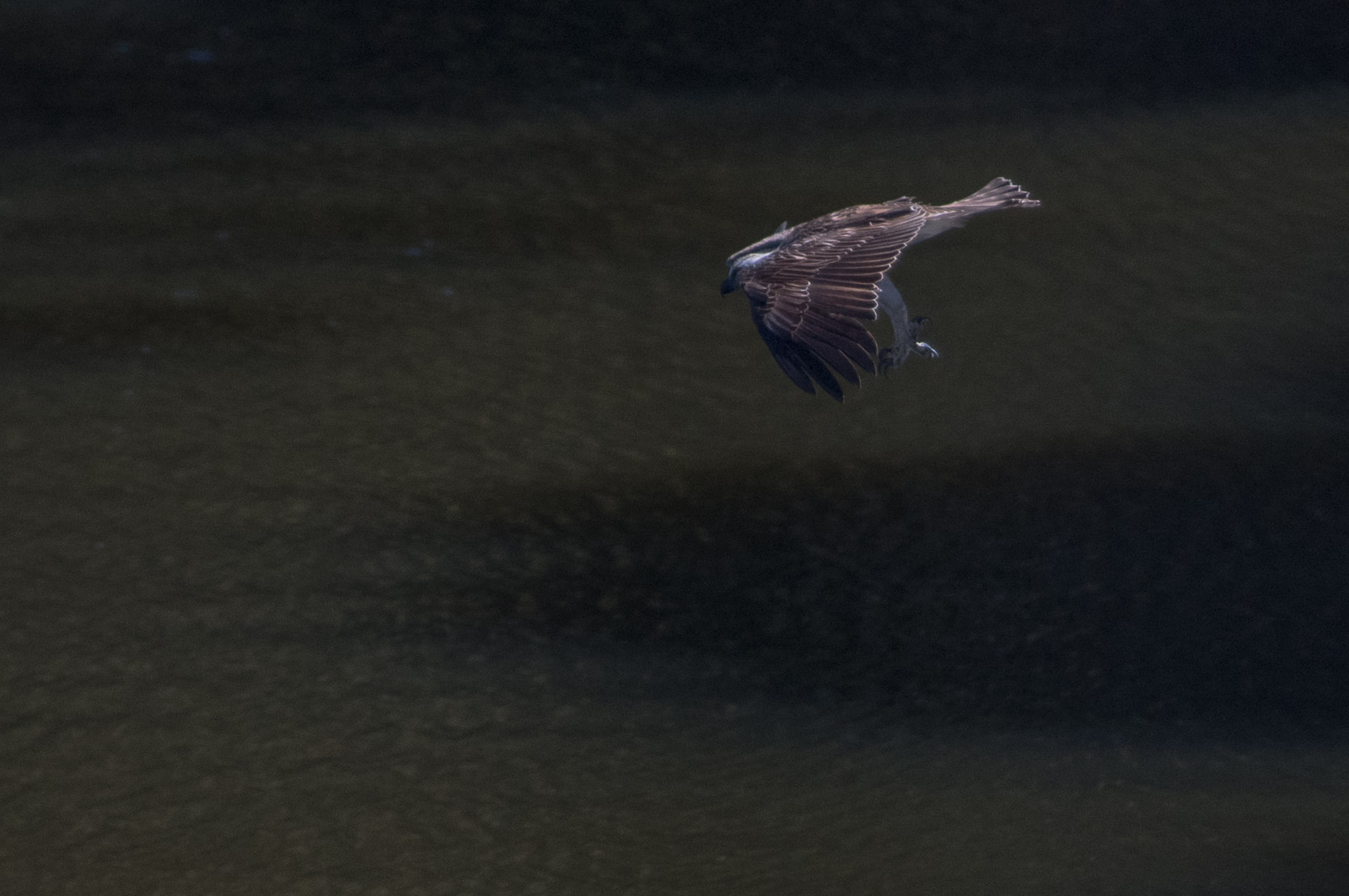
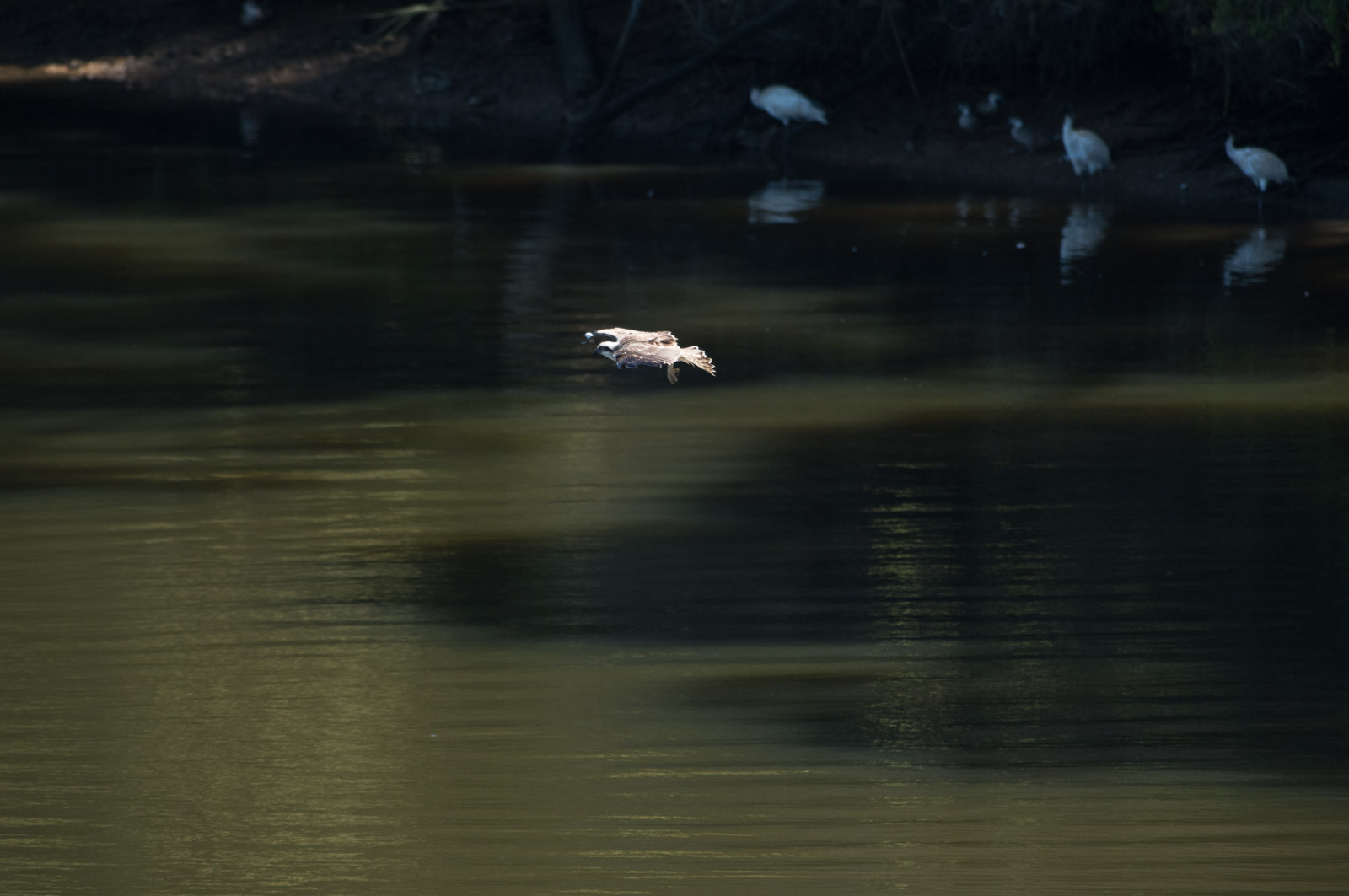
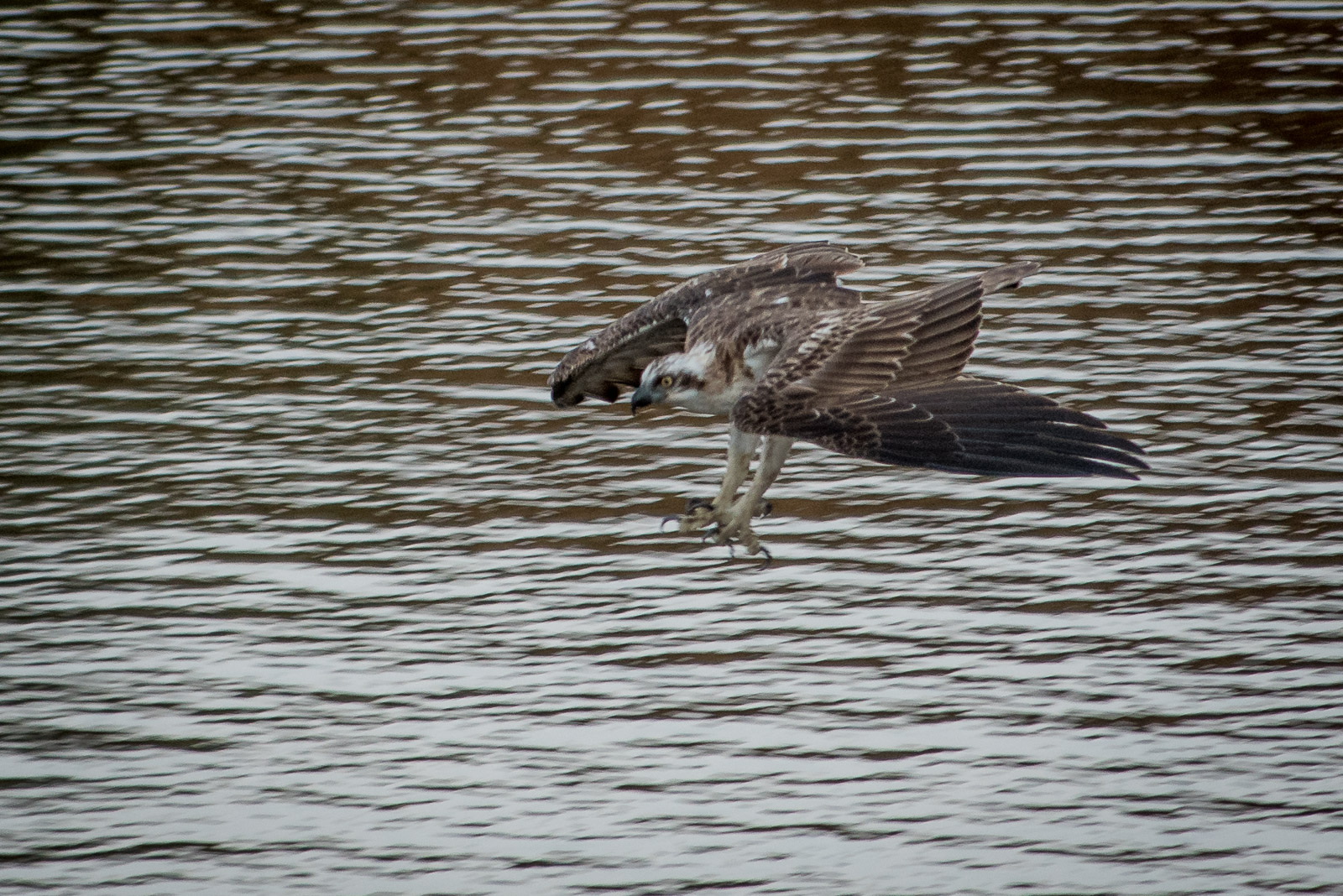
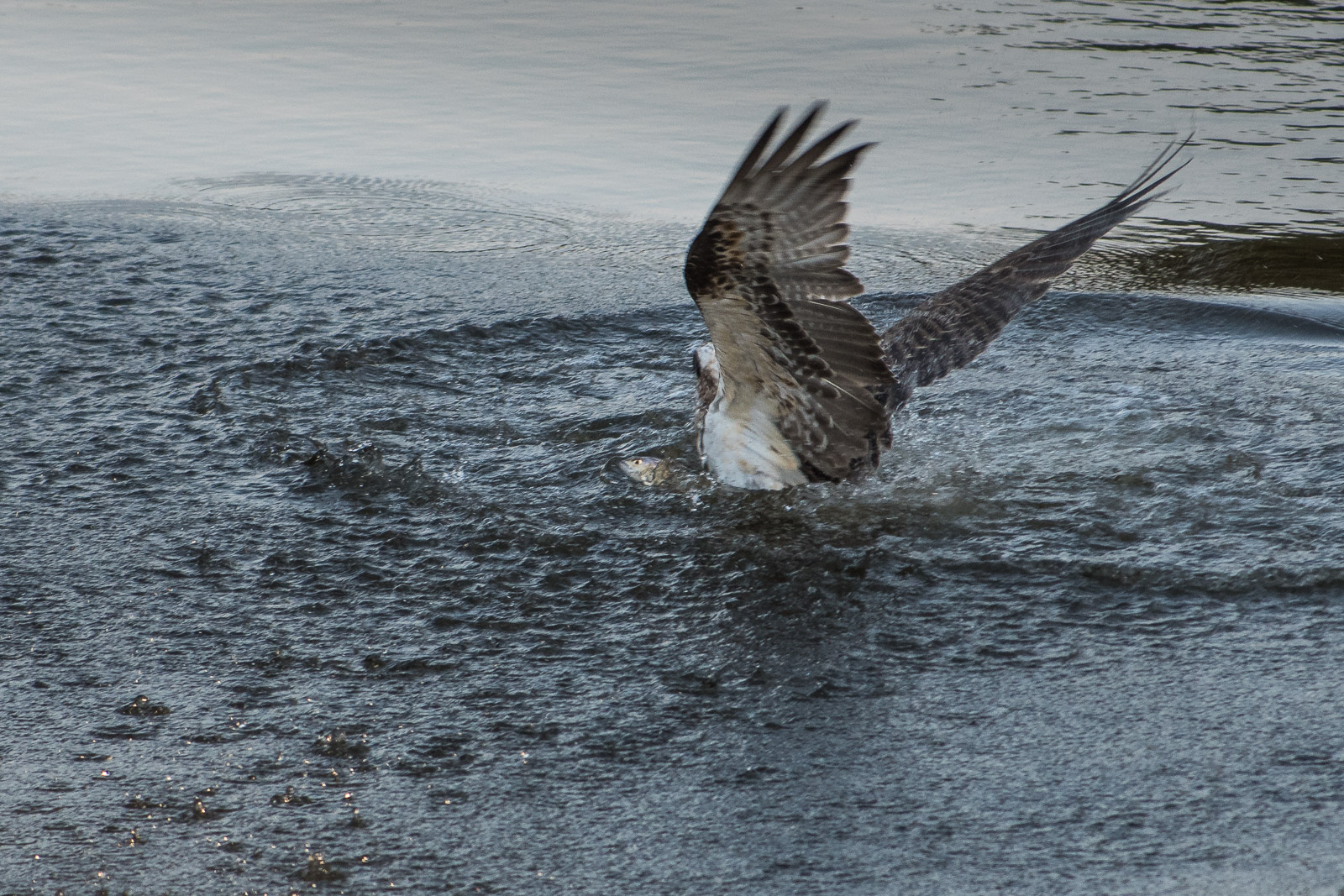
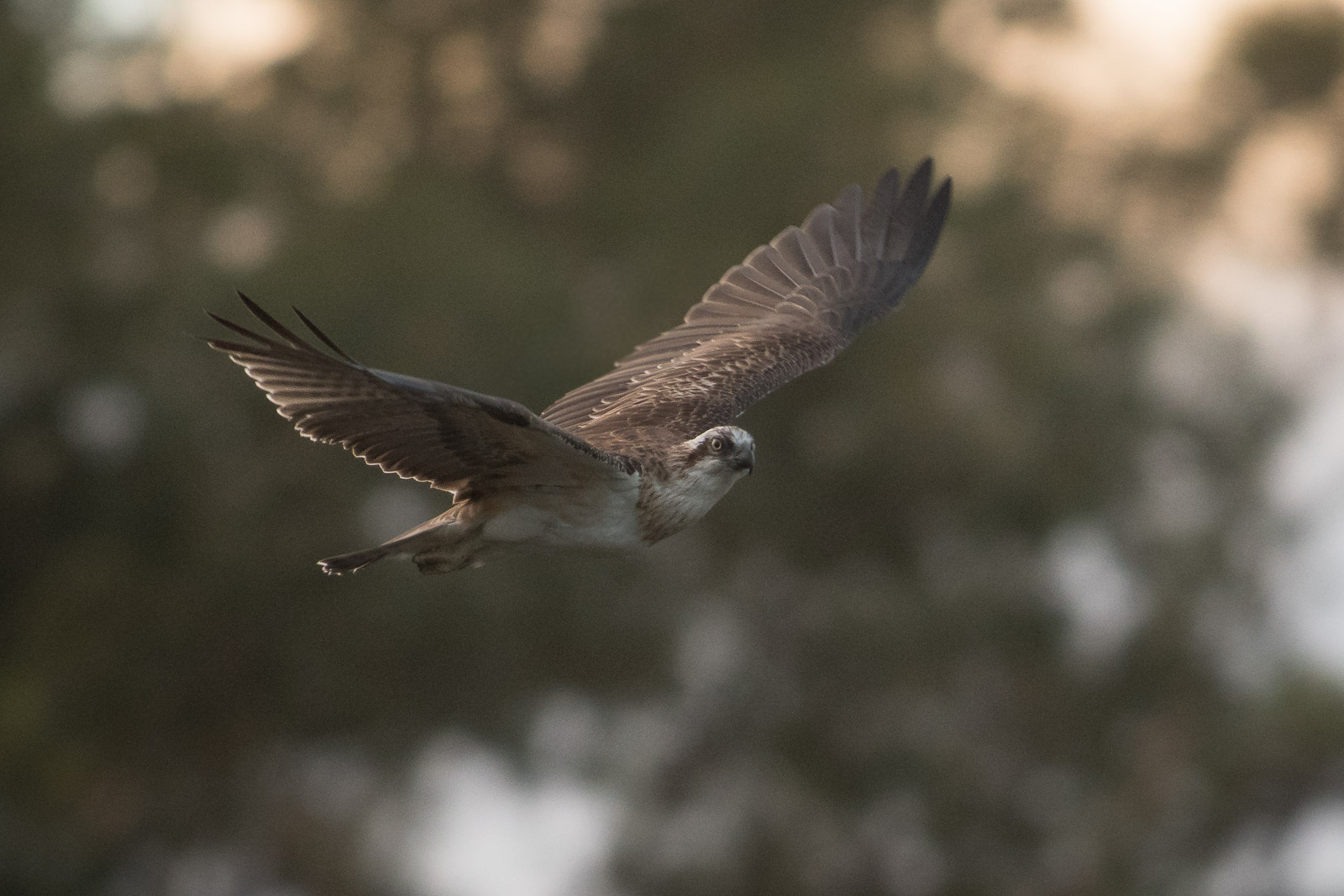
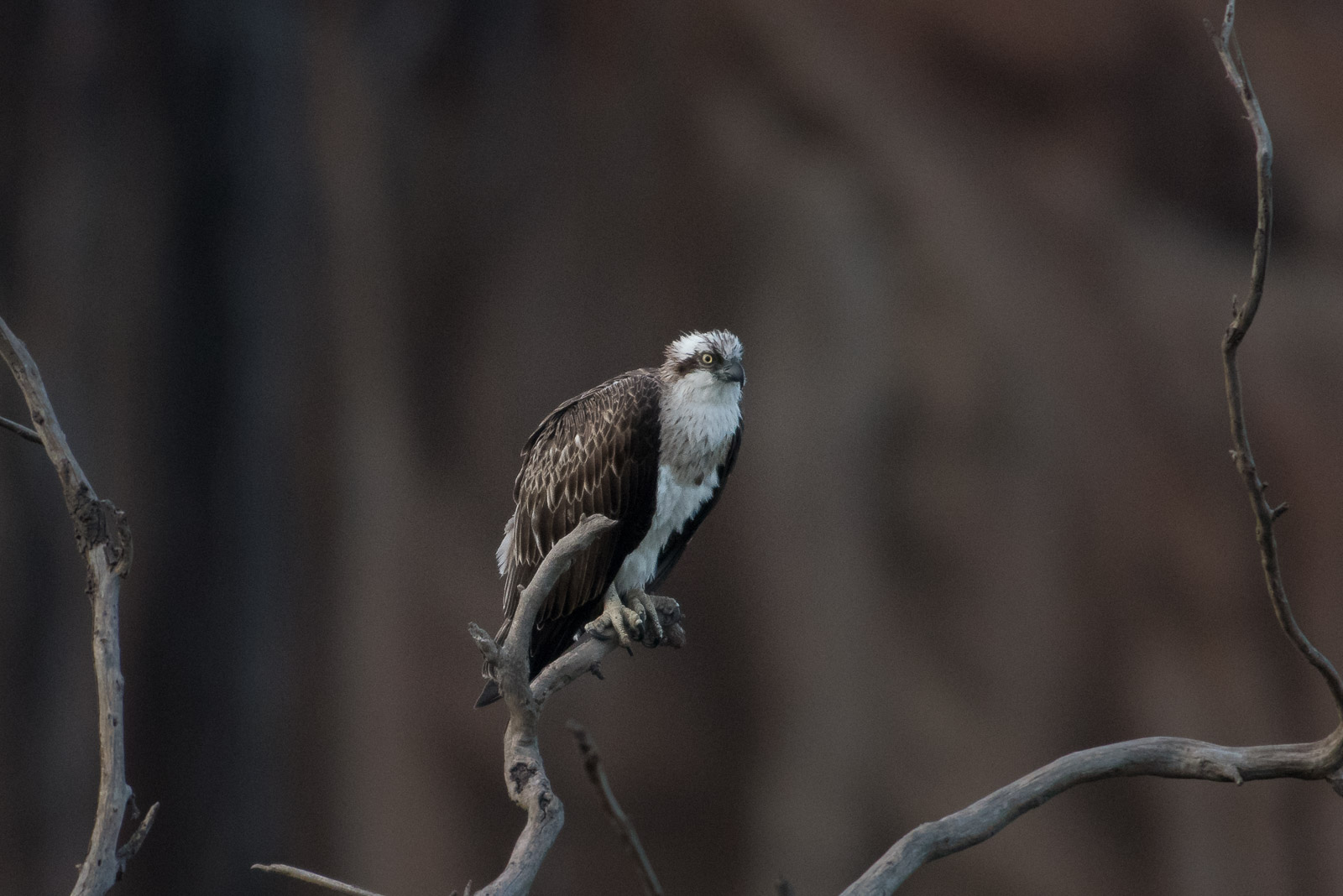
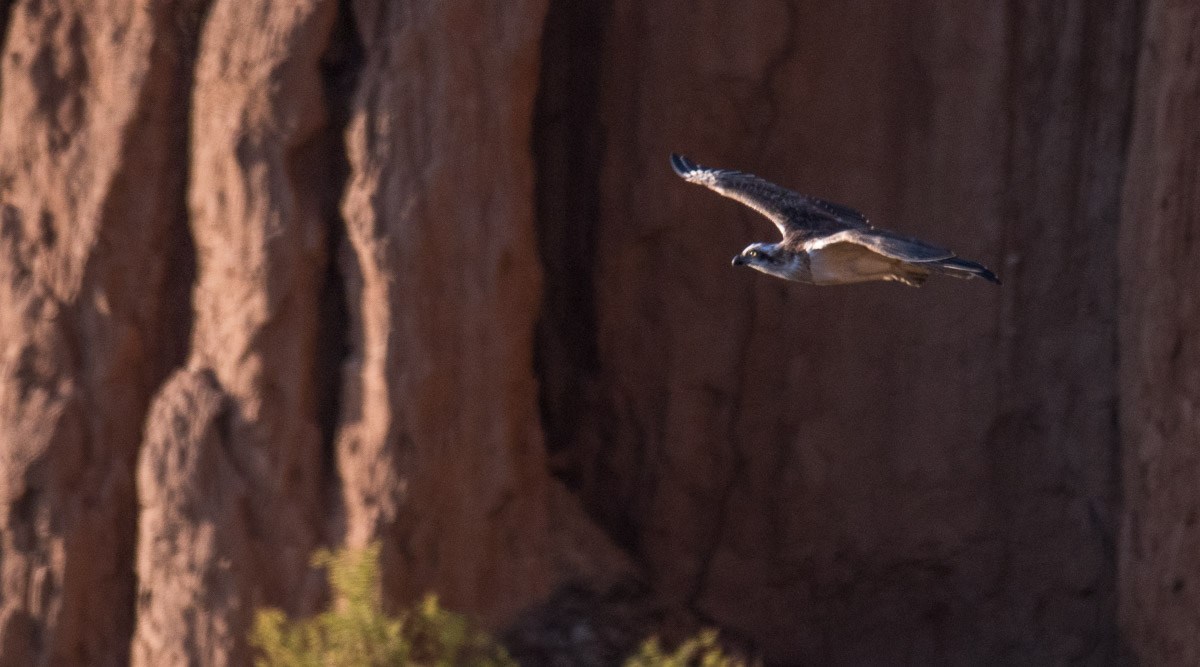
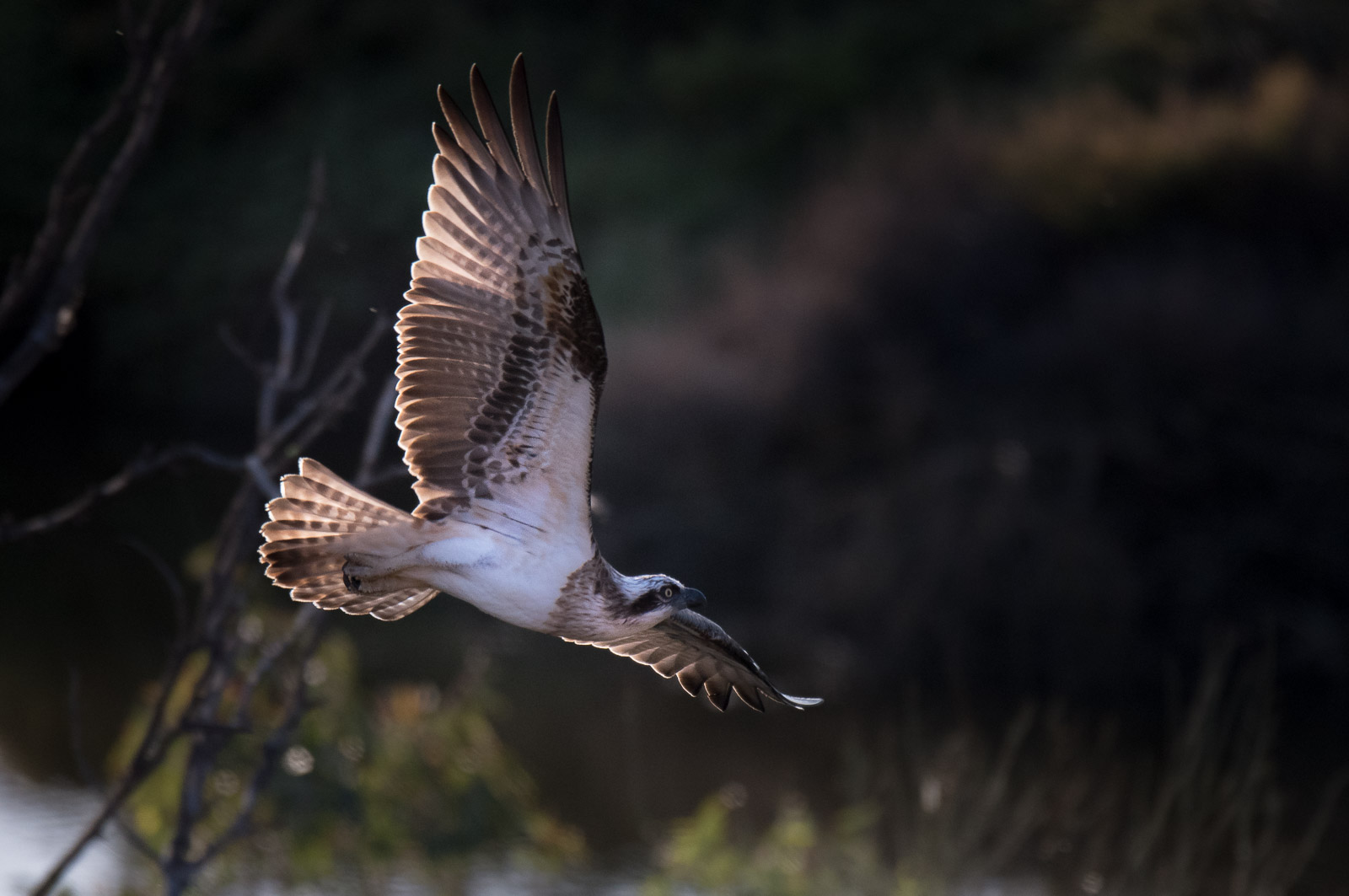
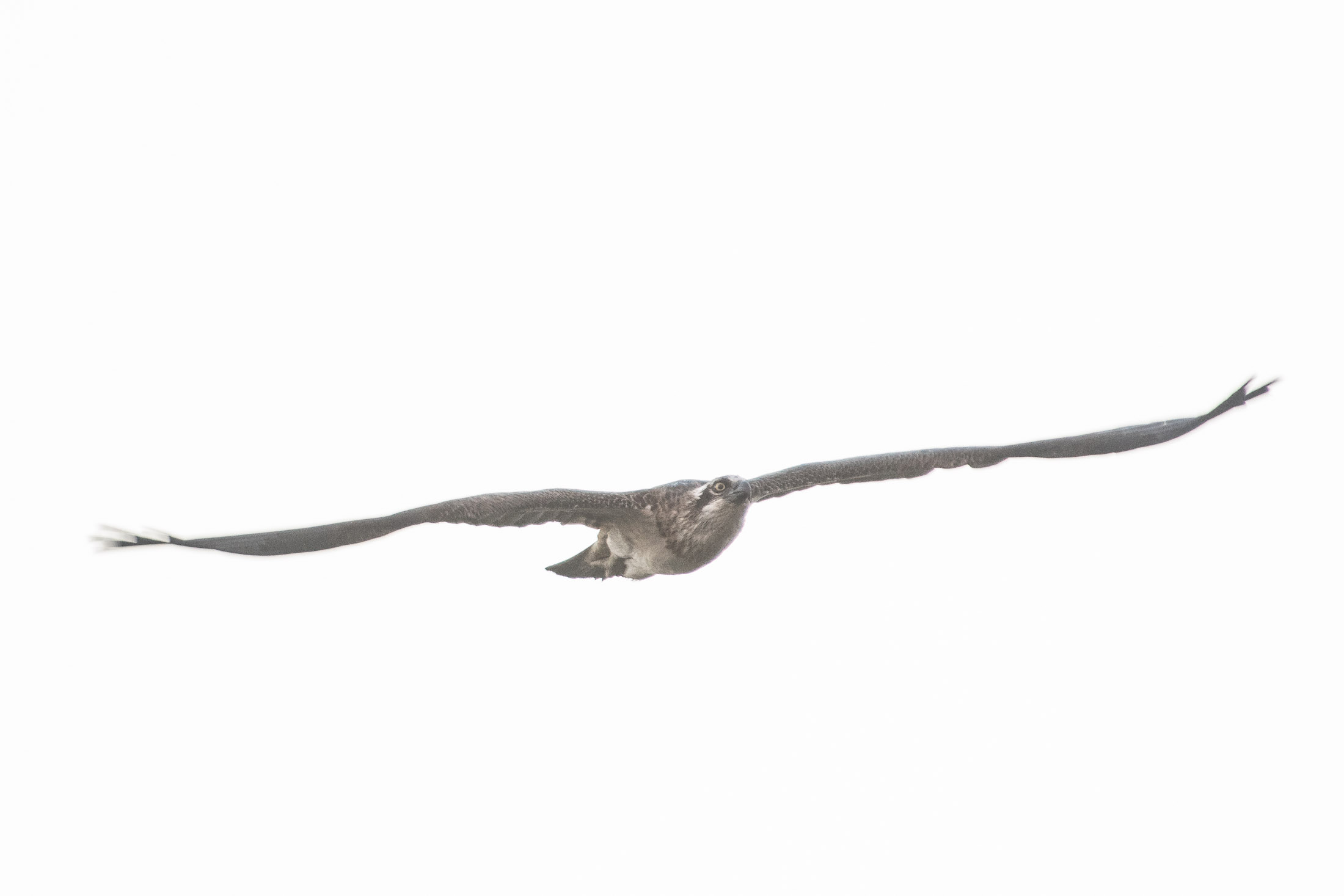
Been amassing quite a collection of shots of the Eastern Osprey as she has been working in the Werribee River area. Rather than break it up into various days or activities, I’ve become a bit self-indulgent and also saving myself some time by making a collection.
Well not quite, but I went down early this morning as the light looked like being great, and promised to be back ‘soon’, but stayed a bit longer.
EE has done a fetlock, or pulled a ‘hammie”, and is a bit out of circulation at the moment, so I set off on me lonesome, hoping the sunshine might stay.
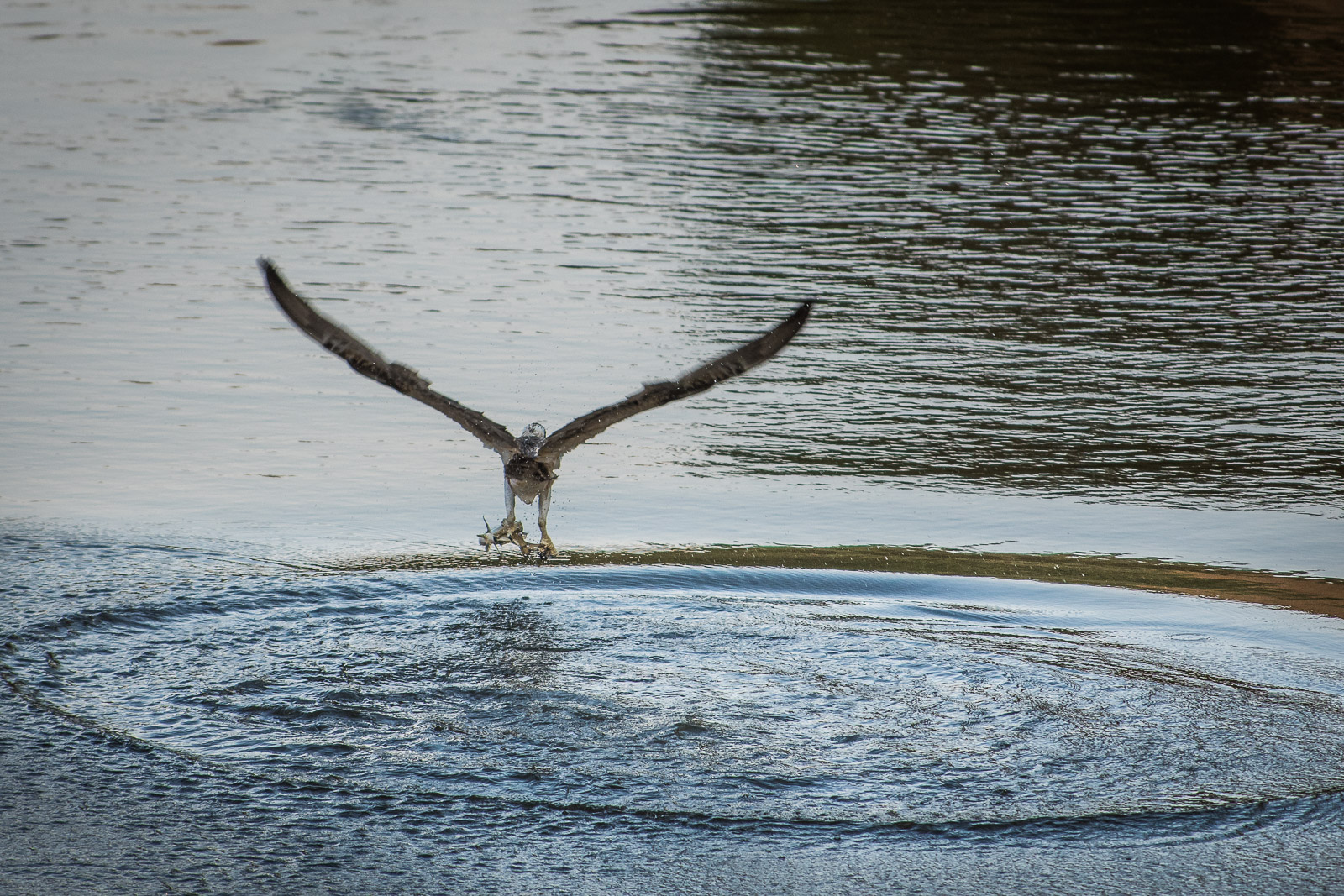
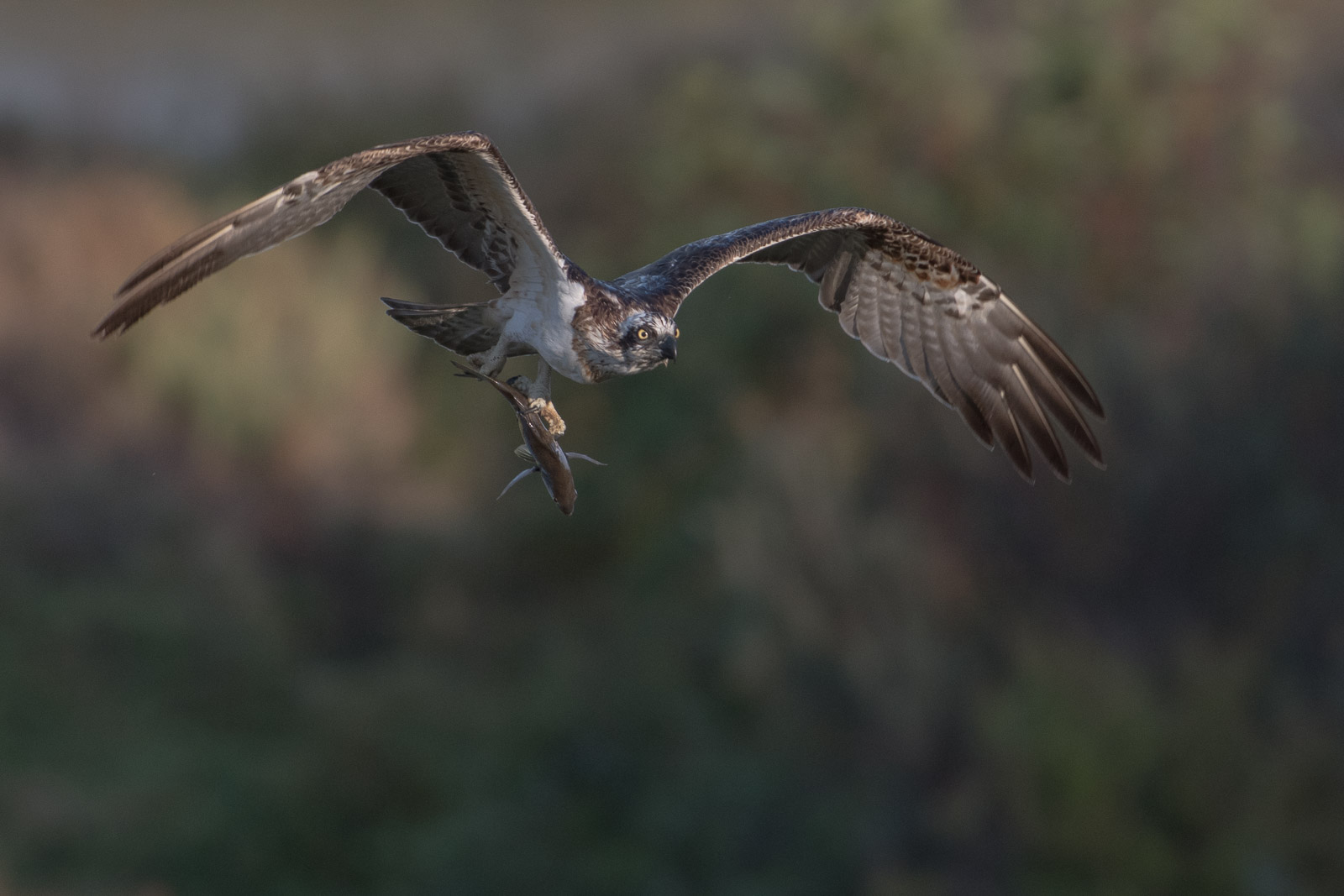
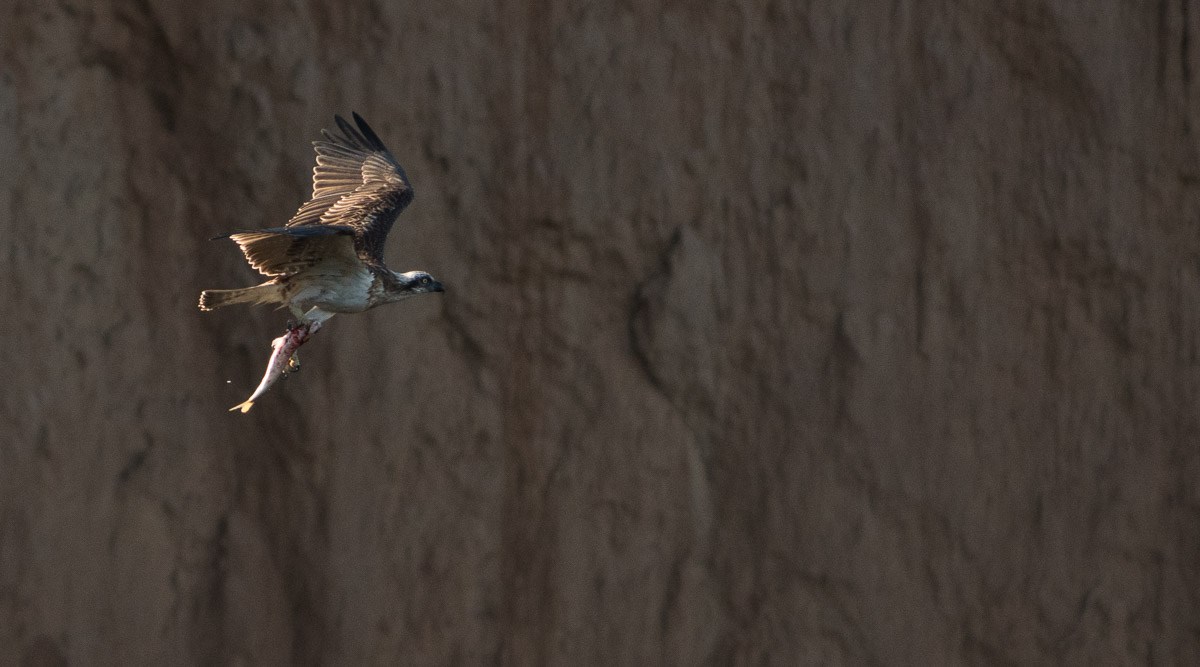
The Lady was in residence by the time I arrived, and was no doubt looking for breakfast. She had several attempts but missed, then stretched out upriver and within a few minutes returned with a sizeable fish.
Bathed in early morning sunlight
I’m really getting a feel for her contrasted against the cliffs behind
The first swing and miss for the morning. Have to say I really thought she was on a winner here
A second attempt.
The tail kicks up and must give her some extra speed
Another miss.
Plenty of light to make the water sparkle
The fantastic head shake that flings off all the excess water
A mintue later and she was back with a fish
There was a young family in the carpark, and their baby cried. The long stare took it all in
And there goes the last of the tail. All done at that.
Enough of this photography vision inspired techno mumbo jumbo.
How about some photographs.
Good point.
As I rack up harddiskfulls of Osprey pictures, it getting hard to put them all on Flickr.
I know there is way to make project pages here on WordPress, however I just can’t figure out how to make it work the way I want. But the story telling of the blog suits my photo journalism style I think, so I’ll persevere a bit longer.
In the meantime here is a few so that you don’t miss out.
Enjoy
Gotta Love that intense look
Balancing
This is like a layup in basketball, straight onto the perch
A hit and miss. One fish that got the chance of another day
Sometimes photographers talk about “Pre-visualising the image” it’s an Ansel Adams term. Here I more ‘pre-willed’ as I knew she was swinging up, and was lucky she chose the small shaft of light through the trees.
Soft melded light that just reeks character
Take away food
A big wing stretch before leaving
Swinging up in the even light
Soft evening light enhances the colours
A really tight turn with the head held level
Sometimes the poetry just happens in the best light
It rained overnight. Not a lot really, we were promised a deluge, but like all good weather cells, some places were more fortunate than others. And the weather prognosticators, of the tv weather. in their usual scramble to spread fear and anxiousness among the masses were predicting a morning that would have made Noach tremble in his galoshes.
We, EE and I were keen—insert obsessed—with going back out and seeing Eloise, and as I had an early morning appointment, we figured on an early start and then home for breakfast. Good plan.
Weather looked pretty nice with stars asparkling in the rich blue predawn sky. But by the time we’d pulled into the parking area, an ominous dark cloud was rolling in behind. However because of the rain, and the heat, what we also had was the area festooned in mist. Everywhere. and the photographer was beginning to lament leaving the landscape lens at home.
Eloise must have had similar Osprey thoughts about the weather and she didn’t turn up until about an hour and a half after sunup. Caught a glimpse of her wafting through the mists. She sat on the furtherest tree and showed no sign of going fishing. We concluded she must have eaten an early breakfast elsewhere today.
But in the meantime the mists and the birds in the area were a pleasant interlude.
The mist lay a carpet of pearl across the landscape
Lack of light and high ISO were the order of the day.
White birds on pearl
Eloise coming out of the mists
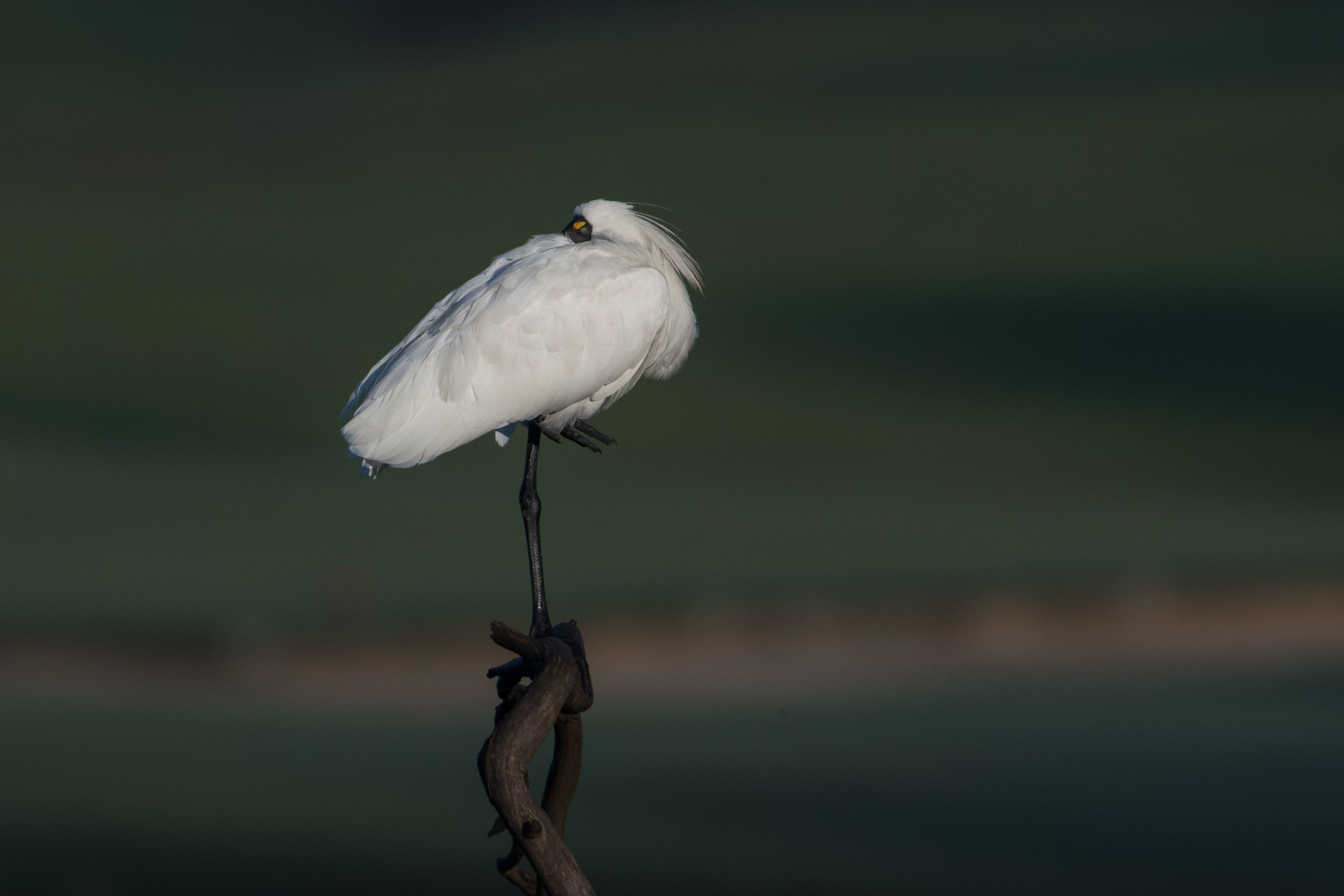
The Royal Spoonbill decided to sleep in.
Even when a burst of sunshine came, the Spoonbill carried on
Eloise perched a long way from our camera point
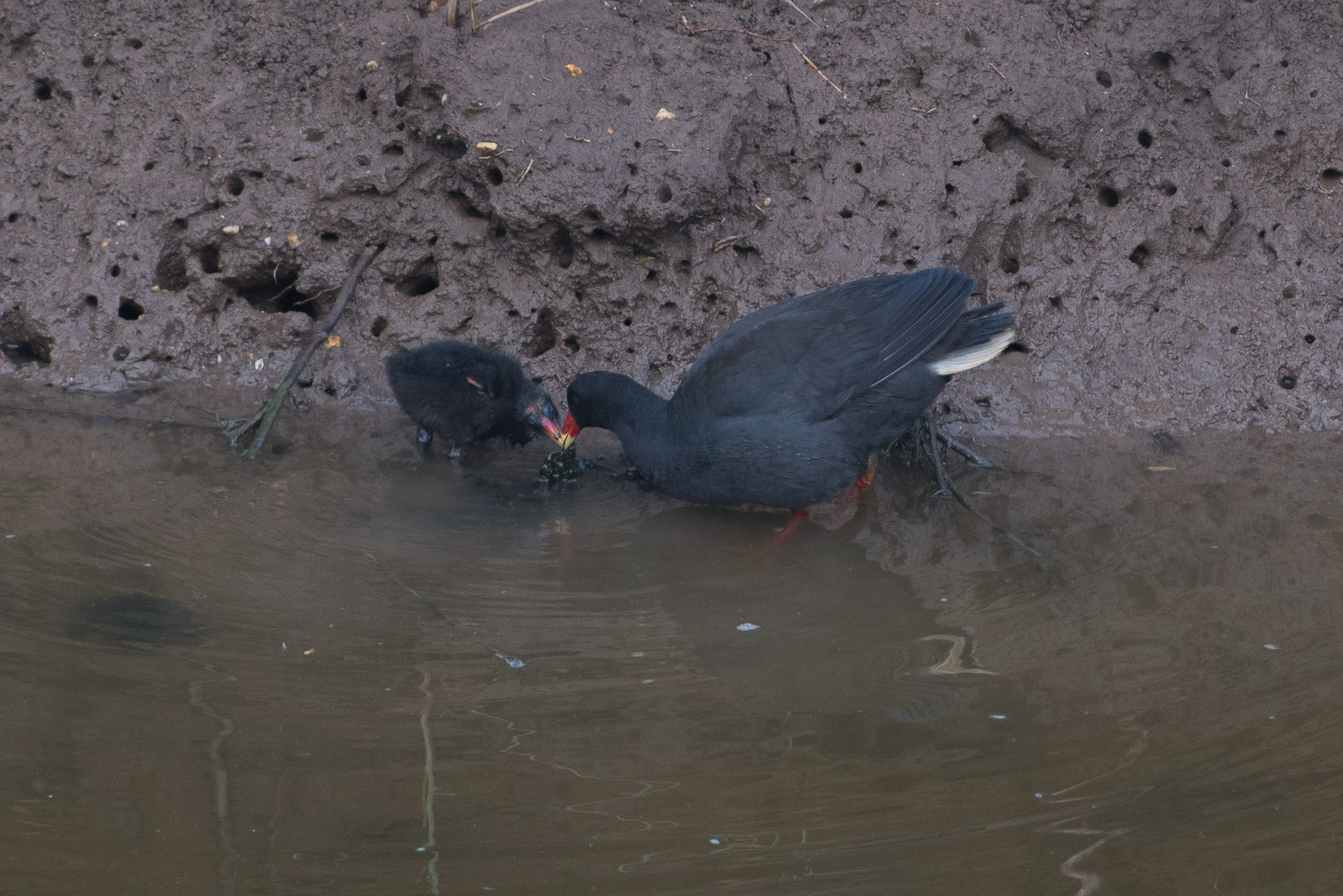
The Dusky Moorhens were happy with a fresh supply coming down on the river
No wonder the mists lingered. The air was still, the water mirror smooth












































 Birds as Poetry —— Just because I WANDER doesn't mean I'm LOST