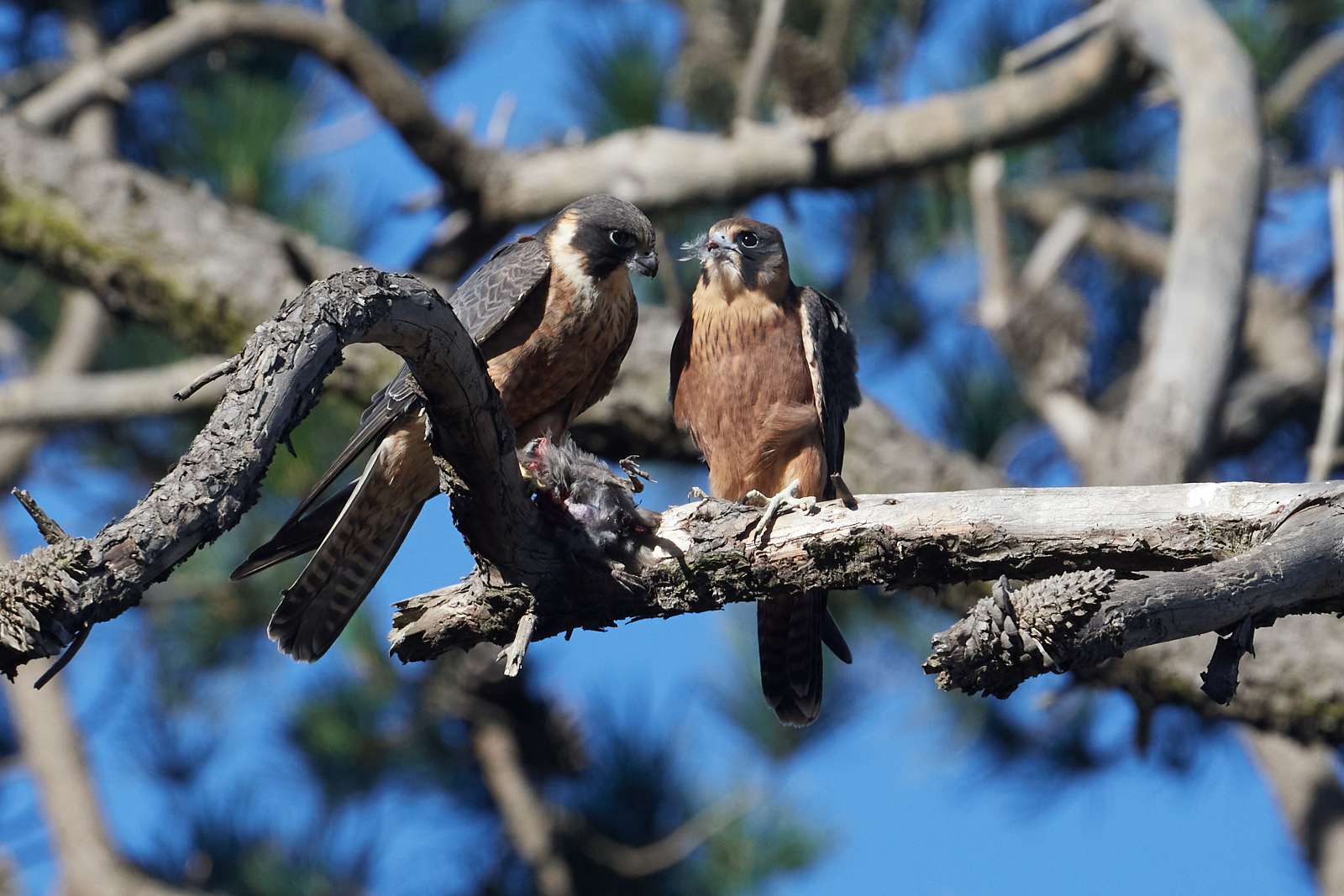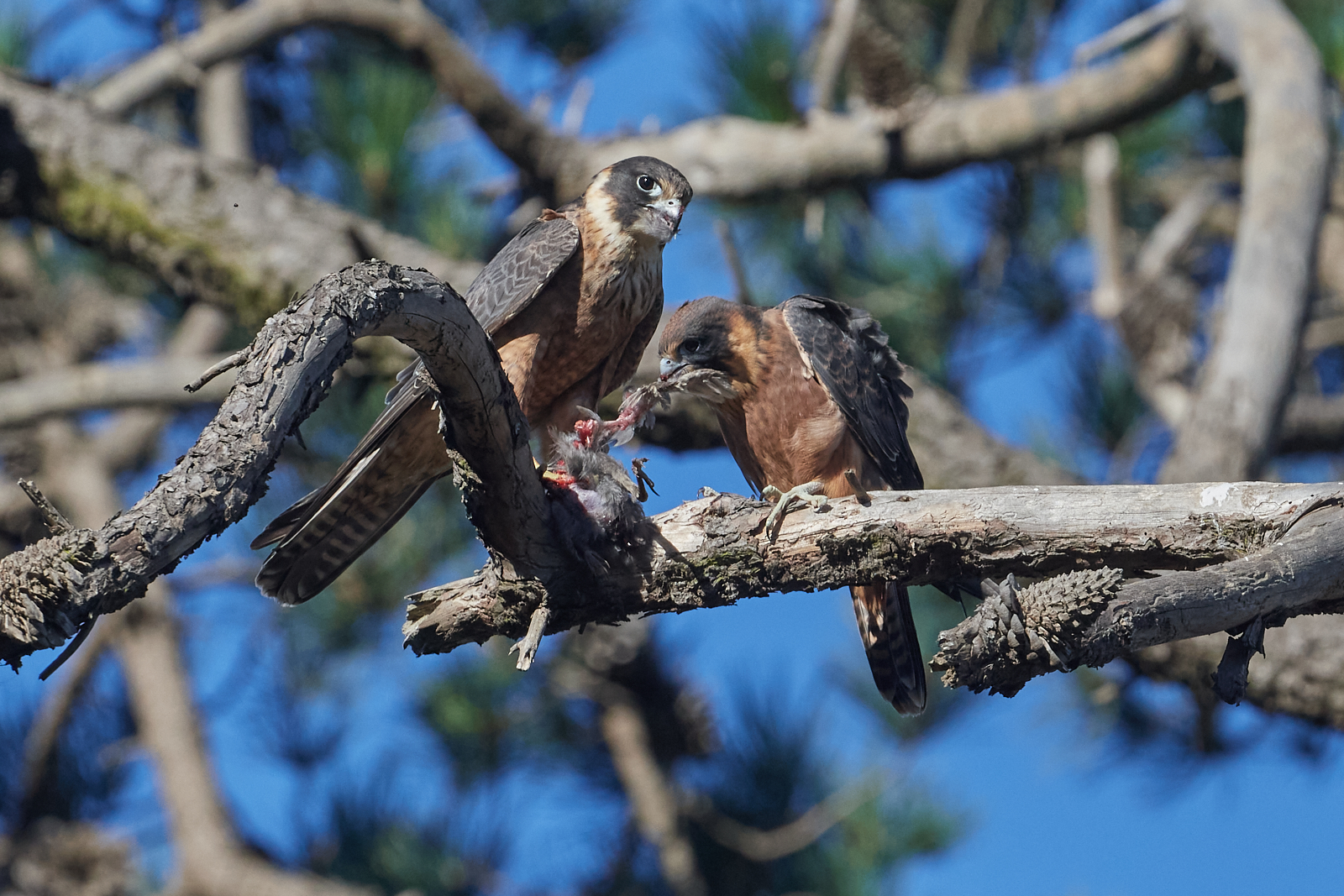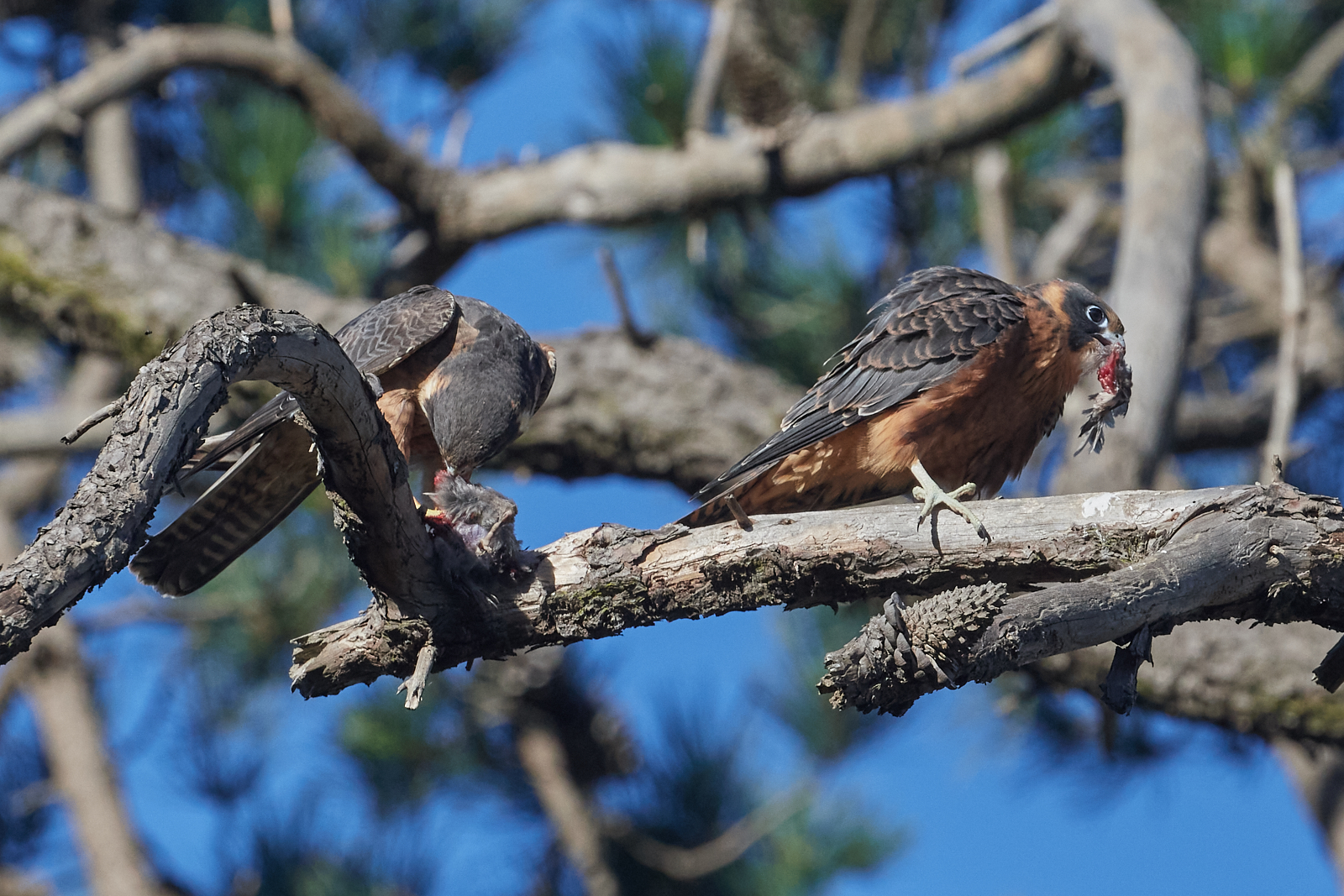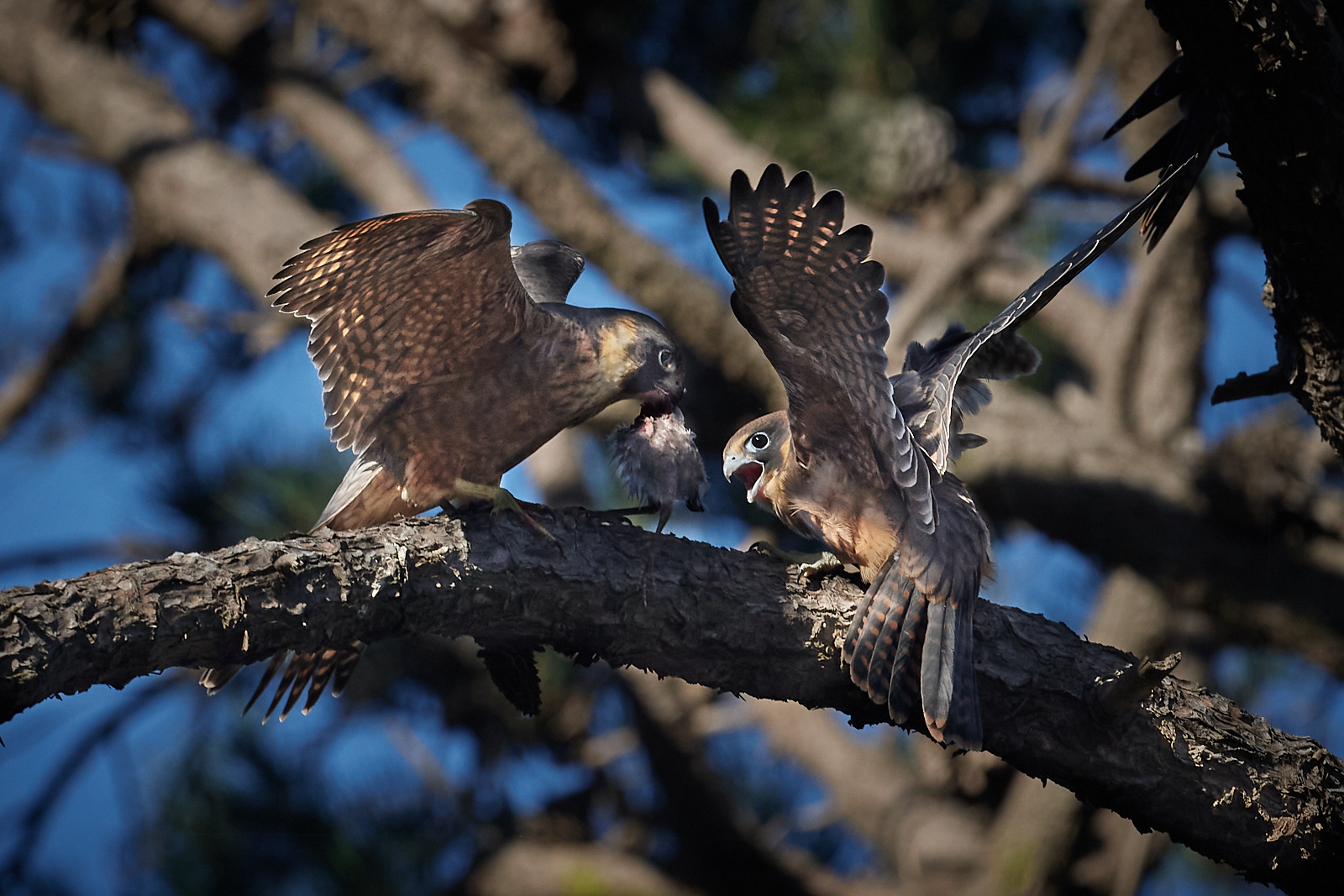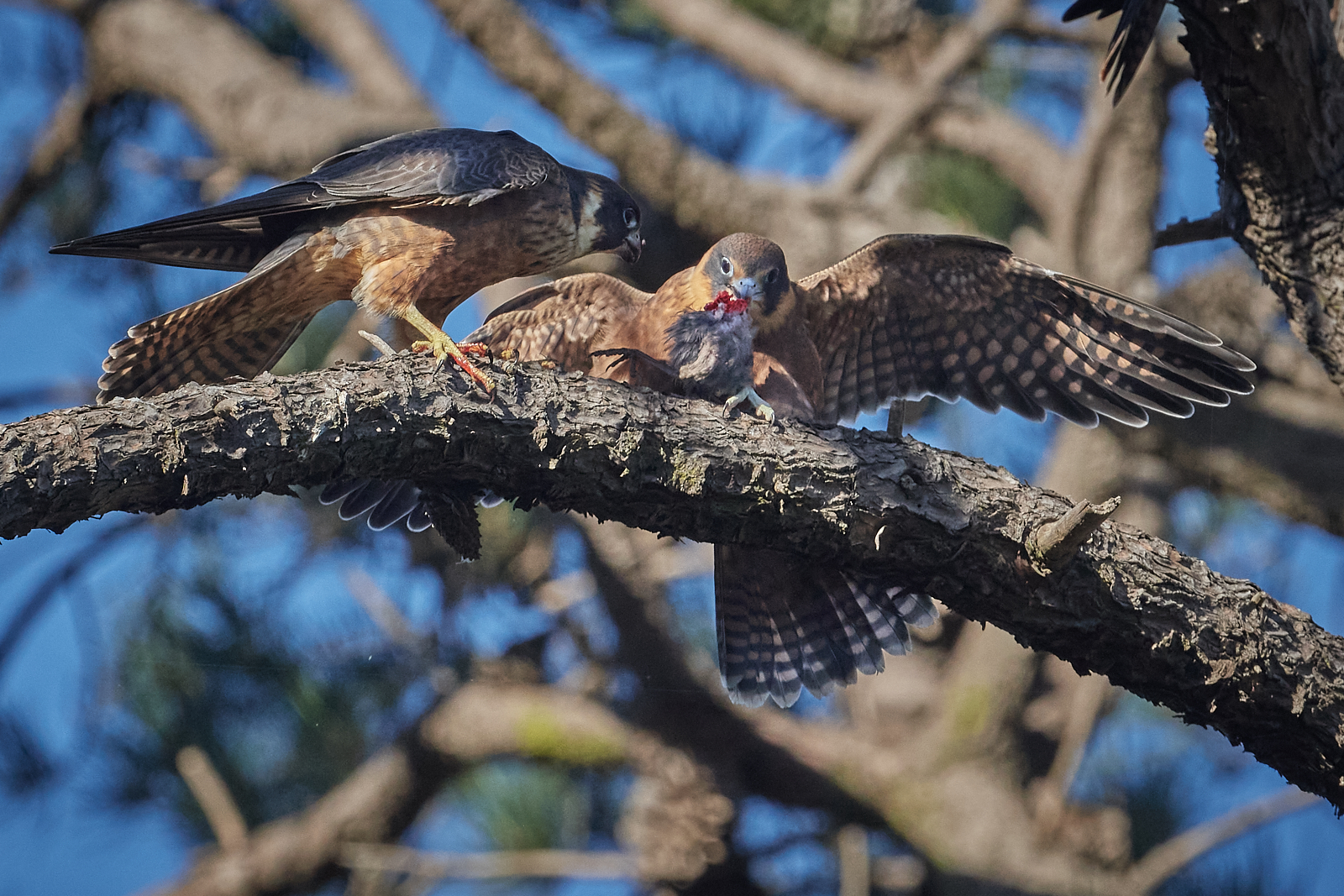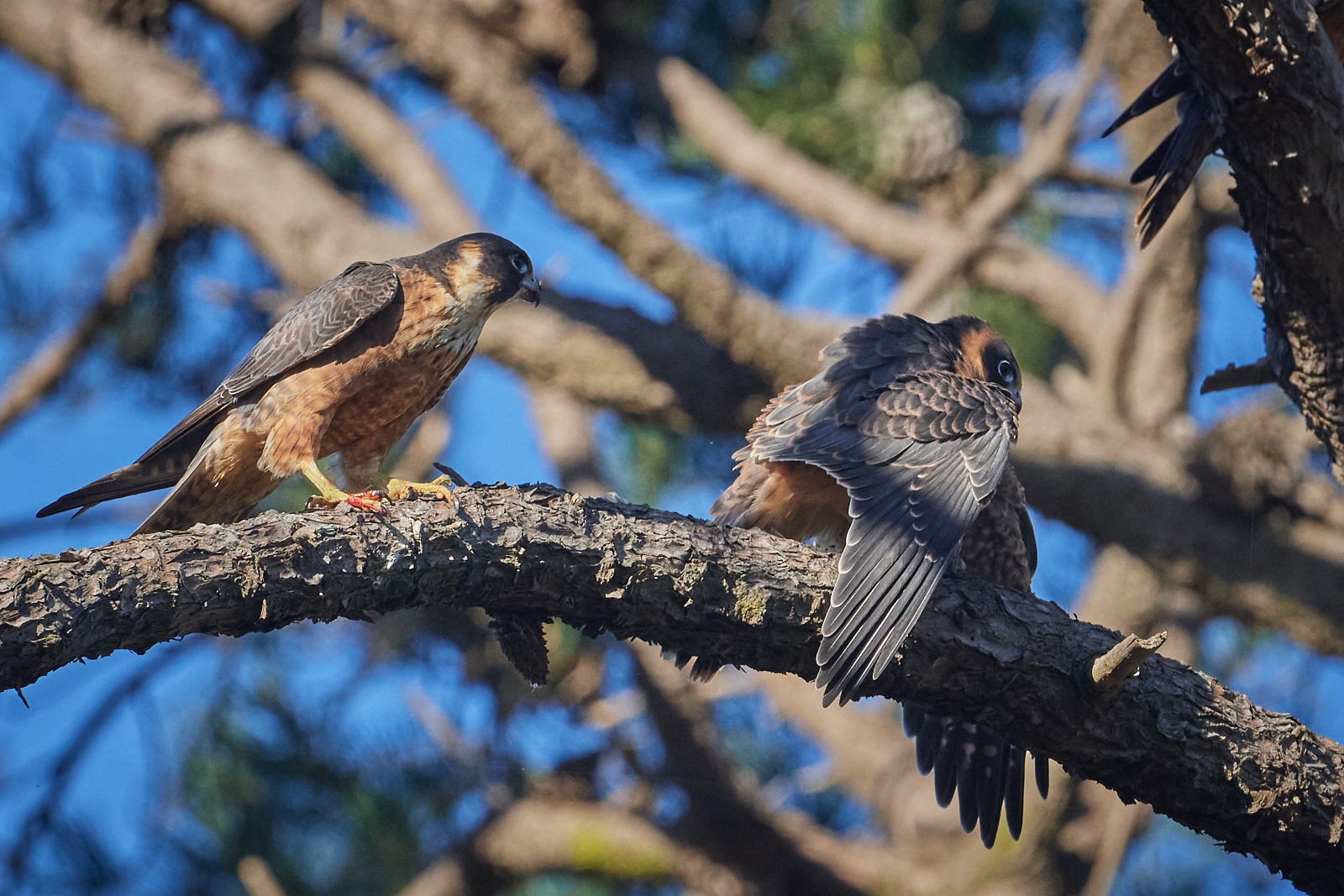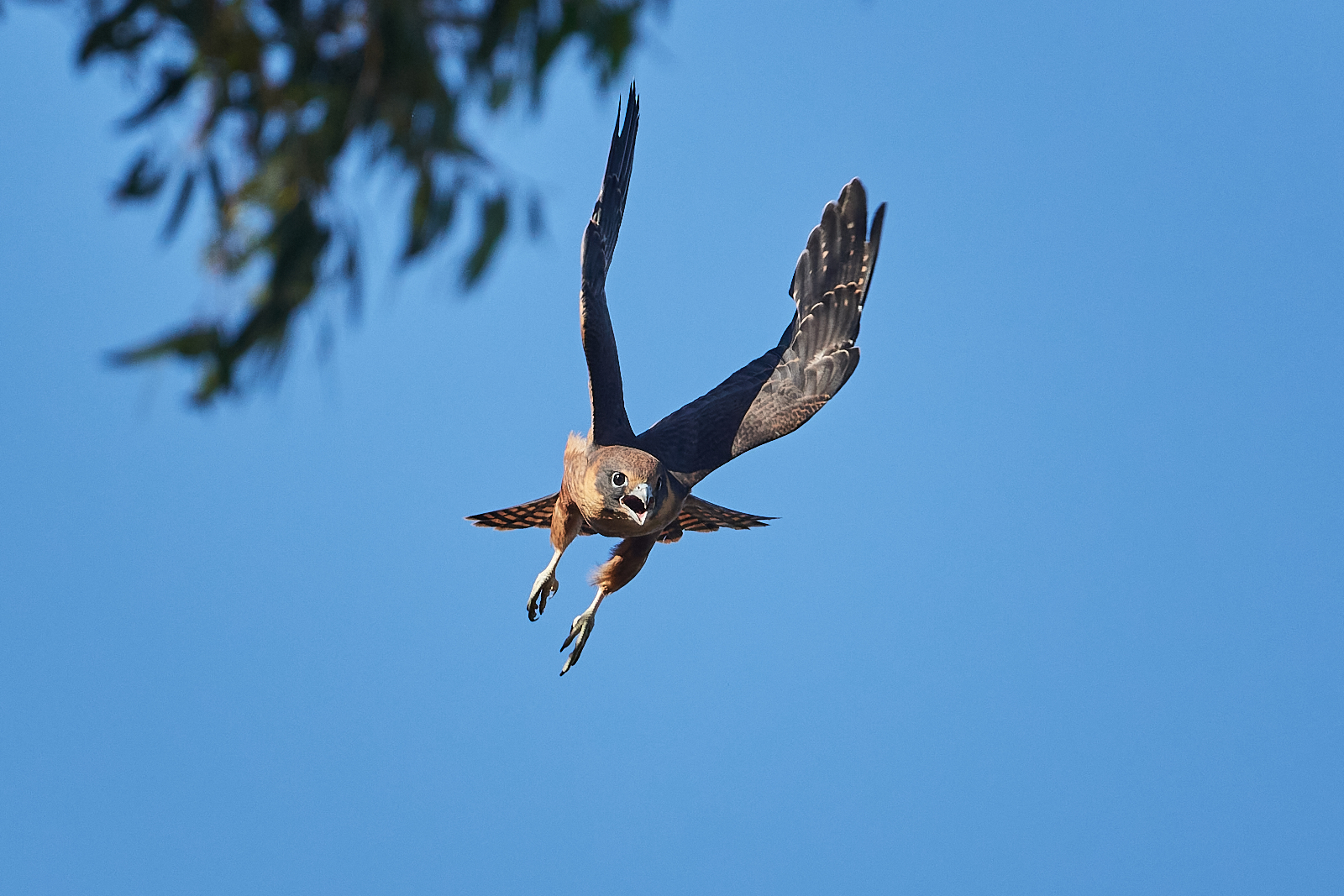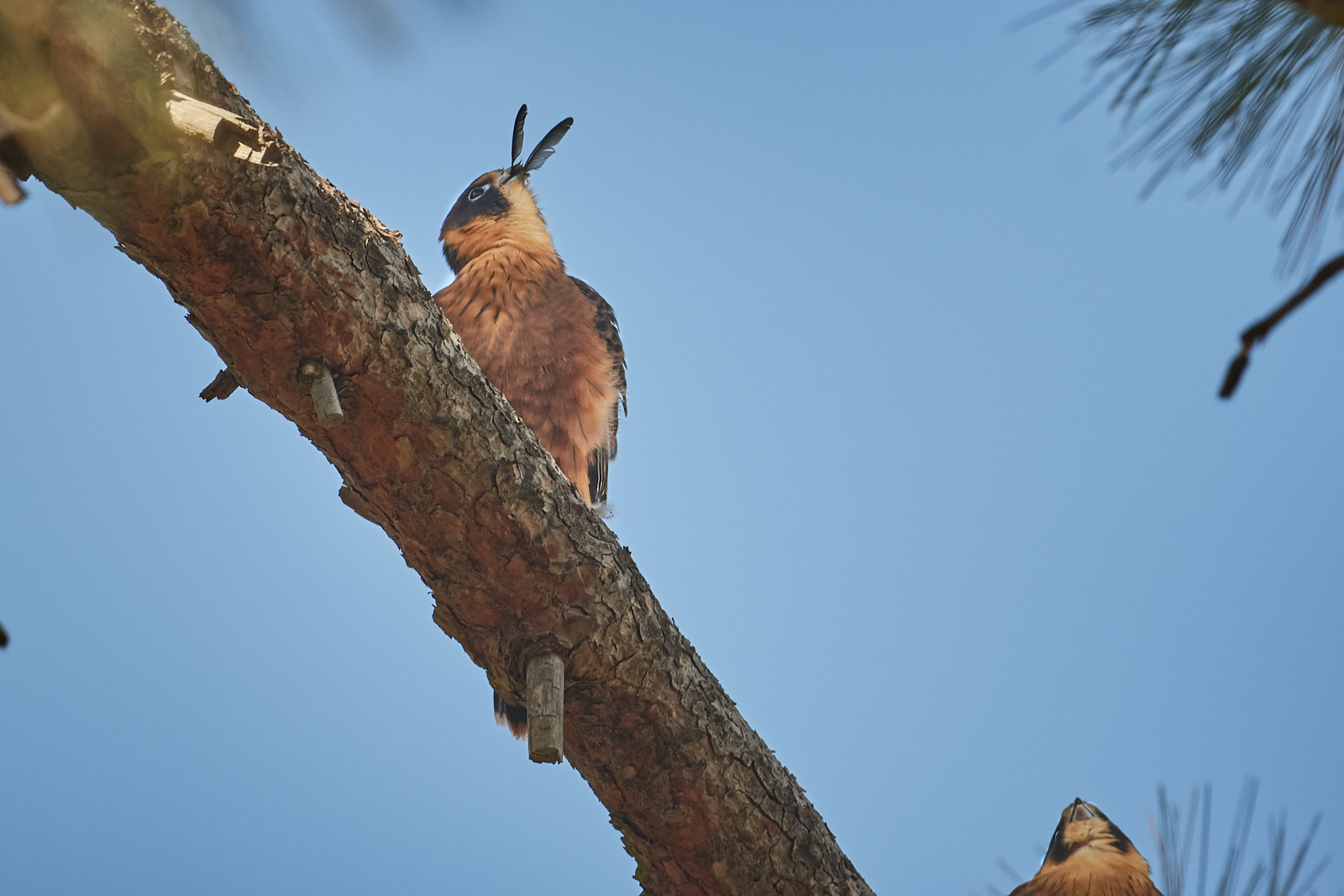
Saturday Evening Post #118: Feeling the Magic (Part 2)

Tom Brown (Tracker) “Too often we walk in ignorance.”

“Empathy,” writes Jon Young, “is a dangerous word in science, because it taken to mean a less rigorous critical objectivity. “However I’ve noted over the years that those who succeed are those who adopt and empathetic point of view of their study of the birds.”

I rambled a bit last weekend about the importance of ‘the image’ and its affect on the viewers.

To balance that out, I think there is also an affect that happens to the maker. Sadly, not every photo we take is a “Gold Medal Winner.”  Some simply go straight to the big pixel bin in the ether.

But sometimes the photos express not only the feel of the maker, but also the importance of the moment that it was taken.

It’s not all about excellence in technique, the quality of the equipment, nor the visual impact.
Sometimes it’s simply that “I was there, and this is what I saw.”

We, EE and I have been monitoring a nesting pair of Sacred Kingfisher.

As the dear Mrs Beeton says of cooking a Hare, “First Catch your Hare.” Research would show that she wasn’t the first to use that statement in publication, that probably goes to Hannah Glasse, in how to cook a fish. But

I digress.

We had seen the presence of a Kingfisher along the river track, and EE was keen to see where they might be nesting.  We had been photographing Hobbies, with our friend, Neil A, when EE decided to move down the river and seek out the Kingfisher.

Half an hour later, a fateful text arrived. “I’ve found it.”.  Even the great Sherlock Holmes could figure out what ‘it’ was. So I farewelled Neil, and the Hobbies and went for a looksee.
“There”, she pointed. Quite economic of words when the occasion calls, is EE.

So over the next 3 weeks or so we’ve been watching the feeding of the young, and hoping for a quick glimpse to see how big, and how many.

They flew just over a week ago. Two perfect little birds.

Now on the wing, they would be even harder to locate.
By one of those happy co-incidences, there had been a fire in an old hollow tree.  The old skeleton was not only grey, but blackened.  Once the fire had been extinguished, it was necessary to cut down the tree to quench the embers within.
All this meant was a small area was flattened scrub with all the necessary Fire Response people at work.

It opened up the ground and the parent Kingfishers took their young down there to learn the finer points of hunting on the ground.

Eminently suitable for photography, and we sat on some of the burnt logs and watched the young explore the area, catch their first bugs, and rest on the downed limbs of the tree quite close to where we were sitting. They were so enthralled by the outside world that they took no notice of  us and gave us the wonderful opportunity to watch them at work, and to photograph them in a relaxed way for both bird and image maker.
Empathy.

Jon Young, “There has to be a moment from heart, spirit, soul and body.”
“Its about taking the time to tune-in, not just show up, but really tune-in—and learn a thing or two about what the birds already know.

Feeling and sharing “The Magic”

Field Notes Book: Attack is the Best Stragergy

Open fields and paddocks are of course a mecca for various raptors. Around the Werribee River Park (aka The Office), Black and Whistling Kites, Swamp Harriers and Brown Falcons usually make frequent appearances.
Presently however because of better conditions further north perhaps, there is only a handful of  raptors in the area.

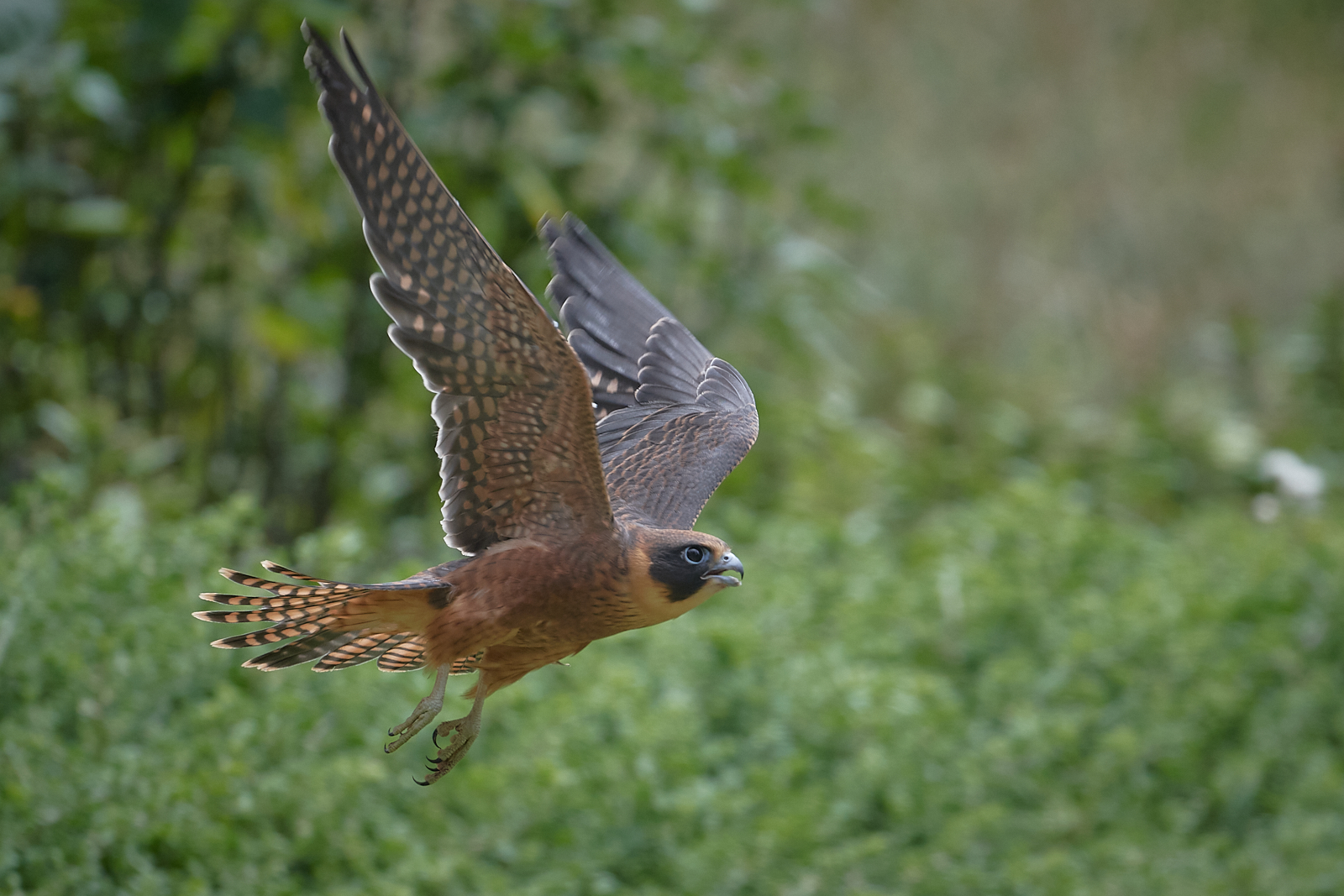
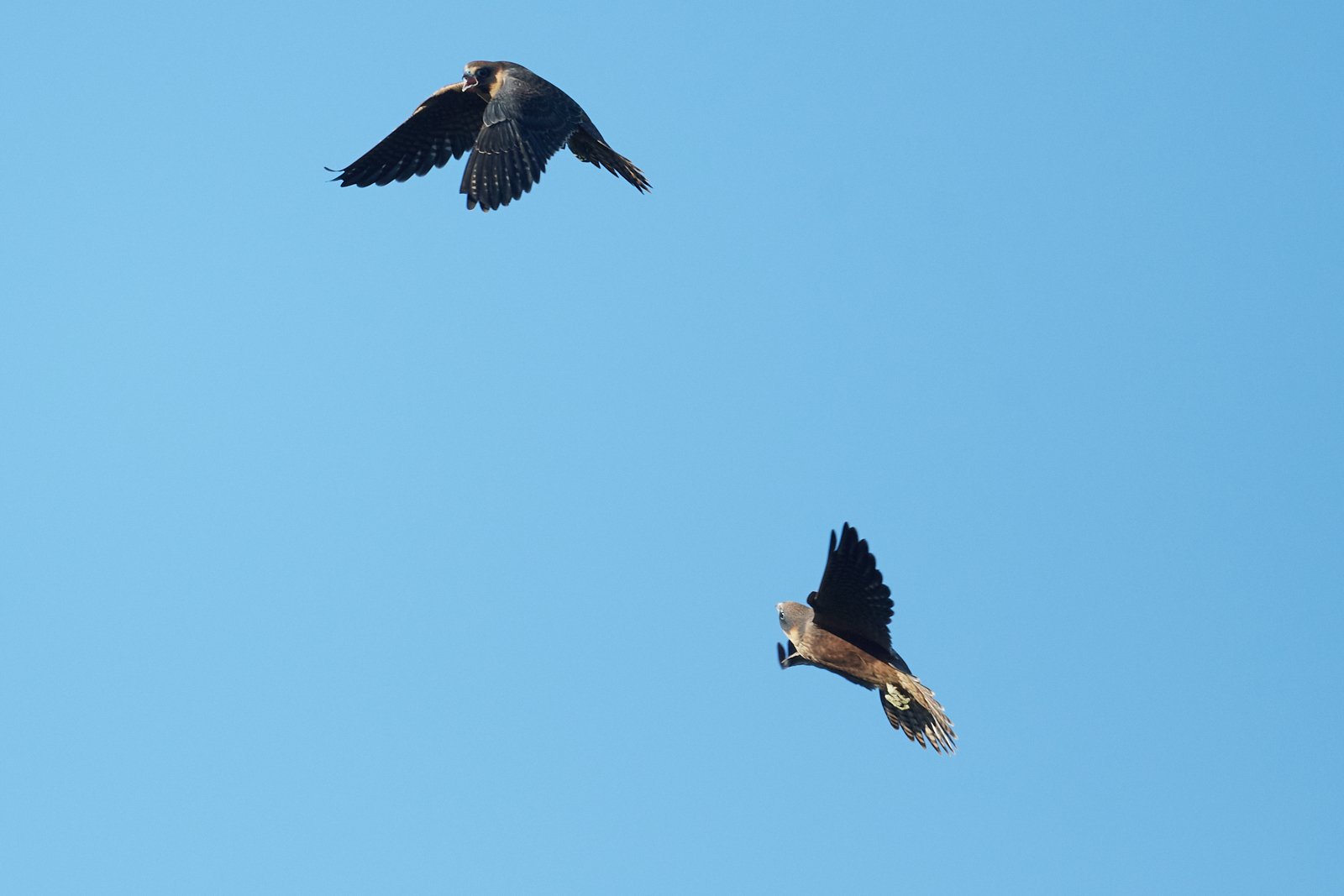
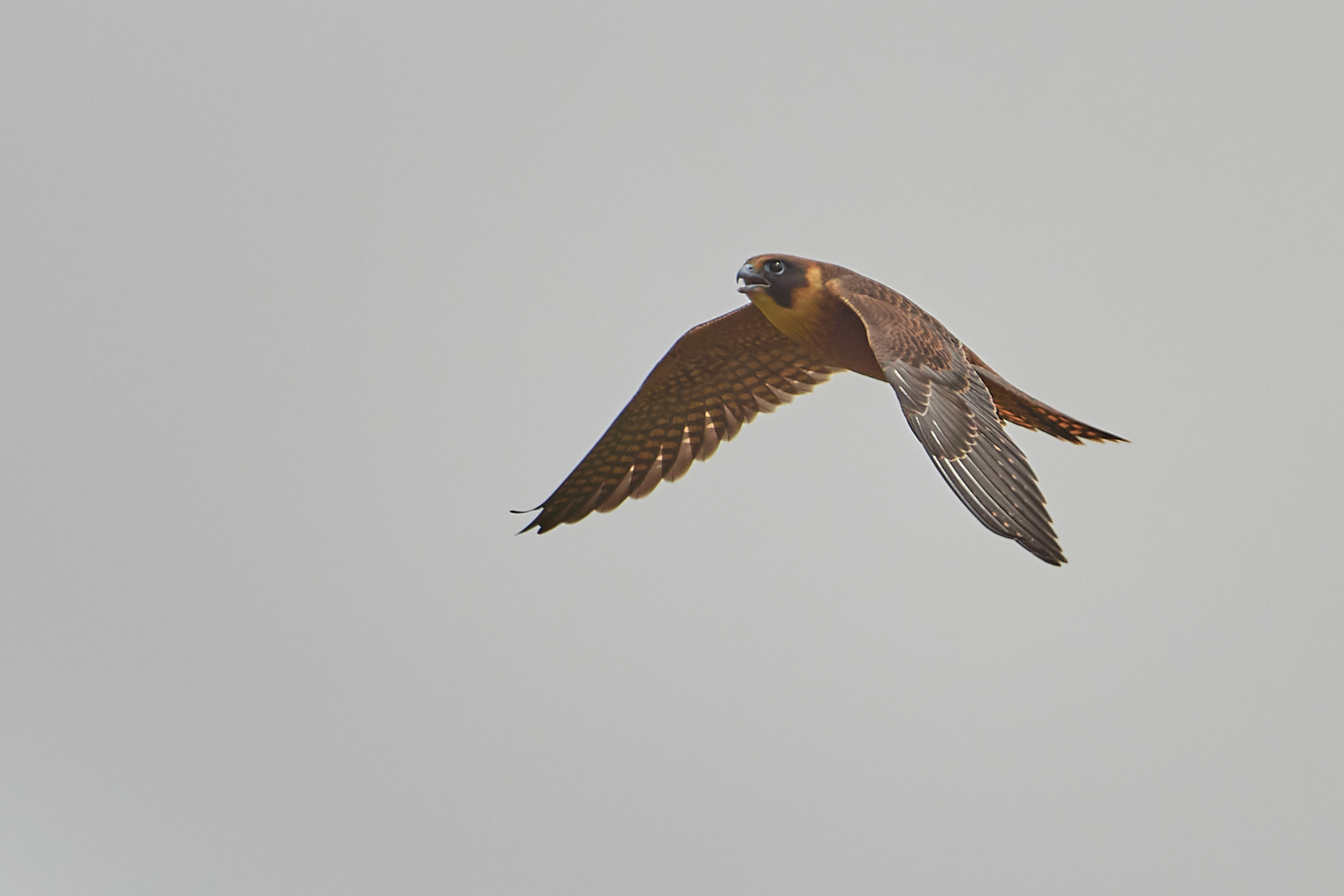
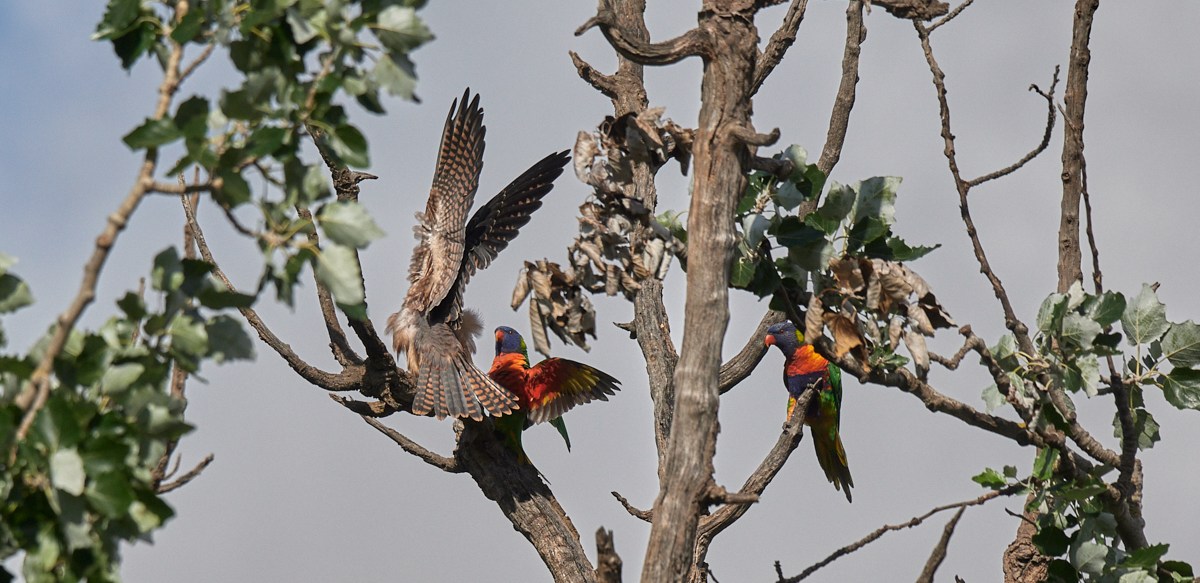
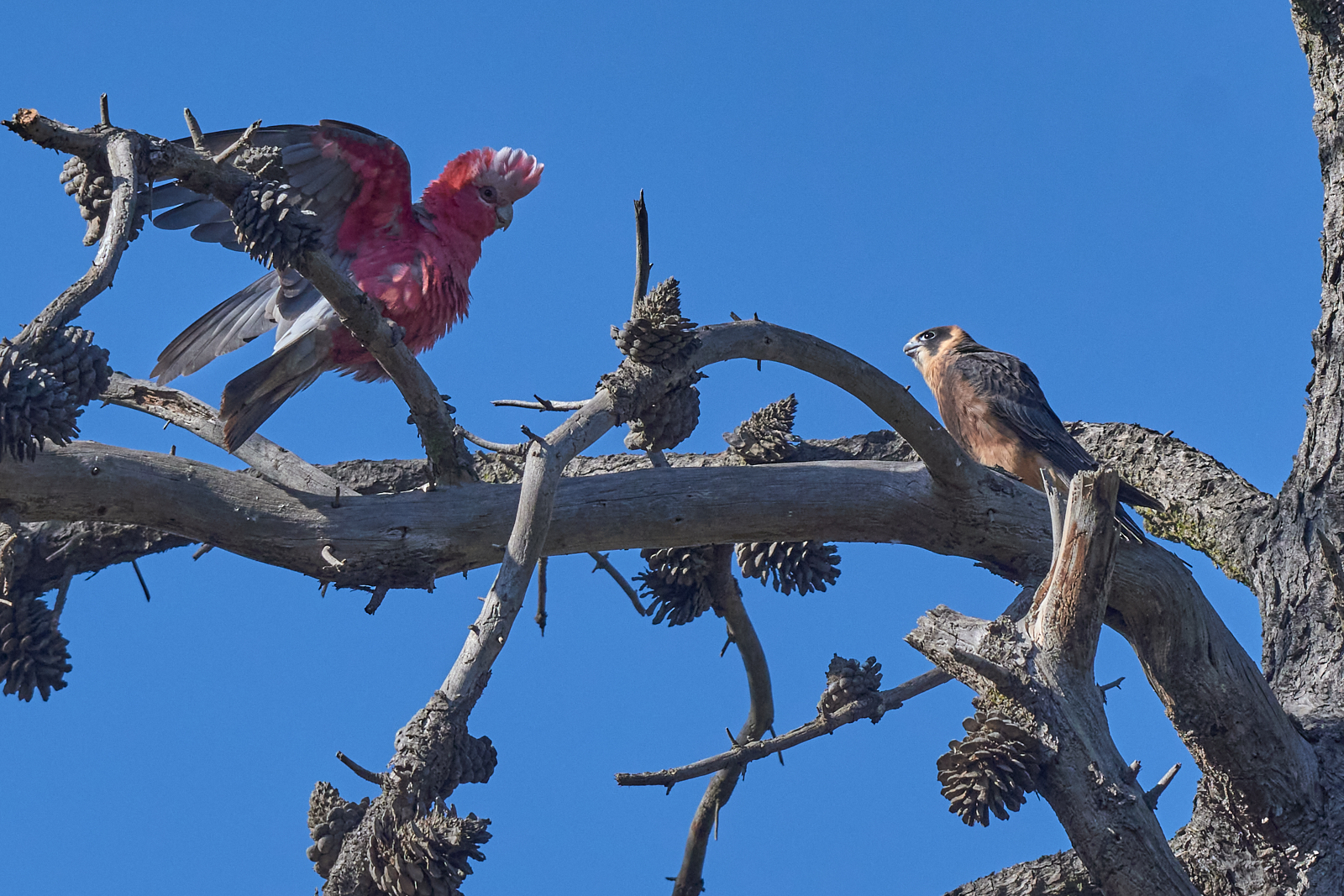
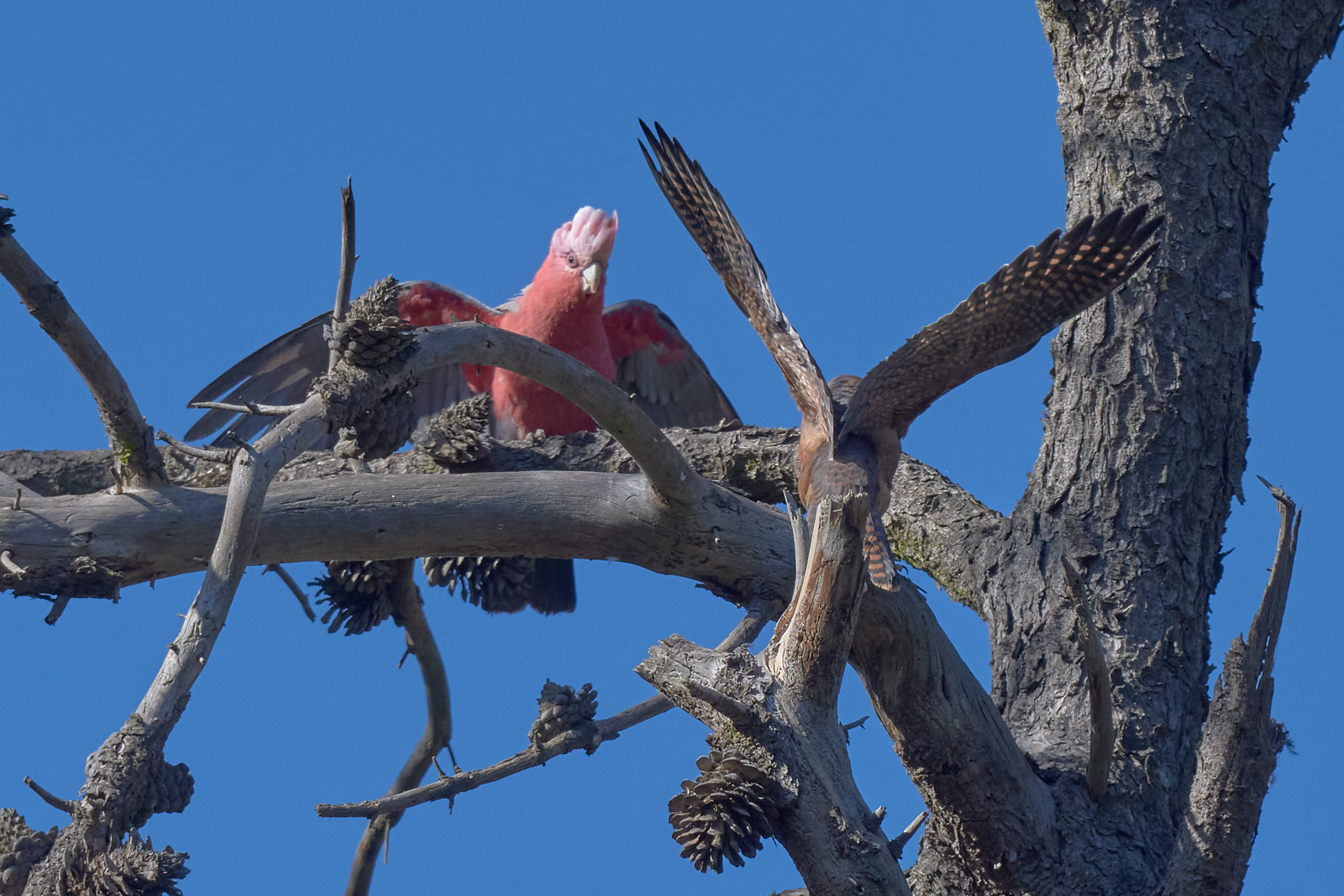
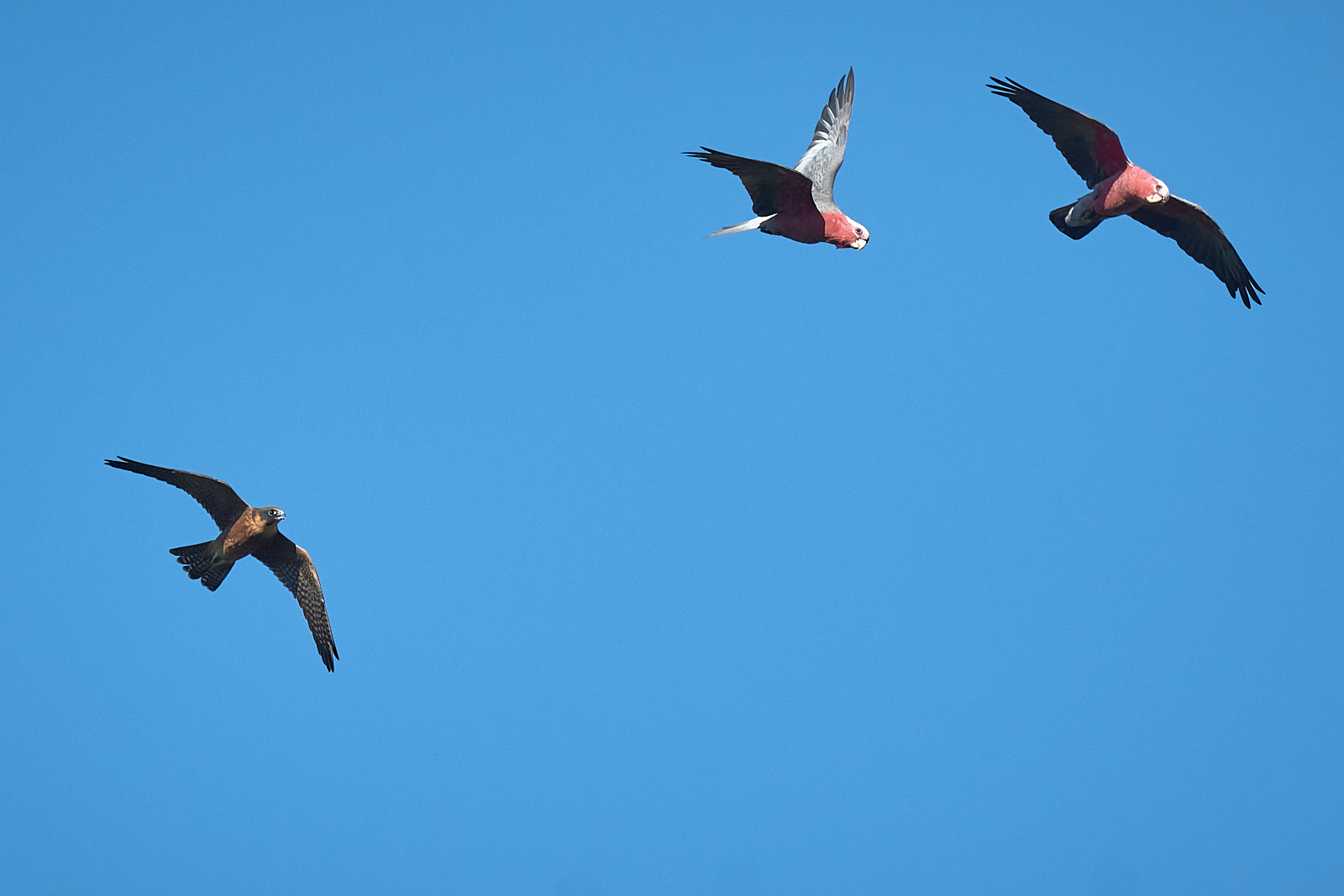
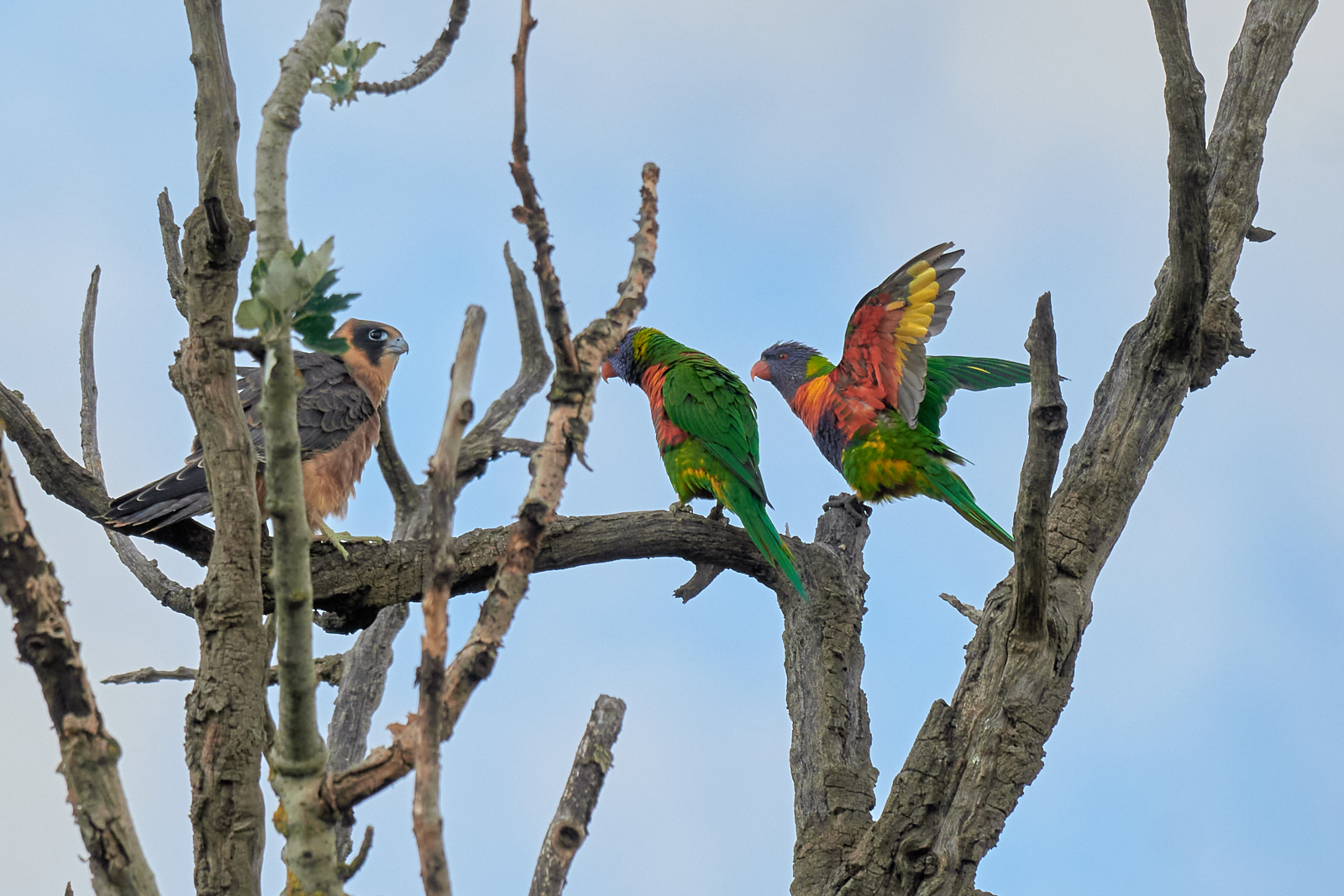
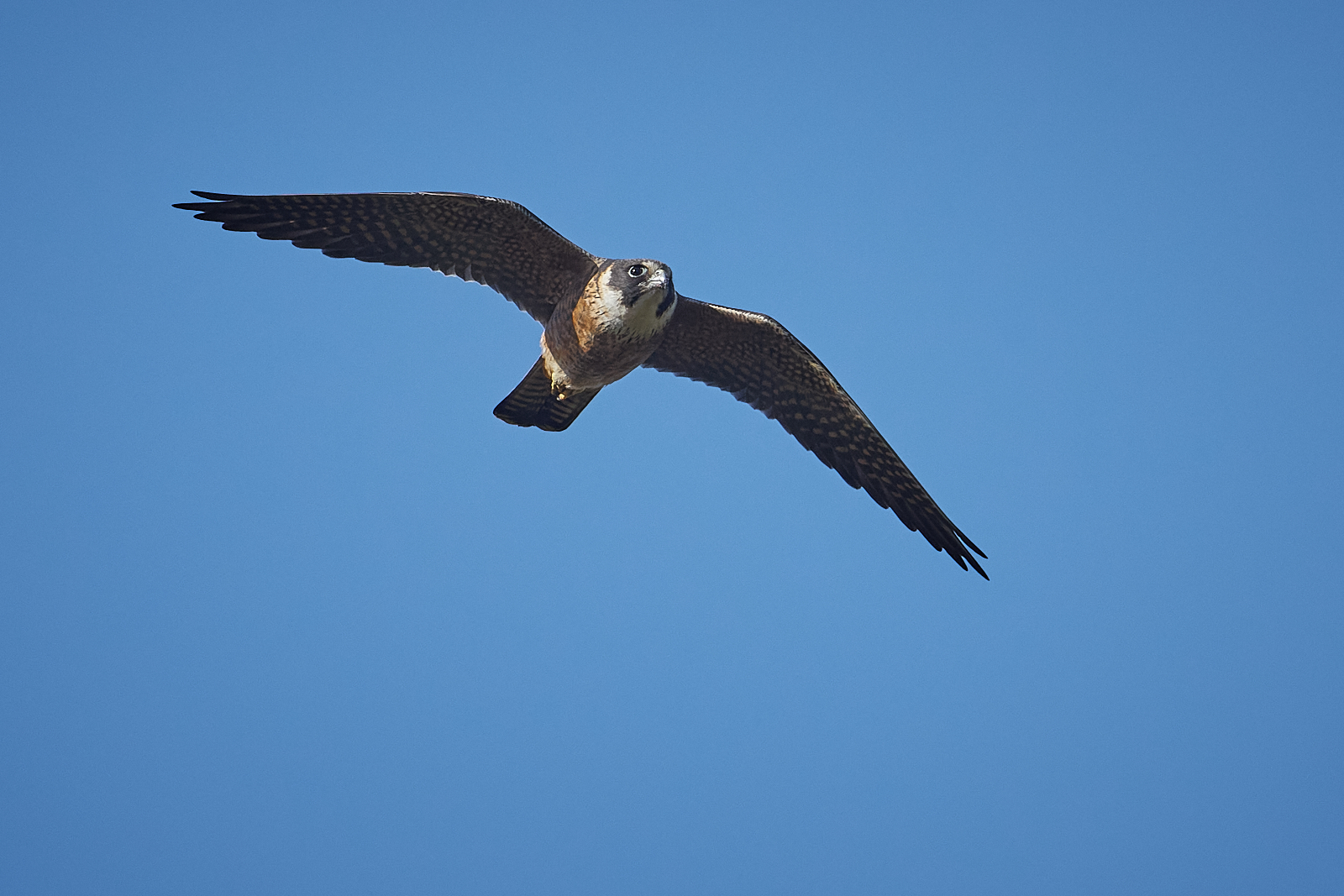
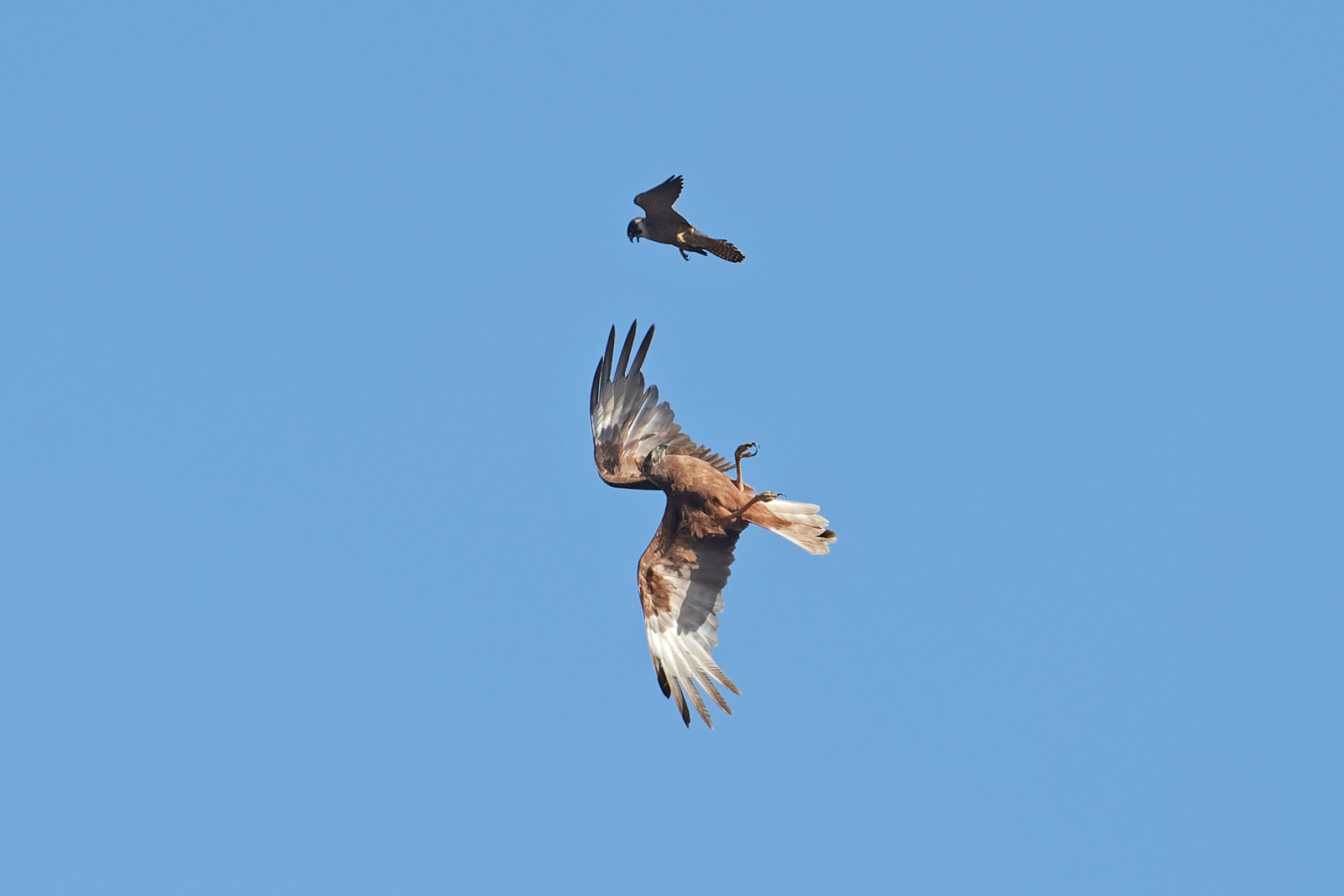
As the Australian Hobby clutch hatched and the young grew, the parents became much more pro-active, and protective of the growing young.  One morning they had several encounters with Swamp Harriers and Whistling Kites.

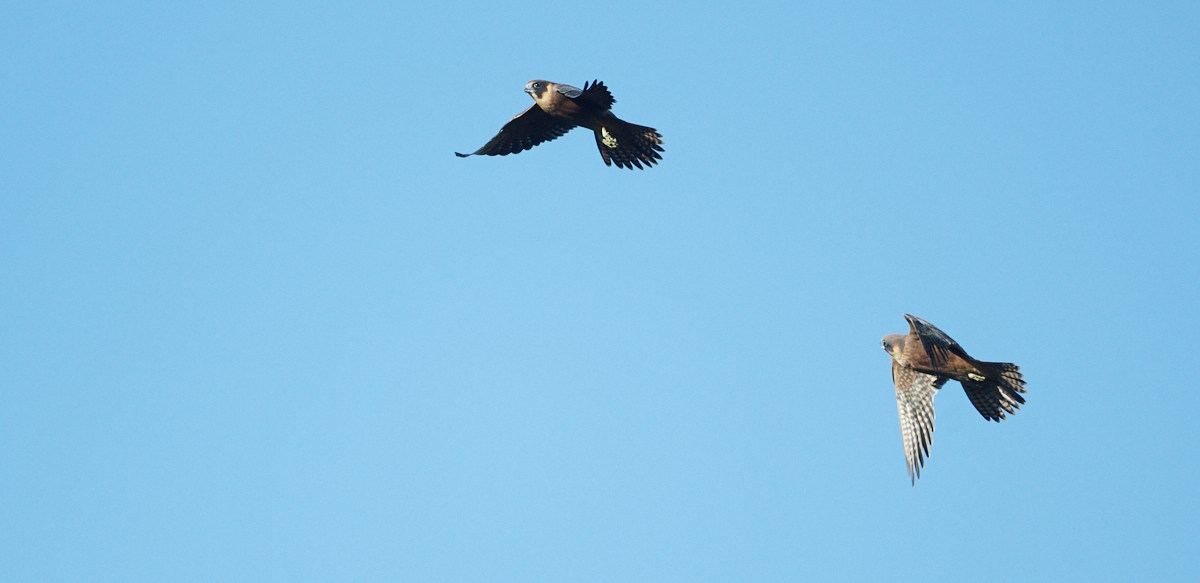
The female was now sitting out of the nest, high up on well sighted perch. Any raptor that approached recieved a serious warning call, and if that didn’t work, a much louder, more rapid call, that also drove her from the perch in hot pursuit.  The male would arrive, usually from on high, several moments later.

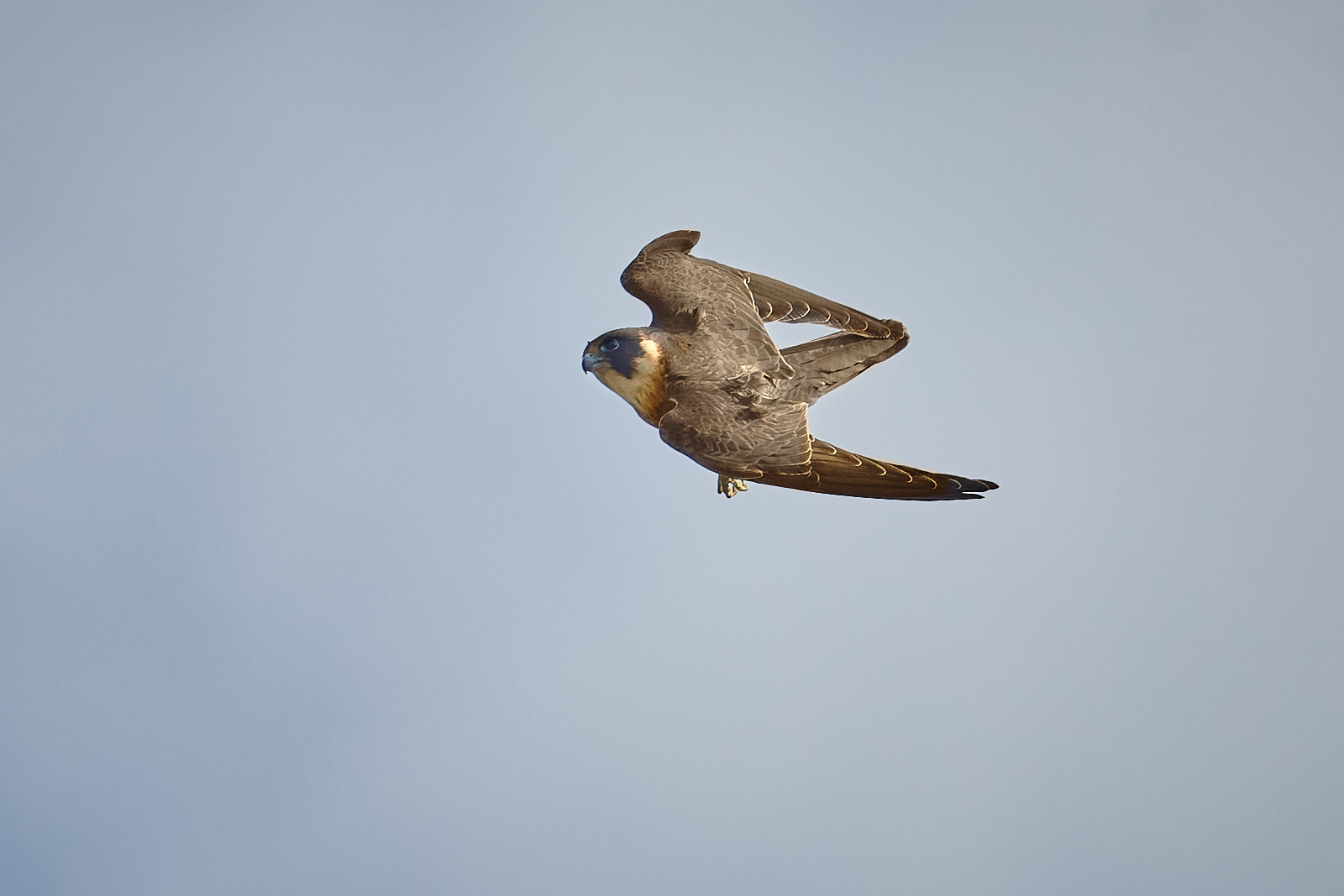
Unlike Peregrines, Hobbies seem to make much more shallow stoops, presumably they cannot really physically attack the much larger Kites, so a game of bobbing across the sky, with quick shallow dives on the intruder is probably to put it off the job in hand, and eventually drive it from the area.

Welcome to the action.

  • Seriously you want to wander into my territory. Go ahead make my day.

  • A Swamp Harrier defending against a stoop

  • Here we go again. She is  rocketing out from among the trees. Warp Speed.

  • A Whistling Kite trying to deal with two attacking Hobbies.

  • Coming out of a stoop must really initiate a powerful ‘g’ force on the body.  From flat out to cruising in the blink of an eye.  You can see the angle of the wings changing and the air breaking over the back as the airflow changes.

  • After all the action has quietened down, the male quickly returned with a  top-up meal.

  • Hopefully see the young next week.

Werribee Wagtails: Bird Count at Mt Rothwell

Werribee Wagtails Header
Werribee Wagtails have been in much of a hiatus due to that ‘c’ word.

One of the activities of that we have always enjoyed are the quarterly bird counts at several local sites.

It is good to be able to see the effects of changing seasons at each of the locations.  And of course to see the variation in the bird activity through the year.

We started 2021 with a day out at Mt Rothwell Biodiversity Interpretation Centre

The weather was kind, coolish and a tad of sunshine to keep things pleasant.
Good bird action in some areas, and of course a few areas that were a bit barren for birds.
All in all a good start for Wagtails for 2021

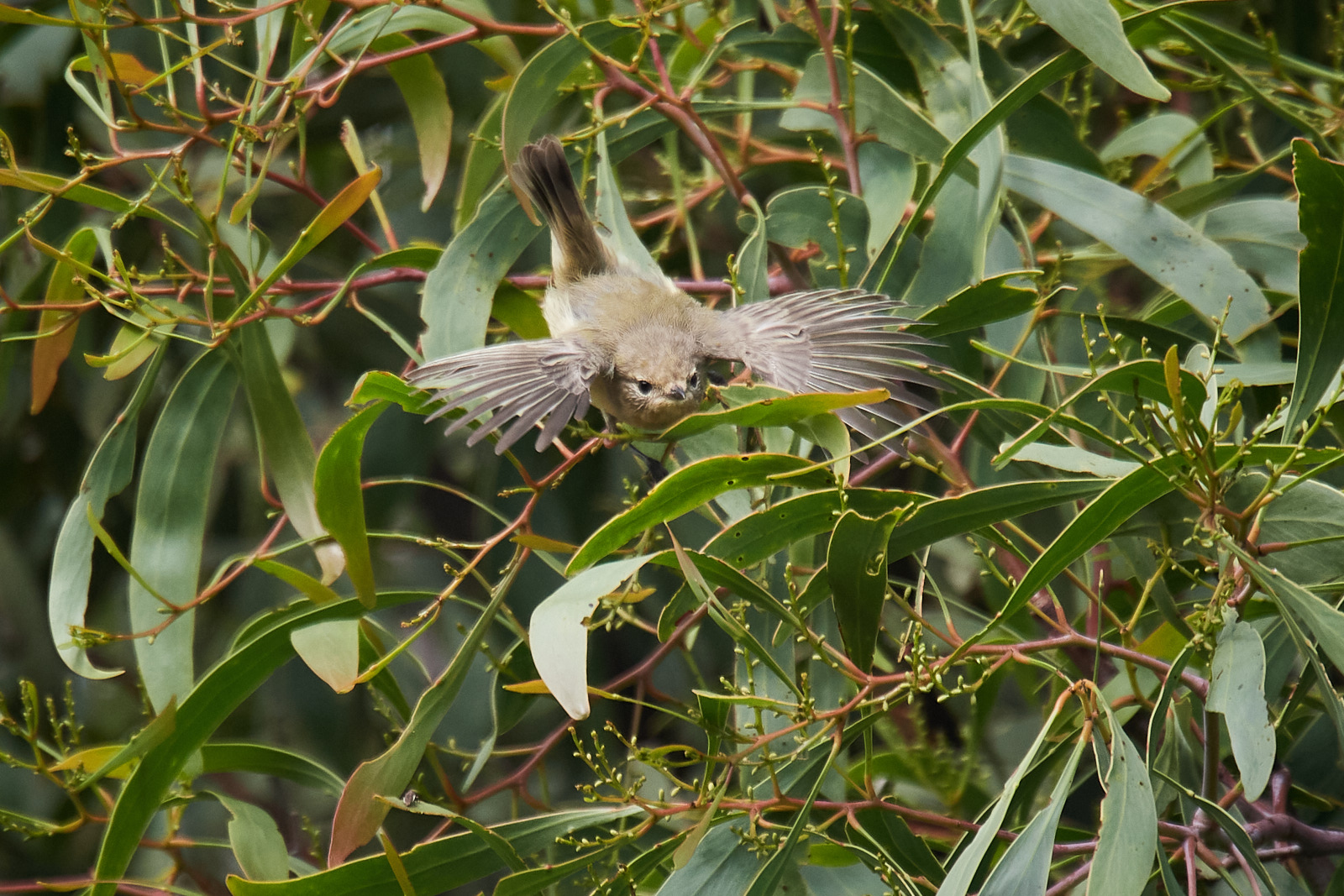
Weebill
Scarlet Robin female Photo Courtesy of EE
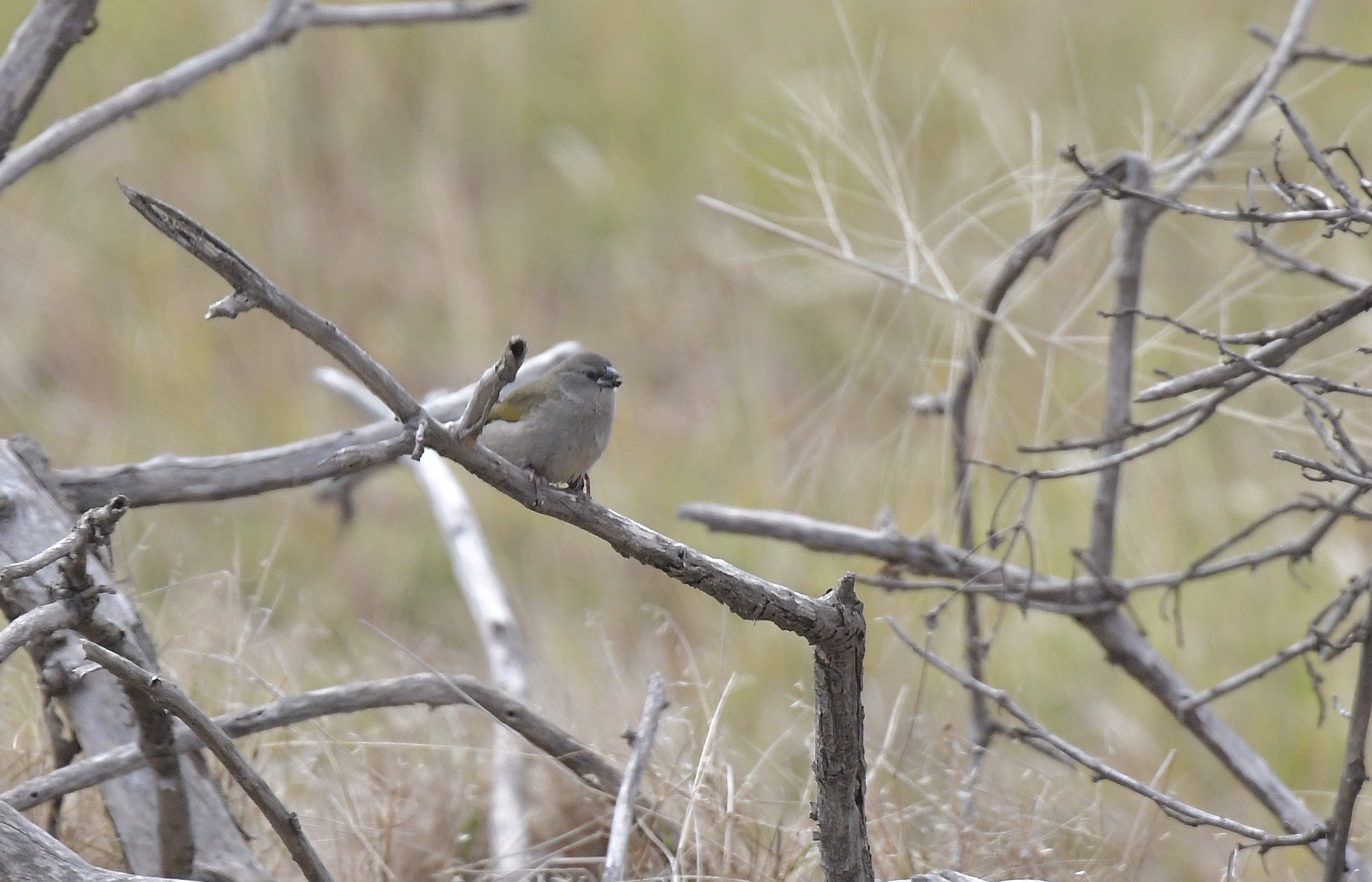
Red-browed Finch Juvenile Photo Courtesy EE
Varied Sittella Photo Courtesy EE
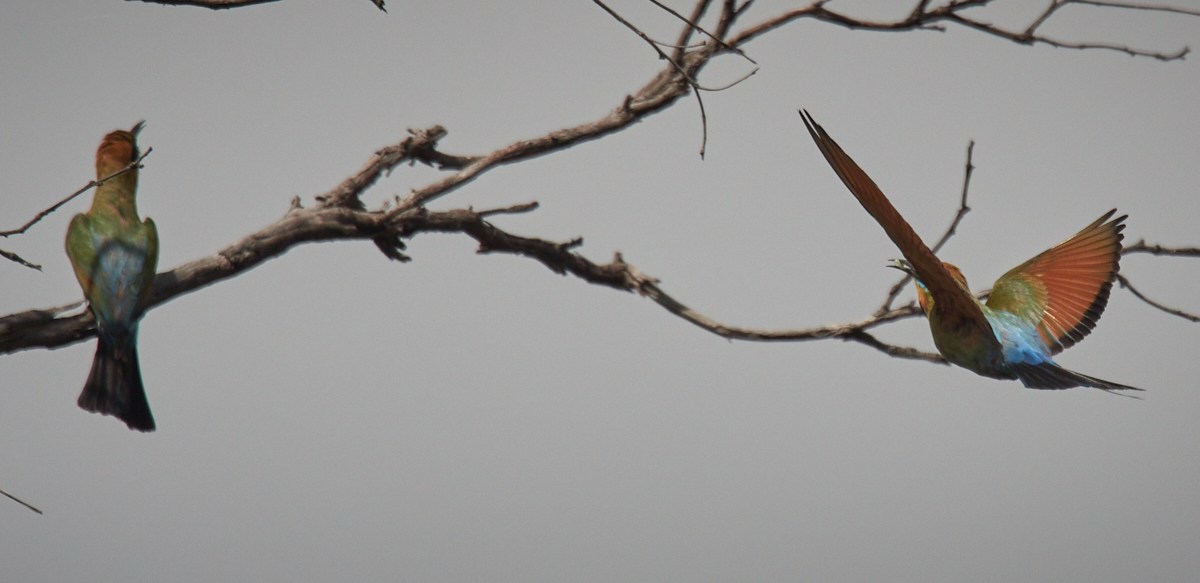
Rainbow Bee-eater
Rufous Whistler female. Carrying a snack. Try as we might we didn’t discover the secret
Whistling Kite, coming by to see the fuss
Whistling Kite, enjoying the view in the sunshine
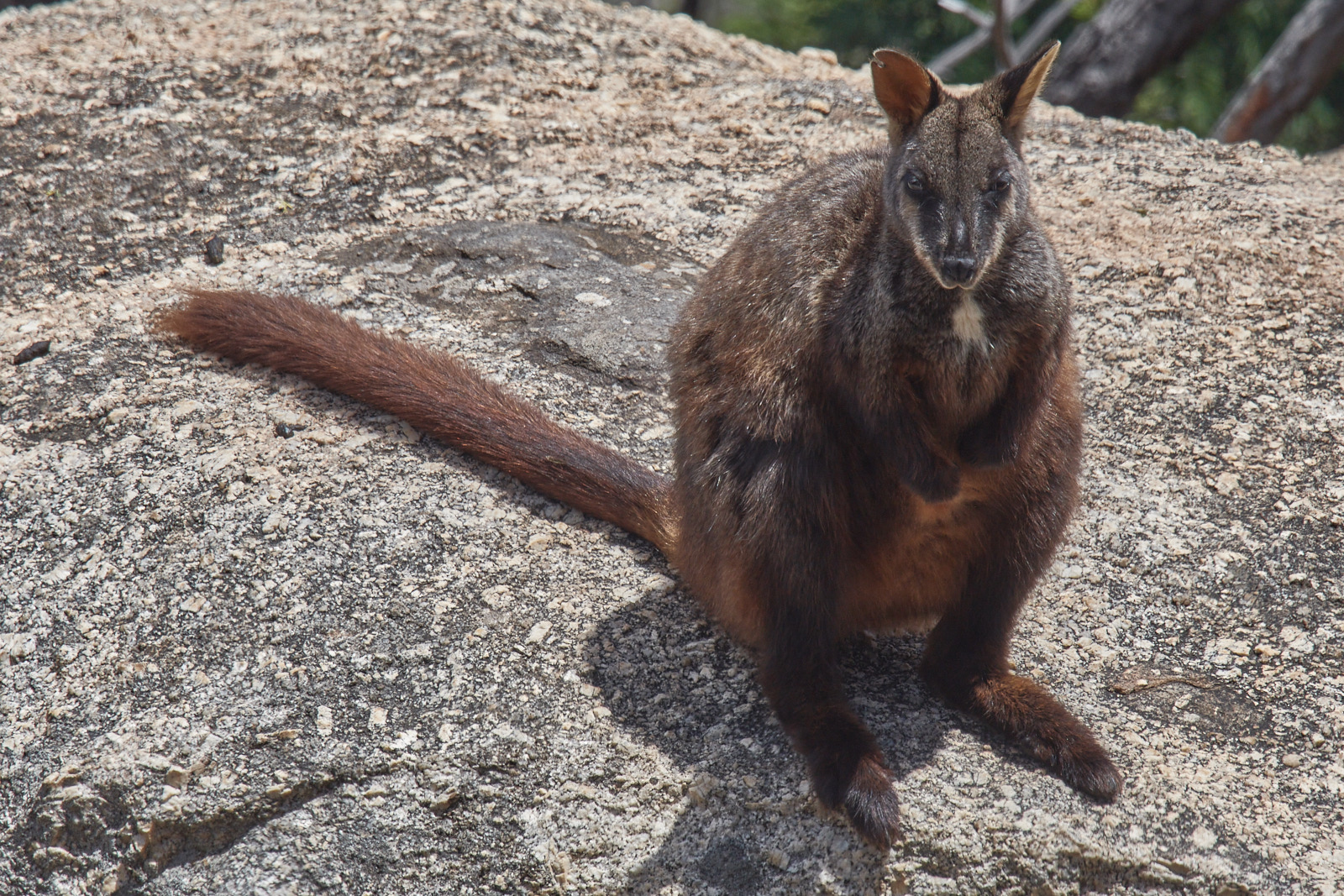
Brush-tailed Rock Wallaby. Showing off its its best asset
Dusky Woodswallow

Saturday Evening Post #117 : Feeling the Magic (part 1)

Got a note from David DeChemin the other day.

He asks the best questions.
“Do you remember the first time you looked at a photograph and you saw how powerful they can be?”

“The thrill when you felt something and maybe couldn’t explain it.”

Well, I can’t recall the first photo I ever saw that had that stopping experience. I can, and I’ve mentioned it here before, recall the the moment I walked into a newsagents and there on the front counter display was Steve McCurry’s green-eyed “Afghan Girl”  on the cover of National Geographic. An image that has probably moved many people.

Likewise, Gene Smith’s “Tomoko in her bath”. I chose Paul Neil’s website version as he too talks about the impact of the photo on his photography. He also explains how the image has been withdrawn at the family’s request.

My list is a bit longer but the one image set that I think drove home to me how powerful photography can be as a story telling medium, occurred quite early in my ‘career’.

A noteworthy event happened in the country town I grew up in.  Many no doubt will have visited the Swan Hill Pioneer Settlement. (It was I think one of the very first of its genre in Victoria.)

The feature of the Settlement was to be the Paddle Steamer Gem.
Best ref I can find is a Pintrest series by the Pioneer Settlement. (No, sadly my pics are not there. 😦   )

As a very young photographer, I followed it for most of the day on its last journey as it was towed by the PS Oscar W.

Home I went, processed the film (It was a 120 roll shot with a Super Baldax camera), made some prints and my Dad helped to paste them on a board, which he took to work the following day.  Because of the interest of the moment, comments of course flowed.  And while memory is fading, I think I made a few prints to give to his work colleagues.
But what impressed me is, as David D says, “Photographs can touch us deeply. They can create experiences in our emotions and imaginations that we never forget.”

There is much said today about the best, “new camera, new lens, new software, new plugin”, and I fear that it is always going to be that way ,  while the art and craft of photography’s magic is put to the side while pursing the greatest, current, soon to be swept aside fashion- the next quick fix.

I’ve enjoyed the magic over so many years, and it still gives me goosebumps when an image  reveals, not just what I saw, but the way I saw it.

The Black-shouldered Kite was sitting quietly in the early morning light.  I could see the richness of the mist behind, the pearly mellowness that brings the subject’s character into a new view.  Took me awhile to manage to get the Lr sliders and effects working for me, but it was worth it to say, “this is the way I saw it.”
Magic.

From the Field Notes Book: The Serious Business of Feeding a Hobby

We had, about a month back, one of those beautiful days that make photography not only a pleasure, but also a chance to nail some great detail.

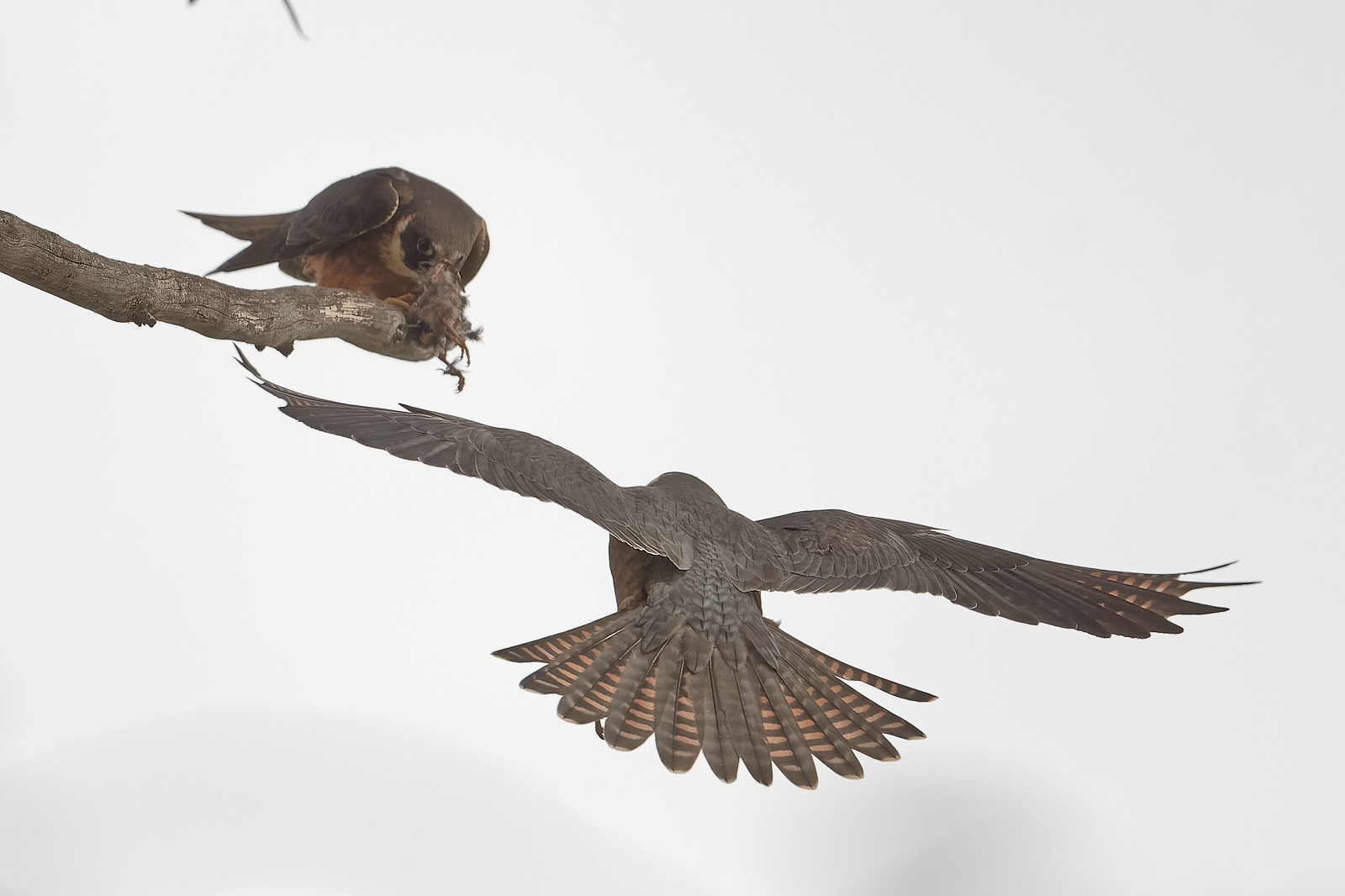
The Hobby pair were still feeding the young, and the male was providing a steady assortment of snacks.

Here is one delivery from the series

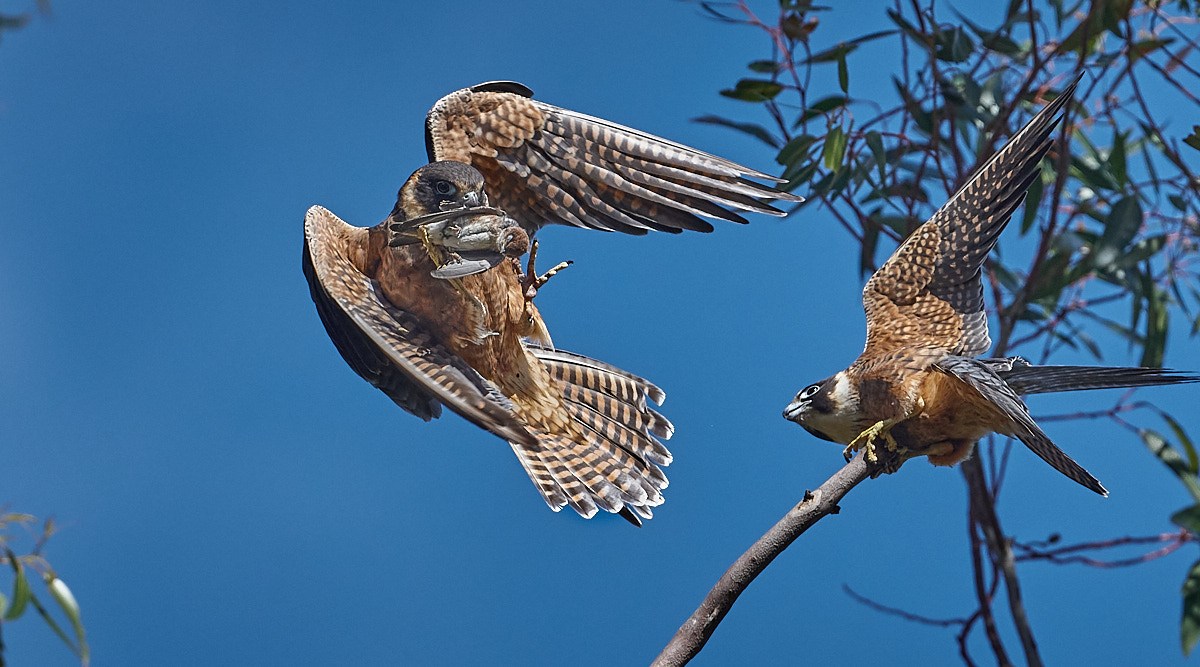
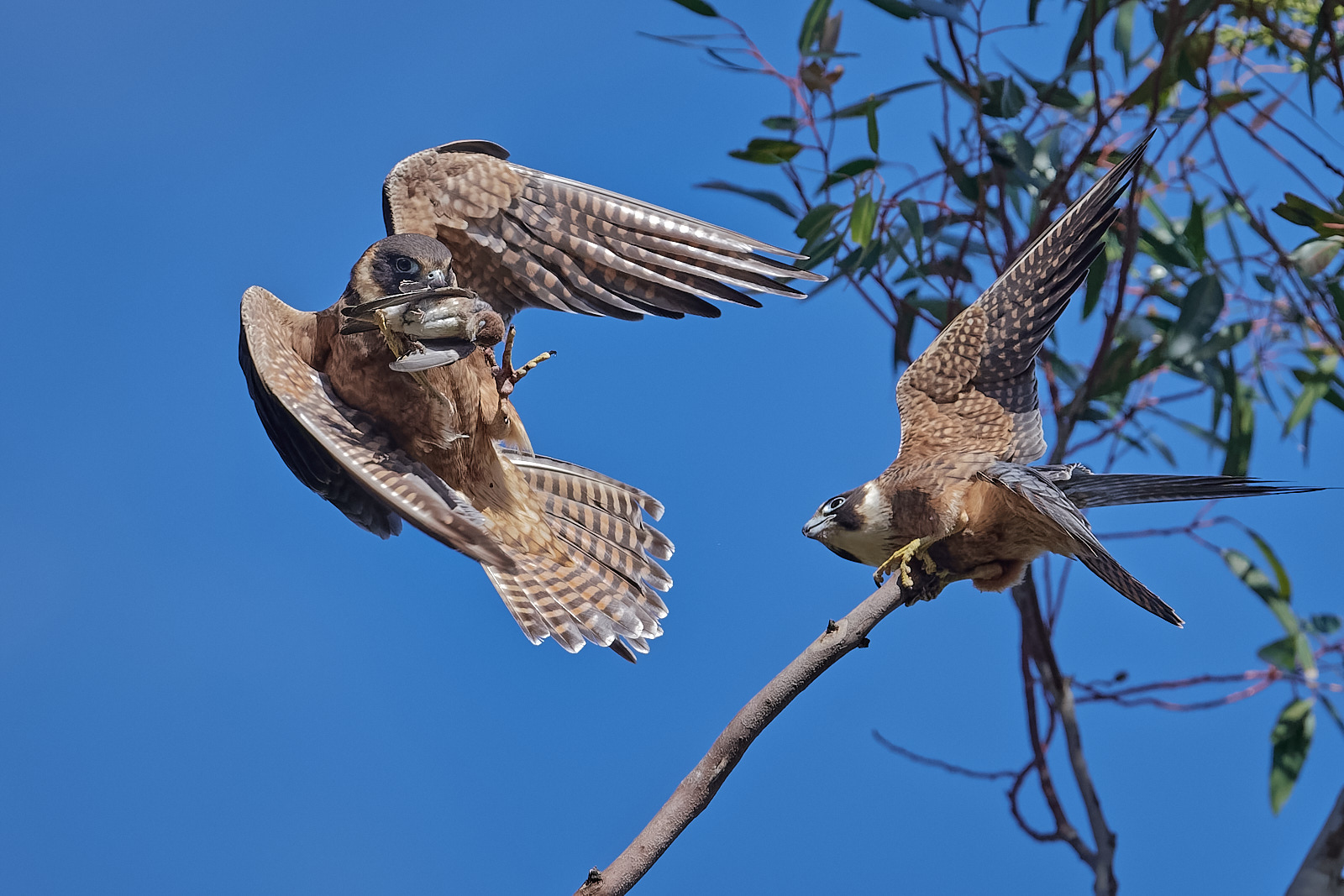
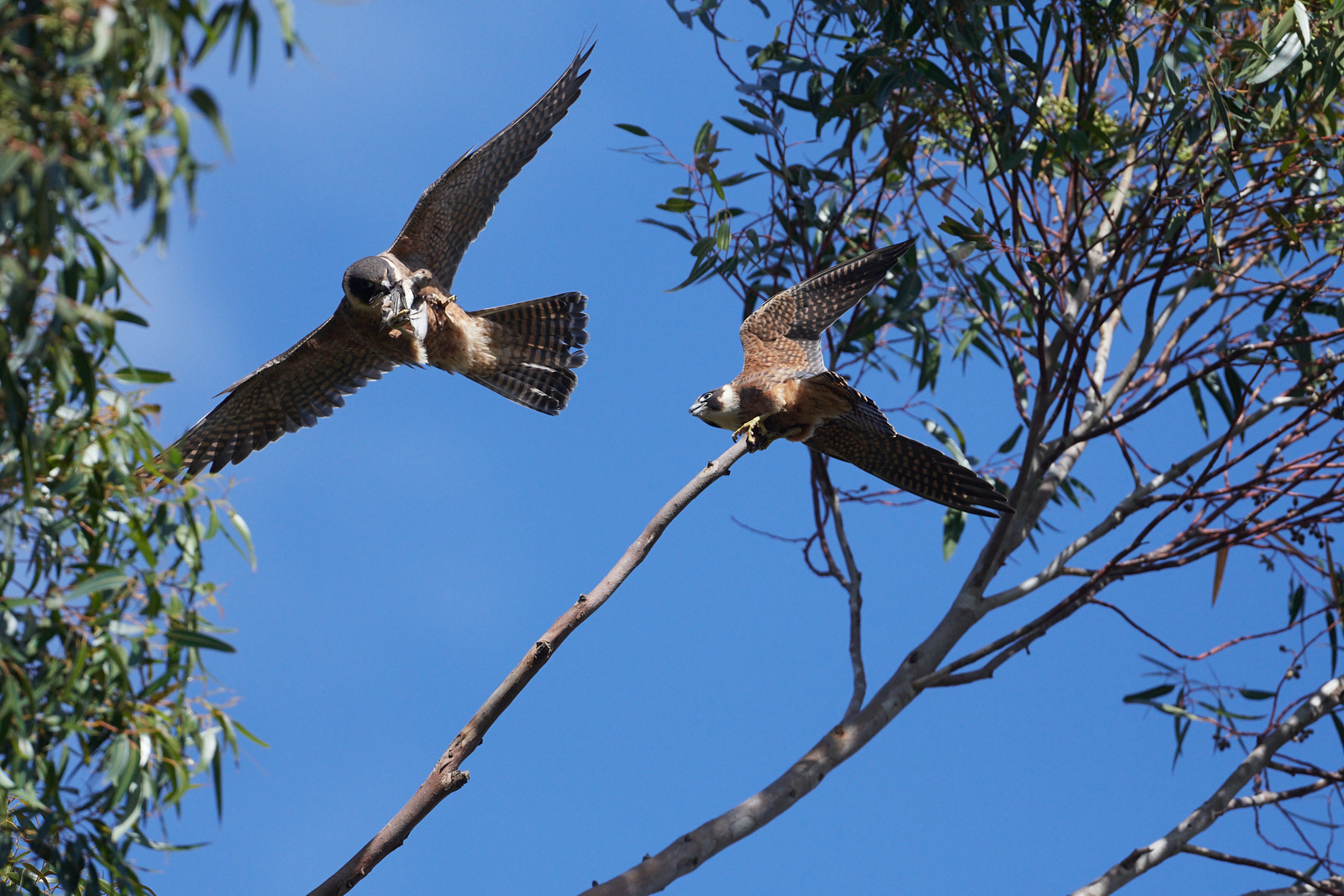
  • The male flies in and sets on a well used exchange branch. He then calls, softly, and she has been sitting high of the nest on another tree.  Without hesitation she glides to meet him. You can just see her wing in the top of the frame.
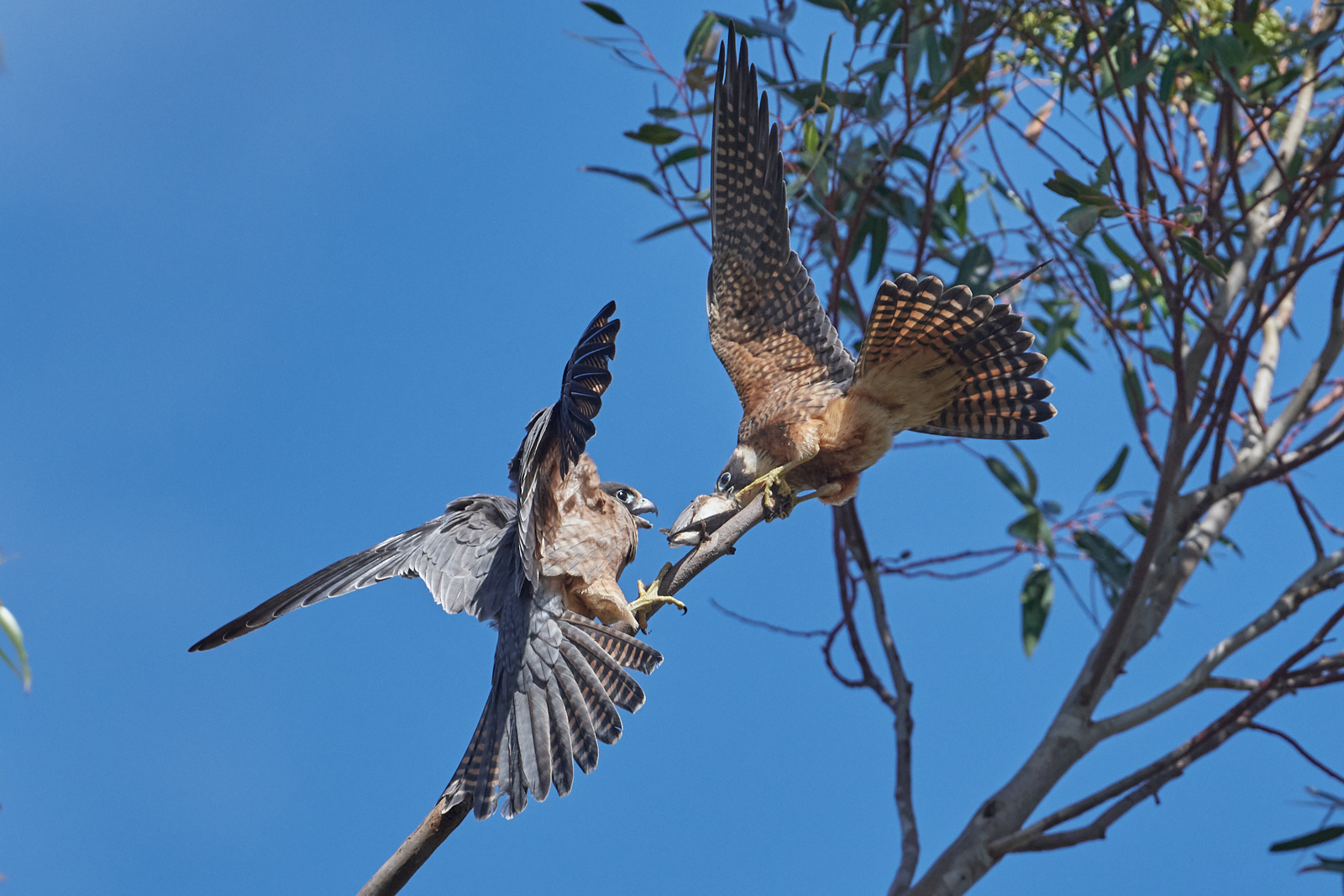
  • With a minimum of fuss she quickly acquires the prize

    • In barely the  blink of an eye and she is on her way. As usual he is intent of watching, I assume to be ready to quickly pickup if she slips (not likely)
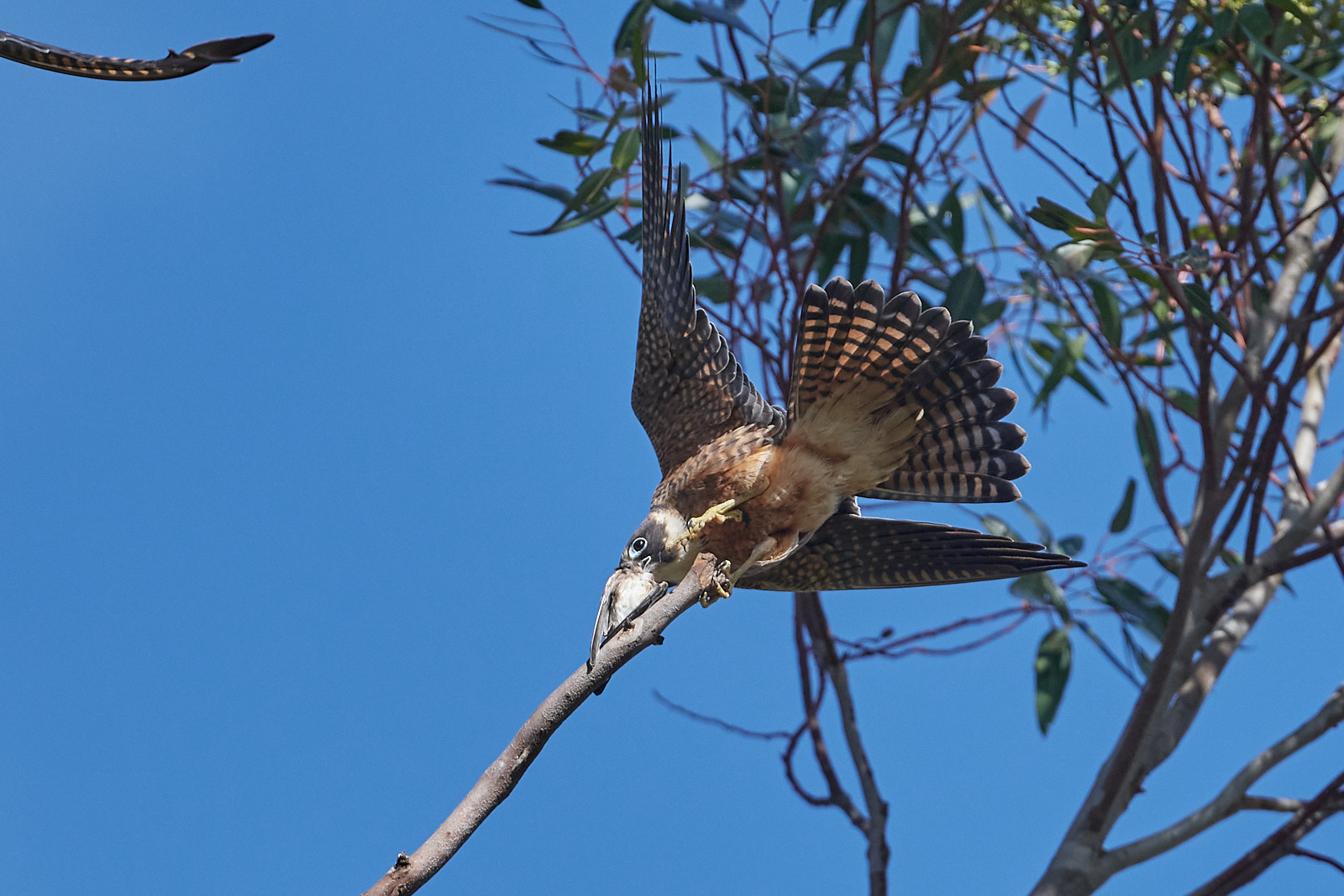
    • Securely tucked up, she is on her way

    • And a quick look at one of the young, now only a few days from flying.

Saturday Evening Post #116: Constancy

Clear sunlight on falling snow: fire and ice.
Bareboned trees stark to the horizon
Cold marshes, haven to ducks and geese.
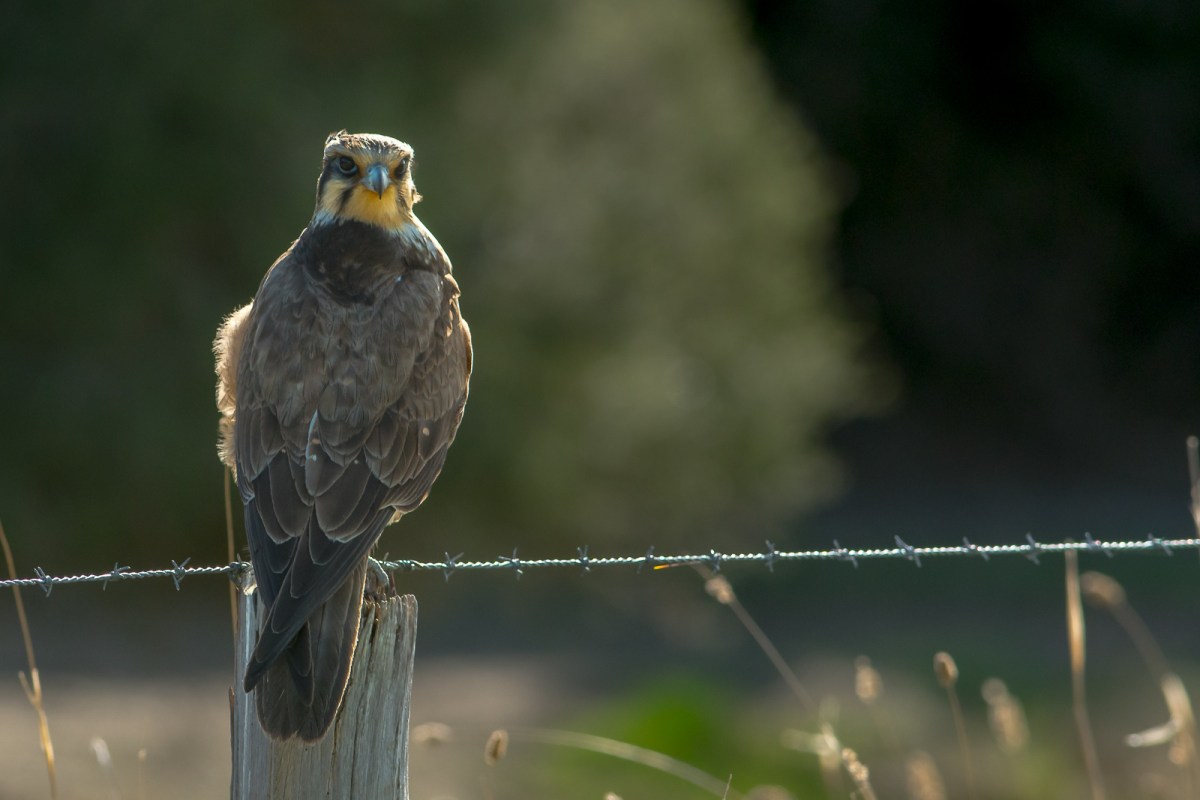
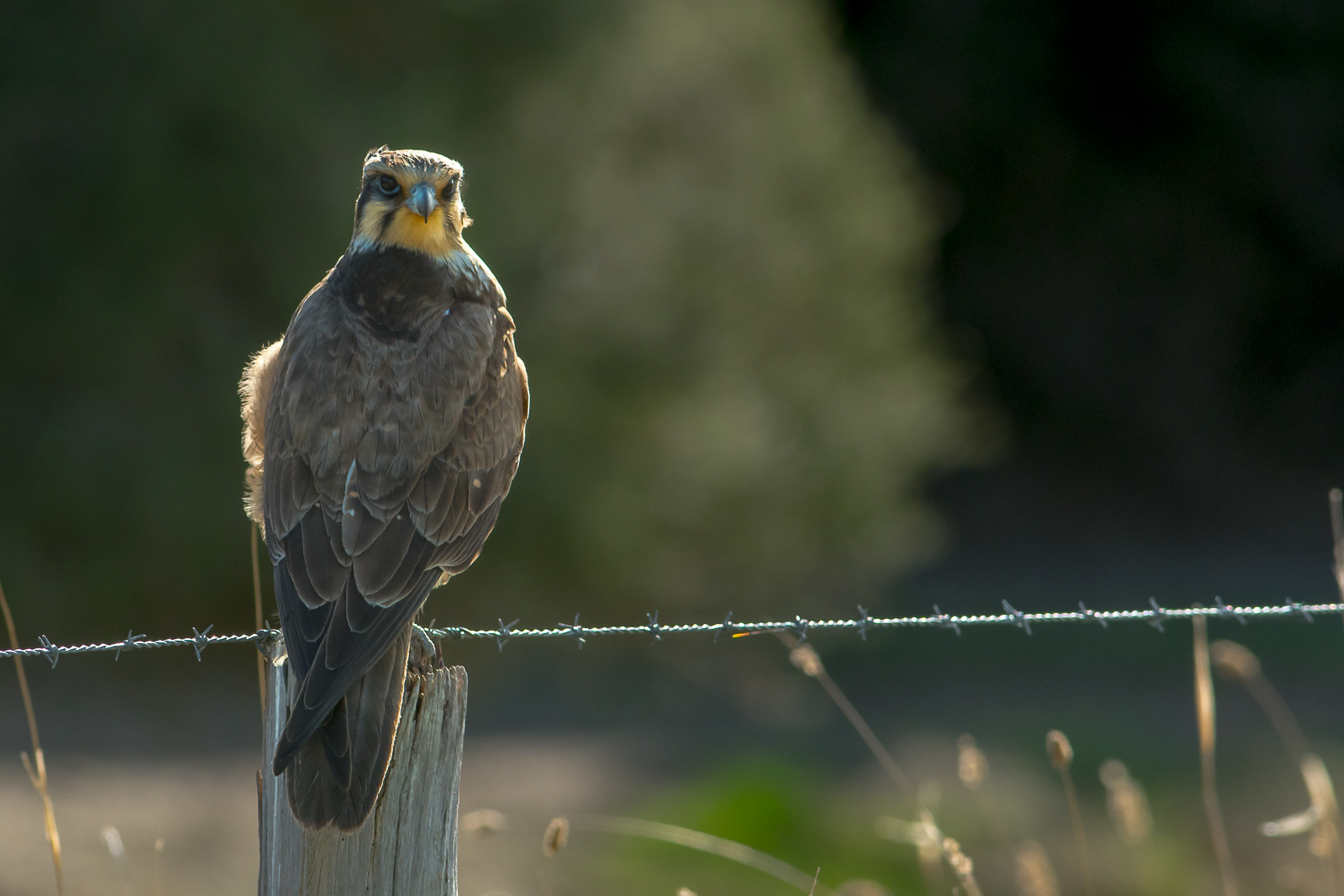
A Falcon sits motionless on the post.
Deng Ming-Dao

He then writes that wherever we are, the constant change of life and the cycle of the seasons in upon us. We notice the ongoing rhythms of life.

Trees that spring to life after rain, or a change of season, ducks that know the time to breed.
All tings change, while all things move constantly.

The world he says is like one gigantic turning wheel.

I was nearly going to title this “Ready for another year’s journey around the Sun”.

But, then a friend sent me the following, I hope you find humours, gif

and given the harrowing journey we have taken with the virus and the attempts to control it, the sad growth of staggering numbers in other countries plus the local lockdowns to limit it in our various states and now add to that the tumultuous events of insurrection in the Washington DC, the 7 day trial has not been all that inspiring.

As it happens, EE has a T-shirt with the words, “Please Unsubscribe Me from Your Issues”  She wore it a time of uncertainty and upheaval, where group ‘membership’ defined people. And that time passed.

Chronicles of a Blogaholic has a most passionate post on the attempt to start the Second Civil War in the US, it’s a wide ranging thought provoking piece.  Coup d’état

When I was a mere broth of a photographer one of my mentors was ‘hot’ on Chiaroscuro— or light and dark.
Not just for the effect, but also as the method of carrying the story.
 
Cycle through more years than I care to write about, and the challenge of working in this fine light with this wonderful bird against that backdrop gave me some great memories.

One of the benefits of such light, apart from the challenge of exposure is the beautiful way the subject stands from the chaos behind.

Stand boldly young Falcon

From the Field Notes Book: Care and Feeding of a Hobby

Some more moments from feeding habits of Hobbys.

This is a single event.

  • The Male flies in with his latest acquisition.  He calls quietly to announce his presence and then just sits and waits.

  • With barely a wing-flap she sweeps out of the nest, circles and lands beside him.

  • He is always wary about letting go of the prey until he is certain that she has complete control.

    • Every time there is a food transfer, he is always so intent on watching that it has transferred correctly. He always seems ready to slip of the branch should she lose grasp.  I’d guess that it would only fall a metre or so before he was on it.  Still, I have never seen her miss.

  • Away to prepare it for the young.

  • This is not from the same sequence, but fits into the story line here well.

More to come.


Saturday Evening Post #115 Going Out, Not Knowing

Came across a Quote for the Day, today that used a Christian Holy Bible verse.

“…he went out, not knowing whither he went…”, The Letter to the Hebrews (Gotta love that King Jim English)-see ps below.
Tells the story of a dude in Mesopotamia that went out one morning and, well, just kept going.

Intrigued me, as I use a highly stylised version of Tolkien’s Aragorn poem,
“Not all those who wander are lost;” as a blog byline.

Seems to me  that no matter how well I can plan a day out with the birds, in the end so many times I don’t know what I am going to find.
Tolkien, “A light from the shadows shall spring”

Truth be told, there is a bit of the thrill of the chase. An acceptance that I am being invited into the lives of fascinating creatures.  The only thing I can be sure of is that the birds will have their lives to live and my small investigative muse- Lyric Poetry?- will have to welcome what is on offer.

Occasionally on the track armed with camera and gear a passerby will ask, (usually innocently)  “What are you doing?’ or more pointedly, “So, what are you photographing?” I’ve mentioned some of my usual responses before, but, really the answer is, “I’m waiting to see what the birds are doing!”
How else do you explain a sense of wonder?

So I bustle through the morning necessaries, getting ready to ‘Go out, not knowing wither I go!”, expectantly looking forward to a new opportunity  that is bigger than my vision of the world, and so much more exciting.

I trust that 2021 brings the most exciting visual opportunities to your lens.

PS: The original story in the Hebrew text says in the rather lyrical, “Lech Lecha”—can be roughly translated as “Go out to Yourself” as in an “internal odessey”

Now you know the extent of my  ancient text knowledge 😉

A Fascinating Hobby

All the usual warnings of images that contain material that may ‘offend’ some viewers, and the plea to be sure to contact the appropriate helpline.

Ahh, political correctness.


I have, it must be told not ever thought about Falconry as a pasttime.
Not the sport of the rich and regal, but rather the Falconer, and their intimate relationship with these amazing birds of prey.

That such a bird could in fact be domesticated in itself seems hard to grasp.

It is also true that I’ve never spent any more than a few glancing seconds with any of the falcon family (exception being Brown Falcons, but let’s face it, they don’t have the same mystic of the Peregrine or Hobby.)

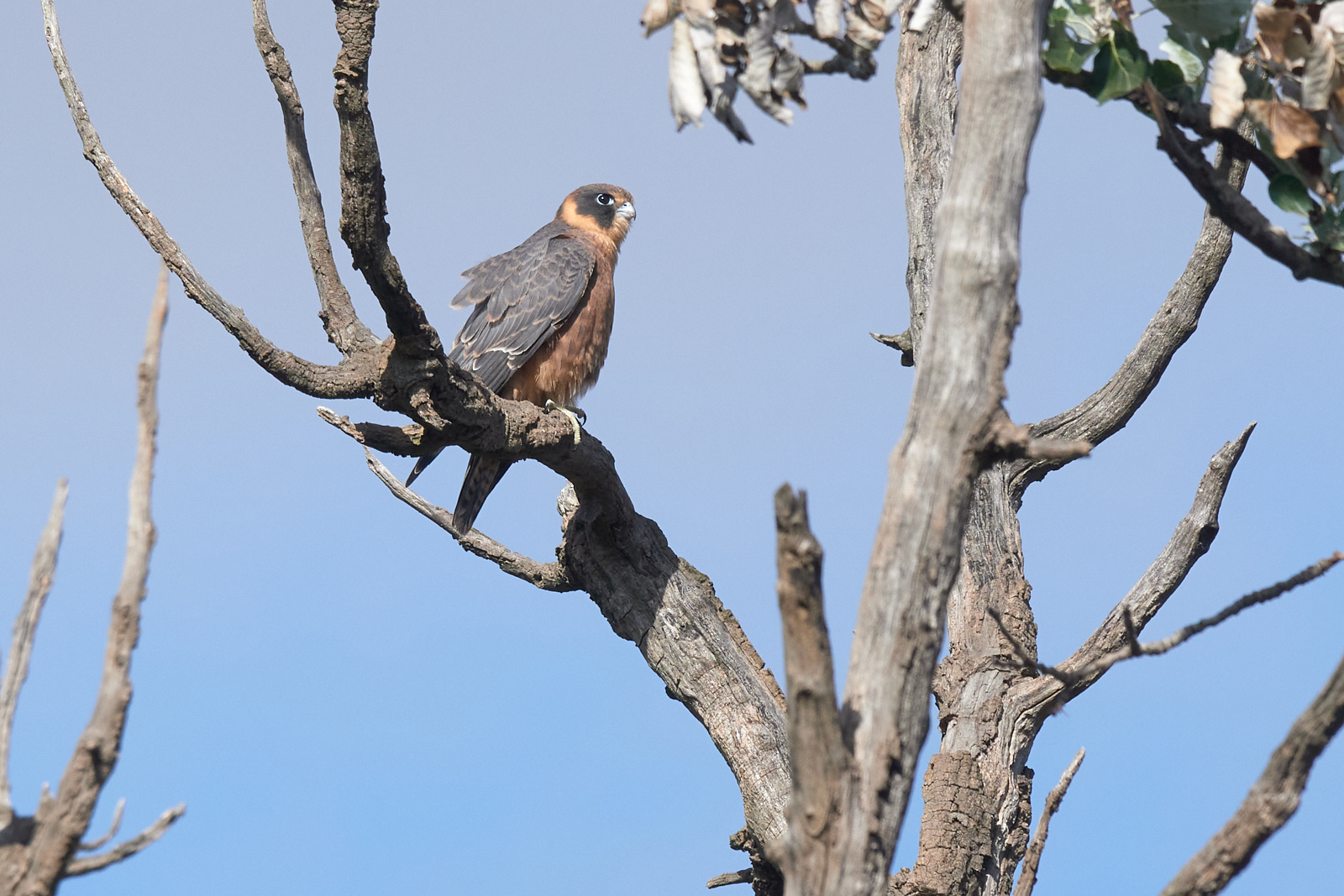
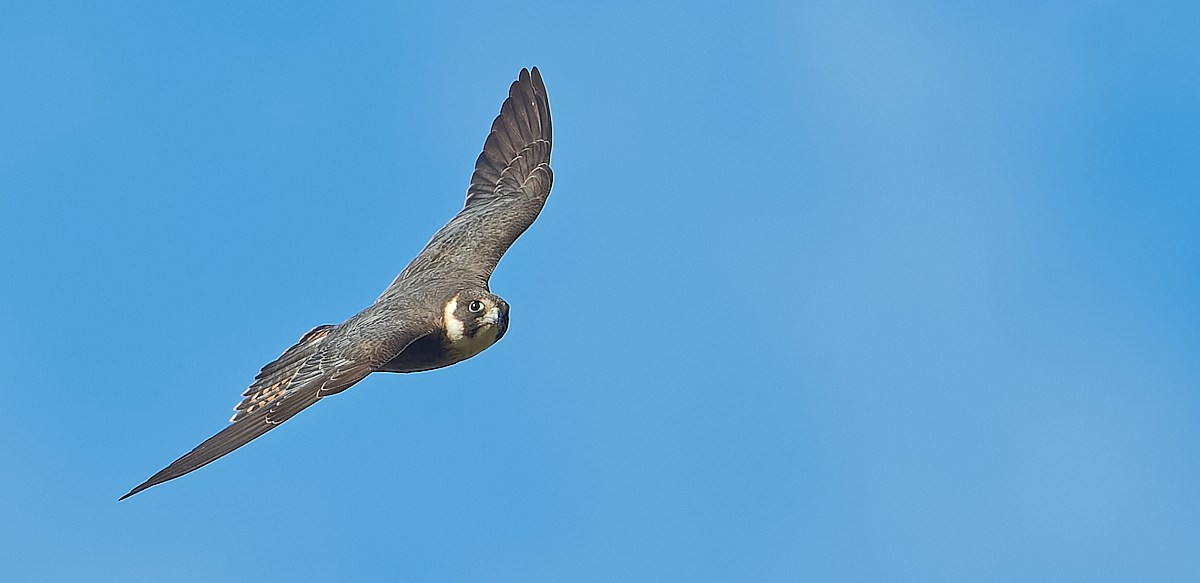
So, to have a close encounter with a pair of Australian Hobbys (sic—my spelling of the plural) and their resulting young has been quite a thought provoking experience.  Over the past few weeks EE and I, Mr An Onymous, and Neil  A. have clocked up quite a few hours learning a little about their habits, character and approach to life.

In no particular order some bullet points from my field-notes.  I must stress this is not scientific research, and is quite anecdotal-bordering on the anthropomorphic. (Again the usual warnings also apply)

  • Hobbys seem to like to sit on the highest branches available. If there is a higher one, they will move to it.
  • Hobbys seem to favour nesting in the tallest tree in the area.  And they don’t build new nests, but rather inhabit existing, mostly magpie, nests.
  • They have a wariness of humans, but at the same time seem to have developed an awareness of human habitation and used it for their benefit.  We regularly see a pair hunting through a supermarket carpark. Hard not to be impressed with a bird at over 70kph skimming over the parked vehicles.
  • This pair have used the same area, and I think the same nest for at least the past three seasons.
  •  The female sits the nest. The male brings in food.  Unlike other raptors she does not complain until he arrives. She is usually quiet.
  • He too is quiet on arrival.  A couple of short croaky calls, and he then sits on an conspicuous branch and she quietly comes and removes the catch.
  • They are both masters of efficiency.  A glide will do instead of a wing-flap. The change over is precise and almost instant.
  • He always carefully watches after she takes the food, I have concluded that if she were to slip and it fell away, he would be on it before it had dropped more than a metre.
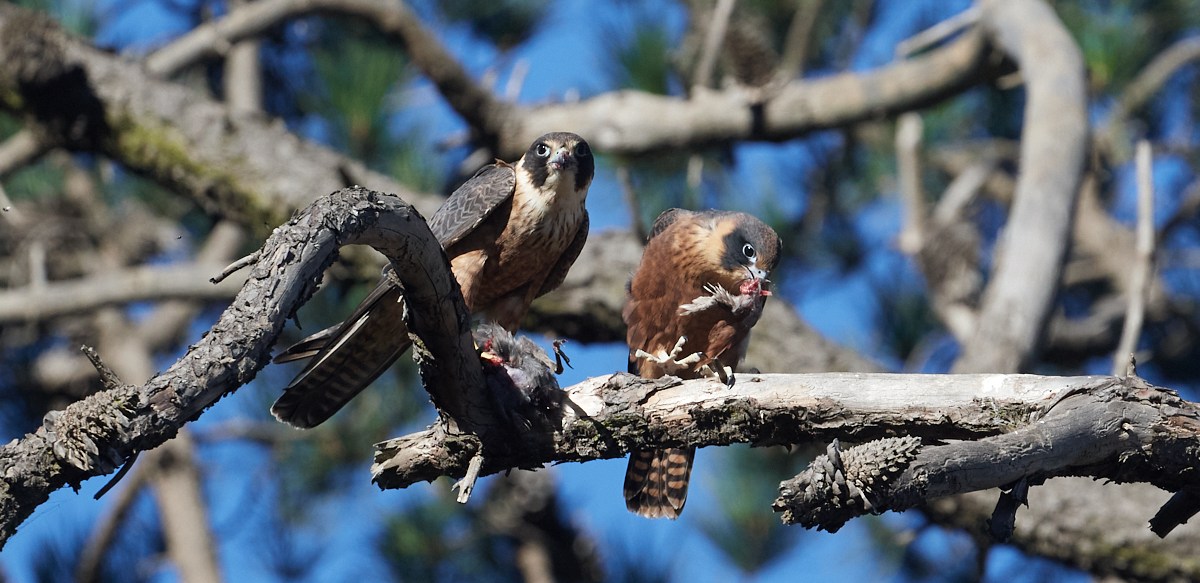
  • This pair have feasted on Wattlebirds, Starlings, occasional Welcome Swallows and quite a parade of young Fairy Martins.  Also other larger birds that were unidentifiable as he had pre-plucked before arrival.
  • Any passing raptor, or raven is chastised from afar, and if it still persists then one, or usually both, will take close quarter action. It consists of gaining height and rolling over into awesomely fast stoops on the interloper(s).
  • I can’t find a reliable reference, but it seems they can clip along around 85-90 kph in a straight flight.  In a stoop, the speed might be as much as 150kph  or more. They are only short bursts, not the long running dive of the Peregrine.
  • In Falconry, the male is called a “Tiercel”and Old English word meaning Third. Perhaps because he is as much as one third smaller than the female. Or is it she is one third larger?

From a bird I have had only the briefest of encounters with, it has given me quite an insight into why they could be trained and how much skill a falconer must have accumulated.

Here is an a couple of days activity before the young were flown.

Click on the Gallery for larger view and slide show.

Saturday Evening Post #114: Understated Elegance

Perhaps one of the greatest skills for a ‘portrait’ photographer is to ‘connect’ with the subject.

Some people I’ve met seem to have a natural aptitude for bringing out unique character traits of their subject.  A smile, nod, hand movement, a word or two, and suddenly there waiting for the press of the shutter is the ‘essence’ of the person’s personality.

There are so many reasons why people often (always!) say, “Oh, I don’t take a very good picture!”  Too true.
We want to have a candid photo approach, but we don’t want a candid result.

Yousuf Karsh, a Canadian portraitist from the 1930s to when he retired in 1992, was a refugee from Armenia. He apprenticed to first his uncle and then a prominent American celebrity photographer.

His photographs of the great and near great of his time include, what is regarded as the quintessential portrait of Sir Winston Churchill. The story of the making of the portrait is as great as the moment recorded.
Churchill, it is told, turned up at the photo session with his signature cigar.  Just as Karsh was about to make the exposure he walked up toChurchill and removed the cigar from his hand.
The result shows a ‘miffed’ Churchill, yet one that brings out the essence of the subject.

Different time, different subject, different circumstances.
Martin Luther King,
King’s life can only be described as frenetic. Always on the move, always surrounded by helpers, people congratulating him, or commiserating.  The famous portrait was made a quiet corner of a church. The simple setting enabled Karsh to bring out the qualities of leadership, visionary and engaging personality.

Another that is quite confrontational, and given the subject, so it should be is Fidel Castro.  Frame filling, piecing eyes and wisps of shadow glancing over the facial planes make a compelling image.

See more his portrait work here.
If you do visit this site, be sure to click on the Sittings page, and type in the name of one of the studies. Then  click on image and it will open up to a little of the background to the portrait. Fascinating.

Here are a few Karsh quotes.

Within every man and woman a secret is hidden, and as a photographer it is my task to reveal it if I can. The revelation, if it comes at all, will come in a small fraction of a second with an unconscious gesture, a gleam of the eye, a brief lifting of the mask that all humans wear to conceal their innermost selves from the world. In that fleeting interval of opportunity the photographer must act or lose his prize.

I try to photograph people’s spirits and thoughts. As to the soul-taking by the photographer, I don’t feel I take away, but rather that the sitter and I give to each other. It becomes an act of mutual participation.

Light thinks it travels faster than anything but it is wrong. No matter how fast light travels, it finds the darkness has always got there first, and is waiting for it.

And just because we’ll allow him a sense of humour,
The trouble with photographing beautiful women is that you never get into the dark room until after they’ve gone.


I’m often quoted—or misquoted—for wanting to bring out the character of the birds that we meet.
Some birds can be cooperative and its possible to spend sometime making sure things like, lighting, background, pose and the like are helpful. Others, are fleeting and gone.

If nothing else Karsh’s work hints at the need for outdoor photographers to adapt the camera to the subject. We don’t have the luxury of the formal studio portrait.

Yet that mobility enables us to be flexible and capture natural moments.

Bronson is a hard working Dad. We have had the good fortune to work with him through three clutches, and our presence is no longer seen as a threat.

I do therefore, take some liberties with his patience. But always out of respect.

No  photo is worth agitating a bird.

I am, I guess I need to add, quite a critic of my own close approaches, and like to think I have over the years become attuned to a wing flip, leg move, head shake or downright glare that indicates I’ve crossed a line.  Apologetic I retreat.

He sat in the soft early light, and the thought of “Elegance” struck me.  I then worked about to find a suitable background.  The small tree behind gave me an isolation for the head, and the branch gave him a feeling of place.
Waiting is something a Black-shouldered Kite is gifted with. I too needed to wait for the head turn, the piercing eyes surveying the field and the relaxed body.
Click

Any relationship between this shot and Karsh’s “Grey Owl“, is purely coincidental, and no comparison is intended or suggested.

Enjoy
Saturday Evening Post #113: With Gratitude

Simple Post—With Gratitude.
When I was very much a young bloke, I was a member of a speaking club.  Mostly a social thing as I recall, and of course, a few business contacts never went astray.

One of the points that I recall from all that is the reviewer saying over and over.
“Make sure that you state the purpose of your message up front, early and clearly. So no one has to ponder what or where you are going. No one wants to listen for twenty minutes and then finally discover what the topic, and your point of view actually is”.  He probably didn’t end with a verb, but hey…

Magazine editors make the same demand of feature writers. If the lead is buried 5 paragraphs down, its either rewritten, or returned.

And So I find myself as we approach the end of the year, scarcely able to grasp where we have come this year, not only  physically and emotionally, but photographically.

And it lead me so far to be Grateful that I’m even here to write about it.

I’m also grateful to everyone who has kindly ‘Liked’ the blog, and to those special people who’ve taken a few moments to add their thoughts on the subject.
Me writing a blog does not make me the expert, and really it only exists if people take the time to read, and view the photos. Thanks to your all.

My gratitude to all those on the front line who have stressed and strained under the most dreadful conditions to keep us safe. What else can we say. Thank you.

To the coffee dudes in the local coffee shops who’ve struggled to keep their businesses afloat, to provide food and also a social meeting point that has helped to relieve some stresses.  Thanks.  And thanks to my plastic card that has tapped and gone so many times on cups of coffee to go.

Thanks also to the lockdown, yes I mean that.  As its given me the chance to sort out my runaway photo library. Now a svelte shadow of its former bulging self, I think I am confident the dross has been discarded.

And to the software manufacturers who have plied me with ways to “Bring out the Picture within my Photo.” with their special sauces and blends of technology. At least this year I’ve been able to play with them, and actually laid out money for one.

Thanks to EE, Mr An Onymous, Dave T David N, Len T, Chris L and so many others whom I have had the pleasure of sharing the bush, and the birds and their special patches.  It’s been a thrill each time.

And thanks to the birds. Without them ….asPoetry wouldn’t be as exciting to work on.

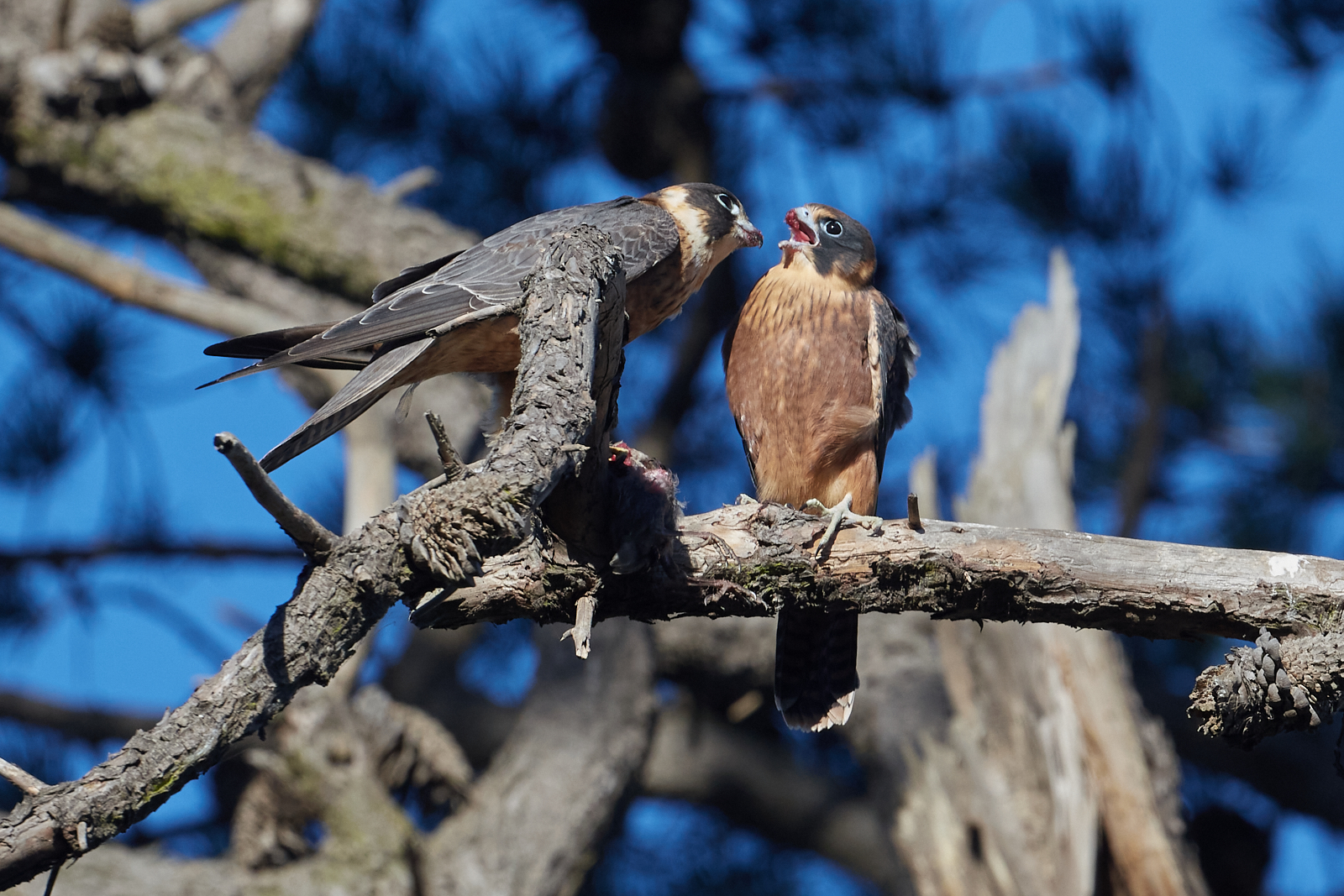
The Australian Hobby here is the female of a nesting pair.  She has just been delivered a meal for her young. Time to prepare it and feed her growing brood.

The eternal struggle to maintain the species goes on. Ohh ending on a preposition.(Be grateful I ended)

Saturday Evening Post #112: Staying Fresh

Been a bit of a review time this past week.

Among other things I came across a few blog posts that resonated with me at different levels.

One is from a local blogger. George Handel,  No not THAT one. 🙂 George and his family have been recording their walks, bike rides and explorations of places in our local area. (mostly).
I think one of the things the Corona lockdown did was to give us an opportunity to explore local parks and places that we probably would normally overlook. George takes us on a fine little visual journey through some of their family favourite locations.
The other thing the lockdown has given us is an appreciation for things local, and the chance to explore them.
It often concerns me that as birders, or photographers we travel for many hours to get to a spot, and on the way blindly pass by many other worthwhile locations that would no doubt yield many great sightings and photographs.
And finally George times many of their visits around Pie Shops.  No point in being out and about if you can’t find a decent pie, I always think.

Another came to me via a newsletter.  William Beem, talked about the sequels, using many movies as examples.
Star Wars, Lethal Weapon, Pirates of the Caribbean and Terminator, just to mention a few.
His point being if you strike an emotion with an audience visually, they want to you to keep doing it over and over again.

Which leads to the point, that sooner or later, there is no growth, and each shot is made to achieve the same emotional appeal, and your vision becomes stale and stunted.  Writers I think, call it “Writer’s Block”.

Does it happen to bird photographers. Absolutely, your current scribe stand as evidence for the prosecution.

But, we also have the seasons on our side as birds, and their behaviour changes across the seasons. Which I think makes it exciting to be out and about at any time. Hopefully that keeps us fresh.

Another interesting analogy came from Ken Rockwell,(Yep, the blog everyone loves to hate), where he was talking of complaints on the internet about camera colour rendition, and of colour perception.
He likened it to everyone’s ability to talk forever about how pianos are made, but for ordinary players the subtle variations of a concert piano are eclipsed by their own limitations of playing. To a Master the subtle variations are everything.

Reminded me of a scene from the movie “The Blues Brothers”. The band goes to Ray’s Music Store to pick up some instruments.
The keyboard player complains about the feel of a keyboard, trying to beat the price down.
Ray, the owner, steps out from behind the counter and proceeds to the keyboard, (Ray, is in fact Ray Charles, for those who haven’t watched the movie 99 times))

Ray sits down and belts out one of his famous numbers. Concluding that there is nothing wrong with the keyboard, and it might well be the lack of talent of the keyboarder.

As Ken finishes off, “Art its not the duplication of reality: art is the expression of imagination.”

Photographic Essay: I Thought Everyone Loved Me!

This is a story from earlier in the year.

The young Black-shouldered Kites had only recently fledged and were still in the process of learning how to use the muscle control of the wings, how the wind varies. and that it might be possible eventually to fly in something more than a straight line, and land by simply crashing into things.

As it turned out this youngster got to the air, but with a strong wind blowing it managed to drift away from the shelter of the nesting area and about 200metres out eventually land in the leaves of a tall gum tree.

What it didn’t know, and was soon to find out, was that a pair of Red Wattlebirds also had a nest in the tree and some fine youngsters coming on. And at that stage they had a zero tolerance policy for any bird, stray or otherwise from resting near their young.

After several swoops the little Kite realised an important lesson in life. Not everybody loves a cute little ginger and white Kite.

Under attack it took to the air, but it didn’t have the aerial skills of the Honeyeaters that mercilessly chased it from the area.  Taking out a beakful or two of back feathers in the process.

A week later it would have been a different encounter, but the Honeyeaters pressed their attack with avengeance.

Here tis.

Saturday Evening Post #111: The Almost Portfolio-Revisted

Or perhaps the subtitle, “The Ones that Never Quite Made It”.

Was revisiting a blog by Spencer Cox who wrote earlier in the year about the photos that didn’t quite make it into the portfolio.
The ones taken at the same time, same location, same subject. The one you share and are happy to show around.

And

The ones that never have a life beyond the hard-drive.

Now Spencer, to be told, shoots mainly landscape, architectural and portraits.  So on location, he is likely to make a few variations of the same subject.

For those of us who are working mostly with wildlife, and here on the blog with birds in particular, it’s not very often that we get out-takes that are so similar that we mull for hours over the choice of which one to use.
We either have it, or it’s a missed opportunity.

Sure, I can shoot a ‘bird on a stick’, and blast off 20 frames. But really, there will be so little variation that any one of the 20 will be fine. Or, we meet a moment, the action happens, and 20 more frames won’t hold that magic. It’s gone.

I’ve never been much for multi-burst. (old fashioned I guess), I never worry about the camera spec that tells how many frames I can get in the buffer before the camera stops taking shots.
Except: I do use it for some inflight shots. Mainly because I’ve got the bird in the viewfinder. If I try for single shots, I wander off the bird action very quickly.

It might be interesting to think of some of the great photographs that have been made over the years, and ponder what the ‘out-takes’ might have been like.
Steve McCurry’s Afghan Girl, Henri Cartier-Bresson’s Behind the Gare Saint-Lazare, Paris–of the man jumping a puddle,  Galen Rowel’s Rainbow over the Potala Palace, Winter Home of His Holiness the Dalai Lama, Lhasa, 1981.

No doubt there were several frames one side or the other that were nearly as good.

Sometimes there was only one frame. Think Frank Hurley and The Endurance trapped in the ice

or Ansel Adams, Moonrise, Hernandez, New Mexico

Because of the time, the place, the equipment and the moment, there are no ‘out-takes’.

I once knew a photographer, who travelled the world making shots for magazine and books to demonstrate various photographic techniques.  He also shot using a specially built camera panoramic shots on huge pieces of film.
On one occasion he was visiting Australia and a trip along the obligatory Great Ocean Road was in order. Unfortunately the day he went, the weather was atrocious overcast, rain and hail.
He did setup and use the pano camera to make a shot near Loch Ard Gorge and captured all the power of the surf whipped up by the strong winds. It was really a misty interpretation.
It did however get made into a large wall-mounted print that graced the hallway of a certain multi-national company. From memory the width of the print was close to 3 metres.
Interestingly he also shot quite a large number of 35mm transparencies. And after they were returned from processing, he set up a small light box and proceeded to edit them.  Out of 36 shots to the roll, he probably kept 2 or 3. Now the cardboard rubbish box he had contained some images that I would have loved to have made.
But out they went.

Spencer talks about why one of his images made the folio, and the other(s) didn’t. It can be a matter of lighting, placement, point of view, camera settings, changes in lens or simply movement of people.  In the end. One picture has to carry the story.

There are a lot of ‘almost portfolio’ shots from our morning with the Yellow-tailed Black Cockatoos.
But in the end, I chose this one.
Why?
Because of the angle. Because of the wing action and because the light was over the face.  The few shots either side miss out on one or more of those elements.

And above all, for me, it is a little quirky, like the bird.