One of my favourite places at the Point Cook(e) Coastal Park is a walk to a little piece of land jutting out into the bay. It’s more a sandy promentary as its sands have, over the years, been blown up to cover the underlying finger of basalt that juts into the bay. On the Park Vics map it is called “Point Cooke”. The name just confuse the matter even more.
The landmark was so named by Captain Hobson, (he of Hobson’s Bay), commander of the good ship, “H M Rattlesnake”. Hey I’m not making this up!! The ship’s mate was one John M Cooke and as there were no bays left to be named perhaps, Johnno got the Point.
On a low, low tide, called a Spring Tide—so I’m told, the little finger of basalt is exposed for about 100m or so into the bay. Not only the rocks, but the whole sand shelf is exposed and it’s possible to walk out to the edge of the shelf. On a good day, the birds accumulate here to rest on the rocks, paddle in the pools or just loaf on the warm sand.
Photographically speaking, afternoon light is best as it’s possible to walk, or wade out in the water and have fine front light over the birds as they sit about. Early morning is good, but it’s not possible to get too far out with the birds as the water is deeper on the northen side. But the early light adds its own charm.
So here is a small collection from the morning’s work.
Enjoy
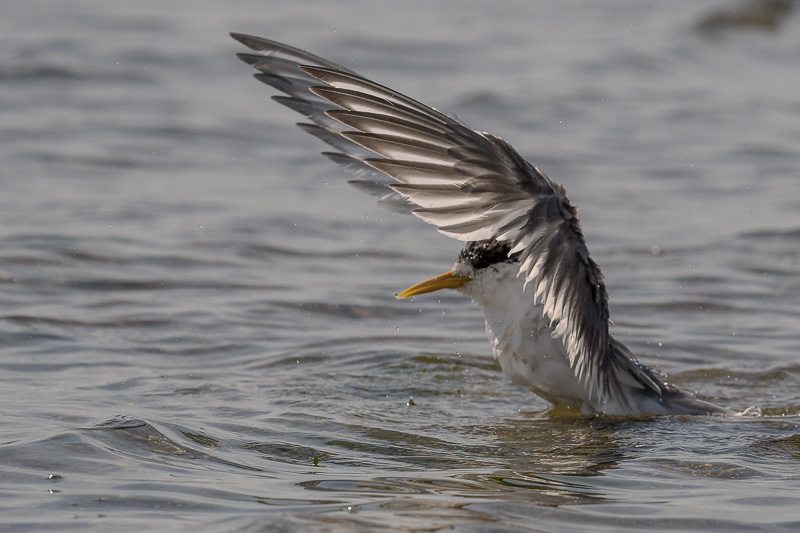
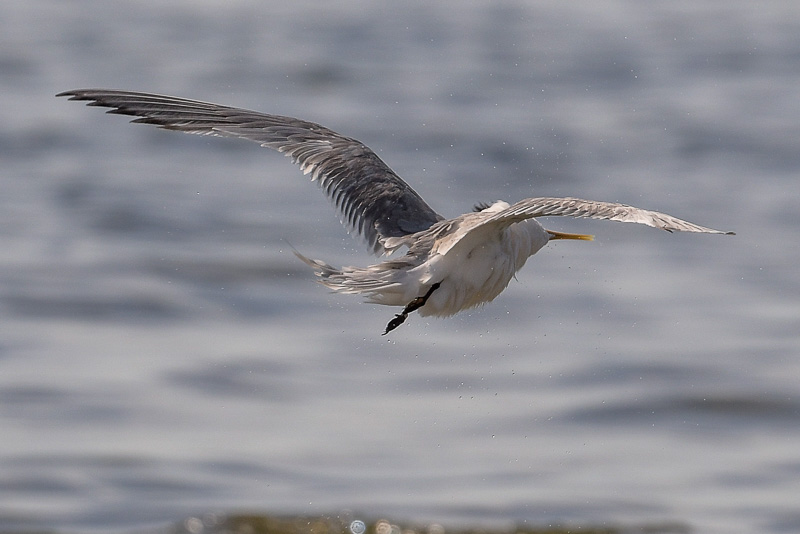
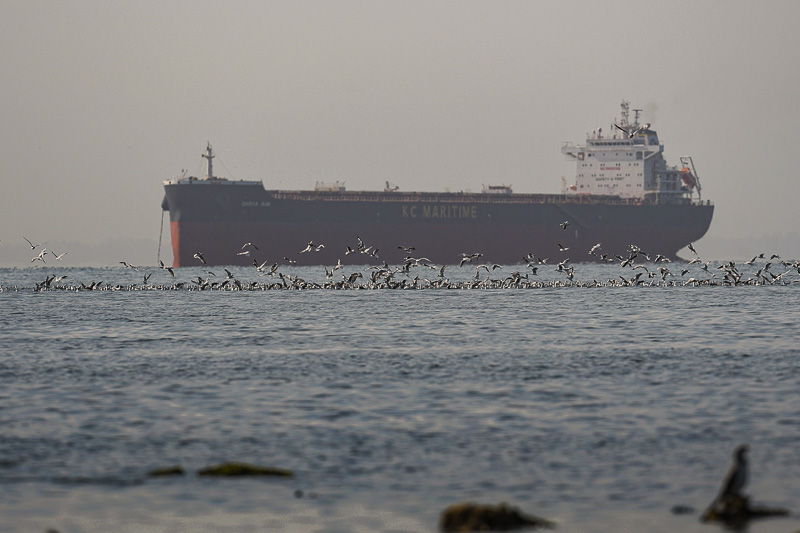
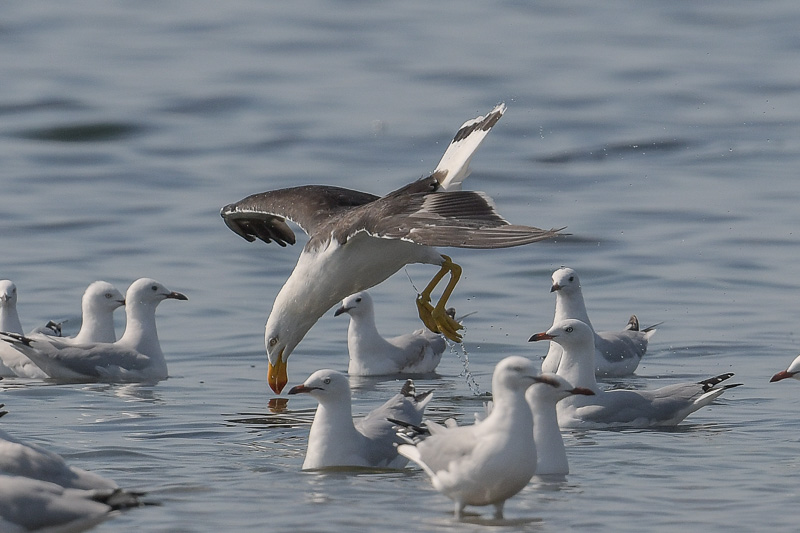
White-faced Heron on final appraochLots of Greater Crested Terns stopping by to rest on the rocks or sandWhiie I was busy with the terns, this Pelican wafted in silently and I turned around to realise how close it had landed.Greater Crested Terns really make the most of the shallow water for a bathAnd spin dry to remove the water.Shoals of fish further out kept the Silver Gulls and Cormorants busyThe Pacific Gull joined the Silver Gulls and showed off its own special technique of grabbing the small preyCoughing up a fish ballPied Oystercatchers usually announce their progress along the beach in flight. This couple arrived silently.
There is something quite distinctive about a Magpie’s call to warn of raptors in the area. It would be a fascinating study to plot the soundscape and work out some of the subtle variations. For instance, the main call is short and agitated. Yet depending on the level of danger, there are differences in delivery. A Kite circling somewhere over Argentina, is called by a Maggie out on the paddock here, more as an ‘headsup’ for it family and near neighbours. A Swamp Harrier working its way along the lower fence line a kilometre away might get a variation of the call, indicating a more serious warning. A Falcon working through a close treeline, will be given even more attention, more regularly and a much sharper and shrill call. And so it goes. A raptor resting in a tree, while the family is still fleldging young, is really at risk of evoke the ire of the family, and the entire clan. And many short sharp calls will eventually move the raptor into the open. So when I hear those calls going out, it is often wise to stop and consider where the raptor(s) might be. As my Tai Chi instructor rightly pointed out, ““If you can practice even when distracted, you are well trained.”
It’s not so unusual for birdwatchers, and bird photographers to be a little closely tuned to the changes of bird calls. Those that have followed this blog for a long while will know I regularly quote Jon Young. Jon, is a US native tracker and trainer. His book, “What the Robin Knows” has lead me on a number of discoveries of bird language.
Yet, in spite of all that, sometimes even the obvious escapes. I was alone on the beach area at Point Cook, EE had checked the beach, declared there was no sign of the young Falcons we were looking for and headed back up the paddock toward the new growth pines.
As I turned back off the beach, I heard the familiar “pip, pip pip” piping of Oystercatchers in the air. I looked along the beach in the direction of the call, but could not discern any shapes that matched. Darn Cartaracts! I’ve got to go get them looked at! Then I spotted a largish flock of 20 or more heading my way, and all bunched up, and quite close to the water. A little unusal, but I made some frames as they sped past. Suddenly they were followed by several skenes of assorted Cormorants, all equally in a hurry to be somewhere. Perhaps the fish were in on the low tide? And just as quickly a couple of largish flocks of teal and black duck. These birds were not on a seaside excursion looking at the scenery. They needed to be somewhere else, and looked for all the world like they should have already been there.
“Something has put them up,” I exclaimed to no one in particular, and as there was no one else on the beach near me, it was just as well.
Next a motley collection of Silver Gulls also went by in a straight line. “Something has put them up,” I concluded. The little bay where all this happened is quite shallow at low tide, it’s possible to walk out 150-250 metres and never get your knees wet. There had been, I’d noted earlier some people around the point wading in the water, and thought, perhaps they ventured just that little too far out and the birds objected.
Looking along the beach line, the swimmers and waders had left the area. So I wondered, out loud, to no one in particular, “Perhaps a Kite has put them up or maybe a Falcon?”
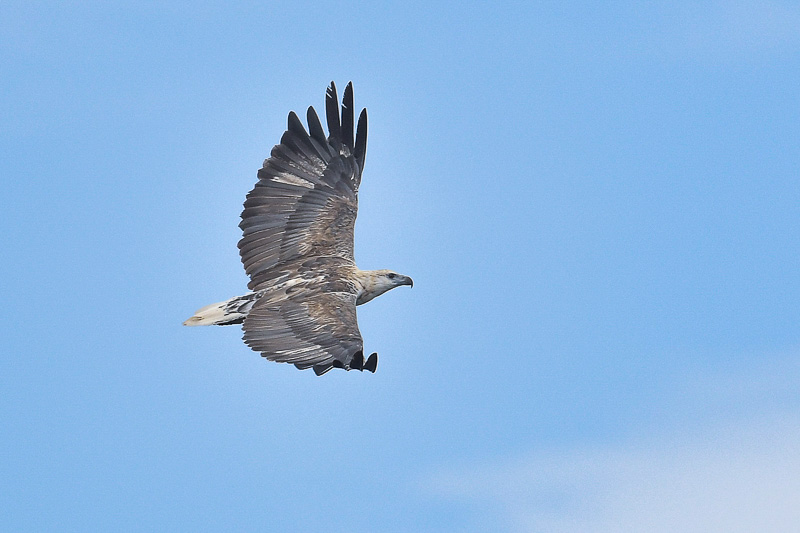
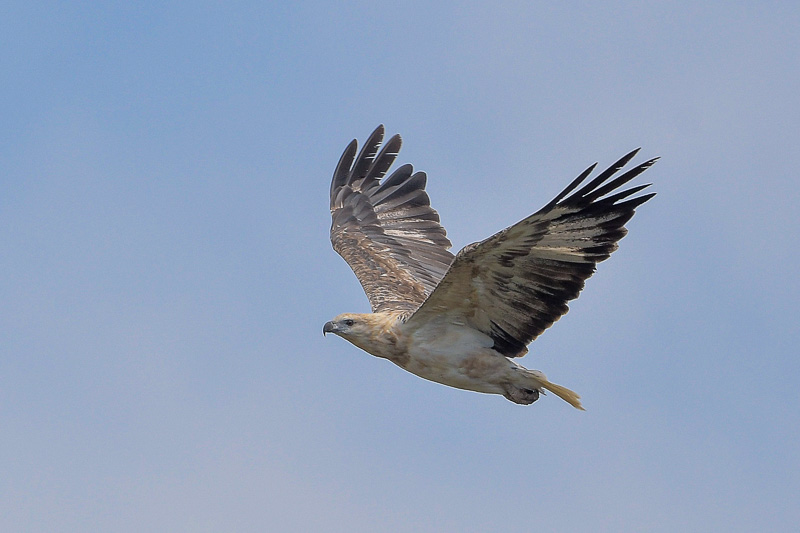
And on a start, there was a shape just above the waterline. Heading down the beach toward me. I didn’t worry any more about the cataracts. ”It’s a Sea-eagle”. ”No wonder everybody is on the move!”
It was a juvenile bird and swept down the beachline in no particular hurry. It’s luncheon options had already disappeared way behind me. Came over my head, swung inland made a subtle U turn and landed on the tallest tree on the shore line. It could probably see to Argentina from up there.
Excitedly, I dialed EE to tell her of the good news and the option to come see.
Now, here is another strange thing in this digital age of mass and urgent communication. Any text message, from family, friends, lunch meetings, coffee gatherings, junk mail, spam, sales offers from Rivers or Rockmans, and of course the occassional scam text, are answered and replied to ‘instantly”
An important message, “Hey, I’ve got a Sea-eagle on a tree on the beach, come see” is ignored. Go Figure.
So the Sea-eagle and I settled to our roles. Eagle, to look majestic and stay perched. Me, try and get the best angle. The pictures tell the rest of the story.
(PS) and EE did eventually get the message and turn up, just before the bored Sea-eagle decided that the fishing was better further along the beach.
Enjoy
Pied Oystercatcher in tight formationYou can almost hear it humming as it casually came down the beachlineBig turn toward the shore lineHardly a wing flap Sailing over my headBest viewpoint in the areaTime to GoHeading out
Our most recent outings have all been in the one location at Point Cook Coastal Park. At least three families of young Black-shoudered Kites have been working in the area. As best we’ve been able to count there have been nine young Kites, with at least two of their supervising male adults, one semi-resident male, who has a second clutch on the go and is busy feeding Madeline, and perhaps two or three late juveniles that have started to lose their apricot colouring and take on the rich red eye colour.
Intruiging to walk down a roadway with up to eight or more of them sitting on fence posts all calling and tail-wagging in territorial poses. While in the air around them several others are applying their skills for a feed.
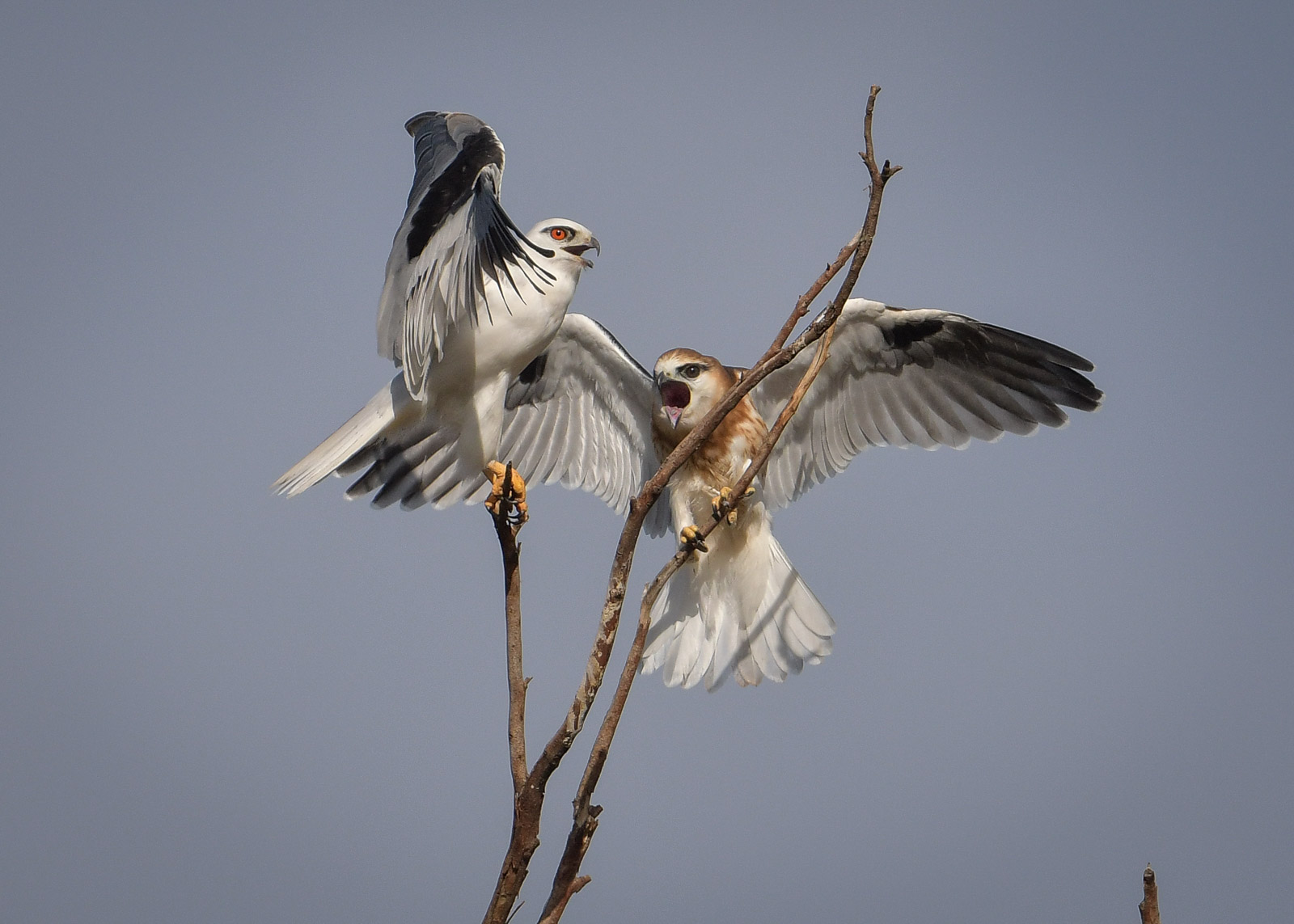
But with finite amounts of mice, and so many kites a few squabbles were inevitable. And Mike was not happy about having so many extra mouths to feed when he has the new clutch growing.
As I said to someone the other day, it’s the stuff to fill memory cards on. And I’ve wondered how many feeding Kite pictures does a blog need. Still I don’t know. So here are the dramas from a few days.
Enjoy!
This one seemed to me to be an adult the way it was hunting, and I was suprised to see when I looked closely it was a juvenile.
They pull out of the headlong dive just before the ground and the feet are swung in to land on the prey-mouse.
I’ve been near them from time to time and they hit the ground with quite a distinct, “THUD”If you can’t catch a mouse, then it’s fair game to stop the next bird in their hunting efforts, which always results in a few circles of the paddock as they sort out the differences.
Now this I’ve never seen before. This bird is eating the mouse on the wing. It’s a bit to dangerous to land on a post to have a leisurely meal as one or other other the others will make a pass and try to relieve you of your catch. They fly quite high to do this action, and then hover-fall as they reach down and take pieces, until it can be swallowed whole. This is one of the older two or three that have lately come to the paddock. It has easily secured a meal and is keeping it quite hidden from everybody elseOld enough to defend itself, it was lining up for a fence post landingA large tail-flick is a warning to all that is prepared to claim territory. It has also dropped the wings to ‘mantle’ over the mouse.And here the tail is covering any sign of its possession.Meanwhile Mike is running off any birds that try to hunt in his area.I’m not sure where the boundary was, but the young were continually hunted over the far side of the roadway. The young were quite capable of squabbling amonst themselves for the best positions. I came to the conclusion from the way they each returned to a specific area, that the mice were in that location.Another successful strike. And now to find a place to enjoy the meal.Ths is the same bird and its easy to see that it has the mouse very tightly tucked up to keep safe from the others. It spiralled up to gain height to eat it on the wingHere, it is enjoying the fruits of its labour. As it lazily difted down in a slow descent.
No doubt by this week, the fields will be pretty bare as the young will begin to move further down the coast or inland to find their own hunting grounds.
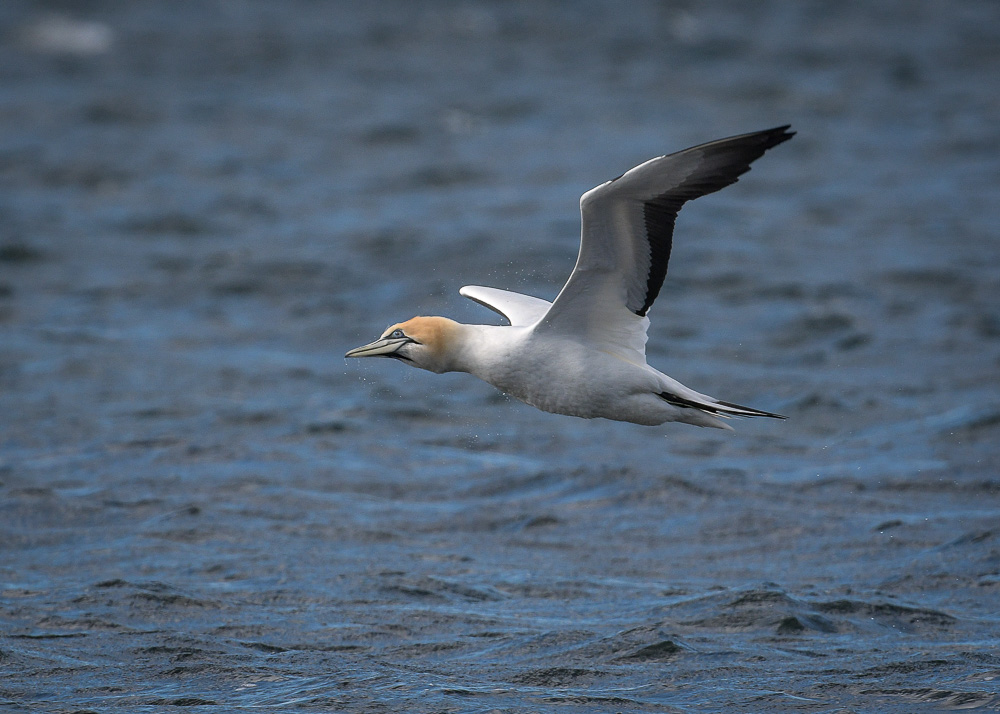
I didn’t expect to be showing another Gannet trip so soon, but the other day, the strong northerly winds and a very low tide exposed the sand and mudflats over the end of the basalt flow into the bay, and the conditions somehow suit the shoals of fish that work along the edge of the flats.
And of course the Gannets come up the bay to feast.
There is something quite magical about watching these creatures slice through the 40kmph+ winds, a flick of the tail, an adjustment of wing angle, a feather tip control and picking the right body angle into the everchanging winds is wonderful entertainment.
Here are a few from your wind-blown scribe standing in the mudflat at the water’s edge.
One photo does not do justice to the fine control they seem to have in the strong winds
Roll over for a dive
Locked on and down it goes
In that strong wind, it was just one wingflap and a jump and it was easily airborne again
Timing, timing, oh well, Just missed the best angle on the obligatory body shake to get rid of the excess water
Pretty excited today to see several young. They seemed to not come into close to the beach preferring to work in the deeper water
Pleasing to see that rich young colour set
Because of the shallow water they don’t do straight vertical dives.
We had chosen to go to Point Cook to see if we might get some close in Gannet hunting pics.
Well they were there, but so, so far out. Perhaps 40-50 of them, and a great splash was in progress. Lovely to watch, but no photos of distinction.
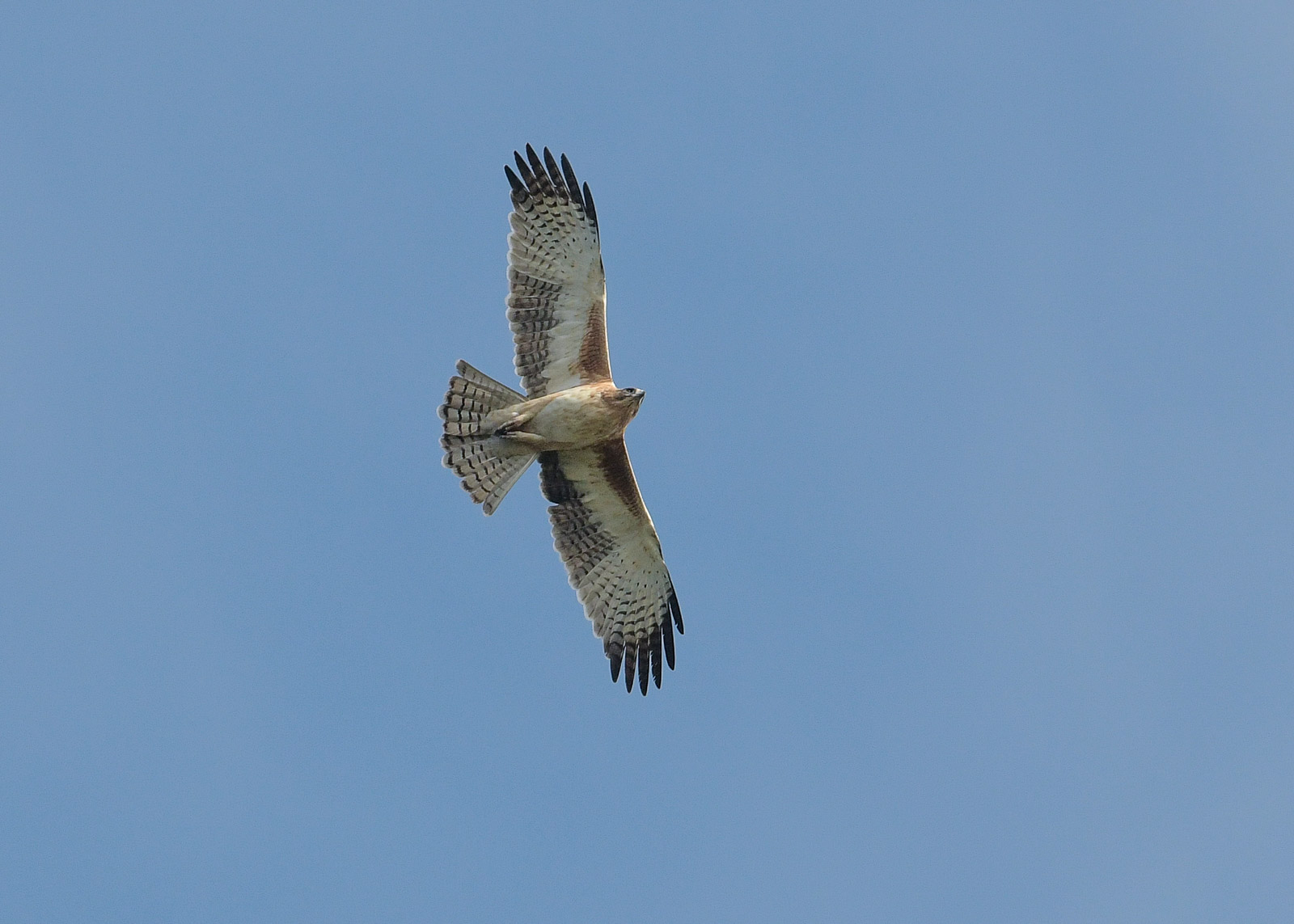
However, the day was not lost, as we managed to have visits from no less than 7 different raptor species. Didn’t manage a worthwhile shot of the Collared Sparrowhawk or a departing Swamp Harraier, but we were entertained over a cup of the Grey of Earl, by 5 Whistling Kites that seemed to want to play through the tall pines at the water’s edge.
Mike the Black-shouldered Kite is still busy as Madeline is sitting on a new clutch.Interesting to find a pair of Little Eagles. They kept high in the air to prevent the local Magpie neighbourhood watch from harassing them Cassia, of Cinnamon, and Alistair made a brief appearance, and were happy to sit together and exchange calls. While not a resident, this Hobby is making occassional shows through the parkFive Whistling Kites were out for a morning’s fun. They kept us entertained as they chased each other through the treesWe haven’t seen good number of the kites for a couple of seasons. The wonderful rich wing markings that kind of resemble a studded jacket were a treat. Such big birds, yet so highly manoeuvreable through the trees.And as we headed for home we found two Kestrels at hunt
Just shows that sometimes a day is unpredictable. Enjoy
We have been following a pair of Black-shouldered Kites since early January.
It’s been an on and off again project, both for the Kites and for us. Because of the distance, its just that little too far to be regularly checking on them, and in the beginning, they were somewhat half-hearted about making a start.
But by late Feb, it was pretty clear she had taken a nest in a pinetree next to a public carpark. The Point Cook Coastal Park is now surrounded on the landside by housing estates and is a popular walking, bicyling, picnicing location, so the carpark is always extremely busy.
Early morning light, or late afternoon is best suited for the location, and it was not unusual to see a photographer or two standing on the grass against the fence line waiting for the young to show themselves.
I thought it wise to wait until the cycle was nearly over and I had a reasonable show of the activities, rather than just publishing a few isolated moments of the action.
So in the growing tradition of the blog, here are the pics to tell the story.
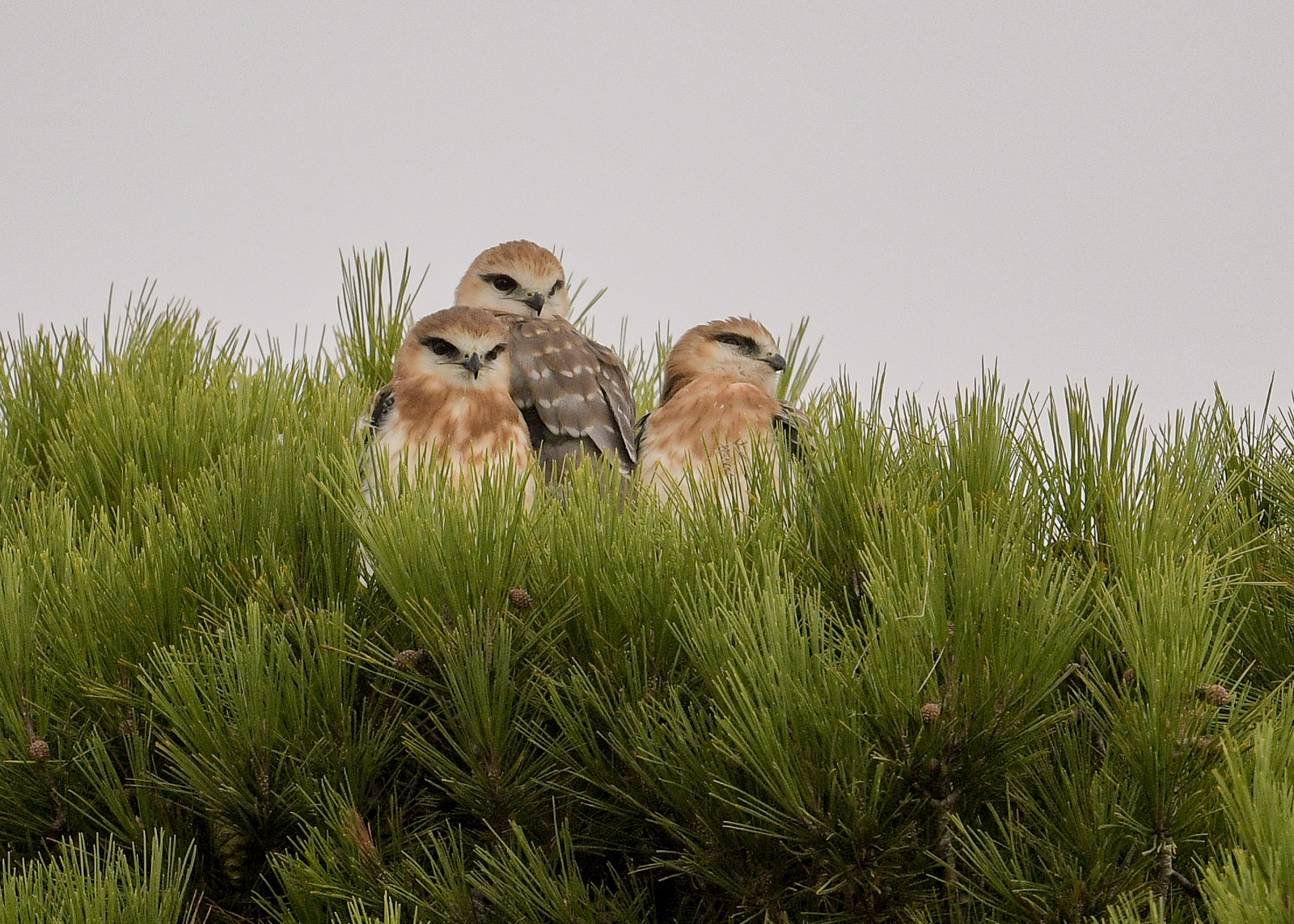
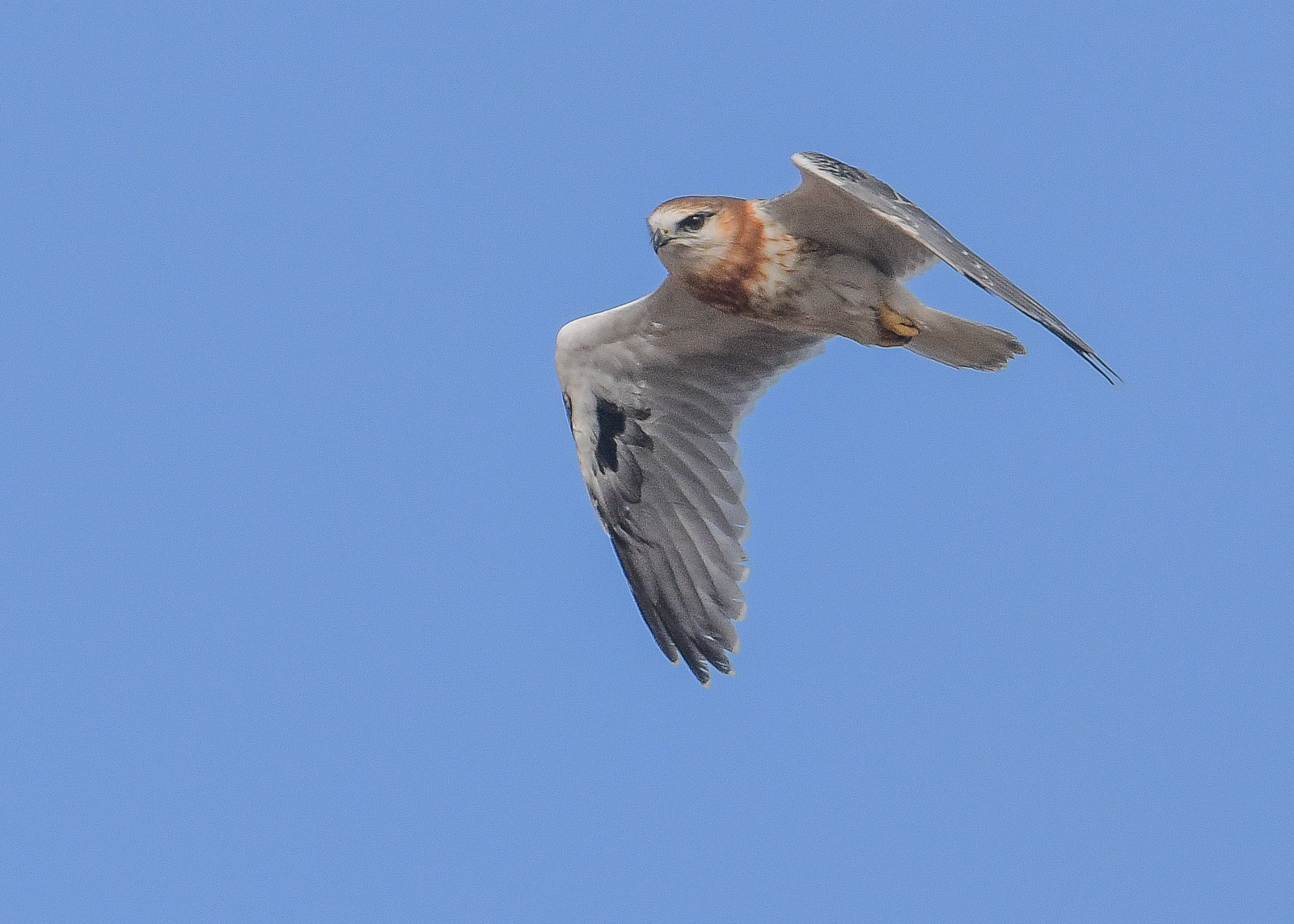
After a month of sitting on her eggs and another 3-4 weeks of feeding the young, Mum was finally ready to put them on display. At first we thought there might only be two, but eventually a third little head made itself visible. Perhaps one of the eggs was late hatching as it seemed one was always behind the other two in gaining the skillsOnce they were out and about, Mum went off for a rest and Dad took to raising and feeding them. They were very vocal in expressing their needs Not sure which day they flew, but one morning we arrived to find them out and about. Those first few days are a bit awkward in the air.Landing is always a traumatic event for the first few daysRule #5 In the Black-shouldered Kite Manual. Don’t harass Dad to go and catch a mouseTime to meet the friendly neighbourhood watchOne of the last skills to learn is aerial transfer of food. They always seem to be willing to participate in this activity. The one thing I’ve noted is that he already knows whose turn it is to take the mouse and will avoid the attacks of the others to be sure the right one gets the offering.
And like all good Black-shouldered Kite stories, the last we see of the young is them sweeping out over the field, hovering and then diving down to secure their own feed.
We are left to wonder is the pair going to have another clutch soon
So the old story goes: Give a man a fish and you feed him for a day. Teach him to fish And he’ll sit in a boat all day drinking beer. (at least I think that’s how it goes)
EE was out for the day, and as the weather was fine in the afternoon, I decided to go to a special place at Point Cook park. We don’t usually go out that far, as its a long haul through some very loose slippery sand so we avoid it.
A point in the park was formed millenia ago when the great western plains lava flows occurred. The lava jutted a tongue out into what was to become Port Phillip Bay. Over the years, sand has been deposited on both sides of the rocks, and two tiny little bays have been formed with the sand keeping the water shallow. On low tide the point can go out for about 150m or more, and on very low tide the sands are exposed and its possible to walk out most of the way.
The rocks form a lovely resting spot for the seabirds and it’s not unusual, even on high tide, to find cormorants, gulls and terns, and occassionally swans and pelicans making the most of the view.
I like it as a quiet, lonesome place. One of my preferred solo birding spots.
So I pushed on through the pine plantation, slogging over the hot slippery sand until I reached the coolness of the shoreline. Then a few minutes along the beach to the point. Luck would have it, it was late on a falling tide so there was some exposed sand I could walk out on. Because of the little bays, the water is pretty shallow and it’s easy to take off boots and socks and roll up the Levis and wade out a bit.
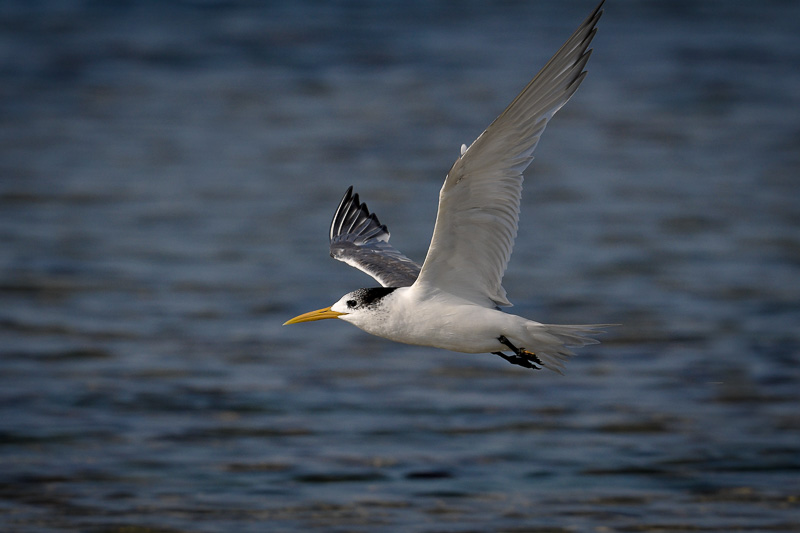
Greater Crested Terns were in abundance and fishing further out, but returning to enjoy a meal on the rocks. A scattering of Red-necked Stints were also in attendance, getting ready for their epic journey. When I walk out in the water paralled to the rocks, the birds generally are relaxed and don’t seem to pay any attention. Except for a pair of Pied Oystercatchers, that immediately moved as far away as they could to the sand on the far side. Then they do what Oystercatchers do best. They glared at me.
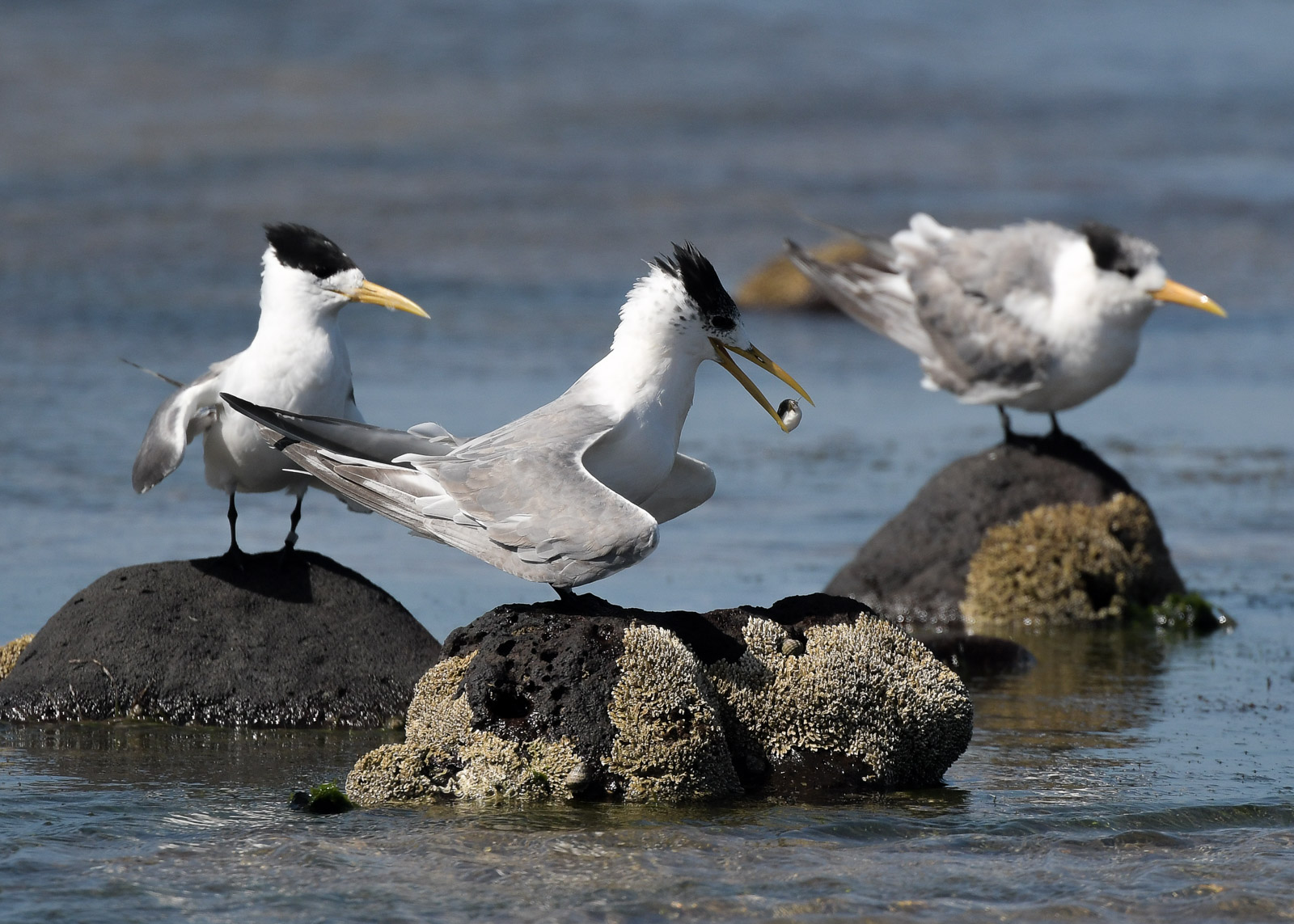
A tern came in with its latest catch and seemed to want to brag to everyone about its good fortune, and flew about from rock to rock cackling and playing with the meal.
I moved back to the sanddune and sat on the grass with a brew of the Earl’s finest and soaked up the feeling of isolation.
With a loud call and wing flurry the gulls all took to the air and at first I missed the action, then a dark shape flew over the rocks. Regaining composure, and the camera, I called out to no one in particular, “Arctic Jaeger”, and as there was no one else, its just as well I didn’t call to anyone in particular.
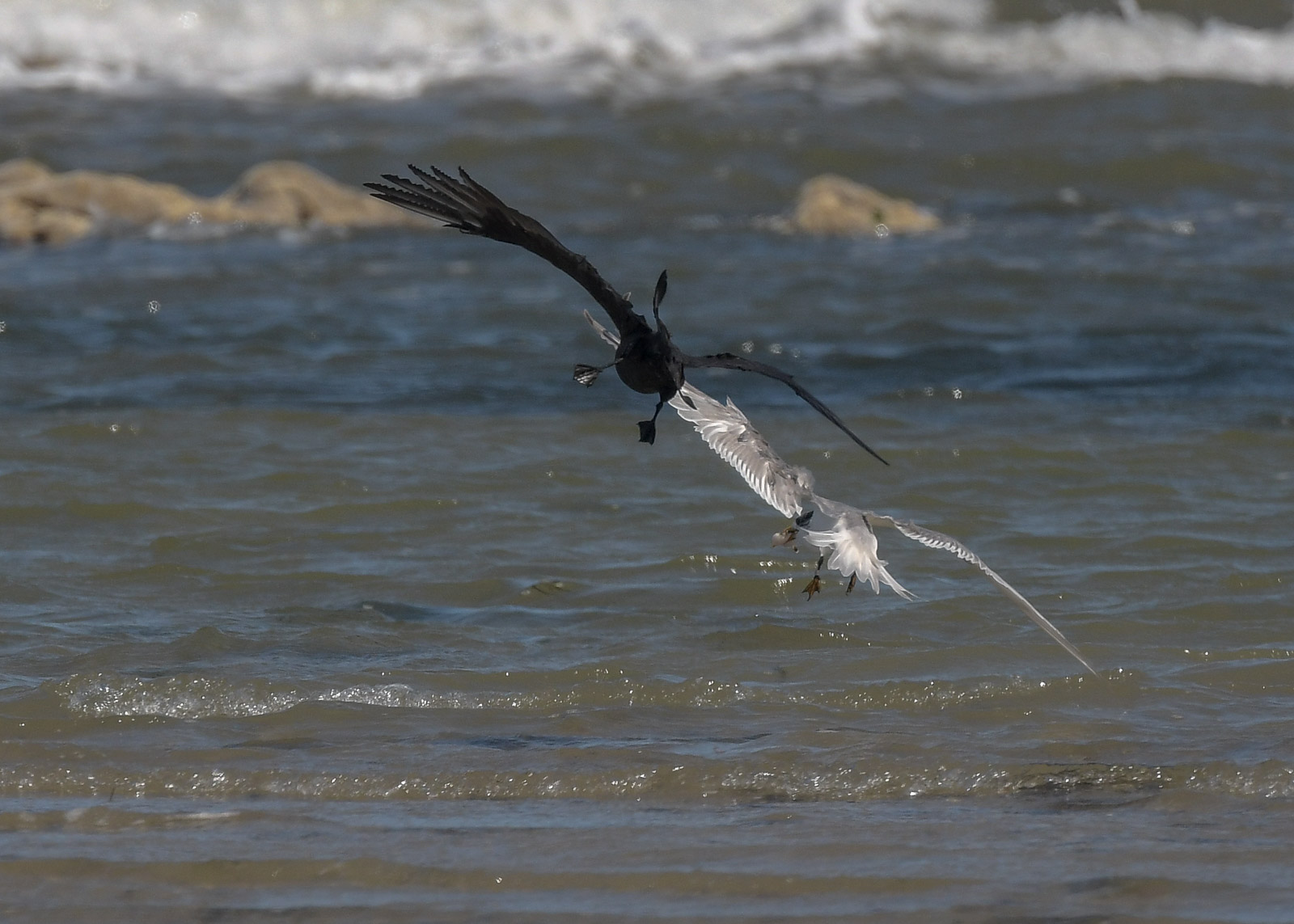
Sure enough. A Jaeger was looking for an afternoon snack, and what better way than to relieve some hapless gull of its meal. But they were gone. It turned to head along the beachline, just as an unsuspecting Tern flew in with its latest meal. The Jaeger summed the matter up in a split second and the chase was on. Jaegers have a surprising turn of speed and incredible air contol, at one point, its head was going in one direction, its wings in another, the body in yet another direction and its feet controlling the action.
Somehow the Tern managed to lose enough height to get onto the sand, and mantle its meal with its wings. Thwarted the Jaeger moved along the beach to retrieve some other offering and in the flick of a wing was gone.
Time had run out, so it was time for me to slog back through the pines and home.
Enjoy
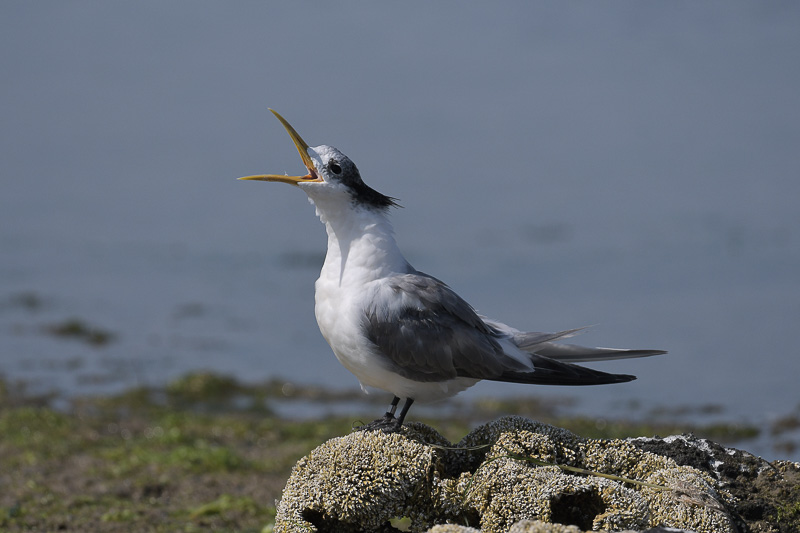
Greater Crested TernsA Greater Crested Tern doing a spin dry to remove excess waterA young Greater Crested Tern picking up from the shallowsOne of a handful of Red-necked Stints working the areaShowing off its prizeDon’t play with your food.Arctic Jaegar. A summer visitor, not one I’d usually see, and certainly not in close to shoreA very surprised TernJaeger applying the brakesA serious chase and one the Tern does not want to loseClosing inThe Tern was heading for the safety of the beach and managed to land with its food intact.Thwarted the Jaeger collected something from the beach before flying offAnd for bonus points! As I was leaving a Black-faced Cormorant flew in. They normally reside futher south in the Bay, so its been good to have a few around.
A movie that I never tire of watching reruns is the Hugh Jackman in, “The Greatest Showman”. I enjoy the fun and the intesity of the music and the dancers. Storyline is well… but the visuals really excite me. There is also some fine songs including the amazing, Keala Settle as the Bearded Lady and her song, “This is Me!” (PS if you want a great version of this song see Keala Settle – This Is Me | Abu Dhabi 2019 Special Olympics Closing Ceremony It is throat-choaking stuff and she looks like she is thoroughly enjoying herself)
Well, the other day, we were invited to enjoy Cassia, of Cinnamon’s version of the “Greatest Show on Earth!”
Her young are now well hatched and beginning to show some juvenile feathers under the white down, and so she is able to spend most of her day off the nest waiting for Alistair to being in food, and also to keep watch over the young from a high vantage point in the tallest Umbrella Pine in the park.
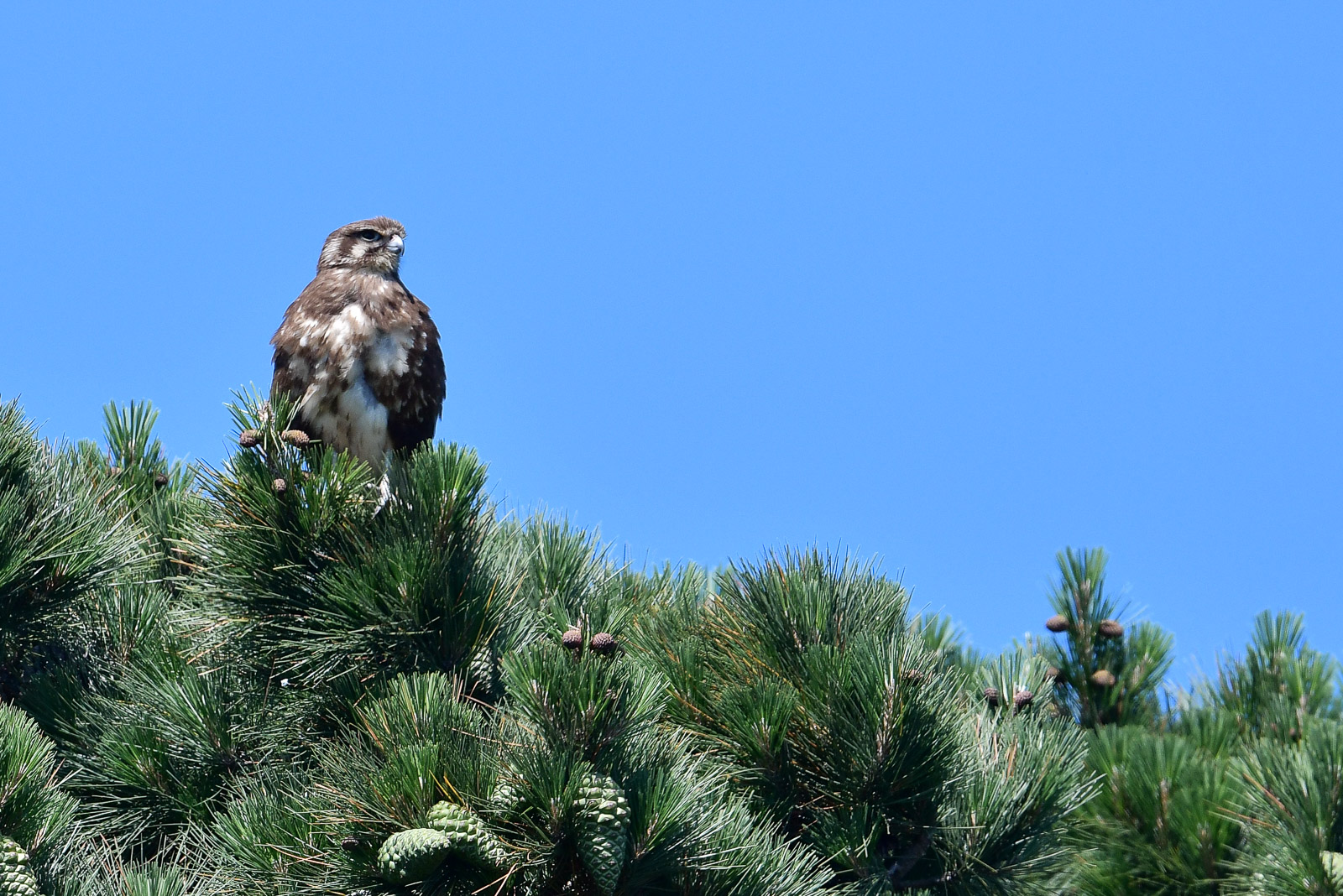
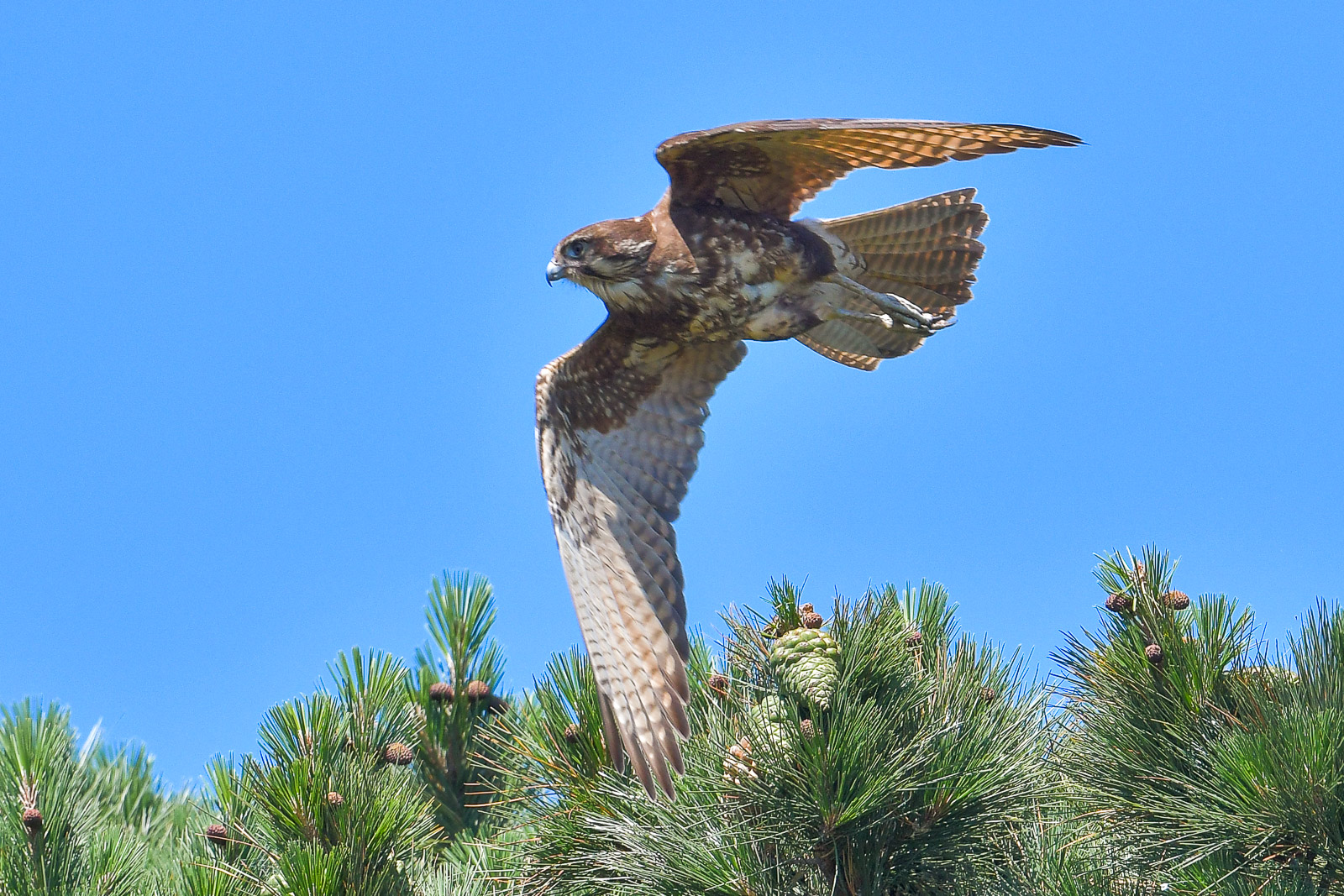
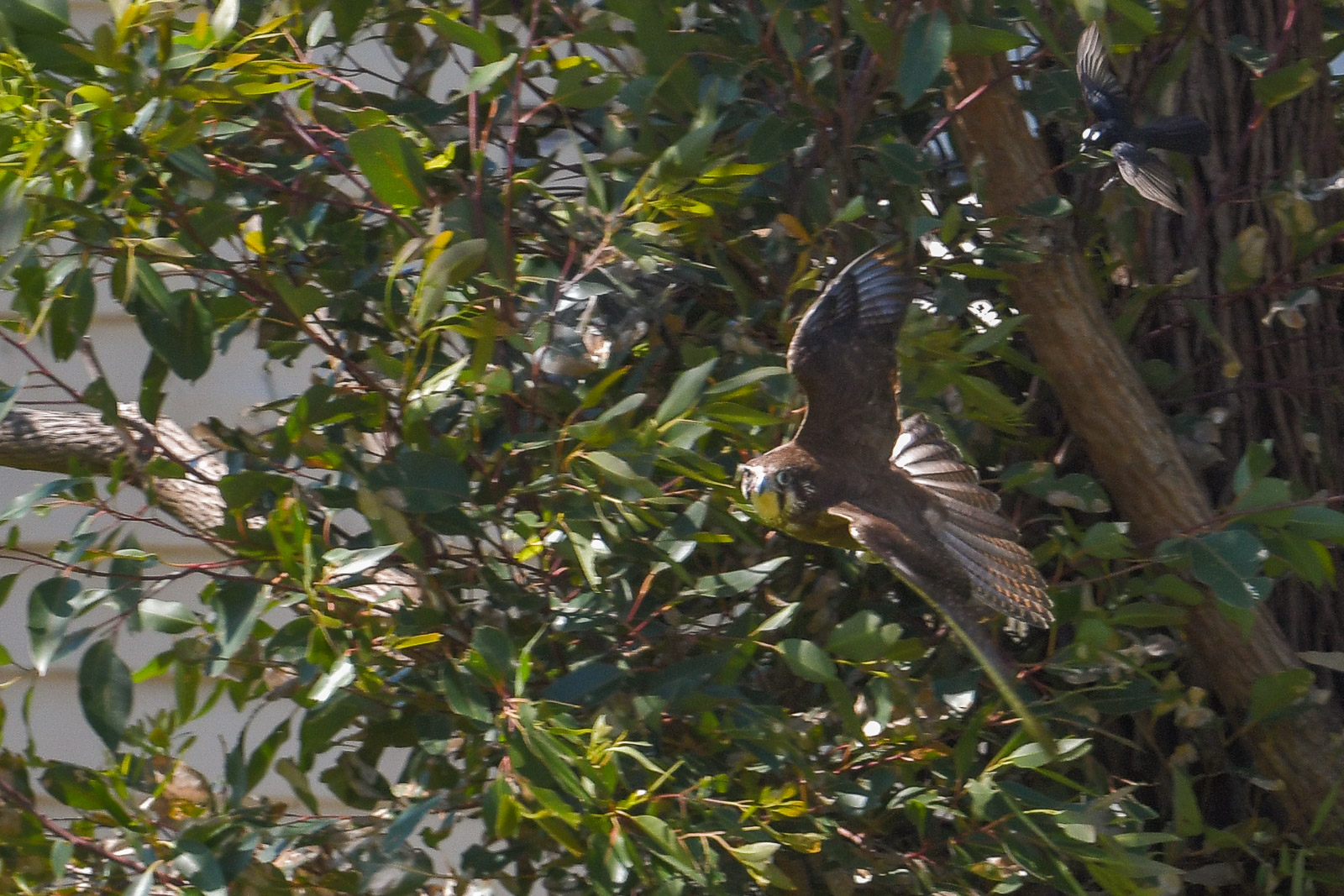
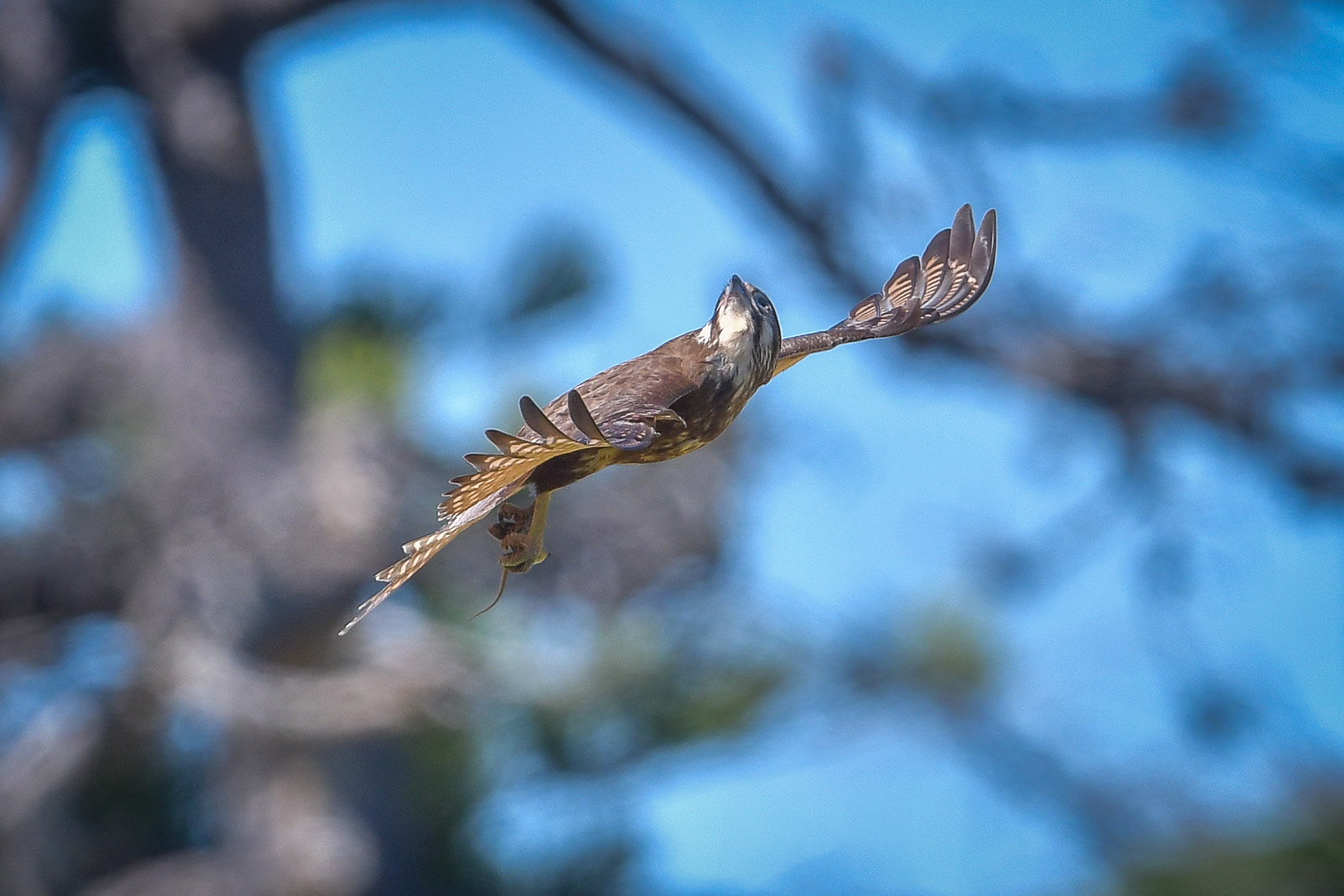
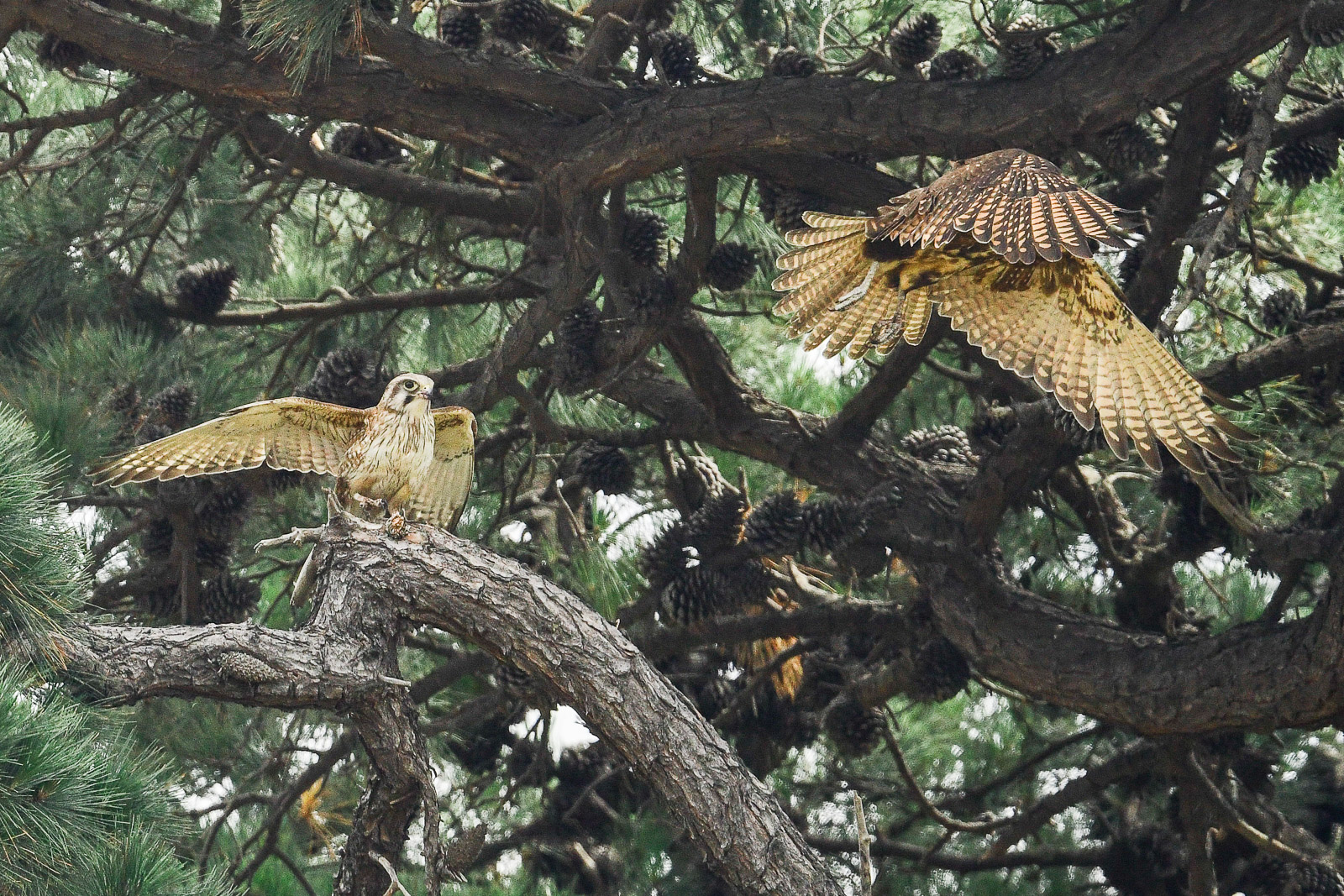
Cassia, of Cinnamon. The young are now well on the way to getting their first real feathers and she is spending more time off the nest.A favourite spot on an Umbrella Pine or Italian Stone Pine. She has a commanding view over the paddocks around and can easily spot the return of her mate, Alistair, wth foodWait, what was that. From her high vantage point she had spotted a likely meal on the groundToo easy not to try.When Cassia flew, I had no idea what was about to unfold, but it was obvious something had her attention.In a typical Brown Falcon move she headed straight down to ground level. We often think of Browns as being somewhat lumbering because of the over-arm rowing wing action. Nowhere near as sleek as their other falcon cousins. However this was a super fast run. I was so enthralled by her appoach on the ground that I didn’t make a single frame. She sped along the roadway just a few centimters above, and then dropped one leg, scooped up a lizard and immediately sped-up to make a climbing turn. No matter how fast you just read that sentence, she was faster.Of couse her arrival and departure didn’t escape the local neighbourhood watchTight turn, falcon wings tucked in.Lined up now for a direct ascent to the treeline.The infuriated Magpies were quick to respond as well, but with a turn of speed not normally seen by a Brown, she powered away to drop the meal in the nest for her growing young.Lining up to get a clean run into the nest.And here is one of the three young mouths that need feeding. This one has just opened for a wing stretch to show the very small wings sheaths still to develop.A tiny hint of the rich ginger colour of juvenile moult beginning to show.
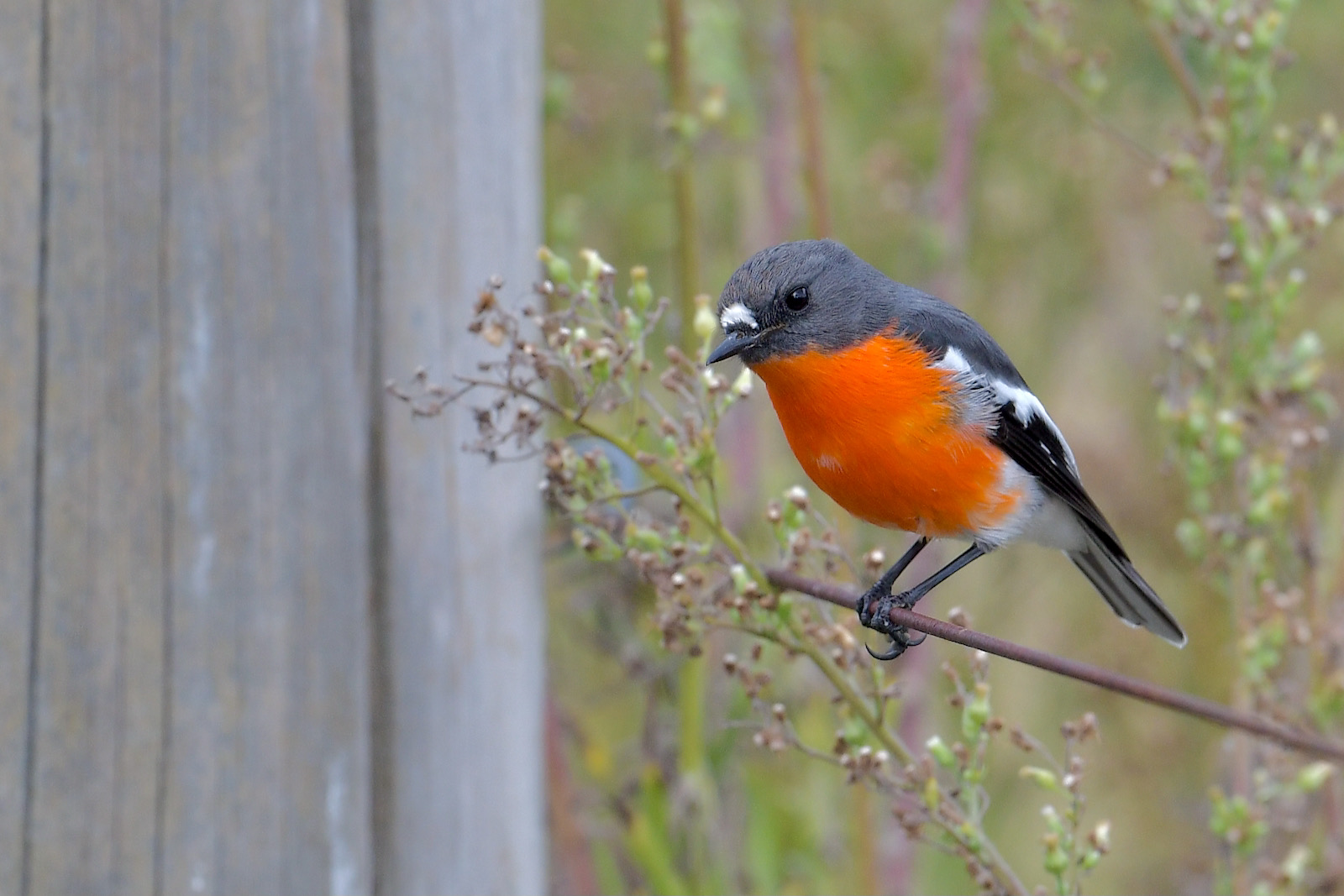
It has been a little over a month since the first of the Flame Robins began appearing at Point Cook. As usual they come down in a largish travelling party and then slowly disperse into smaller family groups about the park
Often the older females will stay together and the males will move to other parts of the park. We have been working with one smaller group that has 5-6 females, 2 males and several juveniles. The one that appears to be the Matriarch is still trying to persuade the males to move on a bit further down the field.
Now that they have settled in, it makes finding them, and photography a little easier. The Parks people have inadvertently helped by cutting a 10m or so firebreak around the fence lines so the birds are able to successfully hunt in the shorter grasses.
Sadly for photography there is not a lot of suitable perches and the fencelines offer them the best views of the area, if not the best poses for photography. But its been good to catchup with them and we now have more photos of the Robins from this season than for the entire previous two seasons that were constantly cut short by limiting lockdowns
So in no particular order here are some from the last couple of visits.
We found a family of Galah today.
They had discovered an old disused Southern Cross Windmill. Whilst it no long is used to draw water, the blades still function in the wind, and while it might not be as balanced precision as when first installed, in a strong wind it can crank around at a fair pace.
Now the questions arise. Did the Galahs know what would happen as they perched on the vanes, or was it all some fun thing to do that needed to be repeated to get the most from it.
None-the-less, for about 20 minutes or so they enjoyed exploring and learning about gravity. (?).
If one landed on a vane off vertical it enjoyed a slow trip down to the bottom of the arc. If two or more landed, then the balance could be worked out and the windmill did not turn, but when one left, either by flying off or moving to another vane, then the others enjoyed a trip around the circle.
The rust on the vanes always was intriguing and so each one tried their hand (beak) at removing it. Stubbornly it remained.
It was one of those times when the video on youtube would get a million hits.
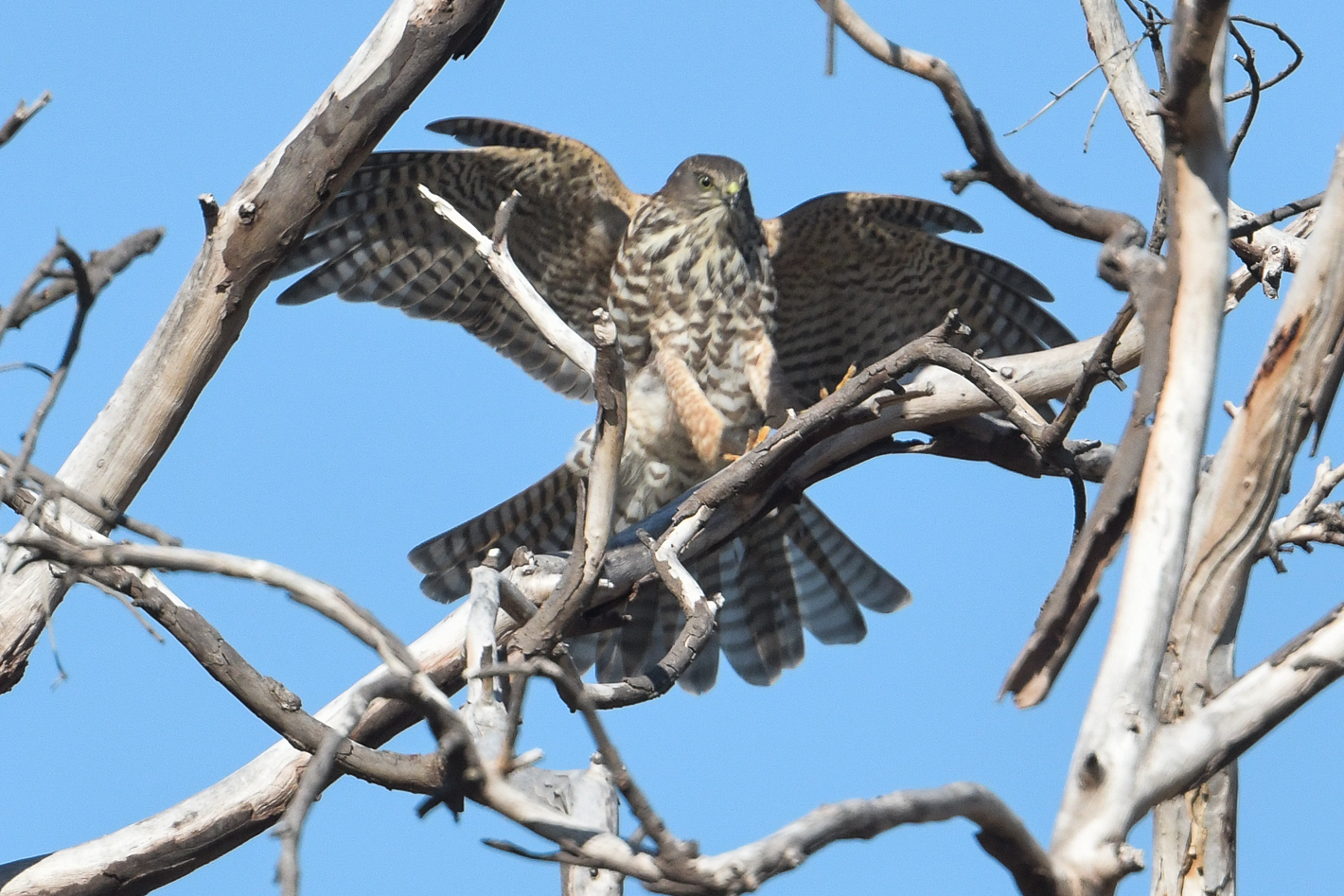
While many of us have been indulging in a self-imposed “Shadow Lockdown”, mother Collared Sparrowhawk has been busy increasing the Sparrowhawk population.
A few weeks back when we were at the height of working with Cassia, of Cinnamon’s three young Brown Falcons, we regularly caught sight of a Sparrowhawk running food deliveries to its young. Now about four weeks later, three young Sparrowhawks are out and about.
Mr An Onymous had given me a heads-up that they were out, as he visited the area a few days back. We had other plans for the day, but it was such perfect beach weather that we abandoned them and headed out to see what we could find. We left early morning to arrive in the cool of the day, and also figured that would be the most obvious feeding time.
The young were very much mobile and quite vocal. So they are not yet much of a threat to the local birds. Although we did see them catching dragonflies from time to time.
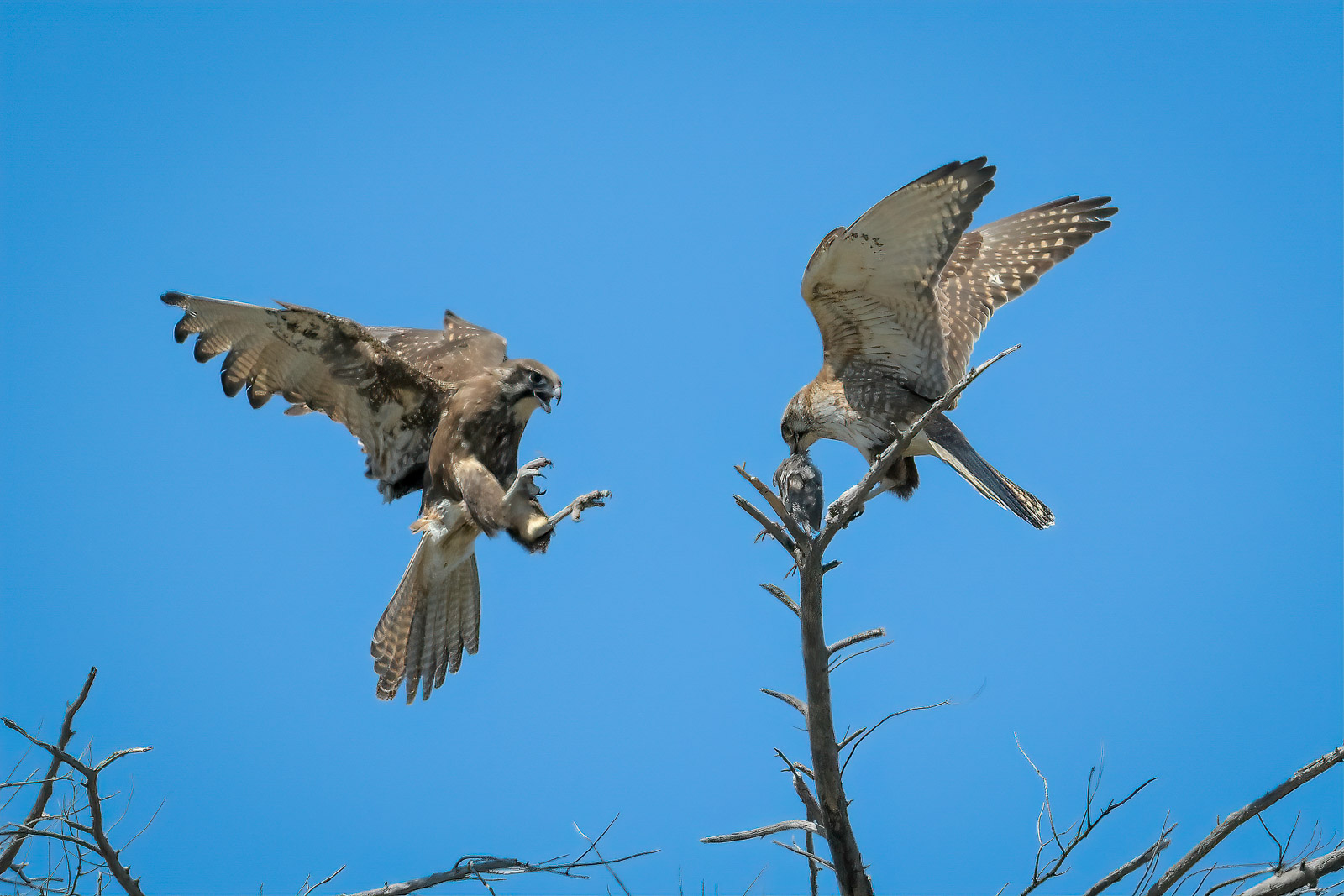
Long term blog followers will know that I’ve been guilty of taking— as someone said, “great liberties with raptors”. (In my defence it is always when I’m invited by the bird), however to set the record straight, Sparrowhawks and Goshawks are a different matter. They are the birds that I am most wary of. Several reasons. 1. They are quite bad-tempered. 2. They have quite short tolerance times. 3. They hunt by stealth and are silent in their approach. 4. They are stealth hunters and slip between trees and branches with an ease that can be a bit disconcerting to watch. 5. They have long thin dangly bits hanging off the bottom which can be used with surgical precision to snatch at prey and anything they have taken a dislike to.
I’ve been harassed by a number of raptors over the years, mostly my fault, but these dudes turn it into a sustained attack. Now mostly that has been because foolishly I’ve stumbled close into a nesting area, and so I don’t blame them, but I can take the warning, should it ever be given. It’s not!
These young birds are different. They are out for fun and games. Serious no doubt, but they seem to enjoy it none-the-less. They spent the morning chasing Wattlebirds, pigeons and Magpies, had altercations with Black-shouldered Kites and with no respect for elders even bailed up Cassia.
We also saw an adult come into feed. Regrettably I followed the wrong bird in the viewfinder and missed the pass, but ever-reliable EE nailed it. So we’ve included a shot from her friendsoftheair account. When you have a choice of 4 birds all filling the sky, which one would you follow?? Oh well!
Enjoy
One leg lifted and feathers flared out has always been a warning sign for me.
Why are Sparrowhawks marked that way? So they can hide in plain sight in the trees. 🙂
Sliding past the “Southern Cross” windmill direction vane.
No respect. They bailed up poor Cassia, of Cinnamon as she went about her field work
Thanks to friendsintheair for supplying this shot of the adult dropping the prey for the young to snatch away. Too easy.
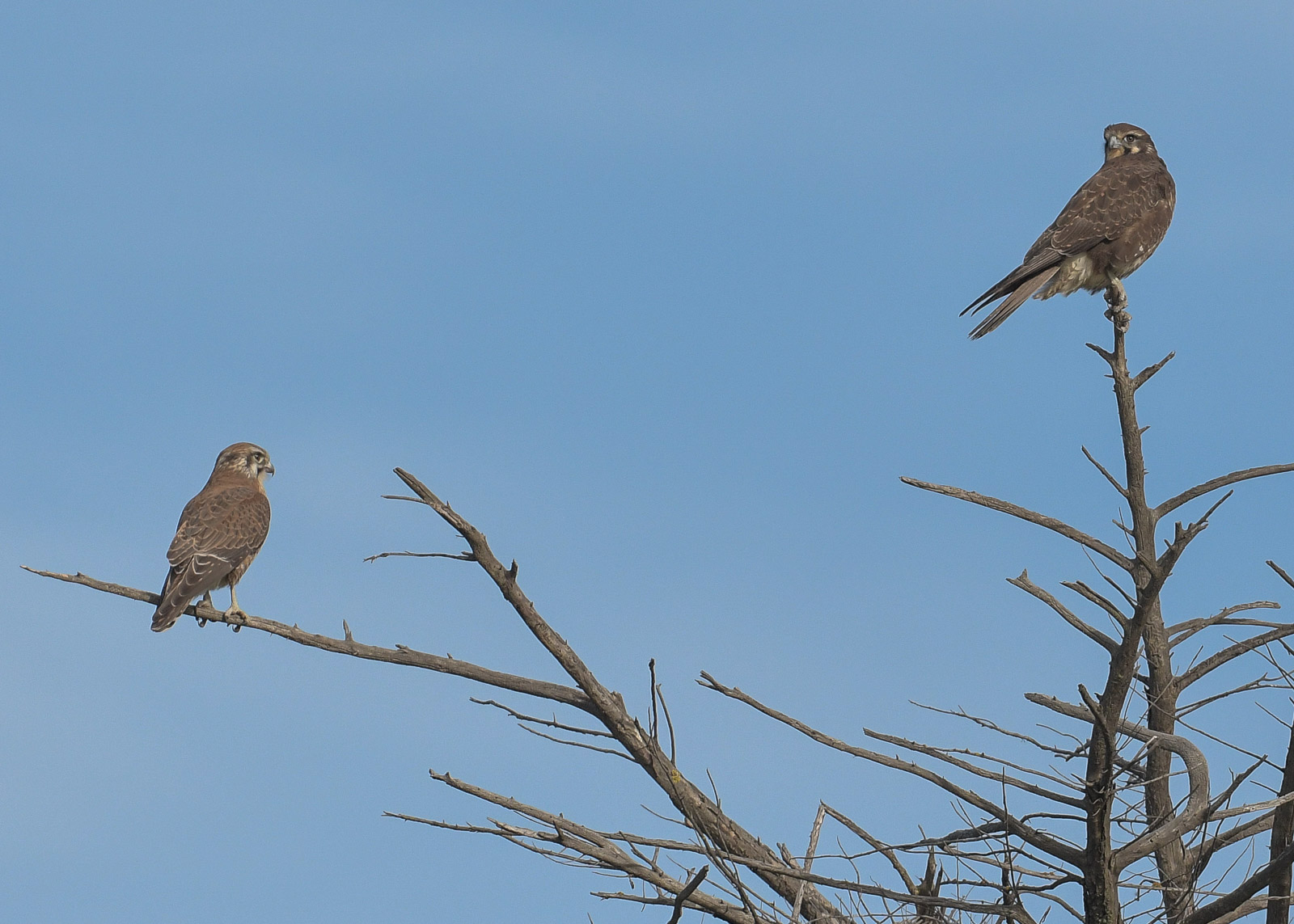
We made a trip to Point Cook with Mr An Onymous to have a look at the growing Brown Flacon clutch.
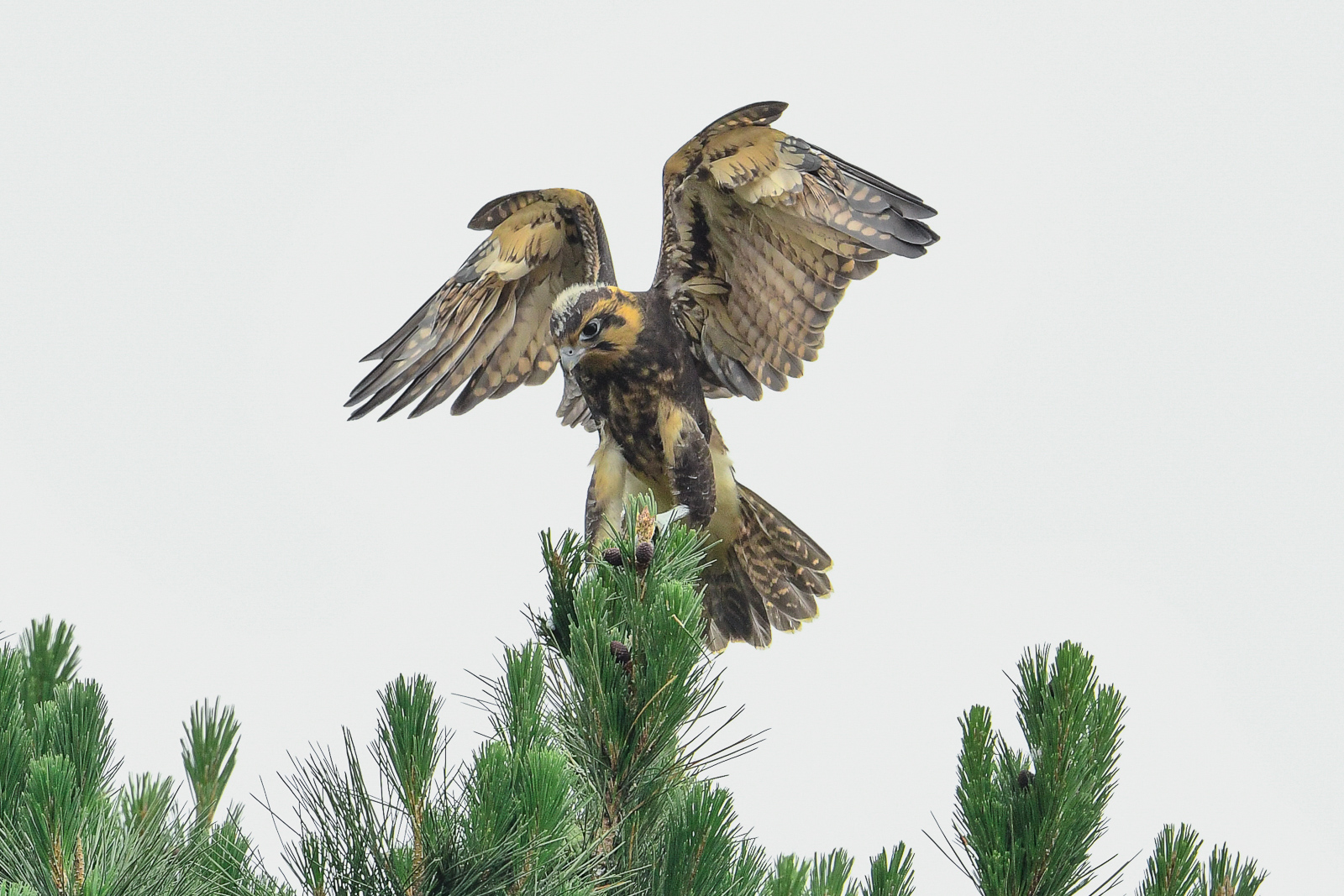
Managed a sunny day, and the young have been out of the nest for a few days and quite adept as flyers. Also very quickly adopting the Brown Falcon sit and contemplate the world stance as well.
Here are a few from the outing
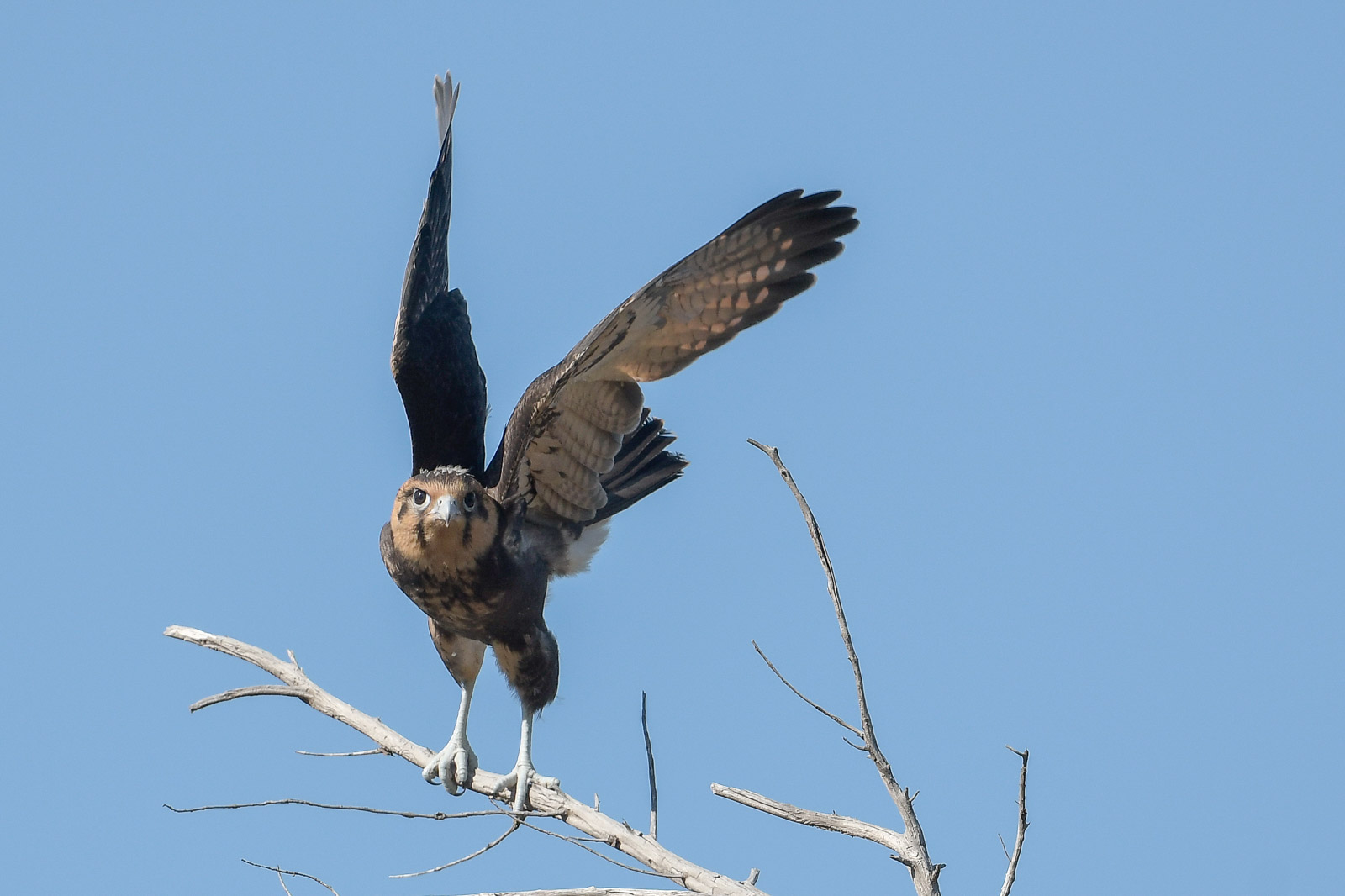
About to release
Plenty of control as it slides away from the perch
Landing is still a little tricky, but each time the skills improve
The three amigos. How hard it can be to get them together, and all looking in the same direction at the same time.
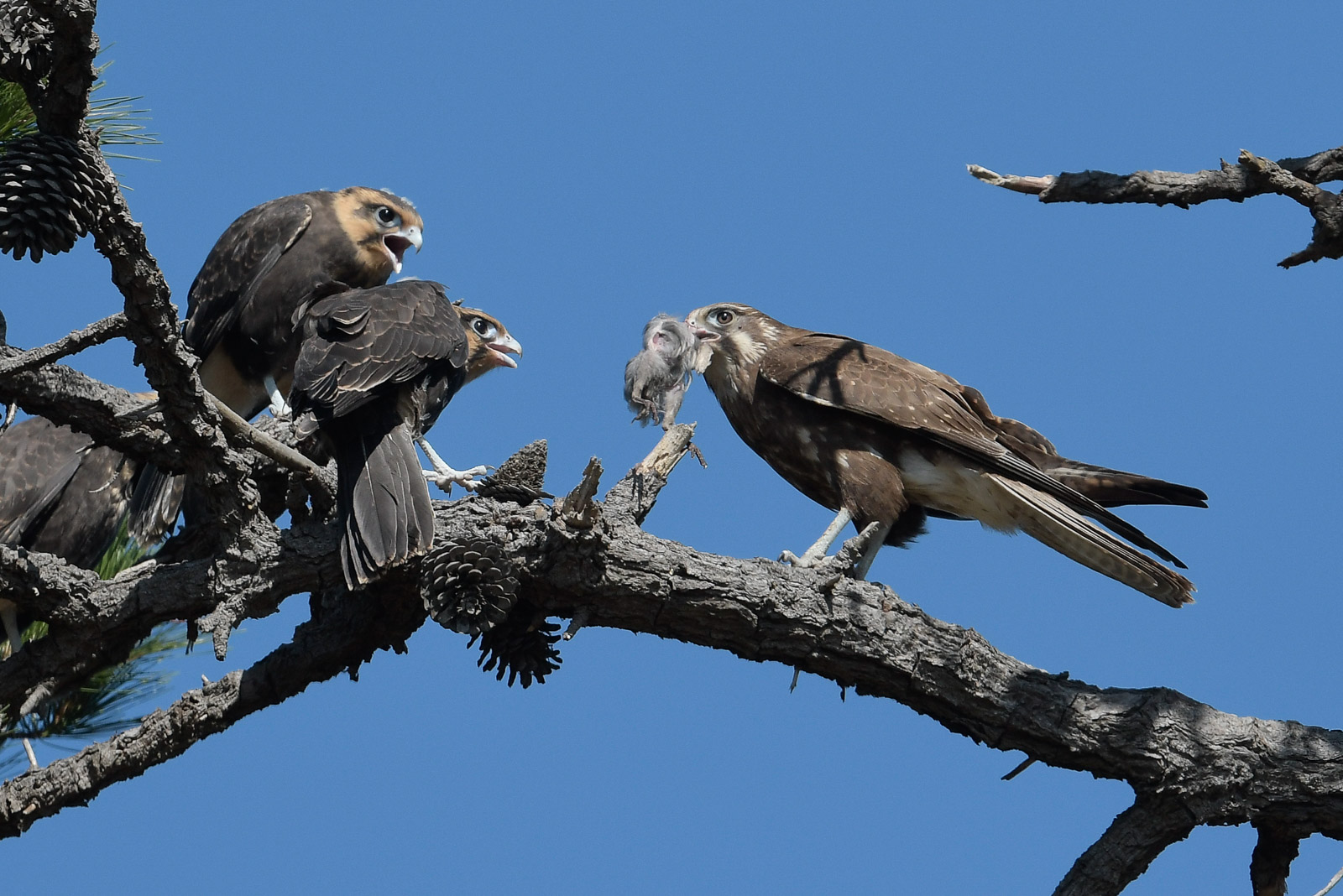
Cassia, of Cinnamon arrives with a mid-morning snack. Now who is going to get it.
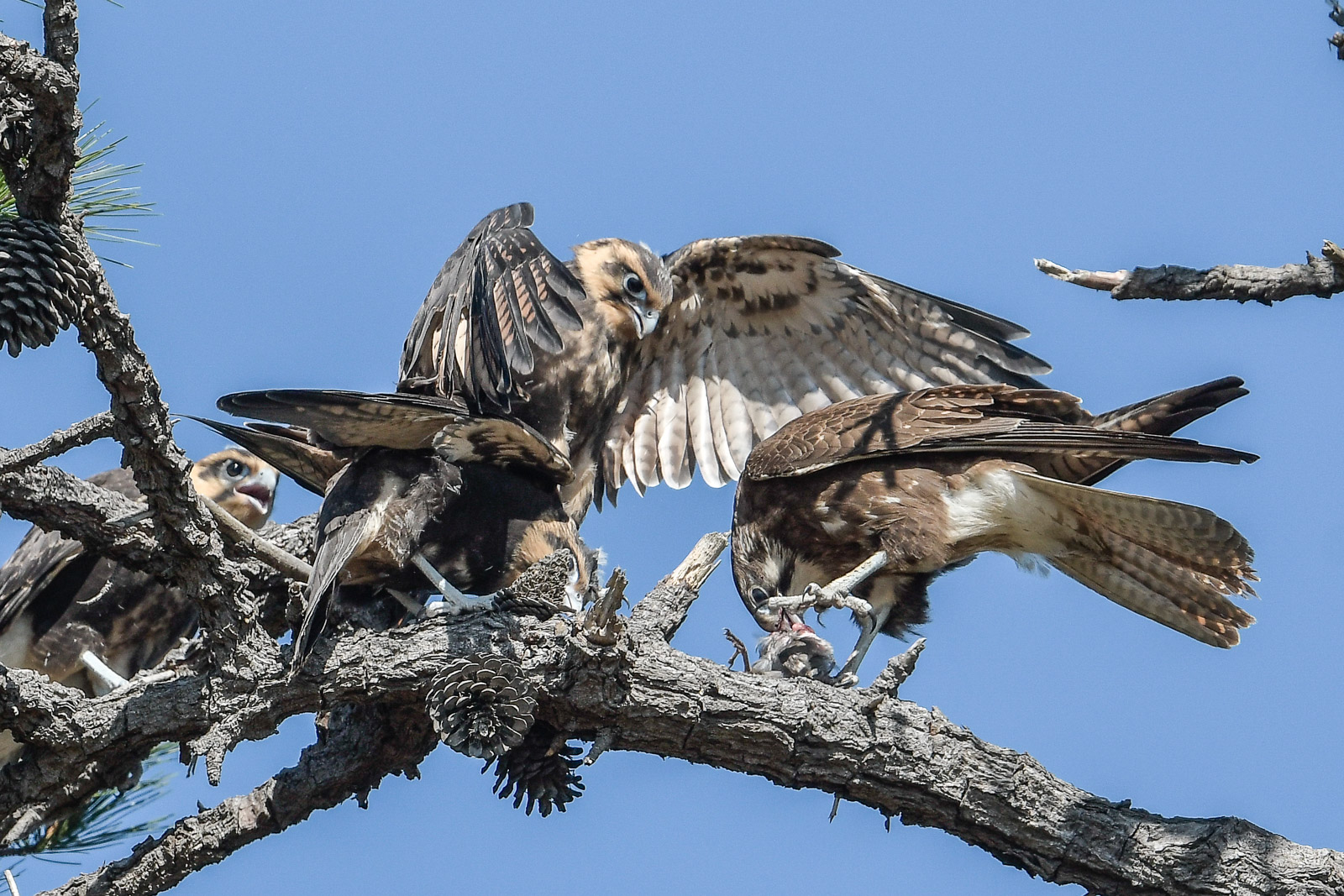
When its your turn, its ok to step on your sibling’s head to get to the front of the queue.
Manners are forgotten and its ok to push their head into the branch.
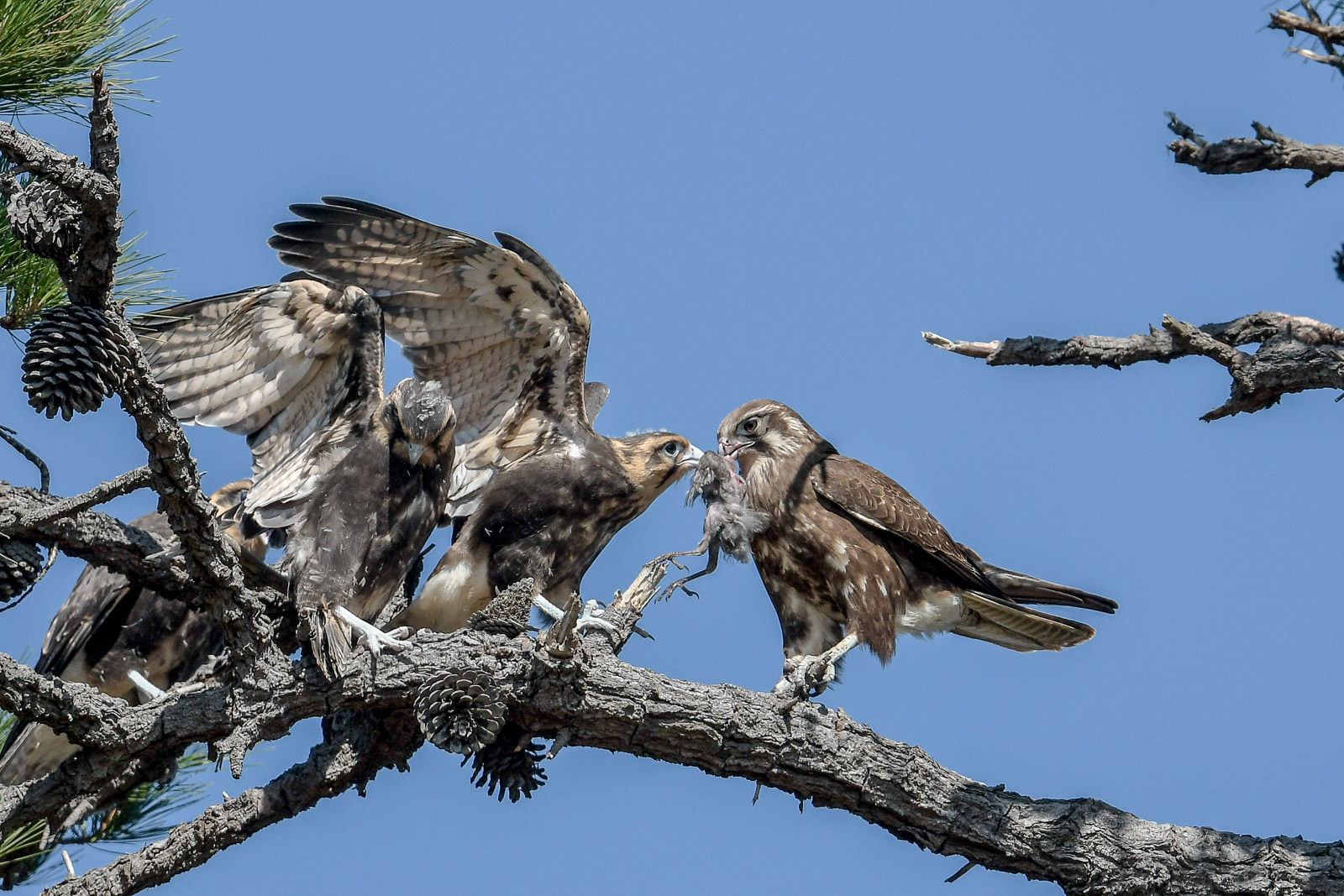
Mum will still sort out whose turn it is
Thanks Mum
Miffed at missing out this one departed to watch from afar
Food arrives and while the male holds still, Cassia swoops in to collect it.
The weather has to coin a phrase, has been less than kind of late. Cold, windy, rain, overcast and just plain miserable and stay-at-home-able.
It is nearly Summer, but here we are with the heaters turned on and thick clothes, shivering in the cold.
We had decided to go to the River and have another look for the elusive Sacred Kingfishers. It has become a task that rivals the search for Tutankhamen’s Tomb.
As we travelled to make yet another morning attempt, we decided at the last moment to abandon the project for the day, and instead travel on to see how Cassia, of Cinnamon’s young were doing.
At first sight of the nest we could only see one little rich ginger brown head bobbing about. Then, looking further over the tree, right at the very top stood the other two young. Looking very confident, and balancing precariously on the top most fronds of the pine tree. No mean feat for a well developed bird I would have thought.
While we were there we managed to see two food exchanges and a number of wing-flap trails by the young birds. No doubt they will be on the wing in the next few days.
Here is a small selection from the morning
A food exchange as Cassia slips aside to prepare the meal
The male moves on for a quick rest before heading out again
All prepared and now to deliver to hungry mouths.
Is there any for me!
Rested and ready to hunt again, the male heads out. He is a much lighter marked bird.
Just a little too cheeky. Cassia had found the nest of either a Wattlebird or perhaps even a Magpie. But she was hunted off very quickly by the local Neighbourhood Watch.
While they wait for the next round of food, there is plenty of time for some wing exercises. I found this series interesting as it shows the ‘rowing’ action that is typical of Brown Falcon flight. No doubt by our next visit they will be on the move.
I had, finally, thanks to lockdown restrictions easing, journeyed over to Camera Exchange. My trip was to complete a deal we’d commenced back in July, and had been forced by luck of lockdown to put on hold as I couldn’t get over with my gear to exchange nor pickup any goods that were part of the exchange. I mean, that is how exchange works. (isn’t it)
So after exchanging some of the Queen’s Legal Tender, (is it the Queen’s? or the Australian Government?) either way, Ryan was happy to relieve the bulge in my wallet and gave me a shiny new carry case to put in iAmGrey to transport home again.
Thinking it would be nice to see in the shiny case, and to give its contents a bit of a test run, I had to pass by Point Cook Coastal Park, and decided that a quick trip to the beach should be enough to see put the contents of the shiny case to good use.
However when I arrived at the beach area, the birds had different ideas and only a few gulls and a lone White-faced Heron were in residence. But I got to play with the kit, and as time was of the essence, I moved on.
Partway back to iAmGrey, I heard a familiar call, but not one I’d ever heard at Point Cook before. So it was time to investigate.
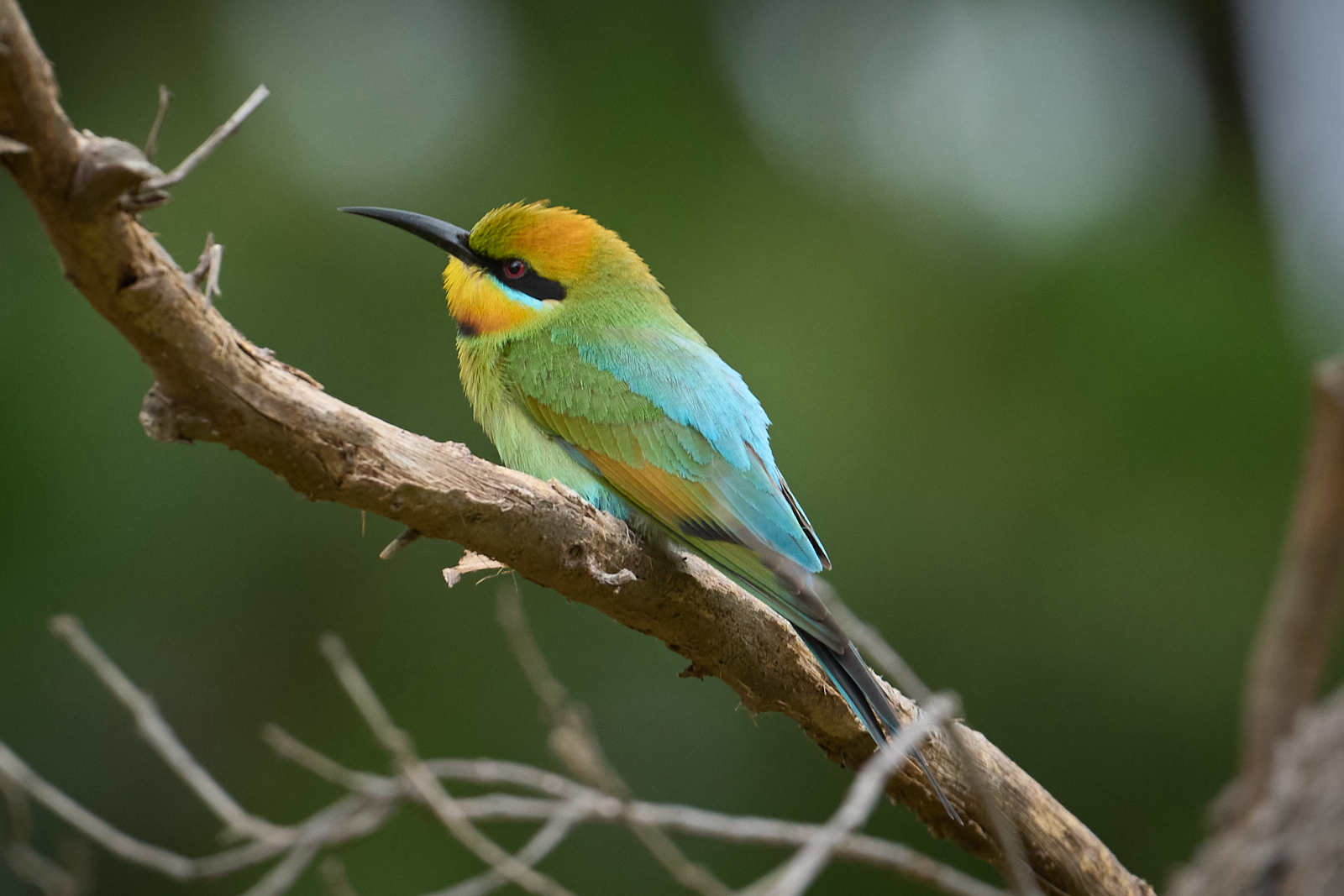
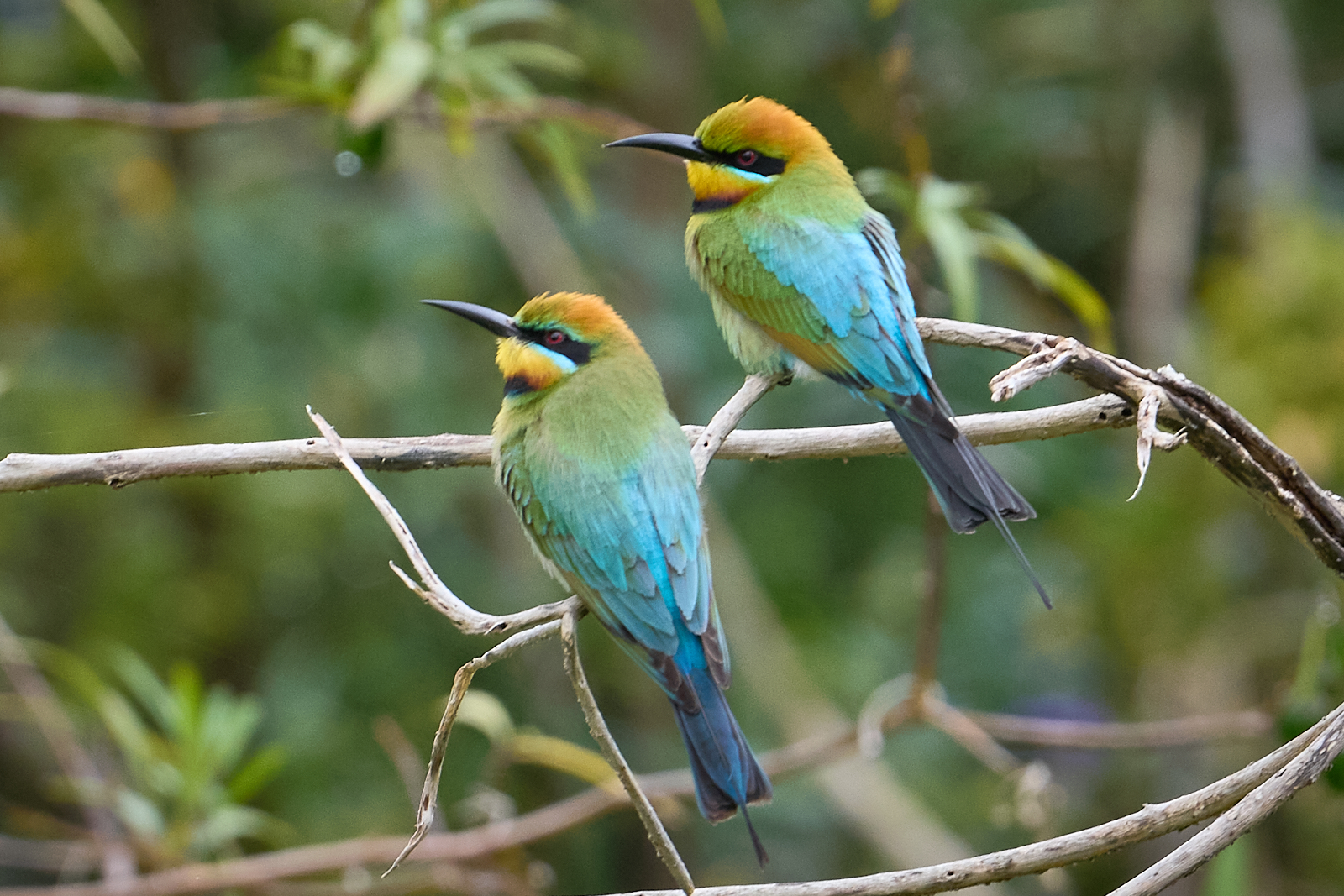
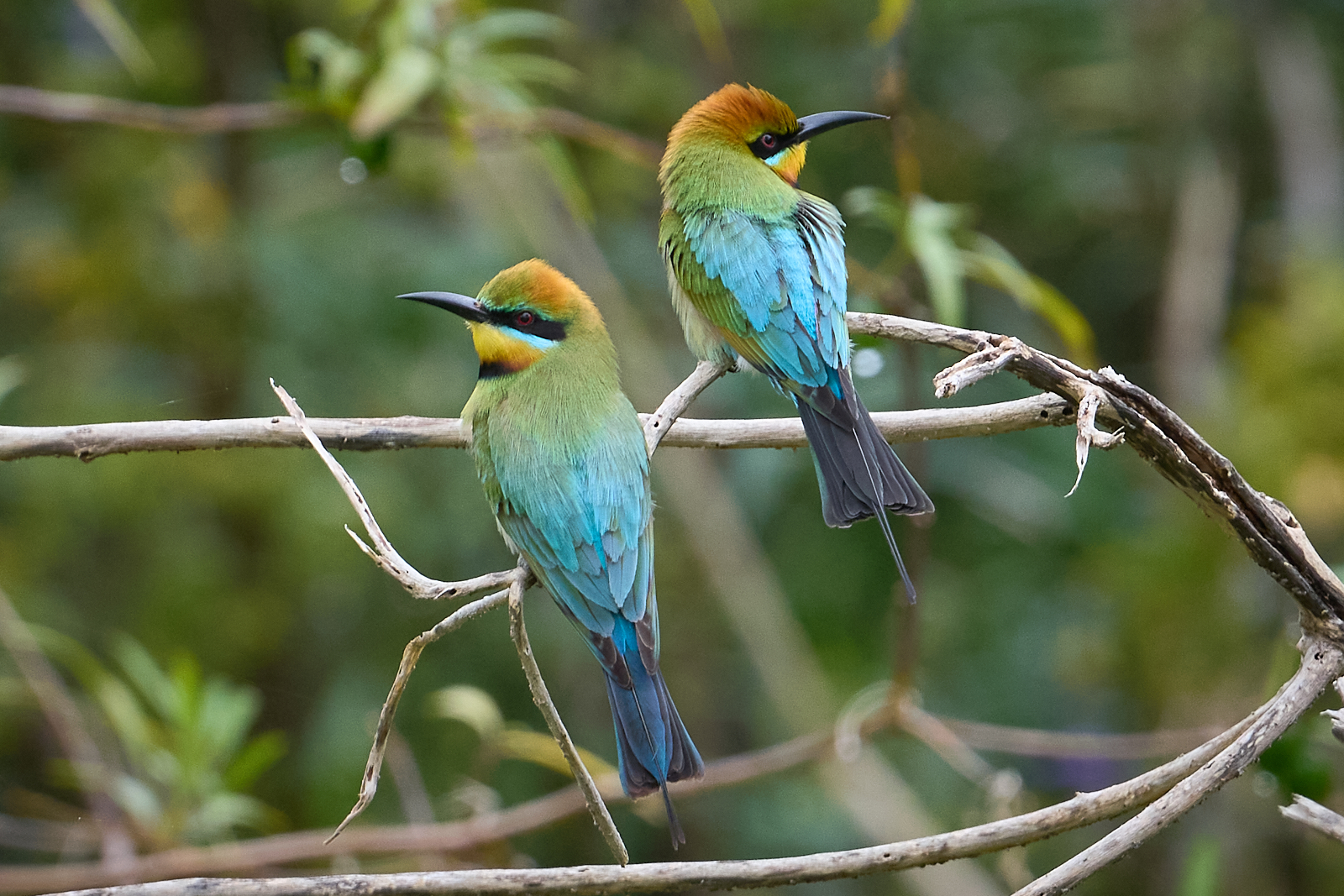
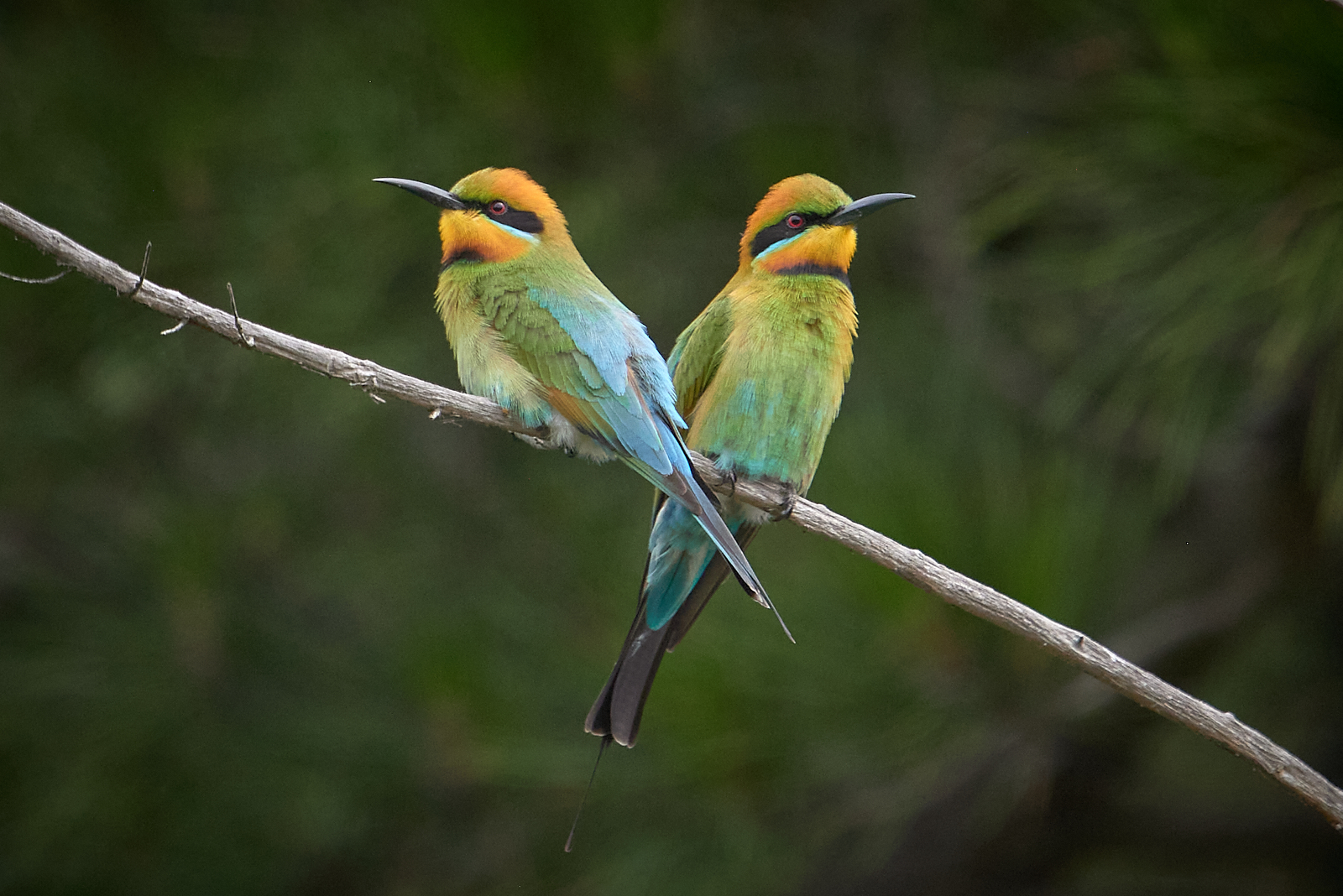
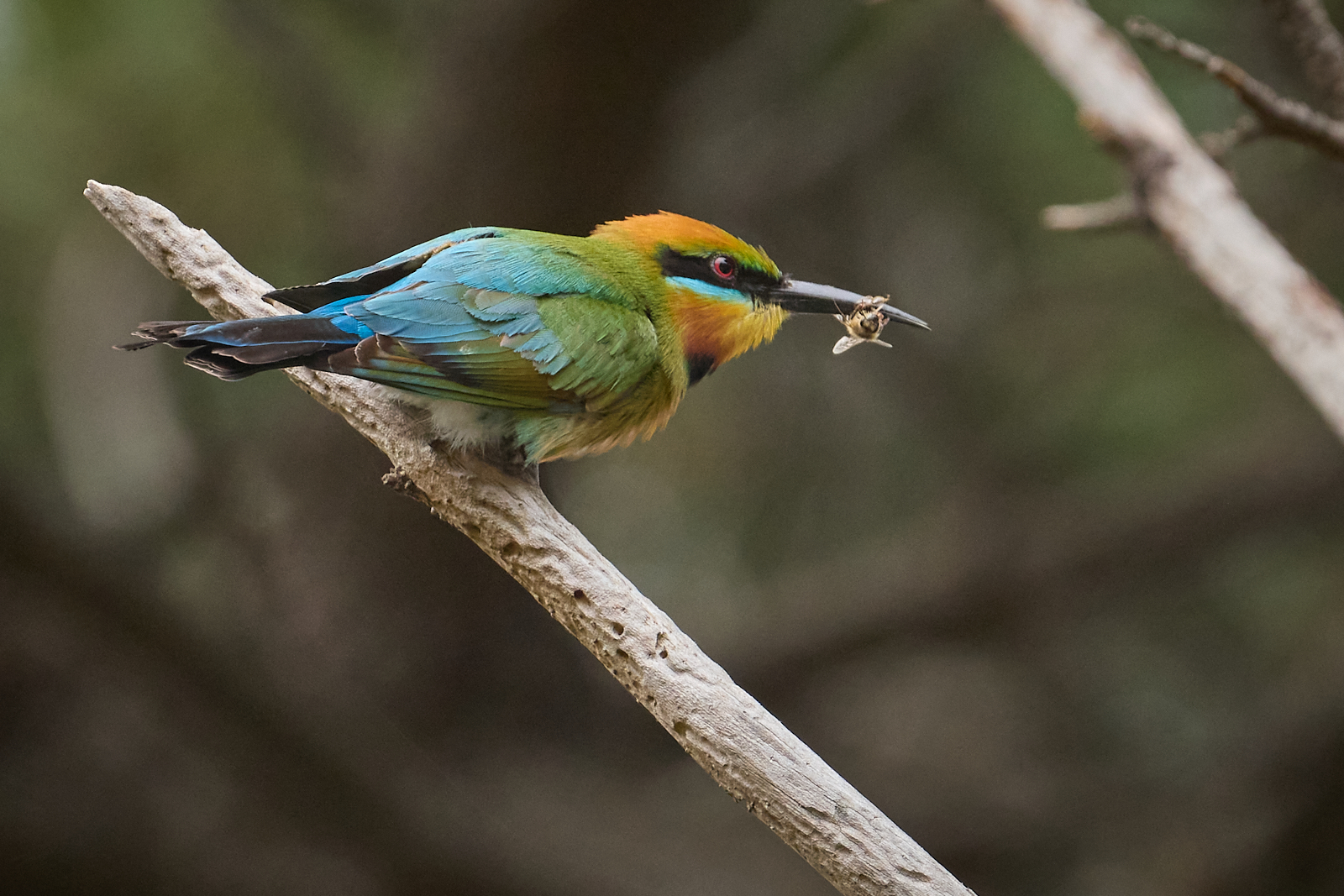
The noises increased and I suddenly could count, not two, nor five, but 14 Rainbow Bee-eaters. Not a bird we’ve seen at Point Cook before.
No doubt they were not moving in, but were simply topping up with fuel on their annual trip down the coast to a suitable nesting location. Just behind the You Yangs is one of the closest I know of.
Rainbow Bee-eaters in our area generally nest in dry creek-beds burrowing into the sandy banks to form their nesting chambers. Most of the sites I know of are either on restricted access parks, or on private property farms. So it’s not unusual to go the whole season and not see or photograph them.
No doubt they were not going to move into the park here, but would be on their way over the next couple of days. So I had to make the most of what I has available.
A few days later, Mr. An Onymous, and Ms. In Cognito, EE and I stopped by for another look, and of course not a bee-eater to be found.
Such is the Karma of birding. I’m thinking of a note to Ross to tell him the shiny case is a good piece of kit, and more importantly it attracts birds 🙂
At least the bee-keeper who has some hives in the area would be happy that they had travelled on.

























































 Birds as Poetry —— Just because I WANDER doesn't mean I'm LOST