Saturday Evening Post #006

Hope you like the new site. I like the design as it will work well on pads and phones. Each block will be in a single line down the page, and as there is a limited number of posts on the front page, it shouldn’t go on and on and on forever.
It also seems that unless I ante up some cash and take on a ‘paid’ site then anyone on my mailing list for blog updates will get emails which include ‘clickbait’ ads for stuff you don’t need.

Not my fault I cry, but it does mean that come the new year I’ll have to take a paid site to get rid of the problem.  And I see any such intrusions into people’s trust and relationships as INTRUSION.

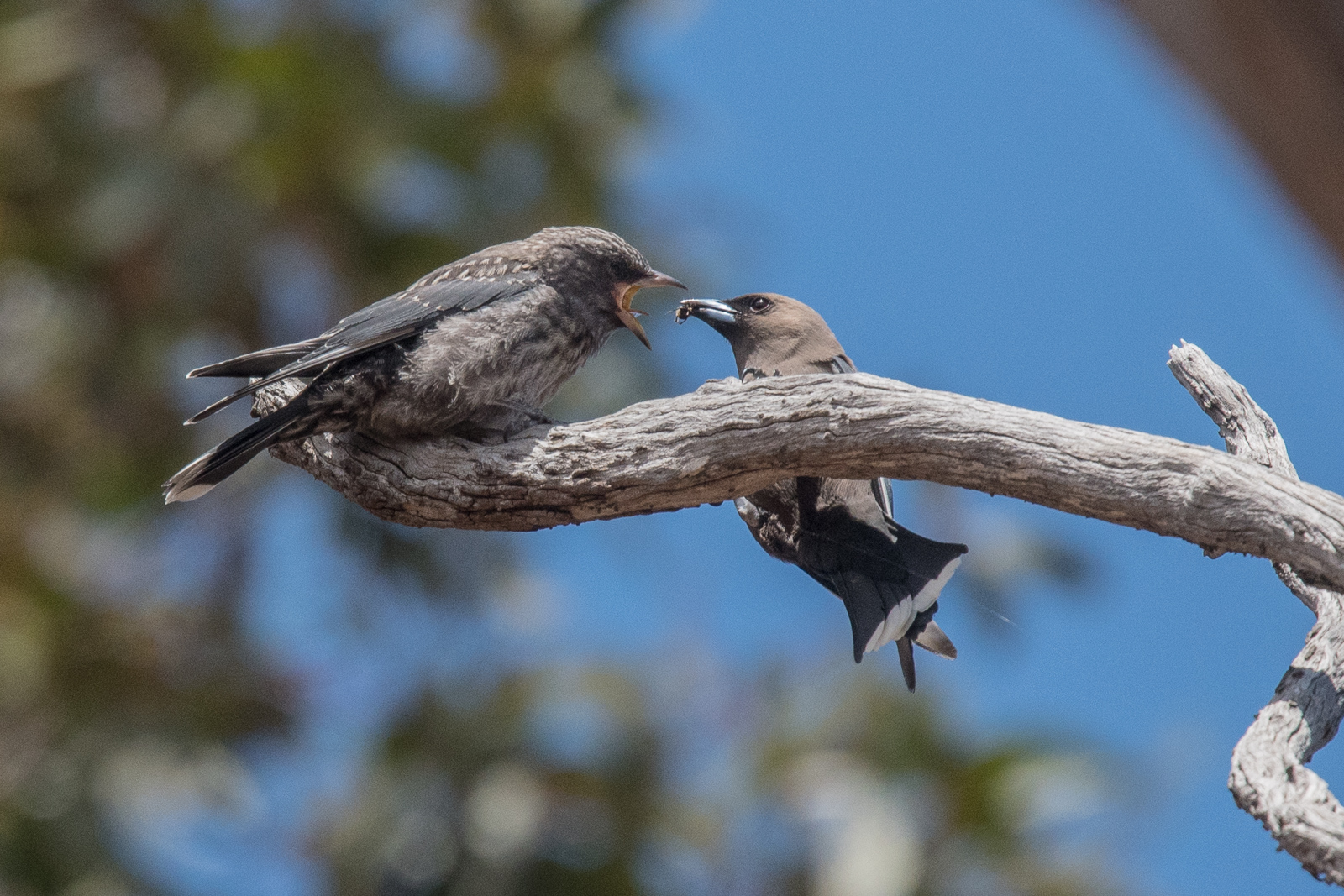
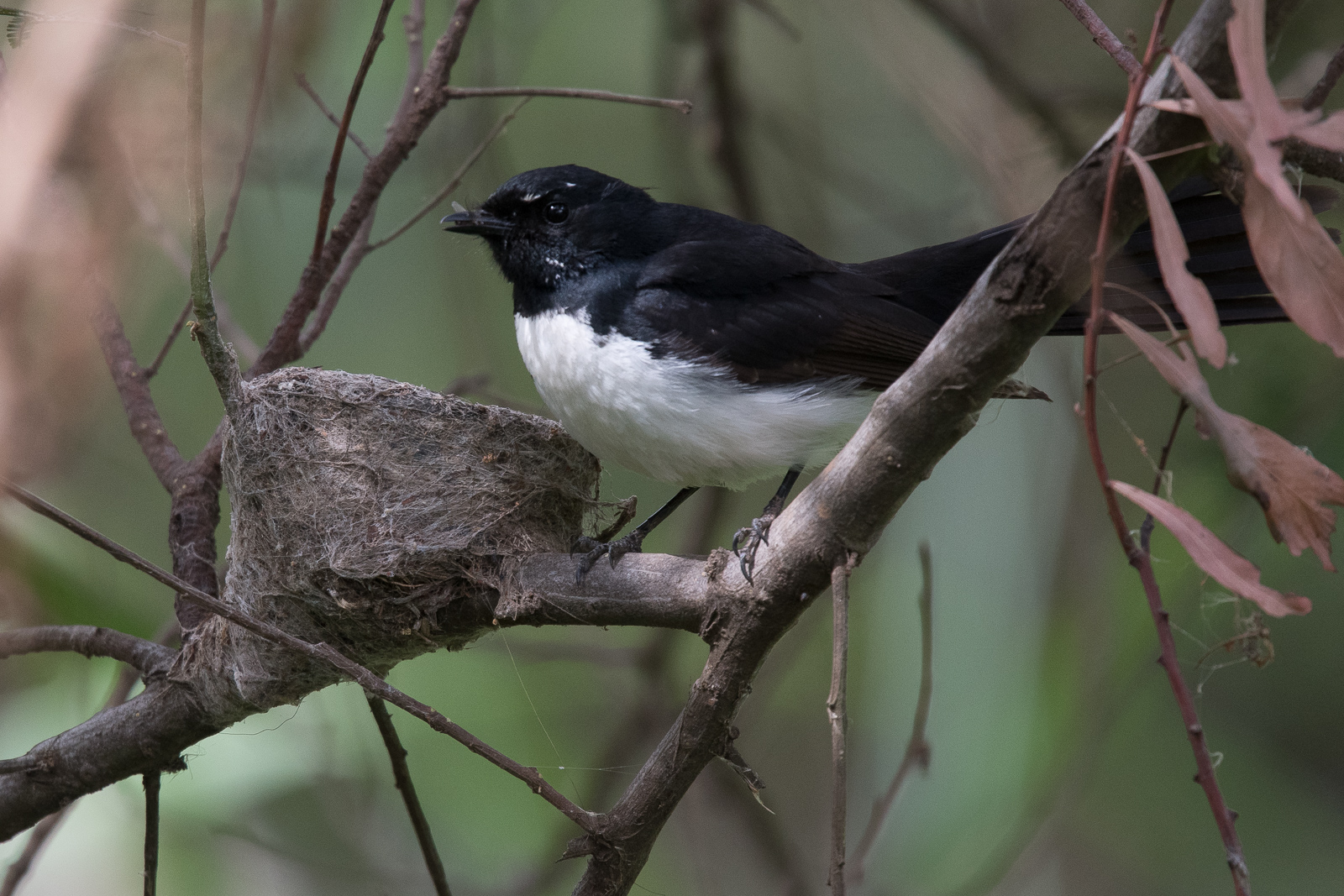
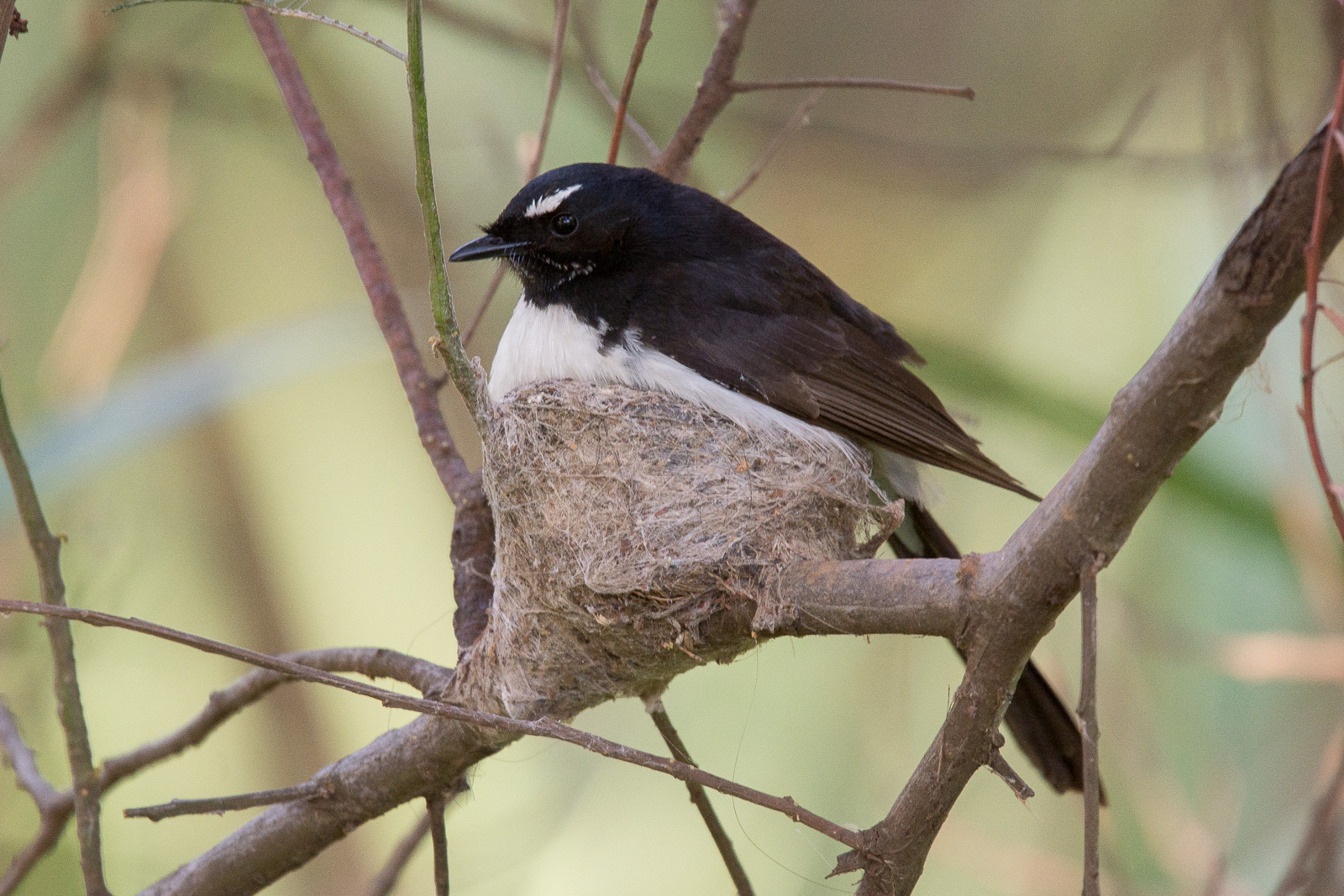
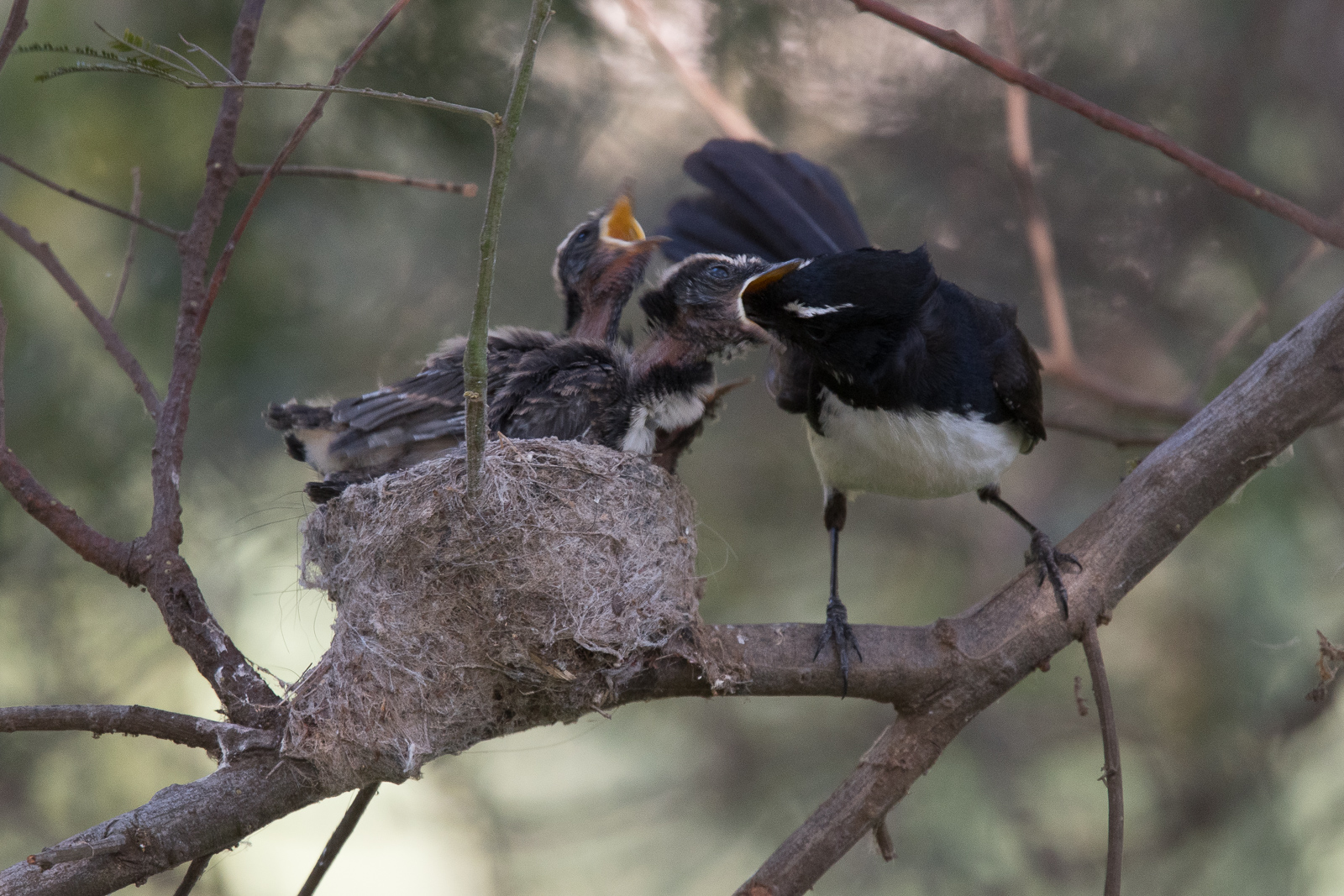
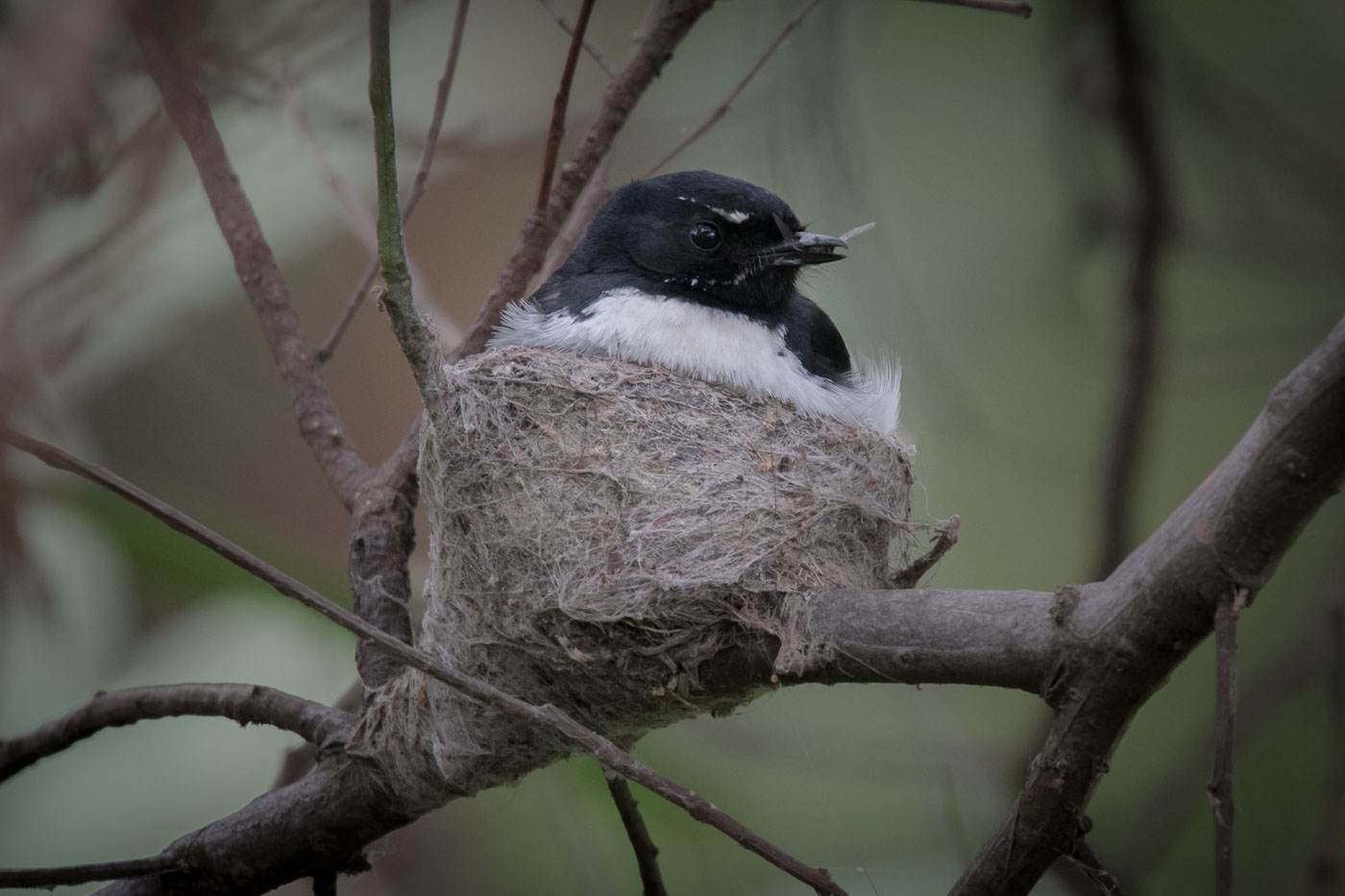
Also get ready to see lots of photos of Willie Wagtails at nest.  After what has been a very slow start by the Wagtail community to the increase of their species, they seem to have thrown everything at it the past couple of weeks.  Even a stroll around our morning walk site has revealed 3 pairs hard at work, and we weren’t trying hard.  Add another 4 or 5 pair at The Office, and its certainly going to be a busy wagtail season anytime soon.

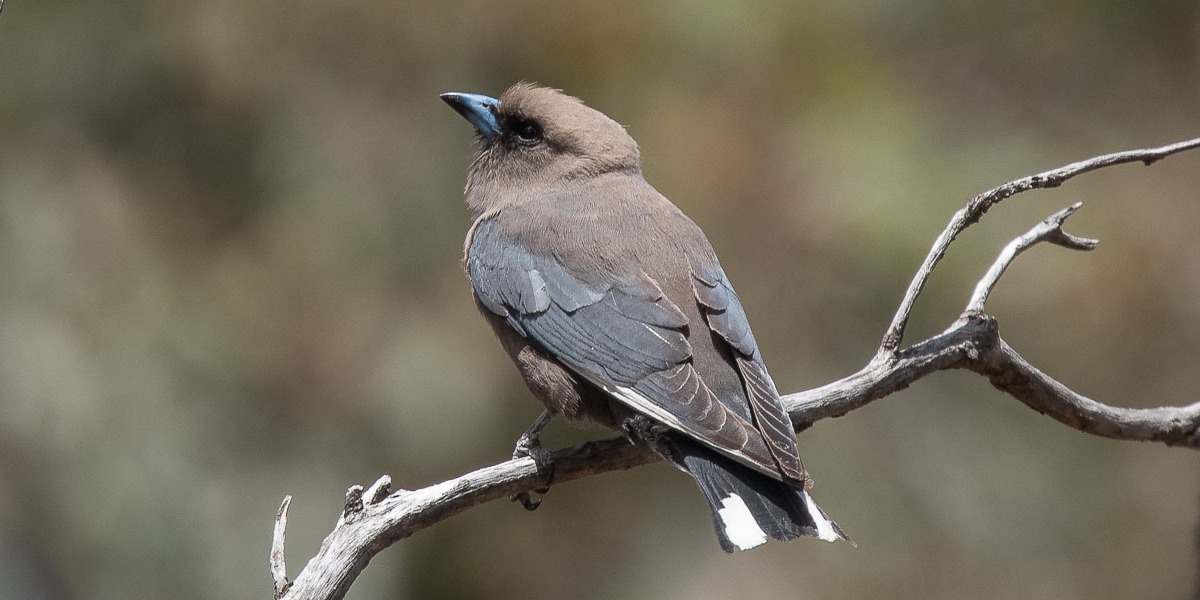
Look at the eyebrow in the header image. That is one annoyed Willie.

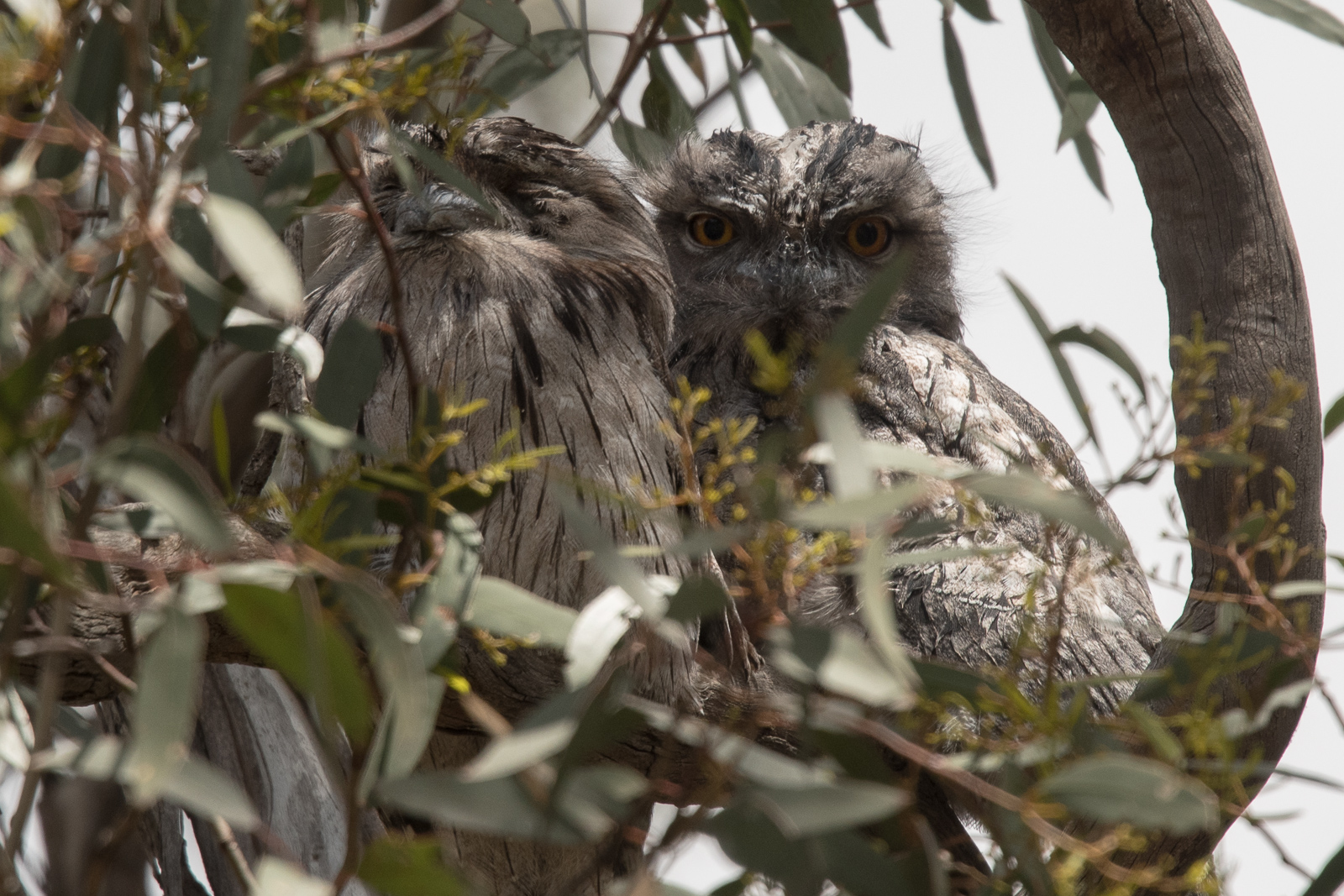
And on a positive note, a check on our local Tawny Frogmouth young this afternoon reveals they have flown.  Well done Tawnys.

1811-08_DWJ_2869.jpg

This one is so busy that it took a snack to work while it was doing its share of nesting duties.  The eggs hadn’ t hatch this time last week.

Saturday Evening Post #005

The Werribee Mansion was built by the Chirnside family back in the late 1880s.  They were  pastoral dynasty that reaped significant profits and the Mansion was among one of their many extravagant projects.  They also maintained a deer park, in the vicinity of the suburb Deer Park. Makes sense right?

They also were members of the Acclimatisation Society, that set out to import species into Australia to provide sport hunting, and included foxes, rabbits, alpacas, pheasants, sparrows and thrushes. It’s a long painful list that we still pay for among decimation of native species. 

One part of the gardens was turned into an ornamental pond. However because of the quality of the sandy river soil, the lake was mostly left empty as it drained quickly.  It was only ever topped up when ‘important’ guests were in residence.

It is interesting to walk among the huge trees in the garden and contemplate that the layout, and those who conceived it, was for another generation. Now stately and immaculately maintained by Parks Vic, it is a pleasure to wander the gardens and see locals and visitors enjoying the grounds.

The Ornamental Pond is still there and is always filled with water these days.  Which makes it a home for freeloading ducks, coots and waterhens and the like. Some, such as grebes and cormorants and egrets have to ply their trade among the frogs, bugs and small fish that seem to be in abundance in the lake.

One Great Egret is regularly found there.  I’ve named it ‘Grace’, for Graceful and Gracious.  Not habituated, but neither afraid of humans, this bird works the pond and its verges and also spends time preening on the trees and small island in the area.
Which makes it a most interesting photo subject.

So much so that I have become quite clued to its body language and can often predict a flight, and a flight path, and sometimes, predict a landing point.
Given the right sunshine, the richness of the dark shadows among the trees, and a hint of luck, a very happy hour or so can be spent by the pond.
Thanks to the foresight of the ‘landed gentry’ who would know doubt be horrified to see common folk picnicking or conducting weddings on their lawns.

1810-23_DWJ_9730.jpg

Saturday Evening Post #4 Mother’s Little Secret

Well it’s out.
One of those secrets that eventually would be too much of a story to keep quiet.

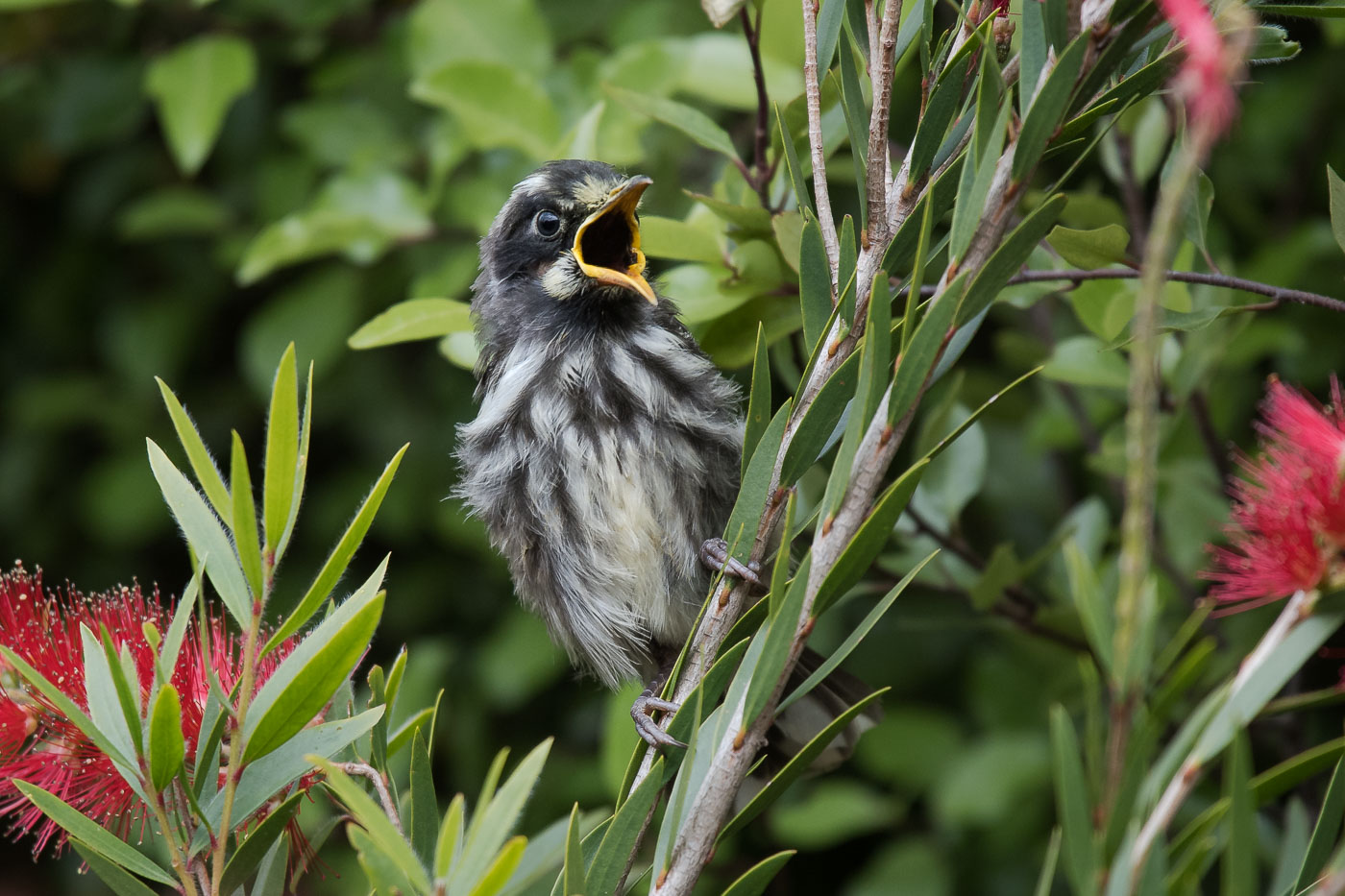
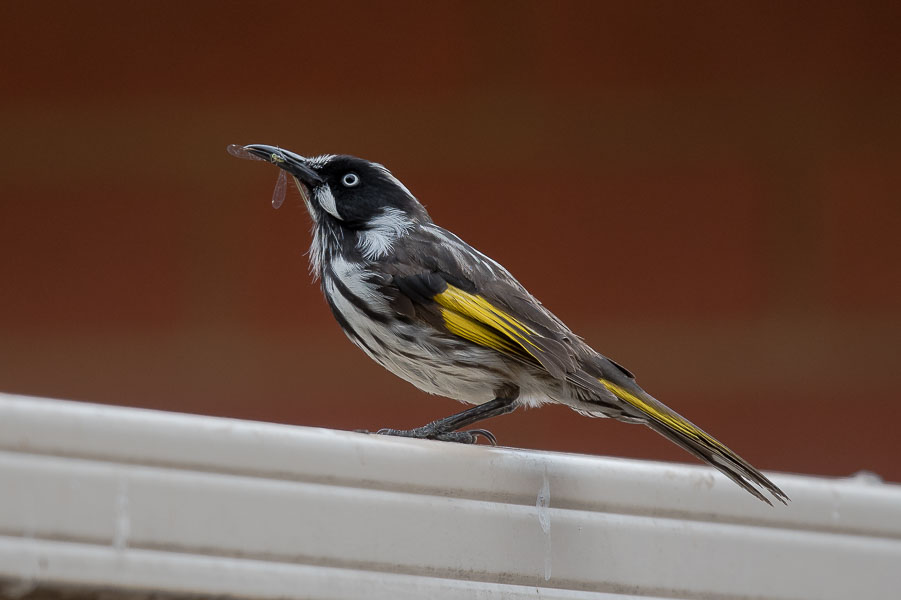
The pair of New Holland Honeyeaters that are in the bushes in the garden over the fence, have been busy.

And a couple of days back we got our first glimpse of their hard work.
A new addition to the family.

We’ve been watching them both fly into the bushes, and out and about.  Then carrying in tiny insects and larger ones, much work among the burgeoning bottle brush and spending time hunting off the local sparrow and starling population. 

I’ve been working with the 300mm f/4 PF Nikon lens of late, without the usual TC1.4 extender.  Couple of reasons, but mostly handling and I wanted to see if the small lens could become a viable lens for the direction of my bird work.  I’m getting a bit to tired and sore from carrying the larger longer lenses.  And of course, like all good secrets, I guess I have a somewhat dreamy acquisition in mind. 😉 More to follow I guess.

And just in case you thought I’d gone to sleep on the job, the much vaunted change to the blog layout is underway, its becoming more a ‘long’ term project, but I think it will have some advantages to the phone and tablet viewers. 


Saturday Evening Post #003

Sometimes the action just gets ahead of the photographer. Or as a friend on mine was wont to say about other occasions.  “Never let your ambitions overweigh your capabilities.”

Seemed an easy shot. Duck takes off.

Just a bit slow on the ‘panning’ on this one.  A hint to all those who have ambitions of developing a good panning technique.
1. Be very sure you know where the action is going to be when you press the shutter.
2. Face that direction. Adopt a “Bow Stance”, see tai chi details or an archery class.
3. Wind yourself back in the direction of the oncoming action.
4. Pickup and follow the subject
5. Unwind as you go
6. When at the position established in Point 1. release the shutter.
7. Continue to follow through at the same pace as the moving subject.

Reason being quite clear if you think about it, you wind up, tension and all, then unwind, tensionless and the shutter goes off while you are perfectly balanced.

All good in practice, but when the duck explodes from the water.
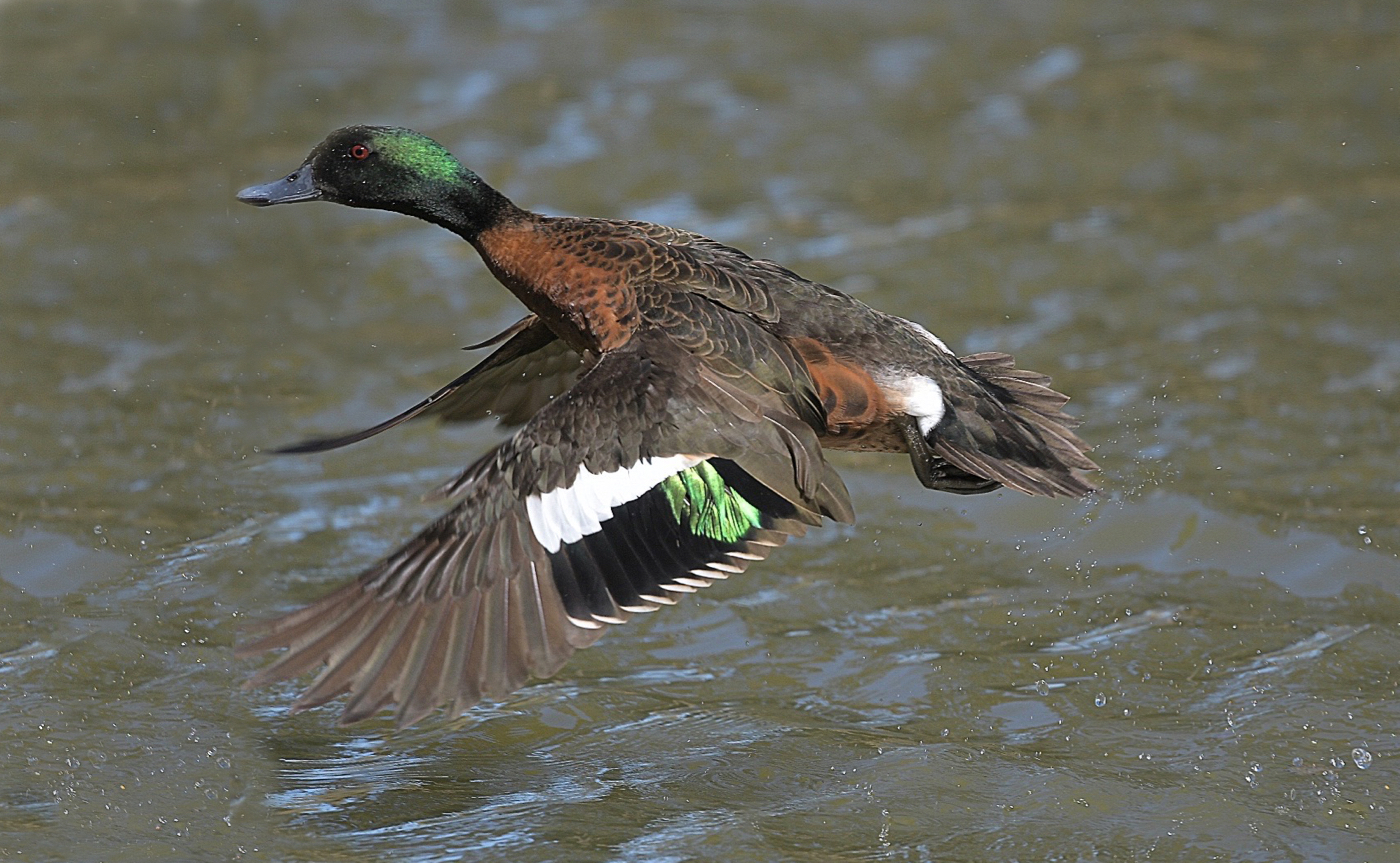
So I ended up with the Male Chestnut Teal with its beak and wings right on the edge of the frame. 😦

This is a bit of a rescue in Photoshop.  Opened up the Canvas Size, and then added some water/ripples etc from another shot at the same location/time.

Aren’t ducks wonderful.

IMG_1325-1.jpg

Heads Up: Changes Coming

Every so often, I look at the overall feel of the blog site and ponder how to make it more friendly and viewer effective.
I’ve been using the current template for a couple of years and have enjoyed the chance to let the images do most of the work on the blog. As they should.

But the winds of change are coming to Birdsaspoetry.
I’m gearing up to turn the front page into small tiles of each post.  That way its easier to see a Body of Work, rather than scroll down interminably to see what has been going on the past few months.
A challenge with the new style is what to do with all those sidebar, bottom bar additions. But, I suspect not to many rock on to the site expecting to see new stuff down there. So they may well diminish in number and it won’t be the first time I’ve dropped stuff off.
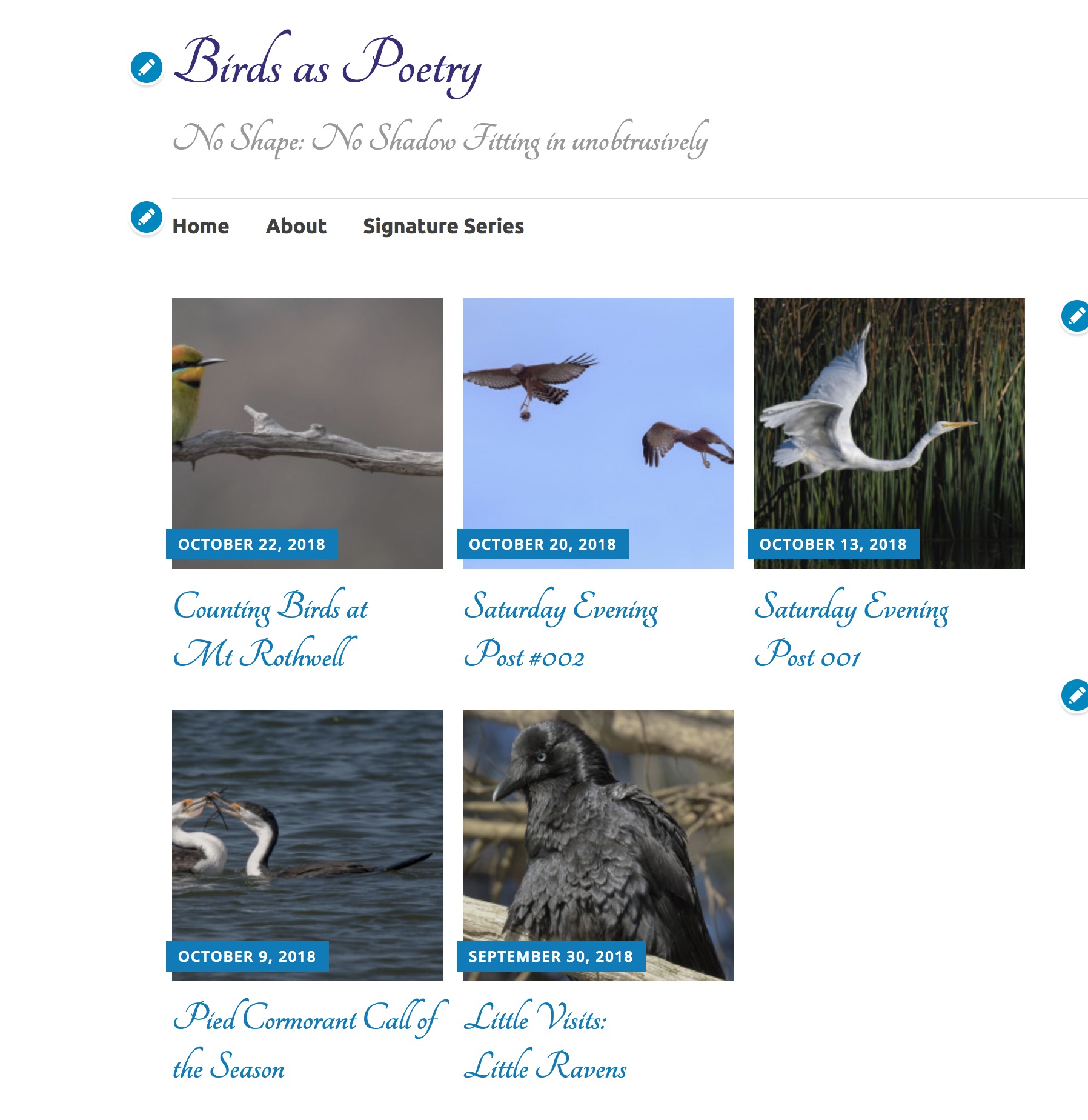
Here is a sneak preview of what it might look like.

Screen Shot 2018-10-22 at 5.01.36 pm.jpg

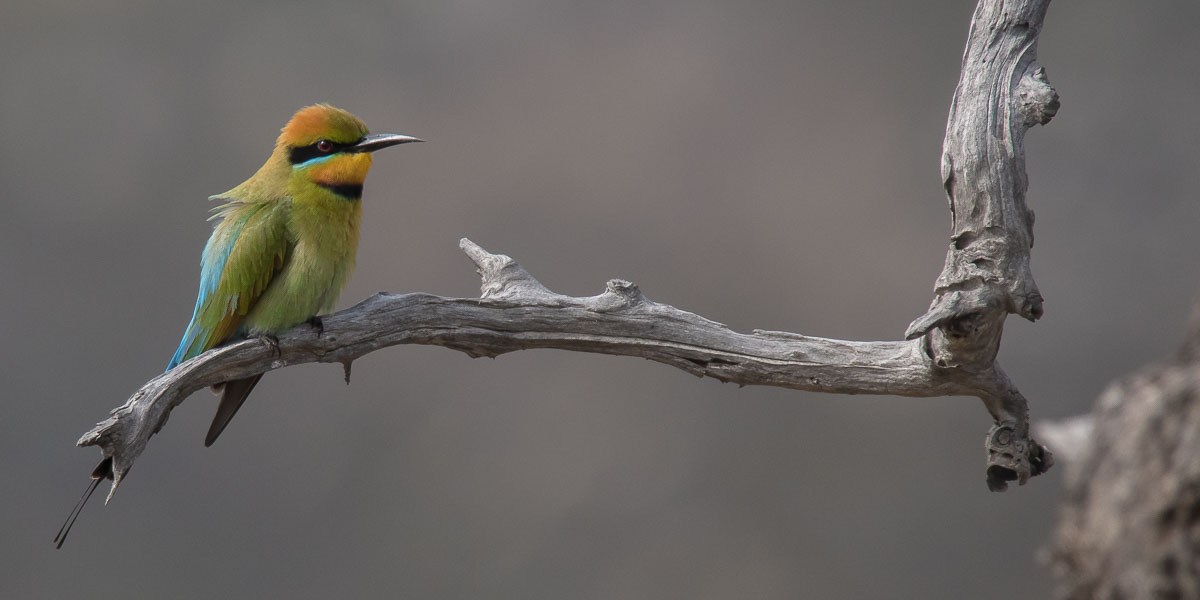
Counting Birds at Mt Rothwell

My local bird group, BirdLife Werribee, or more affectionately known by the previous name, “Werribee Wagtails” has for many years been doing  bird surveys once a quarter at various sites.
This weekend we surveyed the Mt Rothwell Conservation and Research Centre just to the north of the You Yangs range.
To quote Peter Sellers from “Balham Gateway to the South”,
It is exciting work and my forefathers have been engaged upon it since 1957—

The previous few days of rain had managed to get past the You Yangs rainshadow and give the area decent drink. As we assembled, we were joined by a group from BirdLife Australia, Ovens and Murray.

And the bush seemed to respond to our enthusiastic banter as we walked over the various tracks that lead through the park.

1810-21_DWJ_9589.jpg

Continue reading “Counting Birds at Mt Rothwell”

Saturday Evening Post #002

I want to sing like the birds sing. 
Not worrying about who hears, 
or what they think
Rumi

For those who’ve seen a Black-shouldered Kite food exchange, you’ll agree that the process is highpowered, high speed and high risk.
The male, with mouse, hangs in mid-air while his mate, barrels up to snatch the mouse, usually knocking him about as she passes.
One one occasion, I saw her lock claws over his, and he couldn’t let go of the mouse, and she was not going to release her lunch.

After a bit of struggling it resulted in them tumbling wing over wing, body rotating around body, as they completely out of control plummeted to ground. And she would not let go.
Finally she, being the bigger of the two, gained enough wing control to halt their descent, which left him hanging or rather swaying upside down. Perhaps she relented her release for a milli-second and he was free to drop away and fly off.
I worked with another pair, the male only had one working foot, and he never did food exchange in the air, and I often wondered if he lost the use of his limb in such an incident.

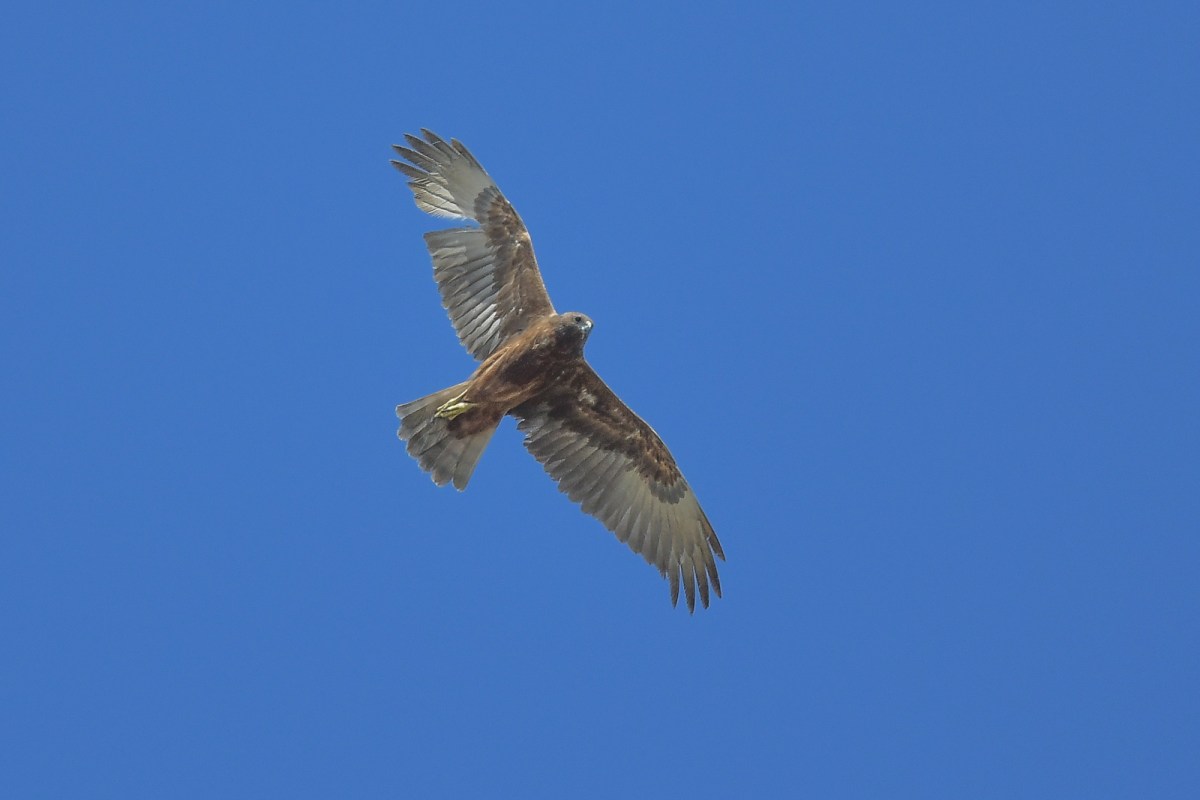
But, I’ve never seen a Spotted Harrier exchange close up.  Always they happen far out over the paddocks, two birds fly toward each other, exchange and then they fly apart.  The mechanics had eluded me.  Until the other day.

A pair of Spotted Harrier are preparing a nest, and in between collecting sticks and grasses, there is time for top up of food.

For a good part of the morning they had been calling back and forth, a bit like the Three Little Pigs building their house.
Then the call changed, much more warble than the shrill call of a bird of prey.   “That is strange,”, saith I to EE who was on the other side of the vehicle, “There is a change or something is happening.”

And sure enough she sprang out of the nest tree and headed across the paddock. About then, I caught sight of the male, who stopped and Harrier-like hung in mid air about 50-60 metres from where we were standing.
She then wafted in as a good Harrier would, and they danced about one another in the air for a moment or two, then she raised the wings and ever so gently slipped in under his, and took the mouse in a total surgical move. Simple, almost ballet like. He watched to be sure all was well, and then just slid away. She returned to the treeline to enjoy her snack

Amazing to see the completely different approach to food handling.

1810-17_DWJ_0042_NX2_NX2-2.jpg

Saturday Evening Post 001

“Thus it is said:
The path into the light seems dark,
the path forward seems to go back,"
Lao Tzu

What, I said to myself, is the point of having a blog if I don’t post something to it?
So after bumping into Robin Whalley’s site, The Lightweight Photographer,  he is all into Mirrorless cameras, get it, light weight!!!!  I thought his idea of a current shot with a little bit of ramble seemed like a good way to keep the blog roll rollin’. (think a theme song is in there somewhere, shades of old b&w tv and Rowdy Yates.)  Oh, I date myself.

Had a bit of time at the Mansion Lake of recent.  And as the evening sun was dropping behind the trees, small shafts of light ran between the wonderful, large, trees, and made great little spot lit openings on a super stage.
All I had to do was call in the talent, and have it fly into the light, and being the obliging bird it is, (This egret is a regular at the Ornamental Lake, and has been on the blog and my Flickr sites on more than a number of occasions.) it did.

BTW, Robin Whalley has some rather useful books and vids on using software such as Lightroom, Photoshop, On One and others.  His approach I rather enjoy, and as he is now doing a series on Nik Software, my fav Noise Reduction and Sharpening tools, I guess I’m a bit hooked.

Cue Great Egret.  Enter Stage Left.

Great Egret.jpg

Click for larger SIZE

Pied Cormorant Call of the Season

We had truth be told, taken a trip down to the Jawbone Conservation Park at Williamstown.  One of my Flickr mates  David Nice, had reported a Great Crested Grebe.  As the ponds can give good access to the birds in quite a few places, it seemed like a good idea to have a looksee.

On our day, however, the Great Crested Grebes (there are two there), must have been hunting out in the open water, as not a crest nor a feather were to be found.

As the Jawbone lakes are quiet water, the water birds use the area as a resting spot, and also to get to know one another it seems.

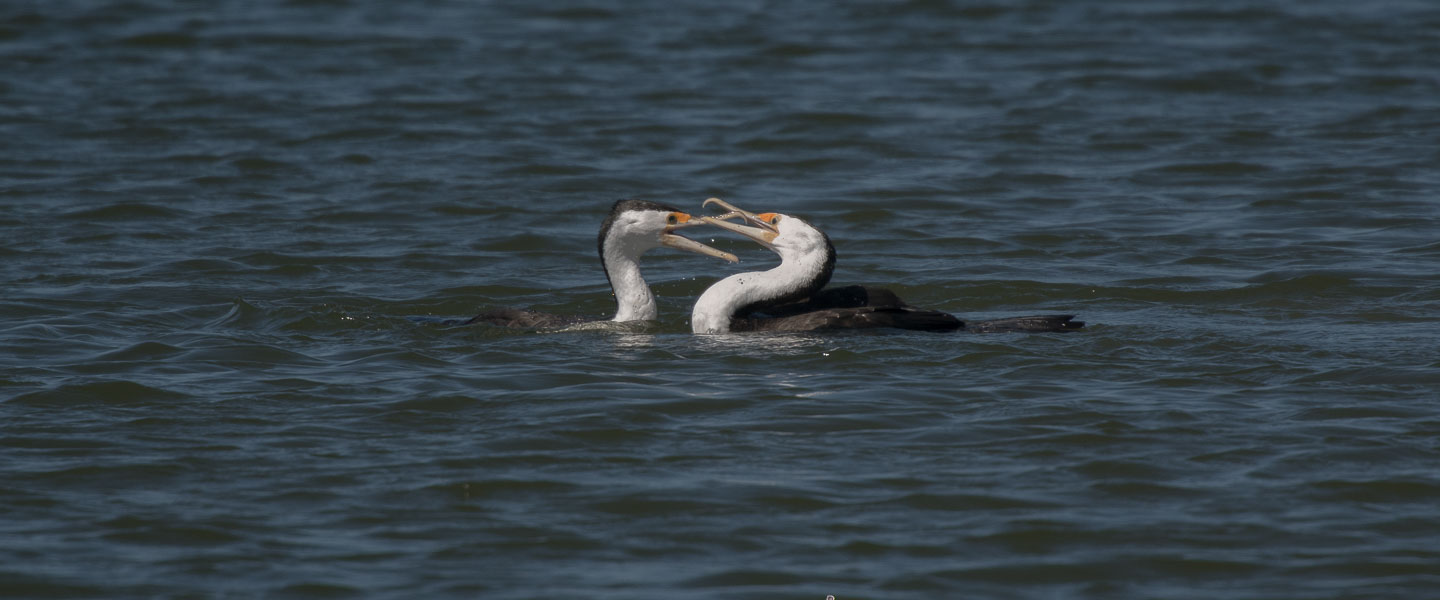
We watched for 15 to 20 minutes a pair of Pied Cormorant that had more than fishing on their mind.

1810-05_DWJ_7045.jpg

Continue reading “Pied Cormorant Call of the Season”

Little Visits: Little Ravens

Whoosh, whoosh, whoosh: Ker-Lunk.
A Little Raven flew past my ear, and landed directly on the picnic table in front of me.
Grab camera. Now the bird is so close I can’t get focus.  Move back on table, eventually get a great head shot.
With a boldness that had to be experienced to be understood, it walked over the table checking out anything that would be usable food.

Long time readers may recall that I used to do quite a few “Little Visits” when I was having my Nikon 1 Series excursus. But when it became clear Nikon had abandoned the system, well so did I. And with it of course my Little Visits.  (Little being a reference to the N 1 system- hope that wasn’t too subtle)

But this visit has made me want to revive the series. Sort of suits a lot of what I’m currently doing in the field. Rather than chasing lots of birds, I’m back to working with just a few.

So, after checking the table, and the surrounds and yes, I know, I don’t feed birds, but I  ‘accidentally’ dropped a bit of my muesli bar and my visitor was very quick to retrieve, fly to the river, soften it off in the water and then fly to a branch just over my head and deposit it into the waiting beak of its recently fledged young one.  Ahh!

1809-30_DWJ_6133.jpg

Continue reading “Little Visits: Little Ravens”

Snapshots: From Hope Street

It’s a little known factoid, that EE and I walk along the Werribee River near our unit most mornings. Weather permitting we do it before breakfast, and during the winter months that means the start is before daylight.
One of the access streets near our village is Hope Street. Now a friend of mine would like to add “NO” to the front of it, but I have those sorts of acquaintances. Some might even suggest that I attract them.

A highlight of our egress along Hope Street is greeting a friendly pair of Australian Magpies that have made the area their territory.  She has had five nestings over the years since we’ve been passing. Her male has a damaged leg, and he is unable to stand or hunt on the ground. He is however quite capable of perching on fences and lamposts.

A few weeks back as I walked down Hope Street, a rambling carolling call from directly overhead stopped me.  Looking up, I saw Maggie sitting in her newly installed “Grand Design” nest.  Enterprising lass had used lots of discarded building material, wire, plastic and the like to add a new story to last year’s nest.

Fast forward a couple of weeks and I took the camera down at first light to see how things were going.

1809-22_DWJ_5222.jpg

Continue reading “Snapshots: From Hope Street”

Studio Werkz: Creative Lighting Challenges

Warning to Birders.  This blog is mostly about photography, and lighting techniques and fanning the creative juices.  CLICK AWAY NOW!  You have been warned.

My current mentor and I have been playing with the thought, “What if you’ve taken your last “GREAT” photograph.” ;-(

Not one that is technically correct. Used the right lens, got the shutterspeed-iso-aperture worked out.  The exposure is dead on.  The subject is all as it should be.  No need for massive post-production.  Not that sort of Great.
But, y’know, Great!

And image that purely by subject/time/lighting/emotional appeal reaches out beyond the frame and the viewer “gets it”. The ones that sometimes we bleed over or travel miles for, or just happens to occur when we walk out the door.  You, subject, lighting, mood, atmosphere and feeling all make their stamp on the moment and its, “Great”. Not the one that gets more “Likes” on Facebook, or more “Favs” on Flickr.  But one that in a timeless manner somehow moves the thought you saw at the moment to the viewer’s mind and they  not only identify but also imbibe.

Y’know like McCurry’s Pic of the Green-eyed Afghan girl on the cover of Nat Geo.  Still get shivers when I recall how I first noticed that photo in the news agents rack when I’d wandered in off the street.  It was the only magazine in the entire rack that stole my heart away.

I’ve faced some big lighting challenges over the years. Buildings at first or last light. Vehicles in the moody pre-dawn. Brides and Grooms in the midday sun. Chrome laundry bowls on white gloss metal stand. And in all cases the same principles apply.

I had the good fortune to have been trained at one stage by the best.
Dean Collins. Master of Light. —A title he most justifiably deserved.
“He taught us to not only see the light, but to move it, bend it and most importantly control it, no matter where or when we were creating images” tricolorlabs.com

At one seminar Dean showed a 3 foot by 5 foot print of a portrait of Natalie Wood, taken just before her death. No matter where you stood in the room, her beauty shone from the wall. A truly stunning portrait.

So the other evening when the challenge came, I was fascinated how the various elements came together.
Gotta few minutes?
Here we go.

1807-25-DWJ_2027.JPG.jpg Continue reading “Studio Werkz: Creative Lighting Challenges”

Snapshots: Mouse Hunting in the Evening Light

We’ve been working with a Nankeen Kestrel for about a week or more now.  At first it was a casual acquaintance, but like all things after awhile it gets a little easier to predict what an an individual bird will do.
We dropped by on our way home from a day at the You Yangs Park, looking we thought for Robins. Not that we had much luck.
But the sunshine was holding in the evening light and we decided to see how the Kestrel was doing.   I have just about concluded that it’s a first year male, who is still in juvenile dress.  I might be wrong, but the light tail feathers and lack of barring are a good sign.

Found (him) sitting quietly on a branch over the paddock.  So I decided to walk up through the grass and see if I could get closer, and perhaps get a better angle. And he sat.

Huge amounts of supposition going on here, however I am pretty much convinced that as I walked through the grass, mice in the area fled, but toward the Kestrel.  Suddenly the head bobbed back and forth, and then he dropped.

DWJ_2181.jpg

Continue reading “Snapshots: Mouse Hunting in the Evening Light”

Snapshots: A Raptor Day at the Treatment Plant

A search on the Bureau of Meteorology website, has quite a bit of info on the lack of rain in mid of Australia.  See here http://www.bom.gov.au/climate/drought/
At the bottom of the page is a couple of graphs that begin to put it all in perspective.

And as it dries out, it seems, that quite a number of birds are moving south.  Or toward the eastern coast.
And we’ve seen quite a change in the numbers of smaller falcons and kites in our area.  In the space of a 10 minute drive the other day we saw 14 Nankeen Kestrel.

So we took a trip to the Western Treatment Plant on a sunny morning.

Continue reading “Snapshots: A Raptor Day at the Treatment Plant”