Saturday Evening Post: There and Back

Many will know I’ve mentioned my theory about Brown Falcon’s ability to ‘map’ out an area and fly, following that internal map.

I came across an article in The Smithsonian Magazine recently titled, Why Do Some People Always Get Lost.

The interesting part to me is toward the end and titled Mental Mappers. I can’t provide a direct link, and it’s a long scroll down. It refers to “….the specific skills that are hallmarks of good navigators These include the ability to estimate how far you’ve traveled, to read and remember maps (both printed and mental), to learn routes based on a sequence of landmarks and to understand where points are relative to one another.” ” Two of those skill are ‘Route Following’ and …and what’s often termed ‘survey knowledge,’ the ability to build and consult a mental map of a place.”

When my Mother-in-Law was getting on in years the family pointed out she was unable to move around on her own as, “She didn’t know where she was.” Now, I had to take exception to that as I’d travelled about with her quite extensively and was more than confident in her ability to go from home, to the shops, pick up a bottle of milk and return safely. And to venture in and out of several stores along the route. I discovered that they were judging her lack of ability because they had taken her to a shopping centre she’d never been to before and she had asked, “So, how do you get out of here?” I’m certain I’d have done the same. New place, new location, no mind-map.

As a young tacker, I grew up with a highly respected bushman. He could wander about for hours and still know where he was, where the start point might be, or the next spot to go visit. His simple secret was he named locations as he went along. Easy to remember names, like places, “The Eiffel Tower”, “The Burnt Log”, “Wombat’s Home”, and others. The landmarks would be no more than 200-500meters apart. So if he was somewhere, all he had to do was find one of his landscape features and follow back from there. When I walk the Eynesbury Forest, or the Woodlands Historic Park, I still use that system.

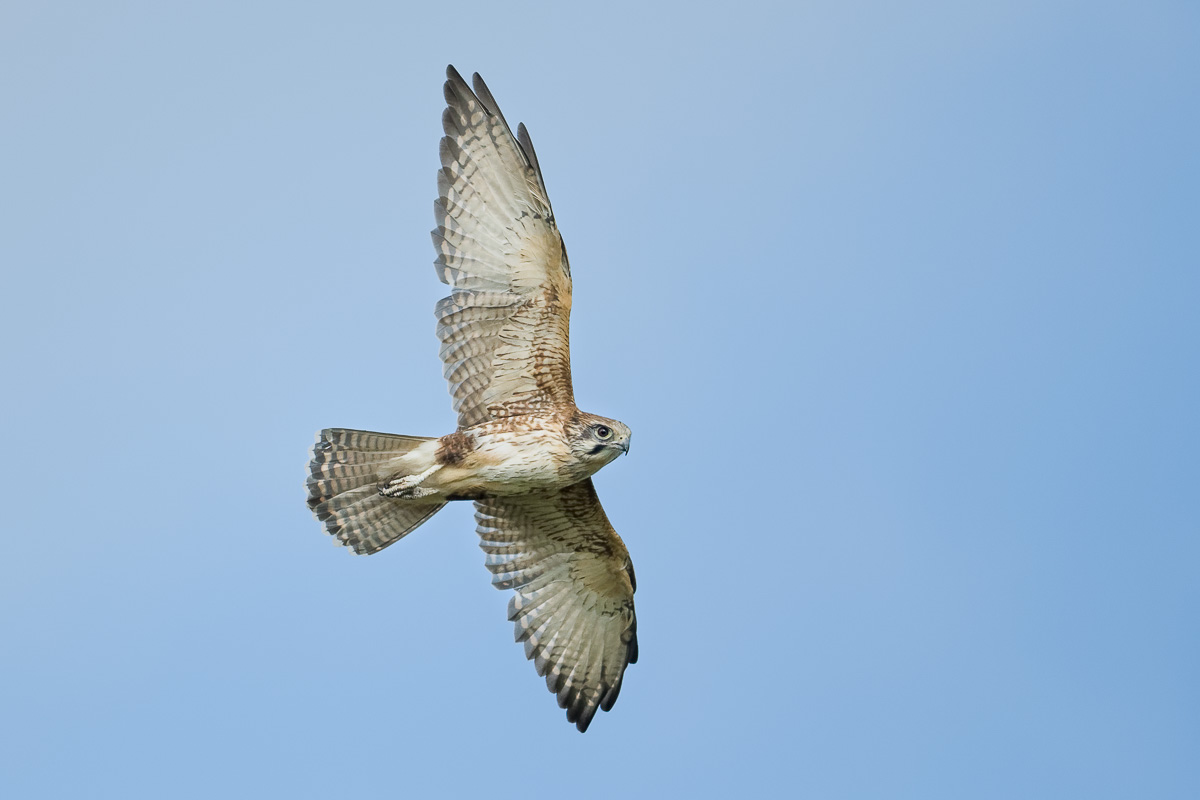
I’ve sat for an hour so so with so many Brown Falcon’s and watched them watching. Then when they fly, it’s a deliberate run at almost ground level, to swoop on something, or onto the next chosen perch. As they slip past a bush here, around a plant there, through an opening in the grass, it’s hard not to be impressed at their mapping ability.

And just in case you never leave home without GPS, here is a conclusion from the study.

…A follow-up with 13 of the volunteers three years later revealed that those who had used GPS the most during the intervening period experienced greater declines in their ability to navigate without GPS, strongly suggesting that GPS reliance causes diminished skills, rather than poor skills leading to greater GPS use.


We’ve also been following a pair of Black-shouldered Kites. They fledged two young about two months ago, and the young, as normal have now moved away. As soon as her young fledge, the female usually hands responsibility of their care and feeding to the male. She then takes a few weeks extended leave, and goes off to replenish her system from the 8 weeks or so of sitting on the nest.
For some reason this female had not returned for about two months. Her male kept station and I was beginning to think he was on his own.
However the other day, we found them both hunting in the paddock.
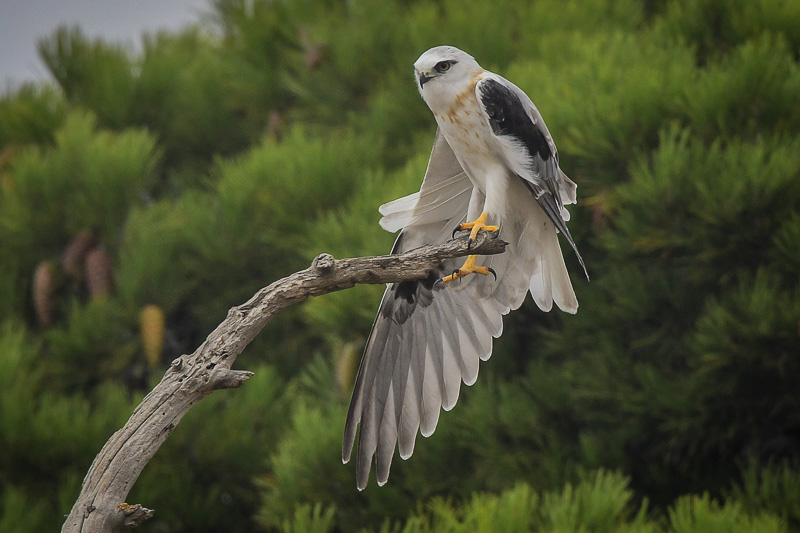
The picture on this page is of her sweeping in with a catch. Not sure if she took the mouse, or if he’d passed it on to her. Will have to wait to see what, if anything develops.

Saturday Evening Post: The Variations of Colour

If you assemble a group of half a dozen birders together and ask a question about bird id, you’ll likely get about 10 or more different answers.

Birds don’t make it easy. Some have unusual juvenile plumage and are easy to spot. Some don’t. Some differ between breeding and non-breeding plumage (Consider the Red-necked Stint, it’s most unusual in Australia to see them fully coloured up rich red).

Discussions begin about the intricacies of variation in moult patterns, in feeding styles, of nesting and a whole range of features and characteristics.
Discussion also turns to cover all sorts of anecdotal material, and some wise birders seem to be able to determine not only the sex of every bird, but on which side of the tree the nest was on.
It’s enough for the beginner to shake their head and wander away thinking, “I only wanted to know if it was a Sparrow or an Emu!”

Most birds don’t have a wide variation of plumage so its pretty easy to settle on what a Little Pied Cormorant looks like, and why it’s not to be id’d as a Australian Pied Cormorant. Or, some are distinctive enough, think Laughing Kookaburra, as to not be easily confused.

But when it comes to Brown Falcons

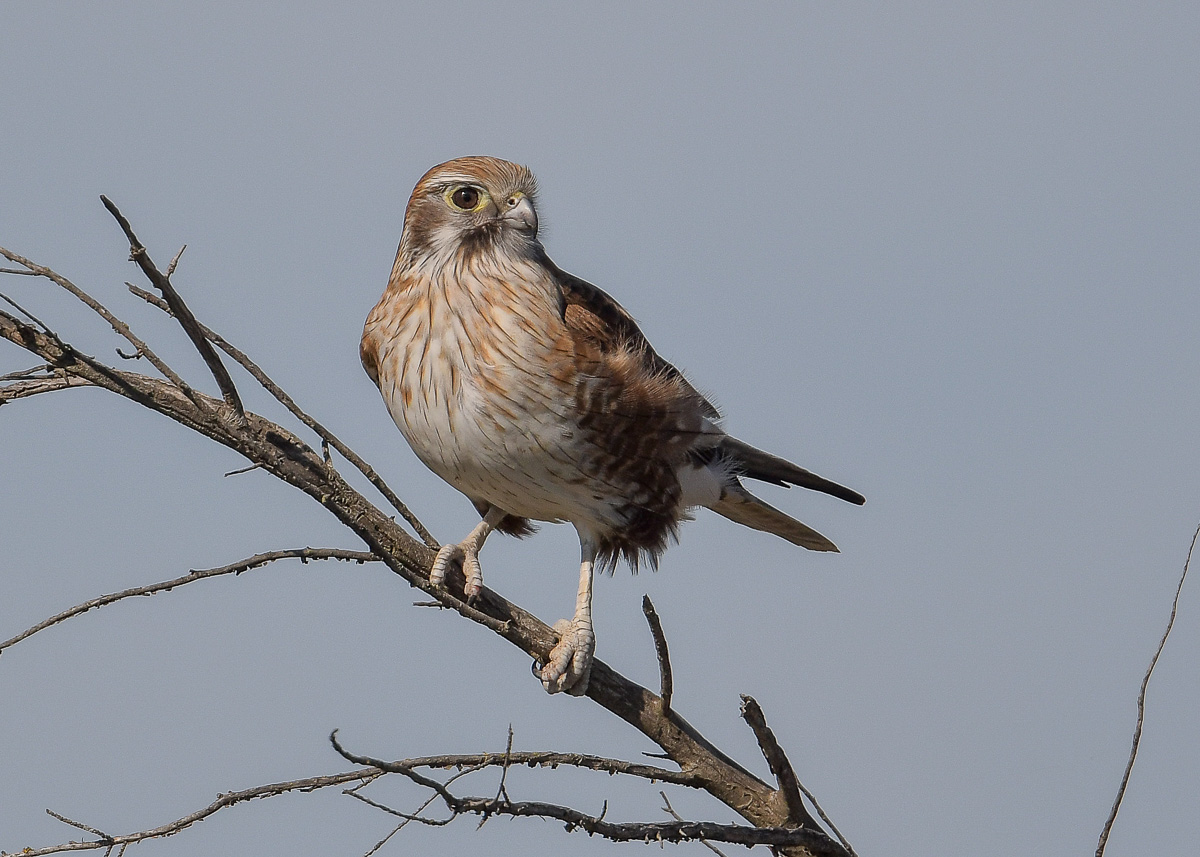
This past week my Flickr and WP friend Eleanor, had made a trip to the Western Treatment Plant, and photographed a bird which, at first blush looked like a Nankeen Kestrel. It certainly started some conversation around my group of birders.

Browns are birds of the open plains and open forests.
As the text books say, “Brown bird with a variable plumage.” Which is where the problems of id begin to surface.
And variable is what seems to make id complicated sometimes.

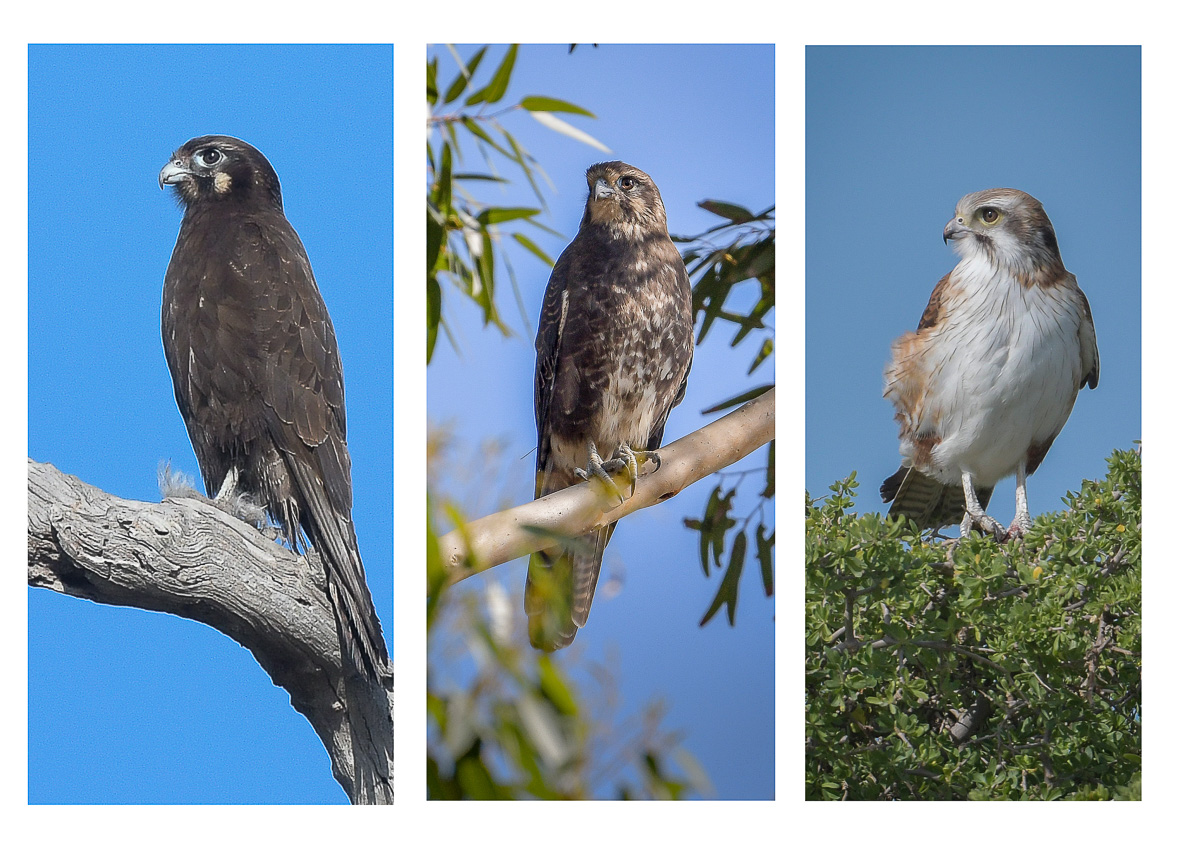
Browns can vary from dark chocolate brown, through a marbling light brown on white, to white chests and underwings.
At a distance, a light morph Brown is easily mistaken for a Nankeen Kestrel

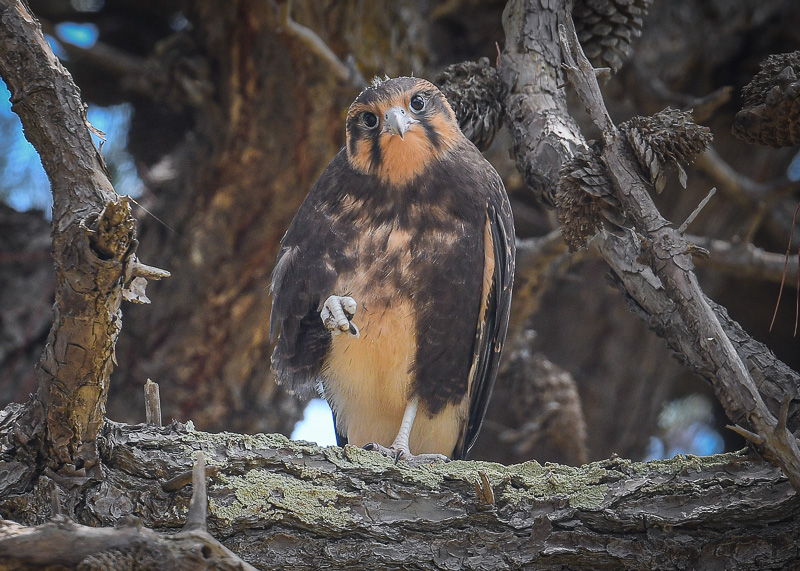
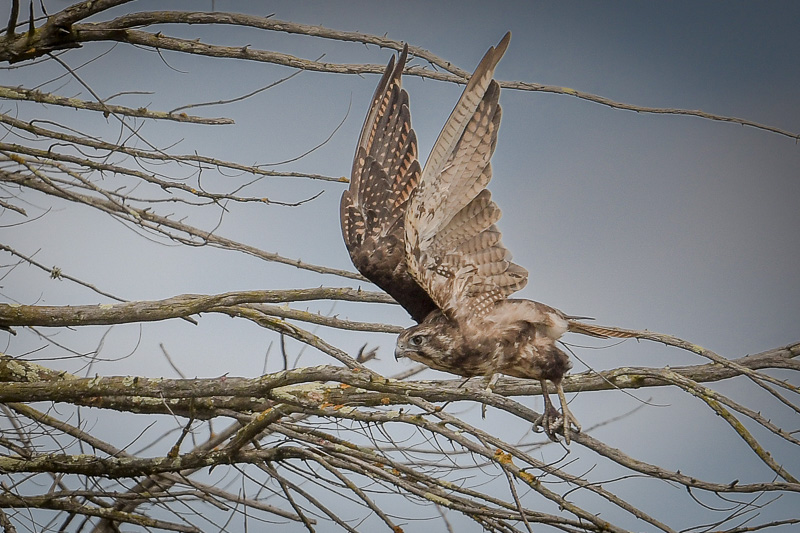
Here are three that show some of the variations. All of these are local birds that I’ve come across in the past couple of years.

See. “With variations”
Here is one that is similar, (if not the same bird, but I’m only guessing) that Eleanor found

For a greater discussion there is an interesting PDF file from the publication, The Emu 2003.
Much of the research was made at the Western Treatment Plant.

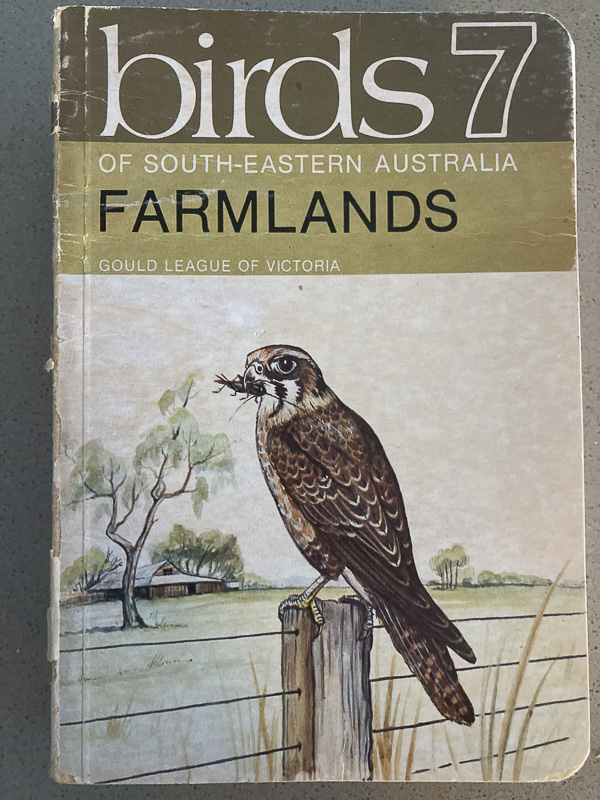
And here is a lovely cover of an old Gould League of Victoria publication with paintings by Susan McInnes. As can be seen, this particular book has had a long journey in our family.

It used to be said, that light coloured birds were from the wide open plains and darker birds from forested areas. But, like all anecdotal stories, they may only be true under certain circumstances. As a young tacker growing up in the wide ranging open fields of the Mallee in Victoria, it was not unusual to see light through dark birds.

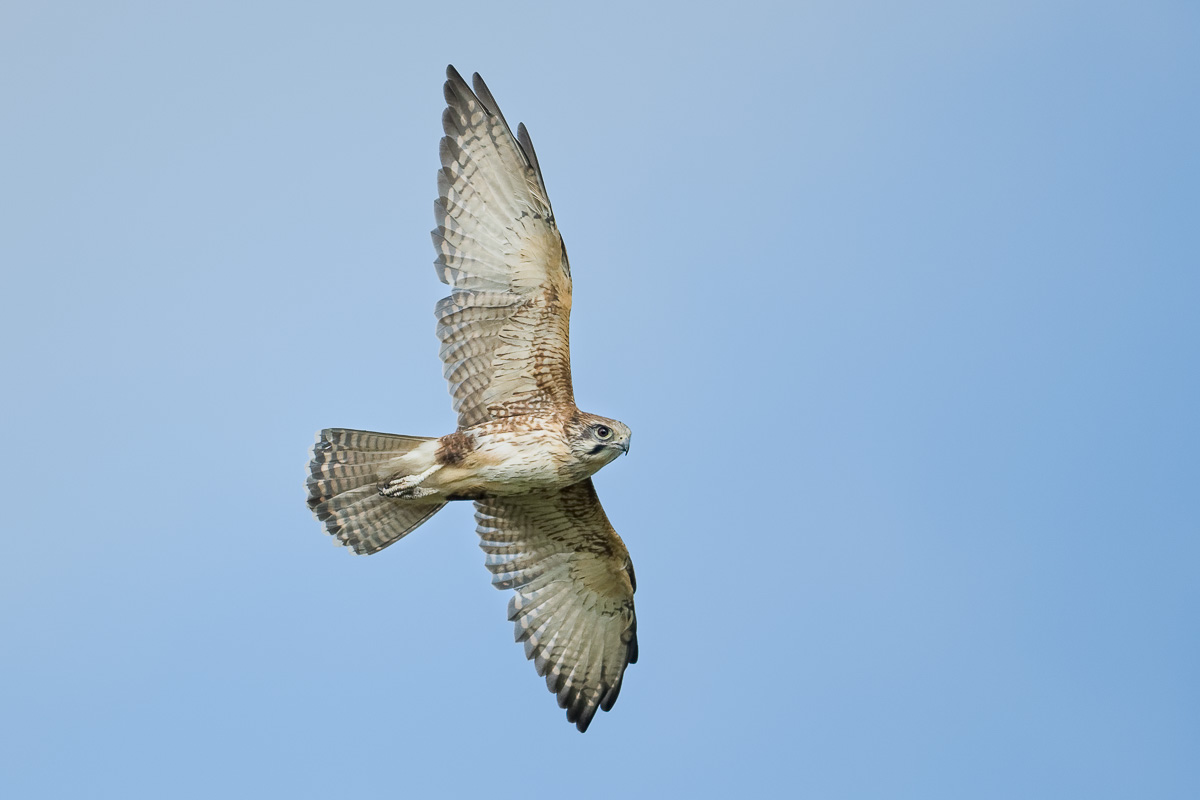
Long term readers know we regularly have contact with a pair of Browns. She is of the mid-tone marbled chest, but her handsome male, that I call “Alistair” is a very light morph bird. Here he is on a turn.

To add to the complexities, some like Alistair have yellow cere and eye marks, while others are a grey-blue.

And for completeness, here is a young bird that had only been fledged a couple of days, the baby down is still showing on its head, as is the rich apricot colours.

Good Luck with id.

Enjoy.


Saturday Night Post: Connections

In his book, “What the Robin Knows”, author Jon Young writes about how birds reveal the secrets of the natural world.

He tells a story of the time he was in a meeting in a full glassed office, and looked out to see a bird looking and acting very agitated. He exclaimed, “Oh, there is a cat coming along the footpath.” The others looked out and of course there was no cat. They were in a completely different frame of mind at that moment.
A minute or so later, a cat strolled down the path past the window. And everybody’s jaws dropped. Perhaps they were in the presence of a man with physic powers? Jon then explained the actions of the bird had led him to follow the story outside and that’s how he knew the conclusion.

EE and I usually work with only a small number of birds, we don’t chase birds for accounting purposes, nor do we rush to see the latest ‘new thing’. I don’t have a problem with those that do, just. We don’t.

Just for the record, we don’t camo, sit in hides or ‘sneak’ up on birds either. We let birds establish boundaries, and try very hard not to cross those lines. If I put a bird to flight, the loss is mine and I try not do do it again.
Some birds seem to have more tolerance of the human condition than others and some that have chosen to work in high human density areas are tolerant almost to the point of disdain. Ibis, Ravens, Gulls, Sparrows, Wattlebirds, and Magpie-larks and more, consider our wasteful practices to their advantage and readily move around us without fear.
Many a sausage on a BBQ has been lost to a marauding Kookaburra as it swoops down unannounced from the tree above. 🙂

Other birds just simply grace us with their presence.
My friend Martyn, has a Sparrowhawk that is using his fence as a perching spot, and has become quite predictable. I featured a wonderful video sequence of his a few posts back. However, see Martyn’s Flickr page here for the latest in the ongoing saga. Here is a bird that has become a regular.

Being able to take the time to observe such a bird, one can begin to learn about its character, and begin to see things from the bird’s perspective or at least to appreciate their perspective. It may only be a Sparrow, or Blackbird, or New Holland Honeyeater that regularly turns up in the garden, but there are things to know about the bird that are special only to each of us.

As Jon says, in a story of the San Bushman, “We develop connections with all aspects of the creation.”
As awareness grows, appreciation grows, as appreciation grows, so does empathy— Jon Young

This is one of two young Black-shouldered Kites that are just coming out of juvenile colours. This one is now quite grey of head and only a few chest colours have yet to fade. For us it’s an interesting story, as we are either looking at two siblings, and there were two fledged in the area a couple of months back. Or, two young birds that have formed a pair-bond. At present the jury is out, but if they stay around together, it’s certainly going to be a pair-bond.

Enjoy

Saturday Evening Post: Turn of the Season

I was going to title this “Return of the Mountain Kings”.
As April approaches, we start to get ready to look for the return of the Flame Robins and other winter flock birds.
From experience, we normally expect to see the first of the females turn up around the second week or so of April, and the males to arrive about a week to 10 days later.
They summer over and breed in the high mountain country and as the weather changes and the snows cover the ground, they move to lower country over the winter for food.

We were out following up on some sightings of Black-shouldered Kites and had been talking about how soon before the Flames would be around. As we crossed a fence-line and came toward the next gate, EE exclaimed, “A Flame Robin on the gate.”
And, lo and behold, there was a brilliant red flash in the sunshine out in the open on the top of the gate.
We followed him down the fence line as he hunted and eventually he disappeared. I guess when he’d flown about 200km or more to get here, 500m down the fence-line is nothing.

And as we headed back to iAmGrey there on the fence was a lone female.
The strange weather and the changes that seem to have affected both birds and trees and other wildlife has also made some adjustments to the Robins and their travel plans.

But we were quite pleased to enjoy their company and look forward to seeing the larger flocks arrive.

Came across an interesting article this morning on the bird that is the emblem of the official flag of South Australia.
The official name of the bird is “Piping Shrike”. It has been oft discussed as two birds seem to fit that discussion. The Australian Magpie, or The Magpie-lark
Here is a link to the discussion

And finally I came across this interesting partial quote by an scholar, Alcuin, he was, among many things, an instructor to royalty, including Charlemagne.

A Prayer from Alcuin (around 800AD)
Give us…..
Firm faith
Unwavering hope
A passion for justice.

In this present world, it is still has a lot of meaning.

Enjoy

Saturday Evening Post: Digitally Modified at the Source

Seeing is a miracle.

Recently, on occasions, I’ve risen early in the morning while it’s still dark, and gone for a walk. Street lights abound in the area that I walk, but nothing is quite like the slow, steady, change from darkness to daylight as the sun begins to make its presence felt on the eastern horizon.

Lines and shapes slowly become clearer, colours that were muted begin to take on their own richness. The natural wonders of the world around me begin to stretch and open toward the light.

I meet a pair of Magpies on the corner, near a football oval. I greet them, and they always respond with a long carolling season. Just t’other day, I didn’t see them on a fence post as I walked by—it was dark— and they were quick and loud in the call, to perhaps cajole me for passing by without acknowledgement.

Yet is spite of all these little visual miracles, the vast population around me drive past in trucks, cars, buses and bikes. All blinded to the wonders that are right there. Peering through their windscreens.

Not that I’m totally aware of all that happens. Something will grab my attention, but in between, I am also struck by a disease of visual decline.
Marcel Proust said, “The real voyage of discovery is not in seeing new landscapes, but in having new eyes.”

A wonderment with the world.

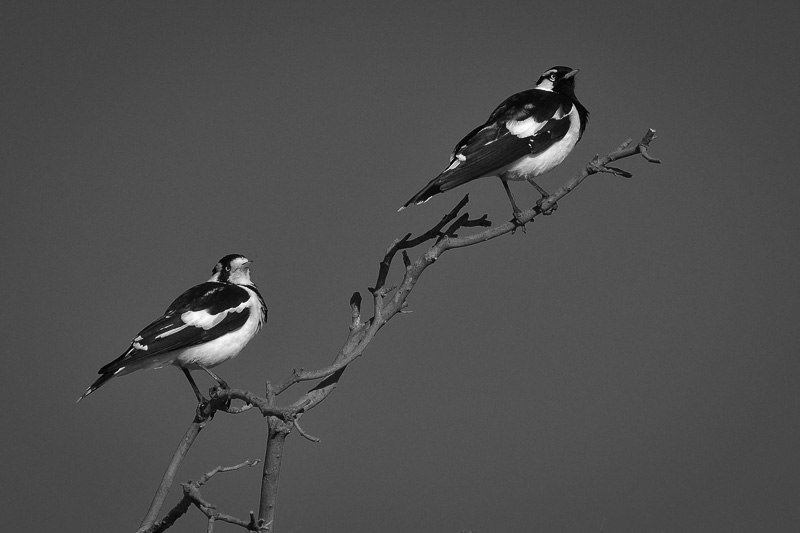
It is one of my great photo goals to make an image of a pair of Magpie-larks landing on a perch and doing their wing and call display.
I saw this pair approaching a tree and hurried to have a clear view, but.
By the time they landed, there was a leafy branch between me and the pair, and I missed the moment.
Looking at them, I turned the camera setting to monochrome, and dialled in some extra red filtration to darken the sky.
The result really shows the difference in the facial markings of the female in white, and the male in black.

As they now say in the best journalistic truth telling. “Digitally Modifed at the Source.”

Saturday Evening Post: I Fixed it up in Photoshop

When I was a wee broth of a photographer and served my time in a portrait studio, one of the jobs was “Spotting” the final finished prints of a client shoot. (Now it wasn’t always portraits, as products and insurance claims and the like were the bread and butter of the High St. photographer in those far flung days.
Spotting was—for the uninitiated—taking a fine brush, some suitable photographic ink, and carefully touching up any white marks that dust or fine lint may have marred the photo in printing. Dark marks were removed with a touch of “ferro”, (a highly poisonous product, called Potassium Ferrocyanide), which would, if carefully applied, (and you didn’t wipe the brush between your lips to get a fine point), slowly dissolve away black silver on the print to match the grey surrounds.

Another technique was hand colouring of portraits and wedding assembles. Careful note was made of the colour of shirts, dresses, hats, etc and passed on to the Hand Colourist who would carefully add the appropriate colour to the, usually toned to sepia (brown), prints.
One studio I was associated with had a reputation among the southern Mediterranean clientele. One of them finally revealed the secrets. Oh, we love your photos as they always give us Blue Eyes!
The hand colourist not knowing any different had just added blue to the eyes as she had always done.

Fast forward to the digital age. And among the first things just about anyone who was on the cutting edge of that revolution did, was to take a face and put it into a daffodil or rose. A person I knew, gained quite a reputation for being ‘creative’ as he showed prints of family and friends all looking good in the garden. And now most phones have a built in app for just about everything, including the famous tic-tok filters. Or was that snap-chat, I can’t recall.

I once had to ‘do’ a country wedding. Involved five sisters of the bride. Who wanted a group shot of the girls. Should be easy.
Makes photographing wayward birds a walk in the park. Literally.

Said girls all lined up. But to get them to look in the same direction at the same time for just say, 1/250th of a second proved impossible. Too many people to wave at, smile at or generally get distracted. In the end, I made about 10 shots of the group, and sent them on their way.
Loaded up all the images in Photoshop, did a quick softedeged cut and paste of each face, placed each on a seperate Layer in Photoshop and then carefully positioned it in the right location, body! Lots of hair, and hats and stuff to hide the edges so for all intents—it looked the part. Made the prints. No one complained.

I was quite astounded at the brouhaha, this week when the good Princess KaKa had the audacity to ship out a family pic of the royal brood, and of all things it seems to have “been fixed up in Photoshop”

Really. Must be the first mother in al history that has taken a shot of the kiddiewinks and then had the thought to clone out a hair or two, polish up the shoes, or get that crease out of the dress. When will that child learn to dress properly.
(Another reason to hire a pro. We check for things like that before we press the shutter as we are not emotionally involved in getting to all smile at the same time. )

How it all got past the sleeping Royal PR team is beyond me, but really. It was a pretty nice photo of the family, and normally, a print to hang on the wall.

But truth in the news business is as we all know, of first importance. Wink, wink, nudge, nudge.

Famed photojournalist Steve McCurry got himself in a lot of hot water a few years back for some off-handed ‘photoshopping’ on some of his pics.
Incidently, Steve also shot some of the last rolls of Kodachrome.
Don’t know Steve. Think Afghan Girl.
I remember the day I walked into the local newsagent and the latest copy of National Geographic was on the front shelf. I think I was mesmerised.


Been a quiet week for us. Between awful weather, a scarcity of birds and a few family activities we’ve been a bit of the home body has us.
But
I do want to share a link to a Flickr friend on mine. He live in Wales and has a Sparrowhawk come and land on his back fence. True!
He has made a few minutes of video of it preening. This is right up there with the best of Steve Mc, so click on the link and enjoy an invitation to the best front row seat you’ll get with a Sparrowhawk.


Thanks Martyn, Sparrowhawk.

Oh, and the header photo of Cassia, of Cinnamon, has had a little play around in Photoshop. !!@$$#W****&&^% 🙂

Saturday Evening Post: Rest or Nest?

I’ve lamented in a few places the past couple of weeks, that we have been a bit bird depleted.
Many of the areas where we normally work, seem to be quiet to a point.

Over the past few months most of the Black-shouldered Kites, that we have followed for a number of years, have finished nesting and have departed along with their fledged young to places far-flung. Hard to understand what has changed. The food seems plentiful, the weather I have to admit is anything but helpful, and perhaps as autumn is around the corner, the birds know things that we are not privy to.

At Point Cook, one pair has had around 5 clutches over the past couple of years. But they too have fledged the young and the trees and paddocks are empty. The female normally would leave the nest area as soon as the young are ready to fledge and bulk up and return a couple of weeks later and begin to plan the next clutch. This time she doesn’t seem to have returned. Perhaps, she has grown a bit tired of this nesting business and is looking for a break.

The male, to his credit, has maintained his station in the area. But each time we pass by, I wonder if he will still around.

We were travelling a local back road the other day, and spied a lone white shape high up on an old tree. EE cried, Black-shouldered Kite.
We didn’t have time to explore, but were going the same way a couple of days later and stopped for a looksee. And there we found a pair resting in the same general area. She was quite vocal and in the end he got the message and took off down the paddock, presumably to collect an offering for her.

The morning was very overcast and now I was left with light-grey and white birds on a milky grey backdrop.
I had been thinking of setting the camera to Black and White mode so decided to see what would happen. This one was shot with the “Red Filter” setting—makes the red eye of the bird a little lighter grey.

Be interesting to go back again, particularly after this bout of hot weather, to see if they have intent to nest,or if it was just a nomadic rest spot.

Saturday Evening Post: Reliable Worker

After the long and rambling sometimes confusing post last week, I thought I’d best be a bit simpler this post.

Among some of the tools that I’ve used down the years for obtaining a successful exposure has been a Weston Exposure Meter.

I was fortunate enough to be gifted one of these as a teenager. As time has progressed I’ve owned about five. Three met with sad endings, being dropped or mishandled, one I think was stolen, and one became lost when we moved, once or twice.

There are some clever settings on the dial that records the correct exposure, and to avoid making this a long post I’ll just ignore them, other than to say they could be used to determine the exposure for the darker or lighter areas.

The meter was not battery operated, but used a light sensitive cell to read the light values. It could read a ‘Reflected” reading by pointing the meter at the subject and reading the light ‘reflected’ back.
The meter was also supplied with a little plastic dome, called uncannily, an “Invercone”. To use it in this mode, I’d attach the plastic dome to the meter and then hold the meter in the subject’s position and point the meter at the light source for an “Incident” reading of the light falling on the subject. (Bit more complex to describe here.)

For most of my own work over the years, I’ve always preferred the Incident method. Once you change to a meter built into the camera, incident light readings become hard, and so called solutions to that problem are at best workarounds.

Incident readings overcomes all the issues of working out where a ‘zone’ should sit.
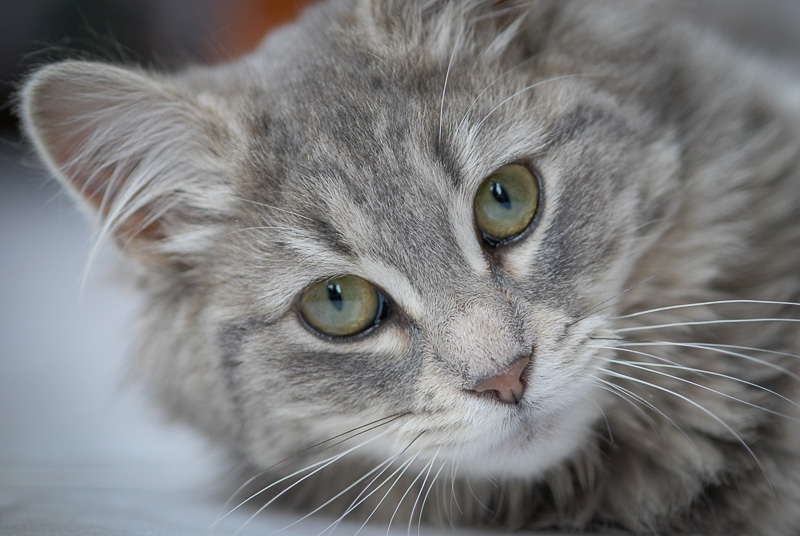
If I were to take a photo of say, Ansel the fluffy Mid-toned Grey Cat in bright sunshine, then one of Fluffy under a bush in the shade, and then a third of Fluffy looking out the window on a cold overcast freezing day, the amount of light falling on Fluffy is going to be significantly different. Obviously the greatest amount of light falls on the sunny day version. And the meter reacts accordingly and I’d change the rotating dial to match the Light Reading value on the screen. The BIg Red Arrow points the way.

Just for the ducks of it, I took my D500 and a 55mm lens outside and photographed the garden. I set the camera to A for Auto and made a picture. ISO 100, 1/125. f/11
Then I set the camera to M for Manual and took the trusty Weston and waved it about a bit, and found it read, ISO 100, 1/125th, f/11. I set that and made the shot.

Looked at both on the screen side by side and didn’t perceive any differences. 🙂
Not that I was surprised. 🙂

Here is a look at my current companion. Although these days it does spend most of its time in the camera cupboard. It also carries a scar of honour in the crack on the glass from one of its many adventures The “Invercone” is in the background.
And I placed it on an 18% reflectance Grey Card (Kodak R-27)


And here is Ansel, the Fluffy Mid-toned Grey Cat. Just in case anybody wondered.

Fluffy and I were being naughty, as she was sitting on my daughter’s table looking out the window.


Saturday Evening Post: Zoning

Had a couple of comments and an enquiry about an off-handed remark I made on St Ansel and the “Zone System” last post.

So for the Non-tech heads—Click away now. Nothing to see here!

If you’re still reading, the majority of the blog is a tad (ok a great big bulge) Tongue in Cheek.

The Zone System, and pre-visualistation (What last weeks blog was about) were the brainchild(ren) of Ansel Adams and Fred Archer. Historical issue, they were photographing in the 1930s using mostly large format cameras, exposing one sheet of filum at a time. Due a range of limitations in technology at the time, the filums cannot be compared to today’s clever chemisty and technological advancements, nor can they begin to be compared to whatever clever senor you have in your sparkling new Mirrorless camera. (What. Don’t tell me you’re back in the days of wooden wagon wheels with one of them oldfashioned, outdated DSLRs (Taylor Swift wouldn’t been seen out with one of them))

Adams and Archer worked with scientists from Kodak who had explored the amount of light reflected from most average scenes. (You know it was what was printed on the box or leaflet with each roll of film) Kodak Scientists had figured out the average scene reflected around 12-13% brightness or more correctly incident illumination . And designed their exposure recommendations accordingly.
St Ansel (et al.) wanted the number to be closer to 18% and after some discussions Kodak introduced into their product line the truly amazing “Neutral Test Card” with its equally infamous Publication “R-27” leaflet. Which orginally—then didn’t—and then did again—included a paragrah that the reading from the exposure meter needed to be increased by 1/2stop from the meter reading. (Of course who reads instructions? and that maybe is why a certain copywriter took the paragraph out sometime in the late 1960-70s, and why it was reinserted after the ‘error’ was discovered.)

St Ansel (et al.) needed the extra one half stop or so exposure to comply with their:
Maxim of the Day
1. Always expose for the shadows and let the highlights be corrected in development.
(As an aside if you’ve ever seen an St. Ansel original negative its a very thin low contrast thing.)

2 Previsualise how the range of tones will print.
So they could work out what was going to be printable or not, they Pre-visualised those brightness values into 11 “Zones” Oh, welcome back skim reader.

Zone 0 would be as black as old boots and contain no detail, Zone X would be white as driven snow and contain no detail. In the middle Zone 5 would contain…….
Mid-tones.
And midtone err sorry, Zone 5 was 18% reflectance.
Insert Small ding ding bell to large clang of claxton.

What does all this have to do with Digital Photography.
Memo: Absolutely Nuthin!

Current Maxim from Michael Richman for Luminous Landscapes and Thomas Knoll—He, the author of the orginal Photoshop
1. Expose to the right. (ETTR) Or another way to say Expose for the Highlights and correct Shadows with the clever sliders which have replaced mixing up your own special developer brew. These days we call them “Presets” and who doesn’t have a harddrive full of them and never used?

2. Be careful what you point the “Spot” meter in camera at to be sure it’s going to be Zone 5. Or you could point it at say a Zone 3 value and adjust the exposure accordingly. But…really. Read the Memo.

If you point it at say the black feathers on a Black-shouleder Kite, and make no adjustments, the shot is going to be “Over Exposed” as the meter will try to expose to make the black—mid grey. if the Kite stays still long enough and you point it at the White chest feathers, and make no adjustments, the end result is gong to be…… wait for it…… Yes. Correct. Underexposed. Because the meter will try to expose to make the white—mid grey.

St. Ansel, exposed one sheet of film at a time and made notes on the development required.
We shoot a burst of 50 shots and hope we can find the right slider to correct it.

As an aside, my fav Black and White Monochrome software is Nik Software’s Nik Silver Efex
It has in its repertoire a little thumbnail and a tiny Zone system. Click on a ‘zone value’ and it gives Zebra stripes to those values in the photo. Yellow/Orange down the 1 and 2 end and a curious choice of Red to Black in the uppers. I’ve put some examples at the end of the blog.

So shoot often, shoot regularly, shoot with thought and don’t be bogged down with a system that for the vast majority of photographers (specialist landscapers, you won’t have read this far anyway).
We all get caught—some over or underexposed shots. But, we learn from that, and hopefully next time we are better prepared.

St. Ansel and Fred did the photography community a great service in helping to figure out the tonal values of a scene. Michael and Lord Thomas, gave us some freedom to experiement to get the best out of our digital chips, and no doubt have helped engineers train their product better.

So there you have it the 7 mega-zillionth explantation of St. Ansel’s system, Or you could just read his “The Negative ” book, and cut out the middle man.

Keep takin’ pictures. We do.

Here are three images from the SFx software.
Best to click on the images full size to see the colours. I made some corrections to the lower zones in the third one of them and you can see the change in the little tiny (next to useless) “Curves” view.

Saturday Evening Post on Sunday: Light Moves

Apologies again. I didn’t press the button to Post. 🙂

There is a long standing photo adage, “Previsualise (always with a ‘z’) the photo”. Promolagated by St Ansel (Adams).
His point had little to do with the content of the picture and all to do with making sure the exposure was set correctly to cover the gradient range of the “Zone System” But more of that on another occassion.

The term seems to have wandered its way into the vocabularly of creative photographers, as in “I pre-visualised the way this picture would look, feel, express what I thought, etc etc. blah. “

Sometimes tis true, just by the sheer magic of a moment.
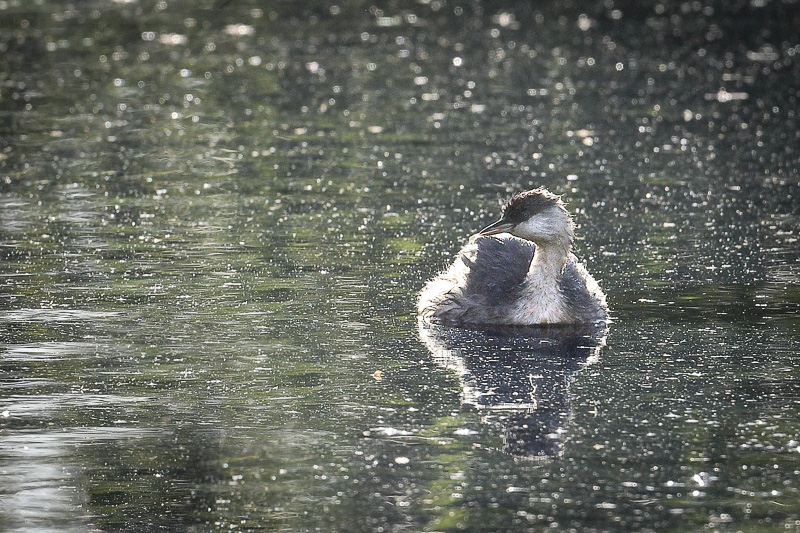
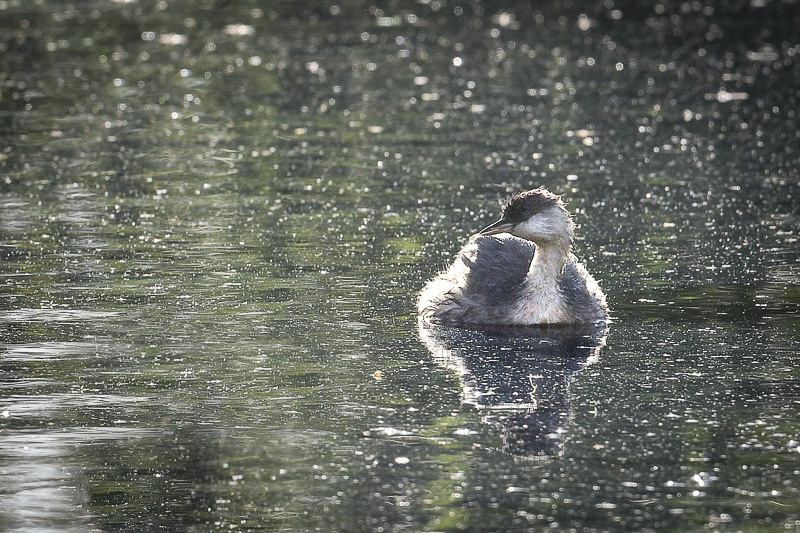
I knew when I saw this little Hoary-headed Grebe that it would look great against the be-jewelled backdrop of the early morning light on the water. That amazing rim-light running around the edges of the bird was just too good to ignore.

But also I knew that the little Grebe would be terribly dark and underexposed. Perhaps two shots and merge then in Layers in Photoshop was one response. In the end, I opted to make the exposure for the middle densities and hope that Lightroom would handle the highlights and a bit of work with a brush might bring out some of the detail of the ‘underexposed’ Grebe.
That’s why the puruists will tell you, ‘We Shot raw!!” Gives us so much flexibiltiy in post-processing.
For the record.

This was made from a JPEG from the D500.

Enjoy

Saturday Evening Post: Essence

When admiring a painting
Don’t examine the paint
When meeting an artist
Don’t ask to look at the brush

Deng Ming-Tao 365 Tao Meditations

“Oh, you must have a good camera?,” is a question that often comes up when someone looks at a selection of our bird pictures. No one on an operating table ask the surgeon what brand of scalpel they are using.

The apocryphal story is told of a conversation at a photographic exhibtion in New York of Henri Cartier-Bresson’s work. 
A visitor, a Texan oil millionare, asked HCB, “Well, what camera do you use?” HCB replied, “A Leica.” The visitor turned to his son, who was standing nearby, and said, “Well son, we gotta get you one of them Leekas so you can take great photos too,” and walked off.

The essence of a great meal is not to be found by asking the Chef, what kind of Knife or Saucepan they use, but rather in appreciating the artist’s genius for assembling all the right elements for an outstanding meal.

Often we might look at a photograph, examine the tech specs of ISO, Time, Aperture, Lens and Camera type, and miss the beauty that the photo expresses.

The same comes from watching birds at work. It’s easy to be caught away by the physics, or biology, the math, or any one of a number of scientific outlooks. So willing to define the birds actions that we fail to comprehend the whole.

Just to watch this Egret as it moved slowly from spot to spot along the pond, made taking the photo seem like a secondary action. The real beauty was in enjoying the sheer elegance of this creature and its ability to apply just the right science to delicately land barely rippling the water.

It was like being at one with the bird and and its skills.

Saturday Night Post: Wandering

All that is gold does not glitter,
Not all those who wander are lost;
The old that is strong does not wither,
Deep roots are not reached by the frost.
From the ashes a fire shall be woken,
A light from the shadows shall spring;
Renewed shall be the blade that was broken
The crownless again shall be king.

J.R.R. Tolkien

I have used, “Just because I wander, doesn’t mean I’m lost” as catchline for birdsaspoetry blog for quite a number of years. I realise it is a bit of a corruption of J. J. J. Tolkien’s work of, “The Riddle of Strider”.

And while this is not a book review, nor a poetry examination, the meaning of the original intent of the riddle is quite clear. Yet there are so many ways part of the quote can be taken and applied. 
In our rambles looking for suitable birds, it might often seem we are wandering about aimlessly. Such is the nature of the way birds appear to work to the casual observer.

Several weeks ago we had a number of days of intense heavy rainstorms. Most mornings I walk early before breakfast, along a section of the nearby Davis Creek. This is an old watercourse and in the past times, before housing estates were established on either side of the bank, it would have been for most of the year a series of ephemeral water holes, most of which would be dry by mid-summer.

These days, the housing estates stormwater drains (is that a verb or a noun?) into the Creek. With the housing stretching for kilometres up the creek, after several days of rain, the creek overflows its normal watercourse and spreads out over the lowlying river flats. 
Melbourne Water, have constructed quite a number of wetlands along the creek that help control the quality of the water. The thick reed beds capture and hold silt and debris that comes down the creek, the water leaving the wetlands is well filtered. But as a storm water entry point is about every 500m or so there is lot of debris that enters the waterway.

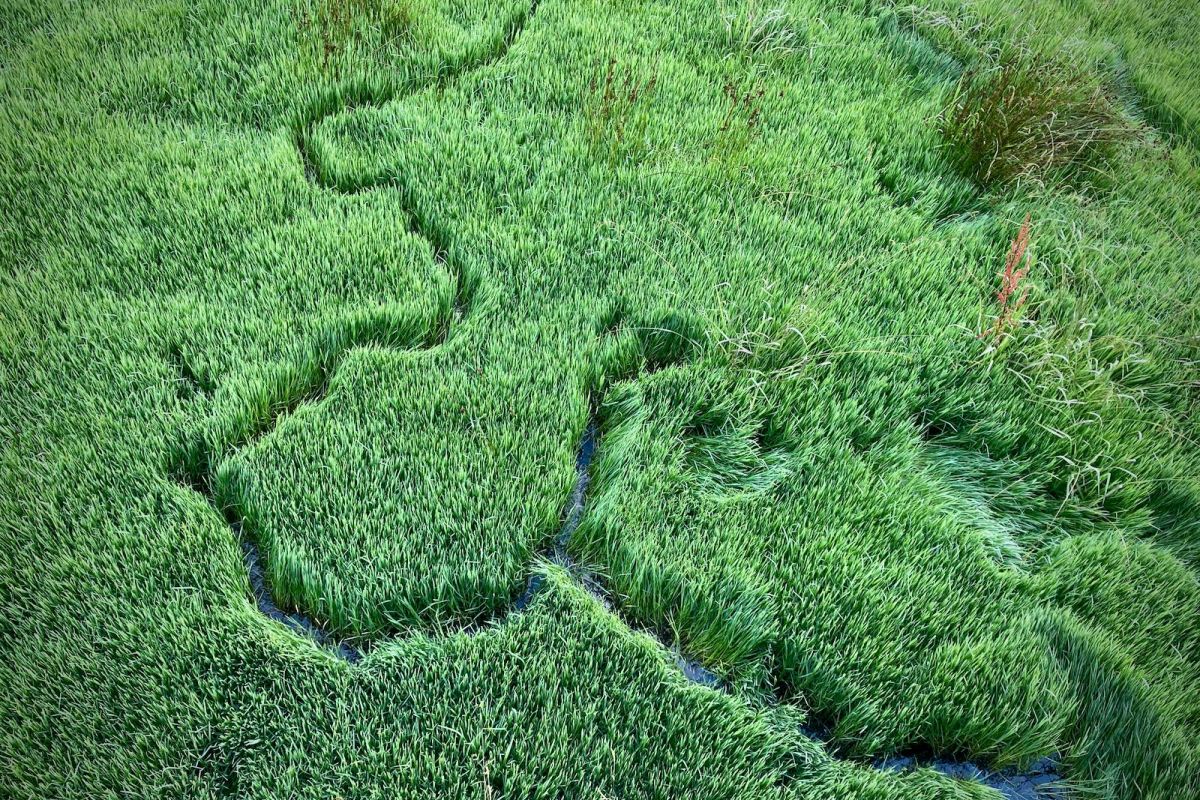
A footbridge, in my area, was constructed to give access to housing estates on both side of the creek. As I walked across with the water running through the grasses on the lowlands I was struck by the pattern that an Australasian Swamphen had made in its journey about in the flood affected grasses. 
At first glance it might appear random. But no doubt the bird had a purpose in mind.

Enjoy

Saturday Evening Post: Exploring the World

Photography, if you’ll pardon the pun, has been the lens through which I’ve explored the world around me.

From the very first photo attempts with Mum’s Box-camera, “Keep the sun over your left shoulder, Dear!”, through a Kodak Star camera as a present, to graduating to a the Magic Carpet of a Super-Balda 120 roll film adjustable camera, the visual journey has always inspired the enthusiasm, imagination and dedication of making remarkable images of everyday things and events.

Those first ‘photos’ of Blackie the cat, asleep, in the sunshine, on the porch, to the blurry shots of a “Red Rattler (train) passing under the footbridge at Hampton railway station, may not have passed on down through the tunnel of time, but each press of the shutter today, still carries the memories of those early moments.

Photos have always been part of my life. The National Geographic Magazine, stacked year by year ready to fill in a rainy day on the couch, later, Life Magazine at the local library on the way home from school, and I’ve mentioned before the special librarian who must have had a fascination in Photo-folio books that let me explore how others saw the world around them.

And on reflection, (another photo pun!) each press of the shutter, like a tiny drop of water shimmering on a leaf, opens up new vistas of exploration. David Malouf said it this way.

… in dreams that blow in from out there bearing the fragrance of islands we have not yet sighted in our waking hours, as in voyaging sometimes the first blossoming branches of our next landfall come bumping against the keel, even in the dark, whole days before the real land rises to meet us.
– David Malouf, An Imaginary Life


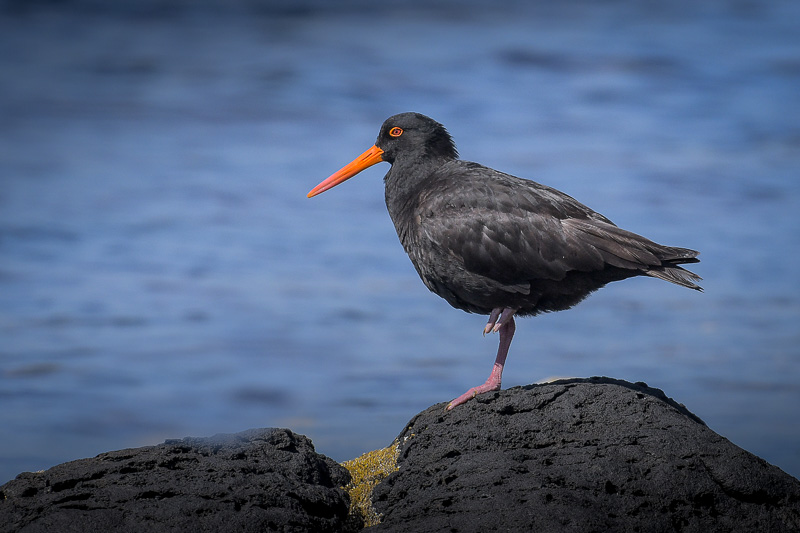
We don’t get Sooty Oystercatcher on our beach zones as regular visitors. Their Pied cousins while not regular are among some of the usual visitors.
So its always pretty exciting to spot a Sooty along the beach. Unfortunatey they are quite human adverse and will fly further down the beach or wade out on low tide to the safety of rocks far to far away for photography.
This one chose a halfway point, and I tentatively tippy-toed around the small shallow pools in the low tide sand to get the chance to isolate the bird against the water. Fortunately it stayed.

There is dear reader no connection. that I’m aware of, between the black of the Sooty’s feathers, and Blackie the cat.

Saturday Evening Post #200: Th’th’the’that’s all folks!

Number 200!

And when the fanfare, the party favours, the streamers, and the cheering all die down, its time to face reality.

Number 200 will be the last regular Saturday Evening Post. I’ve decided to call it quits, like many who stop while there is still a glow to the process.

When I first started Saturday Evening Post about four years back, my  intent was to publish a photo from the week and explain where, and why i was highlighing it.

Then came covid and in particular the lockdowns. Melbourne ended up enduring the longest lockdown of any city in the world. (As the Ombudsman said in a report on why Victorians were not allowed to return home, “It was hard not to agree with the complainant that such requests were ‘beyond unreasonable… very intrusive and unkind, it’s inhuman actually’. …. But the effect of a complex and constrained bureaucracy meant some outcomes were downright unjust, even inhumane.”   See here )

So  I turned to the blog as an outlet to the frustration of not being able to travel about.  And so the style of the blog changed and we began to cover photographic topics, the work of great photographers and my own recollections of a young lad in a country town with a passion for making images.

But, as insightful readers will have noted, its been harder and harder keep up the flow of that sort of material, and I also began to add a few ”stream of conciousness’ posts along the way.  Easy to follow if you were aware of where I was coming from, or even going to, but as a reader explained to me, “It’s to complex and I just click the photo and move on.”  That should, I suppose, have been a warning.  So it seems that its perhaps better to step of the treadmill of grinding out a page simply to fit a deadline.

But by then the magic of #200 was looming on the horizon and here it is.

So what to expect.   Well the normal sections of the blog will continue on their own ad-hoc basis as they are posting now.  I am hoping to be able to photograph birds in such a way as to bring an insight into their lives, in a single story.  Little Visits and Pages from the Field Note Book, should be regular in an irregular sort of way, and perhaps even an occassional Saturday Evening Post, (perhaps).

So, I hope you’ve enjoyed the journey. I have. Thanks to everyone who has commented, added additional information or insights and generally made the blog a bit larger than just my ramblings. I have truly appreciated all the various interactions.

Thanks again, and as Crobie Morrison used to say, “I hope to catch you Along the Track, somewhere soon.”


We were out the other day around the Altona area and had arrived at the Maddox Street Boatsheds area where the Paisley Drain and  the Kororoit Creek empty into the Bay.
The Environmental Team of Hobson’s Bay Council have carried out significant works in the area developing it for walking and bird watching.  My good friend, Andrew Webster is part of that team and they have made up special signs to help id birds in the area.  One of those signs has been erected at the Boatshed area and as I walked through the bush toward it I was pretty thrilled to see a painting repro of a Nankeen Kestrel. Instantly I knew the source of the picture.
It was one from a series of Kestrels that I made out at Woodlands Homestead several years ago.  Hard not to recognise the wing angle and pose of the bird as I see the photo every day as it’s a wall print next to the computer.   Pretty chuffed (not Choughed) to see it and it was good to recall the memory of the time with those birds and also that it can go on to help other who are beginning bird observers.

Here is a link to the shot on Flickr.

Nankeen Kestrel, avoiding road traffic

And here is the shot on the sign as comparison.

Travel Well
Stay Safe