At the beginning of the year, we receive an invite to enjoy a guided bus tour around the now defunct Cheetham Saltworks at Point Cook. Our friends, at the City of Hobsons Bay make an offer so good that we can’t refuse. The old Saltworks is now but a shadow of its former glory. Established in the 1920s it is a series of ponds and lagoons that cover over 400 hectares. The saltworks closed in 1990 and the area is now managed by Parks Victoria. They keep a supply of water flowing through the ponds and in the right season the area attracts many waterbirds. Some nest in the drier ponds.
Normally the only way to view the area is from an observation tower at the northern end of the Point Cook Park, but, with some kind cooperation, of the Park Vic rangers, the Hobsons Bay Rangers take a small number of interested folk into the ‘inner workings’ of the area to see what bird species might be in residence.
It has become, for EE, Mr An Onymous, Ms In Cognito, our friend DT and others a little bit of a yearly pilgrimage. Sort of a birders version of watching the Summer Solstice at Stonehenge. 🙂
One of the employees of the Saltworks joined Parks when the change-over took place. Bernie had years of experience and was, (still is, just retired) passionate about the area and maintaining it. When Bernie joined the trips he’d regale us with stories of the area and the bird and animal inhabitants. At the end of the day I always came away knowing so much more about the area, and realised that I’d only put a tiny dent in a scratch of the surface of Bernie’s knowledge.
With many species of birds away up north because of the huge ephemeral waters in Queensland and New South Wales, the numbers of birds at present is quite small. But the sun was shining, the company was pleasant, and the intrigue of perhaps finding something special made the day all the more inviting.
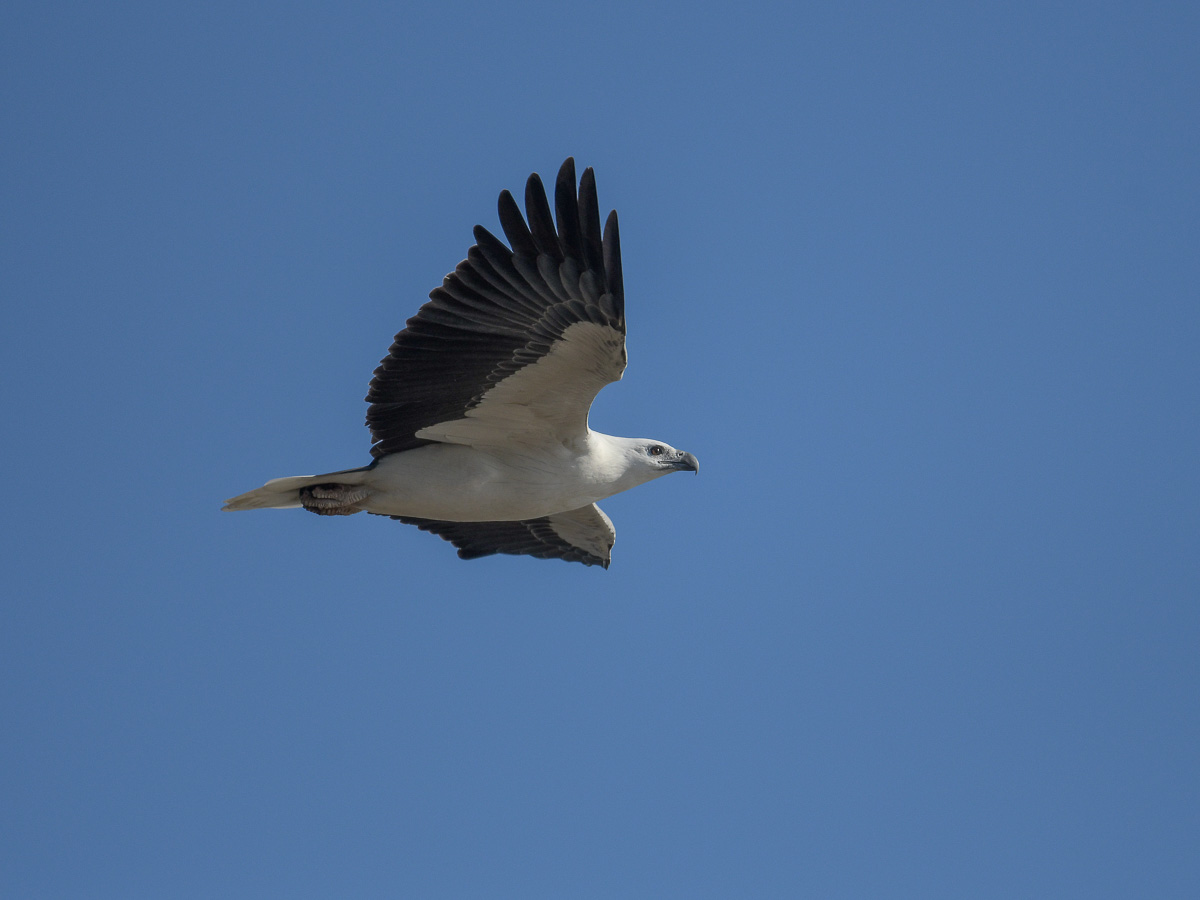
Our intrepid Ranger team soon had us on the way through the first gate and the sharp eyes of the front seat passsenger quickly located a White-bellied Sea-eagle in the sky up ahead. Ahh! the sharp eyes of youth. But for us in the centre of the bus all we could see was… the inside of the bus. A stop and we all piled out and, yes, it was indeed a Sea-eagle. Put that on the list.
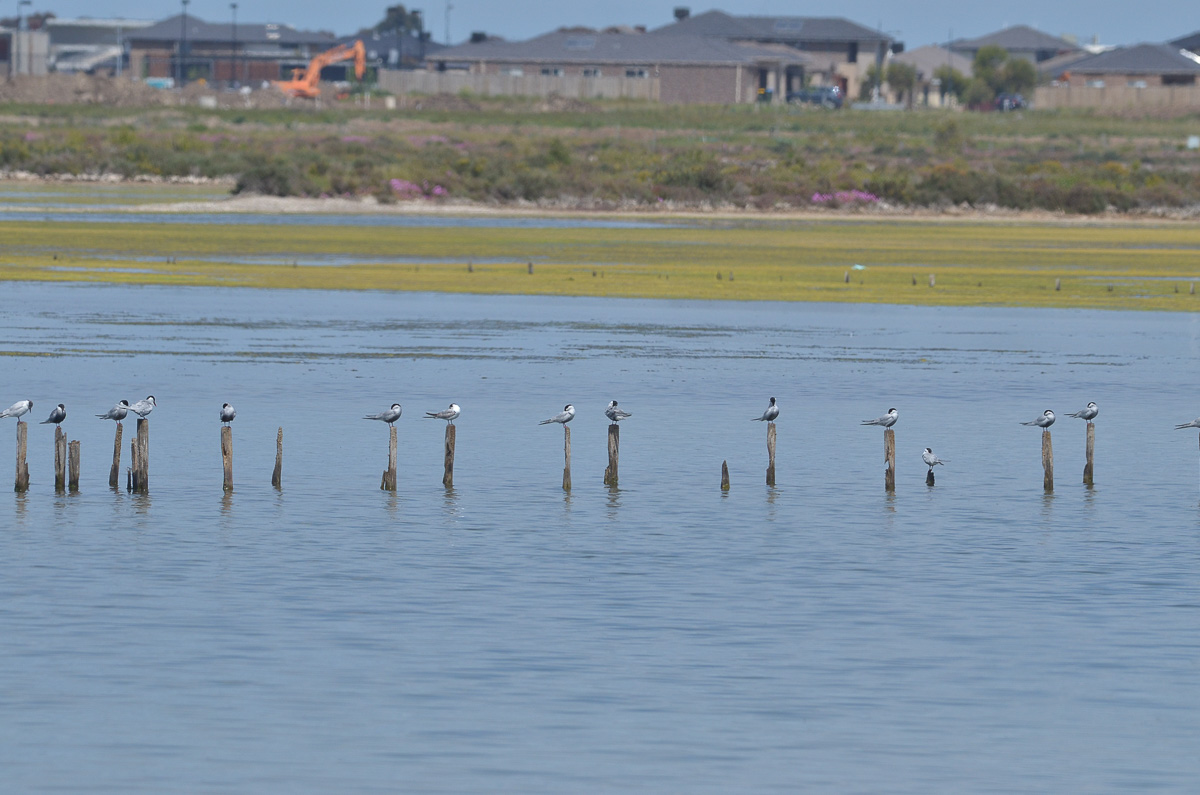
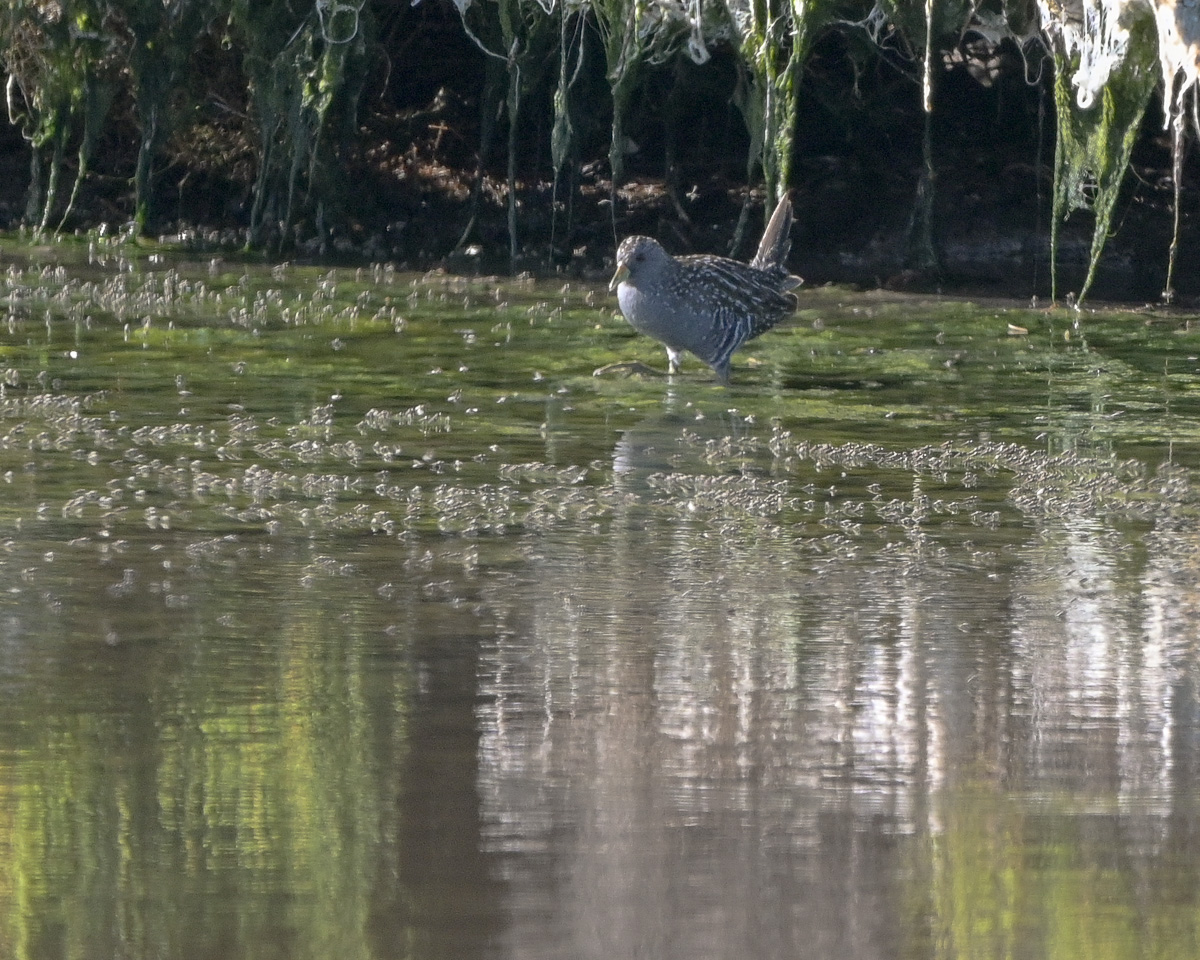
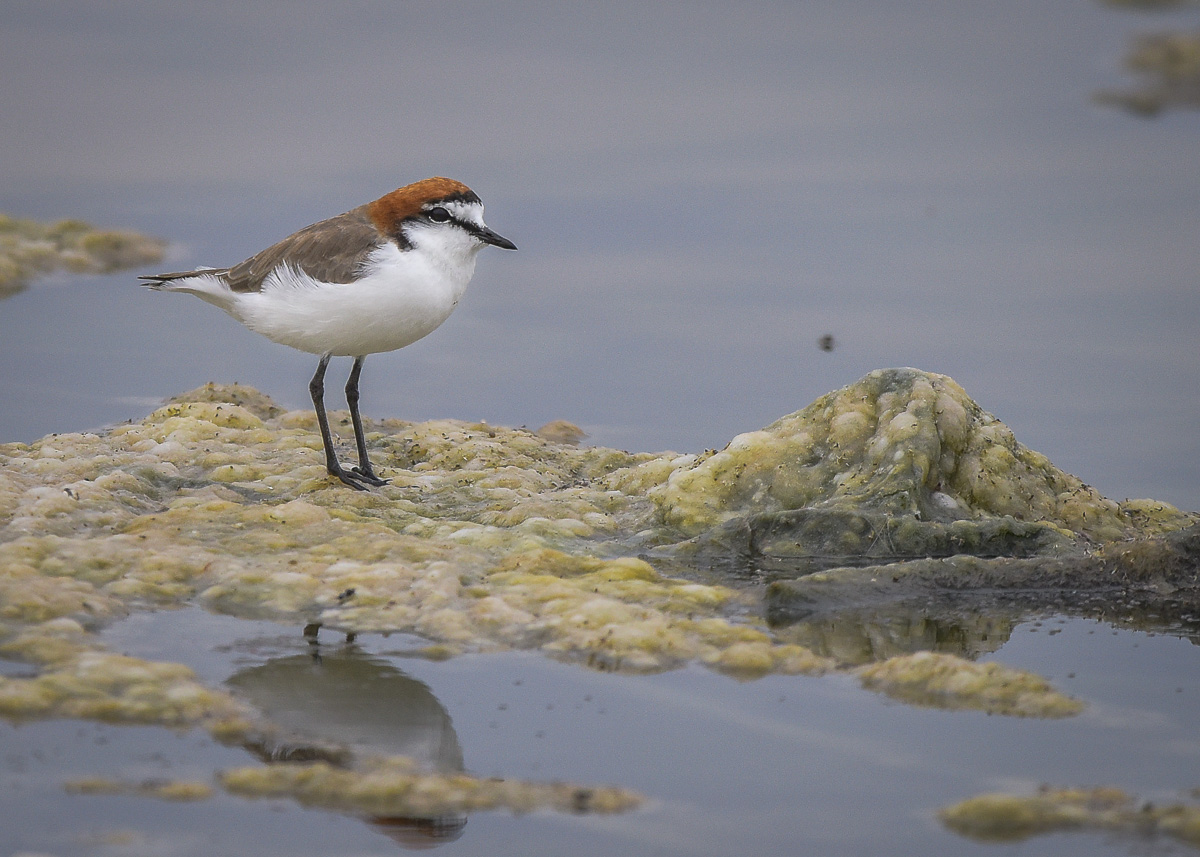
The remainder of the morning included quite a number of Whiskered Tern, Red-capped Plover (with young), and a Spotted Crake. I also had a bit of fun calling ‘Mountain Duck” as a handful of Australian Shelduck flew over. Shelduck used to be called Moutain Duck, although I’m not sure anyone knows why. Perhaps its because they are never found in the mountains. Interestingly they come down late in the year and then shed their flight feathers, which take a few weeks to regrow, and makes them vulnerable to predators.
Our journey north along the ponds came to end when a locked gate barred the way, so rather than walk on the “North Beach, we did a ‘mystery tour’ to find the fabled, “South Beach”. This proved to be much easier, and I learned the name of a beach area that we occasionally walk past.
In the end, smiles all round, and our little group of travellers went on for a cuppa and chat to complete the morning.
Must remember to mark it in the diary for next year.
Enjoy
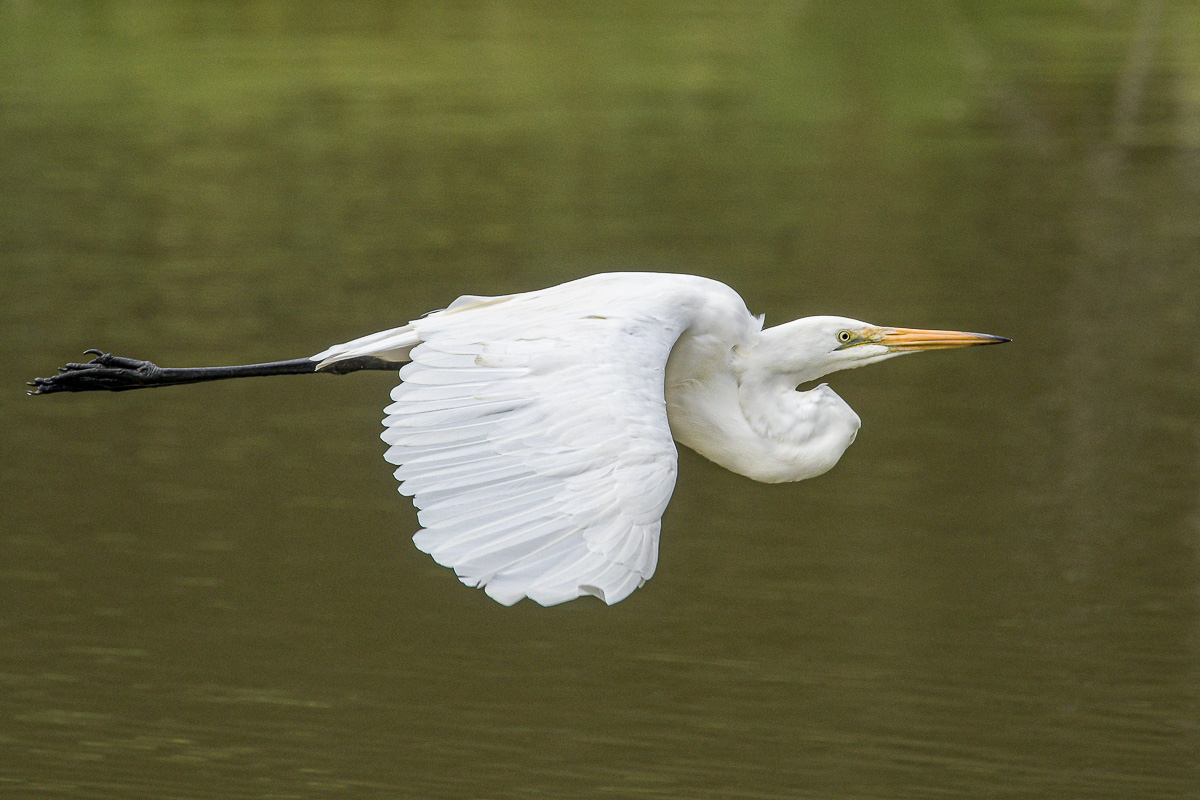
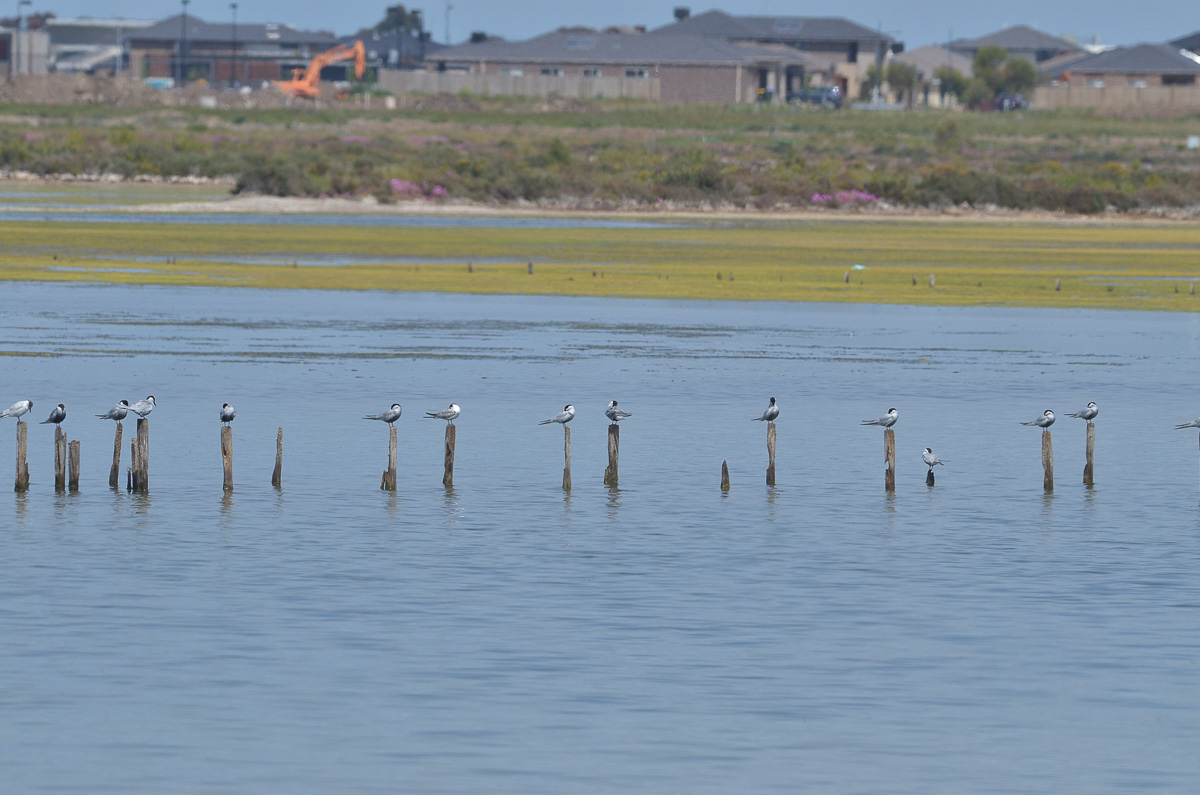
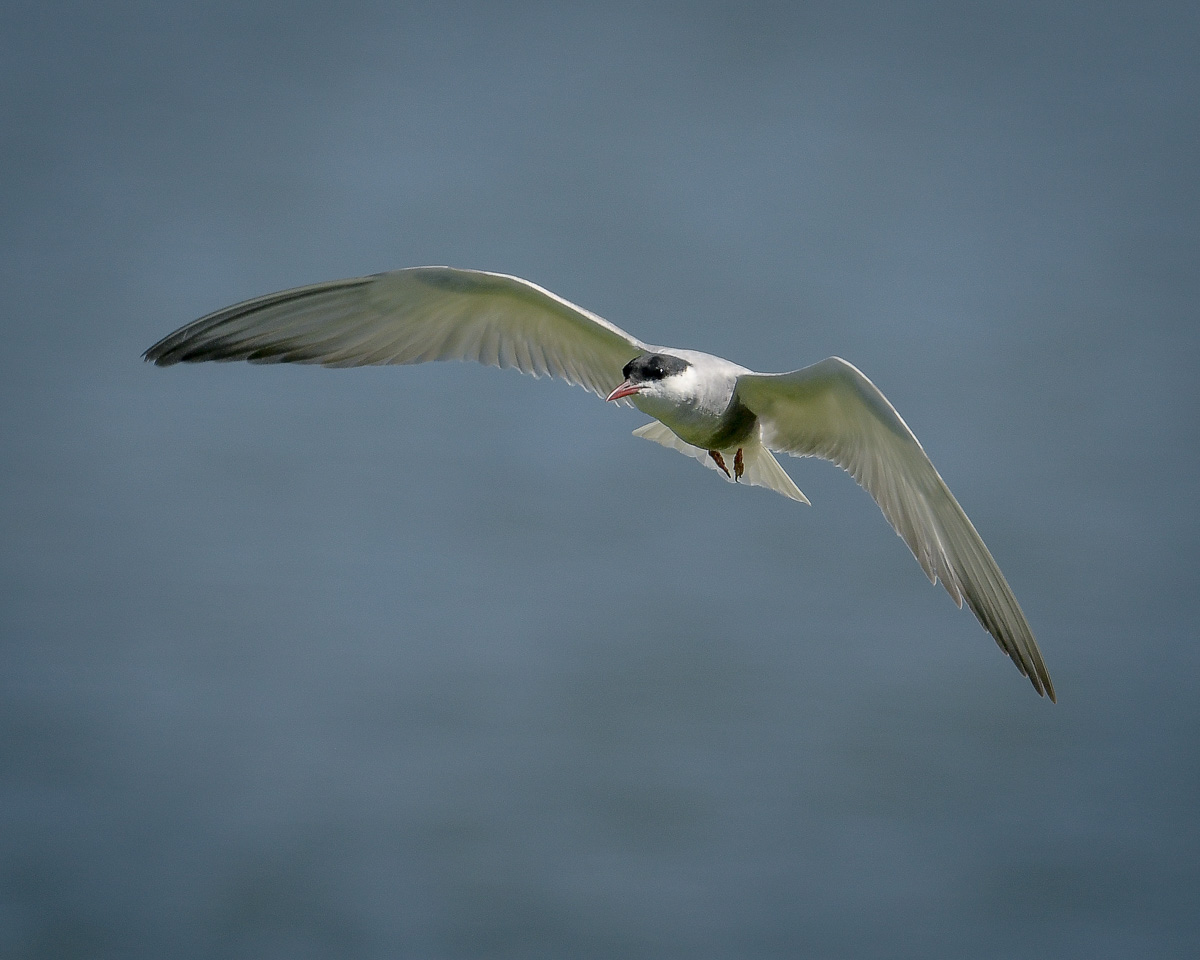
White-bellied Sea-eagleGreat EgretSpotted CrakeRed-necked StintRed-capped PloverAustralian ShelduckWhiskered Terns resting on one of the ponds. The housing development is quite close Whiskered Tern
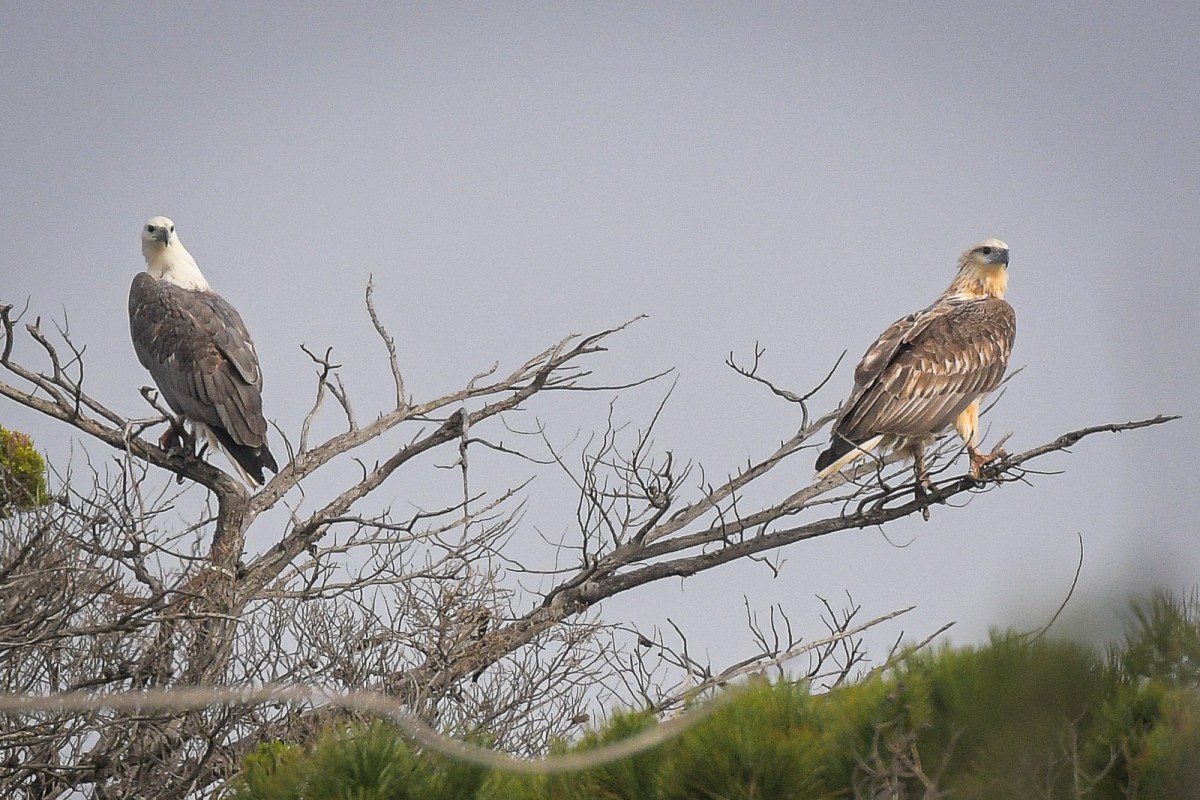
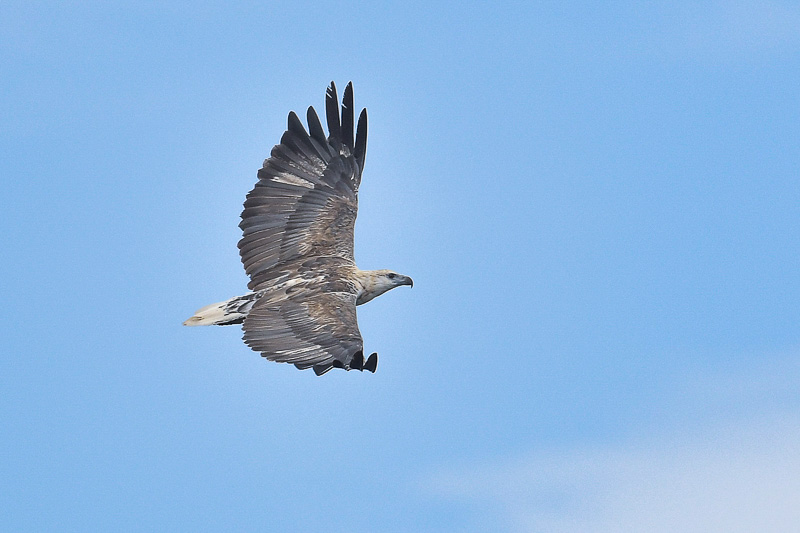
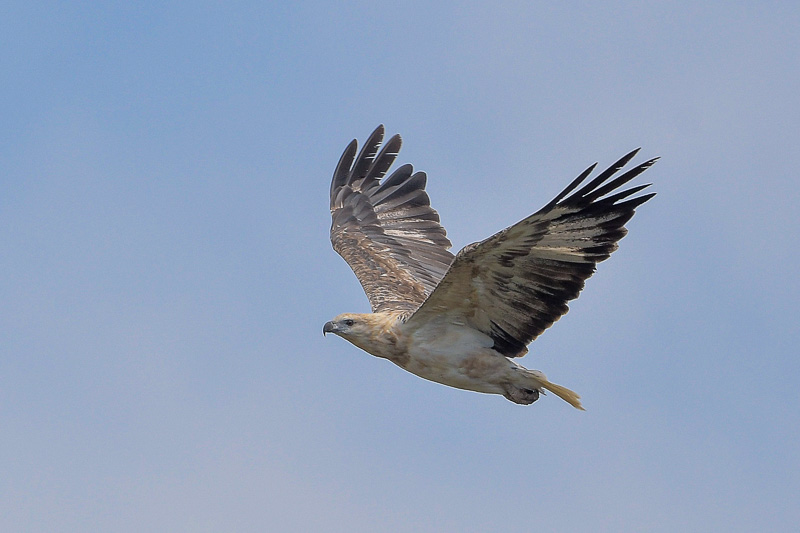
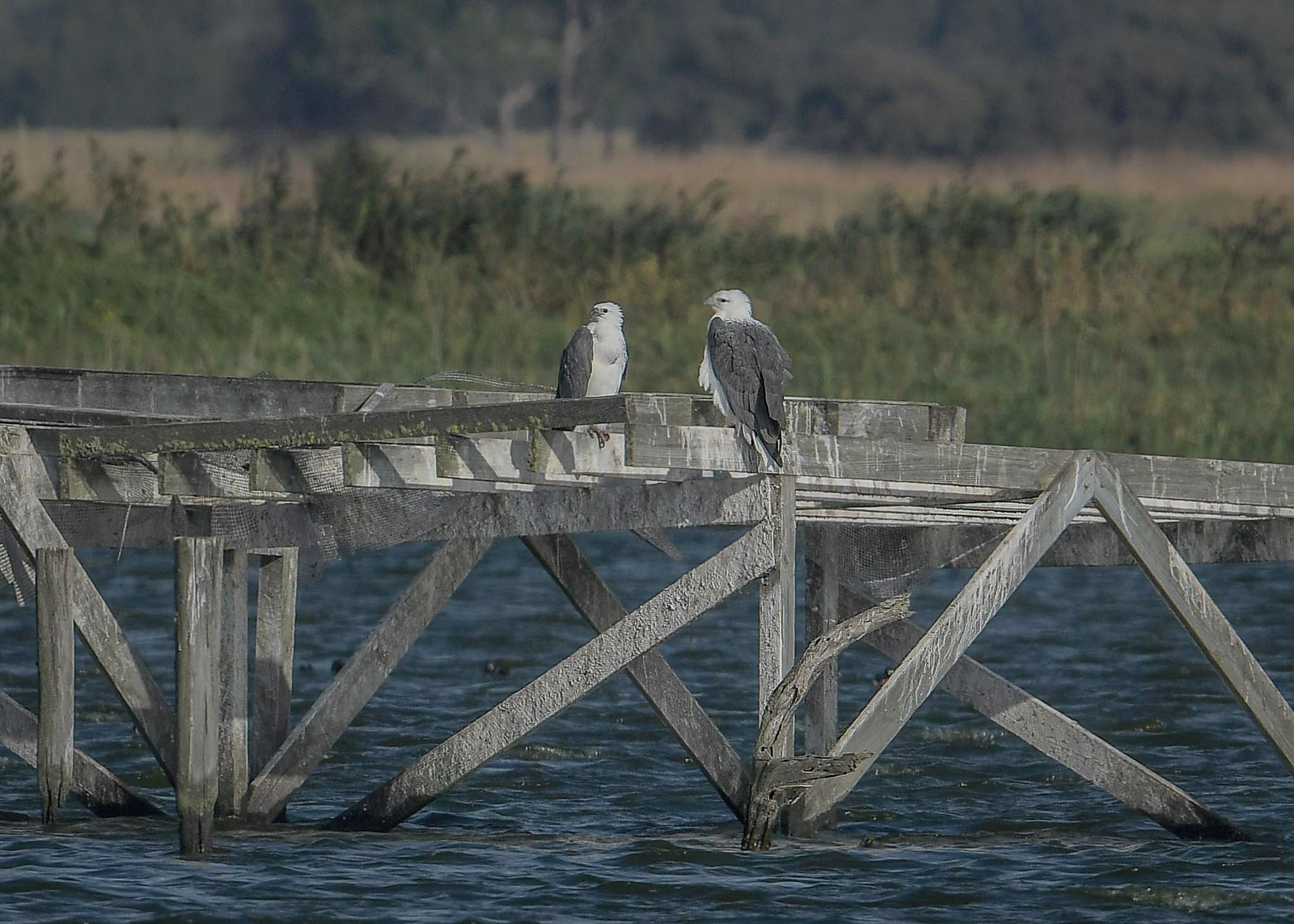
Over the past few weeks, an adult White-bellied Sea-eagle has occasionally been patrolling along the beach area on the top end of Port Phillip along the western shores. Almost always with a young bird tagging along. There is a good chance, as chances go, that this is the pair that we saw preparing to nest in the Western Treatment Plant last year.
There are a number of Umbrella Pines that surround the old (first) homestead of the Chirnsides. The old trees must provide a wonderful view over the surrounding bay and beaches.
We had been working our way along the beach, on what was a particularly quiet day on the water. Only a handful of ducks and a few swans, with some cormorants snoozing away on the old pier and rocks.
We turned a corner on the bay, and there was the unmissable shape of a Sea-eagle in one of the pines.
So the challenge. Do we work along the beach, out of sight of the birds, to get to a spot where if they flew—and flew in our direction—we’d have some close views. Or. Do we work our way inland through the trees to get a closer, and clearer view.
And then with a turn of wing, the bird launched and slipped through the trees further away from the beach.
With absolute precise timing, every bird—cormorant, duck, oystercatcher and the like, took to wing in a flurry of feathers and the loud sound of wings beating the air. The swans.—they continued as if nothing had happened.
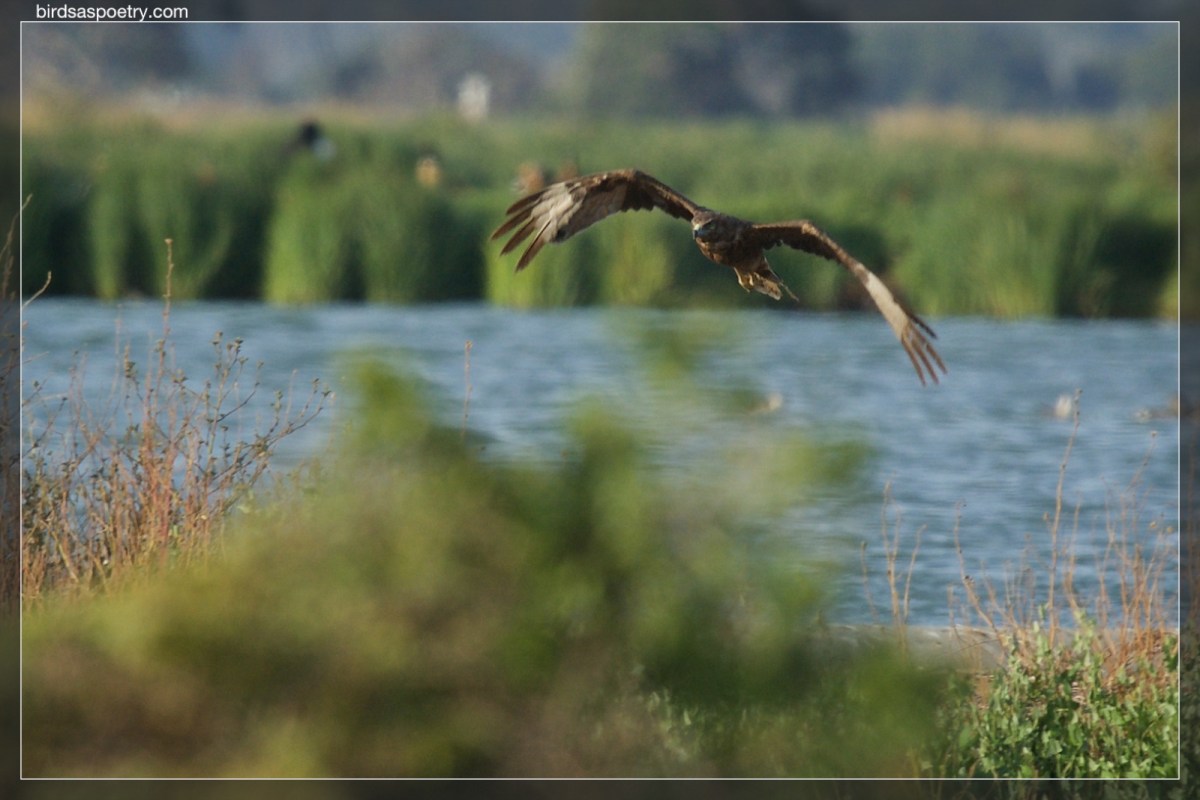
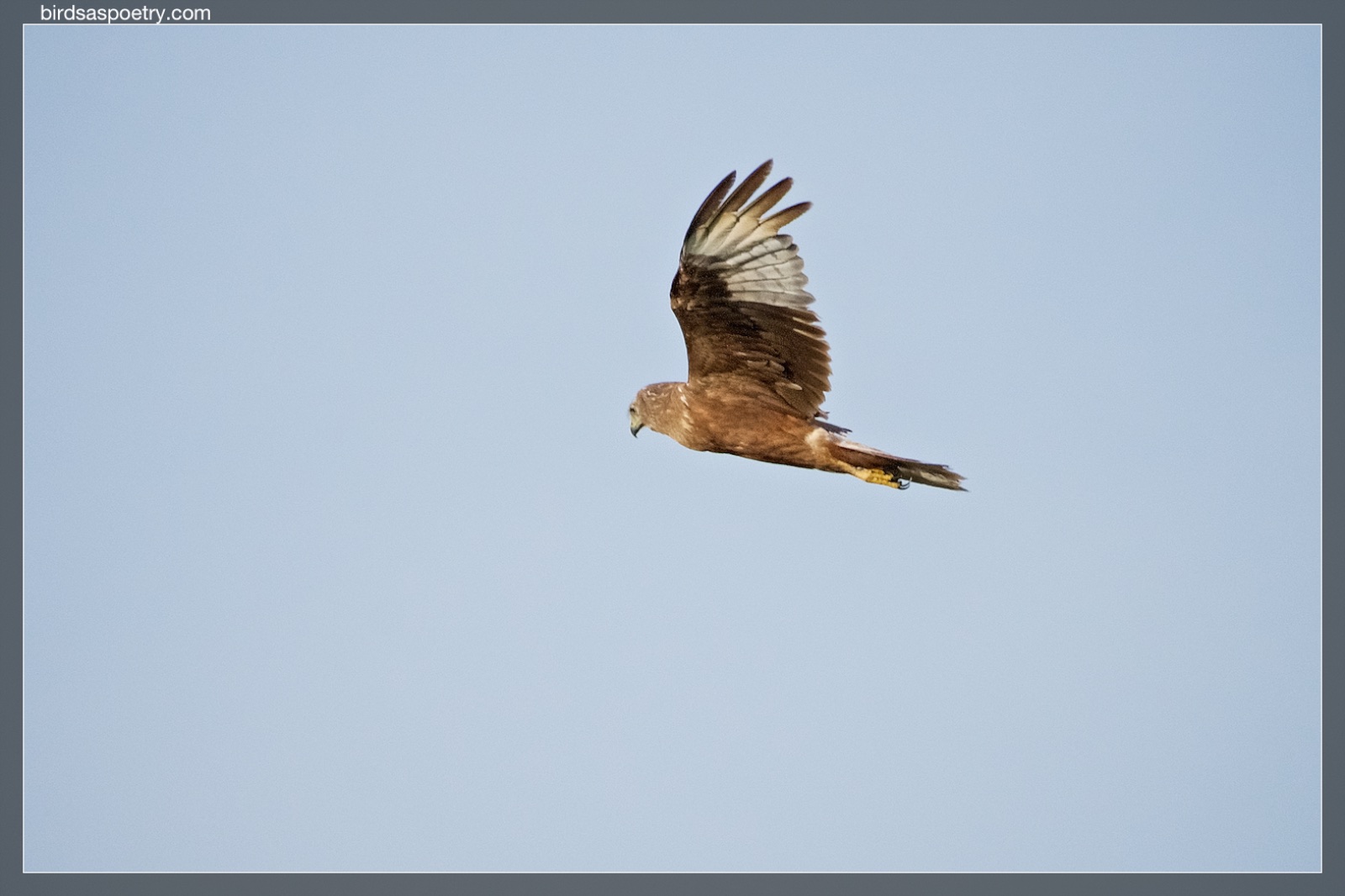
Our challenge was now doubled at least. The beach option seemed the most likely, I’m sure being able to ‘sneak up’ on a Sea-eagle, would be as difficult as approaching a Swamp Harrier, so we decided to see if we could get line-of-sight further along the beach.
As it happened both birds were sitting on an old dead pine, and we managed a clear view. But it was a case of so near. Yet. So far.
We were about to continue on along the beach, when, both birds took to wing, and were gone from view. We discovered a few minutes later that some photographer friends, had been near the tree and had moved to get a closer look.
So near…
A view through the trees. The concerned look on the adult bird is apparent.
There is something quite distinctive about a Magpie’s call to warn of raptors in the area. It would be a fascinating study to plot the soundscape and work out some of the subtle variations. For instance, the main call is short and agitated. Yet depending on the level of danger, there are differences in delivery. A Kite circling somewhere over Argentina, is called by a Maggie out on the paddock here, more as an ‘headsup’ for it family and near neighbours. A Swamp Harrier working its way along the lower fence line a kilometre away might get a variation of the call, indicating a more serious warning. A Falcon working through a close treeline, will be given even more attention, more regularly and a much sharper and shrill call. And so it goes. A raptor resting in a tree, while the family is still fleldging young, is really at risk of evoke the ire of the family, and the entire clan. And many short sharp calls will eventually move the raptor into the open. So when I hear those calls going out, it is often wise to stop and consider where the raptor(s) might be. As my Tai Chi instructor rightly pointed out, ““If you can practice even when distracted, you are well trained.”
It’s not so unusual for birdwatchers, and bird photographers to be a little closely tuned to the changes of bird calls. Those that have followed this blog for a long while will know I regularly quote Jon Young. Jon, is a US native tracker and trainer. His book, “What the Robin Knows” has lead me on a number of discoveries of bird language.
Yet, in spite of all that, sometimes even the obvious escapes. I was alone on the beach area at Point Cook, EE had checked the beach, declared there was no sign of the young Falcons we were looking for and headed back up the paddock toward the new growth pines.
As I turned back off the beach, I heard the familiar “pip, pip pip” piping of Oystercatchers in the air. I looked along the beach in the direction of the call, but could not discern any shapes that matched. Darn Cartaracts! I’ve got to go get them looked at! Then I spotted a largish flock of 20 or more heading my way, and all bunched up, and quite close to the water. A little unusal, but I made some frames as they sped past. Suddenly they were followed by several skenes of assorted Cormorants, all equally in a hurry to be somewhere. Perhaps the fish were in on the low tide? And just as quickly a couple of largish flocks of teal and black duck. These birds were not on a seaside excursion looking at the scenery. They needed to be somewhere else, and looked for all the world like they should have already been there.
“Something has put them up,” I exclaimed to no one in particular, and as there was no one else on the beach near me, it was just as well.
Next a motley collection of Silver Gulls also went by in a straight line. “Something has put them up,” I concluded. The little bay where all this happened is quite shallow at low tide, it’s possible to walk out 150-250 metres and never get your knees wet. There had been, I’d noted earlier some people around the point wading in the water, and thought, perhaps they ventured just that little too far out and the birds objected.
Looking along the beach line, the swimmers and waders had left the area. So I wondered, out loud, to no one in particular, “Perhaps a Kite has put them up or maybe a Falcon?”
And on a start, there was a shape just above the waterline. Heading down the beach toward me. I didn’t worry any more about the cataracts. ”It’s a Sea-eagle”. ”No wonder everybody is on the move!”
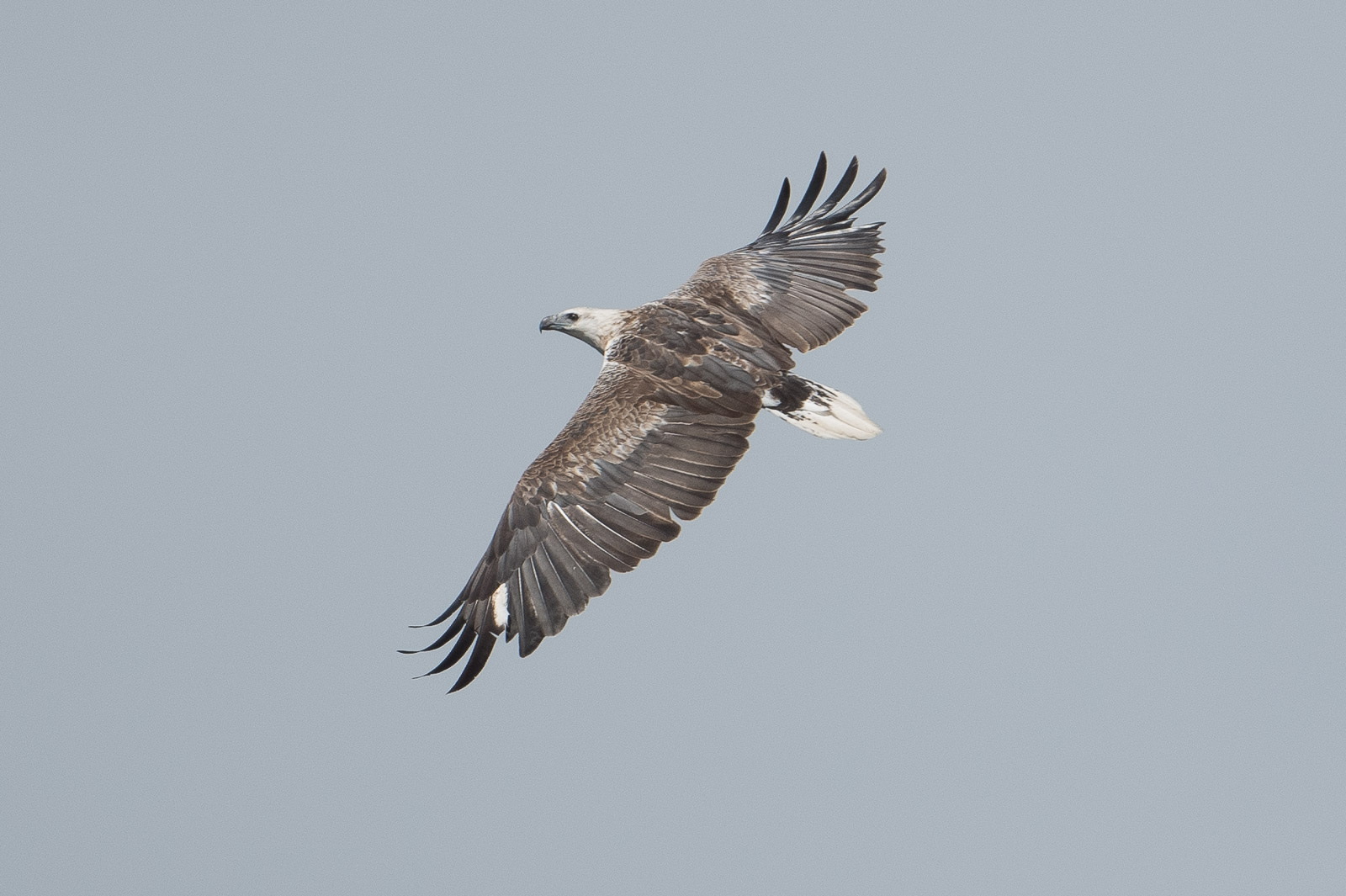
It was a juvenile bird and swept down the beachline in no particular hurry. It’s luncheon options had already disappeared way behind me. Came over my head, swung inland made a subtle U turn and landed on the tallest tree on the shore line. It could probably see to Argentina from up there.
Excitedly, I dialed EE to tell her of the good news and the option to come see.
Now, here is another strange thing in this digital age of mass and urgent communication. Any text message, from family, friends, lunch meetings, coffee gatherings, junk mail, spam, sales offers from Rivers or Rockmans, and of course the occassional scam text, are answered and replied to ‘instantly”
An important message, “Hey, I’ve got a Sea-eagle on a tree on the beach, come see” is ignored. Go Figure.
So the Sea-eagle and I settled to our roles. Eagle, to look majestic and stay perched. Me, try and get the best angle. The pictures tell the rest of the story.
(PS) and EE did eventually get the message and turn up, just before the bored Sea-eagle decided that the fishing was better further along the beach.
Enjoy
Pied Oystercatcher in tight formationYou can almost hear it humming as it casually came down the beachlineBig turn toward the shore lineHardly a wing flap Sailing over my headBest viewpoint in the areaTime to GoHeading out
After the last couple of ranty posts, I thought I fine day at the plant might be a good idea. 🙂
The Western Treatment Plant is about the size of Phillip Island and to travel all the tracks and explore all the possible bird sites can easily consume an entire day, and a goodly chunk out of the fuel budget for the week. 🙂
We tend to be a bit selective about the areas we travel through. Preferring to stop at one location for a time and see what is moving about. It also depends a lot upon the weather. Being a flat farmland, there is little shelter from high winds or the heat of midday.
So we tend to go either late in the afternoon when conditions are good, or early in the morning. Morning can be hard at first as the long drive in from the main road is directly into the rising sun. But once in the bird area it becomes easier.
We had decided to go on the morning as the weather looked promising, and if the wind picked up as predicted then back to the Highway Lounge and a Gerry Coffee.
Here then is a look at how the morning, and the birds progressed.
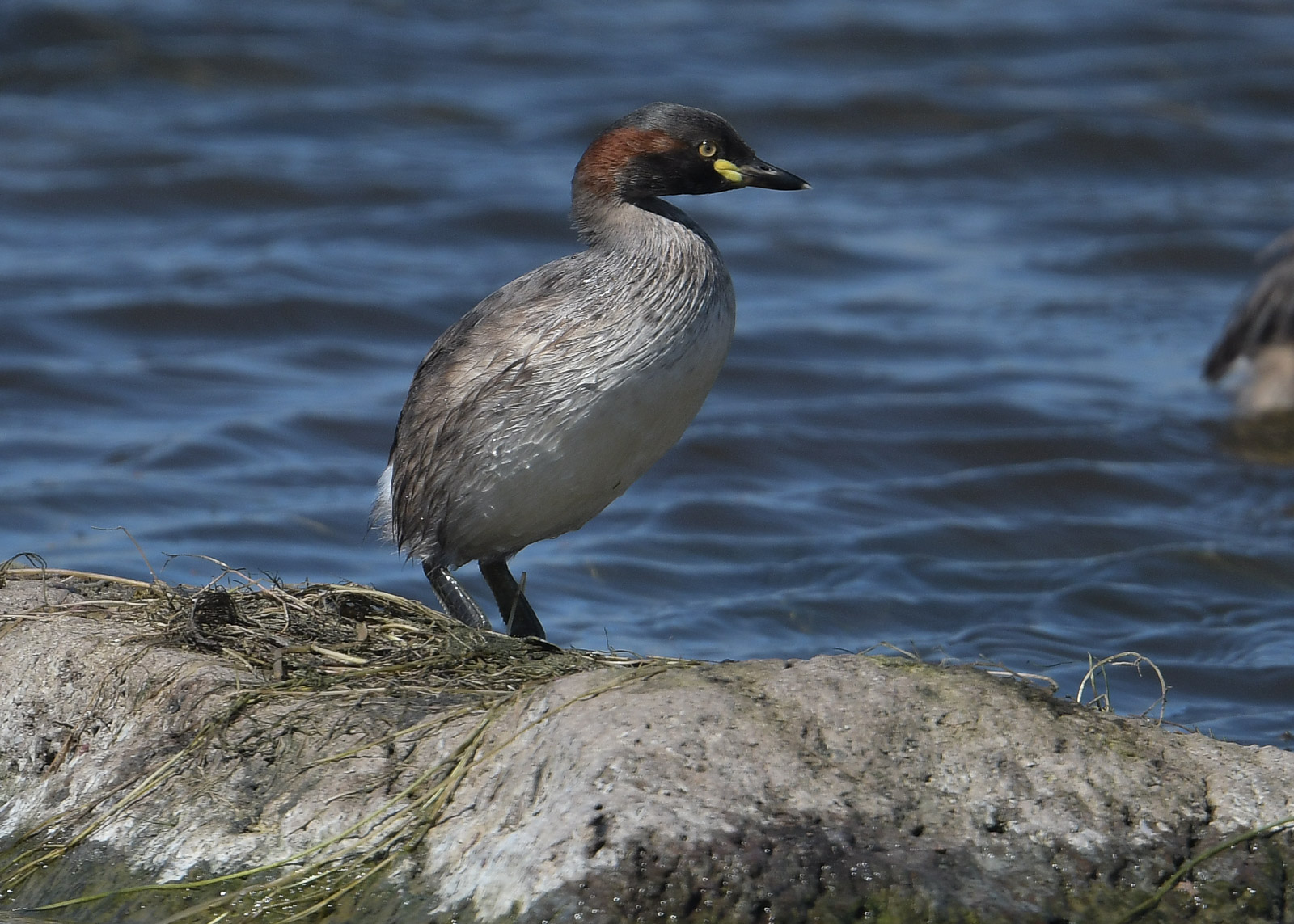
White-bellied Sea-eagle being harassed by a passing Swamp Harrier. I don’t think the apex predator was fazed.Said Swamp Harrier, then made a close pass over the reeds on our side of the lake. The ponds held many Hoary-headed Grebes.A committee meeting. These two Sea-eagles were resting a long way out in the middle of the large lake. Meanwhile up close the Reedbirds were moving about in the sunshineA small selection of the many hundreds of Hoary-headed Grebes.Whatever the current title, I still refer to them as Mountain Duck. The nomenclature police seem to think they are Australasian Shelduck. I don’t think the birds care really. They now all have nice new feathers and will be journeying northward soonNot sure if this Sea-eagle was from the earlier lake ones, or whether it came in from south along the beachline. But there could be as many as four working in the area at present.This Collared Sparrowhawk was making the most of the increasing high winds. And showing off that extended middle toe.Fueling up for a long trip ahead. Curlew SandpiperThese two Sharp-tailed Sandpipers are starting to colour up. Here they are ‘hiding’ out of the strong wind behind some reedsIt has been an increasing good year for Brolga at the Plant. We saw one pair with two well grown young. A second pair with a young one, and this third pair on their ownOne of my fav inflight birds. The Little EgretI can’t ever recall seeing an Austalasian Grebe standing up, nor on a rock. Perhaps a nest is on the way. Also managed a great wing display just for bonus points.
Warning: This blog contains details and images that may cause distress to some readers. I see that just about every night on the tv news, and I’m not sure what you are expected to do. Change channels, turn tv off. Close your eyes?
When I was a little kid, I remember a Loony Tunes cartoon of Elmer Fudd, the duckhunter, and Daffy Duck eluding him. The hapless Elemer never seemed to be able to take home a duck dinner. Currently our Victorian Government seem to be in the same sort of dilemna about banning Duck Season 2023.
In the meantime, down at the the Western Treatment Plant, a White-bellied Sea Eagle is not the least preturbed by a possible closure of duck season.
Thanks to the headsup of its likely presence by my Flickrmate Don, and a couple of other birdos, we were planning to make a trip to WTP to see what, well, what we could see.
The family were coming for Australia Day, so we were planning to go the following day, but, best laid plans as Robbie Burns would write, and family decided that to come the day after Aussie-Day-Maaate. How Un-Australian is that! I wonder if they disappeared as happens in the Sam Keckovic Lamb tv ad.
So rearranging our schedule we headed for the Treatment Plant. I’m not a great fan of going there on public holidays and weekends. Once the plant was visited by keen birders who took time to see and id as many birds as possible, and it was very laid back and tranquil.
These days it seems to be photographers who hurry from one end of the plant to the other to get just that one shot. Sometimes its seems to resemble a badly run motorcrosse event. And I’ve photographed a goodly number of motorcrosse events, and participated in a few historic rally runs so have a vague idea about proceedings.
So weekends are not my fav time in the plant.
Rant over, back to Sea Eagles. Well, one in particular.
The smart money seemed to suggest it would be on Lake Borrie, that’s where it was the day before. Every heard that advice. “Oh, yes, I saw it just there, yesterday.”
We parked conveniently about mid-way along the road and started to scan. Nothing in close. Of course not, did you really expect it?
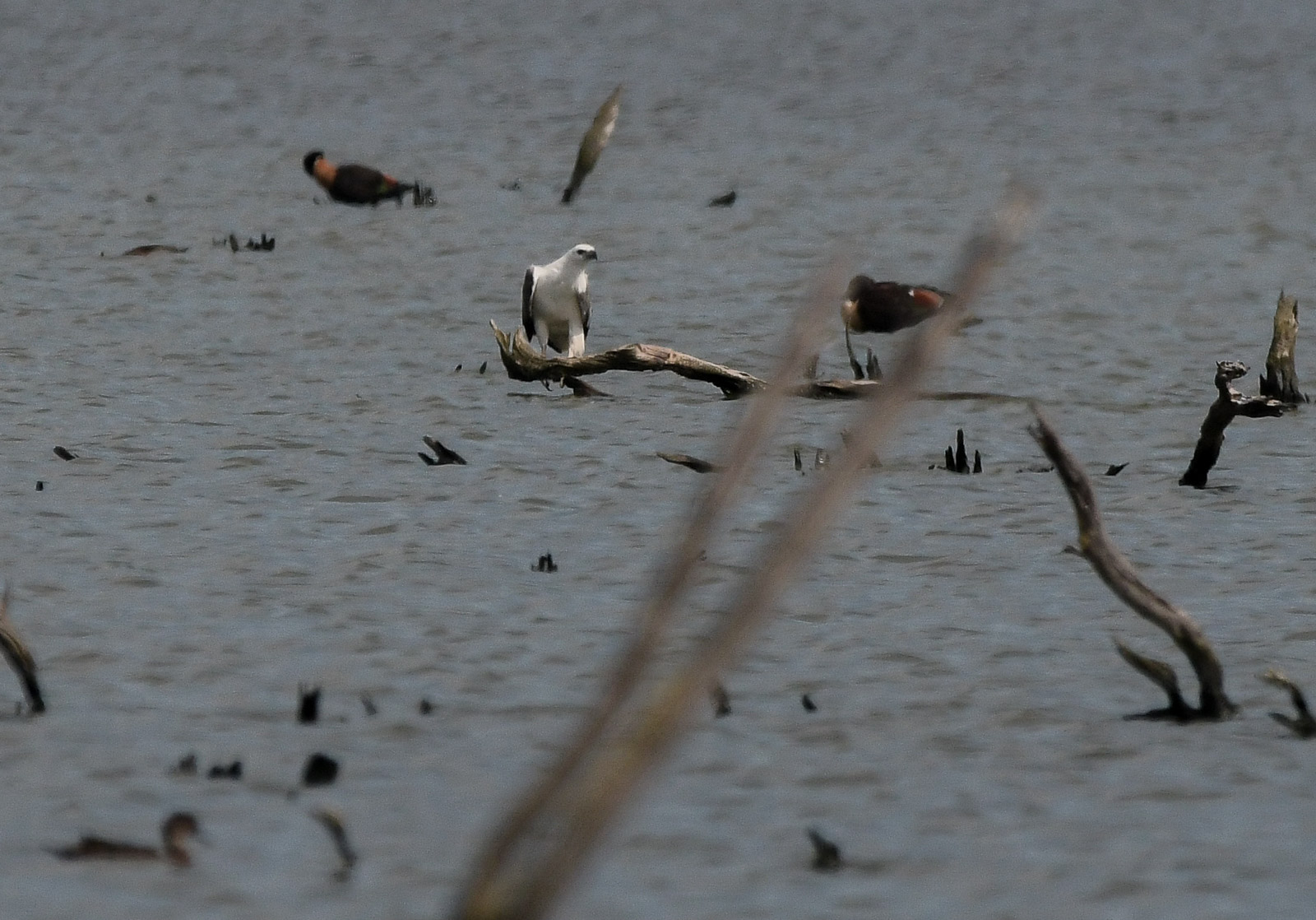
Then EE made a gesture, way out in the middle of the lake. A white spec, that could have been a refigerator as far as normal eye sight would know. Through the binos, it was indeed a White-bellied Sea Eagle, perched high on a tree with great views of the menu (eer. ducks) all around.
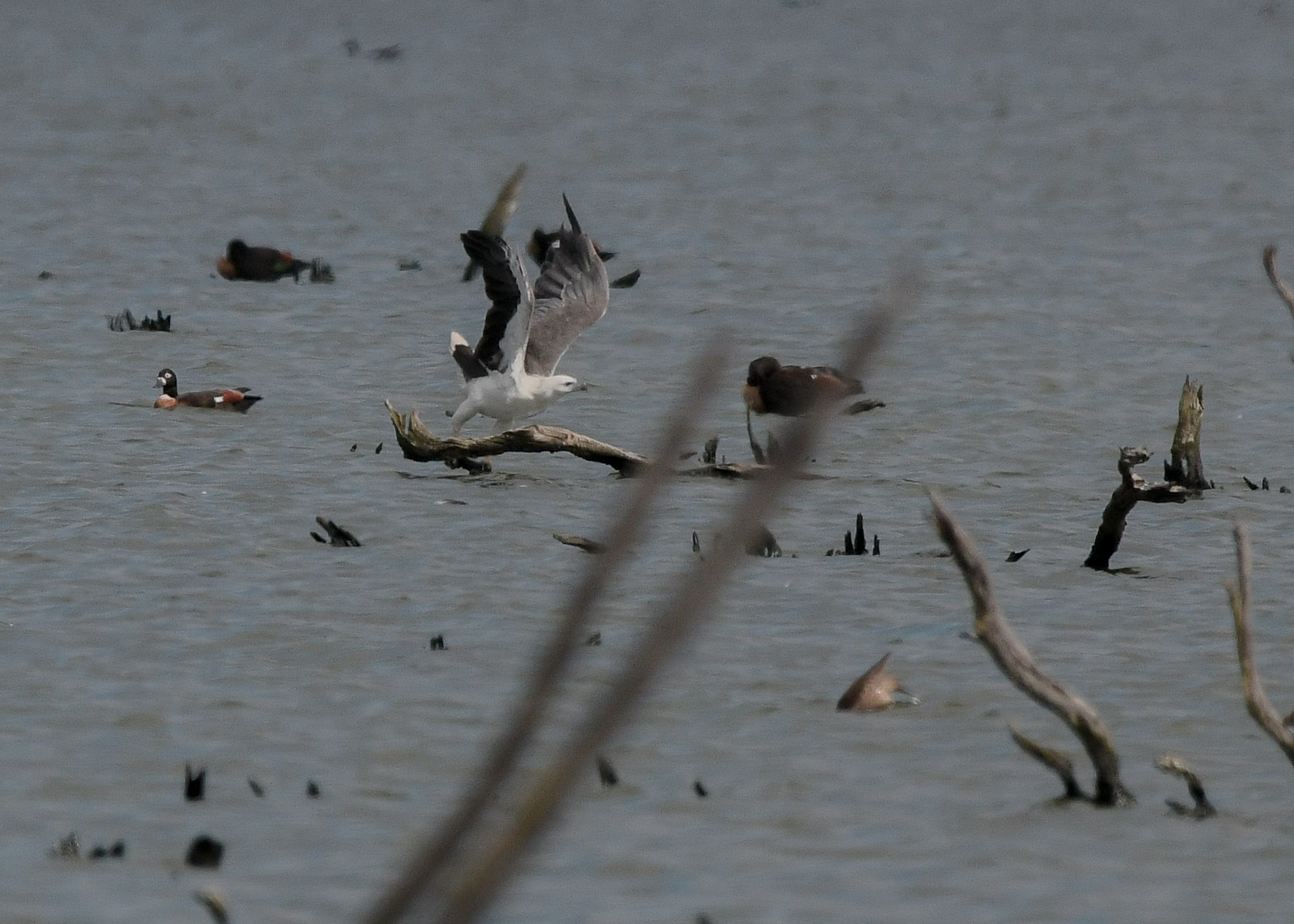
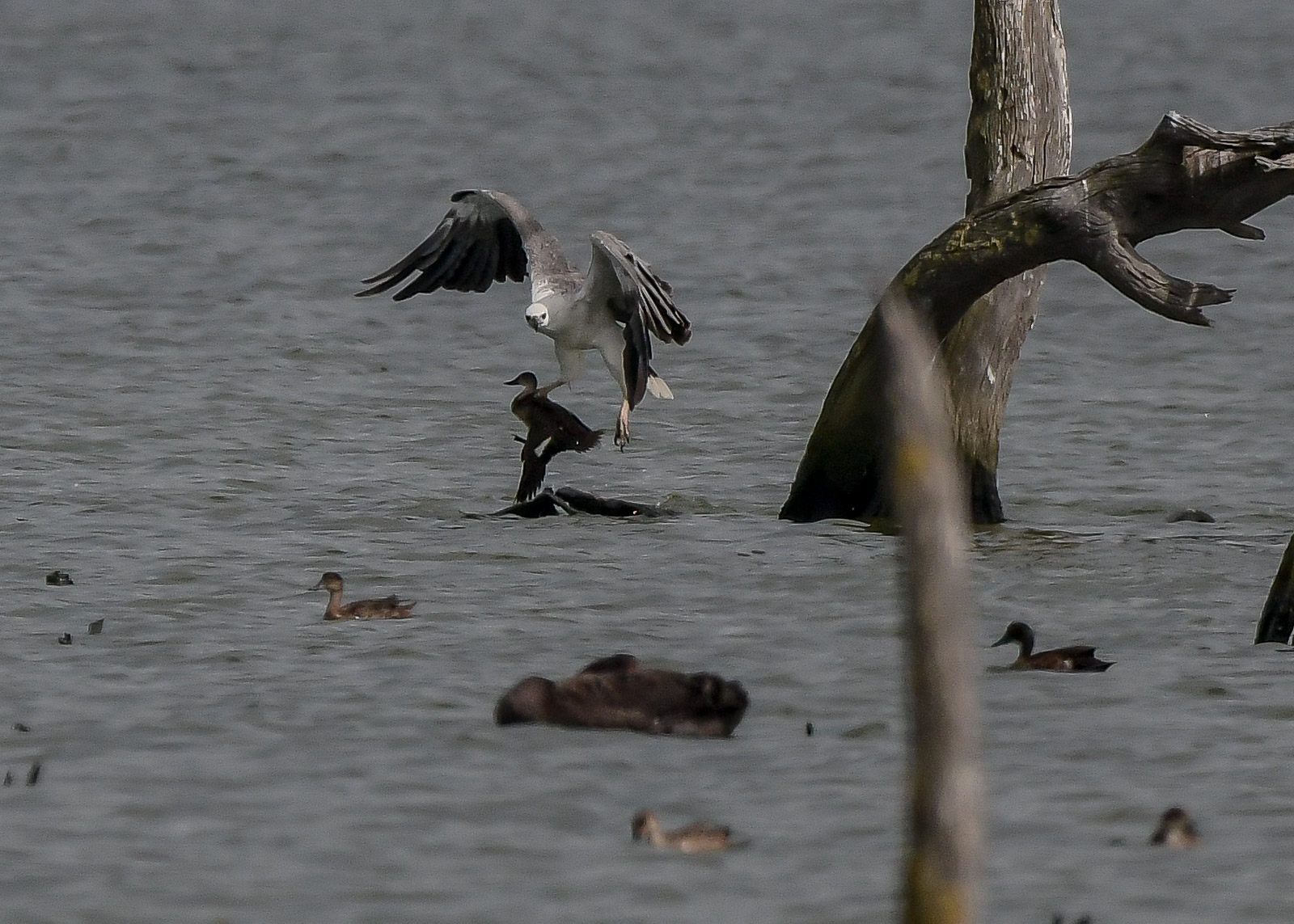
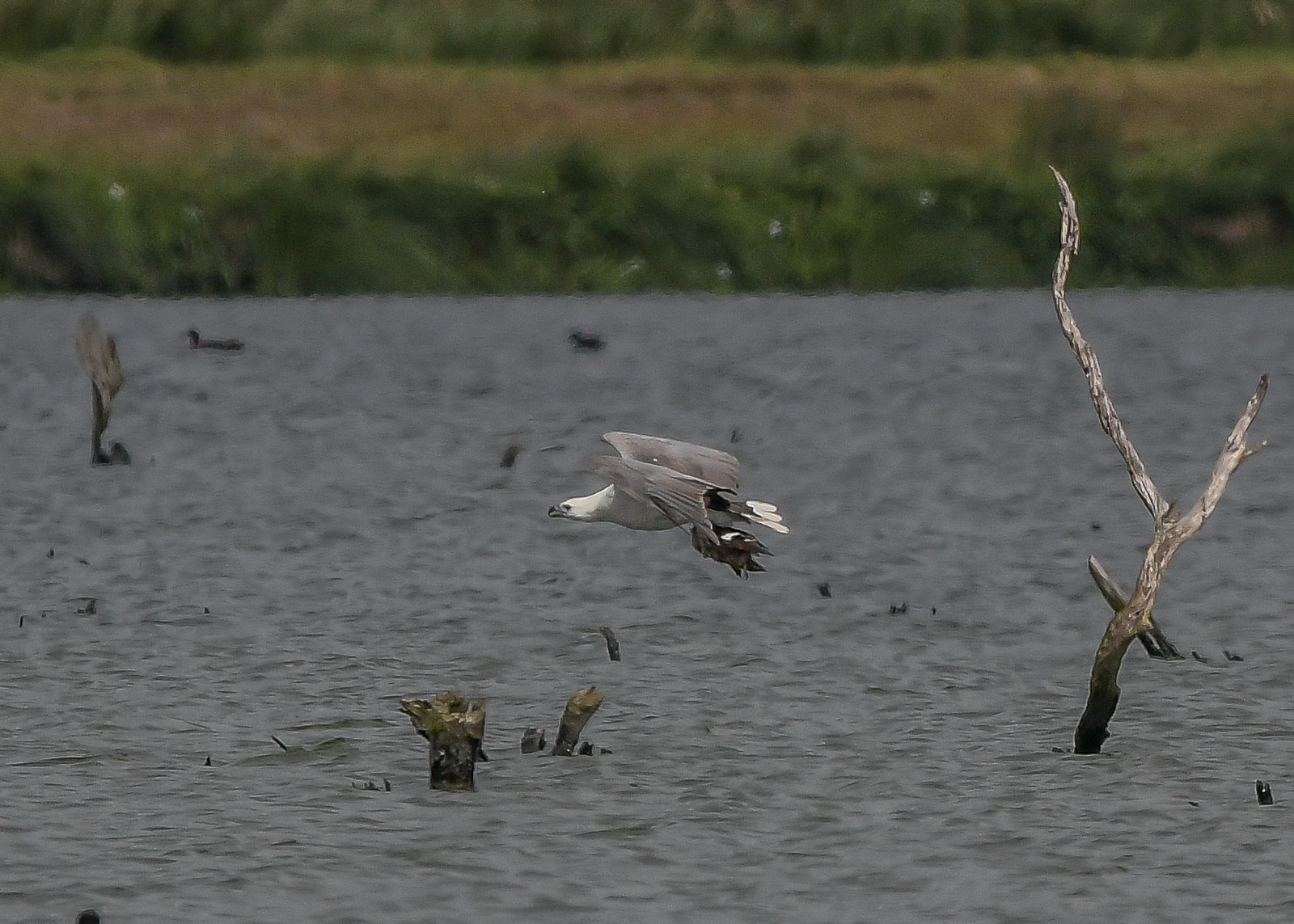
It sat. We despaired at getting a sharp image at that distance and with the sun rising, heat-haze began to make it presence felt. Then the bird jumped, went to the deck and moved about 300m up the lake. Just about every duck in that direction took to the air and flew the opposite way. Better to fly first and ask where later on. Still too far out, but, just that little bit closer. Another long sit, and as soon as I turned away, it dropped down on to a log at water level. Missed that. Another long wait. But the bird kept turning its head to the left, and it had obviously locked on to something. More waiting.
Then, unfurling the wings it took off, quite leisurely it seemed, almost stealth mode. And while I didn’t really see it though the viewfinder, somewhere out there a Chestnut Teal had nodded off to sleep. Bad career move. There was no second chance. The eagle swiftly despatched the duck, and sat on the waterline with it for a good 15 minutes, then scooping up its prize flew down the lake to a suitable dining table.
Event Log
When a Sea Eagle flys East, the wise among the ducks fly West
Swinging In to landLocked for landingViewing the Menu from the best position in townAfter a very long wait, it dropped down on to a waterline log for a drinkIt kept looking to the left, obviously some opportunity had presented itselfLike all raptors there is no wasted energy, the time to move has to be just right.StrikeTime to recoverNow to relocate to a more suitable dining tableA handy perchcenare all’aria aperta
From our recent early morning trip to the Western Treatment Plant.
The Plant holds many great photo opportunities for such a wide range of birds, but probably the highlight for us, other than a rare species, is the White-bellied Sea-Eagle. They don’t seem to claim the area for roosting or breeding, but rather it’s an opportune smorgasbord for the picking.
It is not highly unusual to see them, but most times they are just too far away for great photography. And give up on the idea of ‘sneaking’ up on one.
So a conversation starter for the day, as we head into the plant, is, ‘I wonder if we’ll see a Sea-Eagle today?”
As we ventured further into the Plant, at Lake Borrie, one of the busiest ponds, we saw several White-winged Black Terns fly past, and I parked the IamGrey a little further along the track, with good views across the lake, and #kneetoo called, “A Sea-Eagle out on the tree.” And there was. How could anyone doubt! It might be a knee, but that doesn’t affect the eyesight it seems. 🙂
The Sea-Eagle was way too far on the other side of the lake for good images, so I decided to walk back up the roadway to where the Terns had been working. However after a few minutes it was obvious that they had moved on.
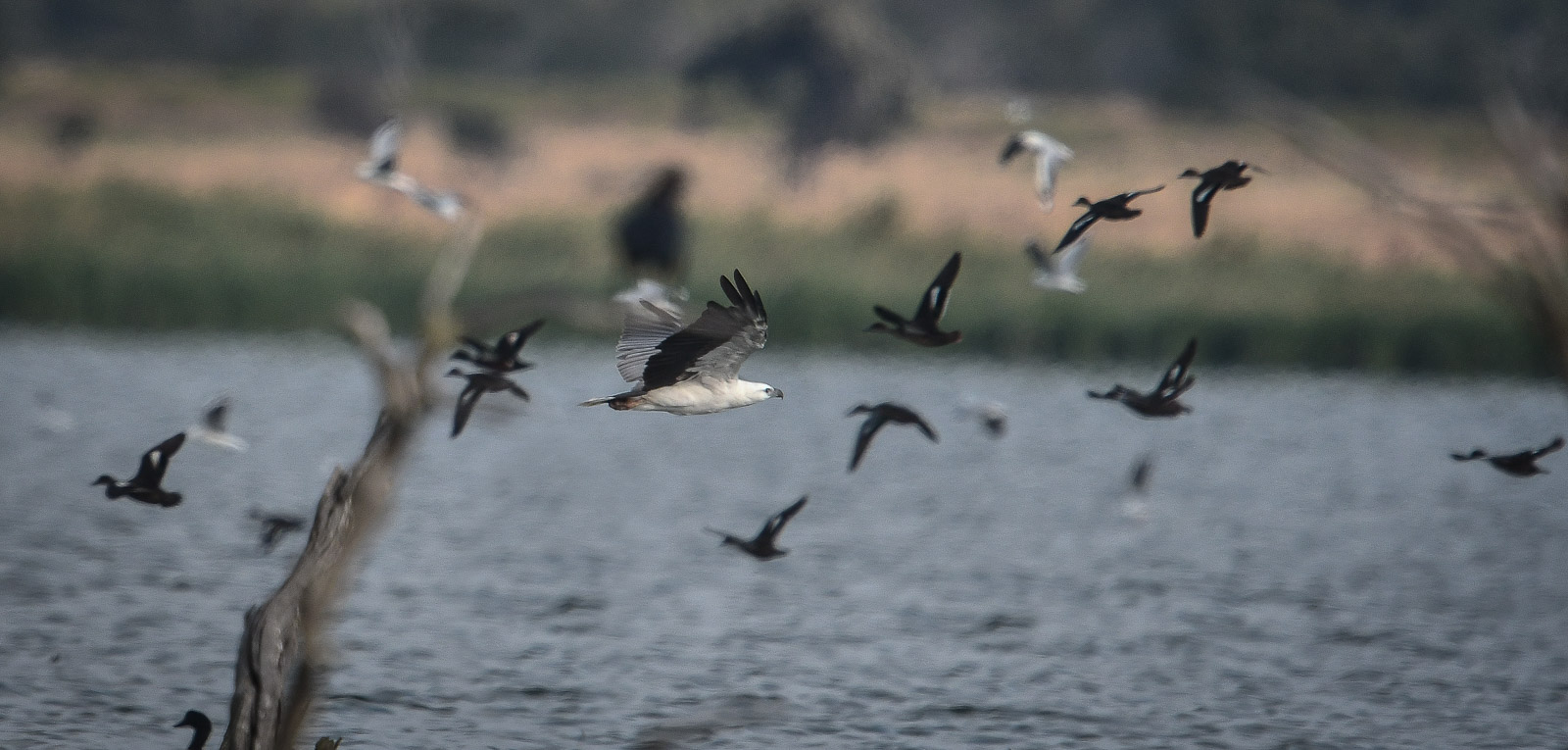
A Little Grassbird caught my attention in the reeds, when all of a sudden the high pitched call of startled Pink-eared Ducks rolled across the lake. Conclusion? The Sea-Eagle had taken to wing, and knowing its predisposition for duck-dinner, the Pinkies were not hanging around waiting for an invitation to share a meal.
But, where, I kept peering was the Sea-Eagle? With the sky covered in Pinkies, it took a few moments to pickup the slowly climbing white shape above the alarmed ducks.
I’m often a bit jealous of my seaborne photographers and their work with Sea-Eagles. At least it’s certain where they will be travelling—along the shoreline. Inland birds have all points of the compass to choose from when they fly, and it is almost always away from any photographer.
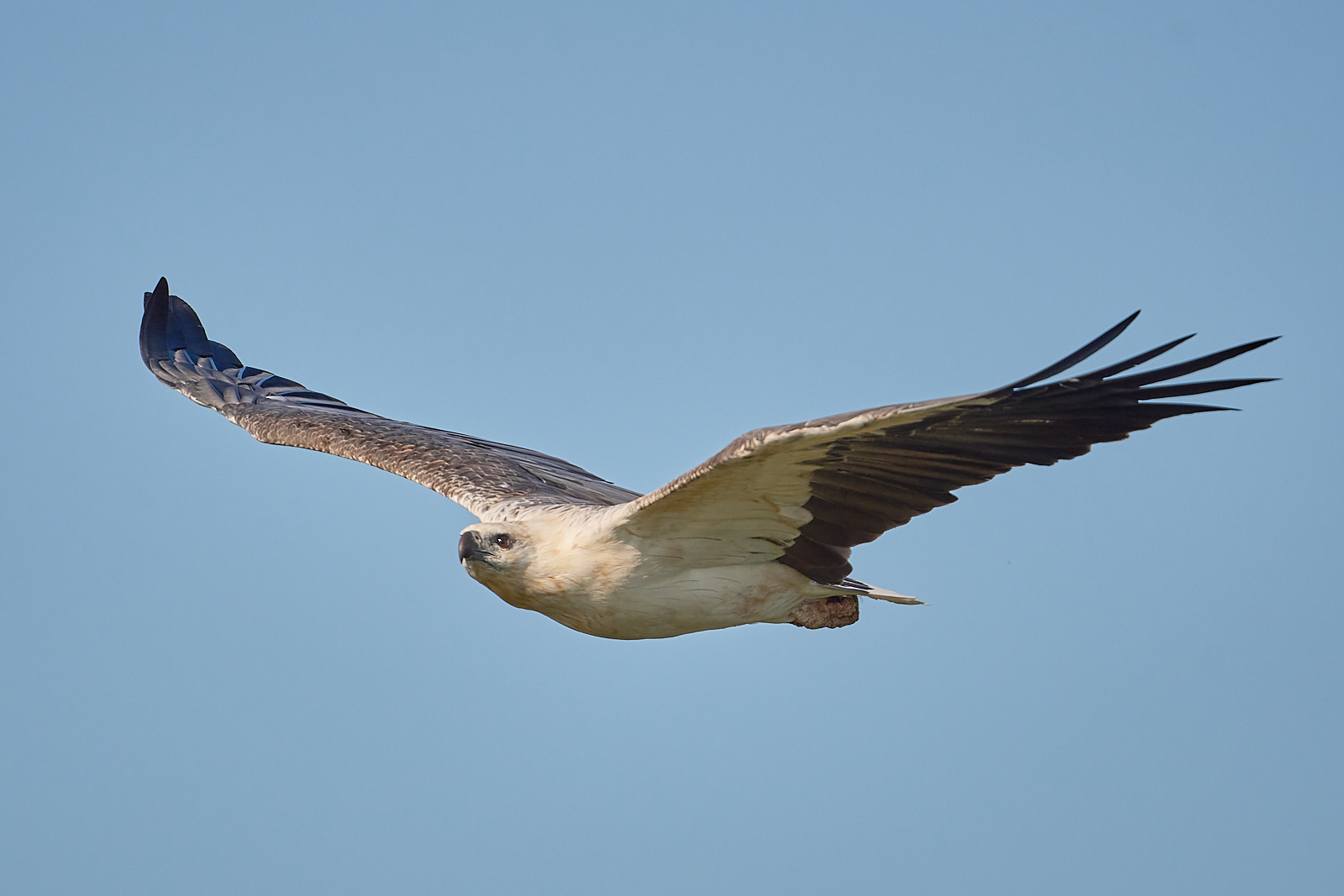
This bird had a purpose, and I pretty much held my breath as the shape grew larger and larger in the viewfinder, and I realised I was on its flight path and it would run by me on the left. Time to fill up a memory card, so I switched to multi-frame and began to shoot small 3-4 frame bursts. Still it kept coming. The early morning light—astute readers will remember form a recent post, “Front Light” —was coming over my shoulder, and all I had to do was keep the bird in the viewfinder and follow along.
Eventually, it was too close, and too large in frame, and went by me on its way to its next appointment.
Go to the people.Live with them. Learn from them. Love them. Start with what they know. Build with what they have. But with the best leaders, when the work is done, the task accomplished, the people will say We have done this ourselves
Lao Tzu
As a young photographer learning the ‘craft’ was not about sitting in a classroom taking in facts, comparing oneself to others, and straining to meet the expectations of a system-guided-scorecard. The right composition, the right camera technique, correct processing the ability to talk to the theory of lighting, exposure, physics, lens design and meeting the necessary passing marks to gain a qualification. Add interminable hours of Occupational Health and Safety issues these days.
My journey, at least in the main, was through a series of tutors, some of which paid me to clean the studio, others that I paid in my own time, to learn from, and a few that with hindsight was simply wasted time.
I press the shutter on the camera standing on the shoulders of great ones who have gone before me.
We are, I fear, accustomed to ‘doing the hard yards’ over the books, and that will lead to ‘success’ in the field.
The wonderful mentors that I had the opportunity to ‘disciple’ with, were not so much interested in teaching facts, theory, or even skillsets. They thought of it more of what it means to make me a better photographer. Teaching to them was not so I could learn ‘stuff’, but what it would make of my craft. Learning to calculate depth of field,(DOF) and doing it on the back of a napkin, does not mean I can transpose that into a photograph sometime in the future. Say, with a 180mm lens on a 4×5 Linhof Technika with a subject at 5m, gives a DOF of 31mm in front, and 35mm behind the subject. But what the great ones wanted to know is how does that affect the end result of the photograph. Knowing the theory becomes very much a, “So what is the use of it”.
If all the teacher could impart was that I needed to do was get the exposure right for the highlights, or process the print for the ultimate rich black, or hold the shadows to allow the form to show, then it leads more to despair than growth. What if I fail the test?
Setting tests for what I know, only separates me from the subject. The story. The involvement. The message that the viewer should take away.
What I end up with is a carbon copy of what my instructor would have done. True mentors fire the inspiration within me, looking not only to what I have just experienced, but all that I have yet to be.
Someone once said, of 20 years in a business, “Have you had 20 years of growing and honing your craft, or have you just had One year Twenty times over?”
It is not meant to teach us something, but to make us something. The classroom may fill with useful knowledge, but it’s out in the field when all that stands behind us as a foundation, where we humbly struggle with the story of our subject in front of our lens that true mentorship is rewarded.
Her response to the question “Where?” was, “Down there along the beach”.
Now truth be told, I reckoned the beach to be at near enough to one kilometre to the south of us.
Don’t ask how EE can see that far, its inherit in her name.
About 1/10th of a second later, a brown shadow rushed past us just overhead. Cassia, who’d been sitting on a branch behind us, too, had spotted said Sea-eagle.
Now you know. EE is faster on the eyeball than a Brown Falcon. By at least 1/10th of a second. Explains it all really.
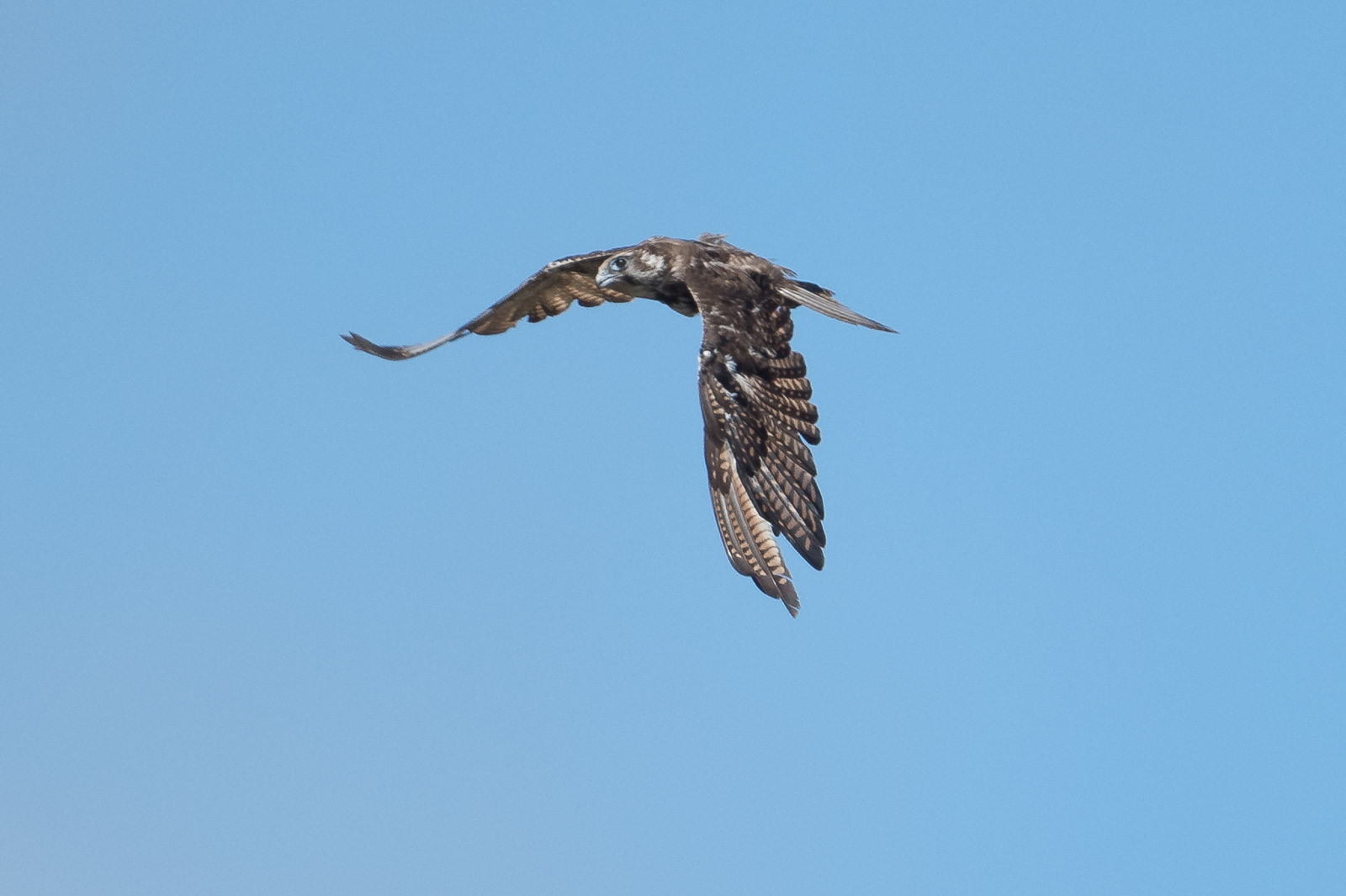
Cassia hauled across the paddock not gaining height, just rocketing along toward the beach. Her mate was on a diagonal line from further down the paddock bent on the same target. I don’t know how this works in Falcon speak, but there was no cackling, just pure energy converted to motion.
The line they were on would get them both to the same tall tree on the beach line at roughly the same time. Without any foto-finish cameras and the like, I be putting my money on Cassia arriving just a wing flap ahead of the male.
Brown Falcon surveillance time. Both sat watching.
The Sea Eagle had slipped behind a line of trees on the beach, and had no doubt gone to invite some duck or gull home for lunch. A plethora of ducks, coots, gulls, cormorants and several white-faced herons darkened the sky as they rose in one squawking mass.
“We need to be down there”, she said. Fleet of foot we’re not, so it was going to a few minutes before we appeared on the scene.
In the meantime both falcons had made a noisy run down along the beach and back.
Then as we approached, they both made another swing along the beach, but the trees blocked our view.
We made it to the scrub along the beach and now had to work out, was the action to the left or right. The bird groups on our left seem quite settled so the guess would be “To the Right”. Good guess.
But look along the beach, and our view (and coincidentally of course for anything further along the beach—think big white-bellied…. ) the beach curved around and our view was blocked by the saltbush and other scrub.
Not to worry, Cassia and the male had made another screeching run down to the beach, and in response, all the ducks, swans, coots, gulls and two white-faced herons, took to the air.
“That was impressive for two falcons,” I thought.
Then with long slow deliberate wing flaps, the juvenile White-bellied Sea-eagle pulled up over the scrub, followed by two very vocal Brown Falcons.
I’d not be able to get any pictures of the falcon/sea eagle confrontation, because there really wasn’t one.The falcons kept a safe distance, and the eagle just stuck to its job of getting some height and then sailed away up the beach.
The male falcon went back to hunting, Cassia went to check on the kids.
And here is what all the fuss is about.
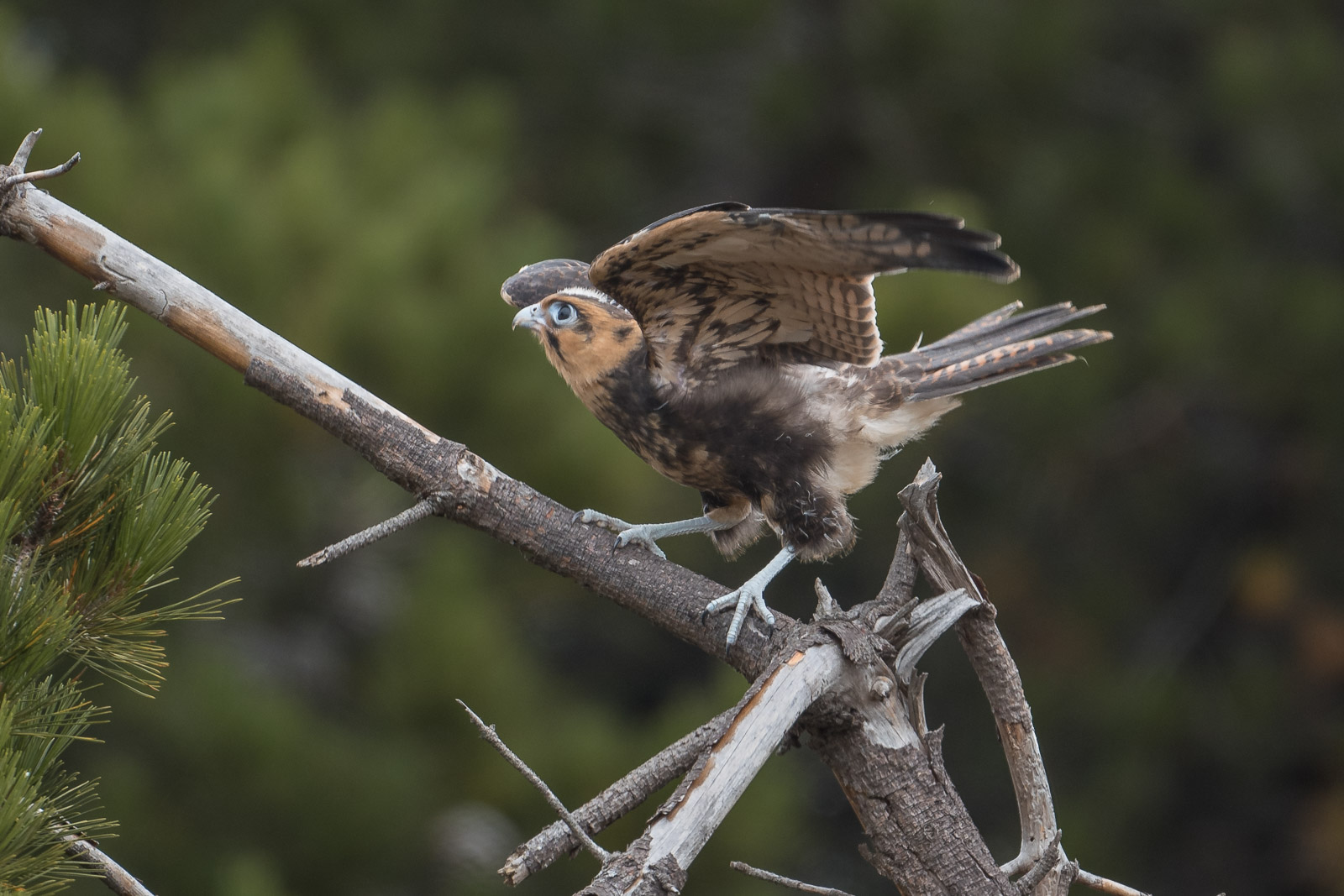
Number One child, all fledged and learning of Brown Falcon ways.
Enjoy
Out to meet the challenge. Cassia gains speed on a downward run
If its too big to scare off at least give it a lecture
She did not risk a close pass but rather turned over the quickly rising Sea Eagle
The interloper
Given the bulk of the Sea Eagle, there was little the small falcons could do for a direct confrontation.
Tis a well know fact that this blog does not do equipment reports. It’s not as though there aren’t enough opinionated sites to trash the best of hardware. However I’ve had a few enquiries regarding this lens, and rather than rehash what Uncle Google can find in a minute, I thought I’d rather share a few paras and pictures on my use with the lens so far.
If you own Canon gear, don’t proceed any further, you have the wonderful DO 400mm f/4. Be happy!
I hummed and hahed when the lens was first released. The big bikkies involved was probably the first stumbling block. And I was working with the Sigma Sport 150-600mm f/6.3 and it was working well for me.(more to follow below)
But the low weight and small size were an attraction, and in the end, I placed an order with Ross at Camera Exchange in Box Hill, in October 2018. I also planned to trade the Sigma at that time.
Eventually, got a note from Ross. “It’s here!”. March 29 2019. The wait-time worldwide has been astounding. So I motored over to collect the lens. Thanks Ross.
What follows is where it fits with my current work.
Time for the Pixelpeepers to click away now, as there are no charts, no ranking scores, no graphs and definitely no lens test charts to pour over. No dudes riding bicycles, or shots of the building over the road, or some obscure mountain in the distance.
Just how does it work for me.
Also please remember that these are all JPEG images made out of Lightroom to 1600pixels at 90% Qaulity. A few are crops, some almost full frame. Shot on both D810 and D500. I’ll note the data with each shot.
All the ratings are against My Expectations of the lens, coupled with use of previous lenses in the field. 100 % is just that. I’m completely happy with that aspect.
Price: No % Score, but I’d have no hesitation in buying it.
Gotta get that out of the way.
It’s a pro piece of kit, Nikon are asking big bucks. If that doesn’t fit with your bankbalance, then click away now. For those who want to save some money, the Nikon 200-500, Sigma Sport 150-600, and the Sigma Contemporary are all good value for money, and sharp. Canon users have the DO 400mm or a pretty nice 100-400 f/5.6 Zoom and a neat 400mm f/5.6 without image stabilisation. Any one of those lenses would be a reason for me to change to the Canon System.
My reasoning was to amortize the investment over the next 10 years or so, and a couple of bucks a week is a reasonable.
Size: 100% Meets my expectations.
It is about the same size as a 70-200 f/2.8. Which makes it imminently handhold-able.
Weight: 100% Meets my expectations.
Having been using the 300mm f/4 PF from its introduction, I had a definite idea about how the weight would be. I’m confident I could carry it all day in normal use without needing a porter.
Handleability: 100% Meets my expectations.
I’ve thrown around some big lenses in my time, but this one just feels right. The balance on the camera and handholding is very comfortable. Mr An Onymous will tell you I once fell in love with a 10-30mm zoom for the Nikon 1 system, just from picking it up off the benchtop. I ordered one the next day. If it feels right, the chi is working, and it is pointless to fight nature.
Focus AF: Exceeds my expectations. This is such a fast lens to focus, especially on the D500. Sometimes I think it finds the subject before I get it sorted out in the frame. Big plus. And it locks and follows. If I compare it to the 300mm f/2.8 or the 70-200mm f/2.8, which are my go to ‘speedsters’ for action, then it’s right up there as good as, if not better. I can’t compare it to the 400mm f/2.8 as I’ve never owned one, but that is the gold standard in fast focus. I reckon this lens would give it a pretty good run.
The other feature is like all pro lenses, its sharp all the way from the closest point to infinity. Unlike most consumer zooms that lose interest in focusing after about 30m. I’m looking at you 18-200mm and 80-400mm.
Sharpness: 100% of my expectations.
Just have a look at the photos below. I don’t do comparisons, but looks equal to the 300mm f/2.8, and has more contrast than the 300mm PF.(My copy. EE’s copy is a little better than mine I think).
Unsharp fuzzy bits.
My photos don’t have bokeh, (never pronounced so a Japanese would know what these people are talking about), mine have fuzzy out of focus bits.
So against a smooth backdrop 100% of expectation. Milky smooth as it should be.
Against busy high contrast backgrounds, 75% of expectation. But then my expectation wasn’t that high. Digital sensors are the real problem here. Most lenses struggle with those clunky blobby bits of branch and bush and the like.
That Removable Foot. 100% meets my expectation.
I’ve seen some remarkable nonsense written about the foot. It’s like “OH wow, something to complain about”. If the only reason not to buy this lens is the foot, then my advice would be trade in the camera gear and buy a set of golf-clubs. It is the same foot used on the 70-200 f/2.8 zoom. I’ve owned three of them over the years, and not once has it worked itself loose, and those lenses travelled lots photographing car events. If the user is so clumsy as to loosen it off then forget to tighten it, I don’t see that as a feature fault, I see that as incompetence!
For my hand the end of the foot rests nicely on the edge of palm of my hand, and my fingers sit well just before the lenshood, near the programmable buttons (coming up soon). A good fit for me. I’ve used it without, and my preference is with the foot. I’ve also had no intention of buying third party Arca mount foots. I simply don’t intend to ever put it on a tripod again. (Coming up soon).{Update Aug 2019} I’ve since taken the foot off and popped a BlackRapid “Fastener Fr-5″, in the 1/4” hole. Not a fan of BR, but I can attach an OP/Tech fastener and that works for me.
I found not much difference with and without the foot, and its just one less thing to get caught up when I’m cradling the lens while sitting down (think driving around the Treatment Plant){Update Nov. 2022} I ended up buyng a Henjar Foot. It has ARCA rail and also has a QD (Quick Detach) a standard used for all sorts of weaponry. I added it to a Blackrapid clip with an ebay QD swivel bracket (cheeeep on fleabay)
I am not a Blackrapid fanboy, but in the end, I tolerate it for the convenience of the QD set up. Means I don’t have to pull the confounded strap on an off my shoulder each time I want to put the camera/lens down seperately. Put it down to crabby old person dysfunction.
Programmable Buttons. 95% meet expectations. I use these a lot. Just wish they were a little bigger so my finger doesn’t need to hunt for them. They can be set for a specific distance and the lens will return to that spot. About 30% of my use. Or programmed out of the D810 and D500 menus to do a range of activities. Mine is usually an AF function about 70% of the time.{Update August 2019} I’ve since taken a big black ‘Sharpie’ marker and put a big “X” on the Lens Coat camo, just above each of the buttons. Easy peasy to find now.
Tripod use. Balances well with the D500 on a Wimberley. If you can’t get it to balance on a Wimberley, then read the instructions. On the Markins Q20 that I use a lot, it’s a treat. But now, the problem is you have to take a lightweight lens, and sally forth into the field with a whacking great tripod. Don’t see the point. End of discussion
VR 100% of my expectations. Image stabilisation is so much better implemented than on the 300mm f/4 PF. I found myself handholding at much slower speeds than I anticipated. See below. {edit Aug 2019} For Inflight, I usually turn VR off.
I have a paranoia that the VR interferes with focus acquisition, and while it might only be a microsecond as the VR settles down, it just might be enough to move the focus from the eye, to a wingtip. Besides for inflight, (regardless of the lens I’m using), I want the fastest shutter speed I can get. Give me 1/8000 please. No need for VR there.
Lens Hood. Guess what! 100% meets expectations. It fits, it locks, it’s lightweight. And in my world. It goes on the lens, and is never removed. (except to clean the lens). I use a bag that fits the lens with the hood attached. (and its taped in position so doesn’t go wandering off on its own in the field.) That is the way all my lenses are fitted.
What about Teleconverters. Met my expectations 100%, and perhaps exceeded them.
The results with the TC 1.7, were what I expected. And I won’t be using it again with this lens any time soon, or later.
Haven’t had a need to try the TC 2.0, but I know it will be slow to focus and that won’t work for me too well. {edit Aug 2019} The TC 2.0 is really not workable. Hunts, even in good light. One, two, three strikes. You’re Out!
The TC 1.7 is quite sharp, no problems, but again needs a bit of patience for focus. Won’t see me trying inflights that way any time soon. Or Later!
With the TC 1.4 I found it needed some focus Fine Tune Adjustment. Using the D500 in camera, it gave a result of -6. When I tried it I found the focus position was just not right. So I played around, and hit on +6. Can’t fault that.
I often get asked about Teleconverters as if they will help get a pin-sharp shot of a duck on the far side of the lake.
Nope.
Here are 3 helpful points for that sort of shot. 1/ Learn to Swim, 2/ Buy a kayak, 3/ Develop better bush craft.
TCs are best for giving a little bit of extra magnification closer up, say in the 15-30m range. After that for the birds I work with, both heat haze and tiny size make it impractical.
Acquisition can be a bit ‘iffy’ in lower light. And the tendency to hunt is always likely. But it’s a solid performer once the focus is there. Side by side I doubt I could pick sharp, with and without the TC 1.4
Beginning to sound like a ‘fan boy’, so let’s see if some of this makes sense from my field experience.
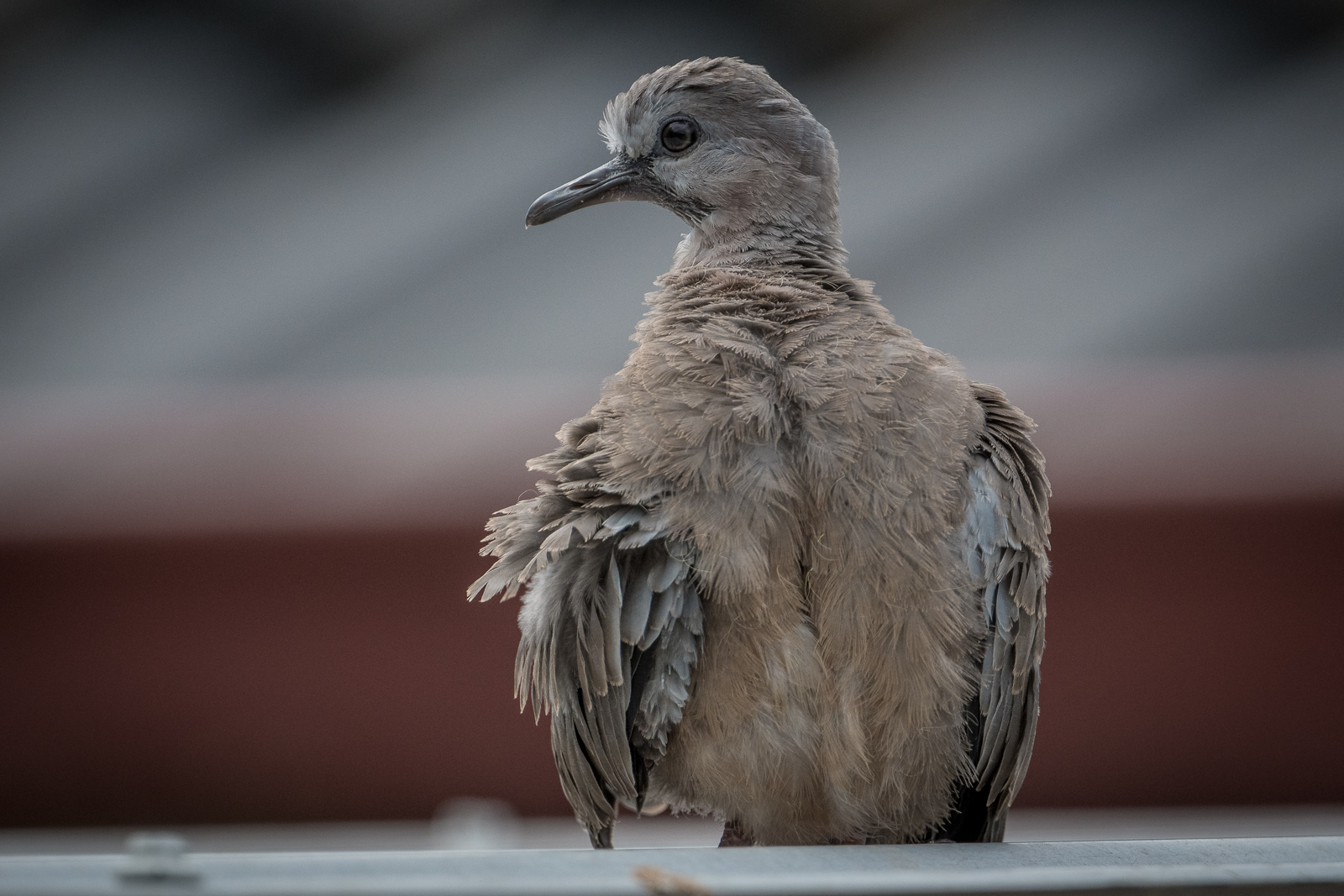
This is the first image I made with the lens. 1/320 f5.6 ISO 400 Tai Chi Pigeon Spotted Dove
Early morning overcast. 1/640 @ f/5/6 ISO 400 Superb Fairywren
Morning Sunshine, near full frame. 1/800 @ f/5.6 ISO 400 Black Swan
1/500 @ f/5.6 Just a hint of sunshine coming through the trees. Eastern Osprey
1/200 @ f/6.3 ISO 400 Eastern Yellow Robin
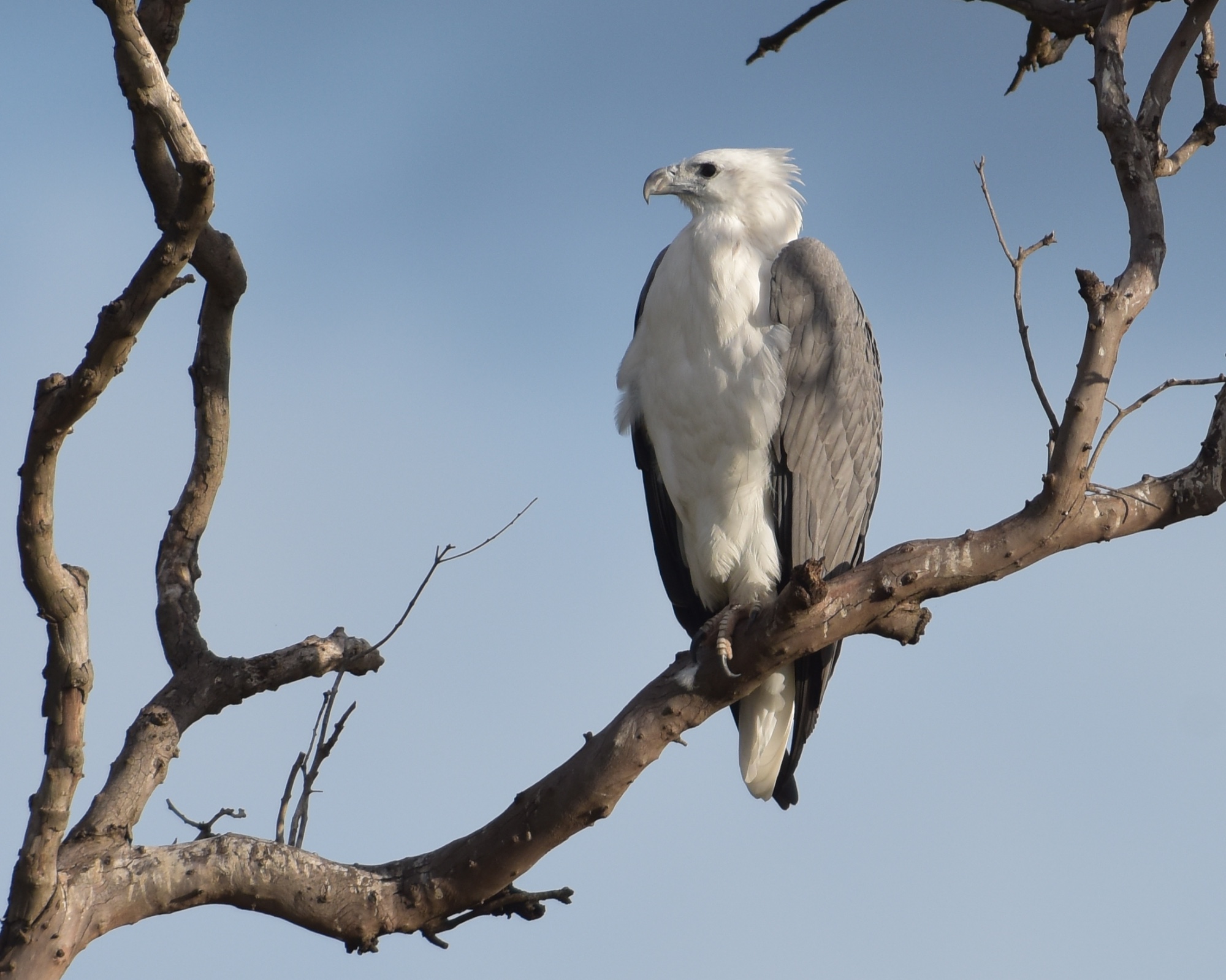
Late Evening Sunshine 1/2000 @ f/5.6 ISO 800 White-bellied Sea-eagle
1/200 @ f/5.6 ISO 400 Tawny Frogmouth
1/400 @ f5.6 ISO 800 Hazy indirect light through overhanging trees Eastern Spinebill
What about the soft out of focus bits
Late evening. 1/640 @f/5.6. Creamy out of focus bits. Juvenile Whiskered Tern
1/1600 @ f/5.6 ISO 400 Very late afternoon rich light. Brown Falcon. Messy out of focus bits because of messy background
Brown Falcon, messy out of focus bits. This is mostly the result of sesor issues rather than the lens design.
How good is VR. I don’t shoot many in low light but here’s one from the back fence.
Checking VR or Image Stabilisation 1/50 @f/5.6 ISO 400. Handheld. The sun had set, but there was still light in the sky.
Then of course the always asked question.
Oh, but what about Teleconverters. I’ve got to see it with Teleconverters. See my point 13 above.
TC 1.4 700mm 1/3200 @f/9.0 Handheld. Bird worked its way toward me on the water line. Red-kneed Dotterel
TC 1.4 700mm 1/500 @f/5.6 ISO 400 Soft out of focus bits and plenty of detail on WIllies beak whiskers.
TC 1.4 700mm 1/1250 @f/9.0 Handheld, overcast day. Lightened up 1/2 Stop in Lr.
TC 1.4 700mm 1/2500 @f/9.0 Full sun. It is no macro lens, but the detail is certainly there.
Accessories.
I was going to really annoy myself and write ‘accessorising’, but restrained. 🙂
I added a B+W UV filter. Not a great believer in UVs as the Sensor already has a UV component, but let’s face it, this an expensive piece of glass. My first B+W UV was with the Sigma Sport, at first I was hesitant, now, I’m a convert. The B+W shows no visible image degredation, I wish I’d come across them years ago.
Added some Lenscoat to protect the lens, I really like the Kevin Kealty ones from the Wildlife Watching Supplies in the UK, they are a bit thicker and don’t seem to shrink like the US based mob.
Also work with a LensWrap, that I had for the 70-200mm, fits like a glove and gives added security for travelling. Simply velcros off when I’m ready to go in the field.
Everybody has opinions on Carry Straps.
The lens does NOT have special strap attachment points, like the bigger pro lenses and the Sigma. Pity, as it would only have been a few dollars more.
I started using a BlackRapid Strap, but find them uncomfortable.
I changed to an OP/TECH Sling Strap Which we’ve used for years on other long lenses, and it does the job well. And doesn’t take over the camera bag when travelling. I’ve snuck on a BlackRapid attachment since, and have one OP/Tech connector on the Lens, and one on an ARCA “L” bracket on the camera. Two attachment points makes me feel more secure.
{Edit Aug 2019} Like camera bags, carry straps will continue to keep me searching. 🙂
{Edit Nov 2022} For full disclosure, I’m now using a Blackrapid Classic Strap and a QD (Quick Detach) on a Henjar bracket See above
Edit Sept 2025) Due to a problem of the lens getting knoced swinging back andf forth on the BR straps, they have gone to the dumpster, and I’m using Peak Design Slider straps. Told you its like camera bags.
Conclusions. I think the price is well justified for the work I am doing. It is indeed my go to lens at the moment.
Alternatives.
The Sigma 150-600 Sport worked well for me. In the end just too heavy for carry around field work. {edit} And, while it was very sharp, the focus was often a little to slow for me for inflight. Once acquired it stayed locked. Even using the Dock to set a faster focus acquire rate, it still left me wishing for a bit more speed.
The Nikon 200-500 Zoom. Is a sharp, well-balanced lens. I would have purchased it if the Sigma had not been on the showroom floor. I do find it a bit bulky to carry as the barrel is nearly twice the diameter of the 500m PF.
The 300mm f/4 PF and a TC 1.4 420mm @/f5.6 EE’s go to lens. Solid performer, I find mine with the TC has a little chromatic aberration in highlights, easy to fix in Lr, but detracts sharpness a little. It is a lovely walk about for hours lens. Sharpness side by side with the 500mm PF would be hard to pick, and as I’ve used it for over three years, it’s a lens I have a high regard for.
Downsides.
Yes, there are a couple.
I tend to take a lot more pictures as it gives me a chance for good framing for inflight birds.
The lens makes my 300mm f/2.8 look a bit redundant. Not sure what I will do with that.
{Update Nov 2022} I traded the lens at Camera Exchange Haven’t really missed it. Update Jan 2025) Well I did miss it, and have since acquired another. Love that f/2/8 mikly smooth backdrop.
The 300mm f/4 PF is also going to take a back seat. It sits in the lens cupboard and like a dog waiting to go “Walkies”, sort of quivers at me when I open the door. Perhaps a D7200 or D7500 and use it for wider shots from the vehicle. Certainly can’t take both to the field.
And here are two more from a shot this morning. The White-winged Terns are still around, and I spent the best part of 2 1/2 hours with them, one long session of about 90 minutes.
1/8000@/f5/6 ISO 800 Grab Shot. Got out of vehicle, lens grabbed focus, I framed next. Swamp Harriers do not give second chances.
1/2500 @f/5.6 ISO 400 I was working with these terns for about an hour and half, took several hundred frames. Lens didn’t feel tiring to hold. Had I not run out of time, and the birds out of patience, I could have easily done another hour or so, the lens is unbelievably easy to handhold.
So there you go. Thanks for taking the time to read to the end.
It is a keeper for me, and I’ll probably extend myself to get the best from it in the coming weeks.
Keep takin’ pictures we do.
(I’m hoping EE does not read this as I’d hate to have to wait another 5 months for the next lens.:-) )
Sep 2024 UPDATE.
Earlier in the year, the lens suffered an electronic hiccup. So much so that it required a trip to Digicam in Adelaide for repairs. Considering that there are close to 15,000 photos in my Lighroom Catalogue and I edit extremely heavily, on average only about 1 in 8-10 shots are not purged, so that makes around, 150,000 shots with this lens. (and 3 cameras, but that is another story) A flexible circuit inside the lens had moved so many times that it failed. I also think that swinging the lens on the end of a Blackrapid strap didn’t help much, and I’ve binned my BR straps and am now using Peak Design “Sling” which suit my style of photography in the field. Digicam did a great job, and had the lens back in just a few weeks. My first initial tests looked fine, so its back in business. After several months of excellent performance, I am still totally happy with the lens.
++++ Editorial Note: This was written back in May 2016, due to complicated circumstances, (if you will) I had let its publication slide. Enjoy. ++++++
One of the most endearing myths surrounds the Search for the “Grail”. This mysterious cup that is the hero’s quest.
Joseph Campbell, is one of my favourite authors and while I don’t always concur with his conclusions, his insight into the depths of myth and legend always intrigues me.
One such story is the Hero’s Journey. A story that is played out over and over in old Hebrew texts, Chinese history, Indian legends, South American dramas, and innumerable other historical stories. And into modern-day novel such as Dan Brown’s “Da Vinci Code”
Simplified it’s “Local Hero—(ine) makes Good”.
Somewhere the legend becomes intertwined with knights bold of old and ends up as justification for the wholesale slaughter that was inflicted during the Crusades, in search of the now “Holy Grail” the cup that held the crucified Messiah blood.
Campbell writes it best as the story of Sir Perceval, although there are lots of previous versions going well back into the Dark Ages of Europe.
Still.
Sir Perceval, is off on his Quest. His is the journey to visit the wasteland, (Joyce devotees take note {++ Ed Note: I was thinking of Ulysses, here, but as Cheryl rightly points out the reference probably belongs more to T.S. Eliot++}), of a certain king, sometimes called the Fisher King who is the possessor of the Grail. Giver of Eternal life. This dude is crippled, variously described as from battle or curse, and the ‘grail’ keeps him alive. He not only has the cup, but is wont to hand out helpful advice and wisdom to any who would enter his realm (Aside— I’ve often pondered if he was so smart and wise how come his kingdom was a wasteland and his subjects abject suffering wretches— but let’s not let detail get in the way of a good story)
Sir Perc, is supposed to ask the magic question, but of course his chivalrous upbringing, (or lack of) means he can’t do that, so he misses out on the prize. Now banished he too must walk his own wasteland. (I do see a picture building up here).
Before your eyes glaze over, he returns, retrieves the grail, heals the king, the land and puts out the cat and makes toast. On ya Perc, good afternoon’s work.
(Aside: always wanted to write it that way for my term paper on Myth and Symbol, but figured a pass was better than a laugh).
Which brings Sir Perceval, that is the name of our little grey car, on its quest to the Wasteland of the Western Treatment Plant in search of “The Grail”.
On board Sir Perc are EE, Mr An Onymous and your erstwhile writer. The Grail is “White-bellied Sea-eagle”
There are several of these amazing birds at work over the Treatment Plant ponds. The amount of duck on the water is fairly easy picking for a well-trained Sea-eagle, and these dudes are well trained. (Even without the Fisher King’s help, they know fishing)
Yet.
Finding one in a good location, and up-close and personal, has always been a problem for Perc and contents. EE had a plan, not the first you are reminded, but none the less a plan. Mr An Onymous had the lens ready and a theory for everything. And me. I was looking for birds.
We entered the track alongside the Little River, being allowed access by the “Gate Keeper”, Little Pied Cormorant who is often at work near the gate.
Onwards
Two Whistling Kites departed from the Specimen Tree, and were away before a lens was pointed. On to the Japan Tree. This lovely tree has featured here on the blog and on my Flickr site regularly. A tree of a thousand poses, it sits on the edge of the causeway over Little River.
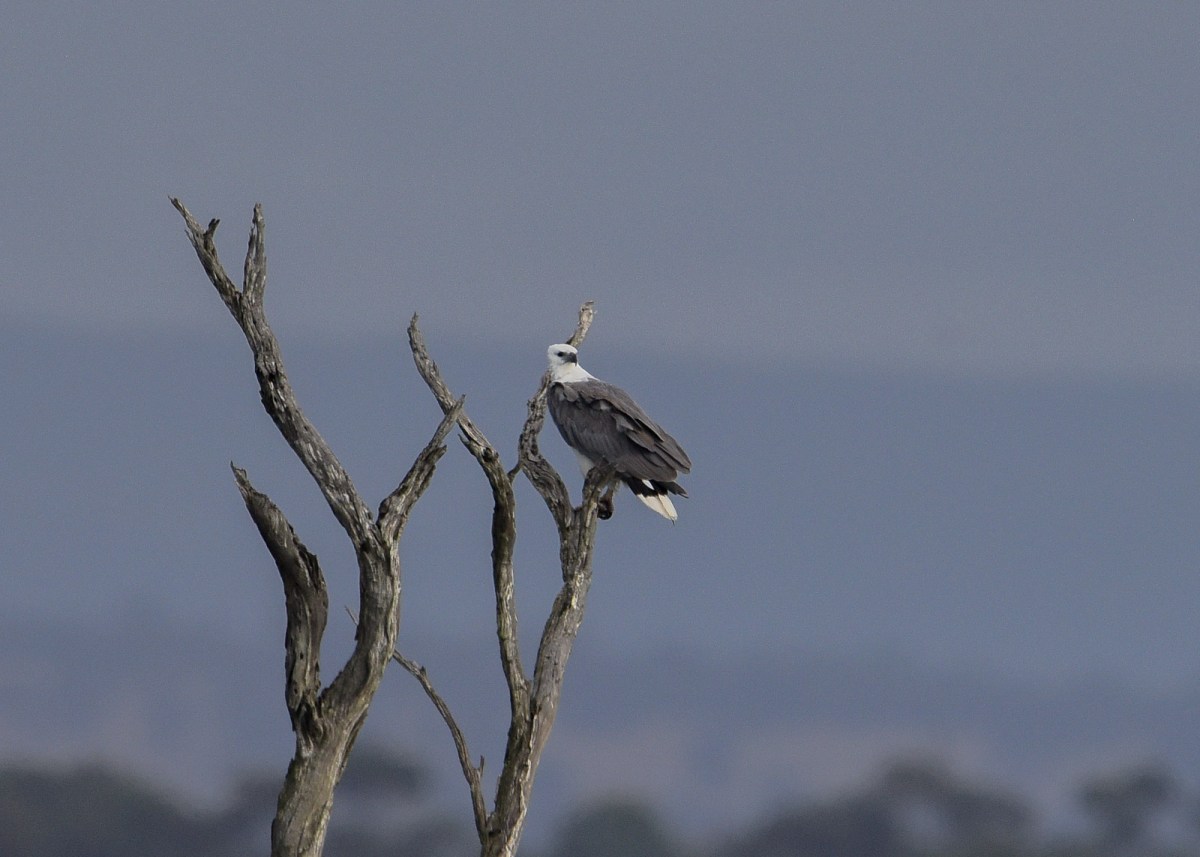
I spotted it in the tree.
Grey and white in the sunshine.
I slowed Sir Perc and stopped. Each looked about. “Not much here- as usual”.
“What about the Sea-eagle,” I reply.
“Oh it would be so good if we saw one somewhere along the track today, ” reply.
“Well what about that one up in the tree,” saith I.
“Yeah, that would be a good spot”
“It’s there on the left-hand side.”
Brains click into gear, doors open, cameras start to bundle images onto memory cards.
“It’s tough light here,” add I, “I’m going to take the car to the other side of the causeway.”
Meanwhile, I’m adding up the possibilities.
Move to other side of causeway.
Light better.
Not hidden among tree branches
Bird will throw if I move the car
If bird throws from this side it will be into the light and we’ll get silhouettes.
Walking about will make it throw.
Take the risk.
So, Sir Perceval moves over to the far side of the causeway. I think I heard the Fisher King groaning.
Bird is relaxed. Goodo—out of the car, setup the lens, beanbag on roof, line up shot, check exposure, make more shots.
Change camera to the shorter lens. — Mistake. Note to self. Only take one camera/lens combo next time.
The light is about as good as it gets, the pose is as regal as they come and the memory card is still taking in the images.
Then
It ruffles the wings, and I can only say, under my breath, “It’s about to throw”, to no one in particular, and before I can change back to the longer lens, it’s airborne. No time to put up the big camera. Mutter under breath about senility.
And
It throws out into the open, pulls the big wings about, and comes directly into the sunshine. No time to ponder correct exposure now, this is what we came for.
“Well, we can go back for coffee now”, I announce. But the others are ‘chimping’ at the review screens on the camera. Y’know, head down, arms waving, “Oh, oh, oh”
Not a bad morning’s work. The Sir Perc of Old would be happy.
Enjoy
“the occurrence and development of events by chance in a happy or beneficial way”
The weather map showed a large high stalled over us for most of the day. “Let’s do an evening at the Western Treatment Plant”, saith, I. “We could take down the picnic, and have a fine old evening watching the sunset over the bay, and maybe photograph a few birds, and well, just enjoy the evening sea breeze. What thinkest thou?”.
A call to Mr An Onymous, and the famed, and legendary “Blackmobile” was on the highway loaded with his fine repast. EE and I decided on a Peri-Peri Chicken Salad, and a round of Earl of Grey.
We’ve been housebound because of the weather, and in the early afternoon, the sun shone, blue sky, and we decided to head to Twenty Nine Mile Road. Just for a look, and then a coffee on the way home. The Plant is Locked Out to mere mortals at the moment as the roads are a quagmire from the rains, the constant 4WD traffic, and that one of the number of bird watchers managed to put their ‘fourbee’ off the road and into a bog, requiring work by the management to get it out. So.
The weather forecast was loaded with gloom and doom, but we thought it was worth the risk just for the time out.
And we managed some good sunshine for about 30 minutes. And then a great big black cloud with a distinct grey sheet falling from it, headed in our direction. It was, as they say. All over.
And in the same direction a large raptor, which as it came closer was definitely a White-bellied Sea-eagle. It swung in on the wind, which even optimistically could be measured somewhere between 50-60kph. The rain was ripping in behind it. The bird landed, without a care on a roadway bund between two ponds. And with the rain pelting down it just sat and watched. A lone Samp Harrier had clued on that something was going to happen and was making various treks back and forth behind the eagle. We were stuck sitting in the car with the window open, and rain pouring in. Close window at least.
And it waited. It seemed to me the wind and the rain were increasing, but still it sat. And looked.
Then at what can only be described as ‘The height of the storm”. — or as poor old much maligned Edward Bulwer-Lytton “It was a dark and stormy night; the rain fell in torrents — except at occasional intervals, when it was checked by a violent gust of wind which swept up the streets (for it is in London that our scene lies), rattling along the housetops, and fiercely agitating the scanty flame of the lamps that struggled against the darkness.” might have said.
The bird casually turned its body into the wind, raised the wings and lifted off. And to my real surprise, headed “into” the wind. Long deliberate beats that took it just over the water out along the pond.
Then it became clear through the rain.
A lone Eurasian Coot had taken that moment to make its run across the lake. Wrong move!
With the rain hammering at me as I swung open the door, and raced back along the road to get a clear look at the event, the eagle made several passes at the hapless coot, and then I lost it behind a clump of grass in between, and to be honest, the sting of the rain, the lack of wet protection for body and camera, and it was time to go back to the ‘safety’ of the car. EE had managed to get a better look of the eagle as it brought the coot to land.
But. Let’s face it. A long way away, drenching rain, no light, and buckets of contrast and colour and sharpening and noise reduction, and this a about as good as it gets.
I guess I make no apology for the images. At least we were there.
The power of the eagle is still haunting my thoughts. I was having trouble walking in that wind.
Thanks to EE for supplying the last moments of the action.
Locked on Target. That the D810 and the 300mm Locked on at all is much a tribute to the gear.
Time to add another chapter to the Complete Guide for “Sneaking” up on a Swamp Harrier.
By now we have established some golden rules to ‘sneaking’ up on a Swamp Harrier.
For those who skim read, here they are.
Rule 1. You Don’t Sneak up on a Swamp Harrier.
Rule 2. None known in the universe.
We adopted a new technique the other evening. Find a spot to park, setup chairs, open picnic basket, ignore Swamp Harriers. Actually the real reason of course for the visit was the ever elusive White-bellied Sea-eagle.
The tide, Mr An Onymous had revealed to me in a private conversation was a low-low tide around sunset.
Armed with this vital piece of data, EE and I decided a picnic evening meal watching the sun set over other bay would be as good as any reason to travel down to the WTP, so as the Banjo has often been quoted. We went.
To Picnic Point. Well its actually 175W Outflow and there is a big blue sign there warning of E coli and all sorts of other nasties, (but not about Swamp Harriers), but for the sake of the exercise we’ll call it Picnic Point from here on.
The technical term, low-low tide means this is one of those tides that makes those funny tidal graphs drop really low on the page. And it means in practice that the water level drops dramatically and reveals the mud/sand flats out several hundred metres. With such exposed areas, the small shore birds, (waders), come in their tens of thousands to gobble up as much rich food as they can.
And because of that low-low tide, the Sea-eagle can patrol looking for an easy snack, either to take alive, or to find carrion. Its an either/or for said Sea-eagle, and if all goes well, from our Picnic Point, it will patrol along the mudflats in great light, in close and will do some really clever Sea-eagle activity and we’ll get some good images.
Which of course as you can see leads us to sneaking up on Swamp Harriers.
Not to be out done the Clever Brown Bird has also worked out the low-low tide might just bring it the snack it so deserves.
We are hull down among the bushes. The Swamp Harriers patrol through the scrub.
From previous chapters, its pretty obvious to me that the Swampie has the area well and truly mapped. Nothing is a surprise to the average head-down hunting bird. There is no “Oh look a fox killed duck, I might just swoop down and pick it up”. No, it knows the carcass is there, because it wasn’t there the time before. And humans, well they either drive around in circles or are large blobs standing against the horizon and easily spotted and avoided.
And for those fortunate souls picnicking at Picnic Point, well they stand out among the bushes as much as anything and from a distance can also be avoided. Needless to say, based on these facts. We didn’t get a close encounter with a Harrier all evening. But. We did see a Sea-eagle.
Still the weather was kind.
Enjoy
Head down, comparing the present information with the stored data
Nothing escapes that radar gaze
Oh, look, humans, they weren’t there before. Turn away
Humans. Turn away
Turning away in the evening light. Our presence didn’t come as a surprise to this bird, it simply continued its business along another track.
The elusive, White-bellied Sea-eagle made several runs along the low-low tidal flat. For some reason it was carrying grass from a previous swoop.
A White-bellied Sea-eagle with a catch is as Jane Austen once wrote, “in need of friends”,(well I paraphrased the good Jane just a bit).
We are at Lake Borrie in the Western Treatment Plant, early morning, far out in the middle of the Lake a young Sea-eagle has scored. (Best guess is a Pink-eared Duck).
As it settles down to prepare its meal, out of the sky drops all the Kites and Harriers in the area. Each one wanting to be the Sea-eagles best friend. “Comeon mate, share it about, I’m your best mate, maahte.”
The Sea-eagle doesn’t see that opportunity to increase its Friends list on FB and doggedly proceeded to pluck and consume the feast.
Not that the big birds didn’t try. The Harriers tried their usual ‘spook’ tactics, the Kites a variety of out staring and then hostile aggression, the ravens a mixture of sheer cunning and brute force, but in the the end, the Sea-eagle persisted.
For the Technically Ept: These images are shot on the D810, mostly with the TC 2.0iii on the 300mm f/2.8, Tripod mounted, with a 4kg bean bag to weigh it all down. And the new addition in the D810, the Electronic First Shutter ,which eliminates shutter/mirror bounce on long lenses. (Wish I’d had that with the old 600mm.).
Huge crops as the bird is so far away in the middle of the lake.
Just about to settle down for a fine breakfast and…
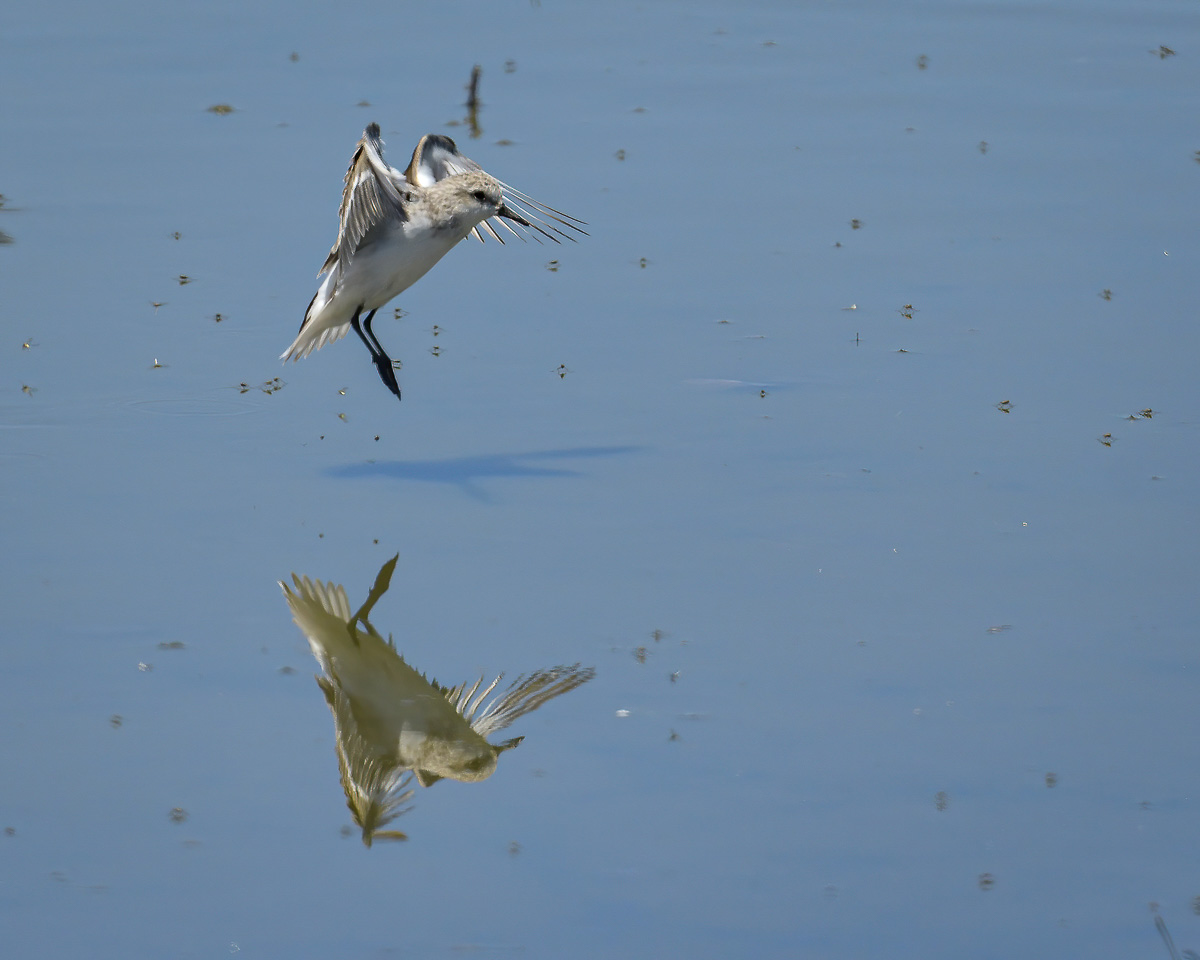








































 Birds as Poetry —— Just because I WANDER doesn't mean I'm LOST