We joined the Eynesbury Environmental Group for a walk in the local Grey Box Forest as part of the ongoing Swift Parrot Surveys. Swifties are highly mobile, nomandic and unpredictable in location. And today was quite a successful Survey day, as we conclusively proved they were Not in the area. 🙂
But a day in Grey is not be be missed and Chris L, put on another of his now famous, “Sunshine” days. Here’s a selection from the walk.
Enjoy
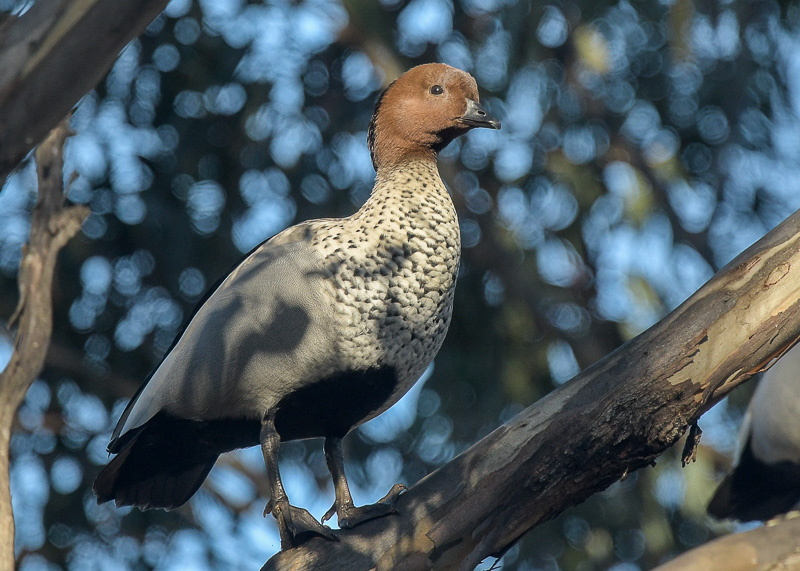
Maned Duck, commonly know as Wood ducks, presumably because of their tree dwelling habits
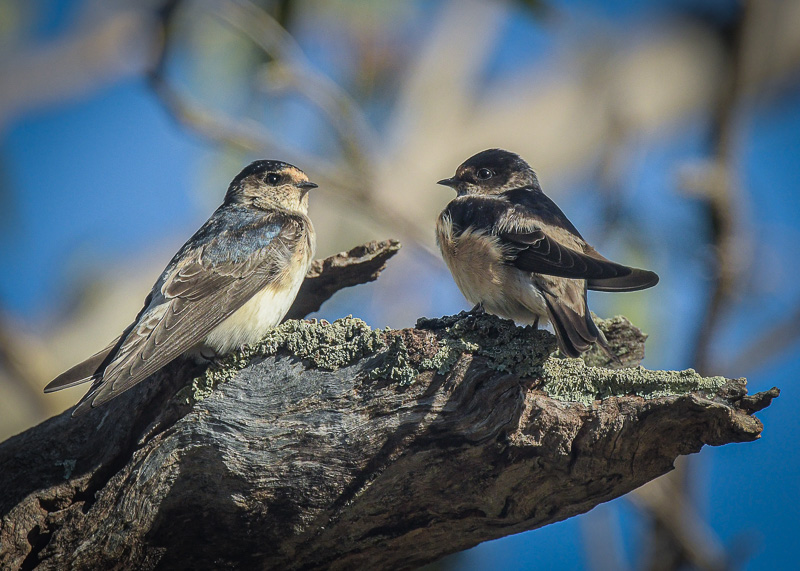
Tree Martins. Recently returned and no doubt hard at work at selecting the best real estate for their nesting operations. Soon there will be hundreds of them through the forest
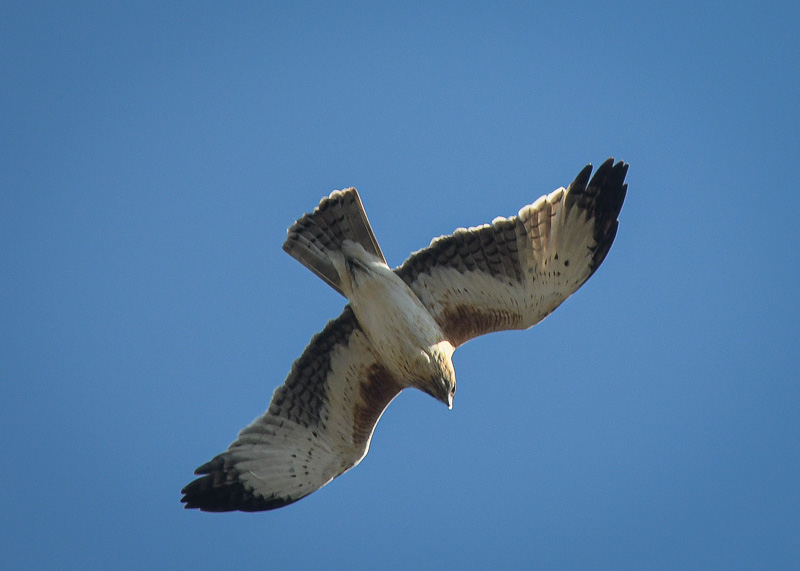
Little Eagle, no trip is complete without at least one sighting of the resident Little Eagles. This one circled over us in the open
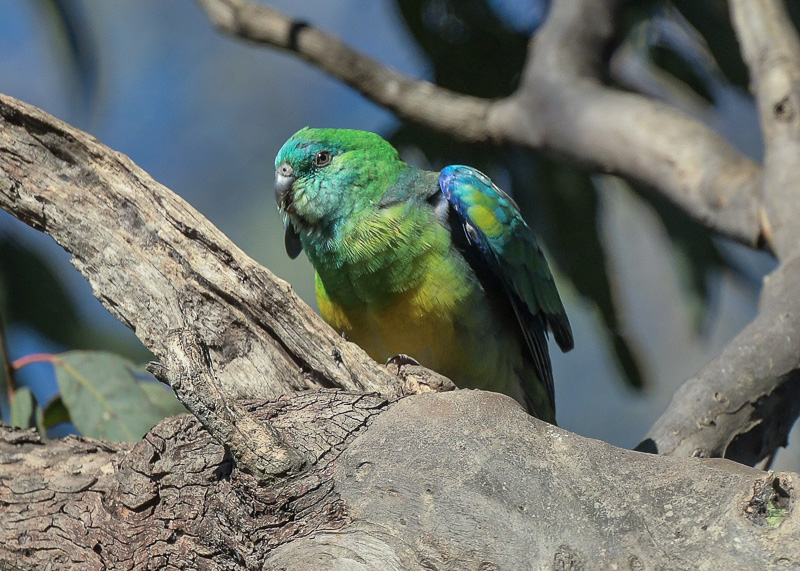
Red-rumped Parrot, a male who is busy, I suspect waiting, waiting waiting, for his mate that would be on a nest somewhere in a branch nearby. He keeps in contact with her with lots of cheery calls and wing displays.
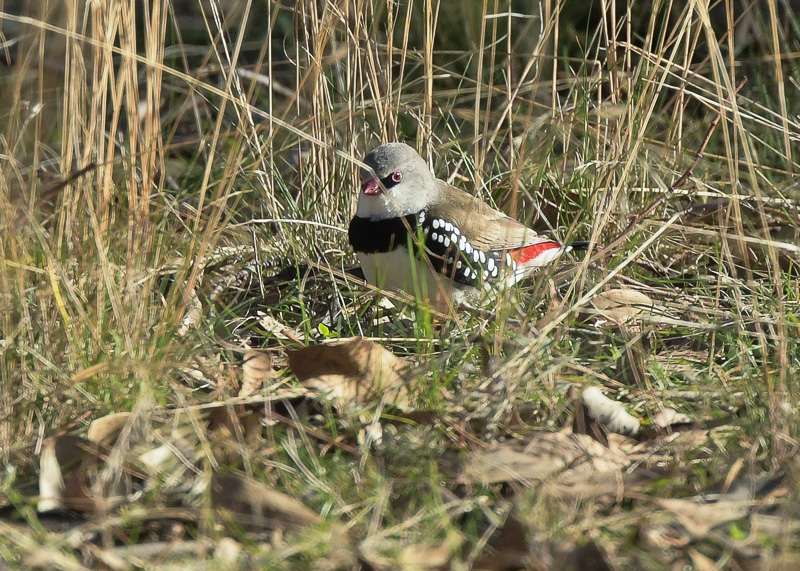
The Eynesbury Box Forest Signature bird. We found several Diamond Firetails working through the native grasses collecting seed. Their numbers seem somewhat unpredictable, but it’s good to catch up with them on a day out.
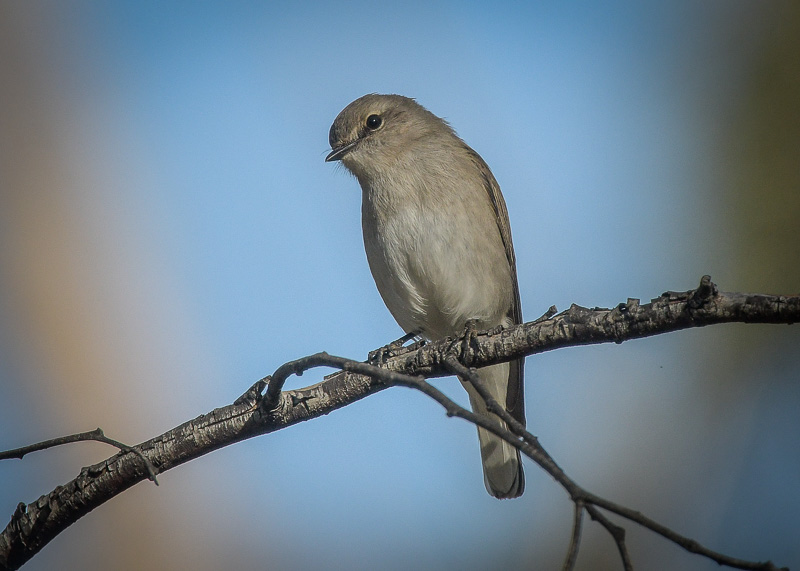
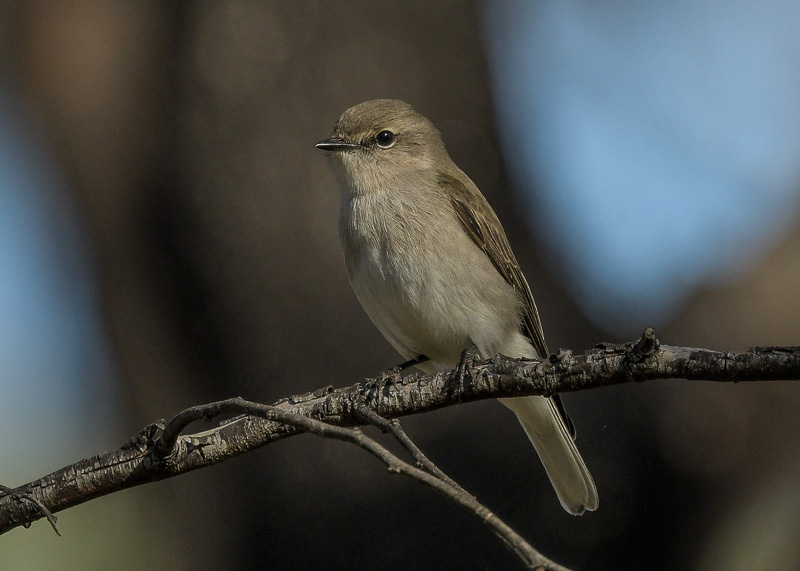
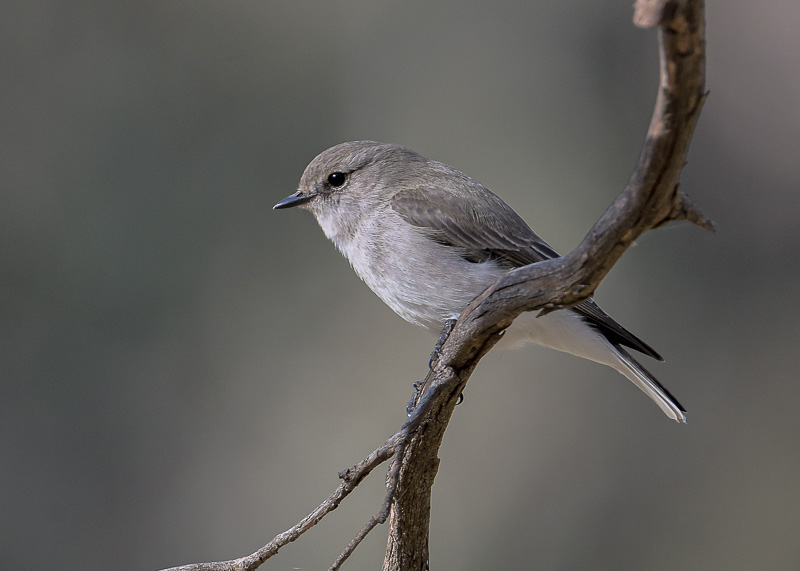
If I had a signature bird, it would be Jacky.
There is something about these little birds that says Grey Box Forest to me, and their often approachable nature makes for great portraits.
Jacky Winter and I could do this all day
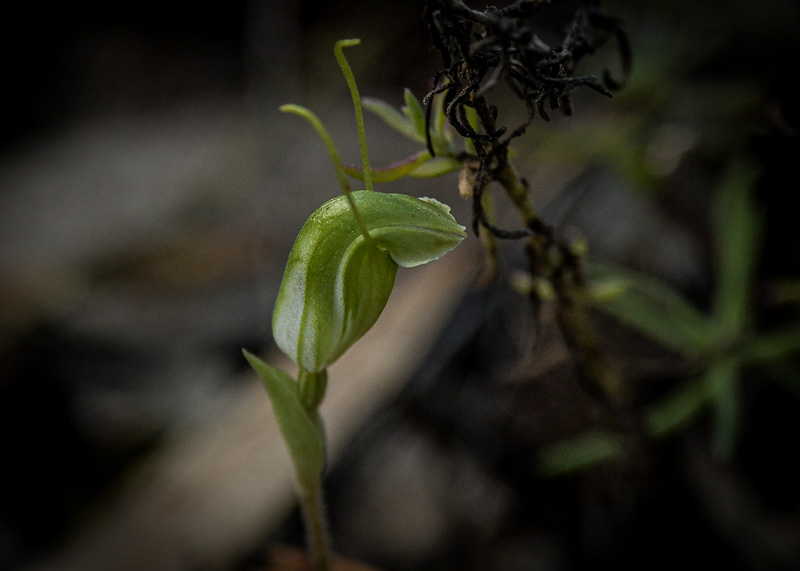
One of our sharp-eyed group found these tiny Greenhoods by the side of the track—not much more than a few centimetres high.
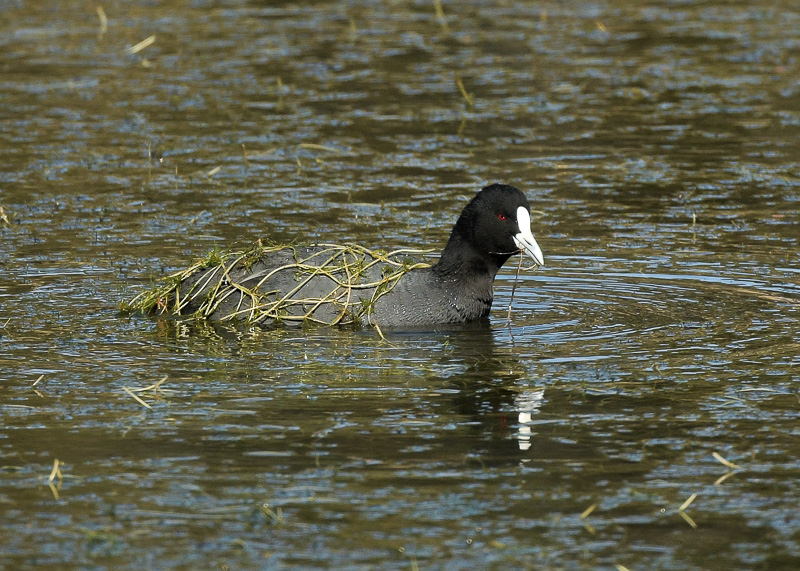
Fashionista Eurasian Coot is dressed to impress.
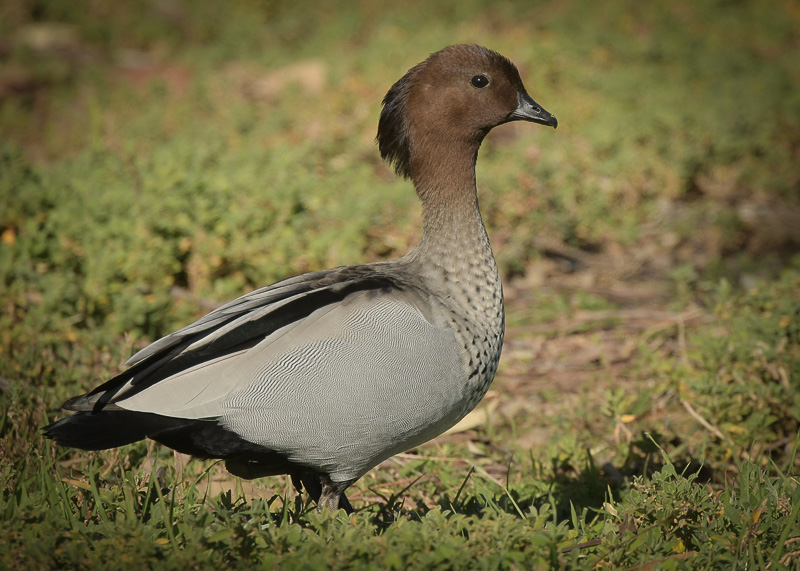
A very handsome Maned Duck showing of his impressive mane, and his lovely vermiticulation on his body.
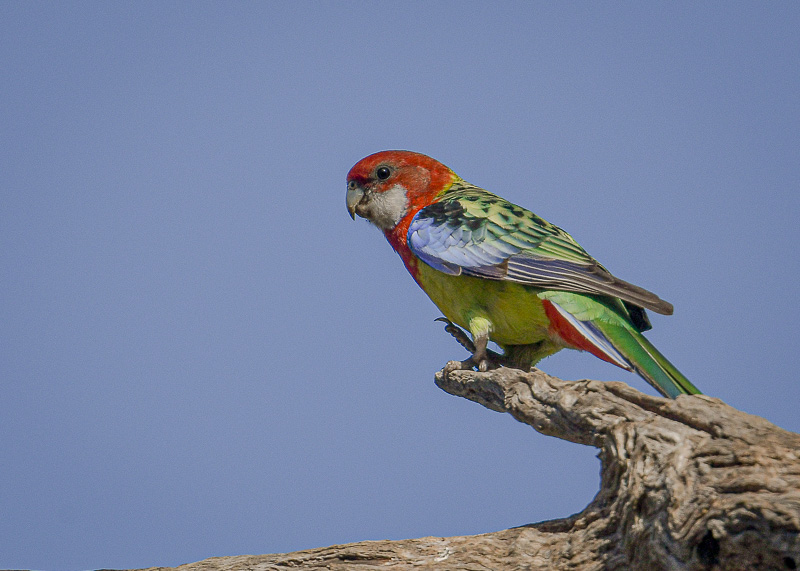
Eastern Rosellas were in abundance, this was one of a flock of twelve or more that were working through the forest.
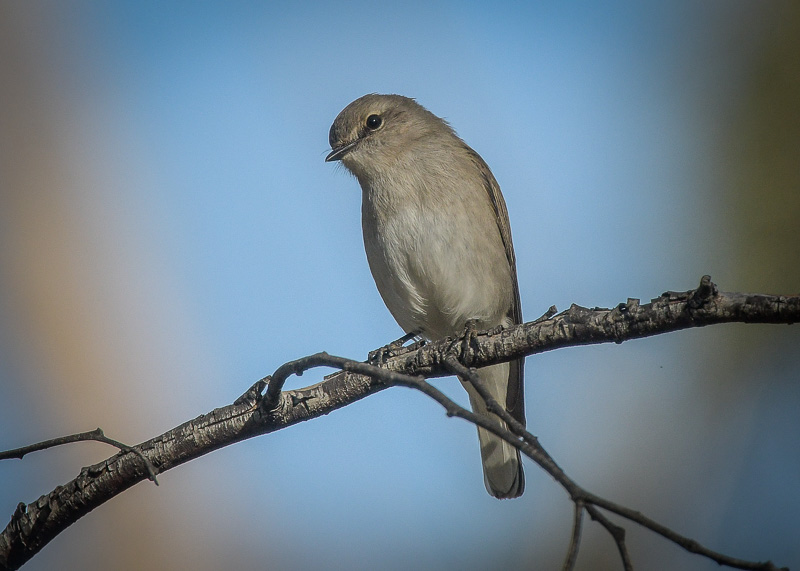
And just as we were leaving, another pair of Jacky Winters stopped by for a chat.
We finally managed a day that at least started out looking sunny, but it did deteriote. However no rain. Bonus!
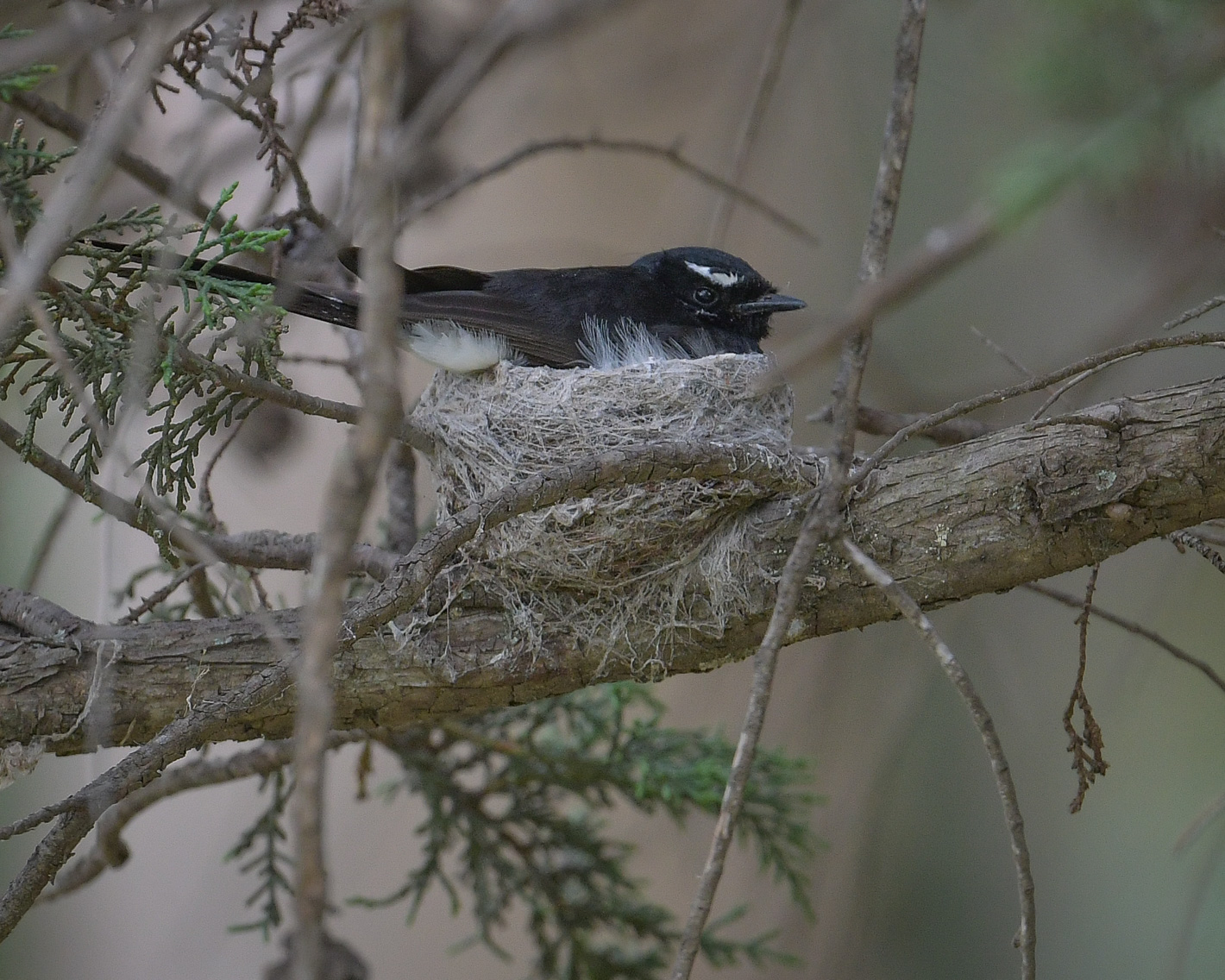
A short stop to catch up on our local Willie Wagtails nesting. All seemed well, and as this pair have been washed and blown off the branch in their past two attempts, it is heartening to see them back on the job.
We also walked about part of the Werribee Mansion precinct and EE managed to spot at least four Wagtails at work on various stages of nesting.
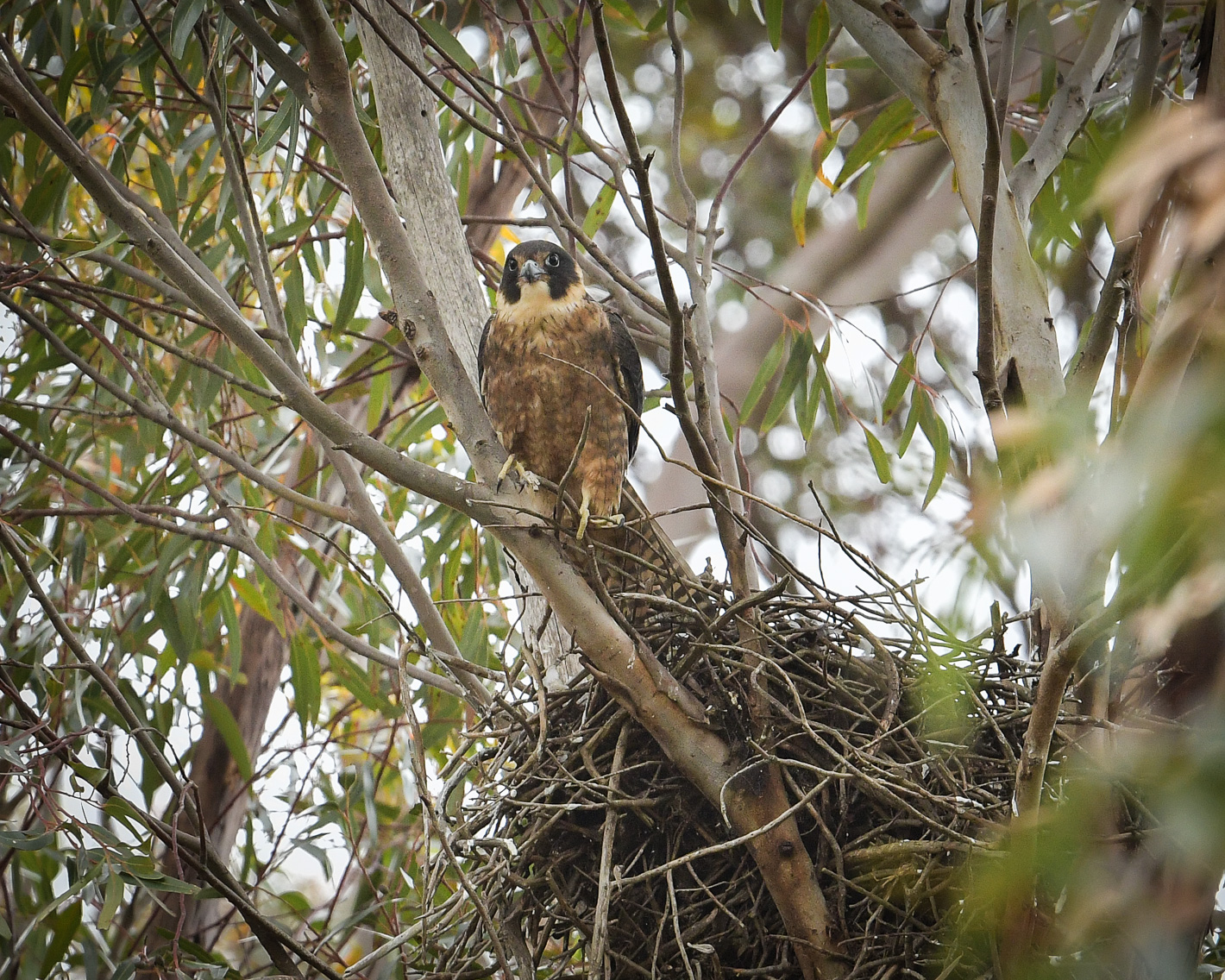
The Hobby pair have also shown they have been able to weather the various weathers that have been given them and have two rather well developed young chicks on the nest. Given the days of constant rain, and exceedingly high winds its says a lot of for these birds to have survived. I had, I must admit begun to think they might have abandoned the project.
EE was at her alert best and found four nesting sites. It seems the Willies have figured out the dreadful weather might be gone, and are keen to make up for lost time. Willies have, it seems two major nesting strategies. I’ve noted over the years that its possible to find a pair building a nest on a branch out in the open. No surrounding cover. In your face. I’m here, “This is Me!” The second strategy is one of the furtive, hide-away in the deepest part of the a thickly covered bush or tree and, Ha! Let someone try and find us in there. I once had one that had nested in what can best be describes as the very centre of a Prickly Wattle bush (Acacia paradoxa) Each time getting into and out of the nest damaged some feathers. The clutch was well protected from self-serving Ravens and other thieves. They fledged three young. And occasionally there is one that just seems to go for location, location, location, a bit like Goldilocks. Not too open, not too hidden.
I have to say that over the years, each method has had its successes and failures, so its hard to conclude one is better. I think it just depends on how stubborn the pair are.
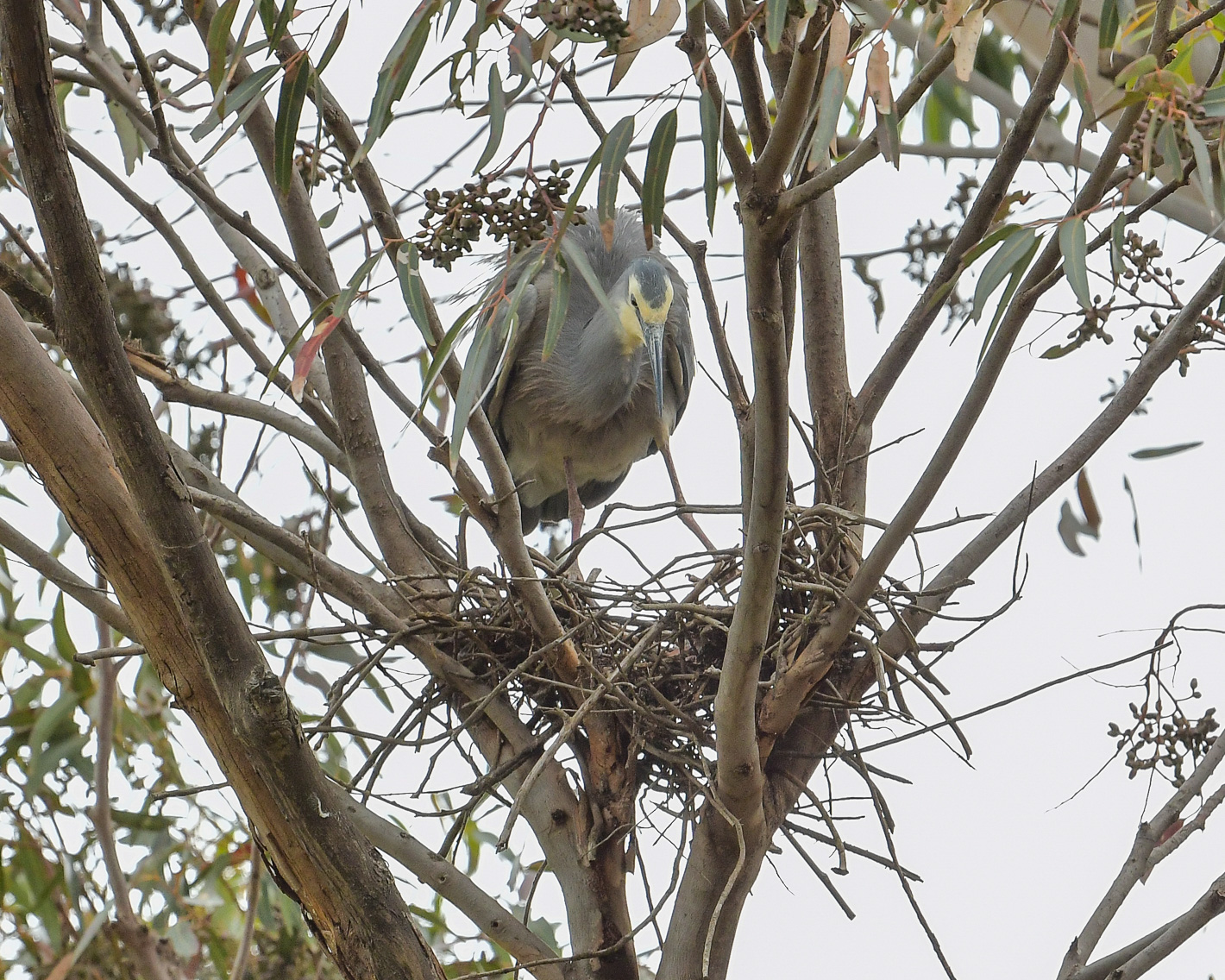
Went to look for Seraphema and see if she was still in residence. Along the way came upon a White-faced Heron that seemed to have started a nest, but wasn’t sure if it should be completed. There was lots of calling disussion among the pair, but not much building. Time will tell. And EE managed to locate a pair of Magpie larks engaged in the fun of building their mud house. The male popped down on the ground for a quick snack or two with his black apron all covered in mud flecks.
And so to the business in hand. The male Hobby deposited a catch into Serpaphema’s waiting claws and a few minutes later she headed to the nest.
After a feed, the two young climbed to the top of the nest for a look about and a wing-stretch. If a picture is worth a thousand words, here comes a small essay.
And just as I was leaving I found a young Red-rumped Parrot sitting on a fence line. The soft light seemed to grace those lovely young colours
Enjoy
This bird has been washed out twice that I know of. This time its chosen to rebuild on a previous attempt out in the open.
If tenacity and courage gets the job done then they will be successful.Number #1 The furtive approach. This pair are well inside a small old Peppercorn tree. Took a while to work out as one flys in, the other flys out and it would fool many a casual observer.Number #2 This one is directly beneath the Australian Hobby nest. Still work in progress. This pair are a two way bet. Partly in the open and partly under leaves.
They are overhanging a carpark area.Number #3 Laying the foundatiions. Another one that has chosen to nest under the cover of the treeNumber #4 This one is well on the way and quite secure within the shrub-lineA White-faced Heron and the beginning of a nest. At least I hope it’s a beginning. They are usually pretty rough affairs, but this one does seem a little spartanSeraphema about to leave the nest. She has just feed the two small inhabitants.Two young Hobbys. A Wing stretch in progress for one of them while the other waits for the next round of food.Mr Muddie is in the middle of building a nest and has a fine coat of dried mud on his black apron. After all that work it was time to look arround for a snack.A young Red-rumped Parrot. It must have been told, sit on the fence and don’t talk to strangers
Not sure if you’ve seen this, but here is a link to an ABC story on a Raptor Rehabilitation Centre. Birds of Prey Rehab
One of the highlights of Woodlands Historic Park is a stand of Grey Box Forest that is on a ridge running from Gellibrand Hill. Probably, once in older times the Grey Box was a predominate stand in the area. The Grey Box on the ridge line has survived, again, probably because the area would be difficult to cultivate.
Running along the ridge is pipeline for the nearby airport so I’ve named the ridge. Pipeline Ridge. Over the years, the open forest has provided a grand home, and a fine stop over point for Red-capped, Scarlet and Flame Robins. One season I came into a clearing on Ridge and there among the great Grey Box was at least 70 robins at work on the moss-beds in the clearing.
I love Grey Box Forest. I’ve said it before, but I think I have Grey Box sap in my veins.
These wonderful trees are survivors. No heavy rainfall areas for them. A low rain fall, and a gritty stony shallow earth, and they are at home. And so one of the great things I love about Grey Box is their perseverance and their steadfastness and their survival against the odds.
The average Grey Box is quite slow-growing, it earns it durable title over many long years.
It makes a tall upright and generally “Y” shaped spread. In fact up on Pipeline is an old downed warrior that I’ve used as a sit spot, and I first called it the “Y Tree” before I realised that was the general shape of Grey Box.
The bark is a grey (funny about that), fine and flaky. Thinner branches are smooth.
As it grows it develops, as do many eucalypts holes that become home or nesting locations for a variety of birds. The forest area also developes a finer understory, that can be very open, as it is on Pipeline or quite dense as in a few locations in the Eynesbury Grey Box forest.
The cool understory make fine homes for both Black Swamp Wallabies, and Eastern Grey Kangaroos. When I was a little bloke the Kangaroos were called Forrester. Which I figured was a typographical mistake and what was meant was Forest. And so for a long time in my youth the were “Forest Kangaroos”. Ahhh!!!
When the bandicoot program was established at Woodlands a few years back the Predator-free fence was put in place and cut the territory of the only Black Swamp wallabies in half. I’ve often wondered how the ones that ended up on the outside of the fence fared against the foxes and feral dogs in the area. I’ve no idea either how many were cut off on the inside, and try as I might I’ve only been able to locate two that I can recognise. There might well be more, as one pair of eyes can only see so much.
Understory in our wonderful Grey Box includes a lot of layover space for the Eastern Greys, and they do a fine job of keeping some areas quite scrub free, and at the same time contribute a fair amount of droppings.
I have a theory, and no budget to prove it, that the composting of the droppings and leave litter promotes the growth of a small saltbush type plant that has a bright red tiny berry. I theorise that the tiny berry is food for some insects that the Robins consume and thus collect carotene.
The red of the Robins comes from a class of pigments called carotenoids. Carotenoids are produced by plants, and are acquired by eating plants or by eating something that has eaten a plant.
For several years at the beginning of the bandicoot project in the Back Paddock at Woodlands, the Kangaroos were removed. (They eat grass, that is the home of the endangered bandicoots. No grass, no home, no bandicoots).
But the number of layover areas, and the resultant saltbush deteriorated over the next few years, and the Robin numbers that we saw decreased. And at the moment, I believe, (well I’m allowed a theory or two), that as the plant and the carotene insects diminished, so did the resident Red-capped Robins. And the Flame and Scarlet Robins moved on to other areas for winter — some not too far as there a seriously large mobs of the Forresters down along the Moonee Ponds Creek outside the predator-fence.
But the average Eastern Grey Kangaroo female is a pretty persistent little producer, and her male companions are also very capable at their jobs and between them there has been a growing population of Kangaroos in the Feral-free area. Which means perhaps the old layover areas may get a rebirth too.
Endurance is a work that springs to mind when you stand under a majestic and venerable Grey Box. Its branches wide-spread and supporting a varied habitat around it.
My Tai Chi master says” Endurance, glasshooper, is not in context of a temporarily demanding activity. Another facet of endurance is that of persevering over an extended period of time. Patiently persisting as long as it takes to reach the goal.
Patiently enduring the Grey Box forest welcomes our admiration.
I love Grey Box. It has so much to share, and it has so much to teach.
Thought I’d share some of the wonder of the forest over the years. All images made on or near Pipeline Ridge
Enjoy.
Grey on grey in the welcome rain
Gery Box provides a suitable nesting site. Here a pair of Red-rumoed Parrots are one of three pairs in this old tree.
Magic moments of early morning mist in the Grey Box
The Flame Robins travel down from the Victorian High Country where they have replenished the species over summer and spend the winter in the lower country. Bit hard for a little beak to find food under several metres of snow!
Our former main area of Woodlands Historic Park has been a major stop over for them as they migrate down along the bayside areas. Some families don’t continue travelling but remain around the Grey Box forest areas at Woodlands and set up feeding territories and have been a great source of picture making pleasure for us over the years. But, we don’t have close access this year, and the couple of trips we’ve made have been blocked by a large sign on a gate explaining the need for the Parks people to manage a fox that has managed to breach the secure area for the Eastern Barred Bandicoots. So rather than having nearly a month of good work with the Flame Robins, we’ve been in a bit of a drought. Spotting the odd one or two at a distance is not quite the same somehow.
As we move into winter, the weather has also played its part in keeping us at home. After all what is the point of standing in a cold forest on a grey day with the light completely obscured by the incessant rain. Not that I’m against getting wet, just not much point photographically.
Our friends, Richard and Gwen A (he of Woodlands Birds List fame) wanted to have lunch at Eynesbury Golf Club and a bit of a walk in the forest. Again this should be a good area for Flame Robins, so we accepted the offer, and waited for a ‘reasonable day’. It arrived. Beaut cold morning. 2 degrees, plenty of sunshine and little breeze. Great. So we, EE, Mr An Onymous, and I set off early to get a good start and work up an appetite for lunch. We had previously found several robins in an area within pretty easy walking distance of the carpark and so we decided to start there. Brown Treecreepers, a few Dusky Woodswallows, a White-winged Triller and an assortment of Thornbills were enjoying the change in the weather too.
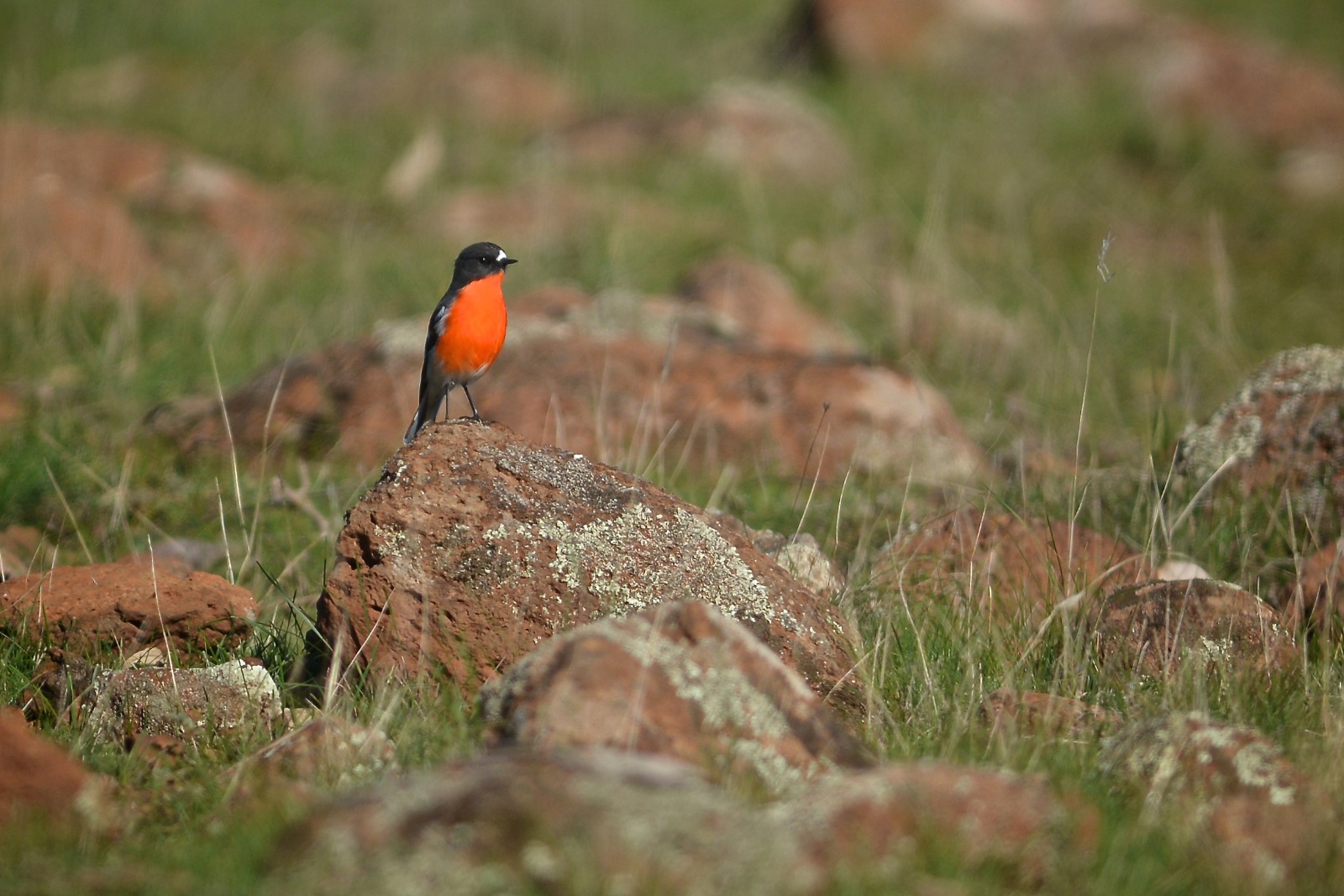
We eventually found a small family of Flame Robins, and set down to work. There is something very satisfying about sitting quietly while a dozen or more birds feed back and forth around you. These birds have the name “Petroica” which roughly translated means “Rock dwellers” and where they were working was indeed the rocky side of a slope. So we sat in the sunshine and enjoyed the activity. None seemed to really be too sure of us, but at least they allowed some good, if not great shots. But like all good days out, it was both enjoyable and a learning experience. Armed with our new knowledge of the feeding area of these birds will give us a head start next time we are out that way. And of course, with such great little subjects its going to be sooner than later.
We caught up for lunch, and then had an hour or so to wander in another part of the forest. Looked hard for Diamond Firetails, but had to settle for two Whistling Kites, and two Black Kites. On the way back the fluting call of a Little Eagle led us to some great views of a circling bird. No Freckle or Blue-billed Ducks on the club Lake, but we did see a golf ball badly sliced off the tee drop into the lake with a satisfying “perlop”.
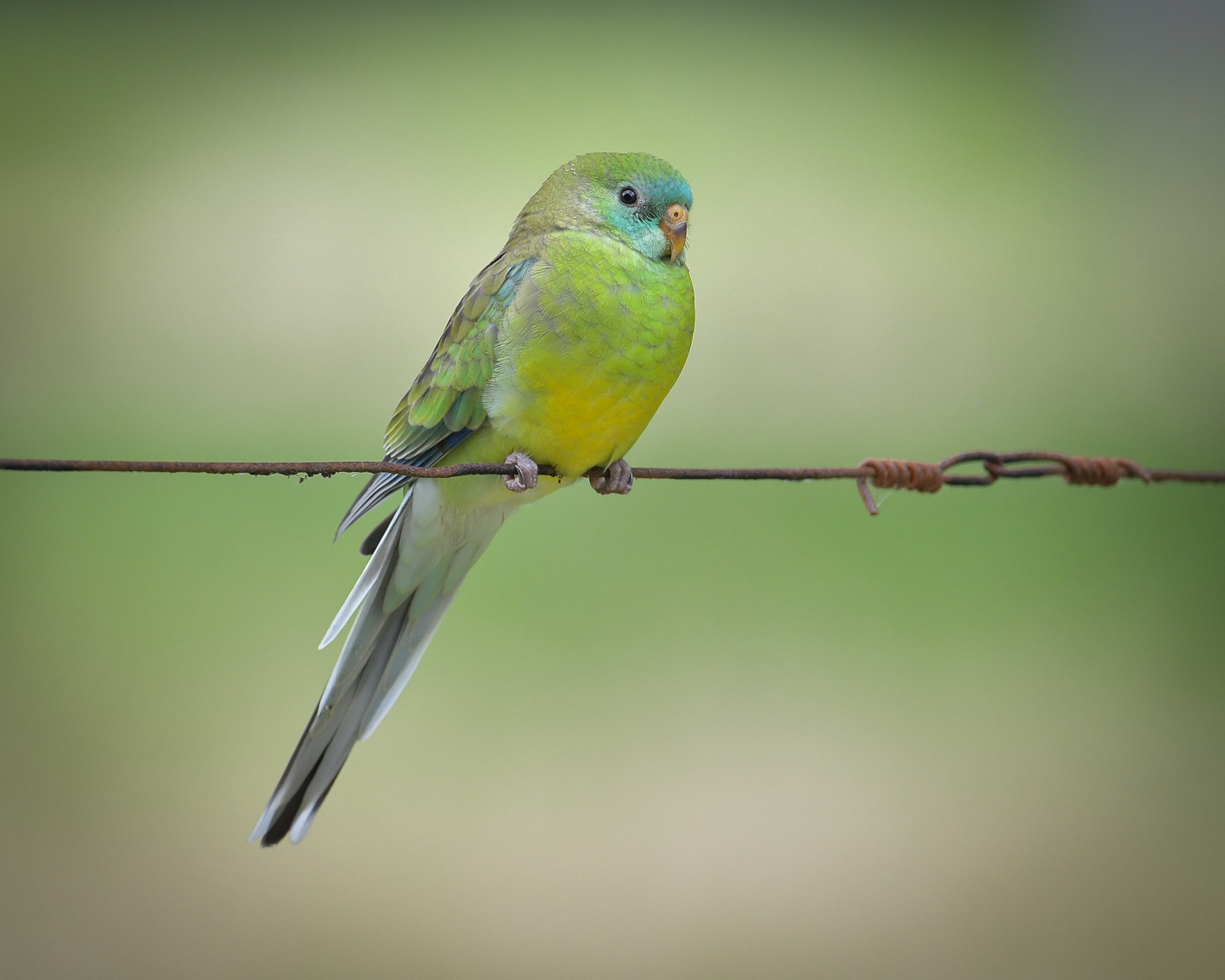
Always a delight to see in the sunshine a male Red-rumped Parrot
Called “Rock dwellers’ they remained true to name in this part of the forest
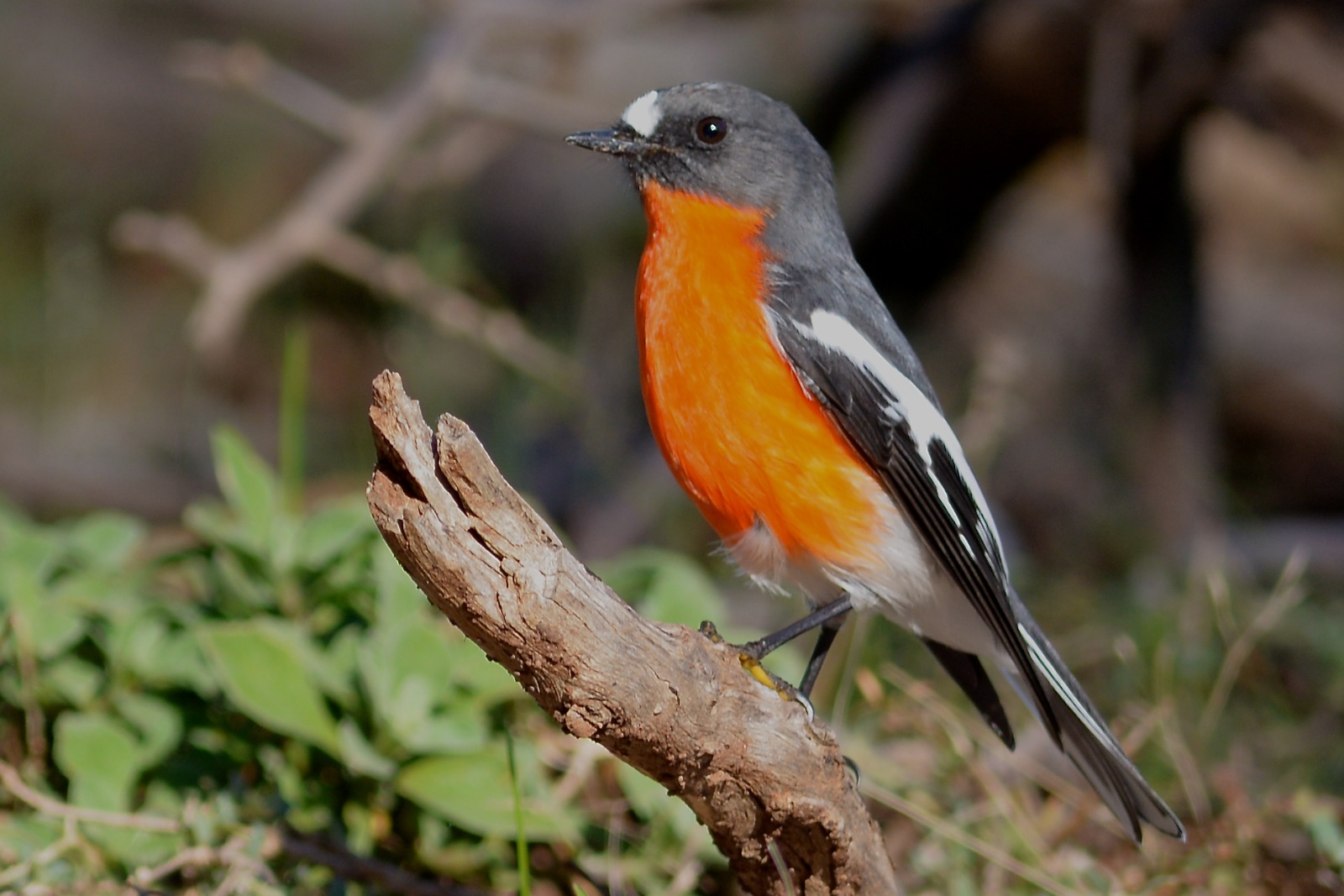
Dapper lad
Tiny little birds always manage to get behind a stalk of grass or two.
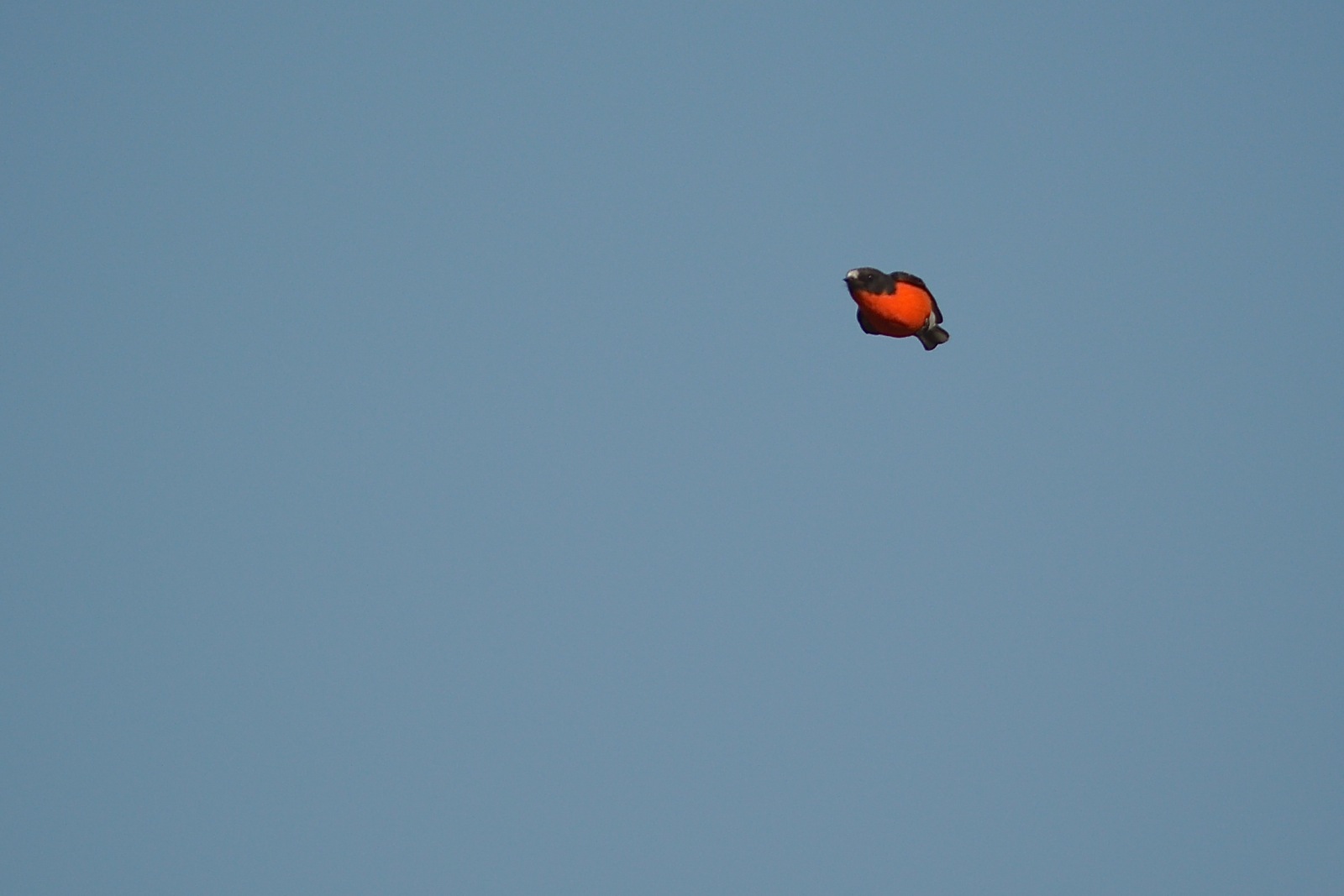
Inbound
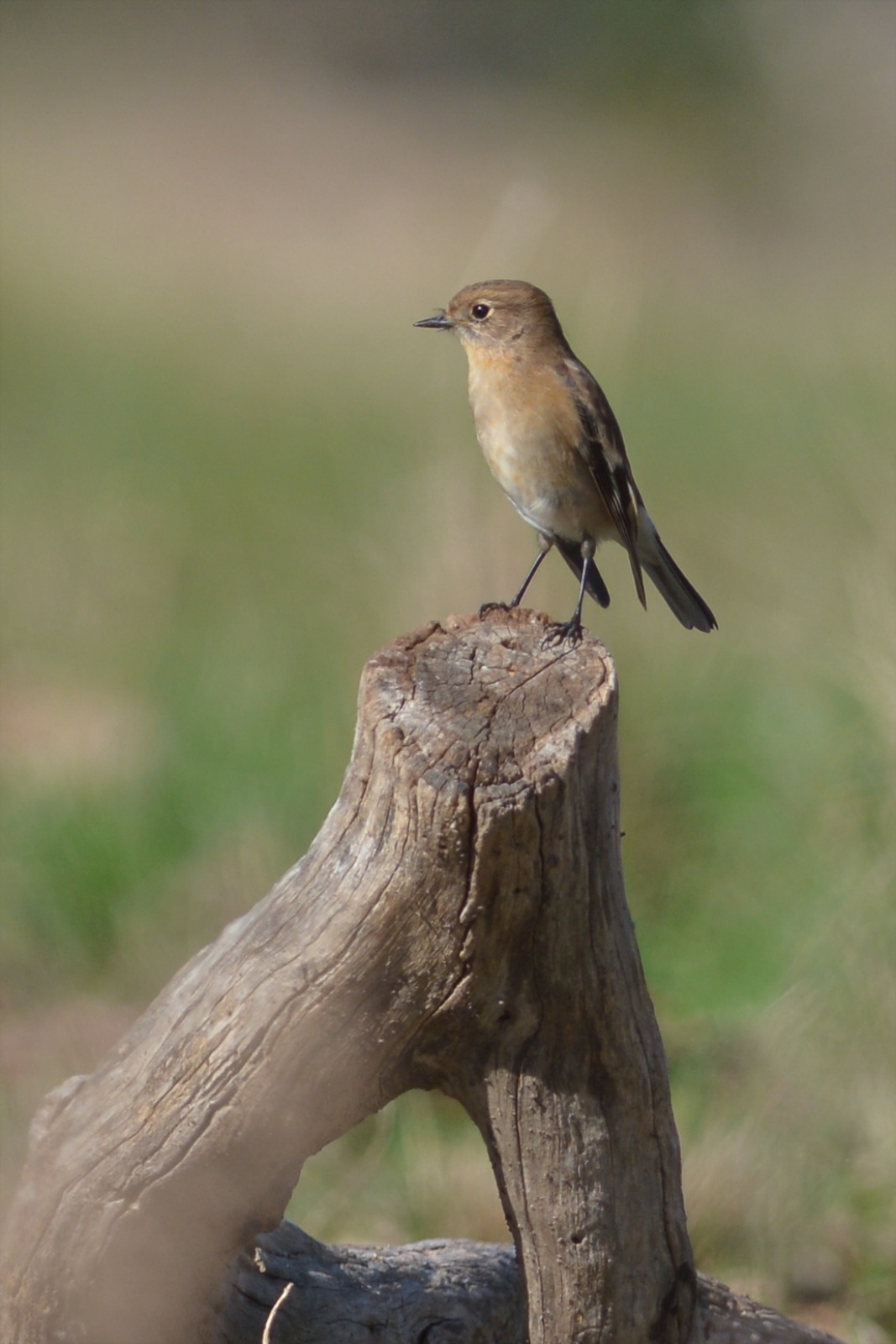
A female that landed on the fence line next to where I was sitting
Lift off.
Hunting from a low perch
Showing off her lovely markings
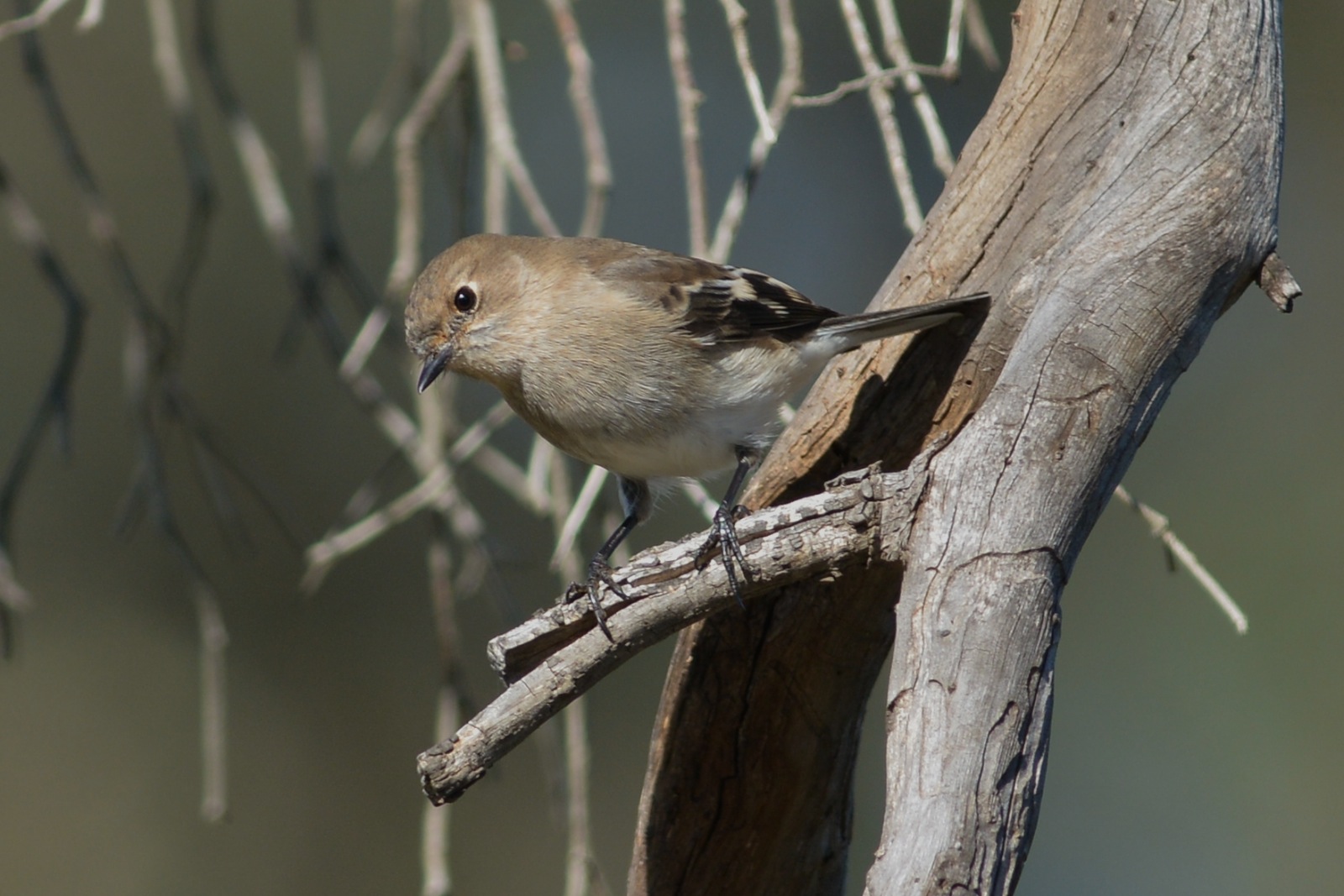
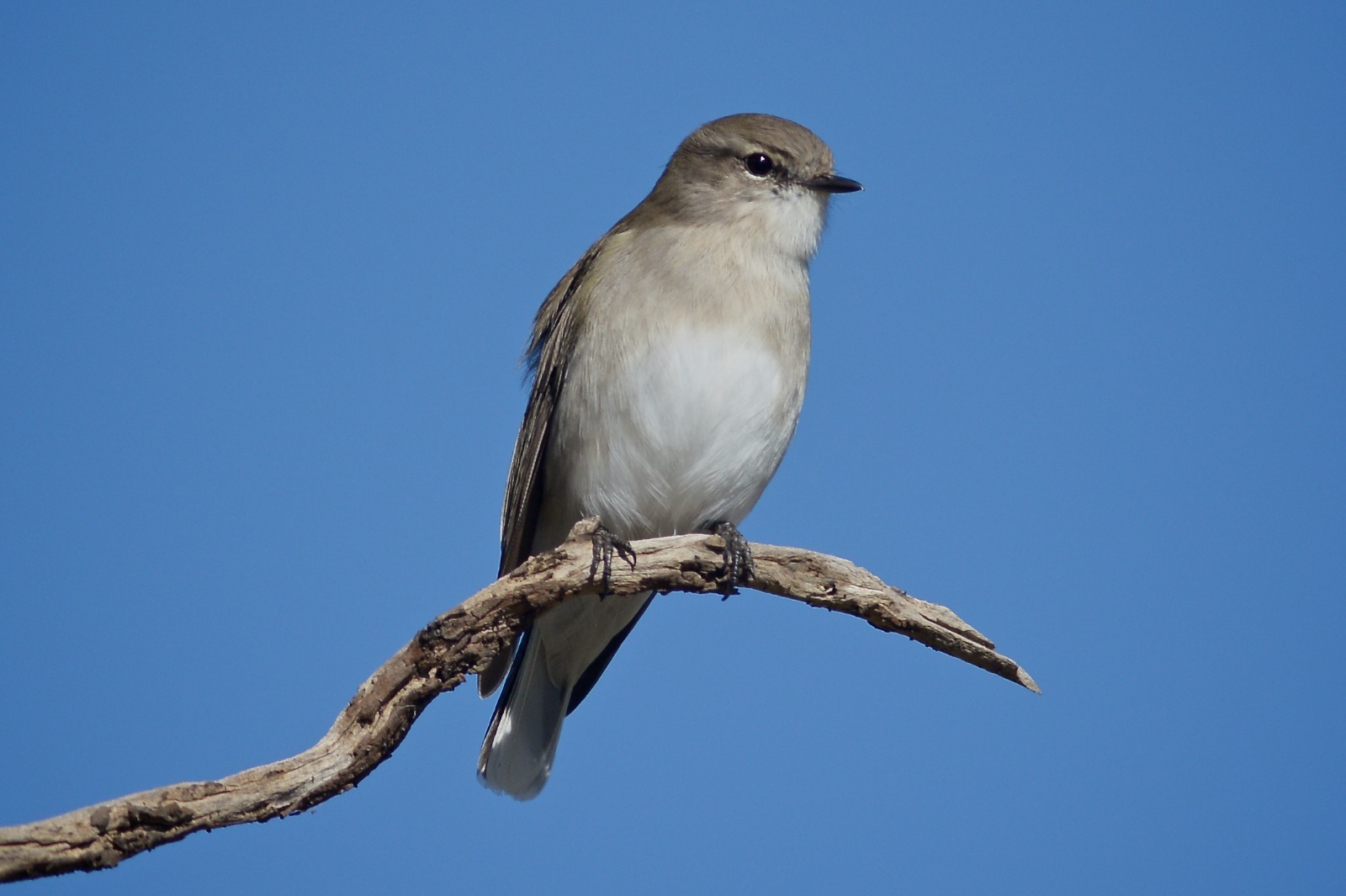
A Jacky Winter came by to see what all the fuss was about. Perhaps it was ticking of humans for its online human list.









 Birds as Poetry —— Just because I WANDER doesn't mean I'm LOST