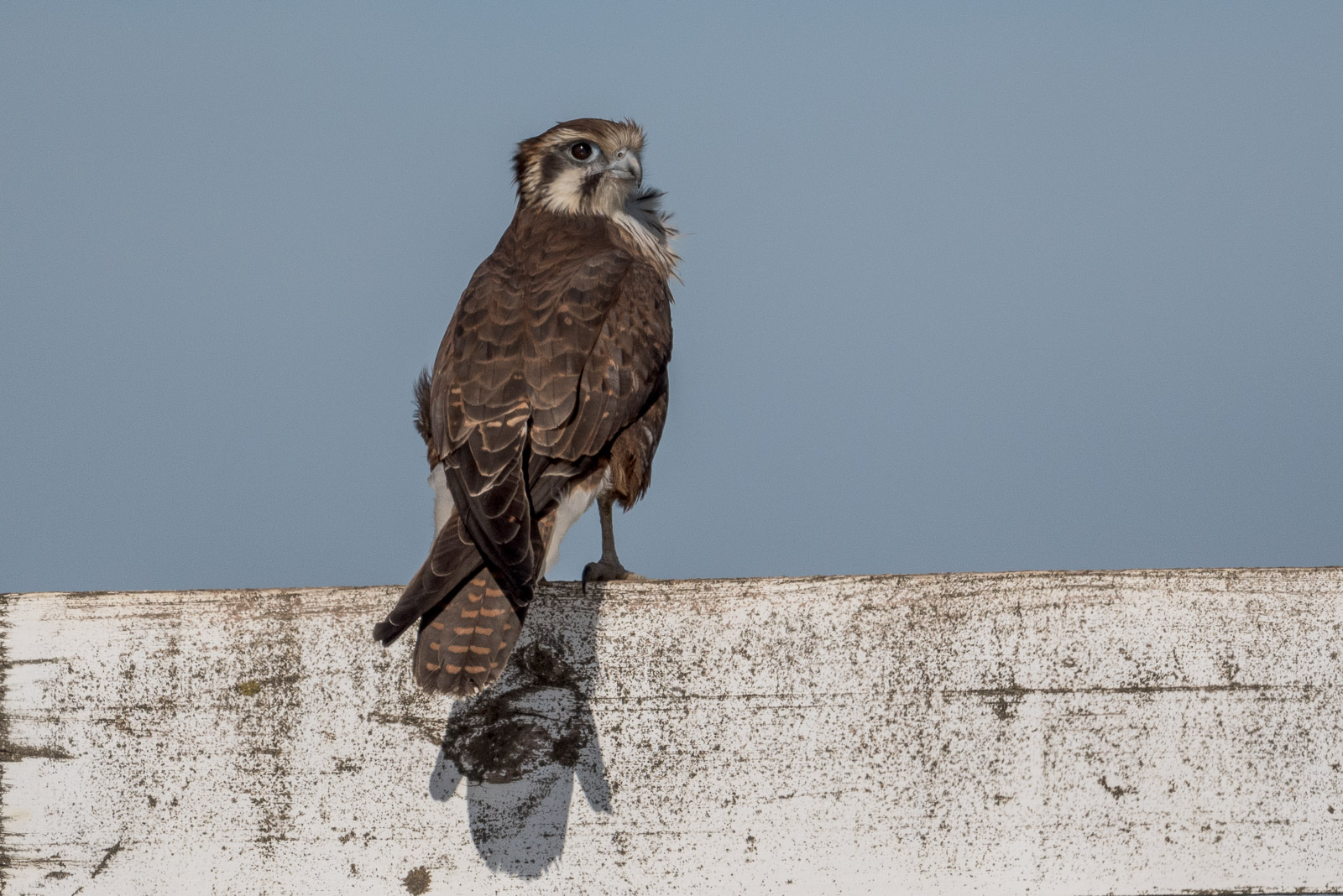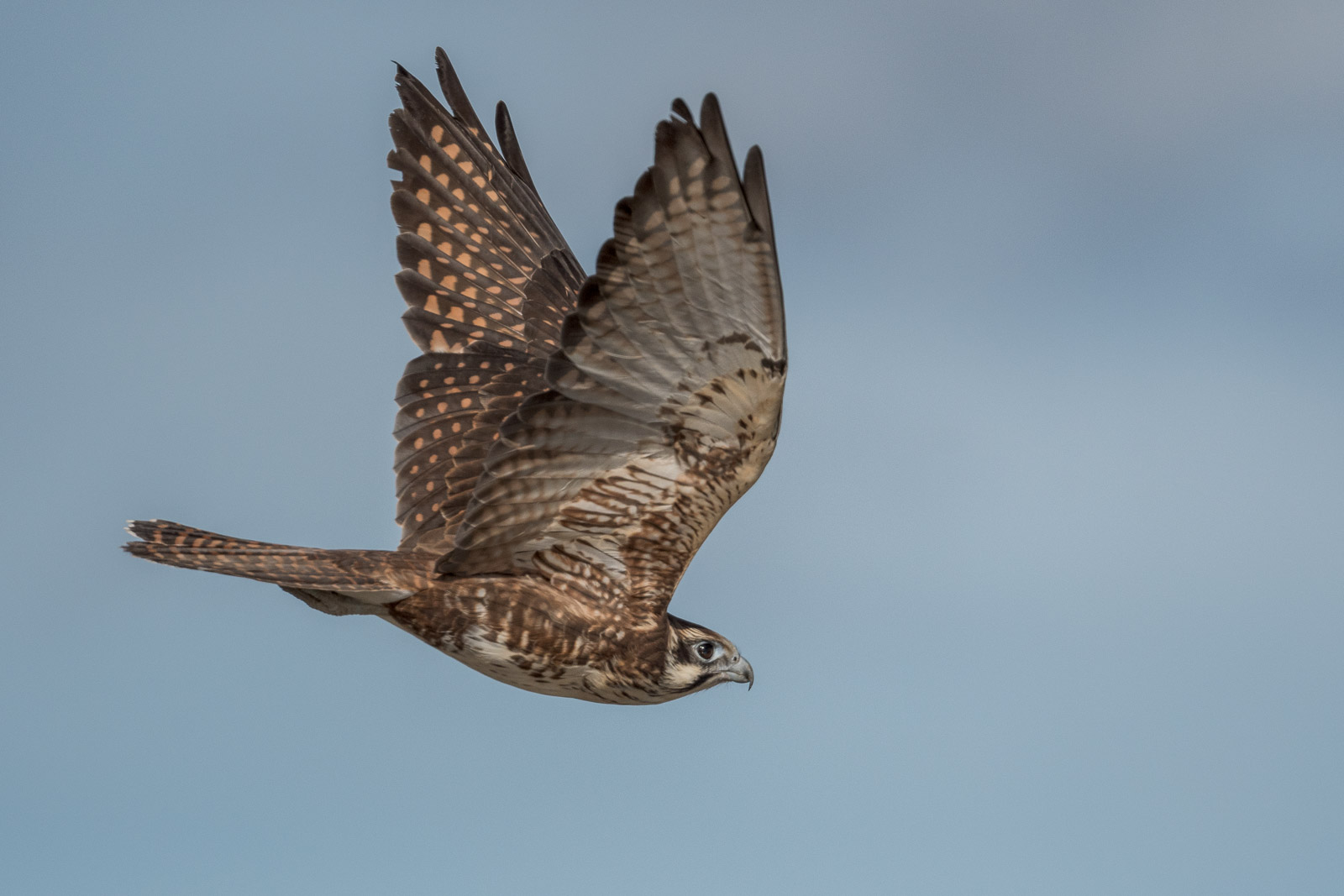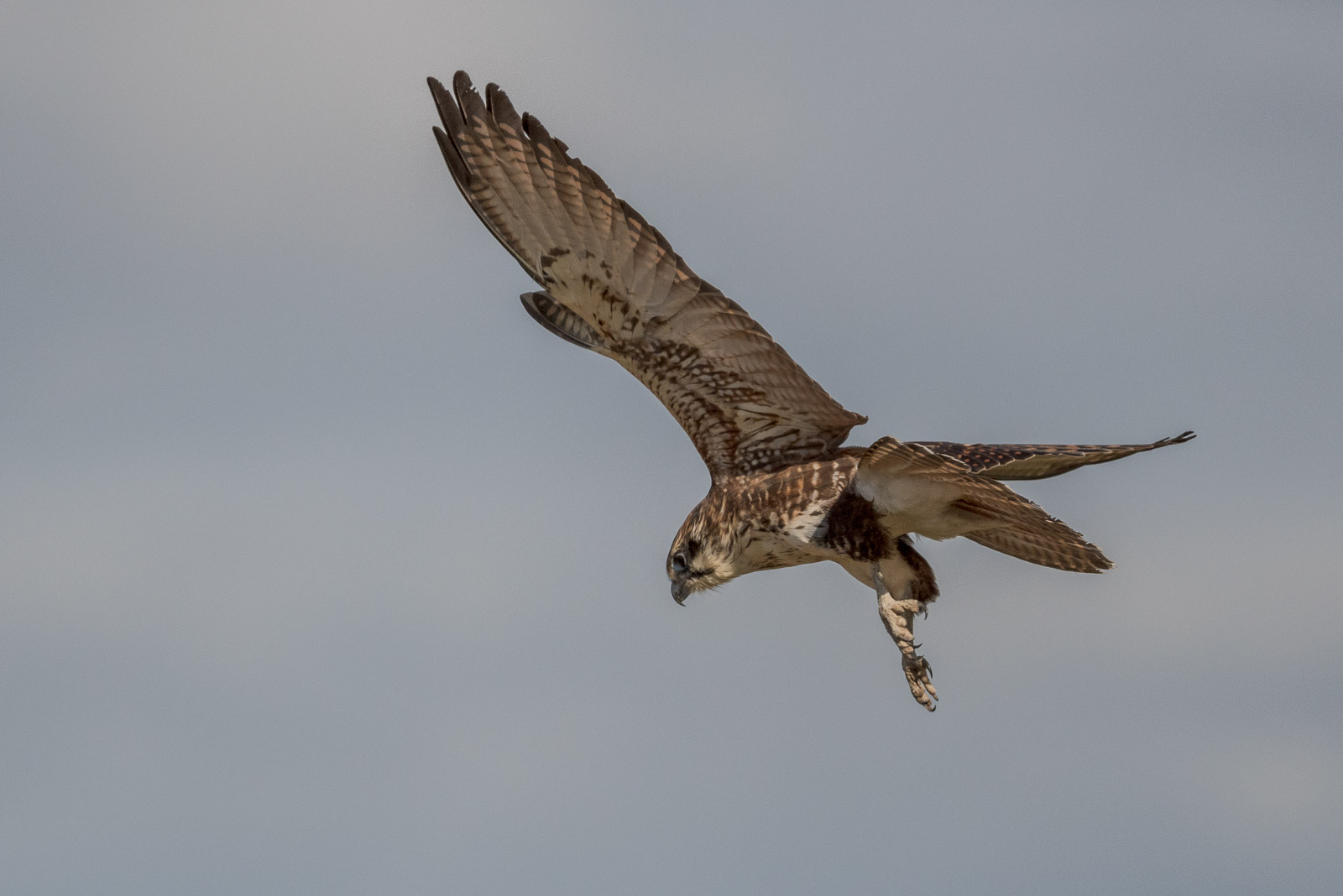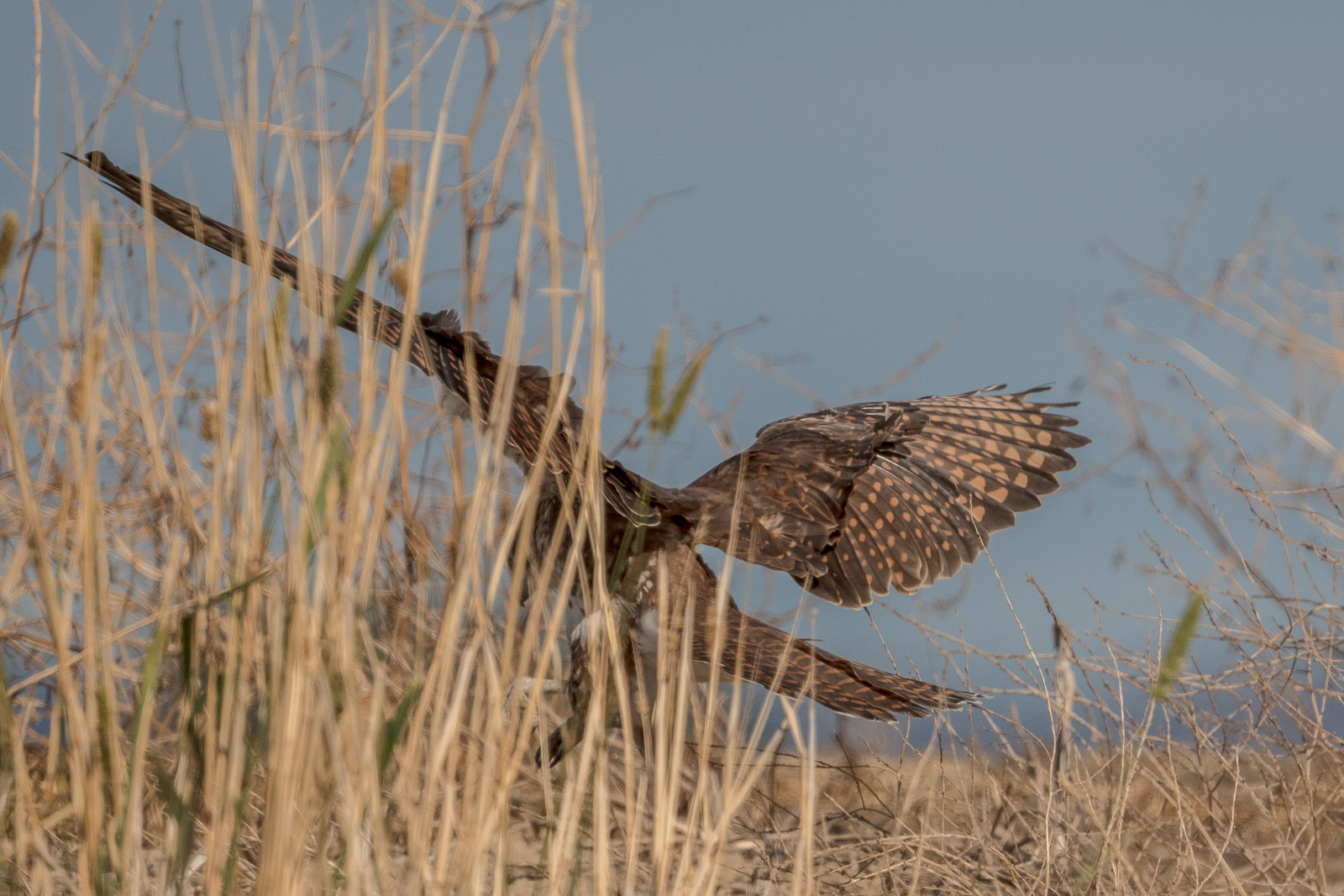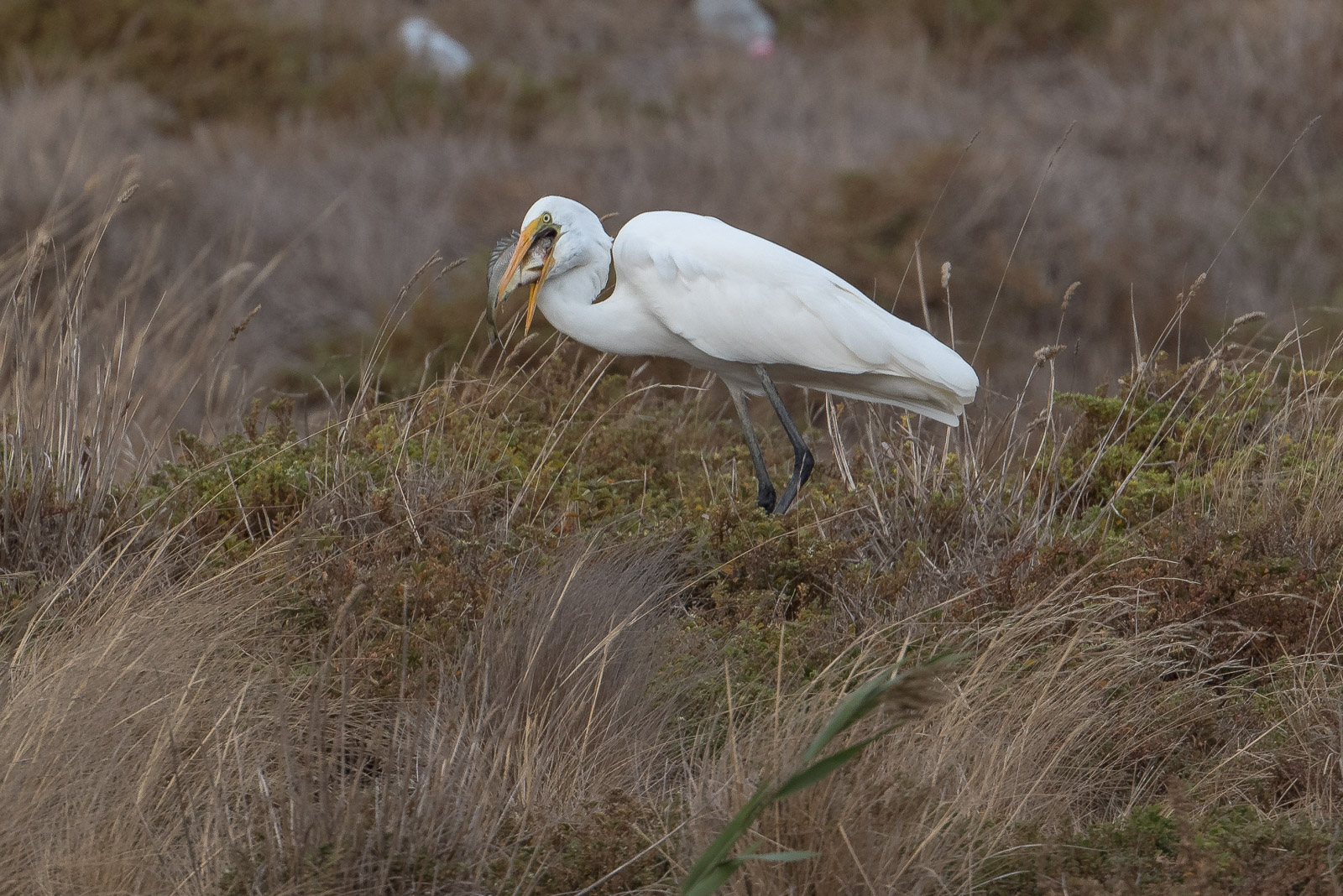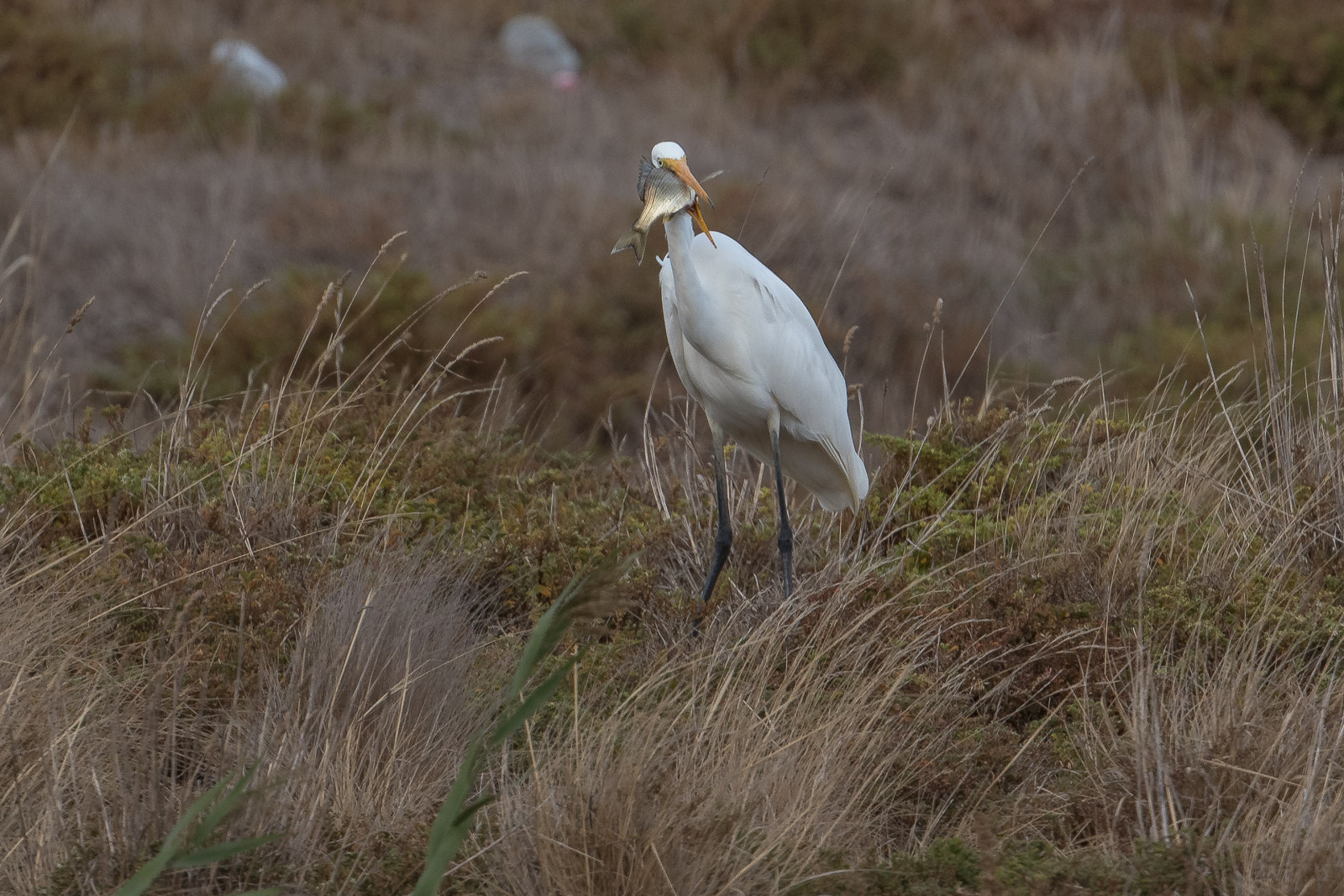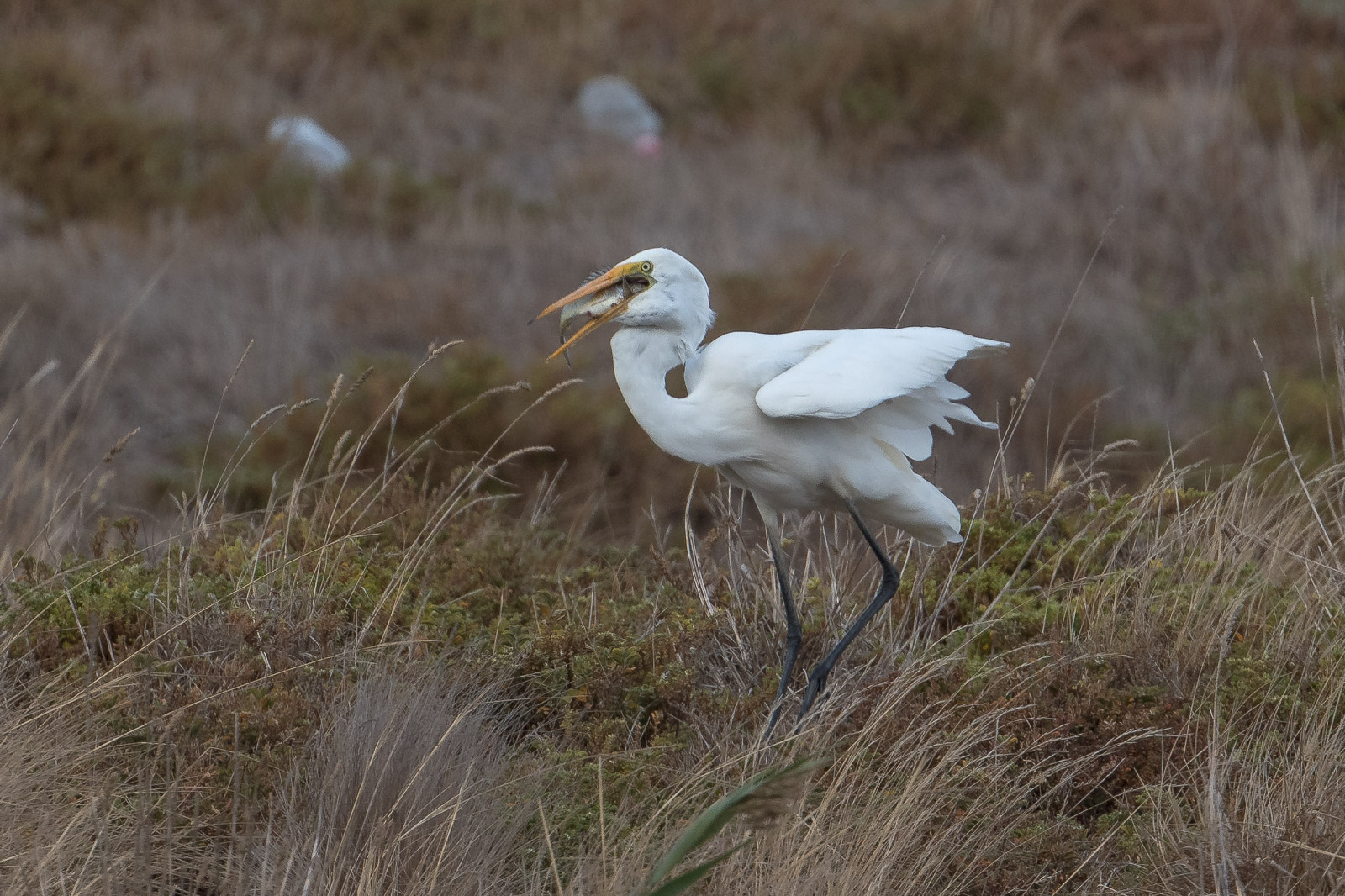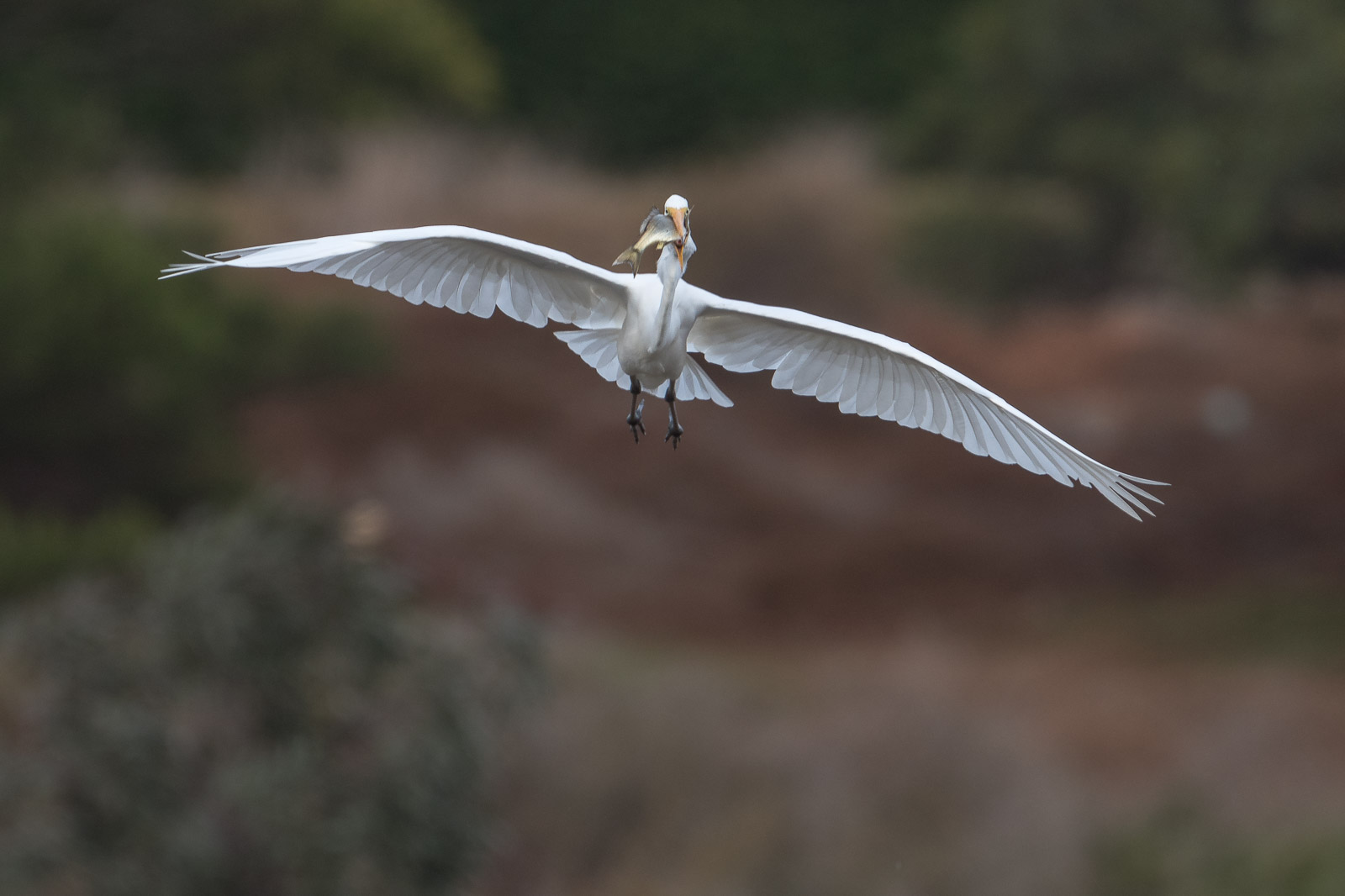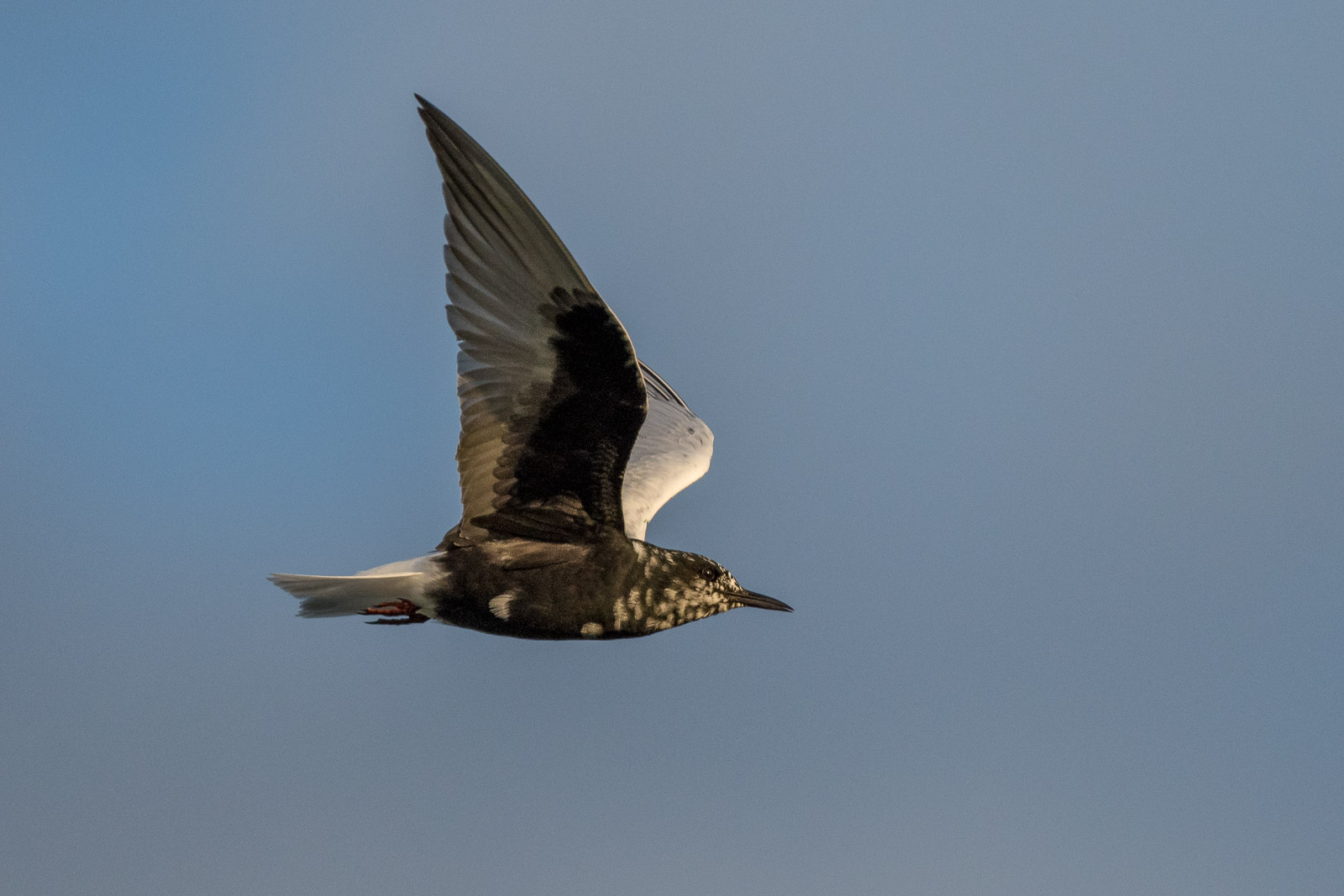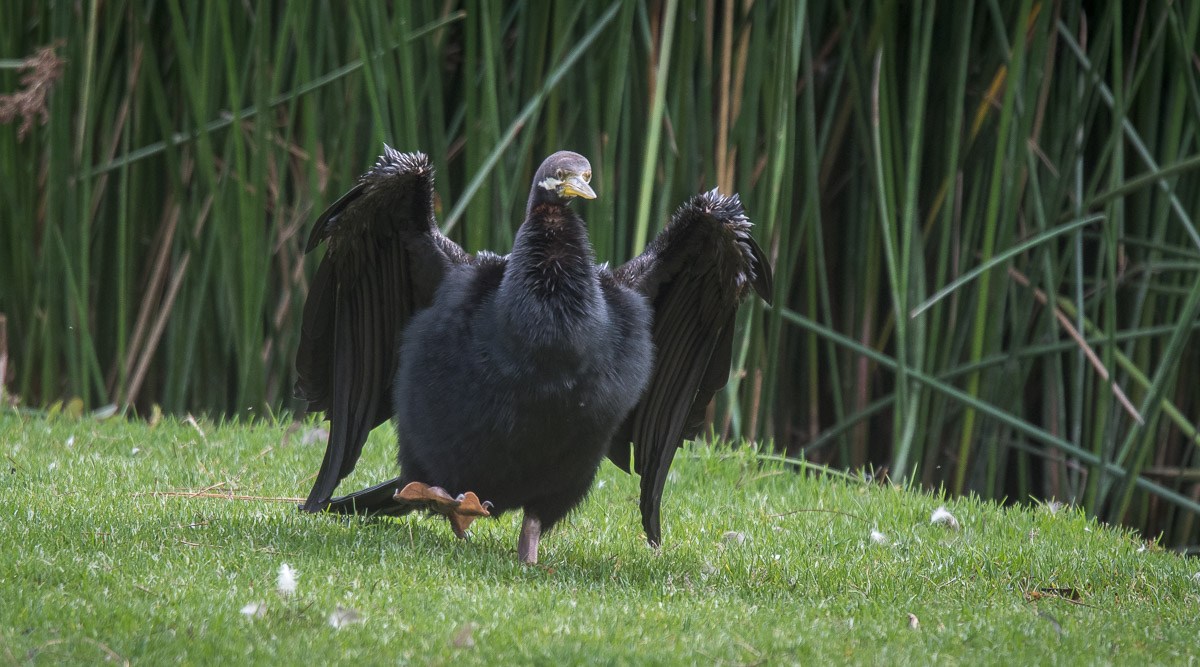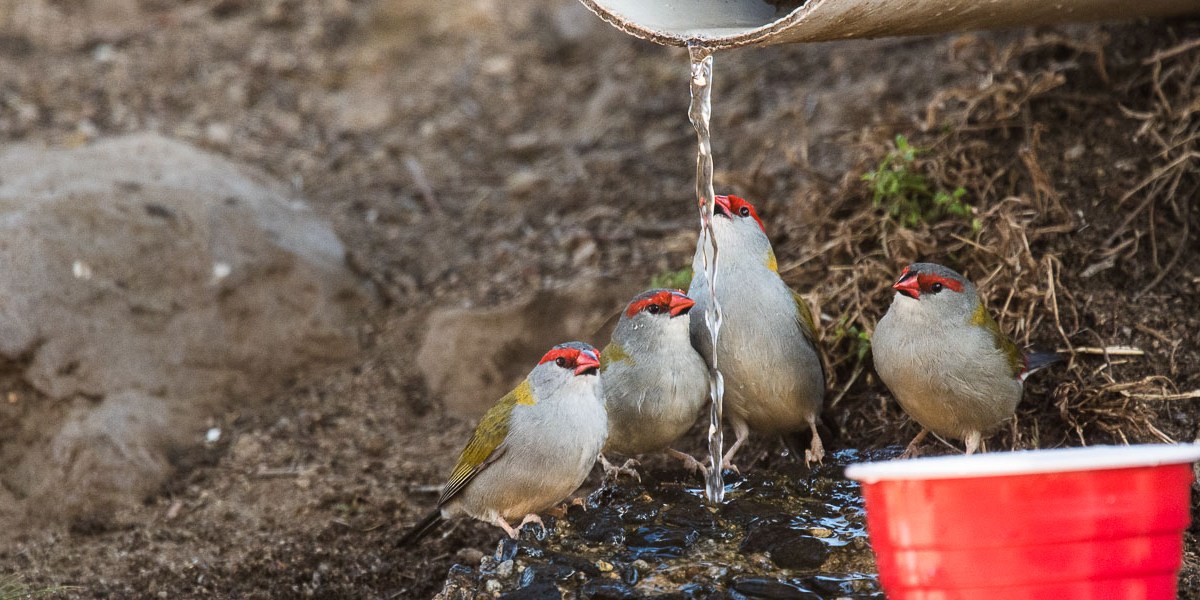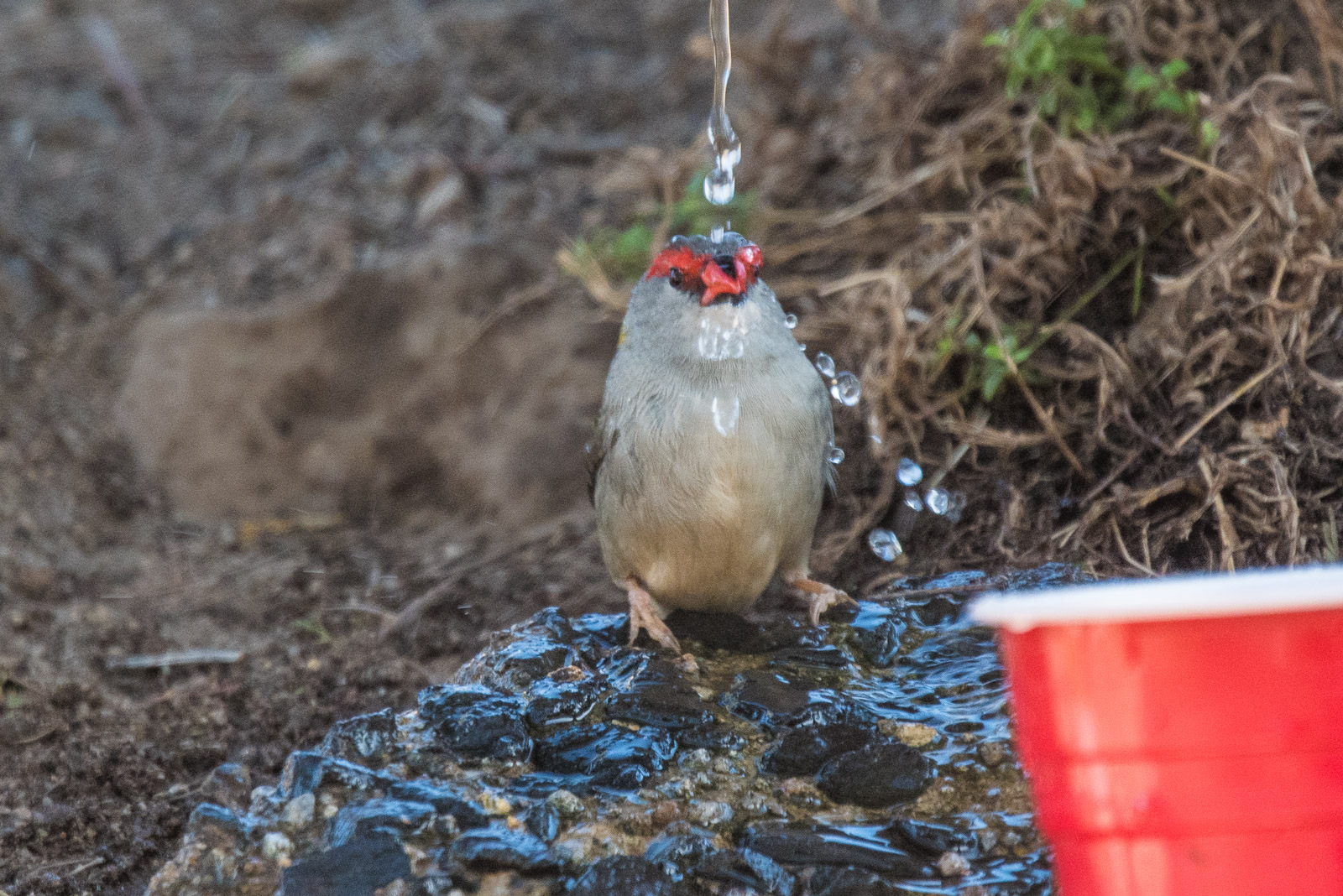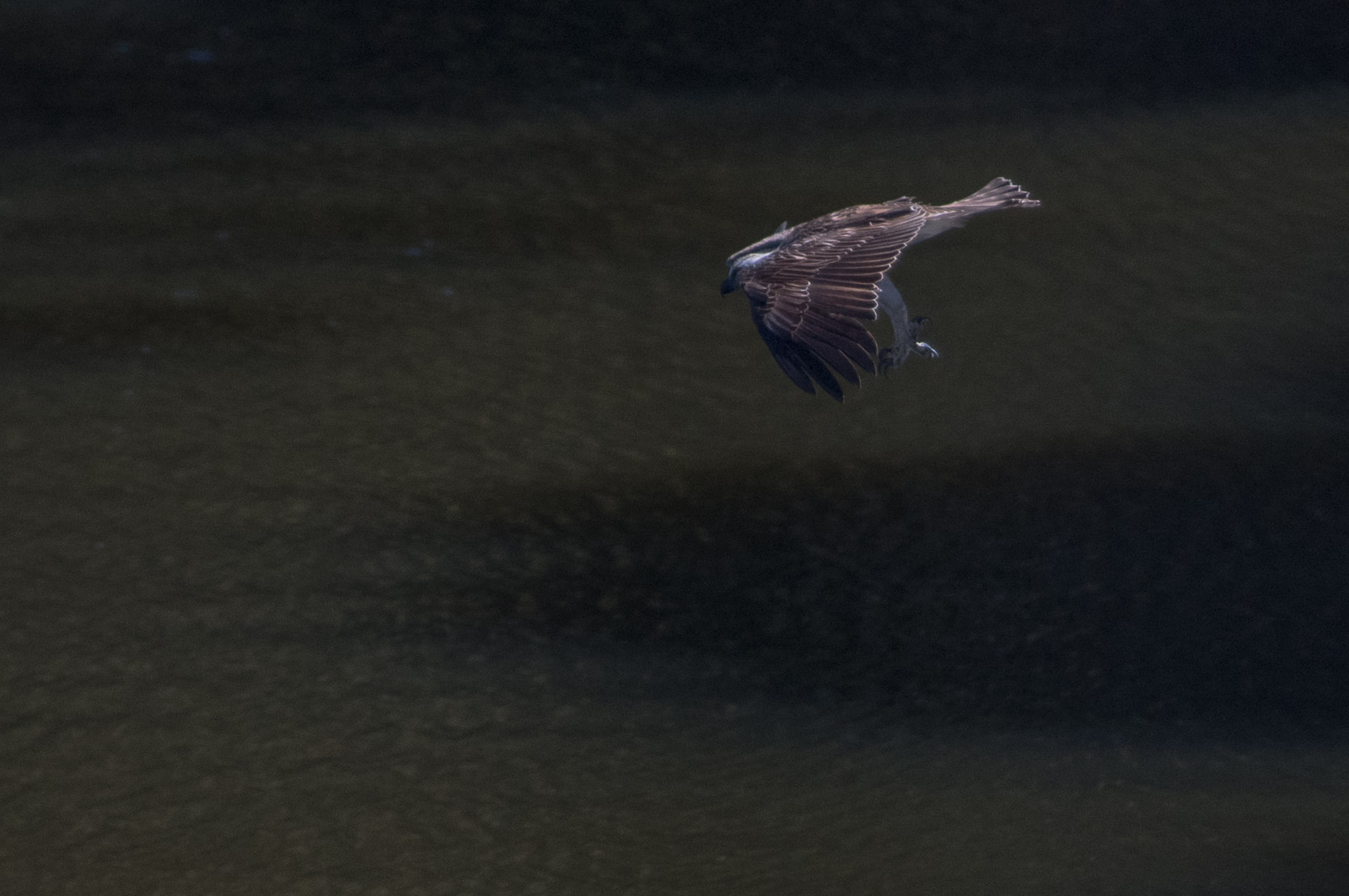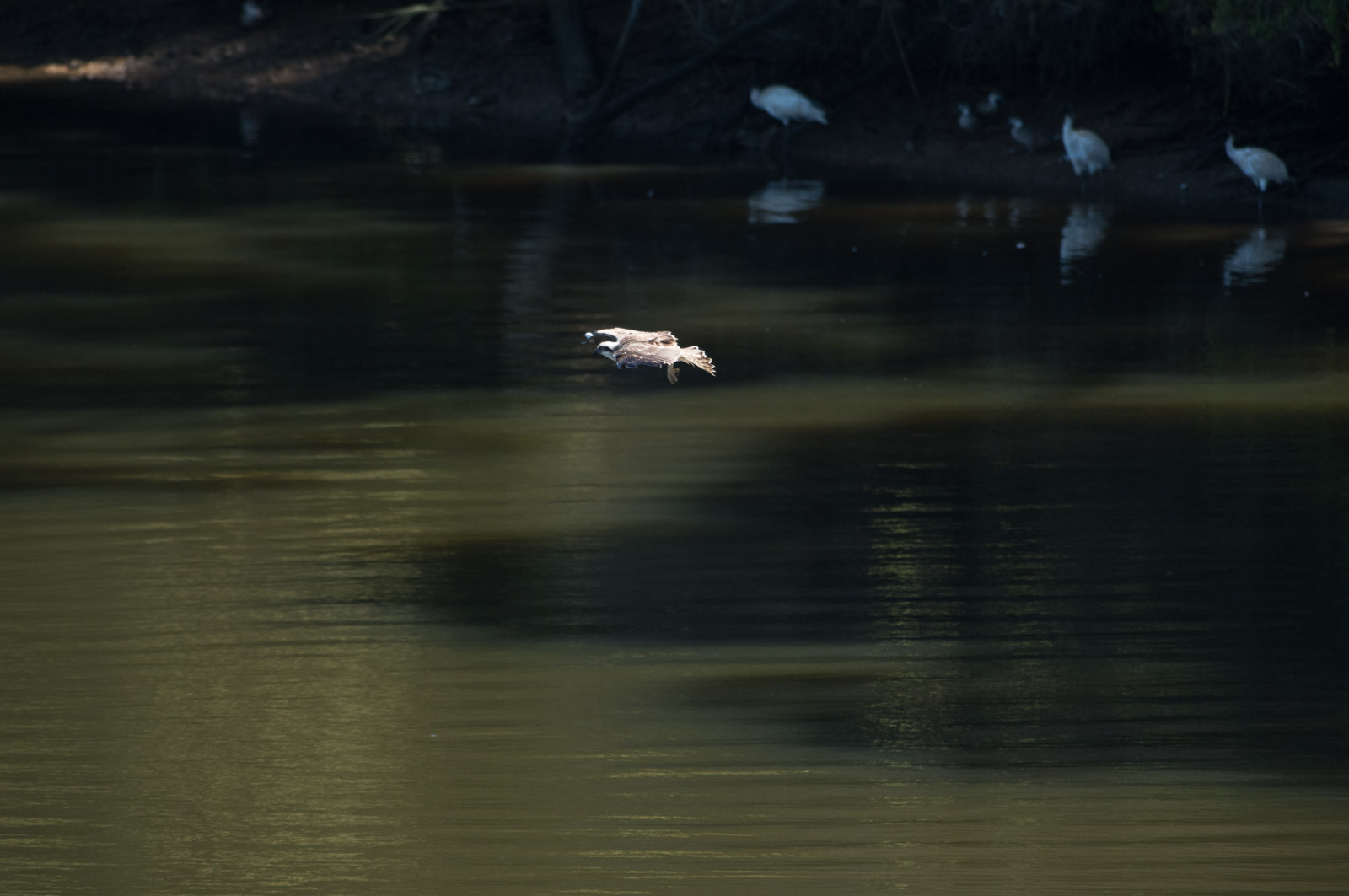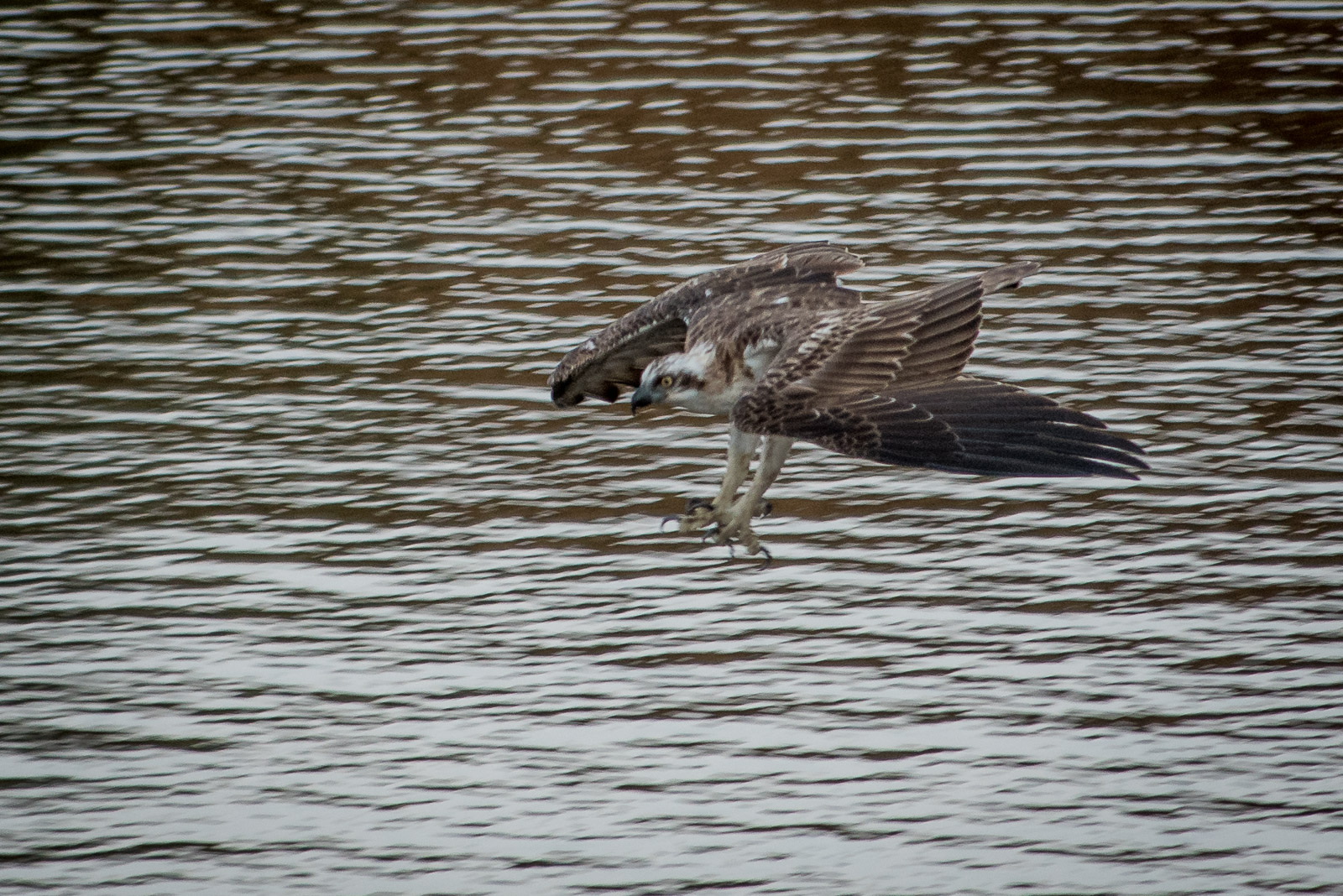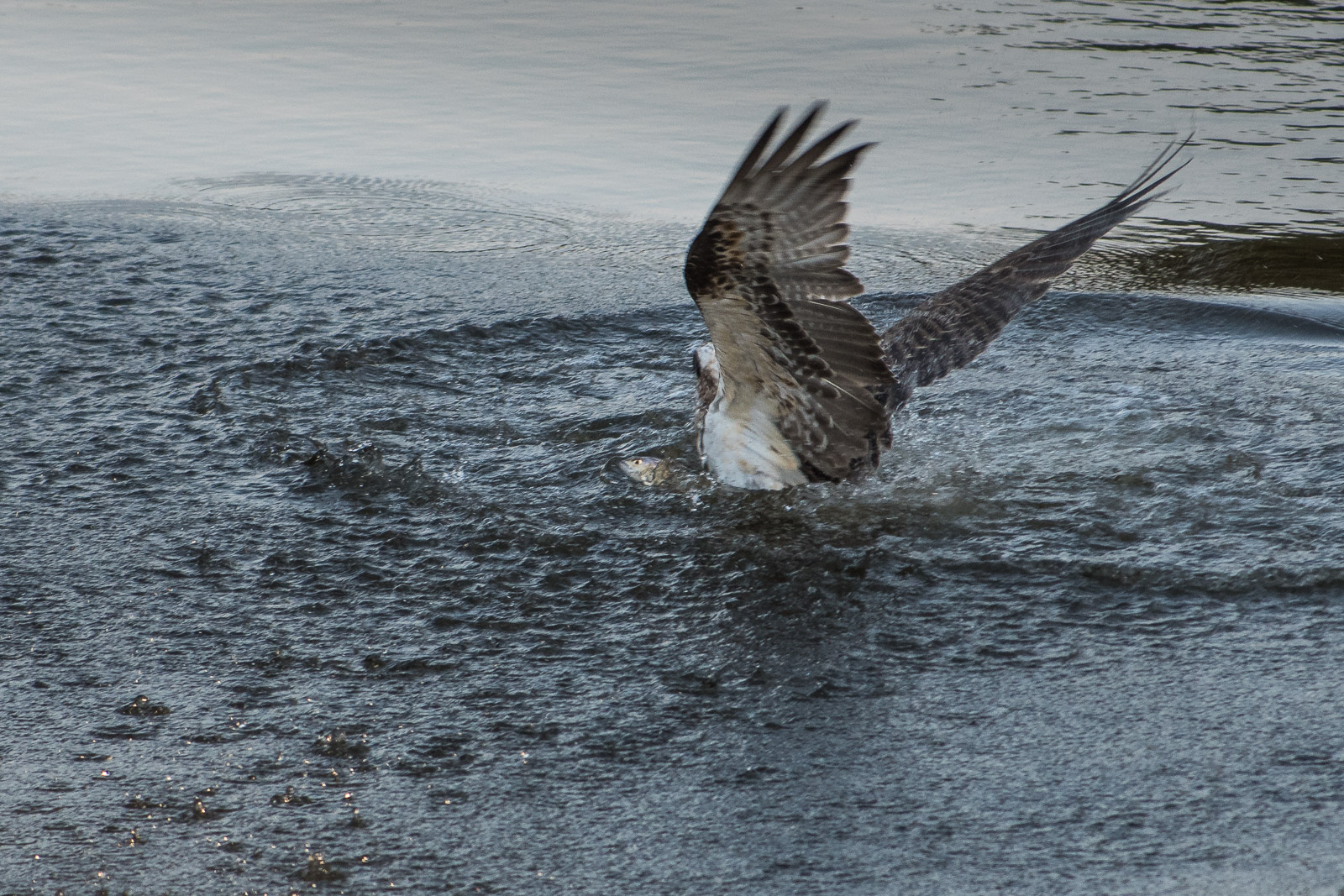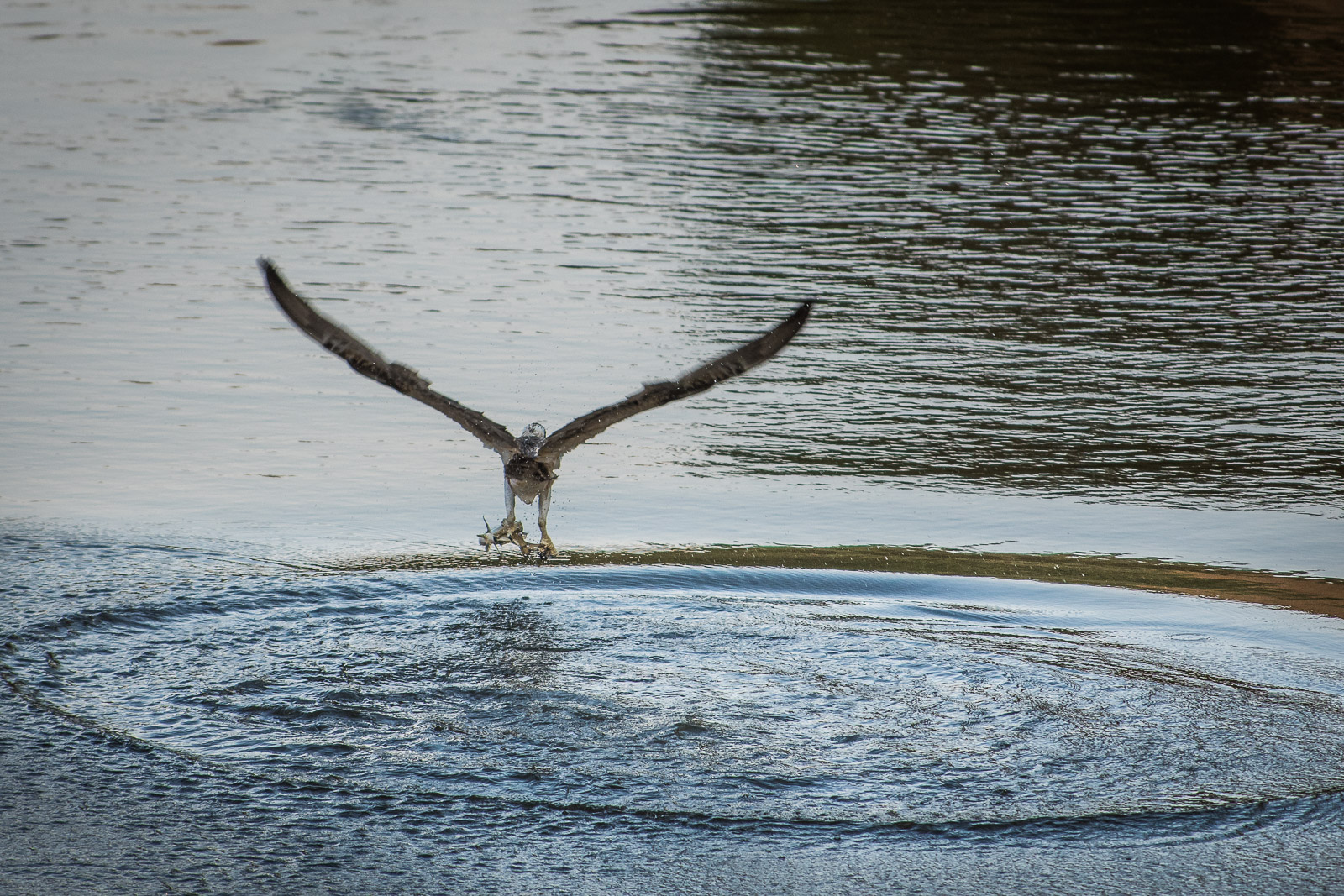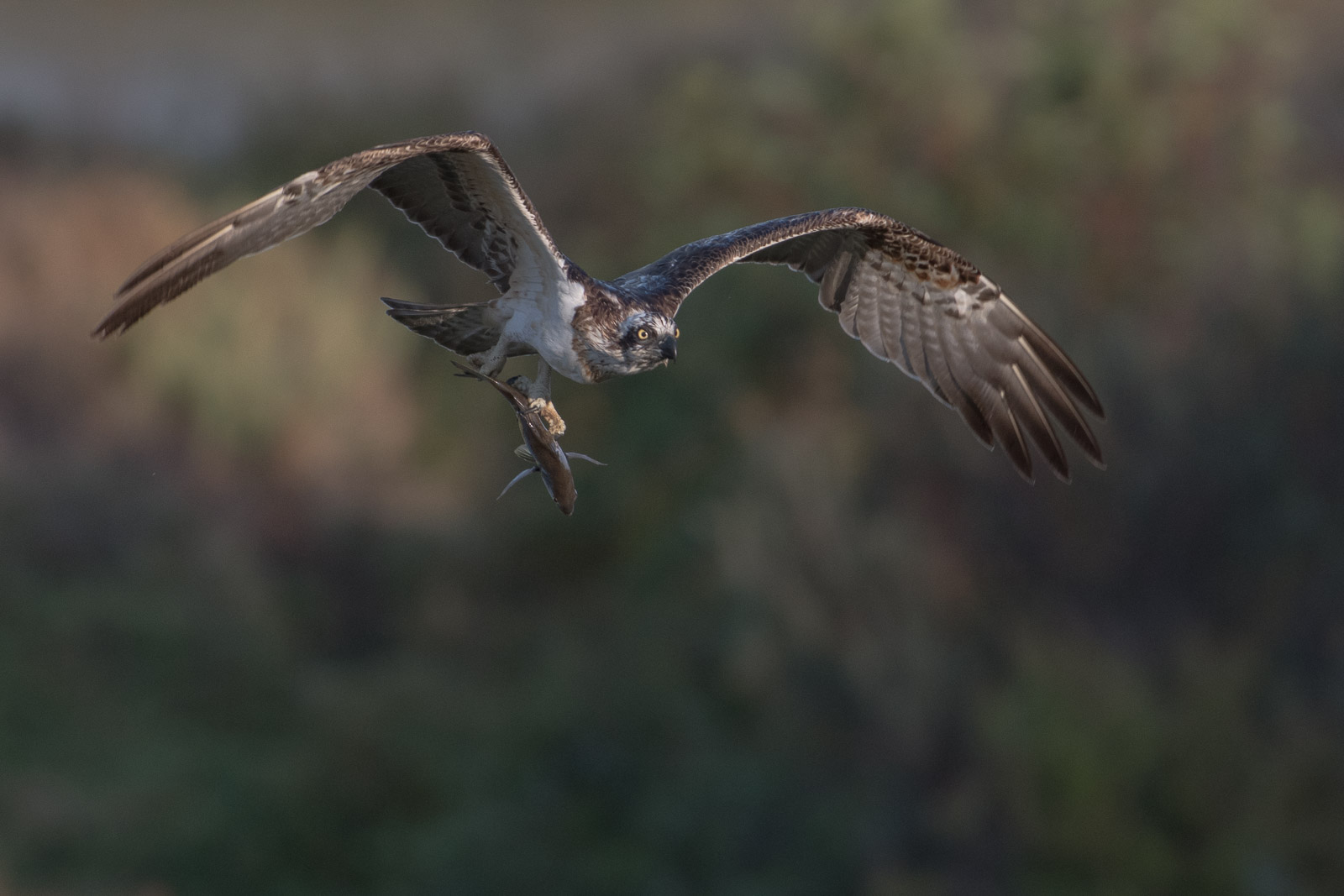
Been amassing quite a collection of shots of the Eastern Osprey as she has been working in the Werribee River area. Rather than break it up into various days or activities, I’ve become a bit self-indulgent and also saving myself some time by making a collection.
Enjoy.
Is that a fish down there?I should investigateLooks like a good meal.On second thoughts I’ll wait for a bigger one.Keyed onReading to pounceAll systems locked on and ready for impactOne bream coming upTaking a bit of effort to get free from the waterAll good to go.Hey, Look, fresh fish.
*Don’t adjust your calendar, late night Saturday Evening, early Start Sunday, missed my deadline 🙂 *
I finished last weekend’s post needing to know.
The following day after school, I headed for the local library. Small country town, it wasn’t going to have a lot of books devoted to photography, the practice and theory.
Still, to my surprise now to recall, they did have several books in the children’s section. In those far off days, my library card was marked “Children” and I couldn’t imagine going into the ‘Adult’ section.
I went straight to the card catalogue and looked through the cards to find “Photography”, and there it was 4 cards if I remember. Reciting the magic number in my head, I made a beeline to the shelves.
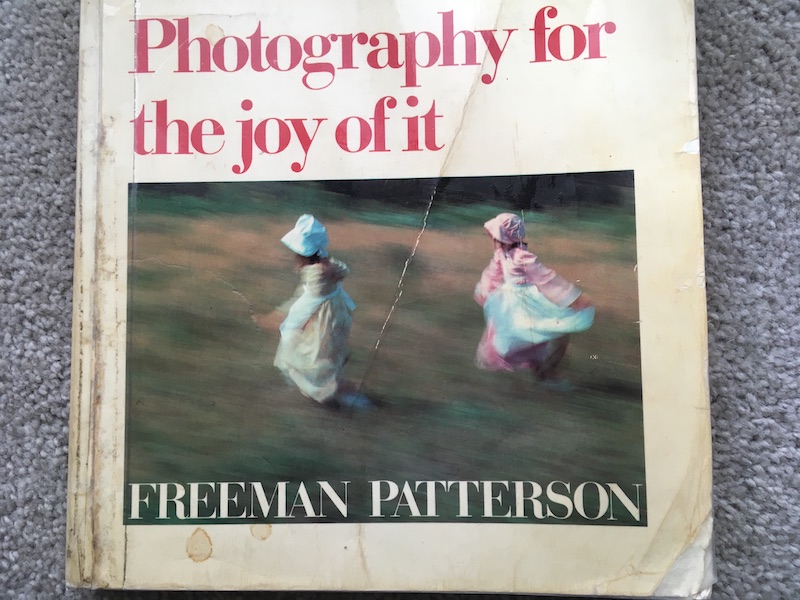
One of the books, the name I shamefully have forgotten was something like, “The Young Photographer“, and it was superbly written. It had answers to all the questions I had and lots of things to practice and in the end, I probably borrowed it dozens of times.
A second book was “All in One Camera Book” by E D Emmanuel for Focal Press, and it began a relationship with Focal books that has continued to this day. All in One I think was cleverly conceived and simply illustrated. It went through many revisions, but how it explained Aperture, Shutter and Light, and reciprocity was light-years ahead of the also-ran info I stumble across on the internet all the time.
So armed with these venerable tour guides my journey began.
After I’d borrowed the Emmanuel book for about the third time, a kindly librarian noted my interest and said, “Would you like to look in the Adult section and see if there is anything that might help.” Isn’t it funny how some simple things just happen.
So every so gingerly and reverently I crept into the adult section, by then I even knew the right catalogue number 771.
I skimmed through a large folio book. It was something like, “Great Photographers”, and had names I had never heard of, Weston, Adams, Karsh, Minor White, David Duncan Douglas, and W. Eugene Smith. (I’d never heard of Eugene as a name so that was fascinating to begin with— and I was seriously impressed by someone who would put their first name Initial. I had a lot to learn as a country kid).
And I knew what I wanted to do. I wanted to take my camera to Africa and photograph Schweitzer. This time I knew, but I didn’t know what I needed to know.
So I borrowed the book and learned why the Masters work had such power to move our minds.
And I sat each night in the laundry making contract prints of the flowers in the garden, my family, and off course the legendary Blackie. Reading my precious Young Photographer, learning how to make great quality prints and dreaming.
A long way from Africa, but I could dream dreams.
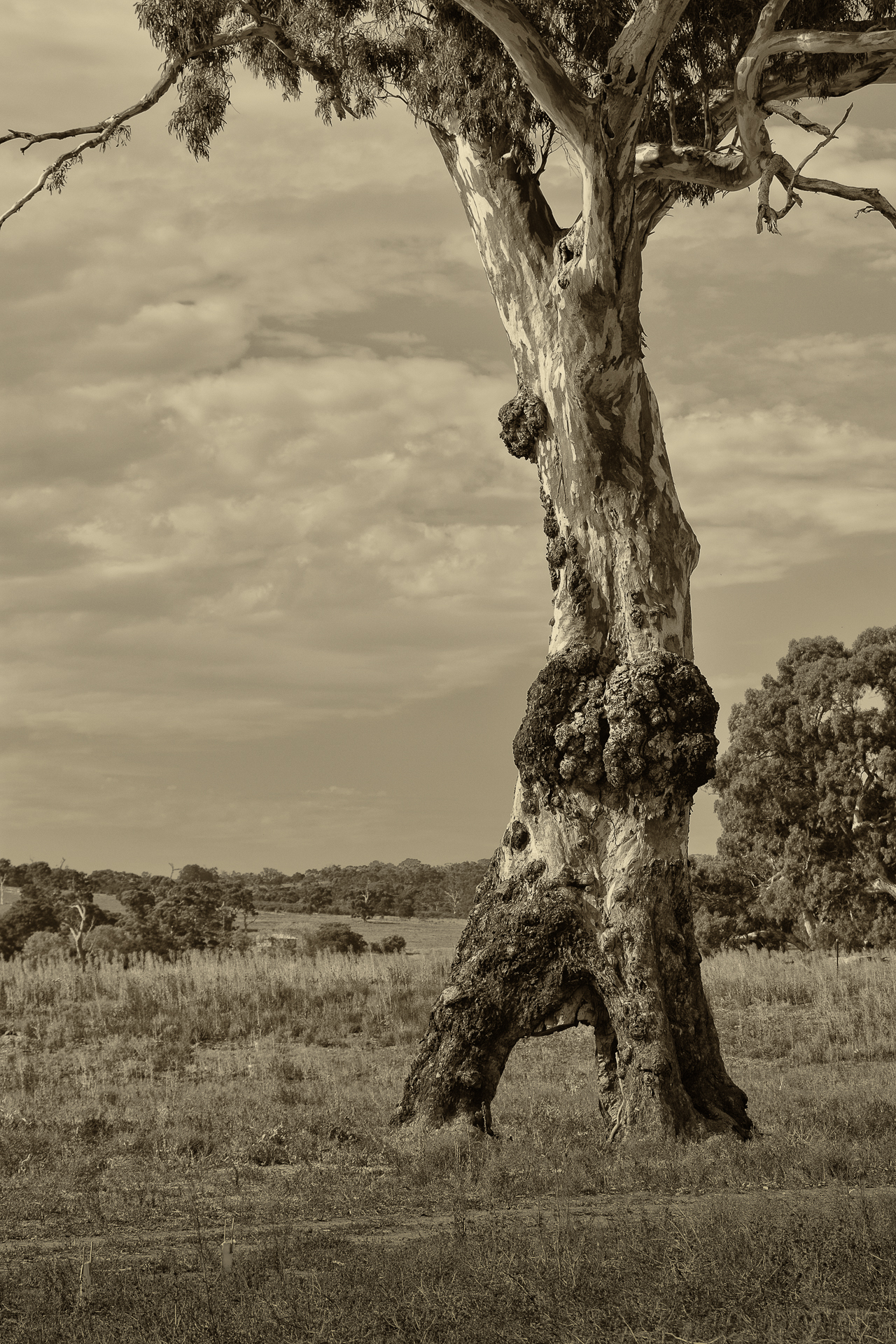
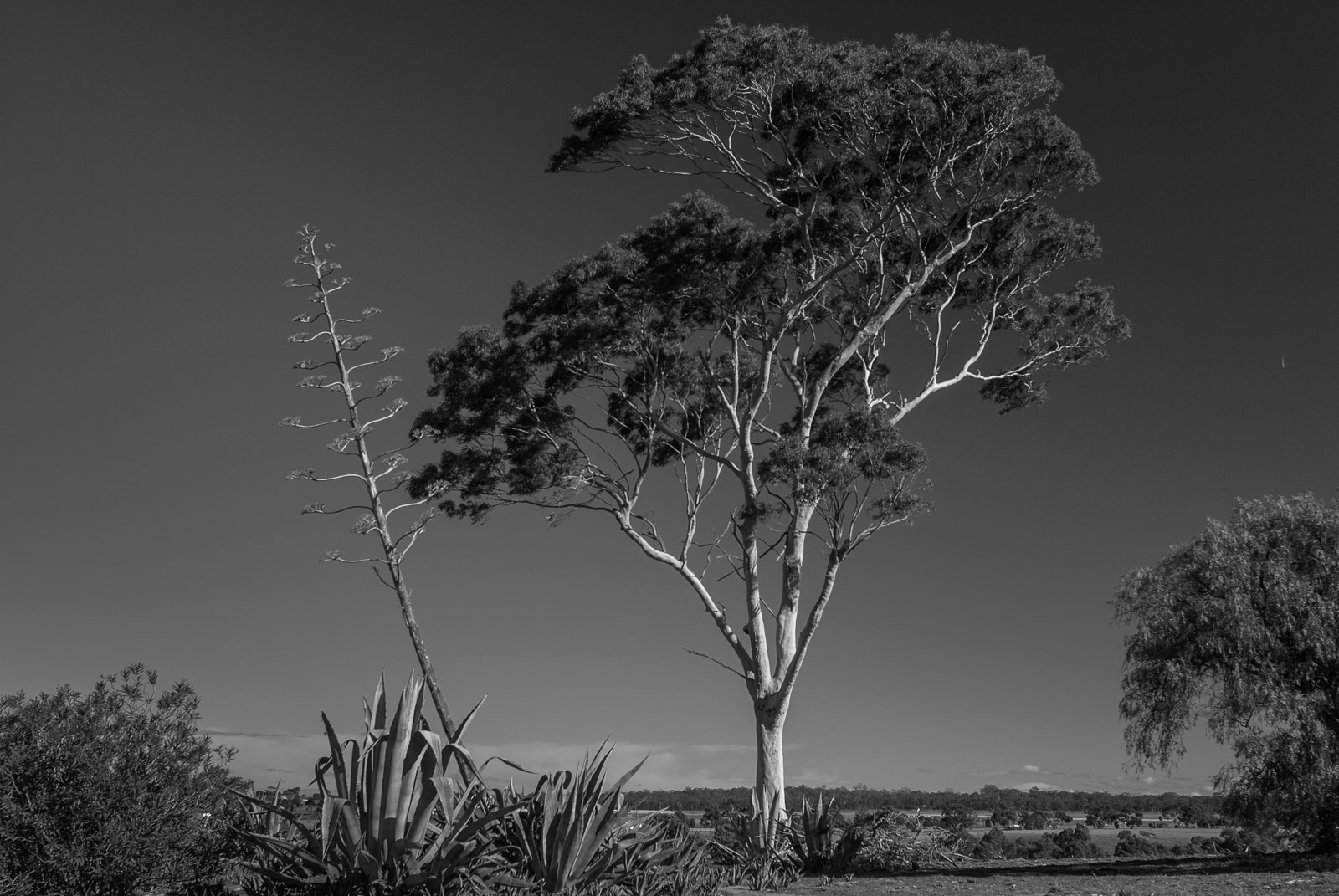
Cumberland Homestead ruins Gum and Aloe Vera 28mm with a Polarising Screen.
We’ve been cooped up inside since EE’s “Incident” a few weeks back. But with some improvement and a bit of willpower, she decided that a morning visit with Eloise would be therapeutic. And well, who am I to argue with the ‘good doctor’. So a check on the weather, and it seemed early morning would be still, great light and not too hot.
A couple of kind souls offered the advice when we arrived, “Don’t Hurry. She’s not here yet”. And like one of those prophetic statements that just becomes self-fulfilling, it did. While we waited around, EE sitting quietly on her new ‘mobile’ seat, didn’t take long to discover some thing that most others had overlooked.
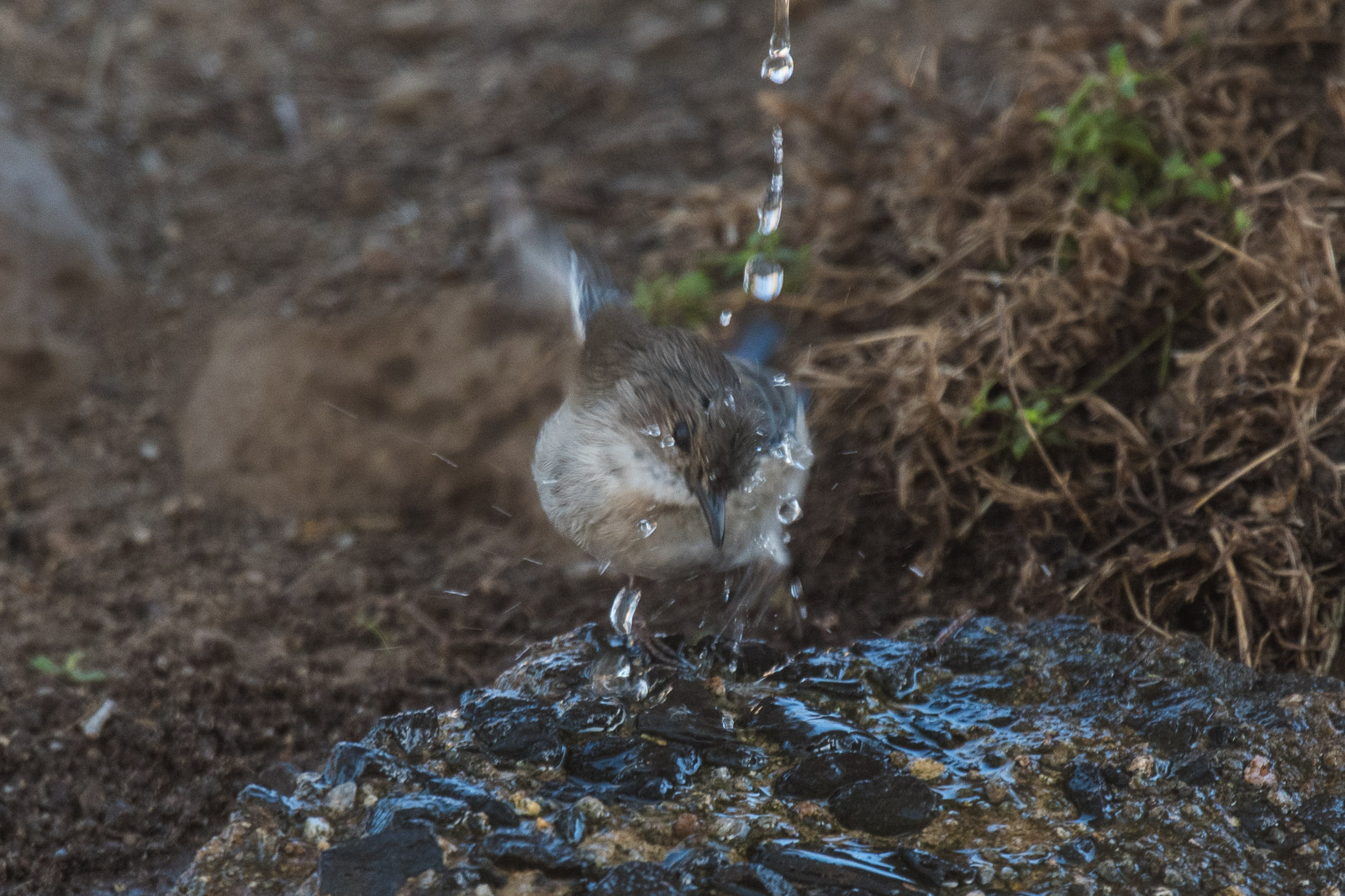
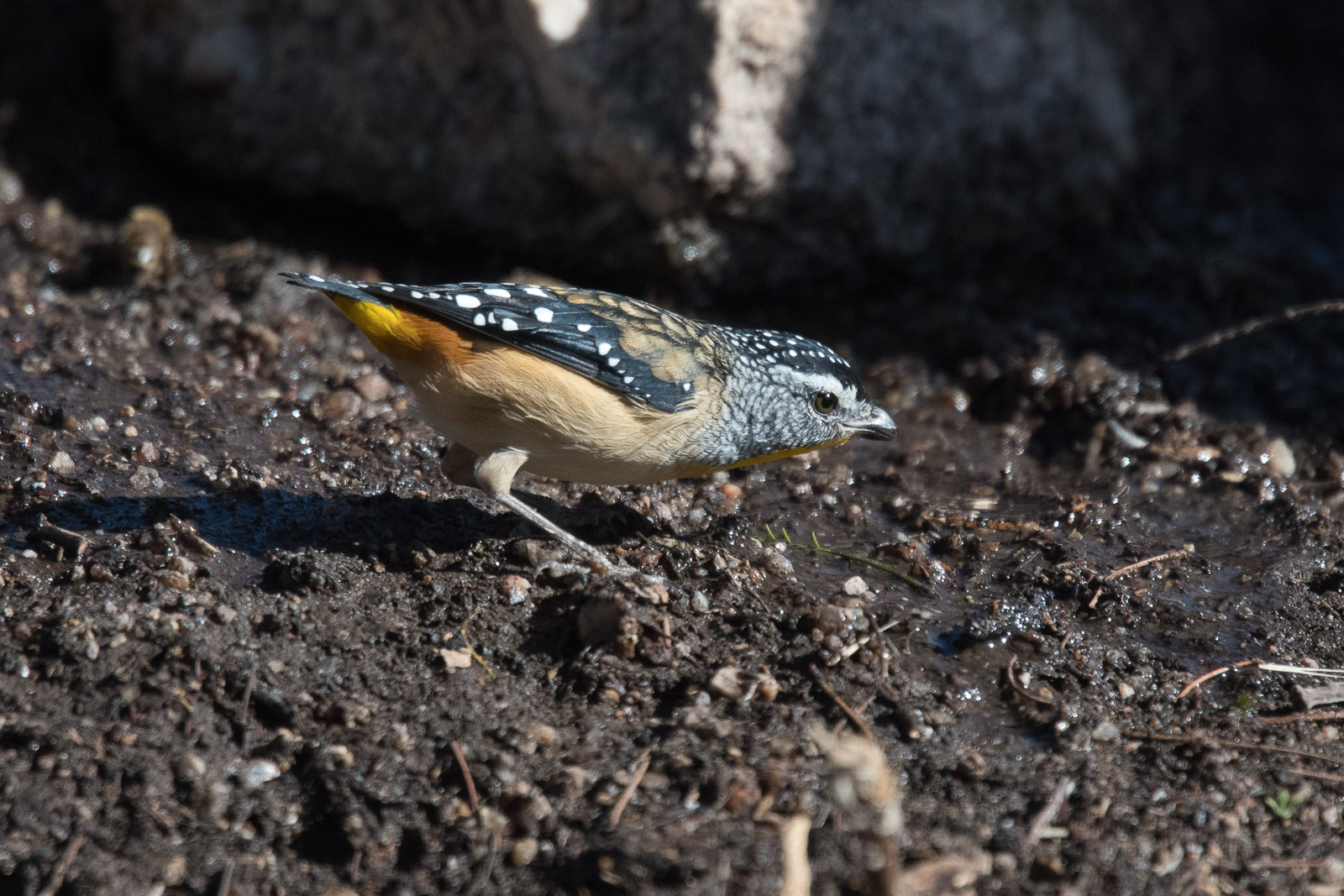
A family of Spotted Pardalote had nested in the cliff bank, just below the edge, and as there were quite a number of exposed roots offering great perches in the sunshine, the little birds were moving back and forth encouraging their young ones out into the open.
By mid-morning and a reassuring cuppa of Grey of Earl, we pretty much concluded that Eloise was fishing elsewhere this fine morning.
About that time our flickr mate, Derek turned up hoping to try out his new 500mm f/5.6 PF lens, so I had a chance to ooh, and ahhh, and drool just as bit. Hope he has remarkable success with it, and it does look a great lens to walk about with. EE even tried on the mobile and expressed interest. So there goes my bank balance I’m thinking. Mind with the shortage of the lenses worldwide, I should have ample time to save up enough bottletops and bits of string by this time next year for her lens. 🙂
New lenses must be in the air, as I’ve taken control of a 70-200 f/4, for a beaut walkabout narrow landscape lens. It also works a treat on birds, if I can get close enough. Funny how sometimes equipment just ‘feels’ right. I’ve only ever had that happen to a few lenses I’ve owned, but the little 70-200 is sweet. Thinks back to when I purchased a 30-100mm Powerzoom for the Nikon 1 system. I just loved to carry that lens around, but could never get inspired to make great pictures. But it felt like the Tao just flowed from it.
Sadly our morning ended without the Lady making an entrance.
So to work.
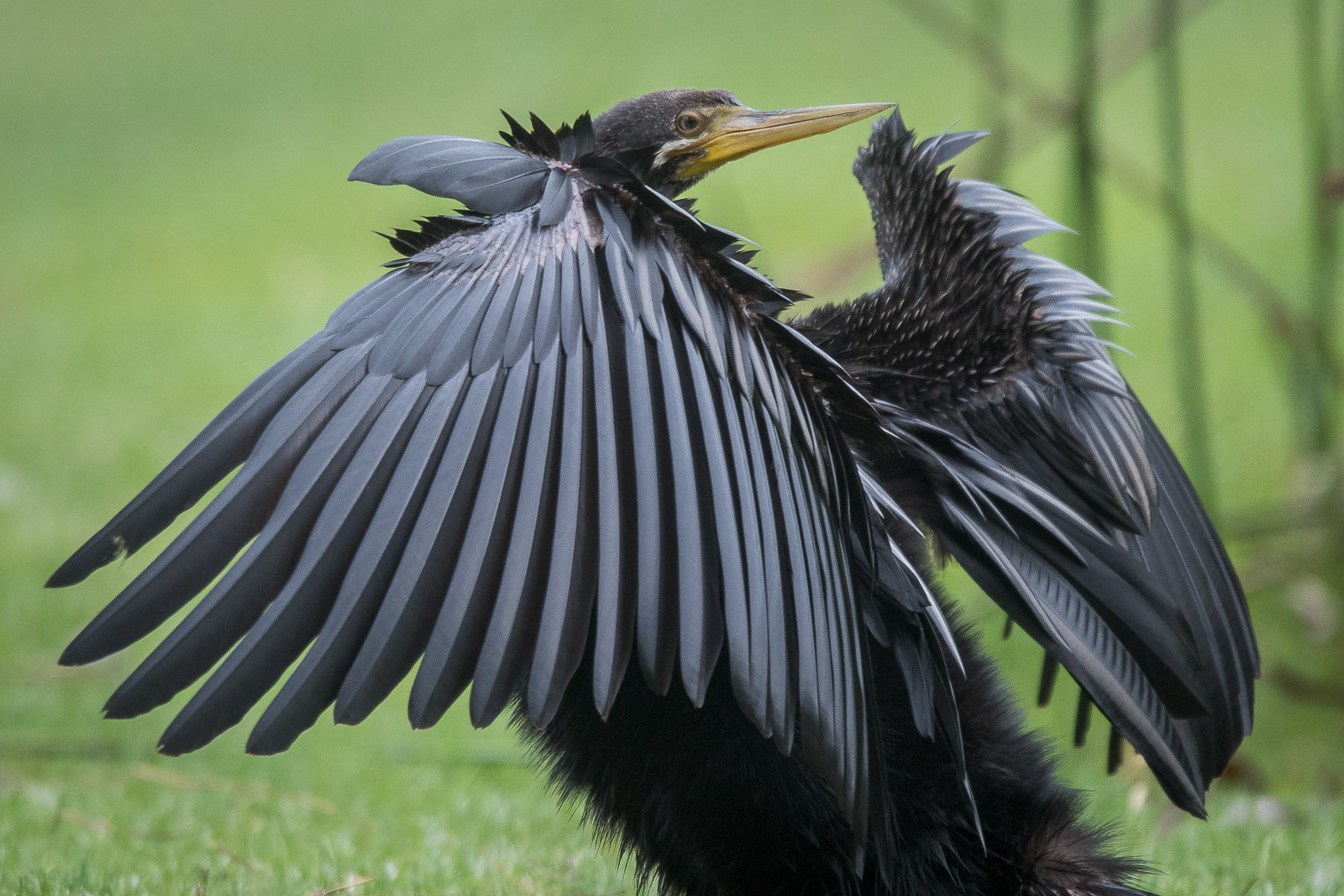
Australasian Darter hanging out the sheets to dry
Little Black Cormorants. They surfaced and almost immediatley went under again
Grey Teal
Way across the river at the golf club, Toby the Kelpie and his friend the Blue Heeler were helping the groundspeople prepare the greens for the morning
I often talk about a “Day at the Office” on the blog. This is looking over the river toward that area
Lots of Australian White Ibis entertained us with the landing styles
Female Spotted Paralote at the river’s edgeAnother view of the Spotted Pardalote
Juvenile Spotted Pardalote
A male Superb Fairywren about to go into eclipse. I rather wonder if its not a previous season male who is getting ready to move out into the world on his own
It was only a small piece of paper, about 75mm square (2 1/2x 2 1/2 inches to be precise).
It was sitting on the bench top, vivid in its whiteness against the dark top.
Next to it sat three small plastic trays. Each contained a clear fluid.
I was given a small pair of metal tongs and told to pick up the paper and place it in the first tray. I did.
It sat on the top of the liquid and surface tension took over and it stayed floating only partially submerged. “Push it under”. I did.
A clock with big hands started to tick the background.
And. Nothing much else happened.
And after about a minute as I peered at the wet paper under the orange glow of the ‘safelight’, a faint change began to occur. Light grey blurs began to appear, and slowly they became shapes and the shapes took on form and tone, and eerily out of the white paper a photo of “Blackie” our cat, began to emerge.
After the clock ticked off its time, I transferred, Blackie, with a considerable reverence, into the second and then the third trays. Several minutes later, “Mind your eyes, ” Dad said, and the room lights were turned on. And there sitting in the dish was indeed a photograph of Blackie. And, more importantly for the moment, one that I had produced.
I was hooked. At around 12 years of age, my life, as they say—changed, and a direction for life was set. I not only wanted to know, I knew that I wanted to know more about this fascinating process that could make white paper into a real photograph.
It was a contact print from a negative that I’d made some days before. And, yet, it was,in all its monochrome glory, a Photograph.
I had to know. And in a small country town, I knew where to look.
The local library.
The journey continues.
Enjoy a great week.
This is Thomas, my nextdoor neighbour’s cat. Tom used to come for visits and would sit in the sunshine on the window sill of the front of the house and watch the garden. Thomas is a rich ginger cat. Guess which colour filter I used to bring out the best in his rich ginger markings. I’ve resisted adding a tonal colour.
(The negative of Blackie the cat is long gone.)
The Header shot is pretty much a direct B+W conversion from colour. No clever stuff, just Tom and I would spend lots of time working window lighting for effect.
Well not quite, but I went down early this morning as the light looked like being great, and promised to be back ‘soon’, but stayed a bit longer.
EE has done a fetlock, or pulled a ‘hammie”, and is a bit out of circulation at the moment, so I set off on me lonesome, hoping the sunshine might stay.
The Lady was in residence by the time I arrived, and was no doubt looking for breakfast. She had several attempts but missed, then stretched out upriver and within a few minutes returned with a sizeable fish.
Bathed in early morning sunlightI’m really getting a feel for her contrasted against the cliffs behindThe first swing and miss for the morning. Have to say I really thought she was on a winner hereA second attempt.The tail kicks up and must give her some extra speedAnother miss.Plenty of light to make the water sparkleThe fantastic head shake that flings off all the excess waterA mintue later and she was back with a fishThere was a young family in the carpark, and their baby cried. The long stare took it all inAnd there goes the last of the tail. All done at that.
Went to a talk the other night by a birding expert, Sean Dooley. One of the things he spoke about resonated with me as I’d just been pondering the way photography has affected my life, even from the time I was a young’un.
He told a tale of how as a a little tacker, he’d been watching and recording birds for a while in his local swamp at Seaford. One day a bird landed, that was not of the usual residents. He immediately knew it to be a Glossy Ibis. A bird that only migrated down on occasions and while not rare, was at least unusual for his area. He explained the excitement he felt, first in finding or seeing the bird, and then in knowing what it was, and in knowing something about it from his studies. That excitement was what drove him to spend a year long project seeing as many birds in Australia as possible. He then wrote a book.
Steve Jobs is reputed to have said, after being fired from Apple the first time, “The heaviness of being successful was replaced by the lightness of being a beginner again.”
My current mentor has got me thinking along those same lines. What is it like to be committed to the photograph, not just the process, but the excitement of making the image.
To becoming a beginner again and being committed to the photograph itself, and in turn not letting the subject down.
There is of course a number of sides to this commitment.
Here’s another.
Being in the field is a profound experience. It’s what makes bird photography such a noble pursuit. It isn’t just the photography that matters, nor bringing back a technically perfect image. But, rather being out in the field that shapes our souls. To take the time to listen, look, and to see. It’s what makes it difficult and at the same time its such a deep experience.
It’s not about the trophy shot, but about learning to sit and contemplate the beautiful mysteries of life.
Gotta go, I’ve a day in the field ahead. Time to become a beginner again.
Eloise bedecked in late aftenoon light. The shape and tone of the simplification to monotone adds its own element.
Enough of this photography vision inspired techno mumbo jumbo.
How about some photographs.
Good point.
As I rack up harddiskfulls of Osprey pictures, it getting hard to put them all on Flickr.
I know there is way to make project pages here on WordPress, however I just can’t figure out how to make it work the way I want. But the story telling of the blog suits my photo journalism style I think, so I’ll persevere a bit longer.
In the meantime here is a few so that you don’t miss out.
Enjoy
Gotta Love that intense lookBalancingThis is like a layup in basketball, straight onto the perchA hit and miss. One fish that got the chance of another daySometimes photographers talk about “Pre-visualising the image” it’s an Ansel Adams term. Here I more ‘pre-willed’ as I knew she was swinging up, and was lucky she chose the small shaft of light through the trees.Soft melded light that just reeks characterTake away foodA big wing stretch before leavingSwinging up in the even lightSoft evening light enhances the coloursA really tight turn with the head held levelSometimes the poetry just happens in the best light
Sorry about the unsharp image, my fault really, shot it with a Teleconverter attached. <VBG> 🙂
Been having a few interesting discussions with the photofraternity of late, and one of the things pointed out is how unreliable Teleconverters are, and the Nikon 2.0eII in particular. After all, as was explained to me, “All the forums agree that the Nikon TC2.0eII is unreliable, and unsharp”.
My defense of course was a shrug of the shoulders and pat the TC 2.0 on the 300 f/2.8 I was using at the time and saying I was happy with the results. Which probably would have bought fits of laughter, but a bird turned up and everybody swung in to action to capture a 4 pixel size image of the bird about 70metres away. But, I consoled myself at least they would be sharp pixels, unlike my less than ideal results. 😉
I recall a quote by David DuChemin, “I make photographs, I don’t take them, shoot them, capture them or snap them. I do what I do to see the world differently and to show others what I see and feel. And yes. It did look like that when seen through my eyes, mind and heart.
The tools of my craft are the camera and lens. The tools of my art are my passion, and vision. It’s not how we make our photographs that matters but what we make of them. The camera and lens is irrelevant to the pursuit of beauty, and authenticity. It’s how I see the light, chase the wonder and bring it to life. There is too much to see and create to waste time.”
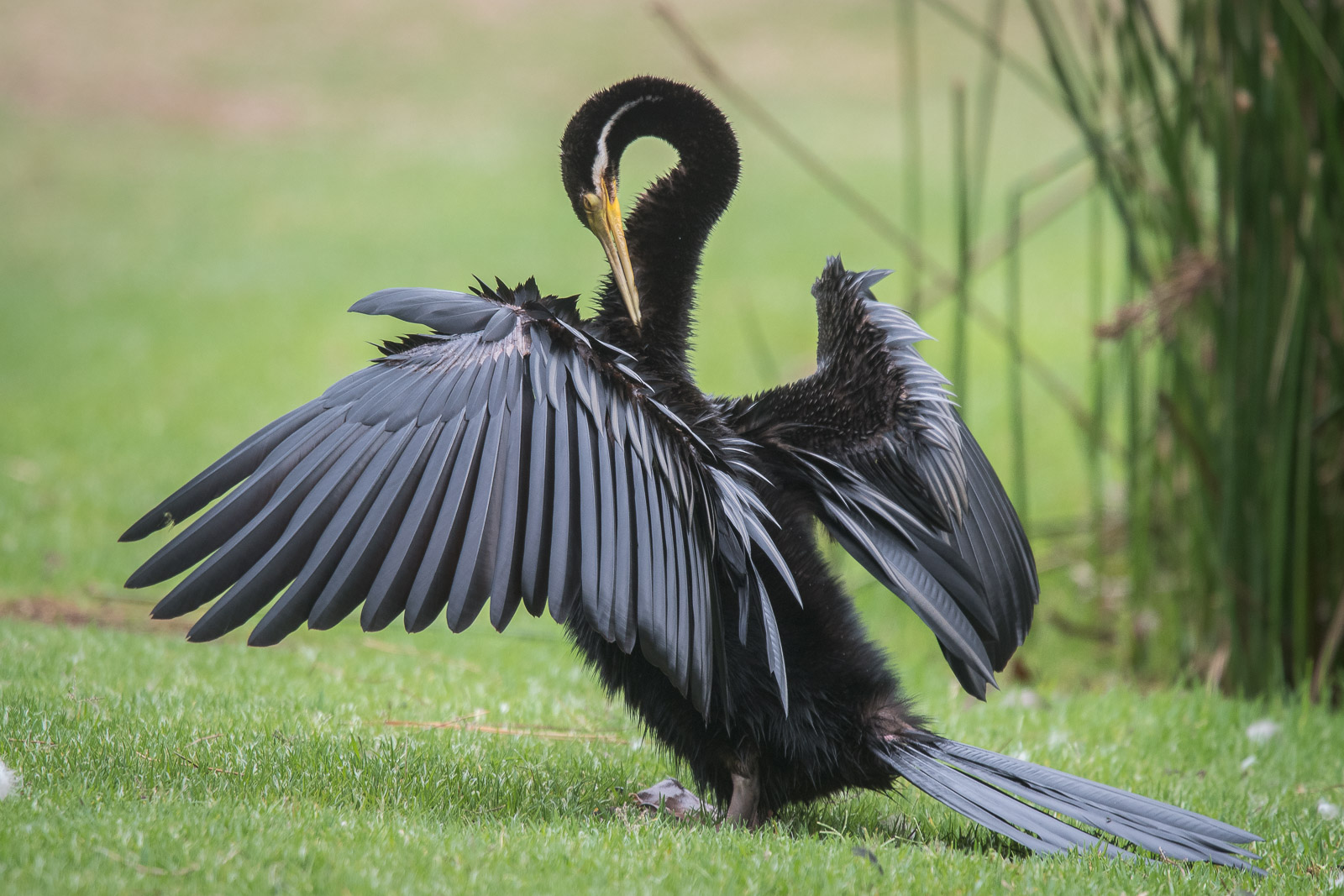
So, I guess I’ll just have to put up with losing sharpness because of my persistence in using such inferior equipment that can’t pass the ‘pixel peeping test’.
Just for the record, the image is handheld, 300mm f/2.8 +TC 2.0e at 600mm equivalent (angle of view). D500, on an overcast day.
The header image is from the camera JPEG. The trailer image converted via Adobe Camera Raw 7.1. Wasn’t trying for an exact match, rather two interpretations.
Sorry they aren’t sharper.
Can’t imagine how good they would have looked if I’d been using a Canon 600mm with stacked converters from 70 metres away. 🙂
Back to sanity next week—normal transmissions will resume.
It rained overnight. Not a lot really, we were promised a deluge, but like all good weather cells, some places were more fortunate than others. And the weather prognosticators, of the tv weather. in their usual scramble to spread fear and anxiousness among the masses were predicting a morning that would have made Noach tremble in his galoshes.
We, EE and I were keen—insert obsessed—with going back out and seeing Eloise, and as I had an early morning appointment, we figured on an early start and then home for breakfast. Good plan.
Weather looked pretty nice with stars asparkling in the rich blue predawn sky. But by the time we’d pulled into the parking area, an ominous dark cloud was rolling in behind. However because of the rain, and the heat, what we also had was the area festooned in mist. Everywhere. and the photographer was beginning to lament leaving the landscape lens at home.
Eloise must have had similar Osprey thoughts about the weather and she didn’t turn up until about an hour and a half after sunup. Caught a glimpse of her wafting through the mists. She sat on the furtherest tree and showed no sign of going fishing. We concluded she must have eaten an early breakfast elsewhere today.
But in the meantime the mists and the birds in the area were a pleasant interlude.
The mist lay a carpet of pearl across the landscapeLack of light and high ISO were the order of the day.White birds on pearlEloise coming out of the mistsThe Royal Spoonbill decided to sleep in.Even when a burst of sunshine came, the Spoonbill carried onEloise perched a long way from our camera pointThe Dusky Moorhens were happy with a fresh supply coming down on the riverNo wonder the mists lingered. The air was still, the water mirror smooth
With such a bird in the vicinity, and the possibility of her taking a fish sometime when I was there, it was too much not to expect I’d sacrifice a couple of hours sleep, and go down to K Road Cliffs in the early morning. EE had somewhat offhandedly remarked that perhaps I should sleep down there in the car.
So armed with the ever reliable D810 and the 300mm f/2.8 and TC2.0, I set out. The only thing that made the plan look less than successful was the weather. Overcast. Porridge. Classic 3200ISO weather.
I found her sitting high in a tree overlooking the horseshoe bend and its big fishing hole. The tide was at the end of running in high, and that seems to be her preferred time.
So I waited. Did I mention that lack of light. I’m not a great high iso at any cost person, but it was high or go home, and I took the former not the latter option.
And waited. So did she.
Here’s the long sequence. Enjoy
Eloise was sitting high above the river on a favoured perch.
A first strike
The next attempt. What I learned from all this is that she prefers to hunt close to the river bank. Each strike was only a few metres from the edge. I’m not sure if that makes it easier to see the fish or if the fish work close along the river bank
Tail up and grappling hooks going down
I put this not so good one in to see how close she runs to the edge. Another miss
Back up to the far bank. Here is part of the high cliffs on K Road. They sometimes appear in movie and tv dramas.
Another try another miss
The look and the wingspread say it allAnd away for another attempt
I missed the strike, but here it’s possible to see how close to the edge she is working
Gathering the energy for extraction
I’ve included this as I love that just over the wing view. However the fish is not coming out without a fight.
Sinking back in to try again
WIngs spread out, she spent a few seconds regathering her strength and perhaps rearranging the fish underneath for better lift
Swing and away
Now to find a quiet spot of enjoy breakfast
A little later some Whistling Kites thought they could freeload so she took off again with her half-eaten prize.
When I was a mere broth of a lad, and photography was something my Mum did with the family box camera, there was a radio show on a Sunday Evening on our local radio station.
We didn’t google, facebook, instagram or snapchat. Stange as that may sound, and we didn’t have an endless range of tv programmes to watch, we didn’t even have tv. We had Radio.
On Sunday Evening “Along the Track” with Crosbie Morrison would take a young lad on a journey into some form of the natural history. Interestingly enough, at the height of his popularity, and it was syndicated all over Australia, its been estimated that he had a listener base of 75% of the radios in australia. (how one determines such number crunching, ohhh and ahh, is beyond me. 1/125 of a second at f/16 still amazes me!)
From possums, to crocodiles, blue wrens to electricity generation, we all went along the Track with Morrison and dreamed big bold dreams.
Did his talks bring out the inquisitive, insightful need to know about things in natural history. Who knows, but I do remember being glued to the radio as he explained about a spider that someone had sent him in a matchbox, or the migratory skill of birds around the world. David Attenborough is as close as the tv audience of today gets to that. But, and this I think is where radio was so adept. Without the visuals. We explored it all in the theatre of our mind.
One thing that legacy still holds for me, is an interest in even the most common of creatures.
I was fascinated last evening while working with some wader and sandpipers, of how long, long, long the legs of a Pied Stilt are. Normally see them knee-deep in water and its hard to appreciate the length of those long pink legs.
This one graced me by wading out of the shallows and standing on the water’s edge long enough for me to make a frame.
This gracious lady is currently settled in to the K Road Cliffs area at Werribee. There is a horseshoe bend in the river and it obviously suits her fishing style. Not being a fishing sort of person, I don’t understand how the fish run up the estuary but suspect now, that it is more likely on the turn of the tide as the water flow out. Today that would have happend around sunup, and most likely she had hunted on the early morning light.
By the time we, and 10 or so of our new close personal friends, rocked up after breakfast, she was well fed and/or the fish had gone as she showed little inclination for hunting.
However she did manage to make the photographers smile. On a tree close to the river edge, and in full sunlight.
So given an appreciative audience, she ran through the entire preening process, making sure every feather had a lick, and was back in the right place. By 10:30 am, it was all over she packed up the sheets, took a long stretch and headed up river for her own reasons.
I thought I’d post a small selection, as I can quickly see that I am going to end up with days of work that don’t get sorted nor published.
So prepare for a few more blogs as the days progress.
Enjoy.
Hangin’ out the Sheets
One of my favourite activites with raptors is that ‘zipping’ up of the tail feathers.A quick shake and all are back in place
After stiting in the hot sun for several hours she was panting and drooping out her wingsShe is folding up the sheets, and I rather like the look of the power and depth of the wings shown here.Time to turn around. A delicate process and a test of balance and wing workA final big stretch of wings, tail, body and legs. It must be time to go
Feathers, feet and tail hard at work to regain equilibrium
Came across a quote from David DuChemin the other day—yes, I’m still reading his book(s).
“For most of us we picked up the camera because putting the viewfinder to out eye and expressing ourselves through the photo was the most magical thing ever”.
Of course he is talking to photographers that may not have the same background, intent or purpose that i have when I go out to photograph birds. Yet, at one level, looking through the viewfinder and see the amazing actions, beauty and story of these feathered creatures applies in some way.
Sometimes it getting the best possible technical picture of the bird, sometimes its the challenge of making the hardware perform, or using the right technique or choosing the right sliders in the software to enhance our meagre vision.
But, in the same way that a violin does not play the music itself, a camera does not make a photo by itself. Yet sometimes as photographers we begin to think the new camera, lens or software will finally give us the golden images in our journey. i wonder if the master violinist would treat their beloved instrument the same way we seem to deal with our technology.
“Oh, look there is a new 10megamusic violin, and it comes with built-in memory.” Every musician rushes for the new instrument. “Hey, look they’ve just released a 24megmusic model, its got bluetooth and dynamic range speakers” Suddenly last year’s model is not longer being played. “Announcing the breathtaking new highly advanced 46megmusic with interchangeable neck and internet upload capability.”
The skill of the master musician is not only in the music, but also in their use of the instrument. A new model does not make up for the many years of patient, dedicated and sometimes exhausting practice that they have put in to hone their craft. To make it art.
So I ponders, to meself, and then to blogosphere, and of course you dear, suffering reader, why will the next great breakthrough in camera technology increase the hit rate I get. Or should I instead be working on resonance with my subject. Self-answering question.
As someone once said, “If I’m more interested in the destination than the journey, I’m going to be disappointed if I don’t get there immediately, and disappointed when I do.”
The Tao master Lao Tzu said it this way, “The journey of a thousand miles begins with the first step. Forget the end result When you arrive, you’ll start a new journey”, or something pretty similar to those words. 🙂
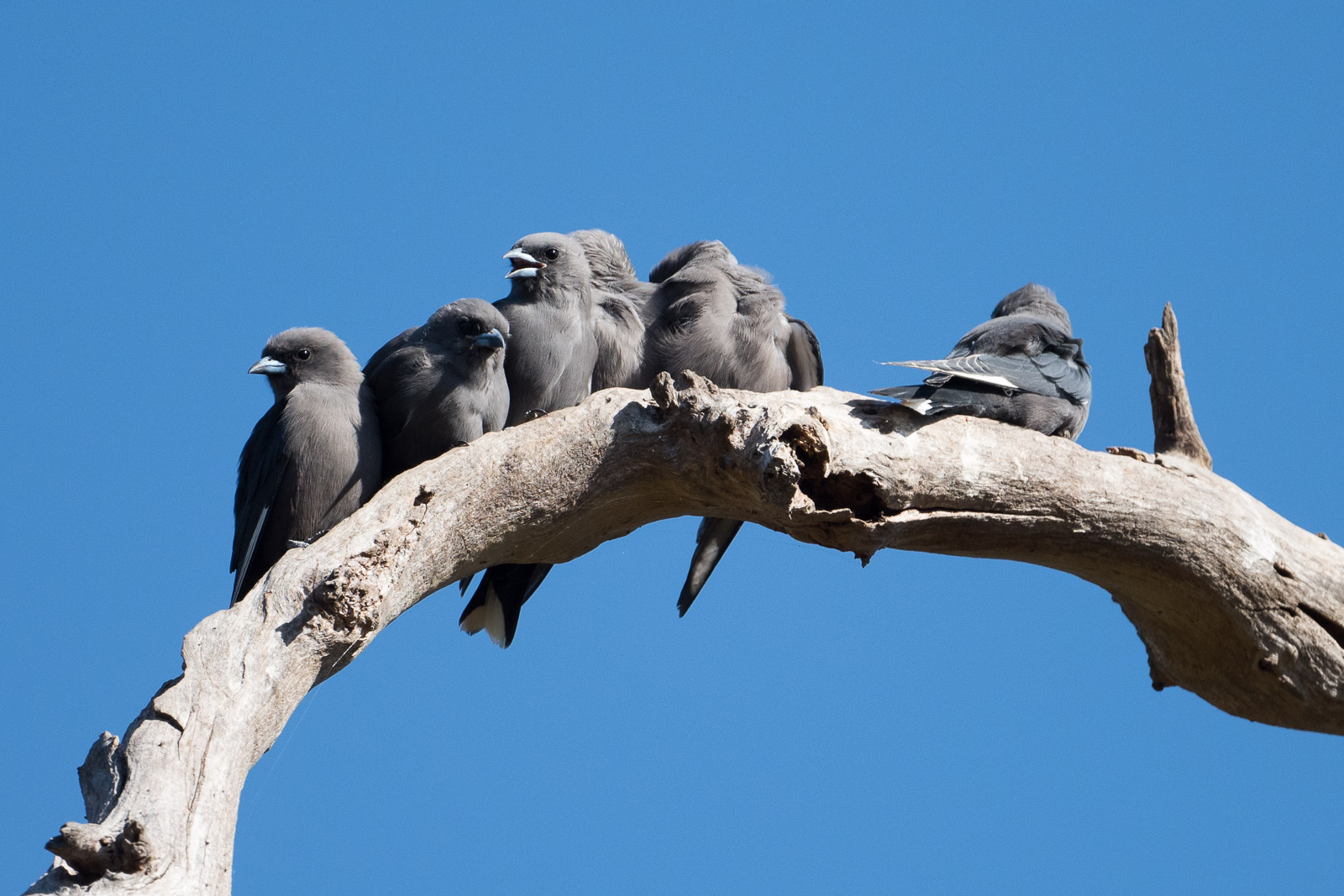
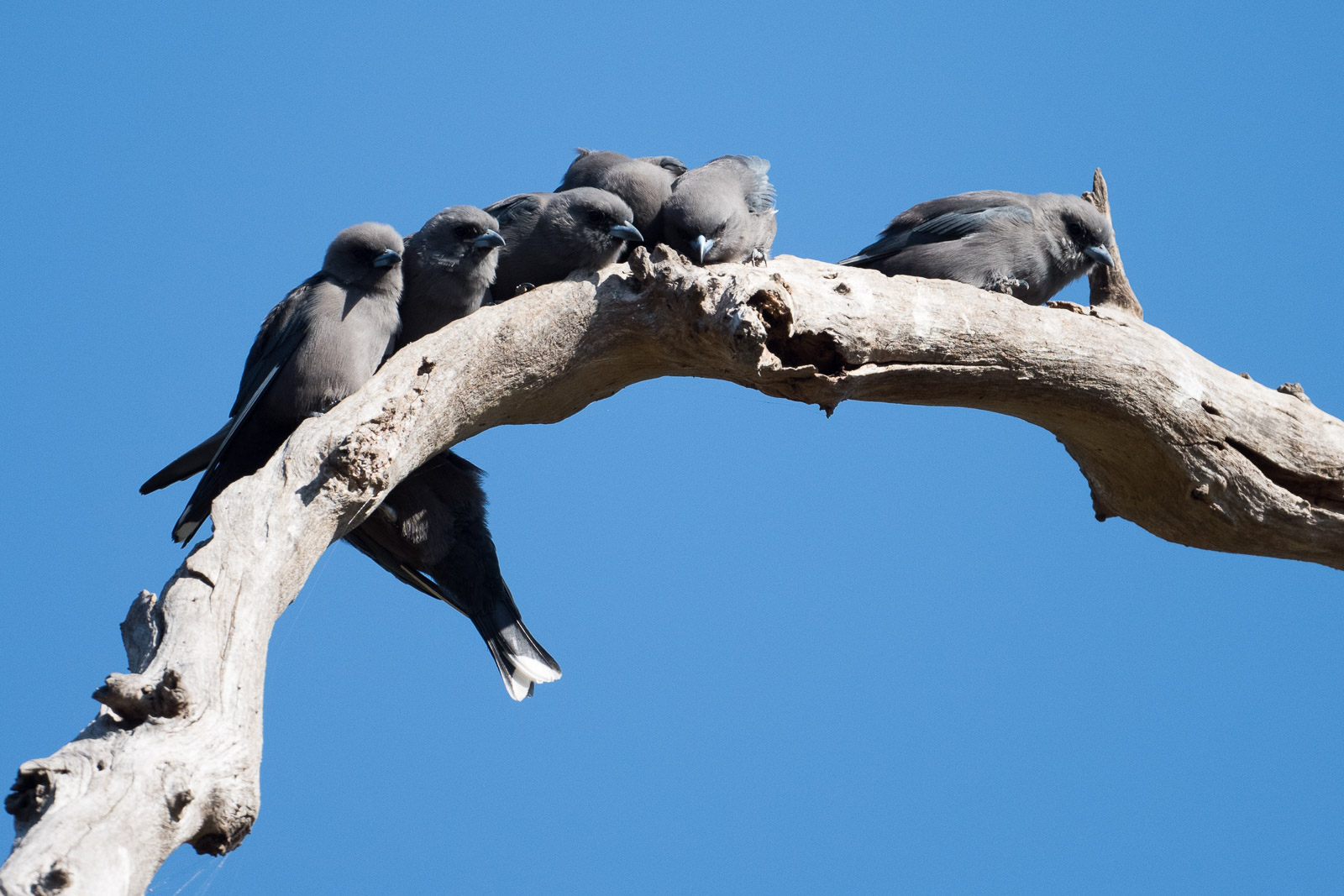
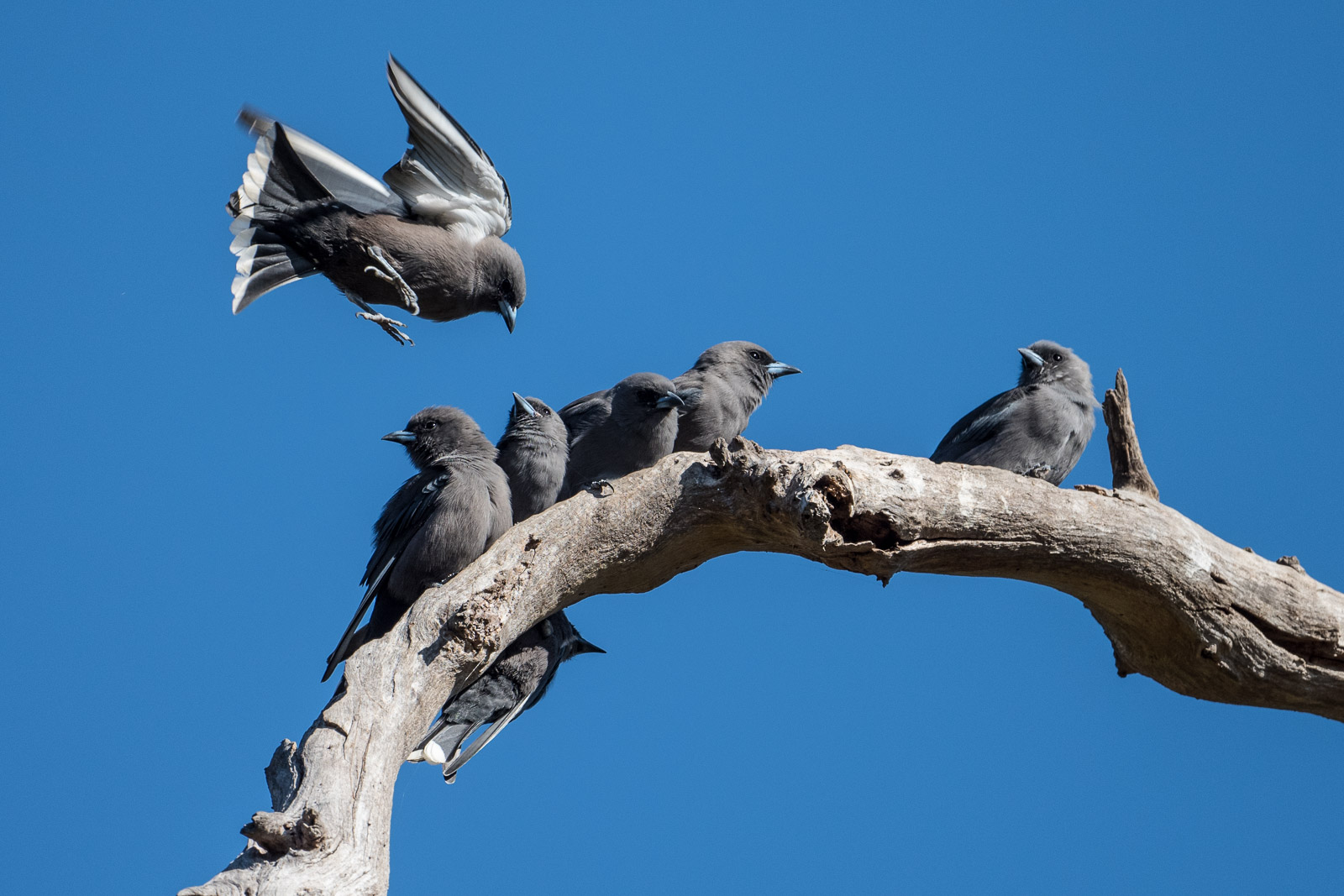
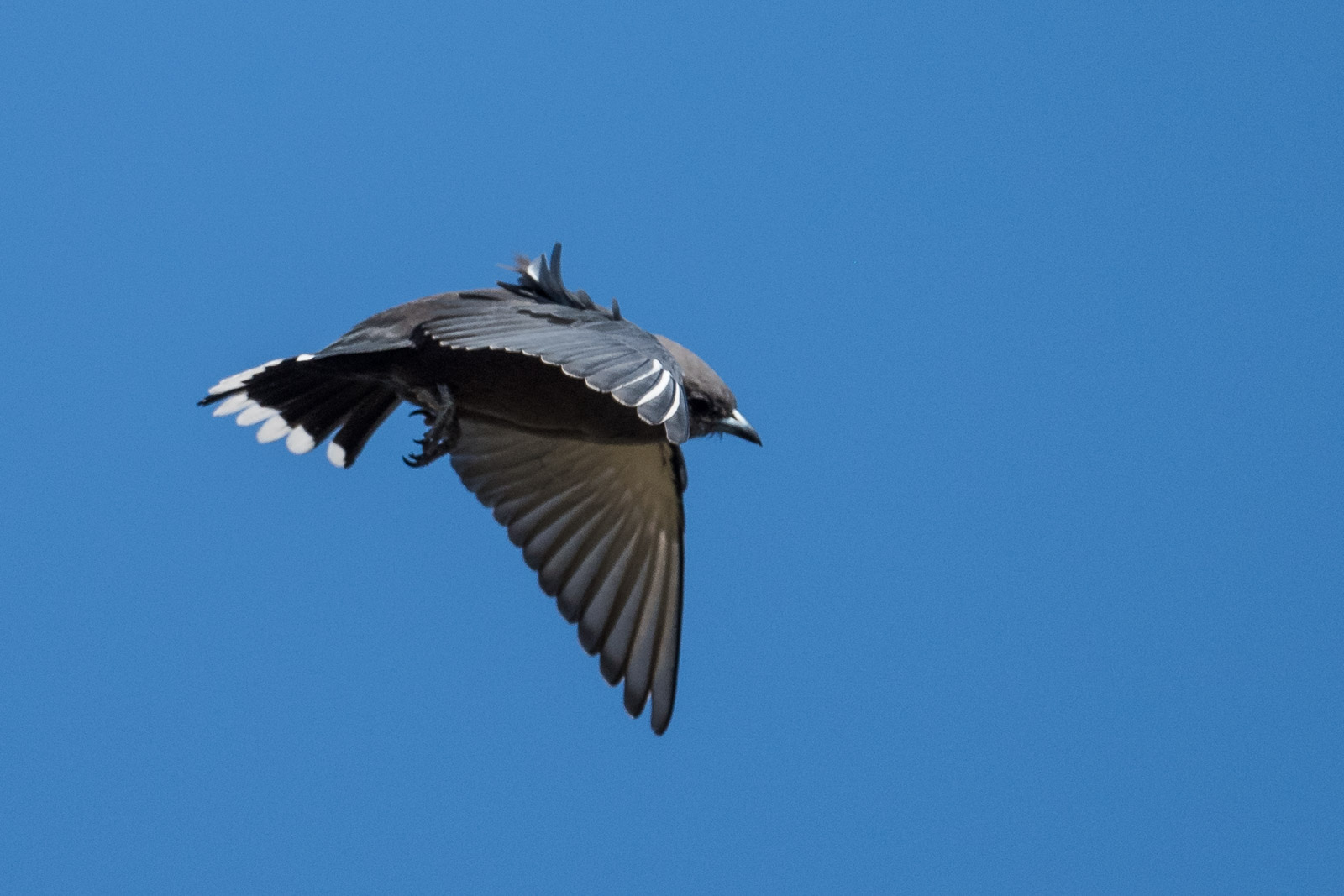
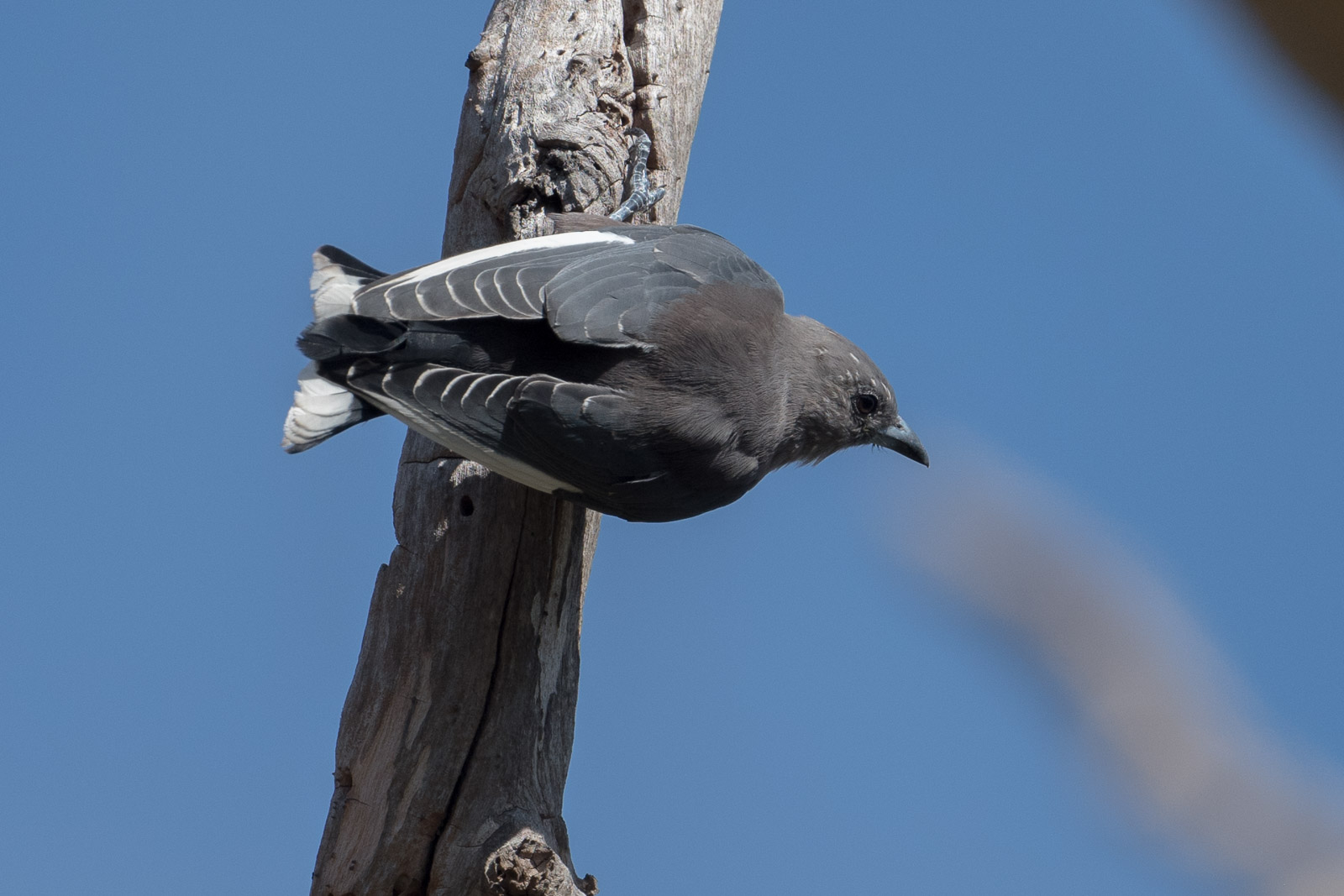
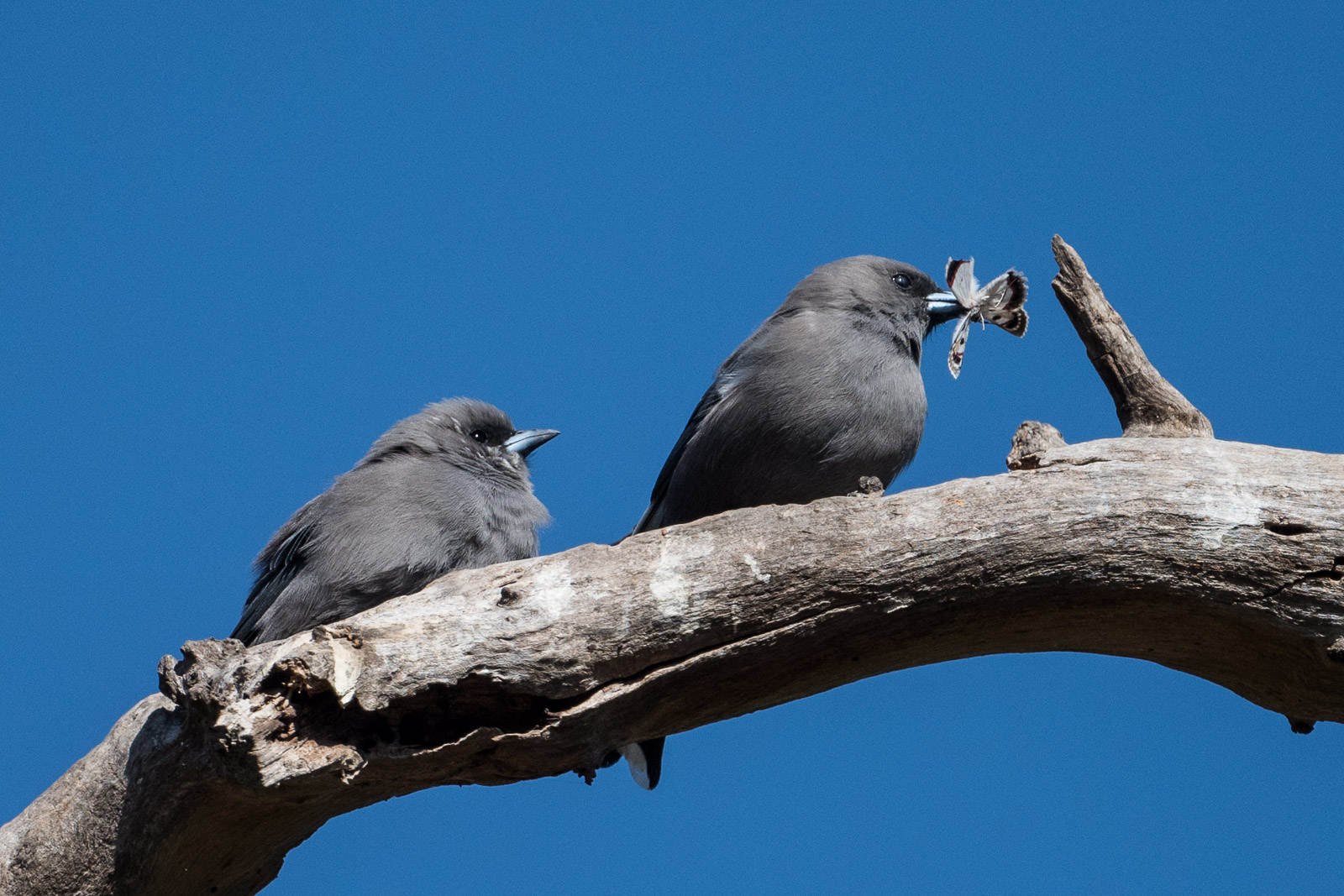
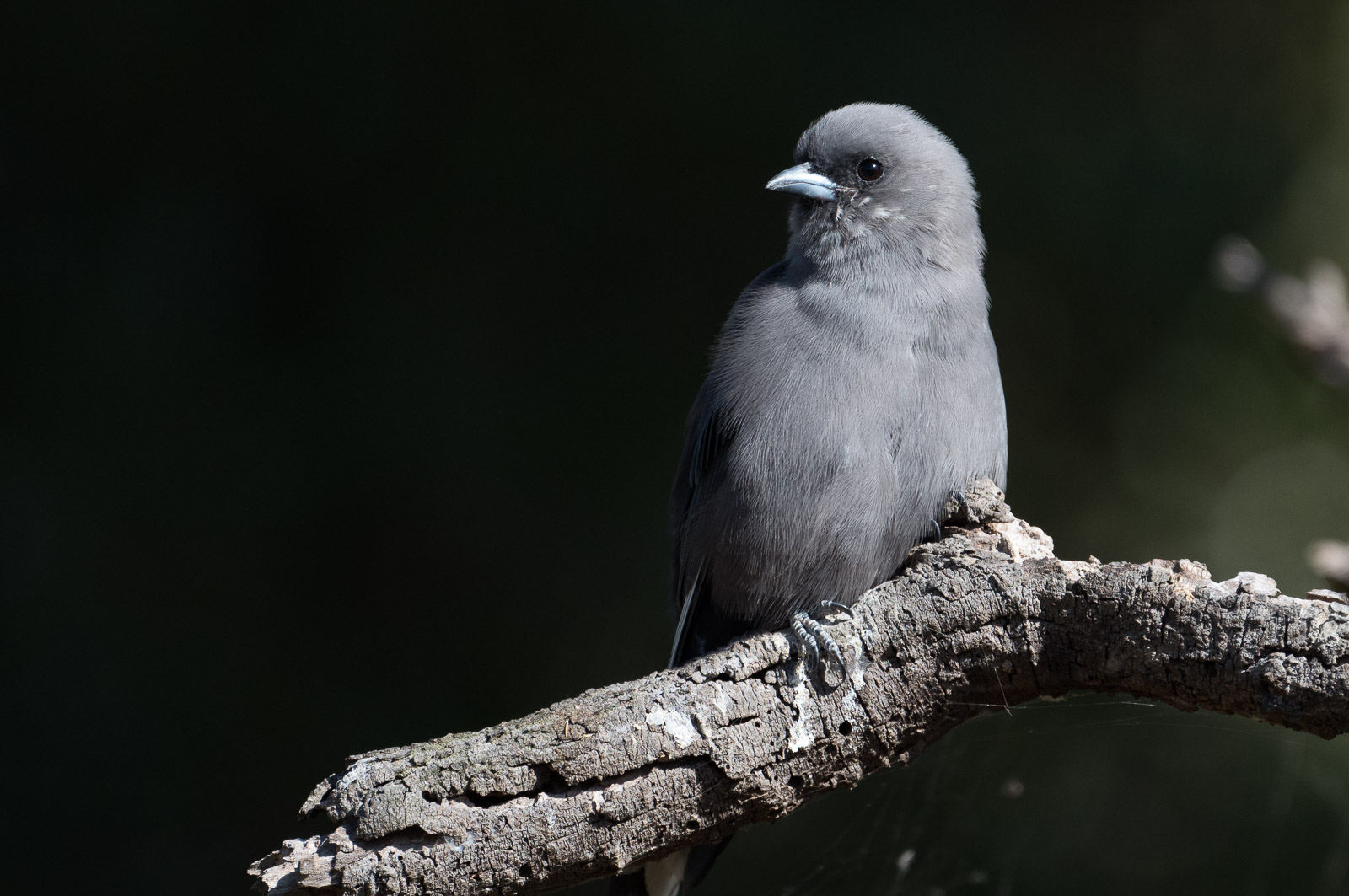
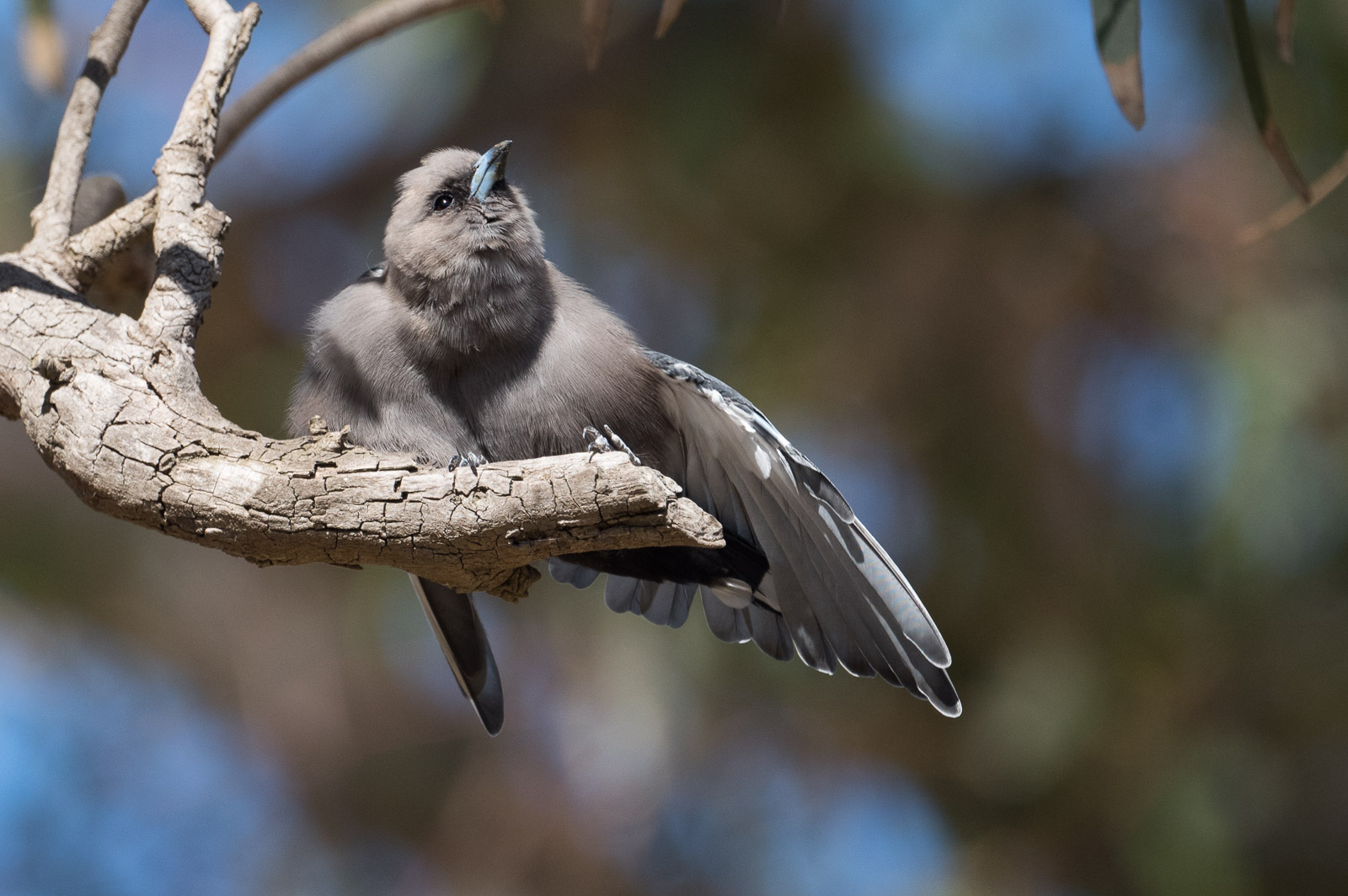
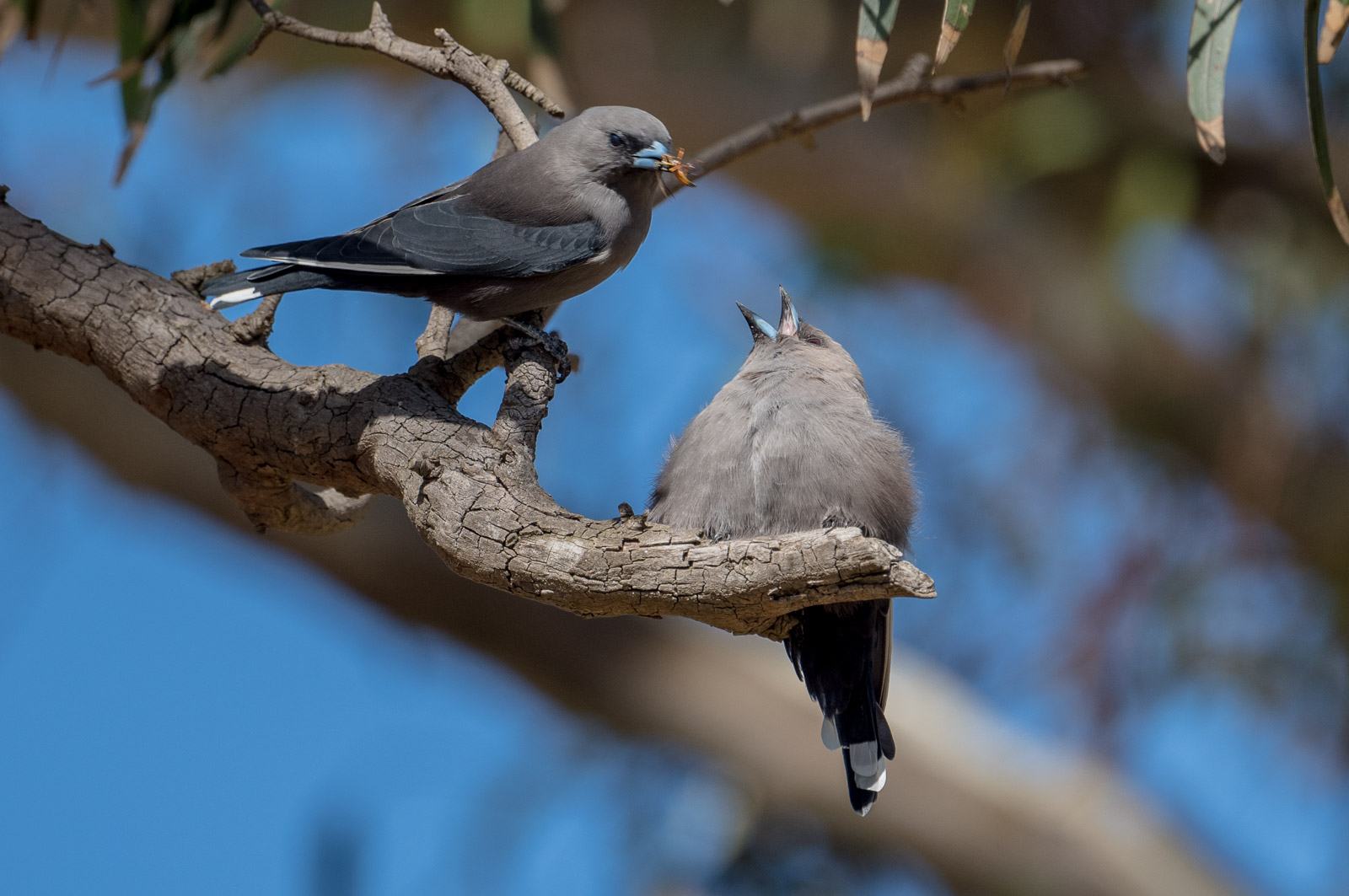
Nature it seems never forces anything to grow. Yes step by step, tiny bug, by tiny bug, the juvenile Dusky Woodswallow will emerge as an adult. Ready to start its own journey of discovery.
I received a note from my Flickr mate David Nice. “An Osprey has been seen feeding at K Road Cliffs”.
So I dropped plans of going to look for snipe the following morning and loaded up to go to K Road.
As soon as I got out of the car, I heard two distinct ‘Tcluck’ calls and figured she must be there somewhere.
But despite looking with the Binos from the carpark, I couldn’t get a spotting anywhere. Was just about to think of walking down along the river, when the remainder of the morning shift turned up. David, Gilbert and his friend all dragged out the big lenses and we began the search.
After about 15 minutes we were still none the wiser, but I spotted a Nankeen Night Heron leaving the water and taking to the tall gums alongside the cliffs. And as they say, “A night-heron in the tree is better than an osprey you can’t find”, so we went to have a look. After a few average shots, we walked the little extra along the edge and down some steps, and someone spotted the osprey in the tree on the far bank. Took a bit to work out among the various branches and twigs. But.
Yes, there she is. Fish in claw, and enjoying a freshly caught breakfast.
The rest of the story is pretty much boring. 3 hours just goes so fast, we sat, and stood alongside the river edge as she polished off the fish, polished up her feathers and took a little nap to let the meal go down.
We had been working most of the morning with rather average overcast light, and by late morning, the sun began to break through and her true colours became evident.
No doubt this is the same bird from previous seasons, and as the mullet are running up the river, it must be a fair assumption that this bird follows the shoals of fish. And of course it raises so many questions about where she is during the year, does she have a mate, or is she a ‘single girl’.
But what pleasure to have such a lovely lady to work with. No doubt as the short season moves on we’ll have a few opportunities to work with her in action, and do some portrait sessions.
So be ready for a stream of blogs featuring the fine lady Eloise.
Enjoy.
Hello, welcome back fine ladyLooking for a table with a view to enjoy breakfastThat will do nicelyToe tapping to relieve the pressure on the musclesA wing stretch and dangling out the grappling ironsAirborneTime to go. And then I looked at my watch and 3 hours had disappeared.