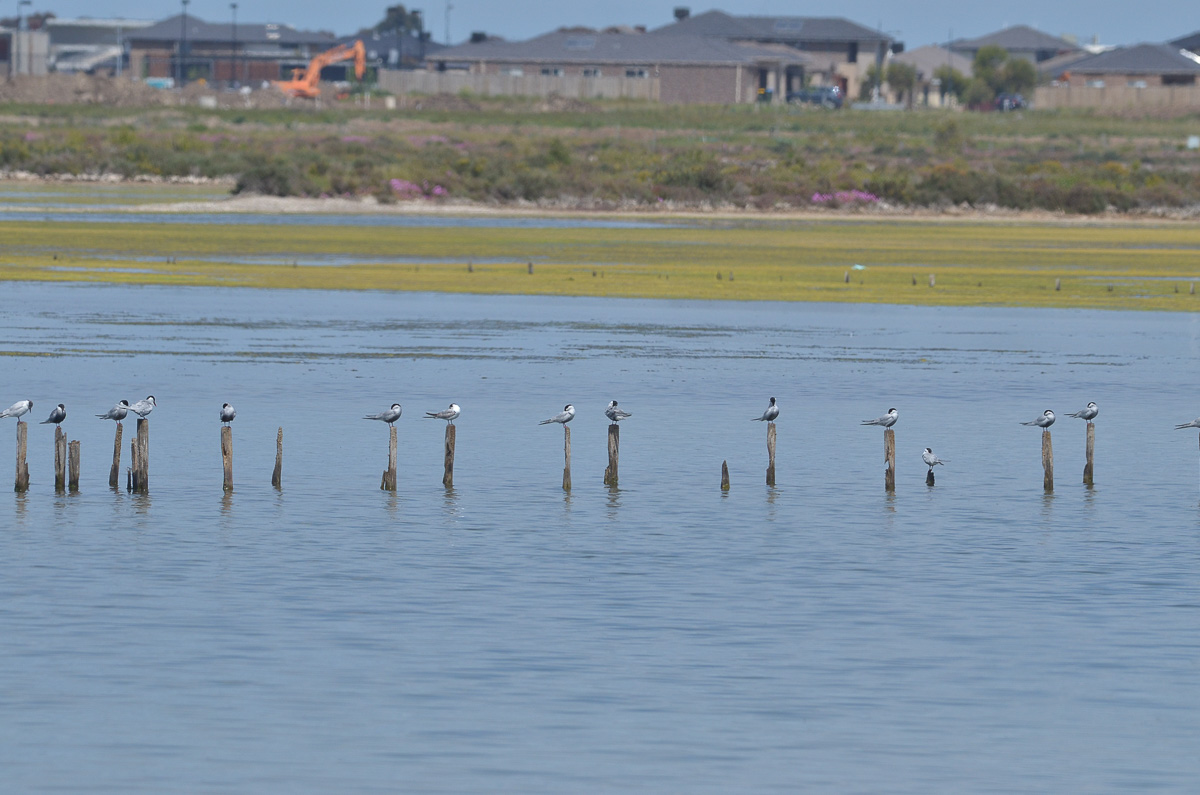
At the beginning of the year, we receive an invite to enjoy a guided bus tour around the now defunct Cheetham Saltworks at Point Cook.
Our friends, at the City of Hobsons Bay make an offer so good that we can’t refuse. The old Saltworks is now but a shadow of its former glory. Established in the 1920s it is a series of ponds and lagoons that cover over 400 hectares. The saltworks closed in 1990 and the area is now managed by Parks Victoria. They keep a supply of water flowing through the ponds and in the right season the area attracts many waterbirds. Some nest in the drier ponds.
Normally the only way to view the area is from an observation tower at the northern end of the Point Cook Park, but, with some kind cooperation, of the Park Vic rangers, the Hobsons Bay Rangers take a small number of interested folk into the ‘inner workings’ of the area to see what bird species might be in residence.
It has become, for EE, Mr An Onymous, Ms In Cognito, our friend DT and others a little bit of a yearly pilgrimage. Sort of a birders version of watching the Summer Solstice at Stonehenge. 🙂
One of the employees of the Saltworks joined Parks when the change-over took place. Bernie had years of experience and was, (still is, just retired) passionate about the area and maintaining it.
When Bernie joined the trips he’d regale us with stories of the area and the bird and animal inhabitants. At the end of the day I always came away knowing so much more about the area, and realised that I’d only put a tiny dent in a scratch of the surface of Bernie’s knowledge.
With many species of birds away up north because of the huge ephemeral waters in Queensland and New South Wales, the numbers of birds at present is quite small. But the sun was shining, the company was pleasant, and the intrigue of perhaps finding something special made the day all the more inviting.
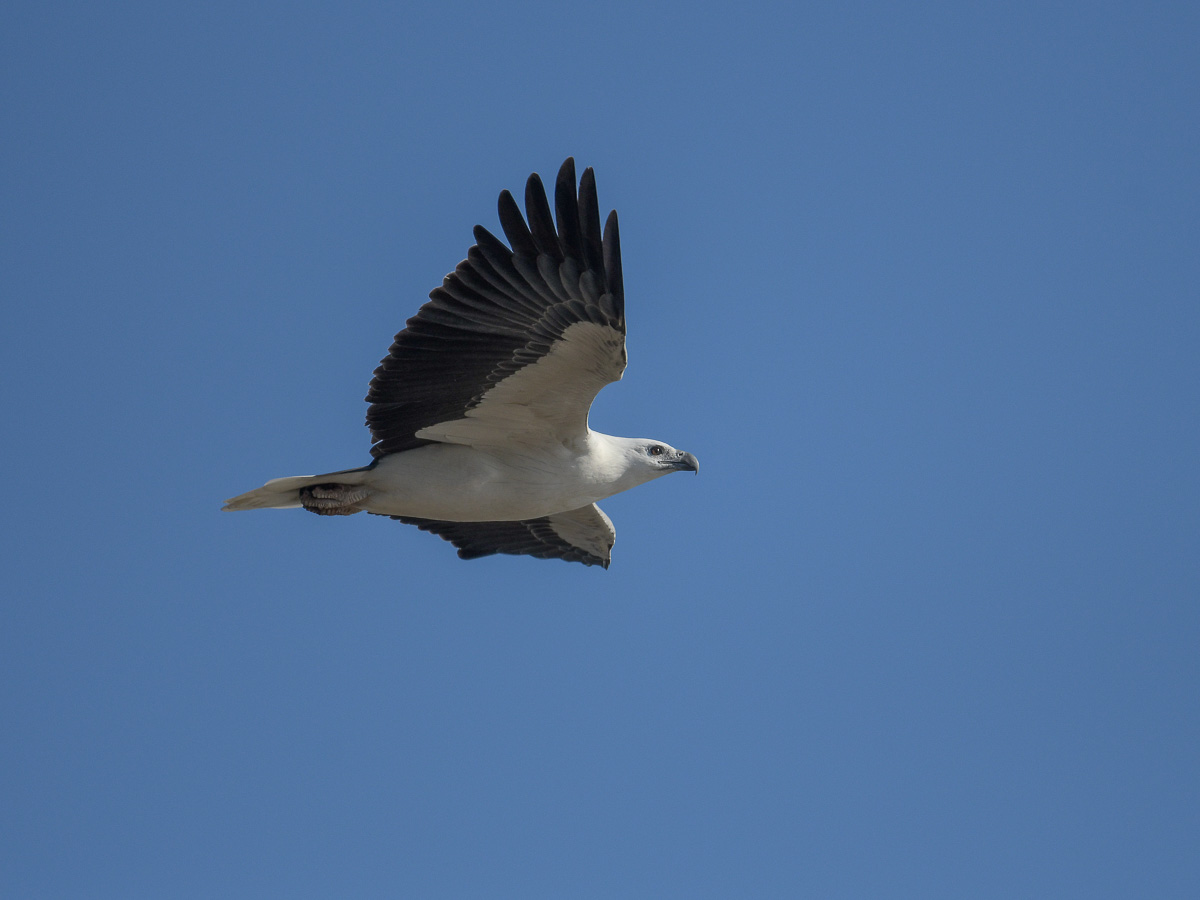
Our intrepid Ranger team soon had us on the way through the first gate and the sharp eyes of the front seat passsenger quickly located a White-bellied Sea-eagle in the sky up ahead. Ahh! the sharp eyes of youth. But for us in the centre of the bus all we could see was… the inside of the bus. A stop and we all piled out and, yes, it was indeed a Sea-eagle. Put that on the list.
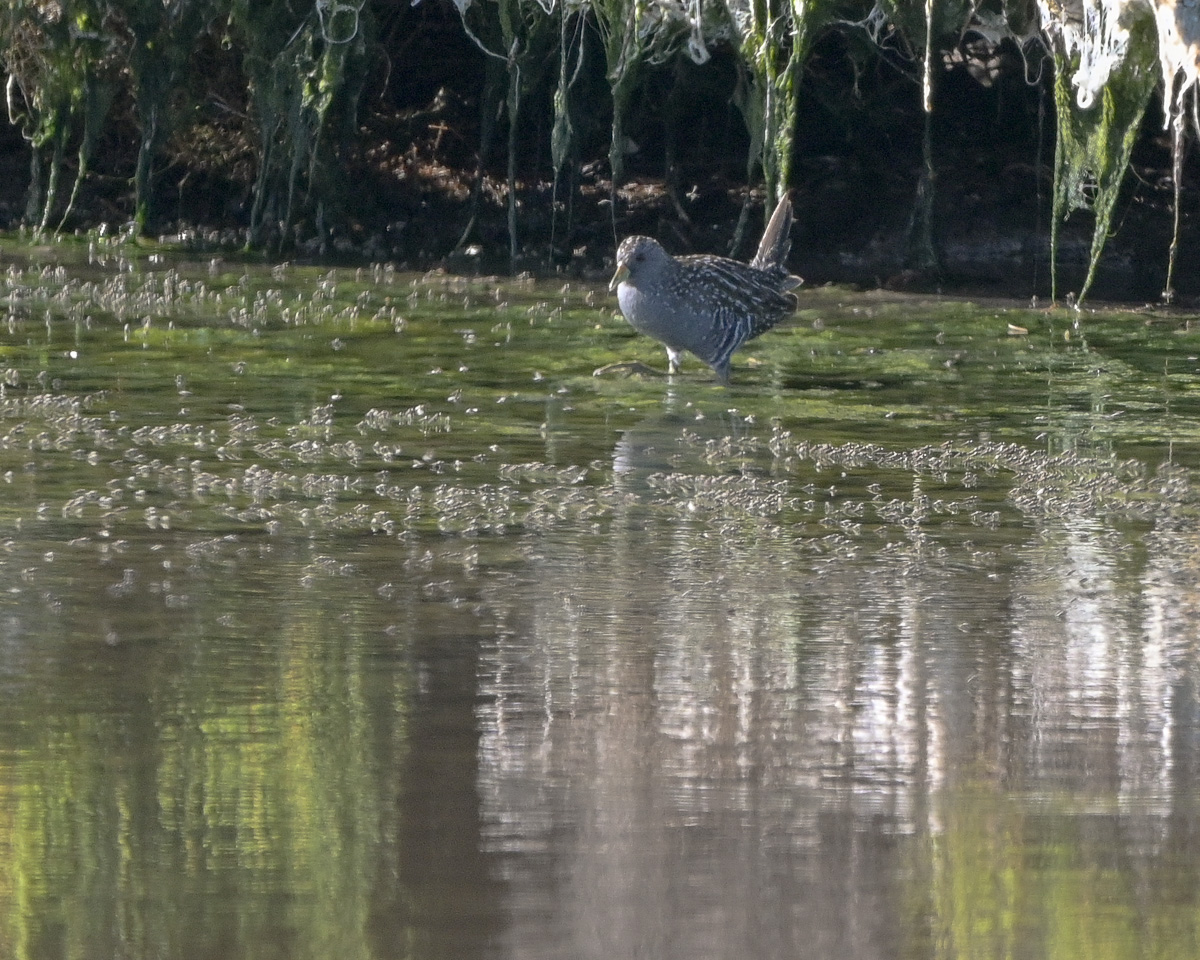
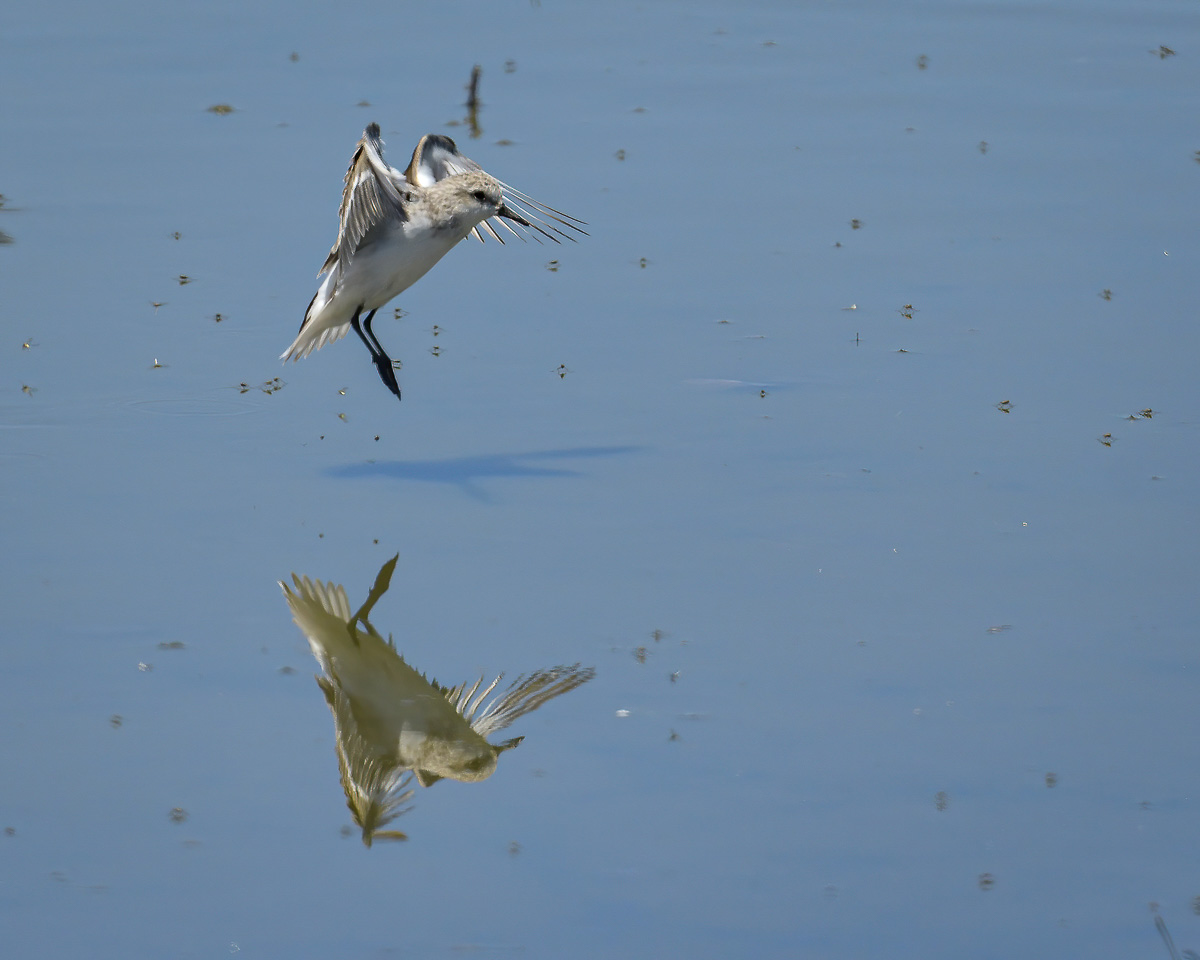
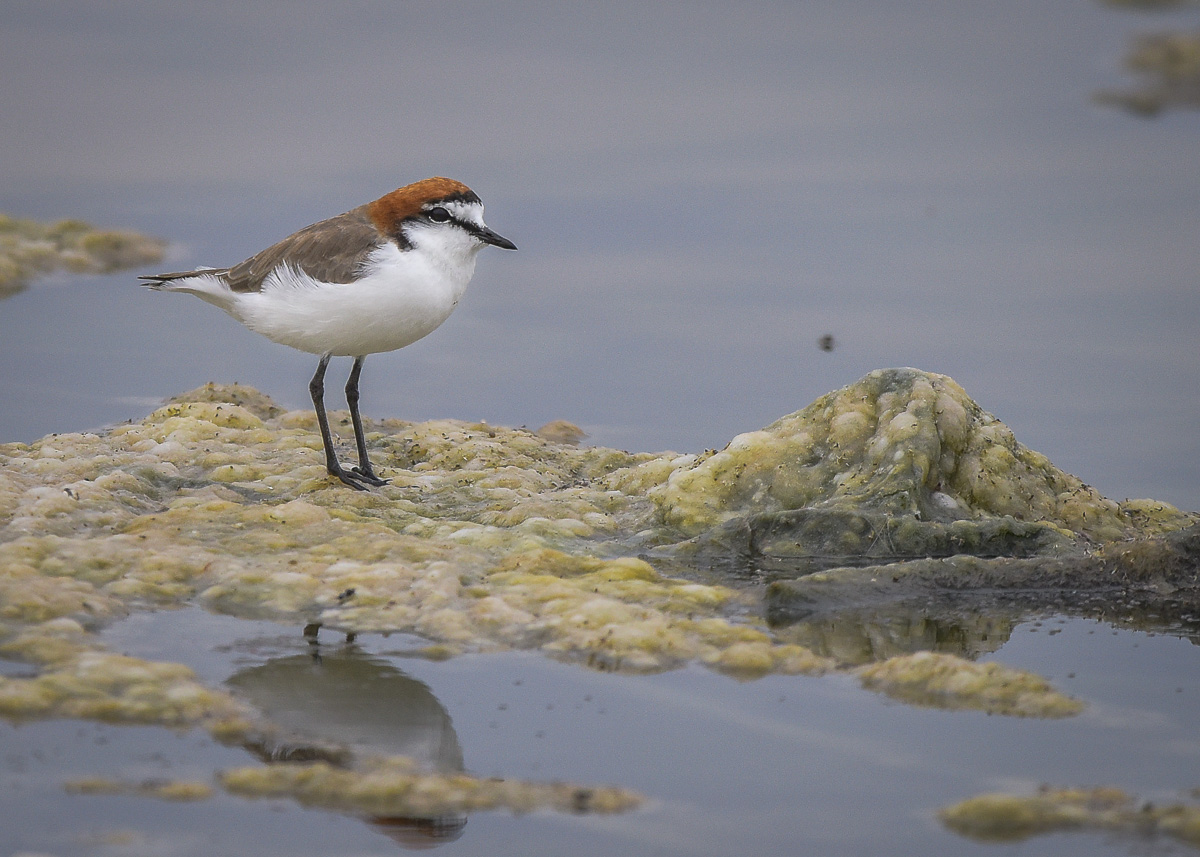
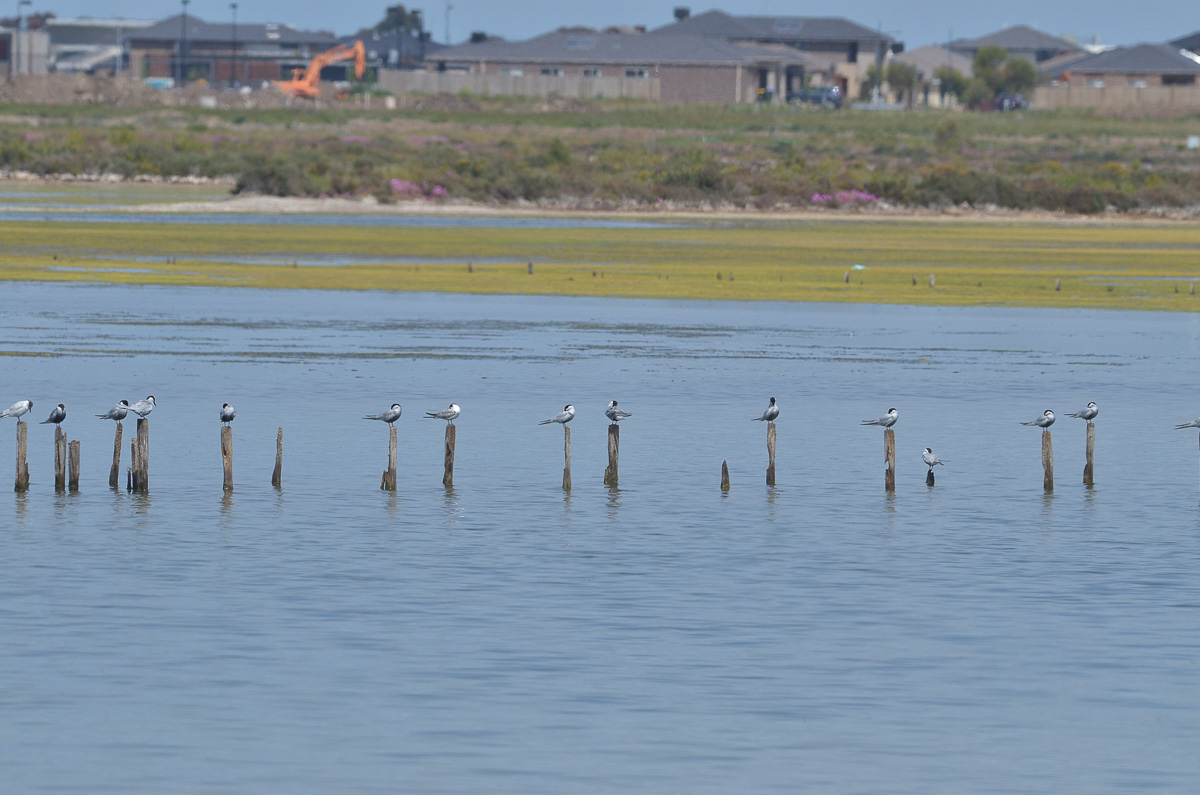
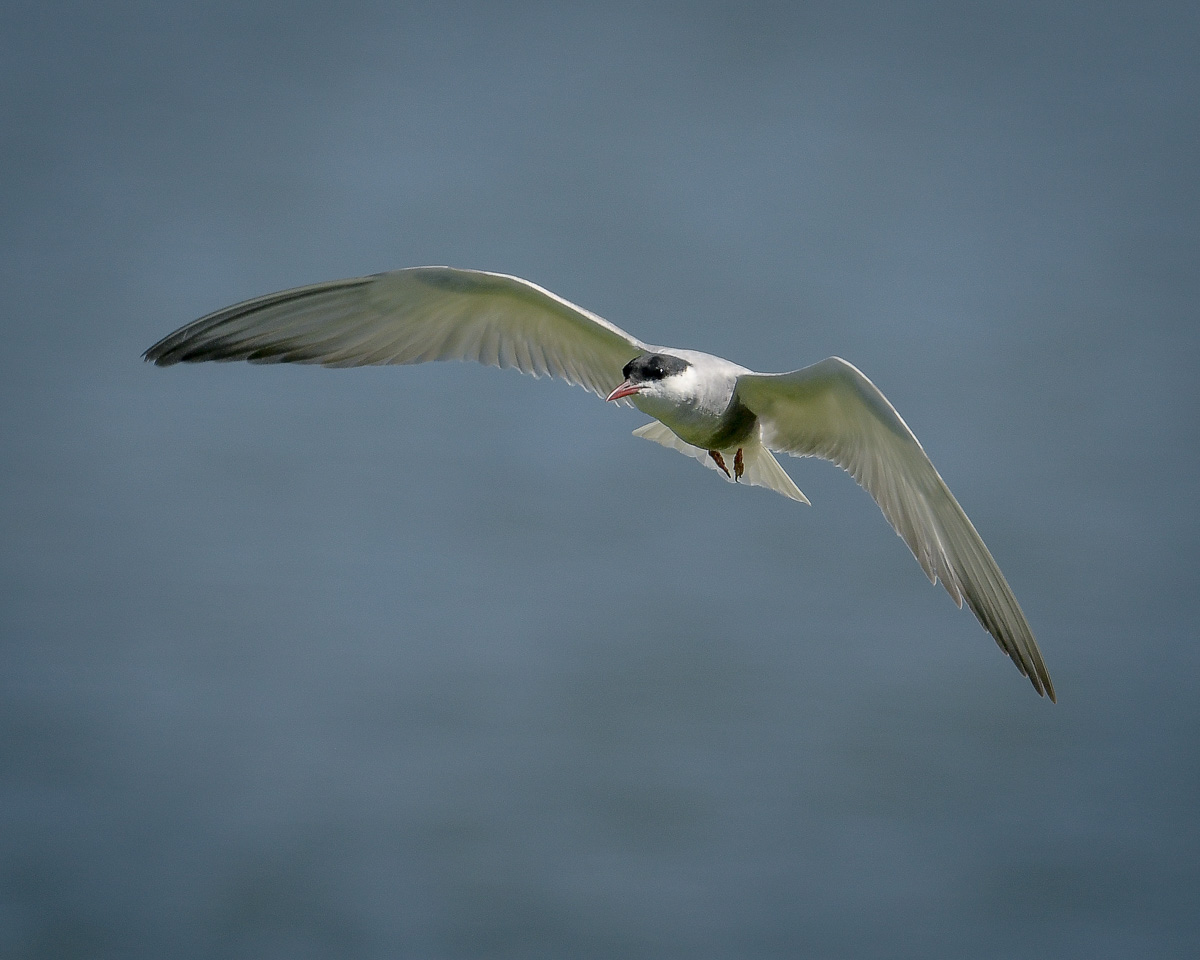
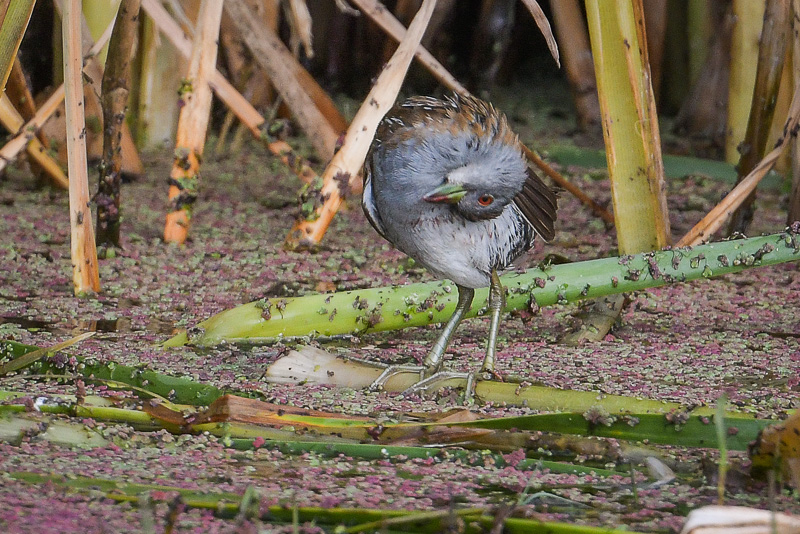
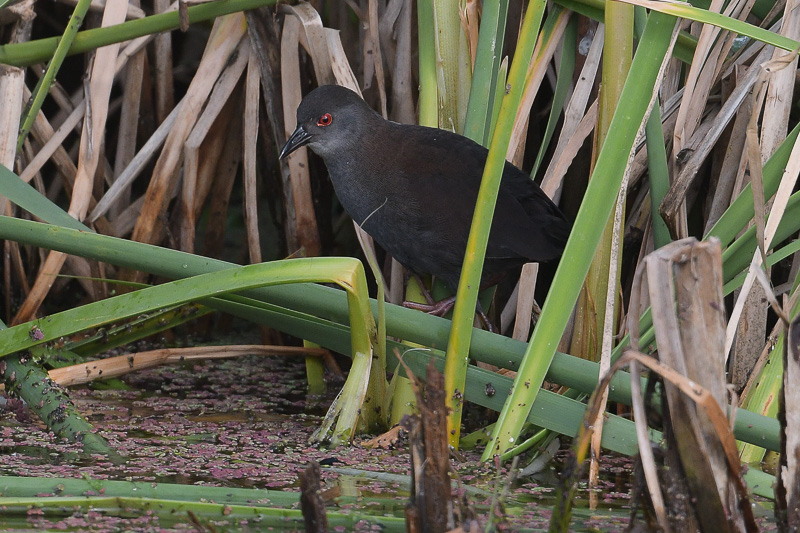
The remainder of the morning included quite a number of Whiskered Tern, Red-capped Plover (with young), and a Spotted Crake. I also had a bit of fun calling ‘Mountain Duck” as a handful of Australian Shelduck flew over. Shelduck used to be called Moutain Duck, although I’m not sure anyone knows why. Perhaps its because they are never found in the mountains.
Interestingly they come down late in the year and then shed their flight feathers, which take a few weeks to regrow, and makes them vulnerable to predators.
Our journey north along the ponds came to end when a locked gate barred the way, so rather than walk on the “North Beach, we did a ‘mystery tour’ to find the fabled, “South Beach”. This proved to be much easier, and I learned the name of a beach area that we occasionally walk past.
In the end, smiles all round, and our little group of travellers went on for a cuppa and chat to complete the morning.
Must remember to mark it in the diary for next year.
Enjoy





 Birds as Poetry —— Just because I WANDER doesn't mean I'm LOST