Astute reader that you are, you’ll note that the corkboard backdrop (sooo yesterday, – Paris Hilton), has disappeared
Also each new blog will get a single header image to establish the theme of the blog.
Also for the time being, the images/story will be generated on my other site and sent here for re-blogging. (Not much else on other site, but I can experiment there to get the best look here.
Expect to see the overall theme change on this page, although I’ve said that before and its never happened.
Oh, and while I’ll continue on Flickr, expect to see the images on this site show more of the story of each event. I can’t make Flickr tell a complete tale.
More to come as I try and redevelop this to express where I’m going photographically in 2015 and beyond.
Probably see many more quotes from Jon Young and Rod MacKiver, and Lao Tze and Winnie the Pooh. Oh, well its that sort of mind.
Someone dropped me a line and asked had I abandoned the Birds As Poetry blog.
No not really.
Forgotten about it. Perhaps
Ignored it. Certainly
Too busy to do much. Probably.
So busy with Flickr. That’s a fact.
Slowed down by the new WordPress interface for inputting blog pages. Yep, that would do it to.
But abandoned, is such a, well, final, word.
So a lot of things I could write on have been let go.
We took a day out to Eynesbury to look for specifically “Speckled Warblers”.
In the end we were getting ready to load up the gear and come home when EE said, we should check over in that scrub just near the golfcourse. And so, we went.
Now this area is actually the pathway for the golfing dudes on their motorised buggies to get from one spot to another. So its a little gravel track, and a beautifully maintained lawn on either side.
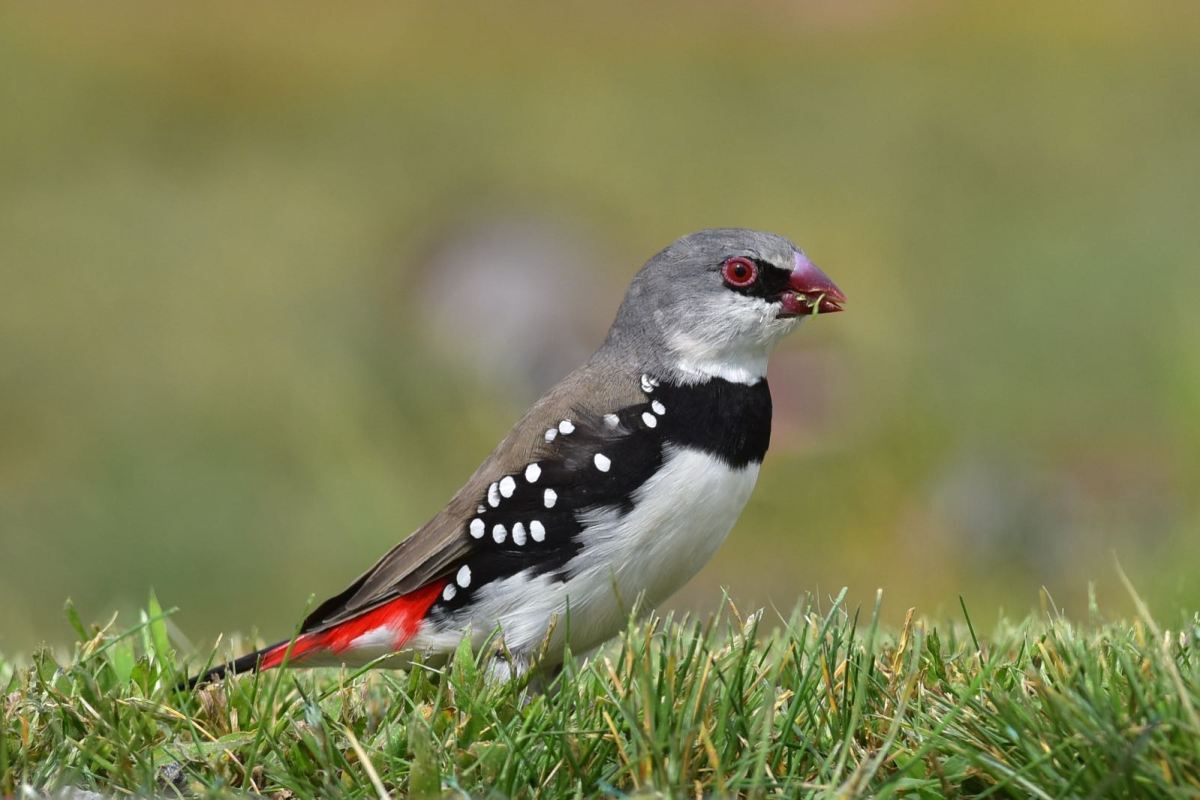
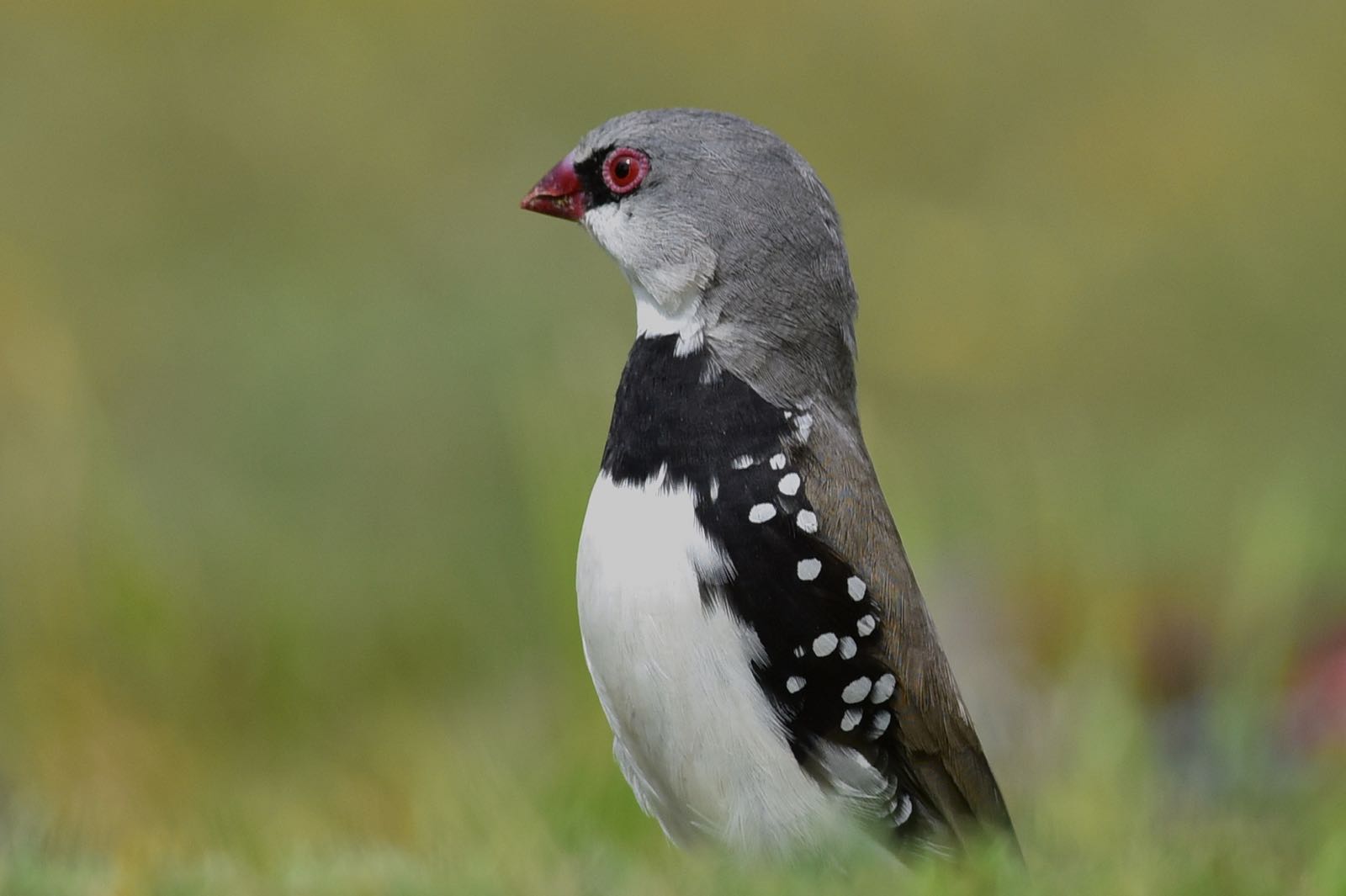
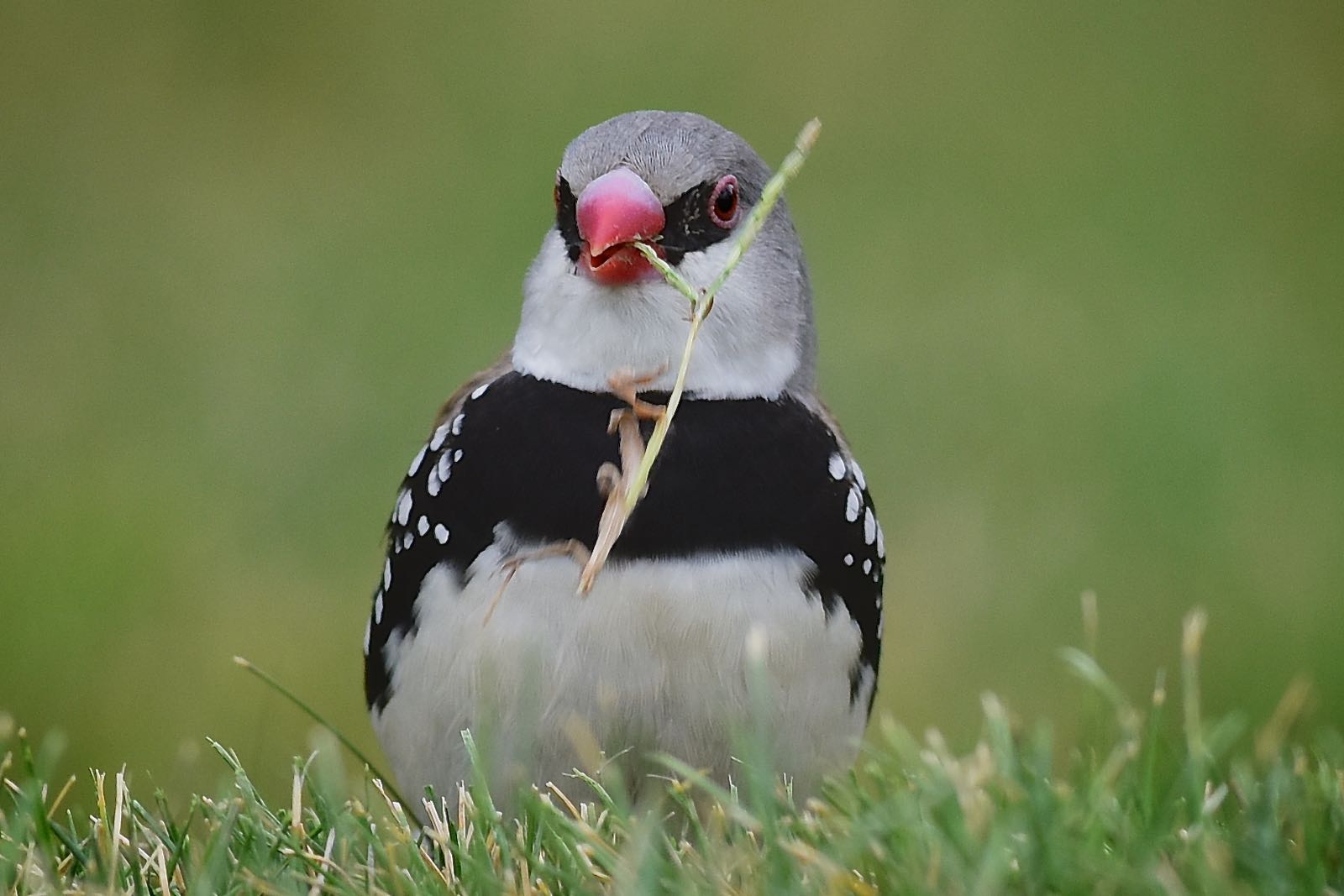
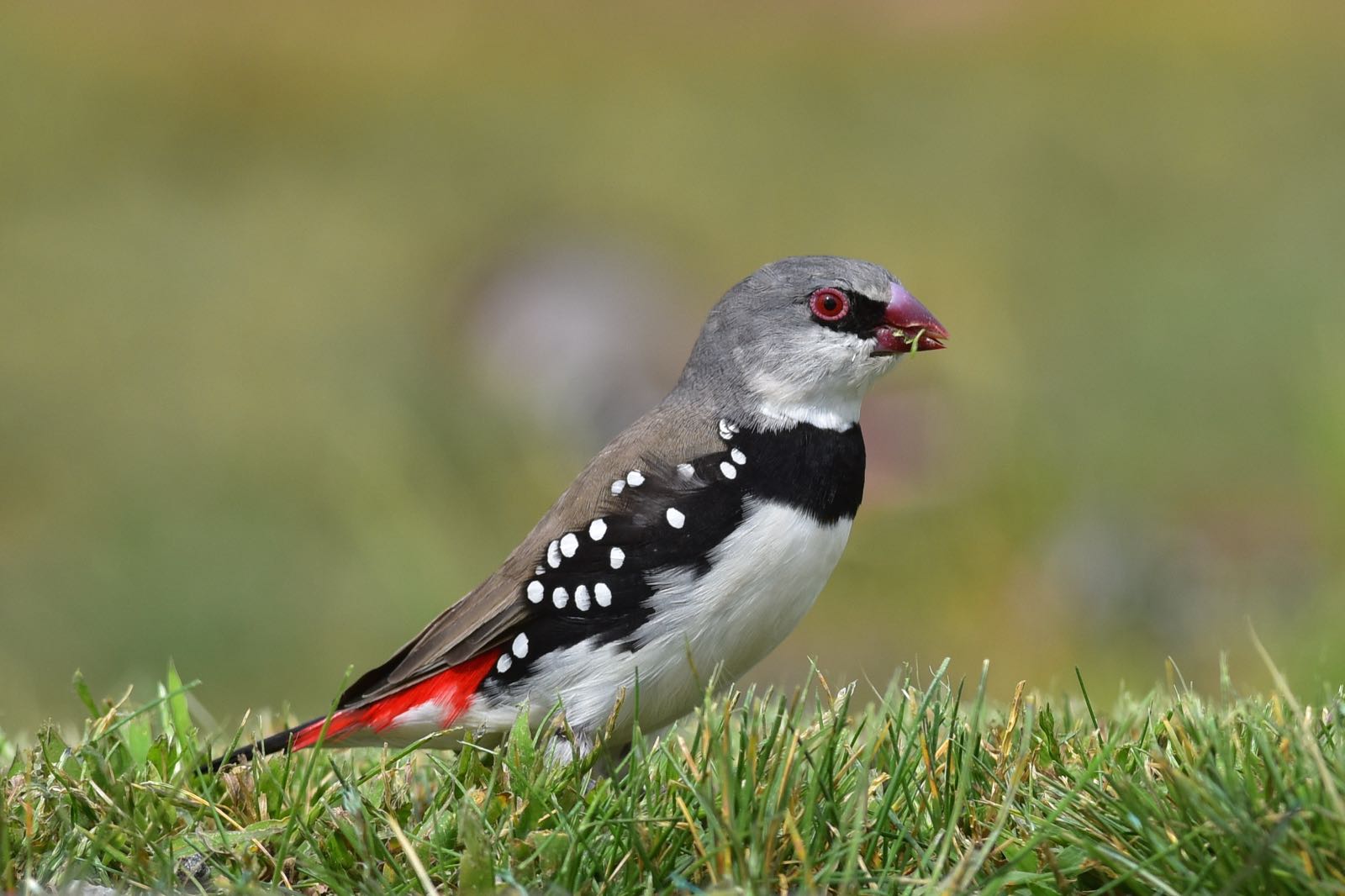
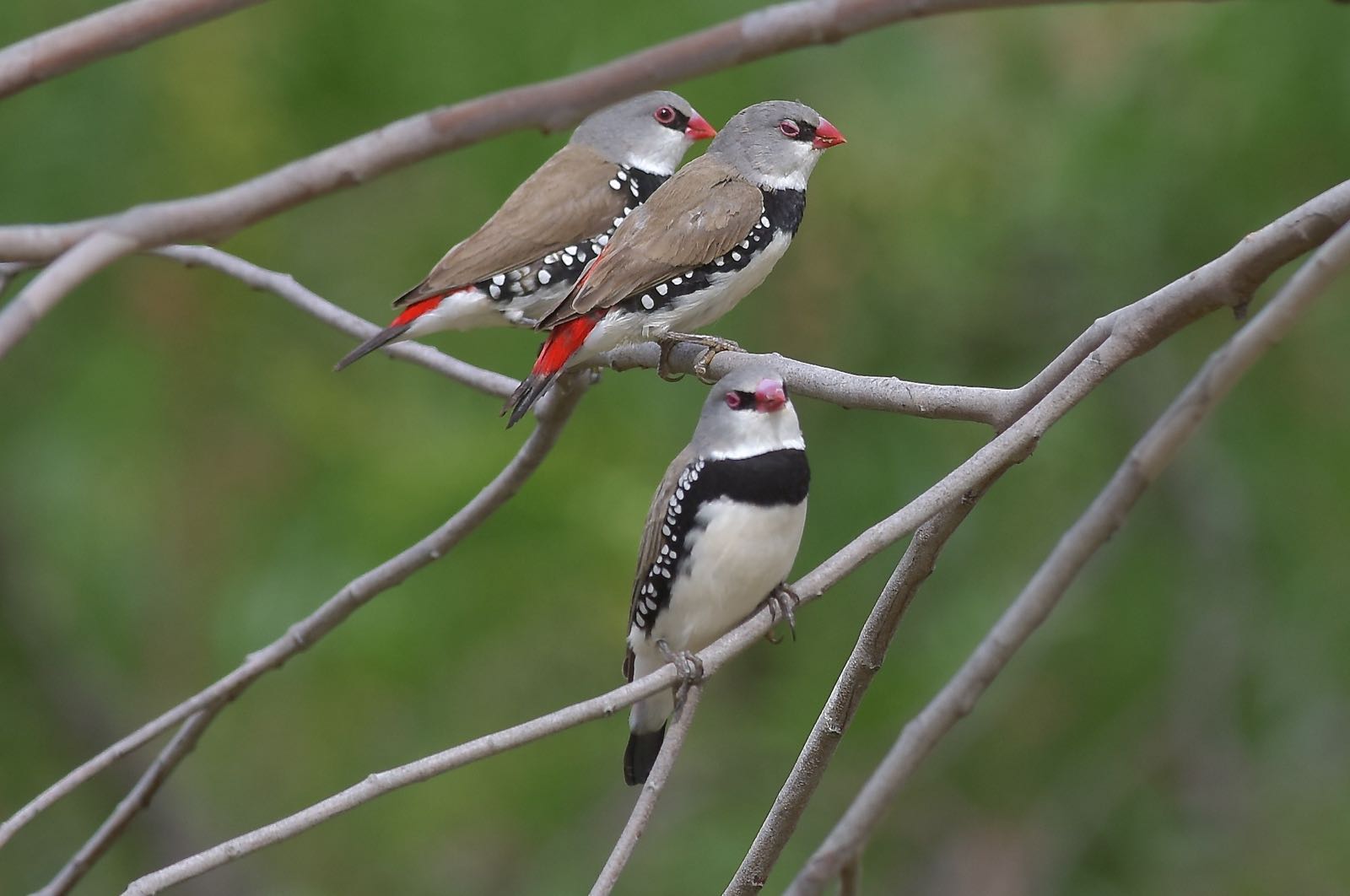
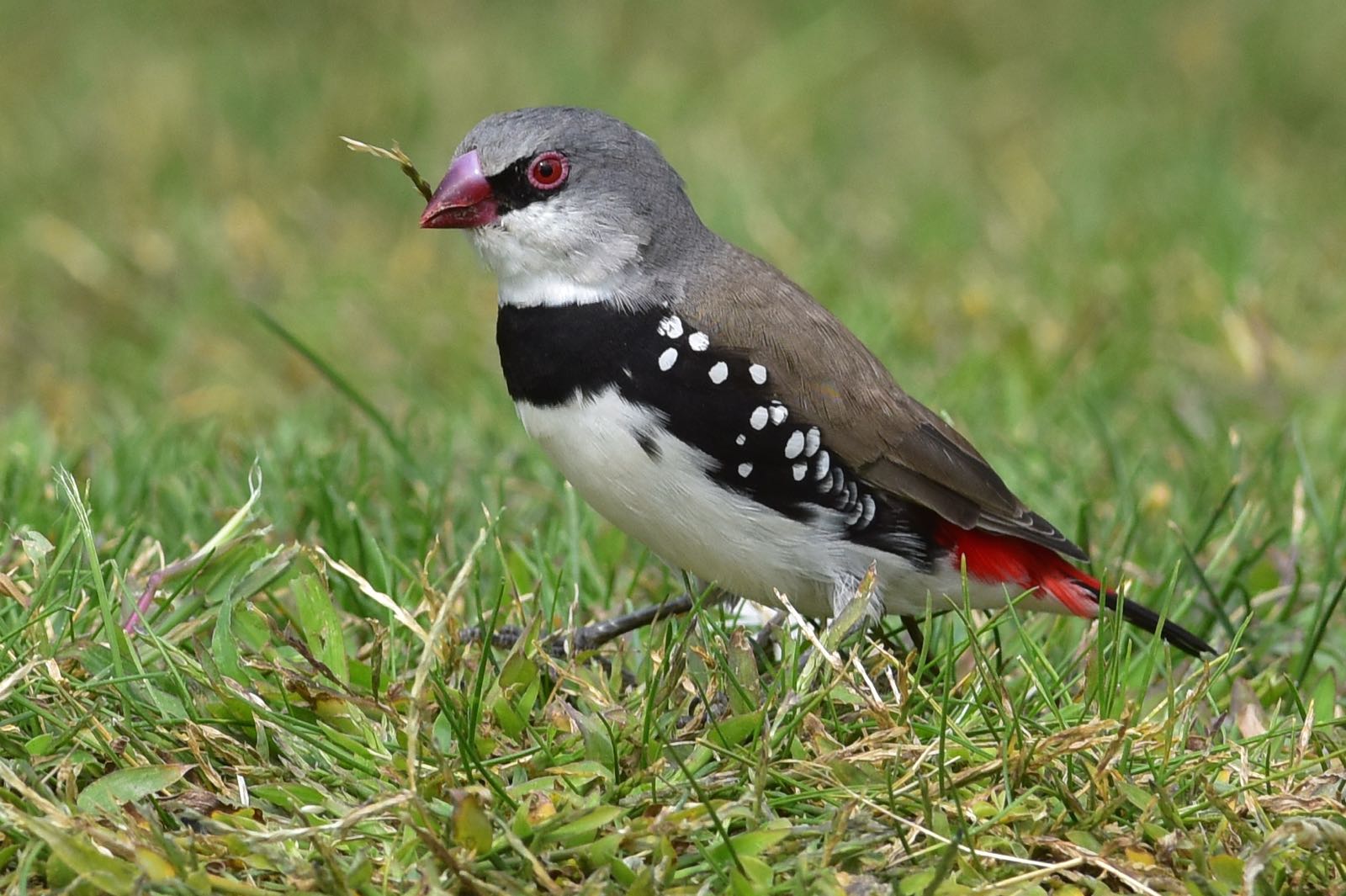
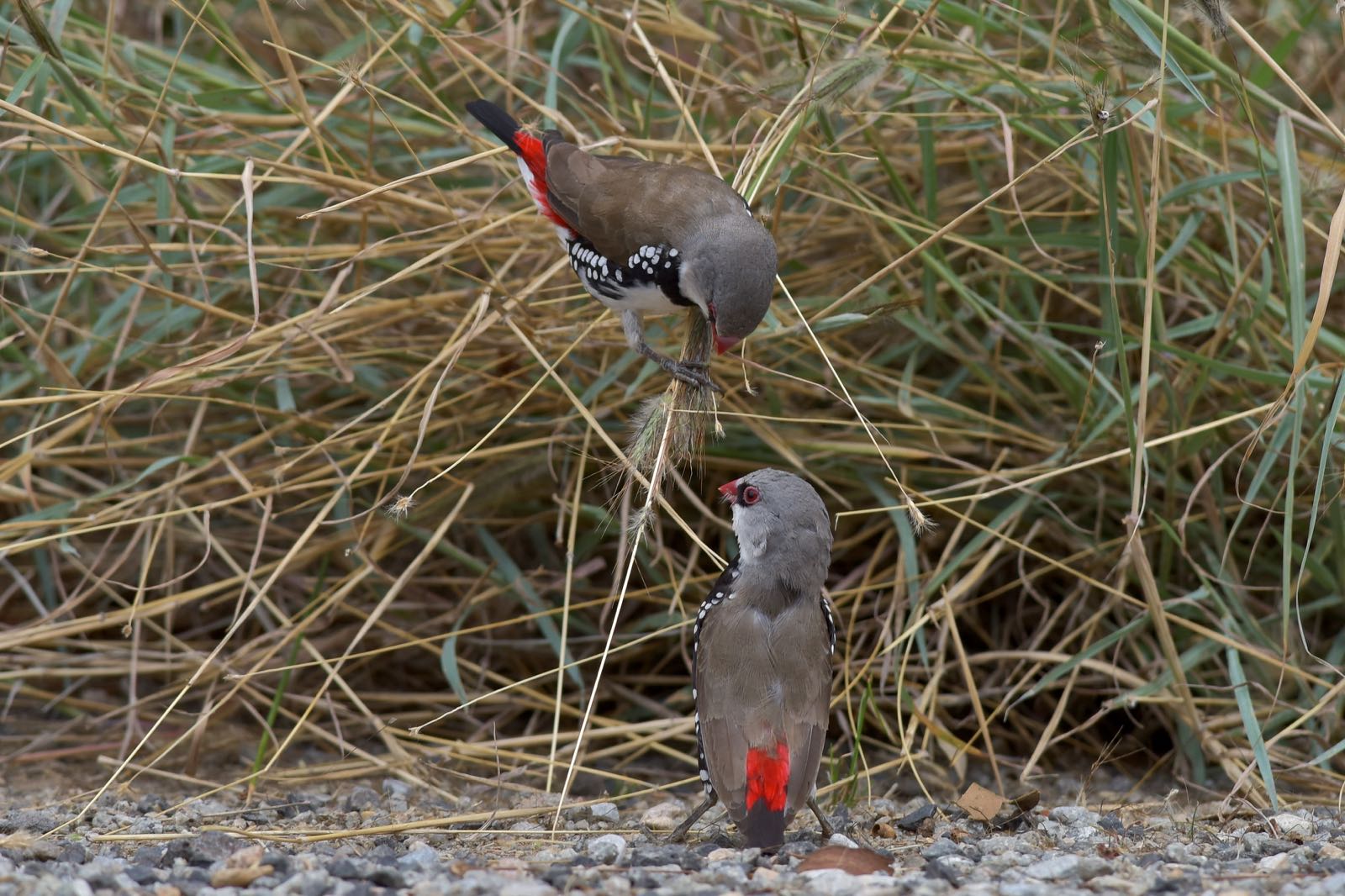
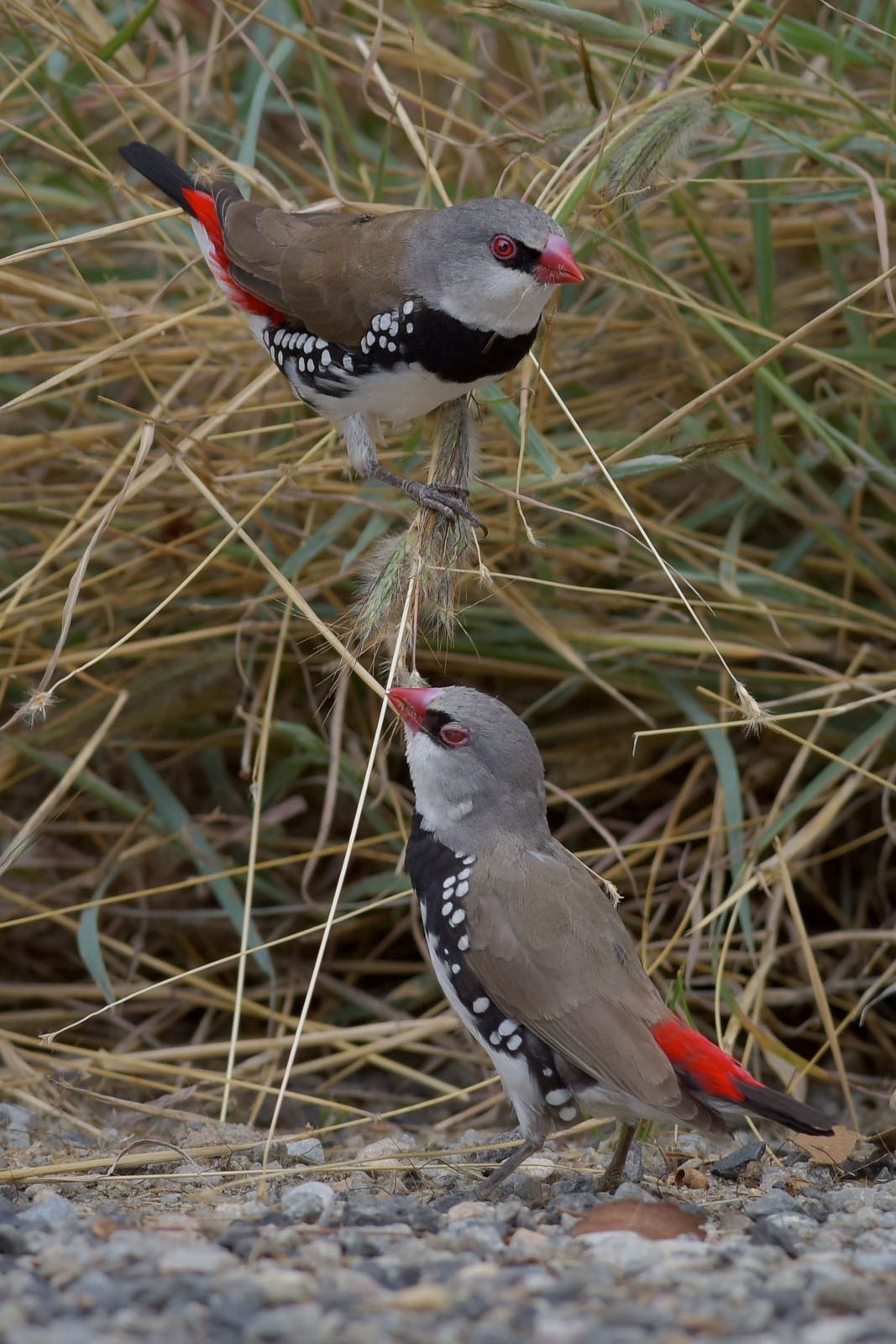
And it just so happens that the grass had been mowed that very day, and it freed up all the seed for easy access to your average seed eating bird. And what we found was a large party of hunting Diamond Firetails.
Now as it happened EE had taken the camera with her. Mr Skeptic had left his in the car. Too heavy to carry the 50 metres and besides lunch was looking the better alternative.
Now of course the dilemma run (well in my case walk quickly) back to the car, by which time said Firetails will be gone, or just sit and watch someone else gleefully photograph the birds. No much of an option is it?
So by the time I’d arrived back EE and the birds had become quite friendly, and she was up nice and close. Of course big dude with big lens stomping over the grass was only going to have one effect and that would be “No birds”. So I sat a few minutes and watched. In that time golfing dudes had trundled their little truckies along the gravel, and the birds had retreated to the trees, but in quick succession returned to feed. Ah ha! saith I.
I edged over the lawn to within about 10m of the track. Next golfing trio to pass by of course put the birds up, and I moved up the extra 5 metres from the roadside and waited…
And.
Sure enough, trundling truckie disappearing in the distance, the Firetails descended.
Only problem now what which ones to aim at.
Well, that was infact the second problem. I’d lain (laid?) on the grass thinking I would be less conspicuous, but one of the things golfing grounds maintenance staff do, is to water said grass. So here I am laying in the swamp that is the well watered said grass. Soaking it up.
Still I know about wet. You eventually get dry, so I got back to the job in hand.
Enjoy.
I certainly did.
Mr Alert. Watching an approaching golf dude.
Each time the golfing trolleys went by, the birds popped back into the safety of the trees.Much softer mottled tones
Diamond FiretailThese two worked as a double act to get the most from the seed headsThat’s what friends are for.Just in case you thought I was laying down on the job. We did locate a Speckled Warbler. Best shot so far. Sigh!
The long delay between posts here is not due to slackness necessarily, but rather to the quiet woodlands around us at the moment. (Oh, and a bit of slackness of my part!)
So skip ahead to today. The Weather man promised some delightful looking sunshine and no real wind. A clear morning both weather and diary, so we made a quick decision to go for an early morning look-see at the Treatment Plant.
For those that know the area, early morning is both a good and bad thing. As you enter the plant, you drive straight into the rising sun. Nothing to see, and hard on both driver and attitude. And we didn’t see anything, except this big yellow blob hanging in the mist on the horizon. Brilliant.
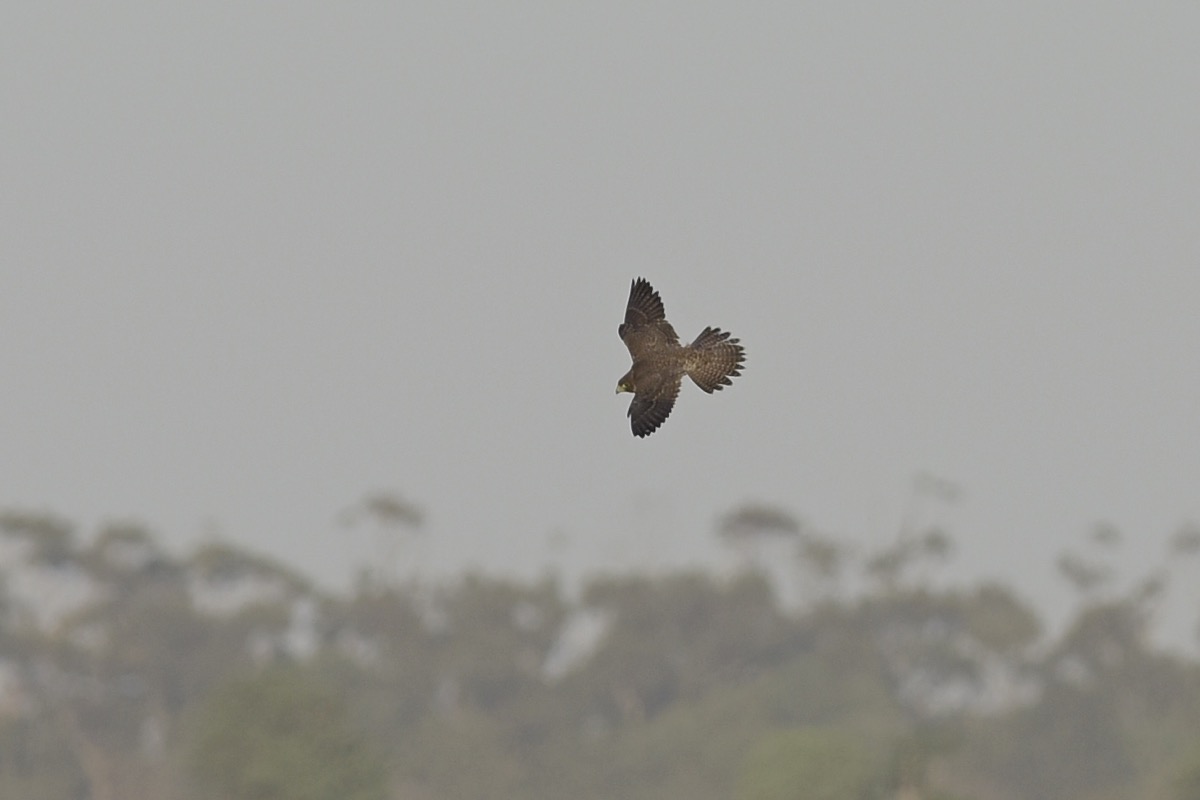
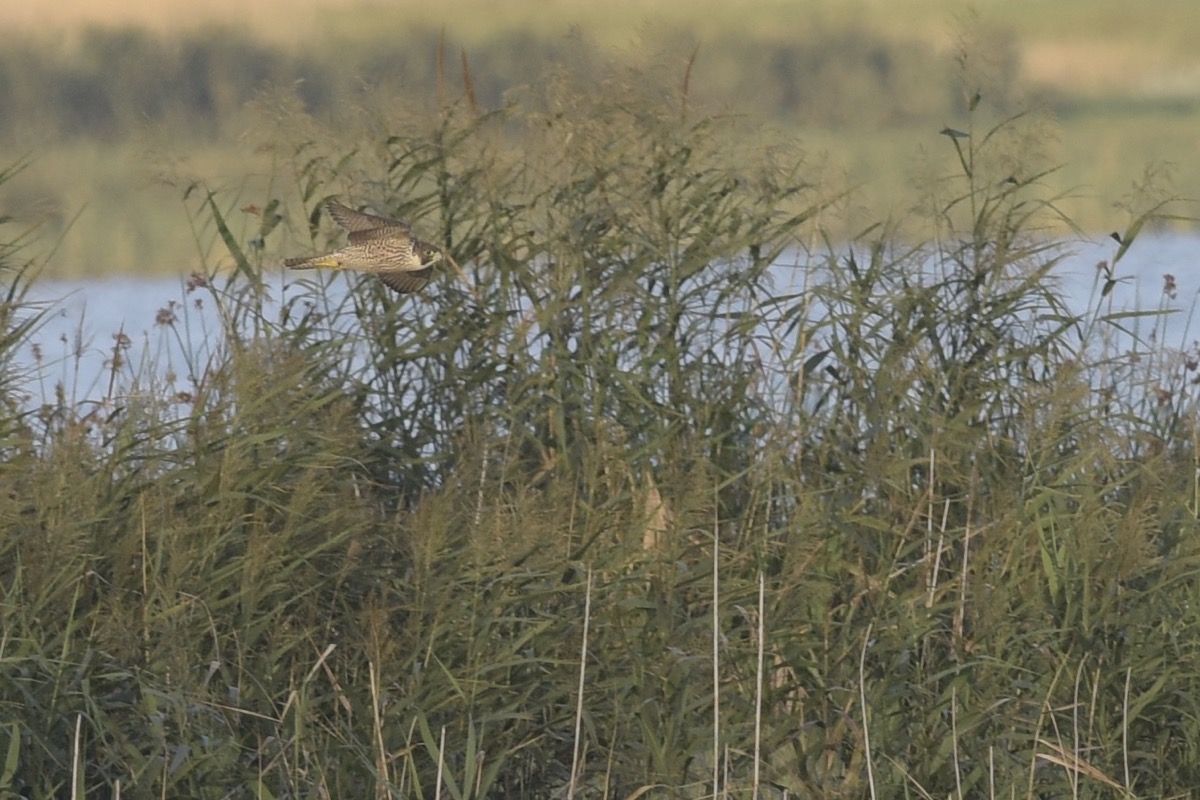
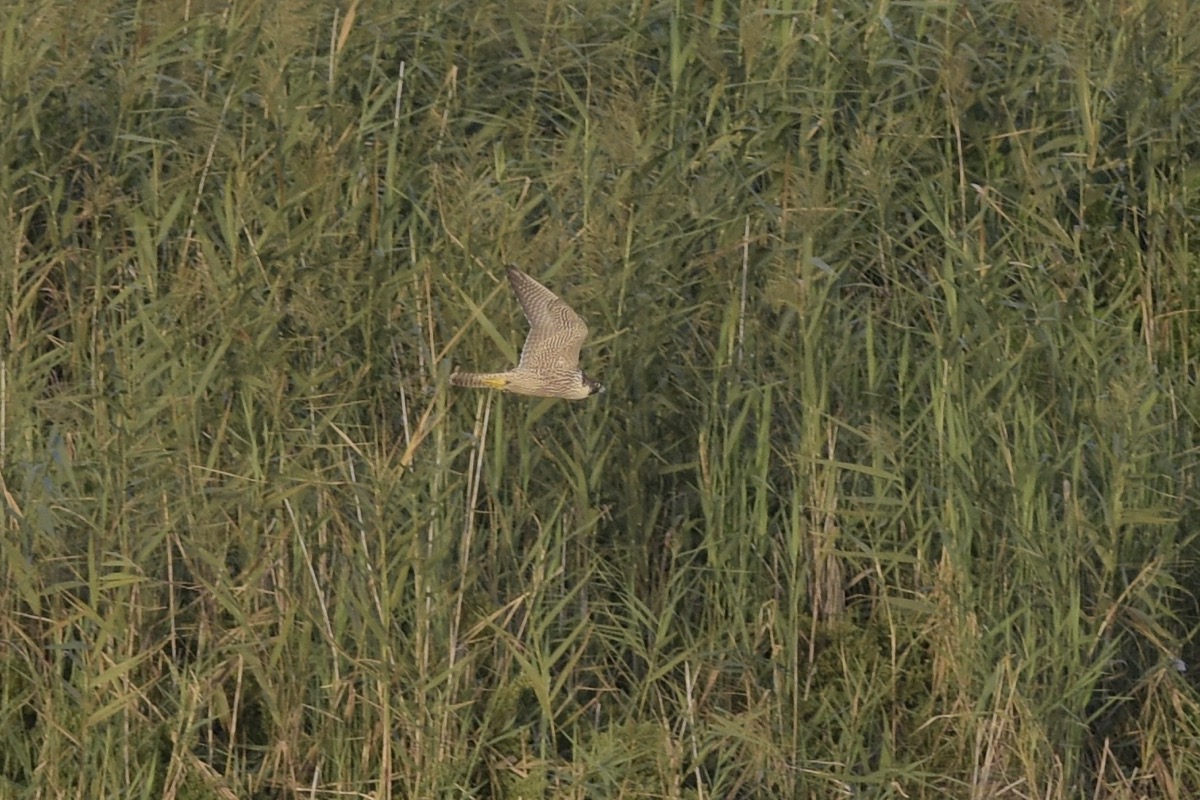
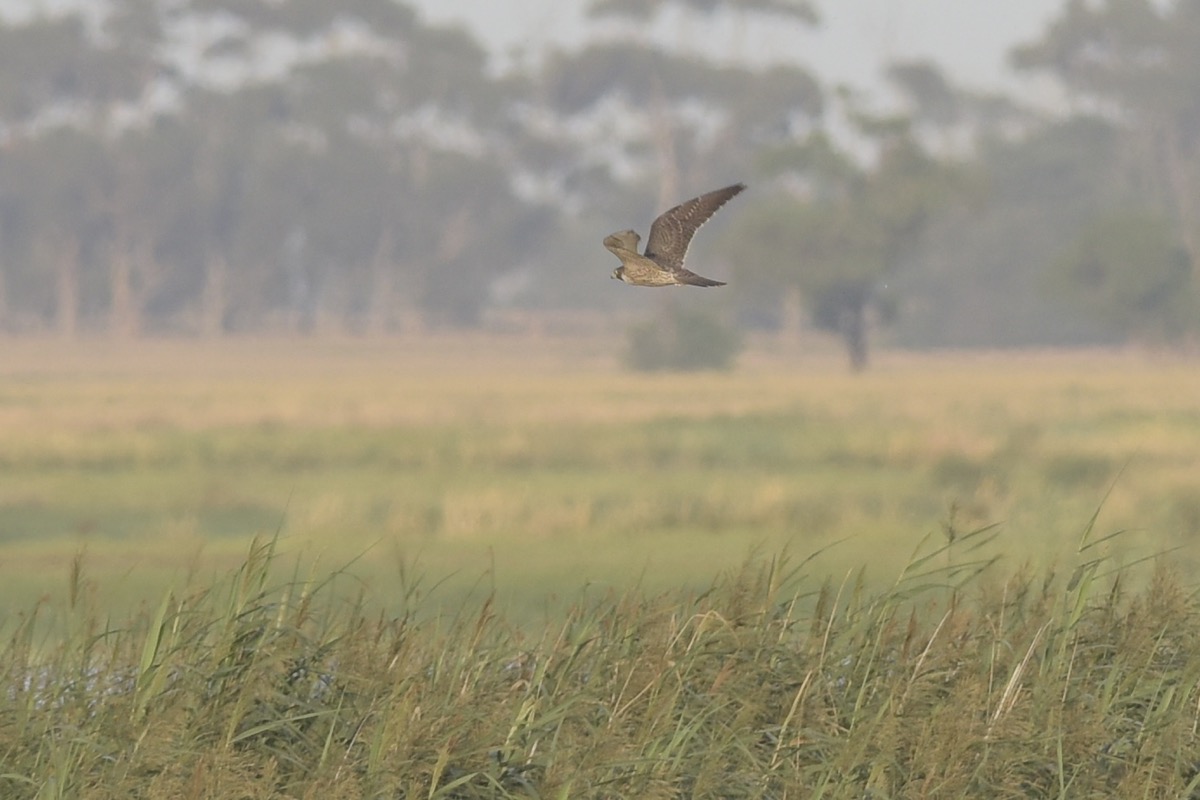
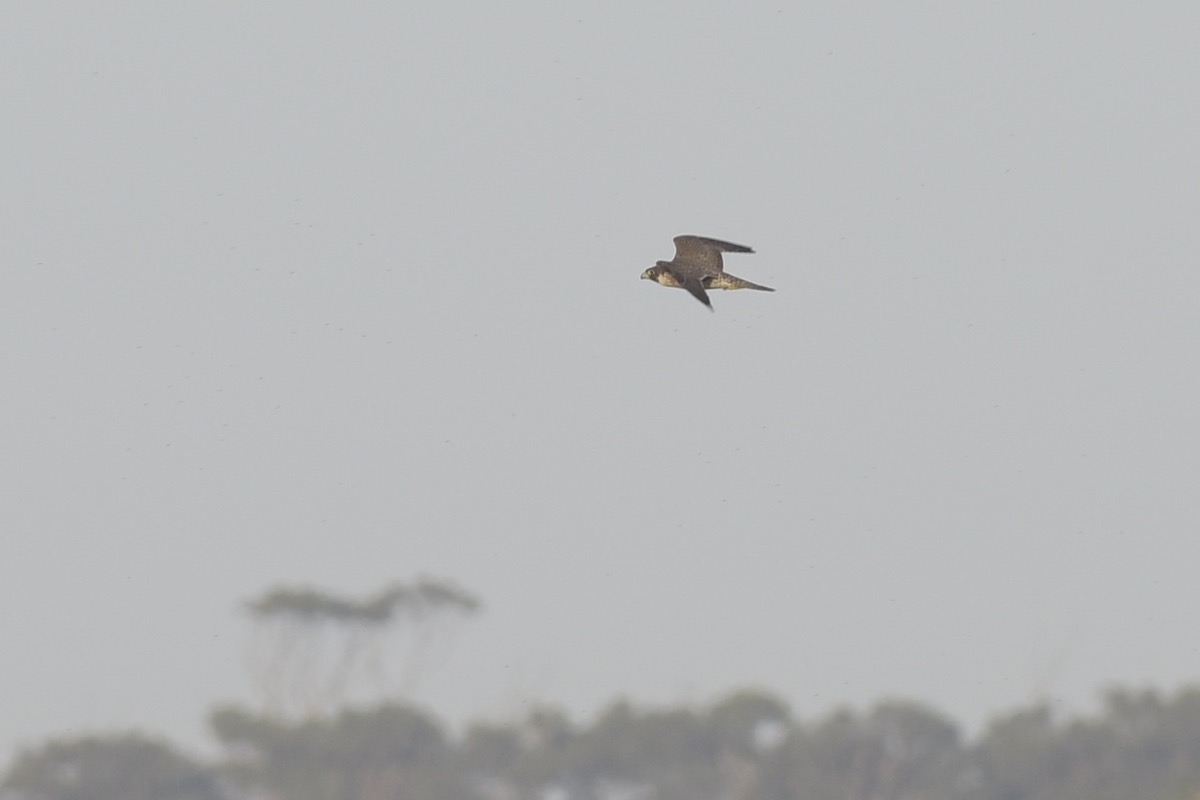
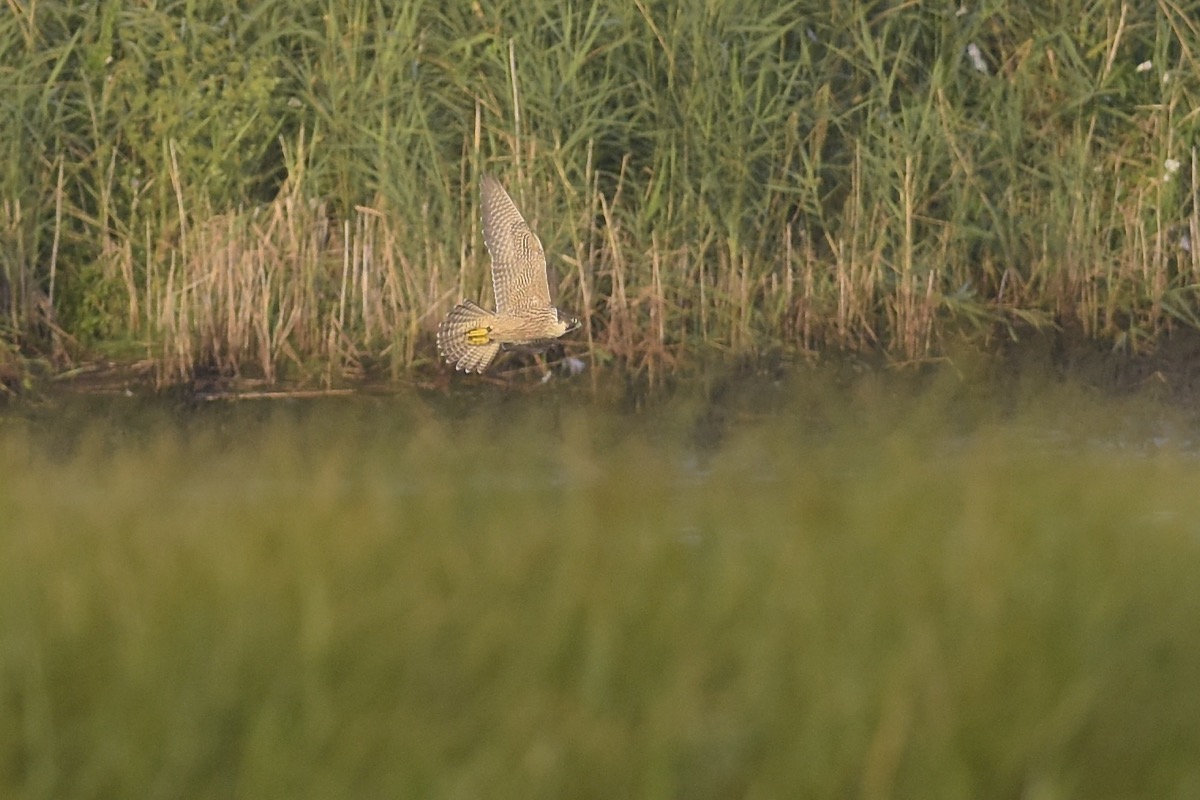
The point of all this is as we were rounding the road that skirts along the Little River, I noted a streak heading across the reed beds on the far side of the river. Only one thing it could be. An Australian Hobby. Used to be called an Australian Falcon, (a much more descriptive name). I think this is the most beautifully marked of our raptors and its falcon like thin wings with the ripple pattern is a treat to see. In flight the speed is awesome. Easy to mis read as a Peregrine I think.
Sure enough that brown streak zipped up over the reeds and I started to get focus on the bird. Using the new AF 350II Focus deal on the D810, it just ripped into spot on focus and held like a fox terrier. The 300mm AF was chattering away trying to keep up. And for the most part the focus held.
Even against the reed beds, where most of my cameras would have gone. These focus elves seem very professional.
On looking at the images, and the bird was indeed too far away for great detail, it looks like this one has ‘rings’ on each leg. So someone has marked the bird.
It made at least 5 passes through the reeds, and even though I was a long way away it was still pretty impressive to see the bird come out of the reeds, climb, stoop and then barrel through the reed beds time after time. You have to be impressed with the speed.
Rather than go on here, the images sort of speak for themselves. Nice way to spend a morning.
Inbound. The jet fighter approach.Wings tucked back for extra speedFirst run along the water line.Up and out and turnMaking a sharp banking turn for another run down the reed bedIncomingFlat outAnother turnPicking up speedSwinging in, the wing feathers are working overtimeWhatever was down there would have been in moral fear.Away we go down the reeds again.
Wow, over a month. What a lot of stuff happens that keeps you from the things you’d like to be doing.
We had a couple of weeks away back up on the family acres, mostly family things, and I have to admit to not even bothering to take a camera. And its not been much better since we returned. So there hasn’t been much to report.
I do have a backlog of a few earlier trips to slot in here, but thought we’d start with the You Yangs.
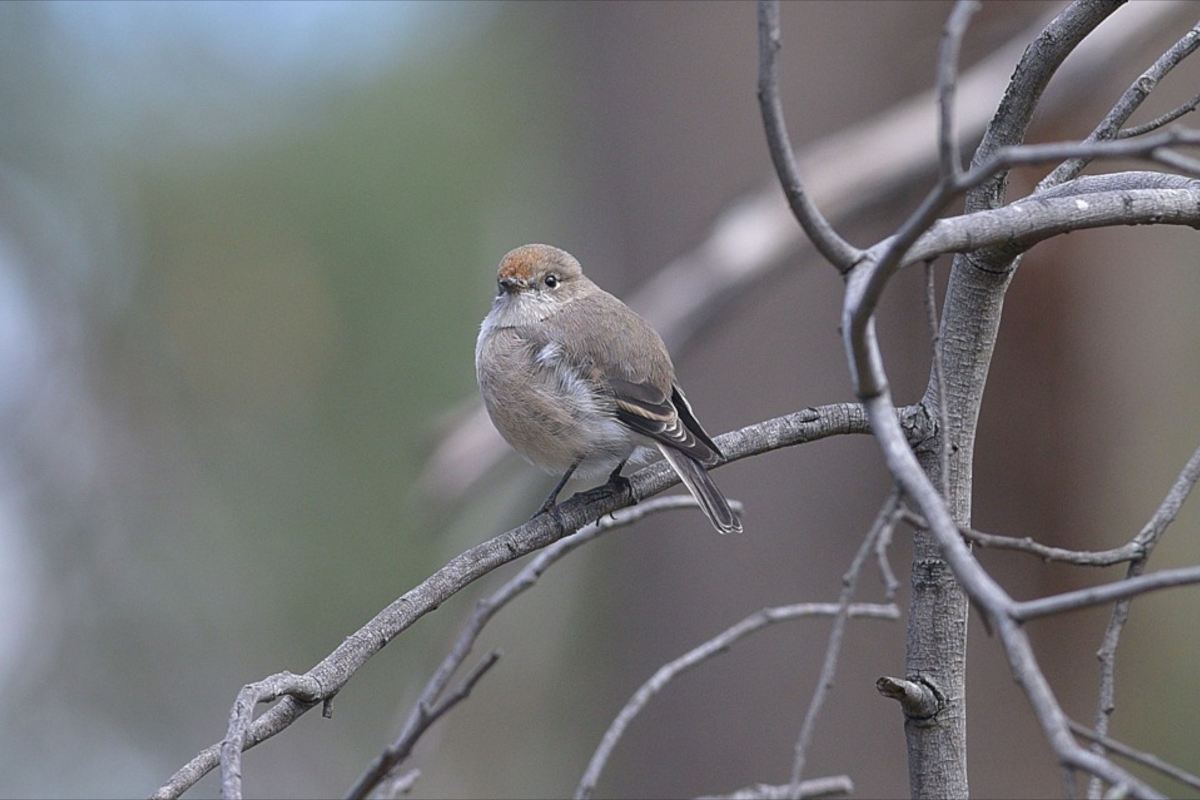
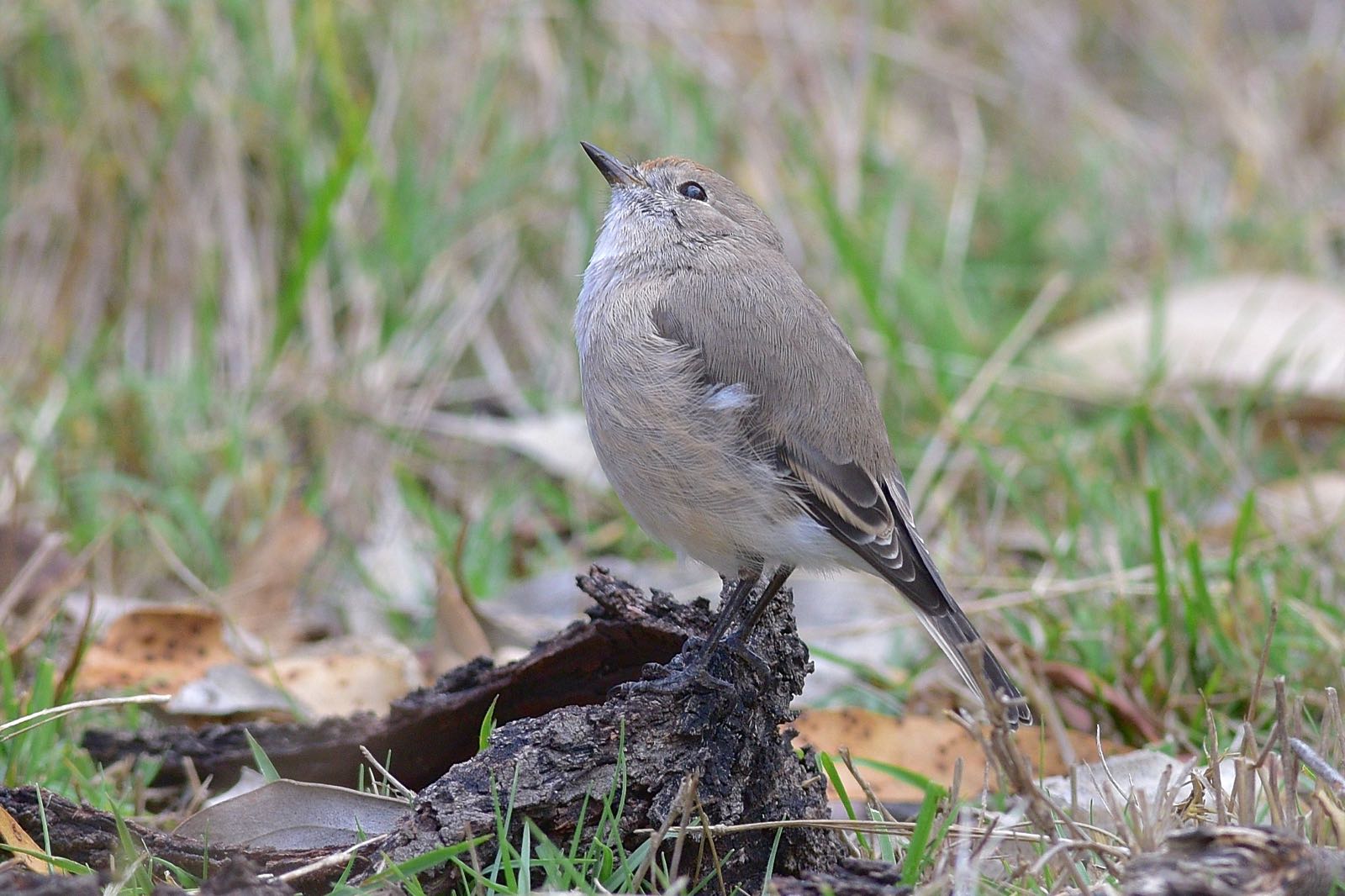
Our friend Merrilyn (see her blog here), mailed me that she’d seen a Red-capped Robin on a track in the Big Rock area. That was enough to get the gear loaded in the car.
It’s no secret to the erstwhile longtime reader that Woodlands Historic Park was our ‘second’ home. In fact my association with photographing the birds at Woodlands goes back a number of years predating this blog. As I was able to roam over quite a bit of the area, I spent a goodly amount of that time working out which birds where nesting, and where territories might be found. The local Red-capped Robin population also accepted me, and a number of them came to be on good speaking terms, and would come out to see what I was upto anytime I wandered through.
But, as we’ve moved, all that is pretty much ancient history. We’ve be able to locate a couple of areas locally, but none the rival the freedom of being a few minutes away such as Woodlands offered.
Oh, yes, the You Yangs trip.
We set out to have a look at the Red-capped Robing, and despite much searching were Not successful. He might have been travelling through, or he might have been resting in the bush just behind me. So not sighting yet. We also looked for Eastern Yellow Robins and only found a couple of pair. Not unusual, as they have most probably taken a new batch and are quietly feeding them amongst the thicker scrub in the area.
What we did find was quite a few Scarlet Robin juveniles. These lovely birds are very distinguished by their motley feather set as they moult out juvenile and take on first year feathers.
My long time reader will recall that about this time, several years back one such bird turned up at Woodlands and for a few weeks I thought S(he) was female, but within few weeks the beautiful glossy black revealed a very handsome male. So it was like meeting old friends when we came across several family groups of Scarlets. Some still unidentifiable as males or females, and some quite well advanced into first year dress. What was interesting, in the 4 major locations there were at least 4 or 6 such young. And we think that it was only a sample of the numbers of Scarlets that have been successfully hatched this season.
At Woodlands one of my all time favourite birds and a particular interest to my mate Ray, was a single female White-throated Treecreeper. For a number of years she seemed to be on her own. One season I found a male, and later a juvenile, but she went back to her single ways the following year. So it was quite a surprise to encounter a White-throated female, and see her disappear behind a tree trunk. When I looked, there was a nest in the hollow of a tree, and her one young offspring perched on the side of the opening. Just like meeting an old friend.
At a large tree near the Ranger’s Office, there is usually one or two Tawny Frogmouth, but they’d been absent for quite awhile. But we went to look anyway.
And
They were back, along with at least one young one. Again at Woodlands there are a resident pair near the carpark, so again it was like meeting old friends.
Here are some shots from the day.
Somehwhere in there is a male Scarlet Robin, just waiting to get out.White-throated TreecreeperWhite-throated Treecreeper.Lovely to see these birds are back in residence.Big wing stretch for a young birdJacky Winter on a pose. This is my Eynesbury friend, but thought it fitted here too.
Been a tad busy with the occasional family thing and a couple of other events and have kind of gotten all out of time sync.
We’ve followed up on the Jacky Winter family a couple of times, and as it happens the two young are well fledged and now after about 2 weeks on the wing quite expert at getting about. But not feeding on their own yet.
As we are going back up to the family acres (pun in there somewhere), for the next week, we headed out this morning to see how the young were doing.
And as we had plenty of time, I was able to sit back and learn some of the ways of Jacky.
Mum has one chick on oneside of the road, and Dad has the other chick across the road. Both are quite capable on the wing, and can easily fly along with the parent.
Still, the trick is to leave them in the scrub and feed them. First thing I learned is that they are keeping them low on the bushes, so they can see what hunting is all about, and are being actively encouraged to drop on to the ground and search about, even if they haven’t quite figured out what to look for.
The next thing I learned is that the young are quite adept already at the Jacky Winter hover and when trying to land on a branch can hover up to it with ease.
Once they have been fed the adult sits with them for quite a number of seconds, perhaps as re-assureance, or maybe to check that the spot is still safe to hide
I also learned that the lovely dusky grey and white colours of the parent is an ideal match with the surrounding scrub, and several times I missed the bird as it was motionless and matched the colours of the trees. Not until the famous Tail-wag showed the white tail feathers was I able to locate them.
Another Jacky trick is that of, with food to offer, flying right past the juvenile, (who remains silent), and then going out 50-70 metres before making a dramatic U turn and flying back through the scrub, making more U turns as it goes. Then quickly negotiating the upper leaves or the lower scrub depending on where the little dude is located. Makes it pretty hard for the average predator to find either parent or young.
I also discovered that there are certain perches that are used again and again for hunting. One particular one near where I was watching was in the Y of a branch, and Jacky simply disappeared when on that one.
I got two rapid flybys, and then after that quick a few slower flybys at about 1-2 m. So I think I was considered benign.
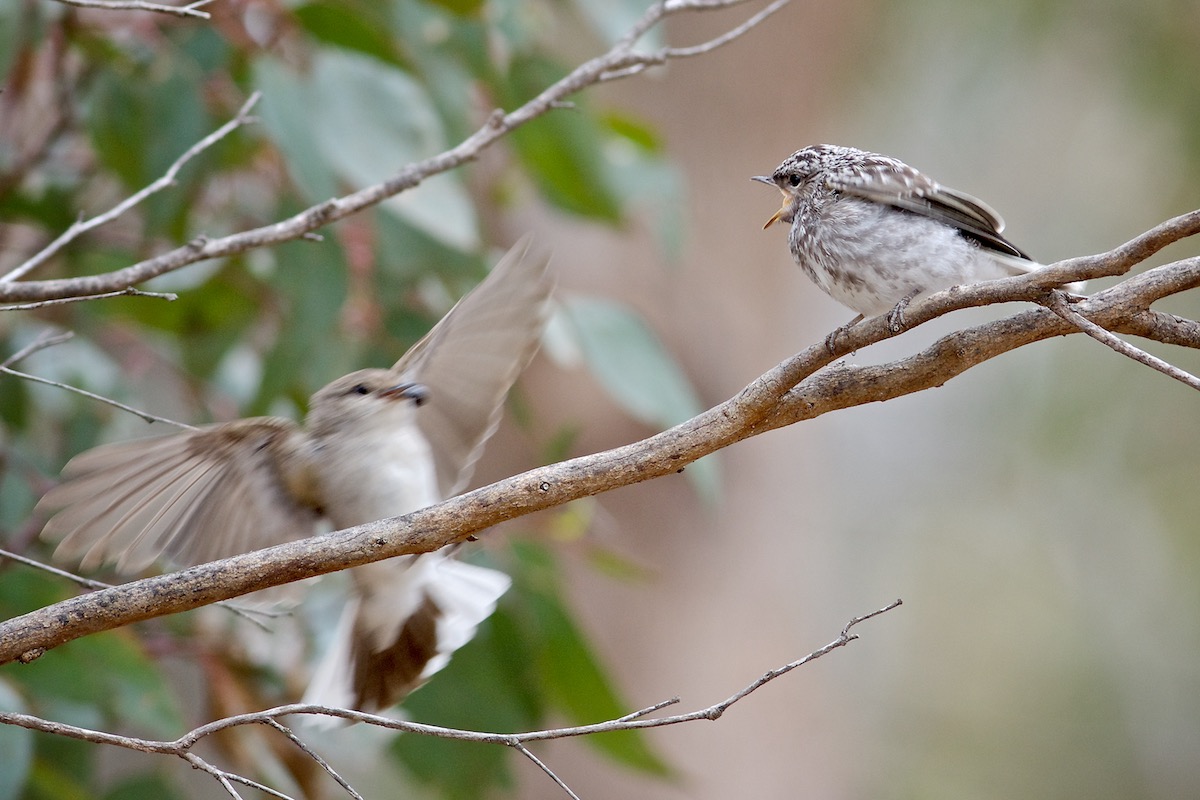
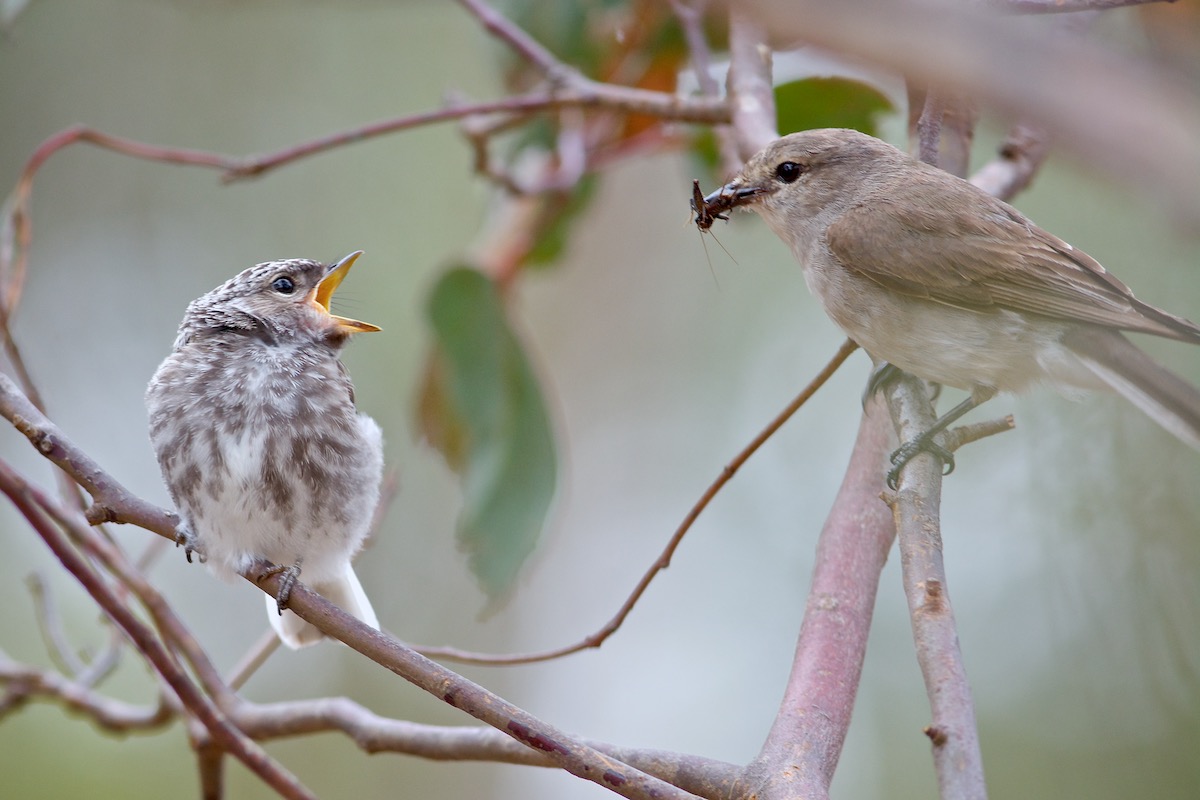
It was a cold morning and the little birds were fluffed up to keep warm, and that made them look larger when the Parent sat alongside. I’m pretty impressed with the concern shown to the young one, and Mum is quite happy to sit with it, and exchange some ‘peeps’ and ‘cheeps’ to reassure it. Quite charming, but then Jacky is a very charming bird.
Here are some from the last couple of visits.
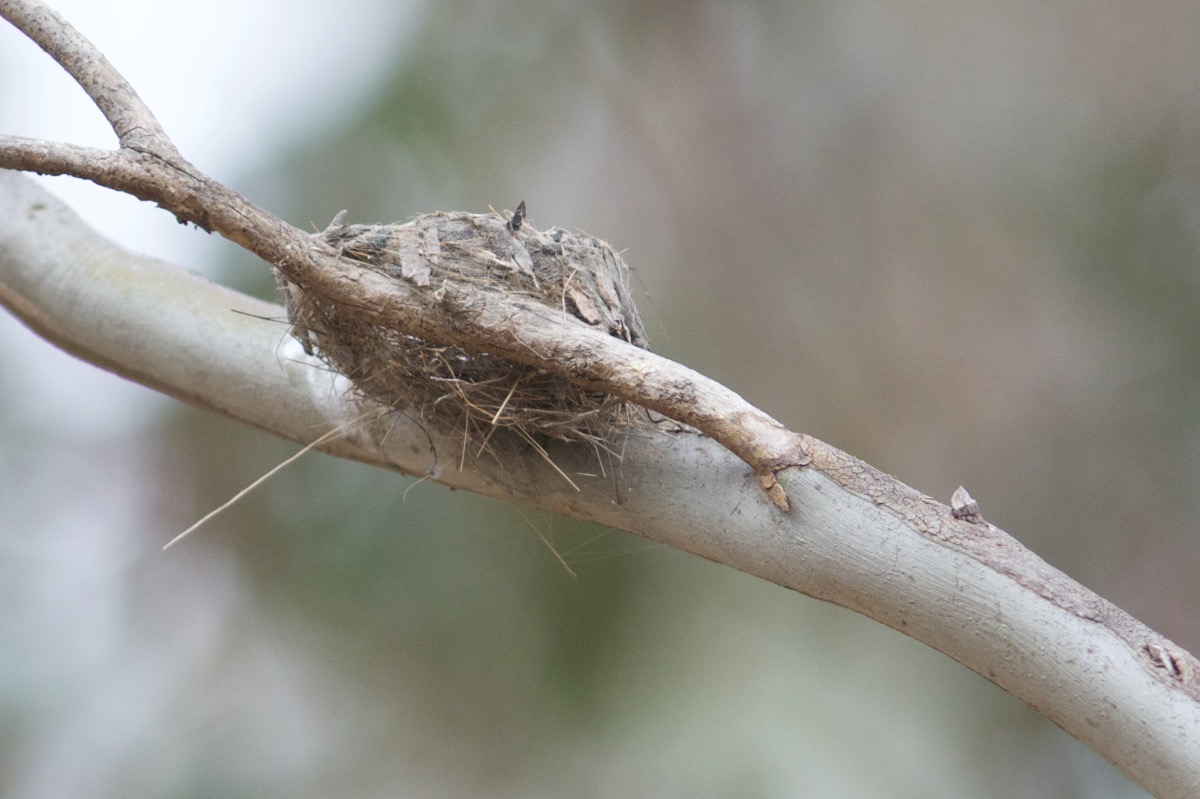
The empty nestJust out of the nest and food arrives. Good deal this.Jacky on a typical poseFood pass part one.Food pass completeHere comes breakfastThe young also are working on the ground.Ah, more foodThis one is stretching up to watch a jogger in a red shirt run by. Something new to look at.Here’s why they can be hard to see, prefect colour harmony.The parent spends quite a bit of time just sitting with the young one.All fluffed up in the cold
WordPress impress me by sending out stats at the end of the year. Not sure why, but anyway here is where we all went together this year.
My hope is that 2015 will bring the most amazing images to your lens, and take the time to share them with us over on Flickr.
Have a goodun.
The WordPress.com stats helper monkeys prepared a 2014 annual report for this blog.
Here’s an excerpt:
The concert hall at the Sydney Opera House holds 2,700 people. This blog was viewed about 11,000 times in 2014. If it were a concert at Sydney Opera House, it would take about 4 sold-out performances for that many people to see it.
We shared the first meeting with a Jacky Winter and her nest and two lovely nestlings.
As we are about to be away for a couple of weeks it seemed that now was the only time we’d have the chance to see how the Jackys were getting on.
The weather man was a bit ambiguous and we took a very early morning trip out hoping to get a little good weather, and that’s what we got a little.
We soon located the Jacky nest and her two precious little ones and they had grown considerably.
She was elegant enough to let us spend a few minutes with them and feed them as we stood by. The little ones are quite well developed and would move about the ‘nest’ doing wing stretches and preening.
One the way back I heard a Speckled Warbler, and sad to say , hearing is one thing seeing another, but getting a good photo, something else again.
Enjoy.
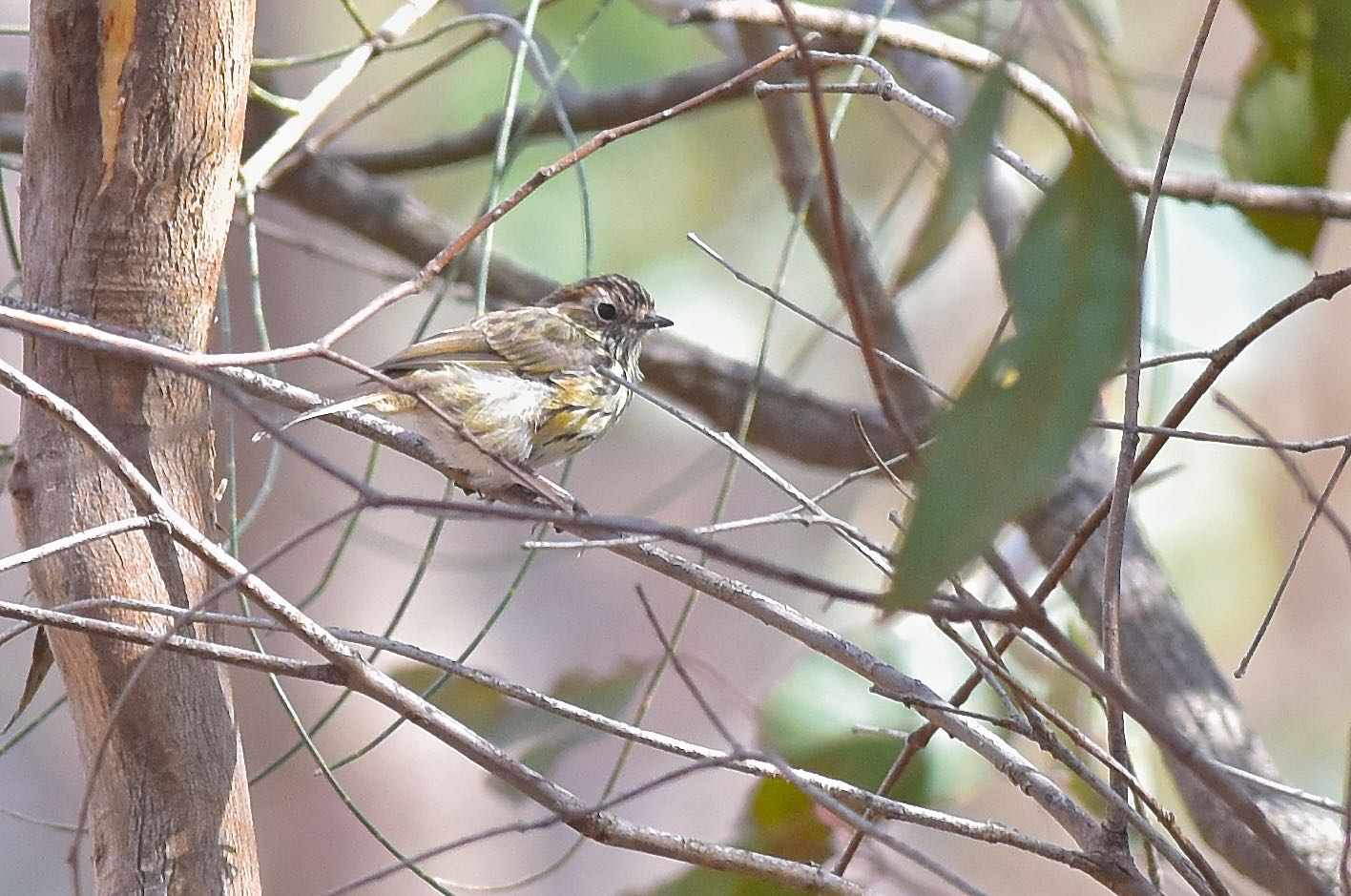
Mum speeds in with another mealMum had plenty of food for the little onesMore food.A big wing stretch in between feed.Open Wide.RIght, who ordered the big grasshopper? Me, me.Those little wings that will work so hard for a life time are just beginning to develop.Rules of the nest. If your are going to do a wing practice flight, don’t whack your brother in the face.Well able to move about they show how small the nest really is.That Speckled Warbler.
We’ve had a whole range of really average weather of late, and both EE and I were getting a bit tired of being unable to get out for a really good look about. Much changes in a fortnight.
We decided on an early trip to Eynesbury, mainly because of Speckled Warbler. These tiny little songsters are proving to be incredibly illusive for us. We’ve heard them in several places, but have little to show other than a glimpse of a bird flying off into the distance.
Weatherzone showed some pretty nice icons indicating its should be clear from sunup till at least midday, so setting the alarm clock, we were ready for an early start. As we drove up toward Eynesbury, it was obvious the weather was not going to match the icons and it was very overcast. And with no wind, it was pretty much going to stay that way. Still we crossed the road entered the forest and began our search. And within about 10mins had heard the cheery cry of the Warbler, but so far away and no pictures.
The other bird of interest is the Diamond Firetail, and while we got some good views no really great photos.
By late morning the sun had poked through, the Little Eagles were playing the strengthening breezes and a pair of Brown Falcons were playing chase across the treetops.
We took a walk up past the old shearing shed area and then down the track toward the golf course dam.
“There is always a pair of Jacky Winter on this corner, ” I assured EE, but she responded “I would have thought the name ‘Winter’ might have been a clue.”
And then to both our collective surprises a Jacky flew down grabbed a bug and sat in a tree with its usual tail wag.
The Jacky winter is a fine mixture of part Robin, part Flycatcher (they used to be called the Lesser Fascinating Flycatcher), part Fantail, and a touch of Woodswallow. Well it seems like that to me.
They are also among my favourite birds. Their simple colours make a great photo harmony, their clear sounding calls are a delight and they can be very easy to work with, almost completely ignoring the inquisitive human being. On average. I’ve also met a few that are extraordinarily skittish, and I’ve never had much success.
This corner pair fall somewhere in between. We’ve had some lovely interaction and complete disdain on other occasions.
I followed this one across the roadway, and propped against a tree, hoping, she/he? they are impossible to tell apart, would come on back and at least hunt in the area. It immediately headed back across the road, into a tree, and I caught a glimpse of it on a limb with a lot of wing fluttering. Perhaps its going to be fed, thought I, so I wandered slowly in that direction, but by then the bird had moved on. However there was a bump in the branch, and at first I thought it might have been the other of the pair.
Then it dawned on me. “It’s a young one that is waiting to be fed”. But…
When I put the glass on it, what I discovered was a Jacky Winter nest. Now, I’ve seen some pretty tiny Red-capped Robin nests and the nest of a Grey Fantail, but this was even tinier, and not at all well built. The two young were already overcrowding the nest. And the one thing they seemed to be able to do was to crouch down, and hang on. So at a quick glance it didn’t look like either a nest nor any young birds. Very clever.
But it is tiny.
After a few minutes the first of the adults and then the other came in and poked food into the open mouths, and there was no sound from the young and apart from putting their head up, no real movement either. Very clever.
I concluded from the size that they were about a week from fledging, so perhaps another trip will be needed to see the young birds in action.
Only spent enough time to get a few shots, like to leave them to themselves unless I’m invited to stay, and there wasn’t time for introductions.
On the way back to where we’d left our gear, I heard the Warbler and managed a few shots of it. One of them in the clear. What I didn’t expect was to be harassed by 3 or 4 very agitated Superb Fairy Wren males and several females. The males getting up very close indeed to try and attract my attention and then I noticed why. They had recently fledged 3 or 4 young birds and were trying to protect them. I managed a couple of quick shots of the young with their very short tails.
Enjoy
Jacky Winter on a hunting trip. My first sight of the bird.What’s this. A nest? Two young nestlings snuggled down in the ‘nest’Proud Mum(?) comes to check on her brood.Lots of food needed for them to growShe watched over them for quite awhile after each feed.Open wide and I’ll pop it in.Thanks MumSpeckled Warbler.Recently fledged Superb Fairy Wrens. Look at the tiny tails.One of a number of “helper’ males, who where not at all pleased with my presence near the fledglings.
Lindsay (to his Ozzie Mates), dropped me a note on his scheduled visit and I found a day that looked suitable. Not that we had many options.
So as the Banjo said. We went.
The weather map showed no cloud at all when I checked, but when we got to the Pt Wilson Road it was pretty certain the map was wrong. So we suffered the usual grey sky pics. And kept our eyes up for an elusive Sea-eagle.
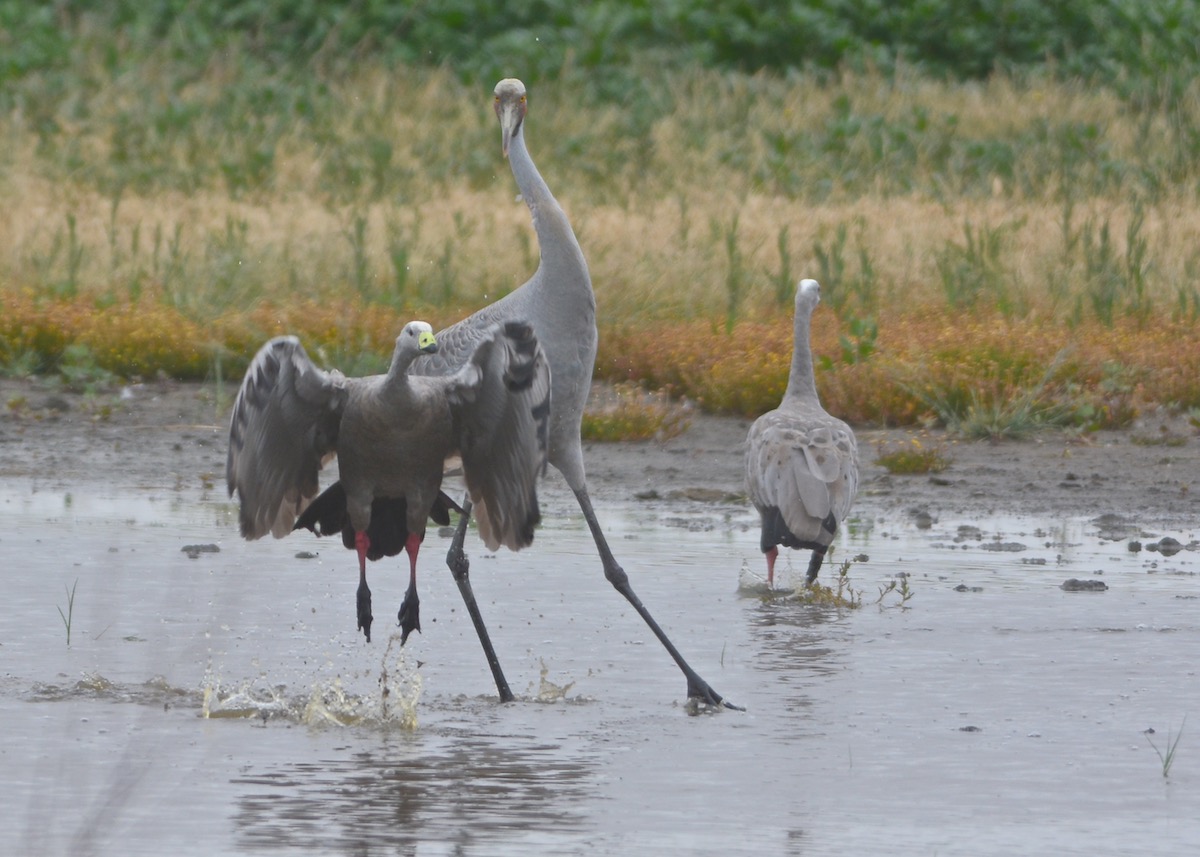
Lindsay had about 4 birds that he really wanted and we managed to add Brolga. A pair were sitting in the grass on the far side of a pond, and at first everyone jumped to conclusions “She’s nesting!” but change the ‘n’ to an ‘r’ and you’d be much more likely to be right. So it was. When we swung by on the return journey, they both had moved quite a long way down the bund.
And then we saw them have an altercation with a handful of Cape Barren Geese, and the geese didn’t bother to stick around and argue.
At the moment the Whiskered Terns are hunting prodigiously and obviously productively. So we spent quite a little time working at really close distances with them as they swept along the mouth of the Little River.
And to top it off in the distance a Sea-eagle took off. Too far.
I was using the 300mm f/4 lens and was surprised to remember how fast it was at grabbing focus. I must remember to put it back on the D2Xs and it will really sing.
The sun came out and we had a really fine afternoon and some good results. On the way back we stopped for the ‘traditional’ coffee and Banana Cake at the Highway Lounge, and then as we were near swung into the Werribee River Park, but it was pretty quiet. But on the way out three of the young Kestrels were hunting in the evening sunshine. Lindsay was hanging out the window trying for that ‘best’ shot. The bird obliged by dropping off the post on to the road, but I think the af on the D7000 might have found the roadside more attractive. At least that’s how I interpreted his response.
Here’s a days sample See Lindsay’s Page sometime soon for his version.
We dropped him at the railway station after a day of much mirth and frivolity and some great birding and excellent photo opportunities. Seeya next time mate.
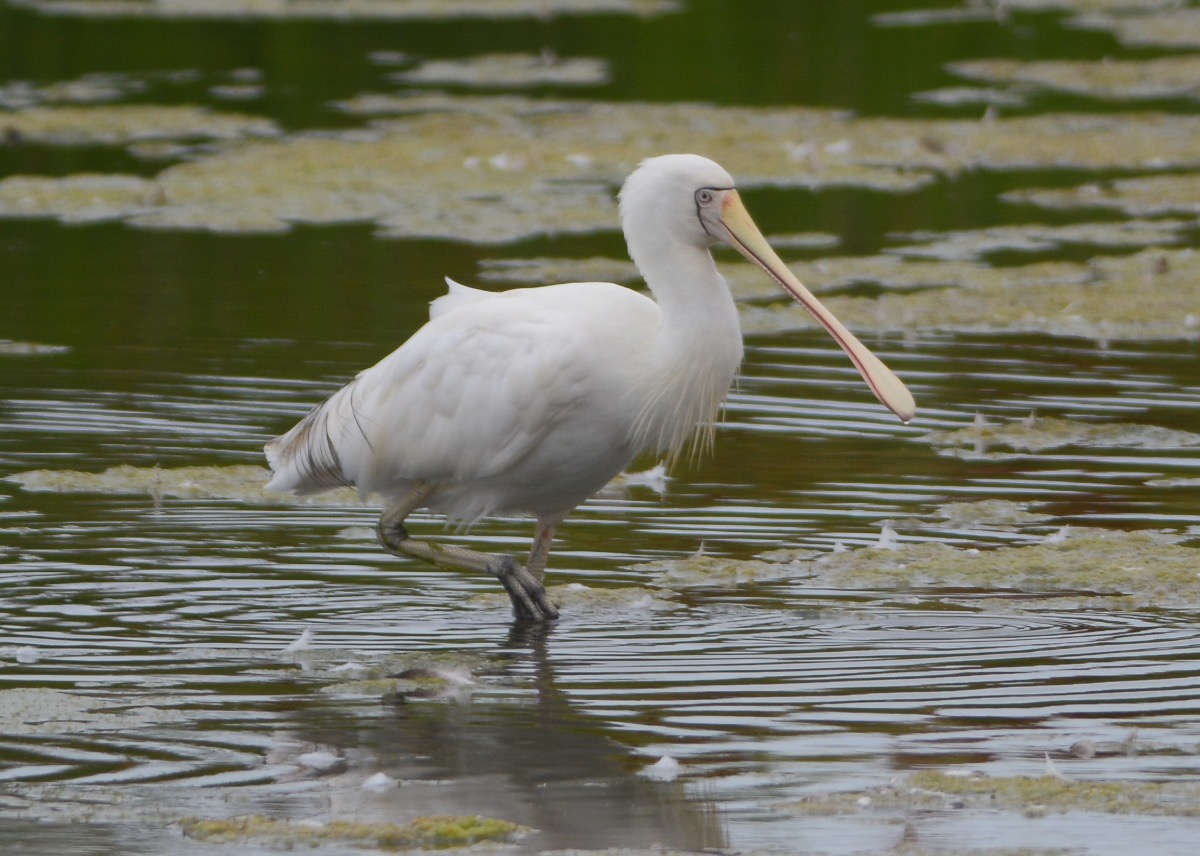
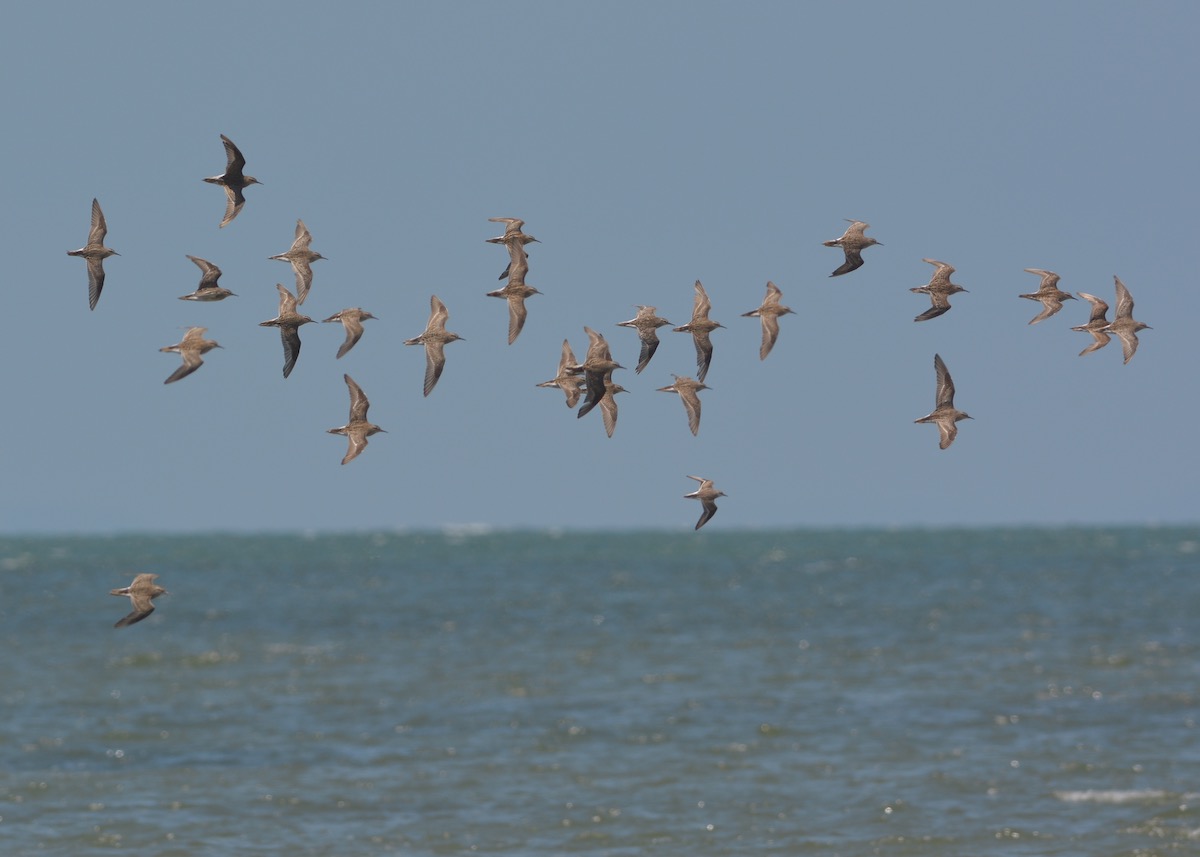
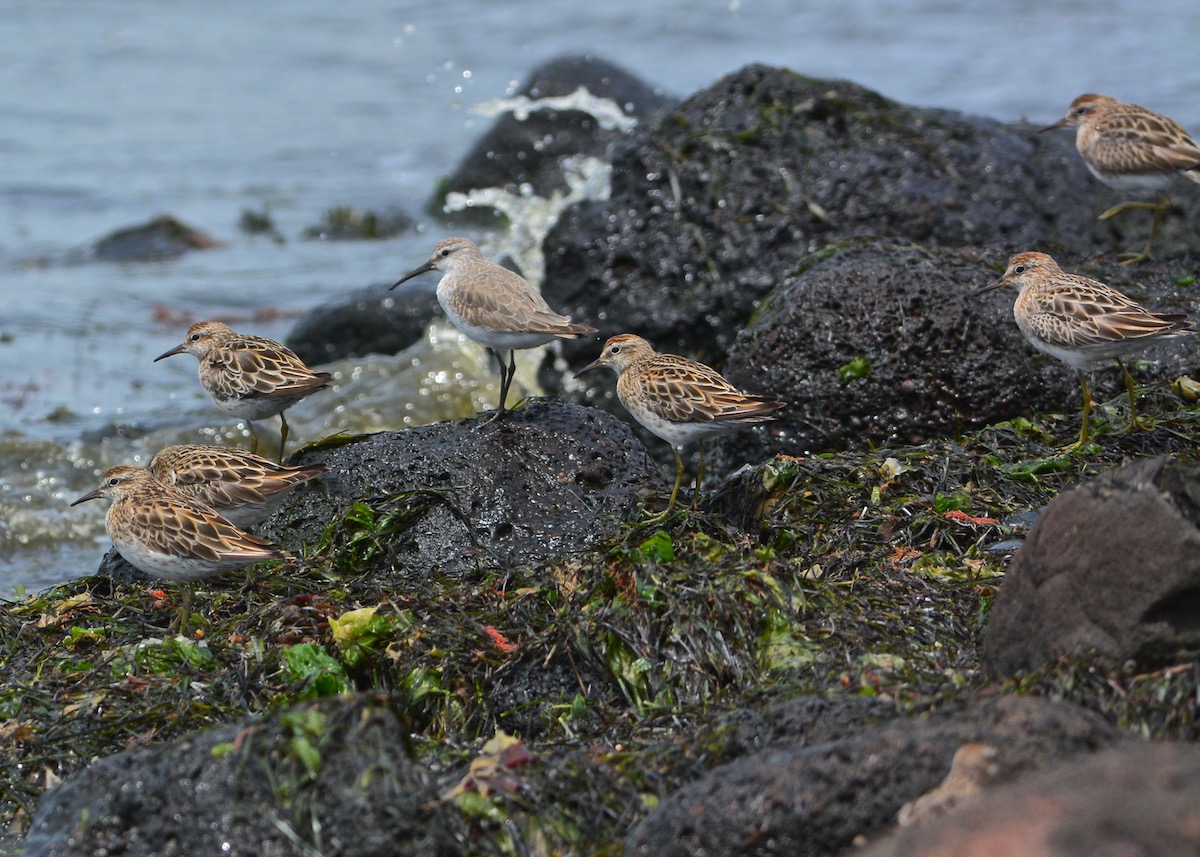
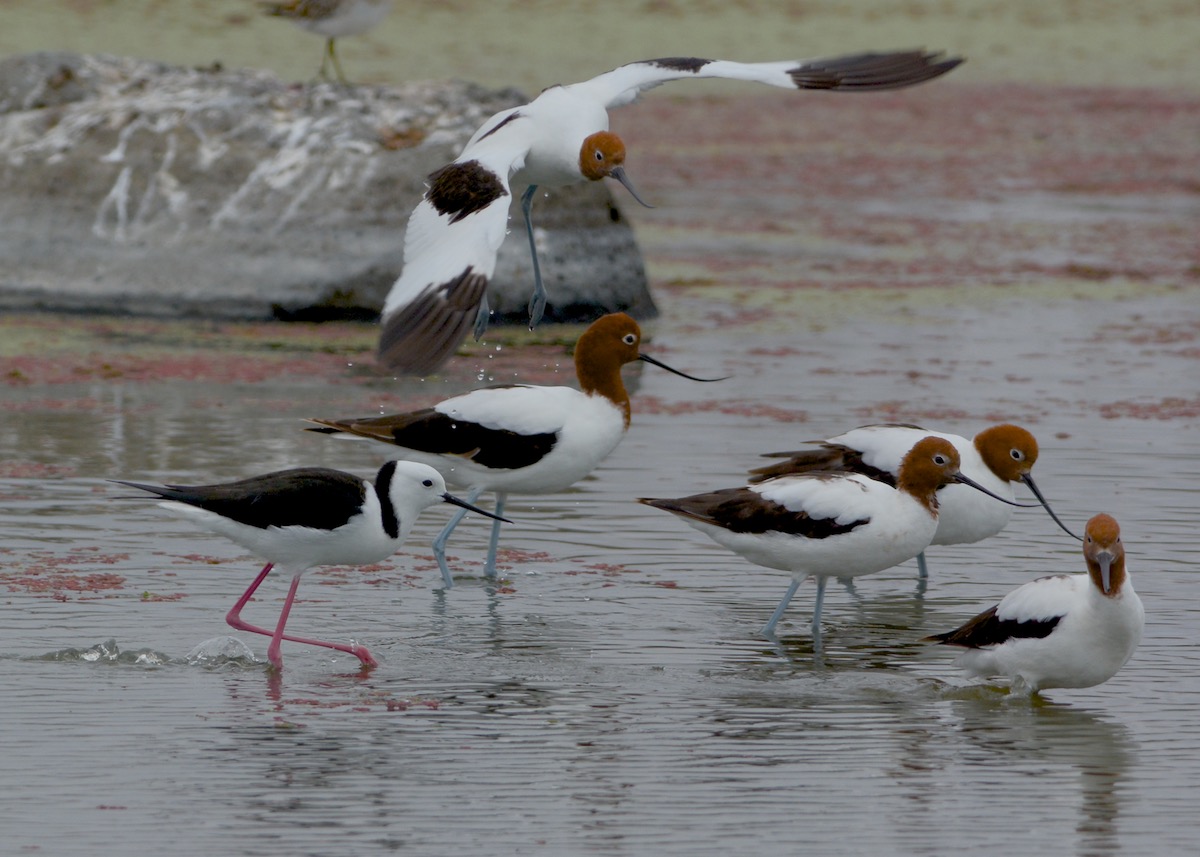
“Is she nesting?” No, afraid not.You don’t mess with the big guy. For some reason the Geese were not welcome in his pondReally soft light helped the Spoonbill shots.Whiskered Tern at touch downLittle wings that have flown so farThe tide was a bit slow turning and these birds were anxiously waiting for the mudflats to be exposed.A Wagtail sees of a Brown FalconPied Oystercatcher on final approachAlways enjoy the flight control of the Silver Gull.Its not obvious, but the Black winged Stilt is moving the Red-necked Avocet along. No room in this pool.The master at work.
Took a bit of a look at the date on the last missive here and its been a while. A long while. Could regale you with stories about this and that getting in the way, but reality is I’ve just been putting it off, and lots of good activities have become lost in the mists of time, (well at least 6 weeks anyway).
One reason has been the weather. It has been drifting from unkind to downright ugly as any of my Flickr shots will show.
Sat by the tv last night watching the weather icons, (no not the presenter@!!!!), and thought, if that wind stays and the cloud moves across bet that the morrow will be a lovely clear morning till about midday. What do you reckon, a trip to Enynesbury? I asked. EE responded, not until I see what the weather is like in the morning. Fair enough.
In the meantime I packed all the gear and waited till the blue sky showed through the window. We were going!
One of the reasons to journey out there is the Diamond Firetail and the impossible “Speckled Warbler”.
As it turns out, we saw both, and photographed badly the Warbler, but it was enough to enthuse us for another run.
Rather than ramble on about walking in a grey box forest, and seeing Little Eagles with a rabbit, and all the other things that I never got the camera on, here are a few we did see.
When I first spotted this I was all excited I thought it might be a Rufous Fantail, but no, its a juvenile Grey.Not only does he make the most magnificent tune, he looks a treat preening. Rufous Whistler, male.Yes we did see the elusive Speckled Warbler, actually saw a pair. But….
I may be tiny, but one day I’ll grow up to be a real Wagtail.The most delightful of birds, a Jacky Winter who hunted around our sit spot.Eynesbury may well be the world’s hub for Brown TreecreepersShowing off those long Treecreeping clawsAlways a treat in the early morning sunshine. The red eye is the mark of a female.This Buff-rumped Thornbill crept through the undergrowth just to see what I was about.
It’s no surprise to my (suffering?) long term reader that just on 12 months ago we relocated to the western side of Melbourne. It’s also no surprise that if you look back over the achives for this site, that the majority of my ramblings and my photos have tried to detail my amberlings through the wonderful Grey Box forest that is a legacy for Woodlands Historic Park.
This small section of forest, close to the airport, and close to home, was for many years my ‘backyard’. The range and quantity of Robins that worked the park and their actions and territories became pretty much my daily activity. The coming and goings of the migrant birds over winter was a never ending source of pleasure and expectation. As I had the time to work in the area, the birds began to give me, I think, some leeway in approaching them, and several pairs of birds became so graceful as to actually come along and visit with me when I turned up in their area. It sounds strange to relate, but there is something pretty humbling to have a small female Red-capped Robin, dance around the branches near where I was sitting and then drop on to the ground and feed around my feet. Her male would sit on a perch within arms reach and chatter away to me about all sorts of Robin things.
Then off course there was the Australian Kestrel family that gave me two great seasons, the Eastern Yellow Robins, who took EE on as a close personal friend, and their young, before they departed.
How it all comes about is one of constant wonder to me. I like the work of Jon Young he of “What the Robin Knows” fame, and his work as a tracker and a bird language trainer (seems a funny word in that sentence)
I’ve quoted from him often both here an on Flickr, not because he is some guru, but because what he sees, and what he explains is by and large what I’ve been able to experience in the few paddocks and tree covered ridges at Woodlands. People often want to know when I announce “Oh, I photograph birds”, about all the exotic places I’ve visited to track down some special bird. The surprise is, I haven’t. Most of the work is a daily practical, patient working away with the small entertaining birds in my ‘backyard’.
Here’s Jon ” If we’re in bird language mode, however, we’re moving with a whole different frame of mind and venturing into another’s realm with awareness and intention and curiosity. We don’t have ‘hunting’ (-insert birding/photography-) intentions. We have diffuse awareness, curiosity, perception and questions. We’re walking carefully, slowly, stopping and looking. Not sneaking as that fools nobody out here. Looking at every bird, sound, and movement as an individual. ”
It’s why in this blog you’ll have noticed that most of the birds get names. It’s not an anthropomorphical hangup, “its because the individual birds are not just scientific names, but creatures like you and me,” to quote Jon again.
So some say, “Oh, you are a bird whisperer”. No!
But I do listen to the whispers of birds. Their songs, alarms and companion calls -very closely. Jon says, “Add up all the accumulated experience and knowledge and input and you end up with a gut feeling of uncanny accuracy”
But as I’ve indicated above it all takes time.
We thought we’d continue to travel the hour or so to Woodlands on a regular basis and stay in touch. What we found was it was just too much. Too much time travelling there and back, too much time catching up, to have time to learn new stuff and just not having the right day/weather/season combination to keep up the conversations. So we have become tourists in our ‘backyard’.
We’ve also of late taken to working in the Werribee River Park, “The Office”. This is primarily a stand of River Red Gums along a short length of the Werribee River as it passes by the Werribee Mansion Precinct.
At first it was mostly because the larger raptors worked the paddocks and fields nearby and were worthy photo subjects. But not easy birds to gain the inner confidence, and always too far away to do much more than record their movements.
Down in the tracks along the forest, its mostly overgrown, (as befits the surrounds of a flooding river), and difficult and dangerous (consider snakes), to just get around.
But,
We have taken the time to begin to sit, listen, watch, ponder and contemplate, to observe flight paths, and listen to retreating calls, and see the forest as more than a collection of big trees, but as a whole.
And.
Slowly, very slowly, the area has opened up to reveal some of its secrets. The Bream, that come up the river with the rise and fall of the tides. The Herons that have made the Red Gums home for their young, to listen and occasionally see the Reed Warblers. And to see the big birds using the Gums as nesting points for their offspring.
As well as,
The range of small birds that have begun to work out their lives with us in close proximity and not be too fussed. So we know where the Willie Wagtails are nesting. (about 8 nests as I count), how many Musk Lorikeets are working in the canopy, where the vocal Red-rumped Parrots are nesting, (about 5 pairs so far),
And slowly but surely we are getting some understanding of the conversations.
All this leads to a pair of Sacred Kingfisher who have returned to display and to setup a nesting cycle somewhere in the forest.
Their pleasing Kee, Kee, Kee, Schrammp, schrampf, as they work out the territory is always pleasing to hear. After nearly two weeks of working with them at a distance, the other evening, things changed. We were invited to share with them. Now how do I know that. Well, sitting on the grass around a feeding area, the female came down to about 10m and then quickly moved to about 5m and then surprise, landed on a branch within arms reach, called to its mate, and checked me out. Considering me to be a nondescript, it hunted in the long grass alongside me, caught a skink and returned to the tree about 5m away. Connection.
Last evening we took Mr An Onymous down for a look. It’s a long process to bring someone else into the circle. But this gracious little bird found a perch and sat there while An got close enough of some good portraits.
Phased by the interaction? No, not at all, infact chose to pose on the left, then the right, how about head on. Hmmm should I look up.
What was awesome for me, (I was standing back about 30m, like to give them some room, both An, and EE were able to work with the bird over what can only be considered close encounters.
Now. Just to be sure, there are no bird calling, no food or baiting, no chasing or harassing.
We are in their territory, (and loving it), they call the shots, they approach or disappear, and it’s their connection that graces us. Jon calls it “immersion’. And I’d do it even if I never took a photograph.
So slowly, quietly, almost silently, the forest has begun to invite us to enjoy the connection, and things change.
Here is a few images from my couple of sessions with the birds. (They don’t have names yet, they will).
Snack oneSnack two.They are hard to see as they meld into the colour schemeBright and beautifulThis is the male, he is much more turquoiseHow cool. A magpie just had to check out where we’d had breakfast.Gotta think they are relaxed when they bath and dry off on the branch next to me.She is quite interested in a small hollow in a tree aboveThis is the female, as she has the more Emerald coloursDoesn’t get much easier than sitting in the sun






















 Birds as Poetry —— Just because I WANDER doesn't mean I'm LOST