A Mixed Bag

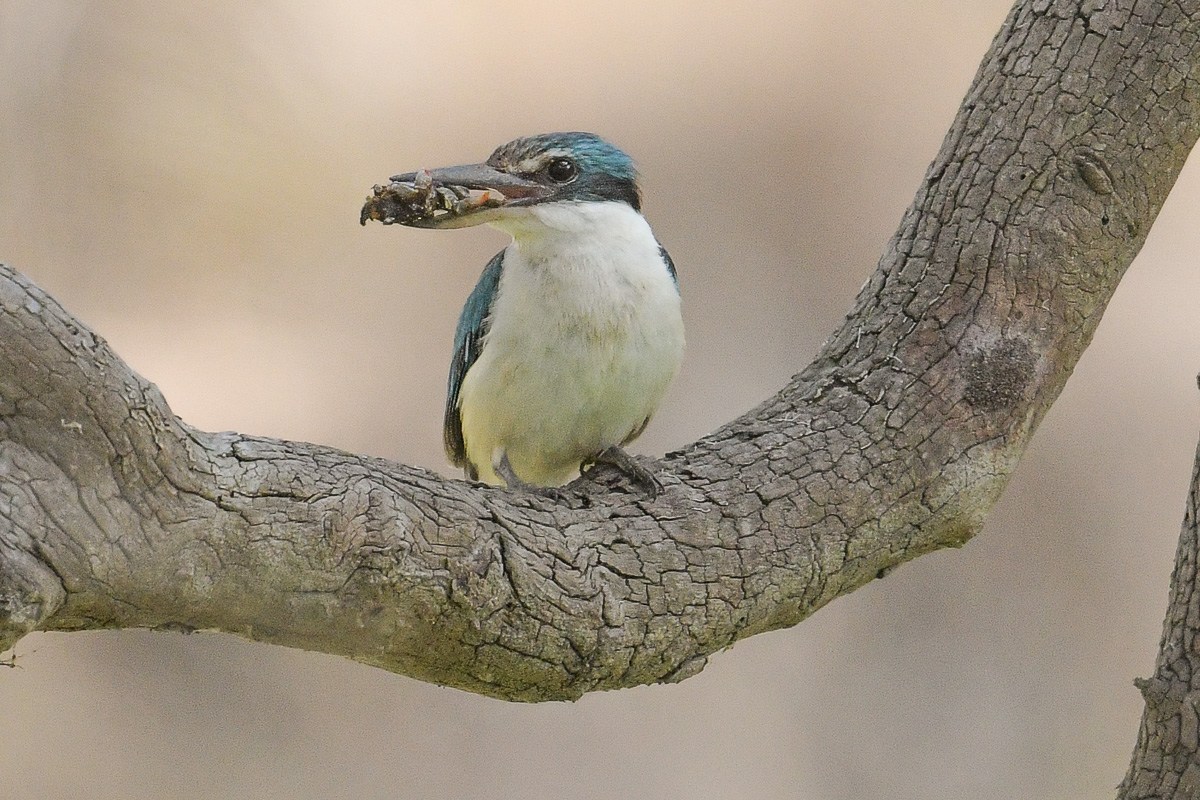
For so many reasons we don’t understand, this season’s nesting for Sacred Kingfisher has been a lot quieter in our area than usual.
One lone bird came in, set up territory, and the mate failed to show up. Another pair abandoned several attempts at finding a suitable home among the old River Red Gums.

And it wasn’t for not trying. EE had recovered from her ‘fetlock’ operation and was able to wander about the river haunts, but apart from a few calls, no birds were located at nest.

We were back in the area just before the end of December, and were chatting with the rangers and a couple of folk who were looking for “THE OWL”, (which at that stage had also debunked to the other side of the river), when EE took off and a few minutes later came back grinning.
Found.

The clever pair had chosen a hole in a gum, but it was on the edge of a river-couse and facing away from prying eyes. No change of getting to the far side because of chain wire fences, and despite bending around as much as possible, not much chance of seeing activity at the nest hole.

To add to that, the pair were entirely anti-human involvement. Any approaches to where they were working was enough to send them off into the trees and not be seen. So we retreated and watched from a respectable distance.

This whole business of working with birds has now plummeted to a new level. The sheer volume of photographers, let alone genuinely interested bird watchers, is now putting strains on all sorts of relationships with birds, parks people, and the environment.
I am not one to start offering edicts, as I enjoy being in the company of birds as much as anyone.
Nor do I want to see places locked out because of the volume of visitors.
The Barking Owl, The Orange-bellied Parrots and the Rainbow Bee-eaters have certainly been “loved to death” on social media. And those are just the one’s I’ve had contact with, no doubt there are others.


But I think all that palls into insignificance when I read an article on ABC news about the plight of the Little Penguins in Tasmania.
A quote from the article
“One longtime penguin watcher says, “most tourists want to do the right thing, but there are many tourists that can’t and won’t””.
Here it is if you are interested.
https://www.abc.net.au/news/2026-02-20/people-interacting-with-tasmanian-penguins-and-harming-them/106361614

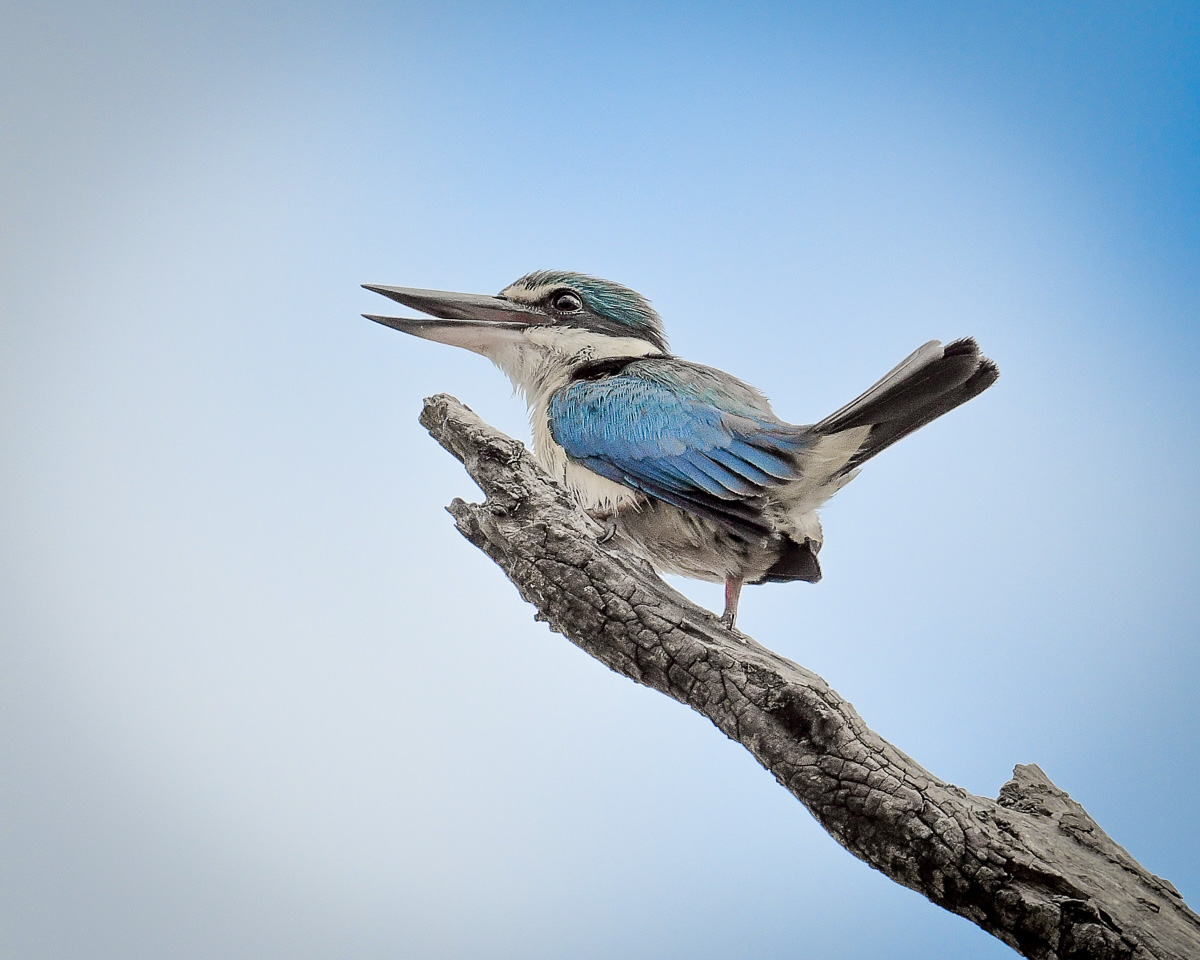
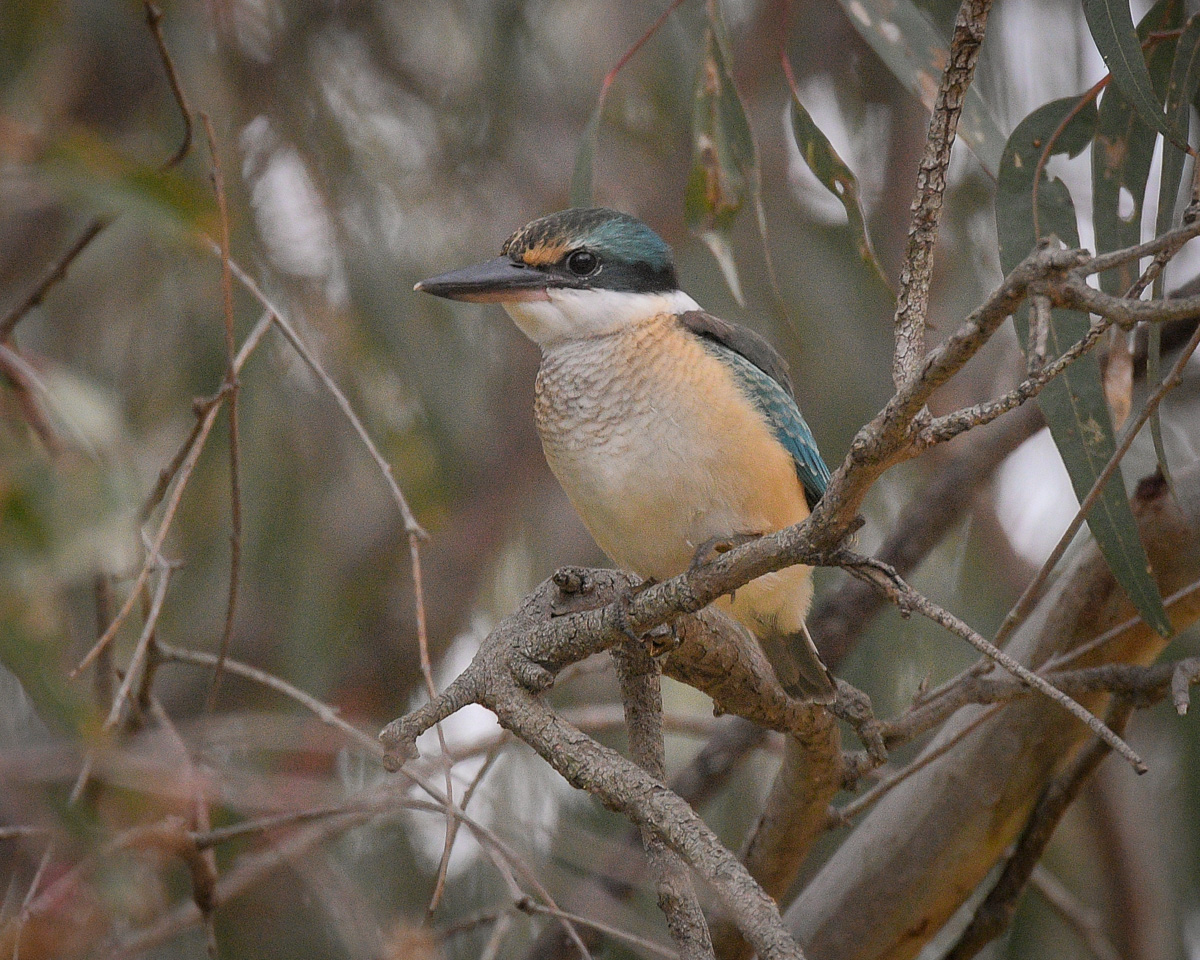
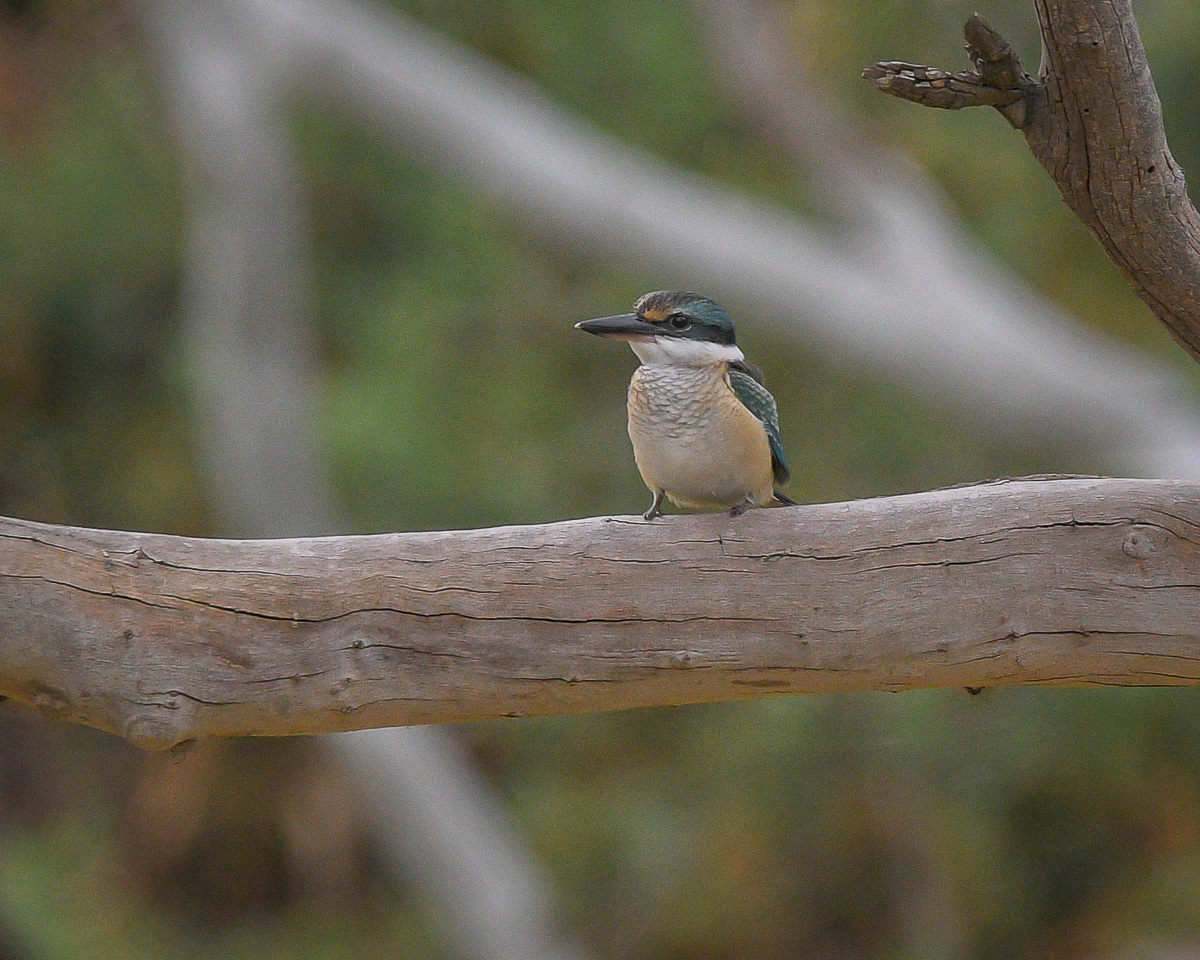
On a happier note here are a few from the Sacred Kingfisher nesting. We did in the end get some sighting of the two young that fledged.
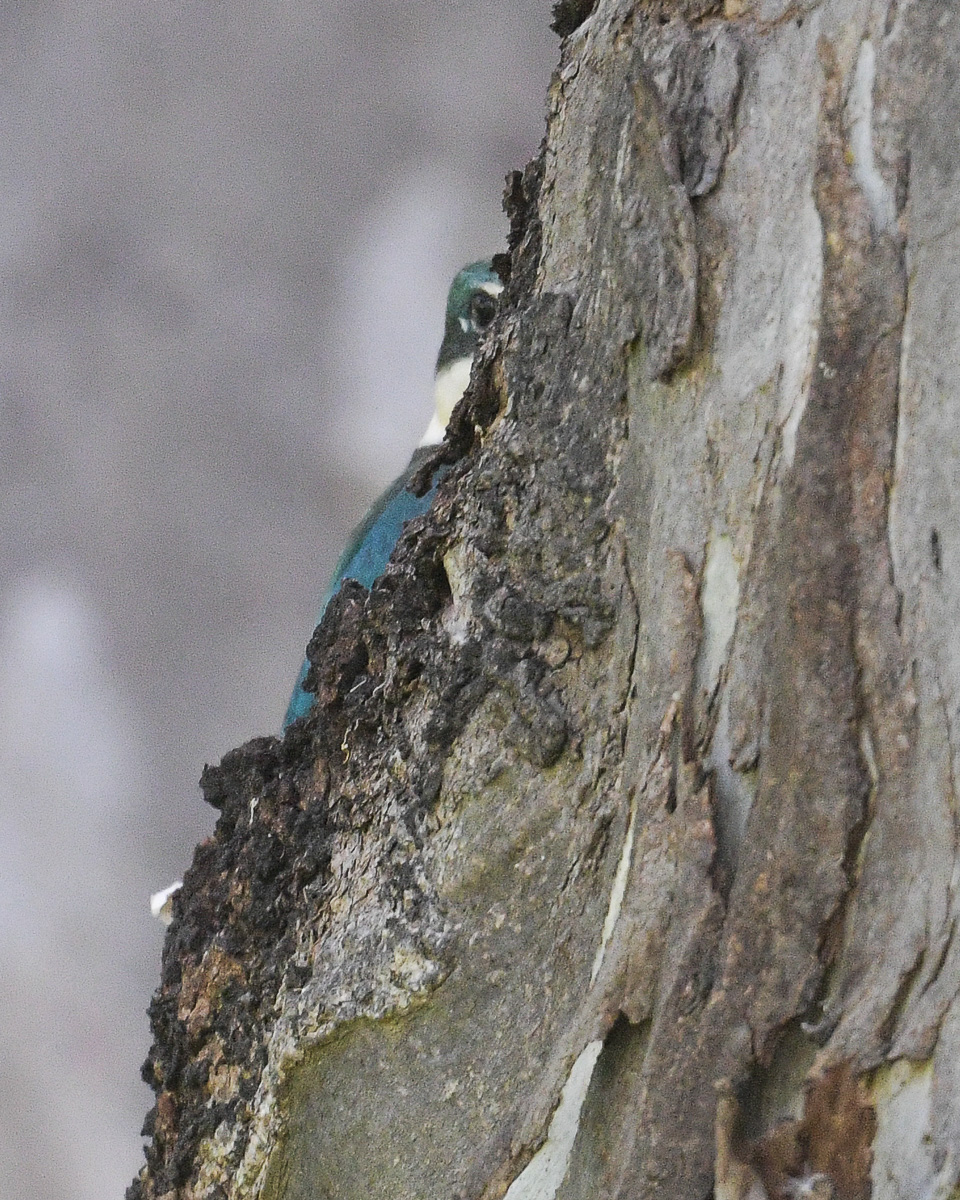
So near, so far. Clever bird
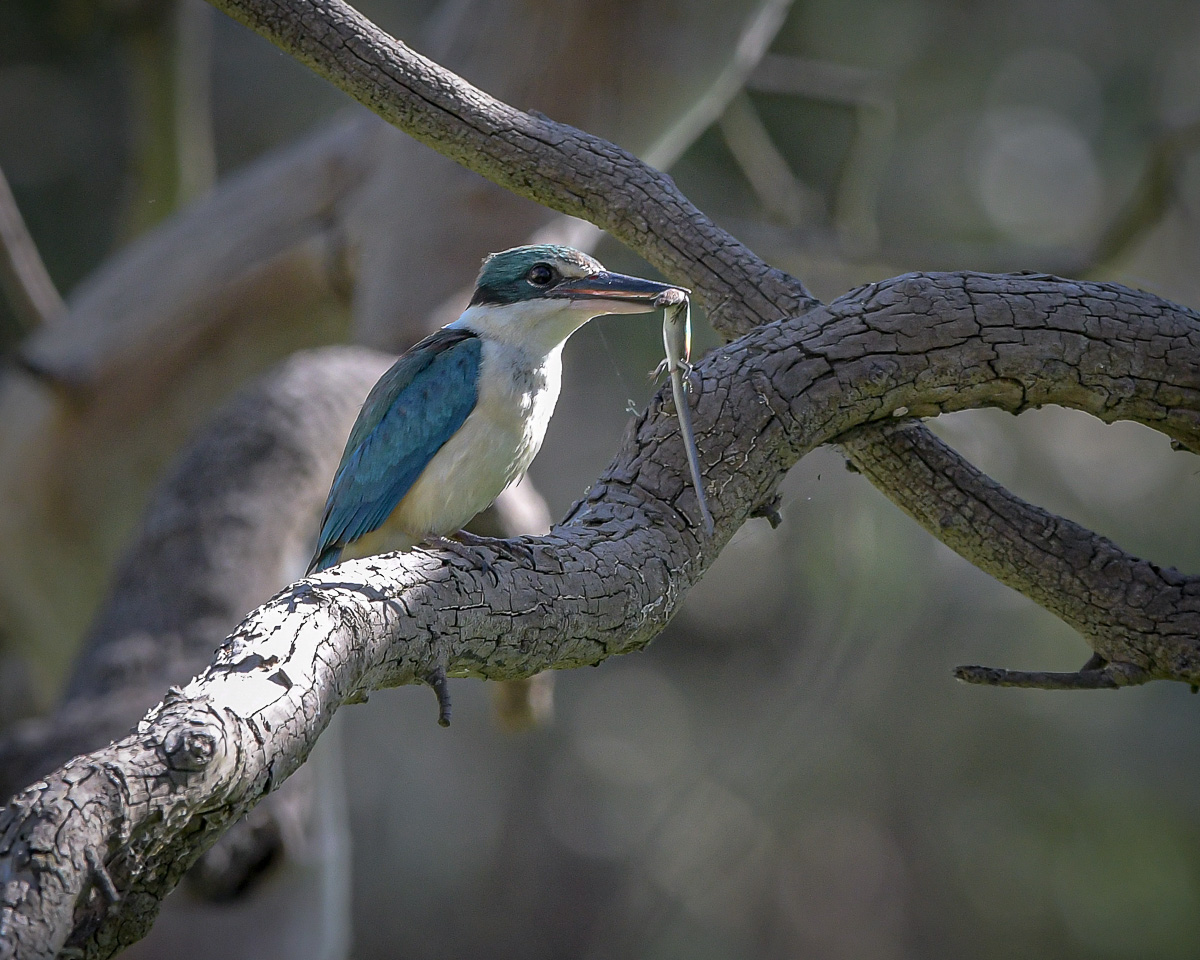
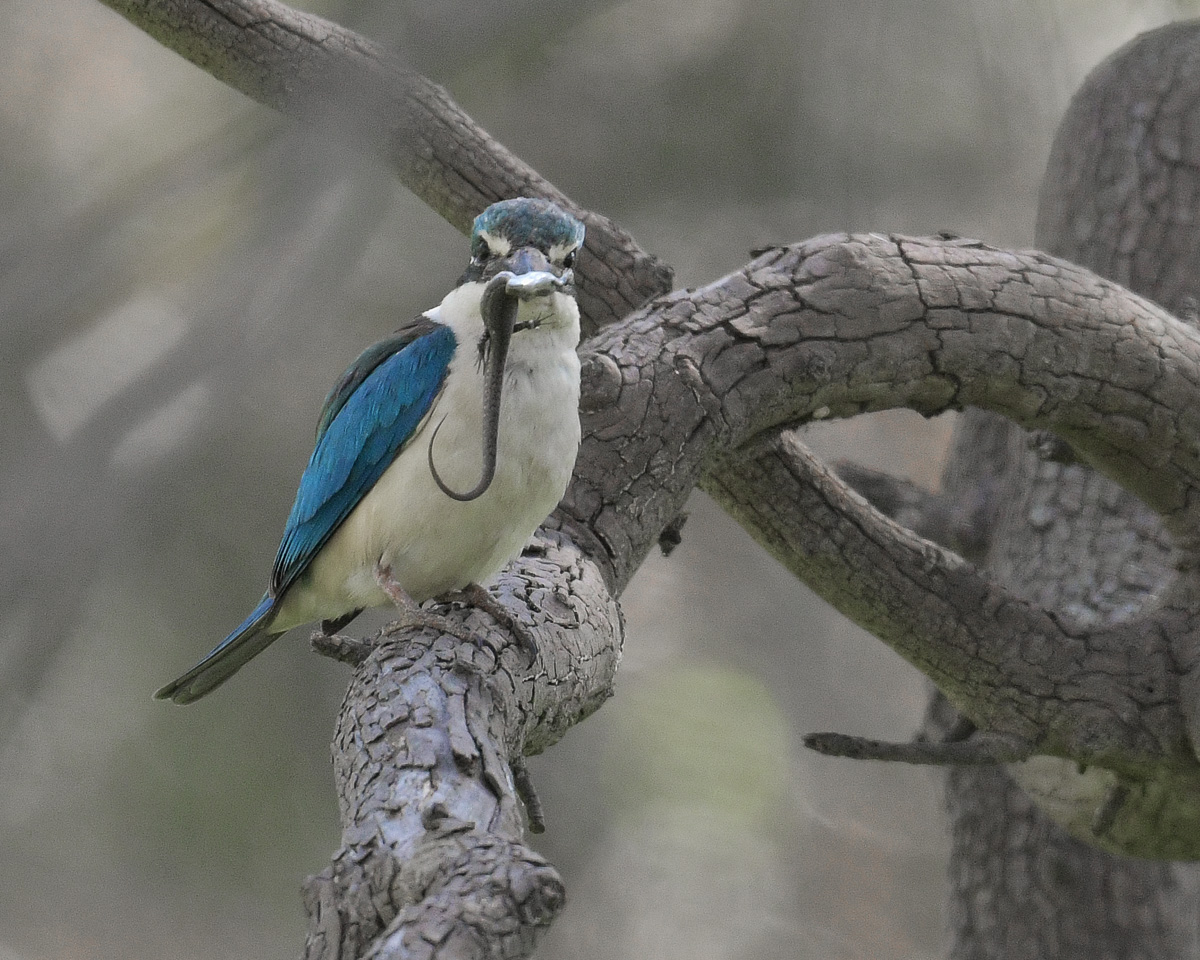
Plenty of food was being delivered, but the birds were very cautious around us.
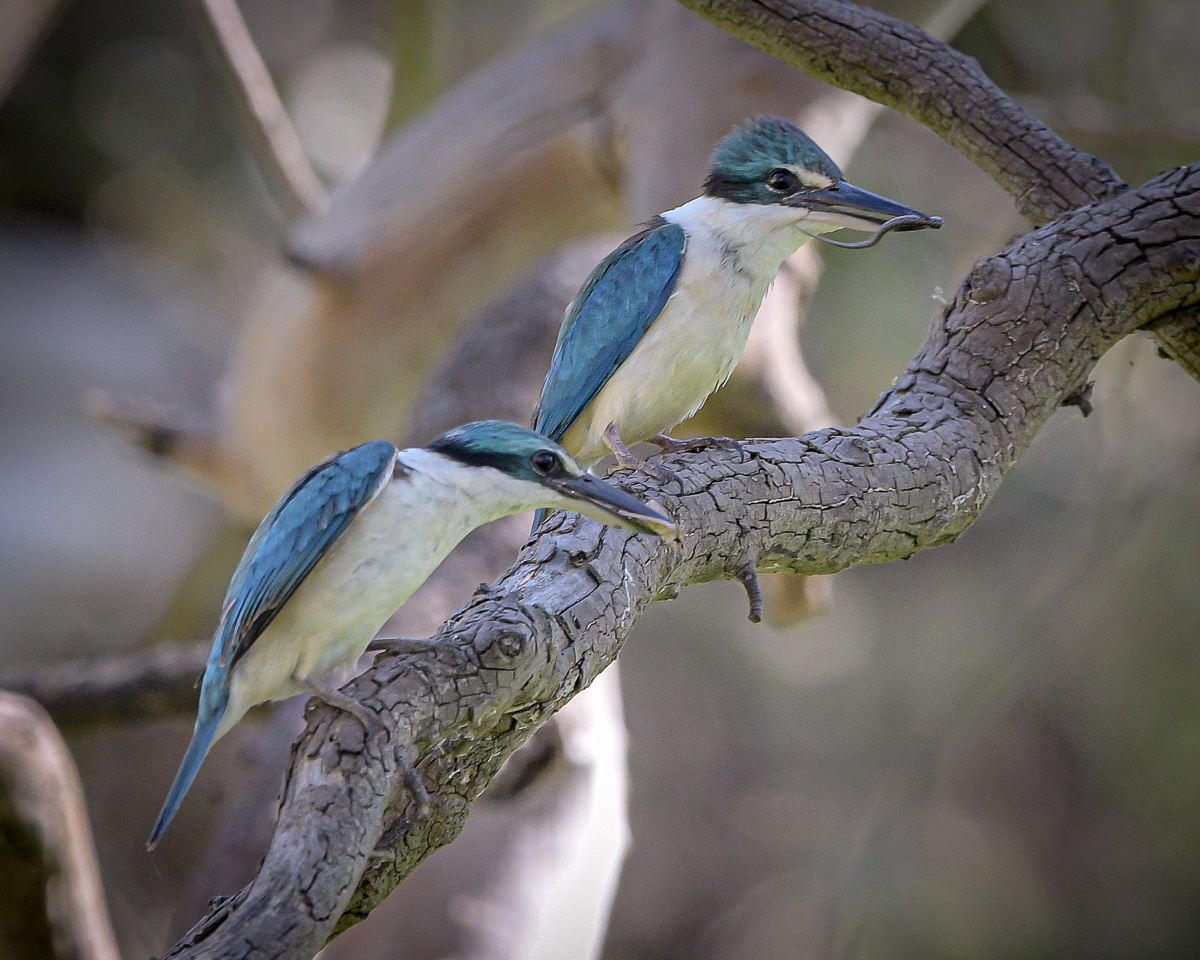
At one stage both parents arrived at the same time. Not sure if they were challenged by us being there, or were they working out in which order to fly to the nest
The one perch seemed to be the preferred launch point for feeding
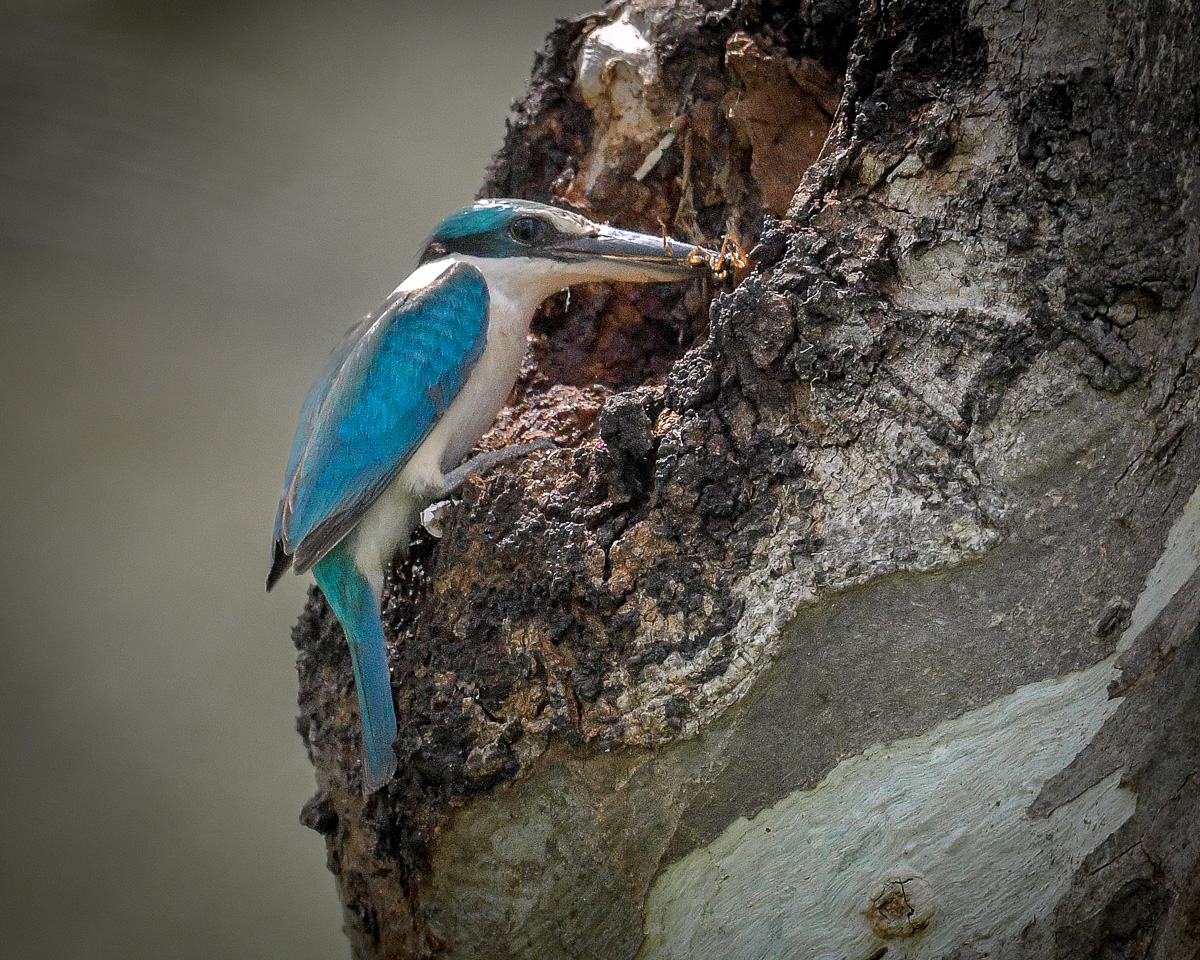
I did manage one moment of getting a clear look at the nest. But it was a physical difficulty and the birds were not impressed so I didn’t try again
This one came out to hunt on the open area where we were standing
Flight Day. We didn’t see the young at all, but the Male did put up quite a commotion when some Black Kites flew overheard
Just as we were leaving, disappointed, a young one flew over the clearing and landed close by
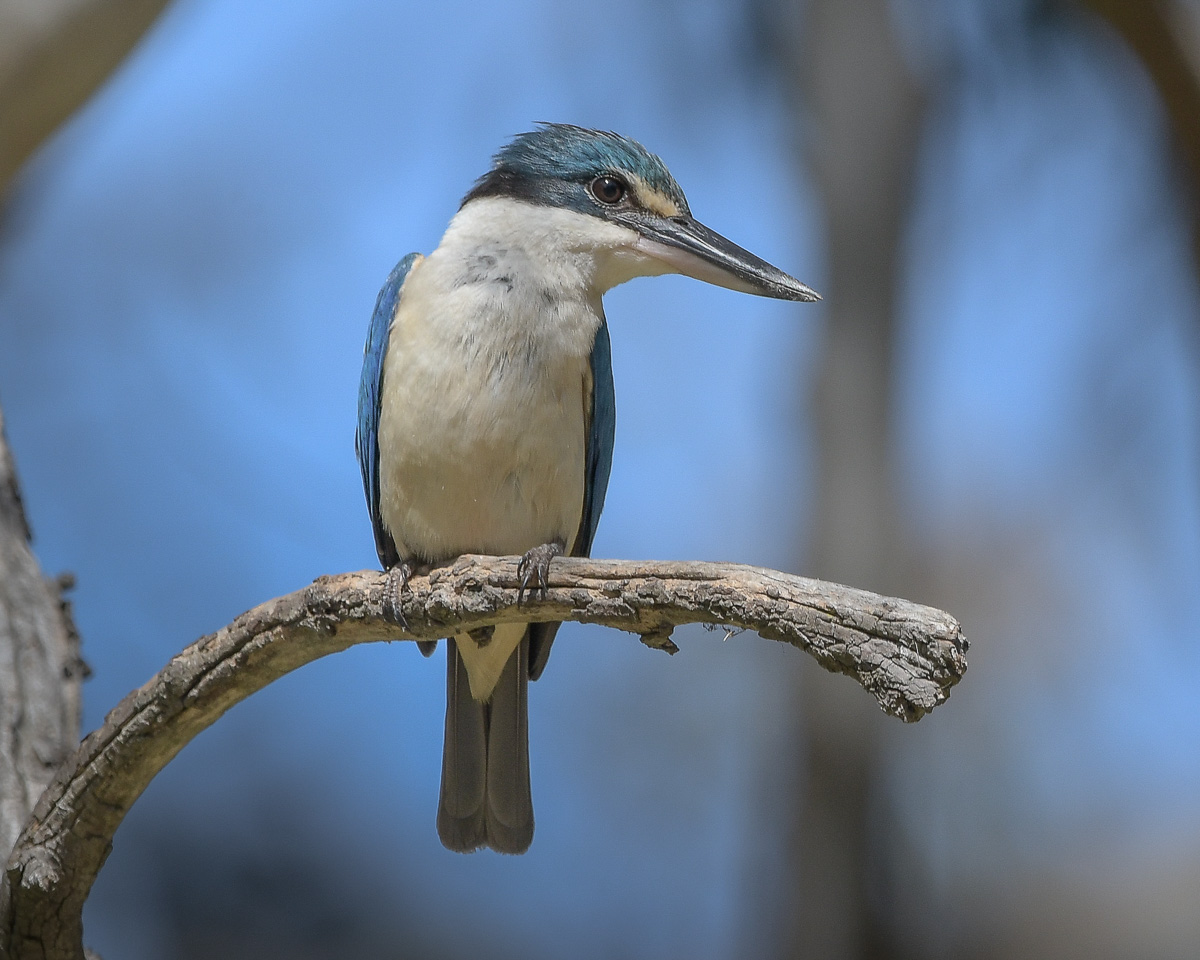
And on another visit we found this one over the old creek line

Enjoy
Along the Track: Interlude at the Lake

We had an invitation for lunch with our Ballarat connection, so decided to leave a little earlier, spend a few minutes around the Ballarat Lake, while we had the opportunity.
As the day would have it, it was porridge skies, but sometimes, as I’ve discovered lately those softer melded light conditions are really good for detail of bird feathers.
Mind, I’m partial to a run of sunshine too. 🙂

As they say,—have you ever wondered who ‘they’ are?—obviously not ‘us’,—anyway as ‘they’ say, what we found were the ‘usual suspects’

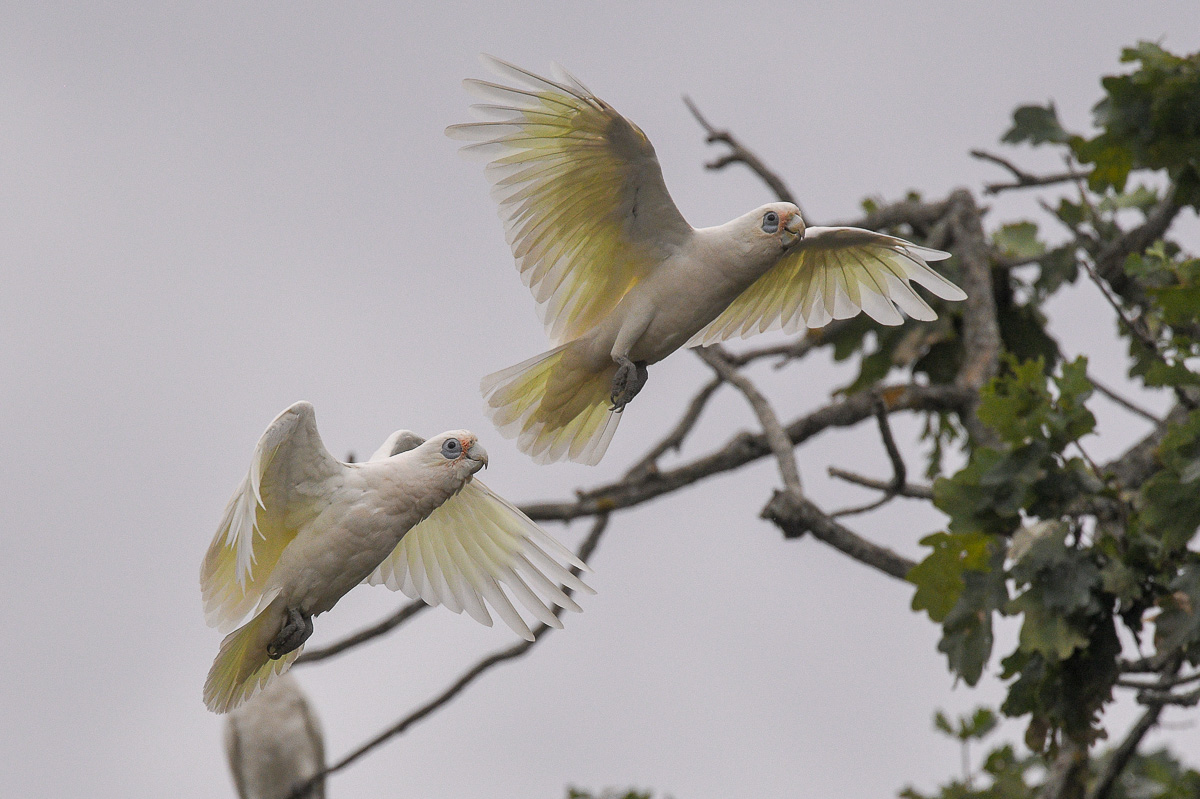
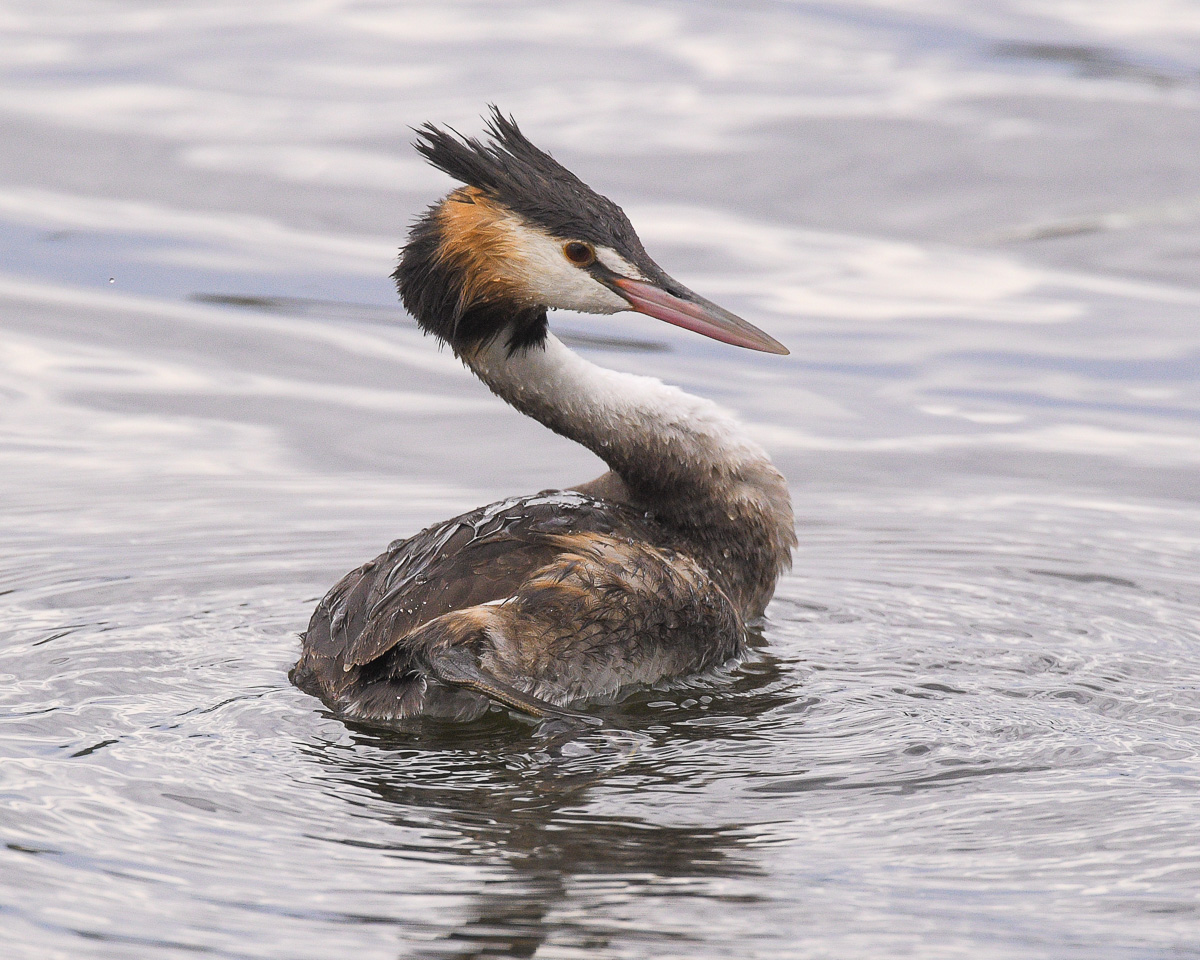
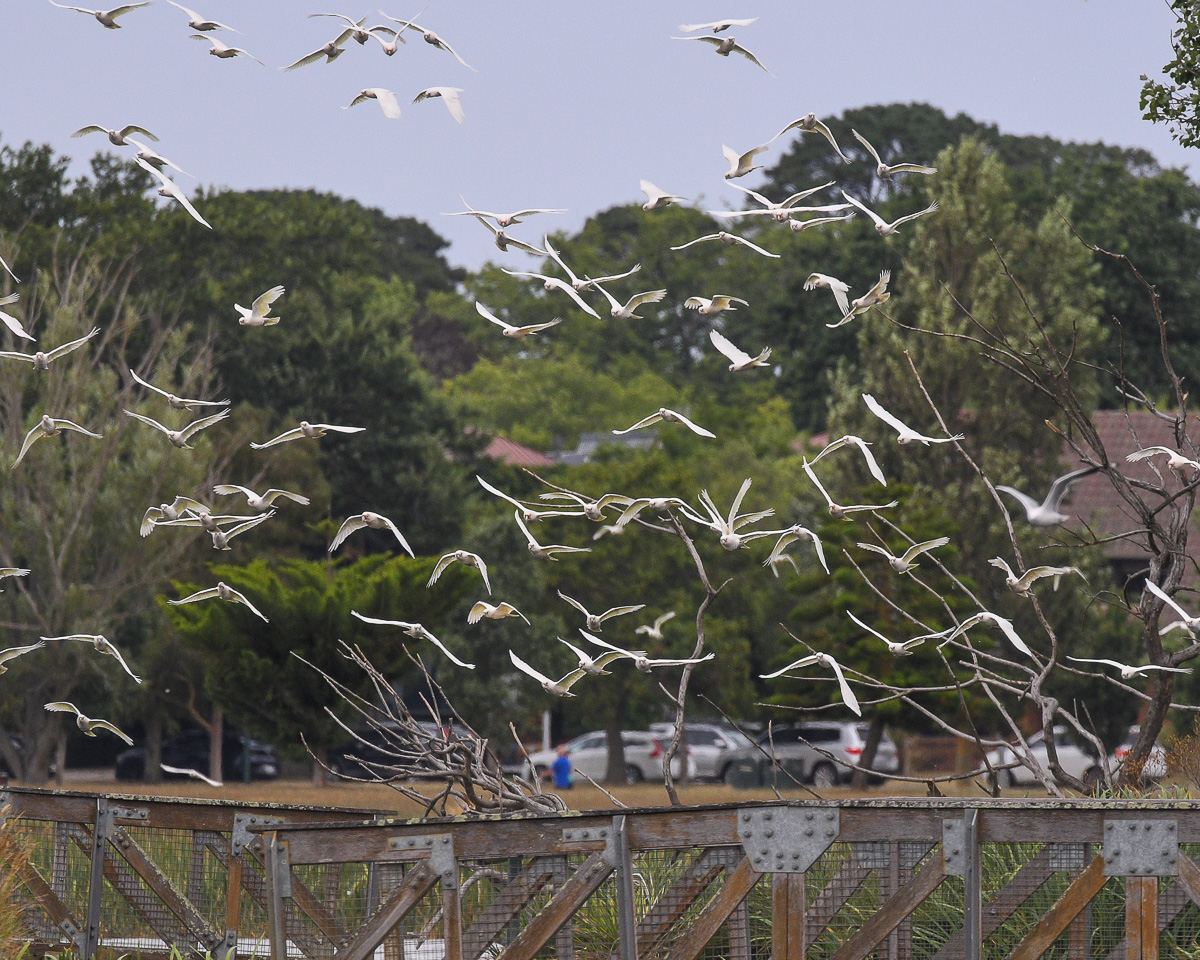
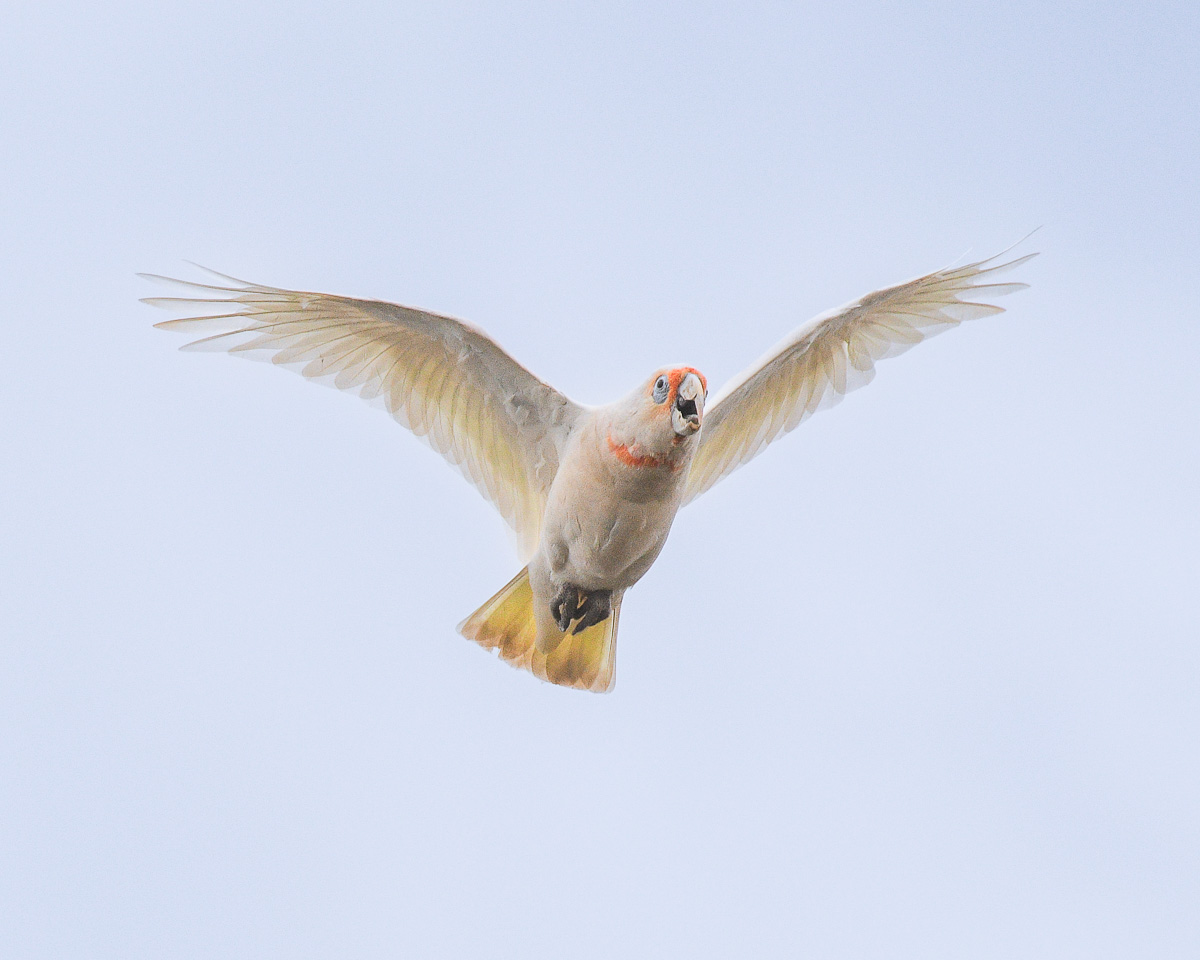
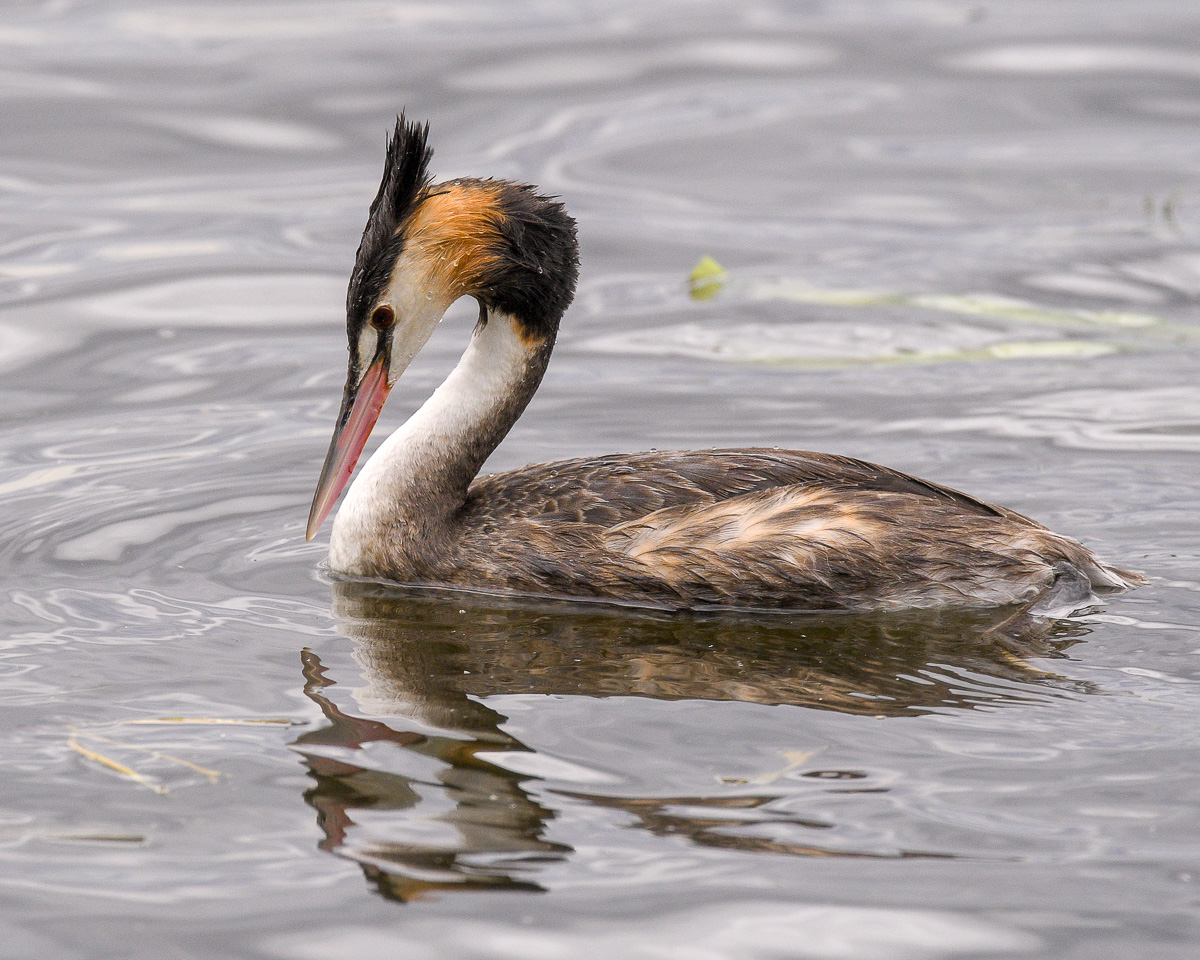
The highlight of the hour or so was several Great Crested Grebes. And we did spend quite a bit of time photographing insane Corellas as they flew about in large, super-noisy flocks. I’ve never been sure as to what puts them into a frenzy, but once started its self-multiplying and they just keep going until everyone runs out of energy.

So here in no particular order.

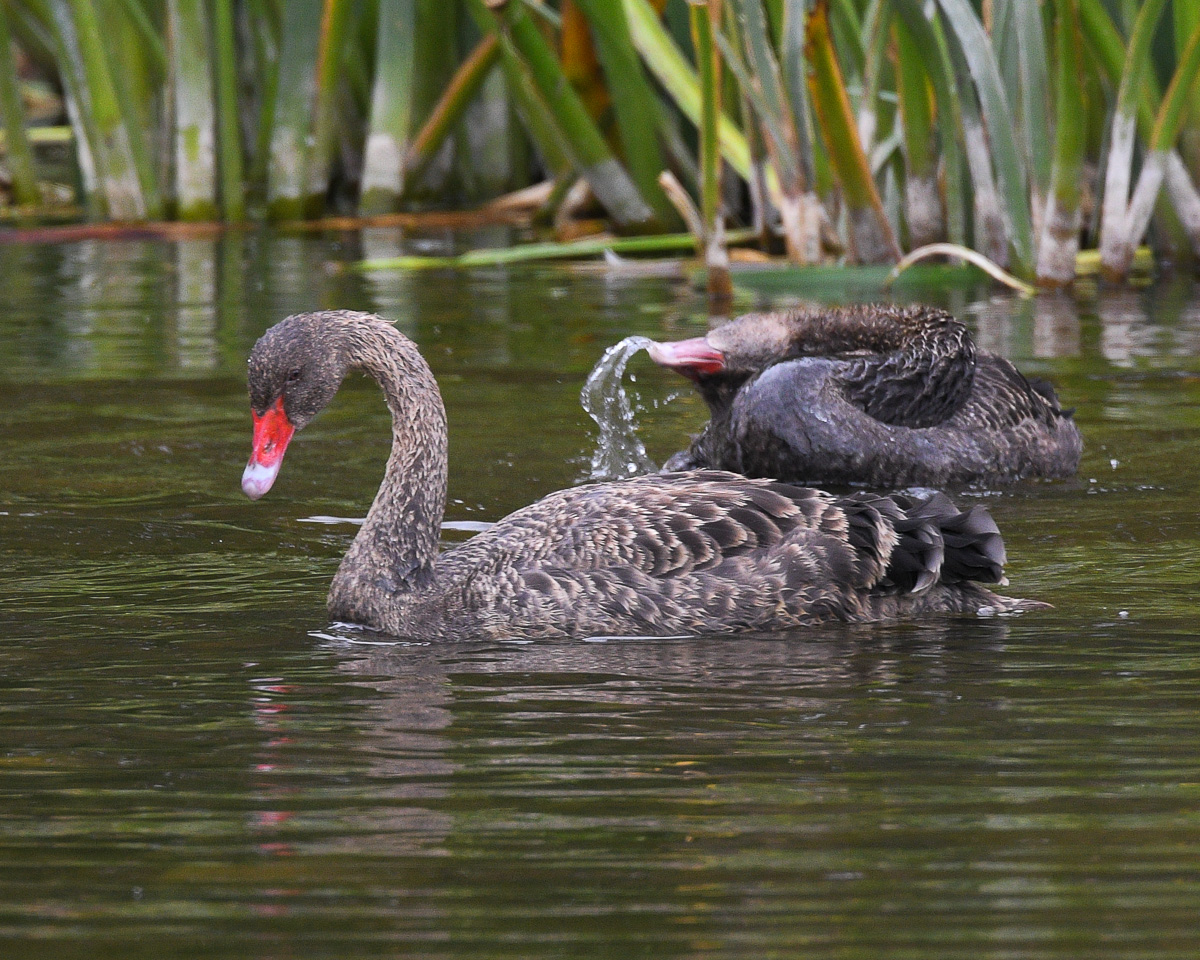
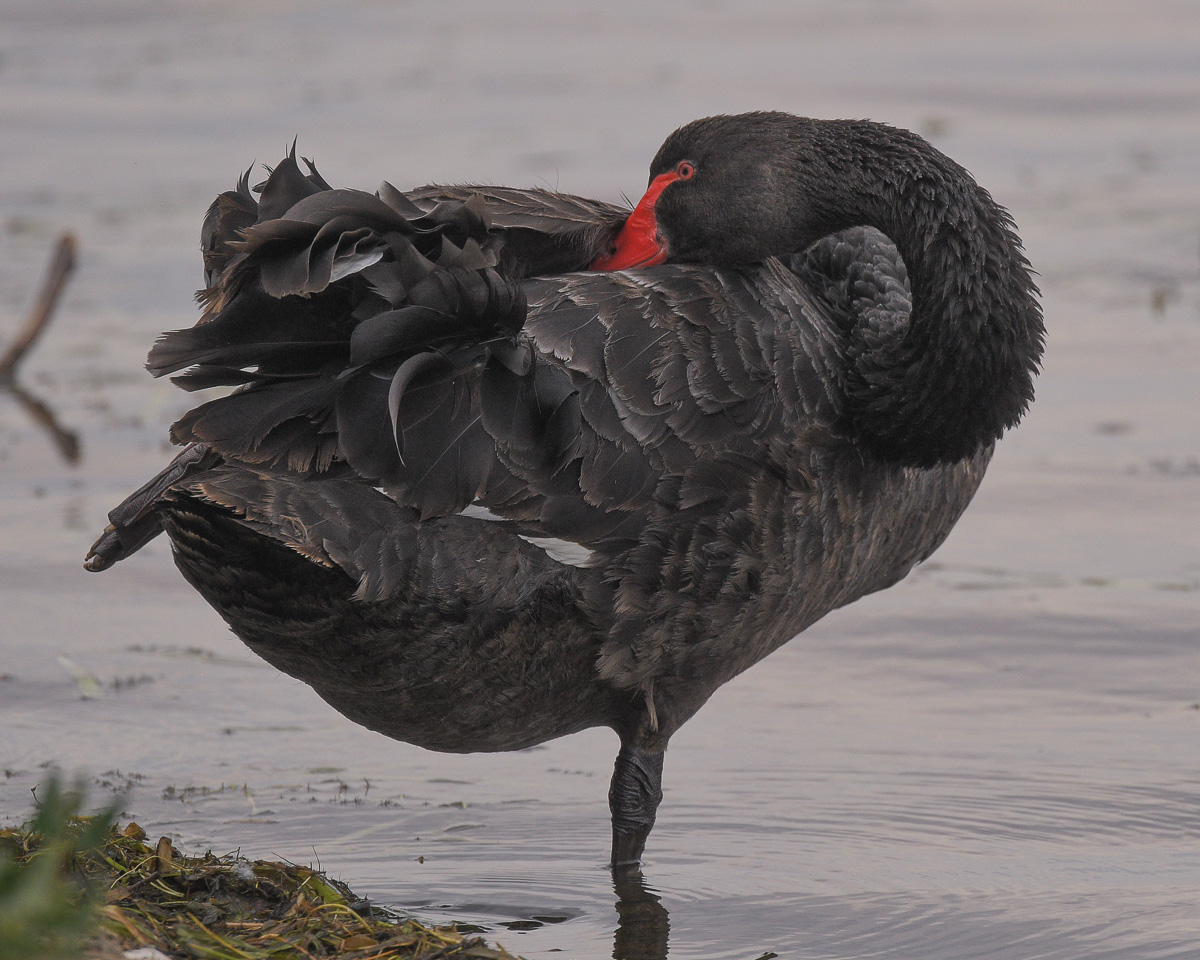
Lake Wendouree has no end of Black Swans, and there always seems to be new clutches on the way. This one is quite advanced and good to see those feathers taking shape.
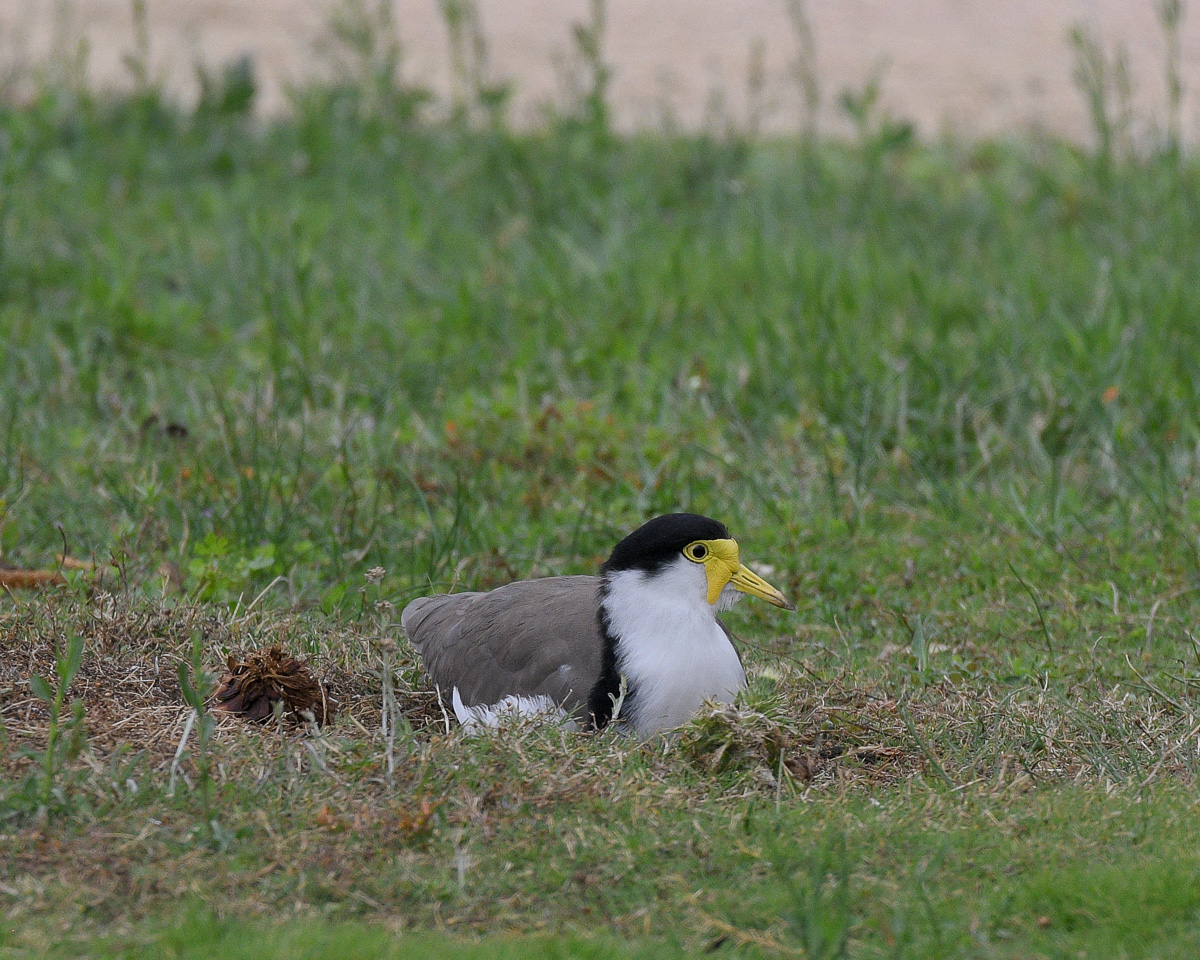
A Masked Lapwing has decided to take a snooze on the side of the track. Totally unphased by passing foot traffic.
Always good to find these birds. Dreaming of seeing, and photographing them dancing.
And here they come. This is the 4,234 trip up and down the lake, calling raucously as they go.
With so much action its hard to keep just one in frame. This is a Long-billed Corella
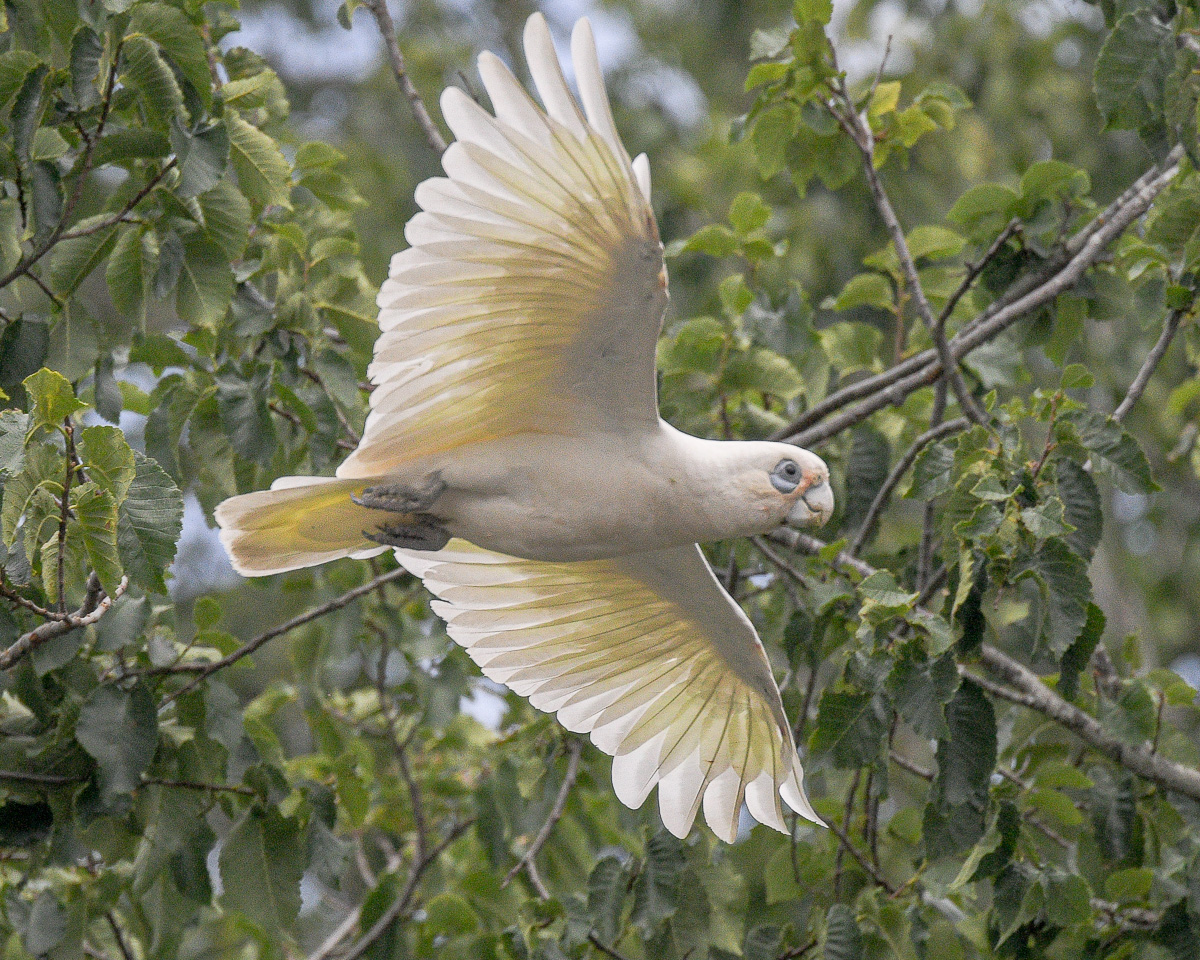
And a Little Corella zipping between the trees
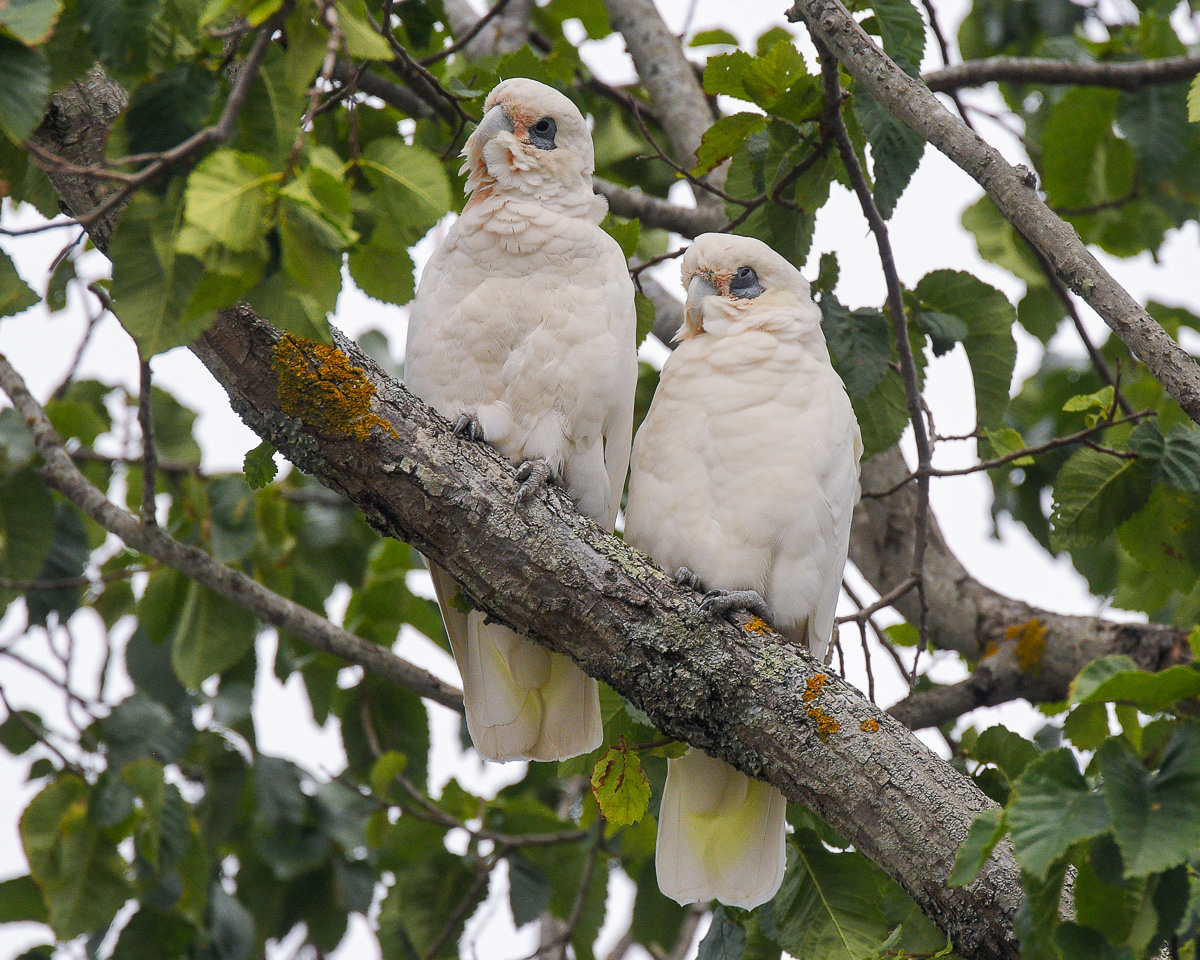
They’ve seen it all before. This time they are just going to sit and watch it all happen.
Too good not to share another one
Never cease to be amazed that such a big bird can balance so well on one leg and nap at the same time.
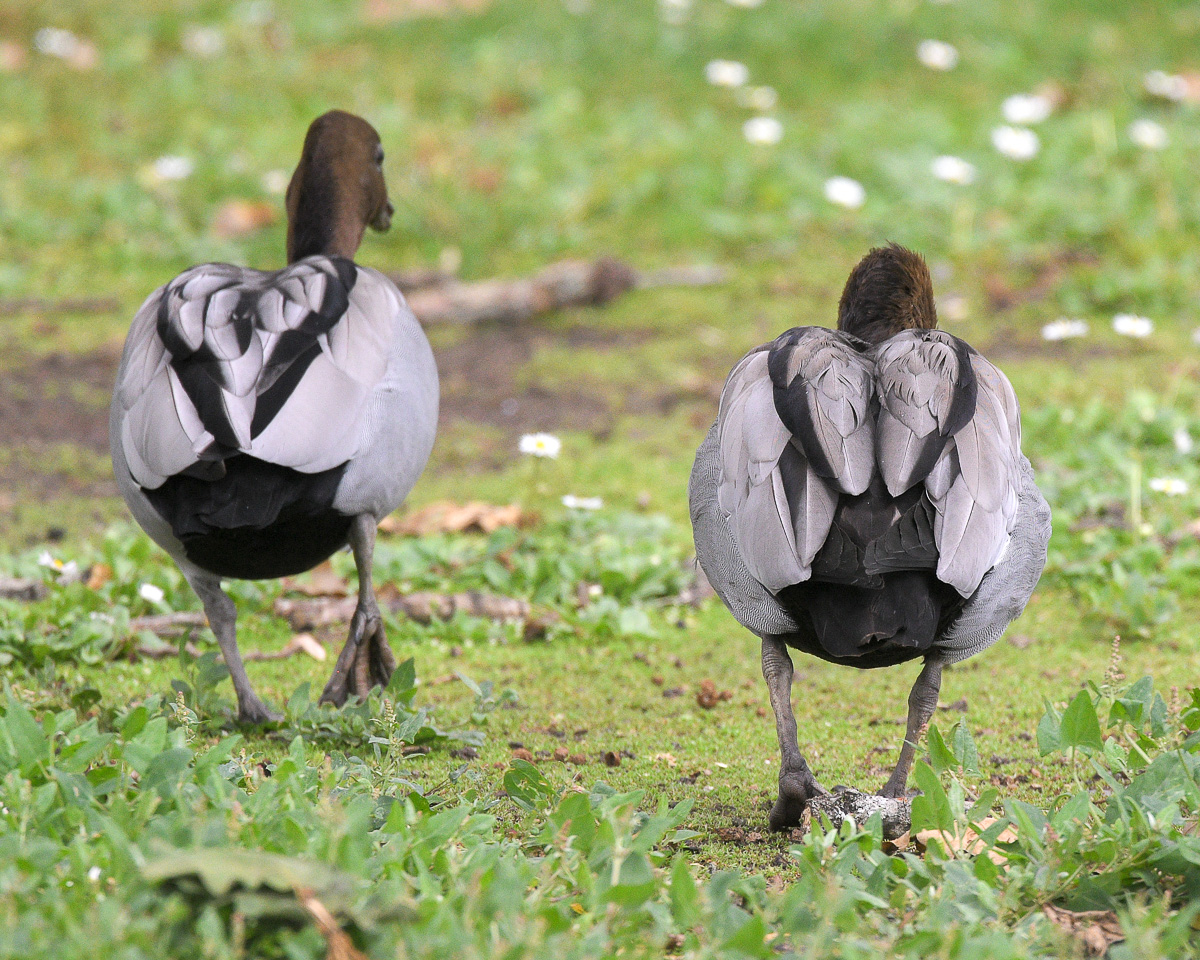
Maned Ducks have such distinctive markings on their backs and folded feathers. Something we often miss with the front
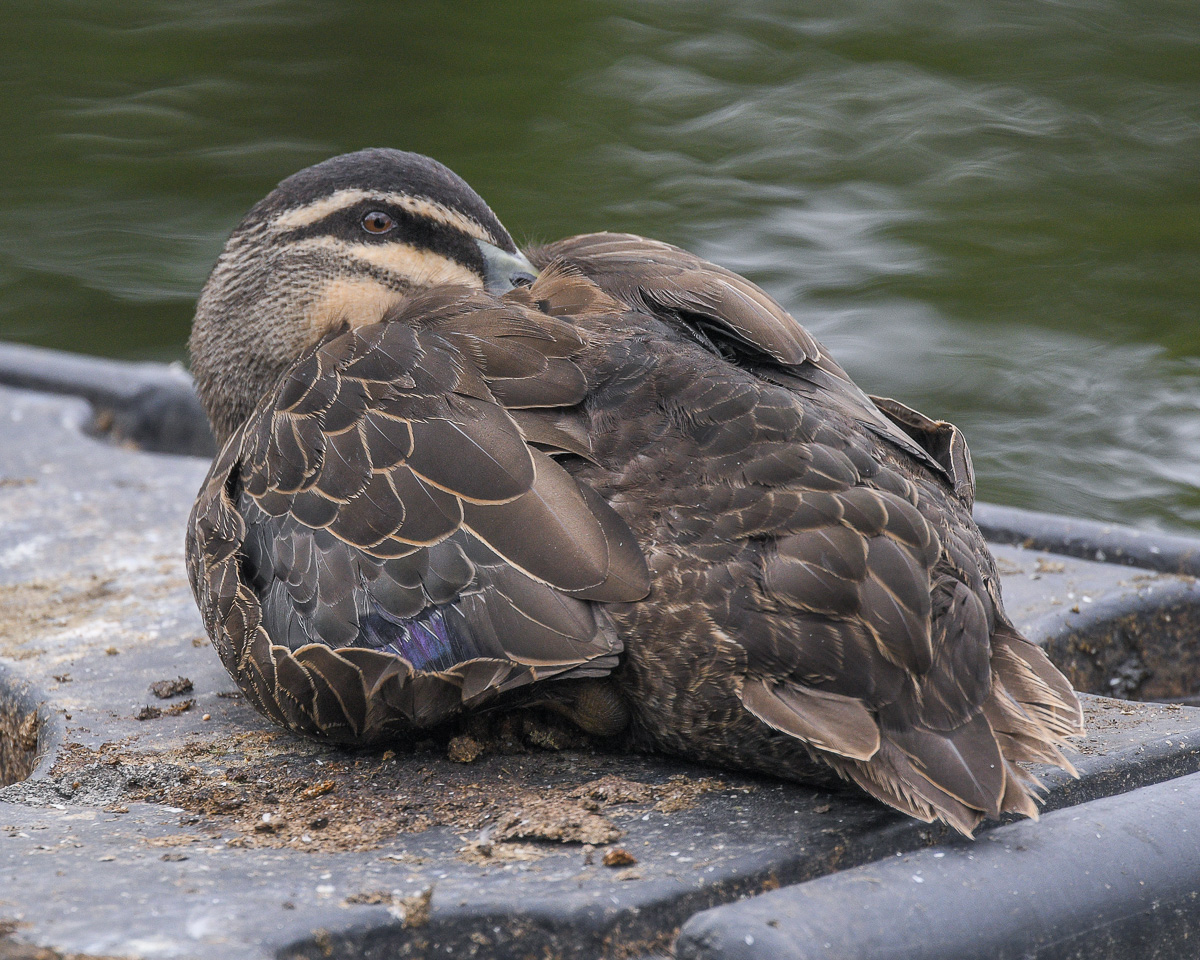
No matter the place, or the occasion, a Pacific Black Duck knows how to work a space.

Enjoy.

Peter Slater Falcons Book

Sometimes serendipity does it strange and unusual activities.

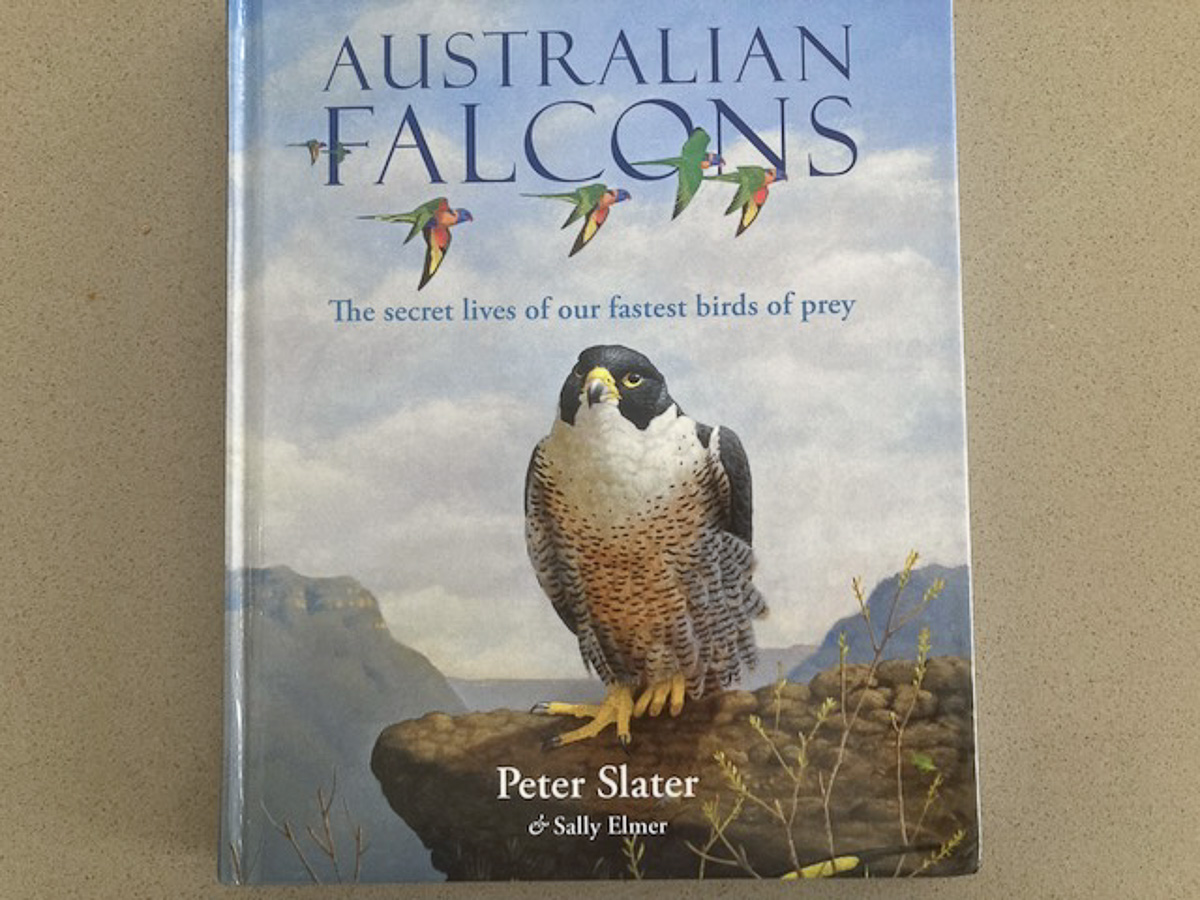
I’d place and order for Peter Slater, and artist Sally Elmer’s new book “Australian Falcons” a few weeks ago and had almost forgotten about it until the other day Postman Pete turned up with a fine package containing the book.

I have a warm spot for Peter’s work as my first real bird guide was his little “Slater Field Guide” It suffers a bit these days from the species and race arrangement used, and also, of course. because so many birds have been reclassified since its update in 2003.
However it’s still my ‘Go To” when trying to id a tricky bird as the quality of the illustrations and the variations are such that they look just like the bird I’m trying to id.

It also happens, serendipitously that a large part of the new book has quite an extensive range of photos, and information on Brown Falcon.
Some I guess is readily available, some I have to admit I’d wondered about, but had never read anywhere.

From Page 45.
…Vigors and Horsfield …named “Falco Berigora” The notes accompanying the description read: “The native name of this bird, which we have adopted as its specific name is Berigora. It is called by the settlers Orange-speckled Hawk.
… Considering the variability of the Brown Falcon its not surprising that it has been given a variety of names, most of which are synomous…

Birdaspoety blog has rarely engaged in equipment or book reviews, nor am I about to start.

However here are few highlights from my copy.

The book has a variety of photos and paintings.

Each bird chapter has some stories of his encounters with Australian Falcons and in the Brown Falcon pages is a fascinating story of raising a young female that has a damaged eye. While Peter has an aversion to giving birds names, I, on the other hand, find it useful in working with them. So much nicer to speak of Cassia, of Cinnamon, than that ” That falcon with the marble chest that is down along the lower fence line” or something.

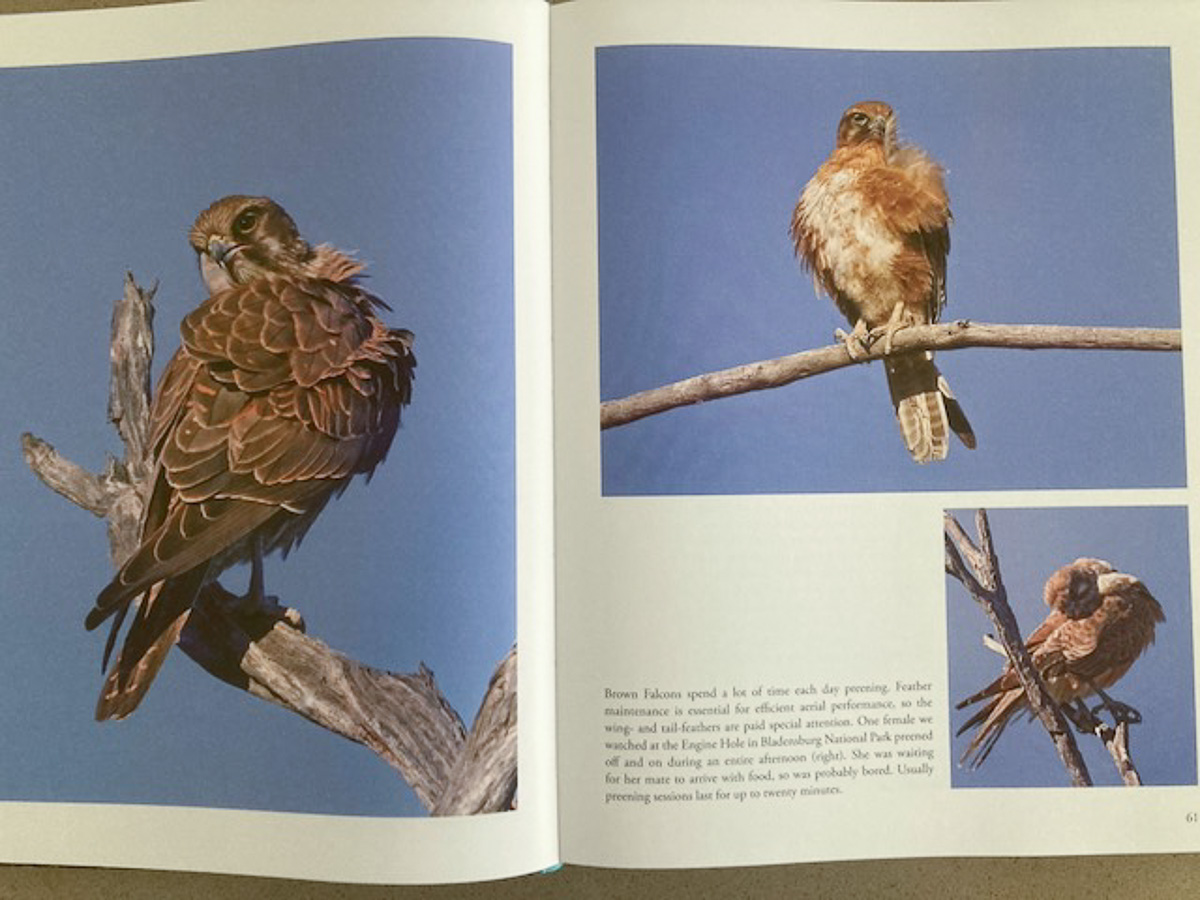
Here is a typical page from inside. Always interesting to have a Brown that is relaxed enough to preen.
I do have a theory that the preening is sort of nervous reaction. “I’ll preen and show you I’m not intimidated by your long lens.”

On page 54, he discusses hunting technique
…The hunting technique… utilises a vantage point.. There the falcon waits patiently until a mammal, reptile or insect appears, then swoops down in a long glide. One strike we measured covered more than two hundred metres, a testament to the bird’s eyesight.

I have some photos of a bird that, after sitting for about 20 minutes, stiffened up, peered across the paddock(s) and then launched. Running right over my head, in a long slow controlled glide. It disappeared from view near some bushes that would have been close to 800 metres out. I don’t know what it caught, but I have no doubt its intention would have been fulfilled.

Peter also discusses the variability of the birds and how current research suggests that the colours do change as each individual ages and depending on the sex.

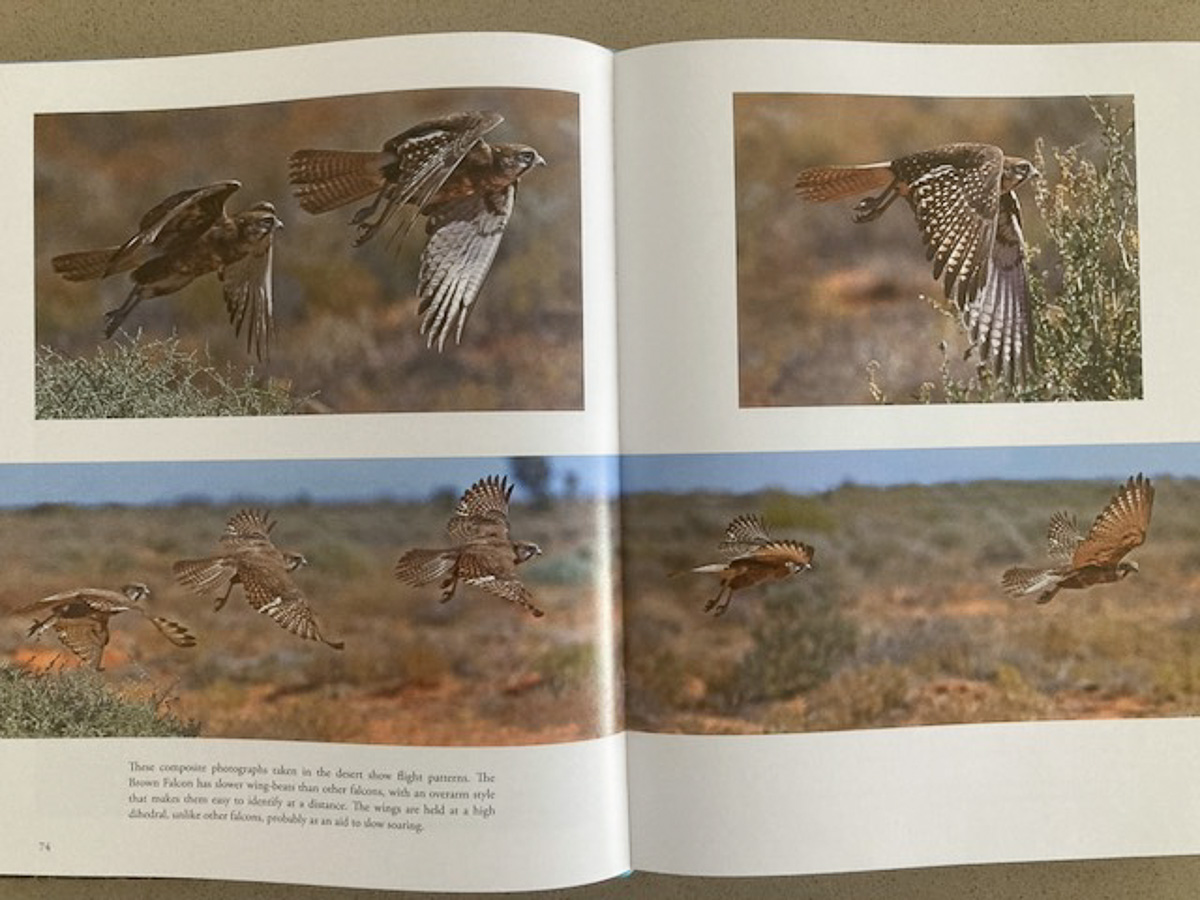
p 74-5 have some composite photos of a bird at launch and show the deliberate wing strokes that give them both speed and the ability to glide hardly using any energy I expect.

But if for nothing else, I appreciate the book for his close affection for the birds. It comes through on every page with descriptions like, “one of the most beautifully marked”, and “handsome male”, and “The equisite bird..,”
So I won’t feel bad about using such terms on the blog for some Brown Falcon shots that are bound to come up soon. (That is a hint, I think- more seredipity.

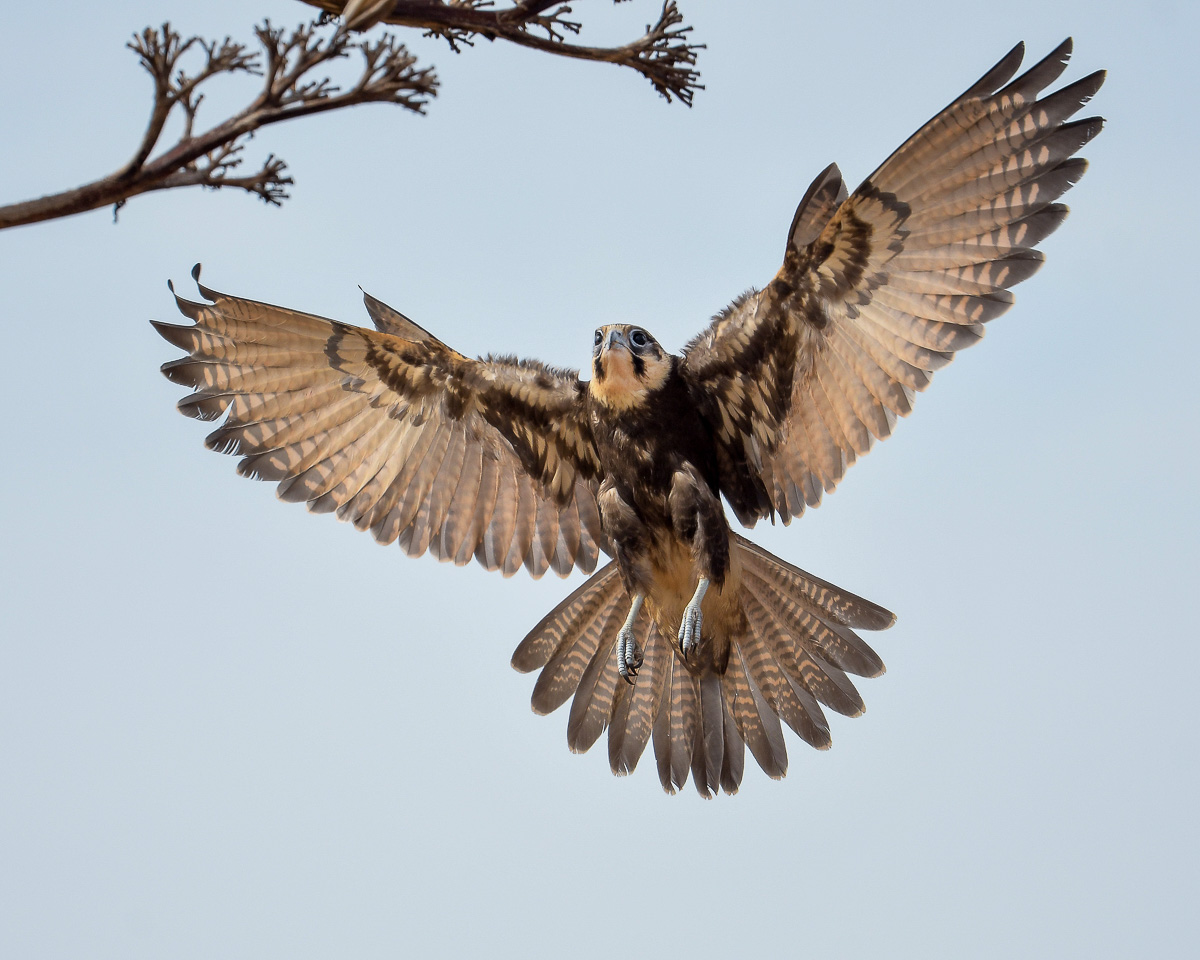
A fine wing and tail display as the bird heads for a perch on a ‘100 year old’ plant (Agave Americana)

Enjoy
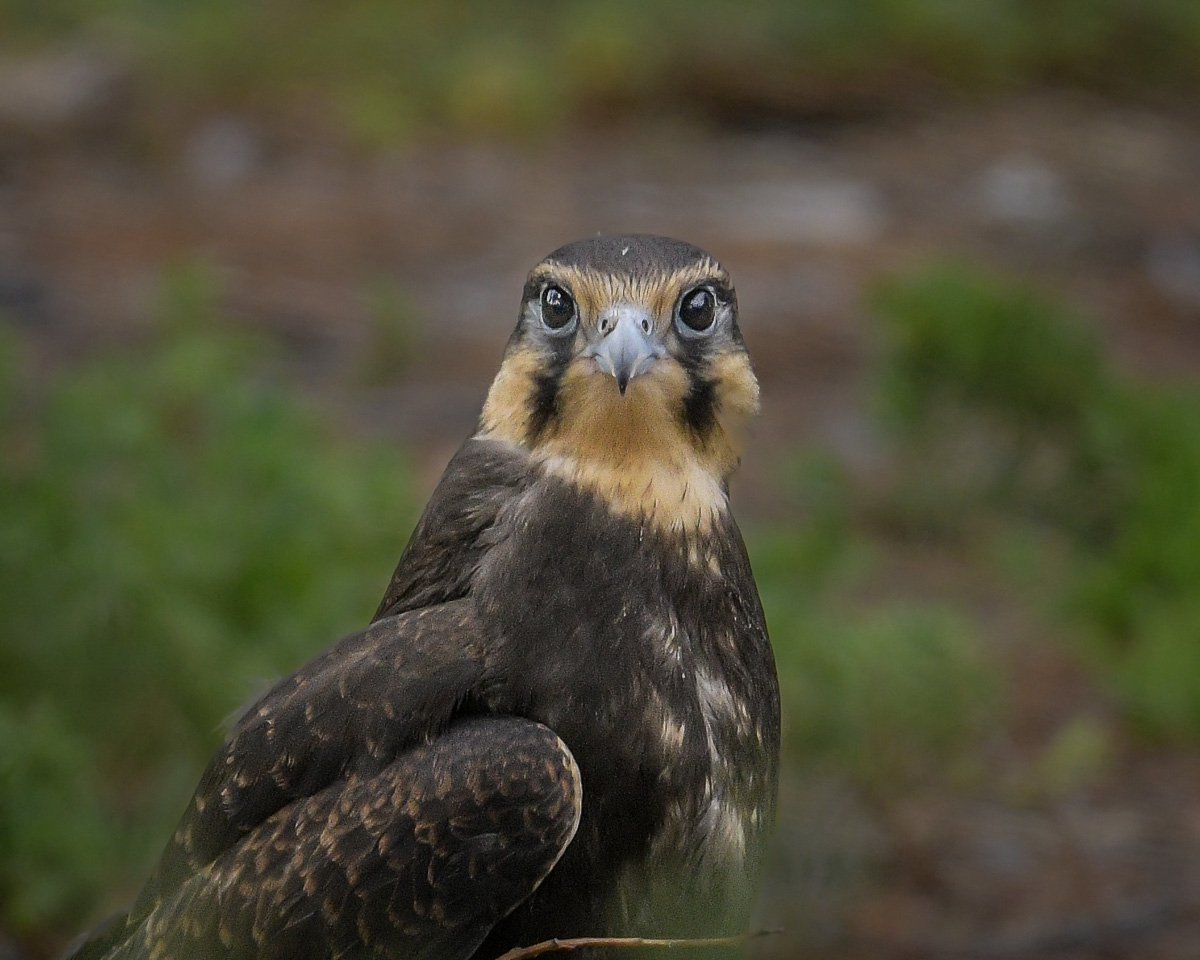
Along the Track: Varying Variations

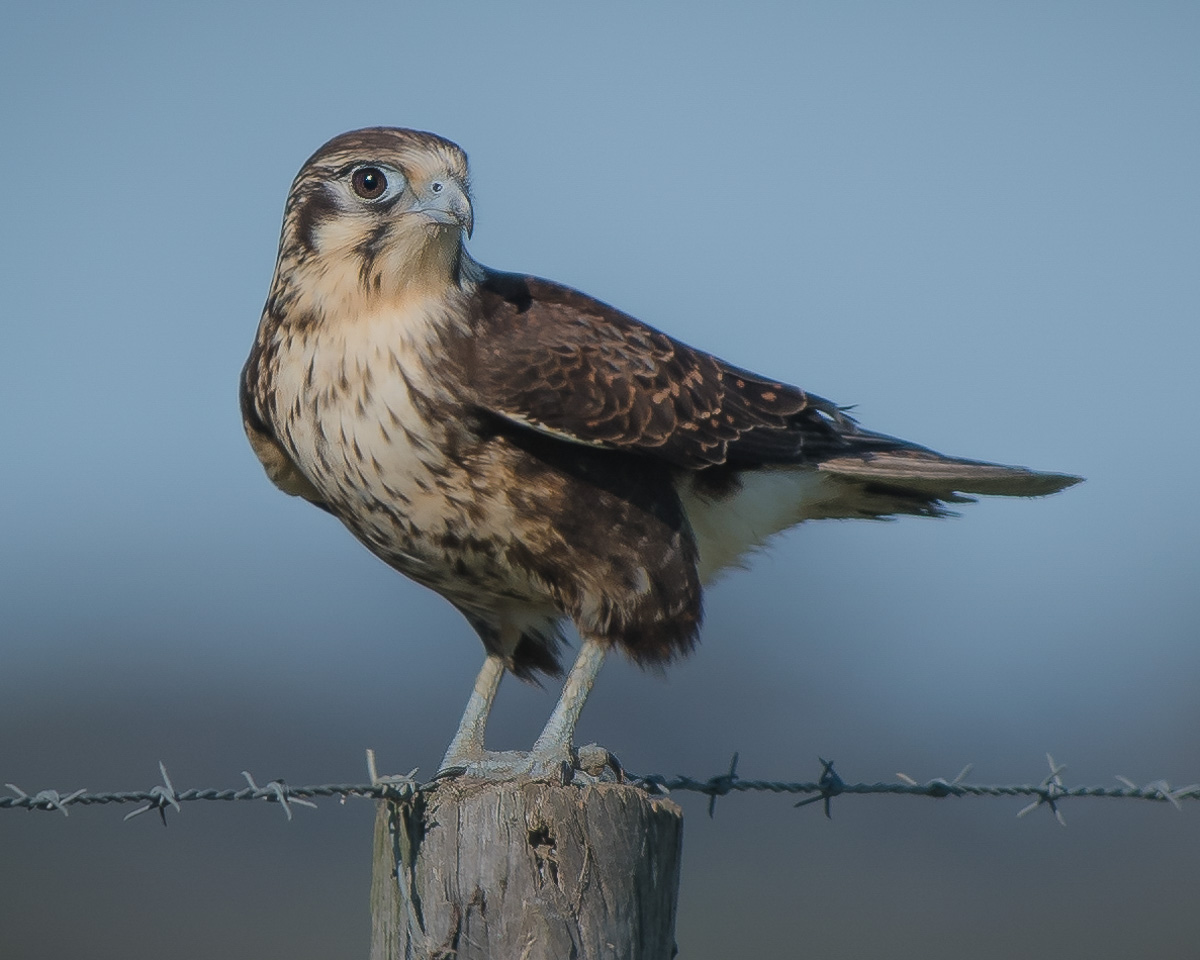
Brown Falcons

Was out with a group conducting a quarterly bird survey. The area is open woodland and grasslands Ideal Brown Falcon territory.

We had turned a corner into an open area, and a bird rose off the ground up ahead. With outstretched white wings and body, the first thought from the group was “Nankeen Kestrel”.

But the body size and wing action was of a Brown Falcon, and as it flew past, I managed a few frames, and sure enough. Brown Falcon. Which at the time I described it as “White-Brown Falcon”.
Which started the usual birdo discussions of nomenclature, bird naming, morph styles and correcting my error of naming it as “White”.

Click on photo for a larger view

The “White” Brown Falcon that started the discussion

In the afternoon walk, Mr An Onymous and I left the group to follow a track along a ridge-line as it was in shade and cooler. In a few minutes we saw on Brown on a tree, then heard the raucous call of an incoming bird. A food delivery no doubt and we went to look. The “White” bird flew into a tree with a snack, and the first bird followed and after some in-depth Falcon discussion they both flew out together with two rich brown juveniles.

And thinking back over the experience, I began to wonder how many ‘White” Falcons I’d seen over the years. There used to be a theory that the lighter morph (there I used the term) were of the forest, while the darker variety were of the open plains. Now it seems the changes in colour might have something to do with age, and also sex. There are some magicians of the black art variety that are able to look at the variations of the dress, and cere and eye-ring and determine age and sex. It is I have to say an art that I have failed in on all occassions.

So here are a few of the local birds that I’ve encountered over the years.

This handsome bird was one of a pair of Light coloured birds that were in our area over the winter

This is the same “White” bird that I had noted from a previous count

Long time readers may remember Cassia, of Cinnamon
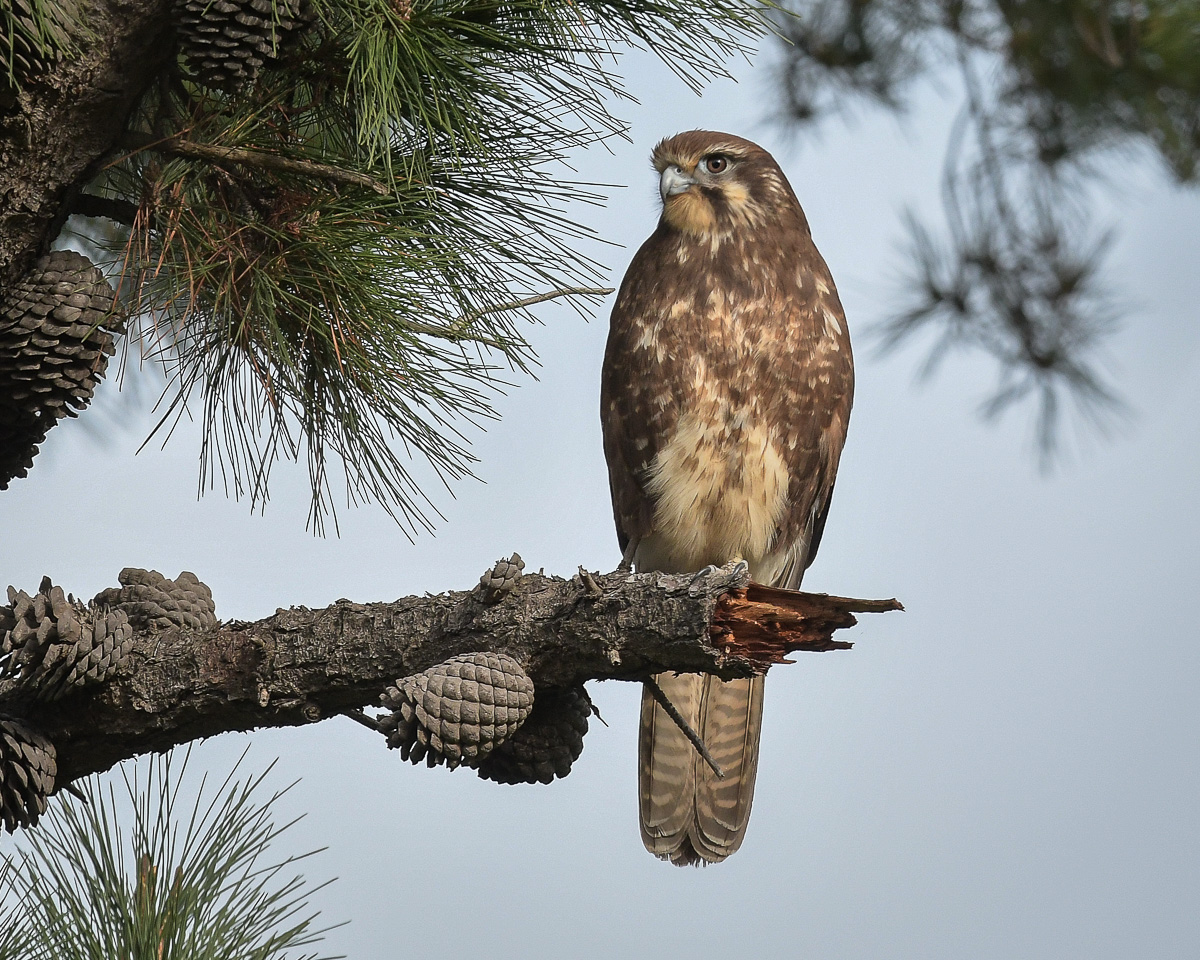
She was sitting among the pines, keeping out of the wind
I nearly missed spotting her, and had to go back for a second look.
Then the sun came out.
It really burnished her recent moult into rich brown new feathers.

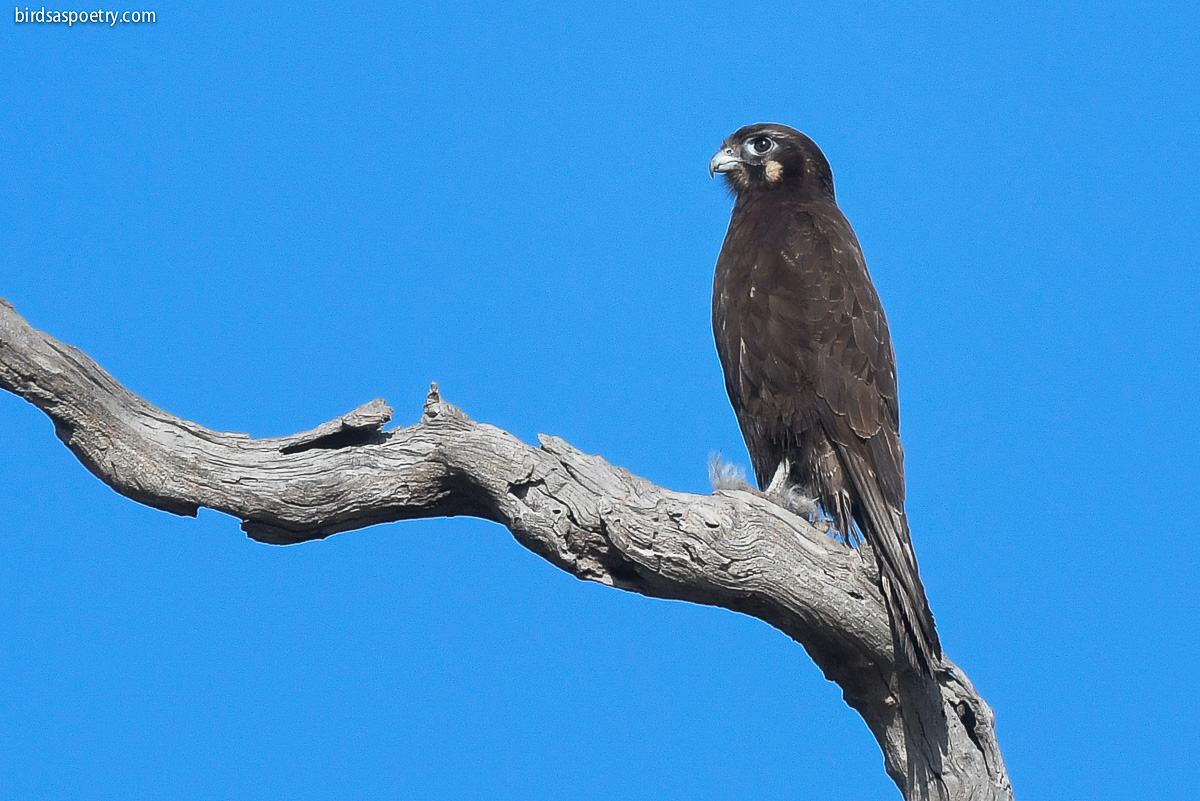
Another bird that caused consternation for those who spotted it. Such a dark chocolate colour that at a distance looked like a Black Falcon.
However on closer examination the face mask and stance were of a very dark Brown Falcon.

This one was on the side of the road and at a distance I thought it would be a Kestrel.

And interesting combo of a light marbled chest.
It’s not wary of me, but of a vehicle that is coming down the road, going fast and then slow. Vehicles at speed they can deal with, but the erratic causes them concern.

The rich honey colours of a recently fledged bird.
The dark juvenile colours will change out at the first moult. Interestingly the rich honey tones will change lighter as the bird spends time in the open sunshine.

High Action

Enjoy
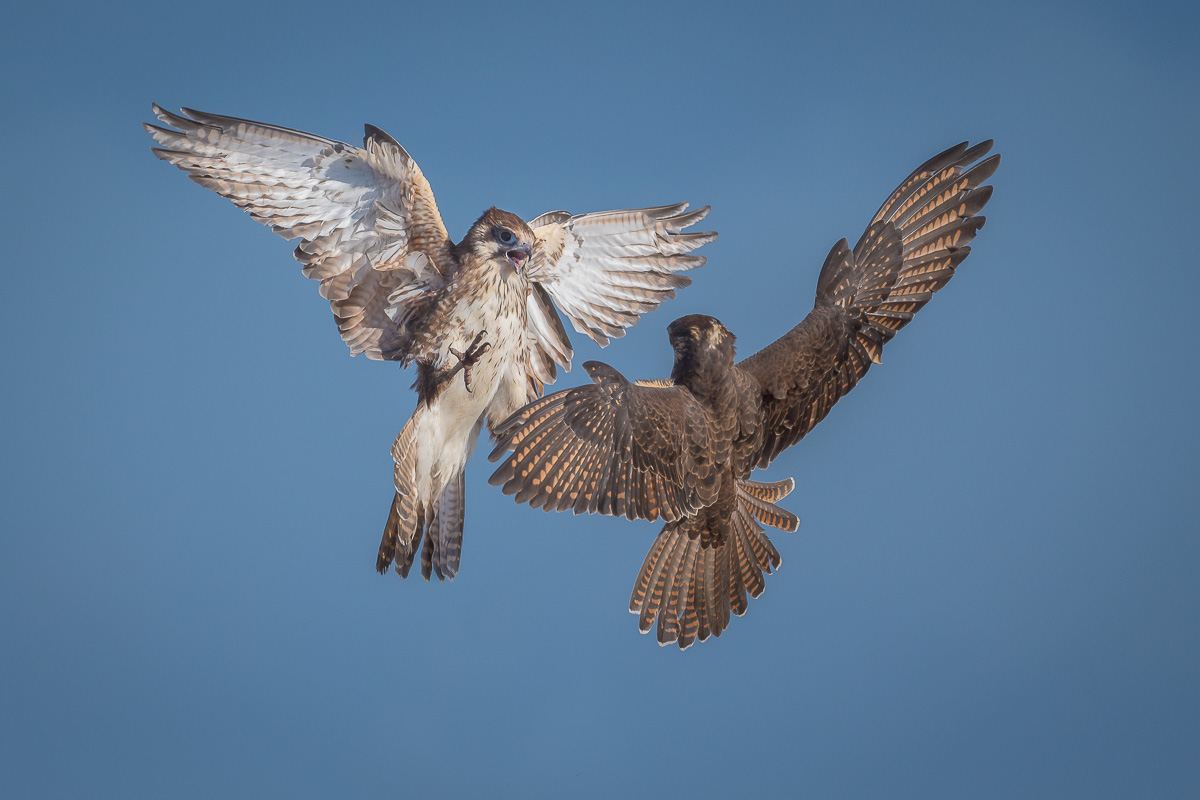
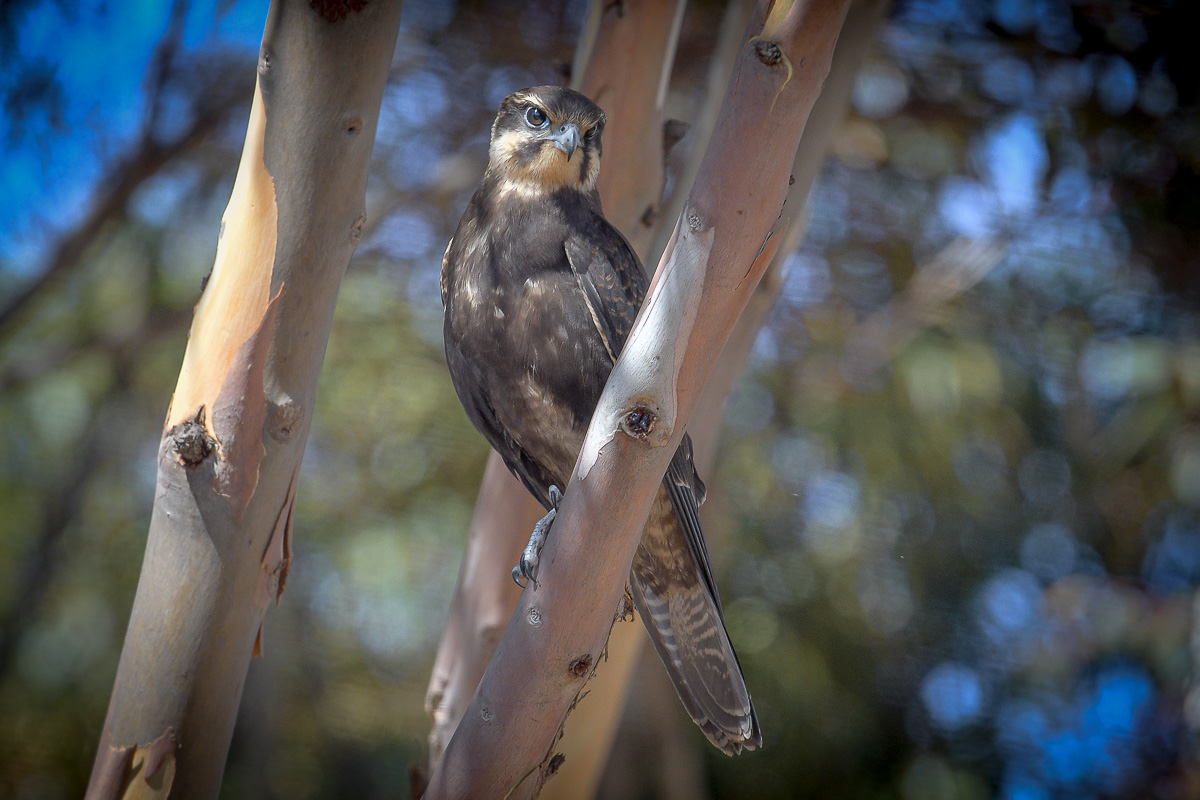
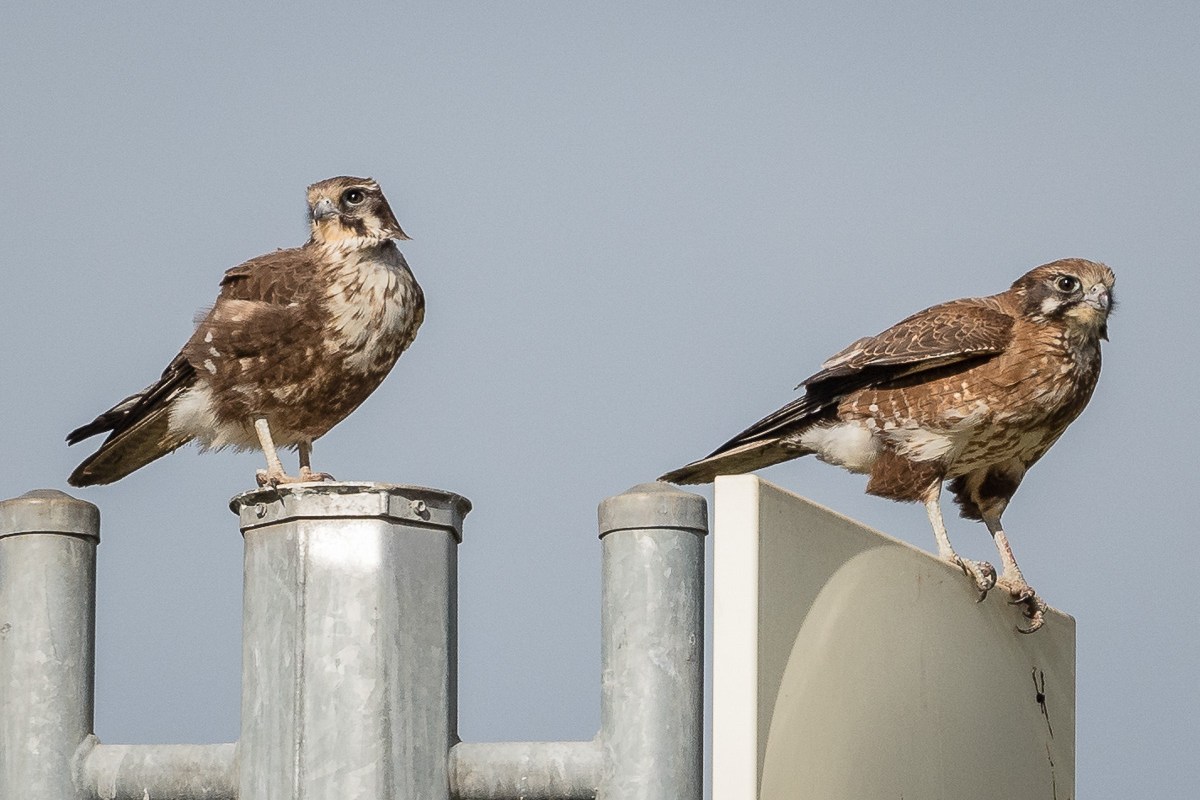
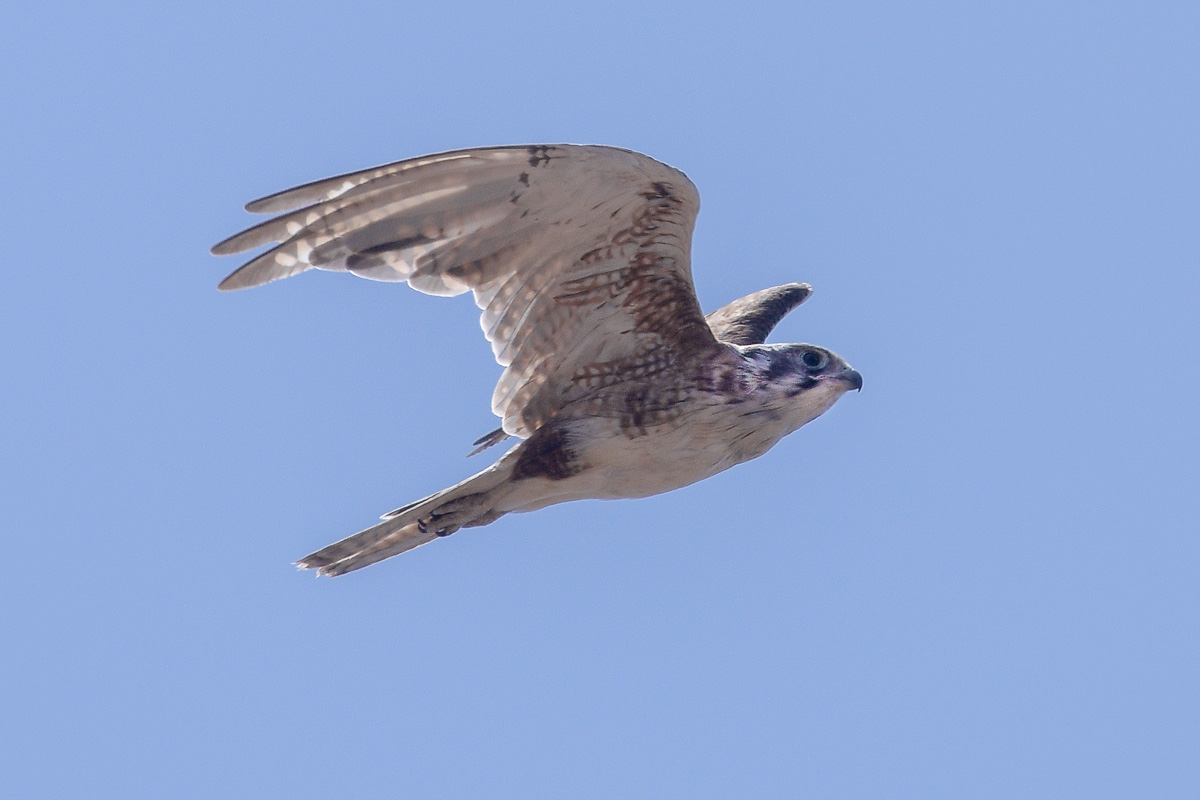
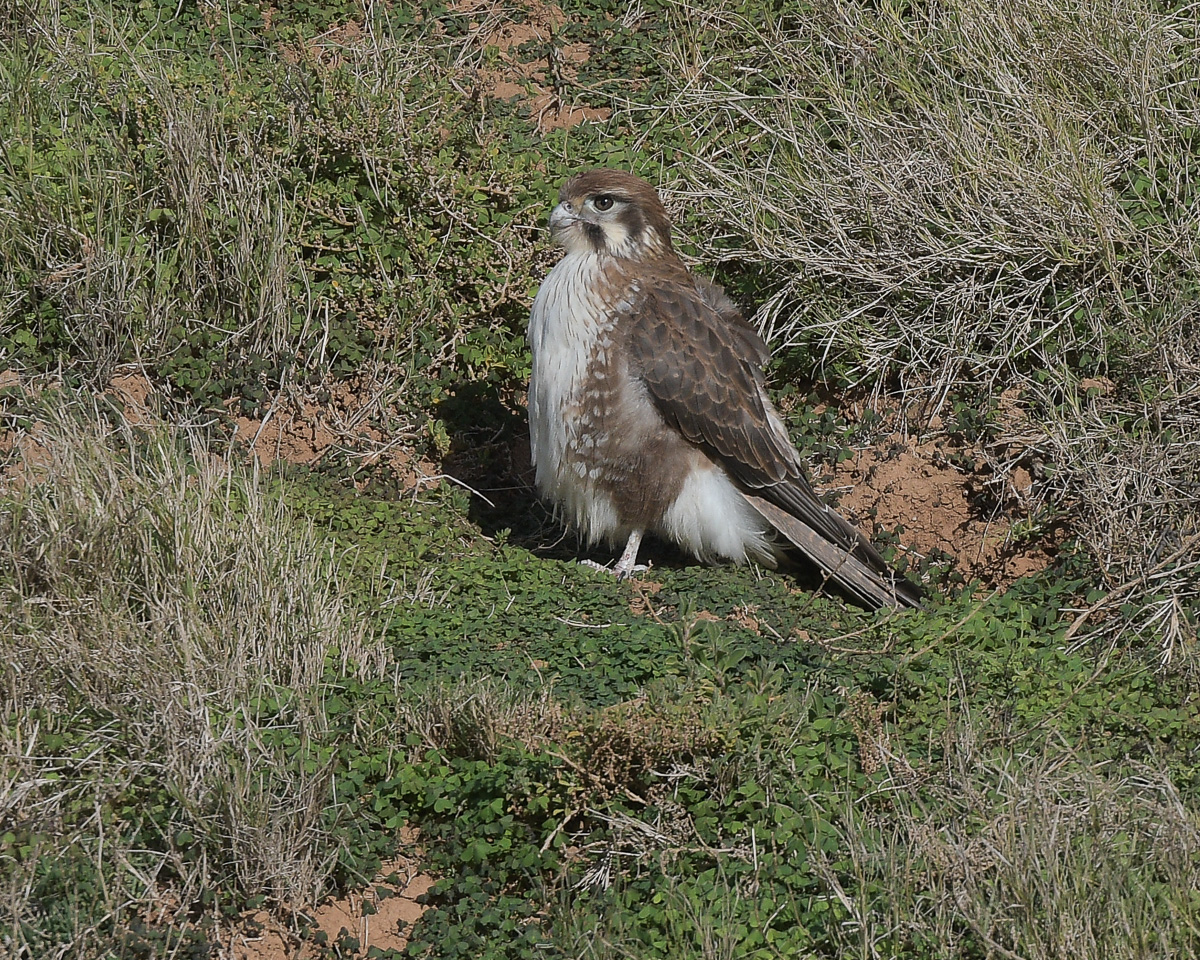
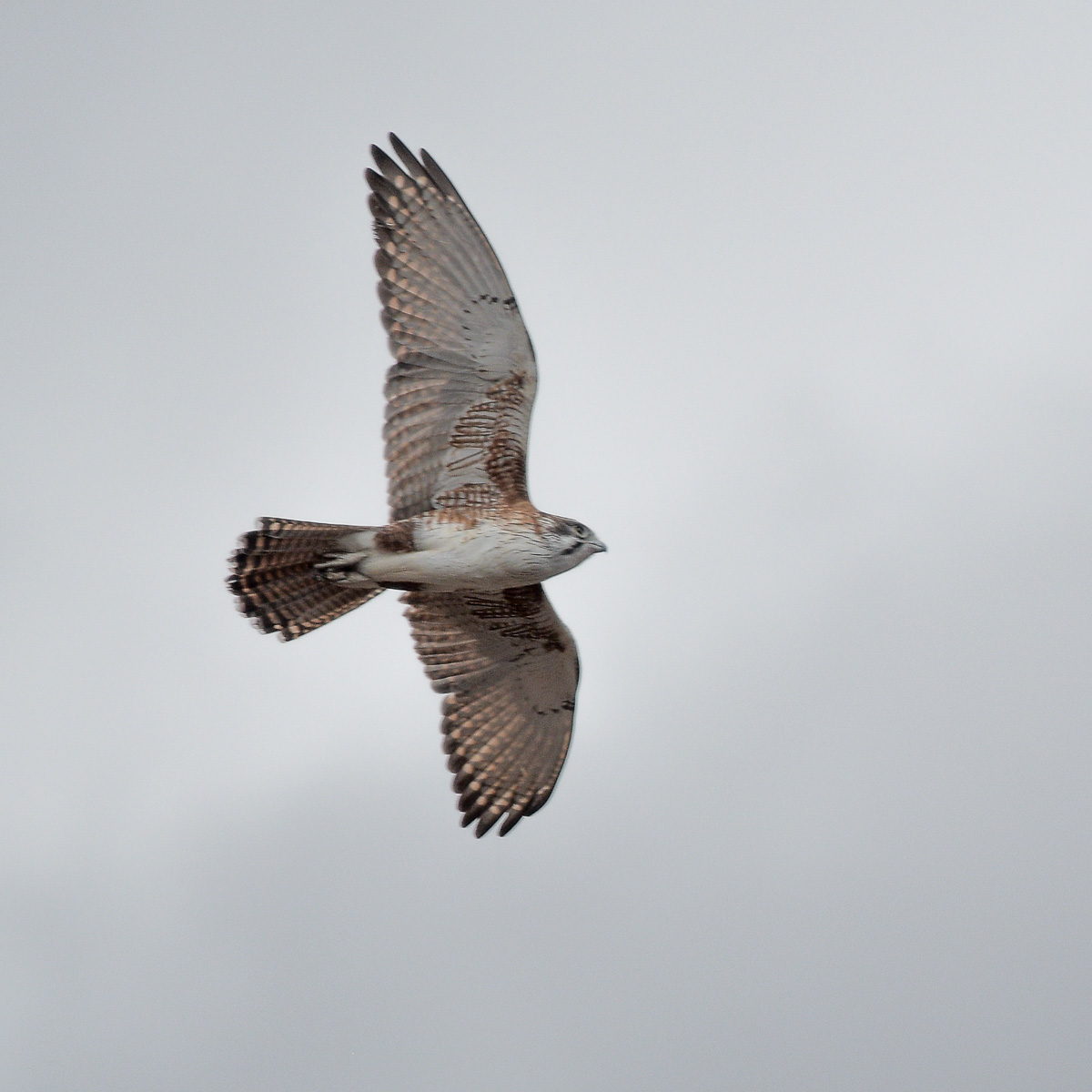
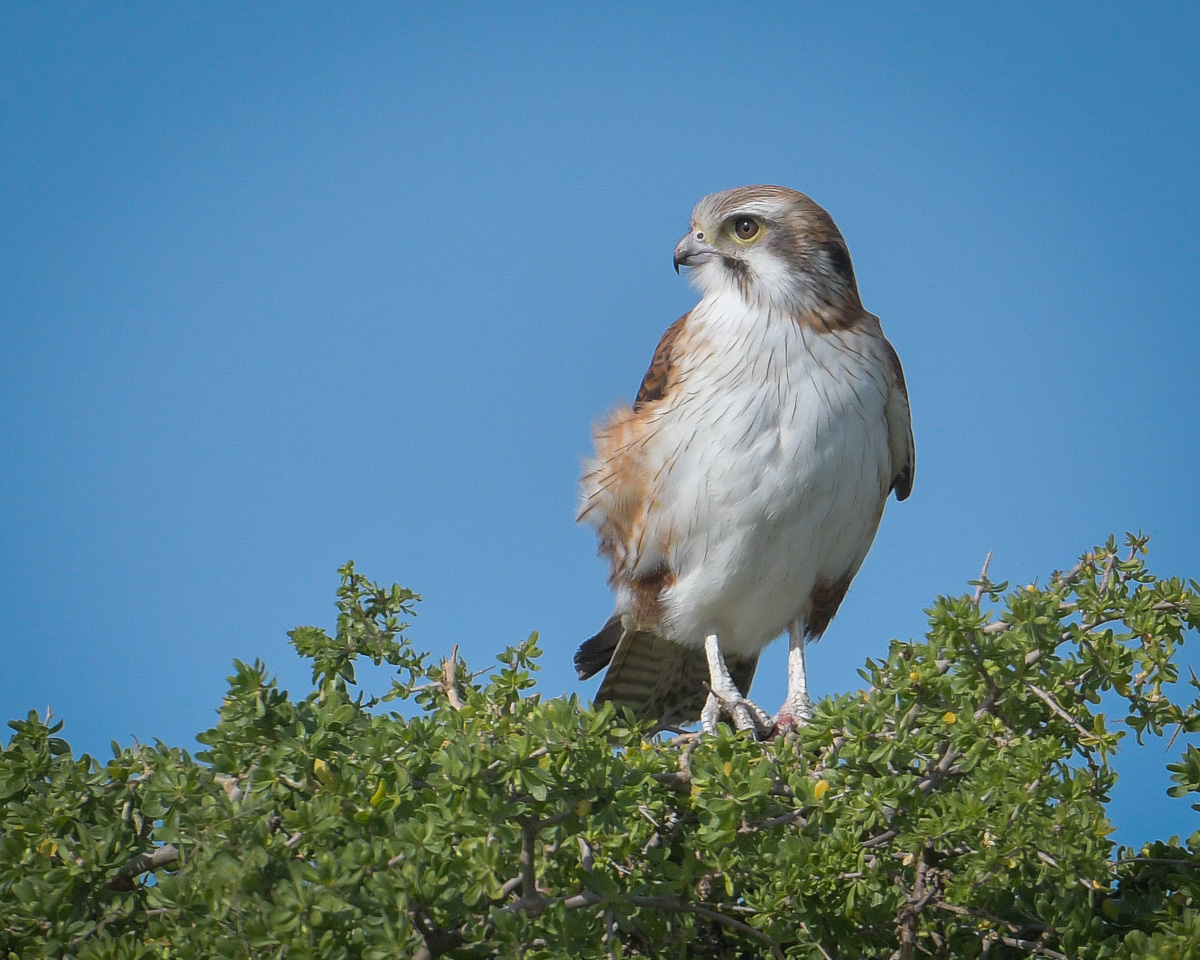
PS Betcha can pick the male from the female in the header photo

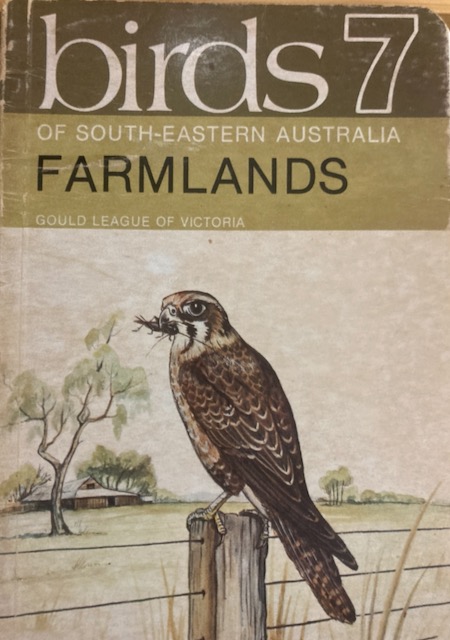
I always think of this cover painting by Susan McInnes from the Gould League “Birds of South-eastern Australia” series. This book has been much travelled in our family