Along the Track: Morning Rounds

It’s possible on a day at the Western Treatment Plant to clock up over 100 kilometres of driving. The entire plant is over 10,000 hectares — a little smaller than Philip Island.

Some recent changes to the access areas means that those who formely had limited access may now, from the 31st of July 2023, enter what was previously the “Special Access” area and required a different key. Now, One Key, (as they say in Tolkien) rules them all.

I think it’s fair to say that these days there are three sorts of people who visit the plant.

1. The true birdo. Dedicated to seeing as many species as possible in the shortest time, and of course to find that elusive ‘visitor’ to add to the total. These folk have been the mainstay if not the major visitors for many years. Travelling every road and side road is part and parcel of the visit.

2. Now it seems that photographers are becoming the dominant “species”. Again, desiring to see and photograph as many birds in the day and be able to have them all posted to Instadump or Spacebook before anyone else. Speed of travel is their essential hallmark, and sometimes it seems to me, to resemble a Rally-cross event (I used to photograph such events a long time ago so understand the techniques)

3. The art photographer. Not yet a huge group, but growing I feel. They have a need to find a bird and provide the ‘best possible’ image of said bird that shows not only the best of the bird, but their ’empathy’ for the species. Also prepared to stand around and pontificate about the latest mirrrorless kit and lens that is a ‘game changer’.
Clambering over grass, through salt-bush, crawling along the beach and the mudflats, is de rigueur for that expressive moment. Often I’ve noted of late, dressed in camo and ghillie-suits, looking more like an SAS Sniper. Willing to stop in the middle of a bund road to walk, crawl, or sneak to a spot to get that shot. Meanwhile the roadway is blocked to all other passersby.
( I know, I think I used to do this!- sans the ghillie)

A fourth visitor group, just to show I can count beyond three: is more the traveller about the plant, seeing birds and generally enjoying an outing.
These days, I have to admit to fitting somewhere between 3 and 4.

We no longer do the ‘full tour’ We have a few ponds and areas that we’ll go to, sit for awhile, and then move on. Most days, it’s an early morning start, and by lunch time, it’s time to go on up the road to The Highway Lounge, and one of Gerry’s well made hot brews.

With the sun streaming in through the window at breakfast time, the other morning, it didn’t take long to abandon other projects for the day, and head on down to the WTP.

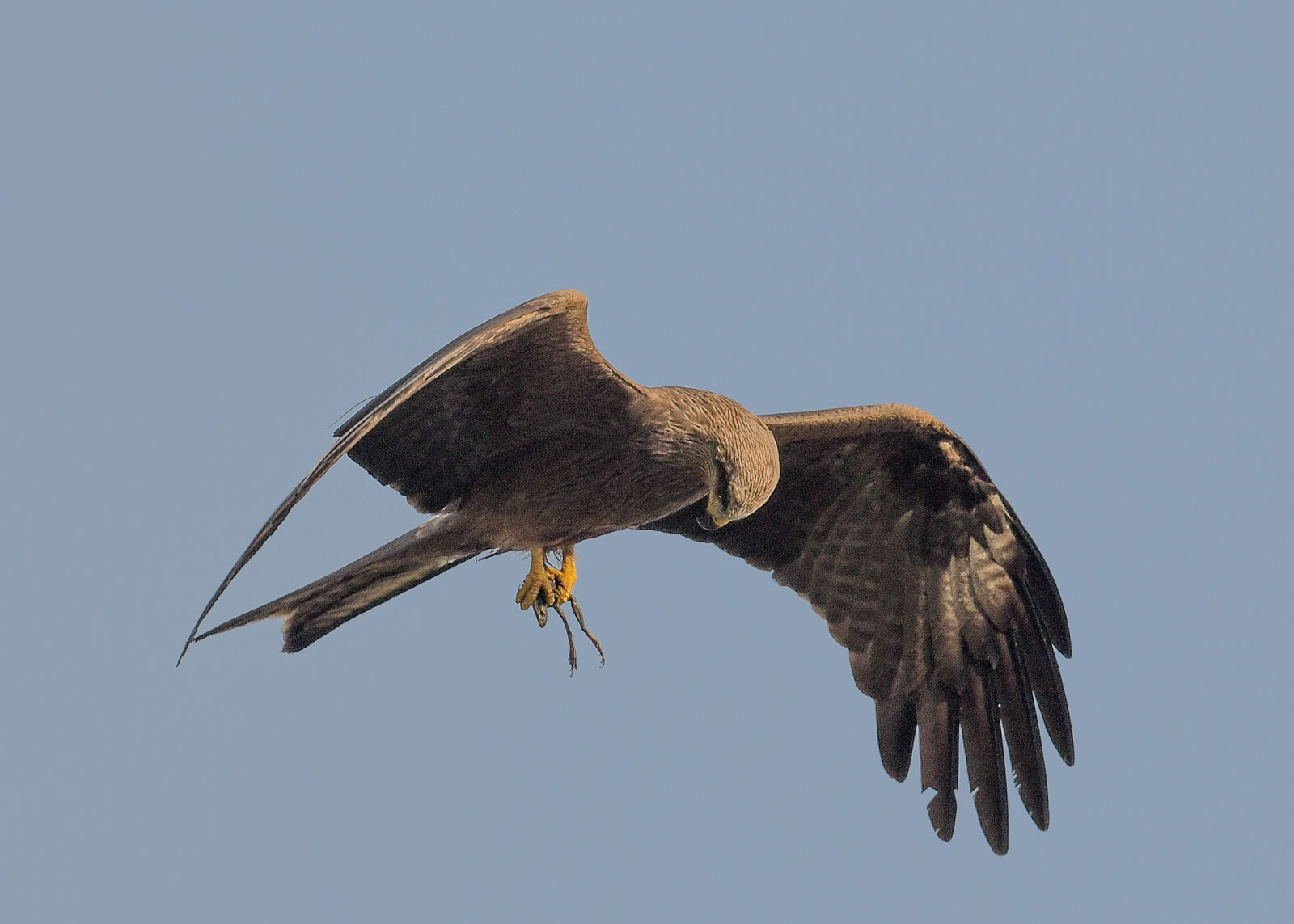
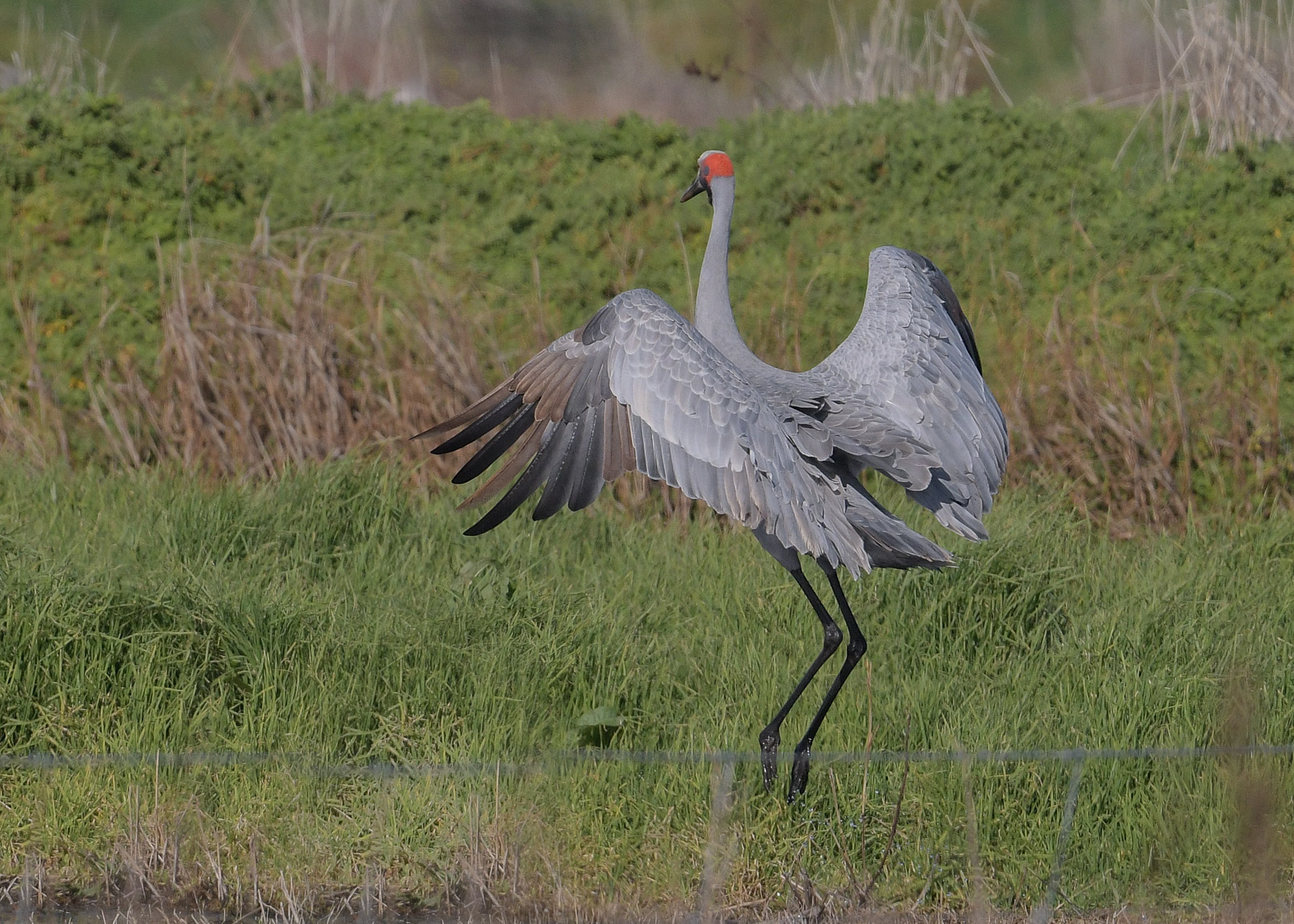
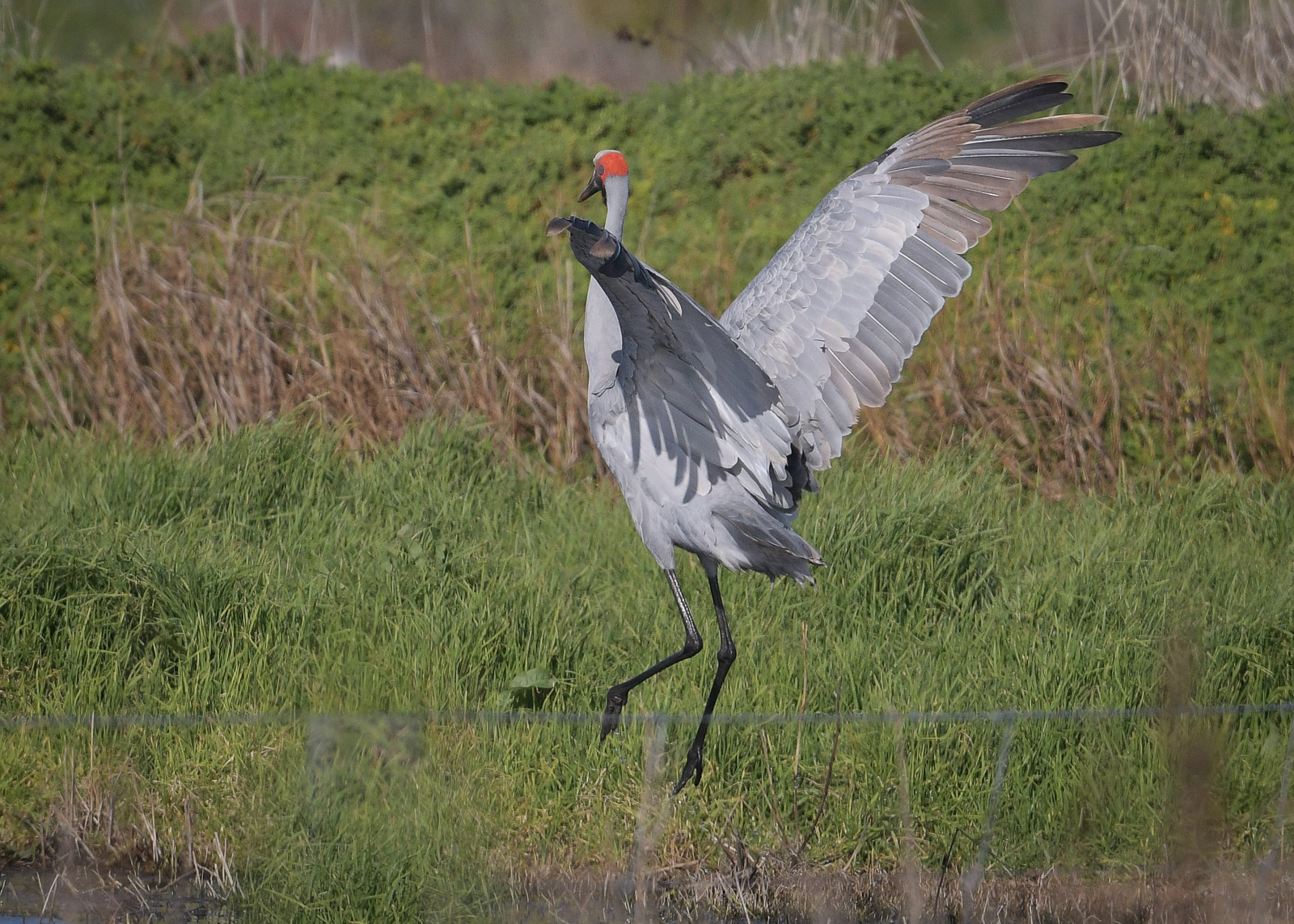
Here are a few from the day. Click on an image to move to a Gallery experience

Enjoy
Along The Track: Meet the New Neighbours

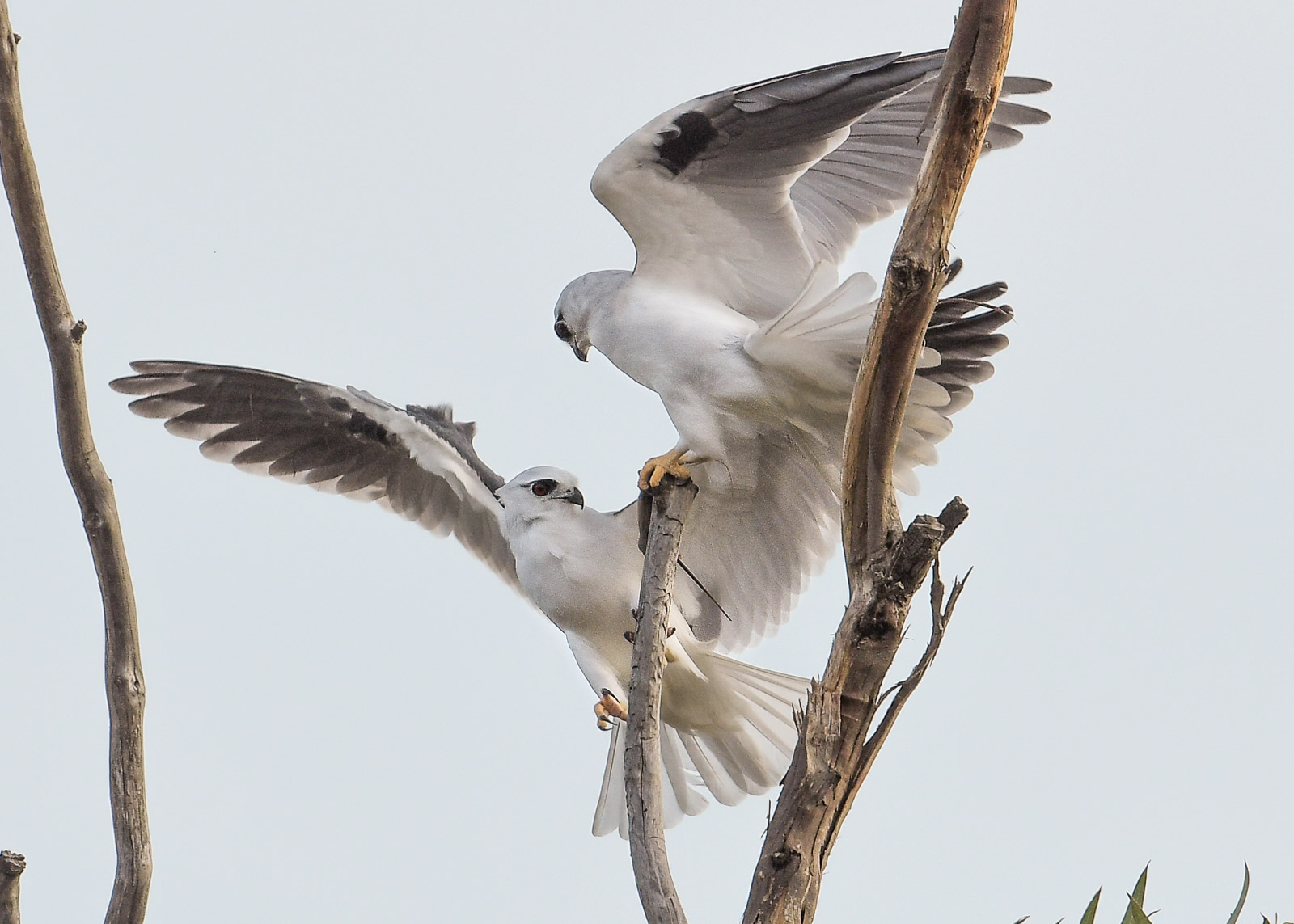
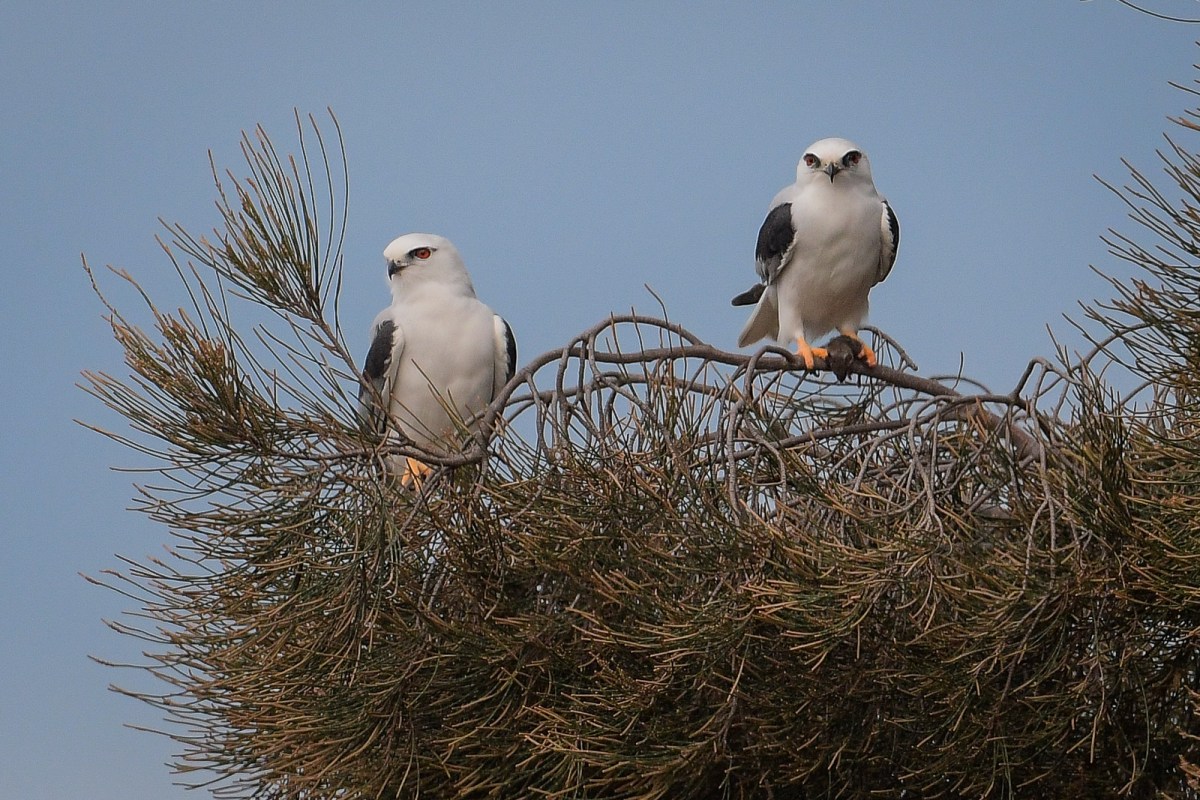
Regular followers will know that not too far from home, in a quiet roadside reserve, we have over the years been following the nesting activities of a pair of Black-shouldered Kites, named, Belle and Bronson.

If the boy scout arithmetic is close to correct, (and a lot of covid-lockdown not withstanding), it’s likely the that pair over about 4 years had as many as 10 successful clutches and two that were abandoned for various reasons.

Each clutch on average was 3 young birds, with two being just 2 young. All seemed to survive to leaving home, so its possible between them they flew at least 28 young birds to add to the population.

There is some anecdotal evidence that Belle had a least two Bronsons. Which would make her quite an old bird in Black-shoulded Kite years.

In September 2022, they again flew in sticks and mated and she settled in to the job of her 11th clutch.
But.
The weather turned dreadful not long after she had layed the eggs, and we had over a week of incessant rain and extreme high winds. We had watched the branch carrying its precious cargo being tossed about like a leaf.

After about a week, Belle disappeared. The nesting was over. We’ve seen her do this before and usually after bulking up for 2-3 weeks, she’d return.
Time, as they say went by, and no sign of return.

Bronson was still home-schooling his previous two young. They were pretty much full grown and self-sufficient, but they stayed around the home tree, and he sat with them for a couple more weeks, eventually they too left and the paddock and small treeline was bare of Kites.

All through October and November, we kept checking, but in the end it was obvious. This party was over.

We did make occassional visits, but all through till March there was no further activity.
I had been following a second pair of Kites about a kilometre down the road, so a drop in wasn’t too hard.
In early April, we heard familiar sounds of a Kite short squeaking call. All excited, perhaps the pair were back. However we only found one and it certainly wasn’t from the missing pair.
A few days later a second one was visible. This one certainly was a much younger bird and we wondered if they were a pair.
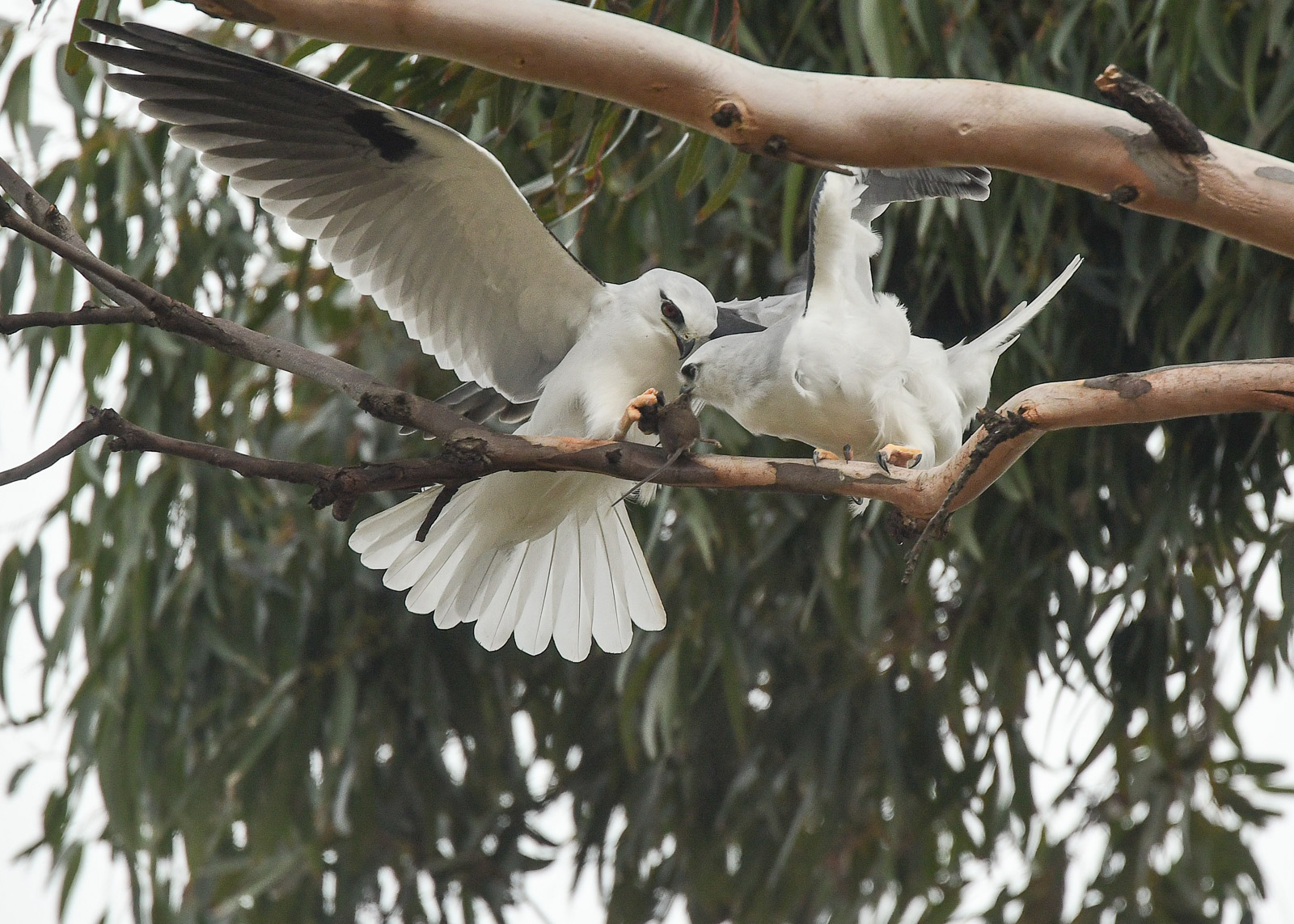
Hard to tell, initially. They certainly didn’t behave like the originals and they had some unusual habits. Including not using any of the more familiar perches and spending time at the far end of the little plantation. Also it soon became clear that they did not engage in aerial transfer of food. And to be honest, watching them try to transfer on a branch showed how clumsy either, one, or both of them were. Eventually they settled on using the large street lights over the freeway as a level table to pass the mouse across. Strange.

The upside was the work, began, a site was settled on, and settled into. Stick carrying, and mating were the order of the day. Inspite of their clumsy food transfering, the mating seemed to go quite well, thank you.

I’ve delayed writing about it, and showing some pictures as it’s been very much an on-again off-again process. We think of them as ‘new age’ birds that have a new set of rules. 🙂


Enjoy

From the Field Notebook: Raptor Morning

We had chosen to go to Point Cook to see if we might get some close in Gannet hunting pics.

Well they were there, but so, so far out. Perhaps 40-50 of them, and a great splash was in progress. Lovely to watch, but no photos of distinction.

However, the day was not lost, as we managed to have visits from no less than 7 different raptor species. Didn’t manage a worthwhile shot of the Collared Sparrowhawk or a departing Swamp Harraier, but we were entertained over a cup of the Grey of Earl, by 5 Whistling Kites that seemed to want to play through the tall pines at the water’s edge.

Mike the Black-shouldered Kite is still busy as Madeline is sitting on a new clutch.
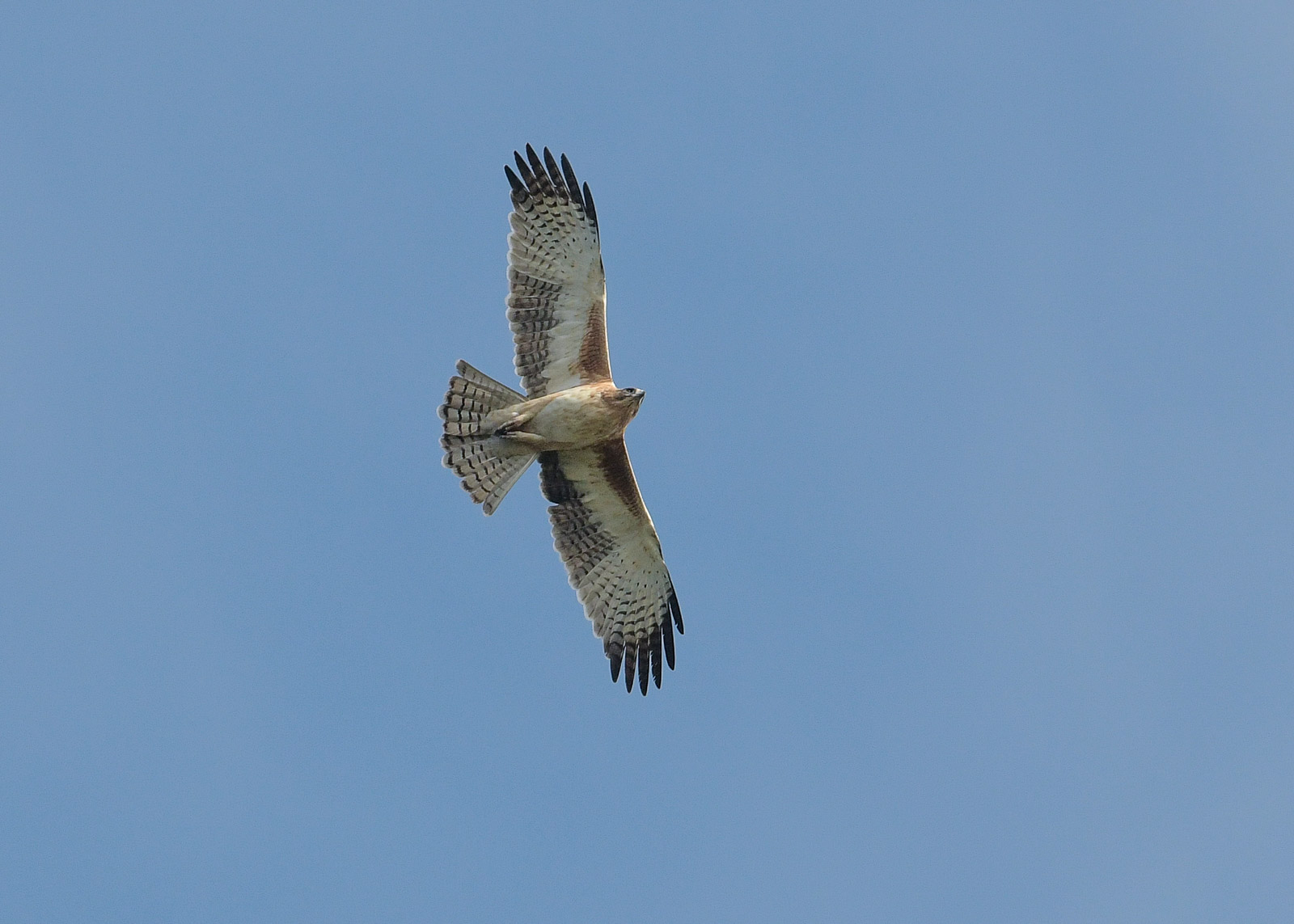
Interesting to find a pair of Little Eagles. They kept high in the air to prevent the local Magpie neighbourhood watch from harassing them
Cassia, of Cinnamon, and Alistair made a brief appearance, and were happy to sit together and exchange calls.
While not a resident, this Hobby is making occassional shows through the park
Five Whistling Kites were out for a morning’s fun. They kept us entertained as they chased each other through the trees
We haven’t seen good number of the kites for a couple of seasons. The wonderful rich wing markings that kind of resemble a studded jacket were a treat.
Such big birds, yet so highly manoeuvreable through the trees.
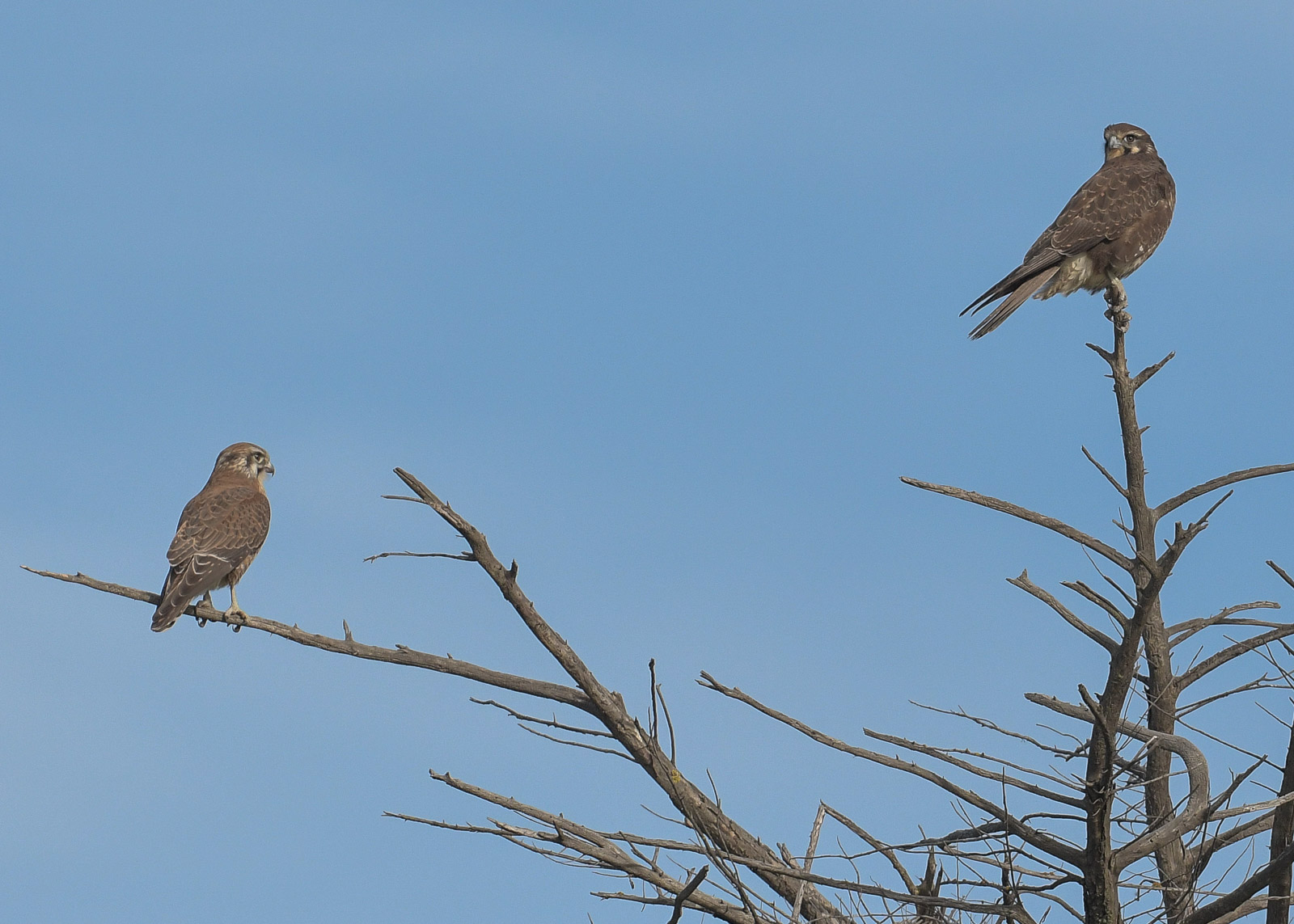
And as we headed for home we found two Kestrels at hunt

Just shows that sometimes a day is unpredictable.
Enjoy