Lindsay (to his Ozzie Mates), dropped me a note on his scheduled visit and I found a day that looked suitable. Not that we had many options.
So as the Banjo said. We went.
The weather map showed no cloud at all when I checked, but when we got to the Pt Wilson Road it was pretty certain the map was wrong. So we suffered the usual grey sky pics. And kept our eyes up for an elusive Sea-eagle.
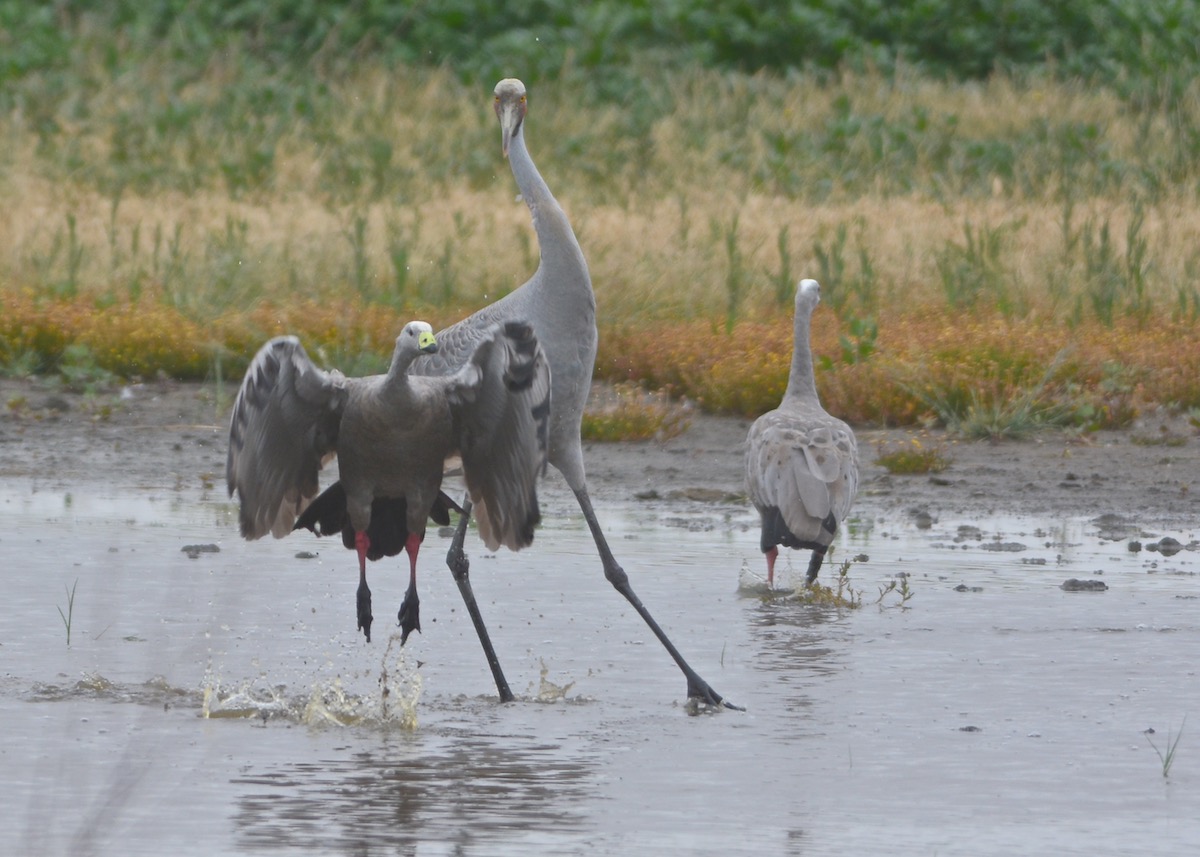
Lindsay had about 4 birds that he really wanted and we managed to add Brolga. A pair were sitting in the grass on the far side of a pond, and at first everyone jumped to conclusions “She’s nesting!” but change the ‘n’ to an ‘r’ and you’d be much more likely to be right. So it was. When we swung by on the return journey, they both had moved quite a long way down the bund.
And then we saw them have an altercation with a handful of Cape Barren Geese, and the geese didn’t bother to stick around and argue.
At the moment the Whiskered Terns are hunting prodigiously and obviously productively. So we spent quite a little time working at really close distances with them as they swept along the mouth of the Little River.
And to top it off in the distance a Sea-eagle took off. Too far.
I was using the 300mm f/4 lens and was surprised to remember how fast it was at grabbing focus. I must remember to put it back on the D2Xs and it will really sing.
The sun came out and we had a really fine afternoon and some good results. On the way back we stopped for the ‘traditional’ coffee and Banana Cake at the Highway Lounge, and then as we were near swung into the Werribee River Park, but it was pretty quiet. But on the way out three of the young Kestrels were hunting in the evening sunshine. Lindsay was hanging out the window trying for that ‘best’ shot. The bird obliged by dropping off the post on to the road, but I think the af on the D7000 might have found the roadside more attractive. At least that’s how I interpreted his response.
Here’s a days sample See Lindsay’s Page sometime soon for his version.
We dropped him at the railway station after a day of much mirth and frivolity and some great birding and excellent photo opportunities. Seeya next time mate.
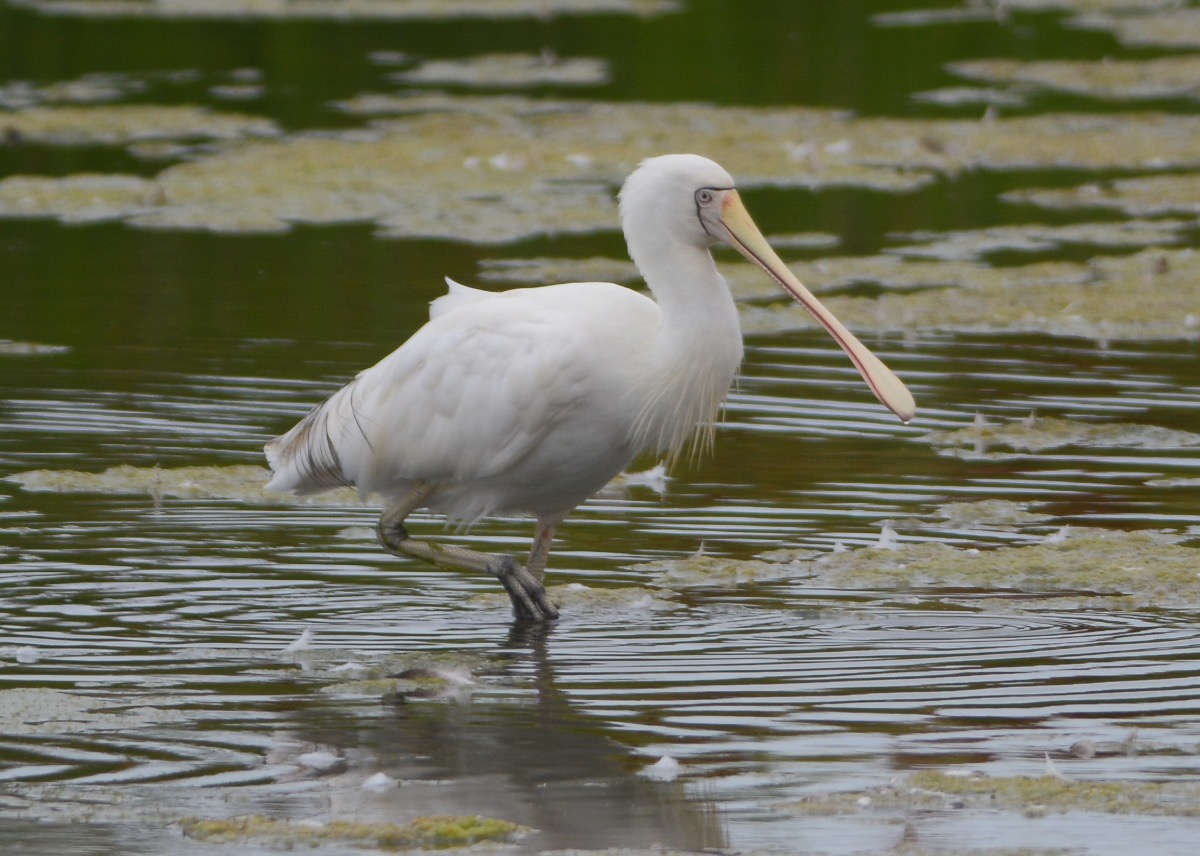
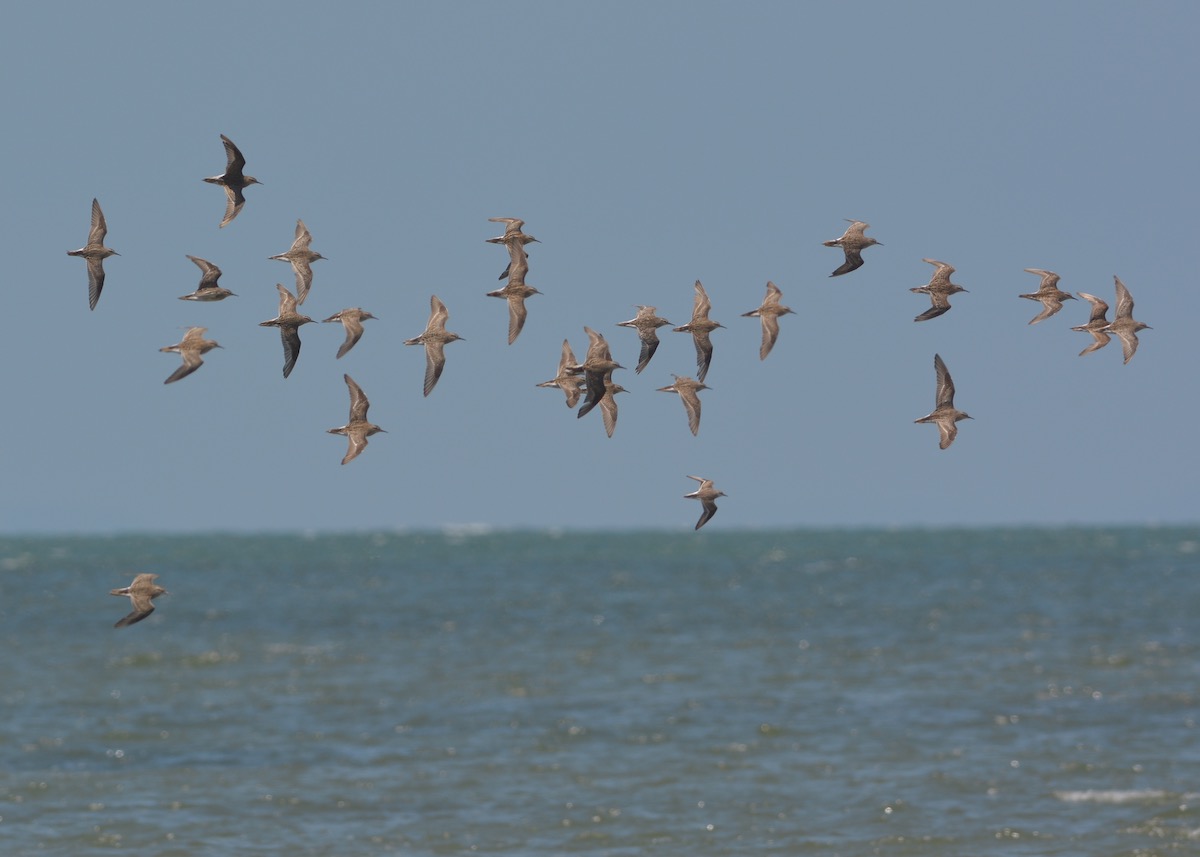
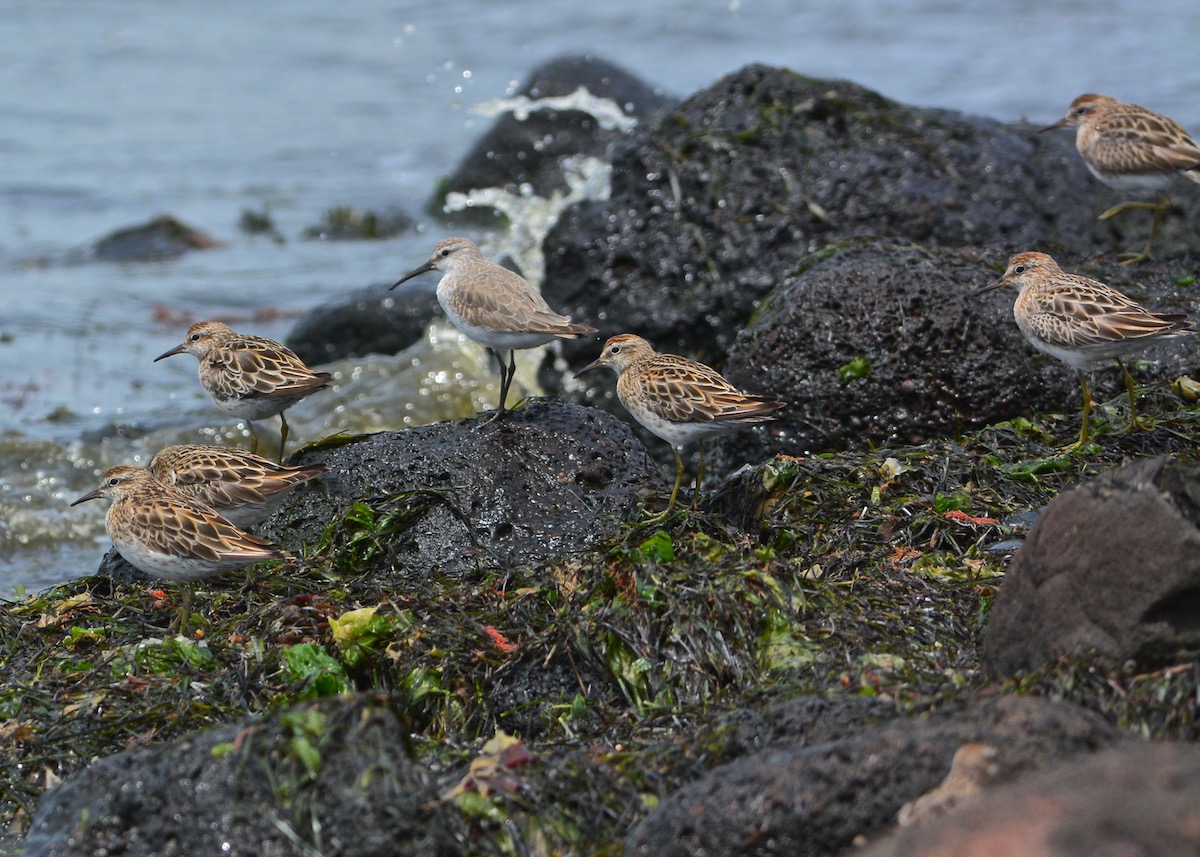
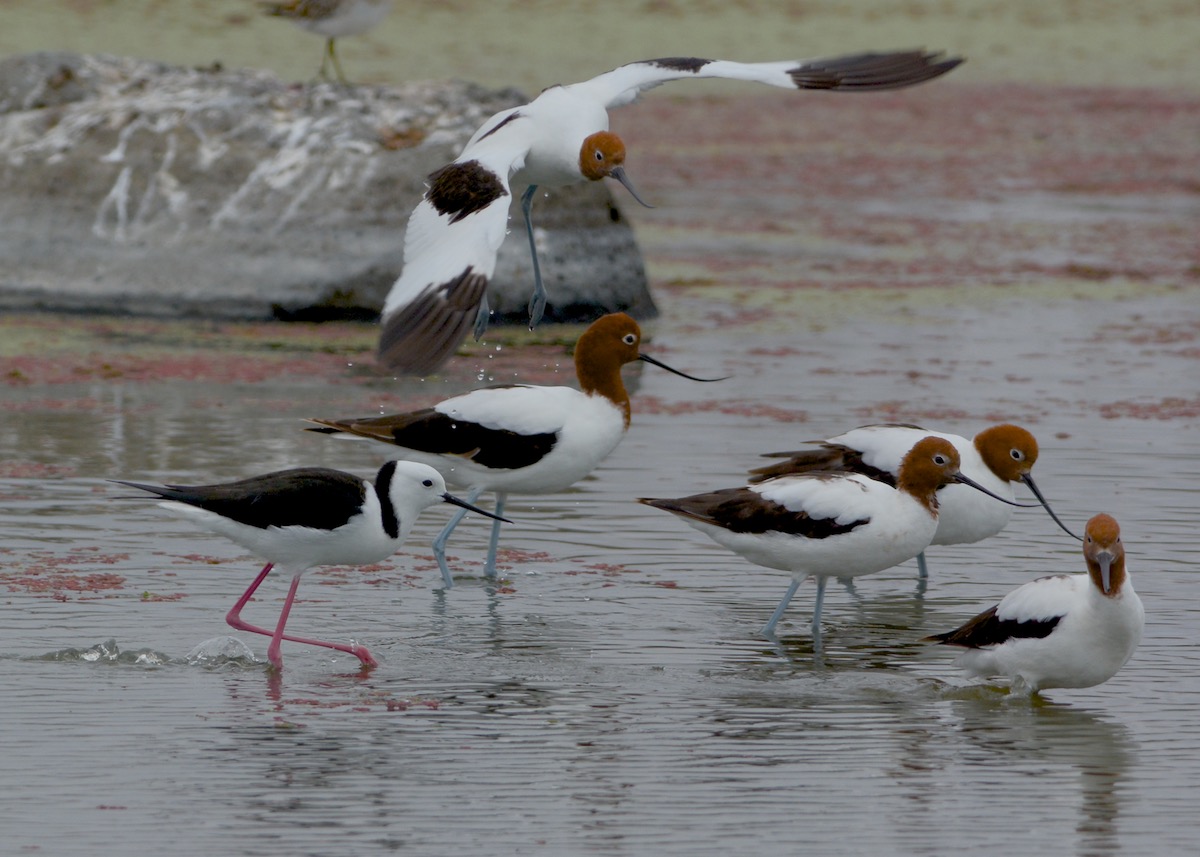
“Is she nesting?” No, afraid not.You don’t mess with the big guy. For some reason the Geese were not welcome in his pondReally soft light helped the Spoonbill shots.Whiskered Tern at touch downLittle wings that have flown so farThe tide was a bit slow turning and these birds were anxiously waiting for the mudflats to be exposed.A Wagtail sees of a Brown FalconPied Oystercatcher on final approachAlways enjoy the flight control of the Silver Gull.Its not obvious, but the Black winged Stilt is moving the Red-necked Avocet along. No room in this pool.The master at work.
A long time ago, in years, I was a simply a Landscape Photographer. I happened to live quite near the Woodlands Historic Park, just opposite Melbourne Airport. The Moonee Ponds Creek has its head waters in the area, and the Creek at this end is not permanent water, but draws from the surrounding hills and channels the water down toward the Yarra.
The watercourse was, and still is a prefect habitat for the majestic River Red Gum, and there are many fine examples of these trees in the park. Some of them no doubt older than European Settlement. It is pretty awesome to stand under these wonderful trees and ponder all the things that they have seen come and go.
Now, as I mentioned, in days of yore, I would roam these paddocks and valleys in search of the right light, the perfect moment, the touch of mist or the brilliance of the light upon the massive trunks to make great landscapes. I also in those days had a huge tripod, which I seemed quite capable of lugging for miles. Some of you won’t have heard of Filum, but it’s not a four letter word alone, it was the medium of preference for photographers all those years ago. Big filum. Large sizes. No megapixels, and remarkably heavy and slow lenses to use on equally heavy and awkward cameras.
But times change.
I moved to digital very early in the development. (Easy to say, worked for a company that had both a foot embedded in the filum market, and dabbling in the development of digital technologies.)
But my love of light, shapes, tones and textures that make those landscapes work still drove me.
Until.
One morning, about 10 years back, I was returning to the carpark, and stopped to take a break at a park picnic table. A Willie Wagtail flew past. Not the first one I’ve ever seen, but it flew back again. After a few minutes I became aware of a lot of Wagtail chatter going on about 20 m, away and decided to see what it was all about. To my delight, surprise, awe and enchantment, the two Wagtails were hard at work building a nest, and explaining in Wagtailese to one another the finer points of nest building. Nor did they seem at all concerned by my presence. So, wandering back to said tripod, (I was still using for the digital cameras.) I picked my longest lens (a 200mm f/2.8 ) and moved it all close enough to take some shots of this activity.
Willie Wagtails are a remarkable combination of Black and White. The two most difficult tones to reproduce well. As any formal wedding photographer, or rock band enthusiast, or vehicle photographer, or just about anyone who photographs high contrast subject will tell you. Still on the point. I was thrilled to see the nest develop, and came back the following day, sat with the birds and watched them at work. The following day, she had laid an egg, and then next couple of days began the process of hatching the young. In the end, flying 4 big fat juveniles. More to photograph.
Now this monologue better go somewhere. From that moment on, I was hooked on photographing birds. So every word and image you see here, and ever pic thats on Flickr and is in mags, calendars and cards is the result of two squabbling little birds.
The only thing I’ve leaned about bird photography is its obsessive. I no longer even attempt to explain. “Oh, I’m obsessed”, is my standard answer.
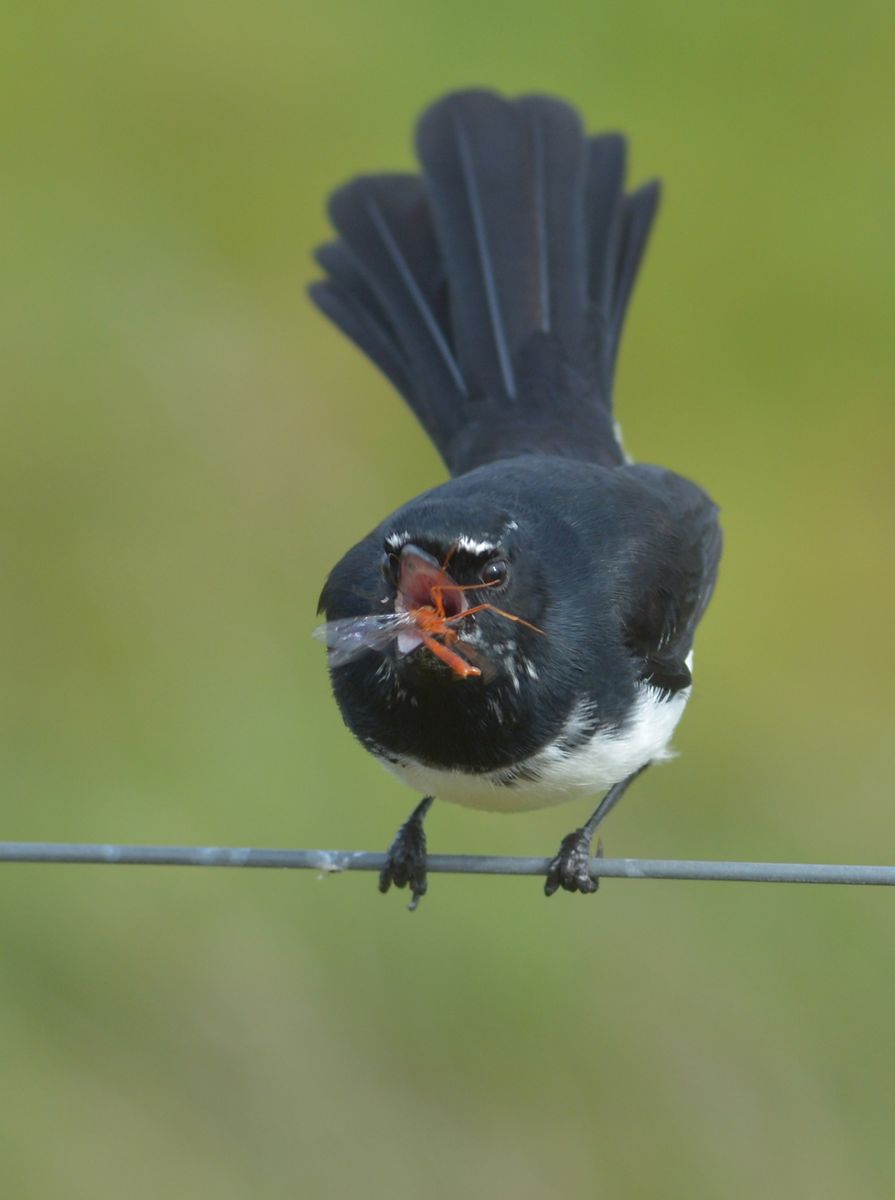
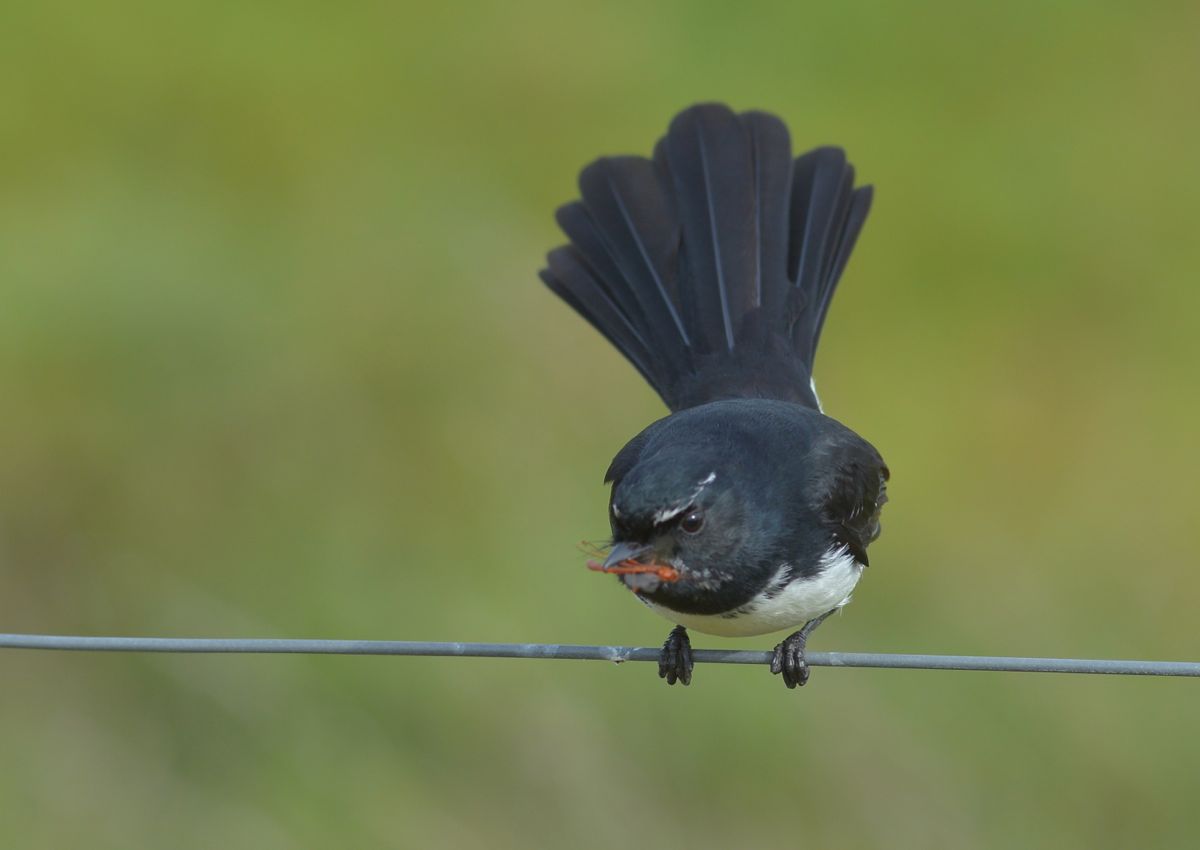
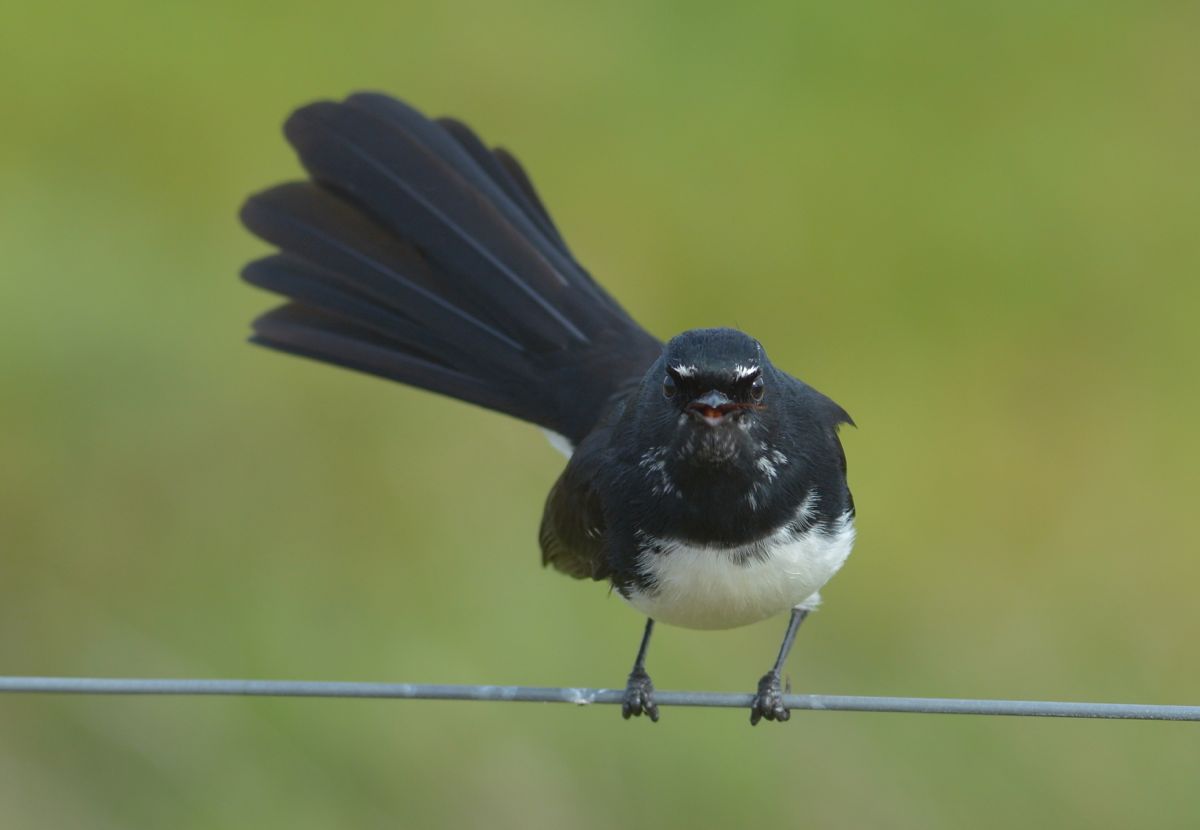
Which bring us to a trip along the track at The Office, and a Willie Wagtail that came across the paddock to first harass me, then to settle, and then to follow me down the fence line taking insects as it went. Most every birdo will have come across a bird on a fence. It’s about 3 posts away. Too far for a good shot. You move in. The bird moves 2 more posts. You move in, it moves 2 more posts. etc etc, until 10 posts seperates.
And this Wagtail was no exception. But, by not hurrying, I managed to get the gap down to about 2 posts. Then things changed. The game became: How close can I let this dude get, before I show my disdain and move on. And still I kept advancing on its position, until we were 1 fence post apart. Then for its own reasons, it began to feed in the road and grass verge near me. Still I advanced and in the end, this amazing bird for no reason other than its own, landed by my foot, hunted, and then kind of flew around me, landed and repeated the process. Now it would land on the fence wire and I could move in to fill the frame. “Do you think this side, or that side suits me best?” Should I wag my tail? And so my love for these delightful little birds was rekindled.
Now its true I could fill Flickr with heaps of shots of wagtails, but rather than do that here is a short selection from a delightful 3o mins or so with a very elegant and relaxed bird.
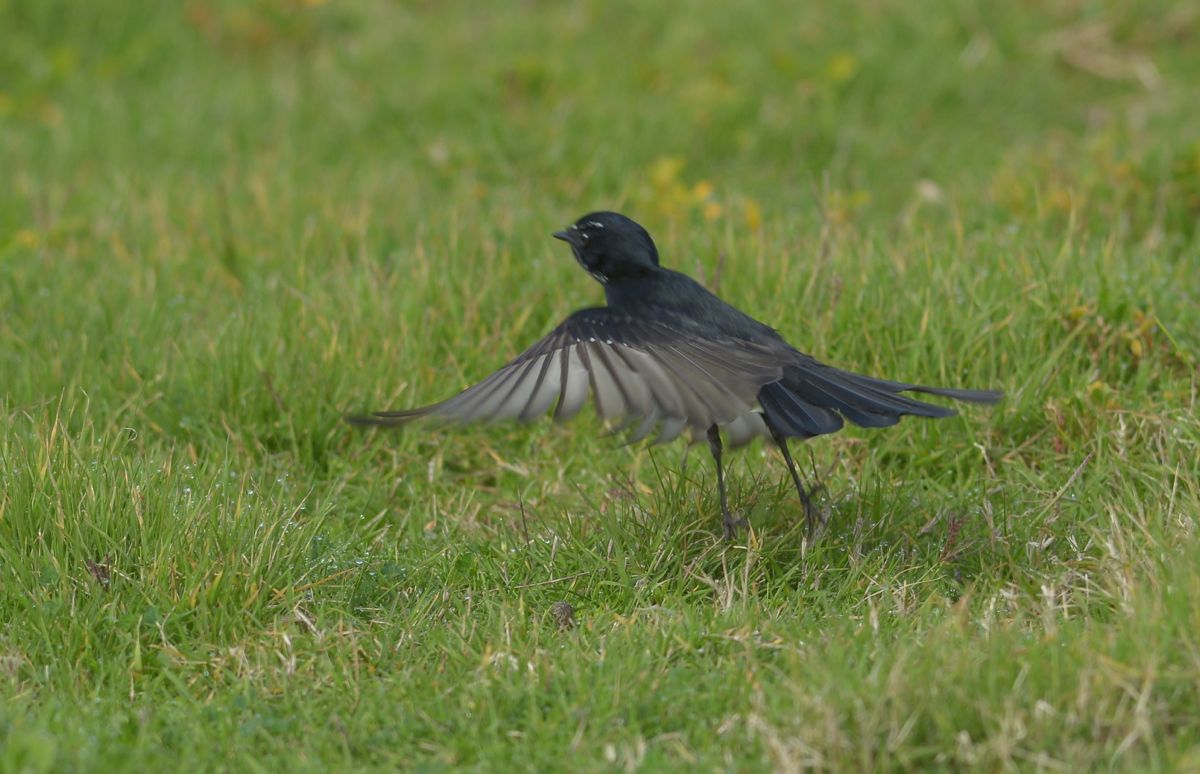
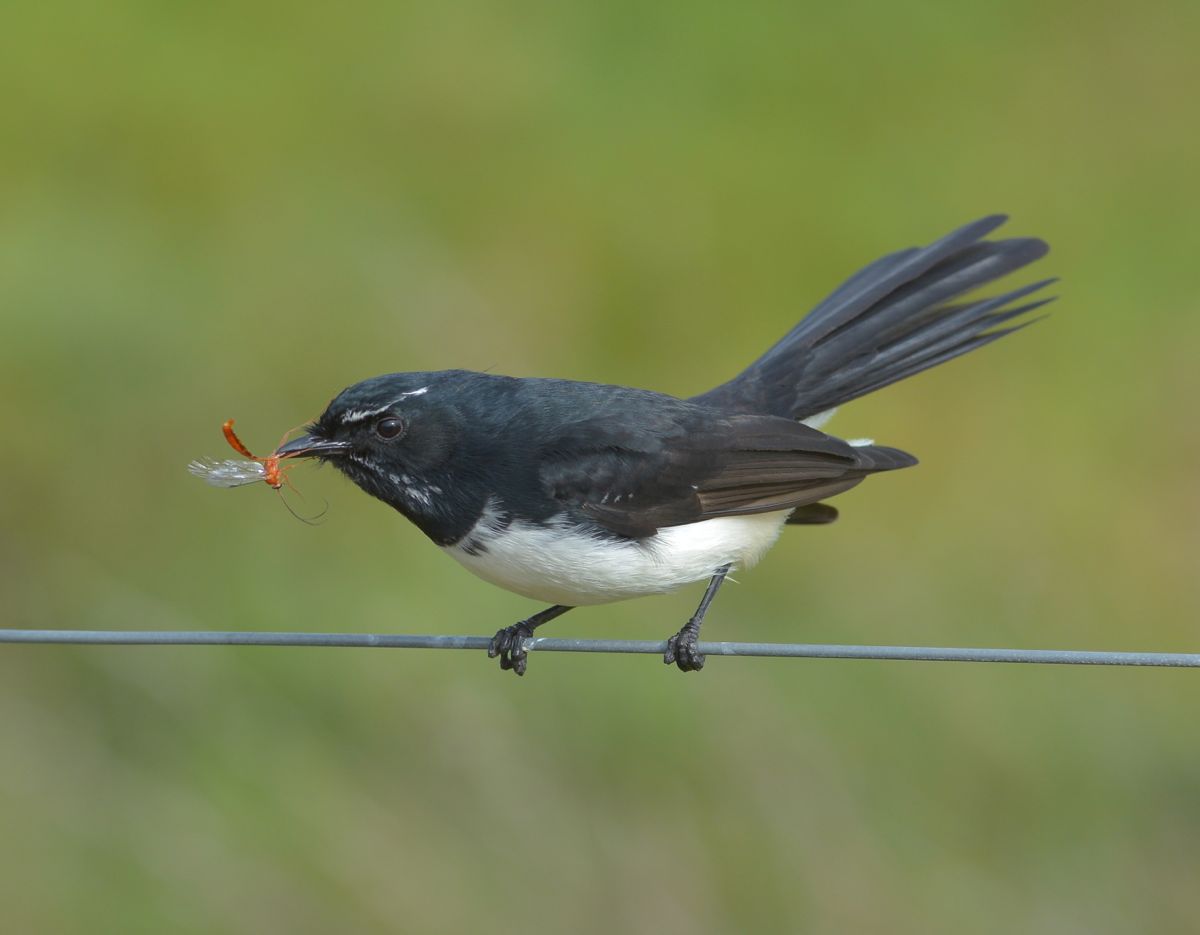
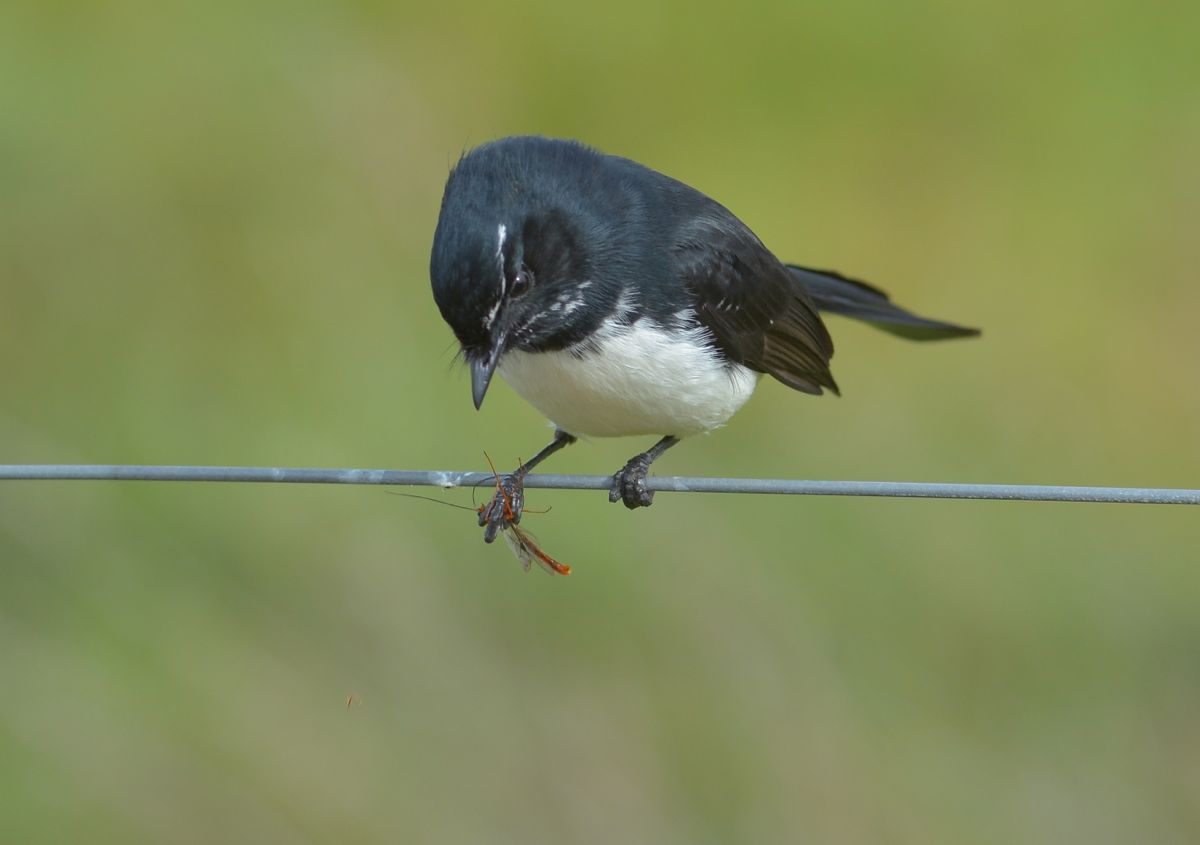
Too close, too close, fly away.Never too sure about you humans. You all look the same to me.At moment of launch.Wow, look at what I caught. Thanks for stirring it up.To deal with these little beasties, one must change the sharp end around. Claws work.Gotta be careful of the sharp bits. Snip, snap.Now you see it now you don’tWell, stir up some more.Is this my best side?
We had to take a trip back up to the family acres during the week. (Astute readers will see the euphemism in there).
On the way back we left early in the morning from Swan Hill, and after some family duties (again an euphemism), we headed on down to the Goschen Bushland Reserve. This little clump of trees and shrubs is a truly outstanding area for birds and no matter what time of year, there will always be something to find. We took the back way down which gets us onto the Woorinen Road and is a very pleasant drive among the trees and wheat lands, if somewhat dusty.
After about three hours, (no euphemism in there), we had seen an array of birds and EE had nailed some new species. Including the Rainbow Bee Eater.
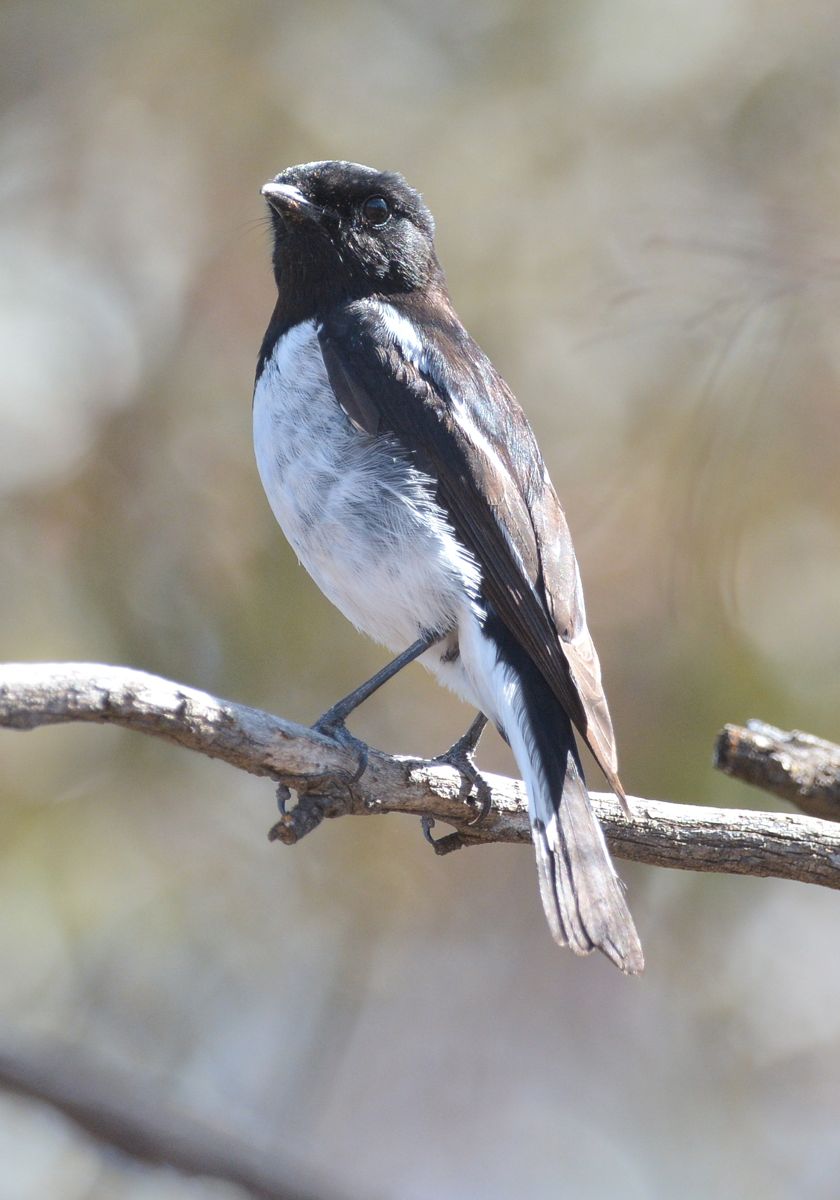
Top of the day however was a pair of Hooded Robins. (those who’ve followed here before will know there is pair we’ve photographed there previously), and they had only in the past day or so fledged at least two young. We got a good look at one of the young, but in the end Mum was getting quite distressed and doing a ‘broken wing’ display on the ground so we moved out of the area.
Next turned up the Rainbow Bee Eaters. These are the most stunningly coloured birds and the metallic colours simply sparkle in the light. I’d not noticed before how hard that is to record with the camera. Plenty of White-browed Wood-swallows were nesting, and I managed to locate a female on a nest. Well to be truthful, I was stalking a Hooded Robin, and walked right past her nest. She quickly regained composure, I took a shot and moved away. I really dislike disturbing them. There were also plenty of Masked Wood-swallows as circulating as well, and no doubt nests to looked after. A few Brown Treecreepers and some Singing Honeyeaters, lots of White-plumed, and EE remarked its funny to drive all this way to photograph whats in our backyard.
And of course as is the case, the Black Honeyeater was no where to be seen. Another chance another time.
As we drove out we spotted some young new fledged Willie Wagtails, and by the road way several White-browed Babblers, but it was time to go and so we moved on.
Just as we crossed the railway line at Kerang, on a most conspicuous tree, we noted a Wedge-tailed Eagle and a nest. Too much traffic behind to stop and go back, so we had to be content with what we had, and journey on to Eaglehawk, and the Eaglehawk Bakery for a “Mulga Bill Pie”. Worth the drive. (No euphemism in there)
Most elegant and distinctive Hooded Robin, male.“Leave me alone”. Caught in the act on her nestHooded Robin, family group. Junior thinks its feeding time.Very annoyed female Hooded Robin, she was most protective of her recently flown young.I often try but hardly succeed, to get a sharp shot of the White-browed Woodswallow.Rainbow Bee Eater. The streamers in the tail suggest a maleNew fledged Willie Wagtail
With the backpaddock now devoted to the enjoyment of two foxes, and some soon to be introduced bandicoots, it’s been time to find a new area to explore.
Luckily Woodlands has an abundance of locations and habitats. On the promting of our friend Richard, we decided on an excursion up into the Sugar Gum plantation. This is pretty old vegetation these days, and has more than a few species so we expected a bit of a treat.
On the track in, just about every tree had its own Striated Pardolote in residence, and many of them were happy to come and see what was going on. A small flock of weebills went by also, Would that be a wee flock of weebills?
But the highlight of the day was down in the clearing near the rangers work area. A number of Dusky Woodswallows were at play in the open area. We sat and watched for about 30 minutes. Now there are some rules to the games, and that became apparent. One rule is:Everybody find a perch on a tree- not the same tree. Rule two was one by one try to unperch the ones with the best location. Rule three: unperched birds can then try to remove the next most likely location. The problem with the game is that rule three deteriorates into three or more birds on the one perch squabbling about whose site it is.
Good naturedly they then all fly off for a well earned feed. After some circling of the watching humans, rest momentarily and go back to rule one.
If there was a rule four, it seemed to have something to do with agitating the local Willie Wagtails who were busy getting acquainted.
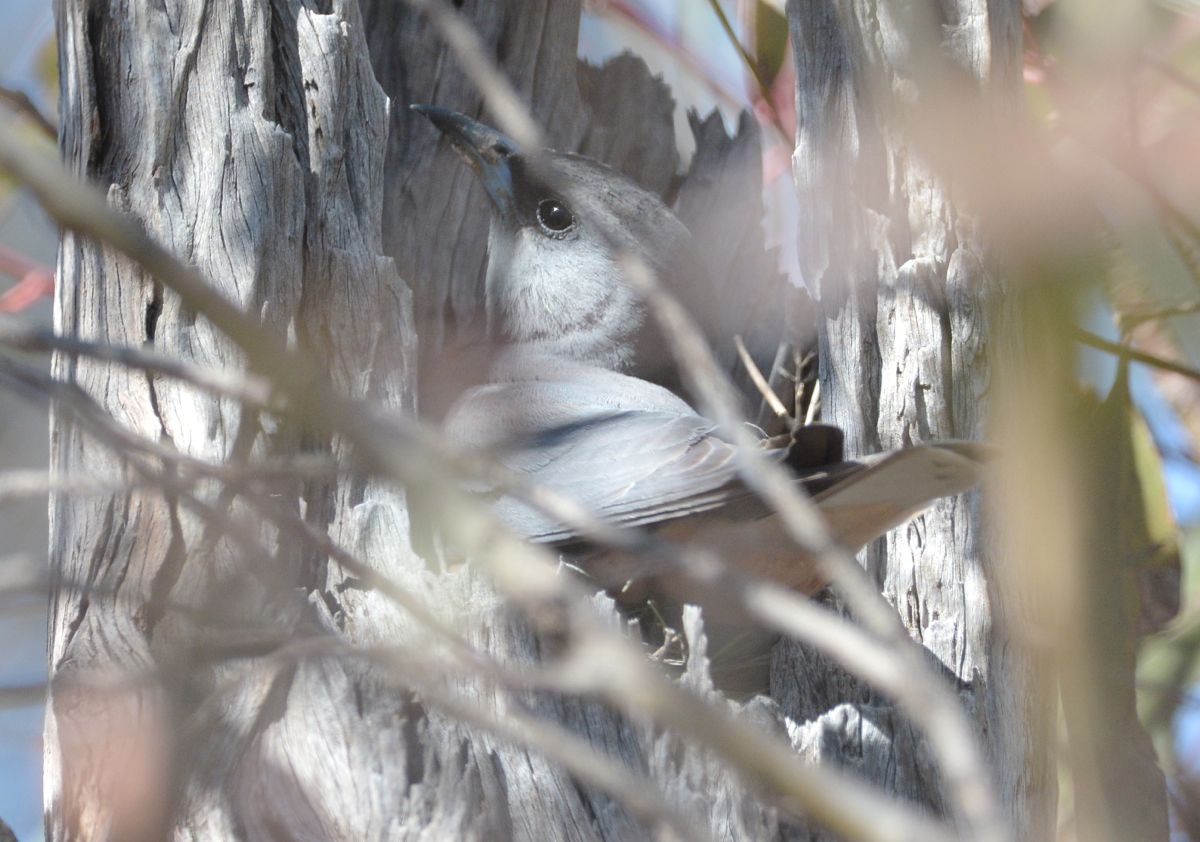
The walk back to the car uncovered a covered up Pallid Cuckoo. They had been calling all morning, and this one was close to the working area of a family of Superb Fairy Wrens. It didn’t seem to mind me taking a closer look at it.










 Birds as Poetry —— Just because I WANDER doesn't mean I'm LOST