Down the Up side

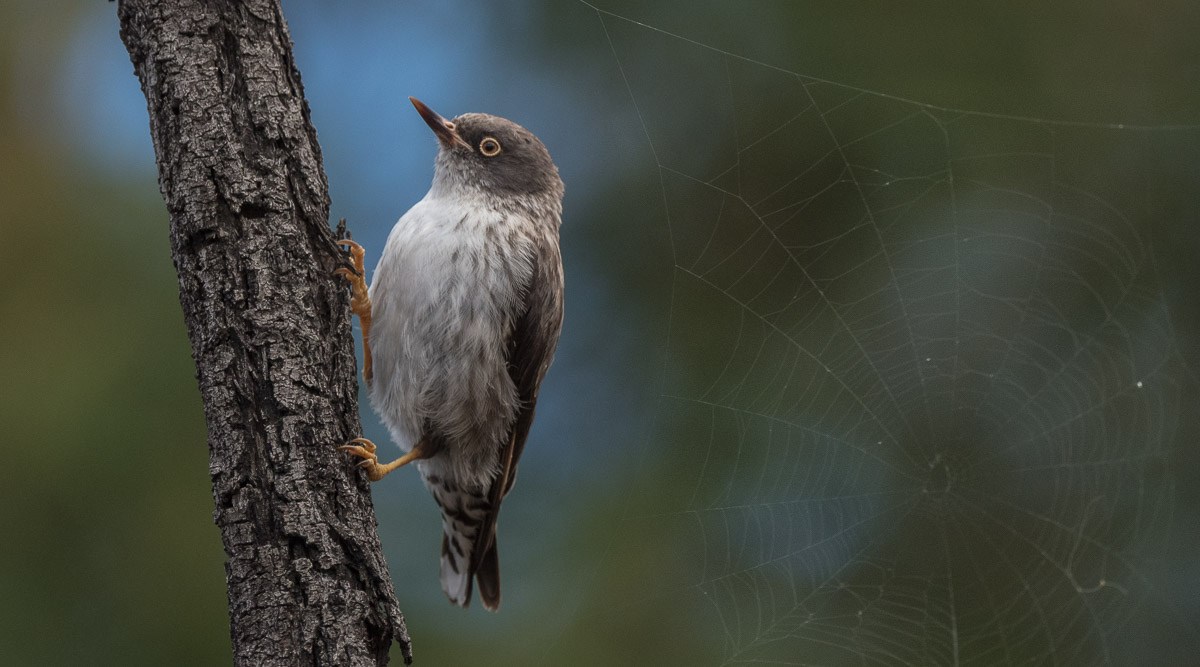
Varied Sittellas form part of mixed winter flocks in Grey Box Forests. (Probably do in other forest settings but for this page, I was working in my fav forest type. Grey Box.)

We found a mixed flock that included some lovely Golden Whistlers, Silvereye, Flame Robins a number of Honeyeaters, including Brown-headed, together with several Jackie Winter as well as a mix of Zebra Finches and Thornbills, mostly Yellow-rumped. And 8-10 Sittellas.

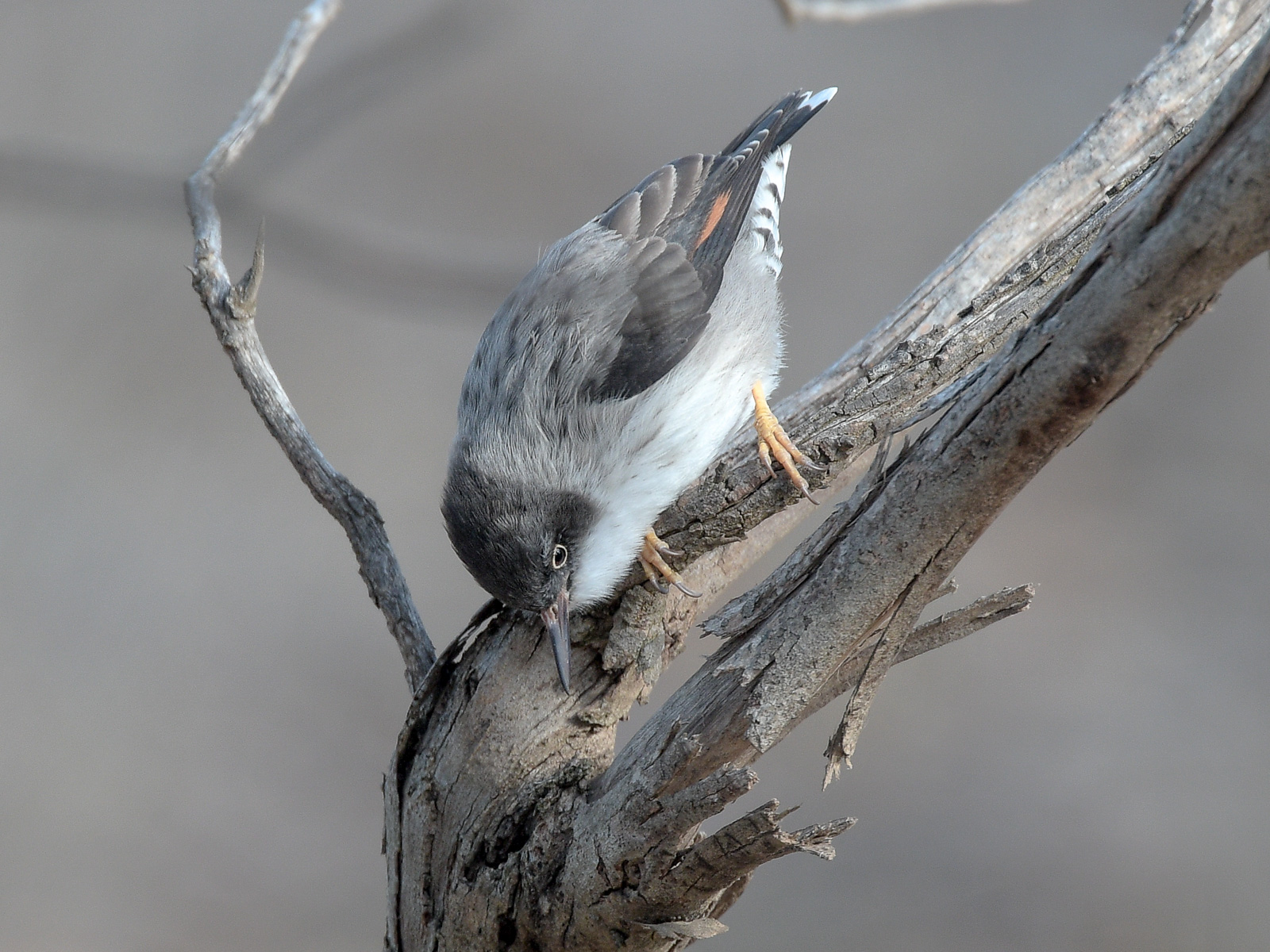
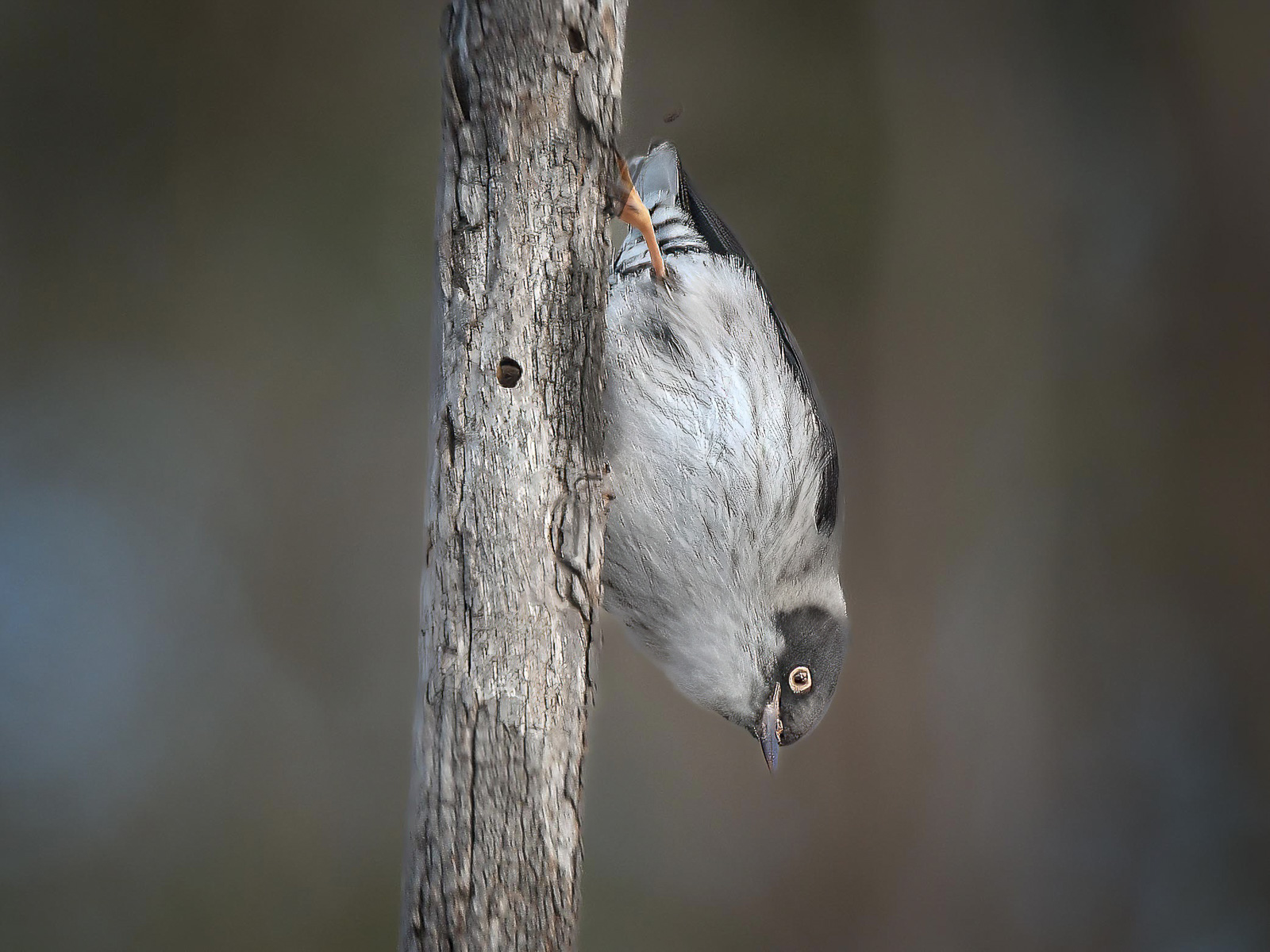
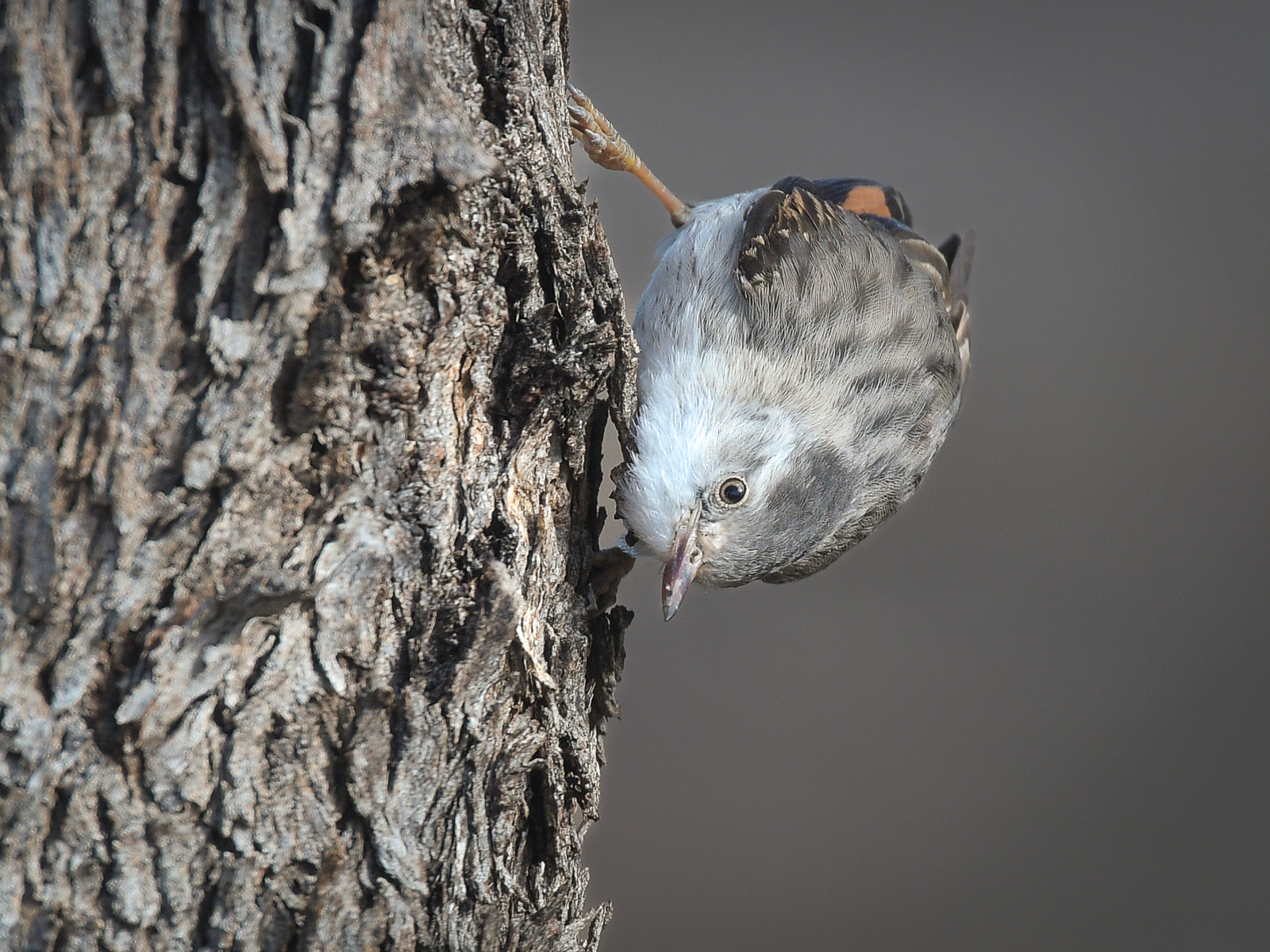
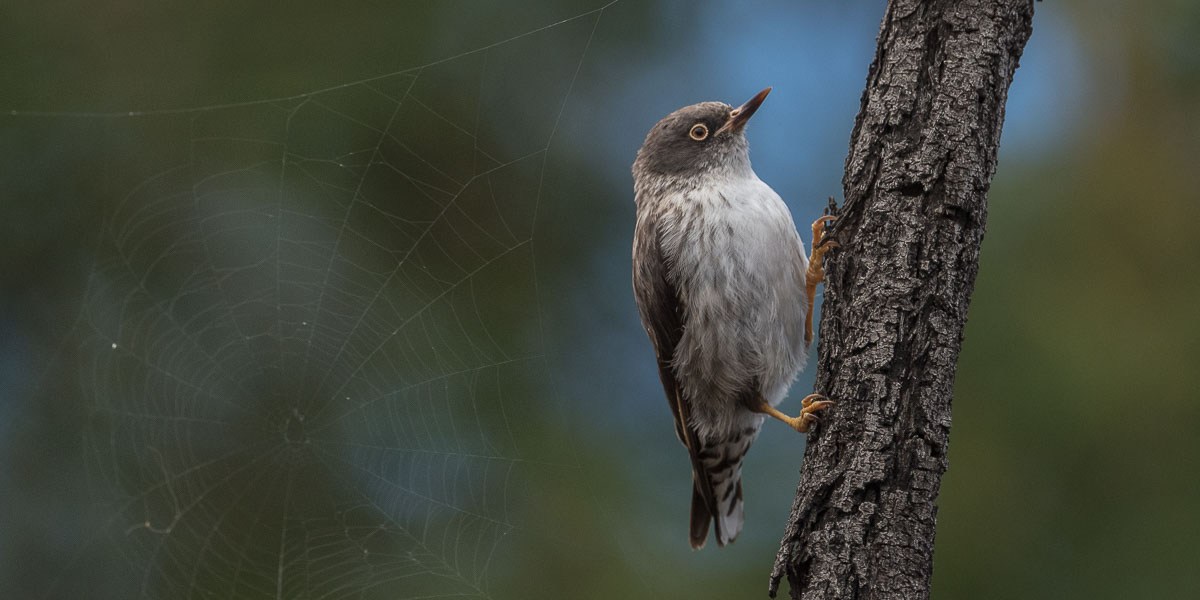
Sittellas are interesting as they tend to work over a tree by starting at the top and then spiralling downward. Unlike Treecreepers which tend to work up trees.

With so much happening it was hard to know where to look next, but I stuck with the rapidly moving Sittellas, (only to be distracted occassionally by the Jackie Winters- as you would expect if you’ve been following this blog for any length of time.)

In the end, I ran out of time, as my transport for the day was ready to move on, but I was pleased to drop the files into Lightroom and re-enjoy the time.

Enjoy.

Little Visits: Charming Sittellas

Mentioned a trip a few weeks ago to the You Yangs.
One of the highlights of the morning was an encounter with a family group of Varied Sittella.

These charming little birds are not always so easy to find, and because of their hyper-active approach to feeding, are always on the move.  It might be I guess that they have to search through all the bits of loose bark on a branch looking for a tid-bit, and with so many birds all at work at the same time, its really the quickest down the branches.  Sittellas have an unique approach to feeding, starting at the top of the tree and then working their way down.  Treecreepers on the other hand, usually start lower down and work upwards.

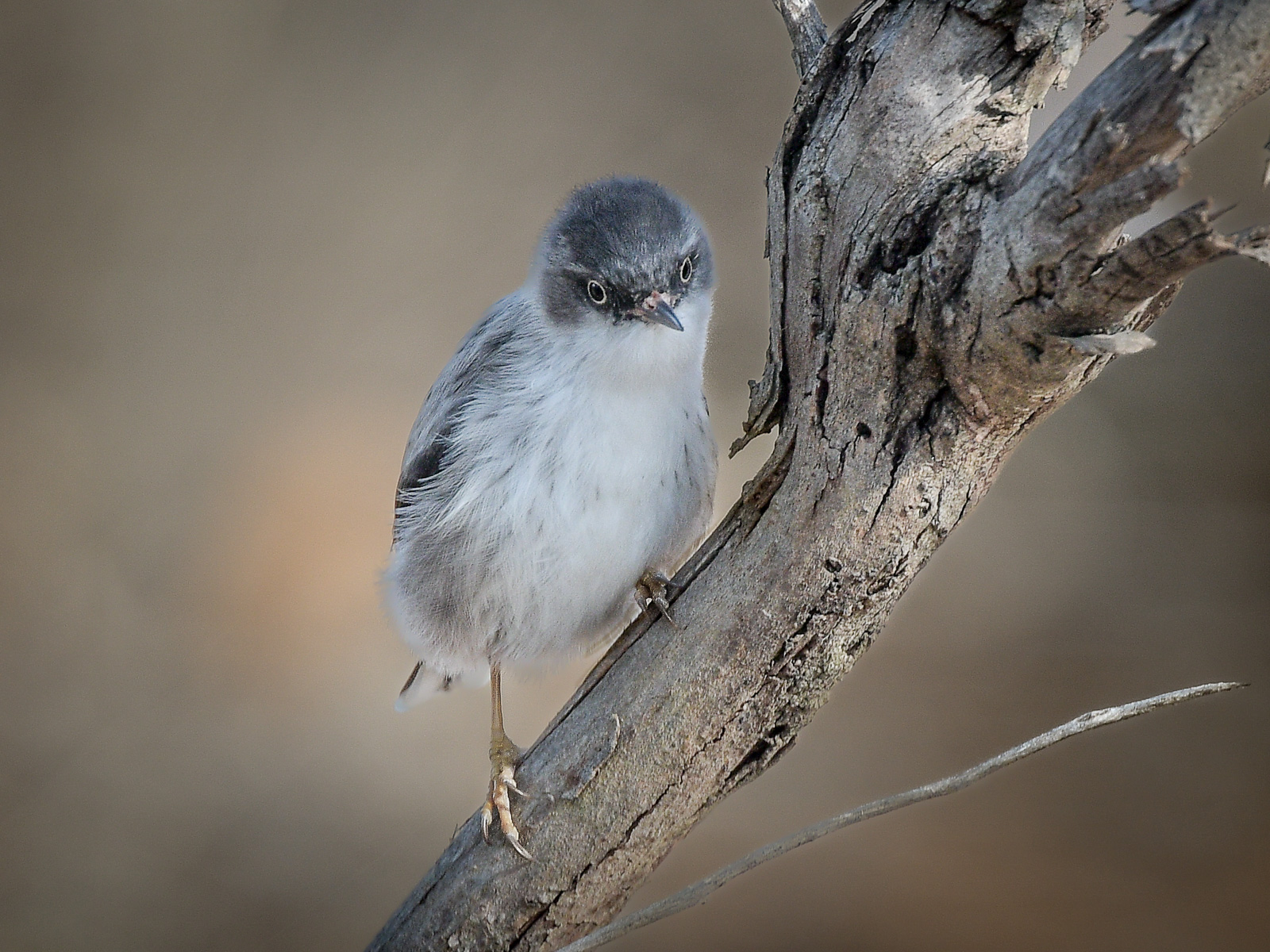
What was interesting is that this family had several young, recently fledged with the party.  The young ones preferred to sit together and preen, while the adults did all the work.
They moved so quickly that we lost them for a short time, and while we went right, they apparently had gone left.
Big Rock is just what it says, a very big rock.  There is a track around the base, and its about 20 minute stroll.   The birds were working primarily in Black wattle that grows up along the base of rock. When the rains come, good water flows from the rock, but at other times, the area is particularly dry  so much of the wattle never grows to maturity.  Which suits the insects that the Sittellas feed. So it works all round.

Enjoy.

Typical pose, going down the branches

Every nook and cranny gets a good going over

No doubt a favourite game. Looping a branch

Some of the young ones that were happy to sit together and preen

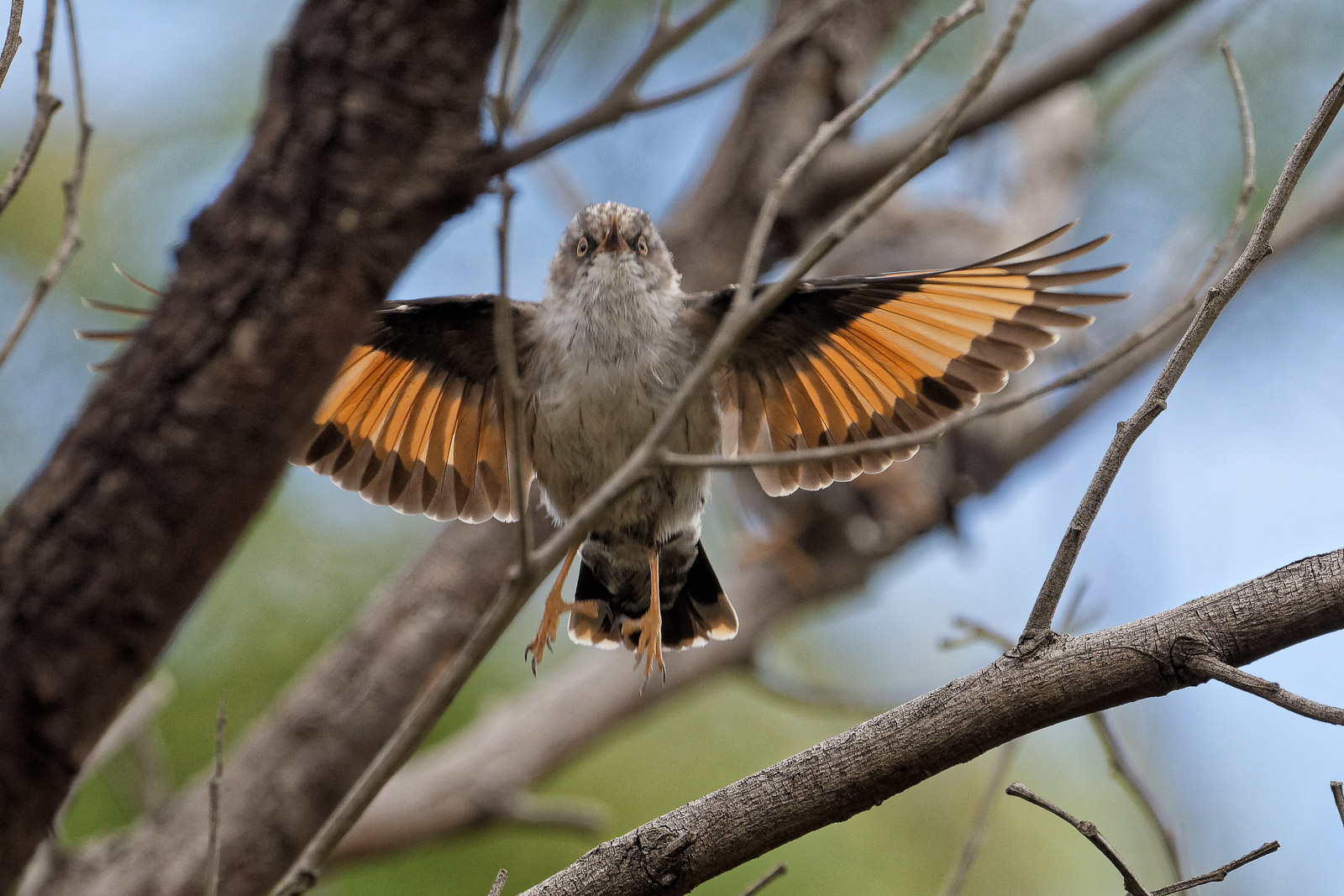
Its always impressive to see the underwing colours on these birds

Gottcha!

Hard to see the rich colours on the wings while they are folded, but impressive in flight

Little Visits: You Yangs on Sunday

One of the first times EE and I have been out just looking about.
We had been hoping to find some Eastern Yellow Robins, and or some evidences of the Scarlet Robins at the You Yangs, and EE also wanted to visit her water feature near the Big Rock carpark.

In the end, the big surprise was a family of Sittella,  and their young recently fledged clan. I’m going to do a separate blog on that encounter.

In the meantime in spite of all the disaster that is around, and the challenges of the rest of summer ahead of us, it was good to see the birds had new life on the way.

Silvereye at the Water Feature

Young Australian Magpie engaged in some serious preening, while reminding the parents of its presence.

One of several juvenile Grey Shrike Thrush working in the area

A Yellow-faced Honeyeater waits, nervously and politely for its turn at the water.

Varied Sittella, circling the branch

Two young Varied Sittella preening and resting while the family feed nearby

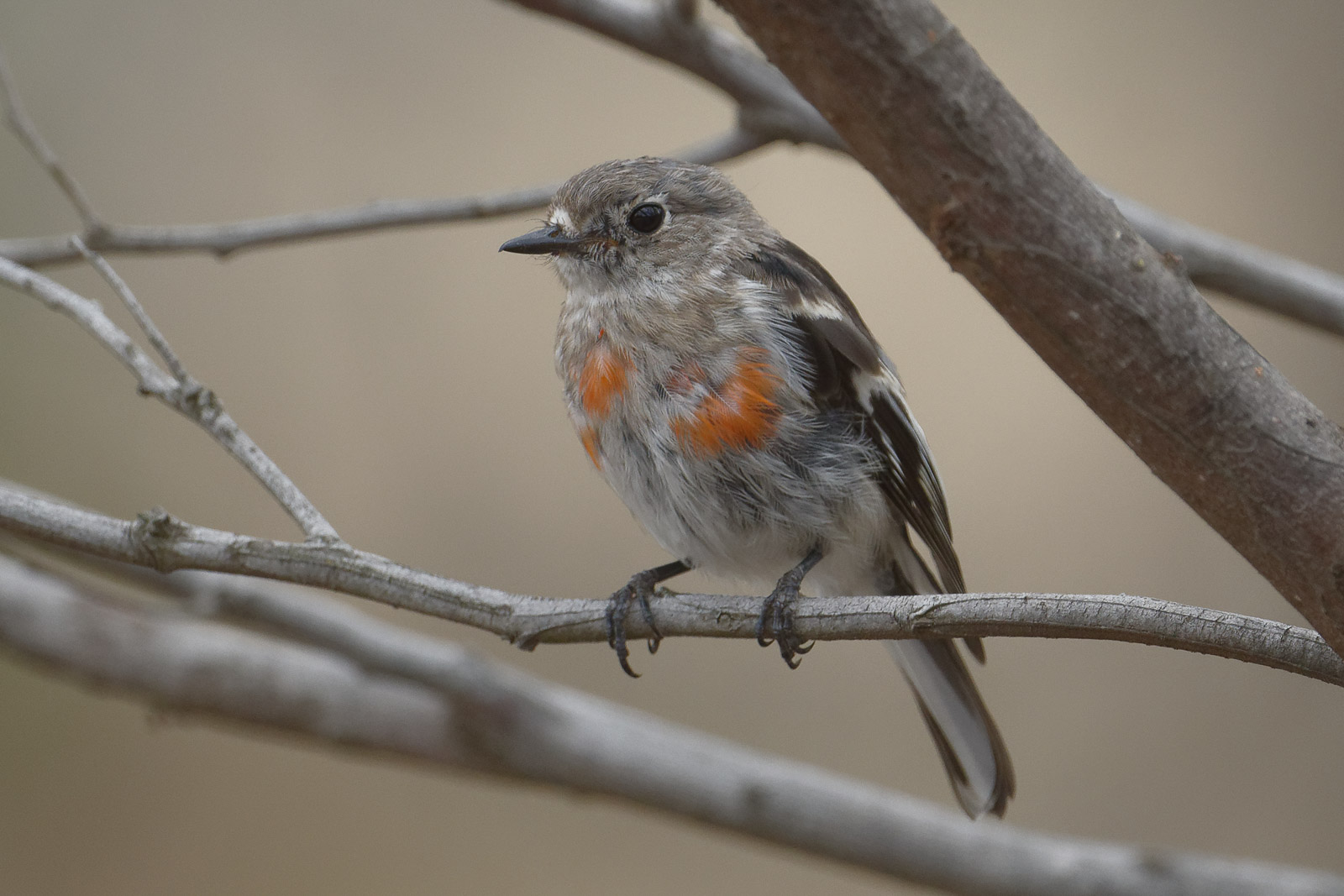
A young Scarlet Robin, one of the first we’ve seen in many months. Presumably its a male beginning to moult in.

Spotty the Pardalote. This is the male that I showed feeding his young on my Flickr steam.

Well not every shot is a winner, but I rather liked the colour set of the Sittella wings