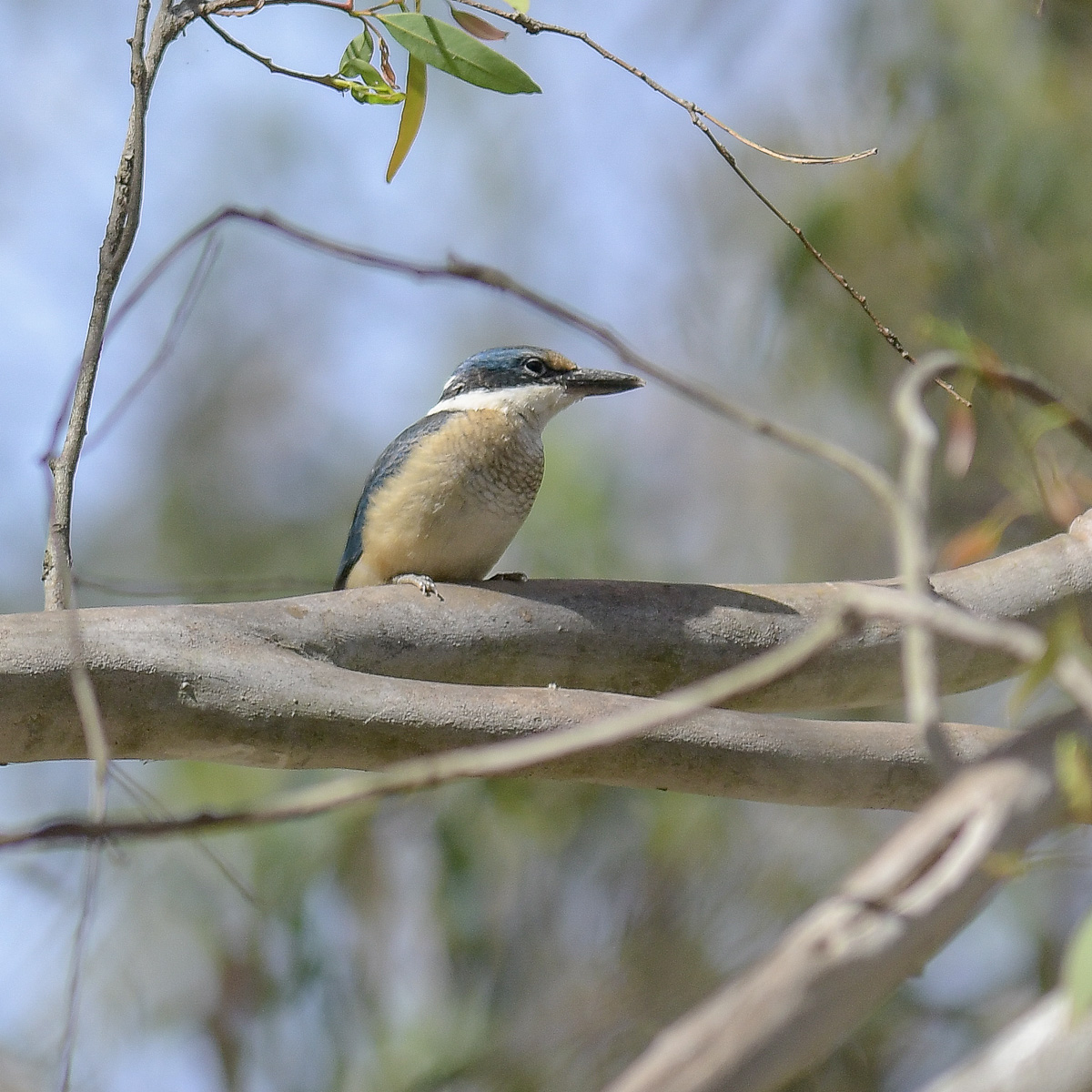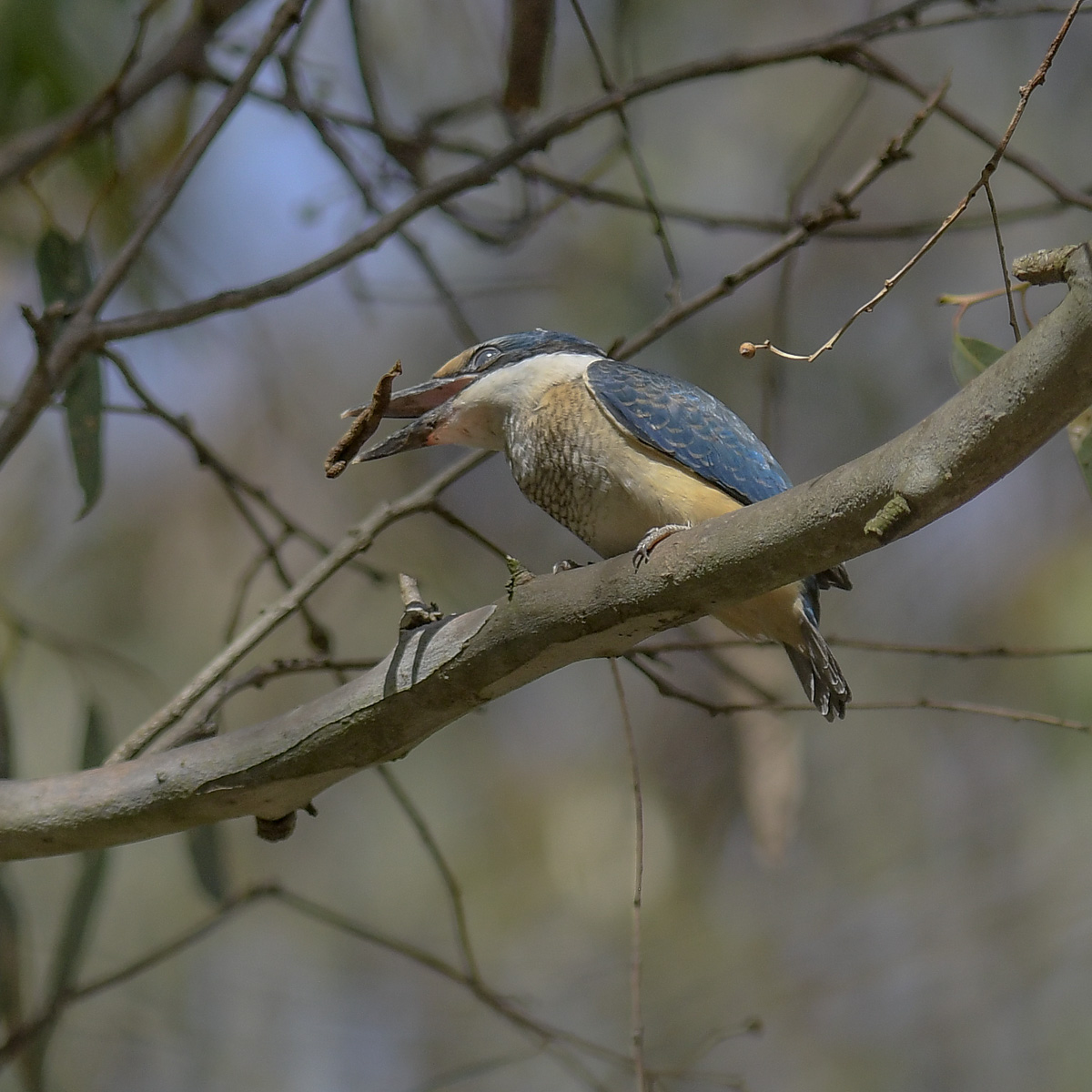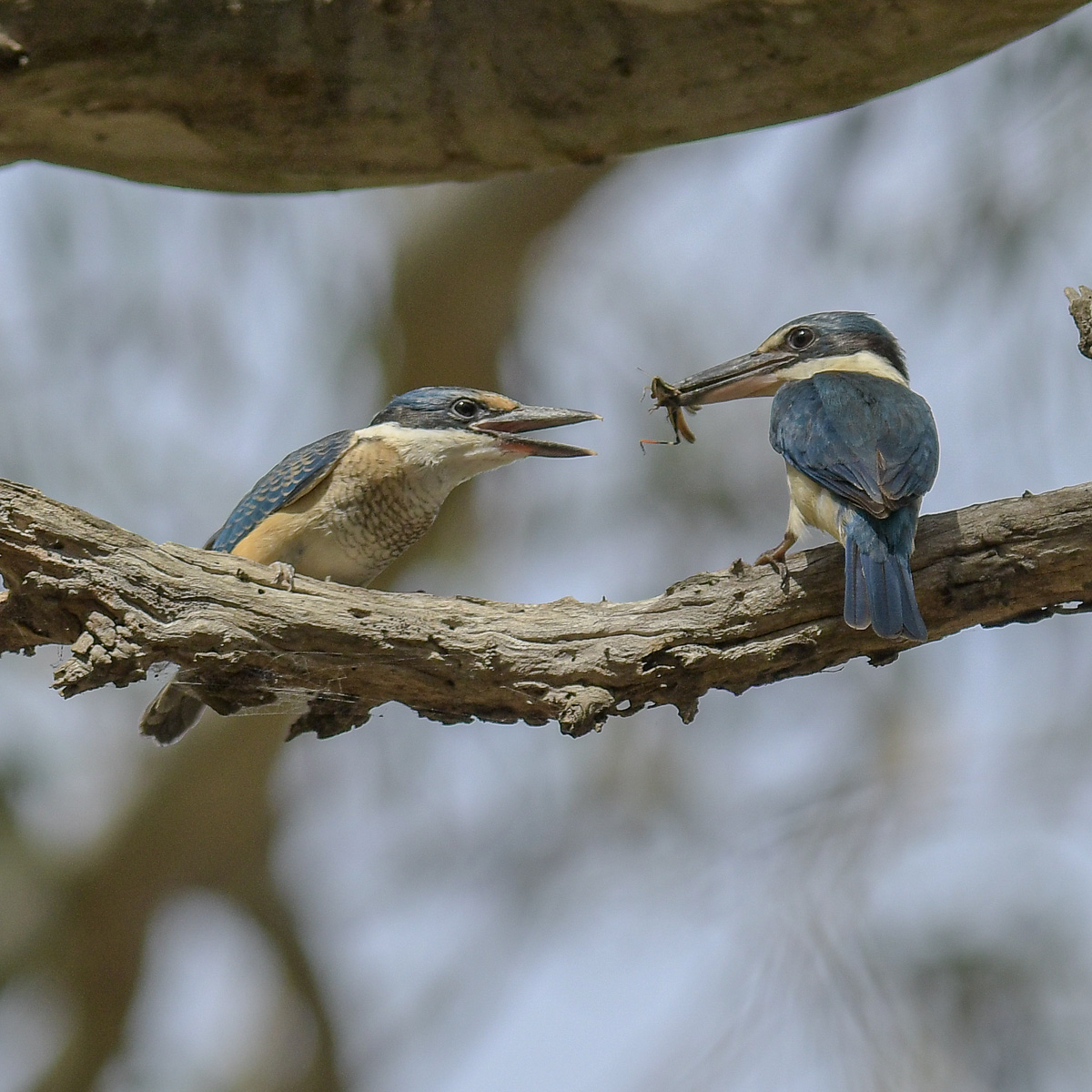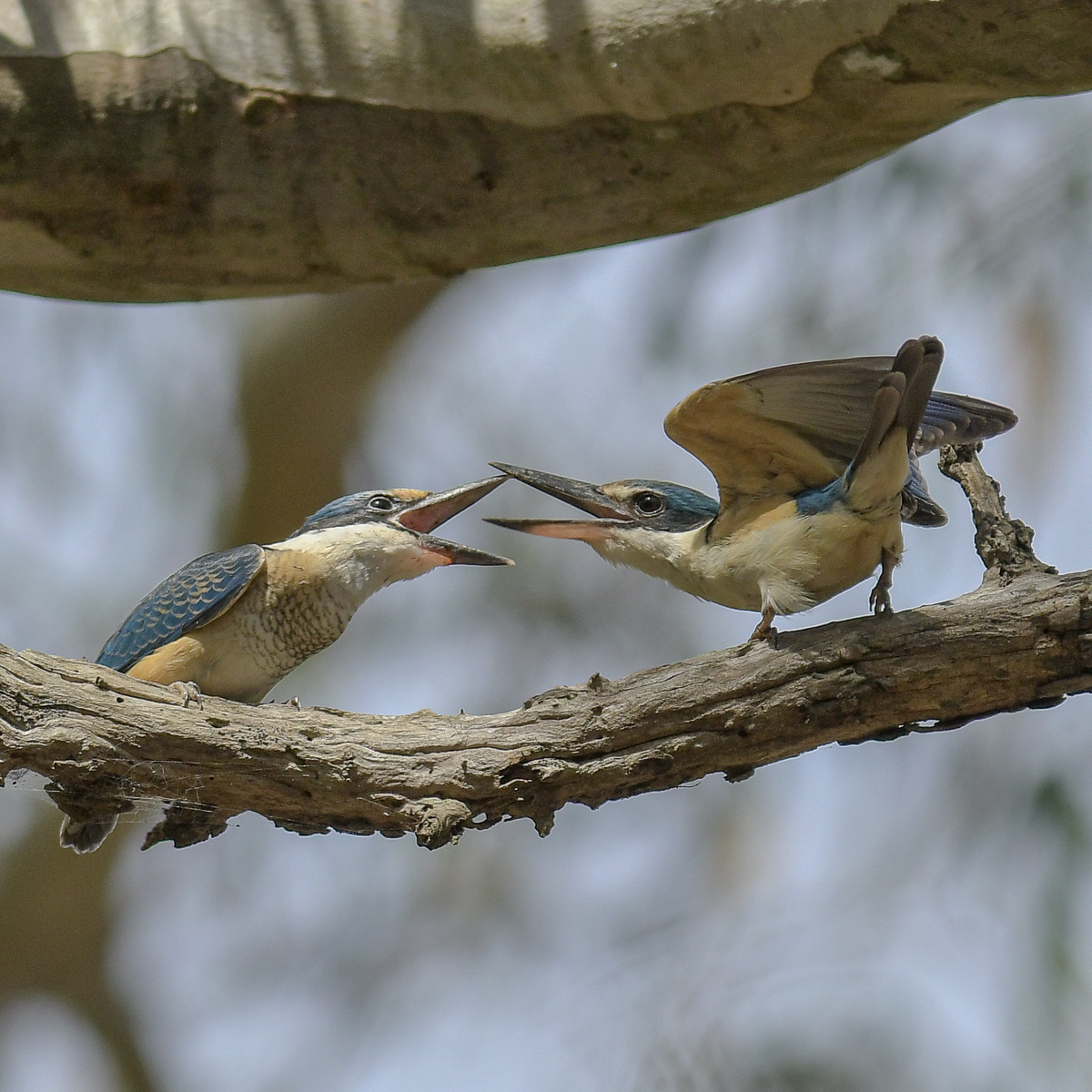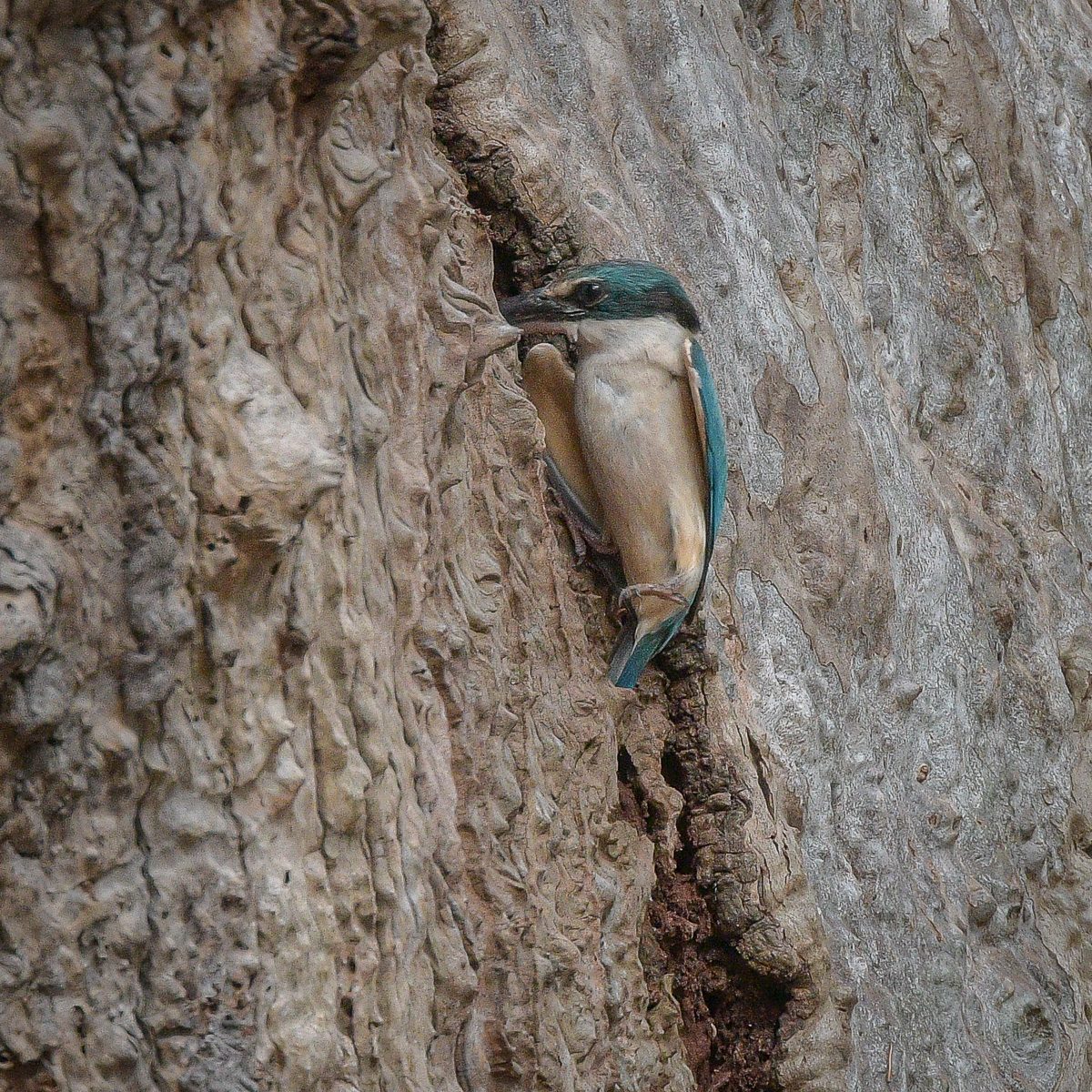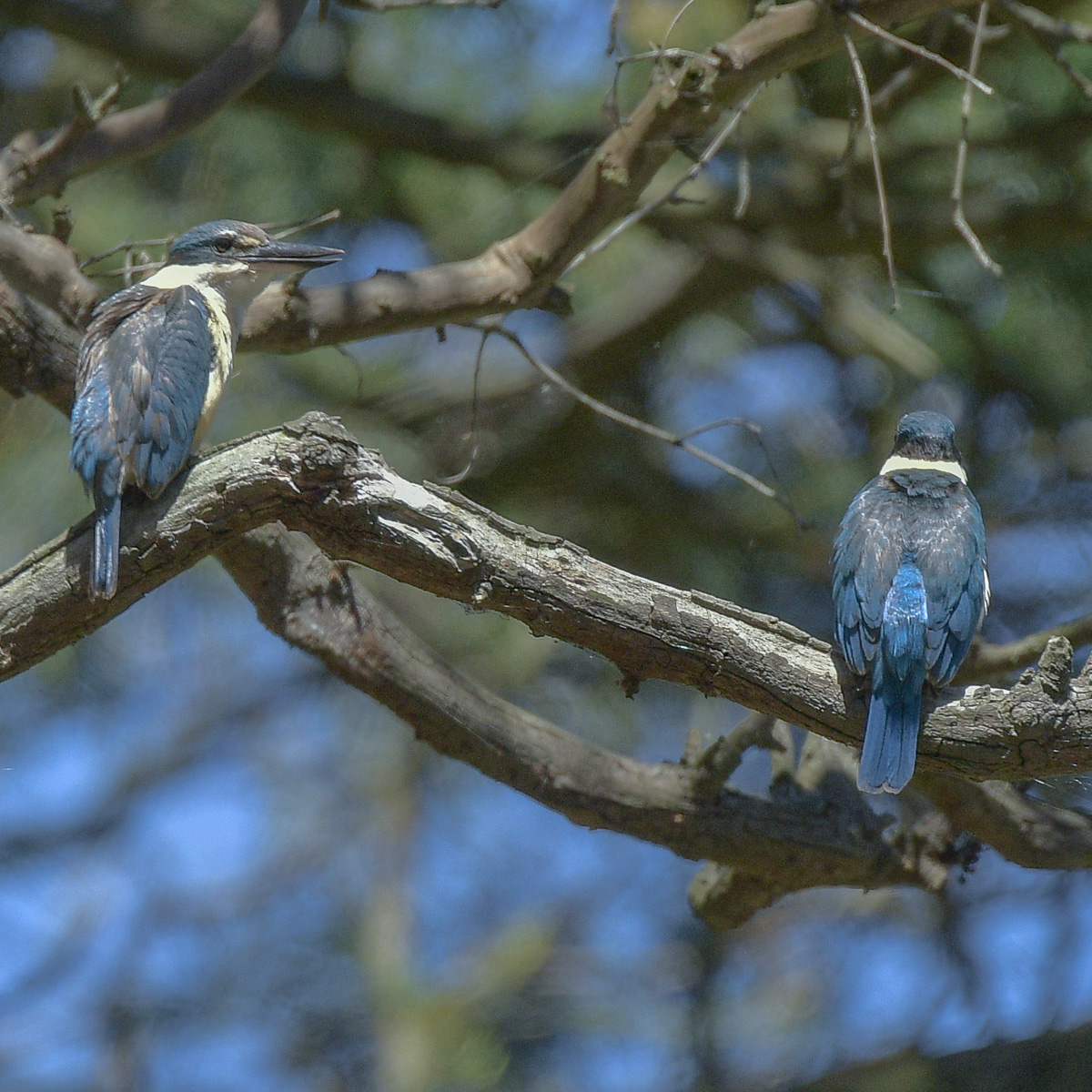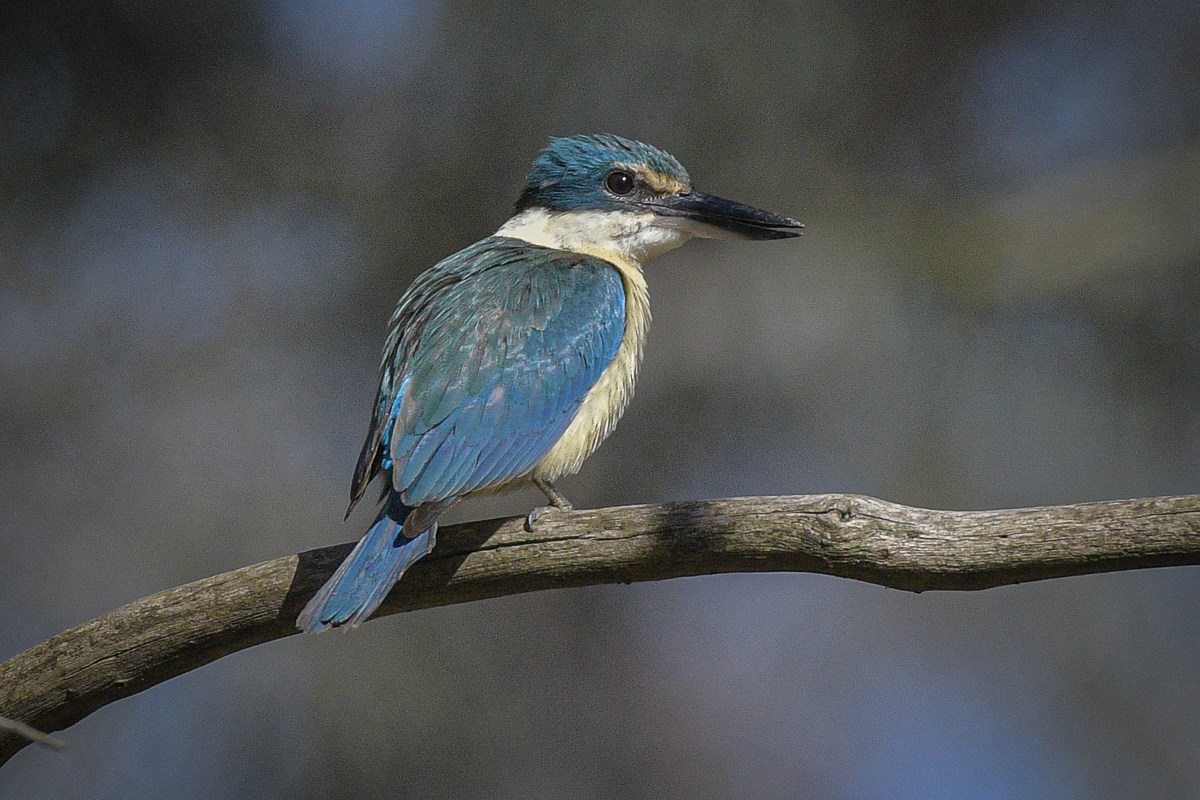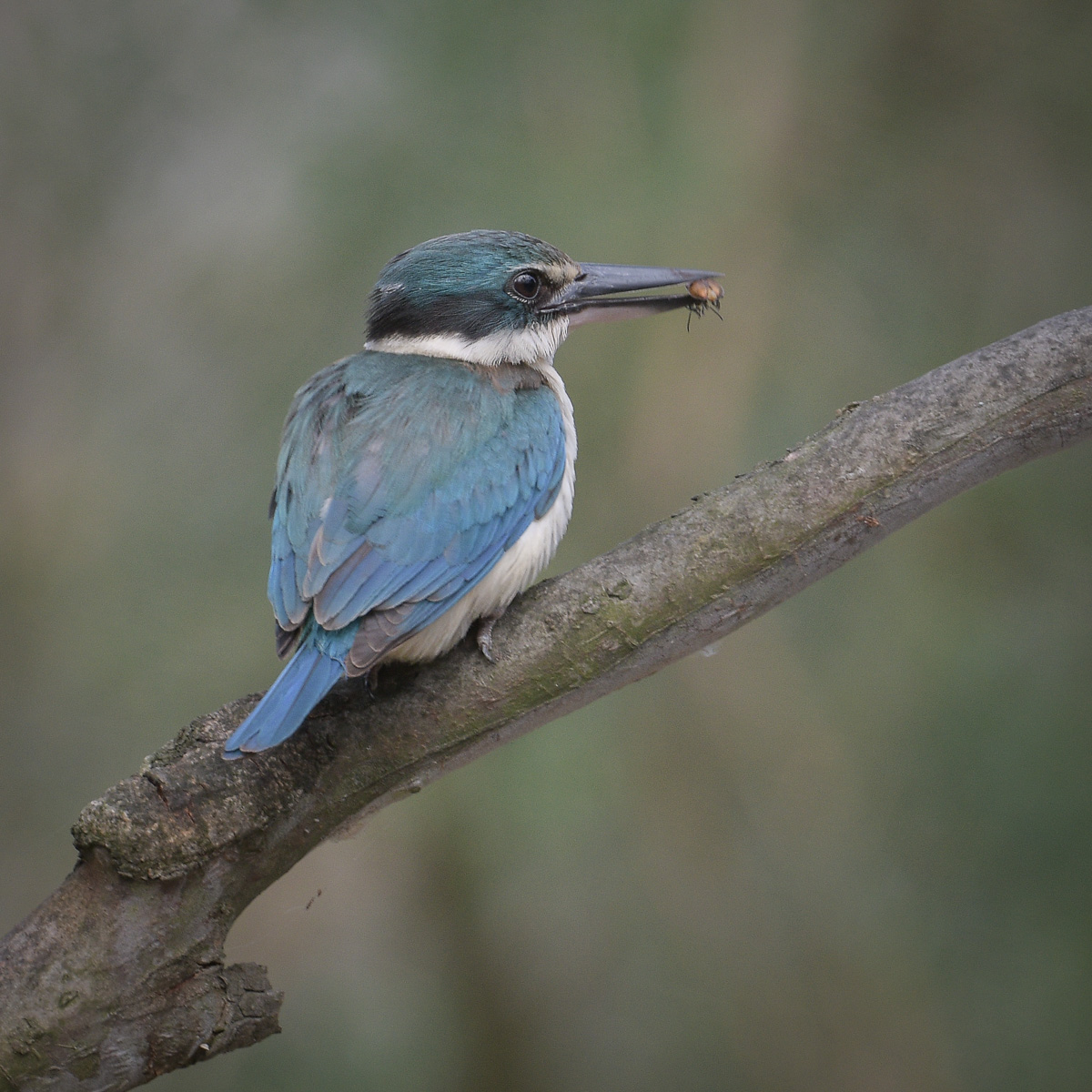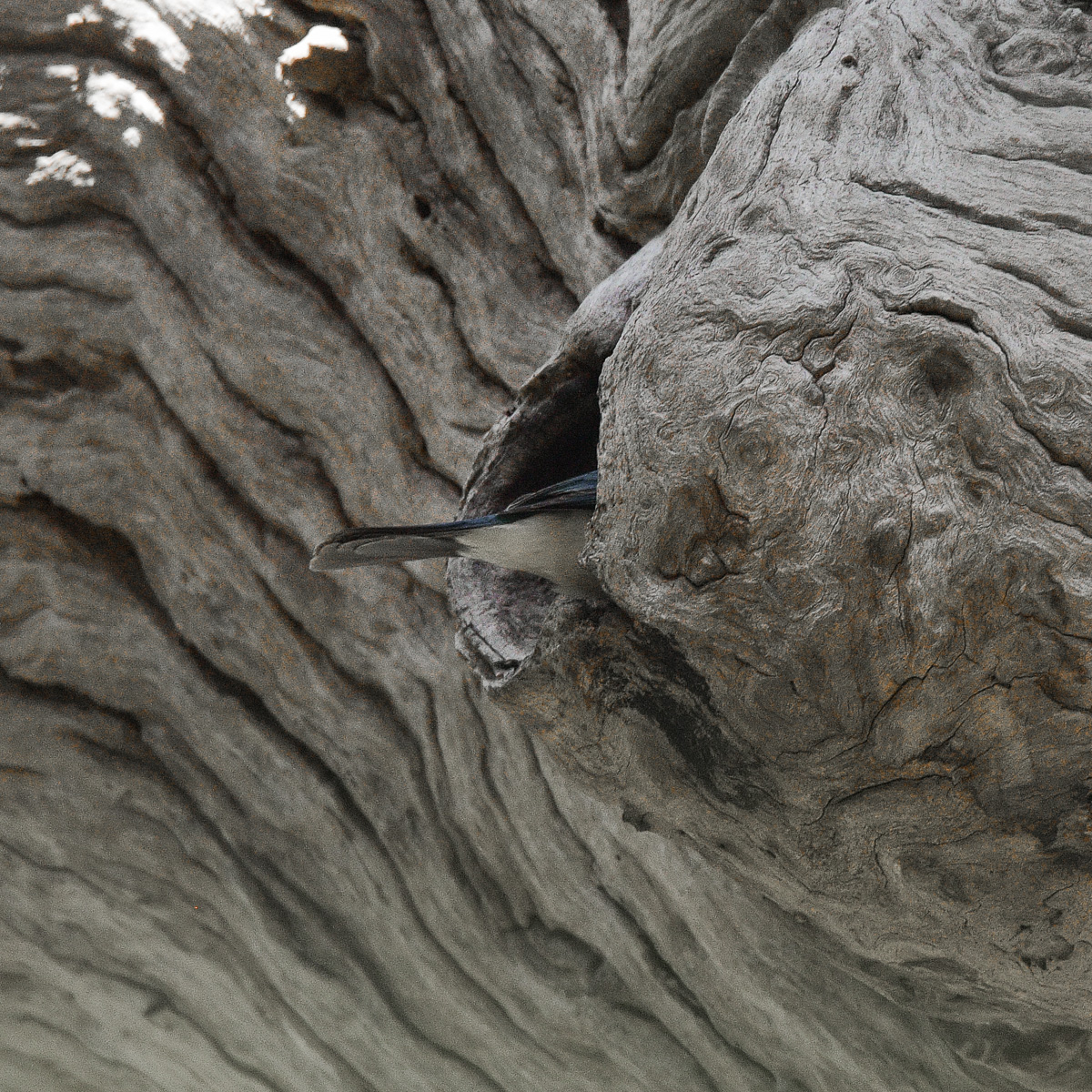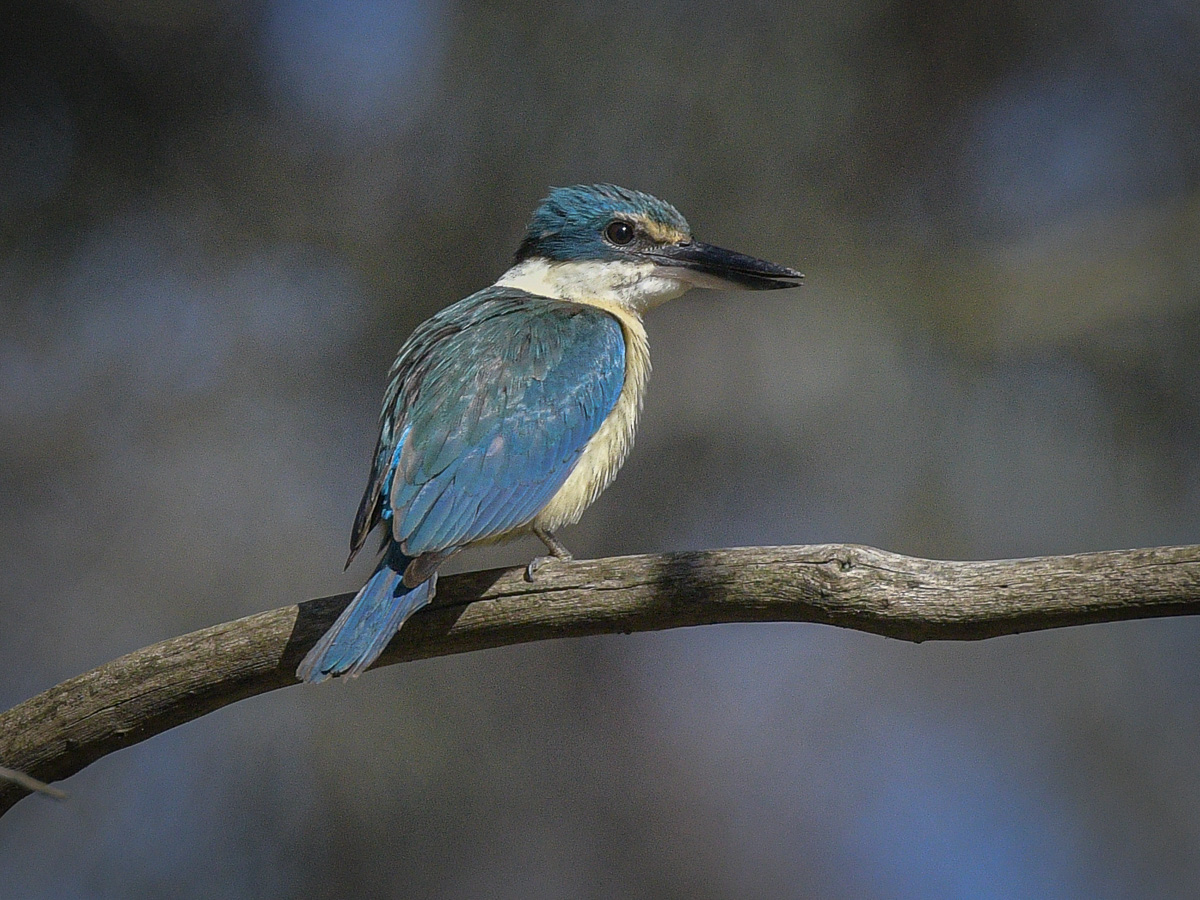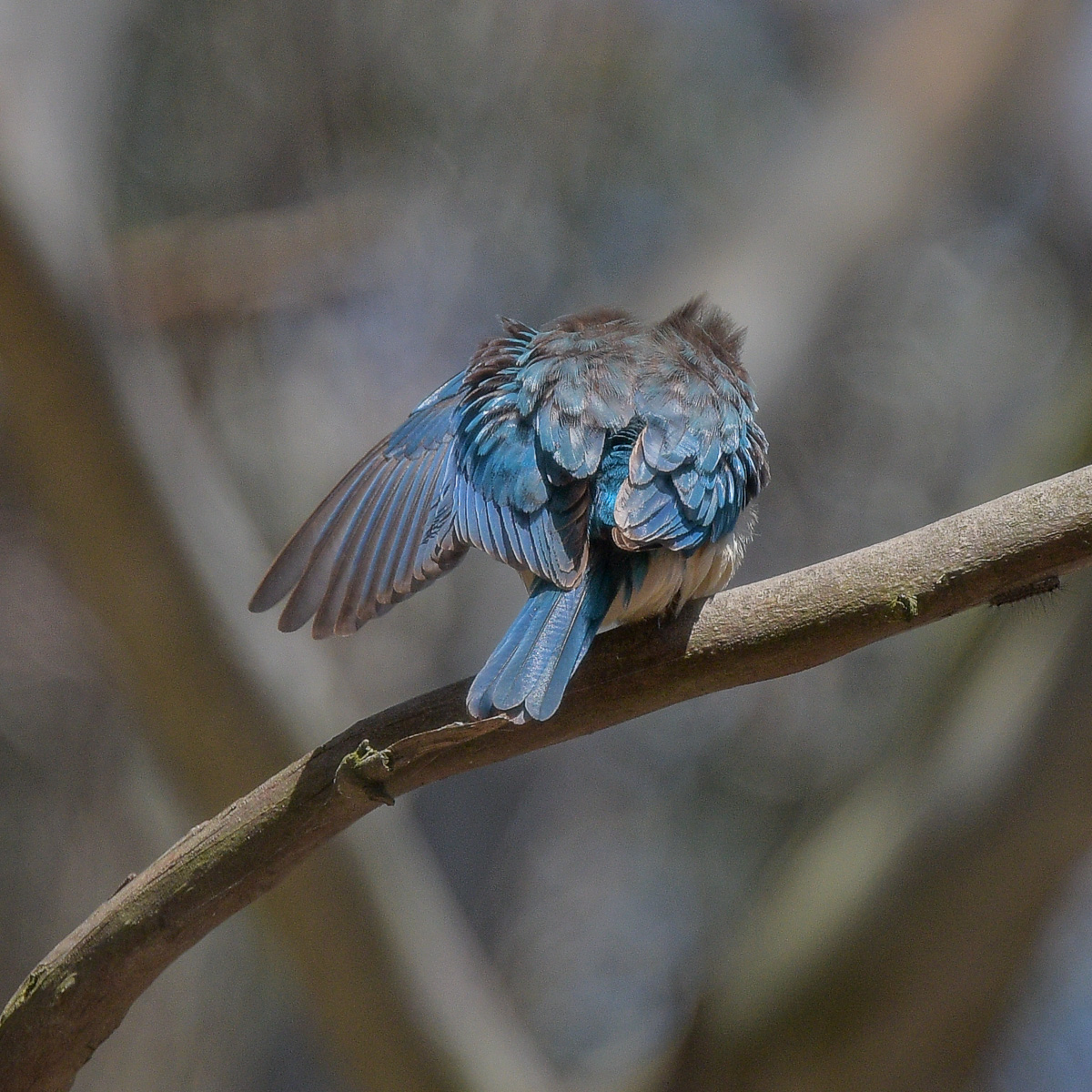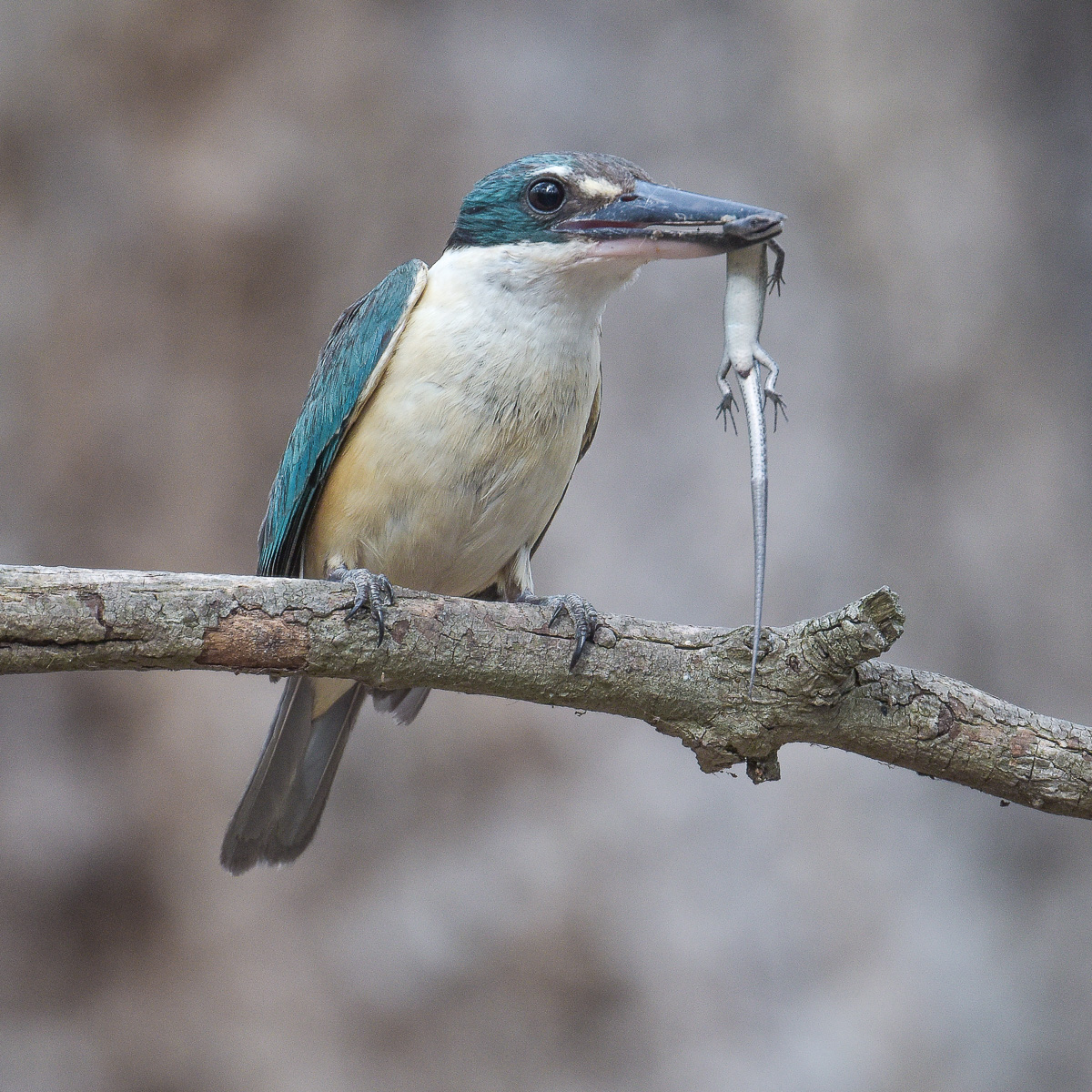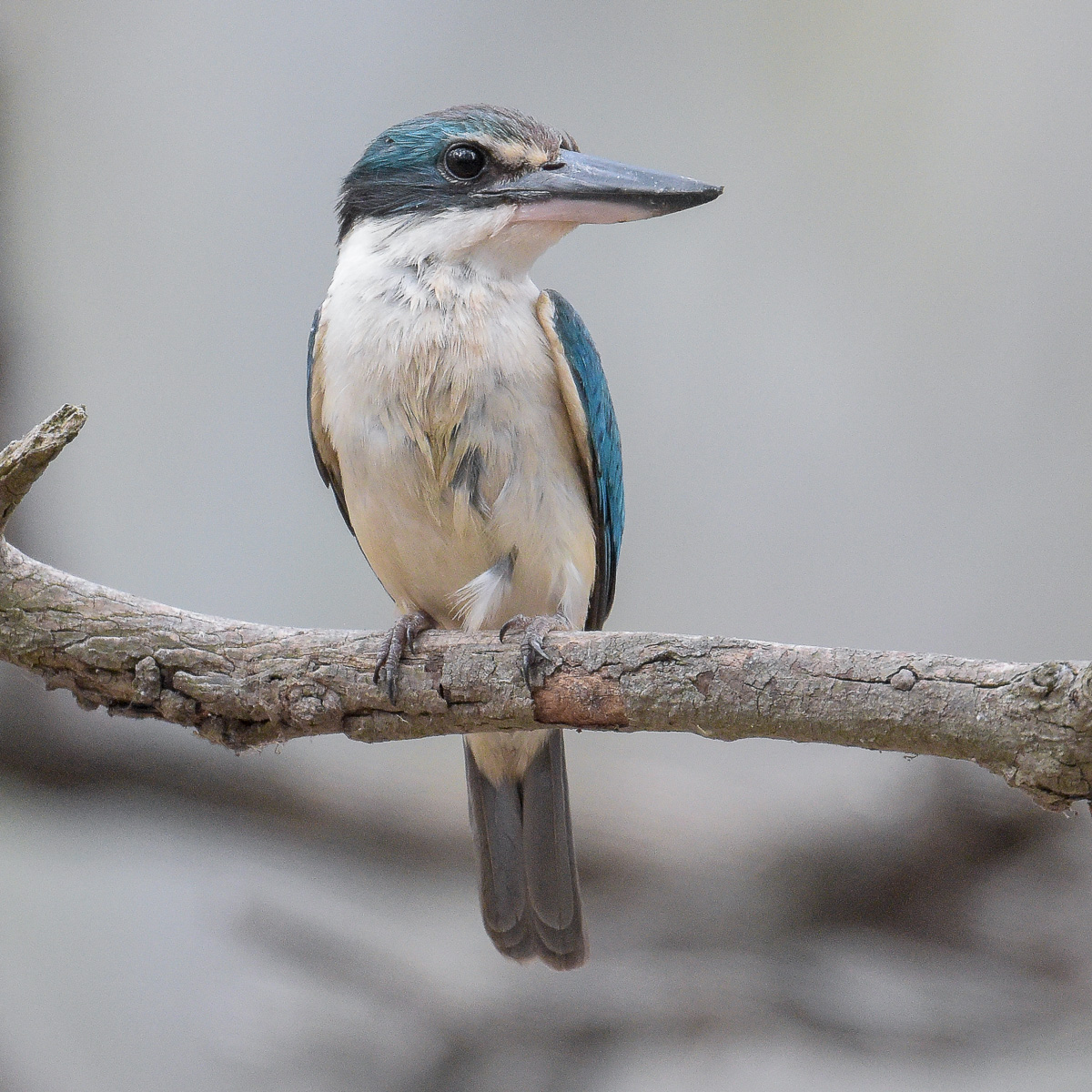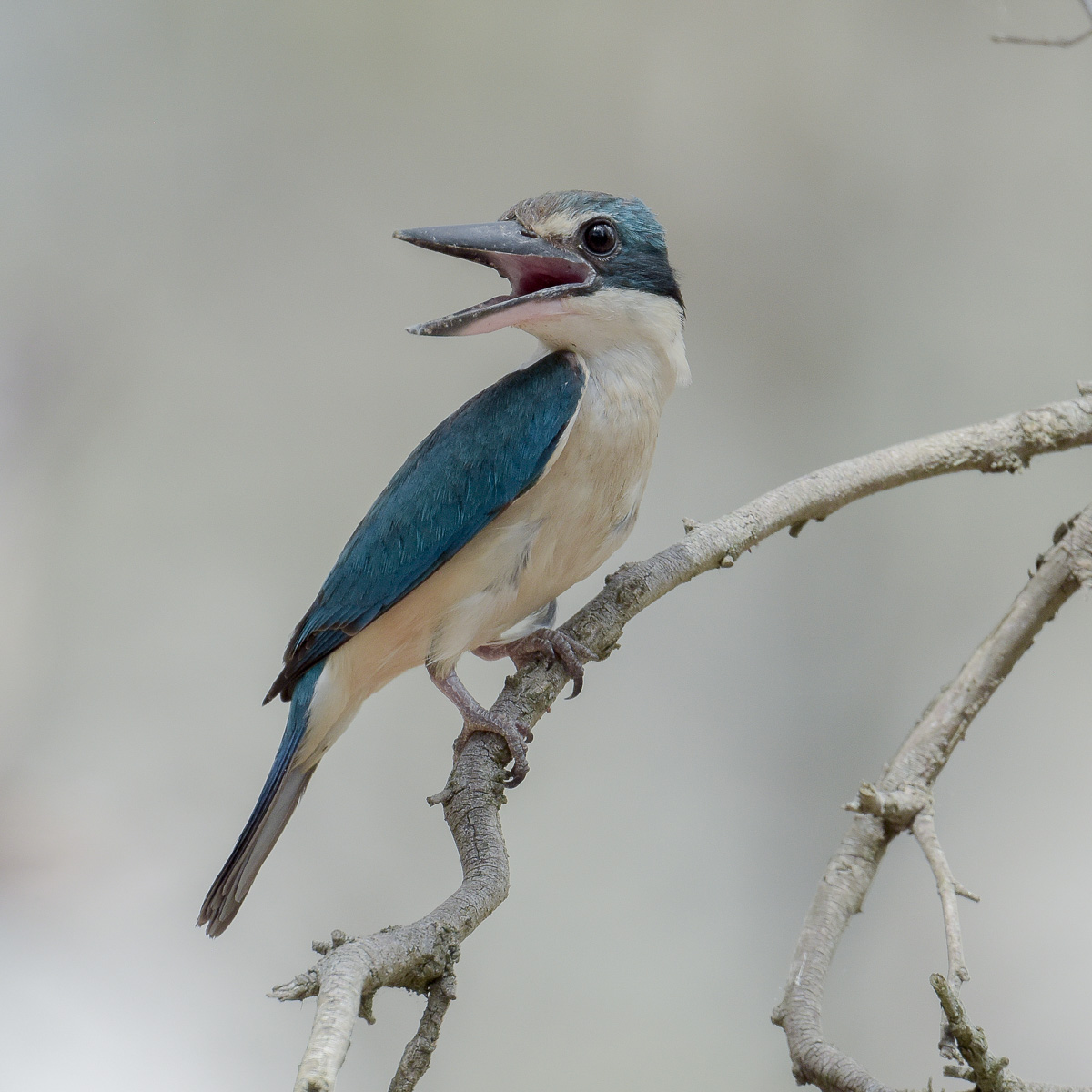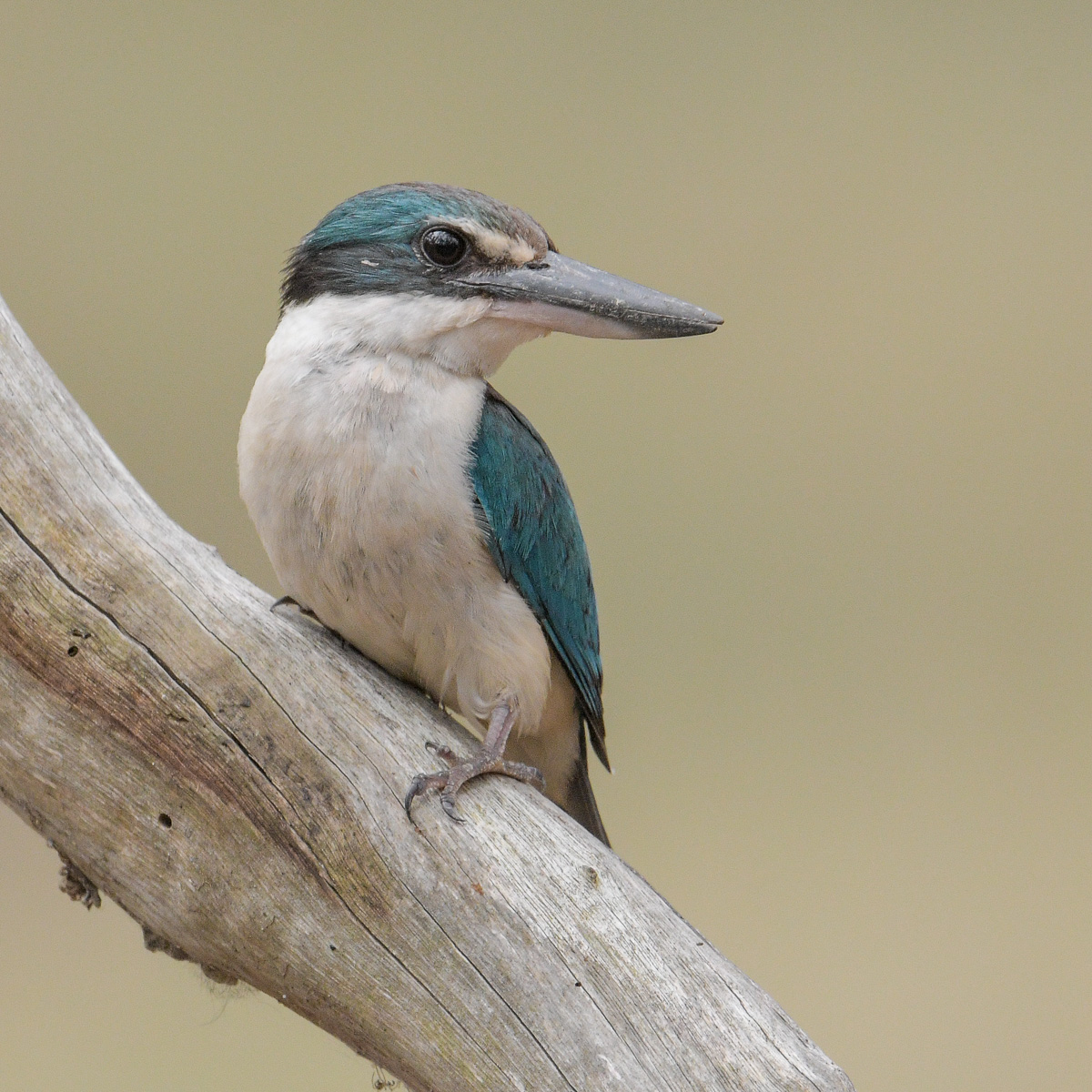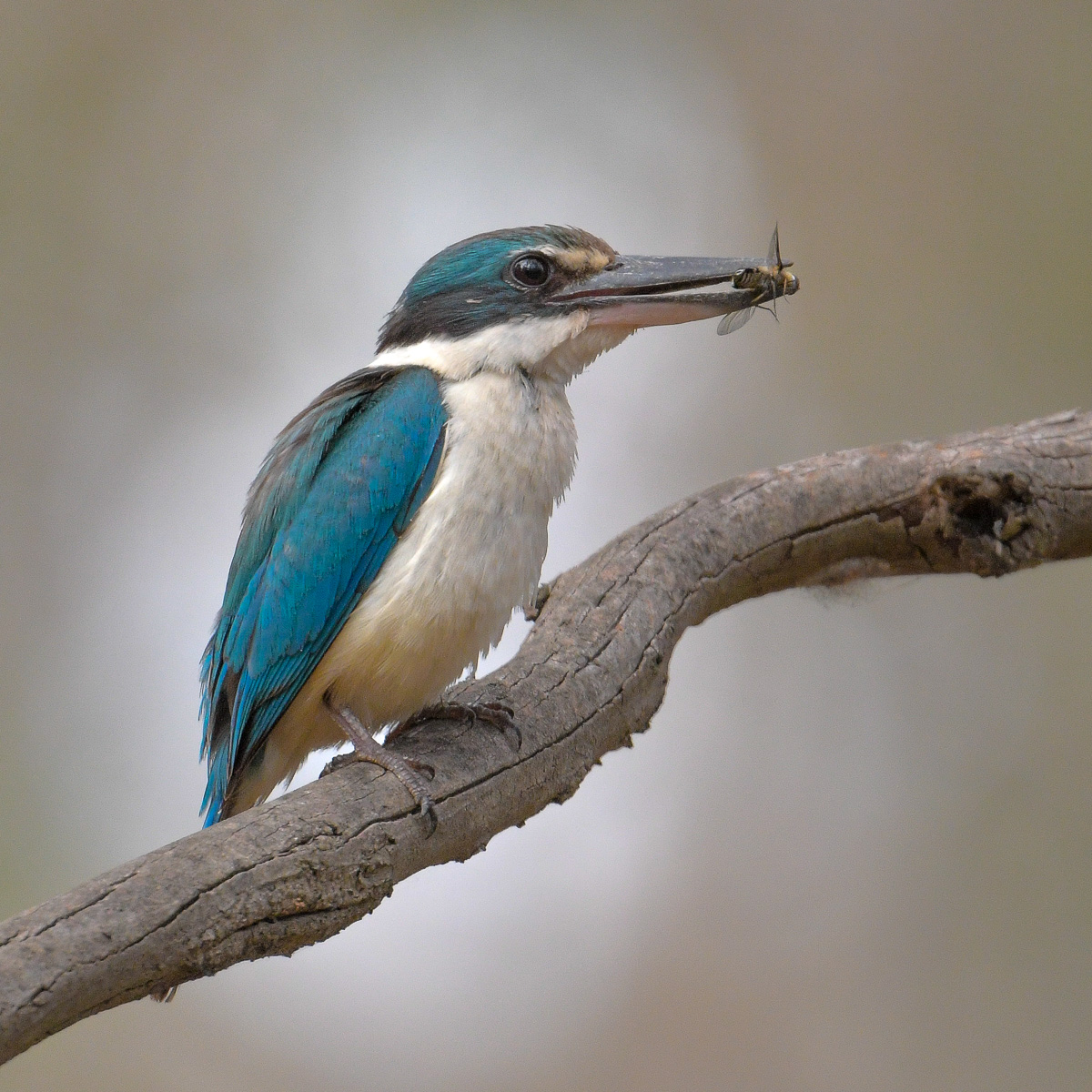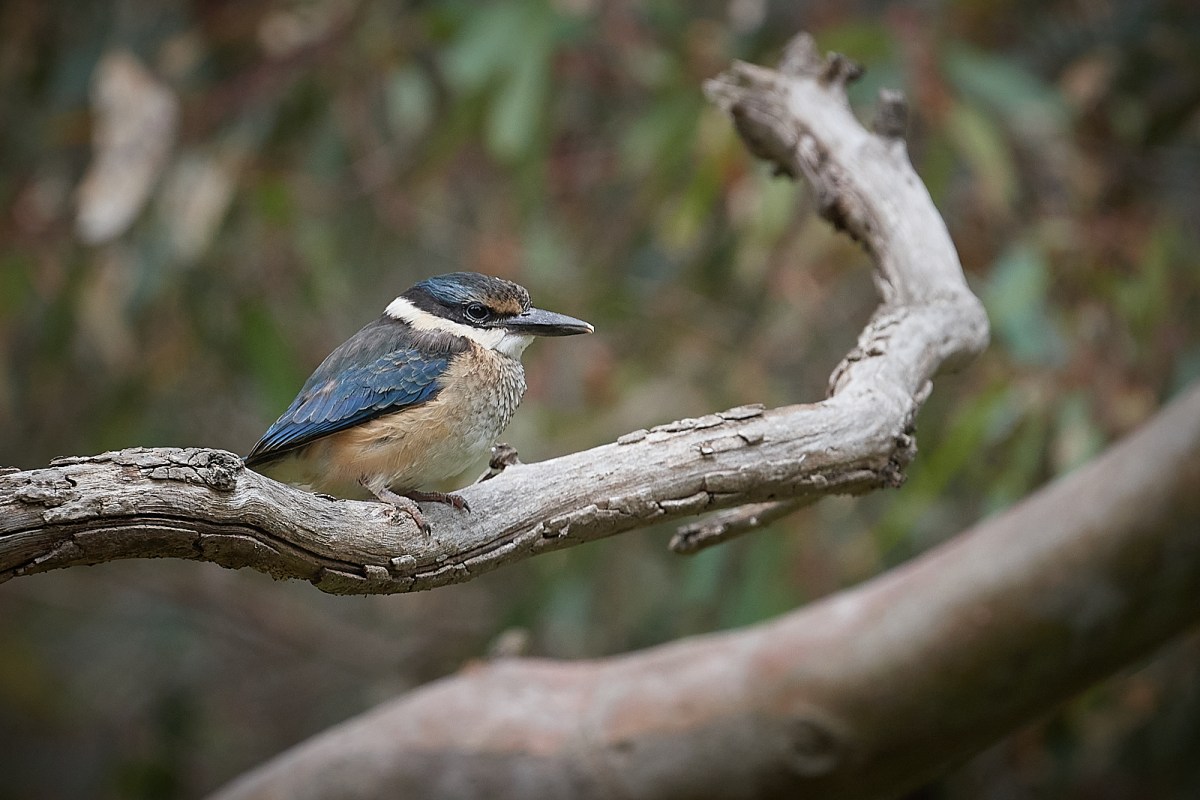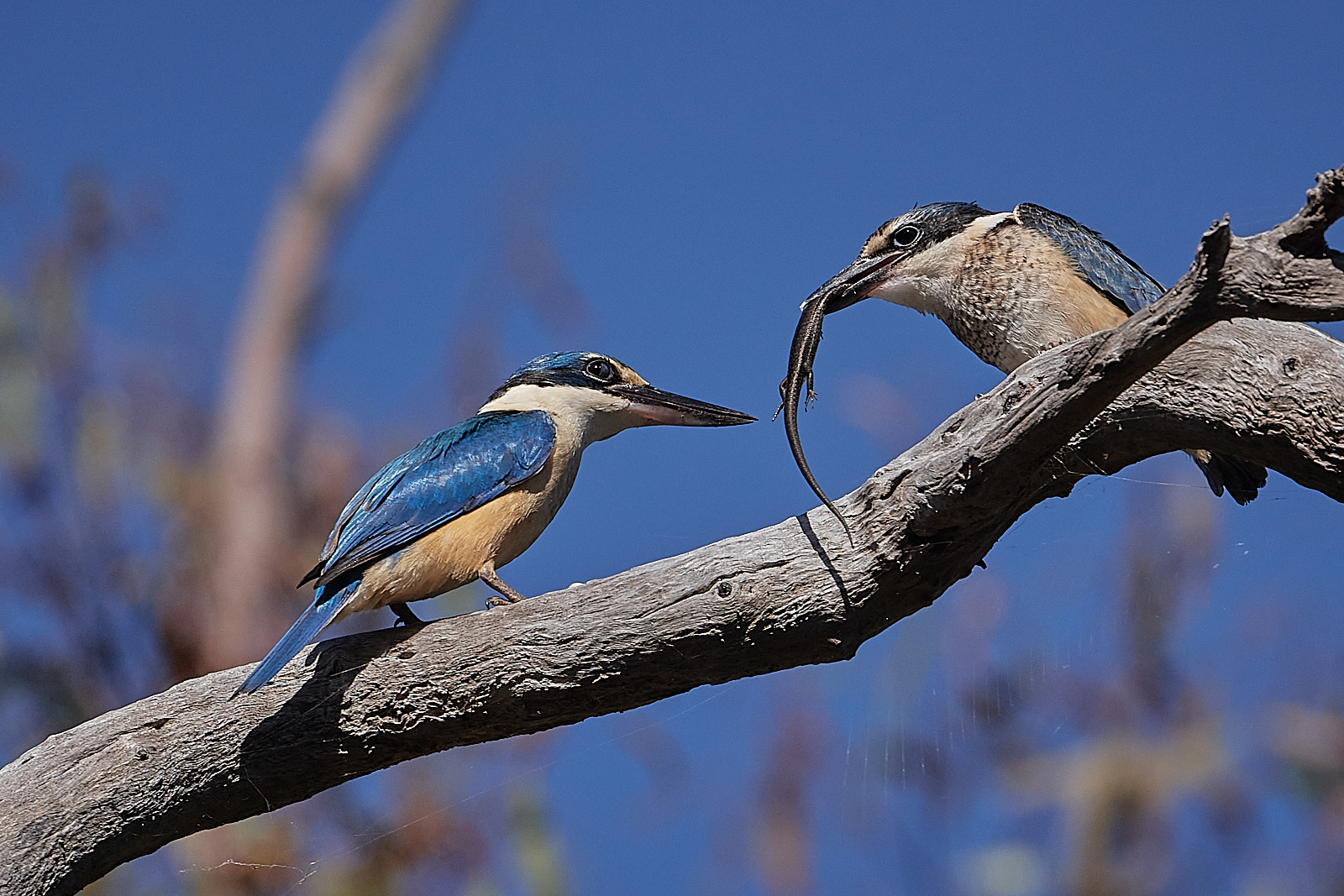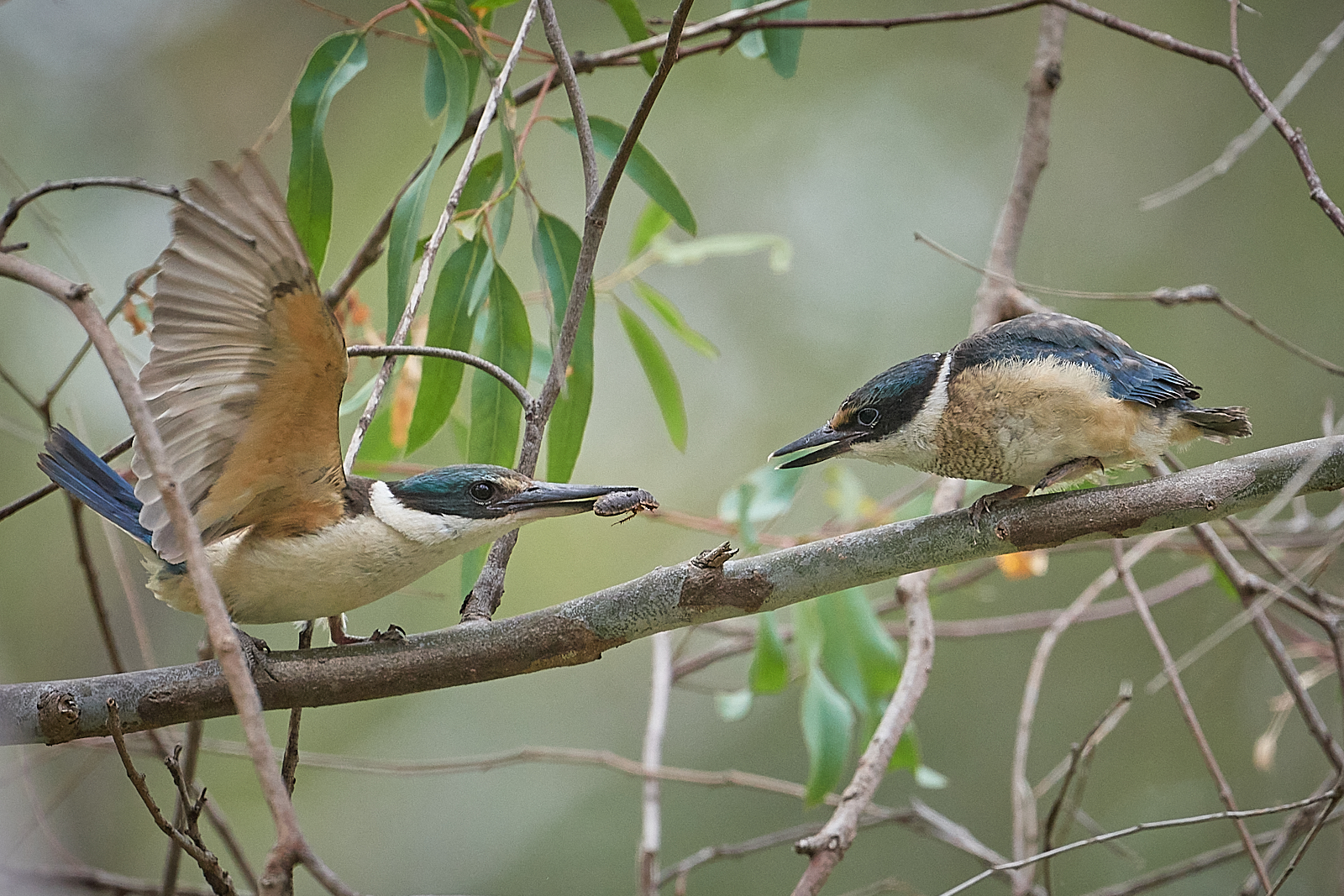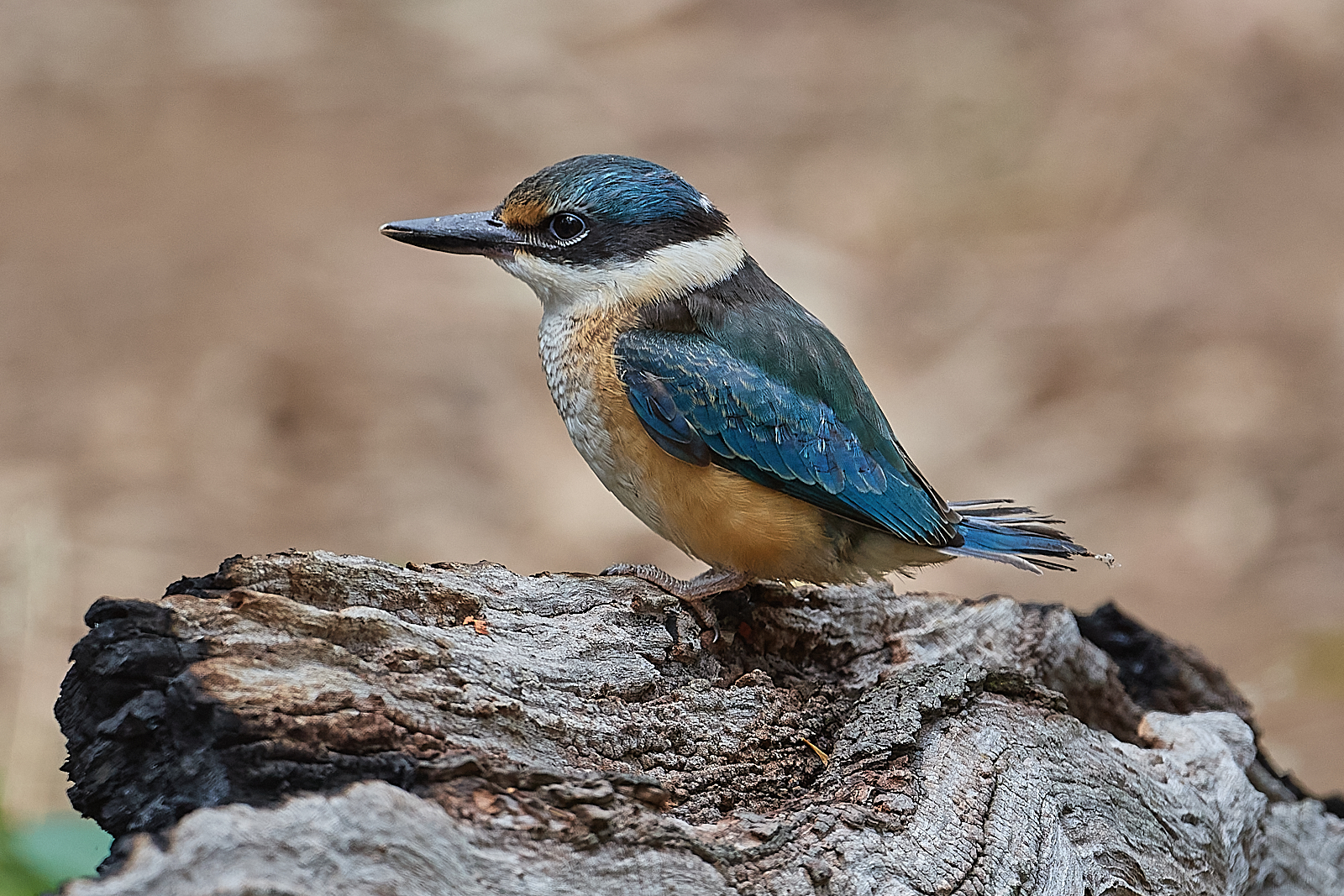
Sacred Kingfishers: Portraits

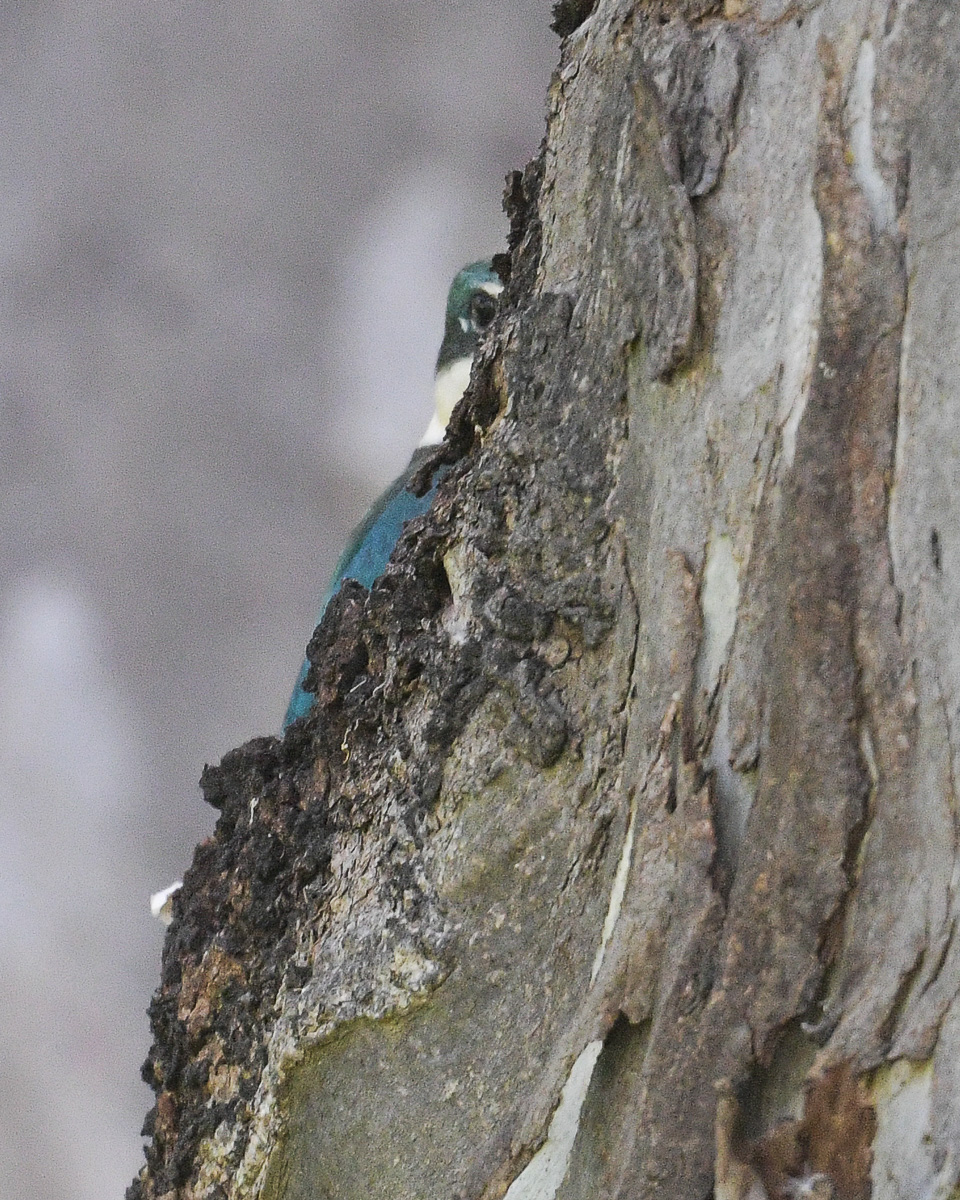
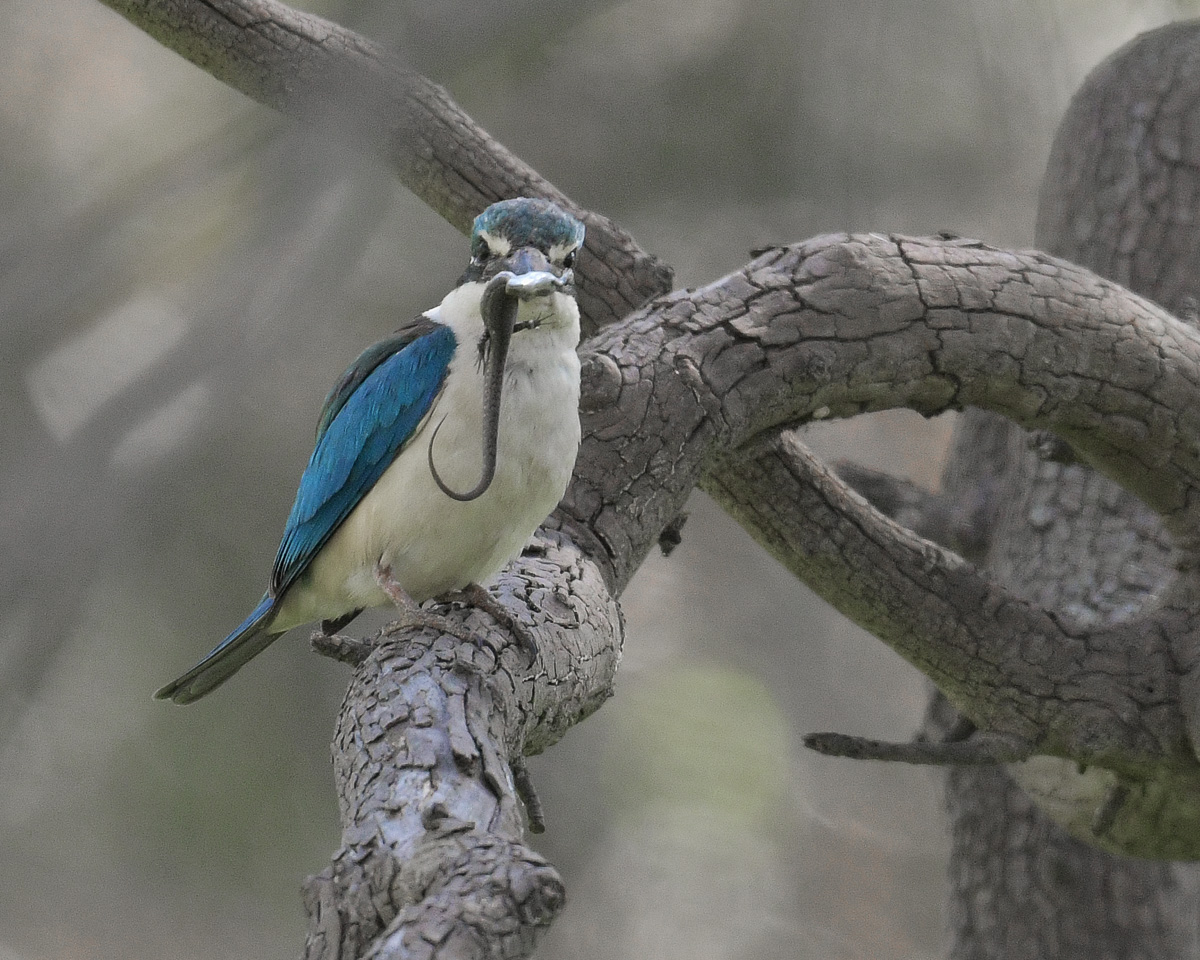
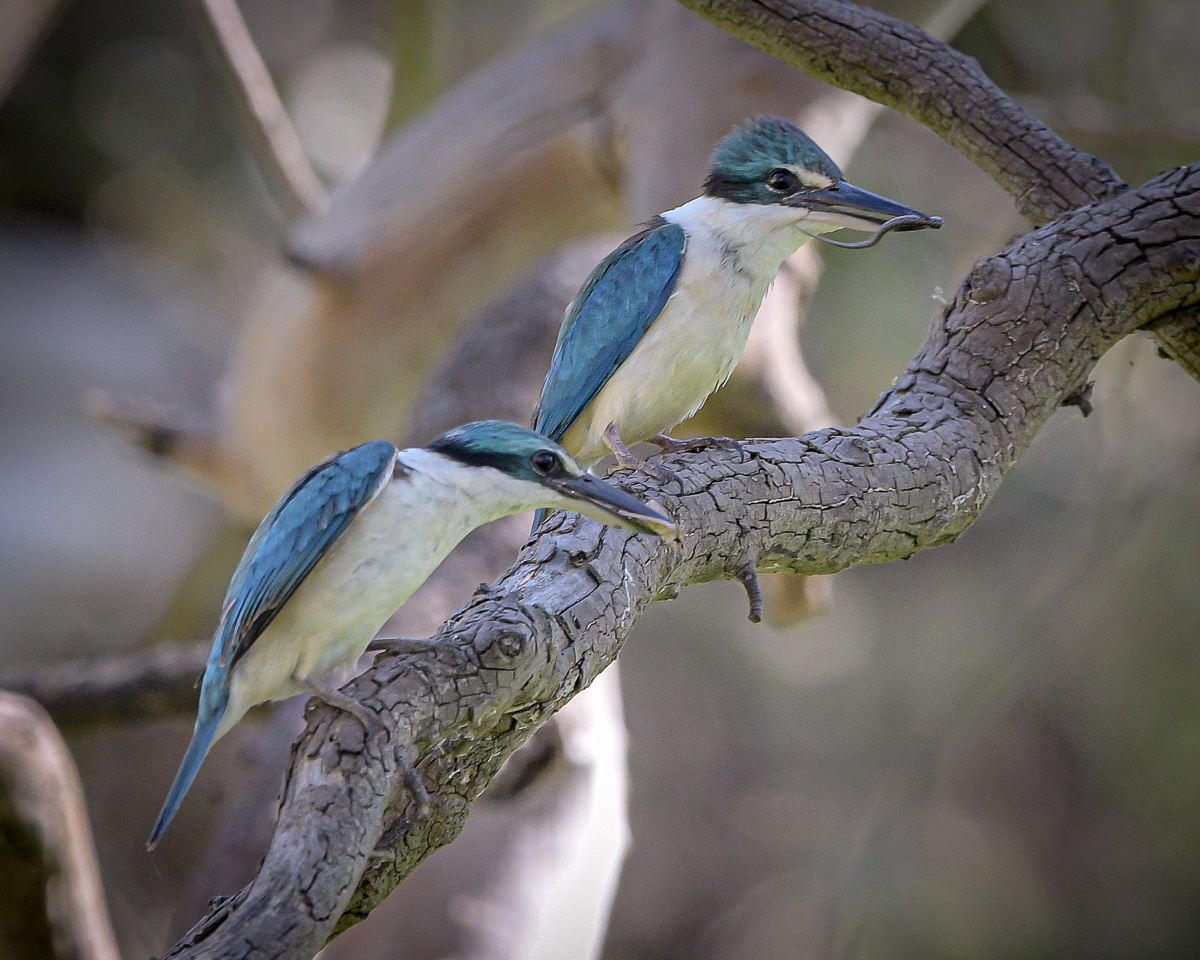
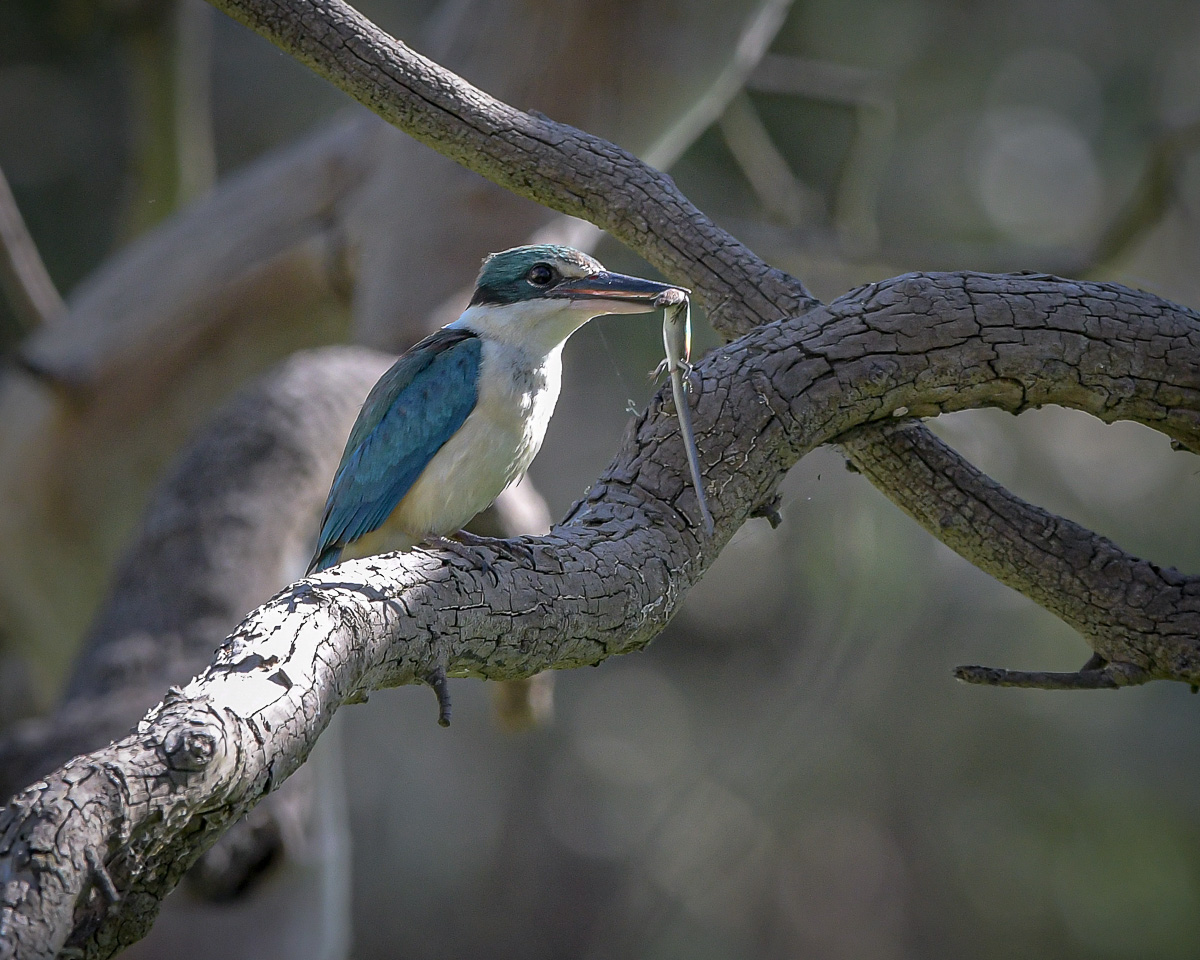
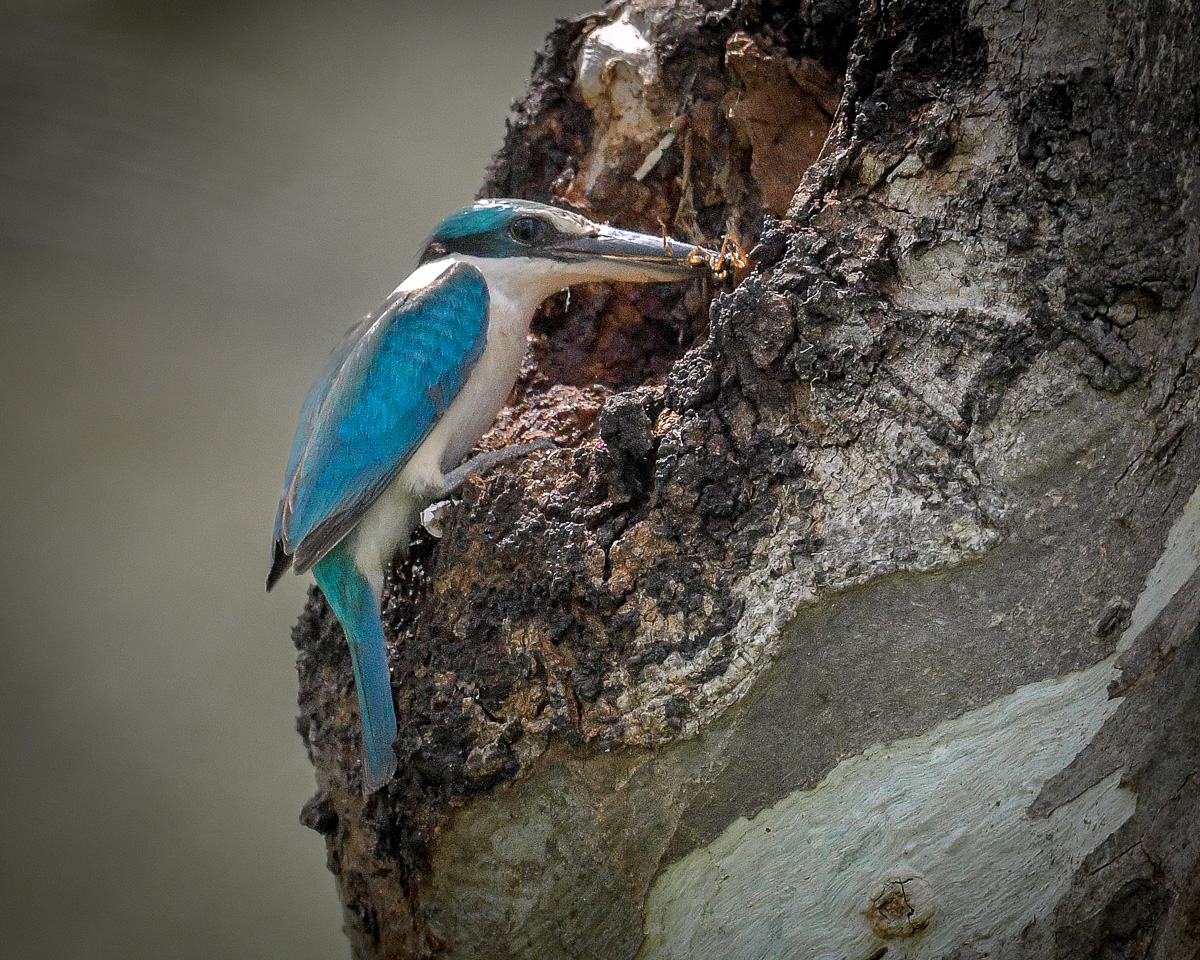
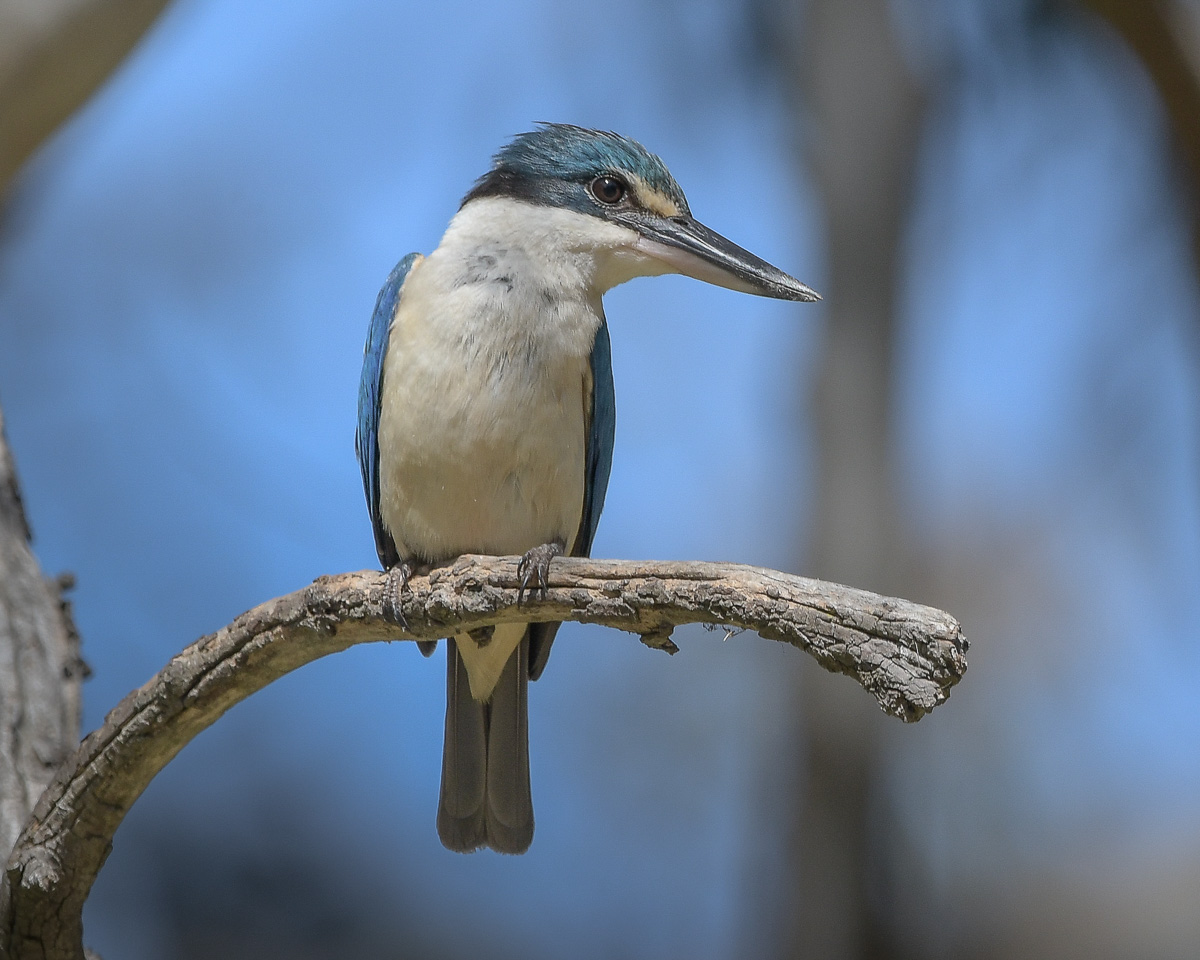
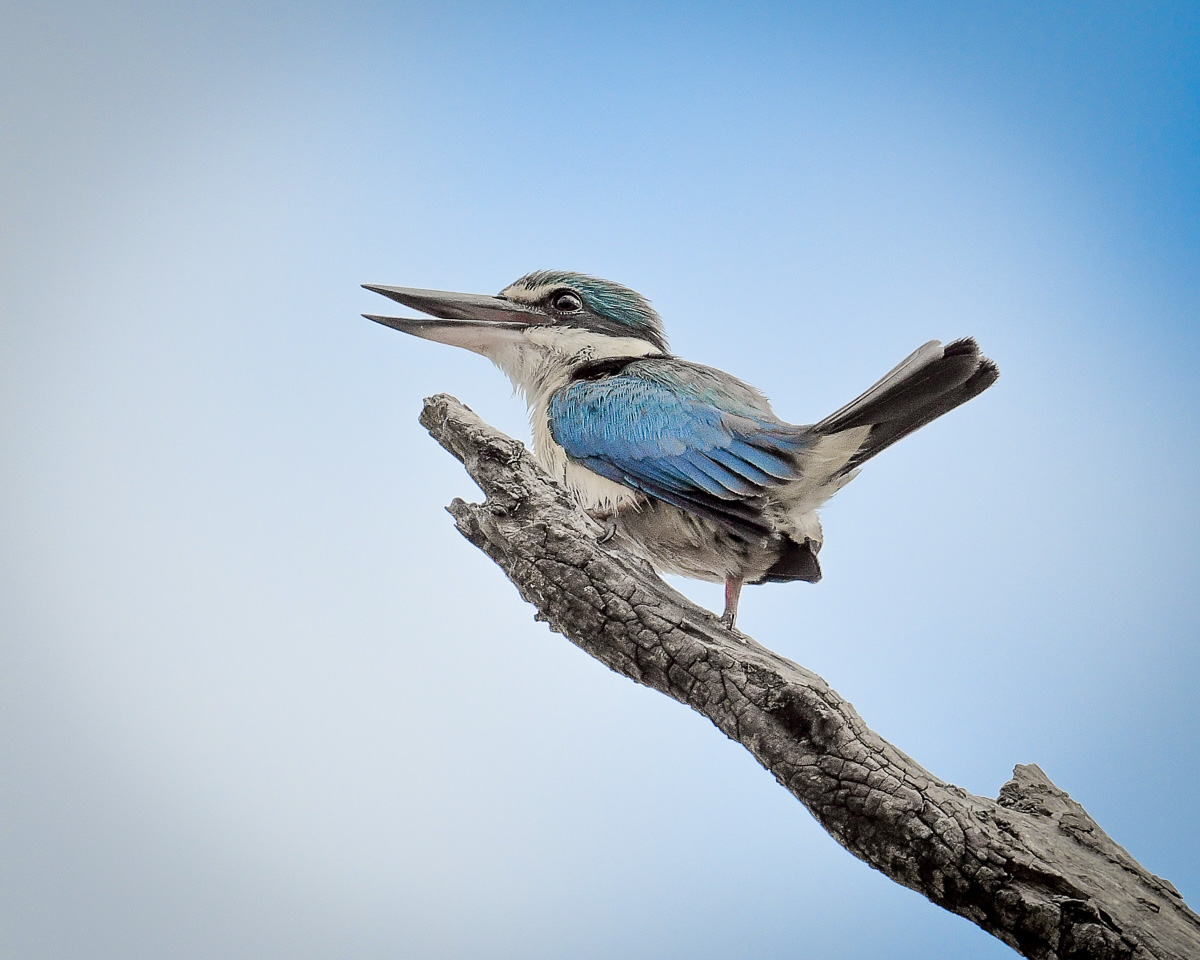
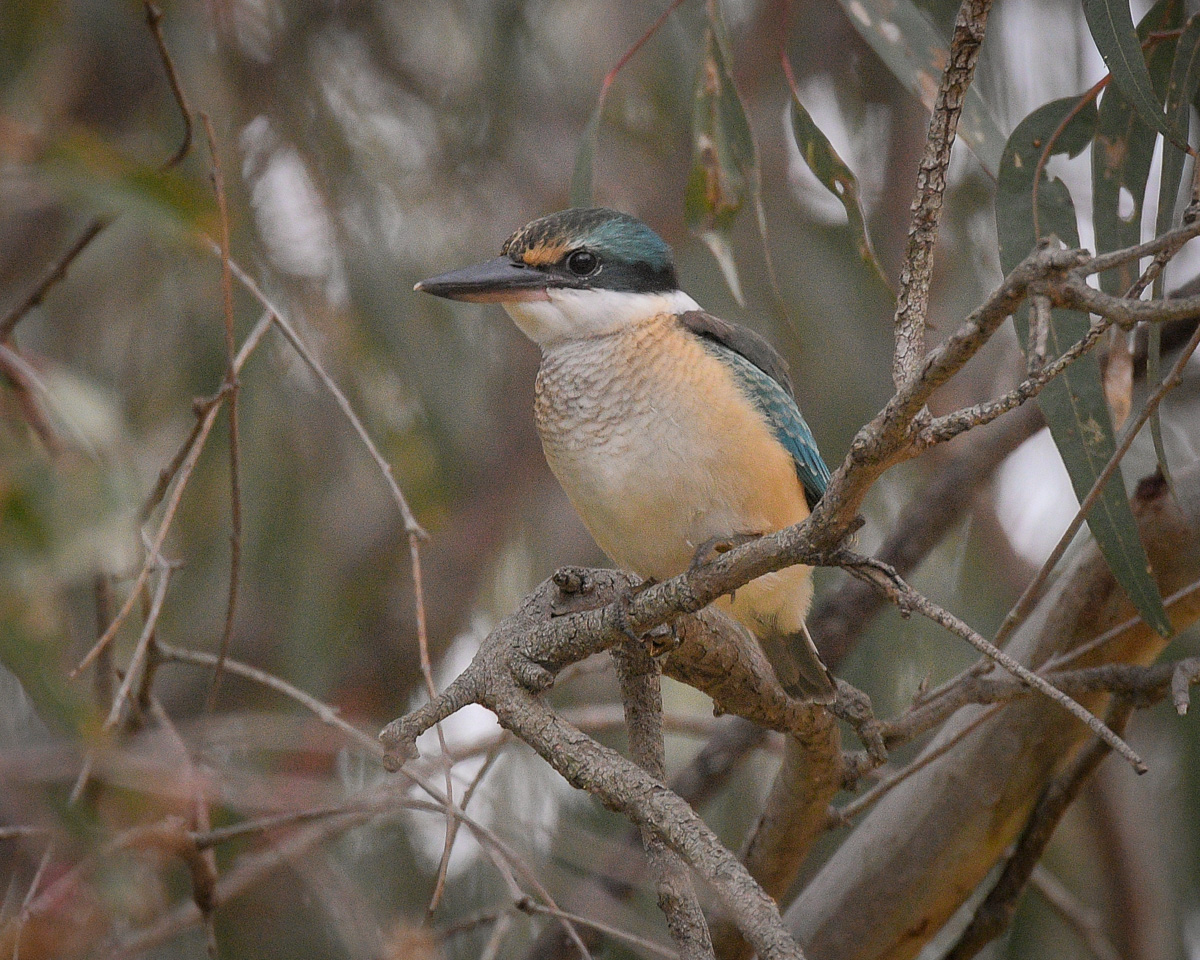
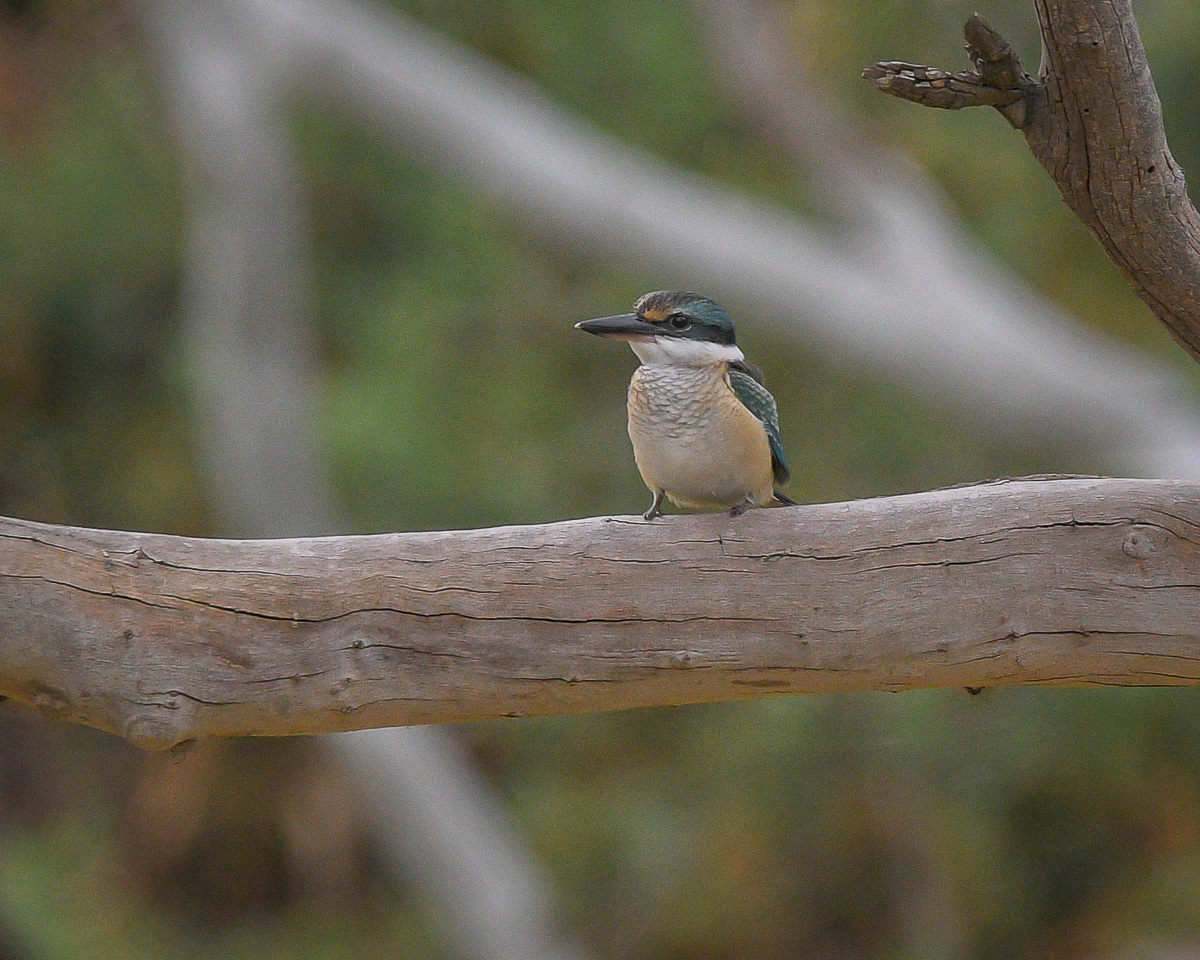
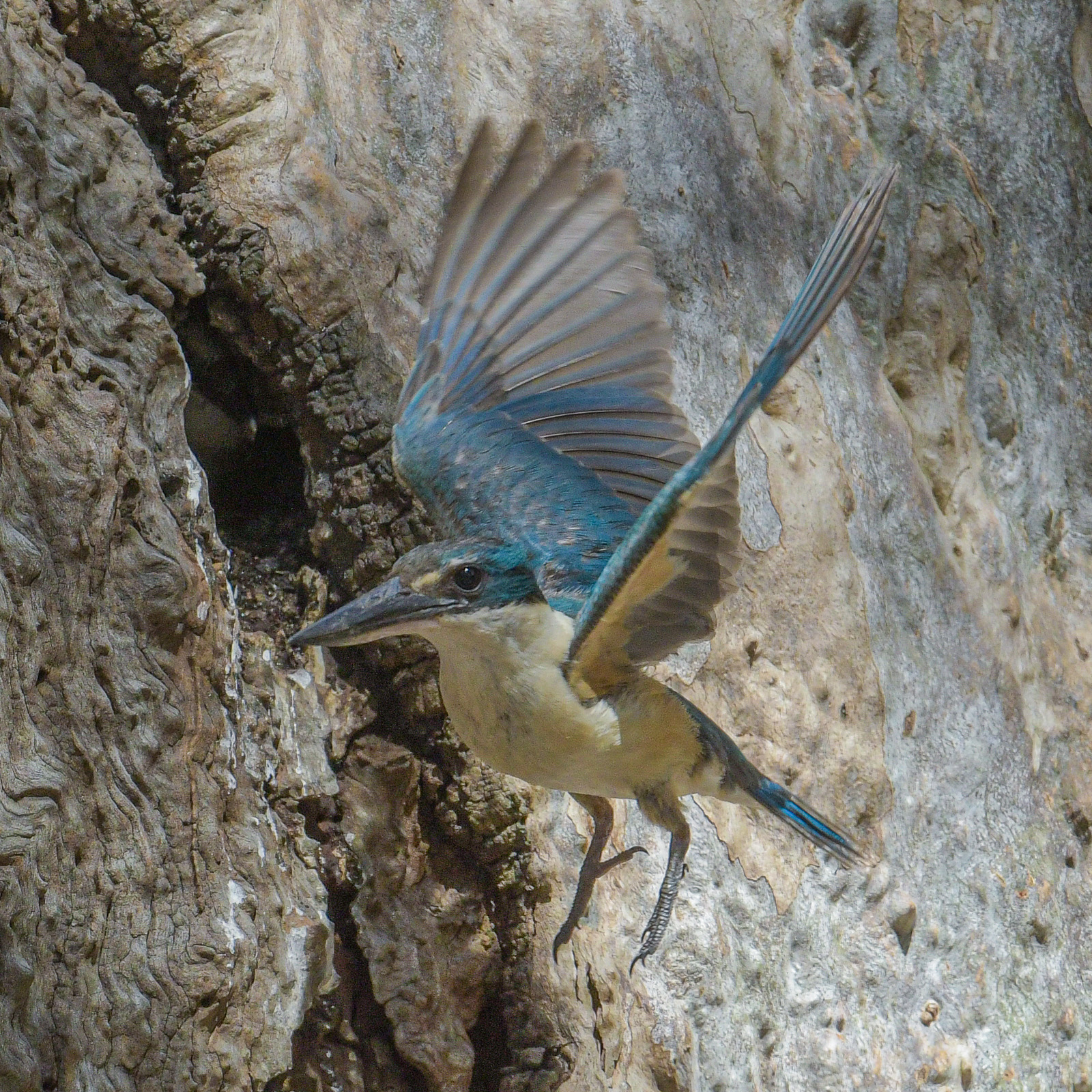
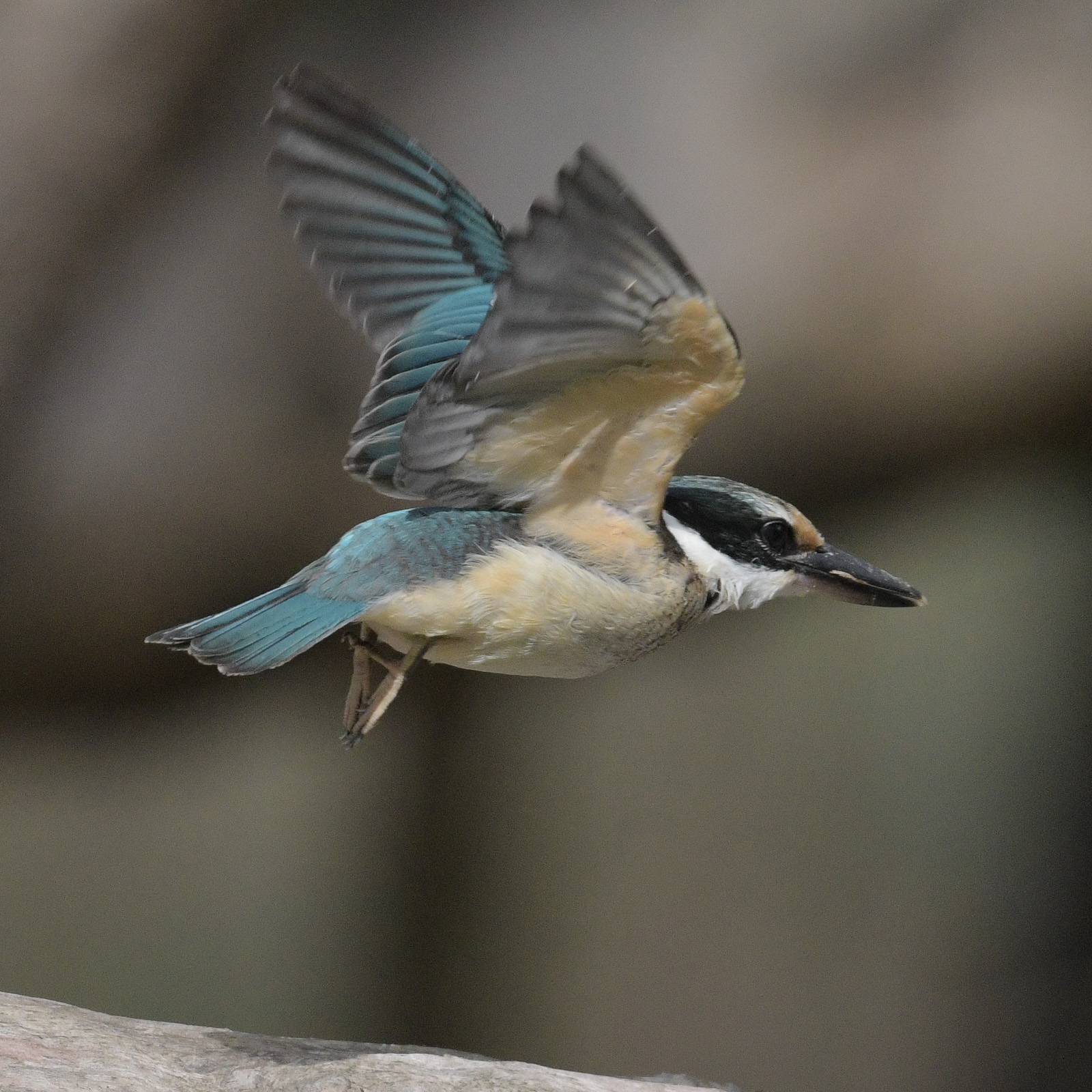
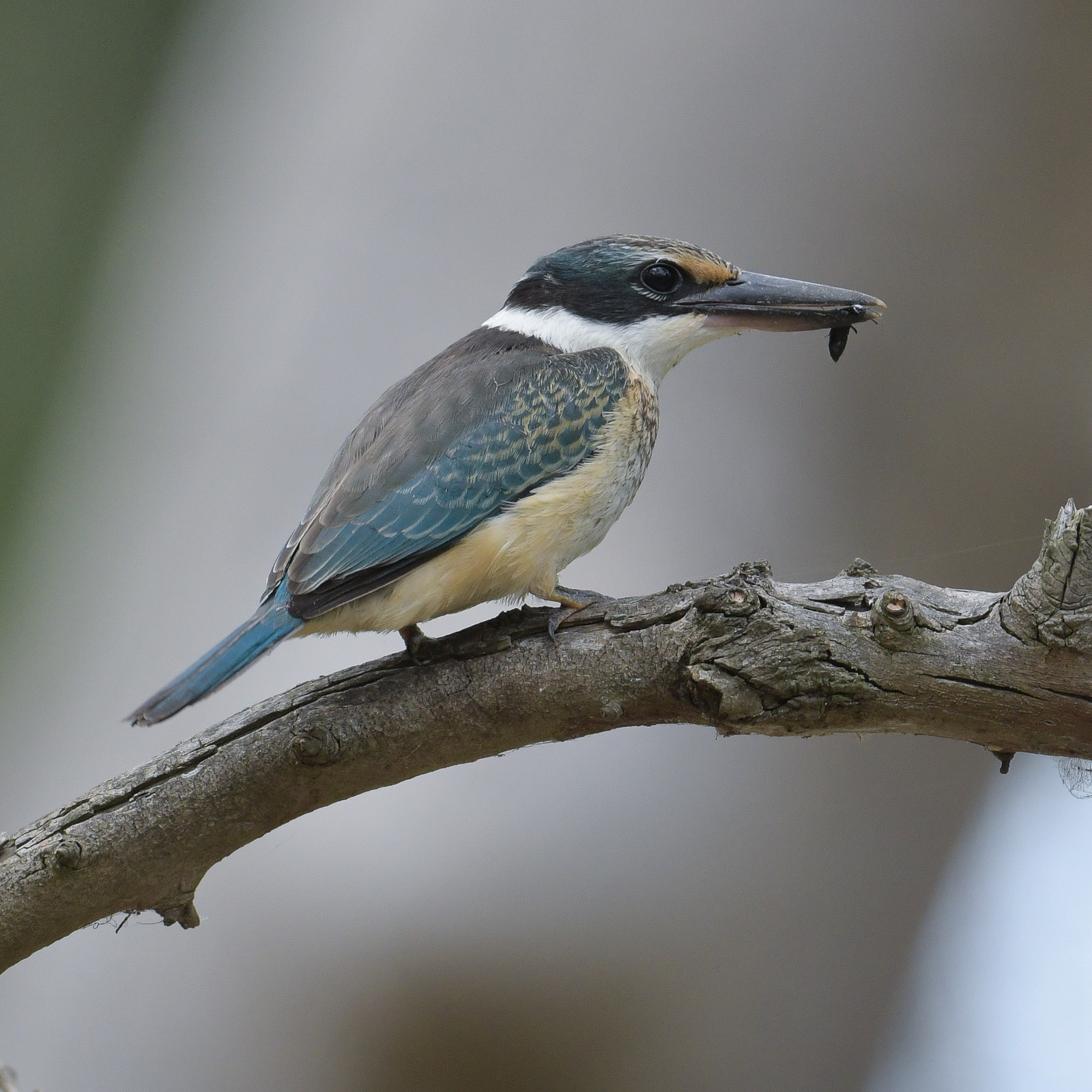
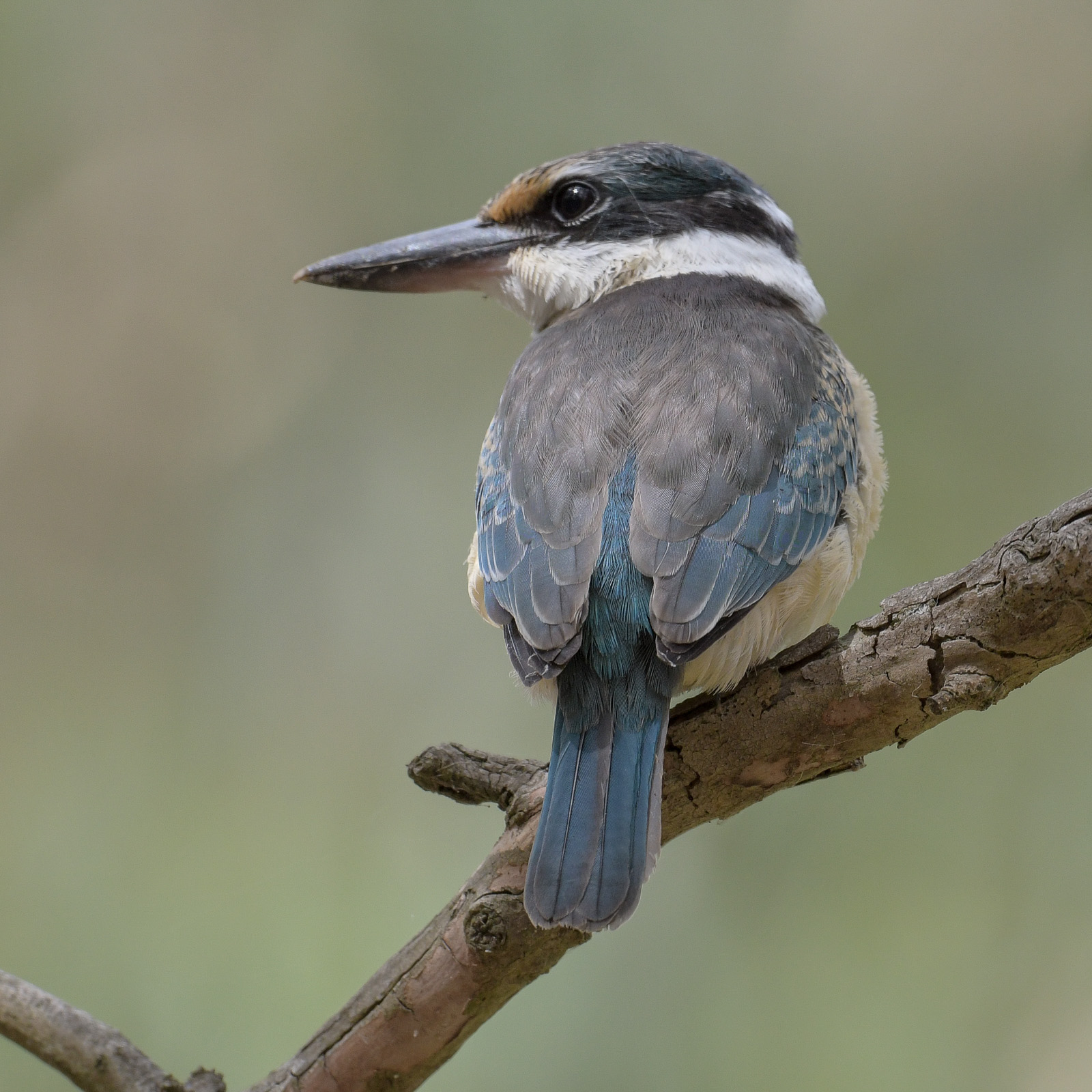
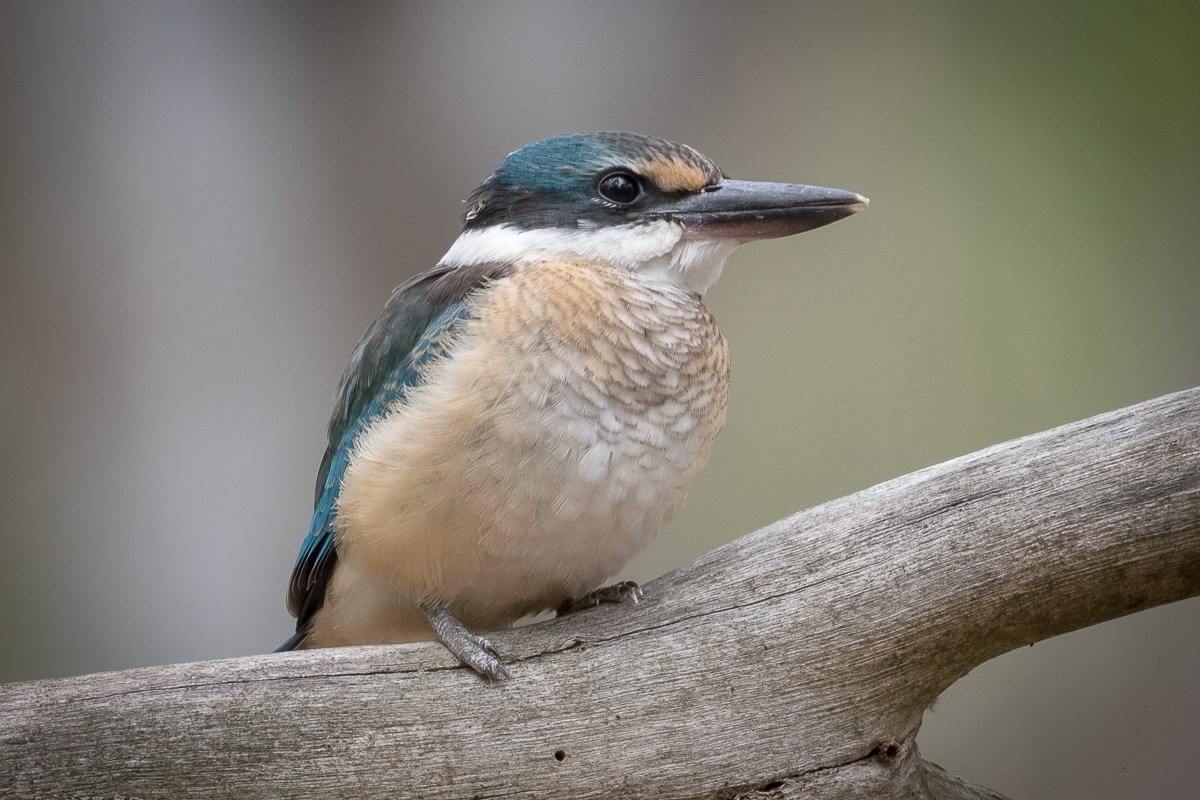
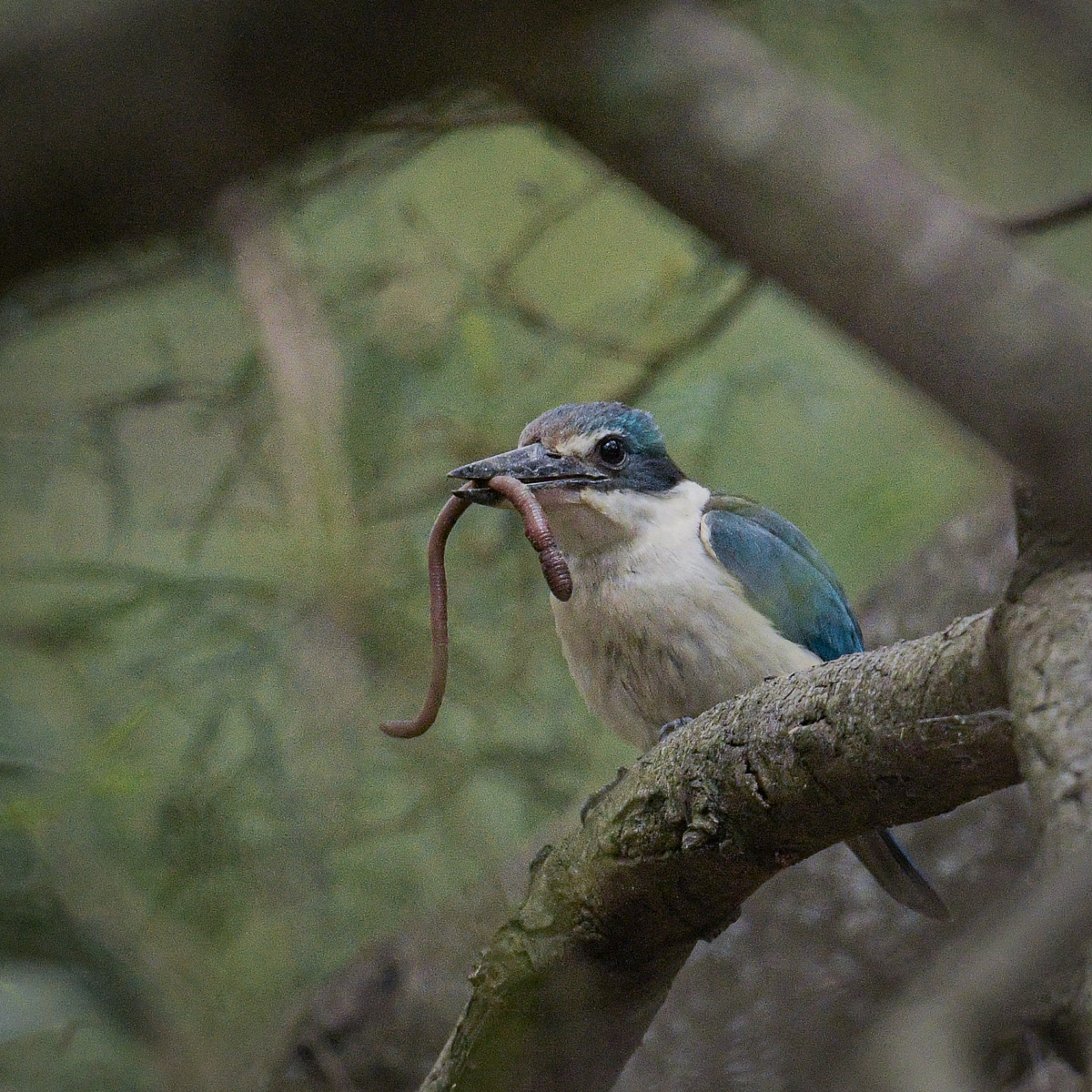
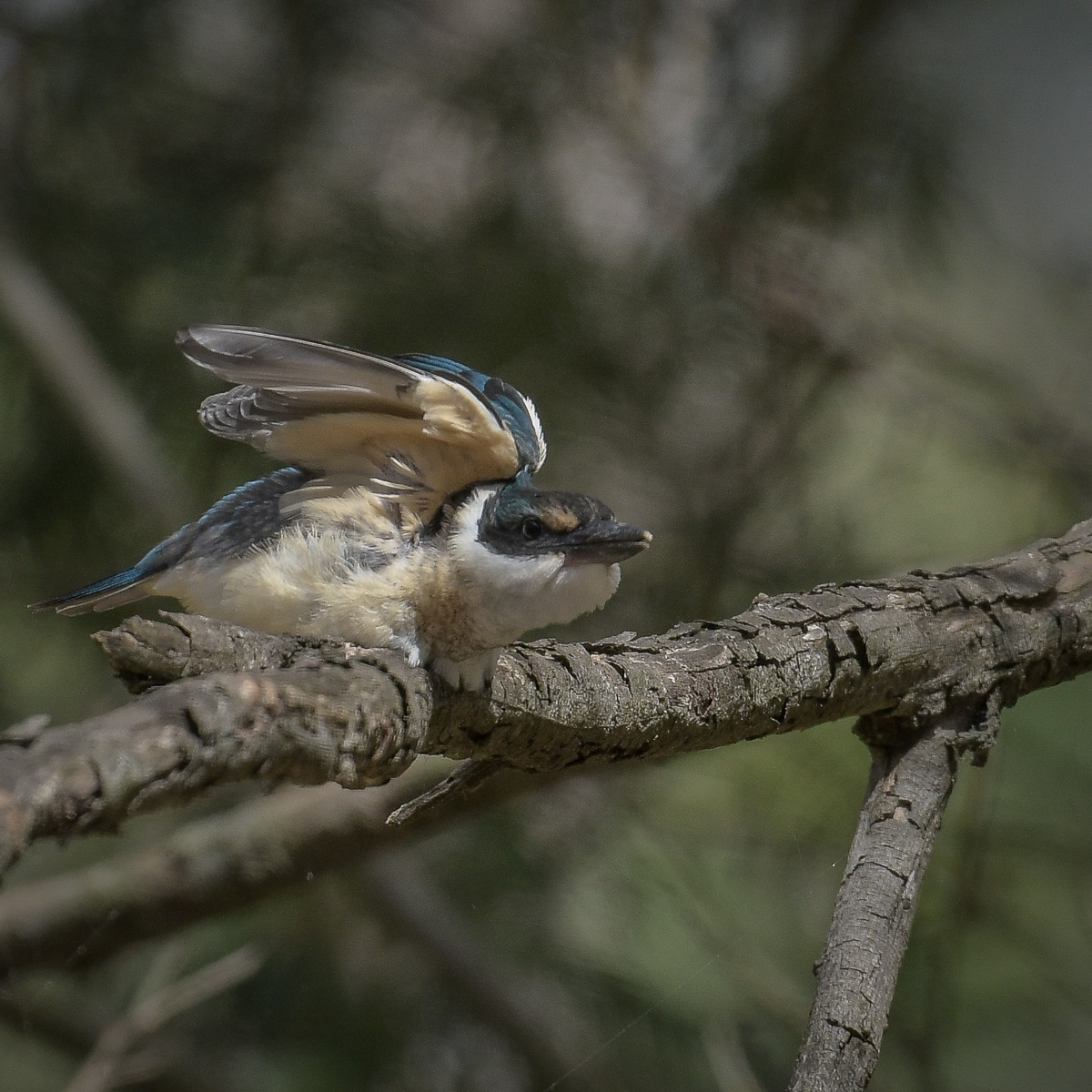
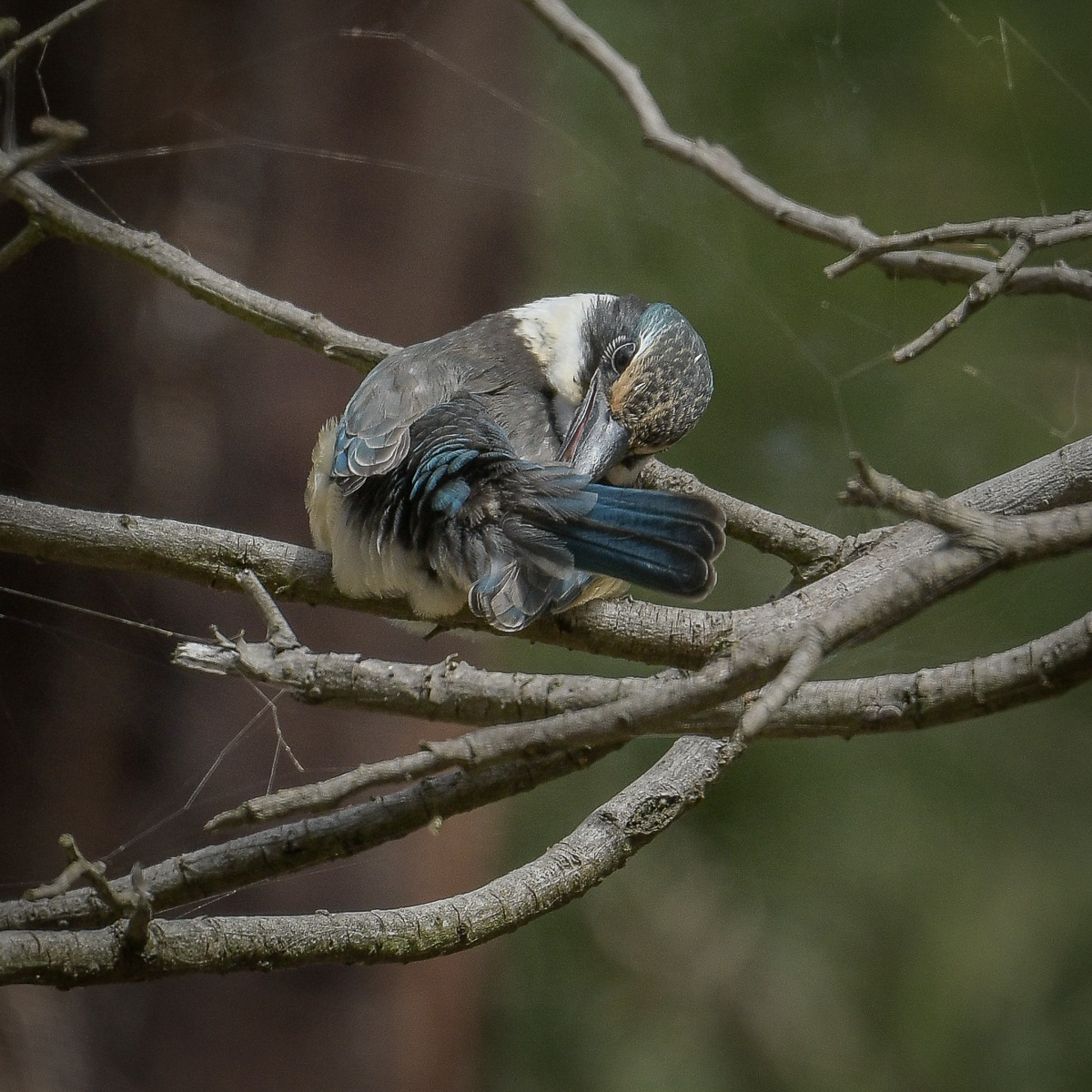
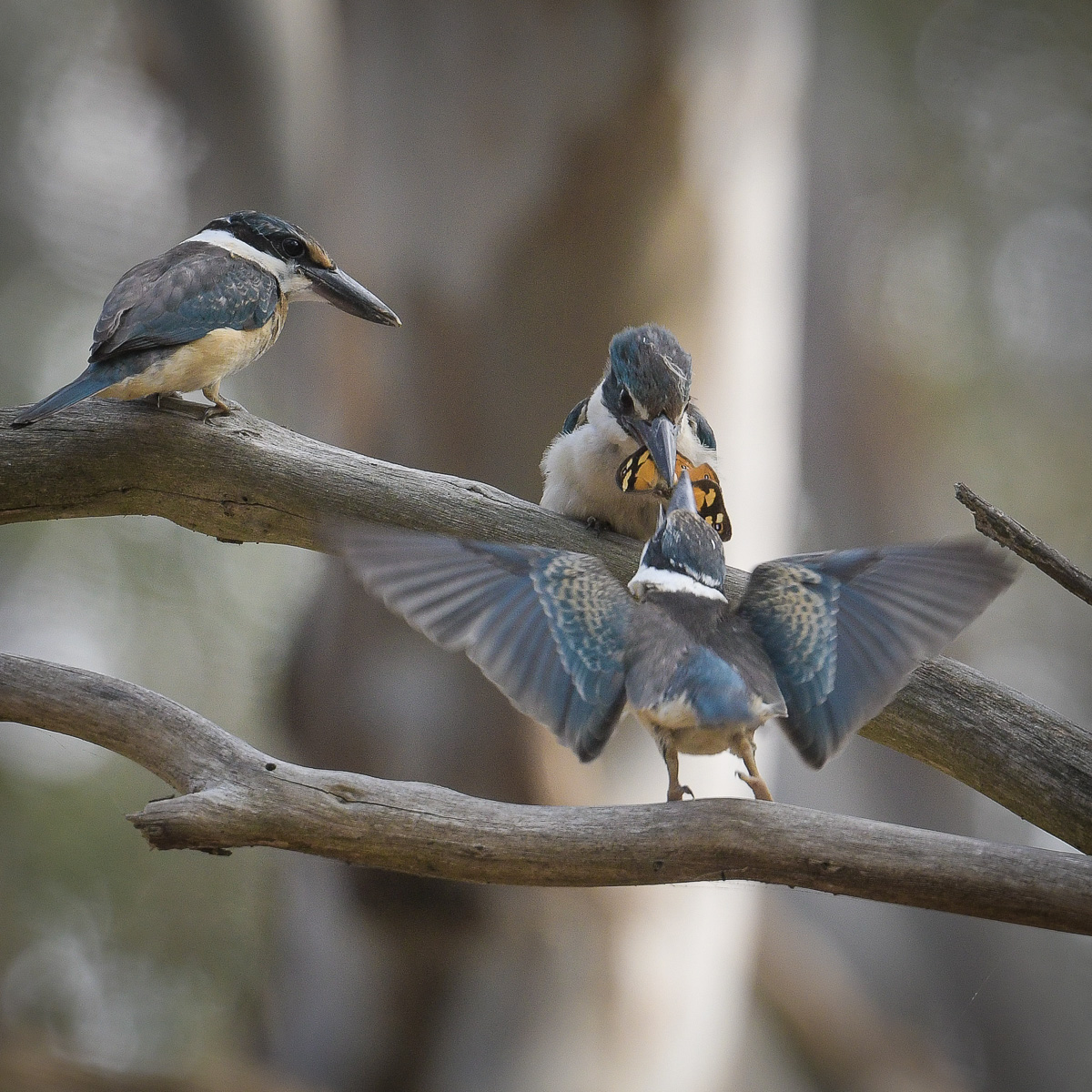
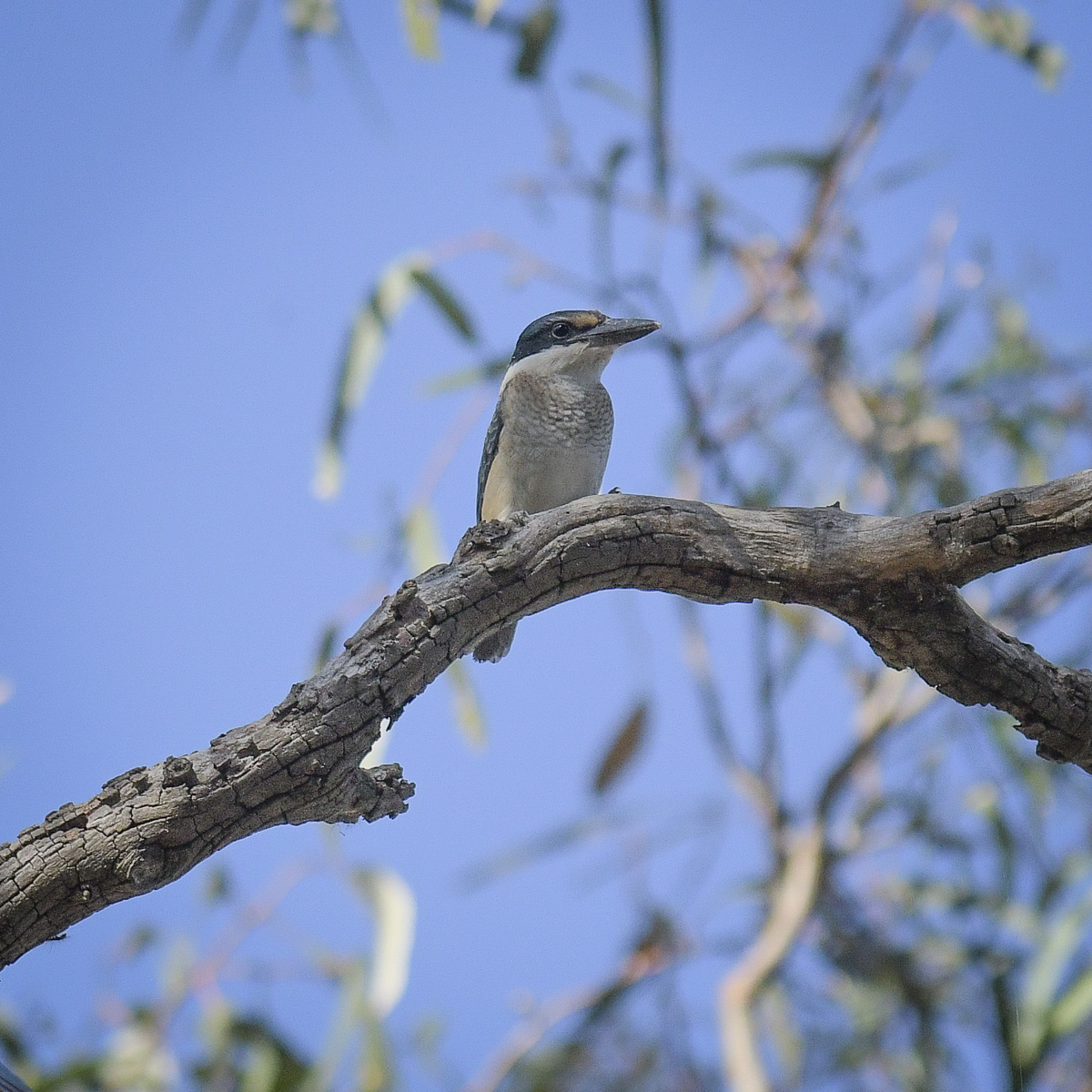
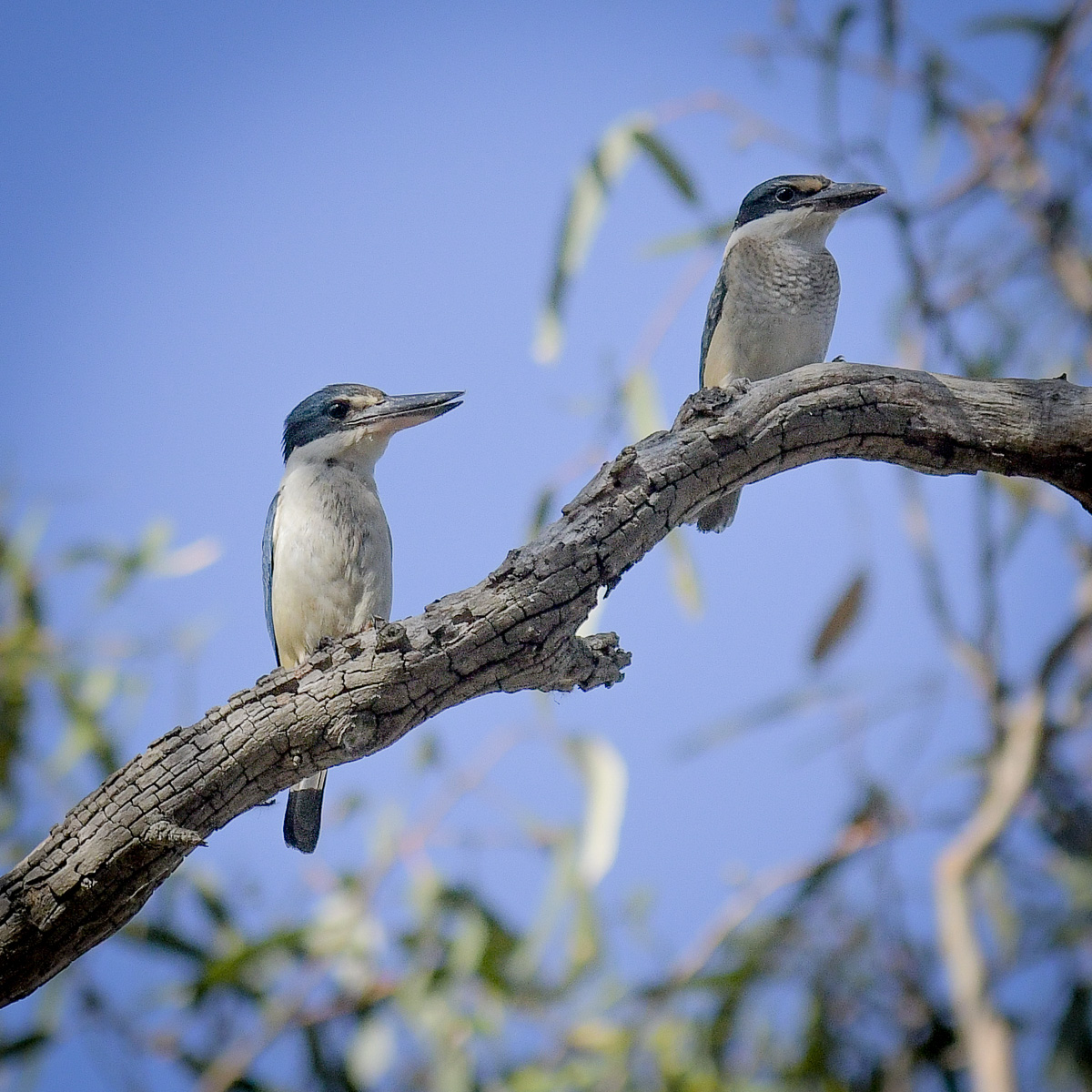
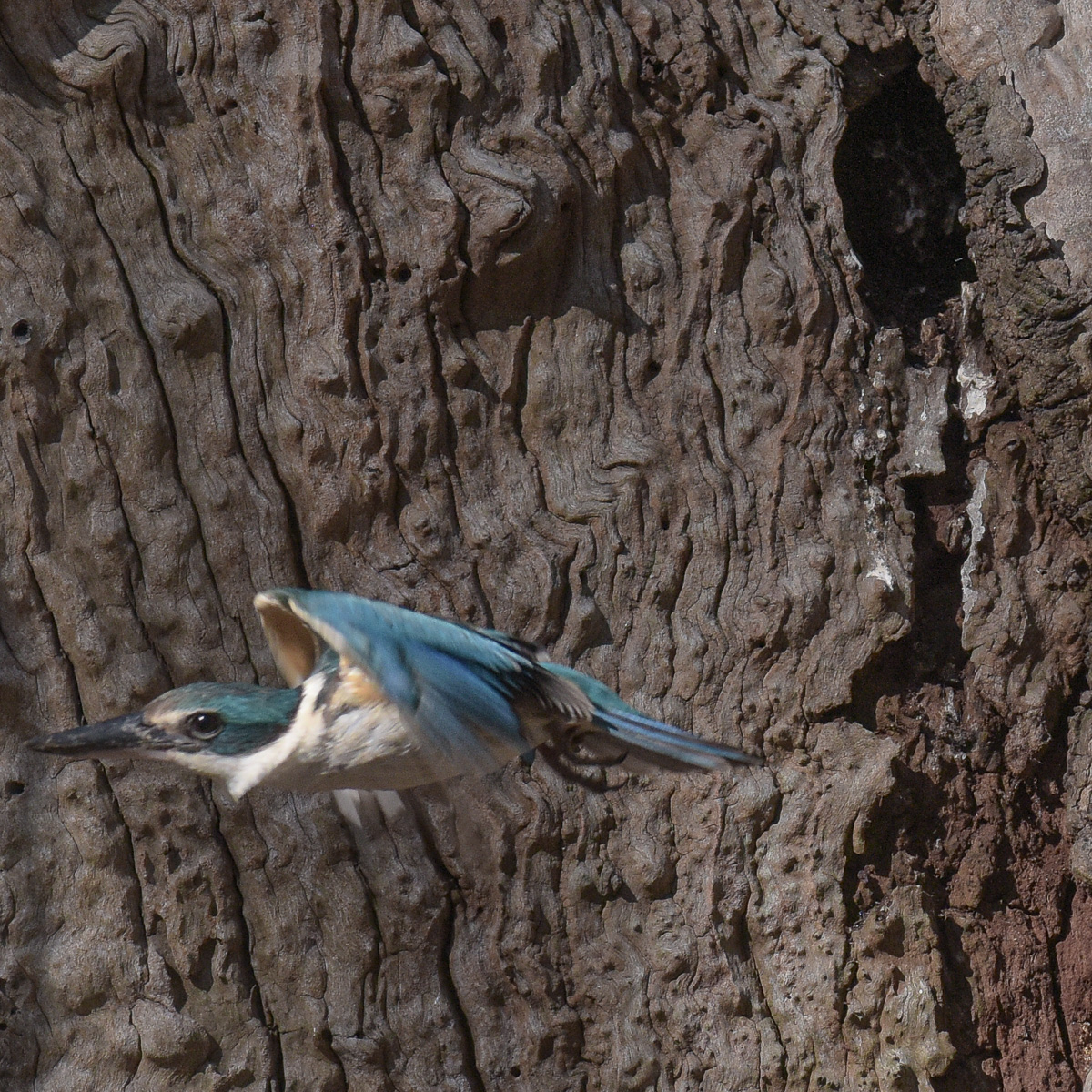
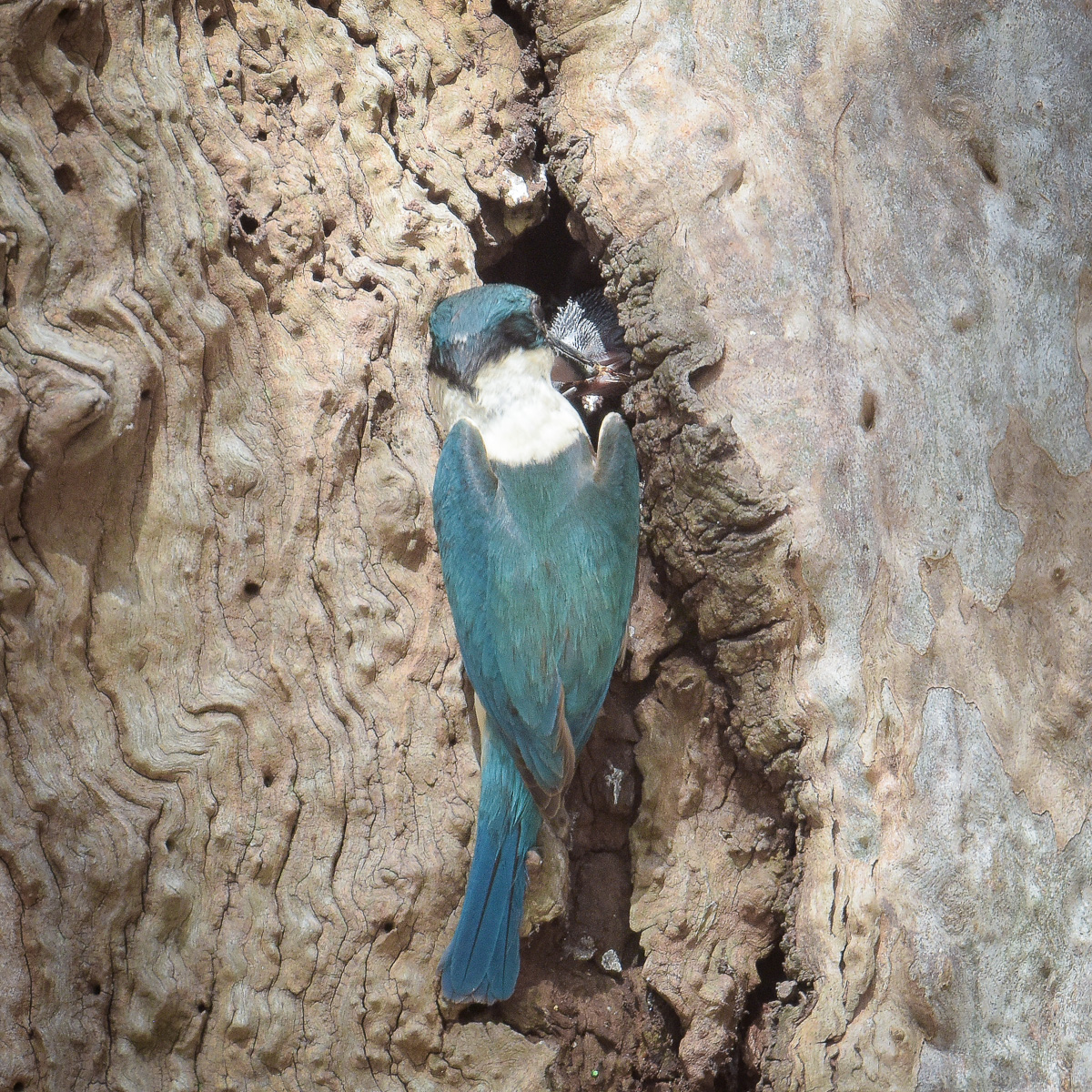
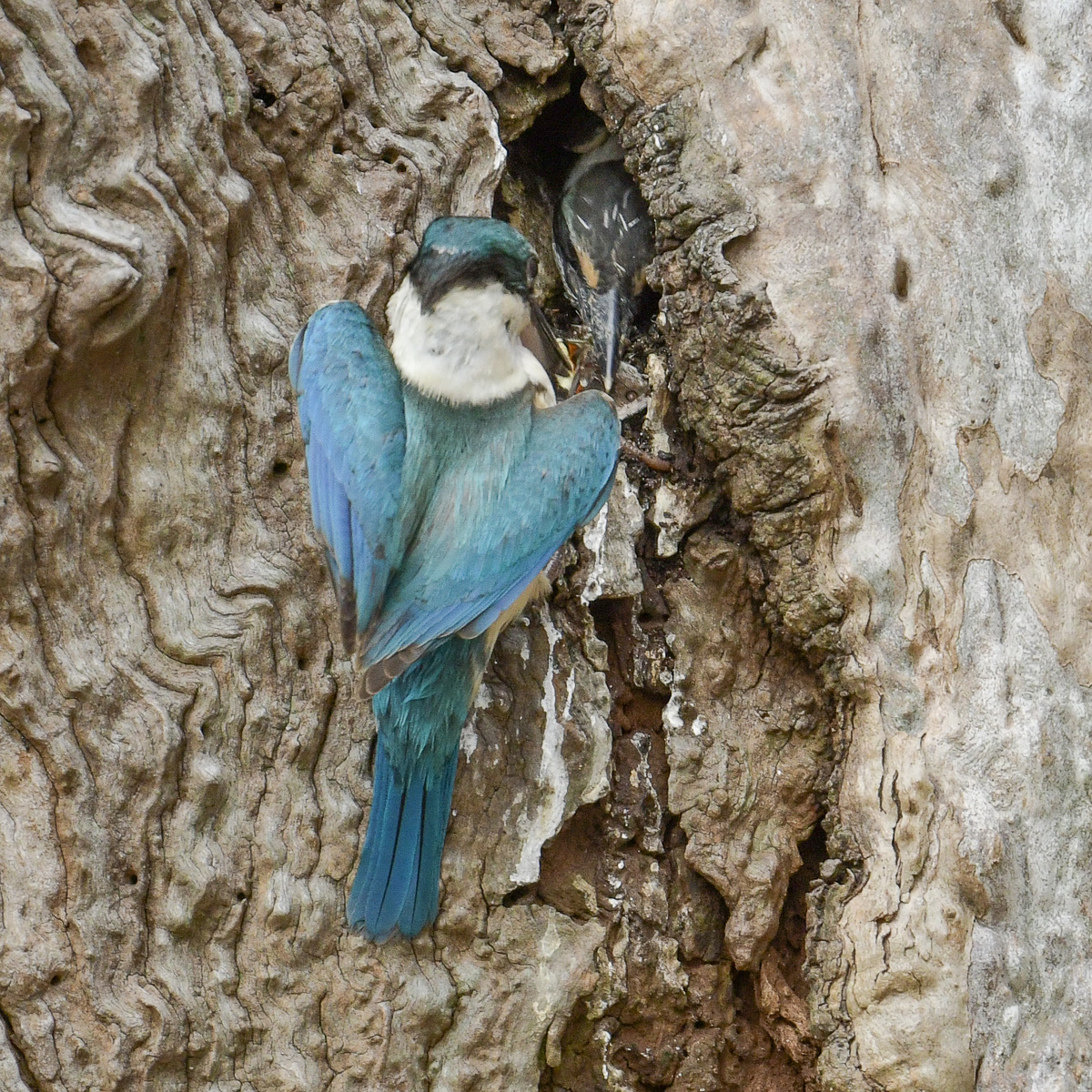
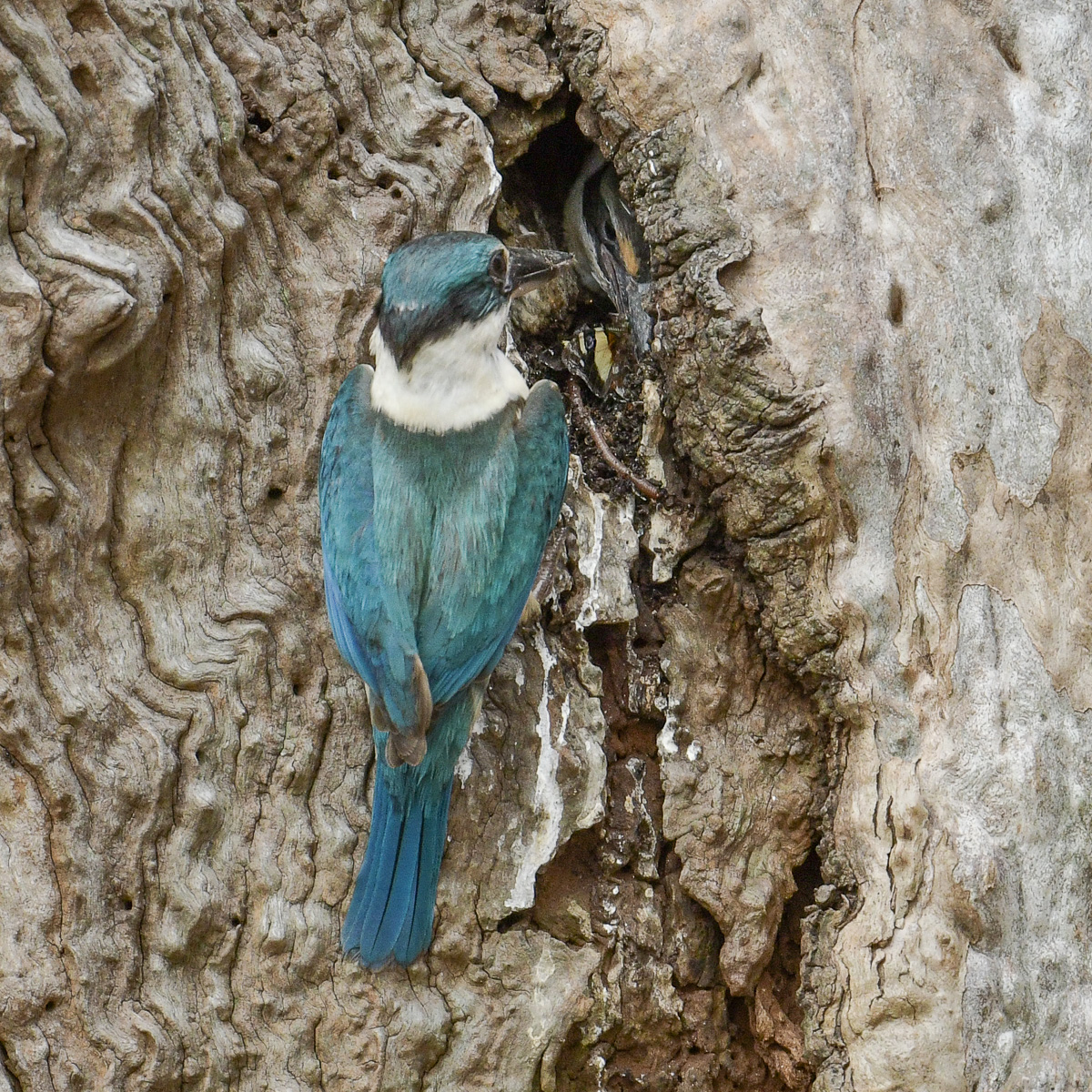
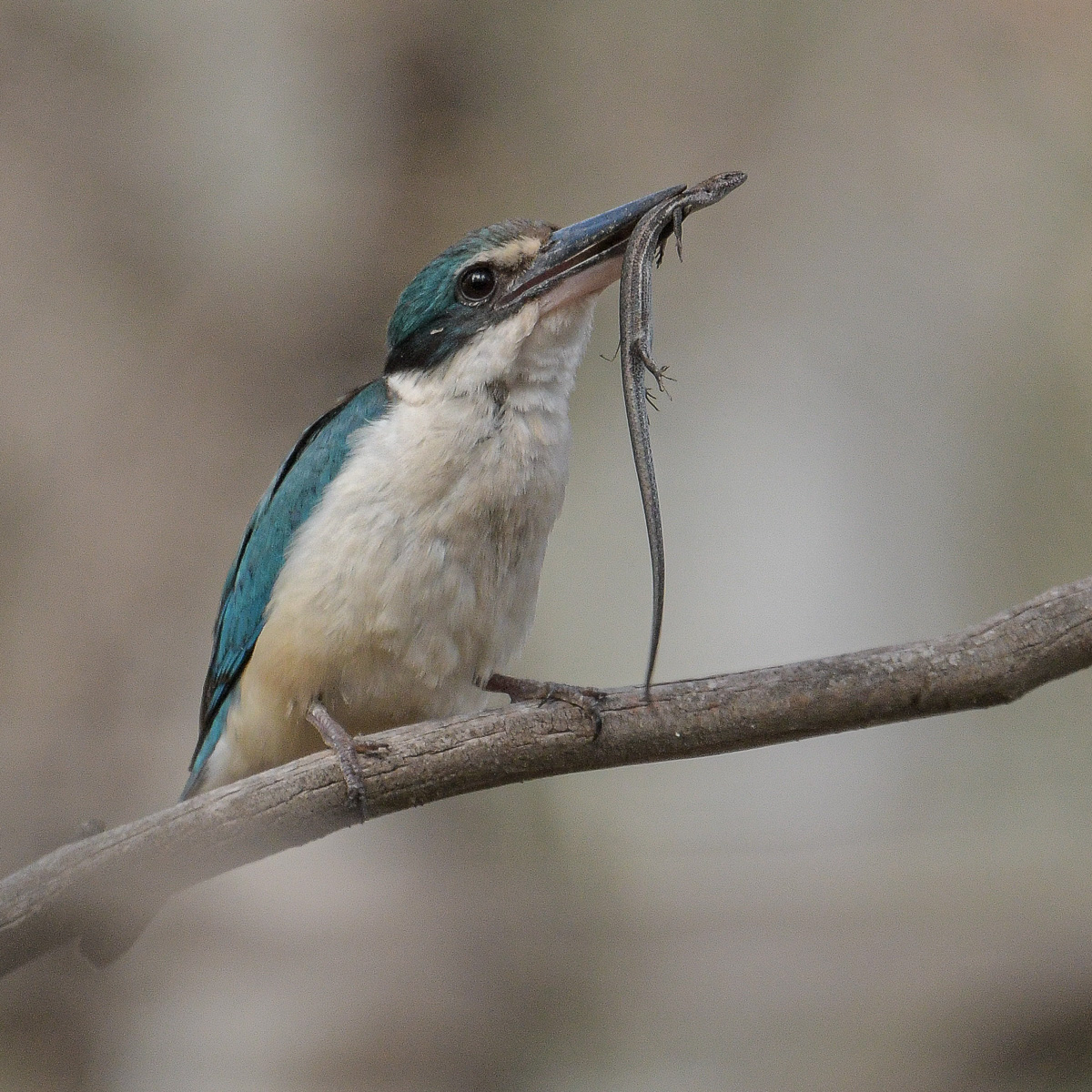
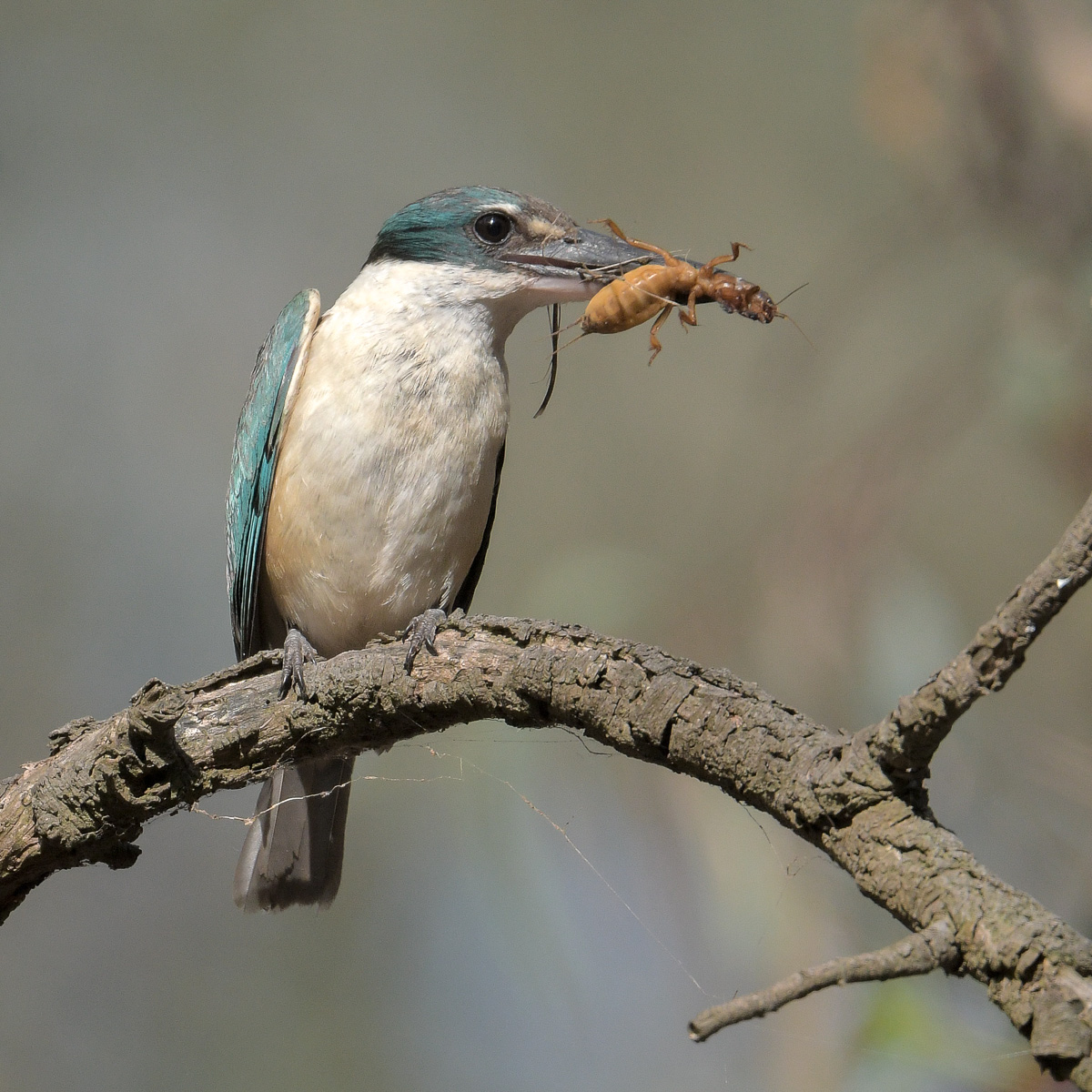
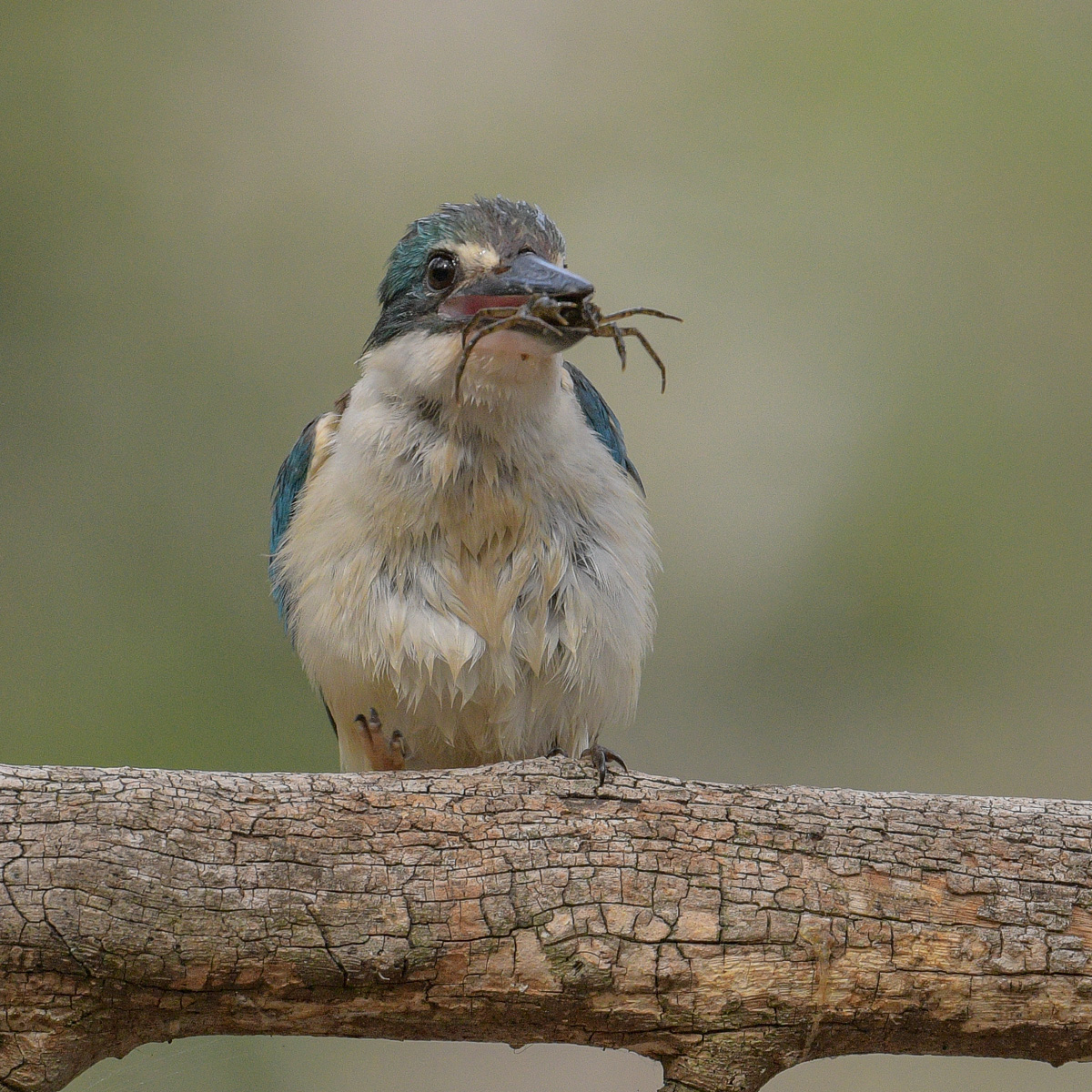
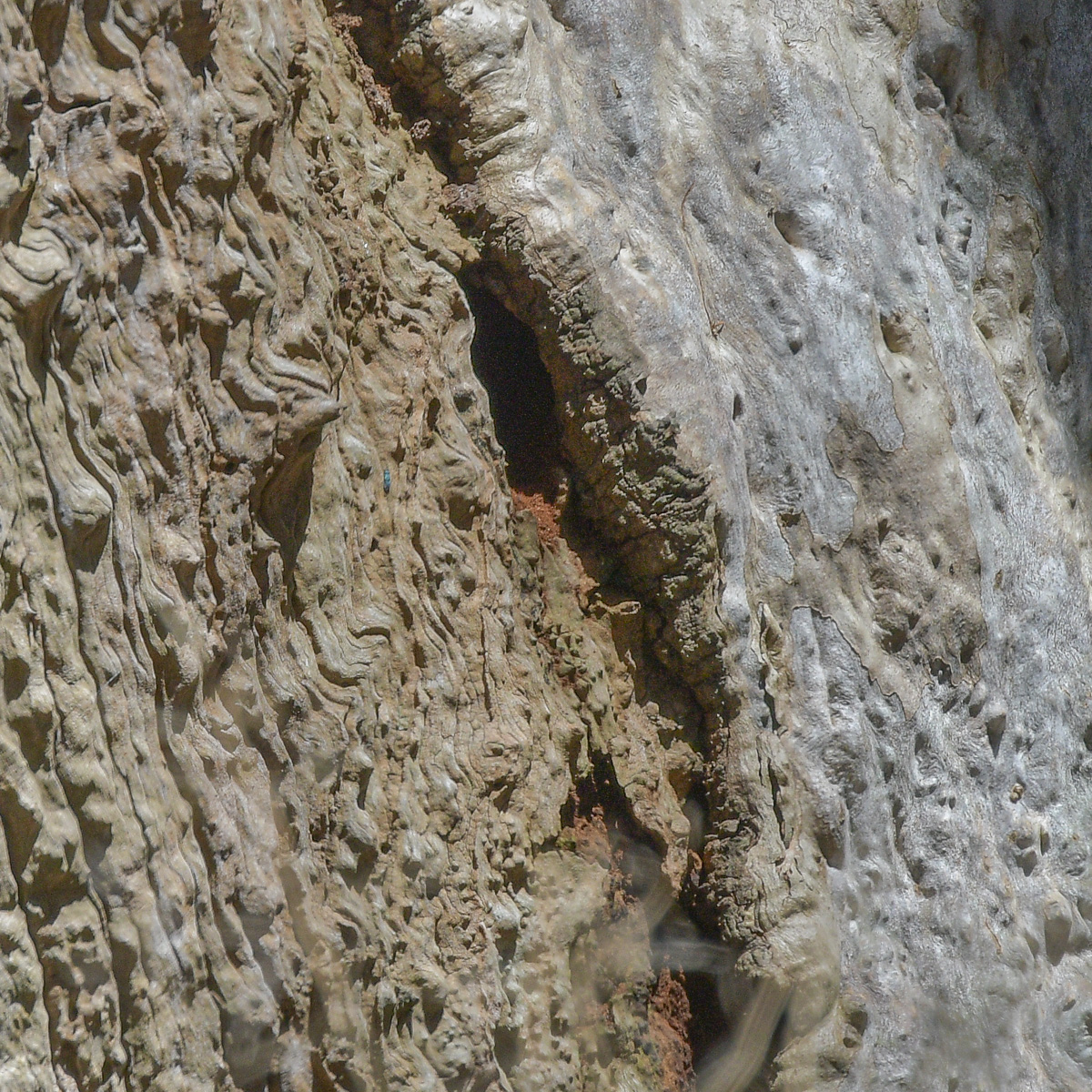
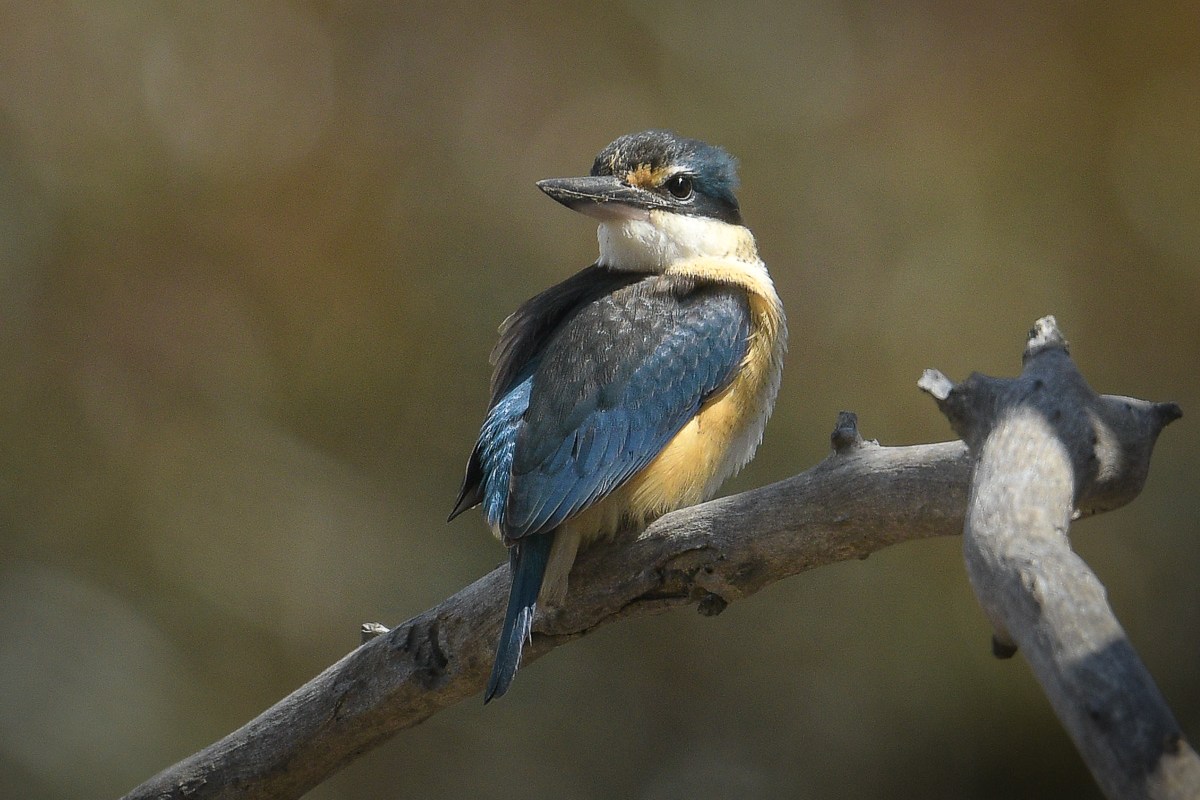
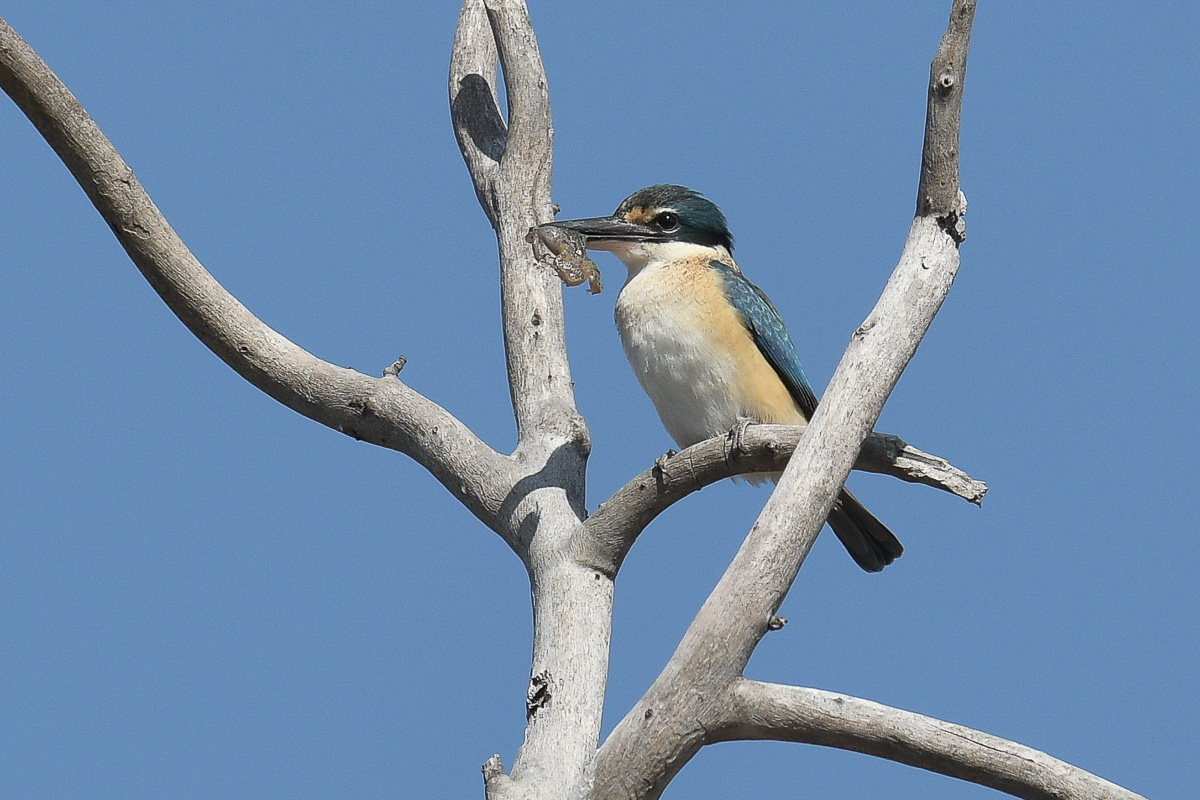
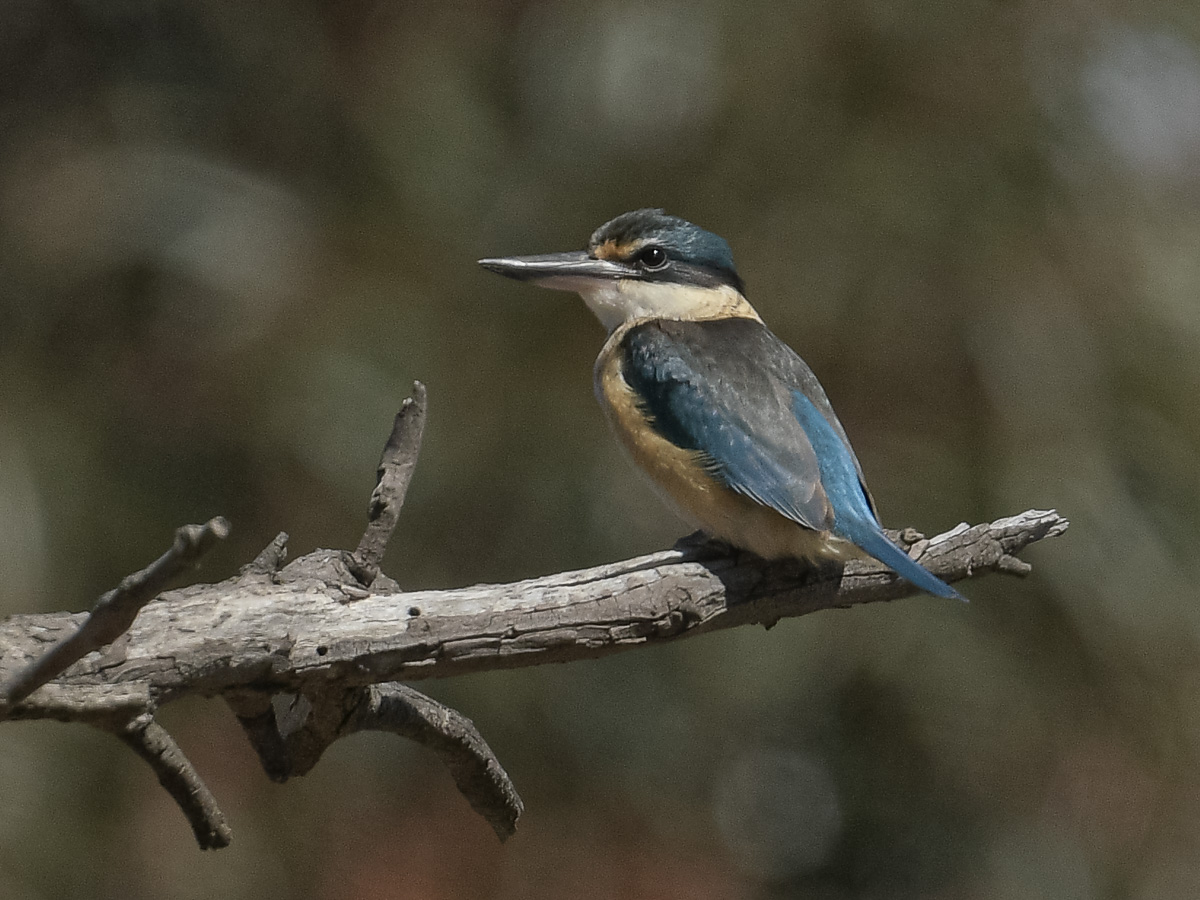
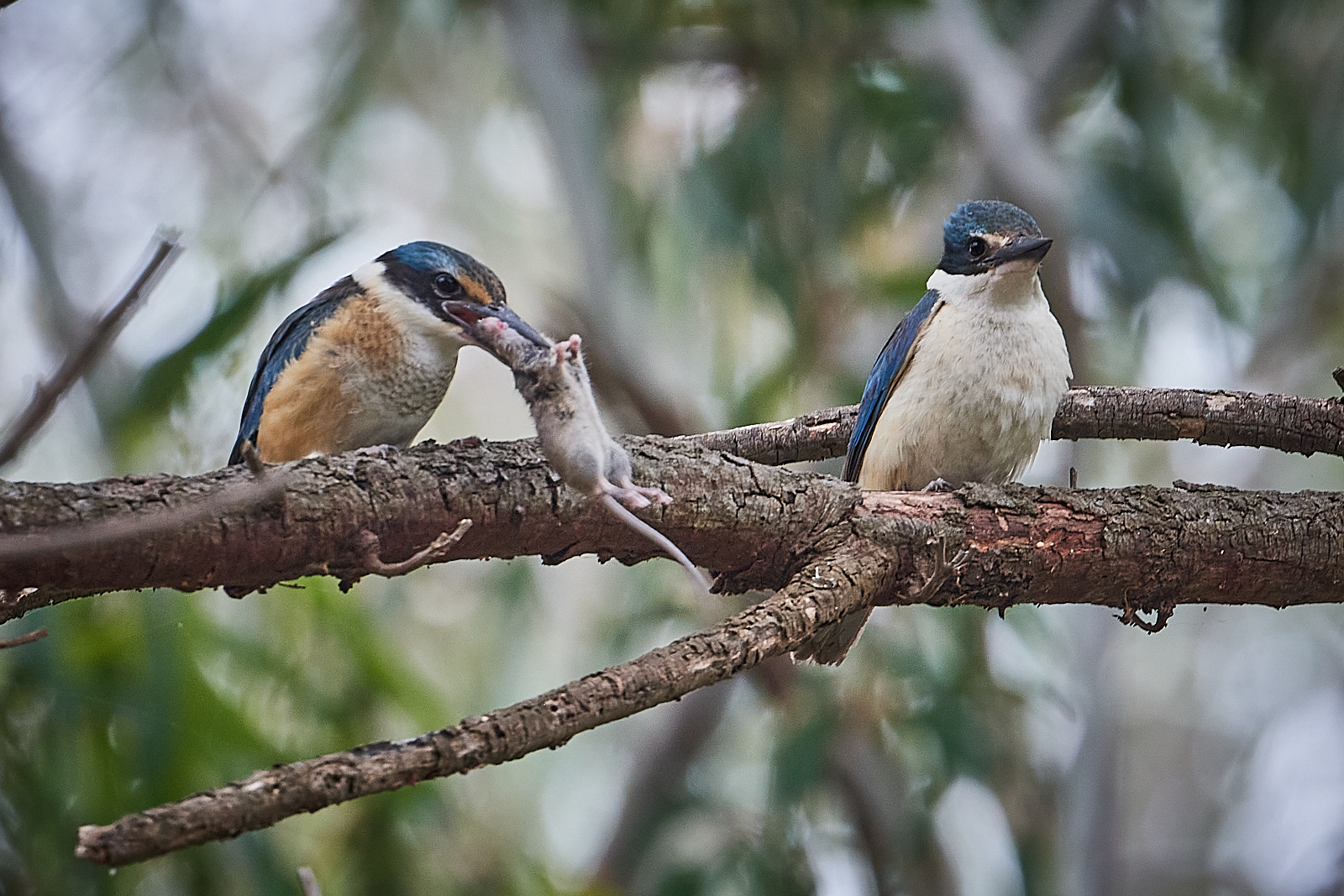
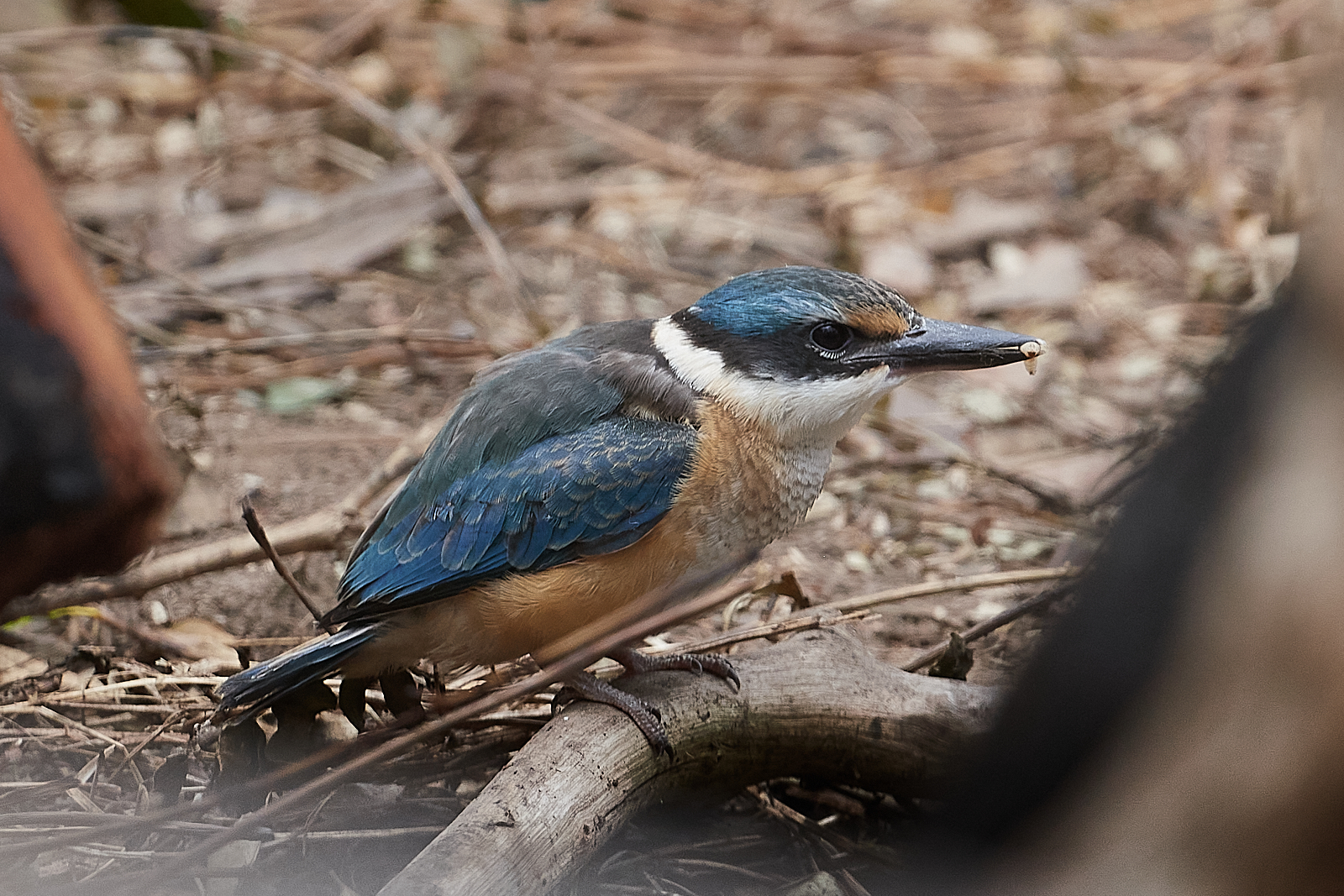
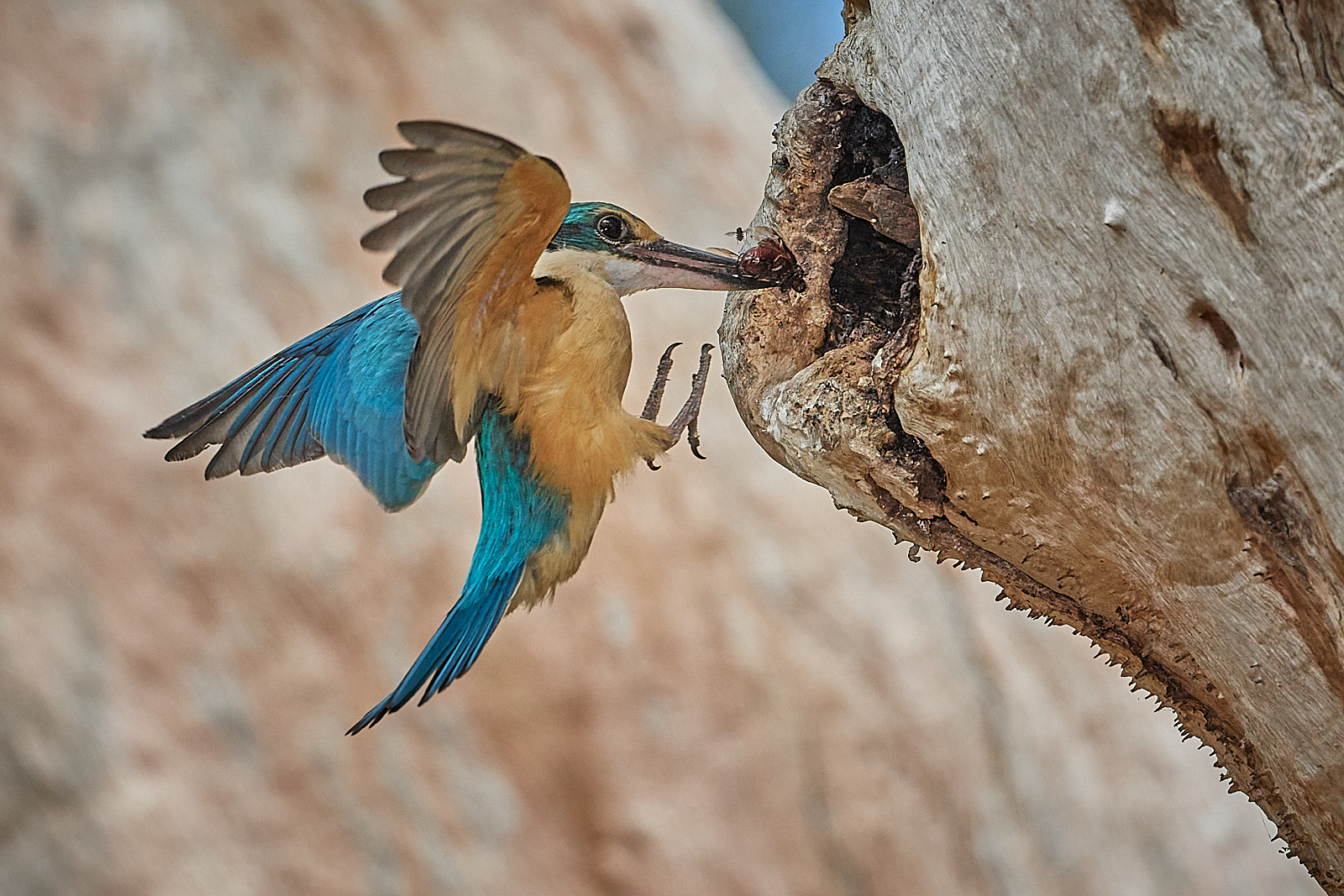
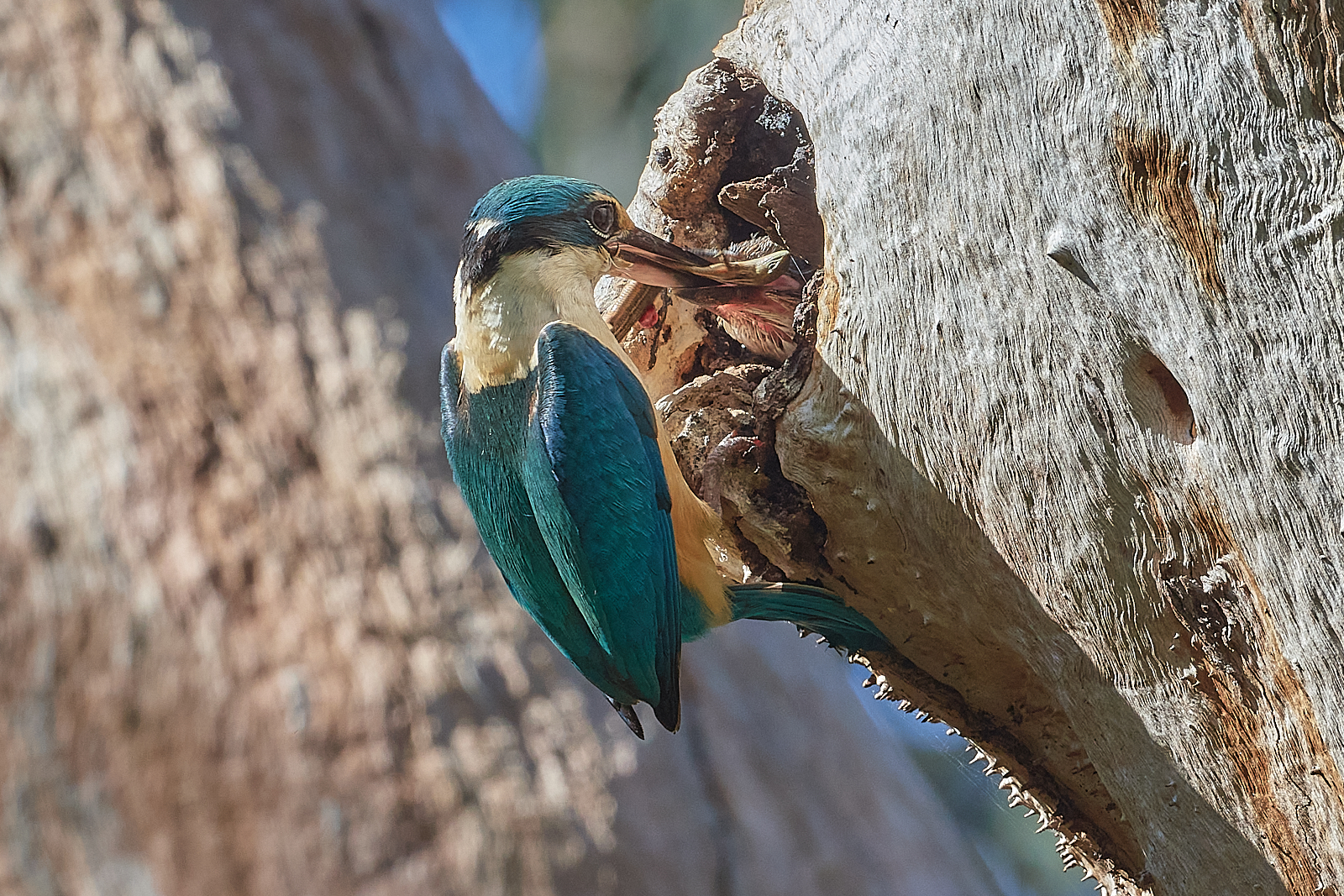
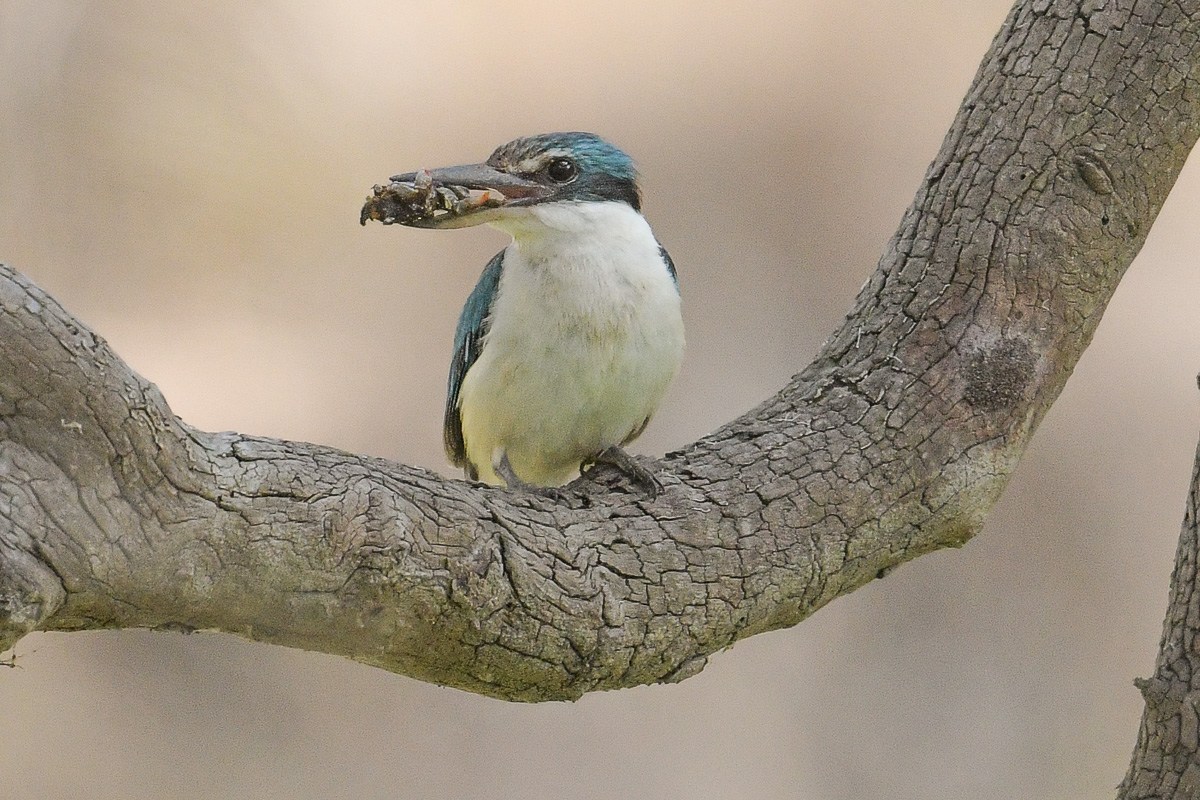
Seems for ever since I started this series, and now I’m going to share some of the more intimate portraits from the season.

It needs to said, again, that these birds were not under any stress from our presence, indicated often enough by their close approach, and sometimes complete indifference to our presence.
No photo is worth stressing the birds and it’s something we are constantly aware of.
If I approach a bird, it baulks and flys on, then that is a serious failure in their trust on my part.

Working with the young is just a little different as they emerge to fly and as we were in the area every other day, they just accepted ourpresence. I invited a friend down one day and while we were standing together, the birds were comfortable. But if he walked about on his own, they would quickly relocate. So much so that in the end, he commented to that effect.

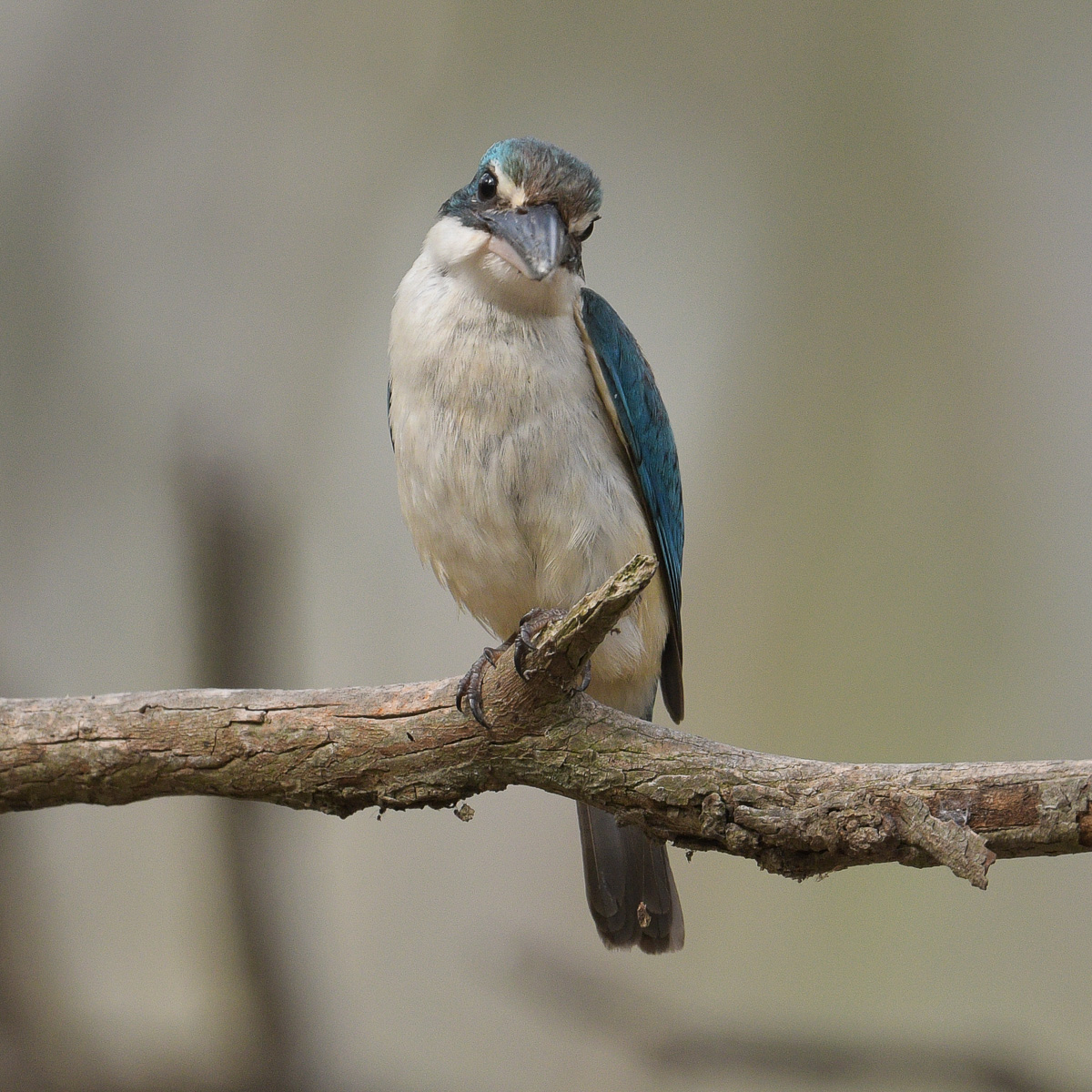
Quite a number of the portraits were made with the bird resting quietly on a branch, and me standing still, waiting.

Not all birds react this way. But we believe the time put in working with just a few birds rather than trying to spot many in a day and build no connection, is worth it.


I’ve quoted from Jon Young before, but here it is again.
… a San Bushman said, ” Every time I see and recognise an individual bird the thread stregthens. Eventually it will grow in to a string, then a cord, then a rope. This is what it means to be a Bushman. We make ropes with all aspects of creation”
Jon Young, “What the Robin Knows” p.xxv

My challenge is to acquire an understanding of the bird’s perspective. Or at least an appreciation of that perspective.

Here’s a baker’s dozen.

Enjoy

Sacred Kingfisher Nursery #07: How Quickly They Grow

Writing this up now—several months later—it made me think how quickly the time we spent with the clutch sped by. They are, no doubt, off for their winter layover further north. The adults to ponder a return season, and the young to set up families of their own.

WIthin only a few days of being out on the wing, the young were beginning to learn hunting skills, and quickly became confident at the drop and grab technique.
Dad now began to have time to look after the other skills that no doubt a young Kingfisher must master.

About 150m along the river from their territory a pair of Collared Sparrowhawks had begun a late nesting, normally they would have their young out and about well before the end of the year, but it wasn’t until mid-January, just about the time of the young Kingfishers training weeks that the two young Sparrowhawks fledged. So it was not unusual to hear the crys coming through the forest as they learned to swing out over the trees and chase one another through the understory.

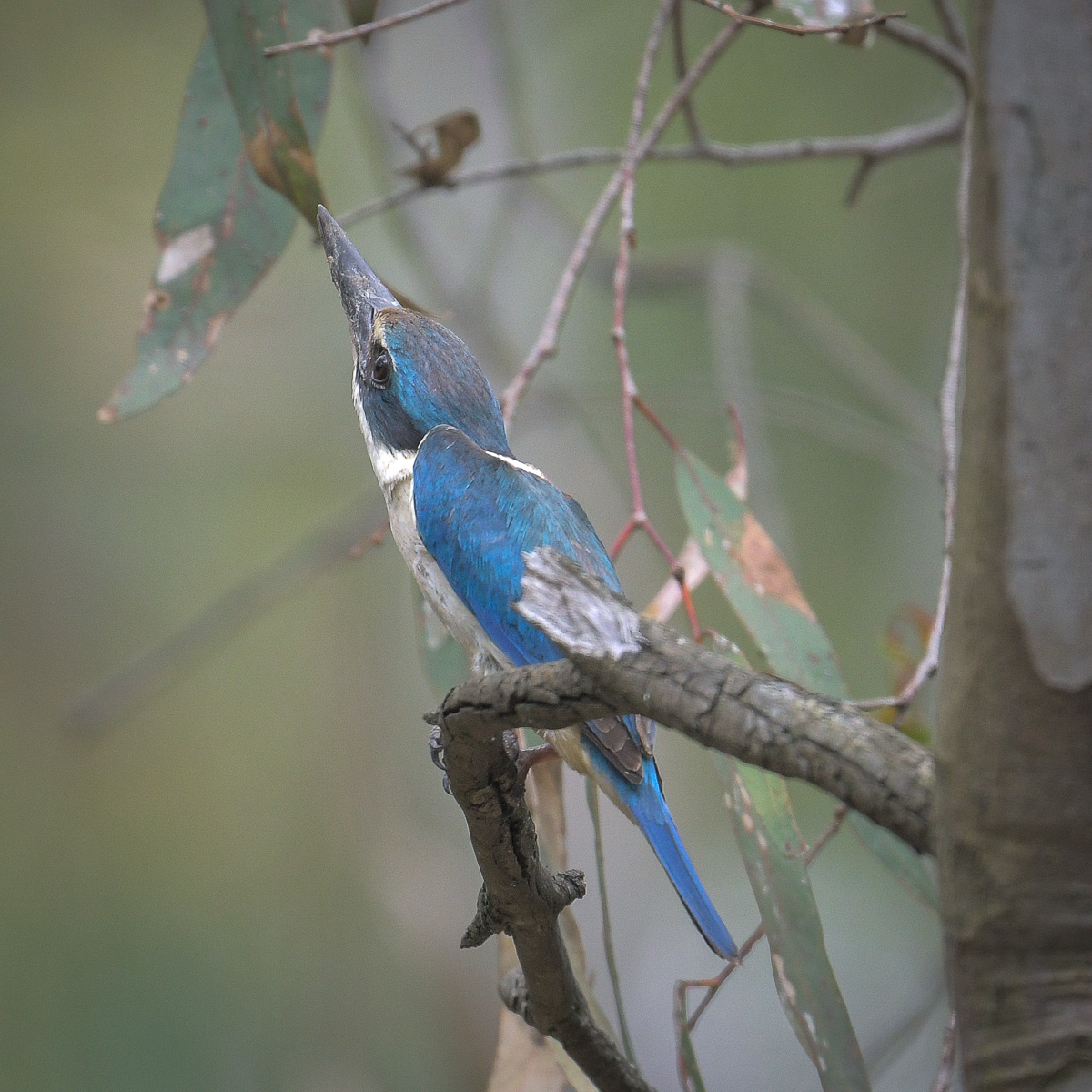
On several occasions one wandered over the Kingfisher location. Dad would sit in on a branch in an open area and call very loudly and make lots of wing and tail flourishes. I concluded it was as much a warning for his young to take cover or at least be aware of the danger, as it perhaps was to attract the Sparrowhawk’s attention. Depending on the threat level, sometimes he would land on a branch under some leaves, and make himself very thin, and point his beak skyward, almost vertically. He could hold that pose for several minutes until the danger had flown off further along the river.

I only saw one of the young adopt the same pose, but as they were so spread out most of the time, it was impossible to locate them all at one time.

By the end of three weeks, the young were pretty much independent, and became harder to find. Eventually we had to conclude they had moved away from the nursery area and our time with them was over for the season.

I have one more post to make next week, mostly portraits, as we had lots of opportunities of the young landing close or hunting and sitting nearby to eat.

Enjoy.

Sacred Kingfisher Nursery Act #06 Then there were Three

The first few days after the first flight, we had little success in locating more than one young bird. It would always be high up among the leaves, and unless we followed the feeding male, it was hard to even locate the small one.

But it quickly developed strong flying skills and even started to poke around among the old bark searching for a snack.

One morning it was hard to keep up with the male, first he was on one side of the track, then, on the other. And it soon became clear, that there was two young. Which made sense given the amount of food that had gone into the nest.

They were hardly ever together so it was difficult to notice any distinguishing markings. But at least now the two seemed to be in the same area, so it was possible to keep track of them.

We were just about to take a morning break and moved to an old log for a cuppa, when on a branch just over the log a young Kingfisher landed. As we had just left two somewhere behind us, we suddenly realised. There were Three!
And as seems to be usual with birds with three in a clutch, two seemed close together, the third one much more an independent individual.

The young have a peculiar call, which is pretty much constant, and kind of hoarse buzzing, and the adult seemed to utter the same sort of call from time to time. Which did help to find them, now, among the scrub and tall trees.

Feeding went on apace, but the young were no slouch either and were soon making forays to help themselves.

One of the most interesting things was the markings began to change. The wing feathers are burnished with a rich bronze edge that seemed to become more pronounced as the days went on. Two of them had elegant white-eyelashes below the eye, while the other didn’t.
Perhaps is a id feature for the sex of the young, but I really don’t know.

Here’s a look at the week’s work.
Next will be the last post, as they began to work very much on their own, with Dad only offering supervisory advice from time to time.

Enjoy
Sacred Kingfisher Nursery: Act V-First Flight

We arrived one morning and scanned about the nest. No adult flying in, but that could have been normal. So. We waited. Time, did go by. About an hour infact before we both acknowledged that they were no longer tending the nest.
A quick look around the nearby trees, did not find any sign of young, nor of either adult.
We crossed over the small depression that acted as a water overflow in flood, and looked further down the forest.
Finally, a flash of blue in one of the tallest of the River Red Gums.
And, way, way, way up high was a smaller golden and blue bird. They had managed to get at least one off.
Much too high for good photos, so we went back to waiting.

The time between feeds stretched out to from 20 to 30 minutes. There was no need for the little bird to fly down, and so, it didn’t.

The long wait between food could have been explained if there was at least one other young one somewhere, but look as we might. To no avail.

A call from one of the adults and the little one zipped out of the tree and across to where the food was waiting. Then suitably stocked up, it flew further down the forest, and we followed.
This time is was a little above head height and we held back to see if it would be fed.

It amused itself by preening and trying to manipulate a stick it had broken from the branch.
Eventually Dad returned with a morsel and things seemed to be going well.

We left, still wondering after all those food supplies that went into the nest, if there might not be more than one. A solution didn’t seem to be forth coming.

Here is a selection from several days on the wing.

Enjoy

Kingfisher Nursery Act IV First Sightings

We arrived one morning to find some splashes of white on the outside of the nest.
A good sign.
Once the young begin to move about, they back down the hole and eject out of the nest. Nice to have a clean home.
But getting a glimpse of the young was much more difficult.

Over the next week or so we were able to get to see one poking its head around the corner to accept a meal. But most times the wing position of the adult hid them from view, and the head only came out far enough to grab the meal and then very quickly retreat.

Also the weather didn’t help us a lot, as it was mostly overcast to porridge sorts of days. Add that to the thick canopy cover, and camera settings became less than ideal.

The parents were now in high food finding and delivery mode, so every few minutes a new offering would arrive. Out would pop a tiny beak, and the food was gone.

Looking at the results on screen later, it was interesting to see how over the days the feather changes began to take effect. First they were rather grey with some white, then little streaks of white down began to disappear, and some facial colouring of buff orange and grey were noticable.

We managed to return about every second morning. So were in high spirits one morning as we arrived.
There were no adults about, so we waited.
After about 20 minutes there was no sign anywhere near the nest.
So, 45 minutes, and then an hour and still no adults.
Had they lost the clutch to a disaster over the past couple of days?
Or
Had they flown the young, and if so where were they, and how many?

We widened our search down the forest.

Here are some glimpses.
Enjoy

Kingfisher Nursery: Act III What’s on the Menu

It takes a little over three weeks for the eggs to hatch and another 24-27 days for the little birds to grow ready to leave the nest for the first-and-last time. When they do emerge, they are mini versions of the adults. And quickly pick up skills to feed themselves.

Despite the name King-Fisher, the Sacred variety seem to do very little, if any fishing. Over the 6 weeks or so of hatching and pre-flight, I only spotted a couple of tiny local river fish being brought in, and several other aquatic creatures such as frogs.

By the time the young were ready to be fed, the male had become so absorbed in his delivery job that he was by then, completly indifferent to our presence, and would do close flybys and land on nearby convenient branches. A few times he realised that as I was moving my foot around where I was standing that it had startled something to eat. The scary sight of a Kingfisher flying directly toward me caught me unprepared. He’d land within touching distance, pick up a treat, and then be on his way.

At first he would turn up about every 30 minutes or so with a snack for the sitting female, and on occassion she’d also take the opportunty to come out for a stretch and the male would take up sitting duties. After a time she’d return, sit close by and call, and it I was quick enough I might catch him on the exit from the hole. She, on the other hand didn’t give any warning of leaving and it was only luck if I even saw her emerge.

It’s imposible to tell when they started to hatch, and for some days he’d deliver food and she would have fed it to the young. After about a week or so, by my reckoning, she too was out full time and making regular feeding trips.
The time began became about one visit every 10 minutes. We began to wonder how many young were in there, and if they would not grow so fat that they couldn’t fly out, so much food was going in.

The eyesight of the bird was something I’ve never really thought about before, but it’s phenomenal. From a perch closeby, he could fly direct 80-120m to a tree, bush or to the ground and come back with something. The miss rate was very low indeed.

We still gave them as much distance as possible and didn’t move around in the area any more than necessary. He even become so relaxed that while we were enjoying a morning cuppa about 100m from the site, he would come and sit on a favourite branch over some ground cover and usually picked up something very close to the log we were sitting on. Once he hunted under the log near our feet.

Here’s a selection of menu items, and I’ve had to be very selective as there are dozens more. With all that food going in we were now wondering, what was likely to emerge, and when.

Enjoy

Click to advance to a full screen album.

Kingfisher Nursery: Act II Settling In(n)

EE and I took an early morning trip down the the Kingfisher area. Mostly I guess to see if they were still around or had they moved on.
Some “Pe, Pe, Pe, Pe” came from the forest just off the track, so we ventured in to at least catch a glimpse of one of them. Then a longer, “Skracrrch” call. Now, the books will say this is a call that the birds use on returning to a nest, and they do. But, it is also a pair contact call I think, as It’s often used by a pair away from the nest.

The area we were walking into has some very tall, old Red River Gums, so, perhaps, they had found a spare opening after all.

Another call about 50-60m in front of me, and a flash of blue. Ah ha. there you are.
The area is quite undualting with little water courses. I think most if it was formed when the nearby golfcourse was built and all the unused earth was dumped along the river bank. It also might have been designed as a levee to keep any flood water from reaching the golfcourse.
But—water being what it is found ways to bypass that when the river came over the banks.

There are quite a few wallaby tracks through the undergrowth, and I was looking for a way to get across one of the water courses, and swung round past a large old stump, when a flash of blue went right past my knee. EE, calmly said,” Did you see that?” We pondered where it had come from, and couldn’t decide if it had come from the grass in front of the stump, or had the bird flown around the stump.
The second bird then landed on a branch nearby, and the penny, if that is the way it works, dropped.

There is a nest somewhere near here.

We retreated down the water course and up to higher ground about 30metres away. Time to sit and see what happens. The second bird sat.
After about 15 minutes, with much “Skraccrch”ing calls, the first one returned and sat on a horizontal branch about 5 metres from the old stump. Then, dropped down, landed on the side of the stump, and with a little bit of wriggling, slipped into a hole in a join in the stump.

Found you.

The stump is very old. It has at least three growth scars. The oldest is overgrown with what would have been a new growth many years ago, and now is dead. The “new” growth had attempted to heal over the oldest wood and now it formed a line that over the years, had begun to rot.
Somehow or other the birds had either opened up a tiny crack, or just as likely had burrowed to get into the older rotten wood inside, which no doubt had deteriorated into a respectable chamber for their operations. How they would know it was hollow is also a mystery.

The overlap meant they had to squeeze under the ‘new’ growth to access the hole, (they would over the course begin to open up the hole and make the entrance a lot easier.)
It seems a feature of Sacred Kingfisher holes that they make an opening and then it turns to the right so that the entrance has a ‘plug’ that prevents anyone, human or otherwise, peeking in.

Nature has a way of not giving up, and out of the second growth, a third new growth on the far side of the stump had sent out some branches and leaves.

We waited.

After some time, the second bird—no doubt the male—took off, and within a few minutes had returned and deposited some food inside the hole.
Looking Good.

Time to survey the possible photo sites. There was a large prickly bush some 15-20m from the nest, and would protect it from view from anyone passing on the nearby track, and between the bush and the nest were several small trees with horizontal branches that they seemed to use as staging spots to enter the nest.

We have huge respect for the privacy and security of a nest site, so were not comfortable working between the bush and nest, so it had to be either one side, or the other of the bush. I did have visions of carrying down the tripod, and radio contol, setting it up moving back away from the area, but the best shot posibilities seemed to be when the birds came and landed before entering. And that meant being able to change as they moved about.
So we settled for the bush.

We sat and watched for another hour or so, and gained a good understanding of their movements, and were well prepared for a return visit.

Besides, just nearby out of sight was a large log on the ground that would be a good spot to rest for a cuppa.

Enjoy

Kingfisher Nursery: Act I The Arrival

There is a small section of the river park near us that has seen Sacred Kingfishers regularly arriving each season to raise the next generation of their young.

On and off over about 10 years we’ve had the chance photograph them on occassions.
They tend to arrive around early October, and the forest begins to ring with their Pe, Pe, Pe, Pe calls. Helpful because if they can be heard, they must be in there somewhere.
On some years there may be 4 or 5 pairs at work along a couple of kilometre stretch of the park. The far side of the river is closed off to mere mortal access, so we might only get a glimpse of them if they set up on that side.

We began looking early in the month, and eventually disovered two possible territories. They soon busied themselves with feeding, and preening and searching for a nesting location. The ones that visit here don’t build into the river bank, but chose the trees. Some of the river gums are quite old and have good nesting opportunities.
For the early arrivals.
Unfortunately, this season, the Lorikeets, Mynahs and Red-rumped parrots had all claimed the best spots.

The Kingfishers will often create a new hole in a suitable tree to gain access to the open rotten area of the trees. But it’s hard work.

November ran on, and still they hadn’t settled, by mid-December we were beginning to think they might have missed the opportunity.

The pair were both still calling, and feeding, and wrestling with various hole inhabitants, and it was looking like there was little space left for the pair. Their relatives further down the river had already settled in and nesting was in progress.

The birds seemed to favour a number of the older trees, and did seem to have designs on one hole in particular, but the following day we’d find them elsewhere at work on another.

With the Pe, Pe, Pe, Pe still ringing across the forest, the curtain comes down on the first act.

Clicking on an image will open a Slide Show

Soft Out of Focus Bits

The past few weeks, I’ve seen a number of the photo websites I follow turn their attention to the ‘background’ of birds photos.
I’m not going to rehash it here, but it was intersting that we have been working close quarters with a pair of Sacred Kingfisher hoping that among the busy realestate in the river flat forest that they might find a suitable nesting site. Many of the holes are already taken by a range of Rainbow Lorikeets, Red-rumped Parrots and sadly Common Mynahs.

The forest has some old growth Red Gum, but mostly a mix of younger trees. Each is strugglling to get as much of its canopy into the sunlight and the sun only pentrates in tiny, thin fingers though the covering.

Result for your photographer is little real bright light, so its high ISO speeds, slower shutter speeds and wide open lenses.

So I’ve been able to experiement with those dreamy soft backgrounds that the photo-info/influencer-sites have been lauding as the ‘new’ look. Funny how things seem to go round in cycles.

And apart from lots of mis-information the simple physics of it all seems to escape most of them.
As “Scotty” of “Startrek” fame was want to say, “Ye Cannae change the Law of Physics”.

Depth of Field has three basic principles and a k=Constant to work this stuff out.
Here they are. Lens focal length, Lens Aperture, Subject distance. And depending on how well corrected said lens is in design and manufacture will also influence the softness of the result. Lenses like the 70-200 f/2.8 and 300 f/2.8 series are cracking examples of how soft and milky those out of focus bits can become. Similarly, the 105mm f/2 and the wonderful 200mm f/2 have to be used to be appreciated.

Oh. The K?? Well in the calculation K has a value that represents:-“The Circle of Confusion”. And as every student who has had to make those calcs will tell you, “What an appropriate name!!!!”

The softer lighting in the forest has helped reduce some of the harshness and two very cooperative Sacred Kingfishers who don’t seem to mind at all landing close by where I’m standing have given me some lovely soft out-of-focus-fuzzy bits.
For the record, most of these shots were taken with the 500mm f/5.6 or 700mm f/8 (the 500mm with converter) or I even stuggled down with the 300mm f/2.8 and converter for 420mm f/4

Enjoy
Its a Gallery so click on an image for a larger view.

And for bonus points. Both decided to show of their lunch on the same branch.

Welcome to 2025

I don’t recall getting an invite, but here I am 2025.
Faithful blog followers will have noted a lack of posts since about October last year—2024 in the old language. It’s not that I abandoned the blog, but have been at work on another compelling project that had no connection with either photography or birds.

I’ve also been wanting to update the style of the blog, and have my heart set on making the opening page look a little like Instra, with sqaure pictures across the page. But its proving more challenging that I expected. So here for the time, is the “No changes to be seen here” blog.
Rather than force the issue, I also won’t be making a regular “Saturday Night Post” in the future.
Just birds and words.

We had been working on and off with a pair of Sacred Kingfisher that seemed to be setting up for a season in a dry creek line. But in the end, it seems they either were “‘only foolin'” or have moved on to another location. Perhaps the lack of water, and the dry surrounds might have convinced them to look for a more suitable place.


So here, is a selection of images from those few weeks.

Enjoy.

Little Visits: When I Grow up I want to be a Black-shouldered Kite

Ha!  Kids today have such ambitions.

For the queasy of stomach, time to click away.

This is just about straight out of the “Ripley’s Believe it or Not!” archives.

It was a cold wet morning. However #kneetoo was keen to see how the little Kingfishers were progressing, and we only had a narrow space in the ‘very busy’ diary.

Knowing they had been on the wing for several days, our probability of anything other than a chance encounter were slim to say the least.

Nothing around the now abandoned nest site, nor by the old blackened stump training ground.

I managed a sighting of a small blue blur in the forest and headed over for a looksee.  And sure enough a young one perched among the branches of a black wattle.

Then with no warning, an adult turned up with quite a large bundle.  And at first it was difficult to make out.  Not a large skink or beetle.
Are they really legs, or is it a fish tail I could see?

Then she flipped it about in the air and it was a mouse! No way!

At first the young one didn’t seem all that interested, but after a few more flips and attempts to turn it round so the small end would go down first the adult presented it to the young one.

Now on an aside, your average field-mouse is around 20gm. Your average grown Sacred Kingfisher might come in a touch over 30gm.  So I’m guessing the little dude was at best, 25gm.
UPDATED: HANZAB give the bird a weight of 55g which would be a more reliable weight I think.  Still give the little dude 35gm and it’s going to be a 55gm tubby blue blob for awhile. 🙂

It took the mouse head first, not headfirst, even that suits. 🙂

And so began a 10-15 minute battle for the young one to eventually ingest the mouse.
On quite a number of occasions, it had to stop, and I guess catch its breath, or simply rearrange the internal spaces to make space.

A couple of times it began swaying back and forth on the branch, and I feared it was going to choke and fall off the branch. Not much in my skill set for resuscitating a downed Kingfisher.

And slowly—very slowly—the mouse began to disappear.

After it was all over, a tubby little kingfisher gave a few shakes of its body, to rearrange all the feathers and no doubt the internals, and then sat. More likely squatted.

A few minutes quietly sitting to let the digestion process begin, and a tubby blue blur sped off through the forest.

Where is Ripley when you need him?

Little Visits: They’ve Flown

For several previous days, it was apparent that the young Kingfishers were getting ready to fly. Interestingly, they are pretty much fully developed when they fly, and while the parents still top them up with food, they appear to have some hunting ability for easy to find prey

#kneeetoo, and I arrived early one morning and waited for the usual food supply activity. After a bit of time had passed, it was obvious that something had changed. A further hunt around the nest area, and following the adults, we soon found, the first of the flown young. It’s plaintive cry for food was taken care of by both the adults, and just occasionally would one venture to the nest opening and deposit a top up snack, so, a second one was still nest bound.

The following day, it too had broken free from the nest and we found them moving about the forest with ease.
A tree had caught fire a few days before and the local fire and park people had cleaned up the mess, and cut down the old red-gum tree, as the fire had eaten through the inside. So there was a lot of downed timber as well as cleared spaces, and the young Kingfishers were taken there by the adults to sharpen their hunting skills.
It was a bonus for your photographers as the venerable old gum had supplied some fine landing spaces for the Kingfishers and some of the larger trunk pieces a good place to sit and watch the activity.
As the morning went on, the young became engrossed in being fed, and learning to feed themselves and completely ignored out presence, often landing only an arm’s reach or so away. Sometimes too close for the lens to gain focus.

In the end, a mid-morning rain brought closure for our efforts and the young took off to find some shelter.


Little Visits: Kingfisher Feeding

Still continuing with the Kingfisher Nursery.
The young had been hatched about 3 weeks, and were now quite grown. But almost impossible to see as the tree opening had a rather large lump of wood that covered part of the hole, and it was difficult to get a glimpse.

Kingfisher young fly pretty much complete, in that they are capable in a few days of fledging to be self-sufficient. Although the parent birds keep up a good food supply.

Here then is a selection from that last week feeding.  

The setup is pretty much as described previously.  Main flash high and to the left. Using the Auto FP setting on the Nikon D500 to override the usual problem of working with faster shutter speeds.   On Auto FP, the SB910 Flash-units fire multiple times in what seems to be a continuous stream of light from the beginning to end of the exposure so all the sensitive chip receives an equal amount of light without any part ‘blacking’ out.   Downside is that the poor old SB’s have to drain the charge, and I can only get two or three frames per in or out flight. Then of course the battery has to recharge the unit, so it’s a few seconds delay.  I’m sure that Eric Hosking with his half ton of batteries or Steven Dalton in his studio set up didn’t have that problem 🙂

Enjoy
 

Little Visits: What’s on the Menu

Looks like WordPress have put the skids under my basic blogging style.

From now on it seems I have to work with ‘upmarket’, ‘ubeaut’ ‘user friendly’ styles and blocks.

All I wanted was somewhere to put text and photos.
Does not augur well for birdsaspoetry.com on this server.

Whinge over.


We soon became aware of working with the Kingfishers as they fed the young that the light was only really useful on the nesting site for about 45 minutes in the early morning, after that the sunlight slipped behind the river gums and we were going to be hampered by slow shutter speeds and high iso.
It’s been awhile since I lugged large electronic flash about on to a site for photographs, but loaded up each morning with a couple of units, a Better Beamer flash extender, and some connecting cables and I setup to get a little flash fill and also keep the shutter speeds high. No tech explanation, but the Nikon system’s use of flash was why we originally bought into the system. Oh, yeah and a bunch of manual focus lenses we were going to use, and now only have one of those left, and its been in the garage box for years! 🙂

High (about a 1 and 1/2 metre up) and to the left gave the most ‘natural’ effect, following the sunlight. But in the end I settled on high (about 1 metre) and to the right as giving me a slightly better colour rendition and better looking fill of the shadows.

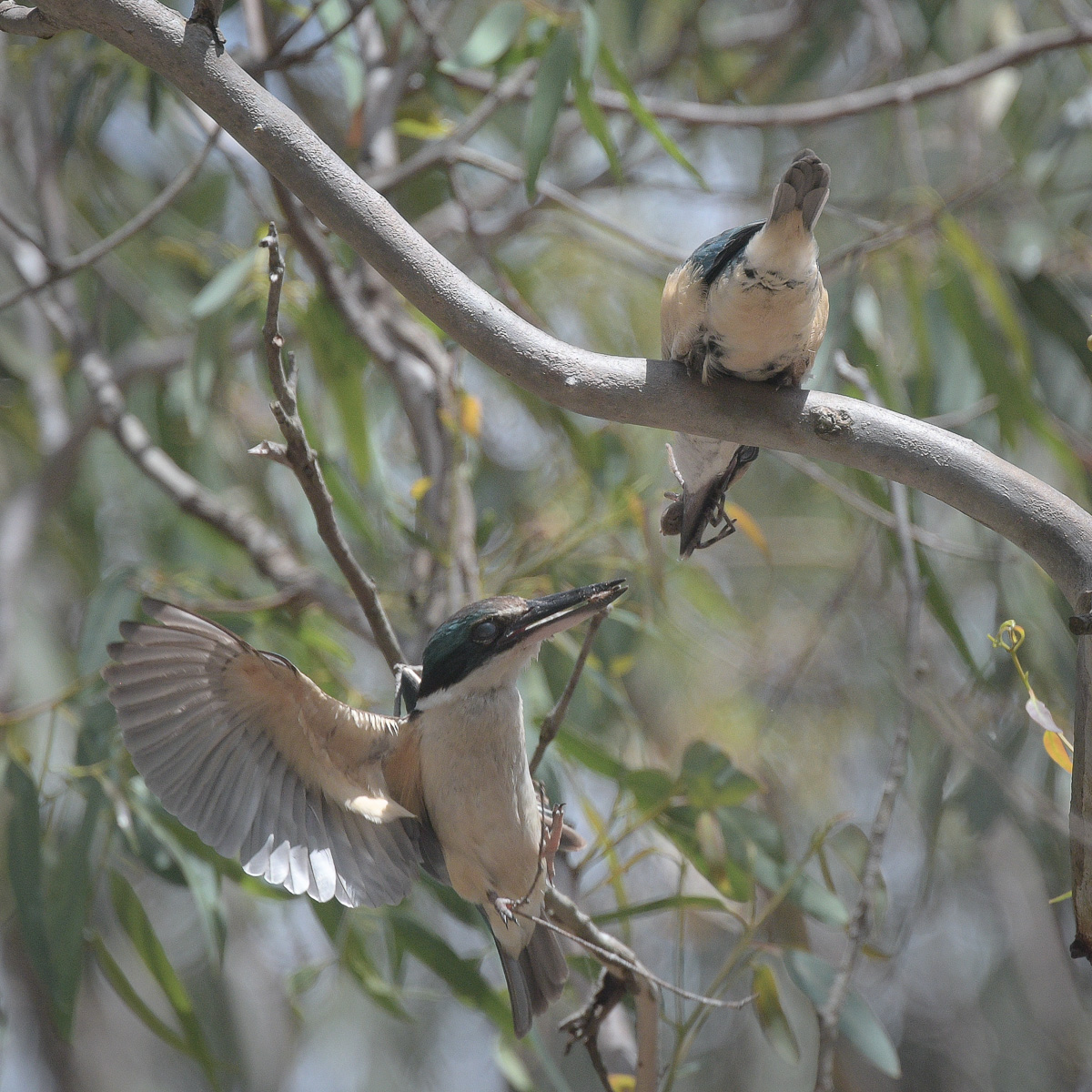
As the weeks went by, the different types of food they delivered ranged from small bugs and centipedes, skinks, crustaceans, and every so often small fish.

This is a collection of about 3 weeks of images from that time. It’s just a handful of some of the opportunities we shared with the birds.

Enjoy