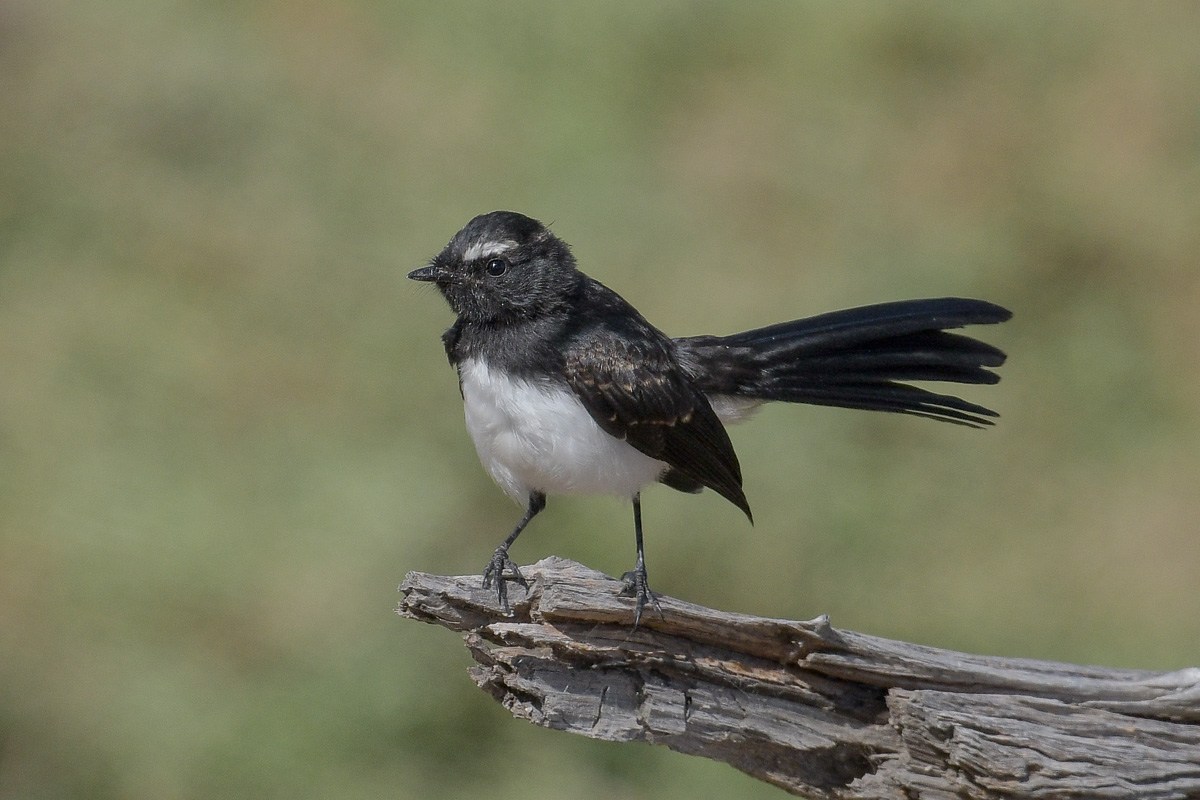
A friend of mine sent me a link to a research project that among other things suggested that Birdwatching might improve your cognitive skills and reserve.
You can follow the article here.
Putting aside the thought that the research person quoted was named, “Wing”, there are some intriguing numbers that can be pulled from the data.
F’instance: “bird experts were better at identifying birds than novices”
Must admit that one was hardly a surprise.
Without going into the details here, they showed people photos of single birds and then in groups of four.
The expert birders managed a hit rate of 83%
AND as expected the non-birders managed a hit rate of 44%.
But. What I took away from those numbers is a slightly different conclusion.
On your average outing, Experienced birders might get 4 out of 5 (80%) right.
So next time you are on a trip and someone calls, “Yellow-tufted Honeyeater”, and you’ve never seen one before, it’s worth recalling that it might be, or…. might not be so.
Over the years I’ve seen some pretty outrageous id calls made, and because no one either saw, or could recognise it, the beginners all stood in awe of the great skill.
I know I’ve told the story of EE on a birding day, when a very experienced birder was instructing novices, when a white shape flew by. He casually called, “Silver Gull” and went back to pontificating about the bird he’d seen 10 years ago on a trip to the Simpson Desert.
EE called clearly, “Black-shouldered Kite”, – and as you’d guess. It was.
He refused to speak to her for the rest of the day.
Also for the beginner it stands better I think, at 1 out of 2 they will get right. (44-50%).
So don’t feel bad if you’re unsure of what a species might be.
And in the meantime, we are improving our brain health.
Bonus.
Here’s a few to practice on. 🙂
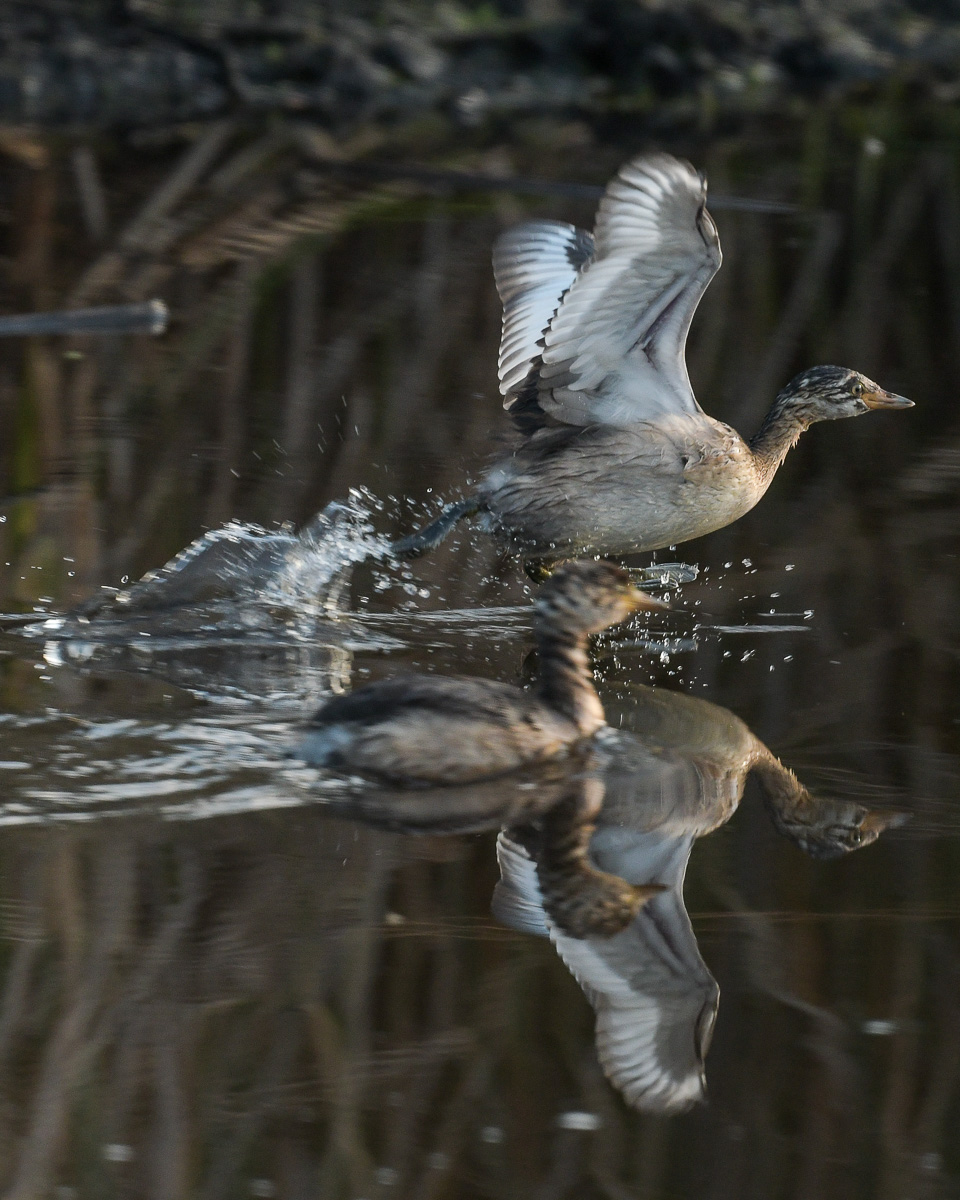
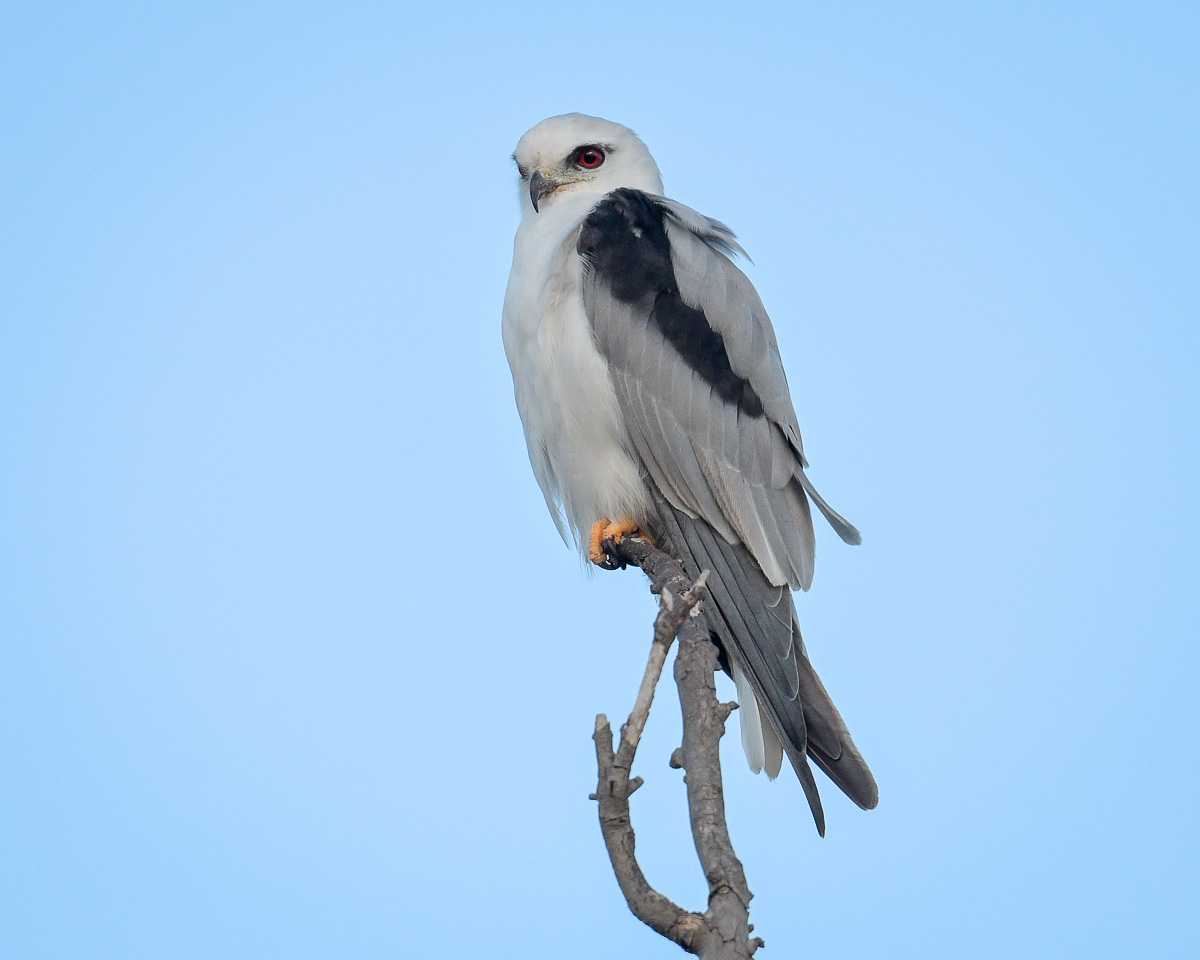
I’m hoping they might stay
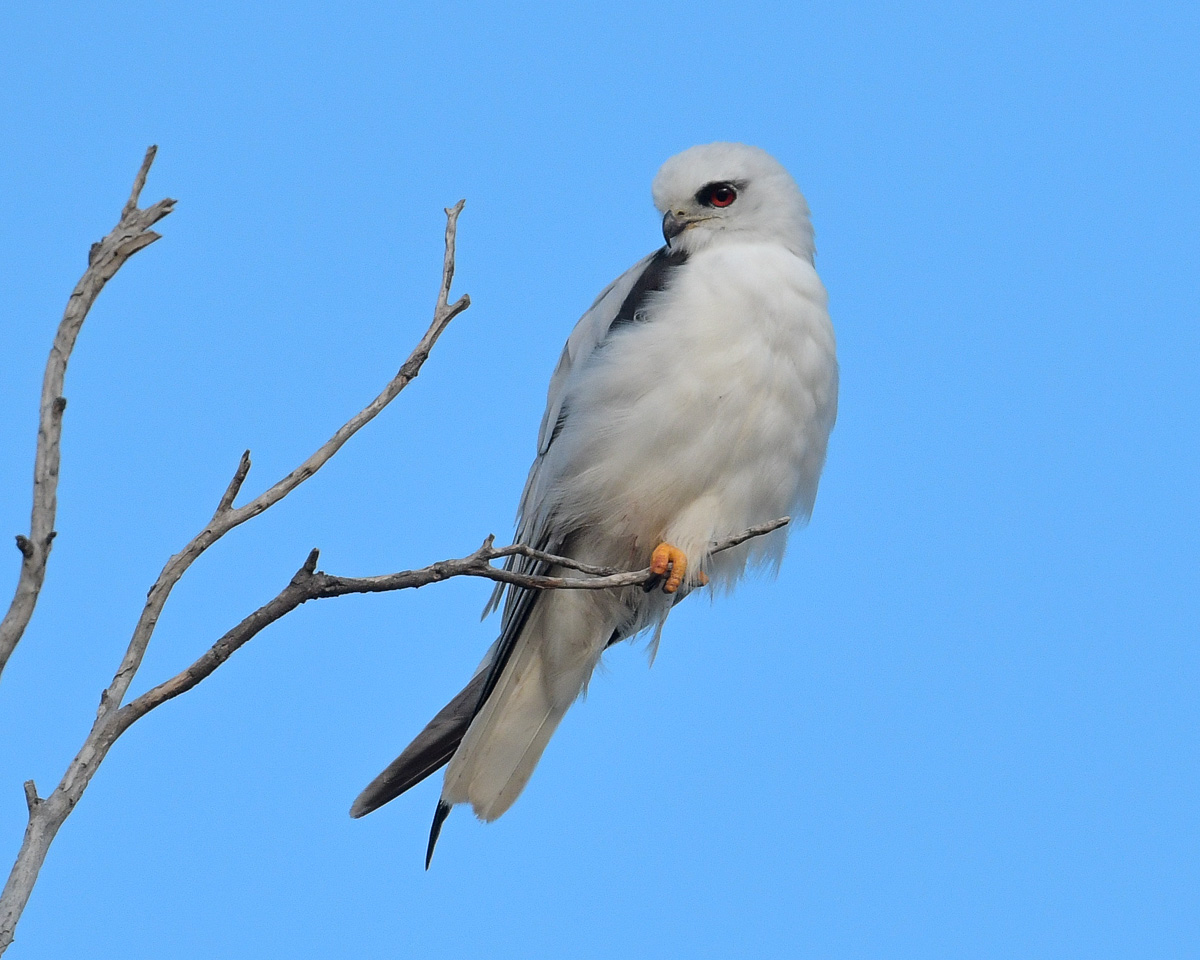
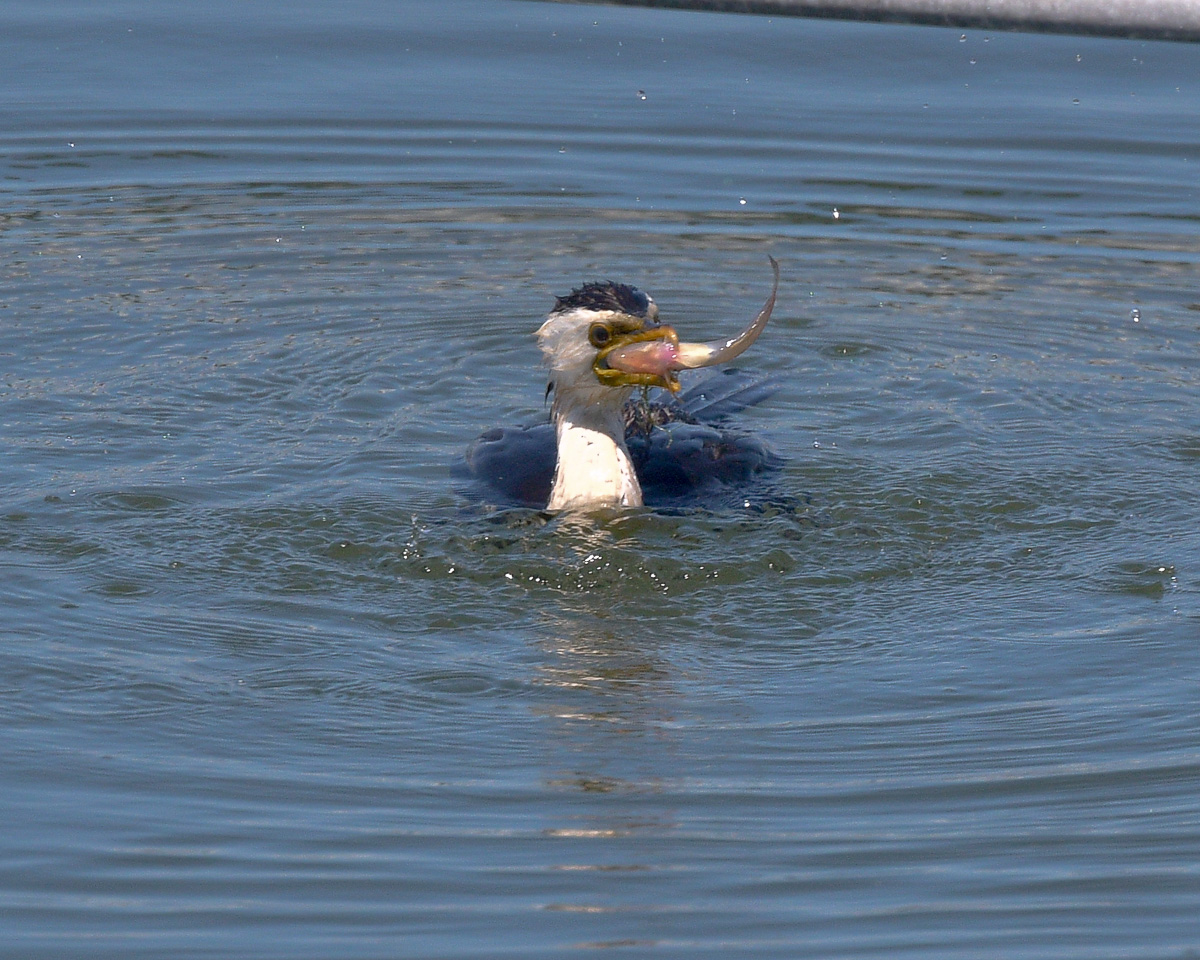
This one has been fishing in the local boat harbour
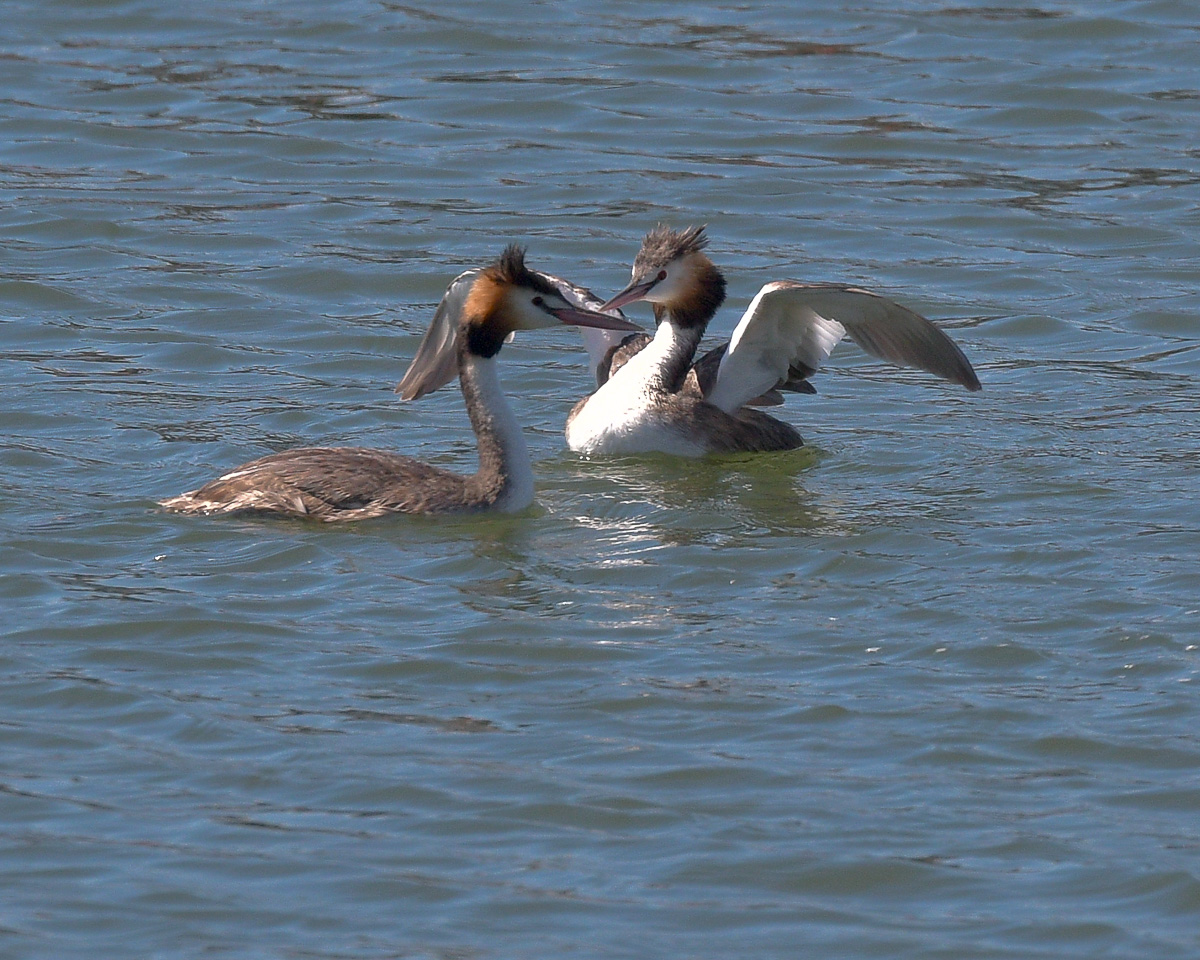
About 16 of them have moved into the same boat harbour.
They do fly up and down the area, so its highly unlikely they’ll be resident.
And there is little shelter if they were to try to nest.
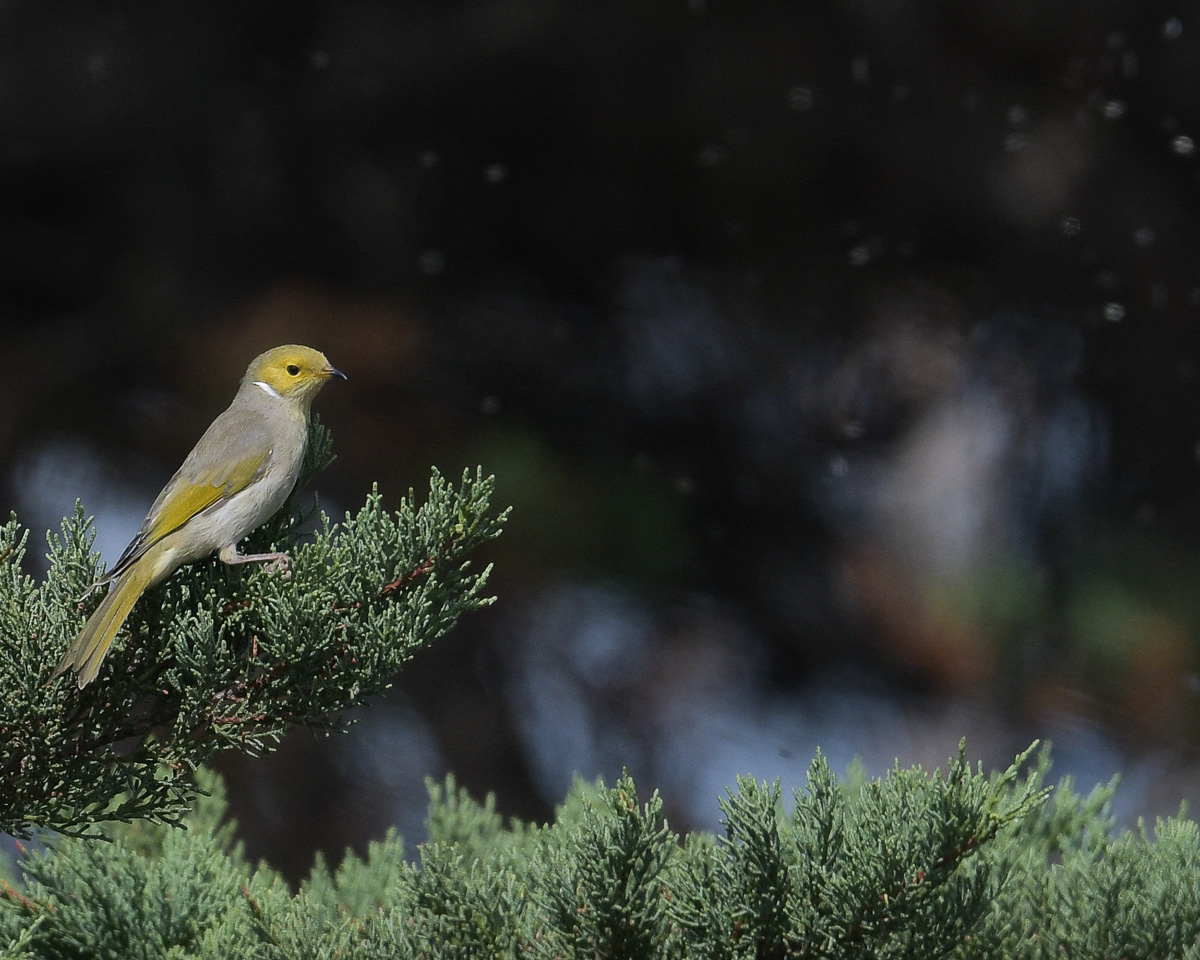
Hunting for insects of the pine
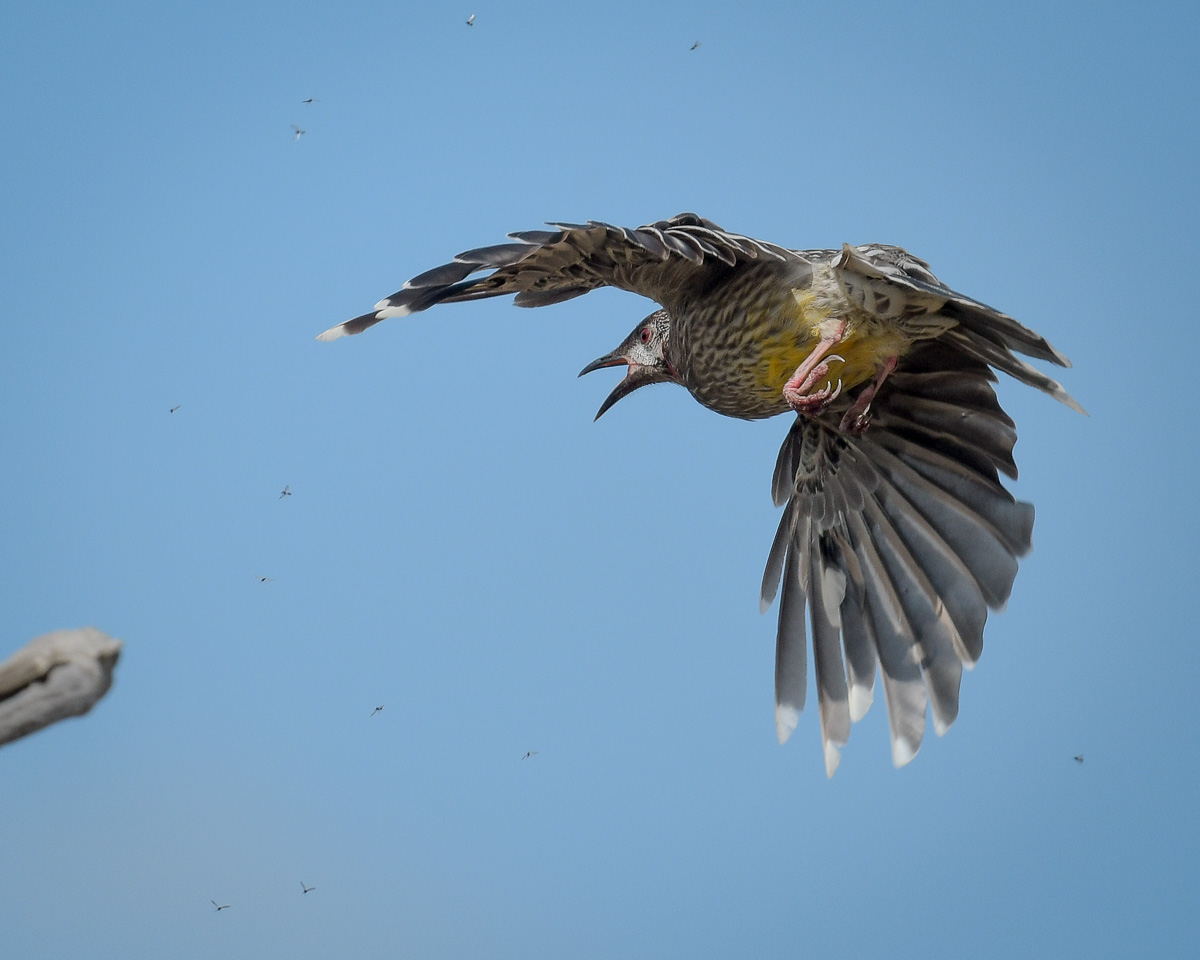
So many insects all they had to do was fly about with an open beak
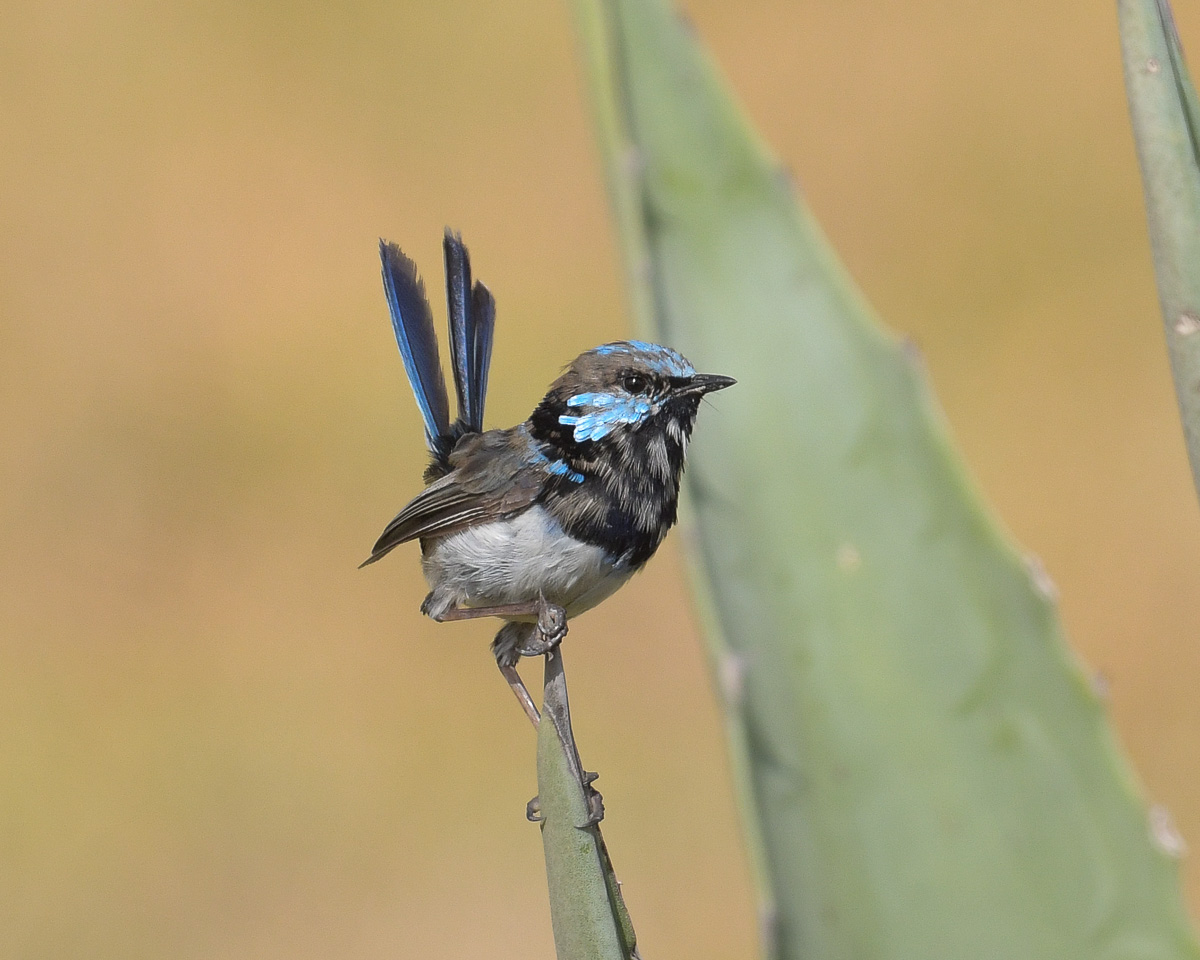
This fellow is beginning to go into ‘eclipse’ as he loses his bold summer dress.
Enjoy
 Birds as Poetry —— Just because I WANDER doesn't mean I'm LOST