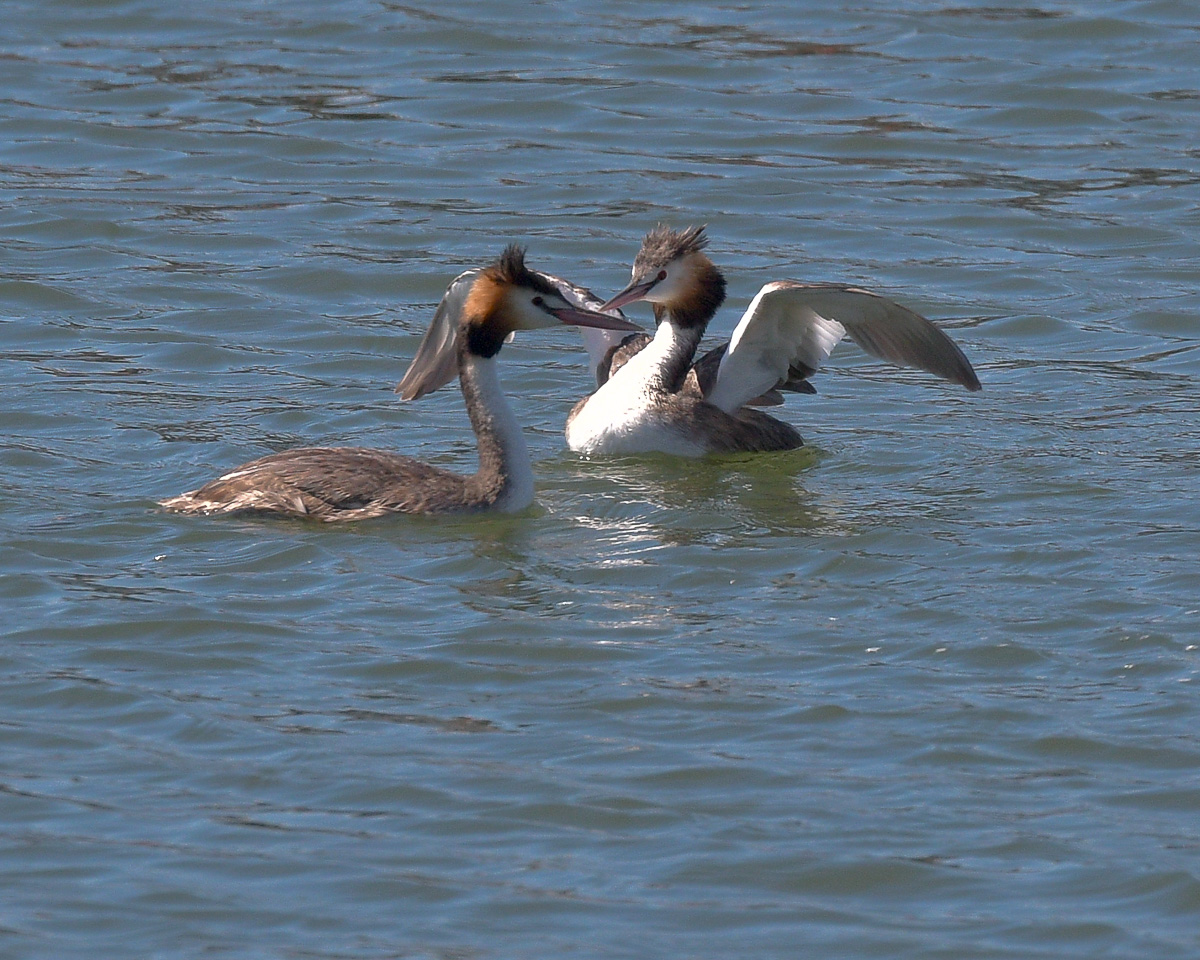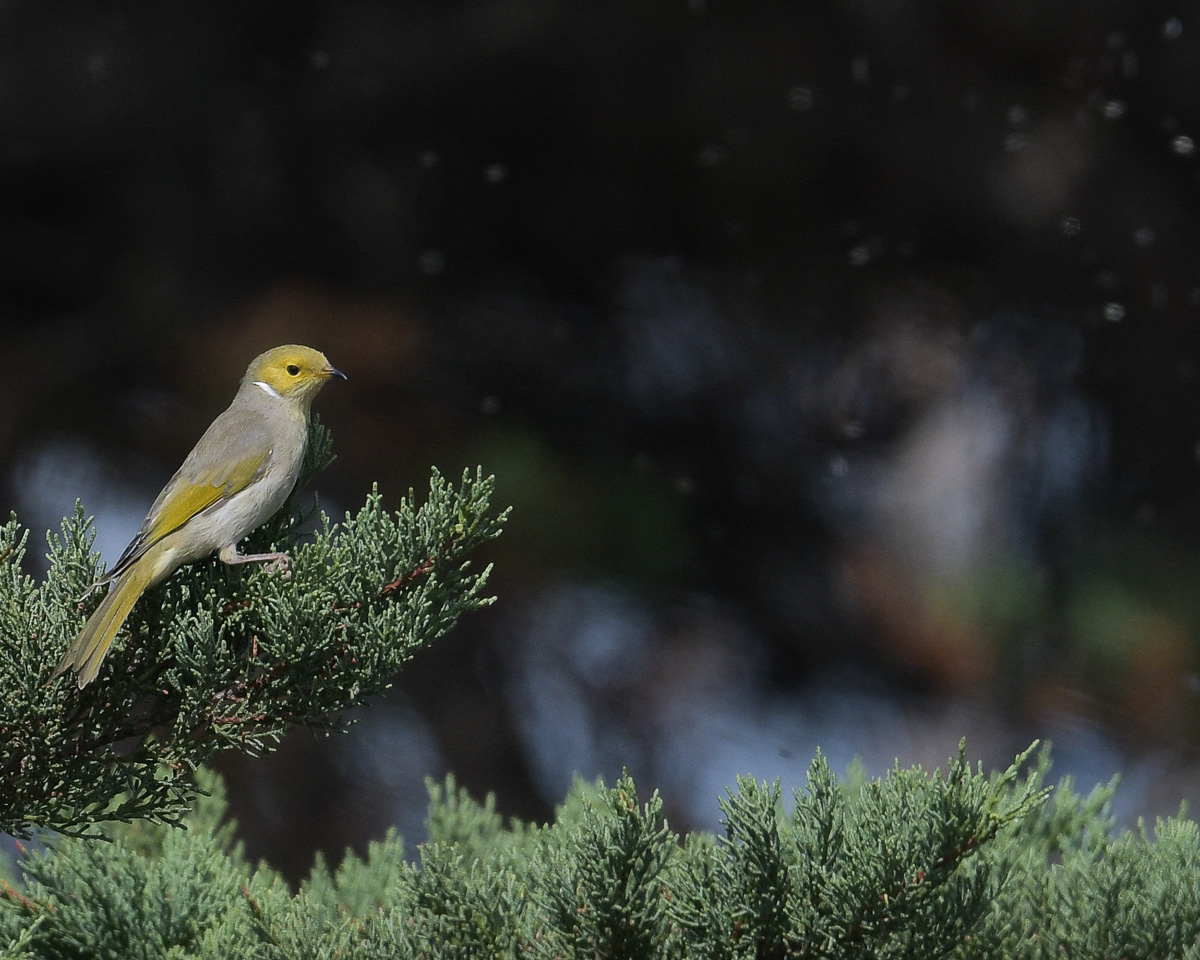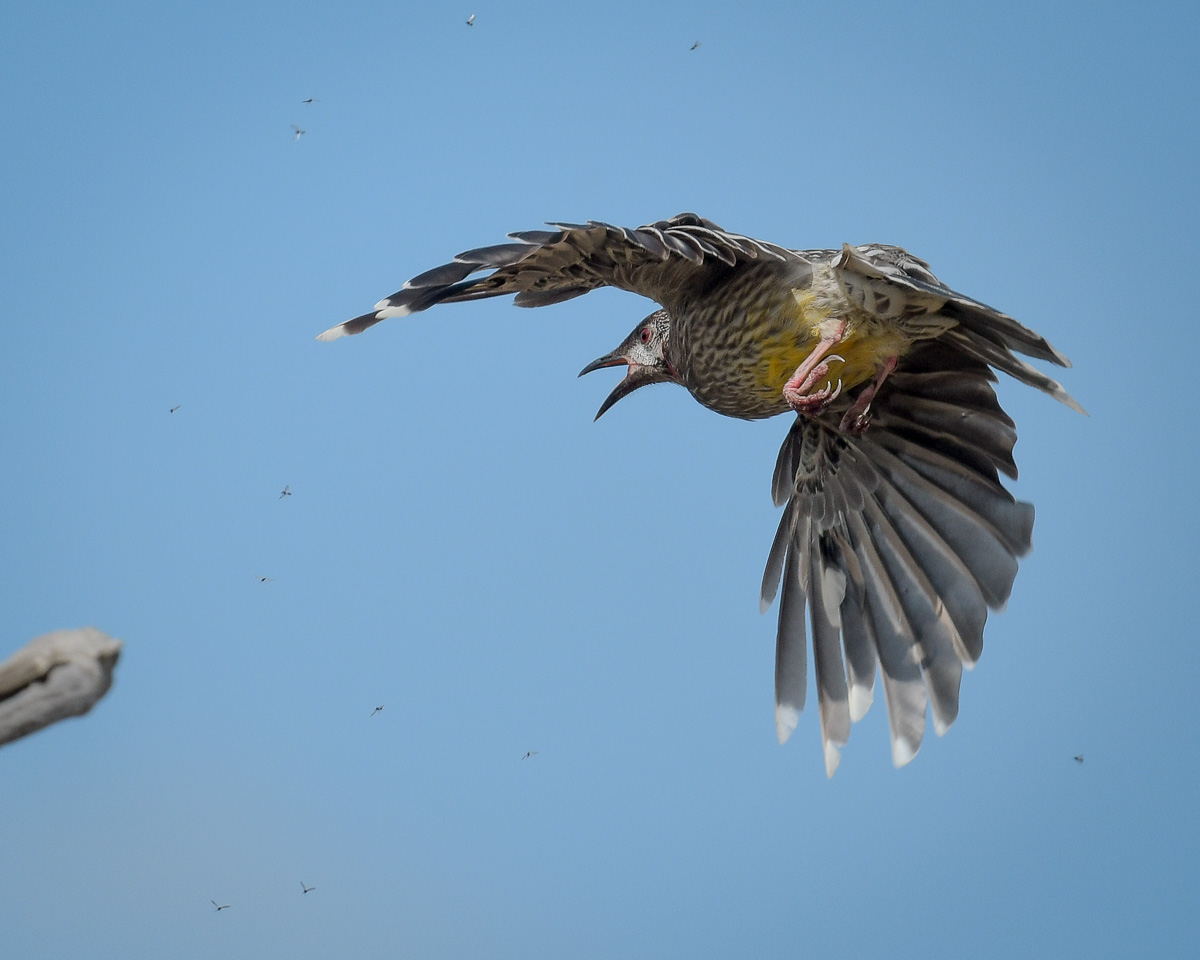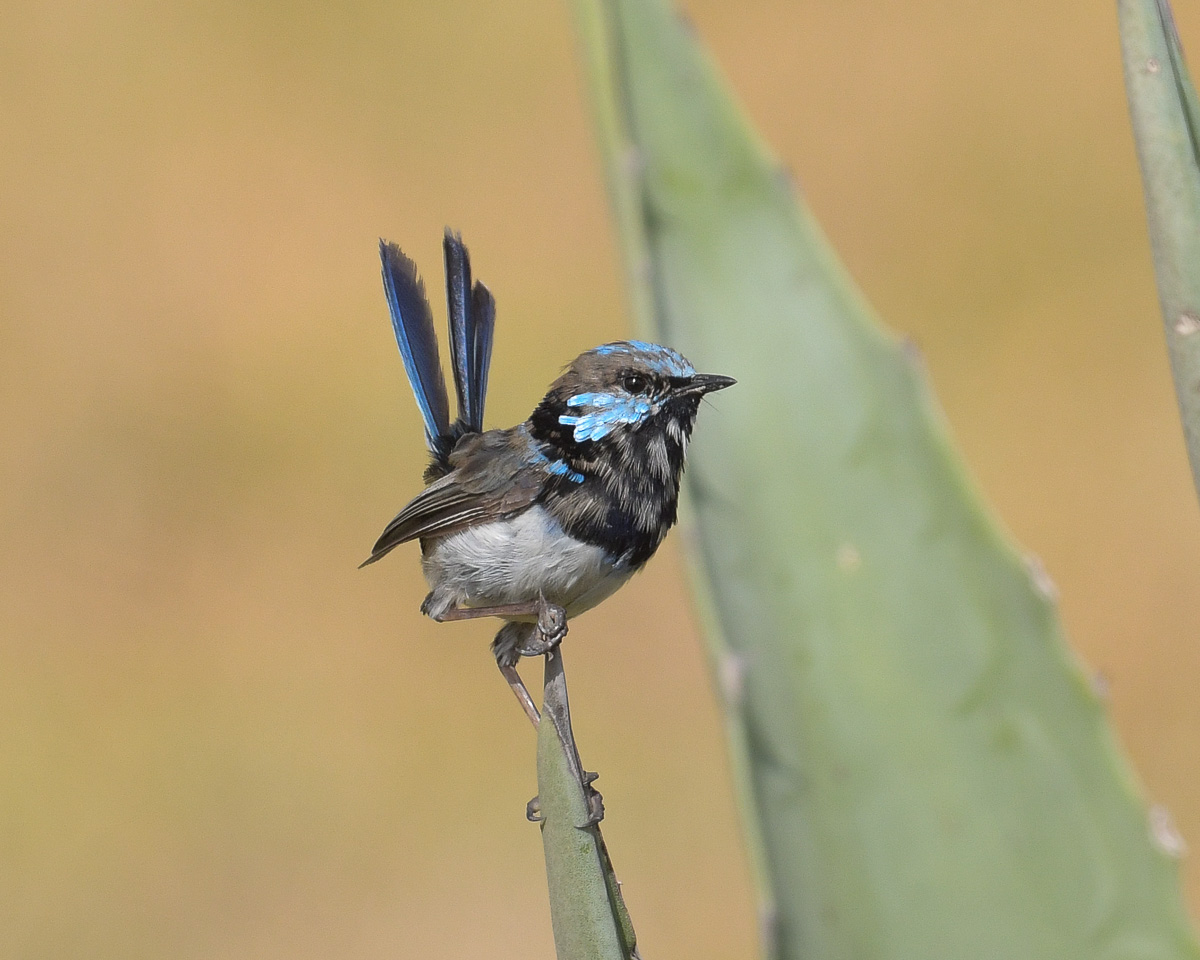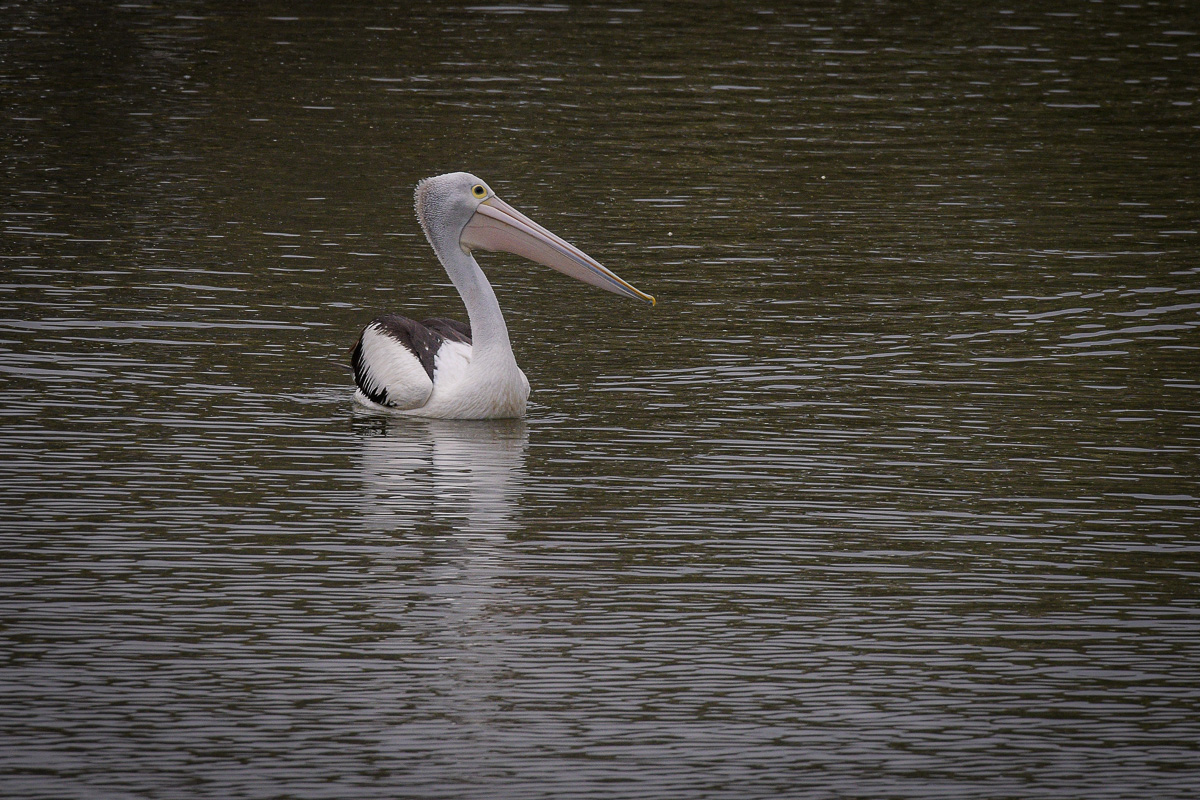
Drops of Jupiter in Her Hair

“Now she’s back in the atmosphere…”
You may know the song by the group, “Train”.  It’s a fine piece of poetry that suits this blog well as I’ve not published for nigh on six months.

It also has a line, that as a photographer I’m enamoured with, “Did you dance along the light of day…”

So no, the blog hasn’t been busy the past few months, and mostly because your scribe and his character set have been either busy on other things, or in the case of EE laid up with a bung knee, that in the end has had some surgery, and finally the pain has gone and now its some exercises, mostly walking, to bring  the episode to a conclusion.

So we have spent little time in the bush, and even less time working with bird photography.    And just as well, as many of the locations we normally would work at bereft of birds.  Like someone came with a big vacuum cleaner and scooped them all up.

Followers of the blog from early days, may recall  that I usually re-jig the web page during the end of the year break and move in a slightly different direction for the new year.

Haven’t figured it out in detail yet, but after a bit of introspection, I decided to pay the hosting and naming rights for 2026, so figured I should at least attempt to get some of my money’s worth.

Blogs of this sort seem to become a little like dinosaours, overwhemed by the next new tech thing. Several I’ve followed over the years are now either defunct, closed, or just a mere shadow of their former glory.

So,  watch this space, as they used to say.

I’m thinking that one photo and a few words or a few photos and less words might be the direction.
Also, I’m including a link to my Flickr site as that has regular new work featured and it will show up at the bottom of the blog as a clickable presentation. 

To everyone how has stuck with the blog, and those who have been recent viewers, Thanks.   I appeciate your comments.

I hope the festive season be one of joy and peace and that 2026 be the year for great photo opportunities for you.

“… may the wind sweep you off your feet”

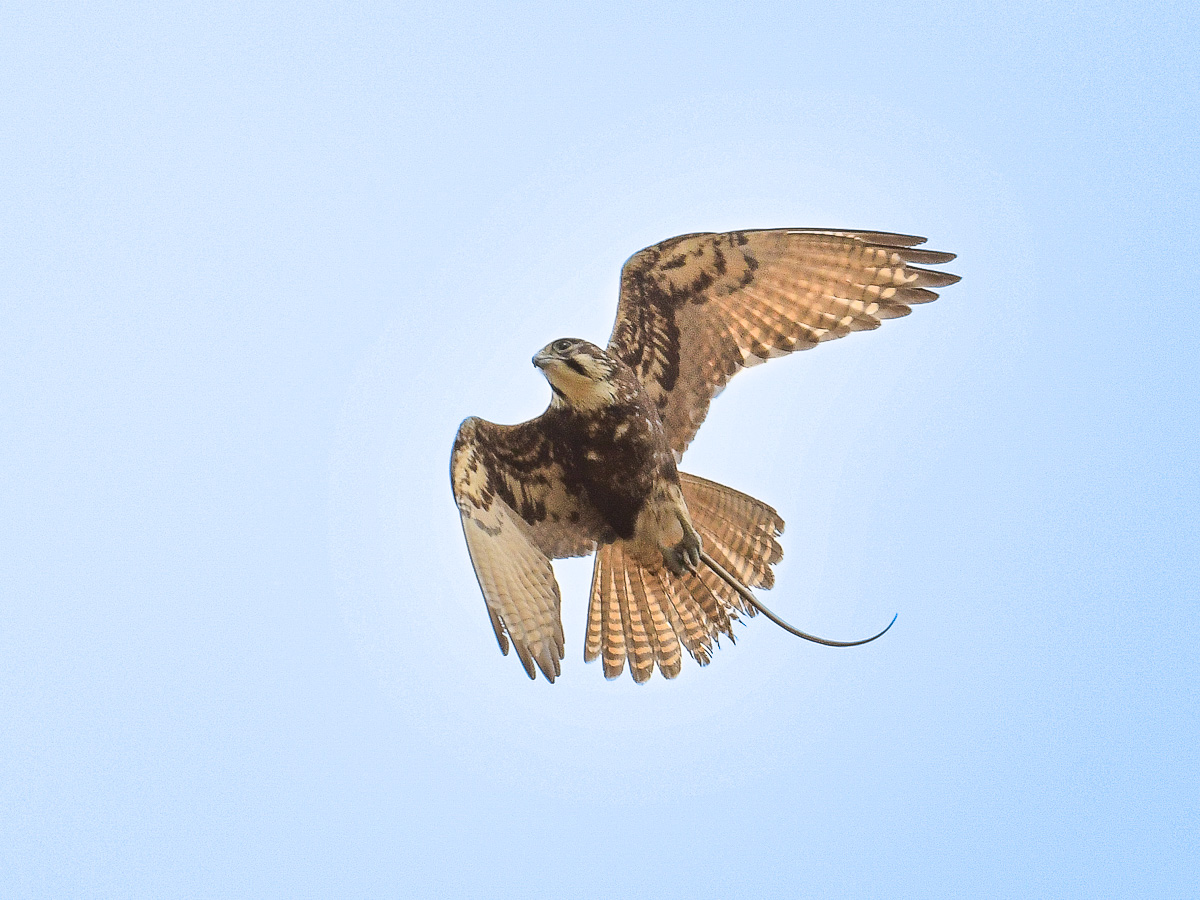
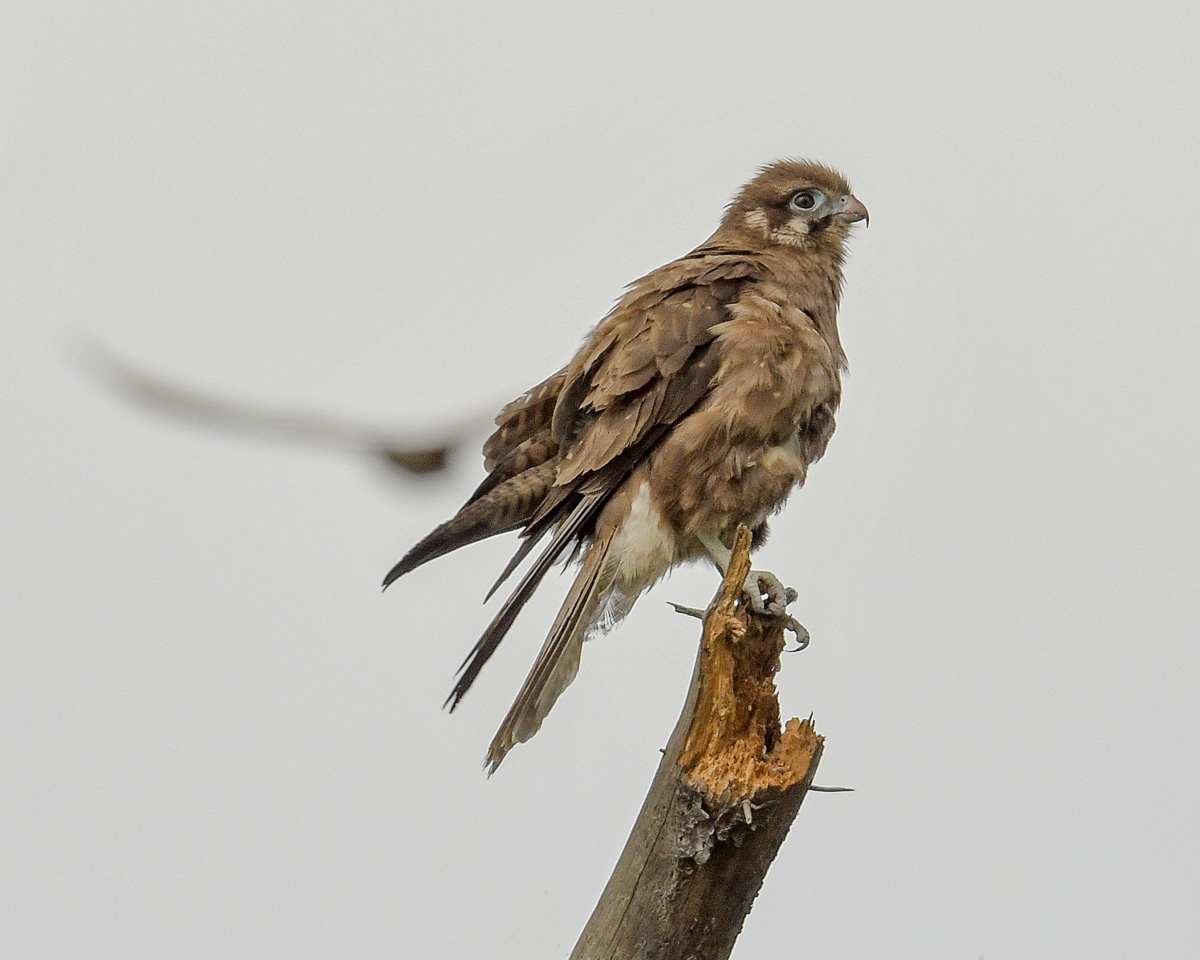
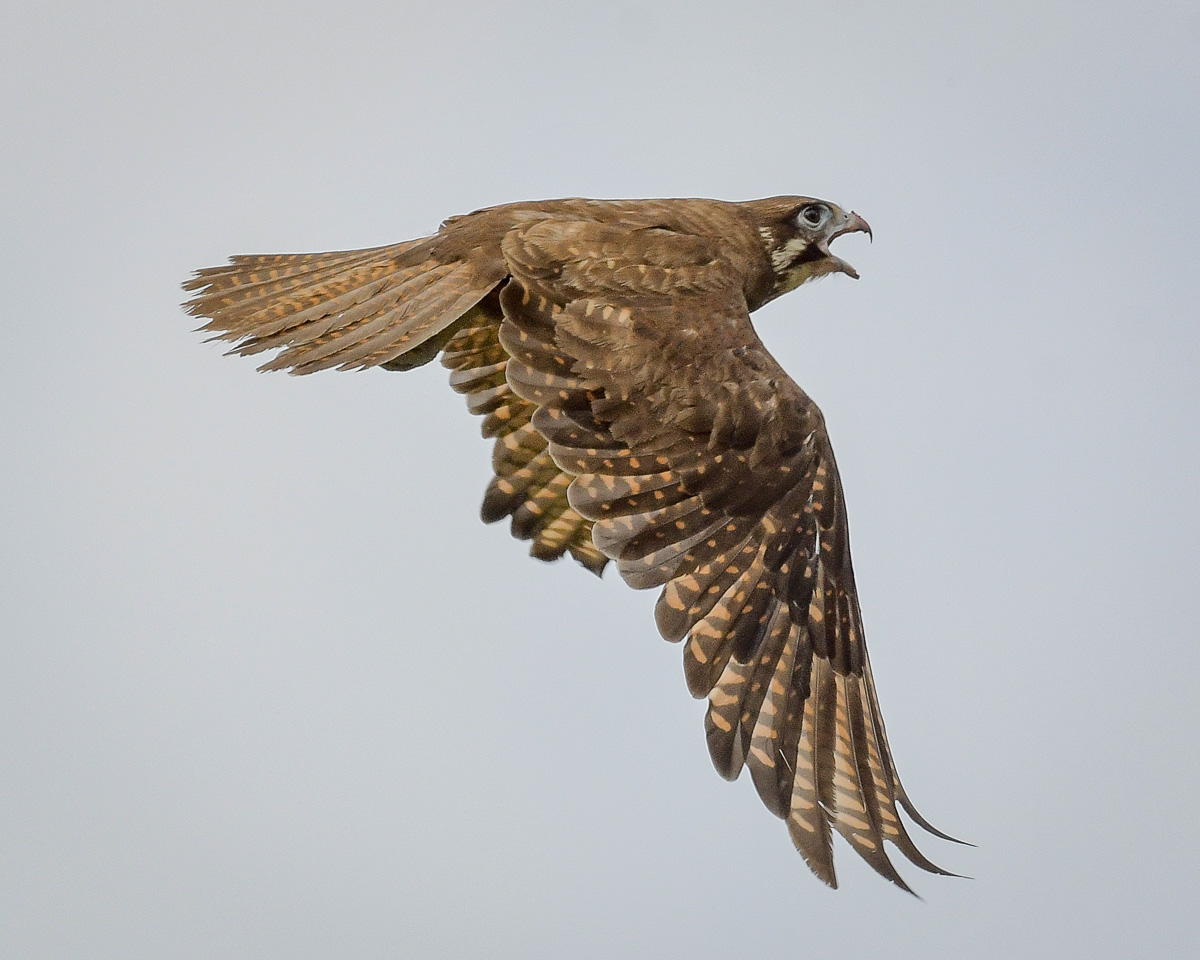
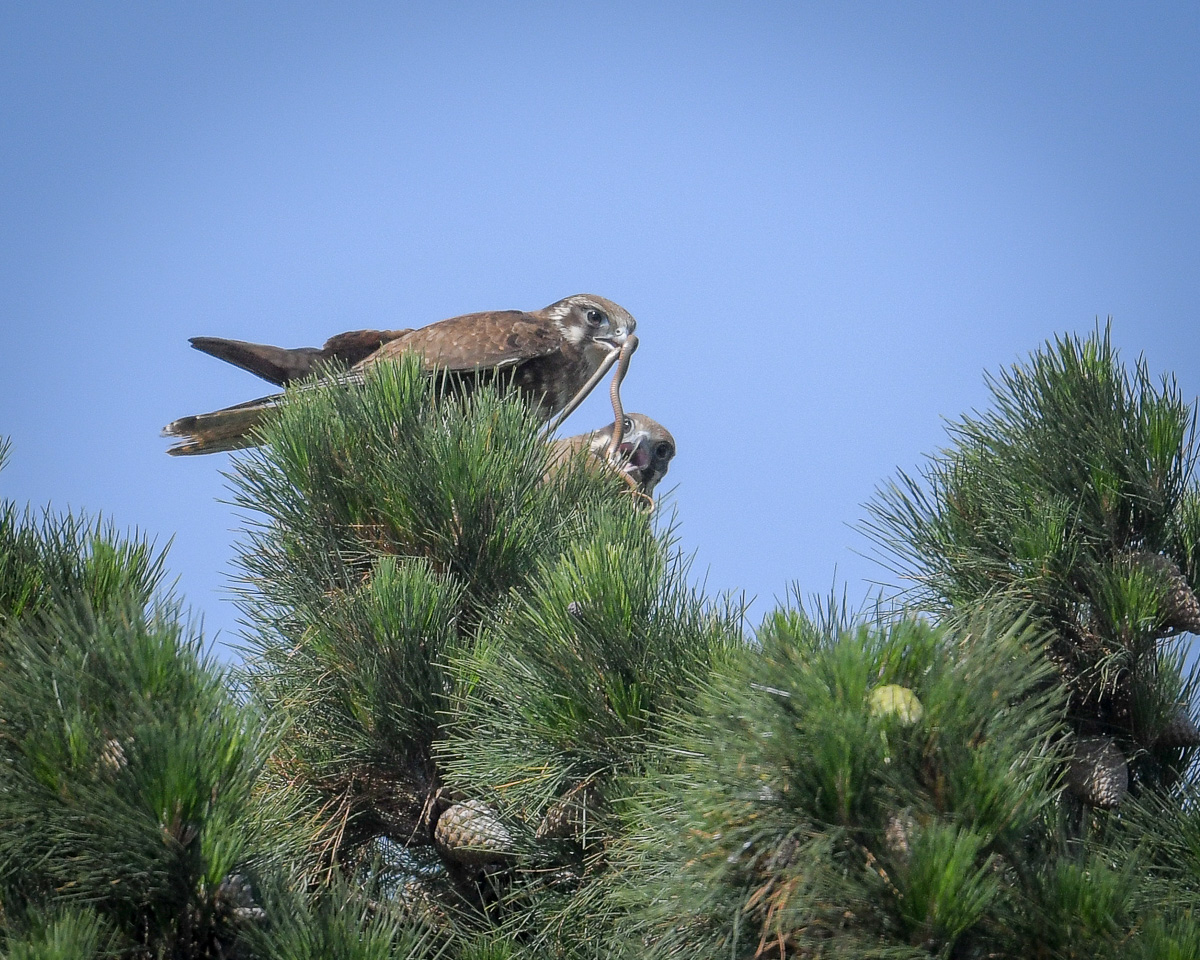
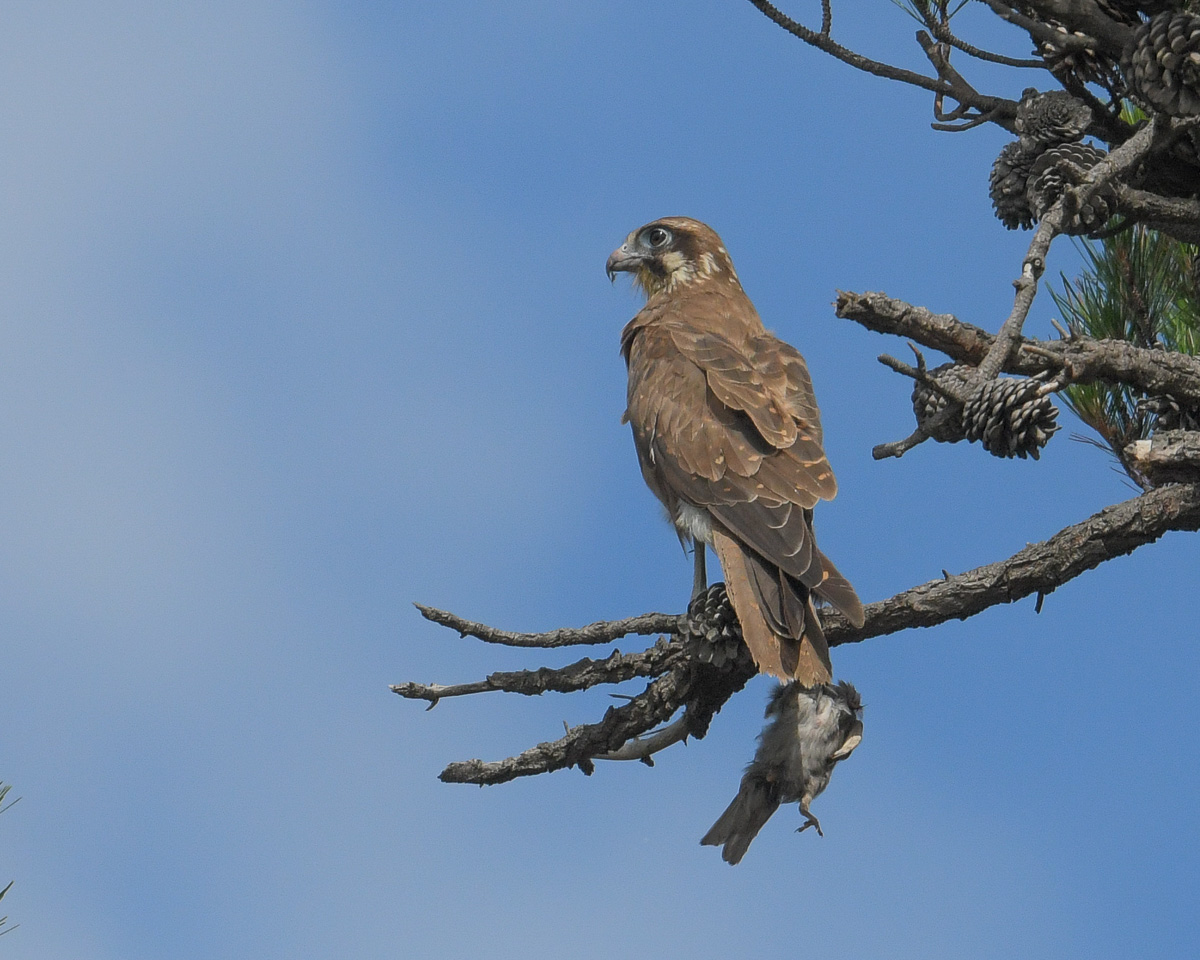
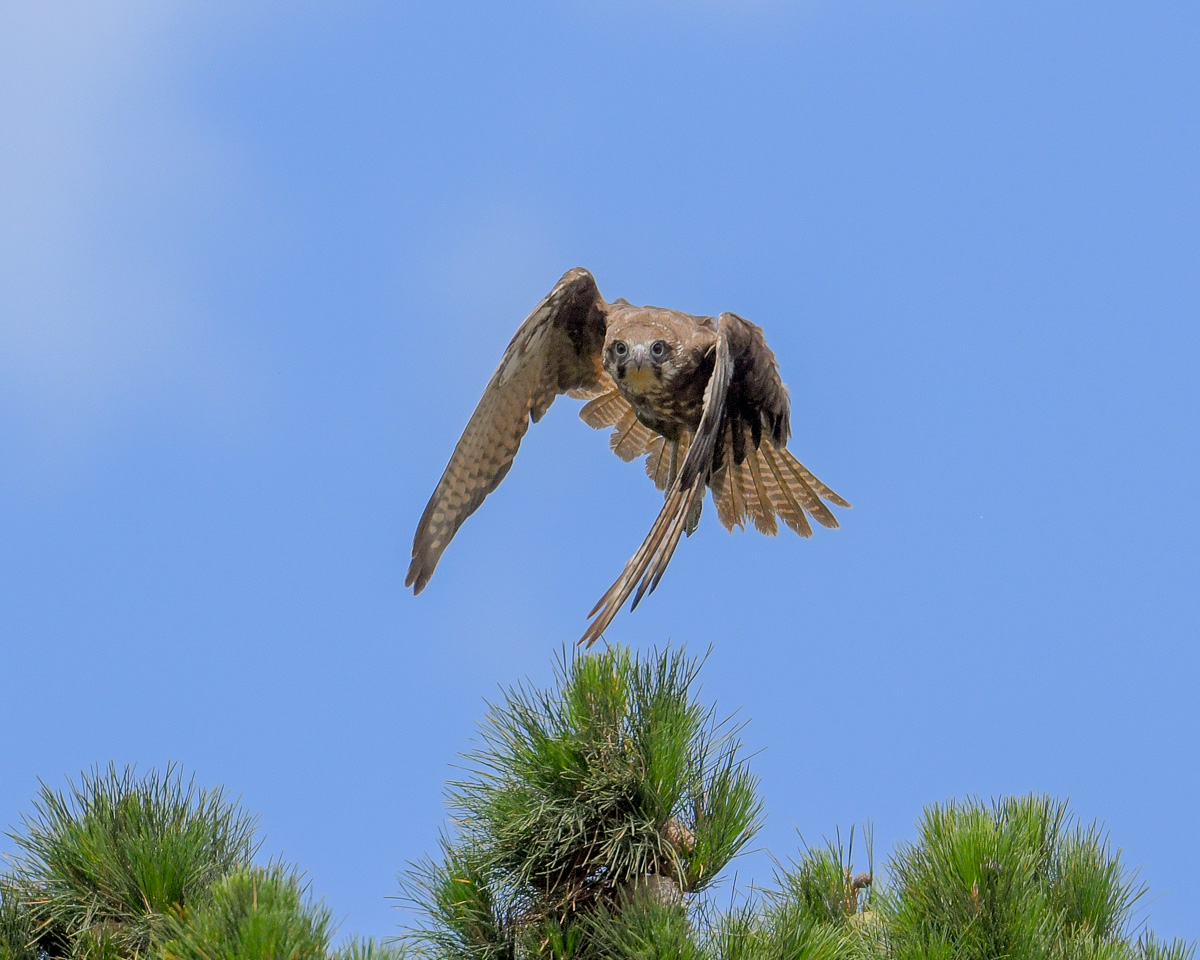
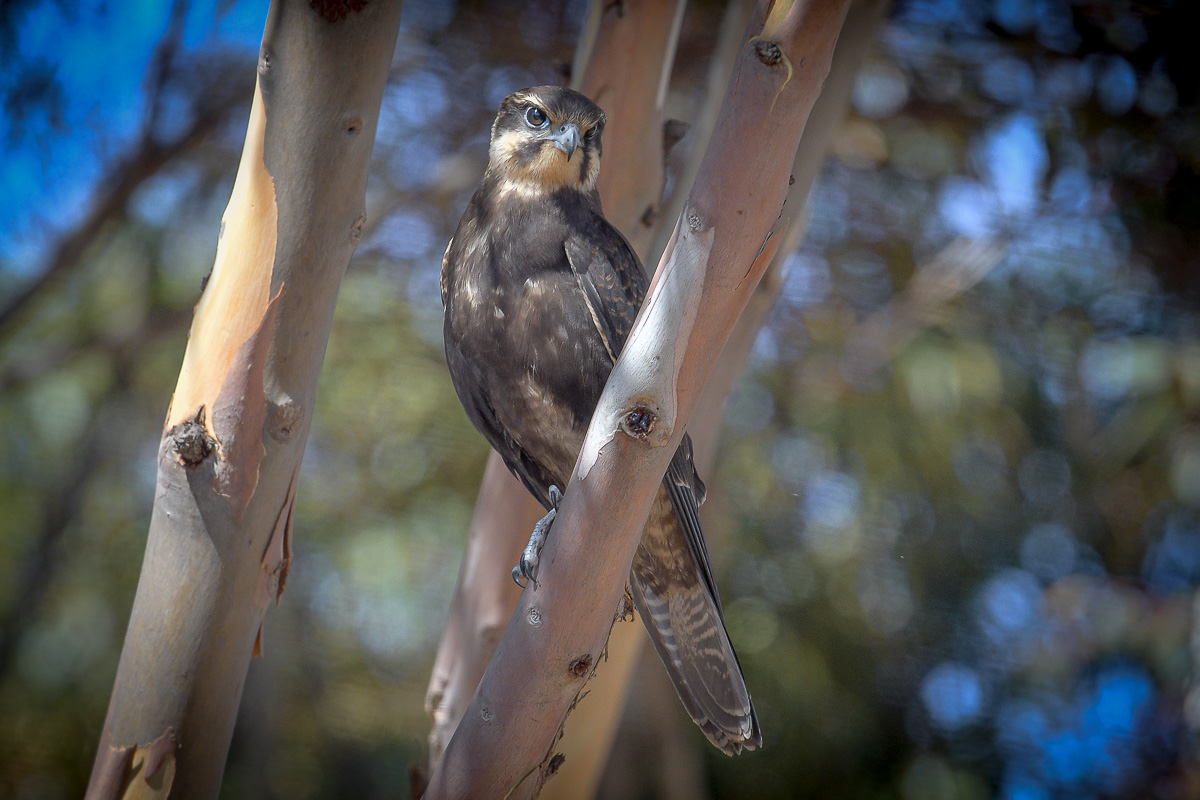
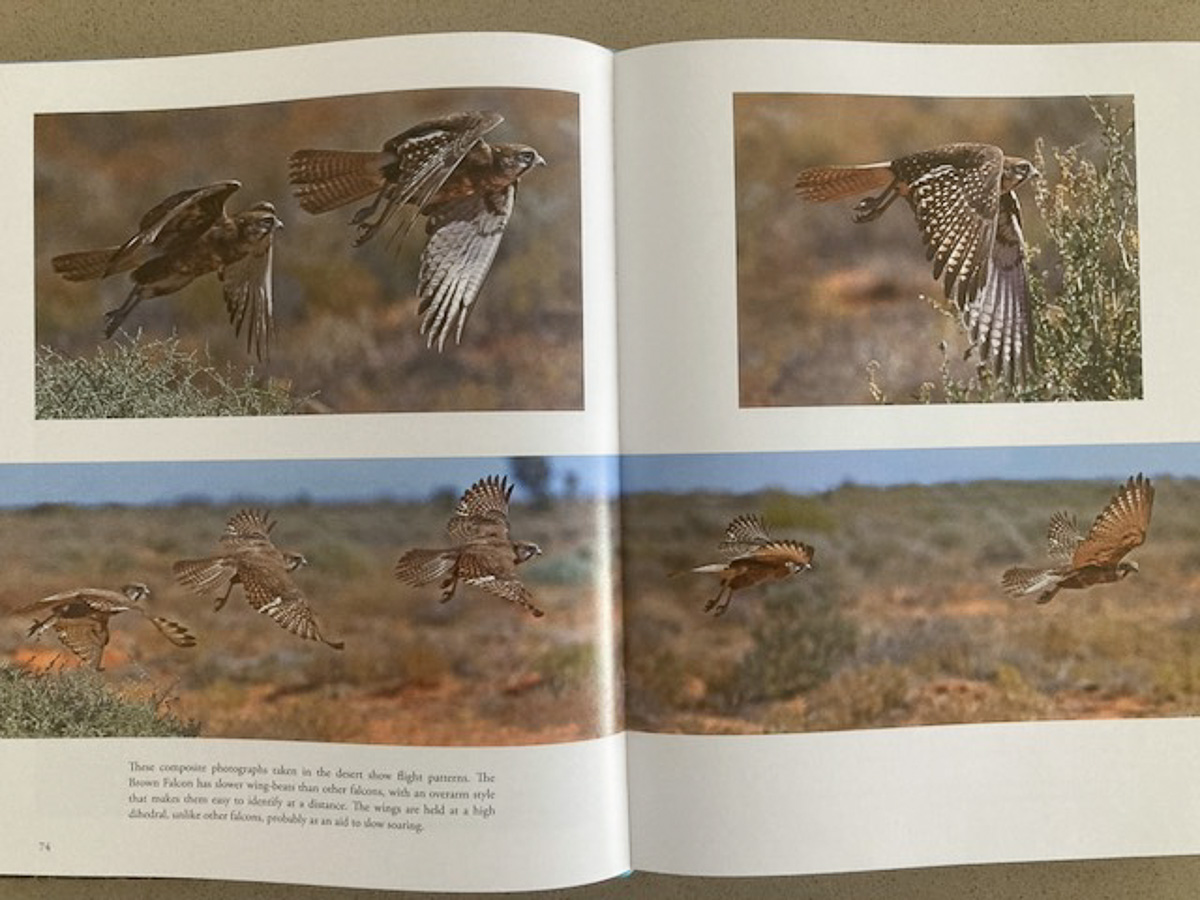
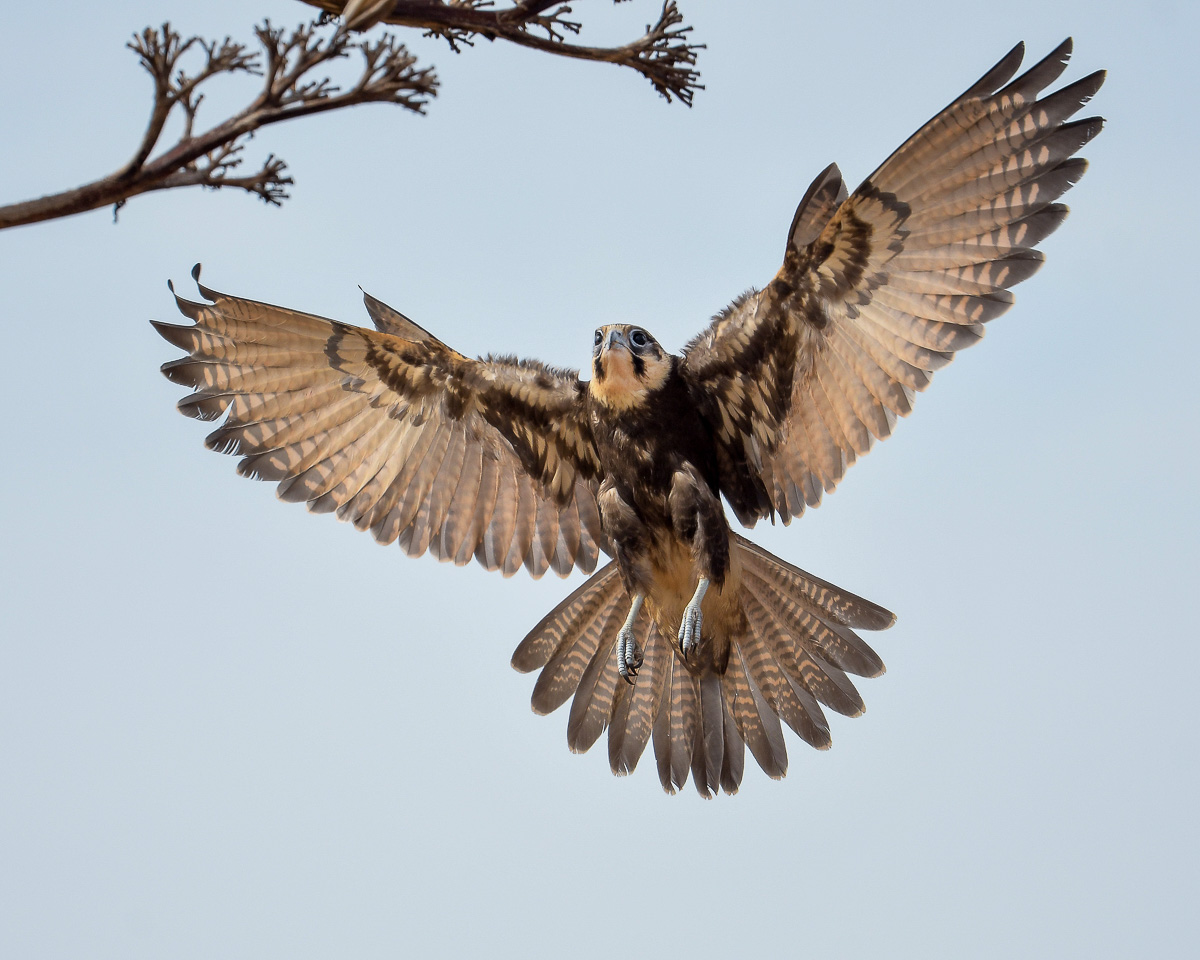
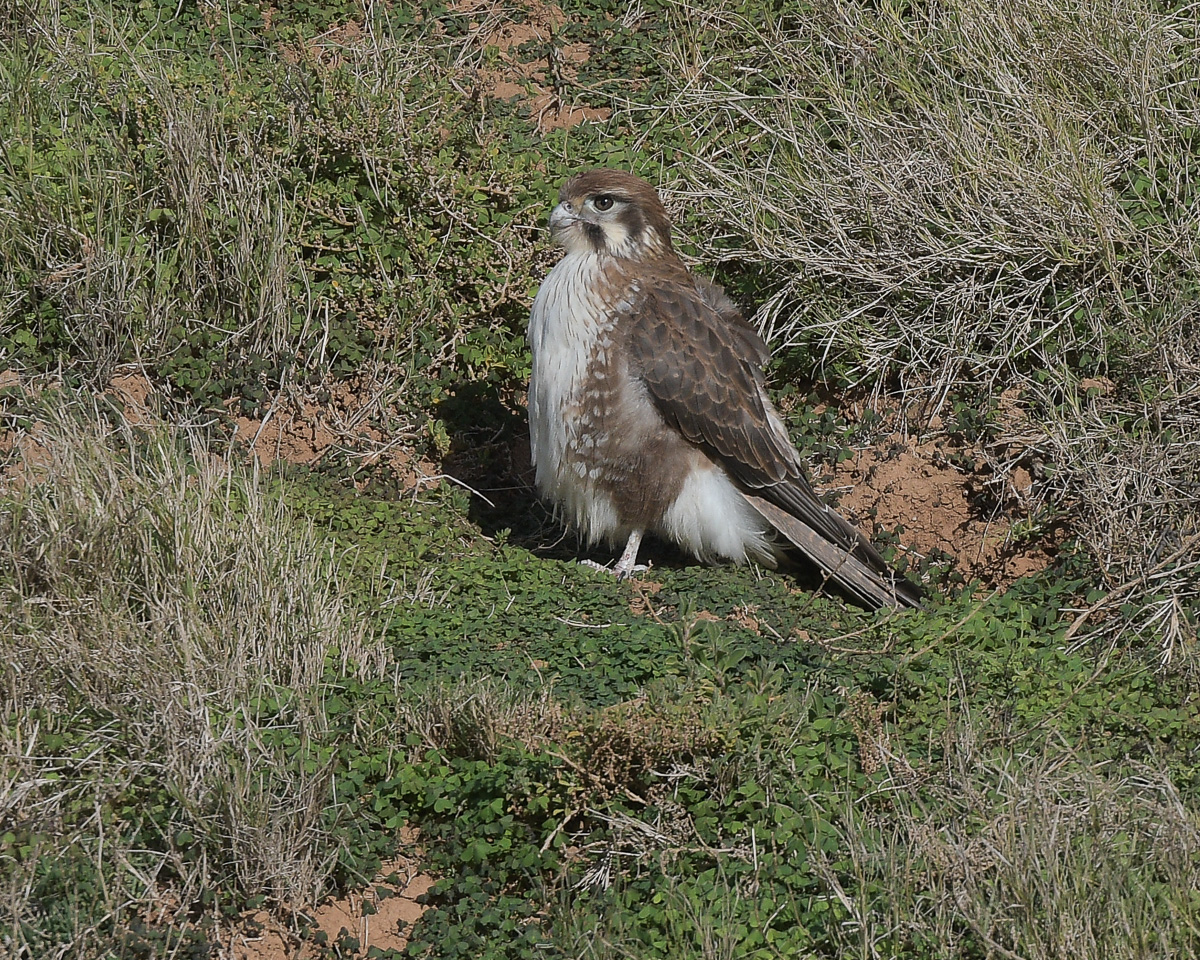
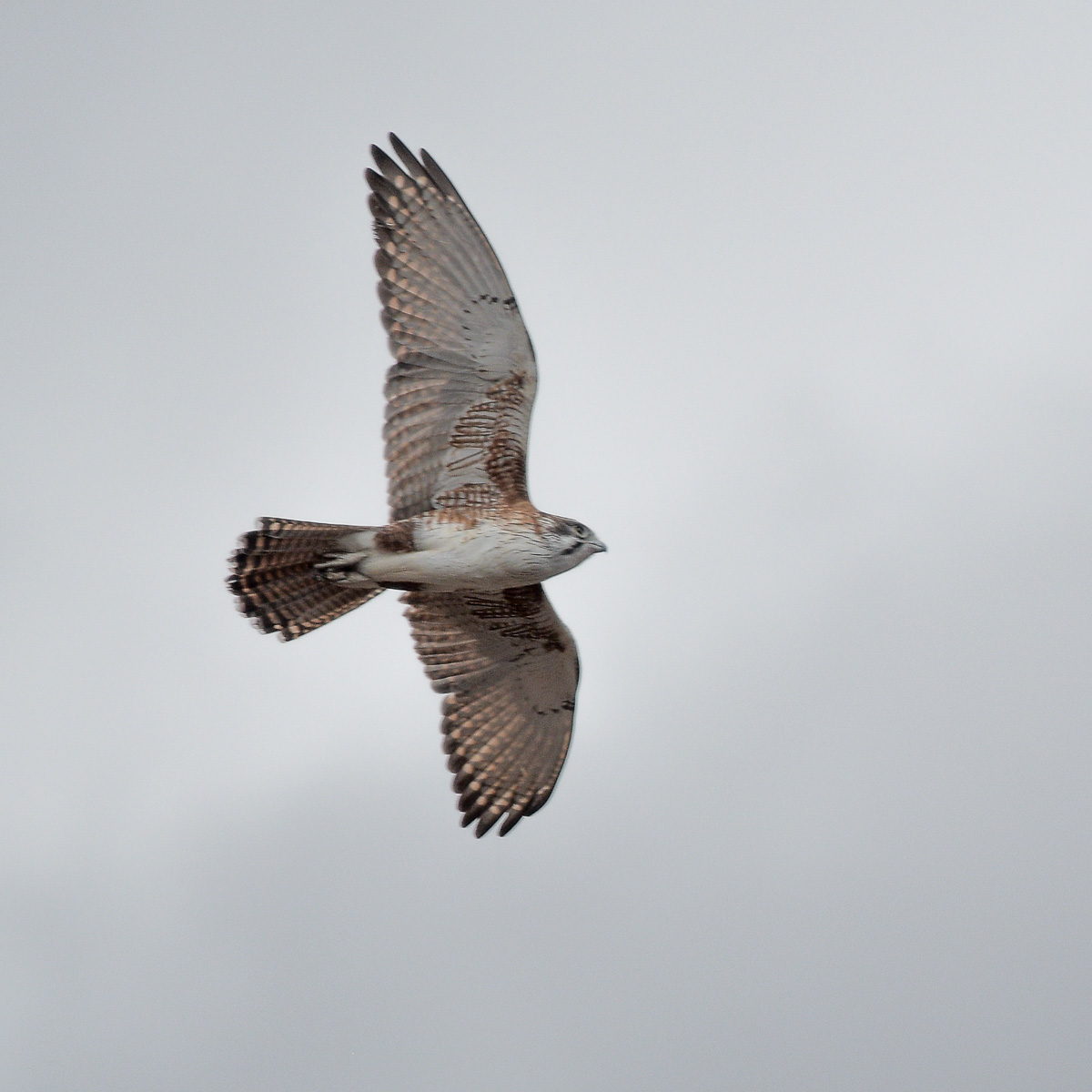
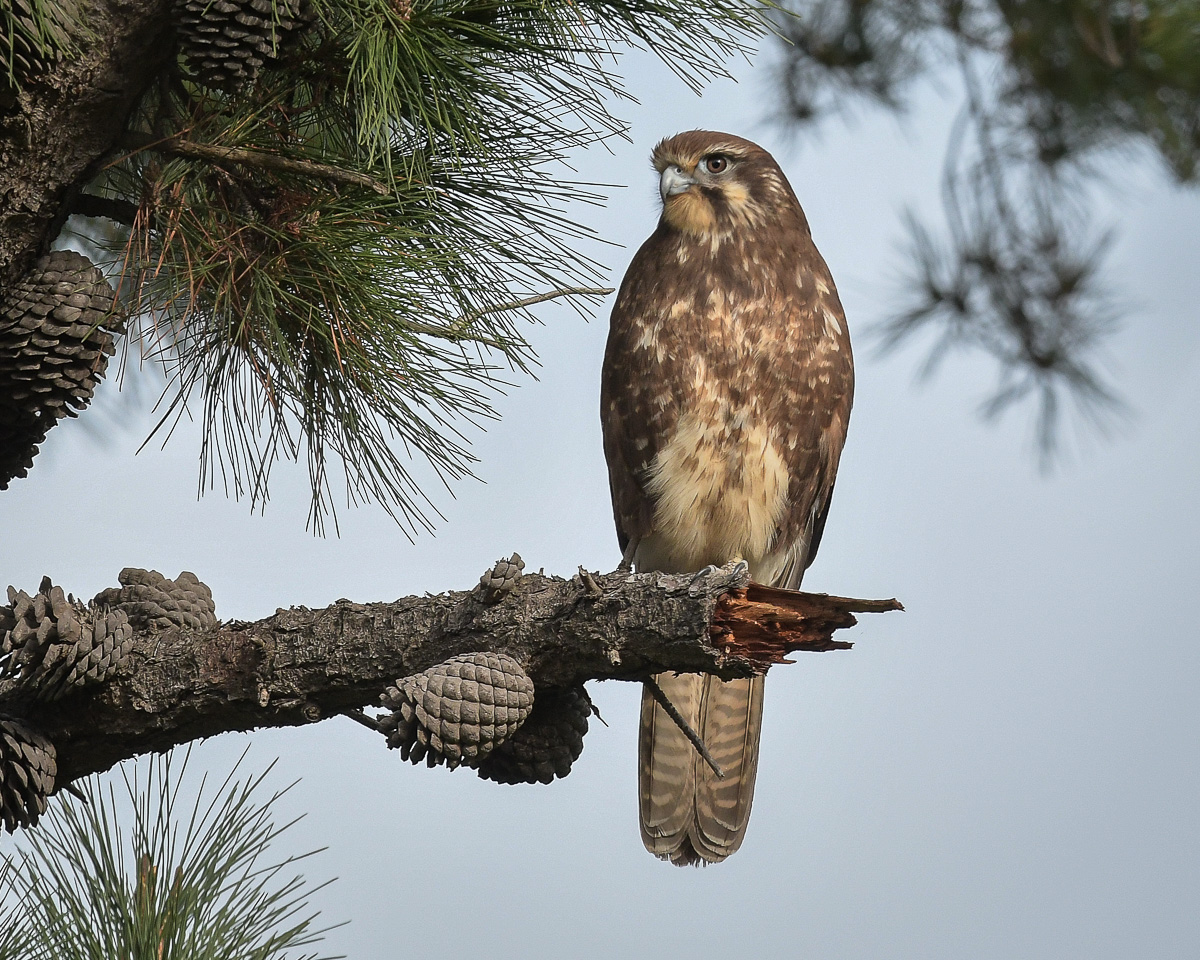
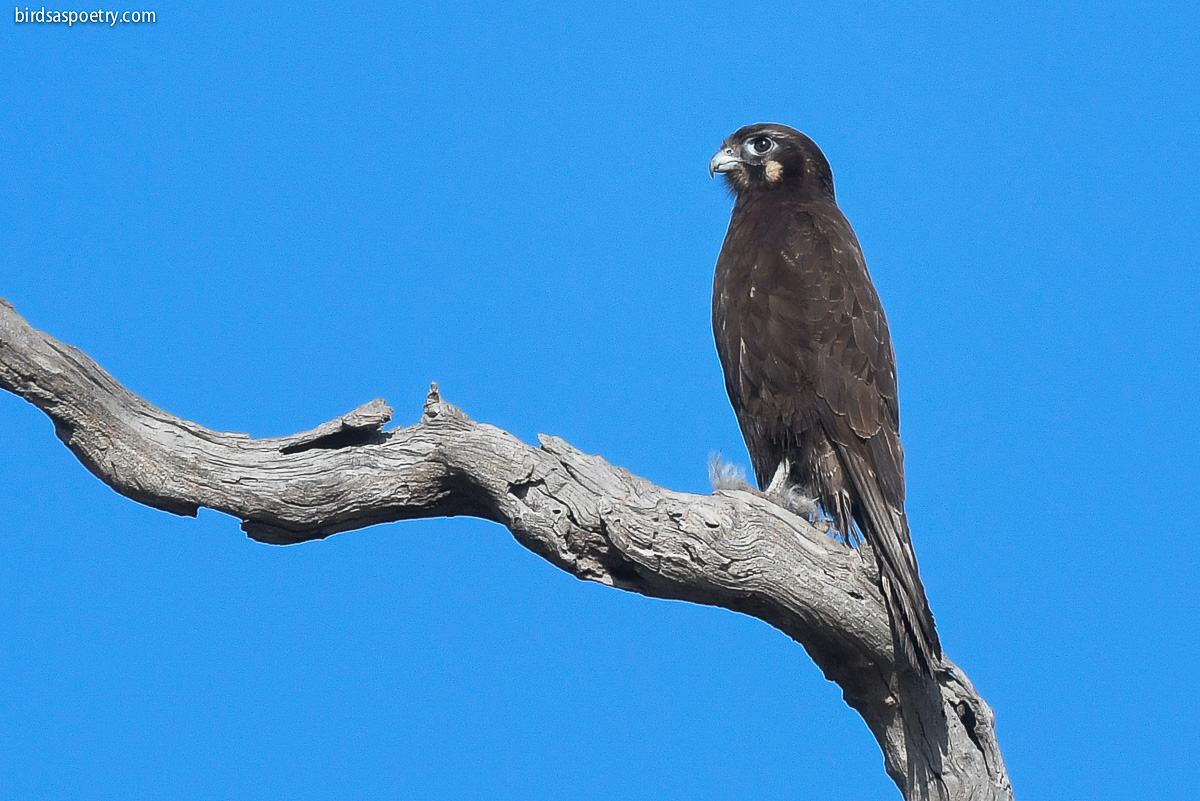
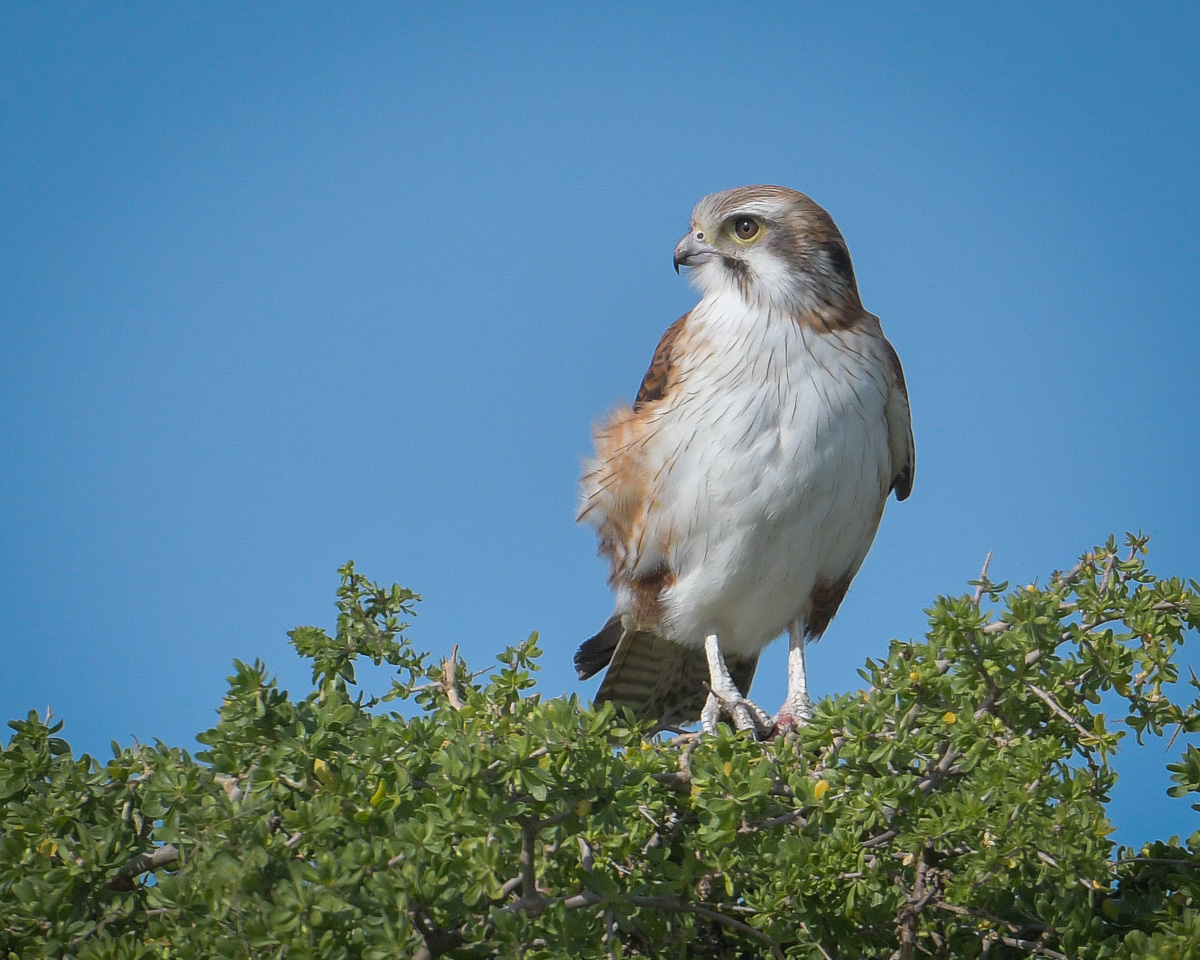
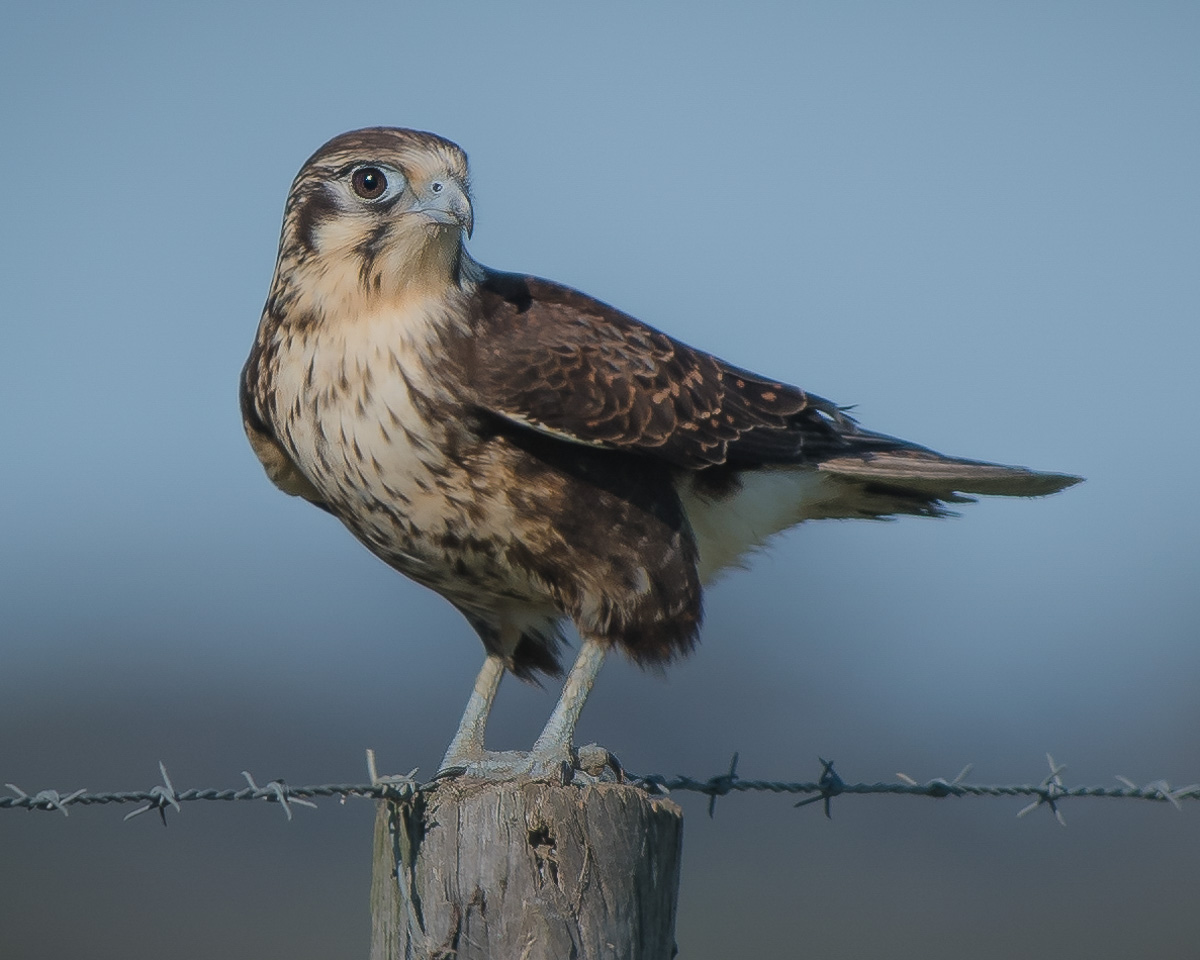
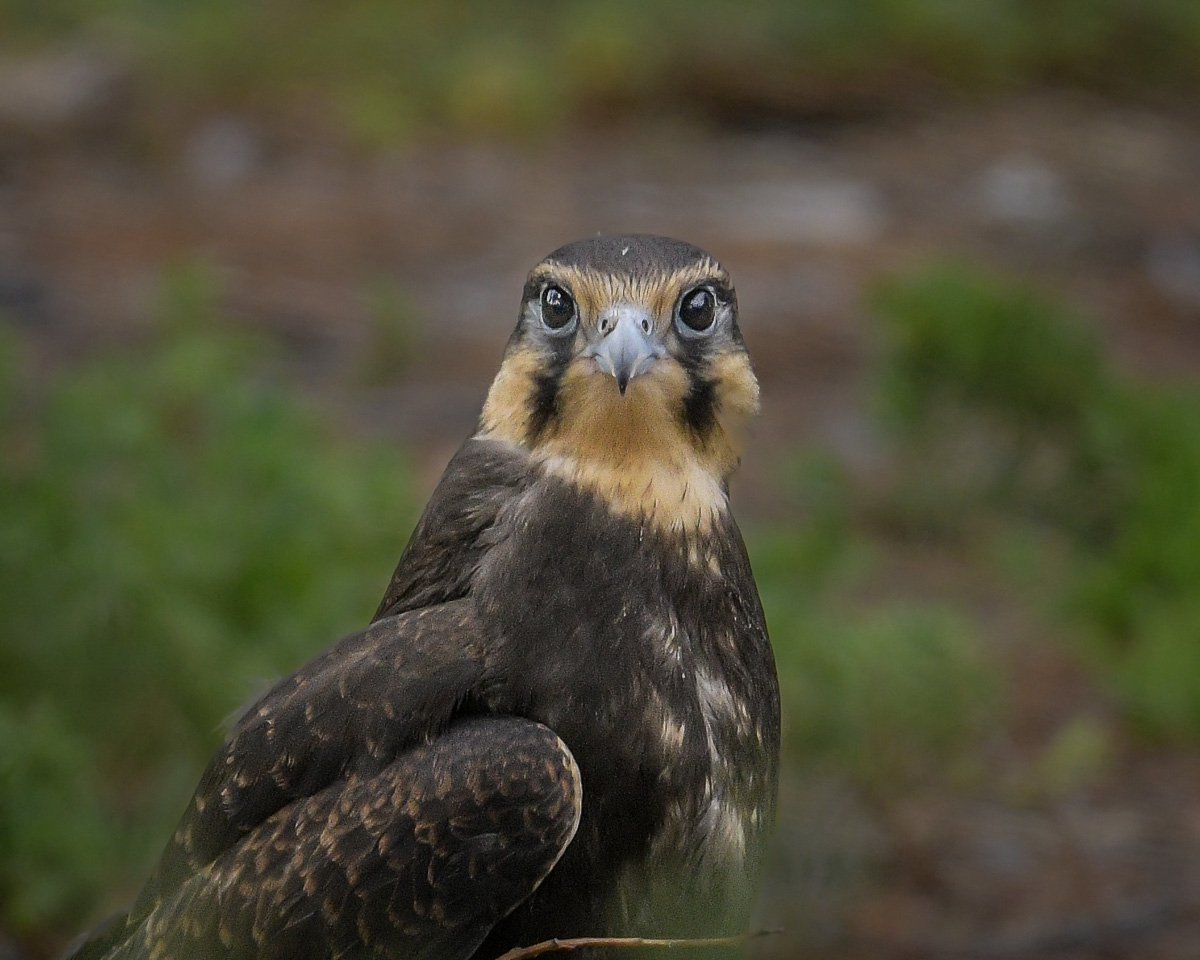
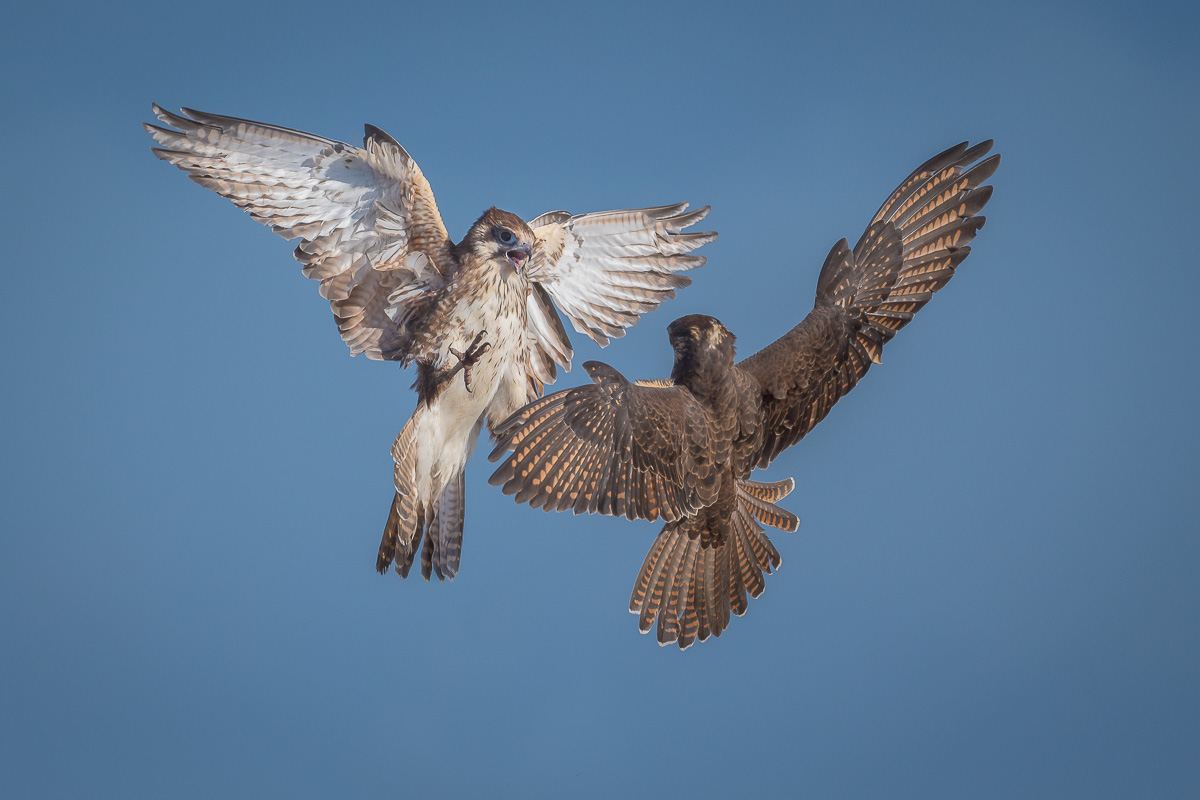
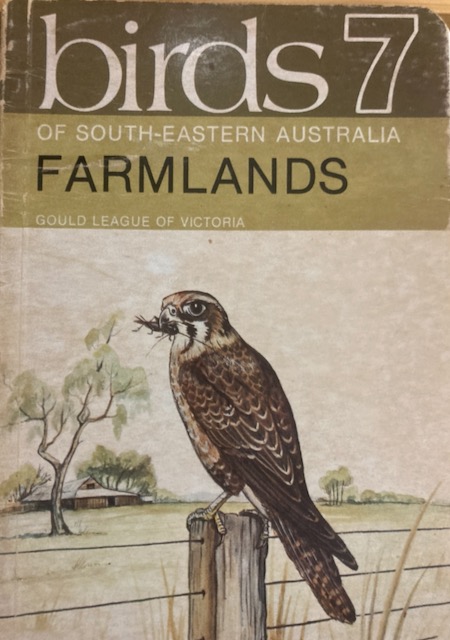
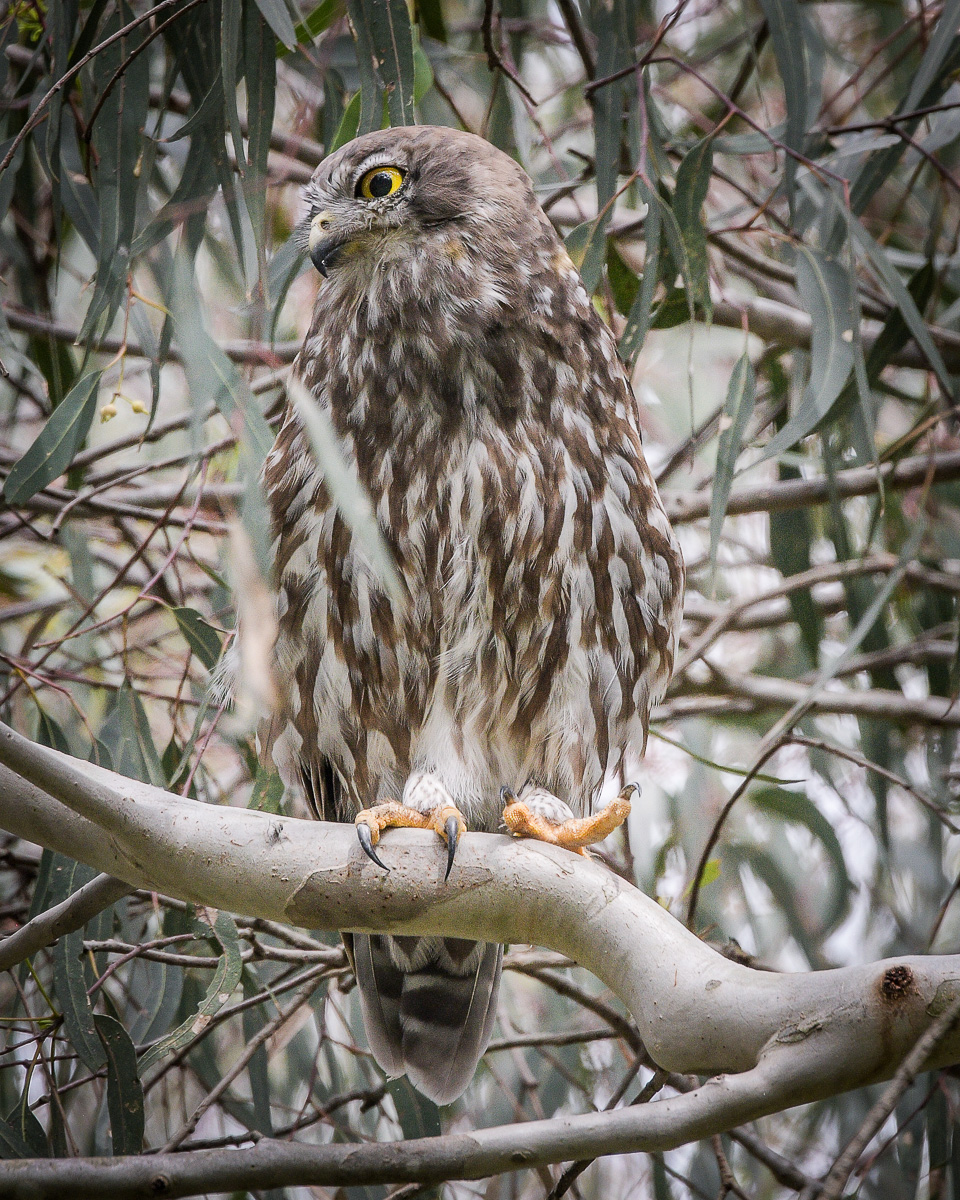
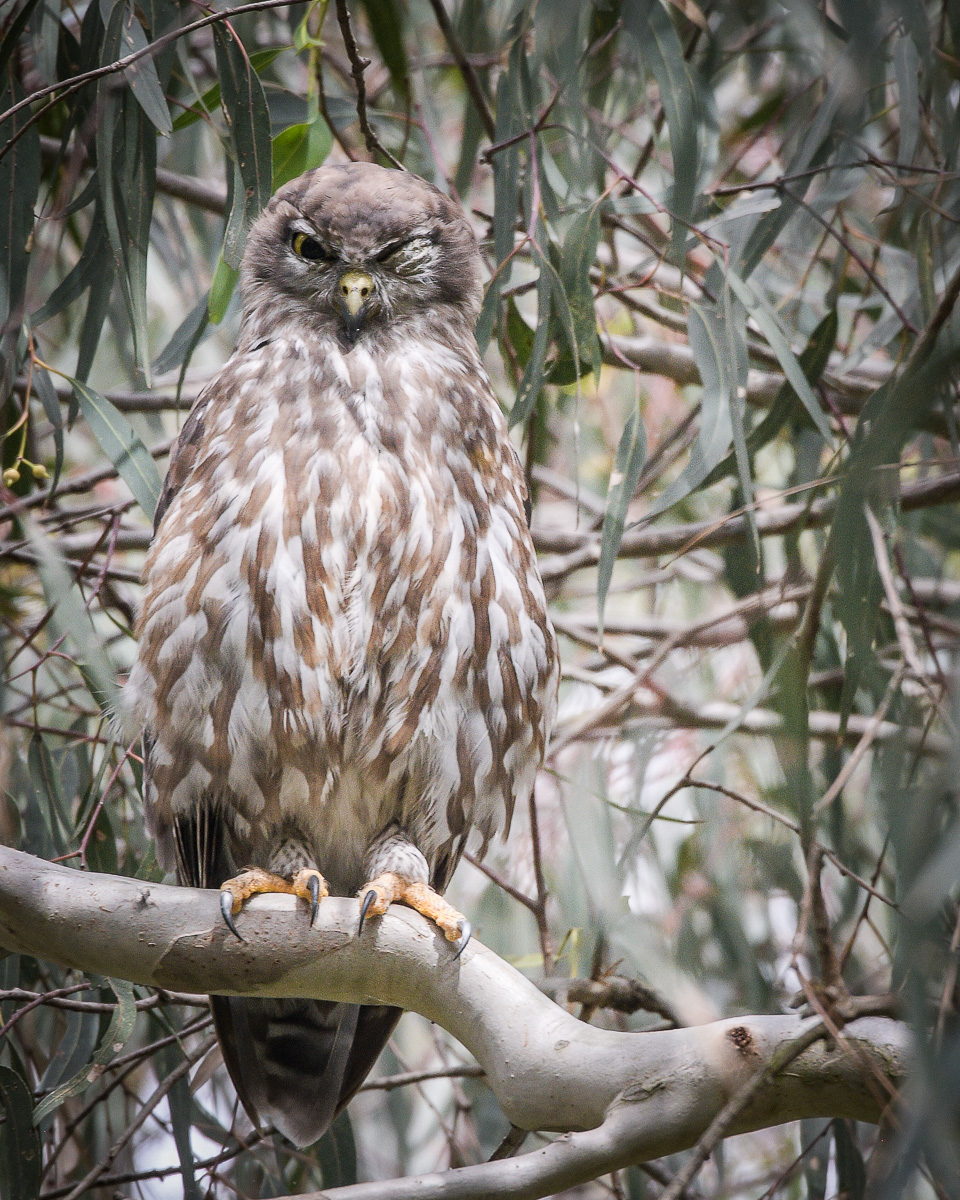
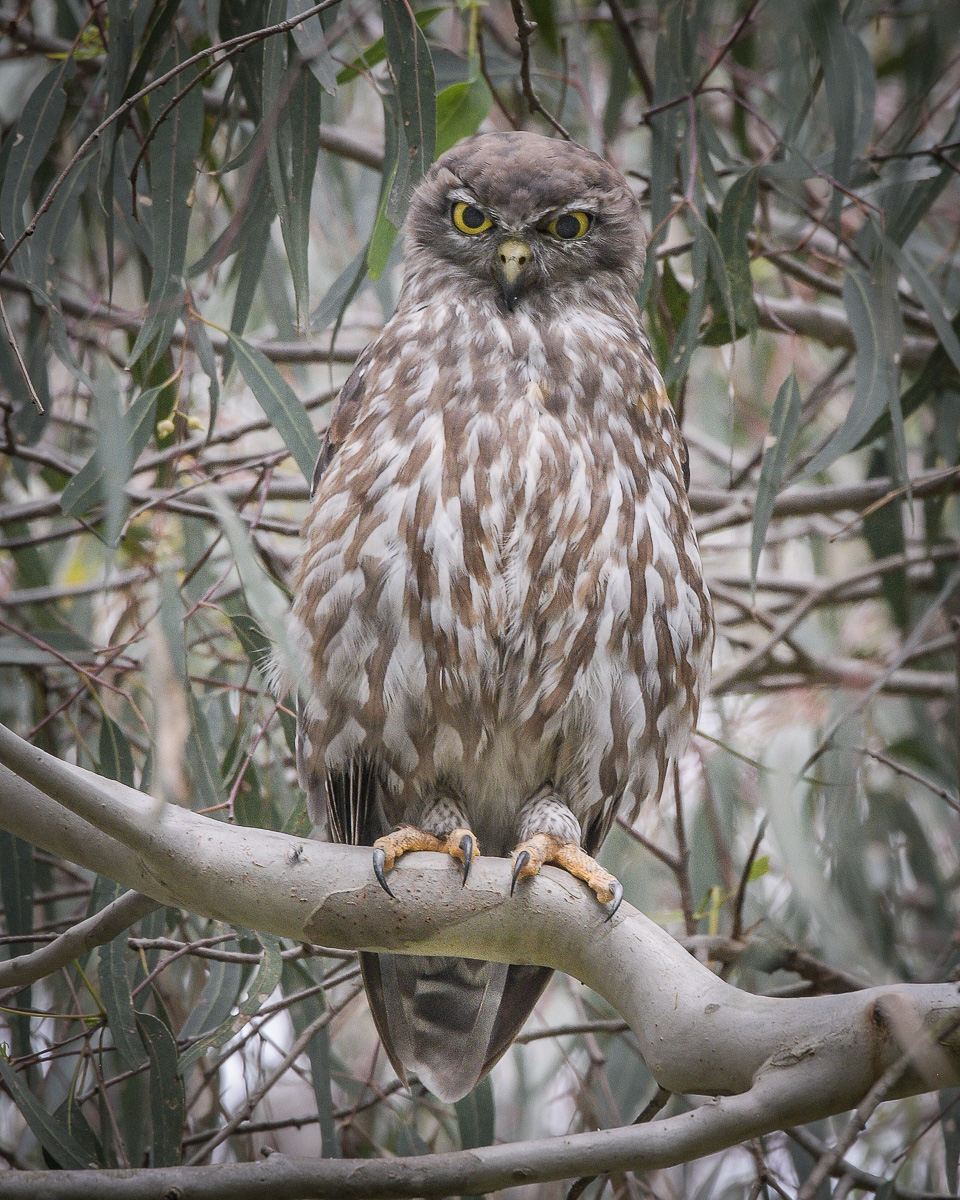
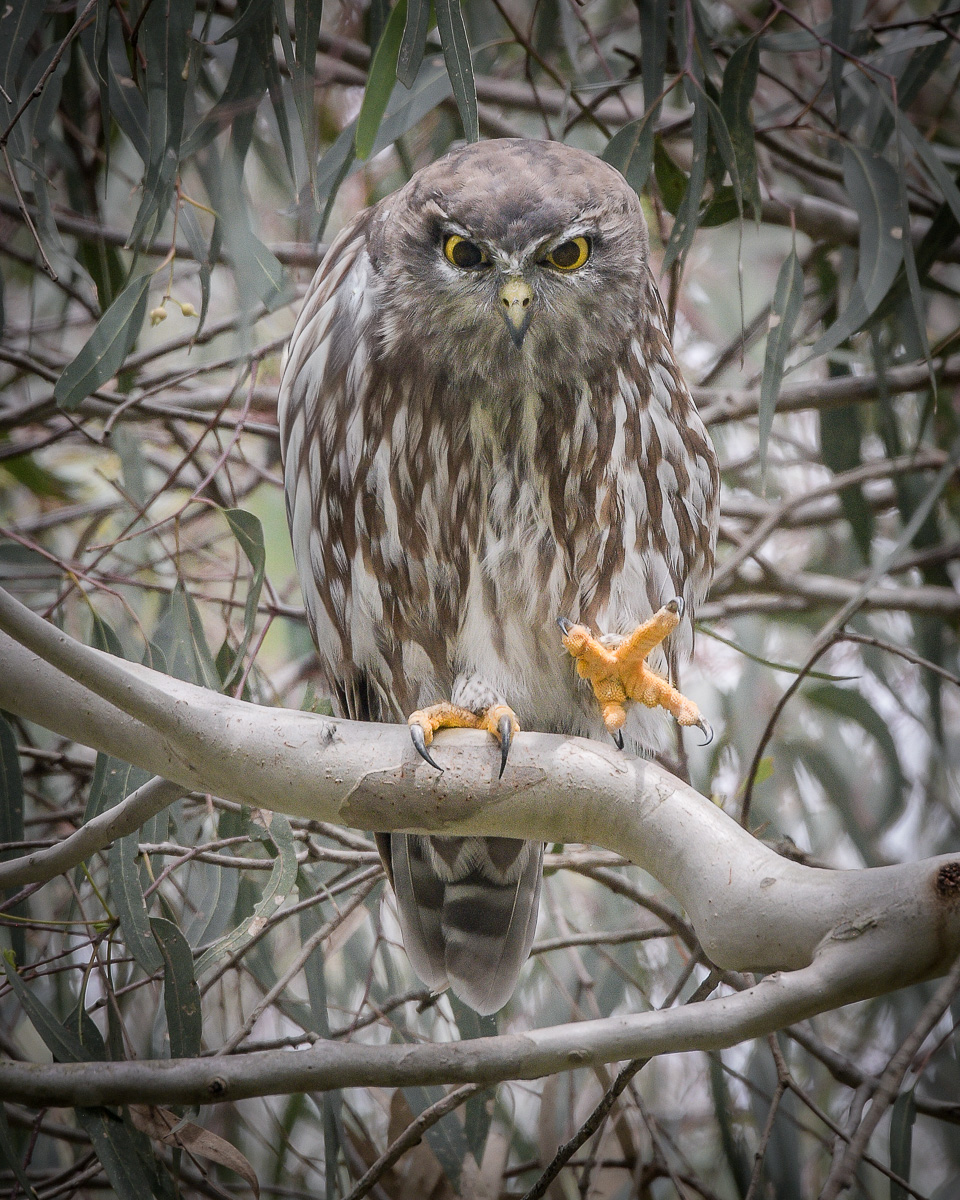
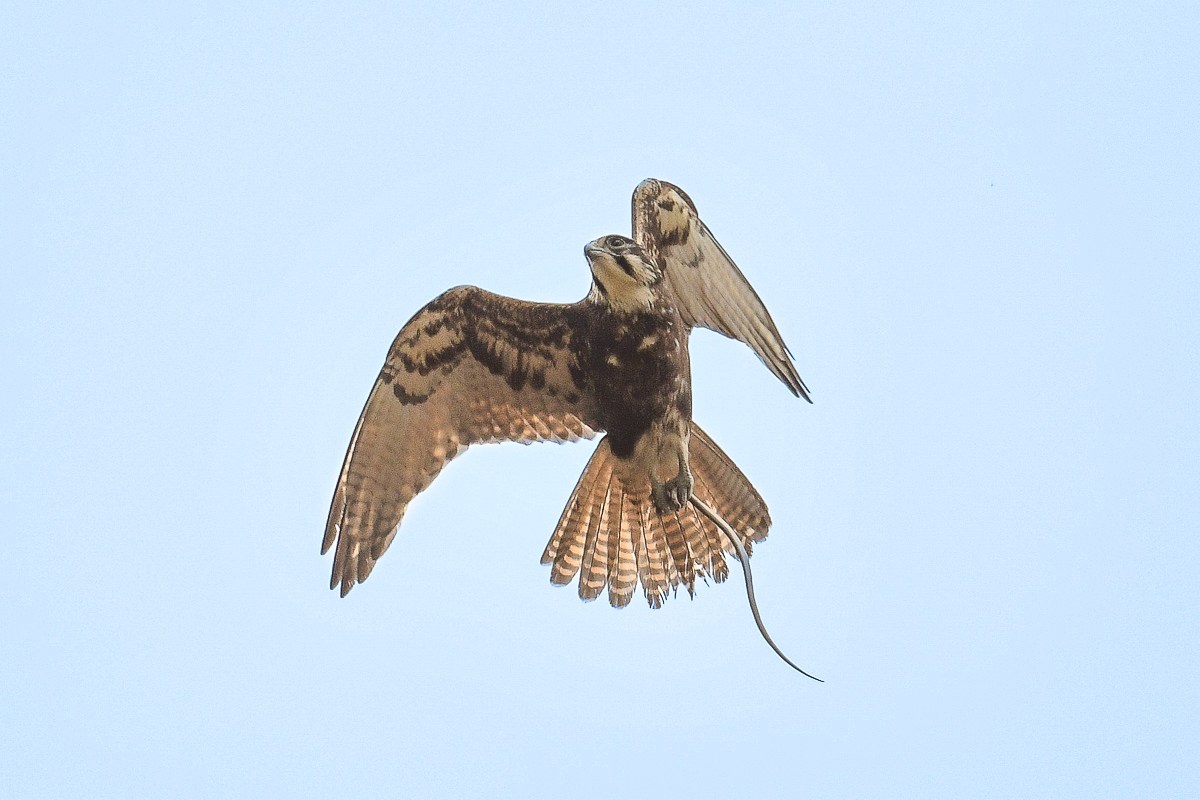
Brown Falcon: Easy does It
From my Flickr Site Click to scroll through the current images.

Come, Dance with Me

EE, Mr An Onymous and I had made an early morning trip to the Western Treatment Plant.
One of those days that only Melbourne in winter can produce. Out of the box. No wind, crystal clear blue skies and warming sunshine. Brisk, glad to be alive temperatures. Air quality: Still.

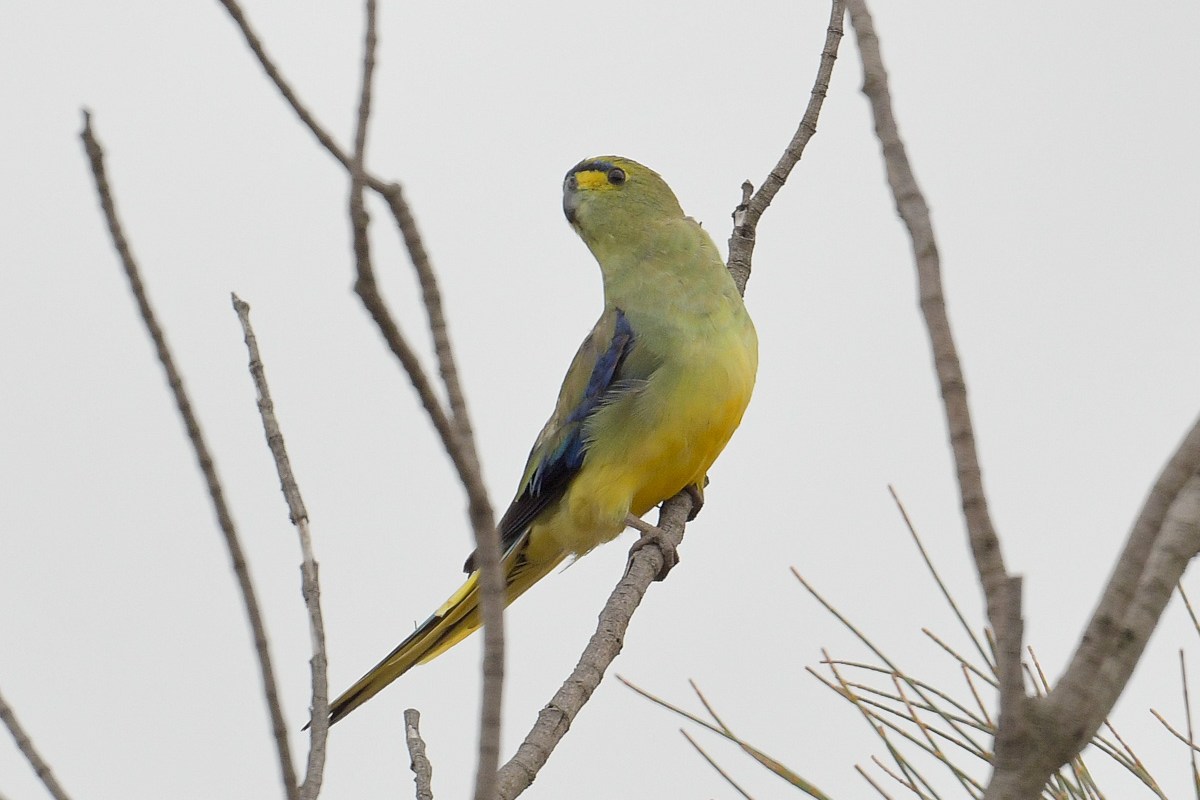
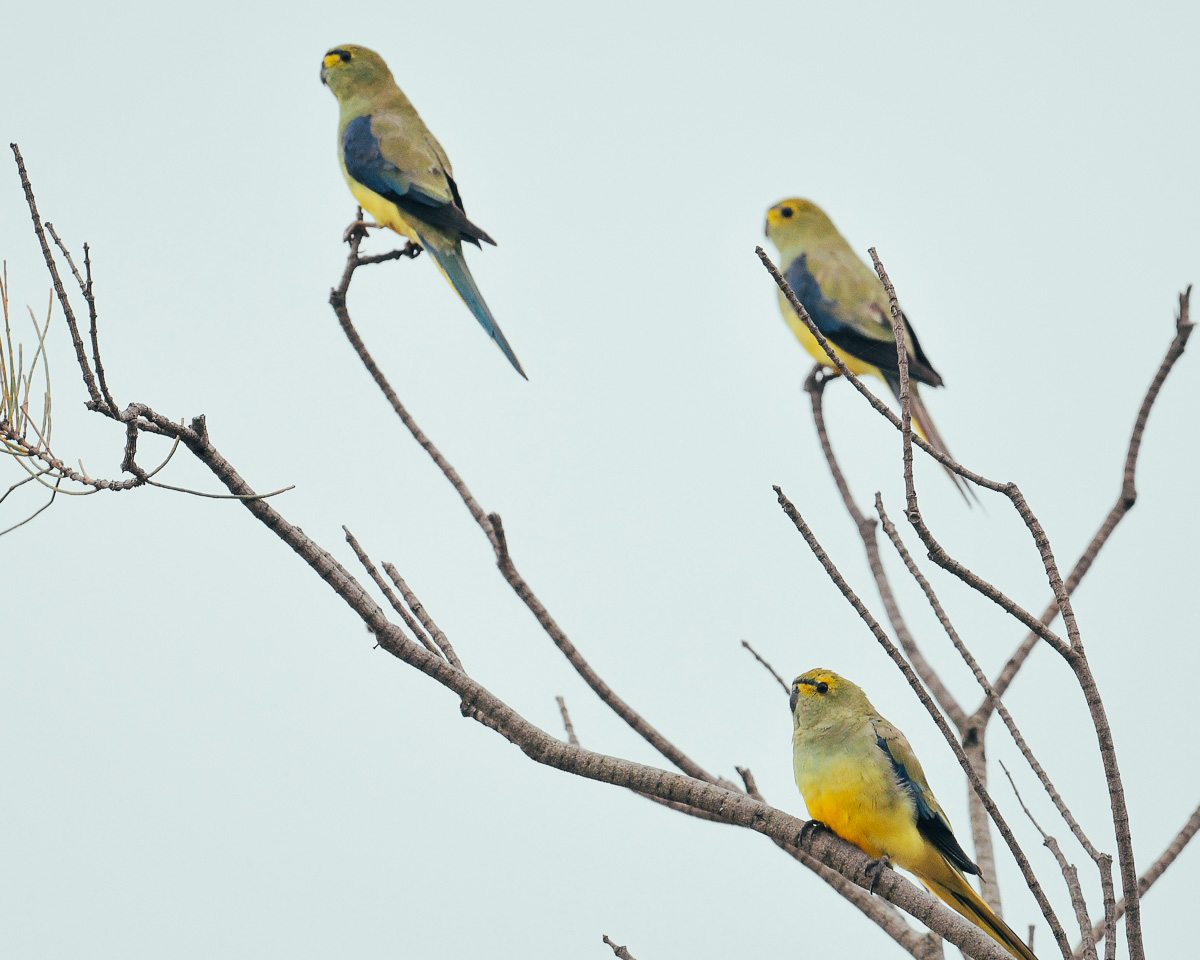
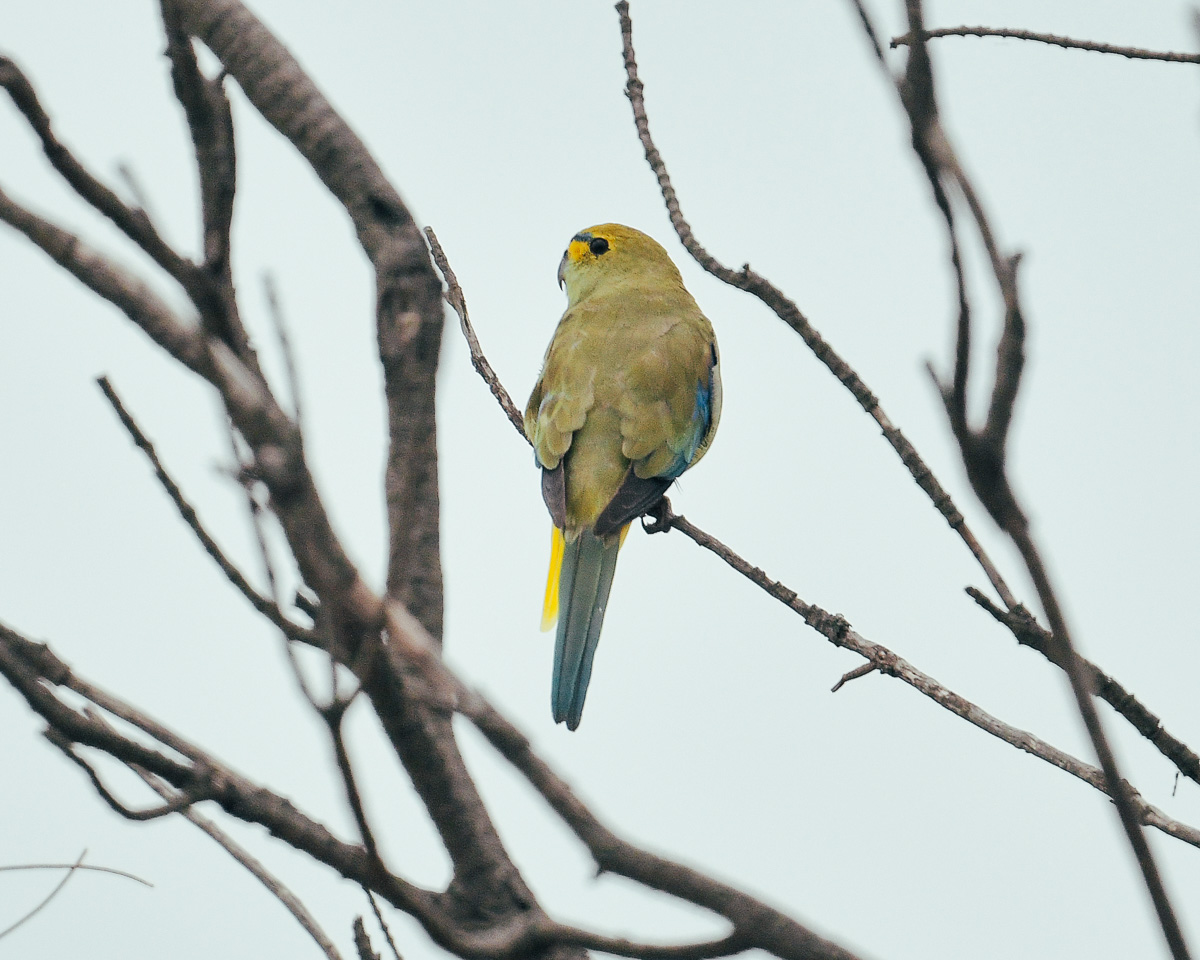
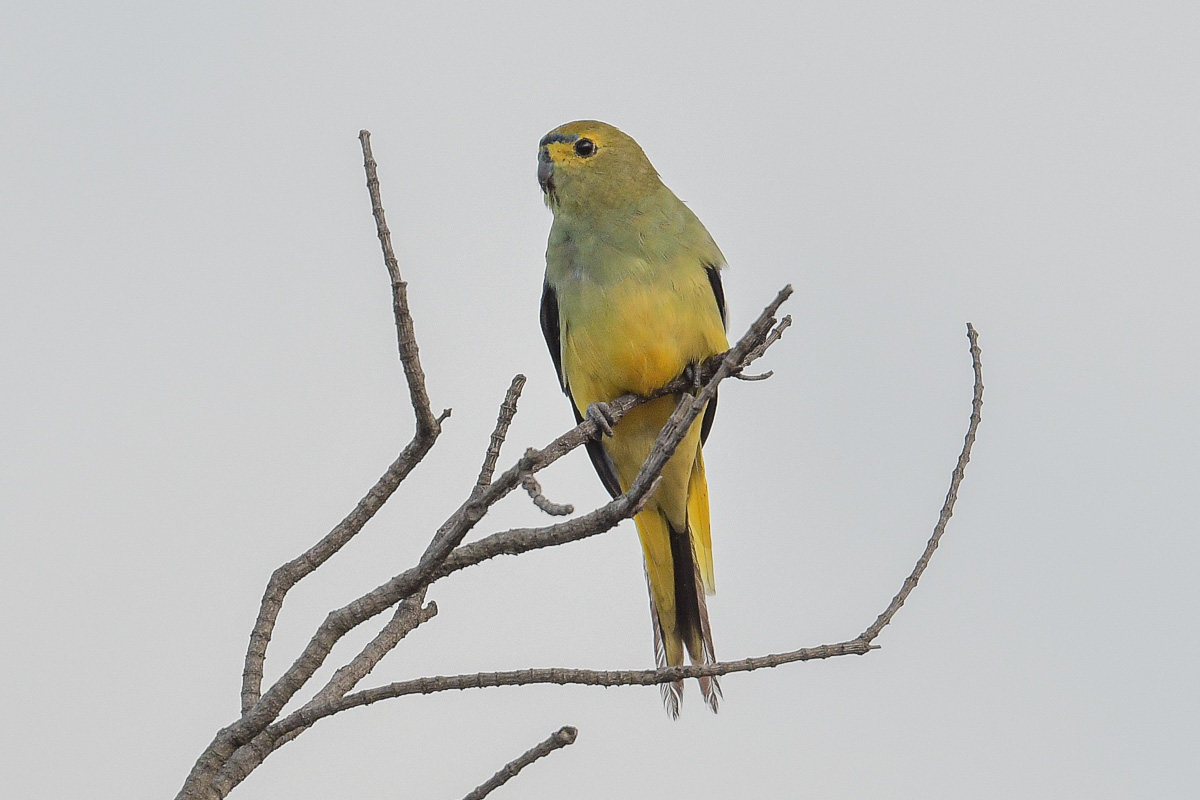
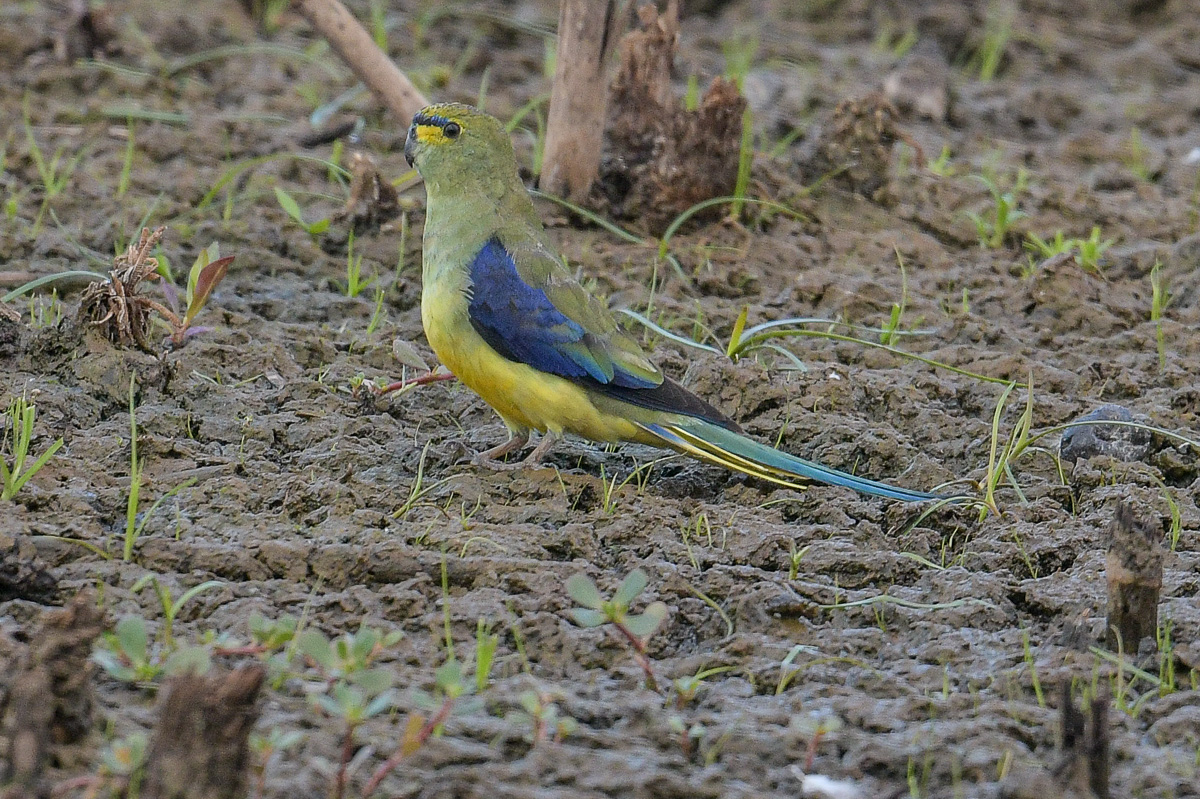
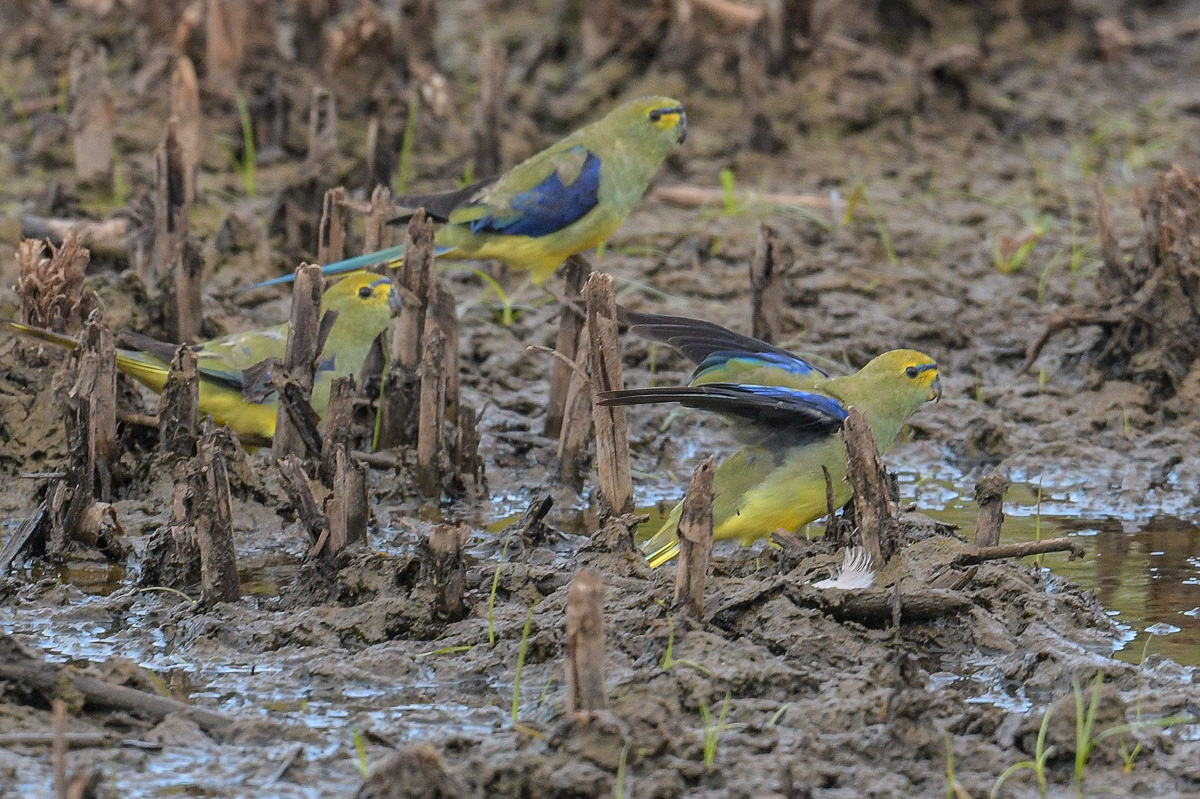
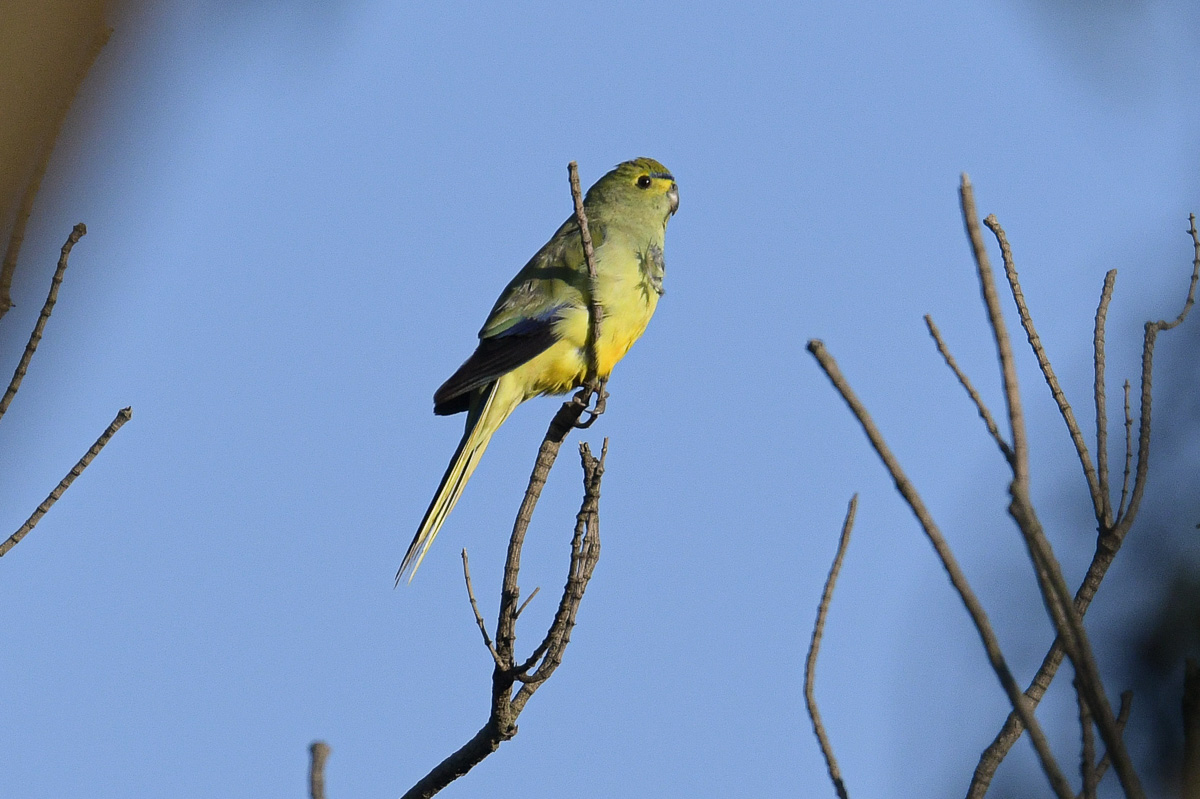
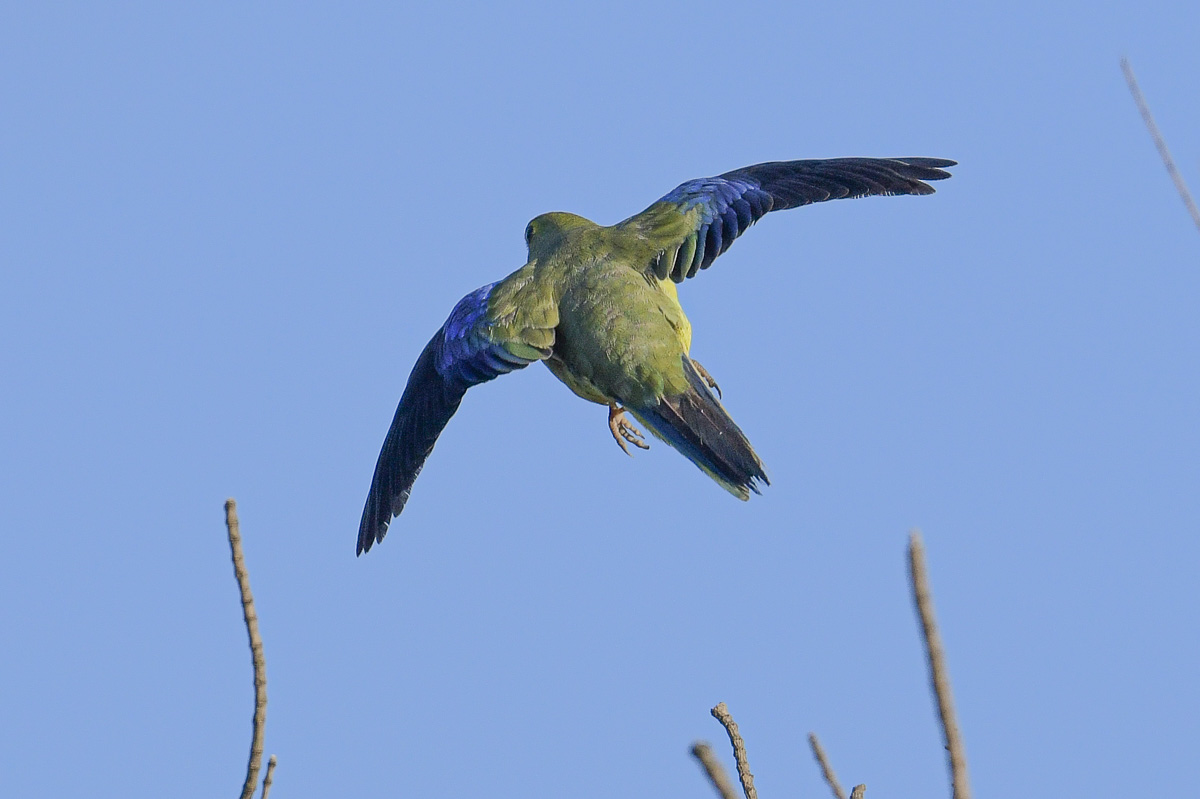
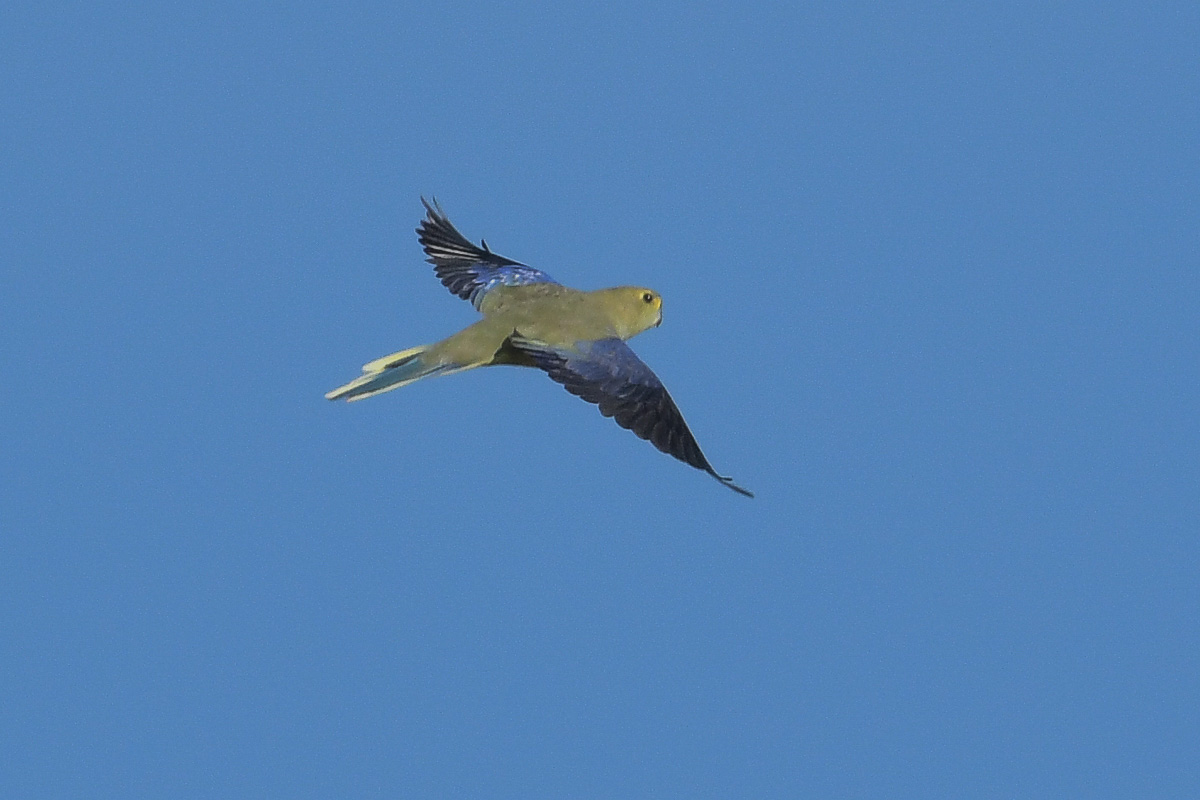
We spent an hour or so with a group who were staked out waiting for the “legendary” Orange-bellied Parrot to make an appearance. And of course we’d heard it all before. “Oh, they were on those shrubs about 45 minutes ago…. 😦

Still we did manage to see a couple of them streak over the bushes and hide among some trees.

We ventured on.

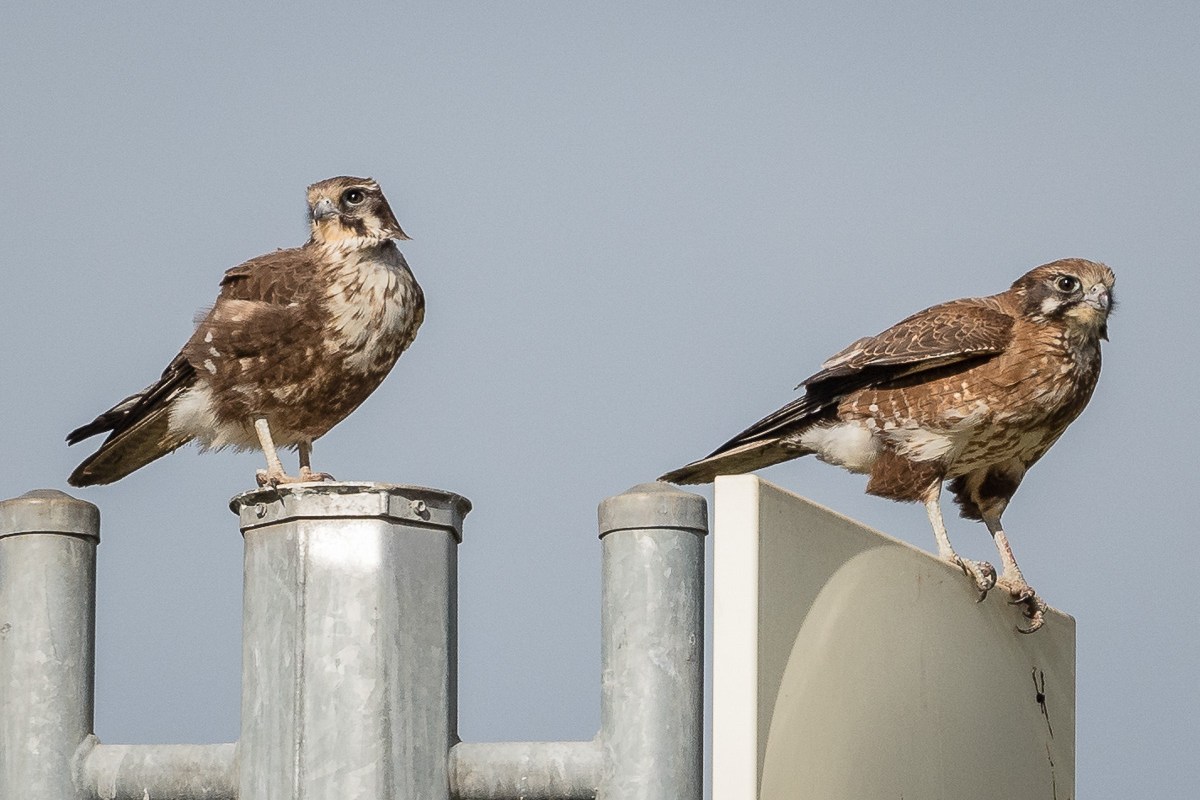
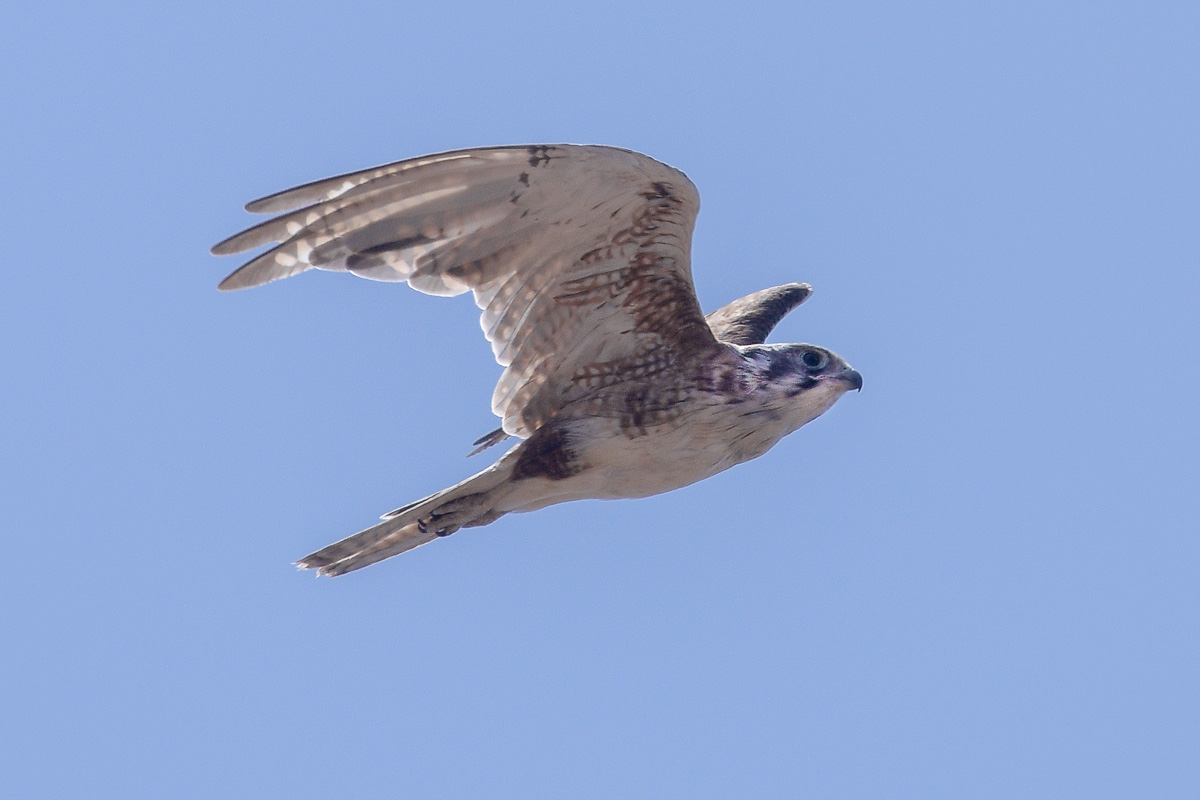
Later in the day, (my, how time flies on a blog), we spotted a Brown Falcon zip across a bund and over a pond, to land on what looked like a small mound of stones and earth. This bird was particularly interesting as it had an almost pure white chest. And, as it turned out, was one of a pair, both in light morph. But that is for another story.

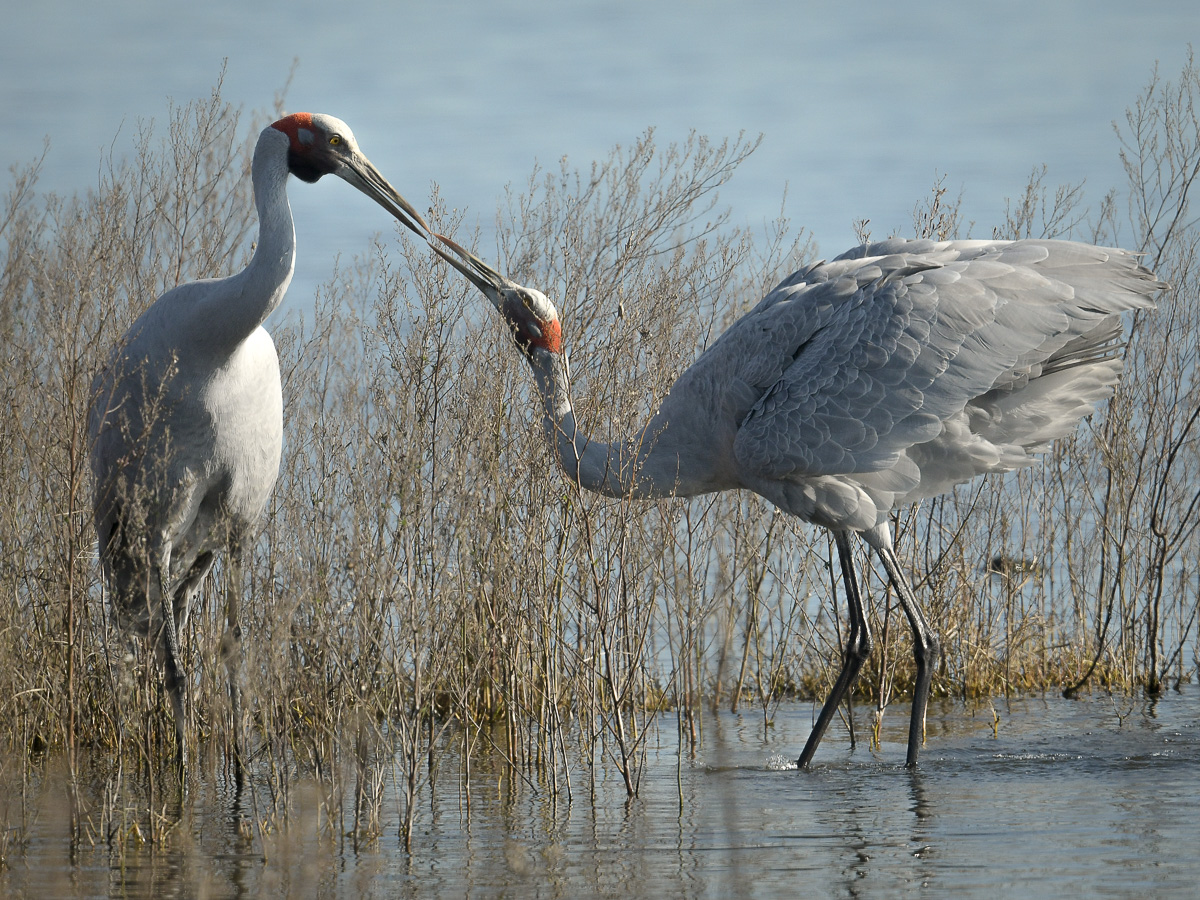
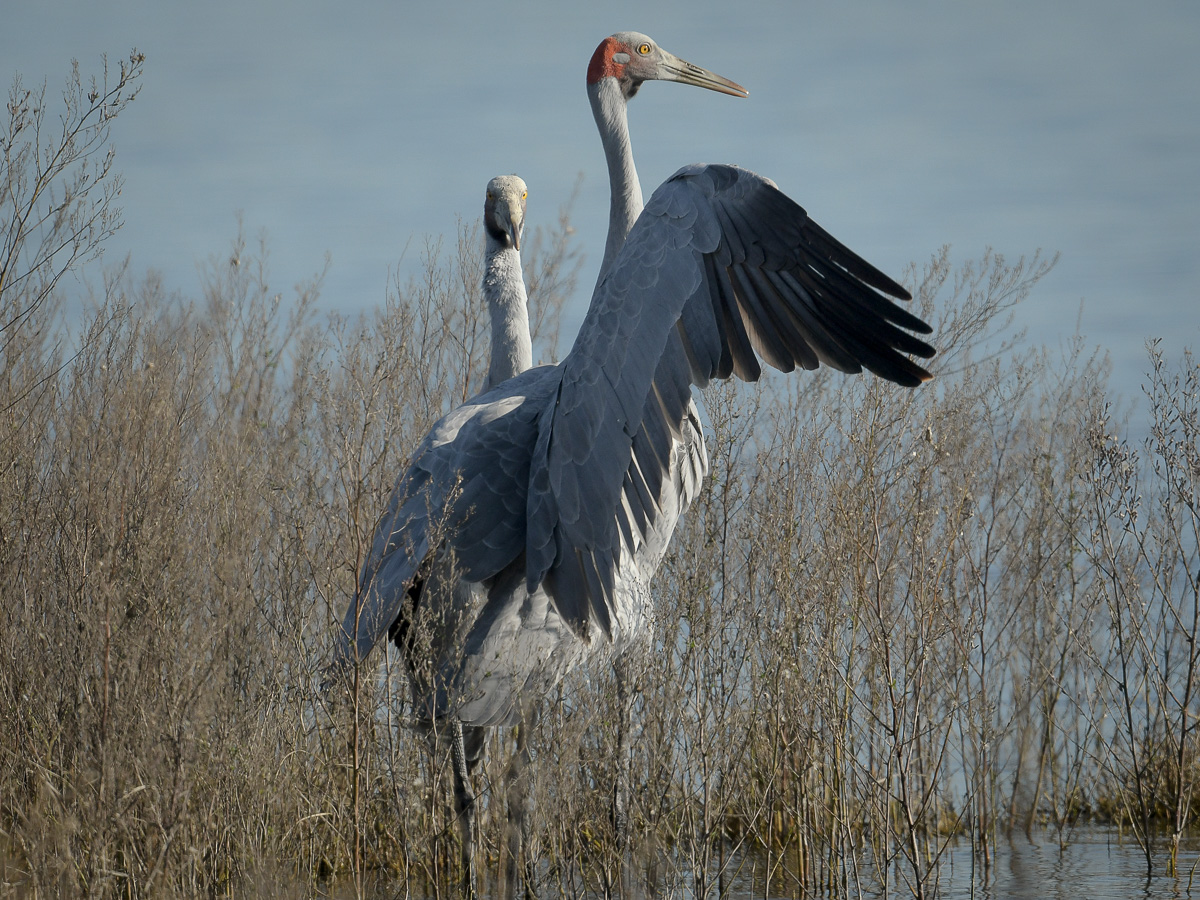
We parked near said Falcon, and EE noted, as she does, up the track was a pair of Brolga.
We slowly walked up toward them. They had settled on a small ‘peninsula’ of grasses on the pond so felt safe enough, and after a couple of checks went about their business. We stopped at a repecting distance. They were in no hurry, and neither were we, so it was a great opportunity just to watch.

When on a sudden, one stood up, waved its wings, touched beaks with the other and proceeded to waltz around the grasses and out in to the water.

And for the next five minutes we were spellbound by the performance. Sadly I was much too close with the long lens and missed all of the aerial leaps and bounds.
Fascinating to see such a big bird delicately lift into the air and featherlike return to the water.
Finally there was another round of beak-touching and a small splash in the water to cool down.

They walked up the bank, and crossed the road in front of us without any hesitation. Once across the road, into the next pond, a preening session completed the performance for the day.

With three large grins we walked back to iAmgrey and headed off to Gerry’s for a coffee and chat about the experience. It was one of those days when a short piece of video would have been just the ticket.

Enjoy.

Down the Up side

Varied Sittellas form part of mixed winter flocks in Grey Box Forests. (Probably do in other forest settings but for this page, I was working in my fav forest type. Grey Box.)

We found a mixed flock that included some lovely Golden Whistlers, Silvereye, Flame Robins a number of Honeyeaters, including Brown-headed, together with several Jackie Winter as well as a mix of Zebra Finches and Thornbills, mostly Yellow-rumped. And 8-10 Sittellas.

Sittellas are interesting as they tend to work over a tree by starting at the top and then spiralling downward. Unlike Treecreepers which tend to work up trees.

With so much happening it was hard to know where to look next, but I stuck with the rapidly moving Sittellas, (only to be distracted occassionally by the Jackie Winters- as you would expect if you’ve been following this blog for any length of time.)

In the end, I ran out of time, as my transport for the day was ready to move on, but I was pleased to drop the files into Lightroom and re-enjoy the time.

Enjoy.

“Spot”, the Harrier

Spotted Harriers, have enormous territories. I’m told to 10,000sqkm. But I don’t have a way of measuring. I do know that they are very much nomadic in our area. Might see one or two for some months, and years can go by before the next sighting.

We’ve seen several pairs come, nest and then go, and always have high hopes for a sighting.

One has been working around the coastal park and out into the wider volcanic grasslands.

The other morning, a fuss by the local Magpie clans was enough to sweep about to see.
And there coming down a fenceline, in the typical languid flight, was a Spotted Harrier.

Followed by a flotilla of Magpies.

Magpies can really only call, and make mock attacts, because despite its apparent slow, lazy flight, your average Spottie can turn a knot or two of speed if necessary and it has those long dangling bits hanging out the bottom which is can indeed use with surgical precision. I once saw one attach to a clawful of Brown Falcon feathers, and the Brown was lucky it was body feathers, as if its had been a wing it would have no doubt suffered severe and serious damage. If they can pick up a rabbit and not even hesitate in flight, grabbing a close approach Magpie would happen in the blink of an eye.

After a minute or two the Magpies felt they had achieved their warning and Spottie continued along the fence line and flew past me.

Enjoy.

Click on a photo for a larger Slide Show

Back to School

Mr An Onymous dropped me an email, saying he had booked for a Wetlands Birds and Port Phillip bay Seminar complete with field trips. The event was for 10 Satuday mornings and trips to local areas to look for birds and the features of the seminar topic for that day.

So I booked. Thought I’d take the train down to the location as the talkfest was at a library quite near the station, and Mr An had offered to provide Uber support to get to the trip locations.

Fascinating few sessions that covered the history and development of the geology, geography, water systems and the like. Helped get a good picture of why some waders and migrants visit some spots and not otherr.
The area around the top end of the Bay has undergone signifcant housing and manufacturing development, and has to put it just blunty, been not very kind to the vast network of wetlands, swamps and backwaters in the area. Also fascinating has been some of the attempts to overdevelop the beach areas.
Credit also has to be given to the council and community groups and the research projects that have been conducted. Even if at times it seems that each group has both a different goal and plan to achieve their outcomes.

So with lots of numbers and ideas along with data about the areas flying around in my brain, we set off to visit the trip areas. Of course, not before, the necessary cuppa and bikkie to sustain us for the “Expotition” (Winnie the Pooh)

In all we visited 10 locations—didn’t find the North Pole
.One was opposite Mr An’s house and the last one was at Point Cook Coastal Park which is beginning to become our new ‘office’.

Here’s a sampling of the days outings.
Oh, and I did enjoy the clickyclack on the railway track as I’ve not been train bound for a number of years.

Enjoy

Dancing Queen

Who doesn’t love ABBA? Rhetorical question. But for those who do, Crank Up the Music.

We have been watching a Little Egret working the low tide shallows for the past few weeks.
Little Egrets like large areas of shallow water and will chase prey about in a series of long steps and short wingflaps. They do look like they are dancing in their elegant pursuit of highly mobile prey.
Sadly this one is out of breeding plumage and the long veils of plumes are absent.

The huges storms of about 6 months back redesigned the sand of the beach, the tidal pools, and mudflats. Swept them clean like a high pressure hose.
So much so that much of the normal feeding grounds amongst the mud and sand have been stripped away. The usual beach dwellers, ducks and waders have had to move to new feeding grounds.
The open waters seem to have been suitable for the fish to come in on the tide, and much to the delight of the Dancing Queen easy to spot in the shallows against the mudflat backdrop.

So Crank up the Music.

Beach Day: Crested Terns

On a free day, with some good sunshine, a place I like to check out is on the end of a little point on Port Phillip Bay.
Because of the formation of the area with a long tongue of basalt from ages past volcanic eruptions, there is a mudflat that extends out several hundred metres. On low tide the flats are well exposed and some of the rock edges allow the birds to rest out of the water.

A small colony of Greater Crested Terns are regulars, but recently over summer they have been away on nesting duties, as there is no suitable area nearby.

So it was good to walk out on the damp sand and sit on the rocks with the Terns and watch them preen and hunt and interact with their noisy, always crying young.

With so many gulls around any catch that was made was hotly pursued by the gulls. And at one point a frustrated Tern decided to attack the annoying gull.

And all too soon the tide began to flow in, and it was time to slosh back to the dry sand.

Enjoy

Click on a photo for a larger view in a slide show.

Along the Track: Crowned

One of my fav little forest birds is the Purple-crowned Lorikeet.

Our local river edge forest is usually a pretty reliable spot to find them.
They are a tiny lorikeet and spend their time among the higher branches and leaves so are often heard, but seldom seen for good views.

The older RIver Red Gums are great hosts as they provide not only a source of food, but also the older trees have great nesting holes.
We have had over the years several pairs that have been domicile, and produced several clutches.
The little birds are not as raucous as their Rainbow cousins and have quite a sedate and elegant nature that makes them a joy to watch, and to photograph.

Unfortunately since the great floods of a couple of years back, we’ve been unable to gain access to the nesting sites, as the river caused damage to the access track and the bridge area. PIty, as they don’t often fly over the river for a visit.

We were back down along the river the other day, and I did see a pair fly into an older broken limb close by, so went to investigate.

After a few minutes both came out of the hole and after a bit of discussion and preening, they took to wing and were gone.
None the less, it was a few minutes of delight.

Enjoy

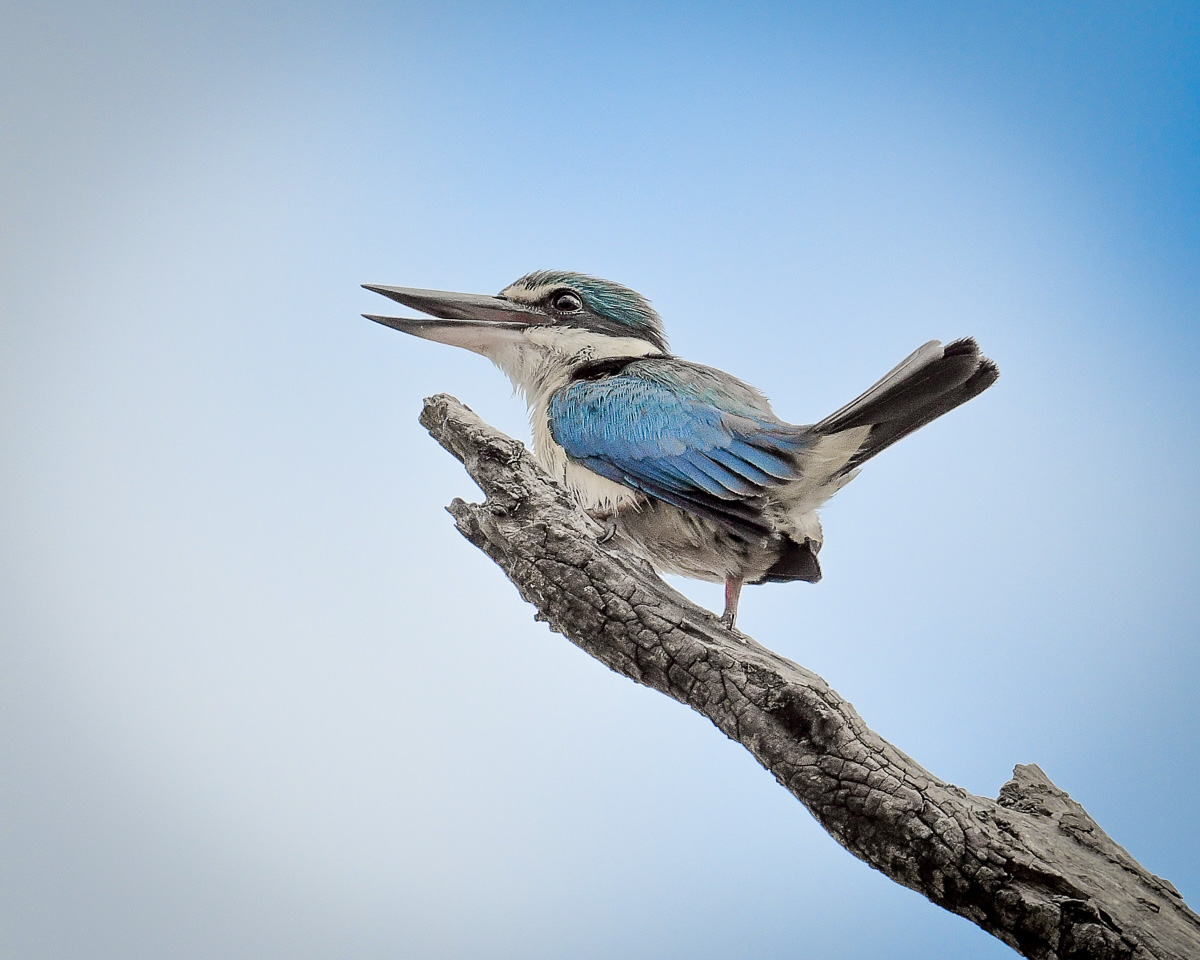
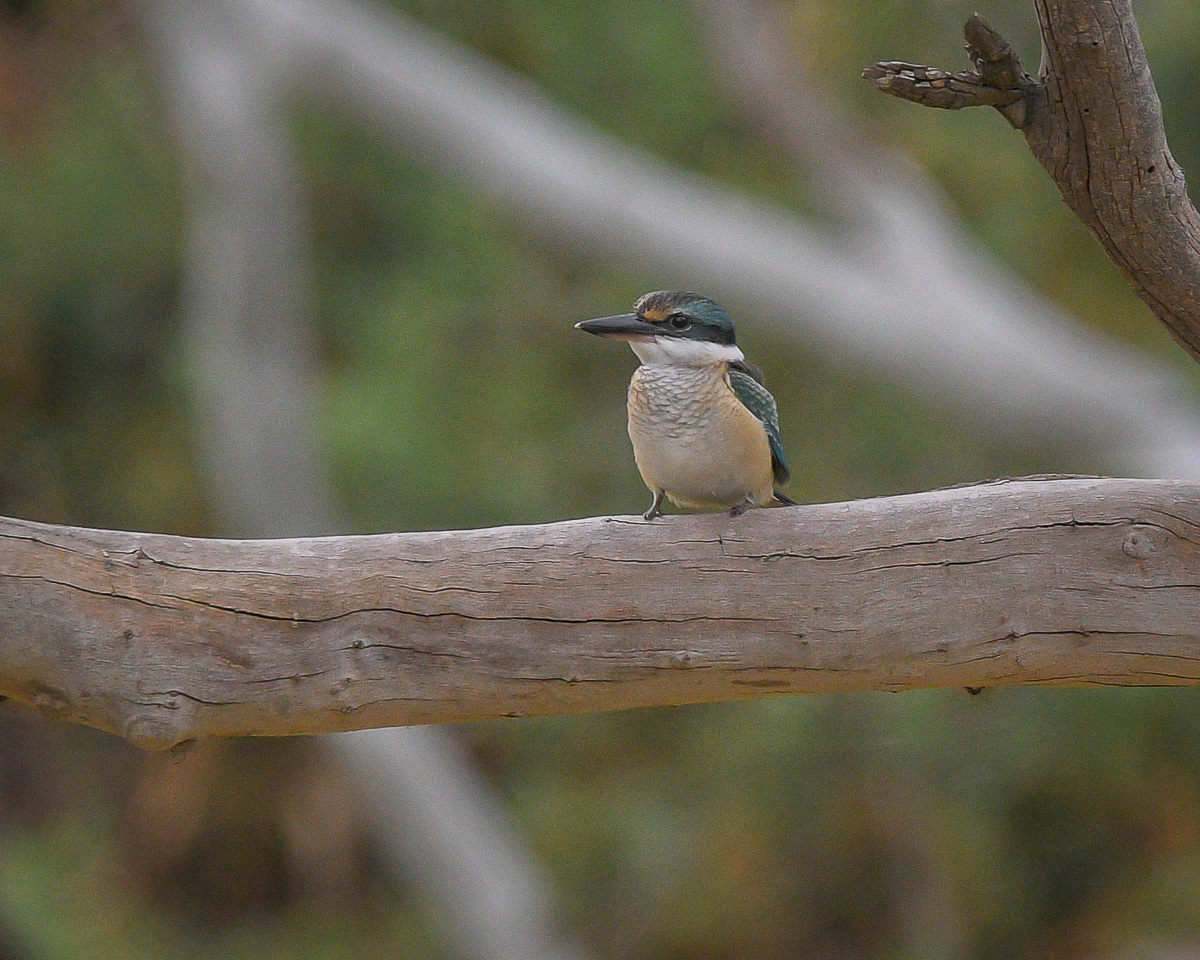
Sacred Kingfishers: Portraits

Seems for ever since I started this series, and now I’m going to share some of the more intimate portraits from the season.

It needs to said, again, that these birds were not under any stress from our presence, indicated often enough by their close approach, and sometimes complete indifference to our presence.
No photo is worth stressing the birds and it’s something we are constantly aware of.
If I approach a bird, it baulks and flys on, then that is a serious failure in their trust on my part.

Working with the young is just a little different as they emerge to fly and as we were in the area every other day, they just accepted ourpresence. I invited a friend down one day and while we were standing together, the birds were comfortable. But if he walked about on his own, they would quickly relocate. So much so that in the end, he commented to that effect.

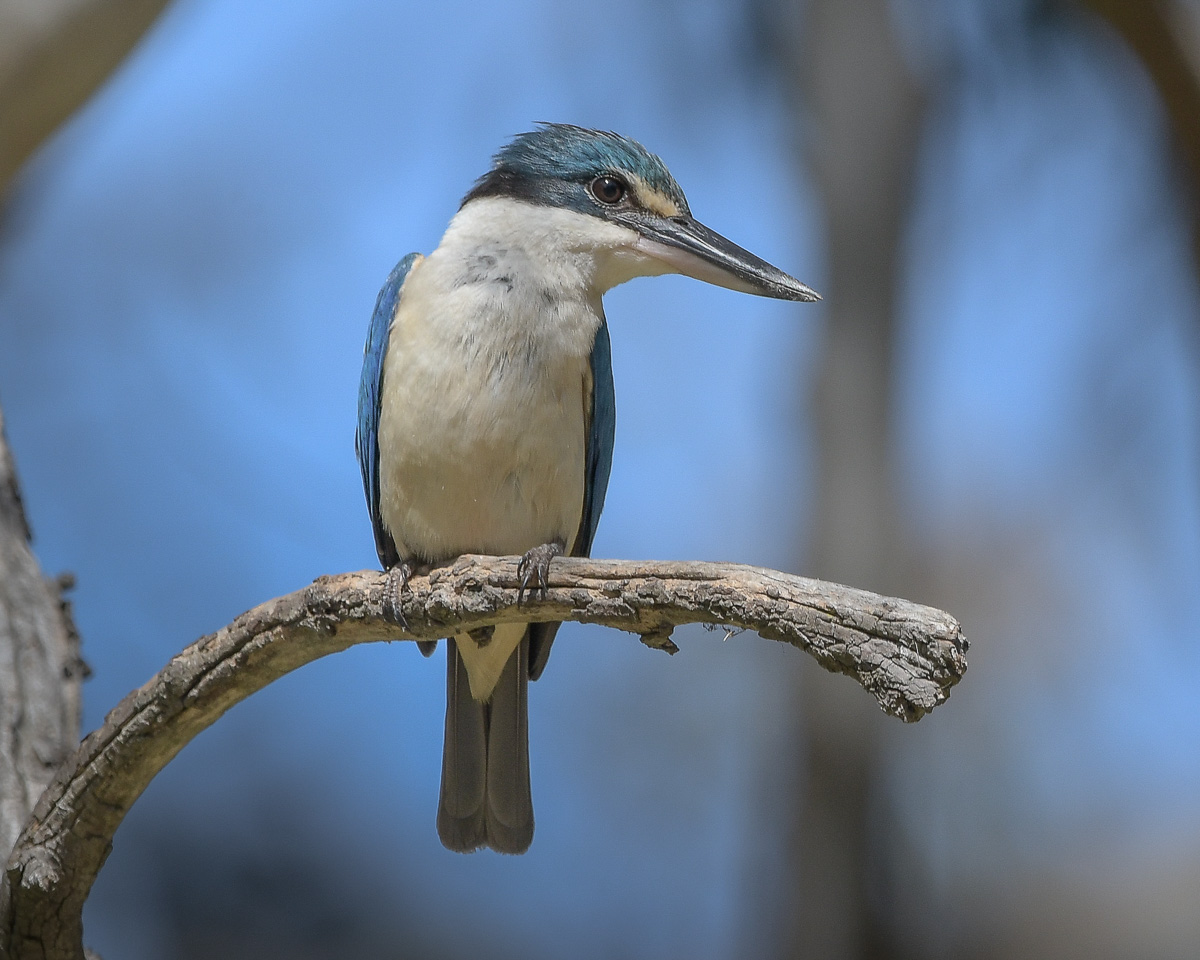
Quite a number of the portraits were made with the bird resting quietly on a branch, and me standing still, waiting.

Not all birds react this way. But we believe the time put in working with just a few birds rather than trying to spot many in a day and build no connection, is worth it.

I’ve quoted from Jon Young before, but here it is again.
… a San Bushman said, ” Every time I see and recognise an individual bird the thread stregthens. Eventually it will grow in to a string, then a cord, then a rope. This is what it means to be a Bushman. We make ropes with all aspects of creation”
Jon Young, “What the Robin Knows” p.xxv

My challenge is to acquire an understanding of the bird’s perspective. Or at least an appreciation of that perspective.

Here’s a baker’s dozen.

Enjoy

Sacred Kingfisher Nursery #07: How Quickly They Grow

Writing this up now—several months later—it made me think how quickly the time we spent with the clutch sped by. They are, no doubt, off for their winter layover further north. The adults to ponder a return season, and the young to set up families of their own.

WIthin only a few days of being out on the wing, the young were beginning to learn hunting skills, and quickly became confident at the drop and grab technique.
Dad now began to have time to look after the other skills that no doubt a young Kingfisher must master.

About 150m along the river from their territory a pair of Collared Sparrowhawks had begun a late nesting, normally they would have their young out and about well before the end of the year, but it wasn’t until mid-January, just about the time of the young Kingfishers training weeks that the two young Sparrowhawks fledged. So it was not unusual to hear the crys coming through the forest as they learned to swing out over the trees and chase one another through the understory.

On several occasions one wandered over the Kingfisher location. Dad would sit in on a branch in an open area and call very loudly and make lots of wing and tail flourishes. I concluded it was as much a warning for his young to take cover or at least be aware of the danger, as it perhaps was to attract the Sparrowhawk’s attention. Depending on the threat level, sometimes he would land on a branch under some leaves, and make himself very thin, and point his beak skyward, almost vertically. He could hold that pose for several minutes until the danger had flown off further along the river.

I only saw one of the young adopt the same pose, but as they were so spread out most of the time, it was impossible to locate them all at one time.

By the end of three weeks, the young were pretty much independent, and became harder to find. Eventually we had to conclude they had moved away from the nursery area and our time with them was over for the season.

I have one more post to make next week, mostly portraits, as we had lots of opportunities of the young landing close or hunting and sitting nearby to eat.

Enjoy.

Sacred Kingfisher Nursery Act #06 Then there were Three

The first few days after the first flight, we had little success in locating more than one young bird. It would always be high up among the leaves, and unless we followed the feeding male, it was hard to even locate the small one.

But it quickly developed strong flying skills and even started to poke around among the old bark searching for a snack.

One morning it was hard to keep up with the male, first he was on one side of the track, then, on the other. And it soon became clear, that there was two young. Which made sense given the amount of food that had gone into the nest.

They were hardly ever together so it was difficult to notice any distinguishing markings. But at least now the two seemed to be in the same area, so it was possible to keep track of them.

We were just about to take a morning break and moved to an old log for a cuppa, when on a branch just over the log a young Kingfisher landed. As we had just left two somewhere behind us, we suddenly realised. There were Three!
And as seems to be usual with birds with three in a clutch, two seemed close together, the third one much more an independent individual.

The young have a peculiar call, which is pretty much constant, and kind of hoarse buzzing, and the adult seemed to utter the same sort of call from time to time. Which did help to find them, now, among the scrub and tall trees.

Feeding went on apace, but the young were no slouch either and were soon making forays to help themselves.

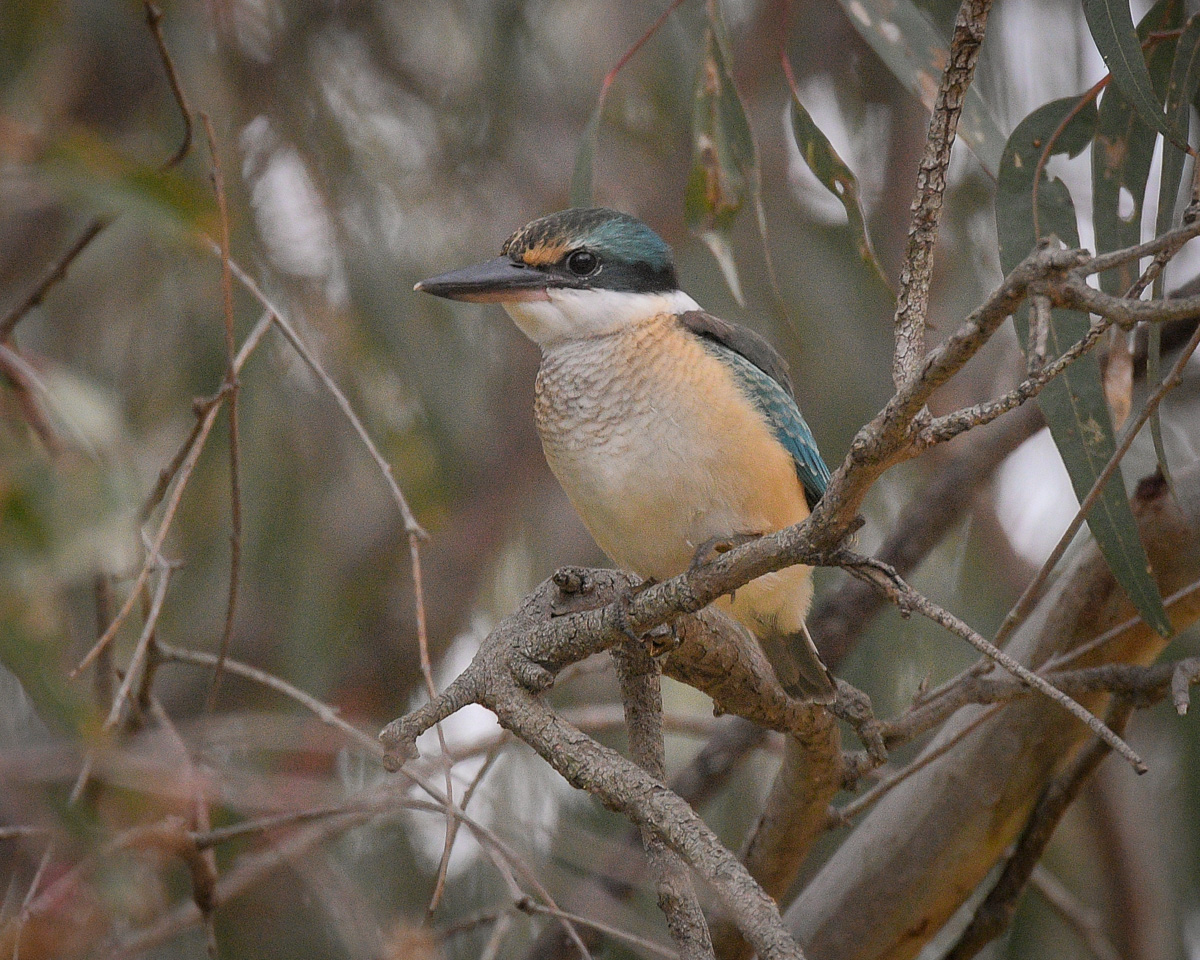
One of the most interesting things was the markings began to change. The wing feathers are burnished with a rich bronze edge that seemed to become more pronounced as the days went on. Two of them had elegant white-eyelashes below the eye, while the other didn’t.
Perhaps is a id feature for the sex of the young, but I really don’t know.

Here’s a look at the week’s work.
Next will be the last post, as they began to work very much on their own, with Dad only offering supervisory advice from time to time.

Enjoy

Sacred Kingfisher Nursery: Act V-First Flight

We arrived one morning and scanned about the nest. No adult flying in, but that could have been normal. So. We waited. Time, did go by. About an hour infact before we both acknowledged that they were no longer tending the nest.
A quick look around the nearby trees, did not find any sign of young, nor of either adult.
We crossed over the small depression that acted as a water overflow in flood, and looked further down the forest.
Finally, a flash of blue in one of the tallest of the River Red Gums.
And, way, way, way up high was a smaller golden and blue bird. They had managed to get at least one off.
Much too high for good photos, so we went back to waiting.

The time between feeds stretched out to from 20 to 30 minutes. There was no need for the little bird to fly down, and so, it didn’t.

The long wait between food could have been explained if there was at least one other young one somewhere, but look as we might. To no avail.

A call from one of the adults and the little one zipped out of the tree and across to where the food was waiting. Then suitably stocked up, it flew further down the forest, and we followed.
This time is was a little above head height and we held back to see if it would be fed.

It amused itself by preening and trying to manipulate a stick it had broken from the branch.
Eventually Dad returned with a morsel and things seemed to be going well.

We left, still wondering after all those food supplies that went into the nest, if there might not be more than one. A solution didn’t seem to be forth coming.

Here is a selection from several days on the wing.

Enjoy

Kingfisher Nursery Act IV First Sightings

We arrived one morning to find some splashes of white on the outside of the nest.
A good sign.
Once the young begin to move about, they back down the hole and eject out of the nest. Nice to have a clean home.
But getting a glimpse of the young was much more difficult.

Over the next week or so we were able to get to see one poking its head around the corner to accept a meal. But most times the wing position of the adult hid them from view, and the head only came out far enough to grab the meal and then very quickly retreat.

Also the weather didn’t help us a lot, as it was mostly overcast to porridge sorts of days. Add that to the thick canopy cover, and camera settings became less than ideal.

The parents were now in high food finding and delivery mode, so every few minutes a new offering would arrive. Out would pop a tiny beak, and the food was gone.

Looking at the results on screen later, it was interesting to see how over the days the feather changes began to take effect. First they were rather grey with some white, then little streaks of white down began to disappear, and some facial colouring of buff orange and grey were noticable.

We managed to return about every second morning. So were in high spirits one morning as we arrived.
There were no adults about, so we waited.
After about 20 minutes there was no sign anywhere near the nest.
So, 45 minutes, and then an hour and still no adults.
Had they lost the clutch to a disaster over the past couple of days?
Or
Had they flown the young, and if so where were they, and how many?

We widened our search down the forest.

Here are some glimpses.
Enjoy

Kingfisher Nursery: Act III What’s on the Menu

It takes a little over three weeks for the eggs to hatch and another 24-27 days for the little birds to grow ready to leave the nest for the first-and-last time. When they do emerge, they are mini versions of the adults. And quickly pick up skills to feed themselves.

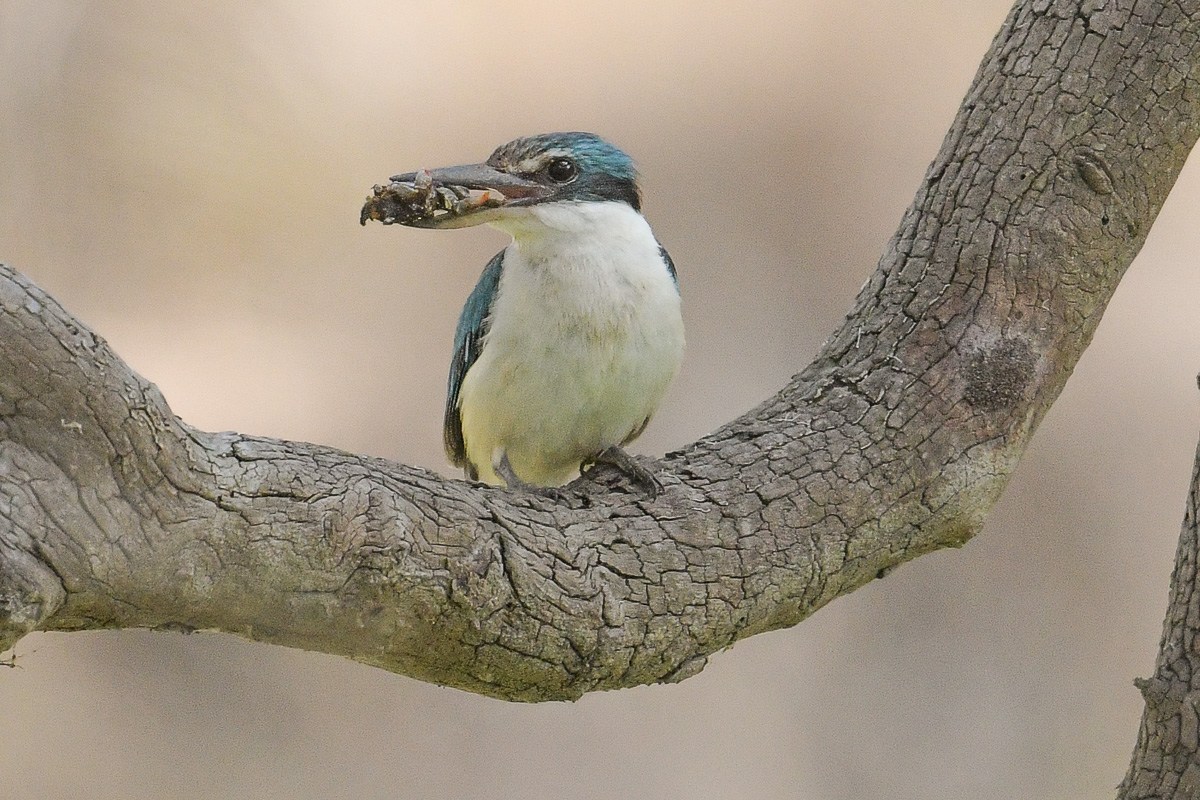
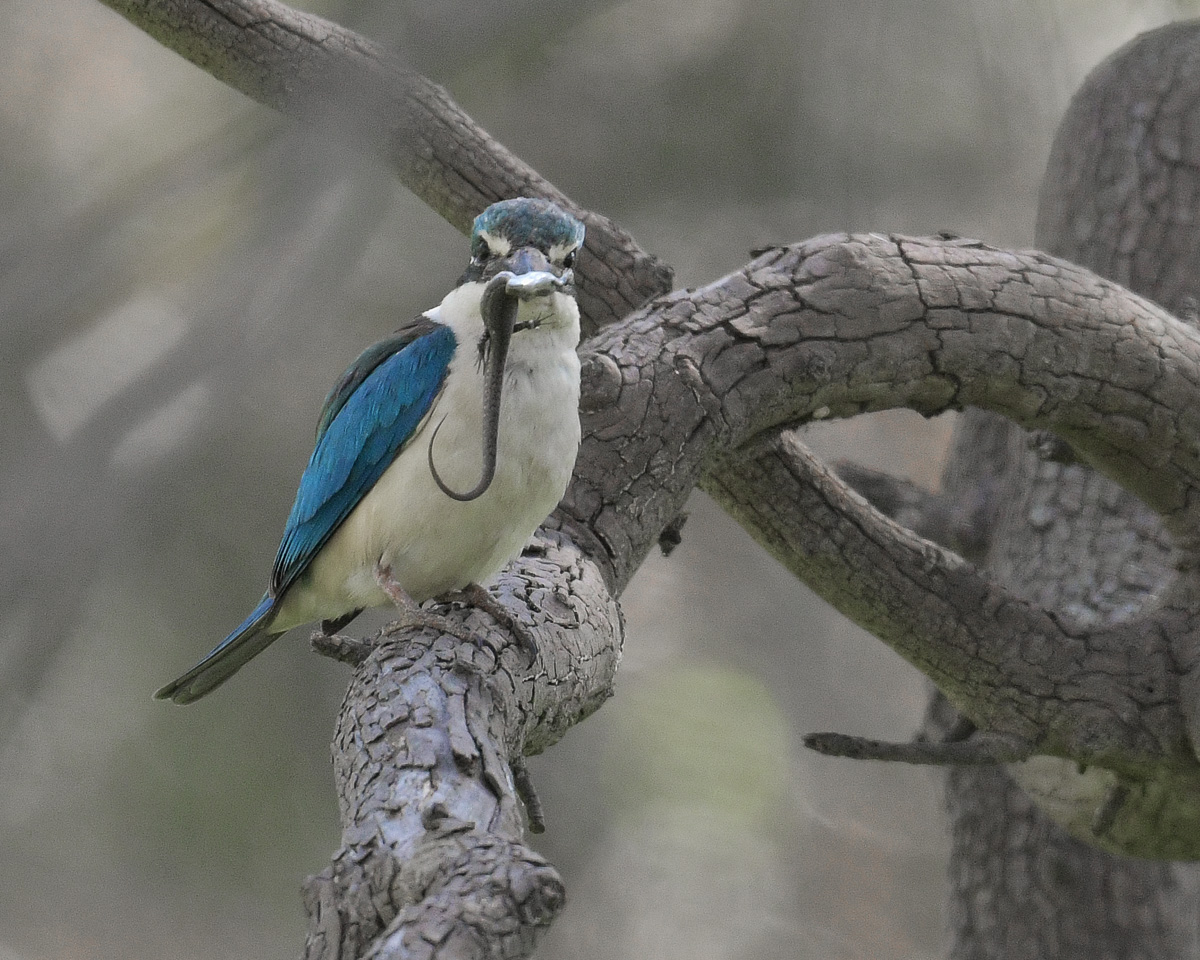
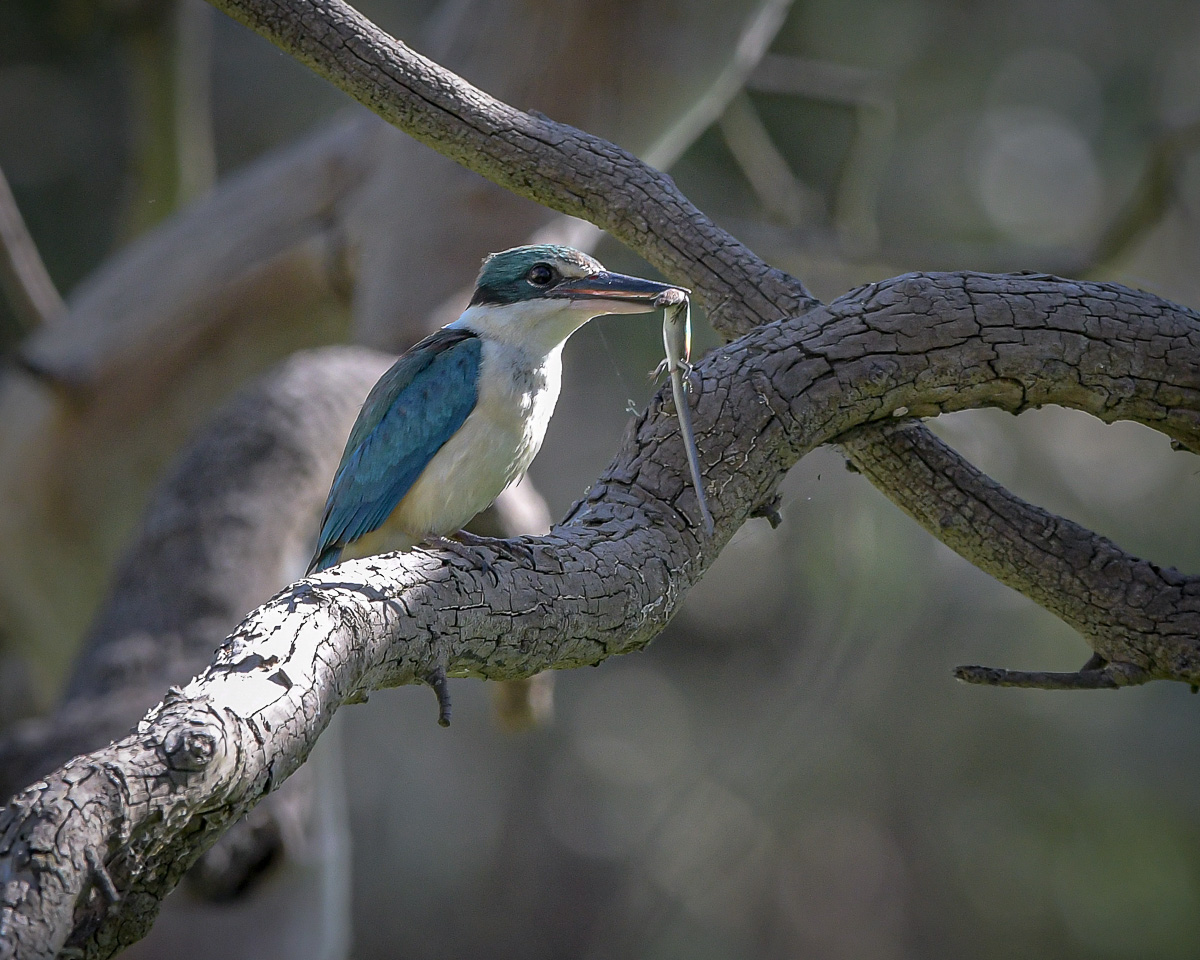
Despite the name King-Fisher, the Sacred variety seem to do very little, if any fishing. Over the 6 weeks or so of hatching and pre-flight, I only spotted a couple of tiny local river fish being brought in, and several other aquatic creatures such as frogs.

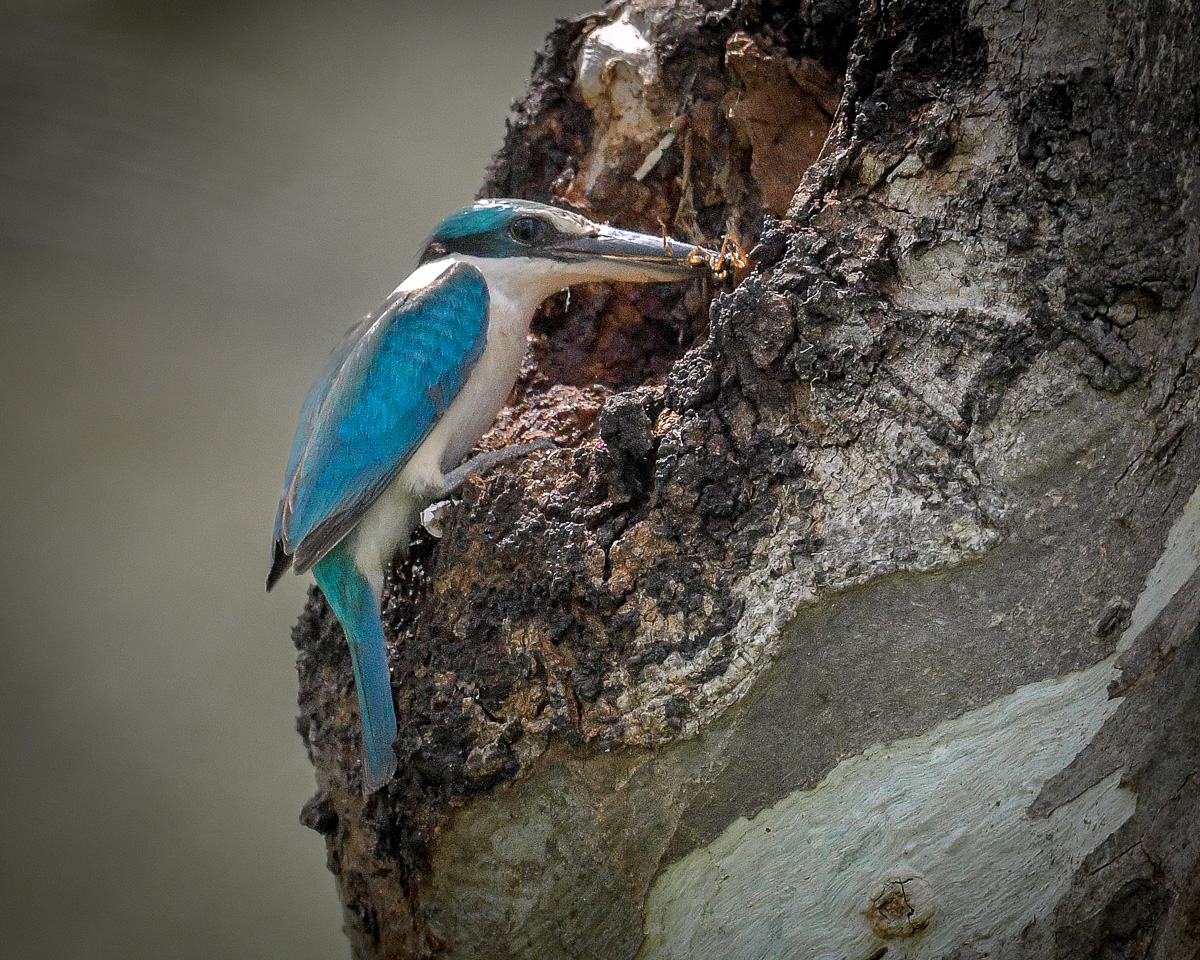
By the time the young were ready to be fed, the male had become so absorbed in his delivery job that he was by then, completly indifferent to our presence, and would do close flybys and land on nearby convenient branches. A few times he realised that as I was moving my foot around where I was standing that it had startled something to eat. The scary sight of a Kingfisher flying directly toward me caught me unprepared. He’d land within touching distance, pick up a treat, and then be on his way.
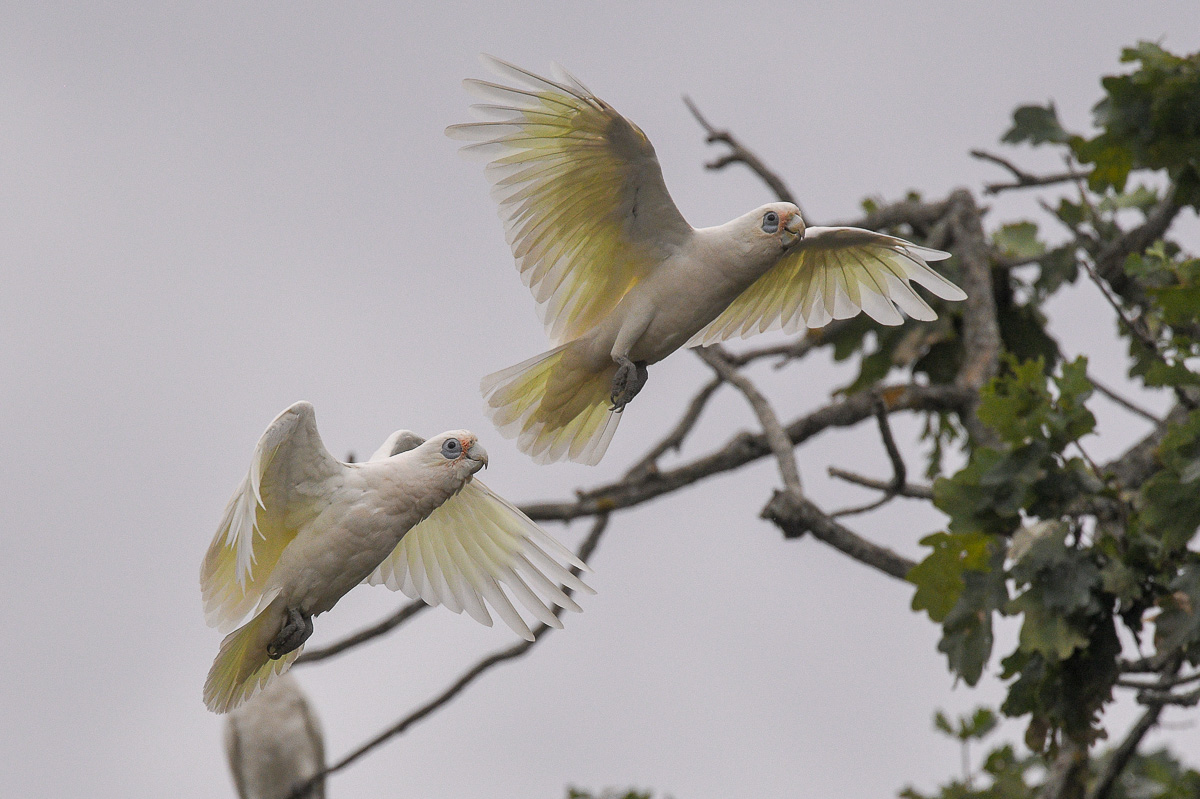
At first he would turn up about every 30 minutes or so with a snack for the sitting female, and on occassion she’d also take the opportunty to come out for a stretch and the male would take up sitting duties. After a time she’d return, sit close by and call, and it I was quick enough I might catch him on the exit from the hole. She, on the other hand didn’t give any warning of leaving and it was only luck if I even saw her emerge.

It’s imposible to tell when they started to hatch, and for some days he’d deliver food and she would have fed it to the young. After about a week or so, by my reckoning, she too was out full time and making regular feeding trips.
The time began became about one visit every 10 minutes. We began to wonder how many young were in there, and if they would not grow so fat that they couldn’t fly out, so much food was going in.

The eyesight of the bird was something I’ve never really thought about before, but it’s phenomenal. From a perch closeby, he could fly direct 80-120m to a tree, bush or to the ground and come back with something. The miss rate was very low indeed.

We still gave them as much distance as possible and didn’t move around in the area any more than necessary. He even become so relaxed that while we were enjoying a morning cuppa about 100m from the site, he would come and sit on a favourite branch over some ground cover and usually picked up something very close to the log we were sitting on. Once he hunted under the log near our feet.
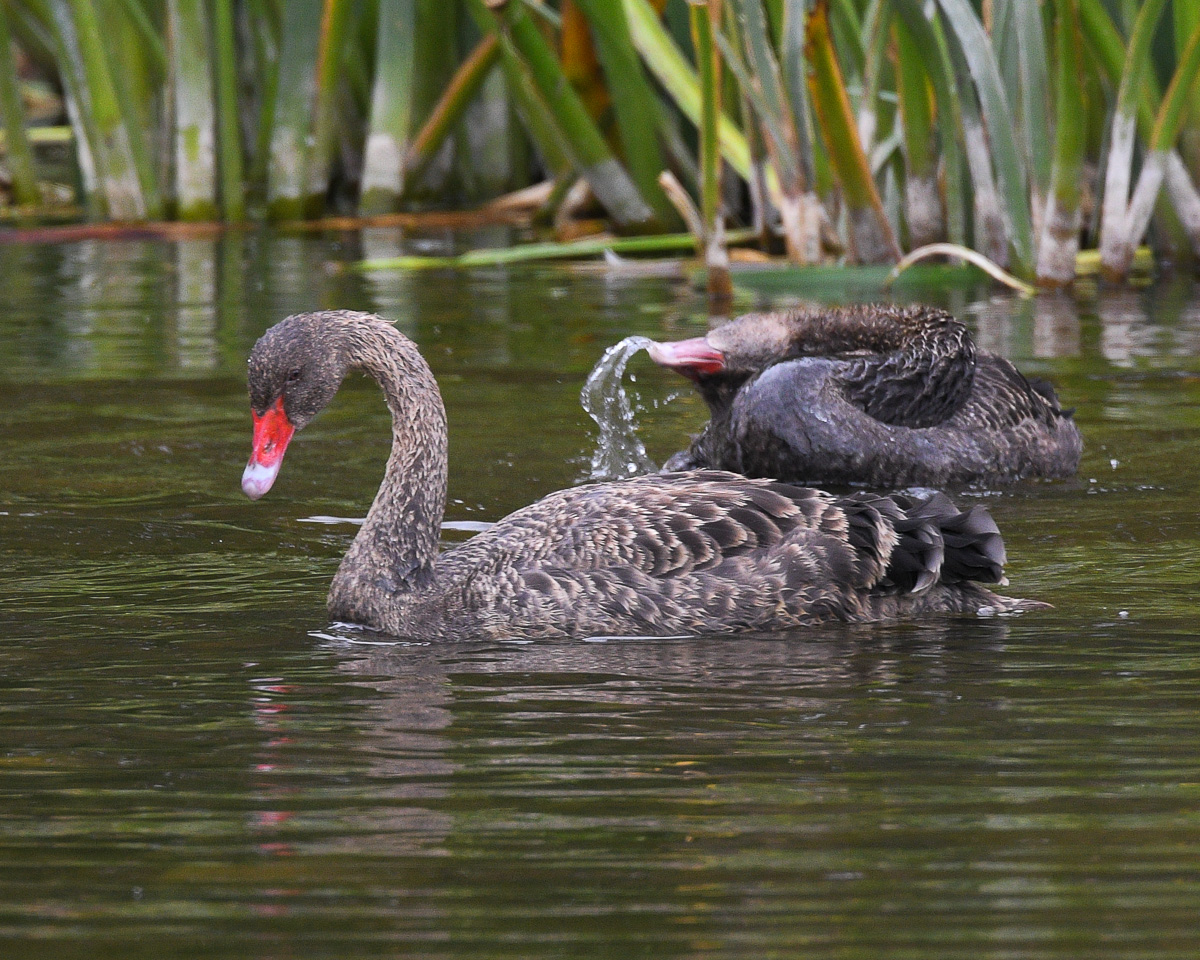
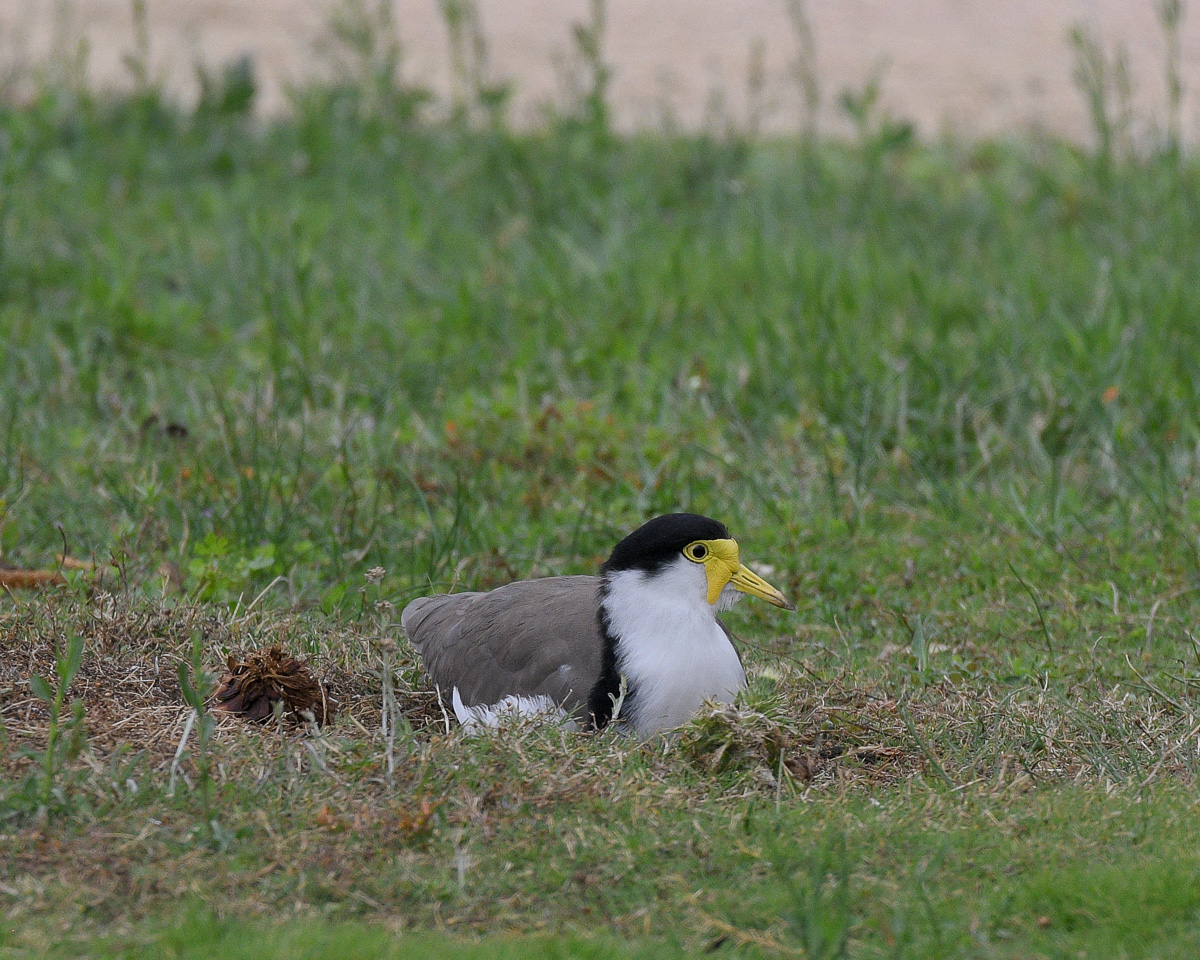
Here’s a selection of menu items, and I’ve had to be very selective as there are dozens more. With all that food going in we were now wondering, what was likely to emerge, and when.

Enjoy

Click to advance to a full screen album.