Little Journeys: Newstead

Mr An Onymous and Ms In Cognito had needs to travel up toward Newstead, and invited EE and I for the day.
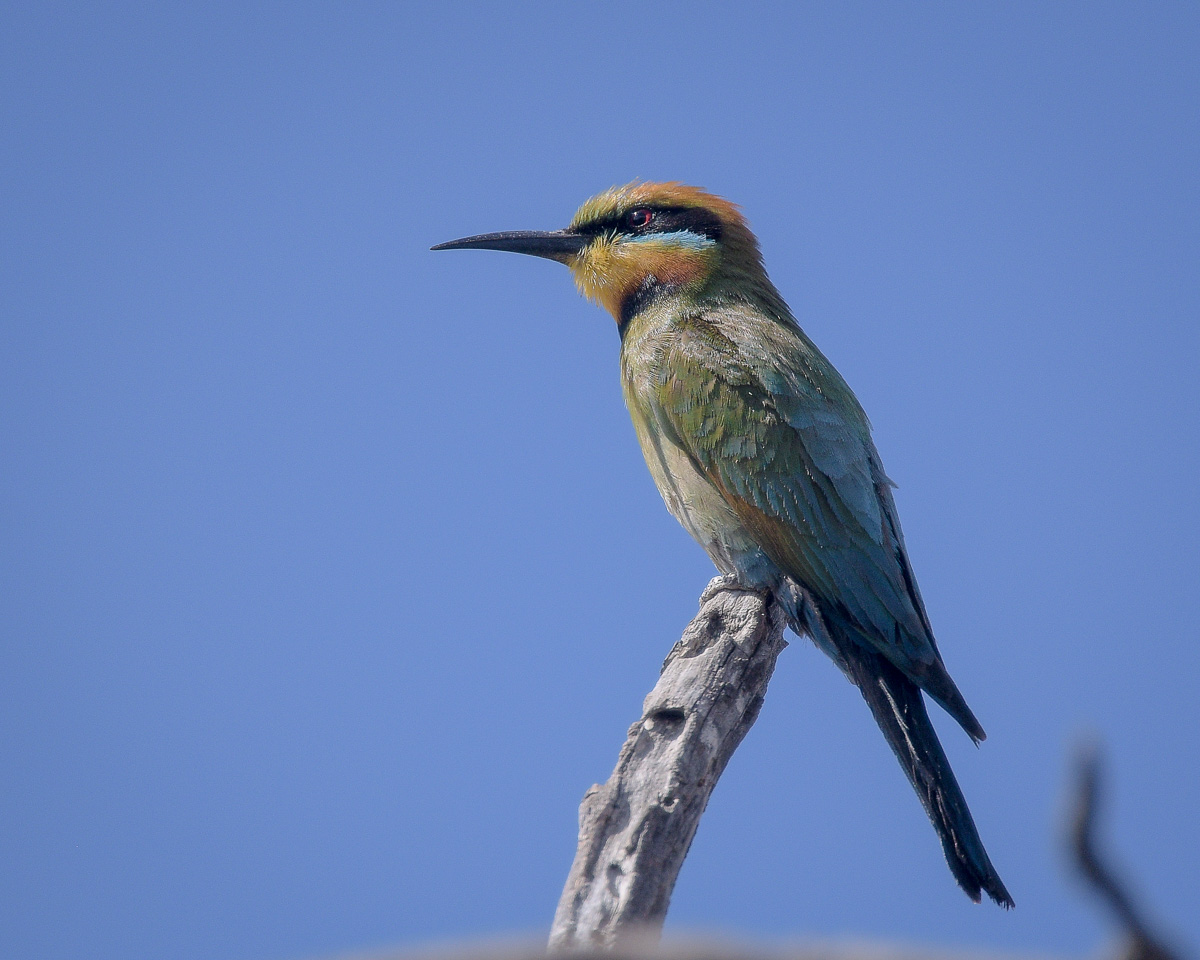
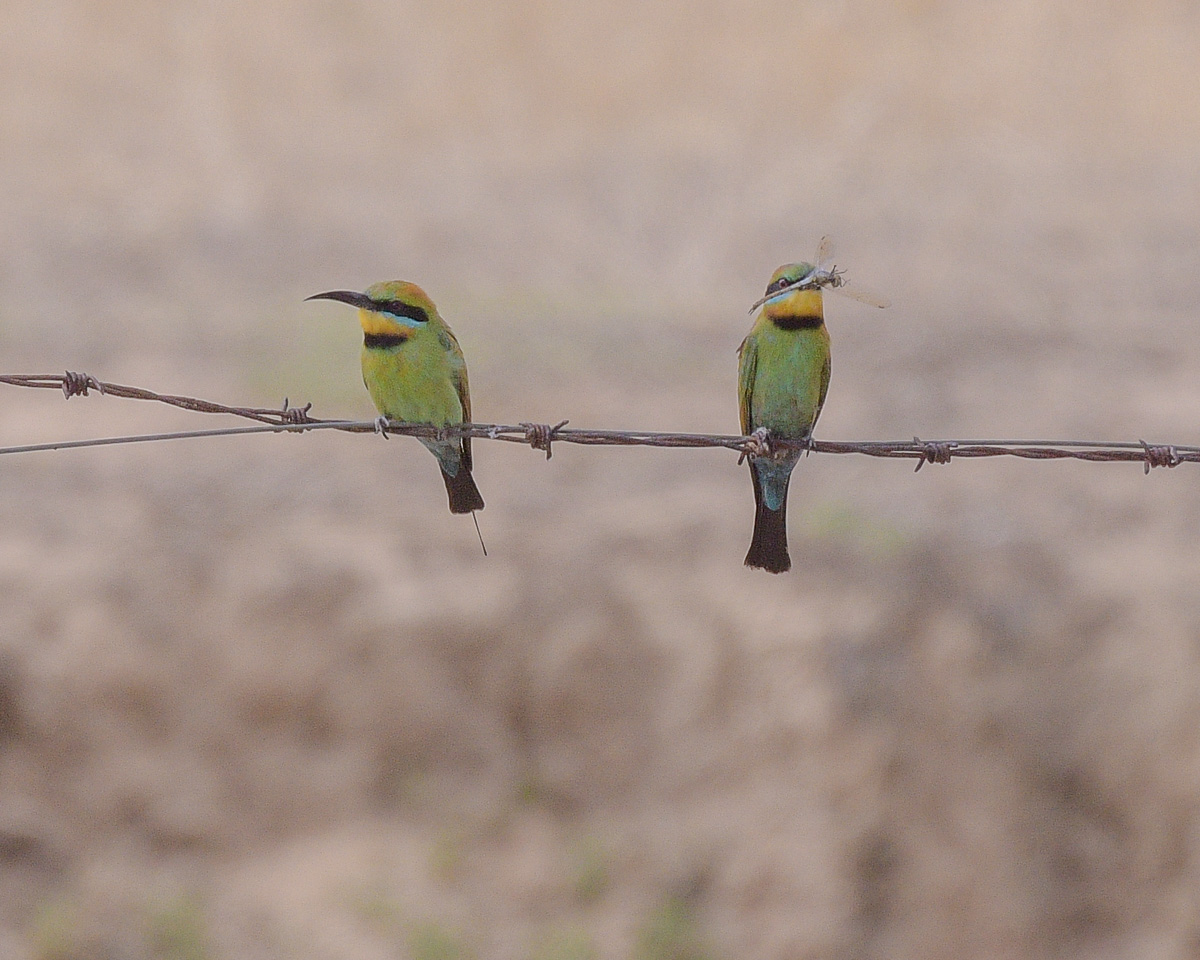
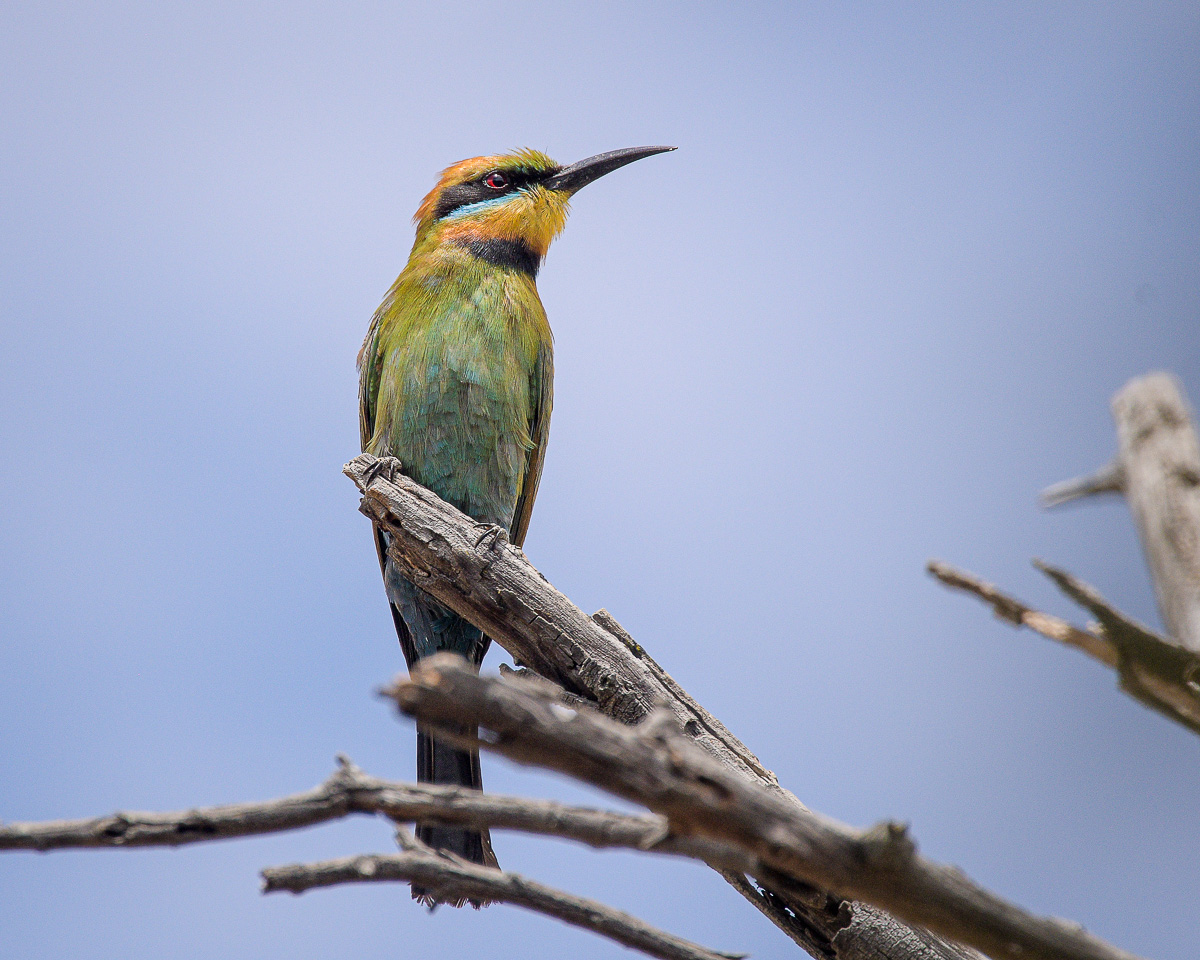
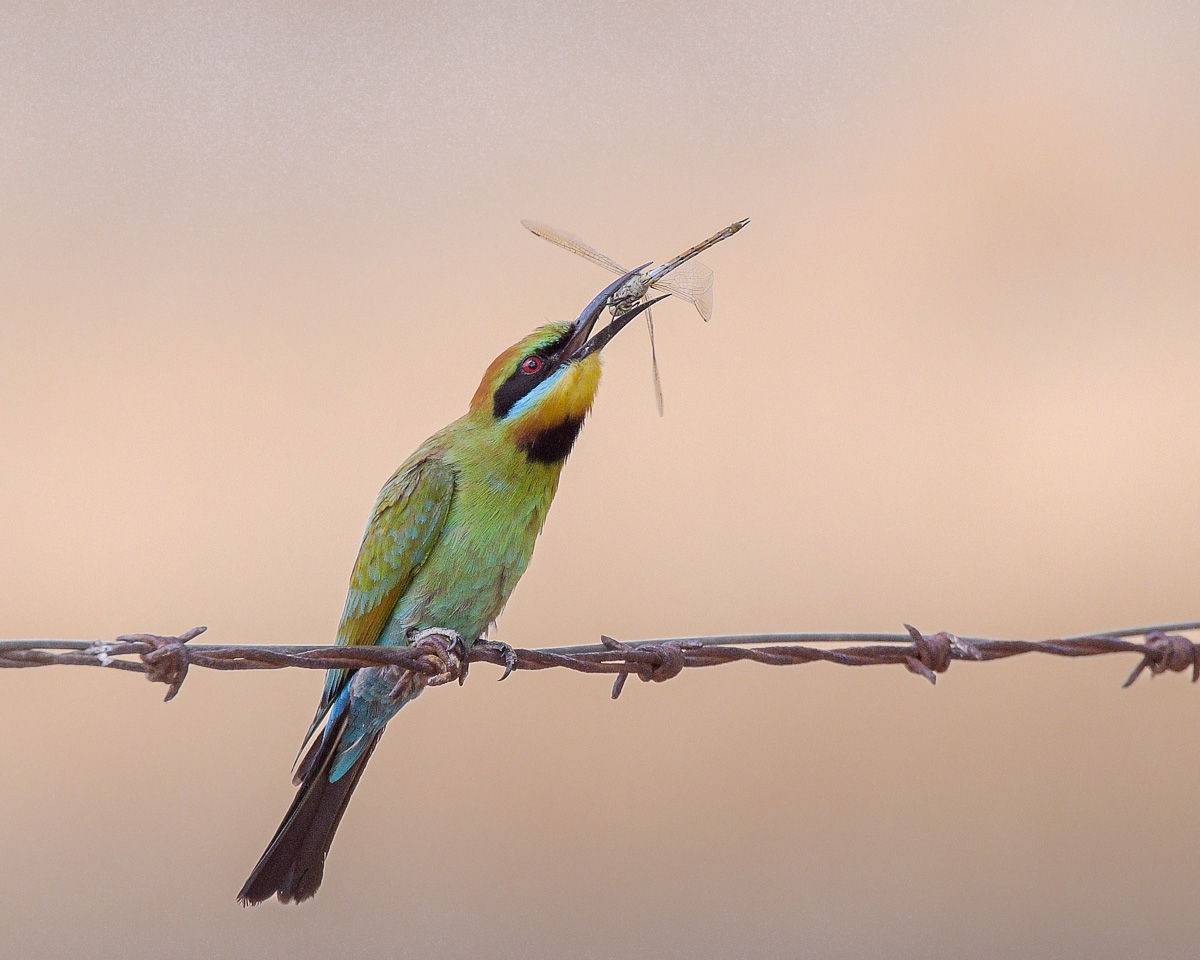
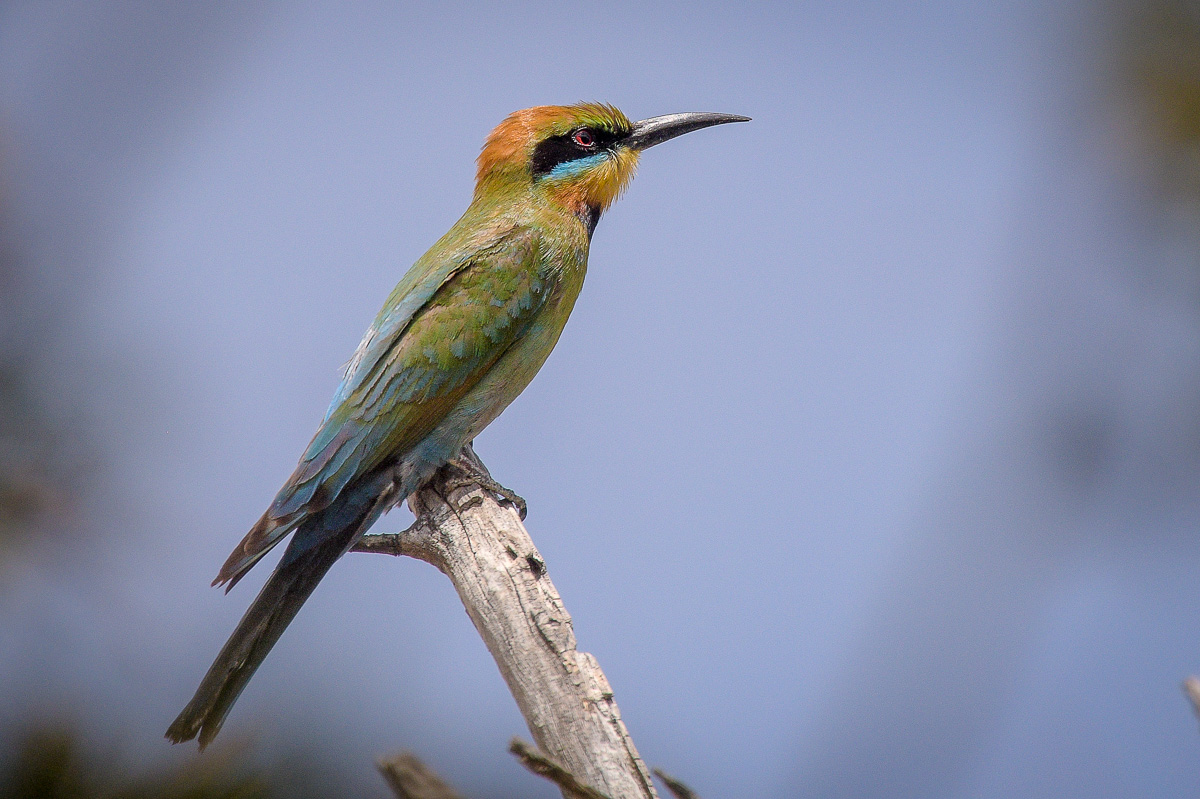
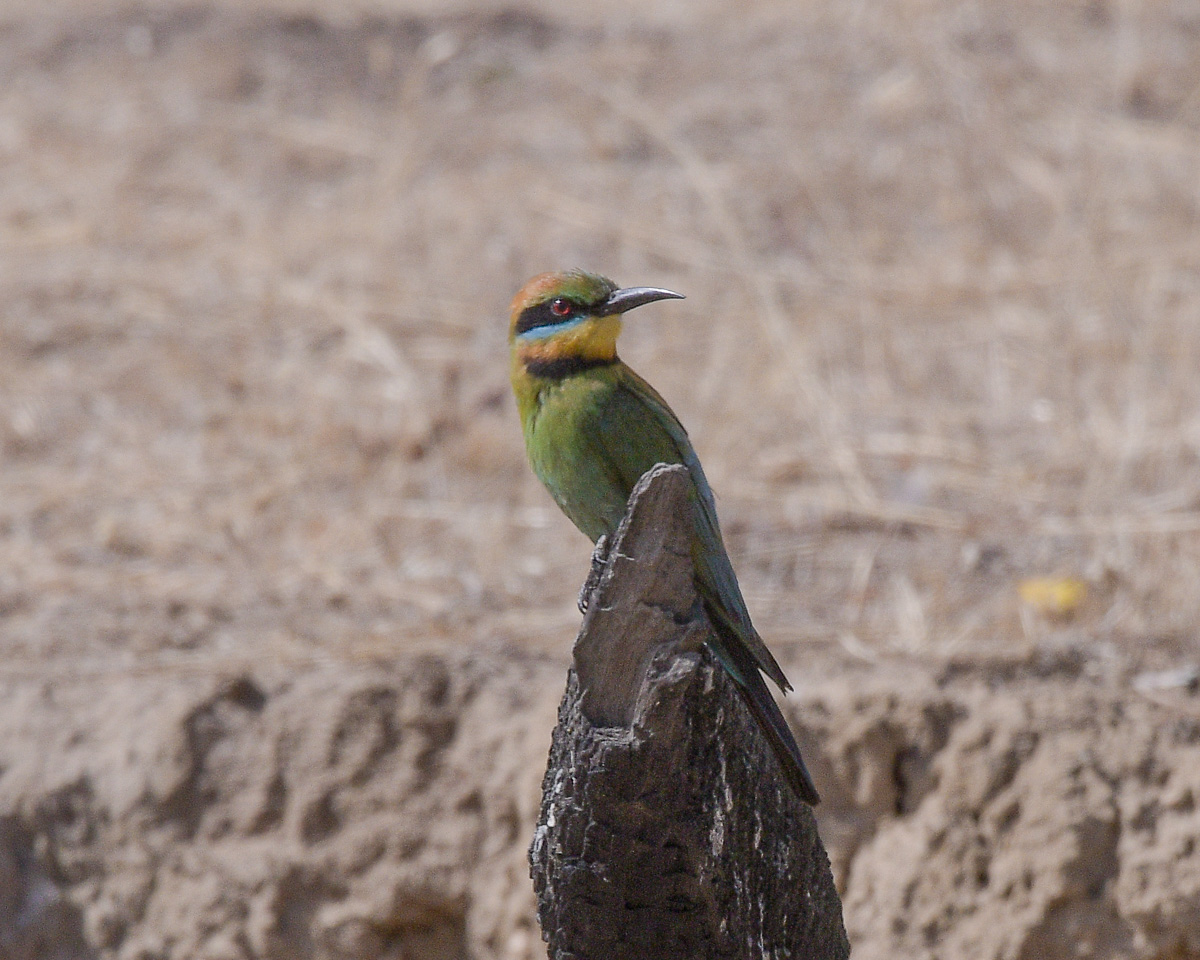
We decided a detour to the Newstead Cemetery was on the bill of fare as we might get to see the Rainbow Bee-eaters. Bit late in the season for nesting, but, well, while we were close, enjoy the visit.

Long time readers, (thanks for enduring), may recall that we used to make the pilgramage up there most years. The Cemetry is situated on a (usually) dry creek bed a few km from town, and well off the main road. Seemed like a secure, quiet area for a Bee-eater pair to raise their young.

Interesting to return to an area after so long and to contemplate so many changes.
The digital revolution, at its beginning was still the realm of dedicted birdos with some new equipment. Now, since the covid years, so much has changed. Equipment has become more sophisticated, more user friendly, far less expensive and the output can reach millions via social media.

It’s the instantaneous gratification of social media that intrigues me. I was reading an article t’other day about a scenic location in the Blue Mountains in NSW that is being closed to tourists as the impact of 3,000 or more a day to get just the right sunset motif is causing damage to the area, and the risks that are being taken on the cliff tops is but one step from disaster. Such is the power of getting a ‘fav’ or ‘star’ or a new follower.

Article here: https://www.abc.net.au/news/2026-01-20/popular-lookout-lincolns-rock-in-blue-mountains-closed/106245326

Sadly for me, at least, birding seems to now be following the same direction. We found signs attached to the fence at the Cemetery reminding people to be mindful of the birds and that they were nesting, and not to go traipsing over the private farmland nearby. Can’t recall that ever before.
The reporting of a sighting of a bird will have line of cars making the journey for that ‘shot’, and then next week on the winds-of- change-of- the-‘net’ off somewhere else to repeat the process. (Nearly wrote performance)
The life and character of the bird overlooked for the importance of ‘best’.

So leaving that aside, it was good to settle into the area near the creek and wait to see what was in play. Sadly we only saw two pairs, (at least I took it to be pairs), and they flew back and forth along the creek and trees catching a snack or two. They didn’t seem to be intersted in the nesting locations, so I concluded that we had, indeed, missed the action.

Photography over, we completed the journey to town, and found a country cafe to enjoy some great country cooking and a coffee.
All agreed we should make the trip again just for the tucker 🙂

Enjoy
Busman’s Holiday

At the beginning of the year, we receive an invite to enjoy a guided bus tour around the now defunct Cheetham Saltworks at Point Cook.
Our friends, at the City of Hobsons Bay make an offer so good that we can’t refuse. The old Saltworks is now but a shadow of its former glory. Established in the 1920s it is a series of ponds and lagoons that cover over 400 hectares. The saltworks closed in 1990 and the area is now managed by Parks Victoria. They keep a supply of water flowing through the ponds and in the right season the area attracts many waterbirds. Some nest in the drier ponds.

Normally the only way to view the area is from an observation tower at the northern end of the Point Cook Park, but, with some kind cooperation, of the Park Vic rangers, the Hobsons Bay Rangers take a small number of interested folk into the ‘inner workings’ of the area to see what bird species might be in residence.

It has become, for EE, Mr An Onymous, Ms In Cognito, our friend DT and others a little bit of a yearly pilgrimage. Sort of a birders version of watching the Summer Solstice at Stonehenge. 🙂

One of the employees of the Saltworks joined Parks when the change-over took place. Bernie had years of experience and was, (still is, just retired) passionate about the area and maintaining it.
When Bernie joined the trips he’d regale us with stories of the area and the bird and animal inhabitants. At the end of the day I always came away knowing so much more about the area, and realised that I’d only put a tiny dent in a scratch of the surface of Bernie’s knowledge.

With many species of birds away up north because of the huge ephemeral waters in Queensland and New South Wales, the numbers of birds at present is quite small. But the sun was shining, the company was pleasant, and the intrigue of perhaps finding something special made the day all the more inviting.

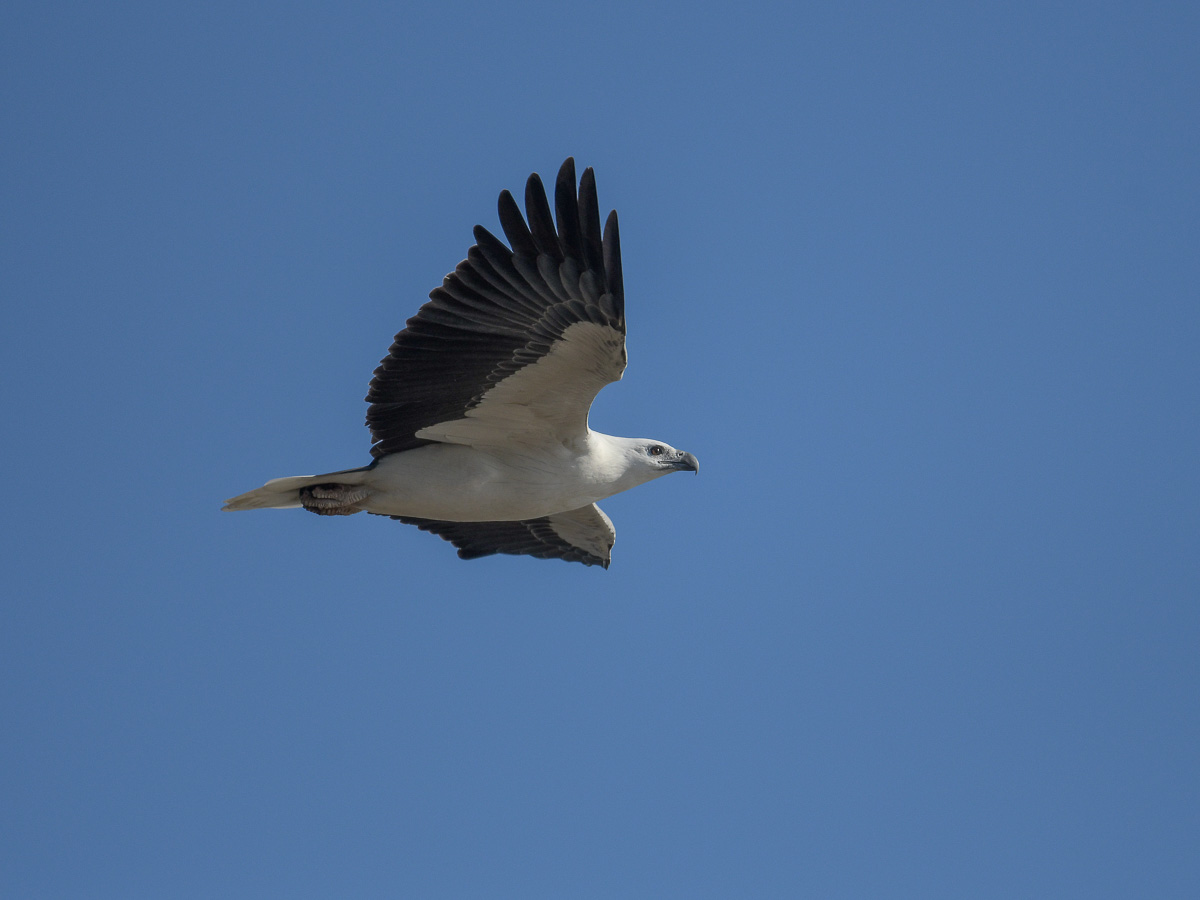
Our intrepid Ranger team soon had us on the way through the first gate and the sharp eyes of the front seat passsenger quickly located a White-bellied Sea-eagle in the sky up ahead. Ahh! the sharp eyes of youth. But for us in the centre of the bus all we could see was… the inside of the bus. A stop and we all piled out and, yes, it was indeed a Sea-eagle. Put that on the list.

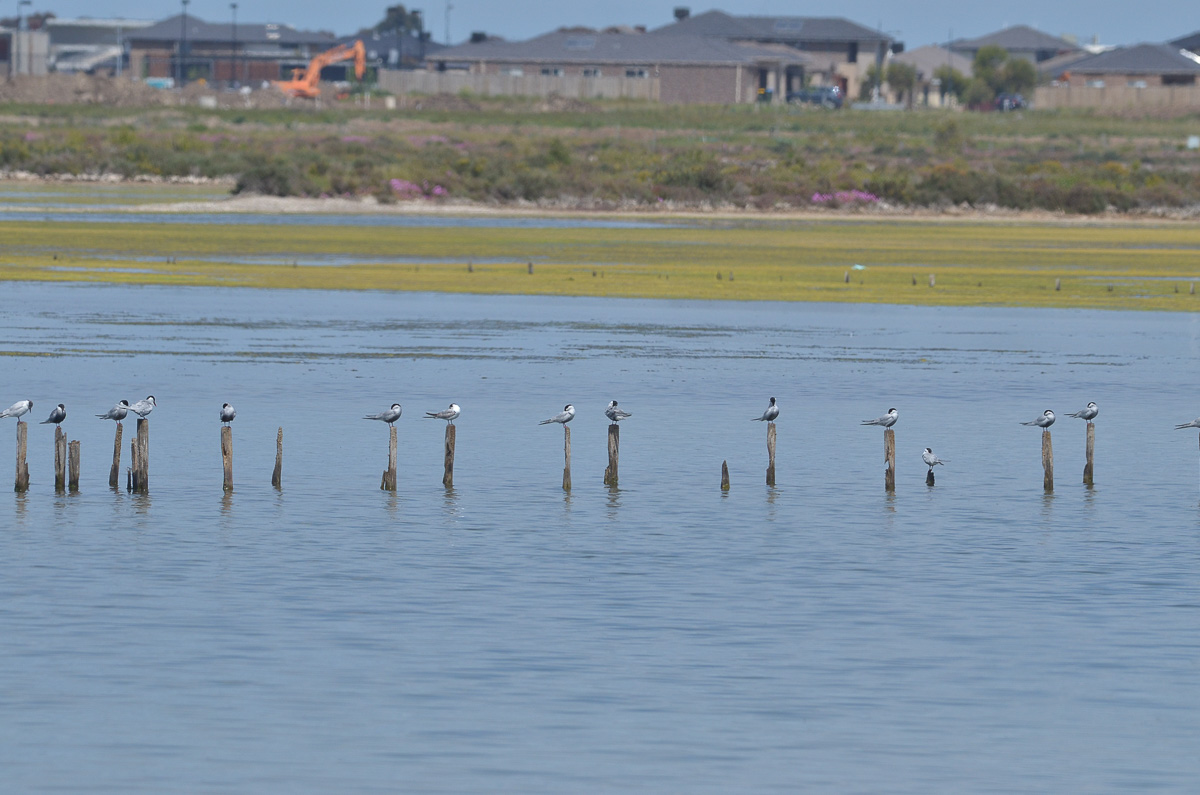
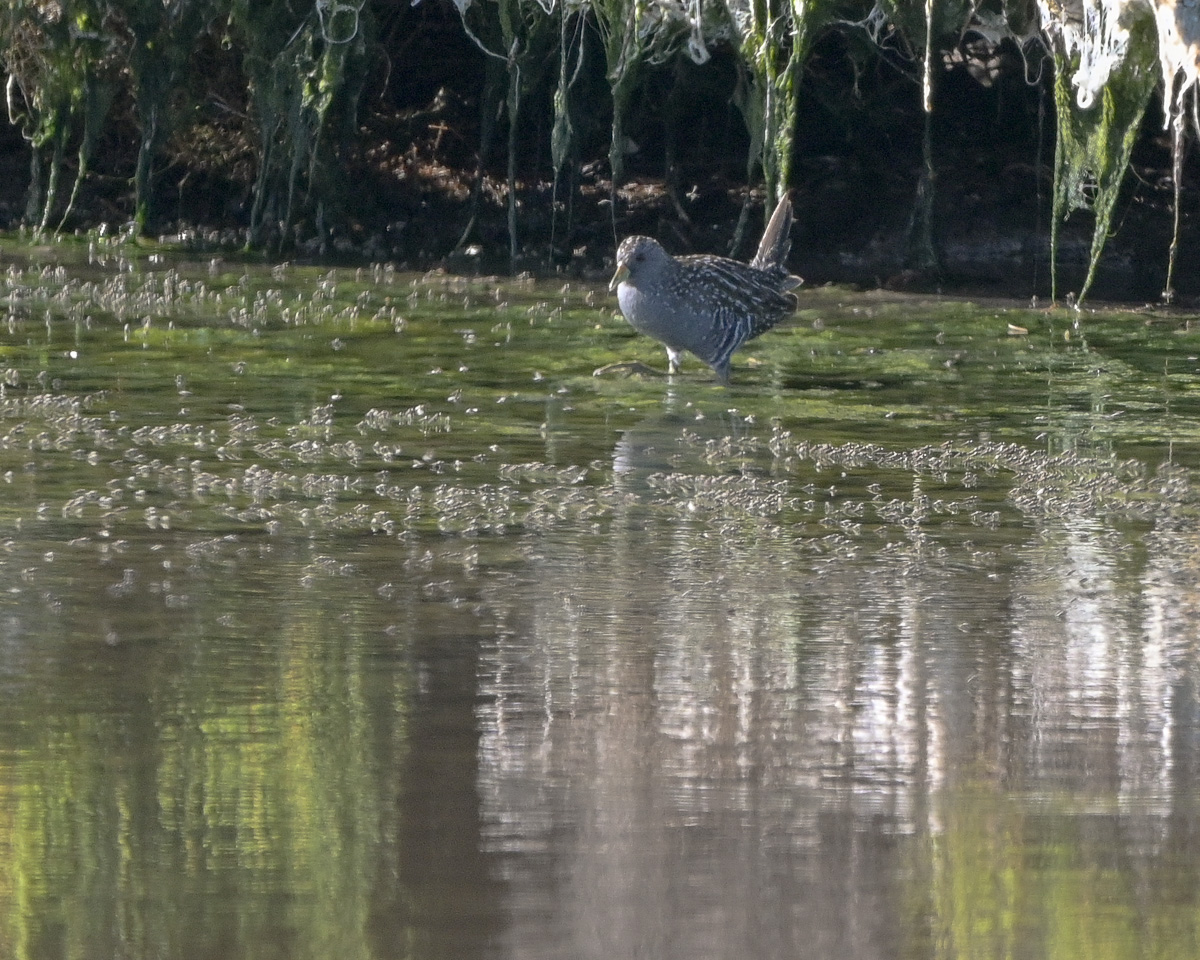
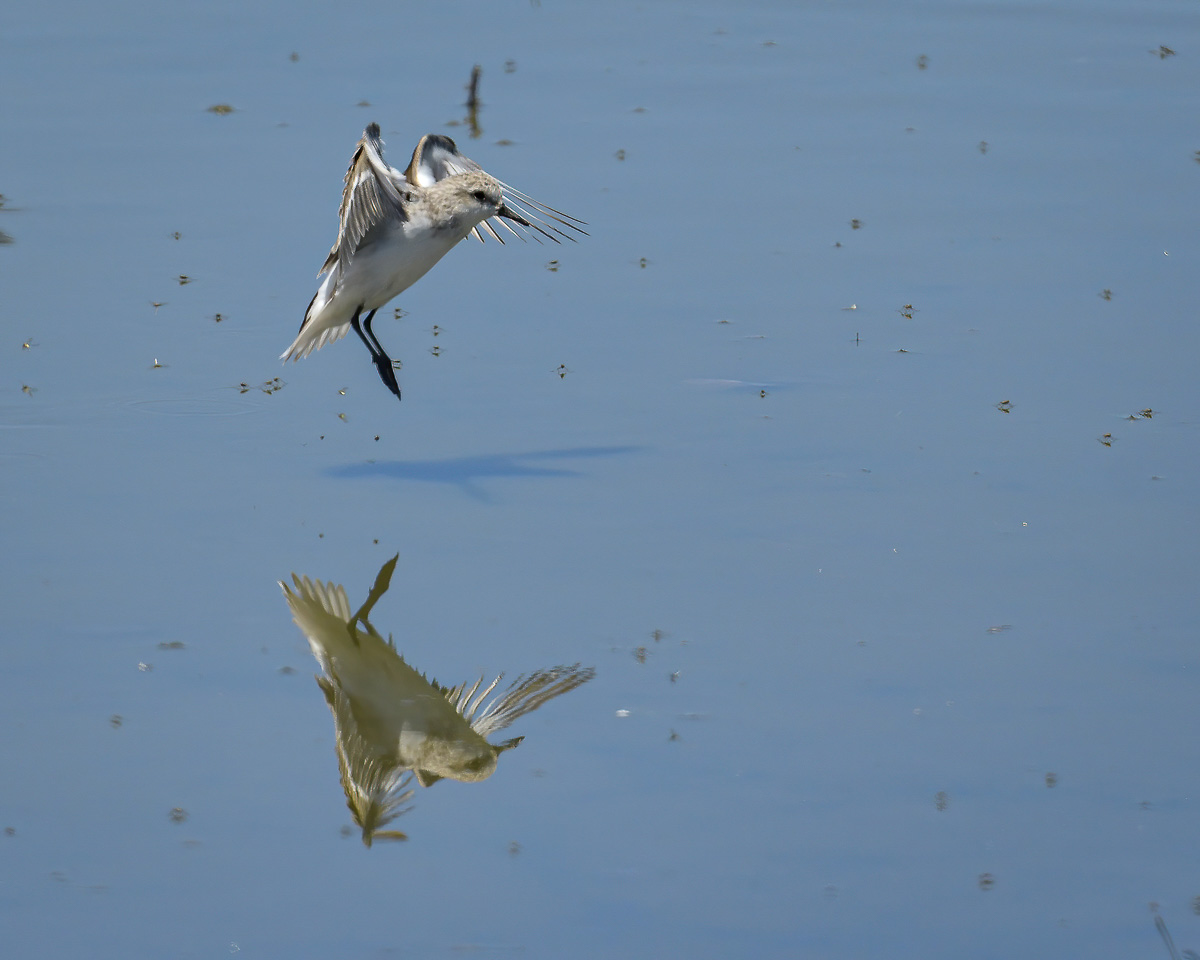
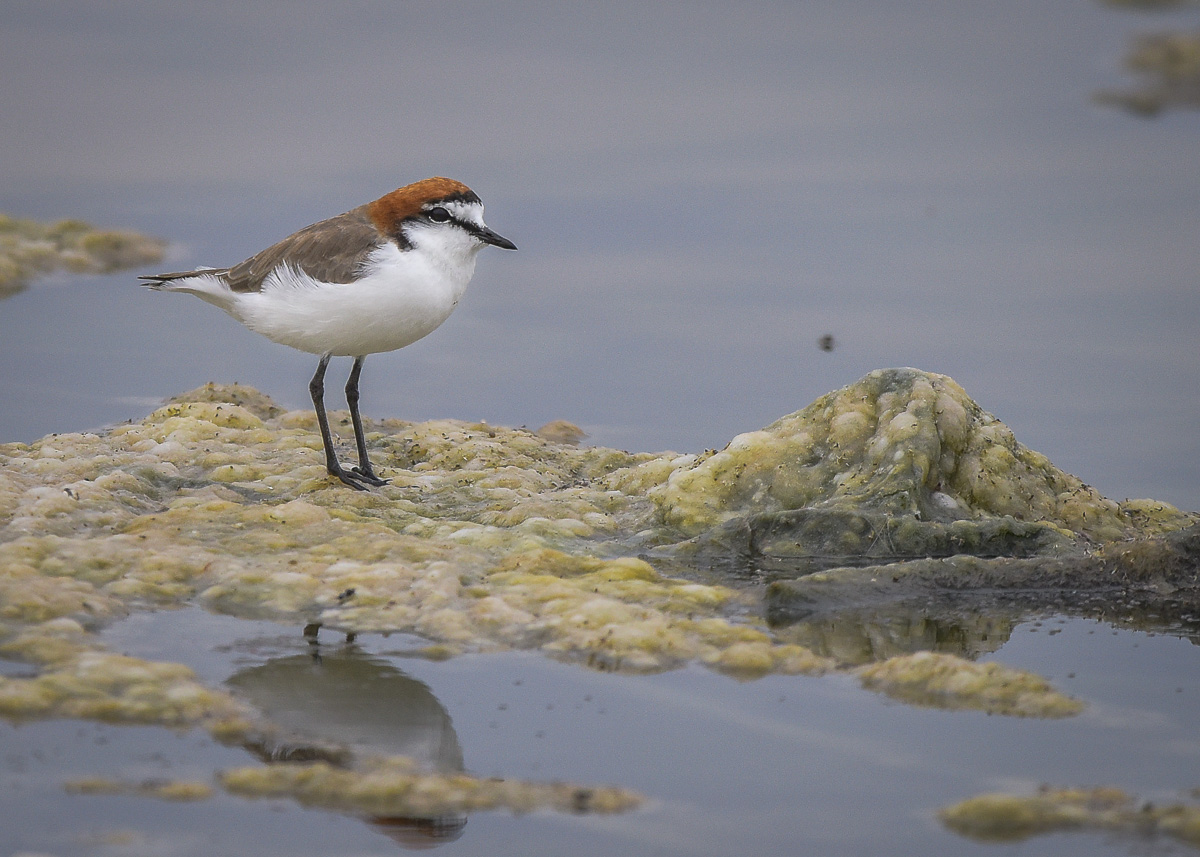
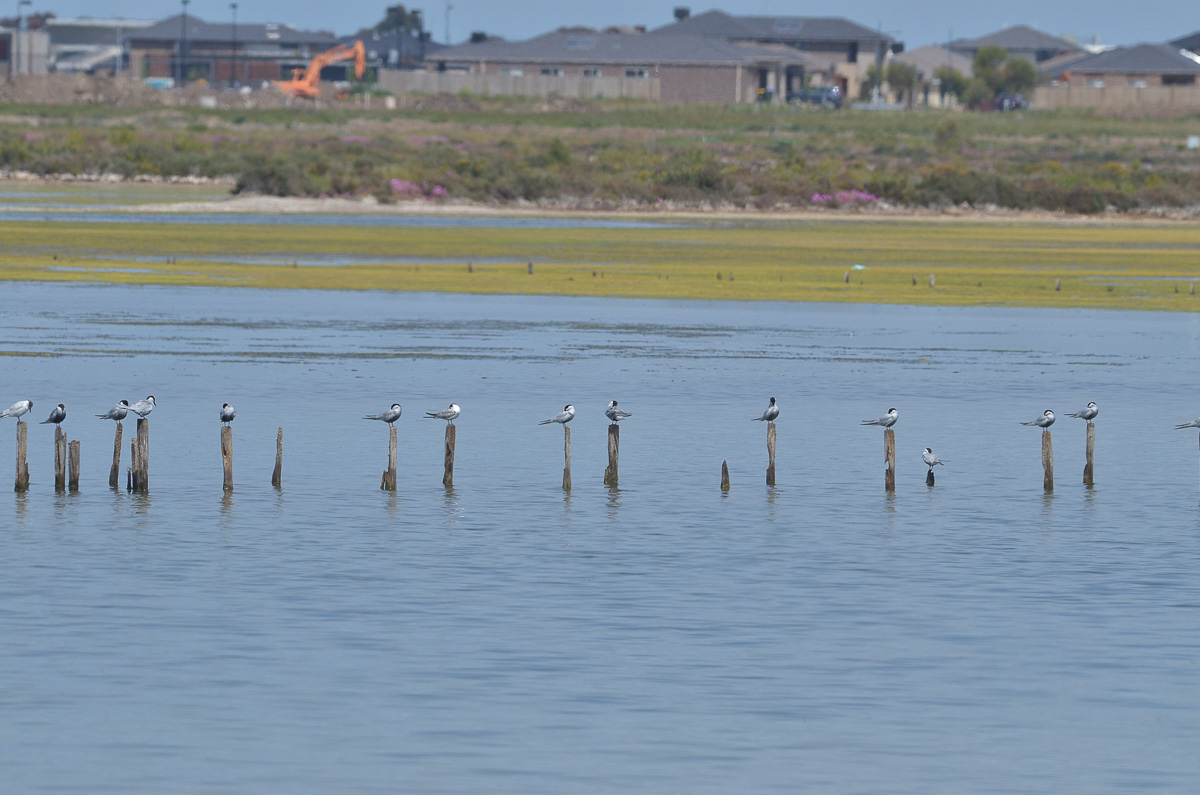
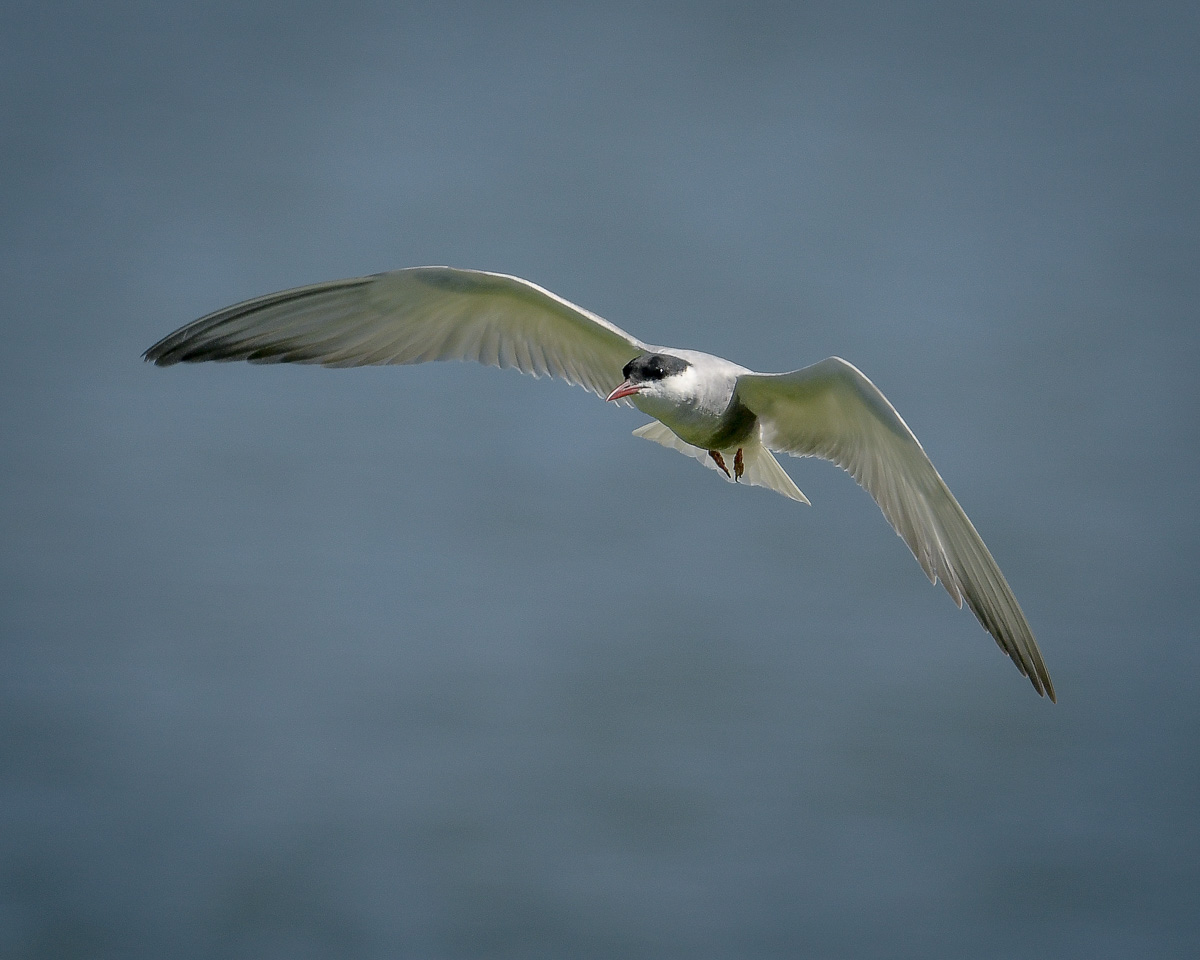
The remainder of the morning included quite a number of Whiskered Tern, Red-capped Plover (with young), and a Spotted Crake. I also had a bit of fun calling ‘Mountain Duck” as a handful of Australian Shelduck flew over. Shelduck used to be called Moutain Duck, although I’m not sure anyone knows why. Perhaps its because they are never found in the mountains.
Interestingly they come down late in the year and then shed their flight feathers, which take a few weeks to regrow, and makes them vulnerable to predators.

Our journey north along the ponds came to end when a locked gate barred the way, so rather than walk on the “North Beach, we did a ‘mystery tour’ to find the fabled, “South Beach”. This proved to be much easier, and I learned the name of a beach area that we occasionally walk past.

In the end, smiles all round, and our little group of travellers went on for a cuppa and chat to complete the morning.

Must remember to mark it in the diary for next year.

Enjoy

Unlikely Visitor

When I first heard the call, I couldn’t quite place it.

Sounded a bit like a Woodswallow? But, not the usual call of the Dusky Woodswallow that we see in the area. Some years back we would get good numbers of the Dusky and they would nest among the River Red-gums.

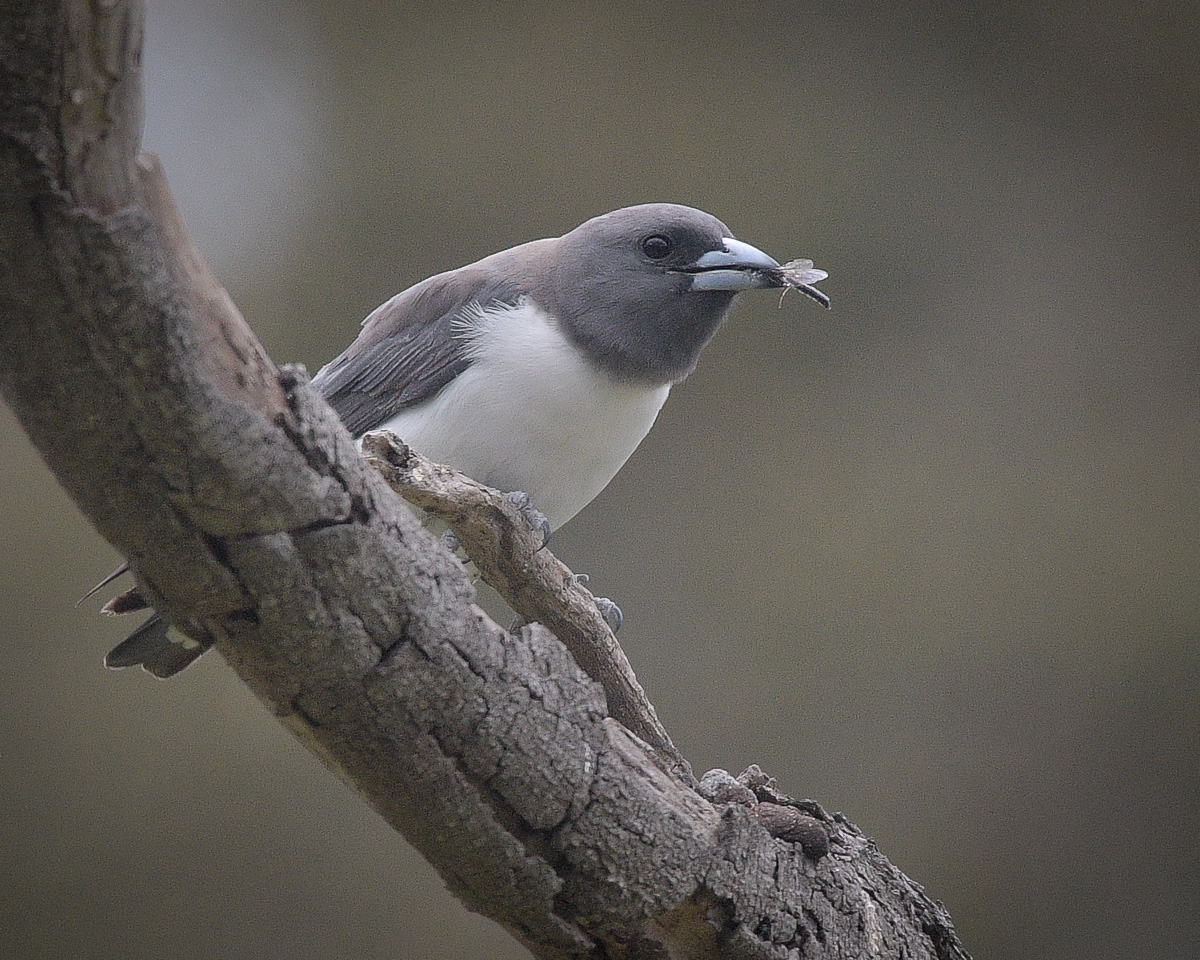
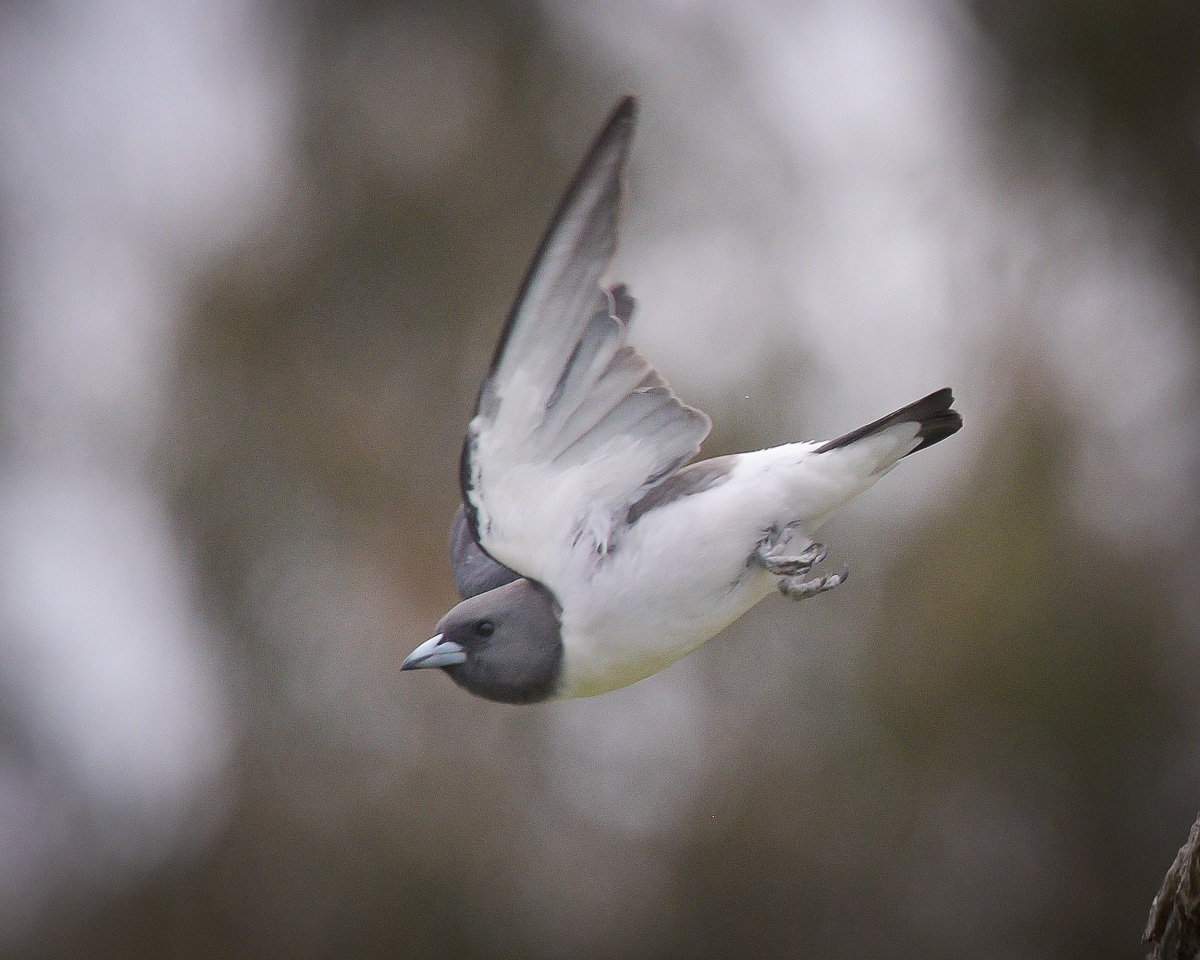
But this call was different. Hard to tell when the birds were hawking for insects high up in the sky. Then I got a good glimpse of one, and it was grey-backed, and had a brillant white breast.
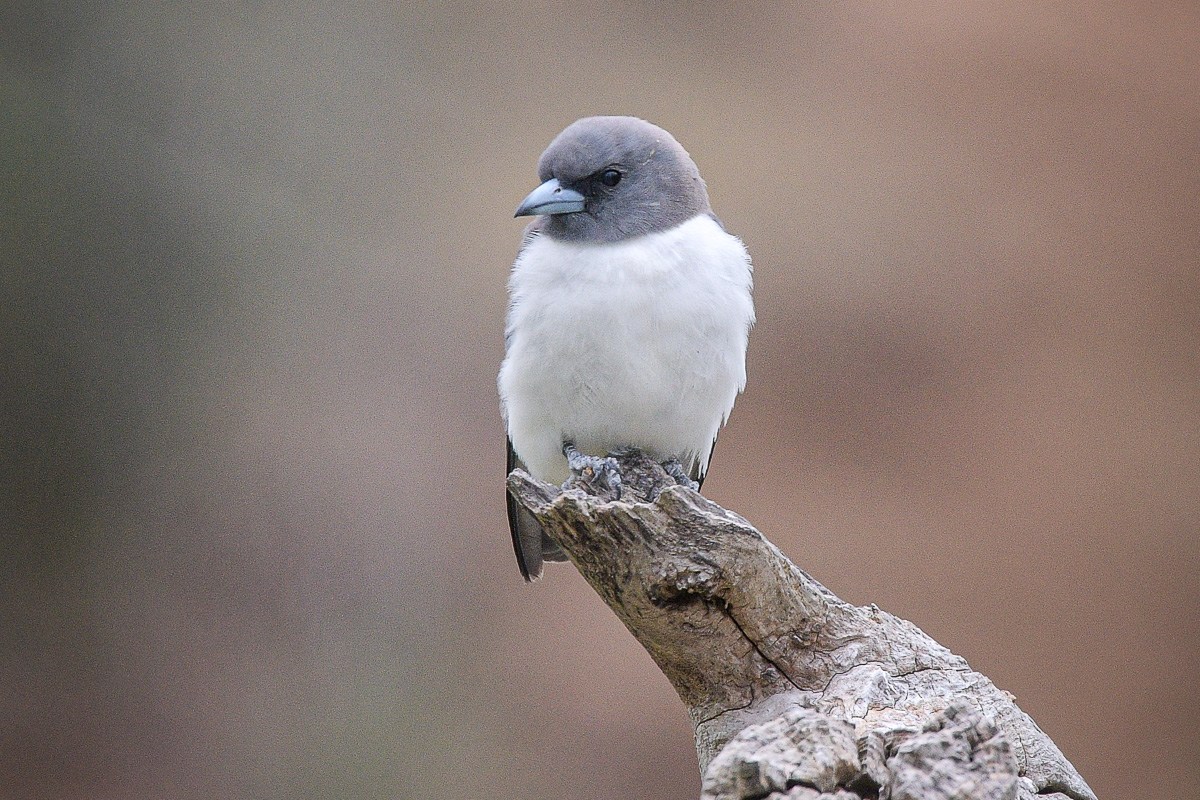
A White-breasted Woodswallow.
Normally the White-breasted do not come down this far south, and stay the northern side of the hills.
In the end I found five of them flitting about between the trees and working through the sky above.

In the river flats area of the Murray River where I grew up, it was not unusual to see large flocks of them each year. They are a communal bird and sometimes we’d see 50 or more of them along a power-line or 10-15 on a long horizontal branch. They played “Roll over and one fell out”, as one would land on the branch near the trunk of the tree and everybody would shuffle up the branch, until the one of the end had nowhere to go and would fly.

Time to sit down and wait. They began to come down lower and take rest breaks on some of the older stumps and trees in an open area. I was as eager to make some photos as they were to be back in the air hunting but we both compromised.

For about three weeks they were domicle in the one open area along the creekline, but eventually they disappeared.

Here are few from the first couple of weeks.

Social Media Sensation

A quick review of birding social media pages in Victoria, Australia, will bring lots of hits for one of the latest ‘must see, must have’ birds in our area.
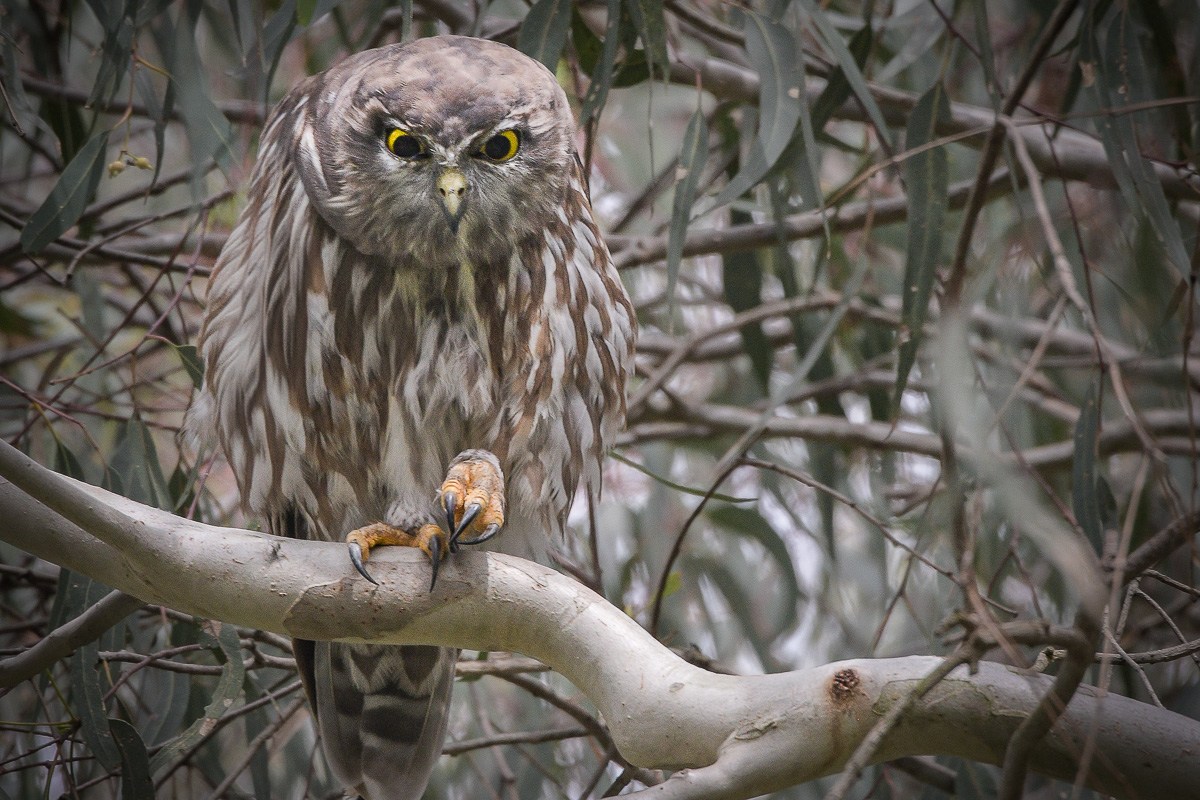
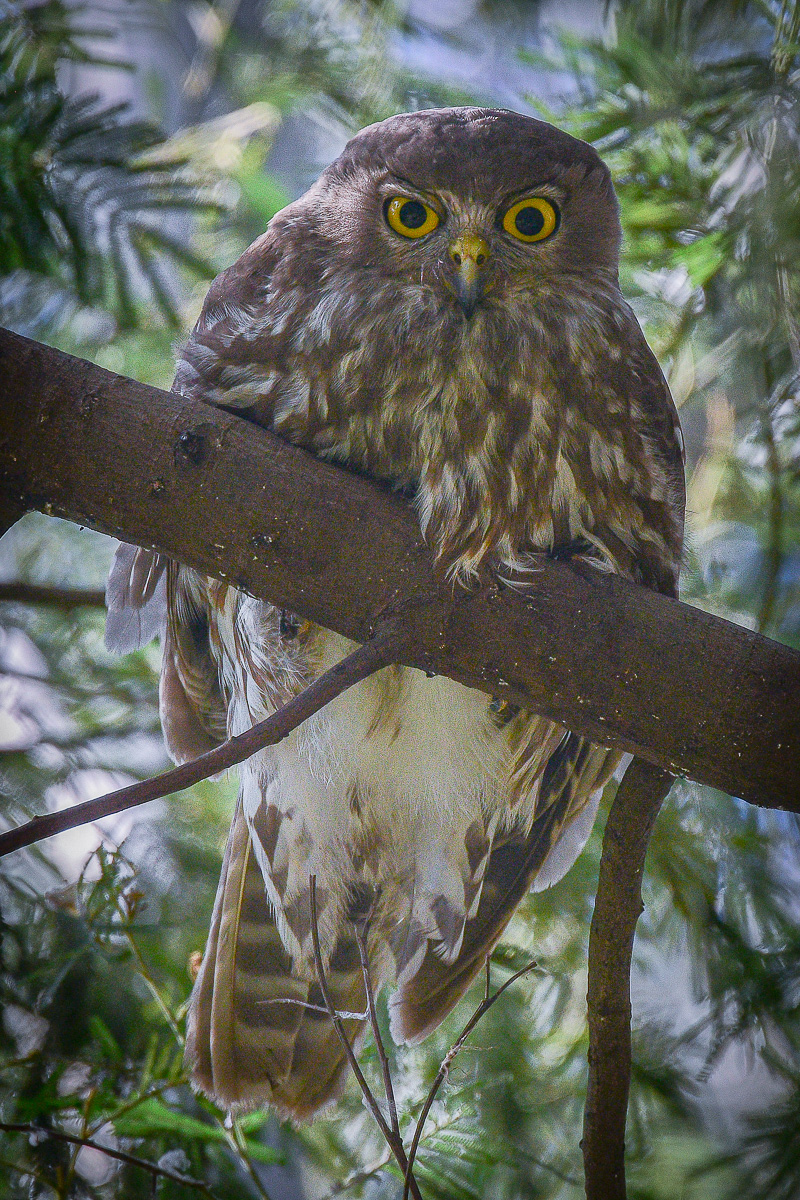
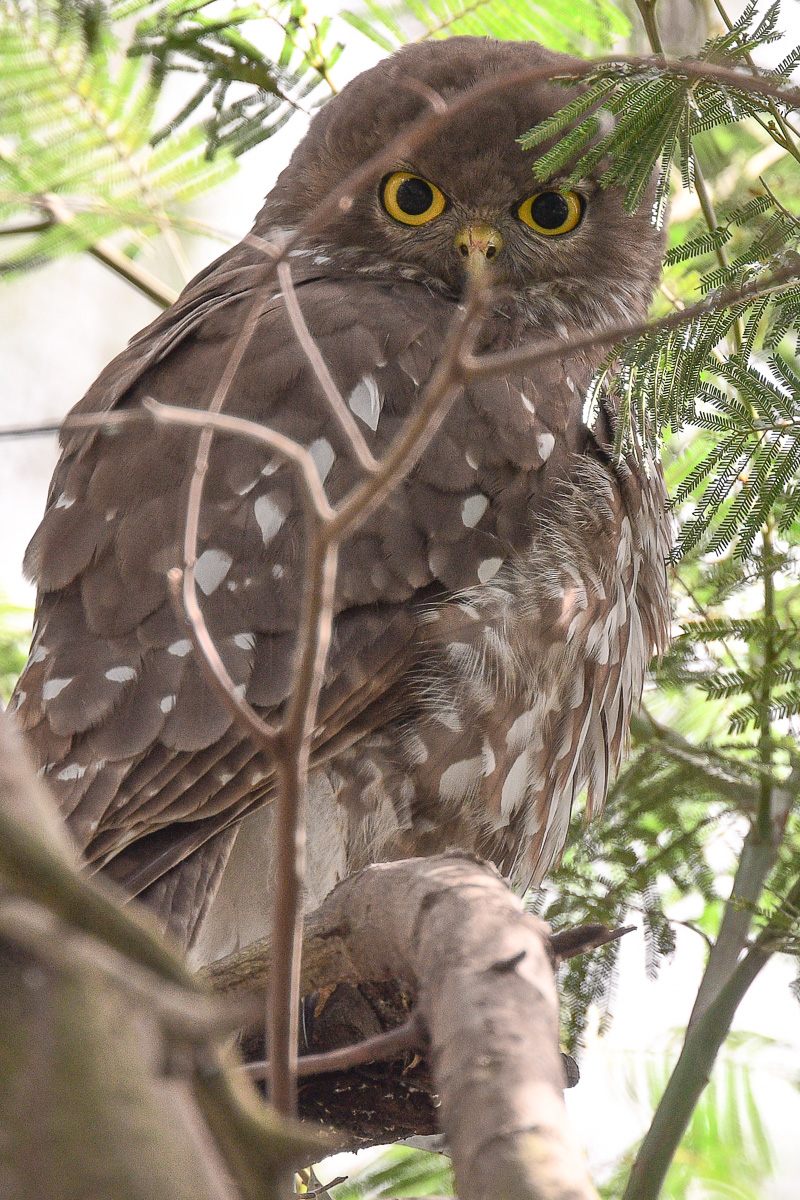
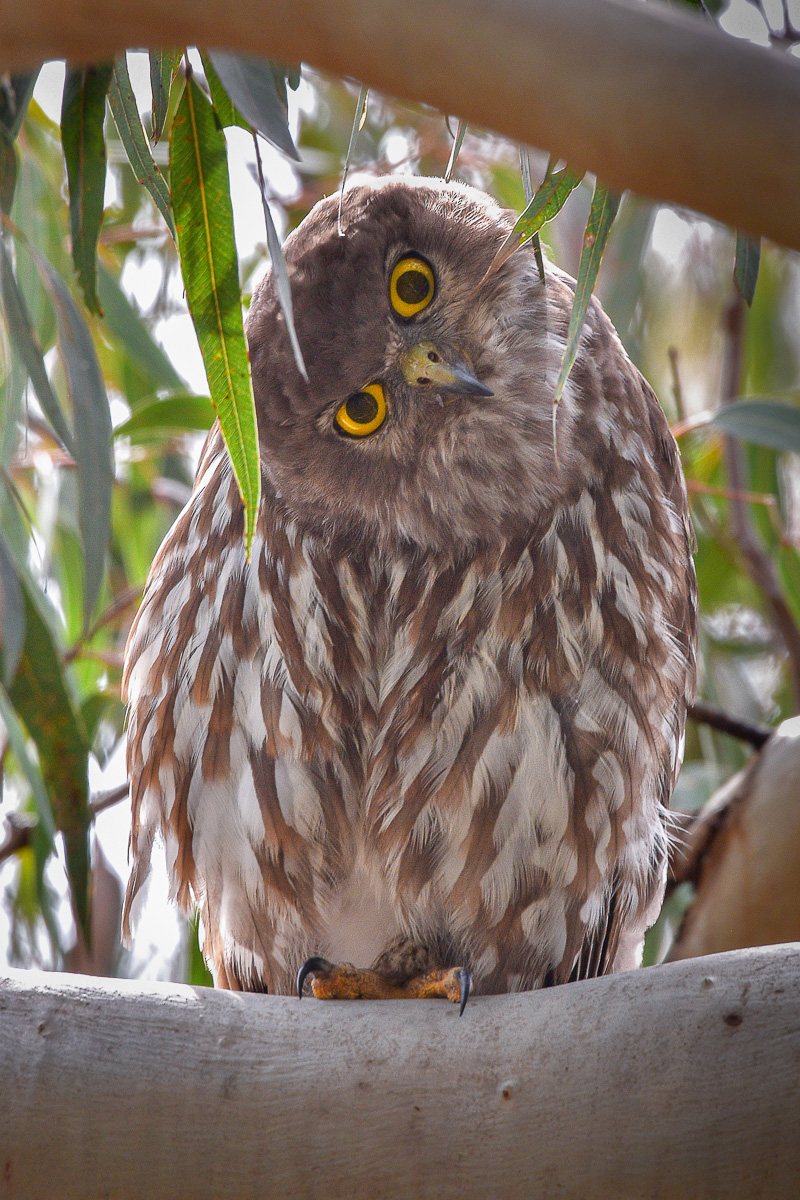
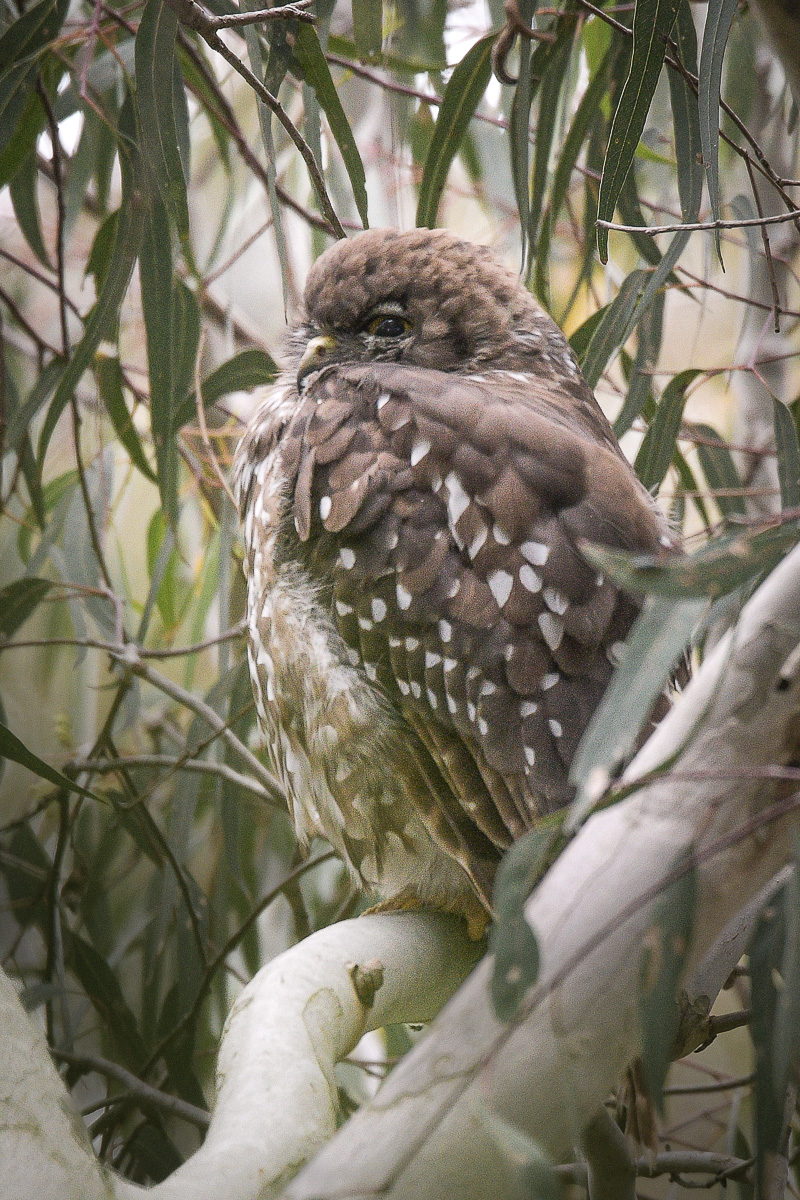
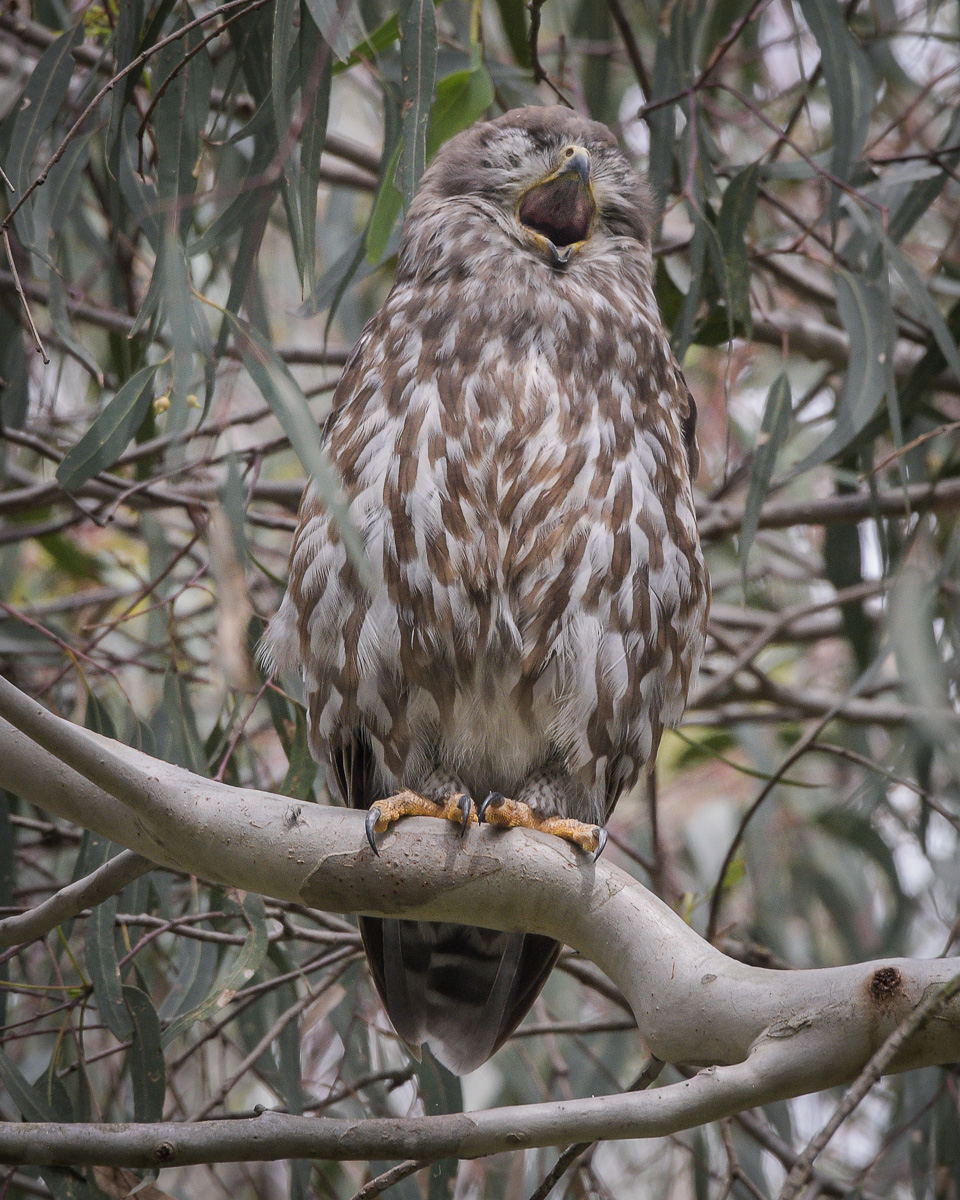
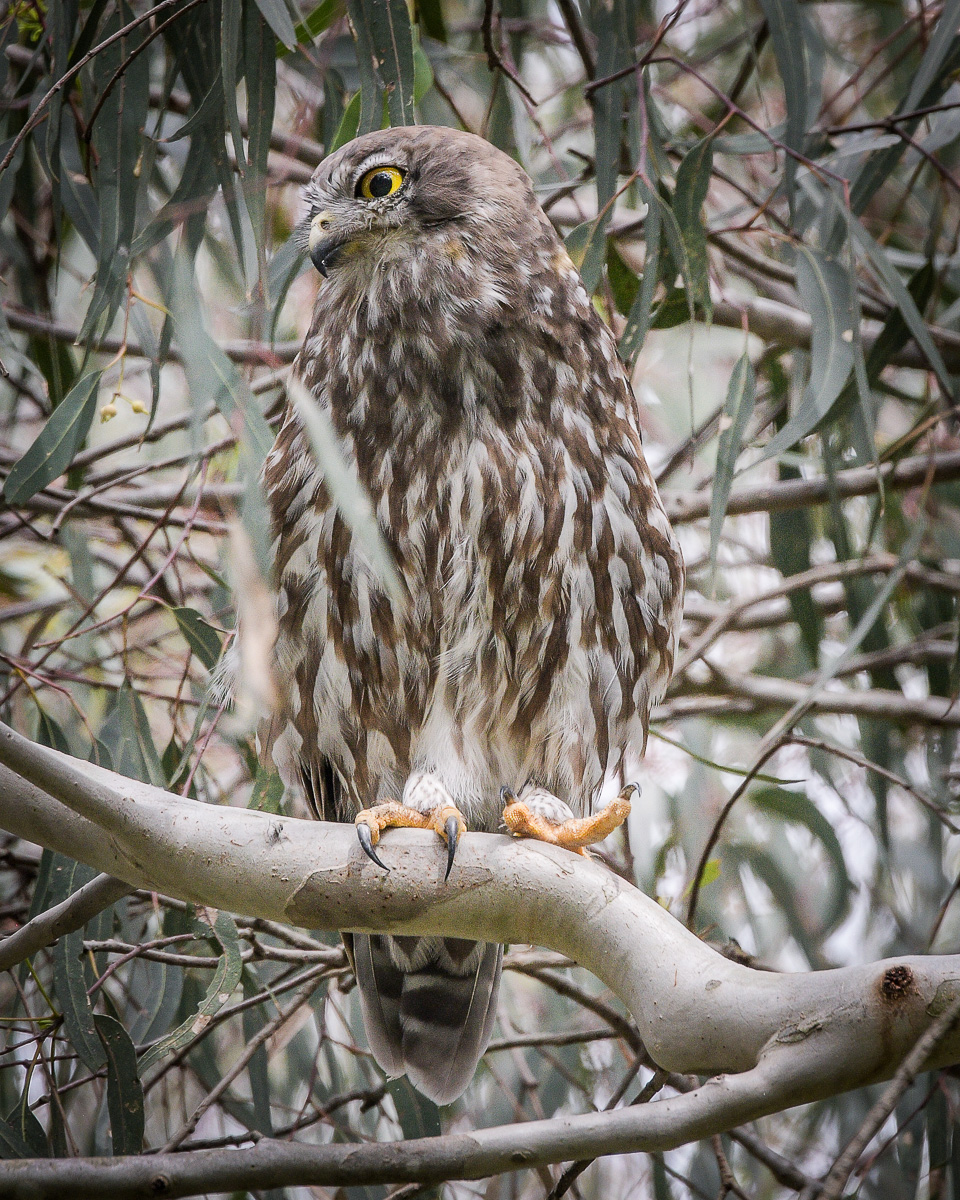
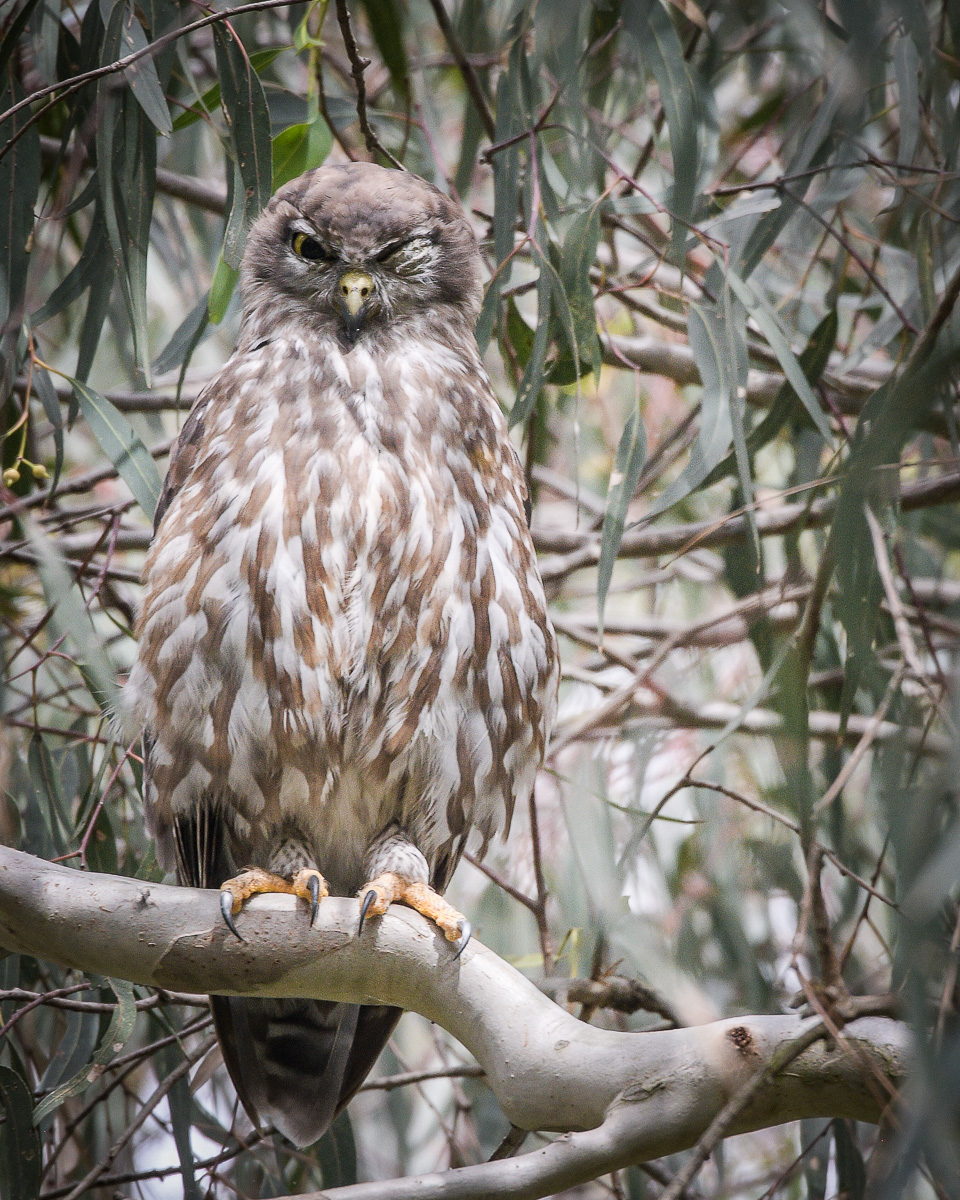
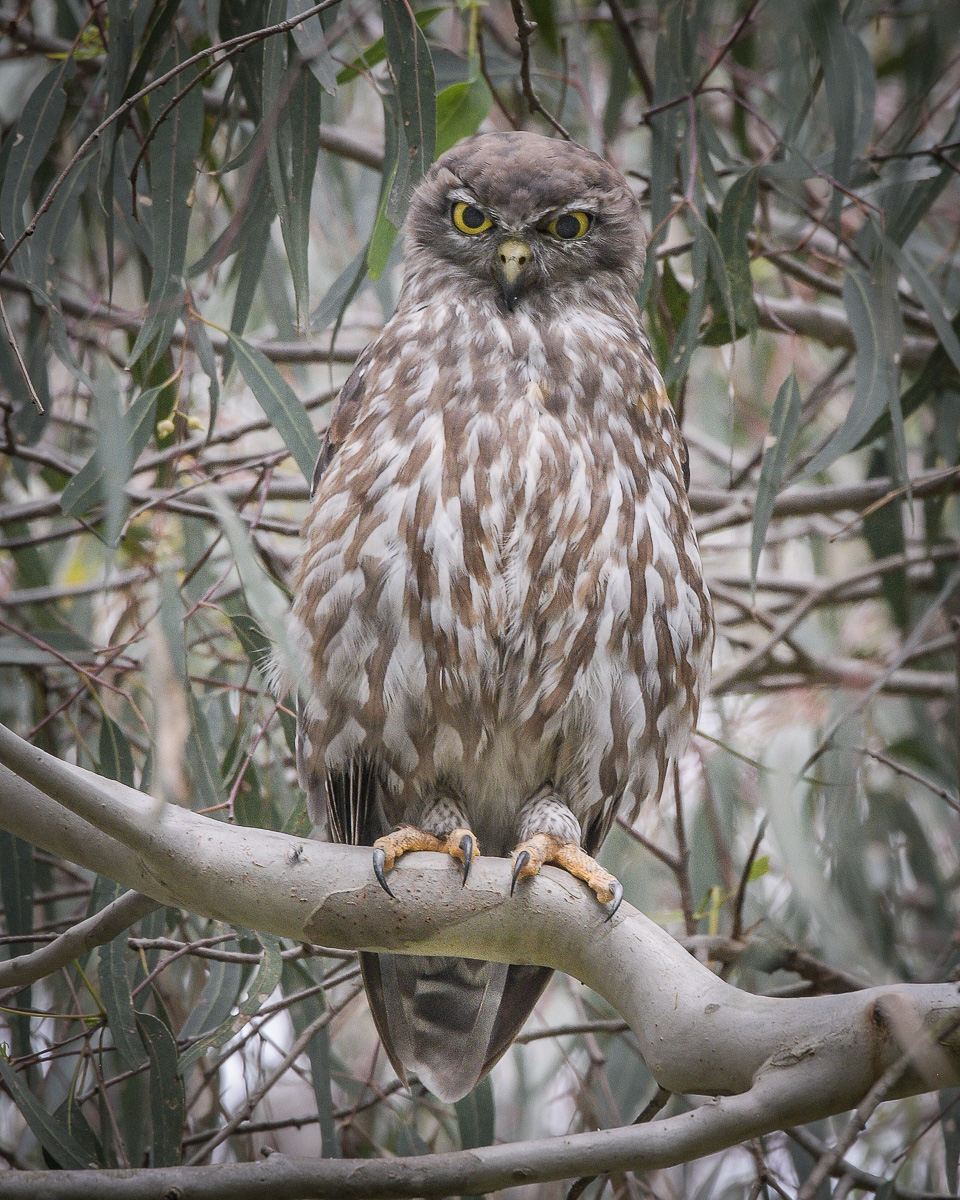
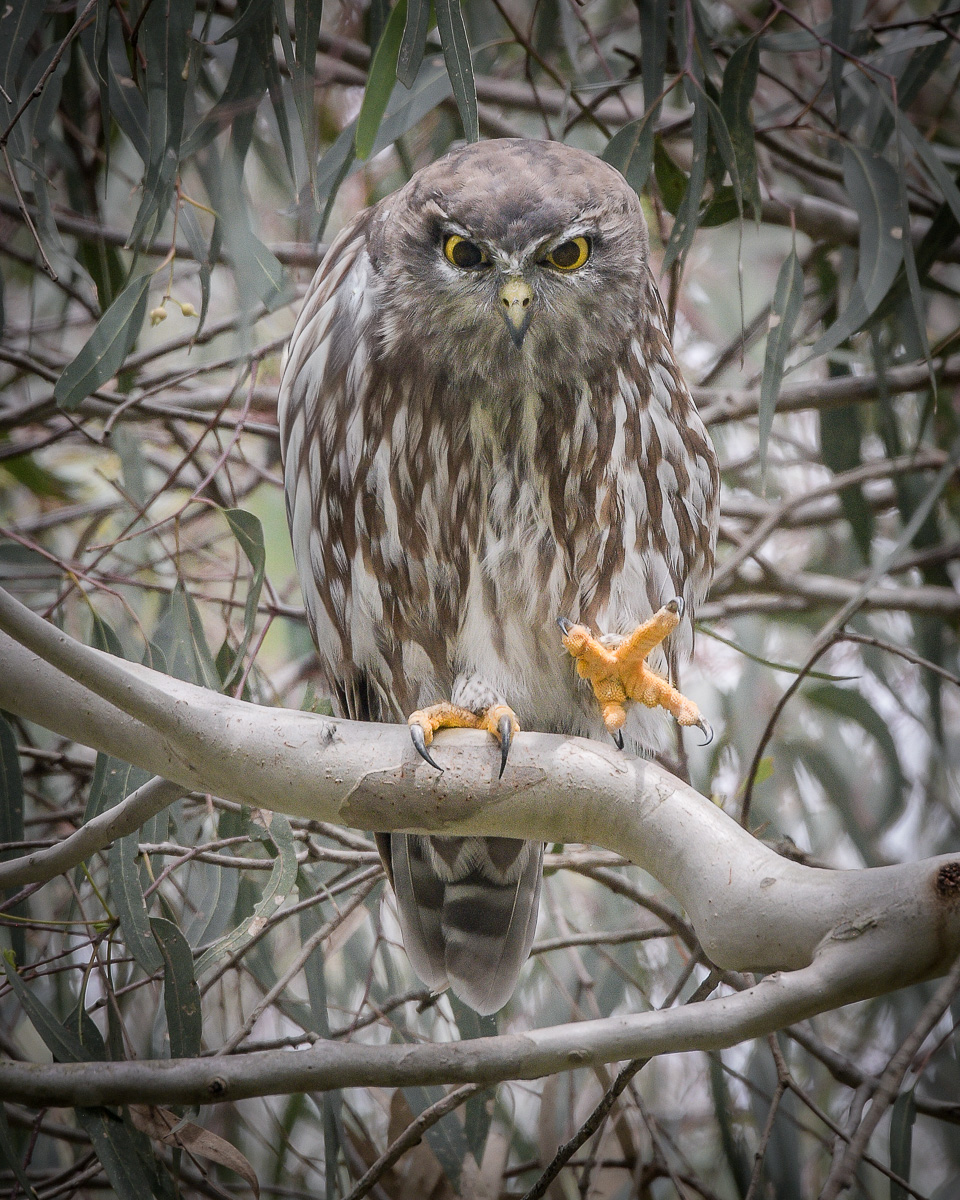
Several months ago, a Barking Owl, began its ‘woof woof’ calls along the banks of the Werribee River.
Like all media senstations, what began as a trickle quickly escalated into a flood of postings and every birder and photographer worth their “Hits Record” began the, as Pooh would say, “Expotition” to find the Owl.
Unlike Owl, in the Pooh stories, this one did not have a notice at the door. For those who have forgotten (how could you!) , here are the notices from “Winnie the Pooh (1926)

two notices (which were written by Christopher Robin):"PLES RING IF AN RNSER IS REQIRD", and "PLEZ CNOKE IF AN RNSR IS NOT REQIRD"

You might also recall that the cord for the bell-ringer was in fact Eyore’s tail. But that is another blog.
Owl also lived in a tree, “He lives in a tree known as The Chestnuts,” described as an “old world residence of great charm”, and spells his name, “Wol”

And there any similarities between Pooh’s friend and THE Owl end.

Referred to by those who know, or wish to know, or are searching for, as “THE” Owl, as in ‘Have you seen THE owl”, or, “THE Owl is on the tree by the ford.” Or, “Here are 47 of my photos, taken with my new Cannikony with the 200-3,400 zoom lens at 64000 ISO and processed from a ‘raw’ file in the latest CapShop software using a LUT designed by little eleves in a forest of the wol.
3,590 hits and counting. “

EE and I had generally left the owl in peace since its arrival. And as EE had thrown a fetlock, we had been spending less and less time in the area, until finally surgery brought our adventures to a stand still (pun sort of intended)

So being cognisant that I’m going to add to the internest incest of “THE Owl” here are a few from the past few months.

Enjoy