Down the Up side

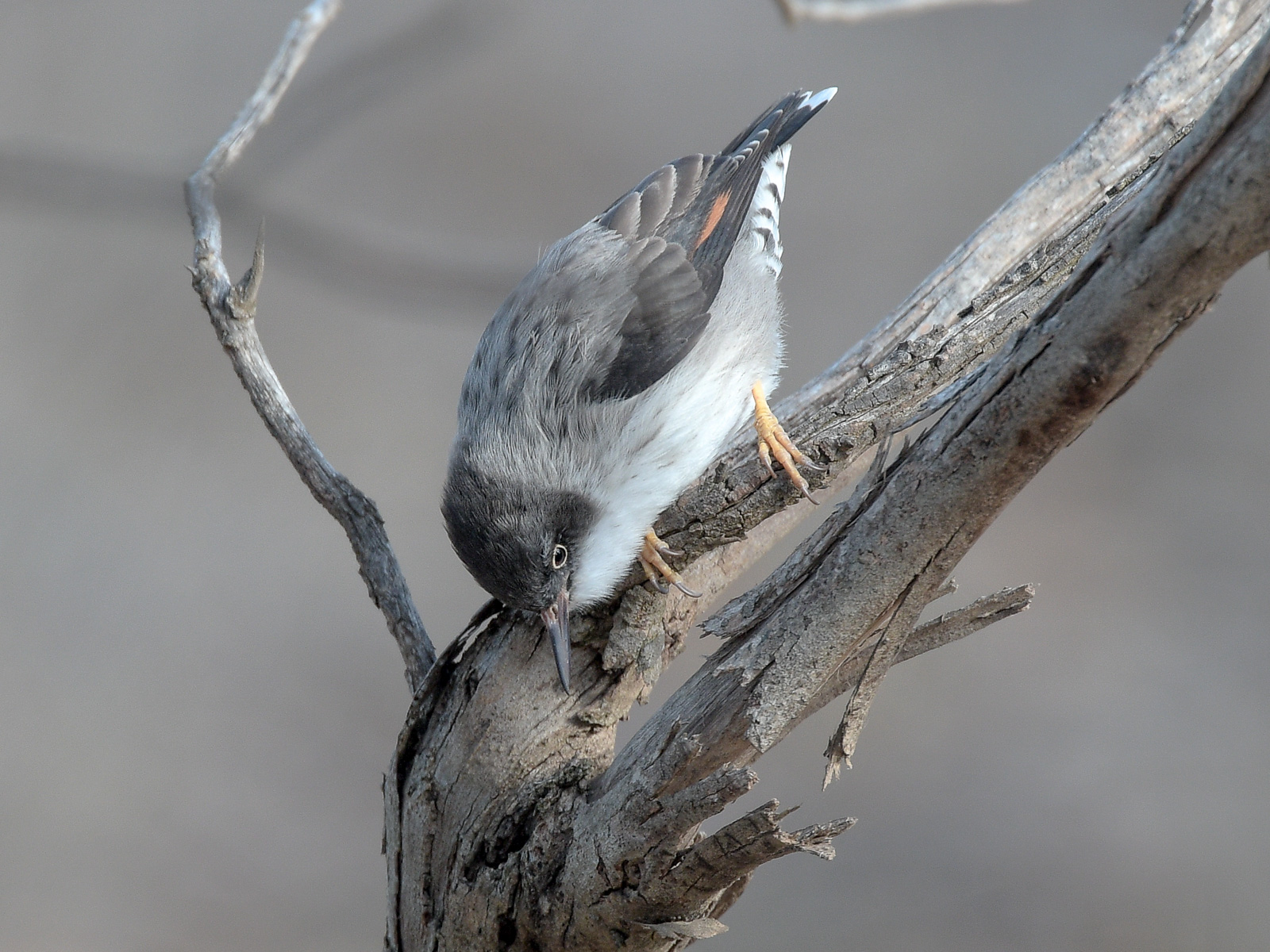
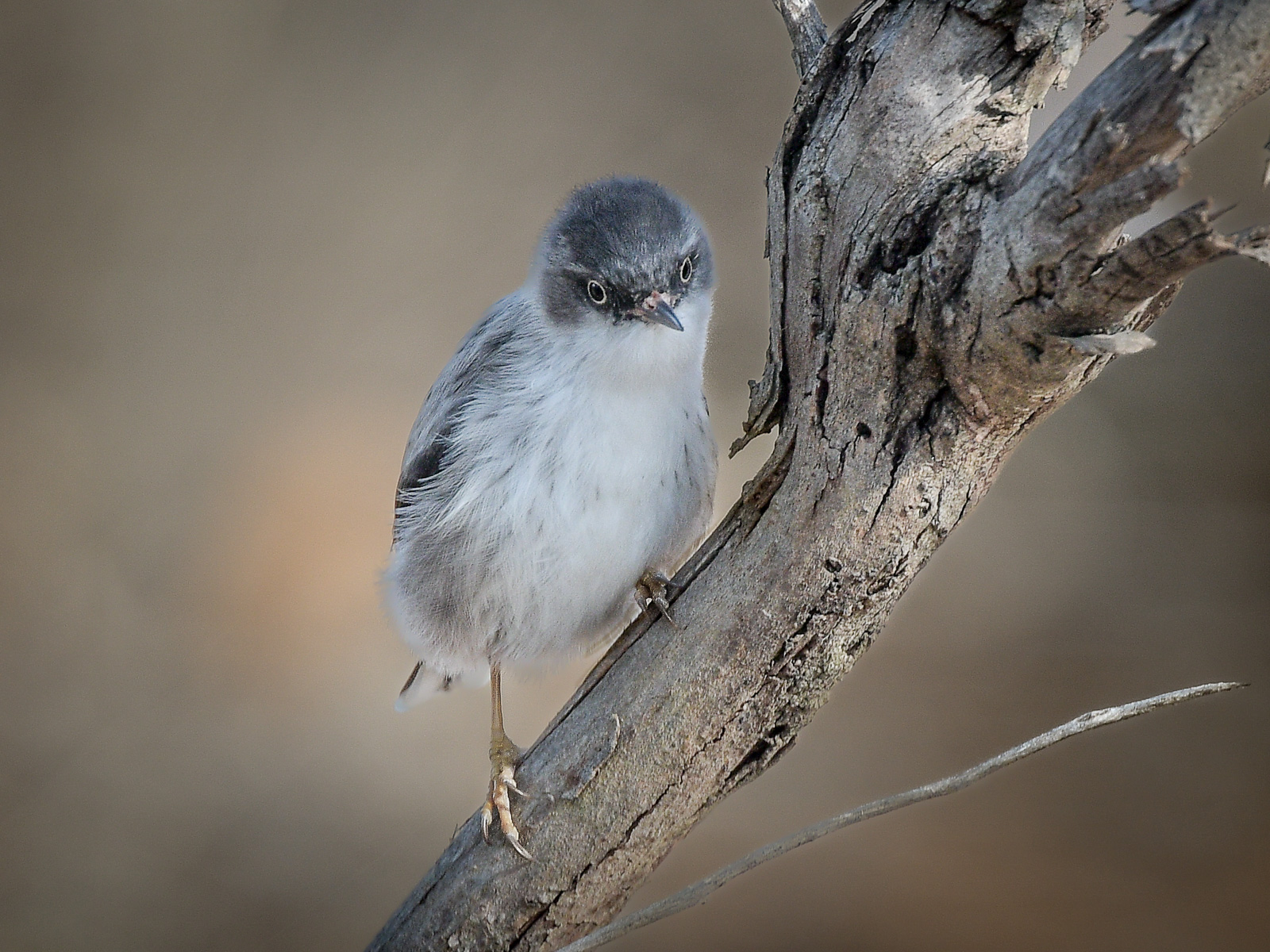
Varied Sittellas form part of mixed winter flocks in Grey Box Forests. (Probably do in other forest settings but for this page, I was working in my fav forest type. Grey Box.)

We found a mixed flock that included some lovely Golden Whistlers, Silvereye, Flame Robins a number of Honeyeaters, including Brown-headed, together with several Jackie Winter as well as a mix of Zebra Finches and Thornbills, mostly Yellow-rumped. And 8-10 Sittellas.

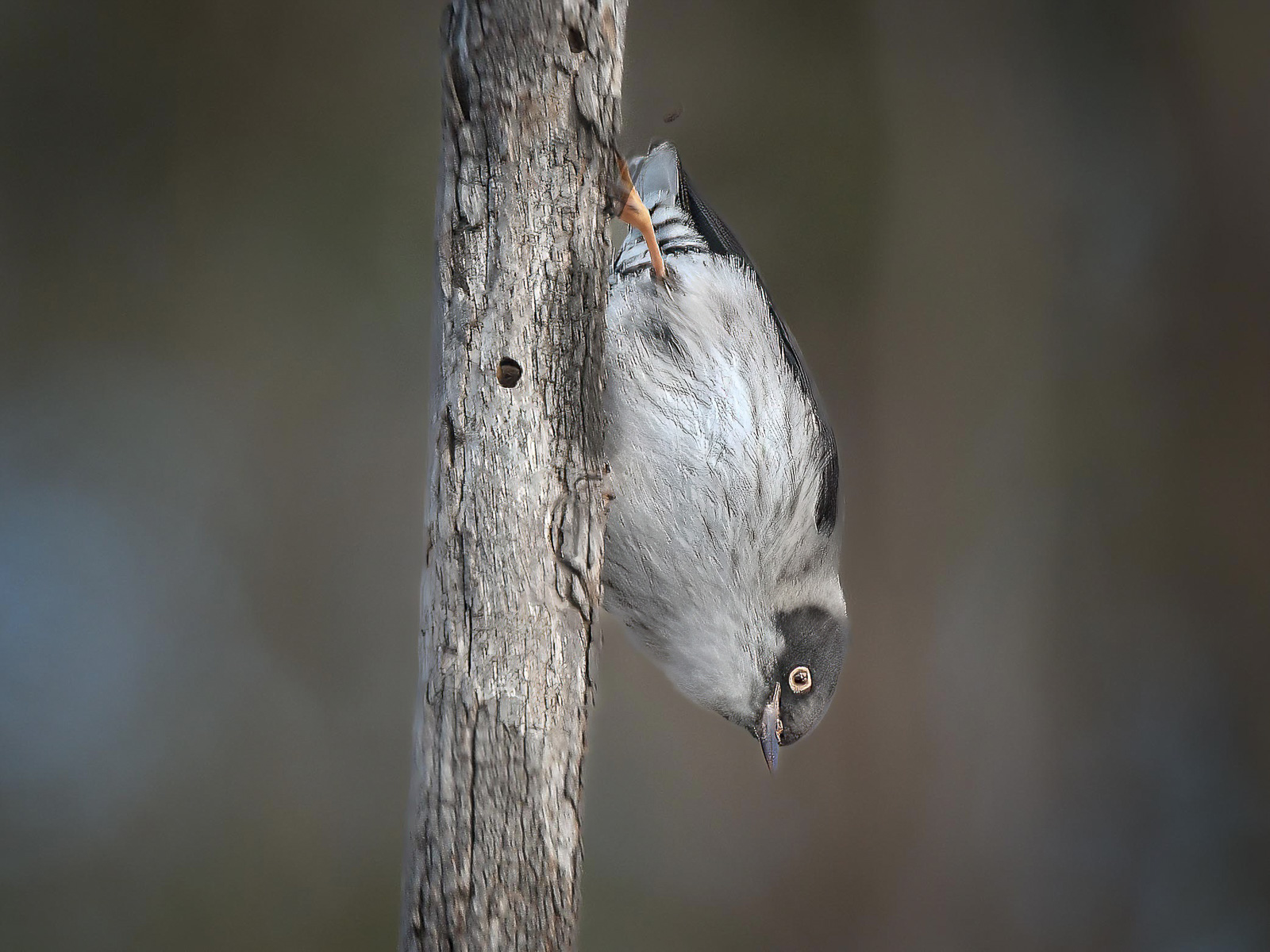
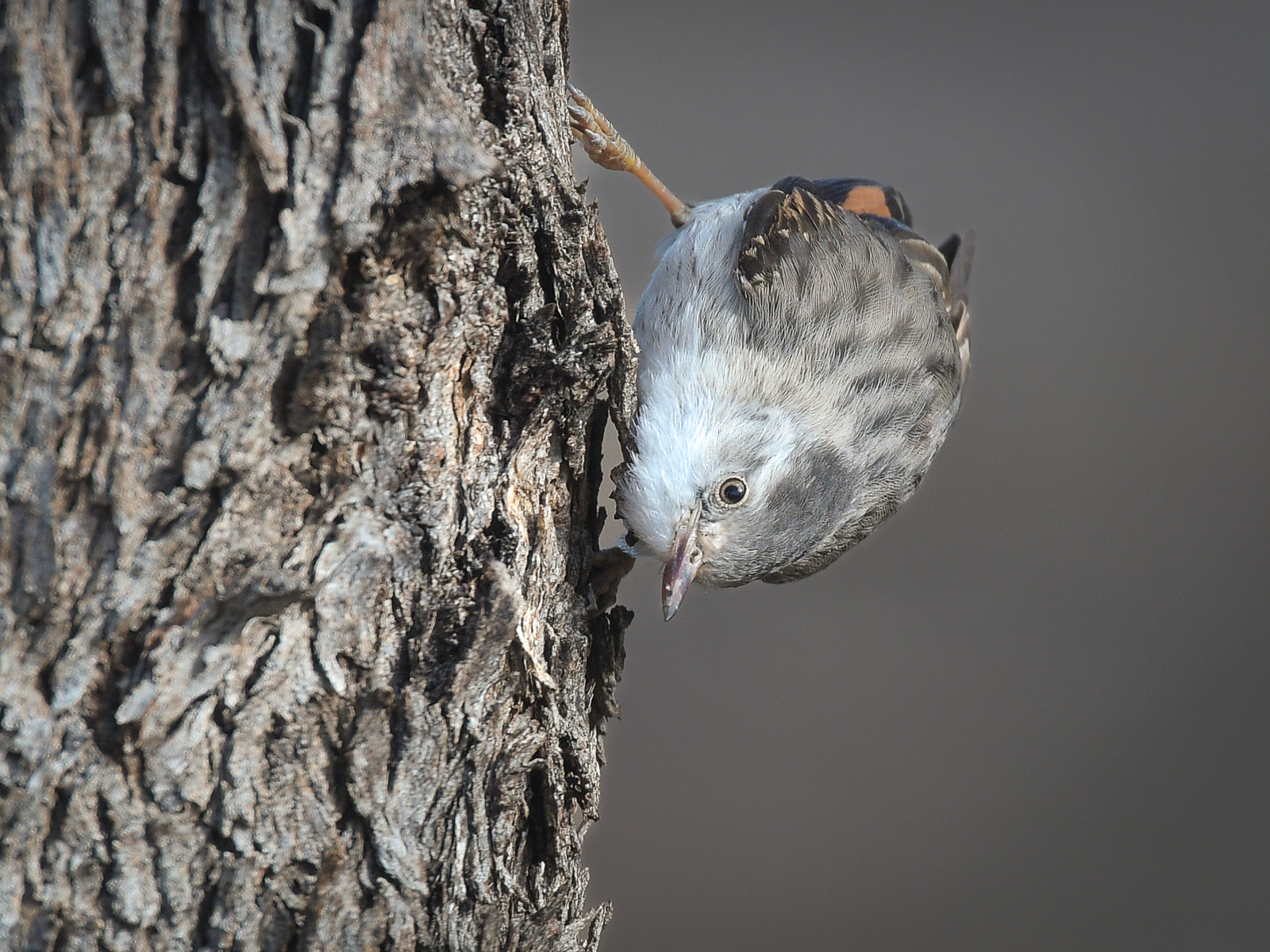
Sittellas are interesting as they tend to work over a tree by starting at the top and then spiralling downward. Unlike Treecreepers which tend to work up trees.

With so much happening it was hard to know where to look next, but I stuck with the rapidly moving Sittellas, (only to be distracted occassionally by the Jackie Winters- as you would expect if you’ve been following this blog for any length of time.)

In the end, I ran out of time, as my transport for the day was ready to move on, but I was pleased to drop the files into Lightroom and re-enjoy the time.

Enjoy.

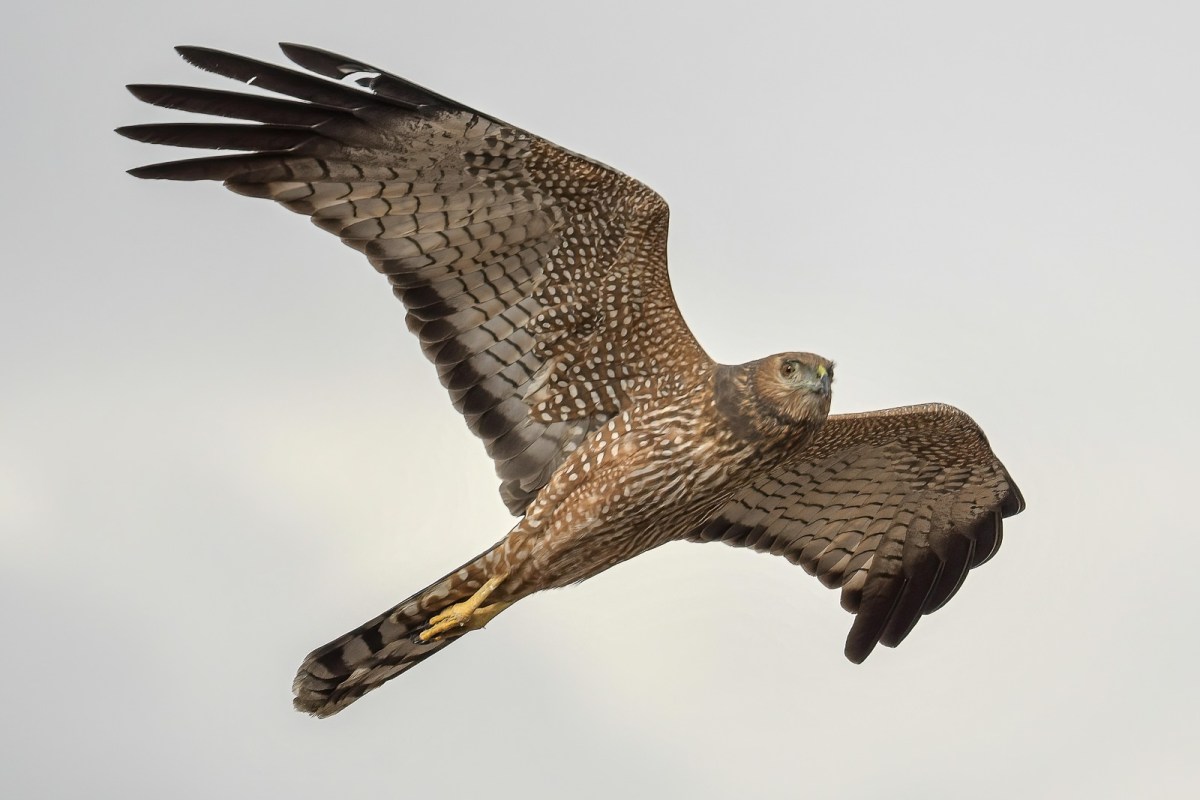
“Spot”, the Harrier

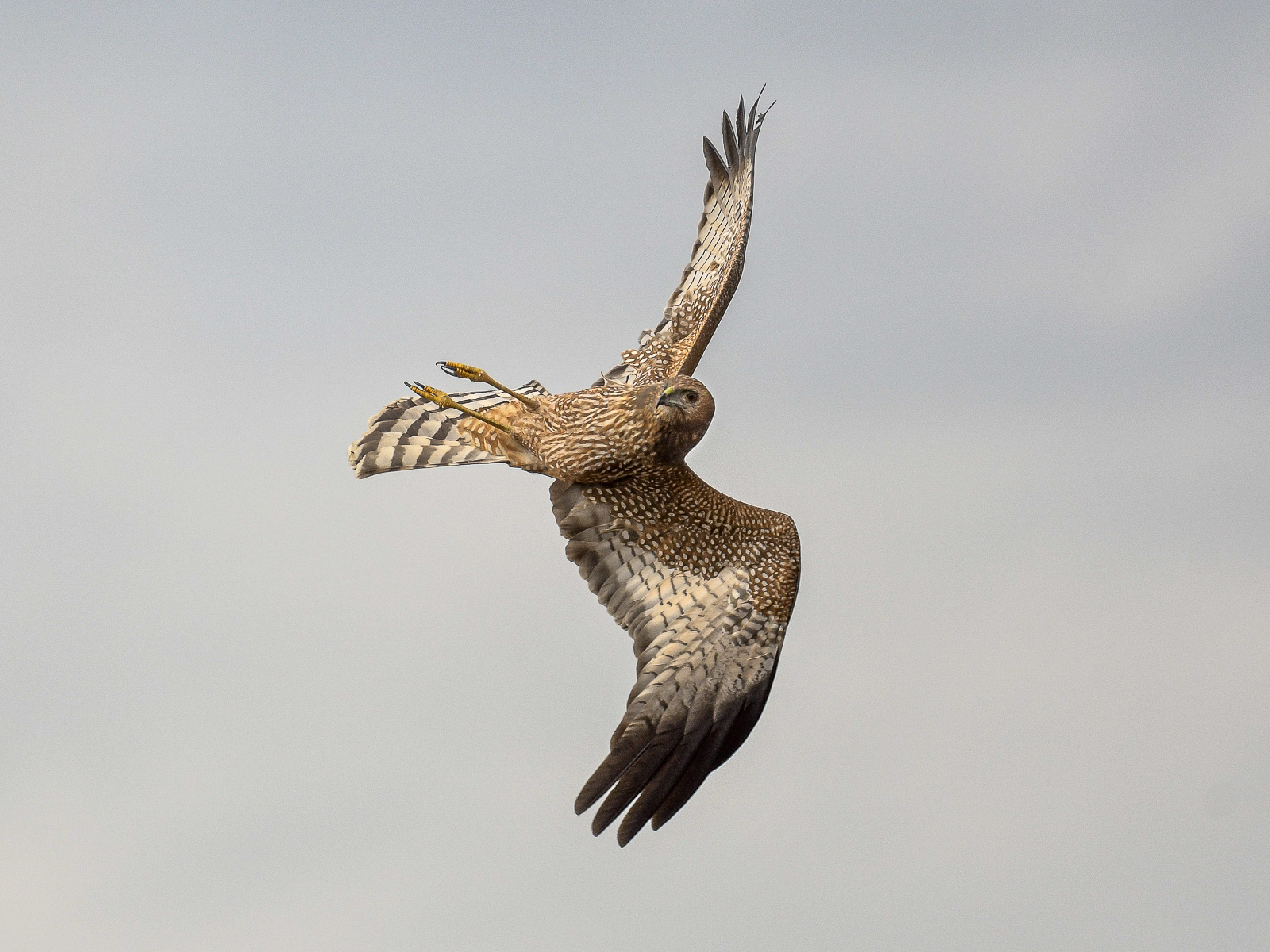
Spotted Harriers, have enormous territories. I’m told to 10,000sqkm. But I don’t have a way of measuring. I do know that they are very much nomadic in our area. Might see one or two for some months, and years can go by before the next sighting.

We’ve seen several pairs come, nest and then go, and always have high hopes for a sighting.

One has been working around the coastal park and out into the wider volcanic grasslands.

The other morning, a fuss by the local Magpie clans was enough to sweep about to see.
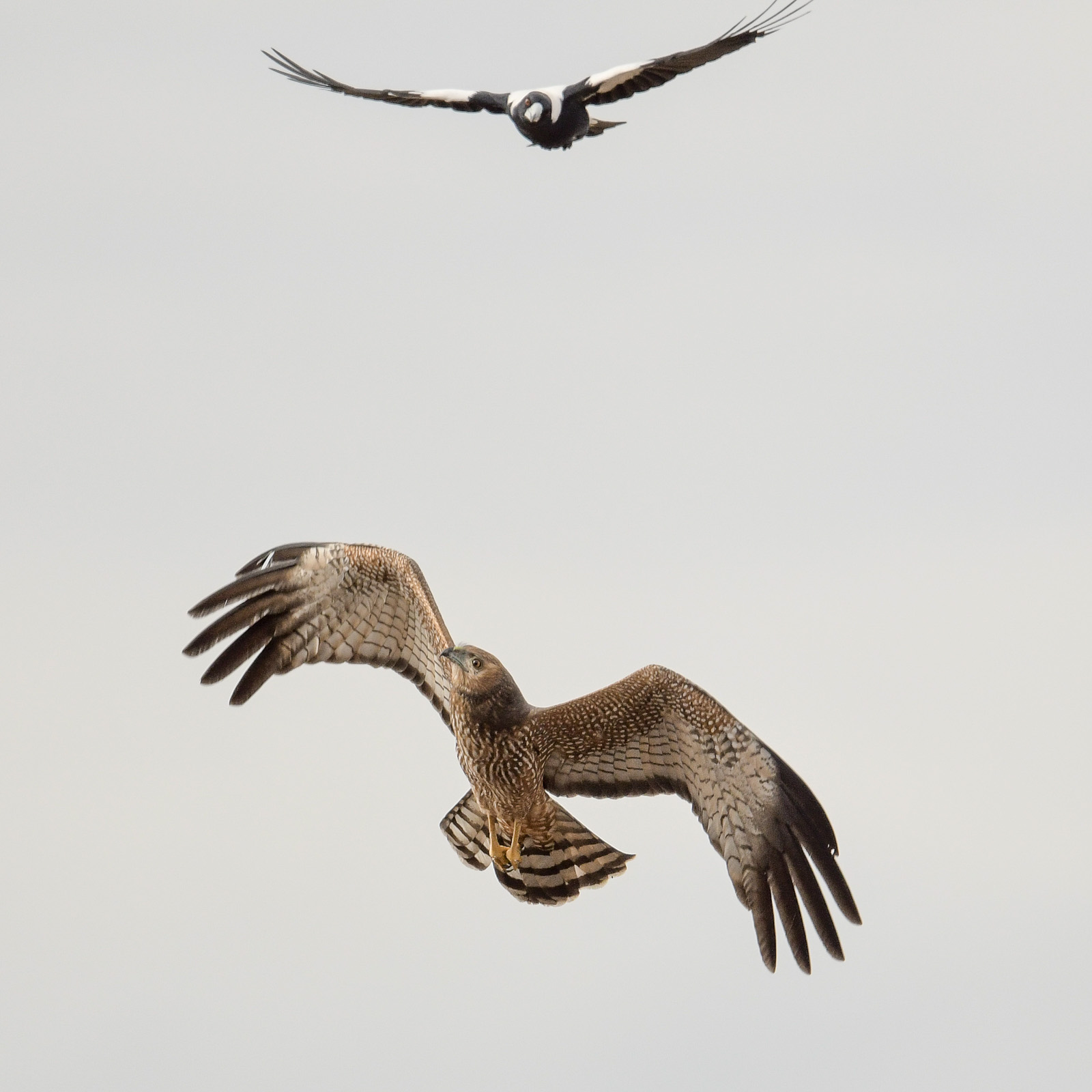
And there coming down a fenceline, in the typical languid flight, was a Spotted Harrier.

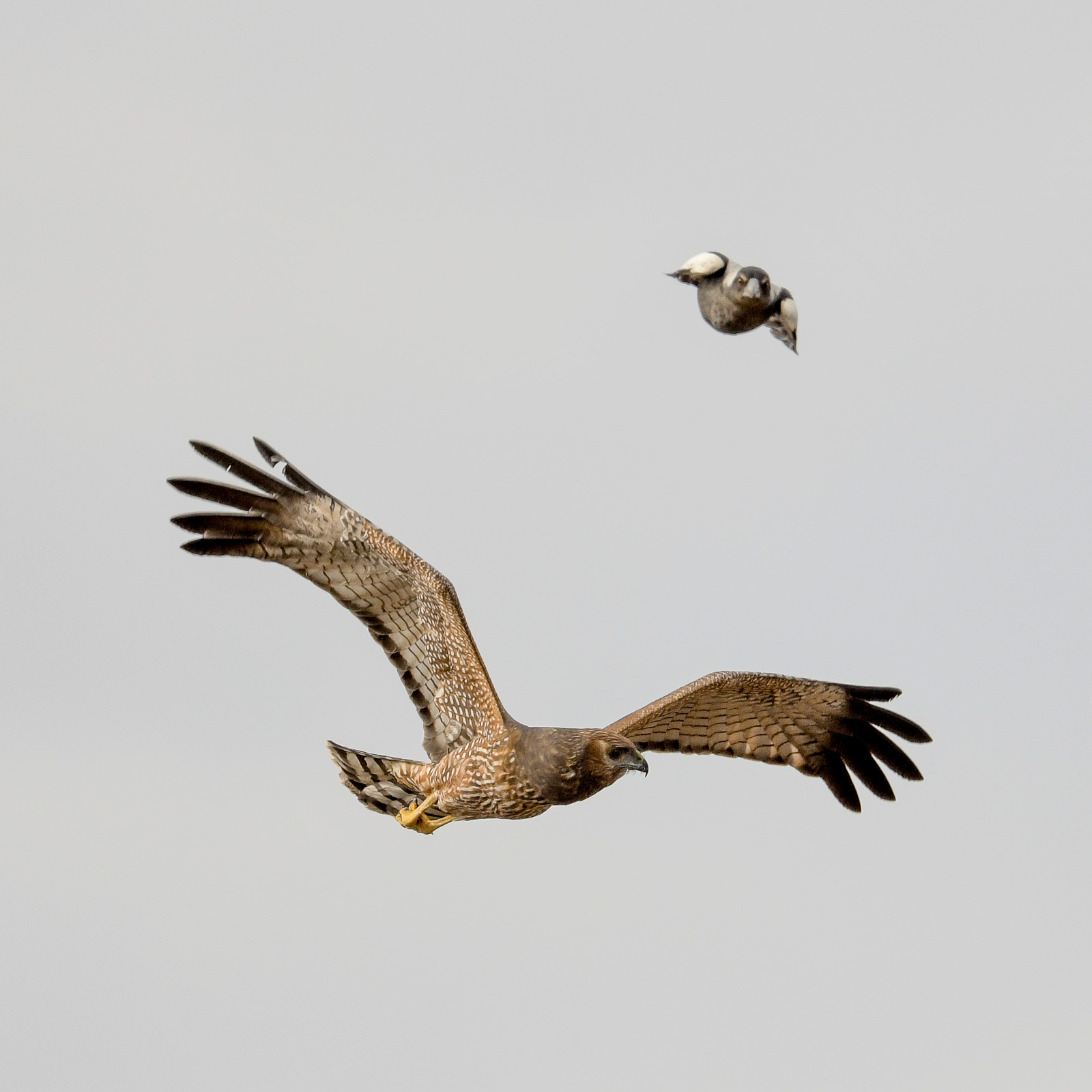
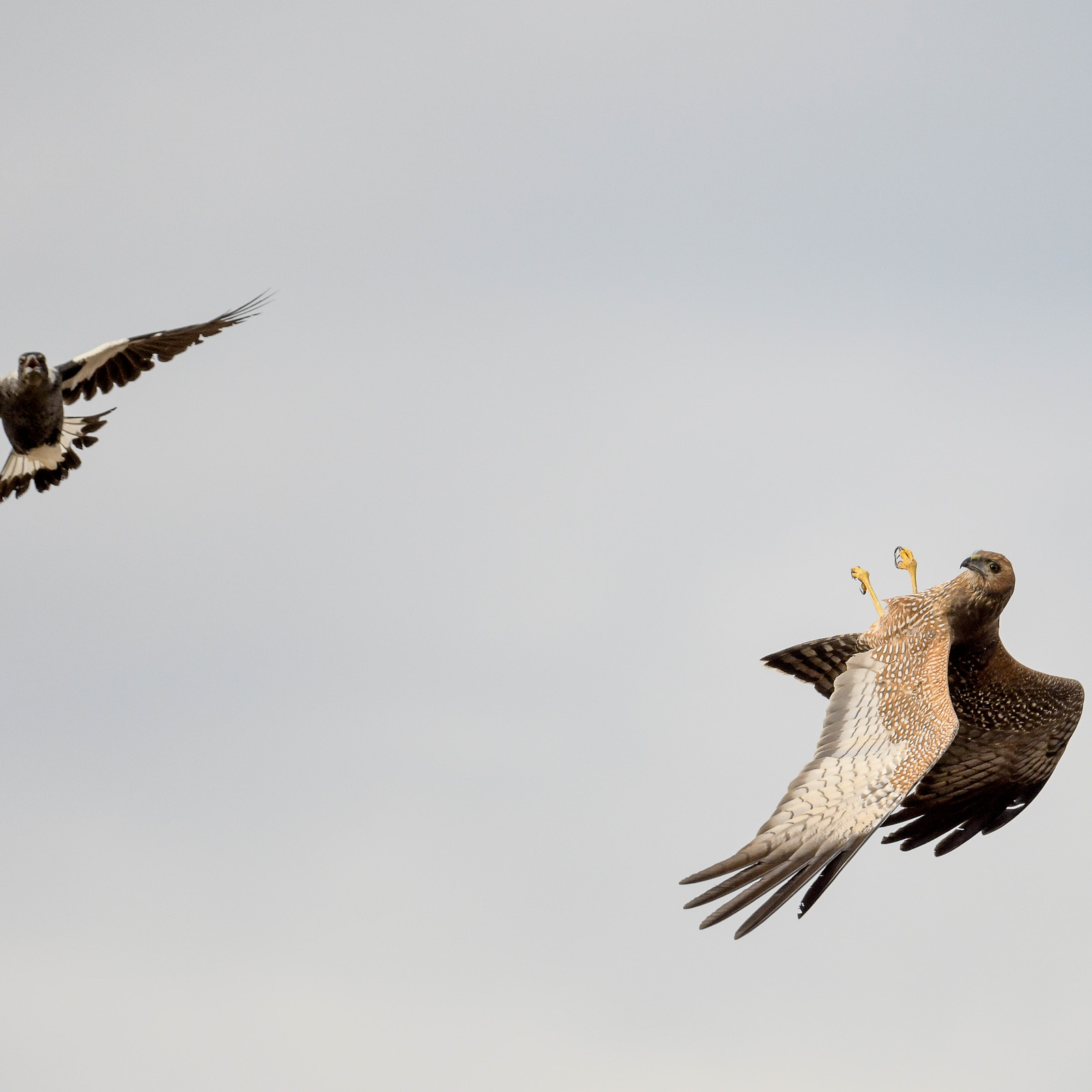
Followed by a flotilla of Magpies.

Magpies can really only call, and make mock attacts, because despite its apparent slow, lazy flight, your average Spottie can turn a knot or two of speed if necessary and it has those long dangling bits hanging out the bottom which is can indeed use with surgical precision. I once saw one attach to a clawful of Brown Falcon feathers, and the Brown was lucky it was body feathers, as if its had been a wing it would have no doubt suffered severe and serious damage. If they can pick up a rabbit and not even hesitate in flight, grabbing a close approach Magpie would happen in the blink of an eye.

After a minute or two the Magpies felt they had achieved their warning and Spottie continued along the fence line and flew past me.

Enjoy.

Click on a photo for a larger Slide Show

Back to School

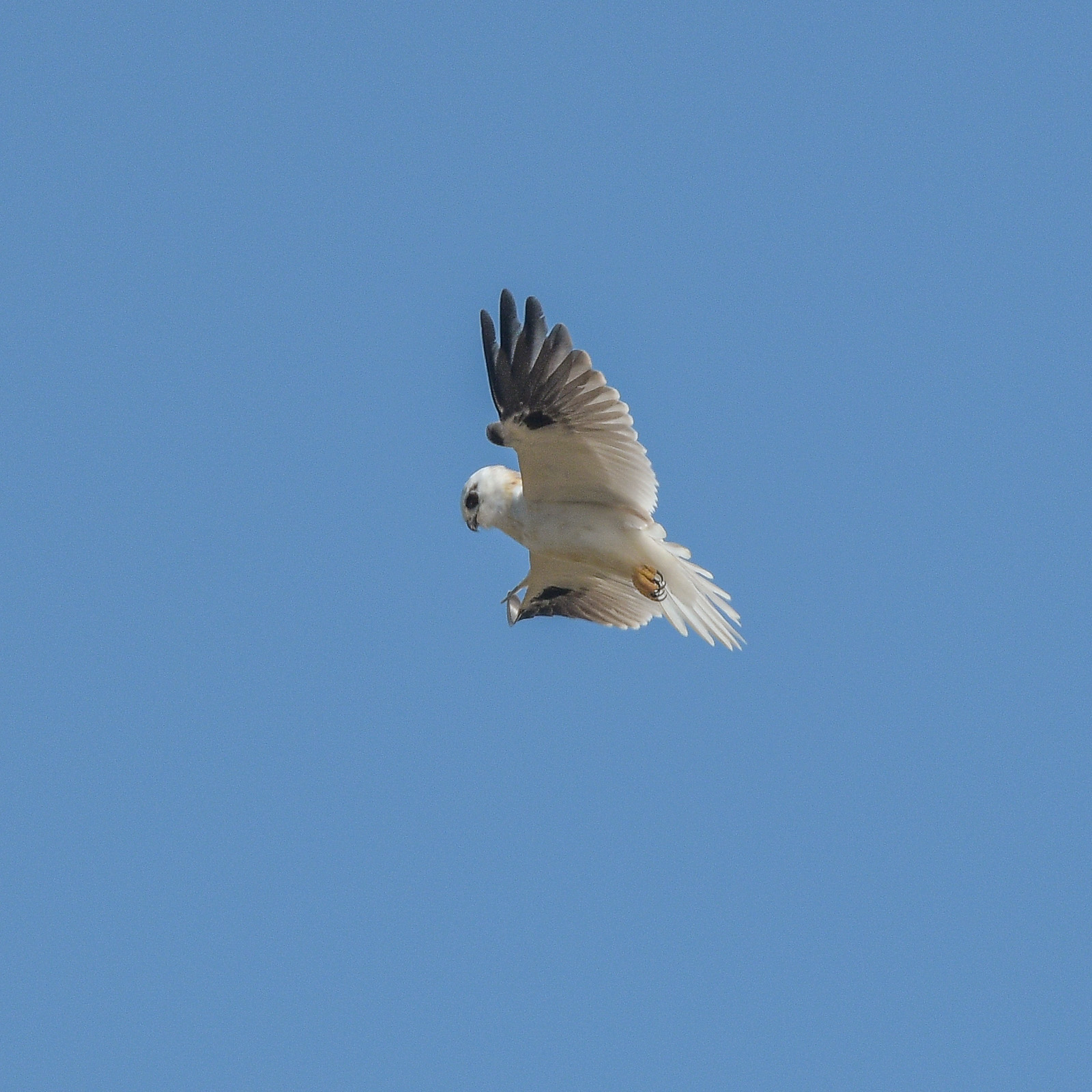
Mr An Onymous dropped me an email, saying he had booked for a Wetlands Birds and Port Phillip bay Seminar complete with field trips. The event was for 10 Satuday mornings and trips to local areas to look for birds and the features of the seminar topic for that day.
So I booked. Thought I’d take the train down to the location as the talkfest was at a library quite near the station, and Mr An had offered to provide Uber support to get to the trip locations.
Fascinating few sessions that covered the history and development of the geology, geography, water systems and the like. Helped get a good picture of why some waders and migrants visit some spots and not otherr.
The area around the top end of the Bay has undergone signifcant housing and manufacturing development, and has to put it just blunty, been not very kind to the vast network of wetlands, swamps and backwaters in the area. Also fascinating has been some of the attempts to overdevelop the beach areas.
Credit also has to be given to the council and community groups and the research projects that have been conducted. Even if at times it seems that each group has both a different goal and plan to achieve their outcomes.

So with lots of numbers and ideas along with data about the areas flying around in my brain, we set off to visit the trip areas. Of course, not before, the necessary cuppa and bikkie to sustain us for the “Expotition” (Winnie the Pooh)

In all we visited 10 locations—didn’t find the North Pole
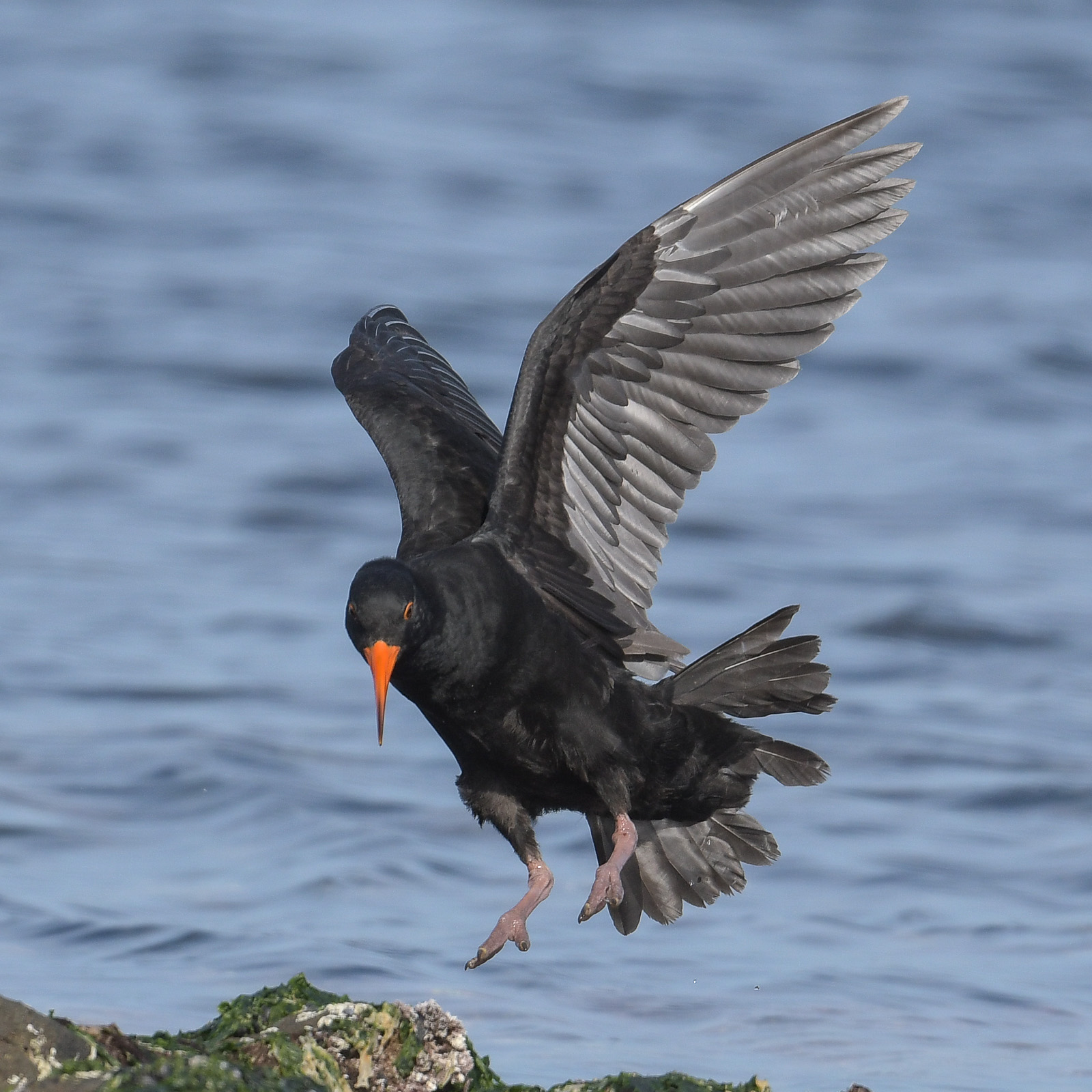
.One was opposite Mr An’s house and the last one was at Point Cook Coastal Park which is beginning to become our new ‘office’.

Here’s a sampling of the days outings.
Oh, and I did enjoy the clickyclack on the railway track as I’ve not been train bound for a number of years.

Enjoy

Dancing Queen

Who doesn’t love ABBA? Rhetorical question. But for those who do, Crank Up the Music.

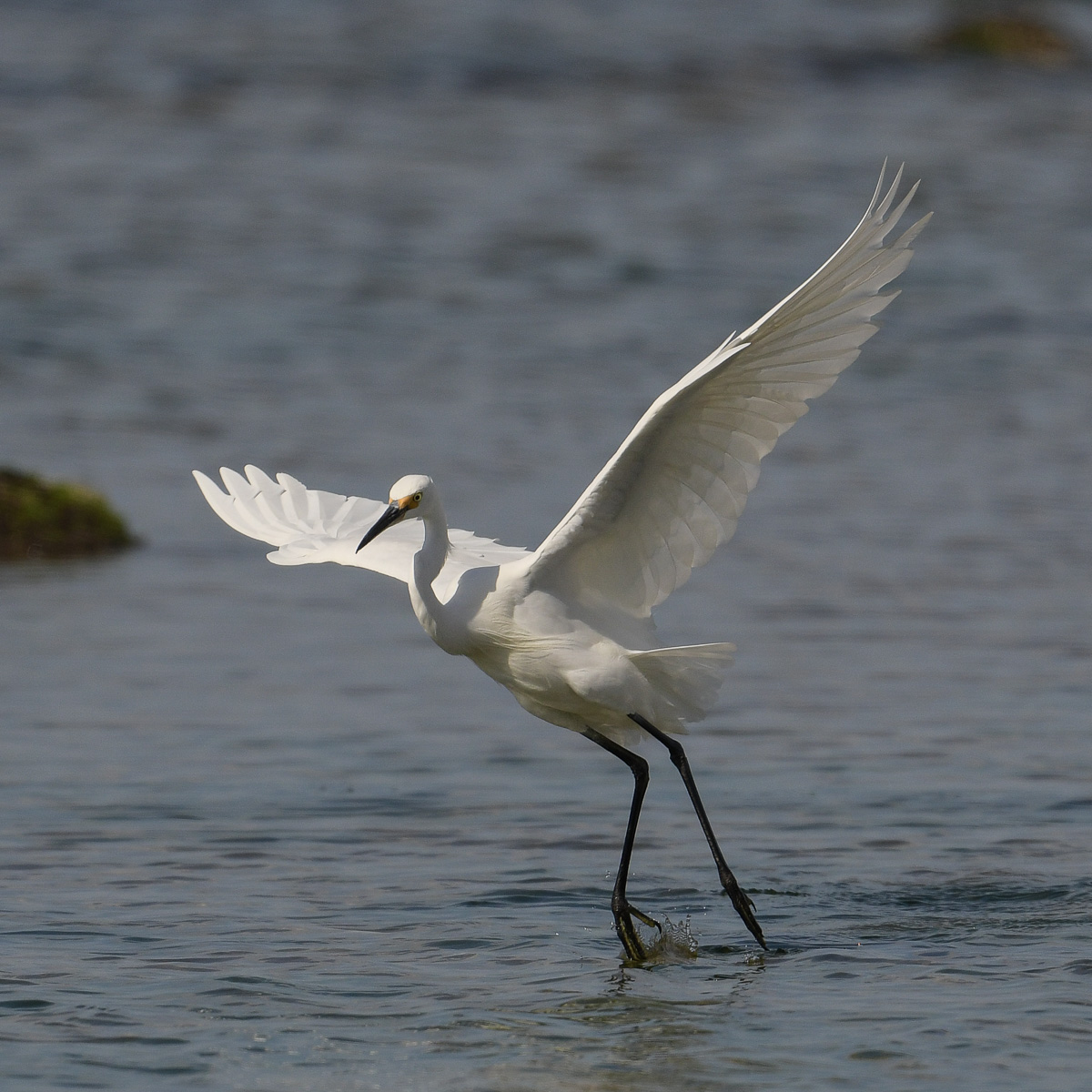
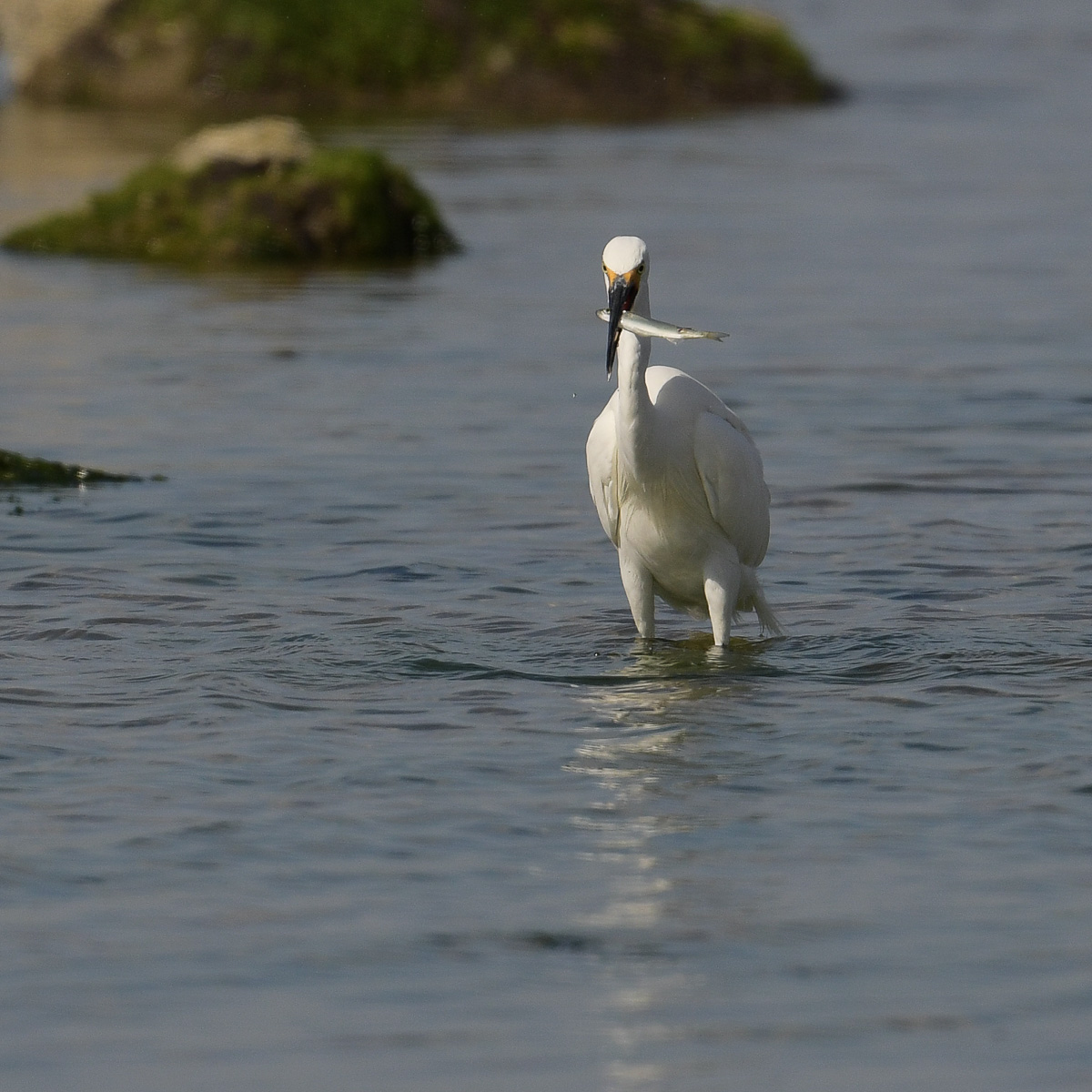
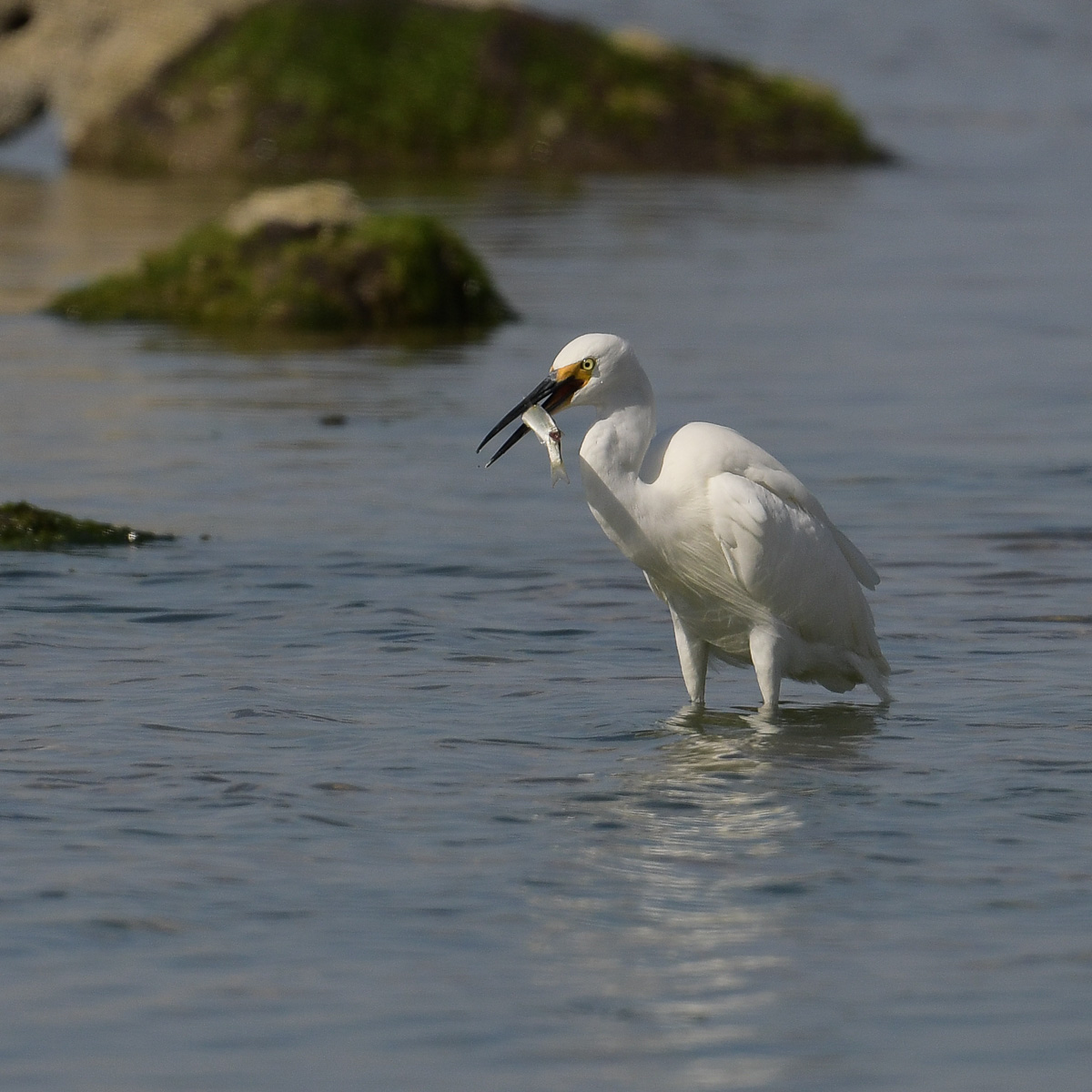
We have been watching a Little Egret working the low tide shallows for the past few weeks.
Little Egrets like large areas of shallow water and will chase prey about in a series of long steps and short wingflaps. They do look like they are dancing in their elegant pursuit of highly mobile prey.
Sadly this one is out of breeding plumage and the long veils of plumes are absent.

The huges storms of about 6 months back redesigned the sand of the beach, the tidal pools, and mudflats. Swept them clean like a high pressure hose.
So much so that much of the normal feeding grounds amongst the mud and sand have been stripped away. The usual beach dwellers, ducks and waders have had to move to new feeding grounds.

The open waters seem to have been suitable for the fish to come in on the tide, and much to the delight of the Dancing Queen easy to spot in the shallows against the mudflat backdrop.

So Crank up the Music.